Good Backlinks for SEO: How to Earn Links That Make a Difference
Good Backlinks for SEO: What They Are and How to Earn Them
Backlinks are links from other websites to yours. Search engines can use them as one signal when assessing a page’s credibility and relevance, which is why earning links is often part of an SEO strategy. But not all backlinks are equally useful. A handful of relevant, naturally earned links can be more valuable than hundreds of low-quality links created purely to manipulate rankings.
The strongest approach is to publish something worth referencing, then make it easy for the right people to discover it. This article explains what makes a backlink valuable, where good links can come from and how to build them responsibly.
What makes a backlink good?
A good backlink is one that makes sense for both the website linking to you and the person following the link. Consider these qualities:
- Relevance: The linking page or website covers a subject related to your business, content or audience.
- Editorial choice: The publisher links to your page because it adds useful information, not simply because you paid for a ranking boost or exchanged links.
- Context: The link appears naturally within relevant content, where readers can understand why it is there.
- Trustworthiness: The site is a genuine publication, organisation or business with content and an audience of its own.
- Potential to reach people: The link may bring relevant visitors, referrals or professional recognition—not just an SEO metric.
Third-party scores such as domain authority can help with prospecting, but they are not Google metrics and should not be treated as a guarantee of SEO value. Look at the site itself: its subject matter, content quality, audience and editorial standards.
Types of backlinks worth pursuing
Editorial links
Editorial links are included by writers or publishers because they believe a source is useful to their readers. A journalist might cite original research, for example, or a specialist publication might link to a detailed guide. These links are earned through the usefulness and credibility of the material.
Links from relevant industry publications
Trade magazines, professional associations and respected websites in your sector can be good prospects. A relevant link can help the right audience find your site and reinforce the connection between your business and its subject area.
Local and community links
For businesses serving a particular area, links from local organisations can be especially relevant. These might include a chamber of commerce, a business association, a community group or a local event website—provided the relationship is genuine and the listing is appropriate.
Resource-page links
Some organisations maintain pages of recommended tools, services or further reading. If you have a genuinely useful resource that fits the page, you can contact its owner and explain why it may be a suitable addition. Avoid mass-emailing sites with generic requests.
Links earned through useful content
Original research, clear how-to guides, practical templates, calculators and well-organised reference material can attract links over time. The content should answer a real question or provide information that is difficult to find elsewhere.
How to earn good backlinks
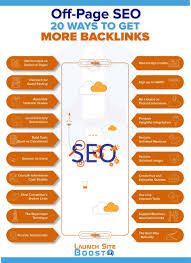
- Create something worth citing. Develop content that offers clear expertise, original information or practical value. Make it accurate, easy to understand and simple to share.
- Find relevant publishers and organisations. Look for websites that serve an audience likely to benefit from your work. Prioritise fit and credibility over a long list of prospects.
- Build genuine relationships. Engage with journalists, editors, industry groups and local organisations by being helpful and professional. A relationship should not depend on an agreement to exchange links.
- Make a specific, considered pitch. Explain what your resource offers, why it suits that publisher’s audience and where it might fit. Keep the message concise and personalised.
- Review mentions of your business. If a site refers to your organisation but does not link to it, a polite note can clarify whether a link would help readers find the relevant page. There is no guarantee the publisher will add one.
- Monitor results and maintain your content. Check that important pages remain useful and up to date. Track referral visits and relevant changes in visibility, rather than judging success by link counts alone.
Anchor text: keep it natural
Anchor text is the clickable wording of a link. It should help readers understand where the link leads. A natural link might use a brand name, a page title or a descriptive phrase that fits the sentence.
Repeatedly trying to secure links with exact-match commercial phrases can look unnatural and may breach search engine spam policies. You generally cannot control how independent publishers choose their anchor text, and it is better not to pressure them to use a particular phrase.
Backlinks to avoid
Be cautious of offers promising large numbers of links for a small fee, private blog networks, automated link-building tools, irrelevant directory submissions and schemes that require reciprocal links at scale. These tactics can create low-quality or manipulative link patterns and may expose a site to search engine actions.
Paid advertising and sponsorship can be legitimate ways to reach an audience, but paid links should be clearly qualified. Links involving payment or other compensation should use appropriate attributes, such as rel="sponsored" or rel="nofollow", in line with search engine guidance. The aim should be transparency and audience value, not disguising an advert as an editorial recommendation.
How to assess your backlink profile
Use reputable SEO tools alongside your own judgement to review the sites linking to you. Look for relevant referrals, identify links from websites you recognise and investigate unusual patterns. A tool may flag a link as potentially harmful, but a metric alone does not prove that a link is damaging.
Do not rush to disavow links simply because a tool labels them “toxic”. Search engines can often ignore low-quality links themselves. Consider further action only when there is a clear reason, such as a history of deliberate link manipulation or a manual action, and follow current search engine guidance.
Quality over quantity
Good backlinks are usually the result of useful content, genuine expertise and thoughtful outreach. They come from websites whose readers have a reason to follow the link, and they support your wider reputation as well as your SEO efforts.
Rather than chasing a target number of backlinks, focus on creating resources worth recommending and earning mentions from relevant, trustworthy sources. A steady, audience-first approach is safer and more sustainable than shortcuts.
7 Essential Tips for Building Quality Backlinks to Boost SEO
- Earn links from reputable, relevant websites.
- Create useful content others naturally want to cite.
- Prioritise editorial links over paid placements.
- Use varied, natural anchor text.
- Build relationships with publishers in your field.
- Check referring sites for quality and relevance.
- Avoid link farms and schemes that manipulate rankings.
Earn links from reputable, relevant websites.
Earn links from reputable, relevant websites by creating useful content that publishers, industry organisations and local groups genuinely want to reference. A link from a trusted site in your field can help interested readers discover your business and strengthen its relevance, while links from unrelated or low-quality sites are unlikely to offer the same value. Focus on building genuine relationships and earning editorial mentions, rather than buying links or pursuing volume for its own sake.
Create useful content others naturally want to cite.
Create useful content that others naturally want to cite by answering a real question, offering original insights or making complex information easy to understand. In-depth guides, reliable research, practical tools and clear explanations can all become valuable resources for your industry. When your content genuinely helps readers, publishers and website owners are more likely to reference it organically, earning relevant backlinks that can support your SEO over time.
Prioritise editorial links over paid placements.
Prioritise editorial links over paid placements by creating useful, trustworthy content that relevant publishers genuinely choose to reference. Editorial links can help readers discover valuable information and are earned on merit, whereas paid links intended to influence search rankings may breach search engine spam policies. If you pay for advertising or sponsorship, make the relationship clear and use the appropriate link attributes, such as rel="sponsored".
Use varied, natural anchor text.
Use varied, natural anchor text—the clickable words in a link—to help readers understand what they’ll find on the linked page. Links may use your brand name, a page title or a relevant descriptive phrase, depending on the context. Avoid repeatedly seeking the same exact-match keyword as anchor text, as this can look forced and may be treated as an attempt to manipulate search rankings. Let publishers link in the wording that works best for their readers.
Build relationships with publishers in your field.
Build genuine relationships with publishers in your field by taking an interest in their work, sharing useful insights and offering relevant expertise. When you have a helpful resource, original research or a well-informed perspective, introduce it with a personalised, concise pitch that explains why it may benefit their readers. Focus on being a reliable source rather than asking for a link outright; relevant backlinks are more likely to follow naturally from trust and a mutually valuable relationship.
Check referring sites for quality and relevance.
Check the quality and relevance of websites linking to yours. A backlink is more likely to be useful when it comes from a trustworthy site covering a topic related to your business, and appears naturally in content that helps readers. Look beyond SEO metrics such as domain authority: review the site’s content, audience and reputation, and consider whether the link could bring relevant visitors as well as support your SEO.
Avoid link farms and schemes that manipulate rankings.
Avoid link farms and schemes designed to manipulate search rankings. These often generate large numbers of irrelevant or low-quality links, which can undermine your site’s credibility and may lead to search engine penalties. Focus instead on earning links naturally through useful content, genuine industry relationships and reputable websites relevant to your audience.
Leave a Reply