good backlinks for seo

Good Backlinks for SEO: How to Earn Links That Make a Difference

Good Backlinks for SEO: What They Are and How to Earn Them

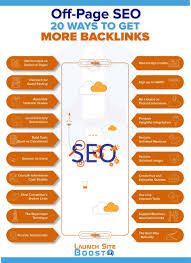
Backlinks are links from other websites to yours. Search engines can use them as one signal when assessing a page’s credibility and relevance, which is why earning links is often part of an SEO strategy. But not all backlinks are equally useful. A handful of relevant, naturally earned links can be more valuable than hundreds of low-quality links created purely to manipulate rankings.

The strongest approach is to publish something worth referencing, then make it easy for the right people to discover it. This article explains what makes a backlink valuable, where good links can come from and how to build them responsibly.

What makes a backlink good?

A good backlink is one that makes sense for both the website linking to you and the person following the link. Consider these qualities:

  • Relevance: The linking page or website covers a subject related to your business, content or audience.
  • Editorial choice: The publisher links to your page because it adds useful information, not simply because you paid for a ranking boost or exchanged links.
  • Context: The link appears naturally within relevant content, where readers can understand why it is there.
  • Trustworthiness: The site is a genuine publication, organisation or business with content and an audience of its own.
  • Potential to reach people: The link may bring relevant visitors, referrals or professional recognition—not just an SEO metric.

Third-party scores such as domain authority can help with prospecting, but they are not Google metrics and should not be treated as a guarantee of SEO value. Look at the site itself: its subject matter, content quality, audience and editorial standards.

Types of backlinks worth pursuing

Editorial links

Editorial links are included by writers or publishers because they believe a source is useful to their readers. A journalist might cite original research, for example, or a specialist publication might link to a detailed guide. These links are earned through the usefulness and credibility of the material.

Links from relevant industry publications

Trade magazines, professional associations and respected websites in your sector can be good prospects. A relevant link can help the right audience find your site and reinforce the connection between your business and its subject area.

Local and community links

For businesses serving a particular area, links from local organisations can be especially relevant. These might include a chamber of commerce, a business association, a community group or a local event website—provided the relationship is genuine and the listing is appropriate.

Resource-page links

Some organisations maintain pages of recommended tools, services or further reading. If you have a genuinely useful resource that fits the page, you can contact its owner and explain why it may be a suitable addition. Avoid mass-emailing sites with generic requests.

Links earned through useful content

Original research, clear how-to guides, practical templates, calculators and well-organised reference material can attract links over time. The content should answer a real question or provide information that is difficult to find elsewhere.

How to earn good backlinks

  1. Create something worth citing. Develop content that offers clear expertise, original information or practical value. Make it accurate, easy to understand and simple to share.
  2. Find relevant publishers and organisations. Look for websites that serve an audience likely to benefit from your work. Prioritise fit and credibility over a long list of prospects.
  3. Build genuine relationships. Engage with journalists, editors, industry groups and local organisations by being helpful and professional. A relationship should not depend on an agreement to exchange links.
  4. Make a specific, considered pitch. Explain what your resource offers, why it suits that publisher’s audience and where it might fit. Keep the message concise and personalised.
  5. Review mentions of your business. If a site refers to your organisation but does not link to it, a polite note can clarify whether a link would help readers find the relevant page. There is no guarantee the publisher will add one.
  6. Monitor results and maintain your content. Check that important pages remain useful and up to date. Track referral visits and relevant changes in visibility, rather than judging success by link counts alone.

Anchor text: keep it natural

Anchor text is the clickable wording of a link. It should help readers understand where the link leads. A natural link might use a brand name, a page title or a descriptive phrase that fits the sentence.

Repeatedly trying to secure links with exact-match commercial phrases can look unnatural and may breach search engine spam policies. You generally cannot control how independent publishers choose their anchor text, and it is better not to pressure them to use a particular phrase.

Backlinks to avoid

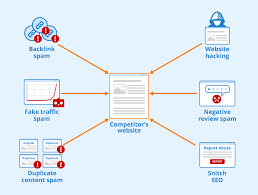
Be cautious of offers promising large numbers of links for a small fee, private blog networks, automated link-building tools, irrelevant directory submissions and schemes that require reciprocal links at scale. These tactics can create low-quality or manipulative link patterns and may expose a site to search engine actions.

Paid advertising and sponsorship can be legitimate ways to reach an audience, but paid links should be clearly qualified. Links involving payment or other compensation should use appropriate attributes, such as rel="sponsored" or rel="nofollow", in line with search engine guidance. The aim should be transparency and audience value, not disguising an advert as an editorial recommendation.

How to assess your backlink profile

Use reputable SEO tools alongside your own judgement to review the sites linking to you. Look for relevant referrals, identify links from websites you recognise and investigate unusual patterns. A tool may flag a link as potentially harmful, but a metric alone does not prove that a link is damaging.

Do not rush to disavow links simply because a tool labels them “toxic”. Search engines can often ignore low-quality links themselves. Consider further action only when there is a clear reason, such as a history of deliberate link manipulation or a manual action, and follow current search engine guidance.

Quality over quantity

Good backlinks are usually the result of useful content, genuine expertise and thoughtful outreach. They come from websites whose readers have a reason to follow the link, and they support your wider reputation as well as your SEO efforts.

Rather than chasing a target number of backlinks, focus on creating resources worth recommending and earning mentions from relevant, trustworthy sources. A steady, audience-first approach is safer and more sustainable than shortcuts.


7 Essential Tips for Building Quality Backlinks to Boost SEO

  1. Earn links from reputable, relevant websites.
  2. Create useful content others naturally want to cite.
  3. Prioritise editorial links over paid placements.
  4. Use varied, natural anchor text.
  5. Build relationships with publishers in your field.
  6. Check referring sites for quality and relevance.
  7. Avoid link farms and schemes that manipulate rankings.

Earn links from reputable, relevant websites by creating useful content that publishers, industry organisations and local groups genuinely want to reference. A link from a trusted site in your field can help interested readers discover your business and strengthen its relevance, while links from unrelated or low-quality sites are unlikely to offer the same value. Focus on building genuine relationships and earning editorial mentions, rather than buying links or pursuing volume for its own sake.

Create useful content others naturally want to cite.

Create useful content that others naturally want to cite by answering a real question, offering original insights or making complex information easy to understand. In-depth guides, reliable research, practical tools and clear explanations can all become valuable resources for your industry. When your content genuinely helps readers, publishers and website owners are more likely to reference it organically, earning relevant backlinks that can support your SEO over time.

Prioritise editorial links over paid placements by creating useful, trustworthy content that relevant publishers genuinely choose to reference. Editorial links can help readers discover valuable information and are earned on merit, whereas paid links intended to influence search rankings may breach search engine spam policies. If you pay for advertising or sponsorship, make the relationship clear and use the appropriate link attributes, such as rel="sponsored".

Use varied, natural anchor text.

Use varied, natural anchor text—the clickable words in a link—to help readers understand what they’ll find on the linked page. Links may use your brand name, a page title or a relevant descriptive phrase, depending on the context. Avoid repeatedly seeking the same exact-match keyword as anchor text, as this can look forced and may be treated as an attempt to manipulate search rankings. Let publishers link in the wording that works best for their readers.

Build relationships with publishers in your field.

Build genuine relationships with publishers in your field by taking an interest in their work, sharing useful insights and offering relevant expertise. When you have a helpful resource, original research or a well-informed perspective, introduce it with a personalised, concise pitch that explains why it may benefit their readers. Focus on being a reliable source rather than asking for a link outright; relevant backlinks are more likely to follow naturally from trust and a mutually valuable relationship.

Check referring sites for quality and relevance.

Check the quality and relevance of websites linking to yours. A backlink is more likely to be useful when it comes from a trustworthy site covering a topic related to your business, and appears naturally in content that helps readers. Look beyond SEO metrics such as domain authority: review the site’s content, audience and reputation, and consider whether the link could bring relevant visitors as well as support your SEO.

Avoid link farms and schemes designed to manipulate search rankings. These often generate large numbers of irrelevant or low-quality links, which can undermine your site’s credibility and may lead to search engine penalties. Focus instead on earning links naturally through useful content, genuine industry relationships and reputable websites relevant to your audience.

seo analyzer online

SEO Analyzer Online: Check and Improve Your Website’s Search Performance

SEO Analyser Online: How to Check and Improve Your Website

An SEO analyser online can help you understand how well your website is performing in search engines. By checking factors such as page titles, mobile usability, loading speed and links, these tools can highlight potential issues and suggest where to focus your efforts.

Whether you run a small business website, an online shop or a blog, an SEO analysis is a useful starting point. It can turn a broad aim—improving visibility in search results—into a practical list of tasks.

What is an online SEO analyser?

An online SEO analyser is a tool that reviews a web page or website for search engine optimisation factors. Depending on the tool, it may assess one URL, scan several pages or crawl a larger site.

Some analysers provide a simple score, while others offer detailed reports. These might include technical checks, on-page recommendations, performance measurements and information about links. A score can be a helpful snapshot, but it should not be treated as a direct measure of how well a page will rank.

What can an SEO analyser check?

On-page SEO

On-page checks look at the content and HTML elements on a page. An analyser may review:

  • Page titles and meta descriptions
  • Heading structure, including the H1 heading
  • Use of relevant search terms
  • Image alt text
  • Internal links and descriptive anchor text
  • Duplicate or missing content

These checks can help identify missing information or unclear page structure. They cannot reliably judge every aspect of content quality, however. A page still needs to be useful, accurate and written for its intended audience.

Technical SEO

Technical SEO relates to how search engines access and understand a website. Depending on its capabilities, an analyser may flag:

  • Broken links and error pages
  • Redirect issues
  • Missing or incorrect canonical tags
  • Indexing and crawlability concerns
  • Mobile usability problems
  • HTTPS or security issues
  • Structured data errors

Technical checks are particularly valuable on larger websites, where a problem affecting many pages can be difficult to spot manually.

Page speed and user experience

Some tools measure page performance and provide recommendations, such as compressing images, reducing unnecessary scripts or improving server response times. Results can vary depending on the testing location, device and network conditions, so use them as guidance rather than as a definitive measure of every visitor’s experience.

Backlinks and visibility

More advanced SEO analysers may provide information about links from other websites, keyword rankings or estimated organic traffic. These figures are often based on a tool’s own data and methods. They can be useful for spotting trends, but they may differ from data in your website analytics or from other SEO platforms.

How to use an SEO analyser online

  1. Choose a representative page. Start with an important service, product or landing page, rather than analysing your entire site at once.
  2. Run the analysis. Enter the page URL and review the report, noting both technical errors and content suggestions.
  3. Check the findings. Confirm that each recommendation applies to your site. Automated tools can misinterpret unusual layouts or overlook context.
  4. Prioritise the work. Address issues that affect accessibility, crawling, indexing or key user journeys before minor score improvements.
  5. Make changes and test again. Recheck the page after updates, then monitor its performance over time.

For a wider review, repeat the process across different page types, such as category pages, blog posts and product pages. A site-wide crawl can help reveal patterns that a single-page check may miss.

How to choose the right tool

The best online SEO analyser depends on your needs. Before choosing one, consider:

  • Scope: Does it check one URL, a group of pages or a whole website?
  • Clarity: Are recommendations explained in plain language?
  • Depth: Does it cover the areas you need, such as technical SEO, content or performance?
  • Limits: Are there restrictions on the number of checks or pages?
  • Privacy: Understand how the service handles any information you submit.
  • Cost: Decide whether a free report is sufficient or whether regular monitoring justifies a paid tool.

A free analyser can be a good first step, particularly for a small site. For ongoing work, you may need a combination of tools: one for crawling, another for performance testing and platform data that shows how people find and use your website.

Common mistakes to avoid

It is easy to focus too much on a single score. SEO tools use different benchmarks, and search engines do not rank pages according to one universal analyser rating. Instead, look for issues that matter to visitors and search engines, and judge progress using a range of measures.

Another common mistake is making changes simply to satisfy a tool. For example, repeating a keyword unnaturally may make a report look better but create a worse experience for readers. Recommendations should support a clear, helpful website—not replace sound judgement.

Use analysis as a starting point

An SEO analyser online can make website optimisation more manageable by identifying areas worth investigating. It is most effective when its findings are checked, prioritised and paired with useful content and a good user experience.

Run checks regularly, keep track of the changes you make and review real performance data over time. That approach provides a more meaningful picture of your SEO progress than a one-off score.


Essential SEO Tips: Utilise Online Analysers for Optimal Performance

  1. Check page titles and meta descriptions for clarity and length.
  2. Review keyword use without overstuffing.
  3. Test page speed and mobile usability.
  4. Fix broken links and missing image alt text.
  5. Check indexing, canonical tags and sitemap status.
  6. Compare competitor pages for content gaps.

Check page titles and meta descriptions for clarity and length.

Check your page titles and meta descriptions to make sure they clearly explain what each page offers and encourage people to click. Keep titles concise so they display well in search results, and write unique, relevant descriptions that summarise the page without unnecessary repetition. An online SEO analyser can flag titles or descriptions that may be too long, too short or missing, but always review its suggestions to ensure the wording sounds natural and accurately represents your content.

Review keyword use without overstuffing.

Review keyword use to make sure your target search terms appear naturally in the page title, headings and content where they help explain the topic. An online SEO analyser can highlight missing or unusually frequent keywords, but treat its suggestions as guidance rather than rules. Avoid repeating phrases just to improve a score: clear, useful writing for readers should always come first.

Test page speed and mobile usability.

Use an SEO analyser online to test your page speed and mobile usability, as both can affect visitors’ experience and how easily they can use your site. Check how quickly key pages load and whether text, images and navigation work well on smaller screens. If the report highlights slow-loading elements or mobile display issues, prioritise fixes such as compressing images, simplifying page layouts and making buttons easier to tap. Test the pages again after making changes.

Use an online SEO analyser to find broken links and images with missing alt text. Broken links can frustrate visitors and make it harder for search engines to crawl your site, so update the URL, restore the missing page or remove the link. Add concise, accurate alt text to meaningful images to describe their content for people using screen readers and help search engines understand them. For decorative images, use empty alt text so assistive technology can skip them.

Check indexing, canonical tags and sitemap status.

Check that important pages are indexed, each page has the correct canonical tag, and your XML sitemap is accessible and up to date. An online SEO analyser can flag indexing or sitemap errors and help you spot canonical tags that point to the wrong URL. Fixing these issues helps search engines find and interpret your preferred pages, although inclusion in a sitemap does not guarantee that a page will be indexed.

Compare competitor pages for content gaps.

Use an online SEO analyser to compare your pages with competitors that perform well in search results. Look for topics, questions or useful details they cover that your content does not, such as pricing information, practical examples or answers to common customer queries. These content gaps can reveal opportunities to make your page more complete and helpful. Focus on adding genuinely valuable information for your audience rather than copying competitors or including content simply to target more keywords.

best search engine optimization companies

Discover the Top-rated Search Engine Optimization Companies for Your Business’s Success

Best Search Engine Optimization Companies

The Top Search Engine Optimization Companies That Can Elevate Your Online Presence

Search engine optimization (SEO) is a crucial aspect of any successful online business strategy. With the digital landscape becoming increasingly competitive, choosing the right SEO company can make all the difference in boosting your website’s visibility and driving organic traffic. Here, we highlight some of the best SEO companies that have a proven track record of delivering exceptional results for their clients.

Moz

Moz is a well-known name in the SEO industry, offering a comprehensive suite of tools and services to help businesses improve their search engine rankings. From keyword research to site audits and link building, Moz provides valuable insights and actionable recommendations to enhance your online presence.

SEMrush

SEMrush is another leading SEO company that offers a range of tools for keyword research, competitor analysis, and site auditing. With its user-friendly interface and robust features, SEMrush is a favourite among digital marketers looking to optimise their websites for search engines.

Ahrefs

Ahrefs is renowned for its powerful backlink analysis tools that help businesses understand their link profile and identify opportunities for improvement. With features like Site Explorer and Content Explorer, Ahrefs empowers businesses to create effective link building strategies that drive organic traffic to their websites.

RankPay

RankPay stands out for its performance-based pricing model, where clients only pay when they achieve higher search engine rankings. This innovative approach ensures that businesses get tangible results from their SEO efforts without breaking the bank.

WebFX

WebFX is a full-service digital marketing agency that offers customised SEO solutions tailored to each client’s unique needs. With a team of experienced professionals and a proven track record of success, WebFX helps businesses improve their online visibility and drive sustainable growth.

When choosing an SEO company for your business, it’s essential to consider factors such as expertise, experience, pricing, and client testimonials. By partnering with one of the best search engine optimization companies mentioned above, you can take your online presence to new heights and stay ahead of the competition in the ever-evolving digital landscape.


Top Considerations and Insights: Choosing the Best Search Engine Optimisation Company

  1. 1. What are the key factors to consider when choosing the best search engine optimization company?
  2. 2. How can search engine optimization companies help improve my website’s visibility and rankings?
  3. 3. What sets the top search engine optimization companies apart from others in the industry?
  4. 4. Are there any specific industries or business sizes that benefit most from hiring SEO companies?
  5. 5. What pricing models do the best search engine optimization companies typically offer for their services?
  6. 6. Can you provide examples of successful case studies or client testimonials from top SEO companies?

1. What are the key factors to consider when choosing the best search engine optimization company?

When selecting the best search engine optimization company for your business, several key factors should be taken into consideration to ensure you make an informed decision. Firstly, expertise and experience play a crucial role – look for a company with a proven track record of delivering successful SEO campaigns across various industries. Transparency and communication are also essential; choose a company that keeps you informed about their strategies and progress regularly. Additionally, consider the range of services offered, pricing structure, and client testimonials to gauge the company’s reliability and performance. By evaluating these factors meticulously, you can confidently choose an SEO partner that aligns with your business goals and helps you achieve sustainable online growth.

2. How can search engine optimization companies help improve my website’s visibility and rankings?

Search engine optimization companies play a crucial role in enhancing a website’s visibility and rankings through a variety of strategic approaches. These companies employ a range of techniques such as keyword research, on-page optimization, link building, and content creation to improve a website’s search engine rankings. By implementing SEO best practices, such as optimizing meta tags, improving site speed, and creating high-quality content, SEO companies can help websites climb the search engine results pages (SERPs) and attract more organic traffic. Additionally, SEO experts stay updated on the latest algorithm changes and trends to ensure that websites remain competitive in the ever-evolving digital landscape. Ultimately, partnering with a reputable SEO company can significantly boost your website’s online visibility and drive more targeted traffic to your business.

3. What sets the top search engine optimization companies apart from others in the industry?

When considering the top search engine optimization companies, several key factors set them apart from others in the industry. Firstly, these companies demonstrate a deep understanding of search engine algorithms and constantly adapt their strategies to stay ahead of the curve. Their expertise in areas such as keyword research, on-page and off-page SEO, and technical optimisation allows them to deliver tangible results for their clients. Moreover, top SEO companies prioritise transparent communication and collaboration with their clients, ensuring that objectives are aligned and progress is consistently monitored. By combining technical proficiency with a client-centric approach, these companies establish themselves as industry leaders who consistently drive organic traffic and improve online visibility for businesses of all sizes.

4. Are there any specific industries or business sizes that benefit most from hiring SEO companies?

Certain industries and business sizes can benefit significantly from hiring SEO companies to enhance their online presence. Industries such as e-commerce, technology, healthcare, and professional services often see substantial improvements in visibility and lead generation through targeted SEO strategies. Small to medium-sized businesses, in particular, can benefit from the expertise of SEO companies to compete with larger competitors and reach their target audience effectively. By leveraging the specialised knowledge and resources of SEO professionals, businesses in these industries and of varying sizes can experience increased website traffic, improved search engine rankings, and ultimately, greater online success.

5. What pricing models do the best search engine optimization companies typically offer for their services?

When it comes to pricing models, the best search engine optimization companies usually offer a range of options to cater to different client needs and budgets. Common pricing models include monthly retainer fees, project-based pricing, performance-based pricing, and customised packages tailored to specific requirements. Monthly retainer fees are popular for ongoing SEO services, providing clients with a predictable cost structure. Project-based pricing is suitable for one-time SEO projects or audits. Performance-based pricing ties payment to the actual results achieved, ensuring accountability and value for money. Ultimately, the best SEO companies are transparent about their pricing models and work closely with clients to determine the most suitable option for their objectives.

6. Can you provide examples of successful case studies or client testimonials from top SEO companies?

When evaluating the best search engine optimization companies, one frequently asked question is whether they can provide examples of successful case studies or client testimonials. This request is crucial as it allows potential clients to gauge the effectiveness and reliability of the SEO company’s services. By showcasing real-life success stories and positive feedback from satisfied clients, top SEO companies can demonstrate their track record of delivering tangible results and driving significant improvements in online visibility and organic traffic for businesses across various industries.

seo tech

Unlocking the Power of SEO Technology for Digital Success

The Role of SEO Technology in Digital Marketing

The Role of SEO Technology in Digital Marketing

Search Engine Optimization (SEO) technology plays a crucial role in the realm of digital marketing. In today’s highly competitive online landscape, businesses need to leverage the power of SEO tools and techniques to enhance their visibility and reach their target audience effectively.

Understanding SEO Technology

SEO technology encompasses a wide range of tools and software designed to improve a website’s search engine ranking. From keyword research tools to on-page optimization plugins, these technologies help marketers analyse data, track performance, and implement strategies that drive organic traffic.

The Benefits of SEO Technology

By utilising SEO technology, businesses can:

  • Improve website visibility on search engine results pages (SERPs)
  • Enhance user experience through faster loading times and mobile responsiveness
  • Identify relevant keywords that resonate with their target audience
  • Monitor and measure the effectiveness of their SEO campaigns
  • Stay updated on algorithm changes and industry trends

The Future of SEO Tech

As search engines continue to evolve, so does SEO technology. Machine learning algorithms, voice search optimisation, and artificial intelligence are shaping the future of SEO. Businesses that embrace these advancements will have a competitive edge in the digital landscape.

In Conclusion

In conclusion, SEO technology is a powerful asset for businesses looking to succeed online. By harnessing the capabilities of these tools and staying abreast of industry trends, organisations can elevate their digital presence and connect with their target audience in meaningful ways.


7 Essential SEO Techniques: Boost Your Website’s Performance and Visibility

  1. Optimize website loading speed for better user experience and search engine ranking.
  2. Create high-quality, relevant content with targeted keywords to improve SEO performance.
  3. Use descriptive meta tags and titles to attract users and improve click-through rates.
  4. Build a mobile-friendly website to cater to the increasing number of mobile users.
  5. Optimise images with alt text and proper file names to enhance SEO for visual content.
  6. Regularly update your website with fresh content to keep it relevant in search engine results.
  7. Utilize internal linking to guide users through your site and improve overall SEO structure.

Optimize website loading speed for better user experience and search engine ranking.

Optimising your website loading speed is a crucial tip in SEO technology. By ensuring that your site loads quickly and efficiently, you not only provide a better user experience for visitors but also improve your search engine ranking. Search engines prioritise websites that load swiftly, as this indicates a seamless user experience. By focusing on enhancing your website’s loading speed, you can attract more visitors, reduce bounce rates, and ultimately boost your online visibility and performance in search engine results pages.

Create high-quality, relevant content with targeted keywords to improve SEO performance.

Creating high-quality, relevant content infused with targeted keywords is a fundamental tip in SEO technology. By crafting content that resonates with the target audience and strategically incorporating relevant keywords, businesses can significantly enhance their SEO performance. This approach not only boosts visibility on search engine results pages but also establishes credibility and authority within the digital landscape. Quality content enriched with targeted keywords serves as a powerful tool in attracting organic traffic and engaging users effectively, ultimately leading to improved rankings and increased online visibility.

Use descriptive meta tags and titles to attract users and improve click-through rates.

When it comes to SEO technology, utilising descriptive meta tags and titles can significantly impact user engagement and click-through rates. By crafting compelling meta descriptions and titles that accurately reflect the content of a webpage, businesses can capture the attention of users in search engine results pages. These concise yet informative snippets not only improve visibility but also entice users to click through to the website, ultimately enhancing the overall effectiveness of an SEO strategy.

Build a mobile-friendly website to cater to the increasing number of mobile users.

In the realm of SEO technology, it is paramount to build a mobile-friendly website to cater to the growing population of mobile users. With more people accessing the internet through their smartphones and tablets, ensuring that your website is optimised for mobile devices is essential for enhancing user experience and improving search engine rankings. By prioritising mobile responsiveness in your web design strategy, you not only attract a wider audience but also signal to search engines like Google that your site is user-friendly and deserving of higher visibility in mobile search results.

Optimise images with alt text and proper file names to enhance SEO for visual content.

Optimising images with descriptive alt text and appropriate file names is a crucial tip in SEO technology to improve the visibility of visual content on search engines. By providing alt text that accurately describes the image and using relevant keywords in file names, websites can enhance their SEO efforts and make their visual content more accessible to both search engines and users. This practice not only improves the overall user experience but also signals to search engines the relevance of the images, ultimately boosting the website’s ranking in search results.

Regularly update your website with fresh content to keep it relevant in search engine results.

To maintain relevance in search engine results, it is essential to regularly update your website with fresh content. Search engines value websites that provide up-to-date and valuable information to users. By consistently adding new content, such as blog posts, articles, or product updates, you not only engage your audience but also signal to search engines that your site is active and worth indexing. This proactive approach to content updates can improve your website’s visibility and ranking in search results, ultimately driving more organic traffic to your site.

Utilize internal linking to guide users through your site and improve overall SEO structure.

When it comes to SEO technology, a valuable tip is to utilise internal linking strategically. By incorporating internal links within your website content, you can effectively guide users through different pages of your site, enhancing navigation and user experience. Not only does this practice help visitors discover relevant information easily, but it also contributes to improving the overall SEO structure of your website. Internal linking not only boosts the visibility of important pages but also signals search engines about the hierarchy and relevance of your content, ultimately leading to better search engine rankings.

semrush seo

Mastering SEO Strategies with SEMrush: A Comprehensive Guide to Optimising Your Online Presence

The Power of SEMrush SEO Tools

The Power of SEMrush SEO Tools

SEMrush is a comprehensive suite of SEO tools that have become essential for businesses and marketers looking to improve their online presence. With its wide array of features and functionalities, SEMrush offers a one-stop solution for all your search engine optimisation needs.

Keyword Research

One of the key strengths of SEMrush is its powerful keyword research tool. By analysing search volume, keyword difficulty, and competitor data, SEMrush helps you identify the most relevant keywords for your website. This valuable insight allows you to create targeted content that resonates with your audience and improves your search engine rankings.

Competitor Analysis

SEMrush also enables you to conduct in-depth competitor analysis. By examining your competitors’ organic and paid search strategies, backlink profiles, and advertising tactics, you can gain valuable insights into their strengths and weaknesses. This information empowers you to refine your own SEO strategy and stay ahead of the competition.

Site Audit

With SEMrush’s site audit tool, you can identify technical issues that may be impacting your website’s performance in search results. From broken links to missing meta tags, the site audit feature helps you pinpoint areas for improvement and optimisation. By addressing these issues, you can enhance user experience and boost your site’s visibility in search engines.

Backlink Analysis

Backlinks are crucial for improving your website’s authority and credibility in the eyes of search engines. SEMrush’s backlink analysis tool allows you to monitor your backlink profile, identify high-quality link opportunities, and disavow harmful links. This proactive approach to link building can significantly enhance your site’s SEO performance over time.

Content Marketing

In addition to its SEO-focused features, SEMrush offers robust content marketing tools that help you create engaging and relevant content for your audience. From topic research to content optimisation recommendations, SEMrush equips you with the resources needed to develop a successful content strategy that drives traffic and conversions.

Get Started with SEMrush Today

Whether you’re a seasoned SEO professional or just starting out on your digital marketing journey, SEMrush provides the tools and insights needed to achieve success online. With its intuitive interface and actionable data, SEMrush empowers you to make informed decisions that drive tangible results for your business.


18 Common Questions About Using Semrush for SEO

  1. Is Semrush for free?
  2. What is Semrush SEO?
  3. Is Semrush a good SEO tool?
  4. What is the best SEO tool?
  5. How does SEO work on Semrush?
  6. Is Semrush free?
  7. Is Semrush really free?
  8. Is Semrush expensive?
  9. Is there anything better than Semrush?
  10. Is Semrush the best SEO tool?
  11. How much does Semrush cost?
  12. Is Semrush free worth it?
  13. What are the 4 types of SEO?
  14. What is Semrush in SEO?
  15. What does Semrush do for SEO?
  16. Is Semrush good for beginners?
  17. What is SEO Semrush?
  18. How do I use SEO Semrush?

Is Semrush for free?

SEMrush offers both free and paid plans to cater to a wide range of users with varying needs. While SEMrush does provide a limited free version with basic features such as keyword research and domain analytics, its full suite of advanced tools and functionalities are available through paid subscriptions. The paid plans unlock access to comprehensive SEO solutions, including in-depth competitor analysis, site audits, backlink tracking, and more, making it an invaluable resource for businesses and marketers looking to maximise their online presence and drive organic traffic.

What is Semrush SEO?

SEMrush SEO is a powerful and comprehensive suite of tools designed to enhance online visibility and improve search engine rankings. It offers a wide range of features, including keyword research, competitor analysis, site audits, backlink analysis, and content marketing tools. SEMrush SEO empowers businesses and marketers to identify relevant keywords, analyse competitor strategies, address technical issues on their websites, build high-quality backlinks, and create engaging content that resonates with their target audience. By leveraging SEMrush SEO, users can develop effective SEO strategies that drive organic traffic, increase brand visibility, and ultimately achieve their online marketing goals.

Is Semrush a good SEO tool?

When it comes to the question of whether Semrush is a good SEO tool, the answer is a resounding yes. Semrush has established itself as a leading platform in the realm of search engine optimisation due to its comprehensive suite of features and tools that cater to the diverse needs of businesses and marketers. From robust keyword research capabilities to in-depth competitor analysis and site audit functionalities, Semrush equips users with the resources needed to enhance their online visibility and drive organic traffic. Its user-friendly interface, actionable insights, and continuous updates make Semrush a trusted companion for those looking to elevate their SEO strategies and achieve tangible results in the digital landscape.

What is the best SEO tool?

When it comes to choosing the best SEO tool, SEMrush often stands out as a top contender among digital marketers and businesses alike. With its comprehensive suite of features, including robust keyword research capabilities, competitor analysis tools, site audit functionalities, backlink analysis, and content marketing resources, SEMrush offers a holistic solution for improving online visibility and search engine rankings. Its user-friendly interface, actionable insights, and data-driven approach make it a preferred choice for those looking to enhance their SEO strategies effectively. Whether you’re a beginner or an experienced SEO professional, SEMrush’s versatility and effectiveness make it a standout option in the realm of SEO tools.

How does SEO work on Semrush?

SEO on SEMrush works by providing users with a comprehensive set of tools and features designed to improve their website’s search engine visibility and performance. Users can start by conducting in-depth keyword research to identify relevant keywords for their content. SEMrush also offers competitor analysis tools to gain insights into competitors’ strategies and identify areas for improvement. The platform’s site audit feature helps users identify technical issues that may be affecting their site’s SEO, while the backlink analysis tool assists in monitoring and building a strong backlink profile. With SEMrush, users can streamline their SEO efforts, track progress, and make data-driven decisions to enhance their online presence effectively.

Is Semrush free?

When it comes to SEMrush, one of the frequently asked questions is, “Is SEMrush free?” While SEMrush does offer a limited free version with basic features such as keyword research and site audits, its full suite of advanced SEO tools and functionalities are available through paid subscription plans. These paid plans unlock access to a wealth of valuable insights and analytics that can significantly enhance your search engine optimisation efforts. Investing in a SEMrush subscription allows businesses and marketers to leverage powerful tools for comprehensive SEO analysis and strategy implementation, ultimately leading to improved online visibility and performance.

Is Semrush really free?

When it comes to the question of whether SEMrush is truly free, the answer lies in the tool’s pricing structure. While SEMrush offers a limited free version with basic features such as keyword research and site audits, its full suite of advanced tools and functionalities are available through paid subscriptions. The free version serves as a teaser to showcase SEMrush’s capabilities, but for access to comprehensive SEO solutions like competitor analysis, backlink monitoring, and content marketing tools, users typically need to upgrade to a paid plan. Therefore, while SEMrush does offer a free option, its premium features come at a cost for those seeking more in-depth SEO insights and strategies.

Is Semrush expensive?

When considering the cost of SEMrush, it’s important to weigh the value it brings to your SEO efforts. While SEMrush may have a higher price point compared to some other SEO tools, its comprehensive suite of features and functionalities make it a worthwhile investment for businesses serious about improving their online presence. The insights, data, and tools provided by SEMrush can help you boost your search engine rankings, outperform competitors, and ultimately drive more organic traffic to your website. In essence, the return on investment from using SEMrush often outweighs its initial cost, making it a valuable asset for businesses looking to succeed in the digital landscape.

Is there anything better than Semrush?

When it comes to comprehensive SEO tools and analytics platforms, SEMrush stands out as a top choice for businesses and marketers alike. While there are other tools available in the market, SEMrush’s robust features, user-friendly interface, and extensive data sets make it a preferred option for many. Its versatility in keyword research, competitor analysis, site auditing, and content marketing sets it apart from the competition. While there may be alternative tools out there, SEMrush’s reputation for delivering accurate insights and actionable recommendations makes it a leading solution in the realm of SEO optimization.

Is Semrush the best SEO tool?

When it comes to the question of whether SEMrush is the best SEO tool available, opinions may vary depending on individual needs and preferences. SEMrush is undeniably a powerful and comprehensive SEO tool that offers a wide range of features, from keyword research to competitor analysis and site auditing. Many users praise SEMrush for its user-friendly interface, robust data analytics, and actionable insights that help improve search engine rankings and drive organic traffic. However, the “best” SEO tool ultimately depends on factors such as specific goals, budget constraints, and personal experience. It’s recommended to explore SEMrush’s capabilities through a trial or demo to determine if it aligns with your SEO objectives and delivers the results you seek.

How much does Semrush cost?

When it comes to the cost of SEMrush, pricing can vary depending on the specific plan and features you require for your SEO needs. SEMrush offers a range of subscription options tailored to different business sizes and objectives, starting from affordable plans for individuals and small businesses to more comprehensive packages for larger enterprises. By choosing the right SEMrush plan that aligns with your budget and goals, you can access a wealth of powerful SEO tools and analytics that can help elevate your online presence and drive meaningful results.

Is Semrush free worth it?

When considering the question “Is SEMrush free worth it?”, it’s important to weigh the benefits against the limitations of the free version. While SEMrush offers a free plan with access to some basic features like limited keyword research and domain analytics, the full potential of SEMrush’s advanced tools and functionalities is unlocked with a paid subscription. For businesses and marketers serious about improving their SEO performance and gaining a competitive edge, investing in a paid SEMrush plan can provide invaluable insights, comprehensive data analysis, and actionable recommendations that can significantly impact their online visibility and success. Ultimately, the decision on whether SEMrush free is worth it depends on your specific SEO needs and goals.

What are the 4 types of SEO?

When it comes to SEO, there are four main types that are commonly recognised: on-page SEO, off-page SEO, technical SEO, and local SEO. On-page SEO focuses on optimising individual web pages to improve search engine rankings and attract organic traffic. Off-page SEO involves activities outside the website itself, such as link building and social media marketing, to enhance its authority and relevance. Technical SEO deals with the backend elements of a website, ensuring it is optimised for search engine crawling and indexing. Local SEO targets geographically specific searches to help businesses appear in local search results and reach their target audience effectively. Each type of SEO plays a crucial role in enhancing a website’s visibility and driving organic traffic.

What is Semrush in SEO?

Semrush in SEO is a powerful and comprehensive suite of tools designed to enhance online visibility and improve search engine rankings. It offers a wide range of features, including keyword research, competitor analysis, site audits, backlink analysis, and content marketing tools. Semrush allows businesses and marketers to gain valuable insights into their online performance, identify areas for improvement, and develop effective strategies to increase organic traffic and engagement. By leveraging Semrush’s capabilities, users can optimise their websites for search engines, stay ahead of the competition, and drive sustainable growth in the digital landscape.

What does Semrush do for SEO?

SEMrush is a powerful tool that offers a wide range of functionalities to enhance SEO efforts. In response to the frequently asked question, “What does Semrush do for SEO?”, it’s important to highlight that SEMrush provides valuable insights and tools for keyword research, competitor analysis, site audits, backlink analysis, and content marketing. By utilising SEMrush, businesses and marketers can identify relevant keywords, analyse competitor strategies, address technical website issues, monitor backlink profiles, and create engaging content that resonates with their target audience. Ultimately, SEMrush equips users with the resources needed to optimise their websites for search engines and improve their online visibility.

Is Semrush good for beginners?

When considering whether SEMrush is suitable for beginners, it’s important to note that SEMrush offers a user-friendly interface and comprehensive resources that can benefit users at all skill levels. While beginners may initially find the platform’s array of features overwhelming, SEMrush provides tutorials, guides, and customer support to help new users navigate the tool effectively. With its robust keyword research, competitor analysis, and site audit capabilities, SEMrush can be a valuable asset for beginners looking to enhance their SEO knowledge and improve their online visibility. By investing time in learning how to leverage SEMrush’s tools, beginners can gain valuable insights that contribute to their SEO success in the long run.

What is SEO Semrush?

SEO SEMrush is a powerful suite of tools designed to enhance search engine optimisation efforts for businesses and marketers. SEMrush offers a comprehensive range of features that enable users to conduct in-depth keyword research, competitor analysis, site audits, backlink analysis, and content marketing strategies. By leveraging the insights provided by SEO SEMrush, businesses can improve their online visibility, drive organic traffic to their websites, and stay ahead of the competition in the ever-evolving digital landscape.

How do I use SEO Semrush?

To effectively utilise SEO SEMrush, start by conducting thorough keyword research to identify relevant terms for your website. Utilise SEMrush’s competitor analysis tool to gain insights into your competitors’ strategies and identify areas for improvement. Perform a site audit to address technical issues that may affect your site’s performance in search results. Utilise SEMrush’s backlink analysis feature to monitor and enhance your backlink profile. Lastly, leverage SEMrush’s content marketing tools to create engaging and optimised content that resonates with your target audience. By utilising these key features of SEO SEMrush, you can enhance your website’s visibility and drive organic traffic effectively.

seo content writing course online

Mastering SEO Content Writing: Online Course for Effective Online Marketing

SEO Content Writing Course Online

The Benefits of Taking an SEO Content Writing Course Online

In today’s digital age, having strong online content is crucial for businesses looking to enhance their visibility and reach their target audience effectively. Search Engine Optimization (SEO) plays a significant role in ensuring that your content ranks well on search engines and drives organic traffic to your website.

One way to improve your SEO skills is by taking an SEO content writing course online. These courses offer a comprehensive understanding of how to create compelling and optimised content that resonates with both search engines and human readers.

Key Benefits of an SEO Content Writing Course Online:

  1. Learn Best Practices: An online course will teach you the latest SEO techniques and best practices for creating high-quality content that ranks well on search engines.
  2. Improve Writing Skills: Enhance your writing skills by understanding how to incorporate relevant keywords, meta descriptions, and headings effectively into your content.
  3. Understand SEO Tools: Gain proficiency in using various SEO tools and analytics to track the performance of your content and make data-driven decisions.
  4. Stay Updated: Keep up-to-date with the ever-evolving world of SEO algorithms and trends to ensure your content remains competitive in the digital landscape.
  5. Increase Job Opportunities: Acquiring SEO content writing skills can open up new career opportunities in digital marketing, content creation, and freelance writing.

Whether you are a business owner looking to improve your website’s visibility or a budding writer seeking to enhance your digital marketing skills, enrolling in an SEO content writing course online can provide you with the knowledge and tools needed to succeed in today’s competitive online environment.

Investing in your education by taking an online course can have long-lasting benefits for both your personal growth and professional development. Start mastering the art of SEO content writing today!


Everything You Need to Know About Online SEO Content Writing Courses: FAQs and Benefits

  1. What is an SEO content writing course online?
  2. How can an SEO content writing course benefit me?
  3. What topics are covered in an SEO content writing course online?
  4. Are there any prerequisites for enrolling in an SEO content writing course?
  5. Who can benefit from taking an SEO content writing course online?
  6. How long does it take to complete an SEO content writing course online?
  7. Will I receive a certification upon completing the SEO content writing course?
  8. Are there any assignments or projects involved in the SEO content writing course?
  9. Can I apply the skills learned from the SEO content writing course to real-world scenarios?

What is an SEO content writing course online?

An SEO content writing course online is a specialised educational programme designed to equip individuals with the essential skills and knowledge required to create optimised content for the digital landscape. These courses typically cover topics such as keyword research, on-page SEO techniques, content structure, and writing for both search engines and human readers. By enrolling in an SEO content writing course online, participants can learn how to craft engaging and SEO-friendly content that not only ranks well on search engine results pages but also resonates with their target audience. This comprehensive training helps individuals understand the principles of search engine optimisation and how to apply them effectively to enhance online visibility and drive organic traffic to websites.

How can an SEO content writing course benefit me?

Enrolling in an SEO content writing course online can benefit you in numerous ways. By taking such a course, you can gain valuable insights into creating content that is not only engaging but also optimised for search engines. Learning how to incorporate relevant keywords, meta tags, and headings effectively can significantly improve the visibility of your content online. Additionally, understanding SEO best practices and tools can help you track the performance of your content and make data-driven decisions to enhance its reach and impact. Ultimately, an SEO content writing course equips you with the skills and knowledge needed to excel in the competitive digital landscape and open up new opportunities for career growth and success.

What topics are covered in an SEO content writing course online?

In an SEO content writing course online, participants can expect to delve into a variety of topics that are essential for creating optimised and engaging content. These courses typically cover areas such as keyword research and implementation, crafting compelling meta descriptions and titles, understanding the importance of headings and subheadings for SEO, mastering on-page and off-page SEO techniques, creating SEO-friendly URLs, incorporating internal and external links effectively, optimising images for search engines, and leveraging analytics tools to measure content performance. By exploring these key topics, individuals can develop the skills needed to produce high-quality content that not only resonates with their target audience but also ranks well on search engine results pages.

Are there any prerequisites for enrolling in an SEO content writing course?

Before enrolling in an SEO content writing course online, it’s common to wonder about any prerequisites that may be required. While specific prerequisites can vary depending on the course provider, most SEO content writing courses typically do not have strict requirements. Basic proficiency in English writing and a fundamental understanding of digital marketing concepts can be beneficial but are often not mandatory. These courses are designed to cater to beginners as well as individuals with some background in writing or marketing, making them accessible to a wide range of learners interested in enhancing their SEO skills and creating impactful online content.

Who can benefit from taking an SEO content writing course online?

Taking an SEO content writing course online can benefit a wide range of individuals and professionals. Business owners looking to improve their website’s visibility, digital marketers aiming to enhance their content creation skills, freelance writers seeking to expand their expertise, and even students interested in pursuing a career in digital marketing can all benefit from such a course. By learning how to create optimised content that resonates with both search engines and human readers, participants can gain valuable skills that are essential in today’s competitive online landscape.

How long does it take to complete an SEO content writing course online?

When considering how long it takes to complete an SEO content writing course online, the duration can vary depending on the course structure, your learning pace, and the depth of the content covered. Typically, an SEO content writing course can range from a few weeks to a few months. Some courses offer self-paced learning, allowing you to complete the modules at your own convenience, while others may have a set schedule with deadlines for assignments. It’s essential to review the course syllabus and requirements to get a better understanding of the time commitment needed to successfully finish the course and acquire valuable SEO content writing skills.

Will I receive a certification upon completing the SEO content writing course?

Upon successfully completing the SEO content writing course online, you will receive a certification to validate your newly acquired skills and knowledge in the field. This certification serves as a testament to your commitment to mastering SEO content writing techniques and can enhance your credibility when seeking job opportunities or freelance projects. By earning this certification, you demonstrate your proficiency in creating optimised content that resonates with both search engines and human readers, setting you apart as a qualified SEO content writer in today’s competitive digital landscape.

Are there any assignments or projects involved in the SEO content writing course?

In an SEO content writing course online, assignments and projects are often integral components of the learning experience. These tasks allow students to apply the concepts and techniques they have learned in a practical setting. Assignments may include creating SEO-optimised blog posts, meta descriptions, or website content, while projects could involve developing a comprehensive content strategy for a fictional business or conducting keyword research for a specific industry. By completing assignments and projects, students can demonstrate their understanding of SEO content writing principles and gain hands-on experience that prepares them for real-world scenarios in the digital marketing field.

Can I apply the skills learned from the SEO content writing course to real-world scenarios?

Absolutely! The skills acquired from an SEO content writing course online are highly applicable to real-world scenarios. By mastering the art of creating optimised and engaging content, you will be equipped to enhance the online presence of businesses, attract organic traffic to websites, and improve search engine rankings. These skills can be directly implemented in various professional settings, such as digital marketing agencies, content creation roles, freelance writing projects, or even in promoting your own business. The knowledge gained from the course empowers you to craft compelling content that not only resonates with your target audience but also aligns with SEO best practices, making it a valuable asset in today’s competitive digital landscape.

gsa seo

Unlocking the Potential of GSA SEO for Enhanced Online Visibility

The Power of GSA SEO in Boosting Your Online Presence

The Power of GSA SEO in Boosting Your Online Presence

When it comes to enhancing your website’s visibility and driving organic traffic, utilising powerful SEO tools is essential. One such tool that has gained popularity in the digital marketing realm is GSA SEO.

GSA SEO, short for GSA Search Engine Ranker, is a comprehensive software tool designed to automate the process of building backlinks for your website. Backlinks are crucial for improving your site’s search engine rankings, as they signal to search engines that your content is valuable and authoritative.

With GSA SEO, you can create high-quality backlinks from a variety of sources, including article directories, social bookmarking sites, and web 2.0 properties. This automated link building process saves you time and effort while helping you achieve better rankings in search engine results pages.

One of the key advantages of using GSA SEO is its versatility. The software allows you to customise your link building campaigns based on your specific needs and goals. Whether you are focusing on niche markets or targeting a global audience, GSA SEO provides the flexibility to tailor your strategies accordingly.

Furthermore, GSA SEO offers advanced features such as built-in captcha solving and proxy support, ensuring that your link building efforts are efficient and effective. By streamlining the backlink creation process, you can concentrate on other aspects of your digital marketing strategy while still reaping the benefits of improved search engine visibility.

It is important to note that while GSA SEO can be a powerful tool in boosting your online presence, it should be used ethically and in conjunction with other white-hat SEO practices. Quality over quantity remains paramount when it comes to building backlinks, so ensure that your link profile consists of relevant and reputable sources.

In conclusion, GSA SEO offers a valuable solution for automating the link building process and enhancing your website’s search engine rankings. By leveraging this powerful tool effectively and responsibly, you can take significant strides towards improving your online visibility and driving organic traffic to your site.


Understanding GSA SEO: Key Features, Benefits, and Ethical Considerations

  1. What is GSA SEO?
  2. How does GSA SEO help in improving search engine rankings?
  3. What are the key features of GSA Search Engine Ranker?
  4. Is GSA SEO suitable for all types of websites?
  5. Does using GSA SEO guarantee top rankings on search engines?
  6. Are there any risks associated with using GSA SEO for link building?
  7. Can GSA SEO be used as a standalone tool for digital marketing strategies?
  8. How can businesses ensure ethical use of GSA SEO in their marketing efforts?

What is GSA SEO?

GSA SEO, short for GSA Search Engine Ranker, is a sophisticated software tool that revolutionises the process of building backlinks for websites. This powerful tool automates the creation of high-quality backlinks from various sources like article directories and social bookmarking sites, enhancing a website’s search engine rankings. With its versatility and advanced features such as captcha solving and proxy support, GSA SEO allows users to customise their link building campaigns efficiently. However, it is crucial to use GSA SEO ethically and in conjunction with white-hat SEO practices to ensure a sustainable and effective online presence.

How does GSA SEO help in improving search engine rankings?

One frequently asked question about GSA SEO is how it helps in improving search engine rankings. GSA SEO plays a crucial role in boosting search engine rankings by automating the process of building high-quality backlinks for websites. Backlinks are a key ranking factor for search engines, indicating the credibility and relevance of a website’s content. By creating diverse and authoritative backlinks from various sources using GSA SEO, websites can enhance their visibility in search engine results pages. This automated link building tool streamlines the process, saving time and effort while effectively improving a website’s search engine rankings over time.

What are the key features of GSA Search Engine Ranker?

When exploring the capabilities of GSA Search Engine Ranker, it becomes evident that the software boasts a range of key features that set it apart in the realm of SEO tools. One notable feature is its ability to automate the process of creating backlinks from diverse sources such as article directories and social bookmarking sites. Additionally, GSA SEO offers advanced functionalities like built-in captcha solving and proxy support, ensuring efficient and effective link building campaigns. The software’s versatility allows users to customise their strategies based on specific objectives, whether targeting niche markets or a global audience. Overall, the key features of GSA Search Engine Ranker empower users to streamline their SEO efforts and enhance their website’s search engine rankings with precision and automation.

Is GSA SEO suitable for all types of websites?

When considering the suitability of GSA SEO for different types of websites, it is essential to evaluate the specific goals and requirements of each site. While GSA SEO can be a valuable tool for automating the link building process and improving search engine rankings, its effectiveness may vary depending on factors such as the niche, target audience, and overall digital marketing strategy of the website. It is recommended to assess whether the use of GSA SEO aligns with the website’s objectives and to implement it in conjunction with other white-hat SEO practices to ensure optimal results.

Does using GSA SEO guarantee top rankings on search engines?

One frequently asked question about GSA SEO is whether using the tool guarantees top rankings on search engines. While GSA SEO can be a valuable asset in improving your website’s visibility and search engine rankings, it is important to understand that achieving top rankings is not solely dependent on automated link building tools. Search engine algorithms are complex and constantly evolving, taking into account numerous factors beyond just backlinks. While GSA SEO can help you build backlinks efficiently, success in SEO requires a holistic approach that includes quality content, user experience, technical optimisation, and ethical link building practices. Therefore, while GSA SEO can contribute to your SEO efforts, there are no guarantees of securing top rankings without a comprehensive and strategic digital marketing strategy.

When considering the use of GSA SEO for link building, it is important to be aware of potential risks that may arise. One significant risk is the possibility of generating low-quality or spammy backlinks, which can harm your website’s reputation and lead to penalties from search engines. Additionally, using automated tools like GSA SEO may result in an unnatural link profile, which could trigger algorithmic filters and negatively impact your search engine rankings. It is crucial to exercise caution and adhere to best practices when utilising GSA SEO to ensure that your link building efforts contribute positively to your online presence without compromising the integrity of your website.

Can GSA SEO be used as a standalone tool for digital marketing strategies?

When considering the use of GSA SEO as a standalone tool for digital marketing strategies, it is essential to recognise its primary function as an automated link building software. While GSA SEO can significantly contribute to improving search engine rankings through backlink creation, it is not a comprehensive solution for all aspects of digital marketing. To maximise its effectiveness, GSA SEO should be integrated into a broader digital marketing strategy that includes content creation, social media engagement, and other SEO techniques. By incorporating GSA SEO strategically alongside other tools and tactics, businesses can enhance their online presence and achieve more holistic results in their digital marketing efforts.

How can businesses ensure ethical use of GSA SEO in their marketing efforts?

Businesses can ensure the ethical use of GSA SEO in their marketing efforts by prioritising quality over quantity when it comes to building backlinks. It is essential to focus on creating backlinks from reputable and relevant sources that add value to the user experience rather than resorting to spammy tactics. Additionally, businesses should adhere to search engine guidelines and best practices to maintain credibility and avoid penalties. Regularly monitoring and evaluating the effectiveness of GSA SEO campaigns can help businesses make informed decisions and adjust their strategies as needed to ensure ethical and sustainable digital marketing practices.

ahrefs seo

Unlocking the Potential of Ahrefs SEO Tools for Enhanced Online Visibility

The Power of Ahrefs SEO Tools

The Power of Ahrefs SEO Tools

In the world of digital marketing, search engine optimisation (SEO) plays a crucial role in driving organic traffic to websites. Ahrefs is a powerful suite of SEO tools that has become a staple for marketers and businesses looking to improve their online visibility and rankings.

What is Ahrefs?

Ahrefs is an all-in-one SEO toolset that offers a comprehensive range of features to help with various aspects of SEO strategy. From keyword research and backlink analysis to site audits and competitor analysis, Ahrefs provides valuable insights and data to make informed decisions for optimising your website.

Key Features of Ahrefs

  • Keyword Explorer: Discover relevant keywords with search volume data, keyword difficulty scores, and click metrics to target the right terms for your content.
  • Site Audit: Identify technical issues on your website that may affect its performance in search engines and receive recommendations for improvement.
  • Backlink Analysis: Analyse your backlink profile and track new and lost backlinks to understand your link building efforts and monitor competitor backlinks.
  • Rank Tracker: Monitor your keyword rankings over time and track your progress in search engine results pages (SERPs).
  • Content Explorer: Find popular topics in your niche, analyse top-performing content, and discover link-building opportunities.

Benefits of Using Ahrefs

Ahrefs offers several benefits for businesses looking to improve their SEO performance:

  • Data-driven Insights: Access accurate data on keywords, backlinks, and competitor strategies to inform your SEO decisions.
  • Competitor Analysis: Identify what strategies are working for your competitors and leverage this information to enhance your own SEO efforts.
  • Actionable Recommendations: Receive actionable recommendations for improving website performance based on site audits and keyword research.
  • Ongoing Monitoring: Continuously track your website’s performance, keyword rankings, and backlink profile to stay ahead in the competitive digital landscape.

In Conclusion

Ahrefs is a valuable tool for any business or marketer looking to boost their SEO efforts. With its comprehensive features, accurate data insights, and actionable recommendations, Ahrefs empowers users to take their online presence to the next level. By leveraging the power of Ahrefs SEO tools, you can enhance your website’s visibility, attract more organic traffic, and ultimately achieve greater success in the digital realm.


Mastering SEO: 8 Essential Tips for Using Ahrefs Effectively

  1. Utilize Ahrefs’ Site Explorer tool to analyse backlinks and organic search traffic of any website.
  2. Monitor your website’s keyword rankings and track competitors’ performance using Ahrefs’ Rank Tracker feature.
  3. Identify content gaps on your website by using Ahrefs’ Content Gap tool to see which keywords your competitors are ranking for but you are not.
  4. Perform in-depth keyword research with Ahrefs’ Keywords Explorer to discover valuable keywords for your SEO strategy.
  5. Regularly audit your website’s backlink profile using Ahrefs’ Site Audit feature to identify and fix any issues that may affect your SEO performance.
  6. Track the impact of your link building efforts by monitoring new and lost backlinks with Ahrefs’ Backlink Checker tool.
  7. Stay updated on the latest trends in your industry by setting up alerts for mentions of specific keywords or brand names using Ahrefs’ Alerts feature.
  8. Utilize Ahrefs’ SEO Toolbar browser extension for quick access to important SEO metrics while browsing the web.

By utilising Ahrefs’ Site Explorer tool, you can delve deep into the backlink profile and organic search traffic data of any website. This powerful feature allows you to gain valuable insights into the link-building strategies of competitors, identify high-quality backlink opportunities, and understand the sources driving organic traffic to a particular site. With Ahrefs’ Site Explorer tool, you can make informed decisions to enhance your own website’s SEO performance and visibility in search engine results.

Monitor your website’s keyword rankings and track competitors’ performance using Ahrefs’ Rank Tracker feature.

To enhance your SEO strategy, it is essential to monitor your website’s keyword rankings and keep an eye on your competitors’ performance. With Ahrefs’ Rank Tracker feature, you can easily track the progress of your targeted keywords over time and gain valuable insights into how your competitors are ranking for similar terms. By utilising this tool effectively, you can make informed decisions to optimise your content and stay ahead in the competitive search engine landscape.

Identify content gaps on your website by using Ahrefs’ Content Gap tool to see which keywords your competitors are ranking for but you are not.

By utilising Ahrefs’ Content Gap tool, you can uncover valuable insights into your website’s content strategy. This tool enables you to identify content gaps by comparing the keywords that your competitors are ranking for, but you are not. By understanding these missed opportunities, you can tailor your content creation efforts to target relevant keywords and topics that have the potential to drive more organic traffic to your website. This strategic approach can help enhance your SEO performance and bridge the gap between your current content offerings and what your competitors are successfully ranking for.

Perform in-depth keyword research with Ahrefs’ Keywords Explorer to discover valuable keywords for your SEO strategy.

Performing in-depth keyword research is essential for a successful SEO strategy, and Ahrefs’ Keywords Explorer tool is a valuable asset in this process. By utilising Keywords Explorer, you can uncover valuable keywords that have the potential to drive organic traffic to your website. This tool provides crucial insights such as search volume data, keyword difficulty scores, and click metrics, allowing you to target the most relevant and high-performing keywords for your content. With Ahrefs’ Keywords Explorer, you can refine your SEO strategy by focusing on the right keywords that align with your goals and help improve your website’s visibility in search engine results.

Regularly auditing your website’s backlink profile using Ahrefs’ Site Audit feature is a crucial step in maintaining optimal SEO performance. By leveraging this tool, you can proactively identify and address any issues within your backlink profile that could potentially harm your website’s search engine rankings. Addressing these issues promptly not only helps in maintaining a healthy link profile but also ensures that your SEO efforts are maximised for better visibility and organic traffic growth.

To maximise the effectiveness of your SEO strategy, it is essential to track the impact of your link building endeavours. With Ahrefs’ Backlink Checker tool, you can easily monitor both new and lost backlinks to your website. By keeping a close eye on these metrics, you can gain valuable insights into the performance of your link building campaigns, identify areas for improvement, and stay informed about your website’s backlink profile evolution. This proactive approach allows you to make data-driven decisions and adapt your SEO tactics to enhance your online visibility and authority in search engine rankings.

To stay ahead in the ever-evolving digital landscape, it is essential to stay informed about the latest trends and developments in your industry. Ahrefs’ Alerts feature allows you to set up notifications for mentions of specific keywords or brand names, enabling you to monitor conversations, track competitor activities, and stay updated on relevant industry news. By leveraging this powerful tool, you can gain valuable insights, identify opportunities for engagement, and adapt your SEO strategy to align with current trends, ultimately enhancing your online presence and driving success in the competitive digital space.

Utilize Ahrefs’ SEO Toolbar browser extension for quick access to important SEO metrics while browsing the web.

By utilising Ahrefs’ SEO Toolbar browser extension, you can conveniently access crucial SEO metrics while browsing the web. This handy tool provides quick insights into key data points, allowing you to make informed decisions on the spot and streamline your SEO strategy effortlessly. With just a click, you can gather valuable information that helps optimise your online presence and stay ahead in the competitive digital landscape.

seo wiki

The Ultimate Guide: Navigating the SEO Wiki for Digital Success

The SEO Wiki: Your Ultimate Guide to Search Engine Optimization

The SEO Wiki: Your Ultimate Guide to Search Engine Optimization

If you’ve ever found yourself lost in the complex world of Search Engine Optimization (SEO), fret not – the SEO Wiki is here to demystify the intricacies of optimising your online presence for search engines.

What is SEO?

SEO is the practice of enhancing your website’s visibility and ranking on search engine results pages (SERPs). By implementing various strategies and techniques, businesses aim to improve their organic traffic and attract more potential customers.

Why Use the SEO Wiki?

The SEO Wiki serves as a comprehensive resource for both beginners and seasoned professionals in the field of digital marketing. Whether you’re looking to understand basic SEO concepts or delve into advanced tactics, our wiki covers a wide range of topics, including:

  • Keyword Research: Learn how to identify relevant keywords that drive traffic to your site.
  • On-Page Optimization: Discover best practices for optimizing your website’s content and structure.
  • Link Building: Explore strategies for acquiring quality backlinks to boost your site’s authority.
  • Local SEO: Understand how to optimise your online presence for local searches.
  • Technical SEO: Dive into the technical aspects of SEO, such as site speed, mobile-friendliness, and schema markup.
  • SEO Tools: Find recommendations for tools that can streamline your SEO efforts and provide valuable insights.

How to Navigate the SEO Wiki

The SEO Wiki is organised into categories and subcategories, making it easy to explore specific topics of interest. Whether you’re seeking guidance on improving your website’s performance or understanding the latest algorithm updates, our wiki offers in-depth articles written by industry experts.

Contributing to the SEO Wiki

We encourage contributions from individuals who are passionate about sharing their knowledge and expertise in the field of SEO. If you have valuable insights or practical tips to offer, consider becoming a contributor to help enrich our community of learners.

Embark on your journey towards mastering Search Engine Optimization with the SEO Wiki as your trusted companion. Let’s elevate your online presence together!


8 Essential Tips for Enhancing SEO on Your Wiki

  1. 1. Use relevant keywords in your content to improve SEO.
  2. 2. Create high-quality and engaging content that is valuable to readers.
  3. 3. Optimize your website’s meta tags, including title tags and meta descriptions.
  4. 4. Build backlinks from reputable sources to increase your site’s authority.
  5. 5. Improve the loading speed of your website for better user experience and SEO ranking.
  6. 6. Utilize heading tags (H1, H2, etc.) to structure your content for search engines.
  7. 7. Regularly update and maintain your website with fresh content to keep it relevant.
  8. 8. Monitor and analyse your SEO performance using tools like Google Analytics.

1. Use relevant keywords in your content to improve SEO.

Utilising relevant keywords strategically within your content is a fundamental tip for enhancing your website’s Search Engine Optimization (SEO) performance. By incorporating keywords that align with the search queries of your target audience, you can increase the visibility of your website on search engine results pages. Thoughtfully integrating these keywords into your content not only helps search engines understand the relevance of your pages but also aids in attracting organic traffic from users actively seeking information related to your offerings. Remember, the judicious use of relevant keywords can significantly impact your SEO success.

2. Create high-quality and engaging content that is valuable to readers.

Creating high-quality and engaging content that offers genuine value to readers is a fundamental tip in SEO. By focusing on producing relevant and informative content that resonates with your target audience, you not only enhance your website’s credibility but also increase the likelihood of attracting organic traffic. Quality content that addresses the needs and interests of users not only improves your search engine rankings but also fosters trust and loyalty among your audience, ultimately driving long-term success for your online presence.

3. Optimize your website’s meta tags, including title tags and meta descriptions.

To enhance your website’s visibility and click-through rates on search engine results pages, it is crucial to optimise your meta tags, specifically focusing on title tags and meta descriptions. Title tags play a significant role in conveying the essence of each webpage to search engines and users, while meta descriptions provide a concise summary that entices users to click through to your site. By crafting compelling and relevant meta tags that incorporate targeted keywords, you can improve your site’s chances of ranking higher in search results and attracting quality organic traffic.

Building backlinks from reputable sources is a crucial strategy to enhance your website’s authority in the digital realm. By acquiring links from trustworthy and relevant websites, you not only improve your site’s credibility in the eyes of search engines but also establish a network of connections that can drive valuable traffic to your pages. Quality backlinks serve as endorsements of your content, signalling to search algorithms that your site is a reliable source of information. Incorporating this tip from the SEO Wiki can significantly boost your site’s visibility and contribute to long-term success in the competitive online landscape.

5. Improve the loading speed of your website for better user experience and SEO ranking.

To enhance your website’s user experience and boost its search engine ranking, consider implementing the tip provided in the SEO Wiki: improving the loading speed of your site. By optimising your website for faster loading times, you can create a smoother browsing experience for visitors and increase the likelihood of retaining their interest. Additionally, search engines like Google favour fast-loading websites, which can positively impact your SEO ranking and visibility in search results. Prioritising website speed not only benefits users but also contributes to a more successful online presence overall.

6. Utilize heading tags (H1, H2, etc.) to structure your content for search engines.

When implementing SEO strategy, it is crucial to utilise heading tags such as H1, H2, and so on to effectively structure your content for search engines. By using these heading tags appropriately, you not only improve the readability and organisation of your content for users but also signal to search engines the hierarchy and importance of different sections on your webpage. This practice can enhance the overall SEO performance of your website by helping search engines better understand and index your content, ultimately leading to improved visibility and ranking in search results.

7. Regularly update and maintain your website with fresh content to keep it relevant.

To maintain a strong online presence and improve search engine rankings, it is crucial to adhere to tip number 7 on the SEO Wiki: regularly update and maintain your website with fresh content. By consistently refreshing your website with relevant and engaging content, you not only keep visitors interested but also signal to search engines that your site is active and up-to-date. This practice can enhance your site’s visibility, attract more organic traffic, and ultimately contribute to the success of your SEO efforts.

8. Monitor and analyse your SEO performance using tools like Google Analytics.

To enhance your SEO strategy effectively, it is crucial to monitor and analyse your performance regularly. Utilising tools such as Google Analytics provides valuable insights into your website’s traffic, user behaviour, and conversion rates. By tracking key metrics and trends, you can identify areas for improvement, measure the impact of your SEO efforts, and make informed decisions to optimise your online presence for better visibility and engagement with your target audience. Monitoring and analysing your SEO performance with tools like Google Analytics is essential for driving continuous growth and success in the digital landscape.

seo course

Mastering SEO: Unlock Your Potential with an Advanced SEO Course

The Benefits of Taking an SEO Course

The Benefits of Taking an SEO Course

Search Engine Optimization (SEO) is a crucial aspect of digital marketing in today’s online landscape. Understanding how to optimise websites for search engines can significantly impact a business’s online visibility and success. If you’re looking to enhance your skills or kickstart a career in digital marketing, enrolling in an SEO course can be a wise decision.

Why Consider Taking an SEO Course?

In-depth Knowledge: An SEO course provides you with comprehensive knowledge about search engine algorithms, keyword research, on-page and off-page optimization techniques, and more. You’ll gain a deeper understanding of how search engines work and how to improve website rankings.

Stay Updated: The digital landscape is constantly evolving, with search engines frequently updating their algorithms. An SEO course ensures you stay up-to-date with the latest trends and best practices in the industry, equipping you with the knowledge to adapt to changes effectively.

Career Opportunities: Acquiring expertise in SEO opens up various career opportunities in digital marketing agencies, e-commerce companies, content marketing firms, and more. Employers value individuals with strong SEO skills due to the impact it has on driving organic traffic and generating leads.

What You Can Learn in an SEO Course

An SEO course typically covers topics such as:

  • Understanding search engine algorithms
  • Keyword research and analysis
  • On-page optimization techniques (meta tags, content optimization)
  • Off-page optimization strategies (link building, social media)
  • SEO tools and analytics
  • Local SEO and mobile optimization

Conclusion

Investing your time in learning about SEO through a structured course can provide you with valuable skills that are highly sought after in the digital marketing industry. Whether you’re a business owner looking to improve your website’s visibility or an aspiring digital marketer aiming to enhance your skill set, taking an SEO course can be a stepping stone towards achieving your goals.


Five Essential SEO Course Insights: Mastering the Fundamentals and Leveraging Trends for Website Optimisation

  1. Understand the basics of SEO, including keywords, meta tags, and backlinks.
  2. Stay updated with the latest SEO trends and algorithm changes from search engines.
  3. Create high-quality and relevant content that is optimised for both users and search engines.
  4. Utilise tools like Google Analytics to track your website’s performance and make data-driven decisions.
  5. Engage in link-building strategies to improve your website’s authority and ranking.

To excel in an SEO course, it is essential to grasp the fundamentals of search engine optimisation. This includes understanding the significance of keywords in driving organic traffic, utilising meta tags effectively to enhance website visibility and user experience, and leveraging backlinks to establish credibility and authority within the digital realm. Mastering these core concepts lays a solid foundation for implementing successful SEO strategies that can significantly boost online presence and engagement.

Staying updated with the latest SEO trends and algorithm changes from search engines is essential for maintaining a competitive edge in the digital landscape. By keeping abreast of the evolving algorithms and best practices, individuals undertaking an SEO course can adapt their strategies effectively to meet the ever-changing demands of search engines. This proactive approach not only ensures that websites remain optimised for improved rankings but also demonstrates a commitment to continuous learning and professional growth within the dynamic field of digital marketing.

Create high-quality and relevant content that is optimised for both users and search engines.

Creating high-quality and relevant content that is optimised for both users and search engines is a fundamental tip in any SEO course. By focusing on producing valuable content that addresses the needs and interests of your target audience while incorporating relevant keywords and SEO best practices, you can enhance your website’s visibility and engagement. This approach not only improves your search engine rankings but also establishes credibility with users, leading to increased traffic, conversions, and overall online success.

Utilise tools like Google Analytics to track your website’s performance and make data-driven decisions.

To maximise the effectiveness of your SEO efforts, it is essential to utilise tools like Google Analytics to track your website’s performance accurately. By leveraging data-driven insights provided by such tools, you can gain valuable information about your website’s traffic, user behaviour, and keyword performance. This data empowers you to make informed decisions and strategic adjustments to your SEO strategies, ultimately improving your website’s visibility and driving organic traffic.

Engaging in effective link-building strategies is a crucial component of enhancing your website’s authority and ranking in search engine results. By acquiring high-quality backlinks from reputable websites, you signal to search engines that your content is valuable and trustworthy, which can lead to improved visibility and higher rankings. Building a strong network of relevant and authoritative links not only boosts your SEO efforts but also establishes your website as a reliable source of information within your industry.