Unlocking the Power of Offsite SEO: Strategies for Online Success
The Power of Offsite SEO: Boosting Your Online Presence
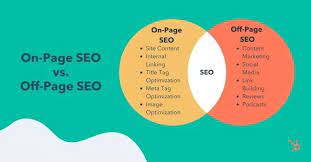
When it comes to enhancing your website’s visibility and driving organic traffic, offsite SEO plays a crucial role. While onsite SEO focuses on optimising your website’s content and structure, offsite SEO involves activities outside your website that impact your search engine rankings.
What is Offsite SEO?
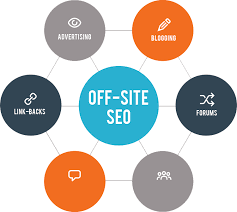
Offsite SEO refers to the strategies and techniques used to improve your website’s authority, relevance, and trustworthiness in the eyes of search engines. This is achieved through building high-quality backlinks from reputable websites, establishing a strong social media presence, and engaging with online communities.
The Importance of Offsite SEO
Offsite SEO is essential for several reasons:
- Enhanced Authority: Backlinks from authoritative websites signal to search engines that your site is a reliable source of information.
- Improved Relevance: Engaging with relevant online platforms helps establish the relevance of your website within your industry.
- Increased Visibility: A strong offsite SEO strategy can boost your website’s visibility in search engine results pages (SERPs).
- Trustworthiness: Building a positive online reputation through offsite activities can increase trust among users and search engines.
Offsite SEO Techniques
Effective offsite SEO techniques include:
- Link Building: Acquiring quality backlinks from relevant and authoritative websites.
- Social Media Engagement: Sharing content on social media platforms to drive traffic and improve brand awareness.
- Guest Blogging: Writing high-quality guest posts for other websites to build links and increase exposure.
- Online PR: Engaging with online publications and influencers to generate publicity for your brand.
- Citation Building: Ensuring consistent business information across online directories for local SEO benefits.
In Conclusion
In conclusion, offsite SEO is a vital component of any comprehensive digital marketing strategy. By implementing effective offsite techniques, you can strengthen your website’s authority, relevance, and visibility in the competitive online landscape. Invest time and effort into building a robust offsite SEO strategy to propel your website towards higher search engine rankings and increased organic traffic.
Essential FAQs on Offsite SEO: Strategies, Benefits, and Best Practices
- What is offsite SEO and how does it differ from onsite SEO?
- Why is link building important for offsite SEO?
- How can social media engagement benefit offsite SEO efforts?
- What are the best practices for acquiring quality backlinks in offsite SEO?
- How does guest blogging contribute to offsite SEO strategy?
- What role does online PR play in enhancing offsite SEO performance?
- Why is citation building crucial for local SEO and offsite optimisation?
- How can monitoring online reputation help improve offsite SEO results?
- What are the common pitfalls to avoid when implementing an offsite SEO strategy?
What is offsite SEO and how does it differ from onsite SEO?
Offsite SEO refers to the strategies and techniques employed outside of a website to enhance its search engine rankings and online visibility. It primarily focuses on building backlinks from reputable websites, establishing a strong social media presence, and engaging with online communities to boost the website’s authority and relevance in the eyes of search engines. In contrast, onsite SEO involves optimising the content, structure, and technical aspects of a website to improve its performance in search engine results. While onsite SEO is about making enhancements directly on the website itself, offsite SEO revolves around activities conducted externally to drive traffic and increase the website’s credibility in the digital realm. By effectively combining both onsite and offsite SEO practices, businesses can achieve a well-rounded approach to improving their online presence and attracting organic traffic.
Why is link building important for offsite SEO?
Link building is a critical aspect of offsite SEO because it plays a fundamental role in establishing the authority and credibility of a website. By acquiring high-quality backlinks from reputable and relevant websites, a site can signal to search engines that it is a trusted source of information within its industry. These incoming links act as votes of confidence, indicating to search algorithms that the content on the linked website is valuable and worthy of recognition. In essence, link building helps to improve a website’s visibility in search engine results pages (SERPs) and contributes significantly to its overall offsite SEO strategy.
How can social media engagement benefit offsite SEO efforts?
Social media engagement plays a pivotal role in enhancing offsite SEO efforts by fostering brand visibility, driving traffic to the website, and building valuable backlinks. By actively engaging with users on social media platforms, businesses can increase their online presence and reach a wider audience. Sharing high-quality content that resonates with followers not only boosts brand awareness but also encourages social sharing, leading to increased inbound links to the website. Additionally, social signals from platforms like Facebook, Twitter, and LinkedIn are considered by search engines as indicators of a website’s credibility and relevance, thereby positively impacting its search engine rankings. In essence, leveraging social media engagement as part of an offsite SEO strategy can significantly benefit a website’s overall visibility and authority in the digital realm.
What are the best practices for acquiring quality backlinks in offsite SEO?
When it comes to offsite SEO, acquiring quality backlinks is a key factor in boosting your website’s authority and search engine rankings. The best practices for obtaining high-quality backlinks include focusing on relevant and authoritative websites within your industry, creating valuable and engaging content that naturally attracts backlinks, engaging in guest blogging opportunities on reputable sites, participating in online communities and forums to showcase your expertise, and building relationships with influencers for potential link opportunities. By following these best practices diligently, you can enhance the credibility of your website and improve its visibility in search engine results pages.
How does guest blogging contribute to offsite SEO strategy?
Guest blogging is a highly effective technique that contributes significantly to an offsite SEO strategy. By writing high-quality guest posts for reputable websites within your industry, you can not only build valuable backlinks to your own site but also enhance your brand’s visibility and authority. Guest blogging allows you to reach a wider audience, establish credibility as an expert in your field, and drive relevant traffic back to your website. Additionally, when done correctly with relevant and engaging content, guest blogging can strengthen relationships with other websites and influencers, ultimately boosting your search engine rankings and online presence.
What role does online PR play in enhancing offsite SEO performance?
Online PR plays a significant role in enhancing offsite SEO performance by helping to build brand visibility, credibility, and authority. Engaging with online publications, influencers, and industry-specific websites through PR activities can result in valuable backlinks to your site, which are crucial for improving search engine rankings. By generating positive publicity and mentions across reputable online platforms, online PR not only increases brand awareness but also contributes to establishing a strong online presence that search engines recognise and reward. Effective online PR strategies can amplify the impact of your offsite SEO efforts, ultimately driving more organic traffic to your website and boosting its overall performance in search results.
Why is citation building crucial for local SEO and offsite optimisation?
Citation building is essential for local SEO and offsite optimisation because it helps establish the credibility and authority of a business within its local area. By ensuring consistent and accurate business information across online directories, citation building not only boosts a company’s visibility in local search results but also enhances its trustworthiness in the eyes of search engines. These citations act as digital references for a business, validating its existence and relevance to a specific geographic location. Therefore, incorporating citation building into an offsite SEO strategy is crucial for improving local search rankings and attracting potential customers looking for products or services in the area.
How can monitoring online reputation help improve offsite SEO results?
Monitoring online reputation is crucial for enhancing offsite SEO results as it directly impacts the perception of your brand across the digital landscape. By keeping a close eye on what customers and online users are saying about your business, products, or services, you can address any negative feedback promptly and engage with positive reviews effectively. Positive online sentiment not only builds trust with potential customers but also signals to search engines that your brand is reputable and authoritative. This proactive approach to managing your online reputation can lead to increased backlinks, improved social signals, and ultimately boost your offsite SEO efforts by enhancing brand visibility and credibility in the digital realm.
What are the common pitfalls to avoid when implementing an offsite SEO strategy?
When implementing an offsite SEO strategy, it is crucial to be aware of common pitfalls that can hinder your efforts. One common pitfall to avoid is pursuing quantity over quality when building backlinks. Focusing on acquiring a large number of low-quality backlinks can harm your website’s reputation and lead to penalties from search engines. Additionally, neglecting the relevance of the websites you are getting backlinks from can negatively impact your SEO efforts. It is essential to prioritise quality backlinks from authoritative and relevant sources to ensure the success of your offsite SEO strategy.