seo and social media marketing

SEO and Social Media Marketing: A Guide to Growing Your Online Presence

SEO and Social Media Marketing: How They Work Together

Search engine optimisation (SEO) and social media marketing are often treated as separate parts of a digital strategy. In practice, they can support one another. SEO helps people find your website through search engines, while social media helps you reach, engage and build relationships with audiences across social platforms.

Neither channel is a quick fix. But when they share clear goals and useful content, they can help your business become more visible online and create more opportunities to connect with potential customers.

What is SEO?

SEO is the process of improving a website so that it is easier for search engines and people to understand. It can involve researching the terms your audience uses, creating helpful pages, improving site structure and making sure the website works well on mobile devices.

SEO is about more than appearing in search results. A successful page should match the visitor’s needs, provide reliable information and make it easy to take the next step, whether that is making an enquiry, buying a product or reading more.

What is social media marketing?

Social media marketing uses platforms such as Instagram, LinkedIn, Facebook, TikTok and Pinterest to share content and communicate with an audience. Depending on your business and objectives, this might include publishing organic posts, responding to comments, working with creators or running paid campaigns.

Social media can help a brand stay connected with its community, showcase its expertise and direct people to useful resources on its website.

How SEO and social media can support each other

Social media can bring more people to your content

Sharing a useful article, guide or product page on social media can introduce it to people who may not have found it through search. If they visit the website, explore other pages or share the content with others, social activity may contribute to broader awareness and engagement.

Social media shares are not generally treated as a direct ranking factor by search engines. However, sharing content can help it reach more people, which may lead to natural links, mentions and further visits over time.

SEO can help you understand what your audience wants

Keyword research reveals the questions and topics people search for. These insights can inform social media content, helping you create posts that answer genuine questions rather than relying on guesswork.

Social media conversations can also reveal common concerns, customer language and emerging interests. These insights may inspire new website content or help you improve existing pages.

Consistent messaging strengthens your brand

When your website and social channels share a consistent tone, message and visual identity, people are more likely to recognise your brand. Clear, consistent communication can build familiarity and trust, whether someone discovers you through a search result, a social post or a recommendation.

Social profiles can appear in search results

Social media profiles and public posts may appear in search engine results, especially when someone searches for a brand by name. Complete profiles with accurate information, links and recent activity can make it easier for people to learn about your business and find your official channels.

Practical ways to combine SEO and social media

  • Start with your audience. Identify who you want to reach, what they need and which platforms they use.
  • Use search insights to plan content. Research relevant queries and turn them into useful articles, videos, short posts or FAQs.
  • Make content easy to share. Use clear headlines, helpful summaries and suitable images or video. Include social sharing options where they improve the user experience.
  • Adapt content for each platform. A detailed website guide might become a LinkedIn post, a short video, an Instagram carousel or a series of tips.
  • Keep profiles accurate. Use consistent business details, descriptions and links across your website and social channels.
  • Engage with your audience. Respond to relevant questions and comments, and use recurring feedback to improve your content.
  • Measure meaningful outcomes. Track organic search visibility, website visits, enquiries, sales and engagement against your business goals.

Measure each channel appropriately

SEO and social media have different performance indicators. For SEO, useful measures can include organic traffic, search visibility, rankings for relevant queries, conversions and the quality of visits. For social media, consider reach, engagement, referral traffic, audience growth and actions such as enquiries or purchases.

Use analytics tools to understand how the channels contribute to your objectives. Avoid judging success by follower numbers or rankings alone: the most valuable results are those that help your organisation meet its goals.

A joined-up strategy takes time

SEO is usually a long-term activity, while social media can provide quicker feedback on how people respond to ideas and content. Neither guarantees immediate results. Search performance depends on many factors, and social reach can vary by platform, audience and format.

By planning the channels together, businesses can create content that is useful to their audience, easier to discover and more consistent across the customer journey. The aim is not simply to post more or target more keywords. It is to provide the right information in the right places, and make it easy for people to take the next step.

Conclusion

SEO and social media marketing serve different purposes, but they can work well as part of a connected digital strategy. SEO helps people discover relevant website content through search, while social media helps that content reach and engage wider communities. With a clear understanding of your audience, consistent messaging and thoughtful measurement, both channels can contribute to stronger online visibility and lasting customer relationships.


Top 8 FAQs on Integrating SEO with Social Media Marketing

  1. How do SEO and social media marketing work together?
  2. Does social media activity directly affect SEO rankings?
  3. Can social media help increase organic website traffic?
  4. Which social media platforms are best for SEO?
  5. How can I use keyword research to plan social media content?
  6. What types of content work well for both SEO and social media?
  7. How should I measure the results of SEO and social media marketing?
  8. How long does it take to see results from SEO and social media marketing?

How do SEO and social media marketing work together?

SEO and social media marketing work together by helping your content reach people in different ways. SEO makes your website easier to find through search engines, while social media helps you share content, engage with your audience and bring visitors to your site. Social media activity is not generally a direct search ranking factor, but it can increase awareness and encourage visits, shares and natural links. Insights from search queries and social conversations can also help you create more relevant content for both channels.

Does social media activity directly affect SEO rankings?

Social media activity does not directly affect SEO rankings: likes, shares and follower numbers are not considered direct ranking factors by search engines. However, social media can support SEO indirectly by helping your content reach more people, attract website visits and earn natural links or brand mentions. It can also offer useful insights into the topics and questions your audience cares about, helping you create more relevant content.

Can social media help increase organic website traffic?

Yes, social media can help increase organic website traffic by promoting your content to a wider audience and encouraging people to visit your site. Sharing useful articles, products or resources can attract visitors who may not have found you through search, while audience feedback can help you create content that better answers their questions. Social media activity is not generally a direct Google ranking factor, so focus on sharing relevant, engaging content and making it easy for people to find and explore your website.

Which social media platforms are best for SEO?

No social media platform directly improves your search rankings, so the best choice depends on where your audience spends time and what you want to achieve. LinkedIn can suit B2B businesses and professional content, while Instagram, TikTok and Pinterest may work well for visual products and inspiration; Facebook can help businesses build communities and reach local audiences. Choose platforms you can maintain consistently, share useful content that links back to relevant pages on your website, and make sure your profiles include accurate business details. Social activity may increase awareness and visits, and can help your content reach people who may later link to or mention it.

How can I use keyword research to plan social media content?

Use keyword research to discover the questions, phrases and topics your audience is searching for, then turn those insights into useful social media posts. Group related keywords into themes and adapt them to each platform—for example, create a short video answering a common question, a carousel explaining a topic or a post linking to a more detailed guide on your website. Treat keywords as clues to audience interests rather than terms to squeeze into every caption, and use natural language that suits the platform. Review engagement and website visits to see which topics resonate and shape future content.

What types of content work well for both SEO and social media?

Content that answers your audience’s questions tends to work well for both SEO and social media. Practical guides, how-to articles, FAQs, original research, case studies, infographics and short videos can attract search visitors while also giving people something useful to share or discuss. Start with a clear topic based on audience needs and relevant search queries, then adapt the format for each platform—for example, turn a detailed guide into a short video or a series of social posts. Ensure the content is accurate, easy to understand and genuinely helpful, rather than created solely to include keywords or encourage clicks.

How should I measure the results of SEO and social media marketing?

Measure SEO and social media against clear business goals, such as increasing relevant website visits, enquiries or sales. For SEO, track organic traffic, visibility for relevant search terms, conversions and the quality of visits. For social media, monitor reach, engagement, referral traffic and actions such as enquiries or purchases. Use analytics tools to see how each channel contributes over time, and review results regularly. Follower counts and rankings can offer useful context, but they matter most when they support meaningful outcomes for your business.

How long does it take to see results from SEO and social media marketing?

The time it takes to see results from SEO and social media marketing varies according to your industry, competition, budget and the consistency of your activity. SEO is usually a longer-term investment: improvements in rankings and organic traffic may take several months, particularly for a new website or a competitive search term. Social media can generate engagement and reach sooner, but building a loyal audience and achieving steady enquiries or sales also takes time. Regular, useful content, a clear strategy and ongoing measurement can help both channels deliver more sustainable results.

good backlinks for seo

Good Backlinks for SEO: How to Earn Links That Make a Difference

Good Backlinks for SEO: What They Are and How to Earn Them

Backlinks are links from other websites to yours. Search engines can use them as one signal when assessing a page’s credibility and relevance, which is why earning links is often part of an SEO strategy. But not all backlinks are equally useful. A handful of relevant, naturally earned links can be more valuable than hundreds of low-quality links created purely to manipulate rankings.

The strongest approach is to publish something worth referencing, then make it easy for the right people to discover it. This article explains what makes a backlink valuable, where good links can come from and how to build them responsibly.

What makes a backlink good?

A good backlink is one that makes sense for both the website linking to you and the person following the link. Consider these qualities:

  • Relevance: The linking page or website covers a subject related to your business, content or audience.
  • Editorial choice: The publisher links to your page because it adds useful information, not simply because you paid for a ranking boost or exchanged links.
  • Context: The link appears naturally within relevant content, where readers can understand why it is there.
  • Trustworthiness: The site is a genuine publication, organisation or business with content and an audience of its own.
  • Potential to reach people: The link may bring relevant visitors, referrals or professional recognition—not just an SEO metric.

Third-party scores such as domain authority can help with prospecting, but they are not Google metrics and should not be treated as a guarantee of SEO value. Look at the site itself: its subject matter, content quality, audience and editorial standards.

Types of backlinks worth pursuing

Editorial links

Editorial links are included by writers or publishers because they believe a source is useful to their readers. A journalist might cite original research, for example, or a specialist publication might link to a detailed guide. These links are earned through the usefulness and credibility of the material.

Links from relevant industry publications

Trade magazines, professional associations and respected websites in your sector can be good prospects. A relevant link can help the right audience find your site and reinforce the connection between your business and its subject area.

Local and community links

For businesses serving a particular area, links from local organisations can be especially relevant. These might include a chamber of commerce, a business association, a community group or a local event website—provided the relationship is genuine and the listing is appropriate.

Resource-page links

Some organisations maintain pages of recommended tools, services or further reading. If you have a genuinely useful resource that fits the page, you can contact its owner and explain why it may be a suitable addition. Avoid mass-emailing sites with generic requests.

Links earned through useful content

Original research, clear how-to guides, practical templates, calculators and well-organised reference material can attract links over time. The content should answer a real question or provide information that is difficult to find elsewhere.

How to earn good backlinks

  1. Create something worth citing. Develop content that offers clear expertise, original information or practical value. Make it accurate, easy to understand and simple to share.
  2. Find relevant publishers and organisations. Look for websites that serve an audience likely to benefit from your work. Prioritise fit and credibility over a long list of prospects.
  3. Build genuine relationships. Engage with journalists, editors, industry groups and local organisations by being helpful and professional. A relationship should not depend on an agreement to exchange links.
  4. Make a specific, considered pitch. Explain what your resource offers, why it suits that publisher’s audience and where it might fit. Keep the message concise and personalised.
  5. Review mentions of your business. If a site refers to your organisation but does not link to it, a polite note can clarify whether a link would help readers find the relevant page. There is no guarantee the publisher will add one.
  6. Monitor results and maintain your content. Check that important pages remain useful and up to date. Track referral visits and relevant changes in visibility, rather than judging success by link counts alone.

Anchor text: keep it natural

Anchor text is the clickable wording of a link. It should help readers understand where the link leads. A natural link might use a brand name, a page title or a descriptive phrase that fits the sentence.

Repeatedly trying to secure links with exact-match commercial phrases can look unnatural and may breach search engine spam policies. You generally cannot control how independent publishers choose their anchor text, and it is better not to pressure them to use a particular phrase.

Backlinks to avoid

Be cautious of offers promising large numbers of links for a small fee, private blog networks, automated link-building tools, irrelevant directory submissions and schemes that require reciprocal links at scale. These tactics can create low-quality or manipulative link patterns and may expose a site to search engine actions.

Paid advertising and sponsorship can be legitimate ways to reach an audience, but paid links should be clearly qualified. Links involving payment or other compensation should use appropriate attributes, such as rel="sponsored" or rel="nofollow", in line with search engine guidance. The aim should be transparency and audience value, not disguising an advert as an editorial recommendation.

How to assess your backlink profile

Use reputable SEO tools alongside your own judgement to review the sites linking to you. Look for relevant referrals, identify links from websites you recognise and investigate unusual patterns. A tool may flag a link as potentially harmful, but a metric alone does not prove that a link is damaging.

Do not rush to disavow links simply because a tool labels them “toxic”. Search engines can often ignore low-quality links themselves. Consider further action only when there is a clear reason, such as a history of deliberate link manipulation or a manual action, and follow current search engine guidance.

Quality over quantity

Good backlinks are usually the result of useful content, genuine expertise and thoughtful outreach. They come from websites whose readers have a reason to follow the link, and they support your wider reputation as well as your SEO efforts.

Rather than chasing a target number of backlinks, focus on creating resources worth recommending and earning mentions from relevant, trustworthy sources. A steady, audience-first approach is safer and more sustainable than shortcuts.


7 Essential Tips for Building Quality Backlinks to Boost SEO

  1. Earn links from reputable, relevant websites.
  2. Create useful content others naturally want to cite.
  3. Prioritise editorial links over paid placements.
  4. Use varied, natural anchor text.
  5. Build relationships with publishers in your field.
  6. Check referring sites for quality and relevance.
  7. Avoid link farms and schemes that manipulate rankings.

Earn links from reputable, relevant websites by creating useful content that publishers, industry organisations and local groups genuinely want to reference. A link from a trusted site in your field can help interested readers discover your business and strengthen its relevance, while links from unrelated or low-quality sites are unlikely to offer the same value. Focus on building genuine relationships and earning editorial mentions, rather than buying links or pursuing volume for its own sake.

Create useful content others naturally want to cite.

Create useful content that others naturally want to cite by answering a real question, offering original insights or making complex information easy to understand. In-depth guides, reliable research, practical tools and clear explanations can all become valuable resources for your industry. When your content genuinely helps readers, publishers and website owners are more likely to reference it organically, earning relevant backlinks that can support your SEO over time.

Prioritise editorial links over paid placements by creating useful, trustworthy content that relevant publishers genuinely choose to reference. Editorial links can help readers discover valuable information and are earned on merit, whereas paid links intended to influence search rankings may breach search engine spam policies. If you pay for advertising or sponsorship, make the relationship clear and use the appropriate link attributes, such as rel="sponsored".

Use varied, natural anchor text.

Use varied, natural anchor text—the clickable words in a link—to help readers understand what they’ll find on the linked page. Links may use your brand name, a page title or a relevant descriptive phrase, depending on the context. Avoid repeatedly seeking the same exact-match keyword as anchor text, as this can look forced and may be treated as an attempt to manipulate search rankings. Let publishers link in the wording that works best for their readers.

Build relationships with publishers in your field.

Build genuine relationships with publishers in your field by taking an interest in their work, sharing useful insights and offering relevant expertise. When you have a helpful resource, original research or a well-informed perspective, introduce it with a personalised, concise pitch that explains why it may benefit their readers. Focus on being a reliable source rather than asking for a link outright; relevant backlinks are more likely to follow naturally from trust and a mutually valuable relationship.

Check referring sites for quality and relevance.

Check the quality and relevance of websites linking to yours. A backlink is more likely to be useful when it comes from a trustworthy site covering a topic related to your business, and appears naturally in content that helps readers. Look beyond SEO metrics such as domain authority: review the site’s content, audience and reputation, and consider whether the link could bring relevant visitors as well as support your SEO.

Avoid link farms and schemes designed to manipulate search rankings. These often generate large numbers of irrelevant or low-quality links, which can undermine your site’s credibility and may lead to search engine penalties. Focus instead on earning links naturally through useful content, genuine industry relationships and reputable websites relevant to your audience.

seo link building agency

Unlocking Success: The Role of an Expert SEO Link Building Agency in Boosting Your Online Presence

The Importance of SEO Link Building Agencies

The Importance of SEO Link Building Agencies

In the realm of digital marketing, search engine optimisation (SEO) plays a crucial role in determining the online visibility and ranking of a website. One essential aspect of SEO that significantly impacts a website’s ranking is link building. As such, businesses often turn to specialised SEO link building agencies to enhance their online presence and boost their search engine rankings.

What is SEO Link Building?

SEO link building is the process of acquiring hyperlinks from other websites to your own. These inbound links are vital for search engines like Google to determine the credibility, authority, and relevance of your website. The more high-quality backlinks a website has, the more likely it is to rank higher in search engine results pages (SERPs).

The Role of SEO Link Building Agencies

SEO link building agencies are experts in developing strategic link building campaigns tailored to improve a website’s search engine performance. These agencies have the knowledge, tools, and resources to identify relevant websites for link acquisition, create compelling content that attracts backlinks, and execute outreach strategies to secure valuable links from authoritative sources.

Benefits of Hiring an SEO Link Building Agency

  • Enhanced Search Engine Rankings: By acquiring high-quality backlinks from reputable websites, an SEO link building agency can help improve your website’s visibility in search results.
  • Increased Website Traffic: Quality backlinks drive referral traffic to your site, expanding your audience and potential customer base.
  • Improved Domain Authority: A strong backlink profile can enhance your website’s domain authority, making it more trustworthy in the eyes of search engines.
  • Long-Term Growth: Sustainable link building strategies implemented by agencies can lead to long-term growth and sustained online success for your business.

In Conclusion

SEO link building is a fundamental aspect of any successful digital marketing strategy. By enlisting the services of an experienced SEO link building agency, businesses can harness the power of quality backlinks to elevate their online presence, drive organic traffic, and achieve higher search engine rankings. Investing in professional link building services can be a game-changer for businesses looking to establish authority in their industry and stay ahead in today’s competitive online landscape.


7 Essential Tips for Effective SEO Link Building: Boost Your Website’s Authority

  1. 1. Focus on building quality backlinks from reputable websites.
  2. 2. Use a variety of link building strategies such as guest posting, broken link building, and resource link building.
  3. 3. Avoid black hat SEO techniques that can harm your website’s reputation.
  4. 4. Regularly monitor your backlink profile to identify and disavow any toxic links.
  5. 5. Build relationships with influencers and other websites in your industry for natural link acquisition.
  6. 6. Create high-quality content that is valuable and shareable to attract organic backlinks.
  7. 7. Stay updated with the latest SEO trends and algorithm changes to adapt your link building strategies accordingly.

To enhance your website’s search engine ranking effectively, it is crucial to concentrate on acquiring high-quality backlinks from reputable websites. Quality backlinks from authoritative sources not only signal to search engines the credibility and relevance of your site but also drive valuable referral traffic. By prioritising the acquisition of backlinks from trustworthy websites, an SEO link building agency can significantly boost your website’s visibility, domain authority, and overall online performance.

To enhance the effectiveness of your SEO link building efforts, it is advisable to employ a diverse range of strategies. This includes utilising tactics such as guest posting, broken link building, and resource link building. Guest posting involves creating valuable content for other websites in exchange for a backlink to your site. Broken link building focuses on identifying broken links on external sites and offering your content as a replacement, thus earning a new backlink. Resource link building entails creating high-quality resources that attract natural backlinks from relevant websites. By incorporating these varied approaches into your link building campaign, you can strengthen your website’s authority and improve its search engine rankings.

3. Avoid black hat SEO techniques that can harm your website’s reputation.

When engaging with an SEO link building agency, it is crucial to adhere to ethical practices and avoid black hat SEO techniques that could potentially damage your website’s reputation. Employing unethical tactics such as buying links, keyword stuffing, or cloaking may provide short-term gains but can ultimately lead to penalties from search engines and tarnish your brand’s credibility. By prioritising white hat SEO strategies and working with a reputable agency that focuses on sustainable link building practices, you can safeguard your website’s reputation and establish a strong foundation for long-term success in the digital landscape.

Regularly monitoring your backlink profile is a crucial aspect of maintaining a healthy and effective SEO strategy. By diligently reviewing your backlinks, you can identify any potentially harmful or toxic links that may be negatively impacting your website’s credibility and search engine rankings. Once identified, it is essential to promptly disavow these toxic links to prevent them from undermining your SEO efforts. This proactive approach not only safeguards your website from potential penalties but also ensures that your link building efforts contribute positively to enhancing your online visibility and authority.

Building relationships with influencers and other websites in your industry is a valuable strategy for natural link acquisition. By establishing genuine connections with key figures and relevant websites, you can organically attract high-quality backlinks to your site. Collaborating with influencers and industry peers not only enhances your website’s credibility and authority but also opens up opportunities for mutual promotion and link sharing. This approach to link building fosters authentic relationships within your niche, leading to sustainable growth and increased visibility in search engine results.

Creating high-quality and valuable content that is shareable is a key strategy when it comes to SEO link building. By producing content that resonates with your target audience and provides real value, you increase the likelihood of attracting organic backlinks from other websites. When content is informative, engaging, and relevant, it not only enhances your website’s credibility but also encourages others to link back to your site naturally. This approach not only helps improve your search engine rankings but also establishes your website as a reputable source within your industry, driving organic traffic and boosting overall online visibility.

To maximise the effectiveness of your SEO link building efforts, it is crucial to stay abreast of the latest SEO trends and algorithm changes. By keeping up-to-date with industry developments, you can adapt your link building strategies accordingly to ensure they align with search engine requirements and best practices. This proactive approach not only helps maintain the relevance and authority of your website but also positions your business for sustained success in the ever-evolving digital landscape.

link building

Mastering the Art of Effective Link Building Strategies in SEO

The Importance of Link Building in SEO

The Importance of Link Building in SEO

Link building is a crucial aspect of search engine optimisation (SEO) that plays a significant role in determining the visibility and authority of a website. In simple terms, link building involves acquiring hyperlinks from other websites to your own site. These inbound links not only drive traffic to your website but also signal to search engines like Google that your site is reputable and trustworthy.

Why is Link Building Important?

Enhanced Search Engine Rankings: Search engines consider backlinks as votes of confidence for your website. The more high-quality backlinks you have, the more likely your site will rank higher in search engine results pages (SERPs).

Increased Website Traffic: Backlinks from reputable websites can drive referral traffic to your site. When users click on these links, they are directed to your website, increasing your overall web traffic.

Builds Credibility and Trust: Websites with a strong backlink profile are seen as authoritative sources of information by both users and search engines. This credibility can enhance your brand reputation and trustworthiness.

Best Practices for Link Building

To effectively harness the power of link building, consider the following best practices:

  • Create High-Quality Content: Producing valuable and engaging content increases the likelihood of other websites linking back to your site.
  • Guest Blogging: Writing guest posts for reputable websites in your industry can help you earn quality backlinks.
  • Broken Link Building: Identify broken links on other websites and offer your content as a replacement, earning you valuable backlinks.
  • Social Media Promotion: Sharing your content on social media platforms can attract attention and lead to natural link acquisition.
  • Influencer Outreach: Collaborating with influencers or industry experts can result in them linking back to your website.

In Conclusion

In the ever-evolving landscape of SEO, link building remains a fundamental strategy for improving website visibility, authority, and traffic. By implementing effective link building practices, businesses can strengthen their online presence and stay ahead in competitive search engine rankings.


Mastering the Art of Link Building: 32 FAQs on Techniques, Strategies, and SEO Impact

  1. What is link building terms?
  2. What are the link building techniques?
  3. What are link building techniques?
  4. What is link building in SEO perspective?
  5. Is link building still relevant to SEO?
  6. Does link building still work?
  7. What is the importance of link building?
  8. Is link building good for SEO?
  9. When should I start link building?
  10. What are the three types of link building?
  11. What is good link building?
  12. What is link building in affiliate marketing?
  13. What is link building SEO?
  14. What is link building and how it works?
  15. What is link build and its type?
  16. What is link building and its type?
  17. What is link building for?
  18. What is link building and its types?
  19. Is link building the same as backlinks?
  20. Is link building still effective?
  21. What do you mean by link building?
  22. What are the methods of link building?
  23. What is link building used for?
  24. Why is link building so important?
  25. Is link building useful?
  26. How do you create a link building?
  27. What is the role of link building?
  28. What is backlinks and link building?
  29. What are link building strategies?
  30. Is link building worth it?
  31. What are the link building strategies?
  32. What is link building types?

Link building, in simple terms, refers to the process of acquiring hyperlinks from other websites to your own site. These inbound links act as pathways that connect different web pages on the internet. Link building is a fundamental aspect of search engine optimisation (SEO) and plays a crucial role in determining a website’s authority and credibility in the digital realm. By strategically obtaining quality backlinks from reputable sources, websites can improve their visibility, organic search rankings, and overall online presence.

When it comes to link building techniques, there are various strategies that can be employed to enhance a website’s online presence and authority. Some common link building techniques include creating high-quality content that naturally attracts backlinks, engaging in guest blogging on reputable websites within the industry, conducting broken link building by offering replacement content for broken links on other sites, leveraging social media platforms for content promotion and link acquisition, and collaborating with influencers or industry experts to earn valuable backlinks. These techniques aim to not only improve a website’s search engine rankings but also establish credibility and trust within the online community.
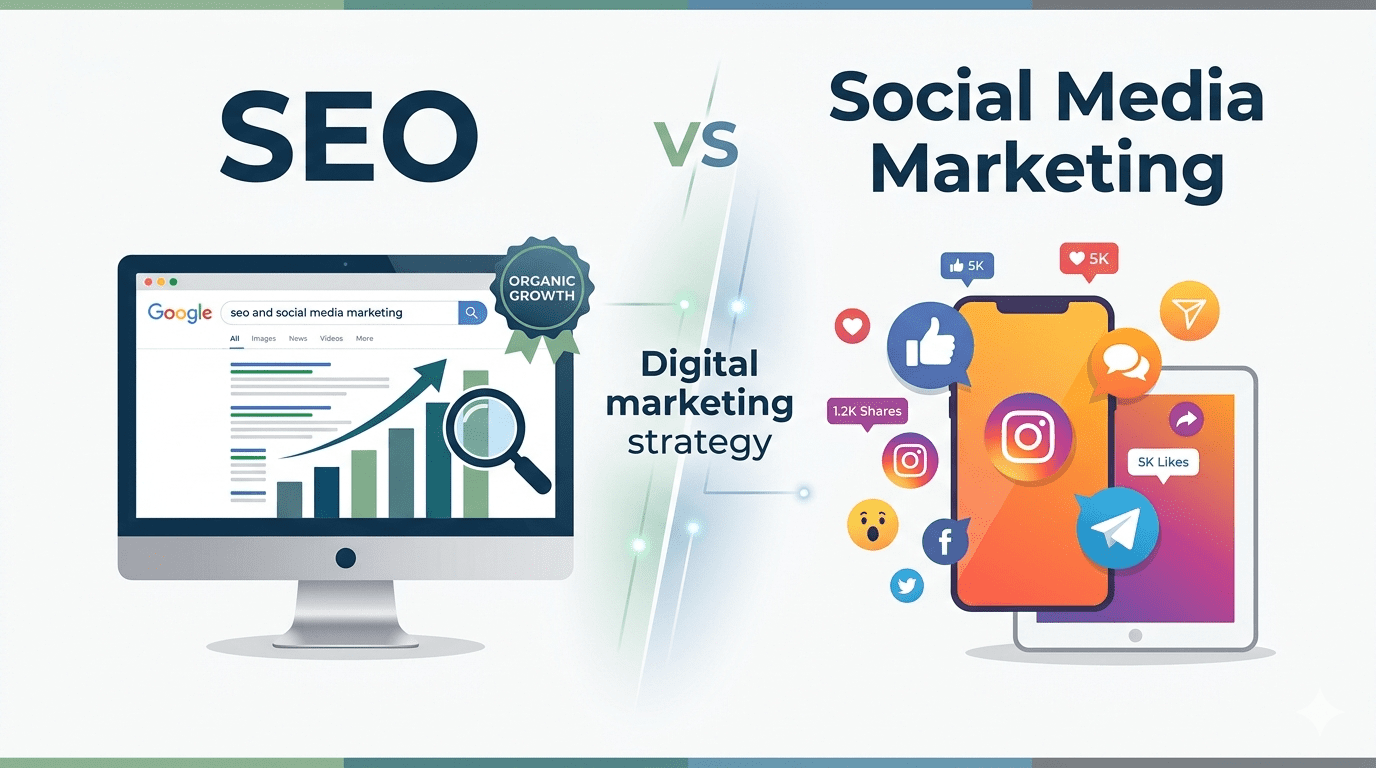
Link building techniques encompass a variety of strategies aimed at acquiring high-quality backlinks to a website. These techniques include creating compelling and shareable content that naturally attracts links, engaging in guest blogging on relevant websites to earn backlinks, conducting broken link building by replacing broken links with your own content, leveraging social media platforms for link promotion, and collaborating with influencers or industry experts for link acquisition. Employing a mix of these proven techniques can help enhance a website’s authority, visibility, and search engine rankings.

In the realm of SEO, link building is a fundamental strategy that involves acquiring hyperlinks from external websites to your own site. From an SEO perspective, link building plays a crucial role in enhancing a website’s visibility and authority in search engine results. These inbound links act as signals to search engines like Google, indicating the credibility and relevance of your website. By securing high-quality backlinks from reputable sources, businesses can improve their search engine rankings, drive organic traffic, and establish themselves as authoritative players within their industry.

In the realm of SEO, the question of whether link building remains relevant continues to spark debate among digital marketers and website owners. While search engine algorithms have evolved over time, backlinks still hold significant importance in determining a website’s authority and visibility. Quality link building remains a cornerstone of effective SEO strategies, as it not only drives organic traffic but also signals to search engines the credibility and trustworthiness of a website. Therefore, despite the changing landscape of SEO practices, investing in a strategic link building approach continues to be crucial for enhancing online presence and achieving higher search engine rankings.

In the realm of search engine optimisation (SEO), the question of whether link building still holds relevance is a common one. The answer is a resounding yes. Link building remains a cornerstone of SEO strategies, as it continues to play a crucial role in determining a website’s authority and visibility in search engine results. While search algorithms may evolve, the fundamental principle that quality backlinks contribute to higher rankings and increased organic traffic remains unchanged. When executed effectively with high-quality content and ethical practices, link building can significantly impact a website’s online presence and contribute to long-term success in the digital landscape.

The importance of link building lies in its ability to significantly impact a website’s search engine visibility and authority. By acquiring quality backlinks from reputable websites, a site can improve its search engine rankings, driving more organic traffic and increasing online visibility. These inbound links serve as endorsements of credibility and trustworthiness to search engines, ultimately establishing the website as a reliable source of information within its niche. In essence, link building is a fundamental component of SEO that not only enhances a site’s online presence but also contributes to long-term success in the digital landscape.

Link building is undeniably beneficial for SEO. When done correctly, link building can significantly enhance a website’s search engine optimisation efforts. By acquiring high-quality backlinks from reputable websites, a site can improve its credibility, authority, and visibility in search engine results pages (SERPs). These inbound links act as signals to search engines that the website is a trustworthy source of information, ultimately leading to higher rankings and increased organic traffic. Therefore, incorporating link building strategies into an SEO campaign is essential for achieving long-term success online.

When considering the question of when to start link building, it is essential to understand that link building is an ongoing process rather than a one-time task. Ideally, businesses should incorporate link building strategies right from the inception of their website to establish a strong foundation of backlinks. However, if link building has not been prioritised earlier, it is never too late to start. The sooner you begin implementing effective link building techniques, such as creating high-quality content and engaging with other websites in your industry, the sooner you can start reaping the benefits of improved search engine rankings and increased website traffic. Remember that consistent and strategic link building efforts over time can significantly impact your website’s visibility and authority in the digital landscape.

When it comes to link building, there are three primary types that are commonly employed to enhance a website’s SEO performance. The first type is natural link building, which involves earning backlinks organically through the creation of high-quality content that naturally attracts links from other websites. The second type is manual link building, where website owners actively seek out and secure backlinks through outreach efforts, guest blogging, and partnerships. Finally, there is self-created link building, which involves creating backlinks through various means such as forum signatures, blog comments, and directory submissions. Each type of link building strategy has its own benefits and considerations in improving a website’s search engine ranking and online visibility.

Good link building involves acquiring high-quality backlinks from reputable and relevant websites to improve a site’s search engine rankings and overall online visibility. A successful link building strategy focuses on securing links from authoritative sources that are contextually relevant to the content of the linked website. These backlinks should be natural, earned through valuable content creation or genuine relationships with other webmasters, rather than through manipulative tactics. Good link building not only boosts a site’s SEO performance but also enhances its credibility, trustworthiness, and user experience by providing users with valuable resources and information.

Link building in affiliate marketing refers to the process of acquiring backlinks from external websites to promote affiliate products or services. These backlinks are strategically placed on relevant and authoritative sites to drive traffic and increase conversions for affiliate marketers. By incorporating link building strategies into their affiliate marketing efforts, marketers can improve their website’s visibility, attract a larger audience, and ultimately boost their affiliate sales. The quality and relevance of these backlinks play a crucial role in enhancing the credibility and success of an affiliate marketing campaign.

Link building SEO is a strategic process of acquiring hyperlinks from external websites to your own site with the aim of improving search engine rankings and driving organic traffic. These inbound links act as virtual upvotes for your website, signalling to search engines like Google that your site is credible and authoritative. By building a robust network of quality backlinks, link building SEO helps enhance the visibility, credibility, and overall performance of your website in search engine results pages (SERPs).

Link building is a pivotal component of search engine optimisation (SEO) that involves acquiring hyperlinks from external websites to your own site. These inbound links act as signals to search engines, indicating the credibility and relevance of your website. The process works by establishing connections between different websites through these hyperlinks, ultimately improving the visibility and authority of your site in search engine rankings. By strategically building a robust backlink profile with high-quality links from reputable sources, websites can enhance their online presence, attract more organic traffic, and establish themselves as authoritative sources within their industry.

Link building is an essential component of search engine optimisation (SEO) that involves acquiring hyperlinks from other websites to your own site. These inbound links serve as a vote of confidence for your website, indicating its credibility and authority to search engines. There are several types of link building strategies, including natural links acquired through high-quality content creation, outreach-based link building where website owners actively seek backlinks, and guest blogging on relevant websites to earn links. Each type of link building strategy aims to improve a website’s visibility, organic traffic, and search engine rankings by establishing a network of reputable backlinks from diverse sources.

Link building is a vital component of search engine optimisation (SEO) that involves acquiring hyperlinks from external websites to your own site. These inbound links serve as a vote of confidence for your website, contributing to its credibility and authority in the eyes of search engines. Link building can be categorised into various types, including natural links earned through high-quality content and organic outreach, manual links acquired through deliberate efforts like guest blogging and influencer partnerships, and self-created links such as directory submissions and forum postings. Each type plays a unique role in enhancing a website’s backlink profile and overall SEO performance.

Link building serves a crucial purpose in the realm of search engine optimisation (SEO). Essentially, the primary goal of link building is to enhance a website’s credibility, authority, and visibility on search engine results pages. By acquiring backlinks from reputable websites, a site can signal to search engines like Google that it is a trusted source of information within its industry. As a result, link building not only drives referral traffic to a website but also plays a pivotal role in improving its search engine rankings. Ultimately, link building is instrumental in establishing a strong online presence and boosting the overall performance of a website in the digital landscape.

Link building is a vital component of SEO that involves acquiring hyperlinks from external websites to your own site. These inbound links serve as a vote of confidence for your website, signalling its credibility and authority to search engines. There are several types of link building strategies, including natural links earned through valuable content creation, manual outreach to request backlinks from other websites, guest blogging on relevant platforms to secure links, and broken link building where you replace broken links with your own content. Each type plays a unique role in enhancing a website’s visibility and ranking in search engine results pages.

When considering the relationship between link building and backlinks, it is important to note that while they are closely related concepts in the realm of SEO, they are not exactly synonymous. Link building refers to the proactive process of acquiring hyperlinks from external websites to your own site, with the aim of enhancing search engine visibility and authority. On the other hand, backlinks specifically denote those inbound links pointing to your website from other sites. In essence, link building encompasses the strategic efforts to acquire backlinks as part of a comprehensive SEO strategy aimed at improving website rankings and credibility in online search results.

In the realm of SEO, the question of whether link building remains effective is a common one. The answer is a resounding yes. Link building continues to be a vital component of any successful SEO strategy. While search engine algorithms and ranking factors may evolve over time, the importance of high-quality backlinks in establishing website authority and visibility remains unchanged. When executed correctly with a focus on acquiring relevant and authoritative links, link building can significantly impact search engine rankings and drive organic traffic to websites. Embracing modern link building techniques and staying abreast of industry best practices are key to leveraging the power of backlinks in today’s digital landscape.

Link building refers to the process of acquiring hyperlinks from external websites that direct users to your own website. These inbound links serve as a vote of confidence for your site and play a crucial role in enhancing its visibility and authority in search engine rankings. By obtaining quality backlinks from reputable sources, websites can improve their online presence, drive organic traffic, and establish credibility within their industry. Link building is an essential component of SEO strategy, as it signals to search engines like Google that your website is a valuable resource worth ranking higher in search results.

When it comes to link building, there are several methods that website owners and SEO professionals can employ to enhance their online presence. Some common methods of link building include creating high-quality and engaging content that naturally attracts backlinks, guest blogging on relevant websites to earn inbound links, leveraging broken link building strategies by offering replacement content for broken links on other sites, promoting content on social media platforms to encourage sharing and linking, and collaborating with influencers or industry experts to gain valuable backlinks. These methods, when executed effectively, can contribute to improving a website’s search engine rankings and overall visibility on the web.

Link building is a crucial strategy used in search engine optimisation (SEO) to enhance a website’s visibility, credibility, and authority on the internet. By acquiring backlinks from reputable websites, link building helps to improve a site’s search engine rankings, driving organic traffic and increasing its online presence. These inbound links act as signals to search engines that the content on the linked website is valuable and trustworthy. Ultimately, link building is essential for establishing a strong digital footprint, attracting more visitors, and establishing a solid reputation within the online community.

Link building is critically important in the realm of SEO due to its role in enhancing a website’s visibility, credibility, and authority. By acquiring quality backlinks from reputable websites, a site can improve its search engine rankings, driving more organic traffic and increasing its online presence. These inbound links act as signals to search engines that the content is valuable and trustworthy, ultimately contributing to the overall success of a website in the competitive digital landscape. In essence, link building is not just about connecting web pages but also about establishing a strong foundation for long-term success in online marketing strategies.

When considering the question “Is link building useful?”, it is important to recognise the significant impact that link building has on a website’s search engine optimisation (SEO) performance. Link building plays a crucial role in enhancing a website’s visibility, authority, and credibility. By acquiring high-quality backlinks from reputable sources, websites can improve their search engine rankings, attract more organic traffic, and establish themselves as reliable sources of information. Therefore, link building is undeniably useful in boosting a website’s online presence and overall success in the digital landscape.

Creating a successful link building strategy involves several key steps. Firstly, it is essential to produce high-quality and relevant content that naturally attracts backlinks from other websites. Conducting thorough research to identify authoritative websites in your industry and reaching out to them for potential collaboration or guest posting opportunities can also help in acquiring valuable backlinks. Additionally, monitoring your backlink profile regularly and disavowing any toxic or spammy links can ensure the integrity of your link building efforts. Ultimately, building relationships with other webmasters and consistently delivering value through your content are crucial elements in establishing a strong and effective link building strategy.

The role of link building in SEO is paramount to enhancing a website’s visibility and credibility. By acquiring quality backlinks from reputable websites, link building signals to search engines the trustworthiness and authority of a site. These inbound links act as endorsements, boosting the site’s ranking in search engine results pages and driving organic traffic. Link building not only improves a website’s search engine rankings but also establishes it as a valuable resource within its industry, ultimately contributing to its overall online success.

Backlinks are incoming hyperlinks from one webpage to another, playing a crucial role in determining a website’s authority and visibility in search engine results. Link building, on the other hand, is the practice of acquiring these backlinks from reputable websites to improve a site’s search engine ranking and drive organic traffic. By strategically obtaining quality backlinks through various methods such as guest blogging, content creation, and outreach campaigns, businesses can enhance their online credibility and establish themselves as authoritative sources within their industry.

Link building strategies encompass a variety of techniques aimed at acquiring quality backlinks to a website. These strategies involve tactics such as creating valuable content that naturally attracts links, guest blogging on authoritative sites within your industry, engaging in broken link building by replacing broken links with your own content, leveraging social media platforms for link promotion, and collaborating with influencers for link acquisition. By implementing these diverse strategies effectively, businesses can enhance their website’s visibility, credibility, and search engine rankings through a robust backlink profile.

In the realm of search engine optimisation, the question of whether link building is worth it often arises. The answer lies in understanding the pivotal role that backlinks play in enhancing a website’s visibility and credibility. Link building, when executed strategically with high-quality and relevant links, can significantly impact a site’s search engine rankings, driving organic traffic and establishing authority within its niche. While it requires time and effort to build a robust backlink profile, the long-term benefits of improved search rankings and increased website traffic make link building a valuable investment for any business looking to succeed online.

When it comes to enhancing a website’s search engine optimisation, understanding effective link building strategies is essential. Link building strategies encompass a range of techniques aimed at acquiring high-quality backlinks from reputable websites. Some common link building strategies include creating compelling and shareable content to attract natural backlinks, engaging in guest blogging on relevant platforms, conducting broken link building by offering replacement content, leveraging social media for content promotion, and collaborating with influencers for link acquisition. By implementing these diverse strategies thoughtfully, businesses can strengthen their online presence and improve their search engine rankings.

When it comes to link building, there are various types of strategies that businesses can employ to enhance their website’s search engine optimisation. Some common link building types include natural editorial links, manual outreach links, self-created links, and resource page links. Natural editorial links are earned through high-quality content that attracts organic backlinks from other websites. Manual outreach links involve reaching out to relevant websites and requesting backlinks. Self-created links are those generated through forum signatures, blog comments, or social bookmarking sites. Resource page links are acquired by getting your website featured on industry-specific resource pages. Each type of link building strategy offers unique benefits and challenges, ultimately contributing to a comprehensive approach in improving a website’s online presence and authority.