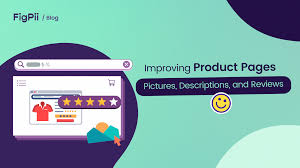
product page optimization

Mastering Product Page Optimization: Elevate Your Online Sales Strategy

Product Page Optimization

The Art of Product Page Optimization

When it comes to selling products online, having a well-optimized product page is essential for attracting customers and driving conversions. Product page optimization involves fine-tuning various elements on the page to enhance user experience, improve search engine visibility, and ultimately increase sales.

Key Elements of Product Page Optimization:

  • Title and Description: Craft compelling product titles and descriptions that are not only informative but also include relevant keywords to improve search engine rankings.
  • High-Quality Images: Use high-resolution images that showcase your product from different angles to give customers a clear visual representation.
  • Clear Call-to-Action (CTA): Ensure that your CTA buttons are prominent, clearly visible, and encourage users to take the desired action, whether it’s making a purchase or adding the item to their cart.
  • User Reviews and Ratings: Display authentic customer reviews and ratings to build trust and credibility with potential buyers.
  • Mobile Responsiveness: Optimize your product page for mobile devices to cater to users who shop on smartphones and tablets.
  • SEO-Friendly Content: Incorporate relevant keywords in your product descriptions, meta tags, and URLs to improve organic search visibility.
  • Social Proof: Showcase social proof elements such as testimonials, user-generated content, or endorsements from influencers to persuade hesitant buyers.
  • Product Variants and Options: Make it easy for customers to select product variants (e.g., size, colour) and customise their order based on their preferences.

The Benefits of Optimizing Your Product Pages:

By investing time and effort into optimizing your product pages, you can reap numerous benefits for your e-commerce business. These include increased visibility in search engine results, higher click-through rates, improved conversion rates, enhanced user engagement, and ultimately a boost in sales revenue.

In conclusion, product page optimization is a crucial aspect of e-commerce marketing that can significantly impact the success of your online store. By implementing best practices and continuously testing different elements on your product pages, you can create a seamless shopping experience for customers and drive sustainable growth for your business.


Top 9 FAQs on Optimising Product Pages for Better Performance

  1. What is product page optimization?
  2. How do you SEO a product page?
  3. How do you optimize a product page?
  4. What should be included in a product page?
  5. What is the concept of product optimization?
  6. How can I improve my product page?
  7. How do I optimize my ecommerce product page?
  8. What is meant by product optimization?
  9. What is product optimization?

What is product page optimization?

Product page optimization refers to the strategic process of enhancing various elements on a product page to improve its performance and effectiveness in attracting customers and driving conversions. It involves fine-tuning aspects such as product titles, descriptions, images, CTAs, user reviews, mobile responsiveness, SEO content, social proof elements, and product variants to create a compelling and user-friendly experience for online shoppers. By focusing on product page optimization, businesses can increase their visibility in search results, engage customers more effectively, and ultimately boost sales revenue by providing a seamless and informative browsing and purchasing journey.

How do you SEO a product page?

Optimizing a product page for SEO involves several key steps to enhance its visibility and ranking on search engine results pages. To SEO a product page effectively, start by conducting thorough keyword research to identify relevant terms that potential customers are searching for. Incorporate these keywords strategically in the page title, meta description, headings, and product descriptions to improve organic search visibility. Additionally, optimize image alt tags, internal linking structure, and URL structure to make the page more search engine-friendly. Regularly monitor performance metrics and make adjustments based on data analysis to ensure ongoing SEO success for your product page.

How do you optimize a product page?

Optimizing a product page involves a strategic approach to enhance its performance and effectiveness in attracting customers and driving conversions. To optimize a product page effectively, it is essential to focus on key elements such as crafting compelling titles and descriptions with relevant keywords, using high-quality images to showcase the product, ensuring clear call-to-action buttons for easy navigation, incorporating user reviews and ratings for credibility, optimizing for mobile responsiveness, implementing SEO-friendly content, showcasing social proof elements, providing product variants and options for customer personalisation. By following these best practices and continuously refining the product page based on user feedback and data analysis, businesses can create a seamless shopping experience that maximises visibility, engagement, and sales potential.

What should be included in a product page?

When considering what to include in a product page, it is essential to focus on key elements that can enhance the overall user experience and drive conversions. A well-optimised product page should feature a compelling product title and description that incorporates relevant keywords for search engine visibility. High-quality images showcasing the product from various angles can help customers make informed purchasing decisions. Clear calls-to-action (CTAs) guide users towards taking desired actions, while user reviews and ratings build trust and credibility. Mobile responsiveness, SEO-friendly content, social proof elements, product variants, and options are also crucial components that contribute to a successful product page that engages customers and encourages sales.

What is the concept of product optimization?

Product optimization, in the context of e-commerce and digital marketing, refers to the strategic process of refining and enhancing various elements of a product page to maximise its performance and effectiveness. This involves fine-tuning aspects such as product descriptions, images, user experience design, search engine visibility, and conversion rates to ensure that the product page not only attracts potential customers but also convinces them to make a purchase. By continuously analysing data, implementing best practices, and adapting to changing trends, product optimization aims to improve the overall online shopping experience for users and drive higher sales for businesses.

How can I improve my product page?

To enhance your product page and maximise its effectiveness, consider implementing key strategies such as crafting compelling product titles and descriptions with relevant keywords, using high-quality images to showcase your products, ensuring clear and prominent call-to-action buttons, incorporating user reviews and ratings for credibility, optimising for mobile responsiveness, integrating SEO-friendly content, showcasing social proof elements, providing easy product variant options, and continuously testing and refining your page to improve user experience and drive conversions. By focusing on these aspects of product page optimisation, you can elevate the performance of your online store and attract more customers to engage with your products.

How do I optimize my ecommerce product page?

To optimise your ecommerce product page effectively, start by crafting compelling and keyword-rich product titles and descriptions to enhance search engine visibility. Utilise high-quality images that showcase your products from multiple angles, ensuring a clear visual representation. Implement clear and prominent call-to-action buttons to guide users towards making a purchase or adding items to their cart. Incorporate user reviews and ratings to build trust with potential customers, and ensure mobile responsiveness for seamless browsing on all devices. By focusing on these key elements of product page optimisation, you can attract more visitors, improve user engagement, and ultimately drive higher conversion rates for your ecommerce store.

What is meant by product optimization?

Product optimization, in the context of e-commerce and digital marketing, refers to the strategic process of enhancing various elements of a product page to maximise its visibility, appeal, and effectiveness in driving conversions. This involves fine-tuning aspects such as product titles, descriptions, images, user reviews, CTAs, SEO elements, and mobile responsiveness to create a compelling and user-friendly experience for online shoppers. By optimising product pages, businesses can improve search engine rankings, attract more qualified traffic, build trust with customers, and ultimately increase sales revenue.

What is product optimization?

Product optimization, also known as product page optimization, refers to the process of strategically improving and enhancing various elements on a product page to attract customers, increase visibility in search engine results, and ultimately drive conversions. This involves fine-tuning aspects such as product titles, descriptions, images, call-to-action buttons, user reviews, mobile responsiveness, SEO-friendly content, social proof elements, and product variants to create a compelling and user-friendly shopping experience. By focusing on product optimization, businesses can improve their online presence, engage potential buyers effectively, and ultimately boost sales performance.
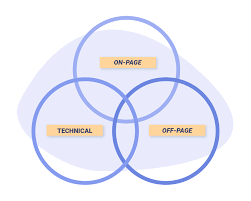
on page seo content

Unlocking the Potential of On-Page SEO Content: A Guide to Optimising Your Website

The Power of On-Page SEO Content

The Power of On-Page SEO Content

When it comes to search engine optimisation (SEO), on-page content plays a crucial role in determining the visibility and ranking of your website. On-page SEO content refers to the text, images, and multimedia elements that are present on individual web pages and are optimised for search engines.

Why On-Page SEO Content Matters

Effective on-page SEO content not only helps search engines understand the relevance of your website to specific keywords but also enhances the user experience. By creating high-quality, relevant, and engaging content, you can attract more organic traffic to your site and keep visitors engaged.

Key Elements of On-Page SEO Content

Keywords: Incorporating relevant keywords strategically throughout your content helps search engines identify the main topics of your web pages.

Title Tags: Optimising title tags with primary keywords can improve click-through rates from search engine results pages (SERPs).

Meta Descriptions: Compelling meta descriptions can entice users to click on your link in search results.

Headings: Using headings (H1, H2, etc.) helps structure your content and improve readability for both users and search engines.

Internal Links: Linking to other relevant pages within your website can improve navigation and increase dwell time.

Tips for Optimising On-Page SEO Content

To maximise the impact of your on-page SEO content, consider the following tips:

  • Create unique and valuable content that addresses user intent.
  • Avoid keyword stuffing and focus on natural incorporation of keywords.

In Conclusion

In conclusion, on-page SEO content is a fundamental aspect of any successful SEO strategy. By prioritising the creation of high-quality, relevant content that is optimised for both users and search engines, you can enhance your website’s visibility, attract more organic traffic, and ultimately achieve better rankings in search results.


Essential FAQs About Optimising On-Page SEO Content for Your Website

  1. What is on-page SEO content?
  2. Why is on-page SEO content important for websites?
  3. How can I optimise keywords in my on-page SEO content?
  4. What role do title tags play in on-page SEO?
  5. How do meta descriptions impact on-page SEO?
  6. Why are headings crucial for on-page SEO?
  7. What is the significance of internal links in on-page SEO content?
  8. How can I create unique and valuable on-page SEO content?
  9. Why is it essential to update and refresh on-page SEO content regularly?

What is on-page SEO content?

On-page SEO content refers to the textual, visual, and multimedia elements that are present on individual web pages and are optimised to improve the website’s visibility and ranking in search engine results. This content includes strategically placed keywords, meta tags, headings, internal links, and other elements that help search engines understand the relevance of the page to specific queries. By creating high-quality, engaging on-page SEO content that is relevant to users’ search intent, website owners can attract organic traffic, enhance user experience, and increase their chances of ranking higher in search engine results pages.

Why is on-page SEO content important for websites?

Effective on-page SEO content is vital for websites because it serves as the foundation for attracting organic traffic and improving search engine rankings. By optimising on-page content with relevant keywords, informative meta descriptions, and structured headings, websites can enhance their visibility and relevance to search engines. Quality on-page SEO content not only helps search engines understand the context of web pages but also provides valuable information to users, thereby improving user experience and engagement. Ultimately, prioritising on-page SEO content ensures that websites can effectively communicate their purpose, attract target audiences, and achieve sustainable online success.

How can I optimise keywords in my on-page SEO content?

Optimising keywords in your on-page SEO content is essential for improving your website’s visibility and relevance to search engines. To effectively optimise keywords, start by conducting thorough keyword research to identify relevant terms and phrases that align with your content and target audience. Once you have selected your keywords, strategically incorporate them into your title tags, meta descriptions, headings, and body content while maintaining a natural flow. Avoid keyword stuffing, as this can harm the user experience and lead to penalties from search engines. By creating high-quality, informative content that seamlessly integrates targeted keywords, you can enhance the discoverability of your website and attract organic traffic interested in your offerings.

What role do title tags play in on-page SEO?

Title tags play a crucial role in on-page SEO by serving as the clickable headline that appears in search engine results pages (SERPs). These tags not only provide a concise summary of the content on a web page but also help search engines understand the relevance of the page to specific keywords. Optimising title tags with relevant keywords can significantly impact click-through rates and improve the overall visibility and ranking of a website. By crafting compelling and keyword-rich title tags, website owners can enhance their SEO efforts and attract more organic traffic to their site.

How do meta descriptions impact on-page SEO?

Meta descriptions play a crucial role in on-page SEO by providing a concise summary of a web page’s content to both search engines and users. These snippets appear below the page title in search engine results, influencing click-through rates and user engagement. Optimising meta descriptions with relevant keywords and compelling language can attract more clicks, improving the visibility and ranking of the page. Additionally, well-crafted meta descriptions can enhance the user experience by accurately describing the content of the page, setting clear expectations for visitors before they click through. In essence, meta descriptions are a vital component of on-page SEO strategy, influencing both search engine algorithms and user behaviour.

Why are headings crucial for on-page SEO?

Headings play a crucial role in on-page SEO for several reasons. Firstly, headings help to structure the content of a web page, making it easier for both users and search engines to understand the hierarchy and main topics covered. Search engines use headings (such as H1, H2, etc.) to determine the relevance of the content to specific keywords, which can impact the ranking of the page in search results. Additionally, headings provide visual cues that improve readability and user experience, helping visitors to quickly scan and navigate through the content. By optimising headings with relevant keywords and maintaining a logical structure, websites can enhance their SEO performance and attract more organic traffic.

Internal links play a crucial role in on-page SEO content by connecting different pages within a website and establishing a hierarchical structure that search engines can crawl and index effectively. By strategically incorporating internal links, website owners can guide both users and search engines to relevant content, improving navigation and enhancing the overall user experience. Internal links help distribute link equity throughout the site, boosting the visibility of important pages and increasing the likelihood of higher rankings in search engine results. Proper use of internal links can also increase dwell time on the website, reduce bounce rates, and encourage visitors to explore more content, ultimately contributing to improved SEO performance.

How can I create unique and valuable on-page SEO content?

Creating unique and valuable on-page SEO content requires a strategic approach that combines creativity, relevance, and optimisation. Start by conducting thorough keyword research to identify relevant topics and phrases that align with your target audience’s search intent. Craft original and engaging content that provides valuable insights, answers questions, or solves problems for your readers. Structure your content with clear headings, subheadings, and bullet points to improve readability and user experience. Incorporate keywords naturally throughout the content while avoiding keyword stuffing. Regularly update and refresh your content to ensure it remains current and relevant to both users and search engines. By focusing on quality, relevance, and user experience, you can create on-page SEO content that stands out and drives organic traffic to your website.

Why is it essential to update and refresh on-page SEO content regularly?

Regularly updating and refreshing on-page SEO content is essential for maintaining the relevance and effectiveness of your website. Search engines favour fresh and up-to-date content, as it signals to them that your site is active and continuously providing value to users. By regularly revisiting and updating your on-page SEO content, you can ensure that it remains aligned with current search trends, user preferences, and algorithm updates. This practice not only improves your chances of ranking higher in search results but also enhances user experience by offering timely and accurate information. Keeping your content fresh demonstrates your commitment to quality and credibility, ultimately contributing to the long-term success of your SEO efforts.