search engine optimization marketing services

A Guide to Search Engine Optimization Marketing Services

Search Engine Optimisation Marketing Services: A Practical Guide

When people need a product, service or answer, they often begin with a search engine. Search engine optimisation (SEO) marketing services help businesses improve their visibility in organic search results, attract relevant visitors and make it easier for potential customers to take the next step.

SEO is not a quick fix or a guarantee of first-place rankings. It is an ongoing process that combines technical improvements, useful content and a clear understanding of what your audience is searching for. The right strategy can support long-term growth by helping your website reach people with genuine interest in what you offer.

What are SEO marketing services?

SEO marketing services are activities designed to improve a website’s performance in unpaid search results. They may be delivered by an in-house team, an agency or an independent consultant, and are usually tailored to a business’s goals, audience and level of competition.

Depending on your needs, an SEO programme may include:

  • SEO audits: Reviewing a website to identify technical issues, content gaps and opportunities to improve visibility.
  • Keyword and audience research: Finding the terms people use when searching, and understanding the intent behind those searches.
  • On-page optimisation: Improving page titles, headings, internal links, copy and other elements so pages are clear to visitors and search engines.
  • Technical SEO: Addressing issues such as crawling, indexing, site speed, mobile usability and structured data.
  • Content strategy: Planning and creating useful pages that answer relevant questions and support the customer journey.
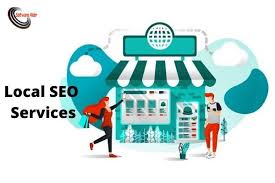
  • Local SEO: Helping businesses improve their visibility in location-based searches, including local listings and map results.
  • Digital PR and link earning: Building awareness and authority through useful resources, outreach and legitimate editorial coverage.
  • Measurement and reporting: Tracking performance and explaining what the data means for your business.

How SEO supports marketing goals

SEO can connect your business with people at different stages of their decision-making process. Some may be researching a problem, while others are comparing providers or looking for a specific product. By creating relevant pages for these needs, a business can earn visibility across more of the customer journey.

Organic search can also complement other marketing channels. Search insights may inform paid advertising, content marketing and website improvements. In turn, a strong website experience can help visitors who arrive through search, social media, referrals or email.

Unlike paid advertising, organic visibility does not usually stop as soon as a campaign budget is paused. However, SEO requires ongoing attention: competitors change their websites, search behaviour shifts and search engines update how they present results.

What does an SEO campaign involve?

Set clear objectives

Effective work starts with business goals. These might include generating more qualified enquiries, increasing online sales, growing awareness in a particular area or improving the performance of important service pages. Rankings can be useful to monitor, but they should not be treated as the only measure of success.

Review the website and its market

An initial review looks at the website’s current performance, its technical health, existing content and competitors. It should also consider the audience: what they need, the language they use and the information they expect before making a decision.

Prioritise improvements

Not every recommendation needs to be implemented at once. A good plan prioritises changes according to their likely impact, effort and relevance to the business. Fixing a barrier that prevents important pages from being indexed, for example, may take precedence over minor copy edits.

Improve content and website experience

Pages should be helpful, accurate and easy to navigate. Content should answer the reader’s question clearly rather than repeat keywords unnaturally. Strong page structure, descriptive headings, useful internal links and clear calls to action can make the experience better for both visitors and search engines.

Measure, learn and refine

SEO performance is assessed over time using data such as organic visits, search visibility, engagement, enquiries and sales. Results should be interpreted in context: seasonal changes, website updates and wider market conditions can all affect performance. Regular reviews help identify what is working and where to focus next.

How to choose an SEO provider

SEO providers vary in their services, specialisms and working methods. Before choosing one, ask how they will understand your business, what work they recommend and how they will report progress. A reliable provider should be able to explain their approach in plain English and distinguish realistic expectations from guarantees.

It is also worth asking:

  • What will be included in the proposed service?
  • Who will carry out the work, and how will they work with your team?
  • How will success be measured beyond keyword rankings?
  • How often will progress and next steps be discussed?
  • Will you retain access to your website, analytics and search accounts?

Be cautious of promises of guaranteed rankings, instant results or large numbers of links without a clear explanation of how they will be earned. Ethical SEO focuses on sustainable improvements and avoids tactics that could put a website’s reputation or search visibility at risk.

SEO is an investment in long-term visibility

Search engine optimisation marketing services can help businesses make their websites more discoverable, useful and effective. The best results come from a strategy that connects technical quality, relevant content and a positive user experience with measurable business objectives.

Whether you are building a new website or improving an established one, start with a clear understanding of your audience and priorities. From there, consistent work and thoughtful measurement can turn organic search into a valuable part of your wider marketing strategy.


Essential FAQs About Search Engine Optimisation Marketing Services in the UK

  1. What are search engine optimisation marketing services?
  2. What services are included in an SEO marketing campaign?
  3. How much do SEO marketing services cost in the UK?
  4. How long does SEO take to deliver results?
  5. How can SEO marketing services help my business?
  6. How do I choose the right SEO agency or consultant?
  7. How do SEO providers measure and report results?
  8. Can an SEO provider guarantee first-page rankings?
  9. What is the difference between SEO and paid search advertising?

What are search engine optimisation marketing services?

Search engine optimisation (SEO) marketing services help improve a website’s visibility in unpaid search results and attract relevant visitors. They can include technical website audits, keyword research, on-page optimisation, content creation, local SEO and performance reporting. The specific services are tailored to a business’s goals and audience, with the aim of making its website easier to find, more useful to visitors and better able to generate enquiries or sales.

What services are included in an SEO marketing campaign?

An SEO marketing campaign may include a website audit, keyword and audience research, technical SEO, on-page optimisation, content planning and creation, local SEO, and digital PR or link-building. It may also cover competitor analysis, conversion improvements, and regular performance reporting. The exact mix depends on your website, industry and goals, with work prioritised to improve search visibility and attract relevant visitors.

How much do SEO marketing services cost in the UK?

The cost of SEO marketing services in the UK depends on your goals, industry, competition and the amount of work required. Small businesses might pay around £500–£2,000 per month, while more competitive campaigns can cost £2,000–£5,000 or more; one-off SEO audits and consultancy are usually priced separately. Ask providers for a clear breakdown of deliverables, reporting and fees, and be cautious of unusually cheap offers or guaranteed rankings.

How long does SEO take to deliver results?

SEO typically takes several months to show meaningful results, although the timeframe varies depending on your website’s current condition, competition, industry and the work involved. Technical fixes or improvements to existing pages may have an impact sooner, while building authority and gaining visibility for competitive searches often takes longer. A reputable SEO provider will set realistic expectations, track progress using relevant measures such as qualified traffic and enquiries, and refine the strategy over time. SEO is an ongoing investment rather than a one-off fix, so results are best assessed over the long term.

How can SEO marketing services help my business?

SEO marketing services can help your business appear more prominently in relevant search results, making it easier for potential customers to find your products or services. By improving your website’s technical performance, content and local visibility, SEO can attract more qualified visitors, build trust and support enquiries or sales over time. Results depend on factors such as your industry, competition and website, so SEO is best viewed as a long-term investment rather than a guarantee of instant rankings.

How do I choose the right SEO agency or consultant?

Choose an SEO agency or consultant by first defining your goals, such as increasing qualified enquiries, online sales or local visibility. Look for relevant experience and case studies, then ask how they would assess your website, prioritise work and measure results. A trustworthy provider will explain their approach clearly, offer transparent reporting and set realistic expectations; be wary of guaranteed rankings, instant results or vague promises. It is also important to find someone who communicates well and understands your business, audience and budget.

How do SEO providers measure and report results?

SEO providers measure results against agreed business goals, using metrics such as organic traffic, search visibility, relevant keyword rankings, leads, sales and conversion rates. They may also monitor technical health and how visitors engage with key pages. Regular reports should explain what has changed, what the data means for your business and which actions are planned next, rather than simply listing numbers. Results are best assessed over time, as SEO improvements can take months to build and may be affected by seasonality, competition and search engine updates.

Can an SEO provider guarantee first-page rankings?

No reputable SEO provider can guarantee first-page rankings. Search results are influenced by many factors, including competition, search engine algorithms and changes in how people search, so rankings cannot be controlled or promised. A trustworthy provider should explain its approach, set realistic expectations and focus on sustainable improvements—such as better technical performance, useful content and more qualified organic traffic—rather than guaranteed positions.

What is the difference between SEO and paid search advertising?

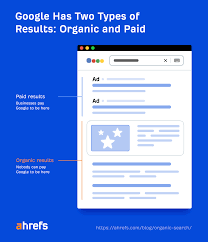
SEO improves a website’s visibility in organic search results through activities such as creating useful content, improving site performance and earning reputable links. Paid search advertising places sponsored listings in search results, usually charging the advertiser when someone clicks. SEO can build lasting visibility over time, but results are gradual and not guaranteed; paid search can generate traffic more quickly, but visibility generally stops when the campaign budget ends. Many businesses use both to support their marketing goals.

best seo marketing

Best SEO Marketing: A Practical Guide to Growing Your Online Visibility

Best SEO Marketing: A Practical Guide to Growing Your Online Visibility

The best SEO marketing helps the right people find your business through search engines. It combines useful content, technical improvements and a clear understanding of what potential customers are looking for. Rather than relying on quick fixes, effective SEO builds lasting visibility and supports measurable business goals.

There is no single SEO strategy that works for every organisation. The right approach depends on your audience, industry, website and resources. However, the strongest campaigns tend to share a few fundamentals: they focus on users, use evidence to guide decisions and improve consistently over time.

What is SEO marketing?

Search engine optimisation (SEO) is the process of improving a website so that it can appear more prominently in relevant, unpaid search results. SEO marketing applies this process to wider marketing objectives, such as increasing brand awareness, attracting qualified visitors and generating enquiries or sales.

SEO usually includes several connected activities:

  • Keyword and audience research: discovering what people search for and what information they need.
  • Content optimisation: creating and improving pages to answer those needs clearly.
  • Technical SEO: helping search engines access, understand and index your website.
  • On-page optimisation: improving page titles, headings, internal links and other elements.
  • Authority building: earning relevant mentions and links from credible websites.
  • Measurement: reviewing performance and refining the strategy.

Start with your audience and business goals

Successful SEO begins with a clear idea of who you want to reach and what you want them to do. A rise in website traffic may look encouraging, but it is more valuable when that traffic comes from people who are likely to become customers.

Define your priorities before choosing keywords. You might want to increase online sales, attract more local enquiries, promote a particular service or build awareness in a new market. These goals help shape the pages you need and the results you should measure.

Choose keywords based on intent

Keyword research is not simply about finding phrases with high search volumes. It is about understanding the purpose behind a search. Someone searching for “how to improve website rankings” may be looking for advice, while someone searching for “SEO consultant in London” may be closer to choosing a provider.

Consider the different types of search intent:

  • Informational: the searcher wants to learn or solve a problem.
  • Commercial: the searcher is comparing options before making a decision.
  • Transactional: the searcher is ready to buy, book or enquire.
  • Navigational: the searcher is looking for a particular brand or website.

Map relevant search terms to suitable pages. A detailed guide may suit an informational query, while a service page is better for a search with commercial or transactional intent. Avoid creating several pages that compete for the same topic without a clear reason.

Create genuinely useful content

High-quality content is central to the best SEO marketing. It should answer the reader’s question accurately, be easy to follow and offer something of real value. This could be specialist knowledge, practical instructions, original research or a clear explanation of a complex subject.

Before writing, review the needs of your audience and the information already available. Then create a page that is more helpful, clearer or more complete. Use descriptive headings, concise paragraphs and examples where appropriate. Include keywords naturally, but never at the expense of readability.

Content also needs to stay current. Review important pages regularly to check that details are accurate, links work and recommendations remain relevant. Update, combine or remove pages where necessary rather than publishing new content simply to increase volume.

Make your website easy to use

A search result is only the start of the customer journey. Once visitors reach your site, they should be able to find information and take the next step without unnecessary effort. Clear navigation, readable text, helpful calls to action and a consistent design all contribute to a better experience.

Mobile usability is especially important because many people browse and search on mobile devices. Check that pages display correctly on smaller screens, buttons are easy to tap and important information is not difficult to find.

Address technical SEO essentials

Technical SEO helps search engines discover and interpret your pages. It also supports a reliable experience for visitors. Begin with the essentials:

  • Make sure important pages can be crawled and indexed.
  • Use a logical site structure and descriptive URLs.
  • Fix broken links and redirect outdated pages appropriately.
  • Provide a secure HTTPS connection.
  • Use a sitemap and maintain a suitable robots.txt file.
  • Check page speed and improve performance where practical.
  • Add structured data when it accurately describes the page.

Technical work should be prioritised according to its impact. A complicated website change is not automatically more valuable than fixing a small issue that prevents important pages from appearing in search.

Strengthen local SEO where relevant

For businesses serving a particular area, local SEO can help connect them with nearby customers. Keep your business name, address and phone number accurate across relevant platforms, and maintain a complete business profile on Google. Add up-to-date opening hours, services and photographs where appropriate.

Encourage genuine customer reviews and respond to them professionally. Local landing pages can also be useful when they provide specific information for each area served. Avoid creating near-identical pages that merely swap one location name for another.

Build authority naturally

Links from other websites can help search engines understand that your content is useful and credible. The most sustainable way to earn them is to publish material worth referencing and build genuine relationships within your industry.

Useful approaches may include sharing original research, contributing expert commentary, creating practical resources or partnering with relevant organisations. Be cautious of services that promise large numbers of links quickly. Manipulative link schemes can put a website’s long-term performance at risk.

Measure outcomes, not just rankings

Rankings can help you understand visibility, but they are only one part of performance. Use analytics and search performance tools to monitor a broader set of measures, such as:

  • Organic visits to important pages
  • Search impressions and clicks
  • Qualified enquiries, bookings or purchases
  • Conversion rate and revenue from organic search
  • Performance across priority topics and locations

Set a baseline before making major changes and allow enough time to assess the results. SEO is usually a gradual process, and performance can be affected by competition, seasonality, website changes and search engine updates.

Common SEO marketing mistakes to avoid

  • Choosing keywords only because they have high search volumes.
  • Publishing thin or repetitive pages to target more phrases.
  • Overusing keywords in a way that makes content unnatural.
  • Ignoring mobile usability and page experience.
  • Buying links or using tactics designed to manipulate rankings.
  • Expecting immediate results from a long-term channel.
  • Reporting rankings without connecting them to business outcomes.

How to choose an SEO marketing partner

If you work with an agency or consultant, look for a partner who takes time to understand your business, explains their recommendations clearly and sets realistic expectations. Ask how progress will be measured, what work will be carried out and how often results will be reviewed.

Be wary of guaranteed rankings or vague promises. No provider can control search engine results, but a responsible SEO partner can explain the strategy, prioritise the work and report honestly on progress.

Building an effective SEO strategy

The best SEO marketing is not a collection of tricks. It is a coordinated effort to understand your audience, create useful pages, maintain a technically sound website and earn trust over time. Start with the improvements most closely connected to your business goals, measure their impact and keep refining your approach.

With consistent work and realistic expectations, SEO can become a valuable source of relevant visitors and long-term business growth.


Top 26 Frequently Asked Questions About the Best SEO Marketing Practices

  1. Is SEO best or digital marketing?
  2. Who is the best SEO in the world?
  3. Which platform is good for SEO?
  4. Which SEO service is best?
  5. Is SEO the best marketing?
  6. Which is the 1 SEO company in the world?
  7. Which SEO company is best?
  8. What is an SEO in marketing?
  9. What is the best strategy for SEO?
  10. What is the most powerful SEO in the world?
  11. What are the 3 types of SEO?
  12. How is SEO good for marketing?
  13. What is SEO in marketing?
  14. Does SEO marketing really work?
  15. Is SEO worth it 2022?
  16. Is SEO the best form of marketing?
  17. What is SEO Best Practices 2022?
  18. Is SEO a waste of money?
  19. Is SEO dead or evolving in 2026?
  20. Can ChatGPT do SEO?
  21. Can you do SEO yourself?
  22. What is the best SEO service in the UK?
  23. Is SEO worth it in 2022?
  24. Can I do SEO on my own?
  25. What are SEO tools in marketing?
  26. What SEO company is best?

Is SEO best or digital marketing?

SEO is one part of digital marketing, so the best choice depends on your goals. SEO can help your website attract relevant visitors from unpaid search results over time, while digital marketing also includes channels such as paid advertising, email and social media, which may deliver faster or broader reach. For many businesses, the strongest approach is a combination: use SEO to build sustainable visibility and other digital marketing channels to support immediate campaigns and customer engagement.

Who is the best SEO in the world?

There is no single “best SEO in the world”, as the right expert depends on your industry, goals, budget and market. SEO is also constantly changing, so look for a professional or agency with relevant experience, a clear and ethical approach, transparent reporting and evidence of meaningful results. Be cautious of anyone promising guaranteed rankings; a trustworthy SEO partner will explain what they can influence and set realistic expectations.

Which platform is good for SEO?

The best platform for SEO depends on your website’s needs, but WordPress is a popular choice thanks to its flexibility and range of SEO tools. Shopify can work well for online shops, while Wix and Squarespace also offer useful SEO features for many small businesses. No platform guarantees strong rankings, however: results depend on factors such as useful content, a well-structured and technically sound website, and a good user experience. Choose a platform that suits your goals and makes it straightforward to manage and improve your site.

Which SEO service is best?

The best SEO service depends on your business goals, audience and current website. A local business may benefit most from local SEO, while an online shop might prioritise e-commerce SEO, technical improvements and product-page optimisation. Look for a service that starts with research, explains its recommendations clearly, focuses on sustainable practices and measures success through meaningful outcomes such as qualified enquiries or sales—not rankings alone.

Is SEO the best marketing?

SEO can be one of the most effective marketing channels for building long-term visibility and attracting people who are actively searching for your products or services, but it is not always the best choice on its own. Results can take time, and the right mix depends on your goals, audience and budget. For many businesses, SEO works best alongside channels such as paid advertising, social media and email marketing.

Which is the 1 SEO company in the world?

There is no universally recognised “number one” SEO company in the world, as the right choice depends on your goals, industry, budget and target markets. Rather than relying on rankings or bold claims, look for an SEO partner with relevant experience, transparent reporting, clear communication and a strategy tailored to your business. Check independent reviews and case studies, and be cautious of anyone guaranteeing specific rankings or overnight results.

Which SEO company is best?

There is no single SEO company that is best for every business; the right choice depends on your goals, budget, industry and target audience. Look for a company with relevant experience, clear and realistic recommendations, transparent reporting and an ethical approach to SEO. Ask how it will measure success and make sure its strategy focuses on meaningful outcomes—such as qualified enquiries or sales—not just rankings. Before committing, compare proposals and choose a team that takes the time to understand your business and explain its work clearly.

What is an SEO in marketing?

In marketing, SEO (search engine optimisation) is the practice of improving a website so it is more visible in unpaid search engine results. It involves understanding what people are searching for, creating useful and relevant content, and making sure the website is easy for search engines and visitors to use. The aim is to attract the right audience and support goals such as enquiries, sales or brand awareness.

What is the best strategy for SEO?

The best SEO strategy starts with understanding your audience and the searches they make, then creating accurate, useful content that meets their needs. Support this with a technically sound, mobile-friendly website, clear page structure, relevant internal links and trustworthy links earned from reputable sources. Track meaningful results—such as qualified enquiries, sales and organic traffic—not rankings alone, and refine your approach regularly as your business and search behaviour change.

What is the most powerful SEO in the world?

The most powerful SEO is not a single tool or tactic; it is a well-planned strategy that combines helpful, trustworthy content with strong technical foundations and a positive user experience. Understanding what people are searching for, then meeting those needs better than competing pages, can build lasting visibility. The right approach depends on your audience and goals, so focus on relevant traffic and meaningful results rather than quick fixes or guaranteed rankings.

What are the 3 types of SEO?

The three main types of SEO are on-page SEO, off-page SEO and technical SEO. On-page SEO covers improvements made to your website’s content and pages, such as useful information, headings and internal links. Off-page SEO focuses on building your site’s reputation beyond its own pages, particularly through relevant, trustworthy links and brand mentions. Technical SEO helps search engines crawl, understand and index your website, with work on areas such as site structure, mobile usability and page speed. Together, these three areas support stronger organic visibility and a better experience for visitors.

How is SEO good for marketing?

SEO is good for marketing because it helps your business appear when people search online for products, services or information you offer. By improving your website’s content, visibility and user experience, SEO can attract relevant visitors, build trust in your brand and generate enquiries or sales over time. Unlike paid advertising, organic search traffic does not require a fee for each click, although effective SEO does require ongoing effort and investment.

What is SEO in marketing?

SEO in marketing is the process of improving a website so it appears more prominently in unpaid search engine results. It involves understanding what your audience searches for, creating useful and relevant content, and making sure your website is easy for both visitors and search engines to use. As part of a wider marketing strategy, SEO can help attract qualified traffic, build brand visibility and support enquiries or sales over time.

Does SEO marketing really work?

Yes, SEO marketing can work by helping your website appear in relevant search results and attracting people who are actively looking for your products or services. Results usually take time and depend on factors such as your competition, website quality and the consistency of your efforts. While SEO cannot guarantee specific rankings, a well-planned strategy can increase qualified traffic, enquiries and sales over the long term.

Is SEO worth it 2022?

Yes, SEO was worth considering in 2022 for businesses looking to attract relevant visitors and build visibility in search results over the long term. It could help bring in customers who were actively searching for related products or services, but results were rarely immediate and depended on factors such as competition, website quality and the consistency of the work. SEO was most worthwhile when it supported clear business goals and was treated as an ongoing investment rather than a quick fix.

Is SEO the best form of marketing?

SEO can be one of the most effective forms of marketing, particularly for reaching people who are actively searching for products, services or information. It can attract relevant visitors over time and support lasting online visibility, but it is not always the best choice on its own. The right marketing mix depends on your goals, audience, budget and timescale; combining SEO with channels such as paid advertising, social media or email marketing may deliver stronger results.

What is SEO Best Practices 2022?

SEO best practices in 2022 meant using sustainable, user-focused techniques to improve a website’s visibility in search results. This included creating useful, trustworthy content that matched search intent, making pages mobile-friendly and fast, maintaining sound technical SEO, using clear page titles and headings, and earning relevant links naturally. Rather than relying on keyword stuffing or other shortcuts, the focus was on making a website genuinely helpful and easy for both visitors and search engines to understand.

Is SEO a waste of money?

No, SEO is not inherently a waste of money, but its value depends on the strategy, execution and expectations. A well-planned campaign can help your website attract relevant visitors and generate enquiries or sales over time. However, SEO is rarely an instant fix: results can take months, and no provider can guarantee specific rankings. Before investing, set clear business goals, ask how progress will be measured and make sure the proposed work is transparent, ethical and suited to your audience.

Is SEO dead or evolving in 2026?

As of 2026, SEO is far from dead; rather, it continues to evolve in response to changing technologies and user behaviours. While some traditional tactics may have become obsolete, the core principles of SEO remain vital for online visibility. Search engines are increasingly sophisticated, using advanced algorithms and AI to understand user intent and deliver more relevant results. This evolution means that businesses must adapt by focusing on high-quality content, user experience, and technical optimisation. Additionally, the rise of voice search, mobile-first indexing, and AI-driven search features are reshaping how SEO strategies are developed and implemented. Therefore, staying informed about these changes is crucial for maintaining a competitive edge in the digital landscape.

Can ChatGPT do SEO?

Yes, ChatGPT can support SEO by helping with tasks such as brainstorming keywords, outlining articles, drafting or refining content, and explaining SEO concepts. However, it cannot replace expert judgement: its suggestions need to be checked for accuracy, originality, search intent and alignment with your business, and it cannot guarantee rankings or independently manage every technical aspect of a campaign. Use it as a productivity tool alongside reliable data, human expertise and regular performance reviews.

Can you do SEO yourself?

Yes, you can do SEO yourself, particularly if you have time to learn the basics and your website is relatively small. Start by researching the phrases your audience uses, creating helpful content, improving page titles and headings, and making sure your site works well on mobile devices. Free tools can help you monitor performance and identify technical issues. SEO takes ongoing effort, though, and more complex websites or competitive markets may benefit from professional support.

What is the best SEO service in the UK?

The best SEO service in the UK is one that understands your business, audience and goals, then builds a tailored strategy around them. Look for a provider with a transparent approach, proven experience, clear reporting and a focus on sustainable techniques such as technical optimisation, useful content and relevant link-building. The right choice will measure success by meaningful outcomes—such as qualified enquiries or sales—not rankings alone, and will avoid guaranteeing specific positions in search results.

Is SEO worth it in 2022?

Yes, SEO was worth investing in during 2022 for businesses seeking to attract relevant visitors and build long-term online visibility. While it typically takes time to deliver results, well-planned SEO can bring qualified traffic without paying for every click and help a website remain discoverable over time. Its value depends on your goals, competition and the quality of your strategy, so success should be measured by meaningful outcomes such as enquiries, sales and leads—not rankings alone.

Can I do SEO on my own?

Yes, you can do SEO yourself, particularly if you have the time to learn the basics and make regular improvements. Start by researching the terms your customers use, creating helpful content, improving page titles and headings, and making sure your website works well on mobile. Free tools can help you monitor search performance and identify technical issues. SEO takes time, and more complex websites may need specialist support, but a steady, informed approach can make a worthwhile difference.

What are SEO tools in marketing?

SEO tools in marketing help businesses research, plan and measure their search engine optimisation (SEO) activity. They can be used to find relevant keywords, check website health, analyse competitors, monitor search rankings, identify content opportunities and track website traffic. Examples include Google Search Console and Google Analytics, alongside specialist SEO platforms. The best tools depend on your goals, but they should support informed decisions rather than replace useful content, sound strategy and a good experience for visitors.

What SEO company is best?

The best SEO company is one that understands your business, audience and goals, then builds a clear strategy around them. Look for a provider with relevant experience, transparent reporting and a focus on sustainable practices, such as useful content and sound technical SEO. Ask how they measure success and be cautious of anyone promising guaranteed rankings or instant results, as search performance takes time and no company can control Google’s results.

organic seo services

Organic SEO Services: A Practical Guide to Sustainable Search Growth

Organic SEO Services: A Guide to Sustainable Search Growth

When people search online for a product, service or answer, they often begin with a search engine. Organic SEO services help businesses improve their visibility in unpaid search results, making it easier for potential customers to find relevant pages on their website.

Unlike paid search advertising, organic search traffic is not purchased through a fee for each click. Instead, it is earned over time by making a website useful, accessible and relevant to both visitors and search engines. Results are not instant, but a well-planned SEO strategy can support sustainable growth.

What are organic SEO services?

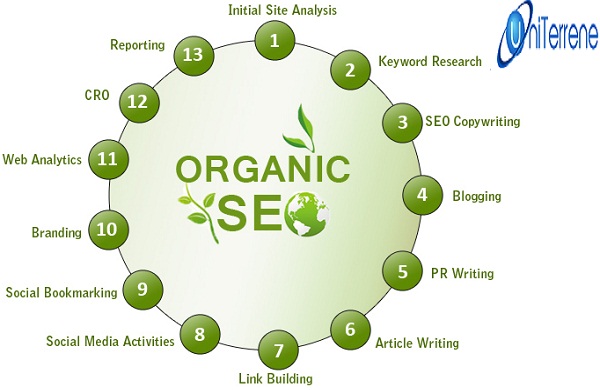
Organic SEO services are the activities used to improve a website’s position and visibility in non-paid search results. They combine technical improvements, helpful content and website authority to make pages easier to discover and more valuable to visitors.

Services are usually tailored to a business’s audience, objectives, competition and current website performance. They may include:

  • SEO audits: Reviewing a website to identify technical issues, content gaps and opportunities to improve.
  • Keyword research: Understanding the terms people use when looking for a business’s products, services or expertise.
  • On-page optimisation: Improving page titles, headings, copy, internal links and other elements so each page clearly addresses its subject.
  • Technical SEO: Helping search engines access, crawl and understand a website, while improving factors such as mobile usability and page performance.
  • Content strategy: Planning and creating useful, original content that answers genuine questions and supports the customer journey.
  • Local SEO: Improving visibility for relevant searches in a particular town, city or region.
  • Digital PR and link earning: Building a website’s reputation through relevant coverage, references and links from credible sources.
  • Measurement and reporting: Tracking meaningful indicators such as organic visits, enquiries, sales and search visibility.

Why invest in organic SEO?

Organic SEO can help a business reach people who are actively searching for information or services related to its offering. When a website appears prominently for relevant searches, it can attract more qualified visitors and give potential customers useful information at the moment they need it.

SEO can also improve the website itself. Clear navigation, well-structured pages, accessible content and faster-loading experiences benefit visitors as well as supporting search performance. Over time, valuable content can continue to attract traffic beyond the initial publication date.

However, SEO is not a guaranteed route to a particular ranking or a fixed volume of sales. Search results change, competitors improve their websites and customer behaviour evolves. Effective optimisation is an ongoing process rather than a one-off task.

How organic SEO works

Search engines aim to show results that are useful and relevant to a person’s query. To do this, they discover and assess web pages, considering a range of signals. Organic SEO helps ensure that a website can be found, understood and trusted, while making its content a strong match for the audience’s needs.

A typical campaign begins with research and a review of the website. The SEO team then agrees priorities, makes improvements and measures the results. Depending on the findings, the work may focus on resolving technical barriers, improving important service pages, creating new content or strengthening the site’s authority.

What to look for in an SEO service

Choosing an SEO provider is about more than comparing a list of deliverables. Look for a team that takes time to understand your business, explains its recommendations clearly and connects its work to your objectives.

  • A tailored strategy: Recommendations should reflect your website, audience and market, rather than rely on a generic package.
  • Clear communication: You should understand what work is being done, why it matters and how progress will be reviewed.
  • Realistic expectations: A responsible provider will not promise guaranteed rankings or overnight results.
  • Ethical methods: Avoid tactics designed to manipulate search engines, such as buying links or publishing low-quality, repetitive content.
  • Useful reporting: Reports should explain performance in plain language and focus on outcomes that matter to your business.

How long does organic SEO take?

There is no universal timeframe. Progress depends on factors such as the website’s starting condition, the competitiveness of its market, the quality of existing content and the resources available to make improvements. Technical fixes may be completed relatively quickly, while building visibility and authority often takes longer.

A good SEO programme sets priorities, establishes a performance baseline and reviews results regularly. It should also adapt as new information becomes available, rather than follow a rigid plan regardless of what the data shows.

Make organic search part of your growth strategy

Organic SEO services can help businesses build a stronger presence in search, attract relevant visitors and create a better experience on their website. The strongest results come from consistent work that puts users first: understanding what they need, providing clear answers and making those answers easy to find.

Whether you are starting from scratch or improving an established website, a considered SEO strategy can help you make better use of organic search as part of your wider digital marketing activity.


8 Essential Tips for Choosing Effective Organic SEO Services

  1. Choose an SEO provider with proven results.
  2. Set clear goals before work begins.
  3. Prioritise useful, original content.
  4. Research relevant search terms.
  5. Improve page speed and mobile usability.
  6. Earn links from trusted websites.
  7. Track rankings, traffic and conversions.
  8. Avoid providers promising instant results.

Choose an SEO provider with proven results.

Choose an SEO provider with proven results, and ask for evidence that their work has delivered meaningful outcomes for businesses with similar goals or challenges. Look beyond ranking claims: useful proof may include improvements in relevant organic traffic, qualified enquiries, sales or visibility. A reputable provider should explain what they did, how success was measured and what factors influenced the results, while being clear that SEO cannot guarantee specific rankings or outcomes.

Set clear goals before work begins.

Before organic SEO work begins, set clear goals that link to your wider business objectives. Decide what success should look like, whether that means increasing relevant website visits, generating more enquiries, growing online sales or improving visibility for priority services. Clear goals help guide the strategy, focus resources on the most valuable opportunities and make it easier to measure progress over time. They also ensure that you and your SEO provider share the same expectations from the outset.

Prioritise useful, original content.

Prioritise useful, original content that answers your audience’s questions and helps them make informed decisions. Rather than creating pages simply to include keywords, focus on sharing accurate, relevant information in a clear and engaging way. This gives visitors a better experience, helps your website stand out and supports organic SEO by showing search engines what each page offers. Keep content up to date, and make sure it reflects your expertise and the needs of your customers.

Research relevant search terms.

Researching relevant search terms is a key first step in organic SEO. Find out what your potential customers are searching for, including the questions they ask and the language they use to describe your products or services. Choose terms that match your offering and the intent behind each search, then use them naturally in useful page titles, headings and content. This helps search engines understand your pages and gives visitors information that is genuinely relevant to their needs.

Improve page speed and mobile usability.

Improving page speed and mobile usability can make a real difference to both user experience and organic search performance. Pages that load quickly and work smoothly on smartphones help visitors find what they need without frustration, making them more likely to stay and take action. Compressing images, reducing unnecessary code and checking that text, buttons and navigation display clearly on smaller screens are practical ways to improve your website. Regular testing across different devices can help identify issues before they affect your visitors.

Earn links from trusted websites by creating genuinely useful content that others want to reference, and by building relationships with relevant organisations, publications and industry experts. Quality matters more than quantity: links from reputable, relevant sources can help people discover your website and strengthen its credibility. Avoid buying links or using schemes designed to manipulate search rankings, as these can put your site at risk.

Track rankings, traffic and conversions.

Track rankings, organic traffic and conversions to understand whether your SEO activity is delivering meaningful results. Rankings can show how your pages perform for target searches, while traffic reveals whether more people are finding your website through search. Most importantly, monitor conversions—such as enquiries, bookings or sales—to see whether those visits are contributing to your business goals. Reviewing these measures regularly helps you identify what is working and where your organic SEO strategy may need adjusting.

Avoid providers promising instant results.

Avoid SEO providers promising instant results or guaranteed top rankings. Organic SEO takes time because improvements need to be implemented, indexed and assessed by search engines, and progress depends on factors such as competition and your website’s starting point. A trustworthy provider will set realistic expectations, explain its approach and report on meaningful progress rather than offer quick fixes that may put your website’s reputation at risk.

ppc search engine internet marketing

Mastering the Art of PPC Search Engine Internet Marketing: A Guide to Online Success

PPC Search Engine Internet Marketing

The Power of PPC Search Engine Internet Marketing

In the realm of digital marketing, Pay-Per-Click (PPC) search engine internet marketing stands out as a powerful tool for businesses looking to boost their online presence and drive targeted traffic to their websites. PPC advertising allows businesses to bid on specific keywords relevant to their products or services and display ads on search engine results pages.

One of the key advantages of PPC advertising is its ability to deliver immediate results. Unlike organic SEO strategies that take time to yield results, PPC campaigns can generate traffic and leads almost instantly. This makes PPC an ideal choice for businesses looking to quickly increase visibility and attract potential customers.

PPC search engine internet marketing also offers precise targeting options. Advertisers can tailor their campaigns based on factors such as location, device, demographics, and even the time of day. This level of targeting ensures that ads are shown to the most relevant audience, increasing the likelihood of conversions.

Furthermore, PPC advertising provides detailed analytics and tracking capabilities. Advertisers can monitor key metrics such as click-through rates, conversion rates, and return on investment in real-time. This data allows businesses to make informed decisions about their campaigns and optimise performance for better results.

When done correctly, PPC search engine internet marketing can be a cost-effective way to drive traffic and achieve business goals. By continuously refining ad copy, targeting parameters, and bidding strategies, businesses can maximise the effectiveness of their PPC campaigns and see a significant return on investment.

In conclusion, PPC search engine internet marketing is a valuable tool for businesses seeking to enhance their online visibility and reach potential customers efficiently. With its immediate results, precise targeting options, and detailed analytics, PPC advertising offers a strategic approach to driving traffic and generating leads in the competitive digital landscape.


7 Frequently Asked Questions About PPC Search Engine Internet Marketing

  1. What is PPC search engine internet marketing?
  2. How does PPC advertising work for search engines?
  3. What are the benefits of using PPC for internet marketing?
  4. How can businesses target specific audiences with PPC campaigns?
  5. What metrics should businesses track to measure the success of their PPC campaigns?
  6. Is PPC advertising cost-effective compared to other forms of digital marketing?
  7. What are some best practices for optimising PPC campaigns for better results?

What is PPC search engine internet marketing?

PPC search engine internet marketing refers to a digital advertising strategy where businesses bid on specific keywords to display ads on search engine results pages. In this model, advertisers pay a fee each time a user clicks on their ad, hence the term “Pay-Per-Click” (PPC). This form of online marketing allows businesses to target their audience based on relevant keywords and demographics, ensuring that their ads are shown to users actively searching for products or services. With PPC search engine internet marketing, businesses can drive targeted traffic to their websites, increase brand visibility, and achieve specific marketing objectives through strategic ad placements on search engines like Google and Bing.

How does PPC advertising work for search engines?

PPC advertising for search engines operates on a bidding system where businesses bid on specific keywords relevant to their products or services. When a user enters a search query that matches the chosen keywords, the search engine displays sponsored ads at the top or bottom of the search results page. Advertisers pay a fee only when their ad is clicked, hence the name “Pay-Per-Click”. The position of the ad is determined by factors such as bid amount, ad relevance, and click-through rate. This targeted approach ensures that businesses can reach potential customers actively searching for their offerings, making PPC advertising an effective strategy for driving traffic and increasing conversions.

What are the benefits of using PPC for internet marketing?

When considering the benefits of using PPC for internet marketing, businesses can harness the power of targeted advertising to reach specific audiences effectively. Through PPC campaigns, businesses can enjoy immediate visibility on search engine results pages, driving relevant traffic to their websites. The ability to control budgets and target keywords allows for a cost-effective approach, where advertisers only pay when their ads are clicked. Additionally, the detailed analytics provided by PPC platforms enable businesses to track performance metrics in real-time, allowing for continuous optimisation and improved return on investment. Overall, utilising PPC for internet marketing offers businesses a dynamic and results-driven strategy to enhance online presence and achieve marketing objectives efficiently.

How can businesses target specific audiences with PPC campaigns?

To target specific audiences with PPC campaigns, businesses can utilise a range of targeting options offered by search engine advertising platforms. These options include demographic targeting based on factors such as age, gender, and income level, as well as geographic targeting to reach audiences in specific locations. Businesses can also leverage interest-based targeting to display ads to users with particular interests or behaviours. Furthermore, remarketing allows businesses to target users who have previously interacted with their website or shown interest in their products or services. By combining these targeting methods strategically, businesses can tailor their PPC campaigns to reach the most relevant audience segments and maximise the effectiveness of their advertising efforts.

What metrics should businesses track to measure the success of their PPC campaigns?

When evaluating the success of their PPC campaigns, businesses should track a range of key metrics to gauge performance effectively. Some essential metrics include click-through rate (CTR), which indicates the percentage of users who clicked on the ad after seeing it; conversion rate, which measures the percentage of users who completed a desired action after clicking on the ad; cost per click (CPC), representing the amount paid for each click on the ad; return on investment (ROI), showing the profitability of the campaign relative to its cost; and quality score, reflecting the relevance and quality of keywords and ads. By monitoring these metrics closely, businesses can assess the effectiveness of their PPC campaigns and make data-driven decisions to optimise performance and achieve their marketing objectives.

Is PPC advertising cost-effective compared to other forms of digital marketing?

When considering the cost-effectiveness of PPC advertising compared to other forms of digital marketing, it is essential to weigh the benefits that PPC offers. PPC advertising allows businesses to have full control over their budget by setting daily or campaign-specific spending limits. This level of control ensures that advertisers only pay when their ads are clicked, making it a cost-effective option as they can track exactly how their budget is being utilised. Additionally, the precise targeting options in PPC campaigns help businesses reach their desired audience effectively, increasing the chances of conversions and maximising ROI. Overall, PPC advertising can be a highly cost-effective strategy when implemented strategically and monitored closely to optimise performance and achieve desired results.

What are some best practices for optimising PPC campaigns for better results?

When it comes to optimising PPC campaigns for better results, there are several best practices that businesses should consider implementing. Firstly, conducting thorough keyword research to identify relevant and high-performing keywords is essential. Creating compelling ad copy that is tailored to these keywords and aligns with the user’s search intent can improve click-through rates and conversions. Additionally, regularly monitoring campaign performance metrics such as click-through rates, conversion rates, and cost per acquisition allows for data-driven decision-making and enables adjustments to be made in real-time for optimal results. Testing different ad variations, targeting options, and bidding strategies can also help fine-tune campaigns for maximum effectiveness. By following these best practices and continuously refining strategies based on performance data, businesses can enhance the success of their PPC campaigns and achieve better results in driving traffic and generating leads.

automotive seo

Unlocking the Potential of Automotive SEO: Driving Your Online Success

The Power of Automotive SEO: Driving Your Online Presence Forward

The Power of Automotive SEO: Driving Your Online Presence Forward

In today’s digital age, having a strong online presence is crucial for automotive businesses looking to attract and engage customers. This is where Automotive SEO comes into play, offering a powerful strategy to drive your website to the top of search engine results and increase visibility among potential buyers.

What is Automotive SEO?

Automotive SEO involves optimizing your website and online content to rank higher in search engine results pages (SERPs) for relevant keywords related to the automotive industry. By implementing effective SEO techniques, such as keyword research, on-page optimization, link building, and content creation, automotive businesses can improve their online visibility and attract more organic traffic.

The Benefits of Automotive SEO

Implementing a robust Automotive SEO strategy offers numerous benefits for automotive businesses:

  • Increased Visibility: By ranking higher in search engine results, your website becomes more visible to potential customers searching for automotive products or services.
  • Targeted Traffic: Optimizing your website for specific keywords allows you to attract targeted traffic from users who are actively seeking automotive solutions.
  • Improved Brand Awareness: A strong online presence through SEO helps build brand awareness and credibility among consumers in the competitive automotive market.
  • Higher Conversion Rates: By targeting relevant keywords and providing valuable content, you can increase the chances of converting website visitors into leads or customers.
  • Competitive Edge: Effective Automotive SEO can give your business a competitive edge by outperforming competitors in search engine rankings.

Key Strategies for Automotive SEO Success

To make the most of Automotive SEO, consider implementing the following key strategies:

  • Keyword Research: Identify relevant keywords that potential customers are using to search for automotive products or services.
  • On-Page Optimization: Optimise meta tags, headings, images, and content on your website with targeted keywords.
  • Local SEO: Target local keywords and optimise your Google My Business listing to attract local customers searching for automotive services in your area.
  • Content Creation: Create high-quality, engaging content such as blogs, articles, and videos that provide value to your audience and incorporate relevant keywords.
  • Link Building: Build quality backlinks from reputable websites to improve your site’s authority and credibility in the eyes of search engines.

In Conclusion

A strong Automotive SEO strategy is essential for driving your online presence forward in the competitive automotive industry. By implementing effective SEO techniques tailored to your business goals, you can enhance visibility, attract targeted traffic, and ultimately drive growth and success for your automotive business online.


Top 5 Advantages of Automotive SEO: Boost Visibility, Targeted Traffic, and Competitive Edge

  1. Increased online visibility for automotive businesses
  2. Targeted traffic from users actively seeking automotive products or services
  3. Enhanced brand awareness and credibility in the competitive automotive market
  4. Higher conversion rates by attracting relevant leads and customers
  5. Competitive edge over rivals by outperforming them in search engine rankings


Challenges of Automotive SEO: Navigating Competition, Costs, and Constant Change

  1. 1. Competitive Industry
  2. 2. Time-Consuming
  3. 3. Constant Algorithm Changes
  4. 4. Technical Expertise Needed
  5. 5. Costly Investment
  6. 6. Results Not Immediate
  7. 7. Risk of Penalties

Increased online visibility for automotive businesses

Increased online visibility for automotive businesses is a significant advantage of implementing Automotive SEO strategies. By optimising website content and utilising effective SEO techniques, such as keyword research and on-page optimisation, automotive businesses can improve their search engine rankings and attract more organic traffic. This heightened visibility not only increases brand awareness but also ensures that potential customers can easily find and engage with the business online, ultimately leading to greater opportunities for growth and success in the competitive automotive industry.

Targeted traffic from users actively seeking automotive products or services

One significant advantage of Automotive SEO is the ability to attract targeted traffic from users who are actively searching for automotive products or services. By optimising your website with relevant keywords and engaging content, you can ensure that your site appears in front of potential customers at the exact moment they are looking for automotive solutions. This targeted approach not only increases the likelihood of converting visitors into leads or customers but also enhances the overall effectiveness of your online marketing efforts in reaching the right audience.

Enhanced brand awareness and credibility in the competitive automotive market

Implementing Automotive SEO can significantly enhance brand awareness and credibility in the fiercely competitive automotive market. By ranking higher in search engine results and having a strong online presence, automotive businesses can establish themselves as authoritative and trustworthy sources within the industry. This increased visibility not only attracts more potential customers but also helps build a positive reputation that sets them apart from competitors. As consumers increasingly turn to search engines for information, a well-executed Automotive SEO strategy can elevate a brand’s standing and make it a go-to choice for automotive products and services.

Higher conversion rates by attracting relevant leads and customers

One of the key advantages of Automotive SEO is its ability to significantly boost conversion rates by attracting relevant leads and customers to your website. By optimising your online presence for specific automotive keywords, you can ensure that your site appears in front of users actively seeking products or services in the automotive industry. This targeted approach not only drives more traffic to your site but also increases the likelihood of converting these visitors into valuable leads or customers, ultimately leading to improved sales and business growth.

Competitive edge over rivals by outperforming them in search engine rankings

One of the key advantages of Automotive SEO is the ability to gain a competitive edge over rivals by outperforming them in search engine rankings. By implementing effective SEO strategies tailored to the automotive industry, businesses can improve their online visibility and appear higher in search results than their competitors. This not only increases brand exposure but also attracts more organic traffic from users actively searching for automotive products or services, ultimately positioning the business as a leader in the market and driving ahead of rivals in the digital landscape.

1. Competitive Industry

In the automotive industry, one significant drawback of Automotive SEO is the intense competition within the sector. With numerous businesses vying for visibility and customer attention, it becomes increasingly challenging to secure top rankings for popular keywords. The competitive nature of the automotive market demands strategic and innovative SEO approaches to stand out amidst rivals and capture the interest of potential customers effectively.

2. Time-Consuming

Implementing and maintaining an effective Automotive SEO strategy can be a time-consuming endeavour. From conducting thorough keyword research to continuously updating and optimising website content, SEO demands a significant investment of time and effort. In the fast-paced automotive industry, where trends and technologies evolve rapidly, staying ahead in search engine rankings requires consistent monitoring and adjustments. Despite the time commitment involved, the long-term benefits of a well-executed Automotive SEO strategy can outweigh the initial challenges, leading to increased online visibility and customer engagement for automotive businesses.

3. Constant Algorithm Changes

One significant drawback of Automotive SEO is the constant algorithm changes implemented by search engines. These frequent updates demand continual adaptations to SEO strategies to ensure optimal performance and maintain visibility in search engine results. Keeping up with these evolving algorithms can be challenging for automotive businesses, as it requires ongoing monitoring and adjustments to stay ahead of the curve and effectively reach target audiences.

4. Technical Expertise Needed

One notable drawback of Automotive SEO is the need for technical expertise to navigate its intricate aspects effectively. This specialised field demands a deep understanding of various technical elements, such as website structure, schema markup, and server configurations. Implementing advanced SEO strategies specific to the automotive industry may necessitate skills that go beyond basic SEO practices. Therefore, businesses operating in this sector may face challenges in optimising their online presence without the requisite technical knowledge or expertise.

5. Costly Investment

One notable drawback of Automotive SEO is the substantial cost involved in hiring SEO professionals or agencies to implement and manage the strategy. This can be a significant financial investment for automotive businesses, especially those operating on tight budgets. The expense of hiring experts for Automotive SEO may deter some businesses from fully utilising this powerful marketing tool, limiting their ability to compete effectively in the online automotive market.

6. Results Not Immediate

One notable drawback of Automotive SEO is the lack of immediate results. Despite implementing effective SEO strategies, such as keyword research and on-page optimization, automotive businesses may not see instant improvements in website traffic and conversions. It requires patience and persistence as it can take time for search engines to recognize and reward these efforts with higher rankings. This delay in seeing tangible results from Automotive SEO efforts can be challenging for businesses seeking quick outcomes in the competitive online landscape.

7. Risk of Penalties

One significant drawback of Automotive SEO is the risk of penalties that may arise from incorrect implementation of SEO practices. If your automotive website fails to adhere to search engine guidelines or engages in questionable tactics, such as keyword stuffing or acquiring low-quality backlinks, it could result in penalties from search engines. These penalties can have a detrimental impact on your website’s ranking, leading to decreased visibility and potential loss of organic traffic. It is crucial for automotive businesses to follow ethical SEO practices and stay informed about search engine algorithm updates to avoid such risks and maintain a strong online presence.

local seo specialist

Unlocking Local Success: The Expertise of a Local SEO Specialist

The Role of a Local SEO Specialist in Boosting Your Business

The Role of a Local SEO Specialist in Boosting Your Business

In today’s competitive digital landscape, having a strong online presence is crucial for businesses to succeed. This is where a Local SEO Specialist plays a vital role in helping businesses improve their visibility in local search results.

What is Local SEO?

Local SEO focuses on optimising a business’s online presence to attract more local customers. It involves strategies such as creating location-specific content, managing online reviews, and ensuring accurate business listings across various online directories.

The Importance of Local SEO

For brick-and-mortar businesses or service-based companies targeting local customers, appearing in local search results is essential. A Local SEO Specialist understands the nuances of local search algorithms and can help businesses rank higher in relevant local searches.

Key Responsibilities of a Local SEO Specialist

  • Keyword Research: Identifying relevant keywords that local customers are using to search for products or services.
  • Google My Business Optimization: Ensuring that the Google My Business profile is complete and up-to-date with accurate business information.
  • Citation Building: Creating consistent business listings across online directories to improve local search visibility.
  • Local Content Creation: Developing location-specific content that resonates with the target audience.
  • Review Management: Monitoring and responding to customer reviews on platforms like Google, Yelp, and Facebook.
  • Local Link Building: Acquiring high-quality backlinks from locally-relevant websites to boost organic rankings.

Hiring a Local SEO Specialist

Businesses looking to enhance their local online presence should consider hiring a qualified Local SEO Specialist who can develop customised strategies tailored to their specific needs. By implementing effective local SEO tactics, businesses can attract more foot traffic, increase website visits, and ultimately drive revenue growth.

In conclusion, investing in local SEO is an investment in the future success of your business. With the expertise of a skilled Local SEO Specialist, you can navigate the complexities of local search algorithms and stand out from the competition in your area.


9 Essential Tips for Boosting Your Local SEO Strategy

  1. Optimize your Google My Business profile with accurate information.
  2. Use local keywords in your website content and meta tags.
  3. Get listed in local online directories and review sites.
  4. Create location-specific landing pages on your website.
  5. Encourage customers to leave reviews and respond to them promptly.
  6. Utilize social media platforms to engage with local audiences.
  7. Ensure your website is mobile-friendly for local searches on smartphones.
  8. Include your business address and contact details on every page of your website.
  9. Collaborate with other local businesses for cross-promotion opportunities.

Optimize your Google My Business profile with accurate information.

To maximise your local SEO efforts, it is crucial to optimise your Google My Business profile with precise and up-to-date information. Providing accurate details such as your business name, address, phone number, opening hours, and website URL not only enhances your credibility but also helps Google connect your business with relevant local searches. A well-optimised Google My Business profile increases the likelihood of appearing in local map packs and improves your visibility to potential customers in the area.

Use local keywords in your website content and meta tags.

To enhance your local SEO strategy, it is essential to incorporate local keywords into your website content and meta tags. By using region-specific terms and phrases that are relevant to your target audience, you can improve your visibility in local search results. Including location-based keywords in your website content and meta tags helps search engines understand the geographical focus of your business, making it easier for potential customers in your area to find you online. This simple yet effective tip can significantly boost your local search rankings and drive more organic traffic to your website.

Get listed in local online directories and review sites.

Getting listed in local online directories and review sites is a crucial tip for businesses looking to enhance their local SEO presence. By ensuring that your business is accurately listed in popular directories such as Google My Business, Yelp, and Bing Places, you increase your visibility to local customers searching for products or services in your area. Moreover, actively managing and encouraging positive reviews on these platforms not only improves your credibility but also boosts your rankings in local search results. Embracing this strategy can significantly impact your online visibility and attract more potential customers to your business.

Create location-specific landing pages on your website.

Creating location-specific landing pages on your website is a crucial strategy recommended by Local SEO Specialists to enhance your online visibility in targeted geographic areas. These landing pages can be tailored to cater to the unique needs and preferences of local customers, providing them with relevant information about your products or services in their specific location. By incorporating location-specific keywords and content on these pages, you can improve your chances of appearing in local search results and attracting potential customers who are actively seeking businesses like yours in their area. This personalised approach not only boosts your search engine rankings but also increases the likelihood of converting local leads into loyal customers.

Encourage customers to leave reviews and respond to them promptly.

Encouraging customers to leave reviews and promptly responding to them is a crucial strategy recommended by local SEO specialists. Positive reviews not only enhance your business’s credibility but also improve its visibility in local search results. By engaging with customer feedback, whether positive or negative, businesses demonstrate their commitment to customer satisfaction and build trust within the local community. Prompt responses show that you value customer input and are proactive in addressing any concerns, further boosting your online reputation and attracting potential customers to your business.

Utilize social media platforms to engage with local audiences.

To maximise the impact of local SEO strategies, it is essential for businesses to leverage social media platforms effectively in engaging with local audiences. By actively participating in conversations, sharing relevant content, and responding to queries on platforms such as Facebook, Instagram, and Twitter, a Local SEO Specialist can foster meaningful connections with the target demographic. Engaging with local audiences on social media not only enhances brand visibility but also builds trust and loyalty within the community, ultimately contributing to improved local search rankings and business growth.

Ensure your website is mobile-friendly for local searches on smartphones.

To maximise your local SEO efforts, it is crucial to ensure that your website is optimised for mobile devices, especially smartphones. With the increasing use of mobile devices for local searches, having a mobile-friendly website not only enhances user experience but also boosts your chances of appearing in local search results. A Local SEO Specialist can help you implement responsive design and mobile-friendly features to cater to the growing number of users conducting searches on their smartphones, ultimately improving your visibility and accessibility to local customers.

Include your business address and contact details on every page of your website.

Ensuring that your business address and contact details are prominently displayed on every page of your website is a crucial tip recommended by local SEO specialists. By including this information, you not only make it easier for potential customers to find and reach you but also enhance your local search visibility. Search engines like Google rely on consistent business information across the web to determine local rankings, so having your address and contact details readily available can significantly boost your online presence and credibility within your target market.

Collaborate with other local businesses for cross-promotion opportunities.

Collaborating with other local businesses for cross-promotion opportunities is a strategic tip that can significantly benefit your local SEO efforts. By partnering with complementary businesses in your area, you can leverage each other’s customer base and online presence to reach a wider audience. Through cross-promotion activities such as joint events, co-branded campaigns, or mutual social media shout-outs, you can enhance your visibility in the local community and improve your search engine rankings. Building strong relationships with other local businesses not only fosters a sense of community but also creates valuable backlinks and citations that signal to search engines the relevance and authority of your business within the local context.

local seo experts

Unlocking Success: The Role of Local SEO Experts in Boosting Your Business

The Power of Local SEO Experts in Boosting Your Business

The Power of Local SEO Experts in Boosting Your Business

In today’s digital age, having a strong online presence is crucial for businesses to succeed. One effective way to enhance your visibility in the local market is through the expertise of local SEO professionals. Local SEO experts are specialists who understand the nuances of optimising your online presence to target local customers effectively.

What Do Local SEO Experts Do?

Local SEO experts focus on improving your business’s visibility in local search results. They employ strategies such as optimising your website for local keywords, creating and managing Google My Business listings, obtaining quality backlinks from local websites, and ensuring consistent NAP (Name, Address, Phone Number) information across online directories.

The Benefits of Hiring Local SEO Experts

Targeted Reach: Local SEO experts can help you reach potential customers in your specific geographic area, increasing foot traffic to your physical store or generating leads for local services.

Improved Search Rankings: By implementing proven local SEO techniques, experts can boost your rankings on search engine results pages for relevant local searches, making it easier for potential customers to find you.

Enhanced Online Reputation: Local SEO professionals can manage and respond to customer reviews on platforms like Google My Business, Yelp, and other review sites, helping you build a positive online reputation that instils trust in potential customers.

How Local SEO Experts Can Help Your Business Grow

With their in-depth knowledge of local search trends and algorithms, local SEO experts can tailor strategies that align with your business goals and target audience. By leveraging their expertise, you can see tangible results in terms of increased website traffic, higher conversion rates, and ultimately, improved revenue.

In Conclusion

Investing in the services of local SEO experts is a smart move for businesses looking to dominate their local market. By harnessing the power of targeted local search optimisation techniques, you can position your business ahead of the competition and attract valuable customers who are actively seeking your products or services in your area.


Essential FAQs About Hiring Local SEO Experts: Costs, Value, and Finding the Right Services

  1. How much should I pay local SEO?
  2. How much should I pay for local SEO?
  3. Who is the World No 1 SEO expert?
  4. Is it worth paying for local SEO optimization?
  5. What is the 80/20 rule for SEO?
  6. How do I find local SEO services?
  7. Are SEO Experts worth it?
  8. How much does it cost to hire an SEO consultant?
  9. How much does it cost to hire someone for SEO?

How much should I pay local SEO?

When considering the cost of hiring local SEO experts, it’s important to understand that pricing can vary depending on several factors such as the scope of services required, the competitiveness of your local market, and the expertise of the SEO professionals you choose to work with. Typically, local SEO services can range from a few hundred to several thousand pounds per month. It’s advisable to seek quotes from multiple reputable agencies or consultants and compare their offerings to ensure you are getting value for your investment. Remember that investing in quality local SEO services can yield significant returns by driving targeted traffic to your business and boosting your online visibility in the local market.

How much should I pay for local SEO?

When considering the cost of local SEO services, it’s important to understand that pricing can vary depending on several factors such as the scope of work, the competitiveness of your local market, and the expertise of the SEO provider. Typically, local SEO services can range from a few hundred to a few thousand pounds per month. It’s essential to invest in a reputable local SEO expert who can tailor their services to meet your specific business needs and deliver tangible results that align with your budget and objectives. Conducting thorough research and requesting quotes from multiple providers can help you make an informed decision on how much you should pay for local SEO while ensuring you receive quality service that drives growth for your business.

Who is the World No 1 SEO expert?

When it comes to the frequently asked question of “Who is the World No 1 SEO expert?”, it’s important to note that the field of SEO is vast and constantly evolving. The title of the world’s top SEO expert may vary depending on individual expertise, experience, and industry recognition. While there may not be a definitive answer to this question, there are certainly renowned SEO professionals who have made significant contributions to the industry and are widely respected for their knowledge and achievements in the field of search engine optimisation.

Is it worth paying for local SEO optimization?

Investing in local SEO optimization services can be highly beneficial for businesses looking to enhance their online visibility and attract local customers. While there may be initial costs associated with hiring local SEO experts, the long-term benefits often outweigh the investment. By paying for local SEO optimization, businesses can improve their search engine rankings for relevant local searches, increase website traffic from potential customers in their area, and ultimately drive more leads and sales. The expertise and tailored strategies provided by local SEO professionals can help businesses stand out in a competitive market and achieve sustainable growth over time.

What is the 80/20 rule for SEO?

The 80/20 rule for SEO, also known as the Pareto Principle, suggests that roughly 80% of the results in search engine optimisation come from 20% of the efforts. In the context of local SEO experts, this principle highlights the importance of focusing on key strategies that yield significant results. By identifying and prioritising the most impactful SEO tactics for local businesses, such as targeted keyword optimisation, local link building, and Google My Business optimisation, experts can maximise their efforts to achieve optimal visibility and success in local search rankings. Adhering to the 80/20 rule allows local SEO experts to efficiently allocate resources and drive meaningful outcomes for their clients’ online presence.

How do I find local SEO services?

When seeking local SEO services, the process typically involves conducting thorough research to identify reputable and experienced local SEO experts. A common approach is to start by browsing online directories, reading reviews from past clients, and exploring the websites of various SEO agencies. Referrals from business associates or industry contacts can also be valuable in finding trustworthy local SEO services. It is essential to consider factors such as the expertise of the service provider, their track record of success with local businesses, and the specific strategies they offer to enhance your online visibility within your target geographic area. By carefully evaluating these aspects and engaging in consultations with potential providers, you can effectively find local SEO services that align with your business goals and drive tangible results.

Are SEO Experts worth it?

When considering the value of SEO experts, particularly in the realm of local SEO, it’s essential to recognise the significant impact they can have on your business. SEO experts possess the knowledge and skills to navigate the complexities of search engine algorithms, ensuring that your website ranks higher in search results and attracts more organic traffic. Their expertise in local SEO strategies can help you target specific geographic areas, reach potential customers effectively, and ultimately drive growth for your business. By investing in SEO experts, you are not just improving your online visibility but also laying a solid foundation for long-term success in a competitive digital landscape.

How much does it cost to hire an SEO consultant?

When it comes to hiring an SEO consultant, the cost can vary depending on several factors such as the consultant’s level of expertise, the scope of services required, and the duration of the engagement. Generally, SEO consultants may charge hourly rates, project-based fees, or monthly retainers. The cost of hiring an SEO consultant is an investment in improving your online visibility and attracting more potential customers to your business. It is essential to consider the value that a skilled SEO consultant can bring in terms of boosting your website’s search engine rankings, increasing organic traffic, and ultimately driving business growth.

How much does it cost to hire someone for SEO?

When it comes to hiring someone for SEO services, the cost can vary significantly depending on various factors such as the scope of work, the level of expertise required, and the specific goals of your SEO campaign. Generally, SEO services can range from a few hundred pounds to several thousand pounds per month. Some SEO professionals may charge an hourly rate, while others may offer package deals or customised pricing based on your needs. It’s essential to consider the value that a skilled SEO expert can bring to your business in terms of increased visibility, website traffic, and ultimately, revenue generation when determining the cost worth investing in professional SEO services.

search engine optimization expert

Unlocking Success: The Essential Guide to Becoming a Search Engine Optimization Expert

Article: Search Engine Optimization Expert

The Role of a Search Engine Optimization Expert

In the ever-evolving digital landscape, a Search Engine Optimization (SEO) expert plays a crucial role in helping businesses improve their online visibility and attract organic traffic to their websites. An SEO expert is well-versed in the intricacies of search engine algorithms and understands how to optimise websites to rank higher in search engine results pages (SERPs).

Key Responsibilities of an SEO Expert

An SEO expert is responsible for conducting thorough keyword research to identify relevant terms and phrases that users are searching for. By strategically incorporating these keywords into website content, meta tags, and other elements, an SEO expert helps improve a site’s ranking for those specific keywords.

Additionally, an SEO expert analyses website performance metrics using tools like Google Analytics to track the effectiveness of their strategies. They monitor changes in search engine algorithms and adjust their tactics accordingly to ensure continued success.

The Skills Required

To excel as an SEO expert, one must possess a combination of technical skills, analytical abilities, and creativity. Proficiency in on-page and off-page SEO techniques is essential, as is a deep understanding of how search engines crawl and index web pages.

Furthermore, strong communication skills are vital for an SEO expert to collaborate effectively with web developers, content creators, and marketing teams. The ability to interpret data accurately and draw actionable insights is also crucial for driving continuous improvement in search engine rankings.

The Future of SEO Experts

As search engines continue to refine their algorithms and user preferences evolve, the role of an SEO expert will only grow in importance. Businesses that invest in skilled SEO professionals stand to gain a competitive edge in the online marketplace by attracting targeted traffic and converting leads into customers.

In conclusion, a Search Engine Optimization expert plays a pivotal role in helping businesses navigate the complexities of online visibility. By staying abreast of industry trends and best practices, an SEO expert can drive sustainable growth and success for businesses seeking to establish a strong digital presence.


Nine Key Benefits of Hiring a Search Engine Optimisation Expert for Business Success

  1. Enhances online visibility for businesses
  2. Improves website ranking on search engine results pages (SERPs)
  3. Drives organic traffic to websites
  4. Increases brand awareness and recognition
  5. Boosts website credibility and trustworthiness
  6. Generates targeted leads and potential customers
  7. Adapts strategies to evolving search engine algorithms
  8. Provides data-driven insights for informed decision-making
  9. Helps businesses stay ahead of competitors in the digital landscape


Challenges Faced by SEO Experts: Navigating High Demand, Constant Learning, and Ethical Dilemmas

  1. 1. High Demand
  2. 2. Constant Learning Curve
  3. 3. Time-Intensive
  4. 4. Uncertain Results
  5. 5. Technical Complexity
  6. 6. Dependence on Search Engines
  7. 7. Ethical Concerns

Enhances online visibility for businesses

By leveraging their expertise in search engine optimisation, an SEO expert significantly enhances online visibility for businesses. Through strategic keyword research, content optimisation, and technical SEO tactics, they ensure that a company’s website ranks higher in search engine results pages. This increased visibility not only drives more organic traffic to the site but also improves brand recognition and credibility among online users. Ultimately, the role of an SEO expert in enhancing online visibility is paramount for businesses looking to establish a strong digital presence and reach their target audience effectively.

Improves website ranking on search engine results pages (SERPs)

An invaluable pro of engaging a Search Engine Optimization expert is their ability to enhance a website’s ranking on search engine results pages (SERPs). By implementing strategic SEO techniques, such as keyword optimization, quality content creation, and link building, an SEO expert can significantly improve a website’s visibility and position in search results. This increased visibility not only drives more organic traffic to the site but also boosts its credibility and trustworthiness in the eyes of both users and search engines. Ultimately, improving website ranking on SERPs can lead to higher click-through rates, increased conversions, and long-term success for businesses striving to establish a strong online presence.

Drives organic traffic to websites

An essential benefit of having a Search Engine Optimization expert on board is their ability to drive organic traffic to websites. By implementing strategic SEO techniques, such as keyword optimisation, content creation, and link building, these experts can significantly improve a website’s visibility in search engine results. This increased visibility not only attracts more relevant visitors to the site but also enhances its credibility and authority in the online space. Ultimately, driving organic traffic through SEO efforts can lead to higher conversion rates and long-term success for businesses looking to establish a strong online presence.

Increases brand awareness and recognition

An essential benefit of hiring a Search Engine Optimization (SEO) expert is their ability to significantly enhance brand awareness and recognition. By implementing strategic SEO techniques, such as targeted keyword optimisation and high-quality content creation, an SEO expert can boost a website’s visibility in search engine results. This increased visibility not only drives more organic traffic to the site but also exposes the brand to a wider audience, ultimately leading to improved brand recognition and establishing a strong online presence.

Boosts website credibility and trustworthiness

By leveraging their expertise in search engine optimisation, an SEO expert can significantly enhance a website’s credibility and trustworthiness. Through strategic implementation of SEO tactics such as quality content creation, link building, and on-page optimisation, they help websites rank higher in search engine results. This increased visibility not only drives more organic traffic but also signals to users and search engines that the website is a reliable source of information. As a result, businesses benefit from improved online reputation and trust among their target audience, ultimately leading to higher conversion rates and long-term success.

Generates targeted leads and potential customers

An invaluable pro of a Search Engine Optimization expert is their ability to generate targeted leads and potential customers for businesses. By implementing strategic SEO tactics, such as keyword optimisation, content creation, and link building, an SEO expert can attract users who are actively searching for the products or services that a business offers. This targeted approach not only increases website traffic but also enhances the likelihood of converting visitors into valuable leads and customers, ultimately driving growth and success for the business.

Adapts strategies to evolving search engine algorithms

An invaluable pro of a Search Engine Optimization expert is their ability to adapt strategies to evolving search engine algorithms. By staying informed about the latest updates and changes in search engine algorithms, an SEO expert can adjust their tactics accordingly to ensure that websites remain optimised for improved visibility and ranking in search results. This adaptability not only helps businesses stay ahead of the competition but also demonstrates the expertise and dedication of an SEO professional in navigating the dynamic landscape of digital marketing.

Provides data-driven insights for informed decision-making

An invaluable pro of a Search Engine Optimization expert is their ability to provide data-driven insights that empower informed decision-making. By meticulously analysing website performance metrics, keyword trends, and user behaviour data, SEO experts offer valuable insights into the effectiveness of SEO strategies. This data-driven approach enables businesses to make informed decisions on how to optimise their online presence, target specific audiences, and enhance their search engine rankings for sustainable growth and success in the digital landscape.

Helps businesses stay ahead of competitors in the digital landscape

In the fast-paced digital landscape, a Search Engine Optimization (SEO) expert serves as a valuable asset in helping businesses maintain a competitive edge over their rivals. By implementing strategic SEO tactics, such as keyword optimisation, content enhancements, and link building, an SEO expert can propel a business’s website to higher search engine rankings, increasing visibility and attracting more organic traffic. This proactive approach not only boosts brand awareness but also ensures that businesses stay ahead of competitors by capturing the attention of potential customers actively searching for products or services in their industry.

1. High Demand

In the field of Search Engine Optimization, one notable con is the high demand for SEO experts, which can result in heightened competition and potentially lower rates of job stability. With the increasing emphasis on digital marketing and online visibility, businesses are actively seeking skilled SEO professionals to enhance their online presence. This surge in demand can lead to a saturated job market, where individuals may face challenges in securing stable employment or maintaining consistent rates of compensation. As the competition intensifies, SEO experts must continually adapt and differentiate themselves to stand out in a crowded field and navigate the fluctuations in job opportunities within the industry.

2. Constant Learning Curve

In the realm of search engine optimisation, one significant drawback faced by experts is the perpetual learning curve they must navigate. The dynamic nature of SEO means that professionals need to remain vigilant and adapt to frequent algorithm updates and shifting trends within the industry. This continuous need for education and adjustment can be demanding, as staying abreast of the latest developments is essential to maintaining effective strategies and delivering optimal results for clients.

3. Time-Intensive

Achieving significant results in SEO can be a time-consuming process, which is a notable con of relying on a search engine optimization expert. It demands patience and consistent effort to see tangible outcomes, as the impact of SEO strategies may not be immediate. Businesses seeking quick fixes or instant gratification may find the time-intensive nature of SEO challenging, as it often involves ongoing monitoring, adjustments, and content refinement to maintain and improve search engine rankings over time. This aspect of SEO underscores the importance of long-term commitment and investment in building a strong online presence through organic search visibility.

4. Uncertain Results

In the realm of search engine optimisation, one notable drawback is the uncertainty surrounding results. Even with meticulous planning and execution by an SEO expert, there remains a significant risk of not achieving immediate or consistent success in SEO campaigns. This unpredictability stems from the ever-changing nature of search engine algorithms, user behaviour, and market dynamics, making it challenging to forecast outcomes with absolute certainty. Businesses must acknowledge this con and adopt a flexible approach to SEO strategies, understanding that results may vary over time and require ongoing adaptation to achieve desired objectives.

5. Technical Complexity

Navigating the realm of Search Engine Optimization can pose a significant challenge due to its technical complexity. For individuals lacking a robust technical background or novices entering the field, grappling with intricate SEO elements can be daunting. Tasks such as website optimisation, understanding search engine algorithms, and implementing structured data markup require a certain level of technical expertise that may deter beginners from fully harnessing the potential of SEO strategies. The intricate technical nature of SEO underscores the importance of seeking guidance from experienced professionals to effectively navigate and leverage its complexities for optimal results.

6. Dependence on Search Engines

One significant drawback of being a search engine optimization expert is the heavy reliance on search engines. The constant changes in search engine algorithms pose a challenge as they can significantly impact the effectiveness of SEO strategies. Fluctuations in rankings are common when search engines update their algorithms, making it difficult for SEO experts to maintain consistent visibility for websites. This dependence on external factors beyond their control can create uncertainty and require constant adaptation to stay ahead in the dynamic world of SEO.

7. Ethical Concerns

In the realm of search engine optimization, ethical concerns often arise due to certain practices employed by SEO experts. One significant con is the temptation to resort to unethical tactics like keyword stuffing or link manipulation in an attempt to artificially boost a website’s ranking. These practices not only compromise the integrity of the content but also pose a risk of incurring penalties from search engines. Such shortcuts may yield short-term gains but can ultimately damage a website’s credibility and long-term success in the digital landscape. It is essential for SEO experts to uphold ethical standards and focus on sustainable strategies that prioritise user experience and quality content over questionable tactics.

local seo companies near me

Discover Top-Rated Local SEO Companies Near Me for Enhanced Online Visibility

Local SEO Companies Near Me

The Importance of Local SEO Companies Near Me

Local SEO (Search Engine Optimization) has become a crucial aspect for businesses looking to attract customers in their local area. When searching for products or services, many consumers now turn to search engines like Google to find businesses nearby. This is where local SEO companies play a vital role in helping businesses improve their online visibility and reach their target audience effectively.

Benefits of Hiring Local SEO Companies Near Me:

  • Targeted Marketing: Local SEO companies understand the local market trends and consumer behaviour, allowing them to create targeted strategies that resonate with your local audience.
  • Increased Online Visibility: By optimising your website for local searches, local SEO companies can help your business rank higher in local search results, making it easier for potential customers to find you.
  • Improved Website Traffic: With better online visibility comes increased website traffic. Local SEO companies can drive more relevant traffic to your site, leading to higher conversion rates and improved sales.
  • Enhanced Brand Awareness: Building a strong online presence in your local area can significantly boost brand awareness and credibility. Local SEO companies can help establish your brand as a trusted authority in your industry.

Finding the Best Local SEO Company Near Me:

When searching for local SEO companies near you, consider the following factors:

  1. Experience and Expertise: Look for a company with proven experience in delivering successful local SEO campaigns.
  2. Reputation and Reviews: Check online reviews and testimonials from previous clients to gauge the company’s reputation and reliability.
  3. Customised Strategies: Choose a company that offers customised strategies tailored to your specific business goals and target audience.
  4. Affordability: While cost is important, focus on the value provided by the company rather than just the price.

In conclusion, investing in a reputable local SEO company near you can have a significant impact on your business’s success. By improving your online visibility, attracting more customers, and enhancing brand awareness, local SEO companies play a crucial role in helping businesses thrive in today’s digital landscape.


Choosing the Right Local SEO Company: 7 Essential Tips for Businesses

  1. Research and compare local SEO companies near you to find the best fit for your business.
  2. Check online reviews and testimonials from previous clients to gauge the reputation of local SEO companies.
  3. Look for local SEO companies that have experience working with businesses similar to yours.
  4. Ask for case studies or examples of their past work to assess the quality of their services.
  5. Inquire about the strategies and techniques they use for local SEO to ensure they align with your goals.
  6. Consider scheduling consultations with multiple local SEO companies to discuss your needs and evaluate their expertise.
  7. Don’t hesitate to ask about pricing structures and service packages offered by different local SEO companies.

Research and compare local SEO companies near you to find the best fit for your business.

Researching and comparing local SEO companies near you is a crucial step in finding the perfect match for your business needs. By conducting thorough research, you can assess each company’s experience, expertise, and reputation to determine which one aligns best with your goals. This process allows you to make an informed decision and select a local SEO company that can provide customised strategies tailored to boost your online visibility and drive targeted traffic to your website. Choosing the right local SEO partner can make a significant difference in enhancing your brand’s presence in the local market and attracting potential customers effectively.

Check online reviews and testimonials from previous clients to gauge the reputation of local SEO companies.

It is essential to check online reviews and testimonials from previous clients when evaluating local SEO companies near you. By reviewing feedback from other businesses that have worked with these companies, you can gain valuable insights into their reputation and reliability. Positive reviews and testimonials can provide reassurance that the local SEO company delivers on its promises and produces results. Conversely, negative feedback may serve as a warning sign to steer clear of companies that have a history of unsatisfactory service. Ultimately, conducting thorough research through online reviews can help you make an informed decision when selecting a local SEO company to partner with for your business needs.

Look for local SEO companies that have experience working with businesses similar to yours.

When searching for local SEO companies near you, it is advisable to look for firms that have experience working with businesses similar to yours. By choosing a local SEO company that understands the nuances of your industry and target market, you can benefit from their tailored expertise and proven strategies. Companies with a track record of success in your specific field are more likely to deliver results that align with your business objectives and help you stand out in the competitive local landscape.

Ask for case studies or examples of their past work to assess the quality of their services.

When considering local SEO companies near you, it is advisable to ask for case studies or examples of their past work to evaluate the quality of their services. By reviewing their previous projects and success stories, you can gain valuable insights into their expertise, approach, and results achieved for other clients. This information can help you assess whether the company’s strategies align with your business goals and expectations, ultimately guiding you towards making an informed decision when selecting a local SEO partner.

Inquire about the strategies and techniques they use for local SEO to ensure they align with your goals.

When considering local SEO companies near you, it is essential to inquire about the strategies and techniques they employ for local SEO to ensure they align with your business goals. Understanding the specific methods and approaches a company utilises can give you insight into how they plan to improve your online visibility and attract local customers. By discussing these strategies upfront, you can ensure that the local SEO company you choose is equipped to tailor their services to meet your objectives effectively.

Consider scheduling consultations with multiple local SEO companies to discuss your needs and evaluate their expertise.

Consider scheduling consultations with multiple local SEO companies near you to discuss your specific needs and assess their expertise in the field. By meeting with different companies, you can gain valuable insights into their approach, strategies, and capabilities. This allows you to make an informed decision based on how well they understand your business goals and how effectively they can tailor their services to meet your requirements. Taking the time to consult with various local SEO companies ensures that you find a partner who not only has the skills and knowledge but also aligns with your vision for achieving online success in your local market.

Don’t hesitate to ask about pricing structures and service packages offered by different local SEO companies.

When considering local SEO companies near you, it is essential not to hesitate to inquire about their pricing structures and service packages. Understanding the costs involved and the services included in each package can help you make an informed decision about which company aligns best with your budget and requirements. By asking about pricing upfront, you can ensure transparency and avoid any surprises later on in the partnership. Comparing pricing structures and service offerings from different local SEO companies allows you to choose a provider that not only fits your financial constraints but also delivers the most value for your investment.

local seo consultant

Unlocking Local Success: The Role of a Skilled SEO Consultant in Your Area

The Importance of Hiring a Local SEO Consultant

The Importance of Hiring a Local SEO Consultant

Local businesses often face fierce competition in their area, making it crucial to stand out in local search results. This is where a local SEO consultant can make all the difference. A local SEO consultant is an expert in optimising a business’s online presence to attract more customers from the local community.

What Does a Local SEO Consultant Do?

A local SEO consultant focuses on strategies that improve a business’s visibility in local search engine results. This includes optimising the business’s website for local keywords, managing online reviews and citations, and ensuring accurate business listings across various online directories.

The Benefits of Hiring a Local SEO Consultant

Targeted Approach: A local SEO consultant understands the nuances of local search and can tailor strategies to target potential customers in specific geographic areas.

Increased Visibility: By implementing effective local SEO tactics, a consultant can help your business rank higher in local search results, making it easier for potential customers to find you.

Improved Online Reputation: Managing online reviews and citations is essential for building trust with potential customers. A local SEO consultant can help monitor and enhance your online reputation.

Better Conversion Rates: With targeted local SEO strategies, you are more likely to attract high-intent customers who are ready to make a purchase, leading to improved conversion rates.

Choosing the Right Local SEO Consultant

When selecting a local SEO consultant for your business, look for someone with proven experience in helping businesses succeed in your specific locality. Consider their track record, client testimonials, and knowledge of the latest trends in local search optimisation.

In Conclusion

A skilled local SEO consultant can be instrumental in boosting your business’s visibility and attracting more customers from your area. By investing in professional local SEO services, you can gain a competitive edge and establish a strong online presence within your community.


8 Essential Tips for Choosing a Local SEO Consultant

  1. Ensure the consultant has a good understanding of local search algorithms.
  2. Check their track record with improving local search rankings for businesses.
  3. Verify their knowledge of Google My Business and other local SEO tools.
  4. Look for consultants who specialise in your industry or niche for targeted results.
  5. Ask for case studies or client testimonials to gauge their success rate.
  6. Discuss their strategies for building local citations and backlinks.
  7. Ensure they provide regular reports on performance metrics and progress.
  8. Clarify the terms of their contract, including pricing, deliverables, and timeline.

Ensure the consultant has a good understanding of local search algorithms.

To maximise the effectiveness of your local SEO strategy, it is essential to ensure that the consultant you hire has a strong grasp of local search algorithms. Understanding the intricacies of how search engines rank local businesses based on location, relevance, and prominence is crucial for devising tailored and effective SEO tactics. A knowledgeable local SEO consultant will be able to navigate these algorithms adeptly, helping your business secure higher rankings in local search results and reach your target audience more effectively.

Check their track record with improving local search rankings for businesses.

When considering hiring a local SEO consultant, it is essential to check their track record in improving local search rankings for businesses. A reputable consultant should be able to demonstrate a history of success in helping businesses achieve higher visibility in local search results. By examining their past performance and the outcomes they have delivered for previous clients, you can gain valuable insights into their expertise and effectiveness in enhancing local search rankings. This information can help you make an informed decision and choose a consultant who has the proven ability to drive tangible results for your business in your local market.

Verify their knowledge of Google My Business and other local SEO tools.

When considering hiring a local SEO consultant, it is essential to verify their knowledge of key tools such as Google My Business and other local SEO resources. A proficient consultant should demonstrate expertise in optimising Google My Business listings, managing local citations, and utilising tools that enhance a business’s visibility in local search results. By ensuring that the consultant is well-versed in these critical tools, you can have confidence in their ability to implement effective strategies that drive local online traffic and boost your business’s presence within the community.

Look for consultants who specialise in your industry or niche for targeted results.

When seeking a local SEO consultant, it is advisable to search for professionals who specialise in your industry or niche. By choosing a consultant with expertise in your specific field, you can benefit from targeted strategies that are tailored to the unique needs and challenges of your business sector. Industry-specialised consultants possess a deeper understanding of the competitive landscape and consumer behaviour within your niche, allowing them to craft more effective and impactful local SEO campaigns that resonate with your target audience. This targeted approach can lead to enhanced visibility, increased website traffic, and ultimately, improved business growth within your industry segment.

Ask for case studies or client testimonials to gauge their success rate.

When considering hiring a local SEO consultant, it is advisable to ask for case studies or client testimonials to assess their success rate. By reviewing past projects and feedback from previous clients, you can gain valuable insights into the consultant’s expertise and track record in delivering effective local SEO strategies. This information can help you make an informed decision and choose a consultant who has a proven ability to drive results and enhance the online visibility of businesses in your local area.

When engaging with a local SEO consultant, it is essential to delve into their strategies for building local citations and backlinks. These elements play a crucial role in enhancing a business’s online presence within the local community. A knowledgeable consultant will have effective methods for securing quality local citations from reputable directories and websites, as well as implementing strategies to acquire relevant backlinks from local sources. By discussing their approach to building citations and backlinks, you can gain insight into how they plan to boost your website’s authority and visibility in local search results, ultimately driving more targeted traffic to your business.

Ensure they provide regular reports on performance metrics and progress.

It is essential to ensure that the local SEO consultant you hire provides regular reports on performance metrics and progress. By receiving detailed insights into the effectiveness of their strategies, you can track the impact of their efforts on your online visibility and customer engagement. Transparent reporting allows you to stay informed about the results achieved and make informed decisions to further enhance your local SEO efforts. Regular reports help build trust and ensure that your business’s goals are aligned with the consultant’s strategies for continuous improvement.

Clarify the terms of their contract, including pricing, deliverables, and timeline.

When engaging a local SEO consultant, it is essential to clarify the terms of their contract upfront. This includes discussing pricing structures, outlining deliverables such as keyword research, on-page optimisation, and local listing management, and establishing a clear timeline for the project. By clearly defining these aspects of the agreement, both parties can ensure transparency and alignment on expectations, leading to a more productive and successful collaboration.