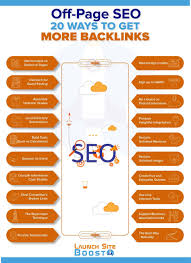
good backlinks for seo

Good Backlinks for SEO: How to Earn Links That Make a Difference

Good Backlinks for SEO: What They Are and How to Earn Them

Backlinks are links from other websites to yours. Search engines can use them as one signal when assessing a page’s credibility and relevance, which is why earning links is often part of an SEO strategy. But not all backlinks are equally useful. A handful of relevant, naturally earned links can be more valuable than hundreds of low-quality links created purely to manipulate rankings.

The strongest approach is to publish something worth referencing, then make it easy for the right people to discover it. This article explains what makes a backlink valuable, where good links can come from and how to build them responsibly.

What makes a backlink good?

A good backlink is one that makes sense for both the website linking to you and the person following the link. Consider these qualities:

  • Relevance: The linking page or website covers a subject related to your business, content or audience.
  • Editorial choice: The publisher links to your page because it adds useful information, not simply because you paid for a ranking boost or exchanged links.
  • Context: The link appears naturally within relevant content, where readers can understand why it is there.
  • Trustworthiness: The site is a genuine publication, organisation or business with content and an audience of its own.
  • Potential to reach people: The link may bring relevant visitors, referrals or professional recognition—not just an SEO metric.

Third-party scores such as domain authority can help with prospecting, but they are not Google metrics and should not be treated as a guarantee of SEO value. Look at the site itself: its subject matter, content quality, audience and editorial standards.

Types of backlinks worth pursuing

Editorial links

Editorial links are included by writers or publishers because they believe a source is useful to their readers. A journalist might cite original research, for example, or a specialist publication might link to a detailed guide. These links are earned through the usefulness and credibility of the material.

Links from relevant industry publications

Trade magazines, professional associations and respected websites in your sector can be good prospects. A relevant link can help the right audience find your site and reinforce the connection between your business and its subject area.

Local and community links

For businesses serving a particular area, links from local organisations can be especially relevant. These might include a chamber of commerce, a business association, a community group or a local event website—provided the relationship is genuine and the listing is appropriate.

Resource-page links

Some organisations maintain pages of recommended tools, services or further reading. If you have a genuinely useful resource that fits the page, you can contact its owner and explain why it may be a suitable addition. Avoid mass-emailing sites with generic requests.

Links earned through useful content

Original research, clear how-to guides, practical templates, calculators and well-organised reference material can attract links over time. The content should answer a real question or provide information that is difficult to find elsewhere.

How to earn good backlinks

  1. Create something worth citing. Develop content that offers clear expertise, original information or practical value. Make it accurate, easy to understand and simple to share.
  2. Find relevant publishers and organisations. Look for websites that serve an audience likely to benefit from your work. Prioritise fit and credibility over a long list of prospects.
  3. Build genuine relationships. Engage with journalists, editors, industry groups and local organisations by being helpful and professional. A relationship should not depend on an agreement to exchange links.
  4. Make a specific, considered pitch. Explain what your resource offers, why it suits that publisher’s audience and where it might fit. Keep the message concise and personalised.
  5. Review mentions of your business. If a site refers to your organisation but does not link to it, a polite note can clarify whether a link would help readers find the relevant page. There is no guarantee the publisher will add one.
  6. Monitor results and maintain your content. Check that important pages remain useful and up to date. Track referral visits and relevant changes in visibility, rather than judging success by link counts alone.

Anchor text: keep it natural

Anchor text is the clickable wording of a link. It should help readers understand where the link leads. A natural link might use a brand name, a page title or a descriptive phrase that fits the sentence.

Repeatedly trying to secure links with exact-match commercial phrases can look unnatural and may breach search engine spam policies. You generally cannot control how independent publishers choose their anchor text, and it is better not to pressure them to use a particular phrase.

Backlinks to avoid

Be cautious of offers promising large numbers of links for a small fee, private blog networks, automated link-building tools, irrelevant directory submissions and schemes that require reciprocal links at scale. These tactics can create low-quality or manipulative link patterns and may expose a site to search engine actions.

Paid advertising and sponsorship can be legitimate ways to reach an audience, but paid links should be clearly qualified. Links involving payment or other compensation should use appropriate attributes, such as rel="sponsored" or rel="nofollow", in line with search engine guidance. The aim should be transparency and audience value, not disguising an advert as an editorial recommendation.

How to assess your backlink profile

Use reputable SEO tools alongside your own judgement to review the sites linking to you. Look for relevant referrals, identify links from websites you recognise and investigate unusual patterns. A tool may flag a link as potentially harmful, but a metric alone does not prove that a link is damaging.

Do not rush to disavow links simply because a tool labels them “toxic”. Search engines can often ignore low-quality links themselves. Consider further action only when there is a clear reason, such as a history of deliberate link manipulation or a manual action, and follow current search engine guidance.

Quality over quantity

Good backlinks are usually the result of useful content, genuine expertise and thoughtful outreach. They come from websites whose readers have a reason to follow the link, and they support your wider reputation as well as your SEO efforts.

Rather than chasing a target number of backlinks, focus on creating resources worth recommending and earning mentions from relevant, trustworthy sources. A steady, audience-first approach is safer and more sustainable than shortcuts.


7 Essential Tips for Building Quality Backlinks to Boost SEO

  1. Earn links from reputable, relevant websites.
  2. Create useful content others naturally want to cite.
  3. Prioritise editorial links over paid placements.
  4. Use varied, natural anchor text.
  5. Build relationships with publishers in your field.
  6. Check referring sites for quality and relevance.
  7. Avoid link farms and schemes that manipulate rankings.

Earn links from reputable, relevant websites by creating useful content that publishers, industry organisations and local groups genuinely want to reference. A link from a trusted site in your field can help interested readers discover your business and strengthen its relevance, while links from unrelated or low-quality sites are unlikely to offer the same value. Focus on building genuine relationships and earning editorial mentions, rather than buying links or pursuing volume for its own sake.

Create useful content others naturally want to cite.

Create useful content that others naturally want to cite by answering a real question, offering original insights or making complex information easy to understand. In-depth guides, reliable research, practical tools and clear explanations can all become valuable resources for your industry. When your content genuinely helps readers, publishers and website owners are more likely to reference it organically, earning relevant backlinks that can support your SEO over time.

Prioritise editorial links over paid placements by creating useful, trustworthy content that relevant publishers genuinely choose to reference. Editorial links can help readers discover valuable information and are earned on merit, whereas paid links intended to influence search rankings may breach search engine spam policies. If you pay for advertising or sponsorship, make the relationship clear and use the appropriate link attributes, such as rel="sponsored".

Use varied, natural anchor text.

Use varied, natural anchor text—the clickable words in a link—to help readers understand what they’ll find on the linked page. Links may use your brand name, a page title or a relevant descriptive phrase, depending on the context. Avoid repeatedly seeking the same exact-match keyword as anchor text, as this can look forced and may be treated as an attempt to manipulate search rankings. Let publishers link in the wording that works best for their readers.

Build relationships with publishers in your field.

Build genuine relationships with publishers in your field by taking an interest in their work, sharing useful insights and offering relevant expertise. When you have a helpful resource, original research or a well-informed perspective, introduce it with a personalised, concise pitch that explains why it may benefit their readers. Focus on being a reliable source rather than asking for a link outright; relevant backlinks are more likely to follow naturally from trust and a mutually valuable relationship.

Check referring sites for quality and relevance.

Check the quality and relevance of websites linking to yours. A backlink is more likely to be useful when it comes from a trustworthy site covering a topic related to your business, and appears naturally in content that helps readers. Look beyond SEO metrics such as domain authority: review the site’s content, audience and reputation, and consider whether the link could bring relevant visitors as well as support your SEO.

Avoid link farms and schemes designed to manipulate search rankings. These often generate large numbers of irrelevant or low-quality links, which can undermine your site’s credibility and may lead to search engine penalties. Focus instead on earning links naturally through useful content, genuine industry relationships and reputable websites relevant to your audience.

seo links

Unlocking the Potential: Harnessing the Power of SEO Links for Digital Success

The Power of SEO Links in Digital Marketing

The Power of SEO Links in Digital Marketing

In the realm of digital marketing, search engine optimisation (SEO) is a crucial tool for enhancing online visibility and driving organic traffic to websites. Within the vast landscape of SEO strategies, the role of SEO links stands out as a fundamental element in boosting a website’s search engine rankings.

What are SEO Links?

SEO links, also known as backlinks or inbound links, are hyperlinks from external websites that direct users to your website. These links serve as pathways that connect different web pages across the internet. When reputable websites link back to your site, search engines perceive your content as valuable and relevant, which can positively impact your website’s authority and credibility.

The Importance of Quality SEO Links

Not all SEO links are created equal. The quality of backlinks plays a significant role in determining their impact on your website’s SEO performance. High-quality links from authoritative websites in your industry carry more weight than numerous low-quality links from irrelevant or spammy sites.

Quality SEO links can:

  • Enhance your website’s credibility and trustworthiness
  • Improve your website’s search engine rankings
  • Drive targeted traffic to your site
  • Increase brand visibility and awareness

Best Practices for Building SEO Links

To harness the power of SEO links effectively, it is essential to follow best practices that comply with search engine guidelines:

  1. Create high-quality, relevant content that naturally attracts backlinks
  2. Reach out to industry influencers or websites for guest posting opportunities
  3. li>Participate in online communities and forums to establish relationships with other websites/li

    li>Monitor your backlink profile regularly and disavow toxic or spammy links/li

h2>The Future of SEO Links/h2

p>In an ever-evolving digital landscape, the significance of quality backlinks remains paramount in SEO strategies. As search engines continue to refine their algorithms tto deliver more accurate and valuable search results, building a strong network off reputable inbound links will continue tto be a cornerstone off successful digital marketing campaigns.


Top 8 Benefits of SEO Links for Enhancing Website Performance and Credibility

  1. Enhance website credibility
  2. Improve search engine rankings
  3. Drive targeted traffic
  4. Boost brand visibility
  5. Establish industry authority
  6. Increase website trustworthiness
  7. Enhance user experience
  8. Support long-term SEO strategy


The Top 5 Drawbacks of SEO Link-Building

  1. 1. Risk of acquiring low-quality or spammy backlinks that can harm your website’s reputation.
  2. 2. Time-consuming process to build a diverse and authoritative link profile.
  3. 3. Difficulty in obtaining backlinks from high-quality websites within your niche.
  4. 4. Constant monitoring required to identify and disavow toxic links that may negatively impact SEO.
  5. 5. Over-reliance on link-building strategies may divert focus from other essential SEO factors like content quality and user experience.

Enhance website credibility

One of the key benefits of SEO links is their ability to enhance a website’s credibility. When reputable and authoritative websites link back to your site, search engines perceive your content as valuable and trustworthy. This association with respected sources not only improves your website’s reputation but also instils confidence in visitors, making them more likely to engage with your content and services. By building a network of quality backlinks, businesses can establish themselves as reliable sources of information within their industry, ultimately strengthening their online presence and attracting a loyal audience.

Improve search engine rankings

One of the key benefits of SEO links is their ability to improve search engine rankings. When reputable websites link back to your site, search engines perceive your content as valuable and relevant, which can positively impact your website’s authority and credibility. By acquiring high-quality backlinks from authoritative sources, you signal to search engines that your website is a reliable source of information within your industry. This increased credibility can lead to higher rankings in search engine results pages, making it easier for potential customers to find and engage with your website.

Drive targeted traffic

One of the key benefits of SEO links is their ability to drive targeted traffic to a website. By securing backlinks from relevant and authoritative sources, websites can attract visitors who are genuinely interested in the content or products offered. These targeted visitors are more likely to engage with the website, leading to higher conversion rates and improved overall performance. SEO links act as virtual pathways that guide potential customers directly to the site, increasing the likelihood of capturing qualified leads and maximising the impact of digital marketing efforts.

Boost brand visibility

One significant advantage of SEO links is their ability to boost brand visibility. When reputable websites link back to your site, it not only enhances your website’s credibility but also increases the exposure of your brand to a wider audience. As more high-quality backlinks lead users to your website, your brand becomes more recognisable and establishes a stronger online presence. This increased visibility can result in higher brand awareness, improved brand reputation, and ultimately, greater trust among consumers in your industry.

Establish industry authority

One significant advantage of SEO links is their ability to establish industry authority for a website. When reputable and relevant websites within the same industry link back to your site, search engines view your content as trustworthy and valuable. This not only enhances your website’s credibility but also positions you as an authoritative source within your niche. By building a network of quality backlinks, you can showcase your expertise, gain recognition from both search engines and users, and solidify your position as a leader in the industry.

Increase website trustworthiness

By incorporating SEO links from reputable and authoritative websites, a significant benefit is the increase in website trustworthiness. When search engines identify a website with a strong backlink profile, showcasing connections to reliable sources within the same industry or niche, they perceive the site as more trustworthy and credible. This enhanced trustworthiness not only improves the website’s reputation in the eyes of search engines but also instils confidence in visitors, leading to higher engagement and ultimately driving organic traffic growth.

Enhance user experience

One significant benefit of SEO links is their ability to enhance user experience. When websites incorporate relevant and high-quality backlinks, they provide users with additional valuable resources and information that complement the content they are exploring. By directing users to reputable sources through SEO links, websites can enrich the user journey, encourage further engagement, and establish credibility. This seamless integration of relevant links not only improves navigation but also contributes to a more informative and satisfying user experience overall.

Support long-term SEO strategy

SEO links play a crucial role in supporting a long-term SEO strategy by establishing a strong foundation of credibility and authority for a website. High-quality backlinks from reputable sources signal to search engines that the content is valuable and trustworthy, which can contribute to sustainable improvements in search engine rankings over time. By consistently building and nurturing a diverse portfolio of SEO links, businesses can fortify their online presence and maintain a competitive edge in the digital landscape for the long haul.

One significant drawback of SEO links is the risk associated with acquiring low-quality or spammy backlinks, which can potentially harm your website’s reputation. When a website accumulates backlinks from unreliable sources or those with dubious credibility, search engines may penalise the site for engaging in manipulative link-building practices. These low-quality links can tarnish the authenticity and trustworthiness of your website in the eyes of both search engines and users, ultimately leading to a decline in search engine rankings and organic traffic. It is crucial to exercise caution and diligence when building backlinks to avoid falling victim to this conundrum.

Building a diverse and authoritative link profile in SEO can be a time-consuming process. It requires thorough research, strategic planning, and consistent effort to acquire high-quality backlinks from reputable websites. Identifying relevant opportunities, reaching out to potential linking partners, and cultivating relationships all demand significant time and resources. Moreover, ensuring that the acquired links align with search engine guidelines and contribute positively to the website’s authority adds another layer of complexity to the process. Despite the challenges posed by the time-intensive nature of link building, investing in a well-rounded link profile remains crucial for long-term SEO success and sustainable online visibility.

One significant drawback of SEO links is the challenge of acquiring backlinks from reputable websites within your specific industry or niche. Securing links from high-quality sources that are relevant to your content can be a time-consuming and arduous process. Building relationships with authoritative websites and persuading them to link back to your site requires a strategic approach, compelling content, and sometimes even financial investment. The competitive nature of obtaining backlinks from niche-specific sites adds complexity to link-building efforts, making it a conundrum for businesses aiming to establish a robust online presence through SEO strategies.

One significant drawback of SEO links is the necessity for constant monitoring to identify and disavow toxic links that could potentially harm a website’s SEO performance. The process of regularly checking and evaluating backlinks can be time-consuming and resource-intensive, requiring meticulous attention to detail. Failure to address toxic links promptly may result in search engines penalising the website, leading to a drop in rankings and decreased organic traffic. This ongoing vigilance underscores the challenge of maintaining a clean and reputable backlink profile, highlighting the potential risks associated with relying heavily on external linking strategies in SEO efforts.

An inherent downside of overemphasising link-building strategies in SEO is the potential diversion of attention from critical factors such as content quality and user experience. While backlinks are undeniably valuable for enhancing a website’s authority and search engine rankings, an excessive fixation on acquiring links may lead to neglecting the creation of engaging, informative content and ensuring a seamless user experience. By prioritising link-building above all else, there is a risk of compromising the overall quality and relevance of the website, ultimately impacting its long-term success in attracting and retaining visitors. It is vital to strike a balance between building a robust backlink profile and focusing on holistic SEO practices that encompass content excellence and user satisfaction for sustainable digital growth.