The Importance of Organic Search Engine Rankings
The Importance of Organic Search Engine Rankings
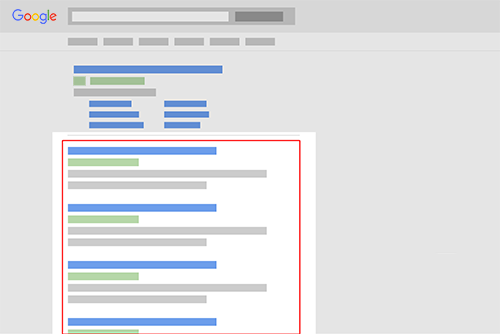
Organic search engine rankings refer to the position your website appears in search engine results pages (SERPs) based on relevance to the user’s query, without paying for placement. Achieving high organic rankings is crucial for businesses looking to increase online visibility and attract organic traffic.
Why Organic Rankings Matter
Credibility and Trust: Websites that rank organically are perceived as more trustworthy by users. High organic rankings signal to users and search engines that your website is a reliable source of information.
Cost-Effective Traffic: Unlike paid advertising, organic traffic generated through high search engine rankings does not require ongoing payments. This makes organic SEO a cost-effective long-term strategy for driving consistent traffic to your site.
Higher Click-Through Rates: Studies show that websites ranking higher in organic search results receive significantly more clicks than those appearing lower down the page. Optimising for organic rankings can lead to increased click-through rates and site visits.
How to Improve Organic Rankings
Quality Content: Creating relevant, valuable, and engaging content is key to improving organic search engine rankings. Content that addresses user queries effectively can help boost your website’s visibility in SERPs.
On-Page SEO: Optimising on-page elements such as meta tags, headings, and internal links can improve your website’s relevance and authority in the eyes of search engines, leading to higher organic rankings.
Backlink Building: Acquiring high-quality backlinks from reputable websites can enhance your site’s authority and credibility, positively impacting your organic search rankings.
In Conclusion
Organic search engine rankings play a critical role in driving qualified traffic to your website and establishing credibility within your industry. By implementing effective SEO strategies focused on improving organic visibility, businesses can enhance their online presence and reach a wider audience without relying solely on paid advertising.
37 Frequently Asked Questions About Organic Search Engine Rankings and SEO
- Does organic search pay for clicks?
- How do I get organic SEO?
- How to rank higher in organic search?
- Is organic search the same as SEO?
- What is a organic SEO?
- Why is organic search dropping?
- What does it mean if organic search is high?
- Is SEO organic?
- How does Google rank Organic search results?
- Is organic search better?
- Is organic search part of SEO?
- Is SEO an organic search?
- Is Google organic search?
- Is organic search and SEO the same?
- What is a good organic search?
- How do you increase your organic search rank?
- What is an organic search engine?
- What are organic search rankings?
- What is the number 1 search engine?
- How do I increase my organic search engine ranking?
- What is the organic method of SEO?
- How do I find my organic search ranking?
- How do you rank organically?
- What is an organic web search?
- How do you rank keywords organically?
- What is organic search in search engine?
- How do I find the organic ranking of a website?
- What is an example of organic SEO?
- How do I rank better in organic search?
- Does SEO drive 1000 %+ more traffic than organic social media BrightEdge?
- Is Organic Search the best?
- How do I get organic ranking on Google?
- How do you rank #1 on Google?
- What are Google’s top 3 ranking factors to ranking highly in organic search?
- What is the difference between organic and paid for ranking?
- What is organic rank in Amazon?
- What is the organic search ranking?
Does organic search pay for clicks?
In the realm of organic search engine rankings, it’s important to note that organic search does not involve paying for clicks. Unlike paid search advertising where businesses bid on keywords to have their ads displayed at the top of search results and pay each time a user clicks on their ad, organic search is based on natural rankings determined by relevance and quality of content. Organic search results are earned through effective SEO strategies such as creating valuable content, optimising website elements, and building backlinks to improve visibility in search engine results pages without incurring direct costs for each click received.
How do I get organic SEO?
To improve your organic SEO and boost your website’s search engine rankings, it is essential to focus on several key strategies. Start by creating high-quality, relevant content that addresses the needs and queries of your target audience. Optimise your website’s on-page elements, such as meta tags, headings, and internal links, to enhance its visibility to search engines. Building a strong backlink profile by acquiring links from reputable websites can also help improve your site’s authority and credibility. Regularly monitoring and analysing your SEO performance through tools like Google Analytics can provide valuable insights for refining your organic SEO strategy over time. By implementing these tactics consistently and staying up-to-date with industry best practices, you can work towards achieving higher organic search engine rankings for your website.
How to rank higher in organic search?
To rank higher in organic search results, it is essential to focus on implementing effective SEO strategies that enhance your website’s relevance and authority in the eyes of search engines. This can be achieved through creating high-quality, relevant content that addresses user queries, optimising on-page elements such as meta tags and headings, building a strong backlink profile from reputable websites, and ensuring a positive user experience on your site. By consistently following best practices in SEO and providing valuable content to users, you can improve your organic search engine rankings and increase visibility for your website.
Is organic search the same as SEO?
In the realm of digital marketing, it is a common query to inquire whether organic search is synonymous with SEO. While organic search and SEO are closely related concepts, they are not interchangeable terms. Organic search refers to the unpaid results displayed on search engine results pages (SERPs) based on relevance to the user’s query. On the other hand, SEO (Search Engine Optimization) encompasses a broader set of strategies and techniques aimed at improving a website’s visibility in organic search results. SEO involves various practices such as keyword optimization, content creation, link building, and technical enhancements to enhance a website’s ranking in organic search results. Therefore, while organic search is a component of SEO, SEO encompasses a more comprehensive approach to optimising a website for better visibility and ranking on search engines.
What is a organic SEO?
Organic SEO, also known as organic search engine optimisation, refers to the process of improving a website’s visibility in search engine results pages (SERPs) through unpaid, natural methods. Organic SEO focuses on enhancing a website’s relevance and authority to attract organic traffic from search engines like Google, Bing, and Yahoo. By optimising various on-page and off-page elements such as content quality, keyword usage, backlinks, and site structure, organic SEO aims to increase a website’s ranking for relevant search queries without resorting to paid advertising. Emphasising user experience and providing valuable content are key aspects of organic SEO strategies that help businesses establish a strong online presence and drive sustainable traffic over time.
Why is organic search dropping?
When businesses notice a drop in organic search rankings, several factors could be at play. Algorithm updates by search engines, changes in user search behaviour, increased competition, technical issues on the website, or ineffective SEO strategies are common reasons for a decline in organic search visibility. It is crucial for businesses to regularly monitor their organic search performance, conduct thorough analyses to identify potential issues, and adapt their SEO tactics accordingly to maintain or improve their organic search rankings over time.
What does it mean if organic search is high?
When organic search is high, it indicates that a website is ranking well in search engine results pages (SERPs) based on its relevance to users’ queries. A high organic search position means that the website is appearing near the top of search results without the need for paid advertising. This achievement signifies that the website’s content and SEO efforts are effective in attracting organic traffic, enhancing visibility, and increasing the likelihood of users clicking through to the site. A high organic search ranking reflects the website’s authority, credibility, and relevance in relation to specific search terms, ultimately contributing to greater online exposure and potential for business growth.
Is SEO organic?
When asking whether SEO is organic, it’s important to understand that SEO (Search Engine Optimization) itself is a strategy used to improve organic search engine rankings. In essence, SEO aims to enhance a website’s visibility in search engine results pages through various tactics such as content optimization, keyword research, and link building. While SEO is not inherently organic in the sense of being naturally occurring, the results it achieves in terms of improving a website’s organic rankings are indeed considered organic. By adhering to best practices and providing valuable content for users, businesses can increase their chances of ranking higher organically in search engine results.
How does Google rank Organic search results?
When it comes to determining the ranking of organic search results, Google utilises a complex algorithm that considers various factors to assess the relevance and quality of web pages. Google’s ranking algorithm takes into account elements such as keyword relevance, content quality, backlink profile, user experience signals, and website authority. By analysing these factors, Google aims to provide users with the most accurate and valuable search results based on their queries. Continuous updates and refinements to the algorithm ensure that organic search rankings reflect current best practices in SEO and user satisfaction.
Is organic search better?
When considering the effectiveness of search engine optimisation (SEO) strategies, the question often arises: “Is organic search better?” Organic search refers to unpaid search results that are determined by search engine algorithms based on relevance to user queries. In comparison to paid search, organic search offers long-term benefits in terms of credibility, trustworthiness, and cost-effectiveness. Organic search results are perceived as more trustworthy by users and can lead to higher click-through rates. While paid search can provide immediate visibility, organic search is essential for sustainable online presence and continuous traffic generation. Ultimately, prioritising organic search can yield lasting benefits for businesses seeking to establish a strong digital presence and attract quality leads organically.
Is organic search part of SEO?
Yes, organic search is a fundamental component of SEO (Search Engine Optimization). Organic search refers to the natural, unpaid results that appear in search engine results pages (SERPs) based on their relevance to the user’s query. SEO encompasses various strategies and techniques aimed at improving a website’s organic visibility and ranking in search engine results. By focusing on factors such as quality content, keyword optimization, backlink building, and technical aspects of a website, businesses can enhance their organic search performance and attract more qualified traffic without relying on paid advertising. Therefore, understanding and effectively leveraging organic search is integral to a successful SEO strategy.
Is SEO an organic search?
When discussing organic search engine rankings, it is common to encounter the frequently asked question, “Is SEO an organic search?” In essence, SEO (Search Engine Optimization) is not the same as organic search itself but rather a strategy used to improve a website’s visibility in organic search results. Organic search refers to the natural, unpaid listings that appear on search engine results pages based on relevance to the user’s query. SEO involves various techniques and practices aimed at optimising a website to rank higher in organic search results, ultimately enhancing its visibility and attracting more organic traffic. Therefore, while SEO is not synonymous with organic search, it is a vital component in achieving favourable organic search engine rankings.
Is Google organic search?
When asking whether Google is considered organic search, it’s important to understand that Google itself is a search engine that provides both organic and paid search results. Organic search refers to the natural, unpaid listings that appear based on relevance to the user’s query, while paid search involves sponsored listings that advertisers pay for. Therefore, Google serves as a platform for both organic and paid search results, with users being able to differentiate between the two based on how the results are labelled and displayed. Understanding this distinction is crucial for businesses looking to optimise their online presence and visibility in Google search results.
Is organic search and SEO the same?
The frequently asked question regarding organic search engine rankings is whether organic search and SEO are the same. While they are closely related, organic search refers to the natural, unpaid results that appear in search engine results pages based on relevance to the user’s query. On the other hand, SEO (Search Engine Optimisation) encompasses a broader set of strategies and techniques aimed at improving a website’s visibility and ranking in organic search results. Essentially, organic search is the outcome of effective SEO practices that focus on enhancing a website’s relevance and authority to attract organic traffic from search engines.
What is a good organic search?
A good organic search refers to a search result that appears prominently and naturally in search engine results pages (SERPs) without the need for paid advertising. In the context of organic search engine rankings, a good organic search typically indicates that a website has achieved high visibility and relevance for specific keywords or queries. Websites that consistently rank well organically are considered authoritative and trustworthy by users and search engines alike. Achieving a good organic search requires implementing effective SEO strategies, creating quality content, and building a strong online presence to attract organic traffic and enhance overall visibility.
How do you increase your organic search rank?
To increase your organic search rank, it is essential to focus on implementing effective search engine optimisation (SEO) strategies. Start by conducting thorough keyword research to identify relevant and high-volume keywords for your content. Create high-quality, engaging content that is optimised for these keywords and provides value to your target audience. Improve your website’s on-page SEO elements such as meta tags, headings, and internal links to enhance its relevance and authority in search engine algorithms. Additionally, focus on building a strong backlink profile by acquiring quality backlinks from reputable websites within your industry. Consistent monitoring of performance metrics and making data-driven adjustments to your SEO strategy will help boost your organic search rank over time.
What is an organic search engine?
An organic search engine refers to a search engine that displays search results based on relevance to the user’s query without any form of paid placement or advertising influencing the rankings. Organic search engines use complex algorithms to crawl and index web pages, determining the most relevant and authoritative content to display in response to a user’s search query. Websites that appear in organic search results have earned their position through factors such as content quality, keyword relevance, backlinks, and overall website authority, rather than paying for visibility. This natural ranking process ensures that users are presented with the most relevant and trustworthy information when conducting online searches.
What are organic search rankings?
Organic search rankings refer to the position at which a website appears in search engine results pages (SERPs) based on its relevance to a user’s query, without any payment for placement. These rankings are determined by search engines’ algorithms, considering factors such as the quality of content, website authority, and user experience. Achieving high organic search rankings is essential for businesses looking to increase online visibility, attract organic traffic, and establish credibility with their target audience. By focusing on organic SEO strategies such as quality content creation, on-page optimisation, and backlink building, websites can improve their visibility and ranking positions in search engine results.
What is the number 1 search engine?
When it comes to the question of “What is the number 1 search engine?”, Google unequivocally holds the top position. As the most widely used search engine globally, Google dominates the search market with its advanced algorithms, vast index of websites, and user-friendly interface. Businesses and individuals alike rely on Google to find information, products, and services online, making it an integral part of any digital marketing strategy aimed at achieving high organic search engine rankings.
How do I increase my organic search engine ranking?
To increase your organic search engine ranking, it is essential to focus on key aspects of search engine optimisation (SEO). Start by creating high-quality, relevant content that addresses user queries effectively. Optimise your website’s on-page elements, such as meta tags, headings, and internal links, to improve its relevance and authority in search engine results pages. Building a strong backlink profile by acquiring quality links from reputable websites can also boost your site’s credibility and visibility. Consistent monitoring and adjustment of your SEO strategy based on analytics and keyword research are crucial for improving and maintaining your organic search engine ranking over time.
What is the organic method of SEO?
The organic method of SEO refers to the practice of optimising a website’s online presence through natural, non-paid strategies to improve its visibility in search engine results. This approach focuses on creating high-quality content, implementing relevant keywords, and building reputable backlinks to enhance a website’s authority and relevance to users. By following the organic method of SEO, businesses aim to attract organic traffic from search engines without relying on paid advertising, ultimately leading to sustainable long-term success in improving search engine rankings and driving valuable traffic to their websites.
How do I find my organic search ranking?
To determine your organic search ranking, you can use various tools such as Google Search Console, SEMrush, or Ahrefs. These tools allow you to track the position of your website for specific keywords in search engine results pages (SERPs). By regularly monitoring your organic search rankings, you can assess the effectiveness of your SEO efforts and make informed decisions to improve your website’s visibility and performance in organic search results.
How do you rank organically?
To rank organically in search engine results, businesses need to implement a comprehensive SEO strategy that focuses on various key elements. This includes creating high-quality, relevant content that addresses user queries effectively, optimising on-page elements such as meta tags and headings, building a strong backlink profile from reputable websites, and ensuring a user-friendly website experience. By consistently monitoring performance metrics, adapting to algorithm changes, and staying updated on industry best practices, businesses can improve their organic search engine rankings over time and attract valuable organic traffic to their website.
What is an organic web search?
An organic web search refers to the process of using a search engine, such as Google or Bing, to find information online without any paid promotion influencing the search results. When a user enters a query into a search engine and receives a list of relevant websites based on the search algorithm’s assessment of their content and relevance, these are considered organic search results. Organic web searches provide users with unbiased and natural listings that best match their search intent, helping them discover valuable information and resources on the internet.
How do you rank keywords organically?
To rank keywords organically in search engine results, it is essential to implement a comprehensive SEO strategy that focuses on various aspects. Firstly, conducting thorough keyword research to identify relevant and high-volume keywords is crucial. Once the target keywords are identified, creating high-quality and engaging content that incorporates these keywords naturally is key. Optimising on-page elements such as meta tags, headings, and internal links can also boost keyword rankings organically. Additionally, building a strong backlink profile with reputable websites can further enhance the authority of your website and improve keyword rankings in organic search results. Consistent monitoring, analysis, and adjustment of the SEO strategy are vital to ensure sustained organic keyword ranking success over time.
What is organic search in search engine?
Organic search in search engine refers to the natural, unpaid results that appear on a search engine results page (SERP) based on their relevance to the user’s query. These organic search results are determined by the search engine’s algorithm and are not influenced by paid advertising. Websites that rank highly in organic search have optimised their content and website structure to align with the search engine’s ranking factors. Organic search is crucial for businesses seeking to attract quality traffic to their websites without having to pay for placement, as it signifies credibility and trustworthiness to users.
How do I find the organic ranking of a website?
To determine the organic ranking of a website, one can conduct a search query related to the website’s content on popular search engines such as Google, Bing, or Yahoo. The organic ranking refers to the position at which the website appears in the search engine results without any paid promotion. By analysing the search results, users can identify where the website ranks organically for specific keywords or phrases. Additionally, various online tools and SEO software provide detailed insights into a website’s organic ranking performance, allowing users to track and monitor their position over time and make informed decisions to improve their visibility in organic search results.
What is an example of organic SEO?
An example of organic SEO can be seen when a website consistently produces high-quality, relevant content that naturally attracts visitors through search engine results without the use of paid advertising. For instance, a blog that regularly publishes informative articles on gardening tips may gradually increase its organic search engine rankings by targeting relevant keywords, earning backlinks from reputable gardening websites, and providing valuable content that resonates with its target audience. This approach to organic SEO focuses on creating a strong online presence based on content quality and user relevance rather than relying on paid promotions to drive traffic.
How do I rank better in organic search?
To rank better in organic search results, it is essential to focus on implementing effective SEO strategies that improve the relevance and authority of your website. Start by creating high-quality, relevant content that addresses user queries and provides value. Optimise your on-page elements such as meta tags, headings, and internal links to enhance your website’s visibility to search engines. Building a strong backlink profile from reputable websites can also boost your site’s credibility and authority, ultimately leading to higher organic search rankings. Consistent monitoring of performance metrics and adapting your SEO tactics based on data analysis is key to achieving sustained improvement in organic search rankings.
The question of whether SEO drives 1000%+ more traffic than organic social media is a common query among businesses seeking to maximise their online visibility. According to BrightEdge, a leading SEO platform, SEO has been shown to drive significantly higher levels of organic traffic compared to organic social media efforts. By optimising website content, meta tags, and backlinks, businesses can improve their organic search engine rankings and attract a larger audience actively searching for their products or services. While organic social media plays a valuable role in engaging with existing followers, SEO remains a powerful tool for driving substantial traffic growth and expanding reach across search engine results pages.
Is Organic Search the best?
When considering the effectiveness of digital marketing strategies, the question often arises: Is Organic Search the best approach? While paid advertising can deliver immediate results, organic search engine rankings offer long-term benefits that foster credibility, trust, and sustainable traffic growth. Organic search results are earned through relevant content, SEO best practices, and user-focused strategies, positioning a website as a valuable resource in the eyes of both users and search engines. While paid methods have their place in a comprehensive marketing strategy, organic search remains a cornerstone for building a strong online presence and establishing lasting connections with your target audience.
How do I get organic ranking on Google?
To achieve organic rankings on Google, it is essential to focus on implementing effective search engine optimisation (SEO) strategies. Start by creating high-quality, relevant content that addresses user intent and incorporates targeted keywords naturally. Optimise your website’s on-page elements, such as meta tags, headings, and internal links, to enhance its visibility to search engines. Building a strong backlink profile from reputable websites can also boost your site’s authority and improve organic rankings. Consistent monitoring and adjustments based on performance analytics are key to maintaining and improving your organic ranking position on Google over time.
How do you rank #1 on Google?
Achieving the top ranking on Google, often referred to as ranking #1, requires a strategic approach to search engine optimisation (SEO). To rank #1 on Google organically, businesses need to focus on several key factors, including creating high-quality and relevant content, implementing strong on-page SEO practices, building authoritative backlinks, and ensuring a positive user experience on their website. By consistently delivering valuable content that resonates with users, optimising website elements for search engines, earning quality backlinks from reputable sources, and prioritising user satisfaction, businesses can increase their chances of securing the coveted top spot in Google search results.
What are Google’s top 3 ranking factors to ranking highly in organic search?
When it comes to ranking highly in organic search on Google, understanding the search engine’s top three ranking factors is crucial. Google’s algorithm considers a multitude of factors, but three key elements stand out as particularly influential. Firstly, content quality and relevance play a significant role in determining organic search rankings. Websites that provide valuable, well-written content that addresses user intent are more likely to rank higher. Secondly, backlinks from authoritative and relevant websites are essential for demonstrating credibility and trustworthiness to Google. Finally, on-page optimisation, including factors such as meta tags, headings, and keyword usage, is vital for signalling to search engines the relevance and authority of a webpage. By focusing on these top three ranking factors, businesses can improve their chances of achieving high organic search rankings on Google.
What is the difference between organic and paid for ranking?
When considering the difference between organic and paid search engine rankings, it’s important to understand that organic rankings are based on the relevance and quality of a website’s content in relation to a user’s search query. Websites that appear organically do not pay for placement and earn their position through SEO efforts. On the other hand, paid search results are advertisements displayed at the top or bottom of search engine results pages, with businesses paying for each click or impression. While organic rankings rely on content quality and SEO strategies, paid rankings provide immediate visibility but require ongoing investment. Ultimately, organic rankings reflect a website’s credibility and relevance to users, while paid rankings offer a more direct but temporary way to boost visibility.
What is organic rank in Amazon?
Organic rank in Amazon refers to the position at which a product listing appears in Amazon’s search results based on its relevance to a user’s search query, without the influence of paid advertising or promotions. Achieving a high organic rank on Amazon is crucial for sellers looking to increase visibility, attract more customers, and ultimately drive sales. Optimising product listings with relevant keywords, high-quality images, compelling product descriptions, and positive customer reviews can help improve organic rankings and enhance overall performance on the platform.
What is the organic search ranking?
The organic search ranking refers to the position at which a website appears in search engine results pages (SERPs) based on its relevance to a user’s search query. Websites that achieve high organic search rankings do so through effective search engine optimisation (SEO) strategies that focus on creating quality content, building authoritative backlinks, and optimising on-page elements. Organic search rankings are unpaid and are determined by search engines based on factors such as keyword relevance, user experience, and website authority. Securing a top organic search ranking is essential for increasing online visibility, driving organic traffic, and establishing credibility with users searching for relevant information or services.