Unlocking the Potential of Digital Marketing Analytics: A Guide to Data-Driven Success
The Power of Digital Marketing Analytics
In the fast-paced world of digital marketing, data is king. Understanding the intricacies of consumer behaviour, engagement metrics, and campaign performance is crucial for making informed decisions that drive success. This is where digital marketing analytics come into play.
Digital marketing analytics involve the collection, measurement, analysis, and interpretation of data from various online channels to provide valuable insights into the effectiveness of marketing strategies. By leveraging analytics tools and platforms, marketers can track key performance indicators (KPIs) and gain a deeper understanding of their target audience.
Benefits of Digital Marketing Analytics
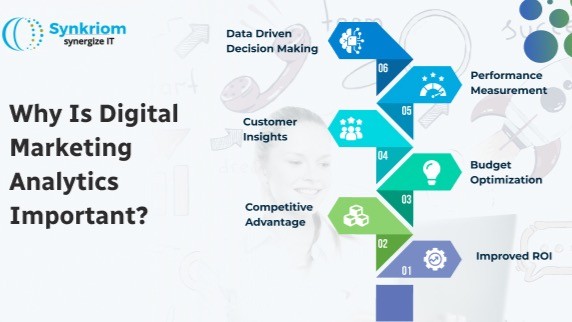
Data-Driven Decision Making: Analytics empower marketers to make data-driven decisions based on real-time insights rather than guesswork. By monitoring metrics such as website traffic, conversion rates, and customer engagement, businesses can optimise their campaigns for maximum impact.
Improved ROI: Understanding which marketing channels are driving the most valuable traffic and conversions allows businesses to allocate their resources more effectively. By identifying high-performing strategies and eliminating underperforming ones, companies can maximise their return on investment (ROI).
Audience Segmentation: Digital marketing analytics enable marketers to segment their audience based on demographics, behaviour, interests, and other criteria. This segmentation allows for more targeted and personalised campaigns that resonate with specific customer segments.
Key Metrics to Track
When it comes to digital marketing analytics, there are several key metrics that businesses should track to measure the success of their campaigns:
- Traffic Sources: Identify where your website traffic is coming from (e.g., organic search, social media, paid ads) to determine which channels are driving the most visitors.
- Conversion Rate: Measure the percentage of visitors who take a desired action (e.g., making a purchase, signing up for a newsletter) to assess the effectiveness of your conversion funnel.
- Bounce Rate: Monitor the percentage of visitors who leave your site after viewing only one page to gauge user engagement and site usability.
- Click-Through Rate (CTR): Track the percentage of users who click on a specific link or ad to evaluate its performance and relevance to your target audience.
The Future of Digital Marketing Analytics
As technology continues to evolve at a rapid pace, so too does the field of digital marketing analytics. With advancements in artificial intelligence (AI), machine learning, and predictive analytics, marketers have access to even more sophisticated tools for analysing data and predicting future trends.
In conclusion, digital marketing analytics play a pivotal role in helping businesses navigate the complex landscape of online marketing. By harnessing the power of data-driven insights, companies can refine their strategies, enhance customer experiences, and ultimately drive growth in an increasingly competitive digital marketplace.
Mastering Digital Marketing Analytics: 9 Essential Tips for Success
- Set clear goals and key performance indicators (KPIs) for your digital marketing campaigns.
- Use tools like Google Analytics to track website traffic, user behaviour, and conversions.
- Regularly analyse data to identify trends, patterns, and areas for improvement.
- Segment your audience to better understand their preferences and tailor your marketing efforts accordingly.
- Implement A/B testing to compare different strategies and determine what works best for your target audience.
- Track the ROI of your campaigns by measuring the cost per acquisition and lifetime value of customers.
- Monitor social media metrics such as engagement rate, reach, and click-through rate to gauge the effectiveness of your social campaigns.
- Stay updated on industry trends and new analytics tools to enhance your digital marketing strategy.
- Invest in training or hiring professionals with expertise in digital marketing analytics for more advanced insights.
Set clear goals and key performance indicators (KPIs) for your digital marketing campaigns.
Setting clear goals and key performance indicators (KPIs) is essential for the success of your digital marketing campaigns. By defining specific objectives and measurable metrics upfront, you can effectively track the performance of your campaigns and evaluate their impact on your overall marketing strategy. Whether your goal is to increase website traffic, boost conversions, or enhance brand awareness, establishing clear KPIs ensures that you have a benchmark for success and enables you to make informed decisions based on data-driven insights.
Use tools like Google Analytics to track website traffic, user behaviour, and conversions.
To maximise the effectiveness of your digital marketing efforts, it is essential to utilise tools such as Google Analytics to monitor website traffic, user behaviour, and conversions. By harnessing the capabilities of Google Analytics, businesses can gain valuable insights into how users interact with their website, which marketing channels drive the most traffic, and where conversions are occurring. This data-driven approach enables marketers to make informed decisions, optimise campaigns for better performance, and ultimately enhance the overall online presence of their brand.
Regularly analyse data to identify trends, patterns, and areas for improvement.
Regularly analysing data is a crucial aspect of effective digital marketing analytics. By consistently reviewing key metrics and performance indicators, businesses can uncover valuable insights into trends, patterns, and areas for improvement within their marketing campaigns. This proactive approach allows marketers to identify what strategies are working well and where adjustments may be needed to enhance overall performance. Through data analysis, businesses can make informed decisions that drive success and ensure that their digital marketing efforts remain agile and responsive to changing market dynamics.
Segment your audience to better understand their preferences and tailor your marketing efforts accordingly.
Segmenting your audience is a crucial strategy in digital marketing analytics that can significantly enhance the effectiveness of your campaigns. By dividing your audience into distinct segments based on demographics, behaviour, or interests, you gain valuable insights into their preferences and needs. This allows you to tailor your marketing efforts more precisely, delivering personalised messages and offers that resonate with each segment. By understanding the unique characteristics of different audience segments, you can create targeted campaigns that drive engagement, conversions, and ultimately, business growth.
Implement A/B testing to compare different strategies and determine what works best for your target audience.
Implementing A/B testing is a valuable tip in digital marketing analytics. By comparing different strategies and variations, businesses can gain valuable insights into what resonates best with their target audience. A/B testing allows marketers to experiment with changes in elements such as website design, ad copy, or email campaigns, and analyse the performance of each variant to identify the most effective approach. This data-driven approach not only helps in refining marketing strategies but also enables businesses to make informed decisions based on real-time results, ultimately leading to improved engagement and conversion rates.
Track the ROI of your campaigns by measuring the cost per acquisition and lifetime value of customers.
To maximise the effectiveness of your digital marketing campaigns, it is essential to track the return on investment (ROI) by analysing key metrics such as the cost per acquisition and lifetime value of customers. By calculating the cost to acquire a customer and comparing it against the revenue generated over their lifetime, businesses can gain valuable insights into the profitability of their marketing efforts. This data-driven approach not only helps in optimising campaign performance but also enables businesses to allocate resources more efficiently and focus on strategies that yield the highest returns in the long run.
Monitor social media metrics such as engagement rate, reach, and click-through rate to gauge the effectiveness of your social campaigns.
Monitoring social media metrics such as engagement rate, reach, and click-through rate is essential for evaluating the success of your social campaigns. By tracking these key indicators, businesses can gain valuable insights into how their audience is interacting with their content and ads on social platforms. The engagement rate provides a measure of audience interaction, the reach indicates the number of people exposed to your content, and the click-through rate reflects the effectiveness of your call-to-action. Analysing these metrics enables marketers to refine their strategies, identify what resonates with their audience, and optimise their social media campaigns for better results.
Stay updated on industry trends and new analytics tools to enhance your digital marketing strategy.
To stay ahead in the realm of digital marketing analytics, it is essential to remain abreast of industry trends and emerging analytics tools. By continuously updating your knowledge and skill set, you can effectively enhance your digital marketing strategy to adapt to the ever-evolving landscape of online marketing. Keeping pace with the latest developments in analytics not only allows you to leverage cutting-edge technologies but also enables you to make informed decisions that drive success in your campaigns.
Invest in training or hiring professionals with expertise in digital marketing analytics for more advanced insights.
To elevate your digital marketing efforts and gain deeper insights into your online performance, it is highly recommended to invest in training or hiring professionals with expertise in digital marketing analytics. By bringing on board individuals skilled in data analysis and interpretation, you can unlock more advanced insights that go beyond basic metrics. These experts can help you identify trends, patterns, and opportunities hidden within the data, enabling you to make strategic decisions that drive impactful results for your business.