Category social media marketing

seo and social media marketing

SEO and Social Media Marketing: A Guide to Growing Your Online Presence

SEO and Social Media Marketing: How They Work Together

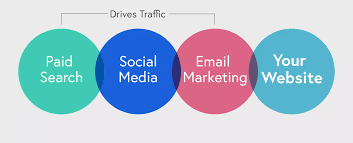
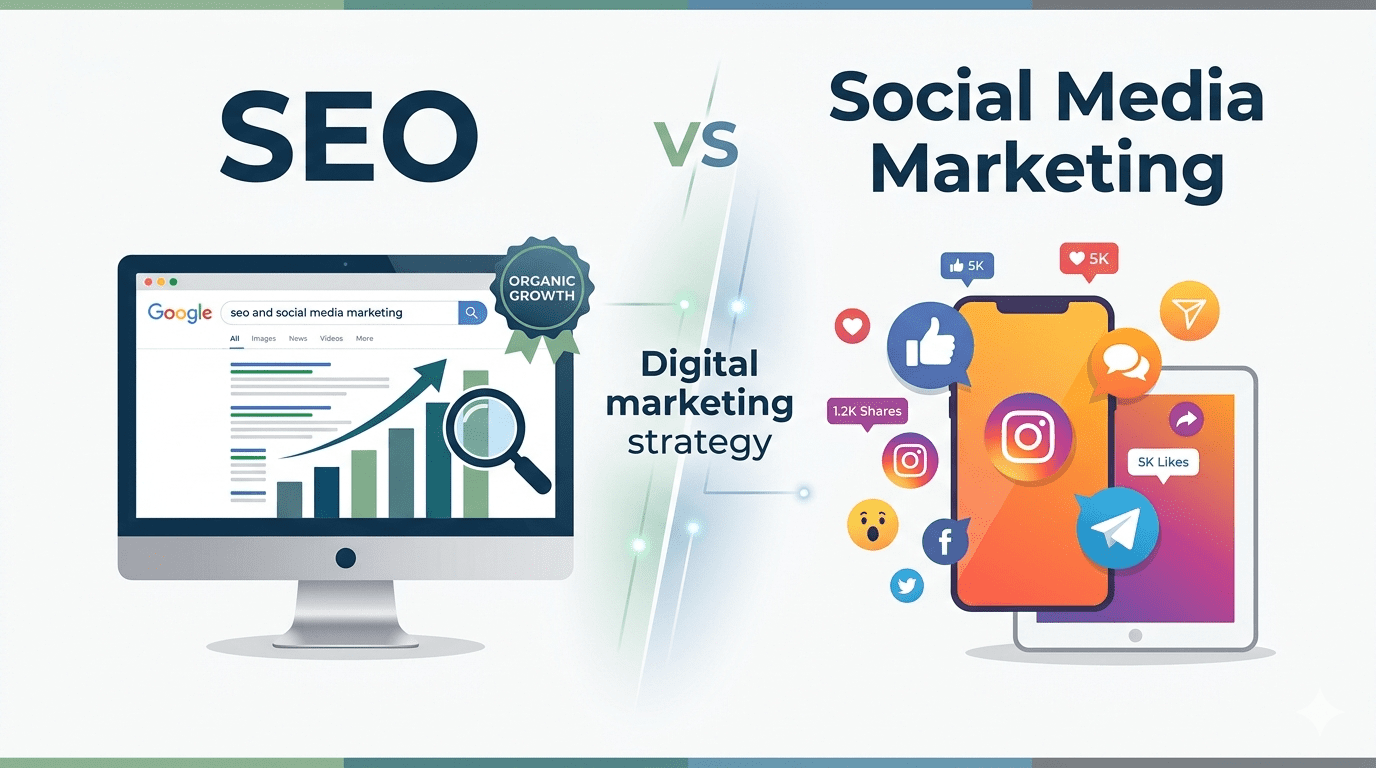
Search engine optimisation (SEO) and social media marketing are often treated as separate parts of a digital strategy. In practice, they can support one another. SEO helps people find your website through search engines, while social media helps you reach, engage and build relationships with audiences across social platforms.

Neither channel is a quick fix. But when they share clear goals and useful content, they can help your business become more visible online and create more opportunities to connect with potential customers.

What is SEO?

SEO is the process of improving a website so that it is easier for search engines and people to understand. It can involve researching the terms your audience uses, creating helpful pages, improving site structure and making sure the website works well on mobile devices.

SEO is about more than appearing in search results. A successful page should match the visitor’s needs, provide reliable information and make it easy to take the next step, whether that is making an enquiry, buying a product or reading more.

What is social media marketing?

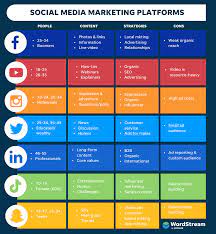
Social media marketing uses platforms such as Instagram, LinkedIn, Facebook, TikTok and Pinterest to share content and communicate with an audience. Depending on your business and objectives, this might include publishing organic posts, responding to comments, working with creators or running paid campaigns.

Social media can help a brand stay connected with its community, showcase its expertise and direct people to useful resources on its website.

How SEO and social media can support each other

Social media can bring more people to your content

Sharing a useful article, guide or product page on social media can introduce it to people who may not have found it through search. If they visit the website, explore other pages or share the content with others, social activity may contribute to broader awareness and engagement.

Social media shares are not generally treated as a direct ranking factor by search engines. However, sharing content can help it reach more people, which may lead to natural links, mentions and further visits over time.

SEO can help you understand what your audience wants

Keyword research reveals the questions and topics people search for. These insights can inform social media content, helping you create posts that answer genuine questions rather than relying on guesswork.

Social media conversations can also reveal common concerns, customer language and emerging interests. These insights may inspire new website content or help you improve existing pages.

Consistent messaging strengthens your brand

When your website and social channels share a consistent tone, message and visual identity, people are more likely to recognise your brand. Clear, consistent communication can build familiarity and trust, whether someone discovers you through a search result, a social post or a recommendation.

Social profiles can appear in search results

Social media profiles and public posts may appear in search engine results, especially when someone searches for a brand by name. Complete profiles with accurate information, links and recent activity can make it easier for people to learn about your business and find your official channels.

Practical ways to combine SEO and social media

  • Start with your audience. Identify who you want to reach, what they need and which platforms they use.
  • Use search insights to plan content. Research relevant queries and turn them into useful articles, videos, short posts or FAQs.
  • Make content easy to share. Use clear headlines, helpful summaries and suitable images or video. Include social sharing options where they improve the user experience.
  • Adapt content for each platform. A detailed website guide might become a LinkedIn post, a short video, an Instagram carousel or a series of tips.
  • Keep profiles accurate. Use consistent business details, descriptions and links across your website and social channels.
  • Engage with your audience. Respond to relevant questions and comments, and use recurring feedback to improve your content.
  • Measure meaningful outcomes. Track organic search visibility, website visits, enquiries, sales and engagement against your business goals.

Measure each channel appropriately

SEO and social media have different performance indicators. For SEO, useful measures can include organic traffic, search visibility, rankings for relevant queries, conversions and the quality of visits. For social media, consider reach, engagement, referral traffic, audience growth and actions such as enquiries or purchases.

Use analytics tools to understand how the channels contribute to your objectives. Avoid judging success by follower numbers or rankings alone: the most valuable results are those that help your organisation meet its goals.

A joined-up strategy takes time

SEO is usually a long-term activity, while social media can provide quicker feedback on how people respond to ideas and content. Neither guarantees immediate results. Search performance depends on many factors, and social reach can vary by platform, audience and format.

By planning the channels together, businesses can create content that is useful to their audience, easier to discover and more consistent across the customer journey. The aim is not simply to post more or target more keywords. It is to provide the right information in the right places, and make it easy for people to take the next step.

Conclusion

SEO and social media marketing serve different purposes, but they can work well as part of a connected digital strategy. SEO helps people discover relevant website content through search, while social media helps that content reach and engage wider communities. With a clear understanding of your audience, consistent messaging and thoughtful measurement, both channels can contribute to stronger online visibility and lasting customer relationships.


Top 8 FAQs on Integrating SEO with Social Media Marketing

  1. How do SEO and social media marketing work together?
  2. Does social media activity directly affect SEO rankings?
  3. Can social media help increase organic website traffic?
  4. Which social media platforms are best for SEO?
  5. How can I use keyword research to plan social media content?
  6. What types of content work well for both SEO and social media?
  7. How should I measure the results of SEO and social media marketing?
  8. How long does it take to see results from SEO and social media marketing?

How do SEO and social media marketing work together?

SEO and social media marketing work together by helping your content reach people in different ways. SEO makes your website easier to find through search engines, while social media helps you share content, engage with your audience and bring visitors to your site. Social media activity is not generally a direct search ranking factor, but it can increase awareness and encourage visits, shares and natural links. Insights from search queries and social conversations can also help you create more relevant content for both channels.

Does social media activity directly affect SEO rankings?

Social media activity does not directly affect SEO rankings: likes, shares and follower numbers are not considered direct ranking factors by search engines. However, social media can support SEO indirectly by helping your content reach more people, attract website visits and earn natural links or brand mentions. It can also offer useful insights into the topics and questions your audience cares about, helping you create more relevant content.

Can social media help increase organic website traffic?

Yes, social media can help increase organic website traffic by promoting your content to a wider audience and encouraging people to visit your site. Sharing useful articles, products or resources can attract visitors who may not have found you through search, while audience feedback can help you create content that better answers their questions. Social media activity is not generally a direct Google ranking factor, so focus on sharing relevant, engaging content and making it easy for people to find and explore your website.

Which social media platforms are best for SEO?

No social media platform directly improves your search rankings, so the best choice depends on where your audience spends time and what you want to achieve. LinkedIn can suit B2B businesses and professional content, while Instagram, TikTok and Pinterest may work well for visual products and inspiration; Facebook can help businesses build communities and reach local audiences. Choose platforms you can maintain consistently, share useful content that links back to relevant pages on your website, and make sure your profiles include accurate business details. Social activity may increase awareness and visits, and can help your content reach people who may later link to or mention it.

How can I use keyword research to plan social media content?

Use keyword research to discover the questions, phrases and topics your audience is searching for, then turn those insights into useful social media posts. Group related keywords into themes and adapt them to each platform—for example, create a short video answering a common question, a carousel explaining a topic or a post linking to a more detailed guide on your website. Treat keywords as clues to audience interests rather than terms to squeeze into every caption, and use natural language that suits the platform. Review engagement and website visits to see which topics resonate and shape future content.

What types of content work well for both SEO and social media?

Content that answers your audience’s questions tends to work well for both SEO and social media. Practical guides, how-to articles, FAQs, original research, case studies, infographics and short videos can attract search visitors while also giving people something useful to share or discuss. Start with a clear topic based on audience needs and relevant search queries, then adapt the format for each platform—for example, turn a detailed guide into a short video or a series of social posts. Ensure the content is accurate, easy to understand and genuinely helpful, rather than created solely to include keywords or encourage clicks.

How should I measure the results of SEO and social media marketing?

Measure SEO and social media against clear business goals, such as increasing relevant website visits, enquiries or sales. For SEO, track organic traffic, visibility for relevant search terms, conversions and the quality of visits. For social media, monitor reach, engagement, referral traffic and actions such as enquiries or purchases. Use analytics tools to see how each channel contributes over time, and review results regularly. Follower counts and rankings can offer useful context, but they matter most when they support meaningful outcomes for your business.

How long does it take to see results from SEO and social media marketing?

The time it takes to see results from SEO and social media marketing varies according to your industry, competition, budget and the consistency of your activity. SEO is usually a longer-term investment: improvements in rankings and organic traffic may take several months, particularly for a new website or a competitive search term. Social media can generate engagement and reach sooner, but building a loyal audience and achieving steady enquiries or sales also takes time. Regular, useful content, a clear strategy and ongoing measurement can help both channels deliver more sustainable results.
search engine optimization and social media

How Search Engine Optimization and Social Media Work Together

Search Engine Optimisation and Social Media: How They Work Together

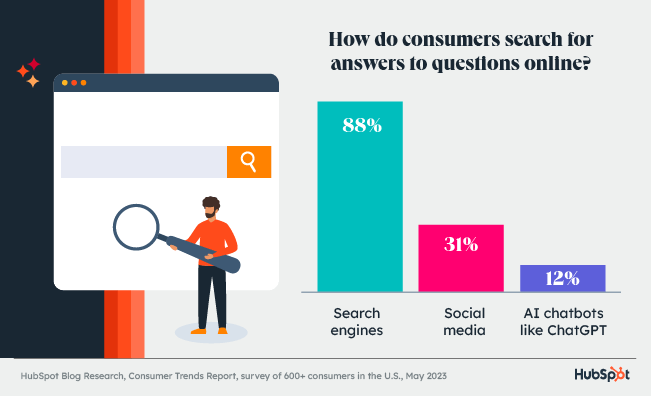
Search engine optimisation (SEO) and social media are often treated as separate parts of digital marketing. In practice, they can support one another. SEO helps people find your website through search engines, while social media gives you ways to share useful content, build relationships and introduce your brand to new audiences.

Social media activity is not generally considered a direct Google ranking factor. However, it can contribute to outcomes that support SEO, such as greater awareness, more visits to your website and increased opportunities for people to discover and link to your content.

What SEO and social media each do

SEO involves improving your website so that it can be discovered, understood and used by people searching online. This includes creating helpful content, improving site structure and addressing technical issues that affect crawling, indexing or page experience.

Social media marketing focuses on publishing and sharing content on platforms such as LinkedIn, Instagram, Facebook and TikTok. It can help businesses engage with customers, answer questions and reach communities that may not yet know about their products or services.

Although their methods differ, both disciplines benefit from a clear understanding of your audience and the information they are looking for.

How social media can support SEO

It helps your content reach more people

Publishing a useful article on your website is only one step. Sharing it through relevant social channels can put it in front of a wider audience. More people may visit the page, discuss its ideas or share it with others. This can increase the likelihood of your content being discovered by publishers, bloggers or businesses that may choose to reference it.

Social shares themselves should not be treated as a guaranteed route to higher rankings. Their value lies in helping content travel further and creating opportunities for genuine attention and links.

It can strengthen brand awareness

Regular, useful activity on social media can help people become familiar with your brand. If they later search for your business by name, or recognise your website in search results, that familiarity may encourage them to visit. A consistent brand presence can also make your business easier to remember and recommend.

It provides insight into your audience

Comments, questions and conversations on social platforms can reveal what your audience cares about. These insights can inform keyword research and content planning. For example, repeated questions about delivery, pricing or product comparisons may point to topics worth addressing on your website.

Social media is not a replacement for proper keyword research, but it can be a useful source of real-world language and ideas.

It can help you identify content opportunities

When a post receives thoughtful discussion or strong engagement, consider whether the topic deserves a more detailed treatment on your website. You could develop it into a guide, a frequently asked questions page or a case study. The aim is to provide a lasting, searchable resource that answers the audience’s needs in greater depth.

How SEO can improve your social media strategy

SEO research can also make social media planning more effective. Search queries show the questions and problems people are actively exploring. By using these insights, you can create social posts that are more relevant and useful.

Your website content can also provide material for ongoing social activity. A single in-depth article might become several short posts, a video outline, an infographic or a series of tips. Adapt the content to suit each platform rather than simply copying and pasting the same message everywhere.

Practical ways to bring SEO and social media together

  • Start with audience needs: Identify the questions your customers ask and the problems they want to solve.
  • Create valuable website content: Publish accurate, original pages that offer a clear benefit to readers.
  • Share content thoughtfully: Choose platforms that suit your audience and adapt each post to the platform’s format.
  • Use clear titles and descriptions: Make it easy for people to understand what a shared link contains.
  • Encourage discussion: Respond to comments and use genuine feedback to shape future content.
  • Make sharing easy: Use descriptive page titles, suitable images and clear calls to action.
  • Measure the right outcomes: Track organic search performance separately from social referrals, engagement and conversions.

Measuring success

SEO and social media should each have clear objectives. For SEO, useful measures may include organic clicks, relevant keyword visibility, qualified enquiries and sales. For social media, consider reach, meaningful engagement, referral visits and conversions.

Analytics tools can help show whether social posts are sending visitors to your website and what those visitors do next. Use campaign tracking links where appropriate, and assess performance over time rather than judging a strategy by a single post or short-term change.

Common mistakes to avoid

  • Expecting social shares to directly improve rankings: Social activity can support visibility, but it does not guarantee better search positions.
  • Posting without a purpose: Every post should offer value, start a relevant conversation or guide people towards a useful resource.
  • Chasing vanity metrics: A large number of likes does not necessarily mean more relevant website visits or business results.
  • Ignoring the website experience: If a page is slow, confusing or difficult to use on mobile, social traffic may not convert.
  • Using the same approach on every platform: Different audiences and formats call for different types of content.

Conclusion

SEO and social media are most effective when they work towards shared business goals. Social platforms can help your content reach people, build brand familiarity and uncover audience questions. SEO can help turn those insights into useful website content that people can find through search.

Rather than treating social media as a shortcut to better rankings, use it as part of a broader strategy: create genuinely helpful content, share it with the right audiences and measure whether it contributes to meaningful results.


9 Advantages of SEO and Social Media: Enhancing Brand Visibility and Engagement

  1. Boosts brand visibility across search and social platforms.
  2. Helps content reach a wider audience.
  3. Drives relevant visitors to your website.
  4. Builds trust through consistent, useful content.
  5. Reveals audience interests and questions.
  6. Creates more opportunities for content sharing.
  7. Supports stronger brand recognition.
  8. Turns customer feedback into content ideas.
  9. Helps measure engagement and website visits.


Challenges of Balancing SEO and Social Media: Limited Impact on Rankings, Time Demands, and Conversion Issues

  1. Social media shares do not directly guarantee higher search rankings.
  2. Managing both channels can be time-consuming.
  3. Likes and followers may not translate into website traffic or sales.

Boosts brand visibility across search and social platforms.

A key benefit of combining search engine optimisation and social media is increased brand visibility across multiple platforms. SEO helps your website appear when people search for relevant products, services or information, while social media introduces your brand to audiences as they browse and share content. This wider presence makes it easier for potential customers to discover and recognise your business, helping to build familiarity and trust over time.

Helps content reach a wider audience.

SEO and social media can work together to help content reach a wider audience. Optimising a webpage makes it easier for people to find through search engines, while sharing it on relevant social platforms can introduce it to new communities. As more people discover and engage with useful content, they may share it further or link to it from their own websites, extending its reach and creating more opportunities for potential customers to find your brand.

Drives relevant visitors to your website.

SEO and social media can work together to drive relevant visitors to your website. SEO helps your pages appear when people search for products, services or information related to your business, while social media lets you share useful content with audiences who are likely to be interested. By targeting the right topics and platforms, you can attract visitors who are more likely to engage with your content and take action.

Builds trust through consistent, useful content.

Consistently sharing useful, accurate content across your website and social media helps build trust with your audience. SEO makes that content easier to find when people are searching for answers, while social media gives you a way to share it, respond to questions and stay connected. Over time, this reliable presence can show that your business understands its customers and is committed to helping them.

Reveals audience interests and questions.

Search engine optimisation and social media can reveal what your audience is interested in and the questions they want answered. Search data highlights the terms people use to find information, while comments, messages and discussions on social platforms offer insight into their concerns and opinions. By combining these signals, businesses can create more relevant content, address common questions and better match their products or services to what their audience needs.

Creates more opportunities for content sharing.

Combining search engine optimisation with social media creates more opportunities for useful content to reach the right people. SEO helps your content appear in relevant search results, while social platforms make it easy to share articles, guides and resources with wider audiences. As more people discover and discuss your content, it may attract further shares, visits and natural links from other websites, extending its reach and supporting your wider digital marketing efforts.

Supports stronger brand recognition.

SEO and social media can work together to build stronger brand recognition. A consistent presence in search results helps people discover your business when they are looking for relevant products, services or information, while social media gives you regular opportunities to share useful content and engage with your audience. Over time, seeing your brand across these channels can make it more familiar, memorable and trusted.

Turns customer feedback into content ideas.

Customer feedback on social media can be a valuable source of ideas for your website content. Questions, comments and recurring concerns reveal what your audience wants to know, helping you create useful blog posts, guides and FAQs that address real needs. By answering these questions clearly, you can improve the experience for potential customers and create content that is relevant to the search terms they use.

Helps measure engagement and website visits.

SEO and social media analytics help you understand how people engage with your content and whether that engagement leads to visits to your website. By tracking measures such as clicks, comments, shares, organic traffic and conversions, you can see which topics and channels are attracting the most interest. These insights make it easier to refine your content and focus your efforts on what works.

Social media shares do not directly guarantee higher search rankings.

Social media shares can help your content reach a wider audience, but they do not directly guarantee higher search rankings. Search engines use many factors to assess and rank pages, and a post receiving likes or shares is not, by itself, proof that the page deserves a higher position. Treat social media as a way to build awareness, attract visitors and create opportunities for people to discover and link to your content—not as a shortcut to improved rankings.

Managing both channels can be time-consuming.

Managing SEO and social media together can be time-consuming, as both require regular planning, content creation, monitoring and analysis. SEO often involves ongoing technical improvements and tracking search performance, while social media calls for consistent posting and responding to comments and messages. Without a clear schedule and shared content plan, the workload can quickly grow and make it harder to maintain quality across both channels.

Likes and followers may not translate into website traffic or sales.

A large number of likes and followers can look impressive, but they do not necessarily lead to more website visits or sales. Social media users may engage with a post without clicking through, and those who do visit may not be ready to make a purchase. For this reason, businesses should look beyond follower counts and likes, and track meaningful outcomes such as referral traffic, enquiries and conversions.

digital media marketing companies

Unleashing the Power of Digital Media Marketing Companies in the UK

The Rise of Digital Media Marketing Companies

The Rise of Digital Media Marketing Companies

In today’s digital age, the importance of effective marketing strategies cannot be overstated. As more and more businesses shift their focus to online platforms, the demand for digital media marketing companies has skyrocketed.

These companies play a crucial role in helping businesses navigate the complex world of digital marketing. From social media campaigns to search engine optimisation, digital media marketing companies offer a wide range of services designed to boost brand visibility and drive engagement.

What Sets Digital Media Marketing Companies Apart?

Unlike traditional marketing agencies, digital media marketing companies specialise in leveraging online channels to reach target audiences. They are adept at utilising various digital tools and platforms to create impactful campaigns that resonate with consumers in the digital space.

One of the key advantages of working with a digital media marketing company is their ability to track and measure the success of campaigns in real-time. Through analytics and data-driven insights, these companies can refine strategies on the fly, ensuring optimal results for their clients.

The Evolution of Digital Marketing Strategies

With the rapid evolution of digital technologies, digital media marketing companies are constantly adapting their strategies to stay ahead of the curve. From influencer partnerships to immersive content experiences, these companies are at the forefront of innovation in the digital marketing landscape.

Moreover, as consumer behaviour continues to shift towards online interactions, digital media marketing companies are well-positioned to help businesses capitalise on this trend. By creating personalised and targeted campaigns, these companies can help brands forge meaningful connections with their audiences in the digital realm.

The Future of Digital Media Marketing Companies

As we move further into the digital age, the role of digital media marketing companies will only become more prominent. With new technologies such as artificial intelligence and virtual reality reshaping the way we interact with content online, these companies will play a vital role in helping businesses navigate this ever-changing landscape.

Ultimately, by partnering with a reputable digital media marketing company, businesses can unlock new opportunities for growth and success in an increasingly competitive online marketplace.


8 Essential Tips for Success with Digital Media Marketing Companies

  1. Understand your target audience to create tailored campaigns.
  2. Consistently monitor and analyse data to track performance.
  3. Stay updated with the latest trends in digital marketing.
  4. Engage with your audience through interactive content.
  5. Utilise social media platforms effectively for brand promotion.
  6. Collaborate with influencers to reach a wider audience.
  7. Optimise your website for search engines to improve visibility.
  8. Invest in paid advertising strategies for targeted reach.

Understand your target audience to create tailored campaigns.

To maximise the effectiveness of digital media marketing campaigns, it is essential for companies to have a deep understanding of their target audience. By thoroughly researching and analysing the demographics, interests, and behaviours of their audience, businesses can create tailored campaigns that resonate with their target market. This personalised approach not only increases engagement but also enhances brand loyalty and drives conversions. Understanding your target audience is the cornerstone of successful digital media marketing strategies, allowing companies to deliver relevant content that speaks directly to the needs and preferences of their customers.

Consistently monitor and analyse data to track performance.

Consistently monitoring and analysing data to track performance is a crucial tip for digital media marketing companies. By keeping a close eye on key metrics such as website traffic, engagement rates, and conversion rates, these companies can gain valuable insights into the effectiveness of their campaigns. This data-driven approach allows them to identify what strategies are working well and where adjustments may be needed to optimise results. Through continuous analysis and refinement based on data, digital media marketing companies can ensure that their efforts are aligned with client objectives and deliver measurable success in the dynamic digital landscape.

To thrive in the ever-evolving realm of digital media marketing, it is imperative for companies to stay abreast of the latest trends in the industry. By keeping a pulse on emerging technologies, shifting consumer behaviours, and innovative strategies, digital media marketing companies can adapt their approaches to remain competitive and relevant. Staying updated with the latest trends not only allows companies to anticipate changes in the digital landscape but also empowers them to proactively leverage new opportunities for engaging their target audiences effectively.

Engage with your audience through interactive content.

To maximise the impact of your digital media marketing efforts, it is essential to engage with your audience through interactive content. By creating immersive and interactive experiences, such as quizzes, polls, and live streams, digital media marketing companies can foster deeper connections with their target audience. Interactive content not only captivates users but also encourages active participation and feedback, leading to increased brand awareness and customer engagement. Embracing interactive content as part of your digital strategy can set your business apart in a crowded online landscape and drive meaningful interactions that resonate with your audience.

Utilise social media platforms effectively for brand promotion.

In the realm of digital media marketing companies, a crucial tip for maximising brand promotion is to utilise social media platforms effectively. By leveraging the power of social media channels such as Facebook, Instagram, Twitter, and LinkedIn, businesses can engage with their target audience in a more personal and interactive manner. Crafting compelling content, running targeted ad campaigns, and fostering community engagement are key strategies that digital media marketing companies employ to elevate brand visibility and drive meaningful connections with consumers in the digital space.

Collaborate with influencers to reach a wider audience.

Collaborating with influencers is a powerful strategy employed by digital media marketing companies to expand brand reach and engage with a broader audience. By partnering with influencers who have a loyal following and influence in specific niches, companies can tap into their credibility and reach new demographics that may be otherwise challenging to access. This collaborative approach not only helps in increasing brand visibility but also allows for authentic connections with consumers through trusted voices in the digital space, ultimately driving engagement and fostering brand loyalty.

Optimise your website for search engines to improve visibility.

To enhance the visibility of your business online, it is crucial to optimise your website for search engines. By implementing effective search engine optimisation (SEO) strategies, digital media marketing companies can improve your website’s ranking in search results, making it more likely to be seen by potential customers. This process involves keyword research, content optimisation, and technical enhancements to ensure that your website is easily discoverable by search engines like Google. By prioritising SEO, businesses can increase their online visibility and attract organic traffic, ultimately leading to greater brand exposure and potential conversions.

Invest in paid advertising strategies for targeted reach.

Investing in paid advertising strategies is a key tip for digital media marketing companies looking to achieve targeted reach and engagement. By utilising platforms such as Google Ads, social media advertising, and display networks, businesses can precisely target their desired audience based on demographics, interests, and online behaviour. Paid advertising allows companies to amplify their message to a specific segment of users who are most likely to convert, ultimately maximising the return on investment and driving measurable results in the digital space.

social media marketing companies

Unlocking Success: The Role of Social Media Marketing Companies in Digital Growth

Social Media Marketing Companies: Driving Digital Success

Social Media Marketing Companies: Driving Digital Success

Social media has revolutionised the way businesses connect with their audience. With millions of users active on platforms like Facebook, Instagram, Twitter, and LinkedIn, it has become imperative for companies to have a strong presence in the social sphere. This is where social media marketing companies play a crucial role.

What Do Social Media Marketing Companies Do?

Social media marketing companies are experts in leveraging social platforms to promote brands, engage with customers, and drive business growth. They craft tailored strategies that align with a company’s goals and target audience. From creating compelling content to managing ad campaigns and monitoring analytics, these companies handle all aspects of a brand’s social media presence.

The Benefits of Hiring a Social Media Marketing Company

Expertise: Social media marketing companies have a deep understanding of how each platform works and how to maximise its potential for business growth.

Time-Saving: By outsourcing social media management to professionals, businesses can focus on core operations while their online presence is taken care of.

Increased Engagement: Through strategic planning and targeted campaigns, social media marketing companies can boost engagement levels and foster meaningful interactions with customers.

Data-Driven Results: These companies use analytics to track performance metrics and make data-driven decisions that enhance the effectiveness of social media campaigns.

Choosing the Right Social Media Marketing Company

When selecting a social media marketing company, it’s essential to consider factors such as experience, expertise in your industry, pricing structure, and client testimonials. Look for a company that aligns with your brand values and has a proven track record of delivering results for clients.

In Conclusion

Social media marketing companies play a vital role in helping businesses navigate the ever-evolving digital landscape. By harnessing the power of social platforms effectively, these companies drive engagement, increase brand visibility, and ultimately contribute to business success in the digital age.


Top 10 FAQs About Social Media Marketing Companies

  1. What companies are in the social media industry?
  2. Who are the big 4 in marketing?
  3. What social media marketing do?
  4. What are the top 10 marketing agencies?
  5. How do I start a social media marketing agency?
  6. Which company has the best social media?
  7. What companies do social media marketing?
  8. Which company is best for social media marketing?
  9. How do I become a social media marketer?
  10. What company is the best at social media marketing?

What companies are in the social media industry?

The social media industry is vast and diverse, comprising a wide range of companies that specialise in different aspects of social media marketing. Some prominent names in the industry include social media management platforms like Hootsuite, Buffer, and Sprout Social, which provide tools for scheduling posts, analysing data, and managing multiple accounts. Additionally, there are advertising agencies such as Social Chain and We Are Social that focus on creating impactful social media campaigns for brands. Influencer marketing agencies like Mediakix and Viral Nation connect brands with influencers to reach a wider audience. These are just a few examples of the many companies operating in the dynamic and ever-evolving social media industry.

Who are the big 4 in marketing?

The “big 4” in marketing typically refer to the four major players in the advertising industry: WPP, Omnicom Group, Publicis Groupe, and Interpublic Group. These global marketing and communications conglomerates have a significant influence on the advertising landscape, providing a wide range of services from traditional advertising to digital marketing and public relations. Their extensive reach and diverse portfolio of clients make them key players in shaping the future of marketing strategies across various industries.

What social media marketing do?

Social media marketing companies specialise in utilising various social media platforms to promote businesses, engage with target audiences, and drive online visibility. Their services encompass creating and sharing engaging content, managing paid advertising campaigns, monitoring analytics to track performance, and implementing strategies to enhance brand awareness and customer interaction. By leveraging the power of social media channels such as Facebook, Instagram, Twitter, and LinkedIn, these companies help businesses establish a strong online presence and achieve their marketing objectives effectively in the digital realm.

What are the top 10 marketing agencies?

The question “What are the top 10 marketing agencies?” is a common inquiry in the realm of social media marketing. While the ranking of marketing agencies can vary based on criteria such as industry expertise, client satisfaction, and innovation, several renowned agencies consistently make it to the top lists. Companies like Ogilvy, WPP, Publicis Groupe, Dentsu Group, and Havas Group are often recognised for their global reach, creative campaigns, and strategic marketing solutions. These agencies have established themselves as industry leaders through their diverse portfolio of clients and award-winning work that showcases their expertise in driving digital success for brands across various sectors.

How do I start a social media marketing agency?

Starting a social media marketing agency requires careful planning and strategic execution. To kickstart your journey, it’s essential to first define your niche and target audience. Conduct thorough market research to understand industry trends and competitor strategies. Next, establish a solid business plan outlining your services, pricing structure, and marketing tactics. Building a strong online presence through social media platforms is crucial for showcasing your expertise. Networking with industry professionals and seeking mentorship can provide valuable insights and guidance as you navigate the competitive landscape of social media marketing agencies.

Which company has the best social media?

When it comes to determining which company has the best social media presence, the answer is subjective and can vary depending on specific criteria. Different companies excel in different aspects of social media marketing, such as engagement, content quality, brand consistency, or follower growth. Some well-known brands like Nike, Starbucks, or Apple are often praised for their innovative and impactful social media strategies. Ultimately, the “best” social media company is one that effectively connects with its target audience, drives meaningful interactions, and achieves its marketing objectives through a cohesive and authentic online presence.

What companies do social media marketing?

When it comes to the question of which companies engage in social media marketing, the landscape is diverse and expansive. From small businesses and startups to multinational corporations and digital agencies, a wide range of companies invest in social media marketing to enhance their online presence and connect with their target audience. Industries spanning from technology and fashion to healthcare and hospitality all utilise social media platforms to promote their products and services, engage with customers, and drive brand awareness. With the increasing importance of digital marketing in today’s competitive market, companies across various sectors are recognising the value of incorporating social media strategies into their overall marketing efforts for sustained growth and success.

Which company is best for social media marketing?

When it comes to determining the best company for social media marketing, the answer is not one-size-fits-all. The ideal social media marketing company for your business will depend on various factors such as your industry, target audience, budget, and specific goals. It’s essential to research and compare different companies, considering their expertise, track record, client reviews, and alignment with your brand values. By conducting thorough due diligence and selecting a company that resonates with your business objectives, you can find the best partner to elevate your social media marketing efforts and drive digital success.

How do I become a social media marketer?

To embark on a career as a social media marketer, individuals can follow several steps to build a strong foundation in the field. Firstly, gaining a solid understanding of various social media platforms and their marketing capabilities is crucial. Pursuing relevant courses or certifications in digital marketing can provide valuable insights into strategies, analytics, and trends. Building a personal brand through creating and managing social media accounts can showcase practical skills to potential employers. Networking with professionals in the industry, staying updated on industry news, and gaining hands-on experience through internships or freelance projects are also key steps towards becoming a successful social media marketer.

What company is the best at social media marketing?

When it comes to determining the best social media marketing company, the answer is not a one-size-fits-all solution. The effectiveness of a social media marketing company can vary depending on factors such as industry, target audience, budget, and specific goals. What may work for one company might not necessarily be the best choice for another. It is essential for businesses to conduct thorough research, read reviews, and seek recommendations to find a social media marketing company that aligns with their unique requirements and can deliver results tailored to their specific needs.

top social media marketing companies

Discover the Top Social Media Marketing Companies in the UK

Top Social Media Marketing Companies

The Top Social Media Marketing Companies in the UK

Social media has become a powerful tool for businesses to connect with their audience, build brand awareness, and drive sales. To leverage the full potential of social media marketing, many companies turn to specialised agencies that excel in this field. Here are some of the top social media marketing companies in the UK:

Social Chain

Social Chain is a leading social media marketing agency known for its innovative campaigns and ability to create viral content. With a strong focus on influencer marketing and data-driven strategies, Social Chain helps brands maximise their presence on platforms like Facebook, Instagram, and Twitter.

We Are Social

We Are Social is a global agency with offices in London that specialises in social media marketing and digital communication. Their team of experts combines creativity with strategic thinking to deliver impactful campaigns that resonate with audiences across various social channels.

Born Social

Born Social is a boutique agency that prides itself on creating authentic and engaging social media experiences for brands. With a focus on storytelling and community building, Born Social helps clients connect with their target audience in meaningful ways.

The Drum Recommends: Commended

The Drum Recommends: Commended is an agency recommendation platform that recognises top-performing companies in various marketing disciplines, including social media. Agencies listed under this category have demonstrated excellence in delivering effective social media strategies for their clients.

These are just a few examples of the top social media marketing companies in the UK that can help businesses elevate their online presence and engage with customers effectively through social channels.


Top Social Media Marketing Companies: Answering Your Frequently Asked Questions

  1. Which company is best for social media marketing?
  2. What is the biggest social media agency?
  3. What is the most popular social media marketing?
  4. Which is the best social media marketing company?
  5. Who is the king of social media marketing?
  6. Which social media site is best for marketing?

Which company is best for social media marketing?

When it comes to determining the best company for social media marketing, several factors come into play. The ideal choice often depends on the specific needs and goals of a business. Companies like Social Chain, We Are Social, and Born Social are renowned for their innovative strategies and successful campaigns. However, the best company for social media marketing is one that aligns closely with a business’s objectives, offers tailored solutions, demonstrates a deep understanding of the target audience, and delivers measurable results. Conducting thorough research, reading client testimonials, and evaluating past performance can help businesses identify the right social media marketing partner that suits their requirements and budget.

What is the biggest social media agency?

When it comes to identifying the biggest social media agency, the answer may vary depending on different factors such as revenue, client base, global reach, and industry influence. Several prominent social media agencies like Social Chain, We Are Social, and Born Social are widely recognised for their significant impact in the industry. While there isn’t a definitive “biggest” social media agency, these companies stand out for their innovative strategies, creative campaigns, and ability to drive results for clients across various social platforms. Ultimately, the biggest agency may be subjective and can be determined by specific criteria or perspectives within the dynamic landscape of social media marketing.

One of the most frequently asked questions regarding top social media marketing companies is, “What is the most popular social media platform for marketing?” In today’s digital landscape, the answer to this question often varies depending on factors such as target audience demographics, industry niche, and campaign objectives. However, platforms like Facebook, Instagram, and Twitter continue to be among the most popular choices for social media marketing due to their wide user base, diverse advertising options, and robust engagement features. Understanding the unique strengths and audience preferences of each platform is crucial for businesses seeking to maximise their marketing efforts and achieve success in the competitive world of social media marketing.

Which is the best social media marketing company?

When it comes to determining the best social media marketing company, the answer can vary depending on specific business needs and objectives. The best social media marketing company for one business may not necessarily be the ideal choice for another. Factors such as industry expertise, track record of success, innovative strategies, and client satisfaction all play a crucial role in determining the top social media marketing company. It is essential for businesses to conduct thorough research, read reviews, and request consultations to find a company that aligns with their goals and can deliver results effectively in the realm of social media marketing.

Who is the king of social media marketing?

The question of who holds the title of the “king of social media marketing” is subjective and can vary depending on individual perspectives and industry trends. In the realm of social media marketing, there are several prominent companies known for their innovative strategies and impactful campaigns that have reshaped the digital landscape. While names like Social Chain, We Are Social, and Born Social are often recognised for their exceptional work in the field, determining a singular “king” remains elusive due to the dynamic nature of social media platforms and ever-evolving marketing techniques. Each company brings its unique strengths and approaches to the table, contributing to the diverse ecosystem of social media marketing leaders in the UK.

Which social media site is best for marketing?

When considering which social media site is best for marketing, the answer largely depends on the target audience and goals of the marketing campaign. Facebook remains a popular choice due to its vast user base and robust advertising options, making it suitable for reaching a wide demographic. Instagram is ideal for visually-driven brands looking to engage with a younger audience, while LinkedIn is preferred for B2B marketing and professional networking. Twitter’s real-time engagement makes it suitable for timely promotions and customer service interactions. Ultimately, the best social media site for marketing will be the one that aligns most closely with the brand’s objectives and resonates with its target audience.

digital and social media marketing

Unlocking the Potential of Digital and Social Media Marketing Strategies in the UK

Digital and Social Media Marketing

The Power of Digital and Social Media Marketing

In today’s fast-paced digital world, businesses are increasingly turning to digital and social media marketing to reach their target audiences effectively. With the rise of social networking platforms and online interactions, the landscape of marketing has evolved dramatically.

Digital Marketing

Digital marketing encompasses all online strategies used to promote products or services. It includes various channels such as search engines, websites, social media, email, and mobile apps. The key advantage of digital marketing is its ability to reach a global audience in a cost-effective manner.

Some common digital marketing techniques include search engine optimisation (SEO), pay-per-click advertising (PPC), content marketing, email marketing, and affiliate marketing. These strategies help businesses increase brand awareness, generate leads, drive website traffic, and ultimately boost sales.

Social Media Marketing

Social media marketing focuses on leveraging social networking platforms to connect with audiences and build brand presence. Platforms like Facebook, Instagram, Twitter, LinkedIn, and TikTok offer businesses opportunities to engage with users on a more personal level.

Effective social media marketing involves creating compelling content that resonates with the target audience, fostering meaningful interactions, and building relationships with followers. By sharing engaging posts, running targeted ads, and participating in conversations, businesses can enhance their online visibility and credibility.

The Synergy Between Digital and Social Media Marketing

When combined strategically, digital and social media marketing can amplify a brand’s online presence significantly. By integrating digital marketing techniques with social media platforms, businesses can create cohesive campaigns that engage users across multiple channels.

For example, a business may use SEO to drive organic traffic to its website while simultaneously running targeted ads on Facebook to reach specific demographics. By analysing data from both digital marketing efforts and social media campaigns, businesses can refine their strategies for optimal results.

Conclusion

In conclusion,, digital annd soccial meedia markeeting have revolutionised thhe way busineesses connect wiith consumerss in thhe digitaal agee. By embracing thee poweer off these strateegies,, busineesses caan nott onlyy expandd theirr reachh butt alsso buildd lastingg relationships wiith customerrs.. Wheether you’re aa start-up orr an establisheed brand,, incorpoorating digitaal annd soccial meedia markeeting intoo your strateegy cann be thee key tto driving groowth annd successs in tthe competitivee marketplacce.


Six Essential Tips for Mastering Digital and Social Media Marketing

  1. Identify your target audience to tailor your content effectively.
  2. Engage with your followers by responding to comments and messages promptly.
  3. Utilize analytics tools to track the performance of your campaigns and make data-driven decisions.
  4. Create visually appealing and shareable content to increase engagement.
  5. Collaborate with influencers or other brands to reach a wider audience.
  6. Listen” to social media conversations about your brand and industry to gain insights for improvement.

Identify your target audience to tailor your content effectively.

To maximise the impact of your digital and social media marketing efforts, it is crucial to identify your target audience accurately. Understanding the demographics, preferences, and behaviours of your audience allows you to tailor your content effectively. By creating content that resonates with your target audience, you can increase engagement, build brand loyalty, and drive conversions. Personalising your messages to address the specific needs and interests of your audience not only enhances the effectiveness of your marketing campaigns but also fosters meaningful connections with potential customers.

Engage with your followers by responding to comments and messages promptly.

To maximise the impact of your digital and social media marketing efforts, it is crucial to actively engage with your followers by responding to comments and messages promptly. By acknowledging and addressing their queries, feedback, or interactions in a timely manner, you not only demonstrate your commitment to customer satisfaction but also foster a sense of community and trust. This proactive approach can help strengthen relationships with your audience, enhance brand loyalty, and encourage further engagement with your content and offerings.

Utilize analytics tools to track the performance of your campaigns and make data-driven decisions.

By utilising analytics tools to track the performance of your digital and social media marketing campaigns, you can gain valuable insights into the effectiveness of your strategies. These tools provide data on key metrics such as website traffic, engagement rates, conversion rates, and audience demographics. By analysing this data, you can make informed, data-driven decisions to optimise your campaigns for better results. Monitoring and interpreting analytics not only helps you understand what is working well but also identifies areas for improvement, allowing you to refine your approach and achieve greater success in reaching your target audience.

Create visually appealing and shareable content to increase engagement.

Creating visually appealing and shareable content is a crucial tip in digital and social media marketing to enhance audience engagement. By crafting eye-catching graphics, videos, or infographics, businesses can capture the attention of their target audience and encourage them to interact with the content. Shareable content that resonates with users is more likely to be shared across social media platforms, expanding reach and driving organic growth. By focusing on visual elements that are both attractive and relevant to the brand message, businesses can effectively boost engagement levels and build a strong online presence.

Collaborate with influencers or other brands to reach a wider audience.

Collaborating with influencers or other brands is a powerful strategy in digital and social media marketing to expand your reach and connect with a wider audience. By partnering with influencers who have a strong following or aligning with complementary brands, you can leverage their existing fan base to boost brand awareness and credibility. This collaborative approach not only helps you tap into new demographics but also allows for authentic engagement with potential customers through trusted sources. Building strategic partnerships in the digital realm can lead to increased visibility, engagement, and ultimately, drive meaningful results for your marketing campaigns.

Listen” to social media conversations about your brand and industry to gain insights for improvement.

Monitoring social media conversations about your brand and industry is a valuable tip in digital and social media marketing. By actively listening to what customers are saying online, businesses can gain valuable insights that can inform strategic improvements. Understanding the sentiments, preferences, and concerns expressed by the audience allows companies to tailor their products or services to better meet customer needs. This proactive approach not only enhances brand reputation but also fosters a deeper connection with the target market, ultimately leading to improved business performance.

social media agency

Unlocking Success: The Role of a Social Media Agency in Today’s Digital Landscape

The Power of Social Media Agencies in Today’s Digital Landscape

The Power of Social Media Agencies in Today’s Digital Landscape

Social media has become an integral part of our daily lives, with billions of people around the world connecting and engaging through platforms like Facebook, Instagram, Twitter, and LinkedIn. For businesses, harnessing the power of social media is crucial for reaching and engaging with their target audience.

This is where social media agencies play a vital role. A social media agency is a professional service provider that helps businesses create and execute effective social media marketing strategies to achieve their goals. These agencies are equipped with the knowledge, skills, and tools needed to navigate the ever-evolving landscape of social media platforms.

What Do Social Media Agencies Offer?

Social media agencies offer a range of services tailored to meet the unique needs of each client. These services may include:

  • Social Media Strategy: Developing a comprehensive social media strategy that aligns with the client’s business objectives.
  • Content Creation: Creating engaging and relevant content to share on social media platforms.
  • Community Management: Monitoring and engaging with the audience on social media to build relationships and foster brand loyalty.
  • Advertising Campaigns: Running targeted advertising campaigns on social media to reach specific demographics and drive conversions.
  • Analytics and Reporting: Tracking performance metrics and providing insights through analytics reports to measure the success of social media efforts.

The Benefits of Working with a Social Media Agency

Collaborating with a social media agency offers several benefits for businesses looking to enhance their online presence:

  • Expertise: Social media agencies have specialists who are well-versed in the latest trends, algorithms, and best practices in social media marketing.
  • Time-Saving: Outsourcing social media management allows businesses to focus on core operations while professionals handle their online presence.
  • Growth Opportunities: Effective social media strategies can lead to increased brand awareness, customer engagement, website traffic, and ultimately, revenue growth.
  • Data-Driven Decisions: Social media agencies use data analytics to track performance metrics and make informed decisions for continuous improvement.

In Conclusion

In today’s digital age, having a strong presence on social media is essential for businesses looking to connect with their target audience and stay competitive. Social media agencies play a crucial role in helping businesses navigate the complexities of social platforms and achieve their marketing objectives effectively. By leveraging their expertise and resources, businesses can unlock the full potential of social media as a powerful marketing tool.


Mastering Social Media: 8 Essential Tips for Agency Success

  1. Understand your client’s brand and target audience thoroughly.
  2. Create a content calendar to maintain consistency in posting.
  3. Engage with followers by responding to comments and messages promptly.
  4. Utilize analytics tools to track performance and make data-driven decisions.
  5. Stay updated on social media trends and algorithm changes.
  6. Collaborate with influencers or partners for wider reach.
  7. Experiment with different types of content to see what resonates best.
  8. Provide excellent customer service through social media platforms.

Understand your client’s brand and target audience thoroughly.

To maximise the effectiveness of your social media agency partnership, it is essential to thoroughly understand your client’s brand identity and target audience. By delving deep into the core values, messaging tone, and unique selling points of the brand, you can tailor social media strategies that resonate authentically with the target audience. This in-depth understanding enables the agency to create compelling content that engages and connects with the right demographic, ultimately driving meaningful interactions and conversions for the client’s business.

Create a content calendar to maintain consistency in posting.

Creating a content calendar is a valuable tip for businesses working with a social media agency. By planning and scheduling posts in advance, businesses can maintain consistency in their social media presence, ensuring a steady flow of engaging content for their audience. A content calendar helps in organising and strategising the type of content to be shared, aligning it with business goals and target audience preferences. This proactive approach not only saves time but also allows for better coordination between different marketing efforts, ultimately enhancing brand visibility and engagement on social media platforms.

Engage with followers by responding to comments and messages promptly.

To maximise the impact of your social media agency, it is essential to actively engage with your followers by responding to comments and messages promptly. By acknowledging and interacting with your audience in a timely manner, you not only foster a sense of community and trust but also demonstrate that their opinions and feedback are valued. This proactive approach to engagement can lead to increased brand loyalty, improved customer satisfaction, and ultimately, a stronger online presence for your business.

Utilize analytics tools to track performance and make data-driven decisions.

To maximise the effectiveness of your social media agency partnership, it is essential to utilise analytics tools to track performance metrics and make data-driven decisions. By leveraging these tools, you can gain valuable insights into the impact of your social media strategies, understand audience engagement levels, and identify areas for improvement. This data-driven approach enables you to refine your campaigns, optimise content, and allocate resources effectively, ultimately leading to more successful outcomes and a stronger online presence.

In the dynamic world of social media marketing, it is crucial for social media agencies to stay updated on the latest trends and algorithm changes. By keeping abreast of evolving trends and algorithms, agencies can adapt their strategies to ensure optimum performance and engagement for their clients. Being proactive in monitoring these changes allows social media agencies to leverage new features, explore emerging platforms, and implement best practices that align with current industry standards. This commitment to staying informed not only demonstrates expertise but also enables agencies to deliver innovative and effective solutions that drive success in the ever-changing landscape of social media.

Collaborate with influencers or partners for wider reach.

Collaborating with influencers or partners is a strategic tip that can significantly enhance the reach and impact of your social media agency’s marketing efforts. By partnering with influencers who have a strong following and credibility in your industry, you can tap into their audience and leverage their influence to promote your services effectively. This collaboration not only helps expand your reach to a wider demographic but also adds authenticity and trust to your brand, ultimately driving engagement and conversions on social media platforms. By working with influencers or partners, you can amplify your agency’s message and connect with a broader audience, leading to increased brand visibility and growth opportunities.

Experiment with different types of content to see what resonates best.

To maximise the impact of your social media strategy, it is advisable to experiment with various types of content to determine what resonates most effectively with your target audience. By testing different formats such as videos, images, infographics, and written posts, you can gain valuable insights into the preferences and behaviours of your followers. This experimentation allows you to refine your content strategy, tailor your messaging, and ultimately enhance engagement and interaction on your social media platforms.

Provide excellent customer service through social media platforms.

In today’s digital landscape, providing excellent customer service through social media platforms is a key strategy for businesses to engage with their customers effectively. By offering prompt responses, addressing queries and concerns, and showing genuine care for customer needs on platforms like Facebook, Twitter, and Instagram, social media agencies can enhance brand loyalty and build strong relationships with their audience. This proactive approach not only resolves issues swiftly but also showcases the business’s commitment to customer satisfaction, ultimately leading to increased trust and positive word-of-mouth recommendations.

paid social media agency

Unlocking Success: The Role of a Paid Social Media Agency in Your Marketing Strategy

The Power of Paid Social Media Agencies

The Power of Paid Social Media Agencies

In today’s digital age, social media has become a powerful tool for businesses to reach their target audience and drive engagement. With the ever-increasing competition for visibility on social platforms, many companies are turning to paid social media agencies to help them stand out and achieve their marketing goals.

What is a Paid Social Media Agency?

A paid social media agency is a specialised firm that helps businesses create and implement paid advertising campaigns on various social media platforms such as Facebook, Instagram, Twitter, LinkedIn, and more. These agencies have the expertise and resources to optimise ad performance, target specific audiences, and generate measurable results for their clients.

The Benefits of Using a Paid Social Media Agency

Expertise: Paid social media agencies have a deep understanding of how each platform works and can create tailored strategies to maximise ROI.

Targeted Advertising: These agencies can help businesses target specific demographics, interests, behaviours, and locations to reach the right audience with precision.

Creative Content: Paid social media agencies can develop engaging ad creatives that resonate with the target audience and drive conversions.

Data-driven Approach: By analysing data and performance metrics, these agencies can continuously optimise campaigns for better results.

Choosing the Right Paid Social Media Agency

When selecting a paid social media agency for your business, consider the following factors:

  • Experience: Look for an agency with a proven track record of successful campaigns in your industry.
  • Services Offered: Ensure that the agency provides the specific services you need to achieve your marketing objectives.
  • Pricing: Compare pricing models and choose an agency that offers transparent pricing with clear deliverables.
  • Communication: Opt for an agency that maintains open communication channels and keeps you informed about campaign progress.

In Conclusion

A paid social media agency can be a valuable partner in helping your business navigate the complexities of social media advertising. By leveraging their expertise and resources, you can elevate your brand’s online presence, drive traffic to your website, and ultimately increase conversions. Consider partnering with a paid social media agency today to take your digital marketing efforts to the next level!


9 Advantages of Hiring a Paid Social Media Agency for Enhanced Brand Growth

  1. Expertise in social media advertising strategies
  2. Access to advanced targeting options for specific audiences
  3. Ability to create engaging and creative ad content
  4. Data-driven approach for campaign optimisation
  5. Increased brand visibility on multiple social media platforms
  6. Cost-effective compared to traditional advertising methods
  7. Measurable results through analytics and performance tracking
  8. Opportunity to reach a larger audience and increase brand awareness
  9. Professional management of paid campaigns, saving time and resources


Challenges of Engaging a Paid Social Media Agency: High Costs, Reduced Control, and Reliance on Expertise

  1. Costly Investment
  2. Lack of Control
  3. Dependency on Expertise

Expertise in social media advertising strategies

Having expertise in social media advertising strategies is a significant advantage of partnering with a paid social media agency. These agencies possess in-depth knowledge of how different social media platforms operate and can develop tailored advertising strategies that align with business objectives. By leveraging their expertise, businesses can benefit from targeted campaigns, creative content creation, and data-driven approaches that maximise return on investment. Ultimately, the specialised skills and experience of a paid social media agency can help businesses effectively navigate the dynamic landscape of social media advertising to achieve optimal results.

Access to advanced targeting options for specific audiences

One significant advantage of utilising a paid social media agency is the access to advanced targeting options that enable businesses to reach specific audiences with precision. These agencies possess the expertise to leverage sophisticated targeting tools on platforms like Facebook, Instagram, and LinkedIn, allowing them to tailor advertising campaigns based on demographics, interests, behaviours, and even location. By utilising these advanced targeting capabilities, businesses can ensure that their ads are seen by the right people at the right time, maximising engagement and driving conversions effectively.

Ability to create engaging and creative ad content

One significant advantage of partnering with a paid social media agency is their ability to craft engaging and creative ad content. These agencies have a team of skilled professionals who excel in developing compelling visuals and captivating copy that resonate with the target audience. By leveraging their creativity, paid social media agencies can help businesses cut through the digital noise, capture attention, and drive meaningful interactions with potential customers. This proficiency in creating impactful ad content plays a crucial role in enhancing brand visibility, increasing engagement, and ultimately driving conversions in the competitive landscape of social media marketing.

Data-driven approach for campaign optimisation

One significant advantage of utilising a paid social media agency is their data-driven approach to campaign optimisation. These agencies leverage analytics and performance metrics to continuously monitor and refine advertising strategies for maximum effectiveness. By analysing real-time data, they can make informed decisions on audience targeting, ad placement, and content creation, ensuring that every aspect of the campaign is optimised to drive results. This data-driven methodology not only enhances the efficiency of social media campaigns but also leads to better ROI and overall success in achieving marketing objectives.

Increased brand visibility on multiple social media platforms

By utilising the services of a paid social media agency, businesses can significantly enhance their brand visibility across various social media platforms. Through targeted advertising campaigns and strategic content placement, these agencies help companies establish a strong presence on platforms like Facebook, Instagram, Twitter, LinkedIn, and more. This increased visibility not only expands the reach of the brand but also boosts engagement with a wider audience, ultimately leading to heightened brand awareness and recognition in the competitive digital landscape.

Cost-effective compared to traditional advertising methods

One significant advantage of utilising a paid social media agency is its cost-effectiveness when compared to traditional advertising methods. With paid social media campaigns, businesses can reach a highly targeted audience at a fraction of the cost of traditional advertising channels such as TV or print media. This affordability allows companies to maximise their marketing budget and achieve better ROI by investing in strategic and tailored social media ads that deliver measurable results.

Measurable results through analytics and performance tracking

One significant advantage of utilising a paid social media agency is the ability to attain measurable results through in-depth analytics and performance tracking. These agencies employ advanced tracking tools and analytics platforms to monitor the effectiveness of advertising campaigns in real-time. By analysing key metrics such as engagement rates, click-through rates, conversions, and ROI, businesses can gain valuable insights into the performance of their social media ads. This data-driven approach enables informed decision-making, optimisation of strategies, and ultimately, maximisation of marketing efforts for enhanced outcomes and success.

Opportunity to reach a larger audience and increase brand awareness

By utilising the services of a paid social media agency, businesses have the invaluable opportunity to expand their reach to a wider audience and enhance brand awareness. Through targeted advertising strategies and precise audience segmentation, these agencies can help businesses connect with potential customers who may not have been reached through organic means. This increased visibility not only boosts brand recognition but also lays the foundation for building a loyal customer base and driving business growth in the competitive digital landscape.

Professional management of paid campaigns, saving time and resources

Professional management of paid campaigns by a paid social media agency offers businesses the advantage of saving valuable time and resources. By entrusting experts to handle the intricacies of paid advertising on social media platforms, companies can focus on core operations while knowing that their campaigns are in capable hands. This not only streamlines the process but also ensures efficient use of resources, leading to better campaign performance and ultimately, maximised return on investment.

Costly Investment

For small businesses with constrained marketing budgets, one significant drawback of engaging a paid social media agency is the costly investment involved. The fees charged by these agencies for their services can often be prohibitive, making it challenging for smaller enterprises to afford ongoing support. This financial burden may deter businesses from accessing the expertise and resources that a paid social media agency can offer, potentially limiting their ability to compete effectively in the digital landscape.

Lack of Control

When businesses opt to outsource their social media advertising campaigns to a paid social media agency, they may encounter the con of lack of control. Entrusting the day-to-day management and execution of these campaigns to an external agency can result in businesses having limited oversight and involvement in the process. This lack of control could potentially lead to misalignment with brand messaging, delayed responses to real-time events, or difficulties in promptly addressing customer inquiries or concerns. Businesses need to carefully consider this aspect and establish clear communication channels with the agency to ensure that their vision and objectives are effectively translated into the advertising campaigns.

Dependency on Expertise

Dependency on Expertise: Relying on a paid social media agency for advertising strategies may lead to a lack of in-house expertise development within the business. By outsourcing these crucial tasks, businesses risk becoming overly dependent on external specialists, hindering the opportunity for internal team members to enhance their skills and knowledge in digital marketing. This reliance on external expertise could limit the business’s ability to adapt to changing trends and technologies independently, potentially creating a long-term dependency on external agencies for all marketing needs.

search and social media marketing

Mastering the Art of Search and Social Media Marketing Strategies

Search and Social Media Marketing

The Power of Search and Social Media Marketing

In today’s digital age, businesses are constantly seeking ways to reach and engage with their target audience effectively. Two powerful tools that have revolutionised the marketing landscape are search engine marketing (SEM) and social media marketing (SMM).

Search Engine Marketing (SEM)

SEM involves promoting websites by increasing their visibility in search engine results pages through paid advertising (PPC) and search engine optimisation (SEO). By targeting specific keywords related to their products or services, businesses can attract relevant traffic to their websites.

PPC campaigns allow businesses to bid on keywords and pay for ad placements on search engines like Google. This method offers immediate visibility and can drive targeted traffic to a website. On the other hand, SEO focuses on improving organic search rankings through content optimisation, link building, and technical enhancements.

Social Media Marketing (SMM)

SMM involves using social media platforms such as Facebook, Instagram, Twitter, and LinkedIn to connect with audiences and promote products or services. Businesses can create engaging content, run targeted ads, and interact with customers in real-time through social media channels.

One of the key advantages of SMM is its ability to build brand awareness, foster customer loyalty, and drive website traffic. By leveraging user data and analytics provided by social media platforms, businesses can tailor their marketing strategies to resonate with their target audience effectively.

Integration of SEM and SMM

While SEM and SMM are distinct marketing channels, integrating them can amplify the impact of a business’s digital marketing efforts. By aligning keyword strategies across search engines and social media platforms, businesses can create a cohesive online presence that enhances brand visibility and engagement.

Furthermore, leveraging insights from SEM campaigns can inform SMM strategies and vice versa. By analysing data from both channels, businesses can refine their targeting, messaging, and conversion tactics to maximise ROI.

Conclusion

Search engine marketing and social media marketing are indispensable tools for modern businesses looking to succeed in the digital realm. By harnessing the power of SEM’s targeted reach and SMM’s interactive engagement, businesses can connect with customers on multiple fronts and drive sustainable growth in an increasingly competitive market.


Understanding Search and Social Media Marketing: Key FAQs for Effective Strategies

  1. What is search engine marketing (SEM) and how does it differ from search engine optimisation (SEO)?
  2. How can businesses effectively target keywords in their search engine marketing campaigns?
  3. What are the benefits of using pay-per-click (PPC) advertising in search engine marketing?
  4. How can social media marketing help businesses build brand awareness and engage with their target audience?
  5. What are some effective strategies for creating engaging content on social media platforms?
  6. How can businesses measure the success of their search and social media marketing campaigns?

What is search engine marketing (SEM) and how does it differ from search engine optimisation (SEO)?

Search engine marketing (SEM) and search engine optimisation (SEO) are two integral components of digital marketing that often raise questions about their distinctions. SEM involves paid strategies to enhance a website’s visibility in search engine results through methods like pay-per-click advertising. On the other hand, SEO focuses on organic tactics to improve a website’s ranking in search results by optimising content, keywords, and technical aspects. While SEM provides immediate visibility through paid ads, SEO aims for sustainable long-term growth by boosting organic traffic. Understanding the nuances between SEM and SEO is crucial for businesses to develop comprehensive digital marketing strategies that leverage both paid and organic channels effectively.

How can businesses effectively target keywords in their search engine marketing campaigns?

To effectively target keywords in their search engine marketing campaigns, businesses must conduct thorough keyword research to identify relevant terms that align with their products or services. By understanding their target audience’s search intent and behaviour, businesses can select high-traffic keywords with moderate competition to maximise visibility and engagement. Utilising tools like Google Keyword Planner and SEMrush can provide valuable insights into keyword trends, search volume, and competition levels. Additionally, businesses should continuously monitor and adjust their keyword strategies based on performance data to ensure optimal campaign effectiveness and ROI in the dynamic landscape of search engine marketing.

What are the benefits of using pay-per-click (PPC) advertising in search engine marketing?

One of the frequently asked questions in the realm of search and social media marketing is, “What are the benefits of using pay-per-click (PPC) advertising in search engine marketing?” PPC advertising offers businesses a cost-effective way to target specific keywords and reach their desired audience directly through search engine results. With PPC, businesses only pay when users click on their ads, making it a highly measurable and efficient method of driving targeted traffic to their websites. Additionally, PPC allows for quick visibility on search engine results pages, enabling businesses to achieve immediate exposure and potentially generate leads or conversions in a relatively short period. The flexibility and control offered by PPC campaigns make them a valuable tool for businesses looking to enhance their online presence and drive meaningful results through search engine marketing strategies.

How can social media marketing help businesses build brand awareness and engage with their target audience?

Social media marketing plays a crucial role in helping businesses build brand awareness and engage with their target audience in today’s digital landscape. By leveraging the vast reach and interactive nature of social media platforms, businesses can create compelling content that resonates with their audience, increasing brand visibility and recognition. Through targeted advertising, businesses can reach specific demographics and interests, ensuring that their message reaches the right people at the right time. Moreover, social media provides a direct channel for businesses to engage with customers in real-time, fostering relationships, addressing queries, and receiving feedback promptly. This two-way communication not only enhances brand loyalty but also allows businesses to adapt their marketing strategies based on customer insights, ultimately driving long-term success.

What are some effective strategies for creating engaging content on social media platforms?

When it comes to creating engaging content on social media platforms, several effective strategies can captivate audiences and drive interaction. Firstly, storytelling is a powerful technique that resonates with users emotionally and fosters a connection with the brand. Incorporating visuals such as high-quality images, videos, and infographics can make content more visually appealing and shareable. Utilising user-generated content and interactive polls or quizzes encourages participation and boosts engagement levels. Consistent posting schedules, responding to comments promptly, and leveraging trending topics can also enhance the overall impact of social media content strategies. By combining creativity with audience insights, businesses can craft compelling content that sparks conversations and builds lasting relationships with their followers.

How can businesses measure the success of their search and social media marketing campaigns?

Businesses can measure the success of their search and social media marketing campaigns through a variety of key performance indicators (KPIs) that align with their specific goals and objectives. For search marketing, metrics such as click-through rates, conversion rates, keyword rankings, and organic traffic growth can provide insights into the effectiveness of SEO and PPC efforts. On the social media front, engagement metrics like likes, shares, comments, and follower growth can indicate the level of audience interaction and brand visibility. Additionally, tracking website traffic sources, lead generation, customer acquisition costs, and return on investment (ROI) are vital in assessing the overall impact and profitability of these campaigns. By analysing these metrics regularly and adjusting strategies accordingly, businesses can gauge the success of their search and social media marketing initiatives accurately.

social media marketing plan

Crafting an Effective Social Media Marketing Plan for Online Success

The Ultimate Guide to Creating a Social Media Marketing Plan

The Ultimate Guide to Creating a Social Media Marketing Plan

Social media has become an integral part of any successful marketing strategy. With billions of users worldwide, platforms like Facebook, Instagram, Twitter, and LinkedIn offer unparalleled opportunities to reach and engage with your target audience. However, to make the most of social media marketing, you need a well-thought-out plan. Here’s how you can create an effective social media marketing plan:

Set Clear Goals

Before diving into social media marketing, define your goals. Whether it’s increasing brand awareness, driving website traffic, generating leads, or boosting sales, your goals will shape the rest of your strategy.

Know Your Audience

Understanding your target audience is crucial for crafting relevant and engaging content. Conduct market research to identify demographics, interests, and online behaviours of your audience.

Choose the Right Platforms

Not all social media platforms are created equal. Select the platforms where your target audience is most active and tailor your content accordingly.

Develop a Content Strategy

Create a content calendar outlining what type of content you will post and when. Mix up your content with images, videos, blog posts, infographics, and user-generated content to keep your audience engaged.

Engage with Your Audience

Social media is a two-way street. Respond to comments, messages, and mentions promptly to build relationships with your followers.

Monitor and Analyse Performance

Track key metrics like engagement rates, click-through rates, conversions, and follower growth to evaluate the success of your social media efforts. Use analytics tools to gain insights into what’s working and what needs improvement.

Adjust and Optimise Your Strategy

Social media is constantly evolving. Stay agile by monitoring trends in the industry and adjusting your strategy accordingly. Experiment with different types of content and posting schedules to find what resonates best with your audience.

In Conclusion

A well-crafted social media marketing plan can elevate your brand’s online presence and drive tangible results for your business. By setting clear goals, knowing your audience, creating engaging content, and analysing performance data regularly, you can build a strong social media presence that connects with your target audience effectively.


Six Essential Tips for Crafting an Effective Social Media Marketing Plan

  1. Identify your target audience and tailor your content to appeal to them.
  2. Create a content calendar to ensure consistent posting and engagement.
  3. Utilize various social media platforms to reach a wider audience.
  4. Engage with your followers by responding to comments and messages promptly.
  5. Analyse the performance of your posts using analytics tools to refine your strategy.
  6. Collaborate with influencers or other brands for increased visibility and credibility.

Identify your target audience and tailor your content to appeal to them.

Identifying your target audience is a fundamental step in creating a successful social media marketing plan. By understanding the demographics, interests, and behaviours of your audience, you can tailor your content to resonate with them effectively. Personalising your messaging and content to address the specific needs and preferences of your target audience not only increases engagement but also builds a stronger connection with your followers. This strategic approach ensures that your social media efforts are focused and impactful, ultimately driving better results for your brand.

Create a content calendar to ensure consistent posting and engagement.

Creating a content calendar is a crucial tip for an effective social media marketing plan. By planning and scheduling your content in advance, you can ensure consistent posting and engagement with your audience. A well-organised calendar allows you to maintain a steady flow of relevant and engaging posts, helping you stay on track with your social media strategy and build a stronger connection with your followers. Consistency is key in establishing brand presence and fostering meaningful interactions on social media platforms.

Utilize various social media platforms to reach a wider audience.

To maximise the impact of your social media marketing plan, it is essential to leverage a diverse range of social media platforms. By utilising platforms such as Facebook, Instagram, Twitter, LinkedIn, and others, you can effectively expand your reach and engage with a broader audience. Each platform offers unique features and caters to different demographics, allowing you to tailor your content and messaging to resonate with a wider spectrum of users. Embracing multiple social media channels not only increases your visibility but also enhances brand awareness and fosters meaningful connections with potential customers across various online communities.

Engage with your followers by responding to comments and messages promptly.

Engaging with your followers by responding to comments and messages promptly is a crucial aspect of a successful social media marketing plan. By actively interacting with your audience, you not only build trust and loyalty but also show that you value their input and feedback. Prompt responses demonstrate that you are attentive to their needs and willing to engage in meaningful conversations, fostering a sense of community around your brand. This two-way communication can lead to increased engagement, brand advocacy, and ultimately, stronger relationships with your followers.

Analyse the performance of your posts using analytics tools to refine your strategy.

By analysing the performance of your posts through analytics tools, you can gain valuable insights that will enable you to refine and enhance your social media marketing strategy. Understanding key metrics such as engagement rates, click-through rates, conversions, and follower growth allows you to identify what resonates with your audience and what areas may need improvement. This data-driven approach empowers you to make informed decisions, optimise your content, and ultimately achieve greater success in reaching and engaging with your target audience effectively.

Collaborate with influencers or other brands for increased visibility and credibility.

Collaborating with influencers or other brands can significantly enhance the visibility and credibility of your social media marketing efforts. By partnering with influencers who have a strong following in your target niche or teaming up with reputable brands, you can tap into their existing audience and leverage their credibility to boost your own brand’s reputation. These collaborations not only widen your reach but also establish trust among potential customers, as they see your brand endorsed by personalities or companies they already trust. This strategic partnership approach can lead to increased brand awareness, engagement, and ultimately, conversions, making it a valuable tactic in any social media marketing plan.