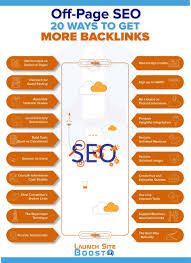
good backlinks for seo

Good Backlinks for SEO: How to Earn Links That Make a Difference

Good Backlinks for SEO: What They Are and How to Earn Them

Backlinks are links from other websites to yours. Search engines can use them as one signal when assessing a page’s credibility and relevance, which is why earning links is often part of an SEO strategy. But not all backlinks are equally useful. A handful of relevant, naturally earned links can be more valuable than hundreds of low-quality links created purely to manipulate rankings.

The strongest approach is to publish something worth referencing, then make it easy for the right people to discover it. This article explains what makes a backlink valuable, where good links can come from and how to build them responsibly.

What makes a backlink good?

A good backlink is one that makes sense for both the website linking to you and the person following the link. Consider these qualities:

  • Relevance: The linking page or website covers a subject related to your business, content or audience.
  • Editorial choice: The publisher links to your page because it adds useful information, not simply because you paid for a ranking boost or exchanged links.
  • Context: The link appears naturally within relevant content, where readers can understand why it is there.
  • Trustworthiness: The site is a genuine publication, organisation or business with content and an audience of its own.
  • Potential to reach people: The link may bring relevant visitors, referrals or professional recognition—not just an SEO metric.

Third-party scores such as domain authority can help with prospecting, but they are not Google metrics and should not be treated as a guarantee of SEO value. Look at the site itself: its subject matter, content quality, audience and editorial standards.

Types of backlinks worth pursuing

Editorial links

Editorial links are included by writers or publishers because they believe a source is useful to their readers. A journalist might cite original research, for example, or a specialist publication might link to a detailed guide. These links are earned through the usefulness and credibility of the material.

Links from relevant industry publications

Trade magazines, professional associations and respected websites in your sector can be good prospects. A relevant link can help the right audience find your site and reinforce the connection between your business and its subject area.

Local and community links

For businesses serving a particular area, links from local organisations can be especially relevant. These might include a chamber of commerce, a business association, a community group or a local event website—provided the relationship is genuine and the listing is appropriate.

Resource-page links

Some organisations maintain pages of recommended tools, services or further reading. If you have a genuinely useful resource that fits the page, you can contact its owner and explain why it may be a suitable addition. Avoid mass-emailing sites with generic requests.

Links earned through useful content

Original research, clear how-to guides, practical templates, calculators and well-organised reference material can attract links over time. The content should answer a real question or provide information that is difficult to find elsewhere.

How to earn good backlinks

  1. Create something worth citing. Develop content that offers clear expertise, original information or practical value. Make it accurate, easy to understand and simple to share.
  2. Find relevant publishers and organisations. Look for websites that serve an audience likely to benefit from your work. Prioritise fit and credibility over a long list of prospects.
  3. Build genuine relationships. Engage with journalists, editors, industry groups and local organisations by being helpful and professional. A relationship should not depend on an agreement to exchange links.
  4. Make a specific, considered pitch. Explain what your resource offers, why it suits that publisher’s audience and where it might fit. Keep the message concise and personalised.
  5. Review mentions of your business. If a site refers to your organisation but does not link to it, a polite note can clarify whether a link would help readers find the relevant page. There is no guarantee the publisher will add one.
  6. Monitor results and maintain your content. Check that important pages remain useful and up to date. Track referral visits and relevant changes in visibility, rather than judging success by link counts alone.

Anchor text: keep it natural

Anchor text is the clickable wording of a link. It should help readers understand where the link leads. A natural link might use a brand name, a page title or a descriptive phrase that fits the sentence.

Repeatedly trying to secure links with exact-match commercial phrases can look unnatural and may breach search engine spam policies. You generally cannot control how independent publishers choose their anchor text, and it is better not to pressure them to use a particular phrase.

Backlinks to avoid

Be cautious of offers promising large numbers of links for a small fee, private blog networks, automated link-building tools, irrelevant directory submissions and schemes that require reciprocal links at scale. These tactics can create low-quality or manipulative link patterns and may expose a site to search engine actions.

Paid advertising and sponsorship can be legitimate ways to reach an audience, but paid links should be clearly qualified. Links involving payment or other compensation should use appropriate attributes, such as rel="sponsored" or rel="nofollow", in line with search engine guidance. The aim should be transparency and audience value, not disguising an advert as an editorial recommendation.

How to assess your backlink profile

Use reputable SEO tools alongside your own judgement to review the sites linking to you. Look for relevant referrals, identify links from websites you recognise and investigate unusual patterns. A tool may flag a link as potentially harmful, but a metric alone does not prove that a link is damaging.

Do not rush to disavow links simply because a tool labels them “toxic”. Search engines can often ignore low-quality links themselves. Consider further action only when there is a clear reason, such as a history of deliberate link manipulation or a manual action, and follow current search engine guidance.

Quality over quantity

Good backlinks are usually the result of useful content, genuine expertise and thoughtful outreach. They come from websites whose readers have a reason to follow the link, and they support your wider reputation as well as your SEO efforts.

Rather than chasing a target number of backlinks, focus on creating resources worth recommending and earning mentions from relevant, trustworthy sources. A steady, audience-first approach is safer and more sustainable than shortcuts.


7 Essential Tips for Building Quality Backlinks to Boost SEO

  1. Earn links from reputable, relevant websites.
  2. Create useful content others naturally want to cite.
  3. Prioritise editorial links over paid placements.
  4. Use varied, natural anchor text.
  5. Build relationships with publishers in your field.
  6. Check referring sites for quality and relevance.
  7. Avoid link farms and schemes that manipulate rankings.

Earn links from reputable, relevant websites by creating useful content that publishers, industry organisations and local groups genuinely want to reference. A link from a trusted site in your field can help interested readers discover your business and strengthen its relevance, while links from unrelated or low-quality sites are unlikely to offer the same value. Focus on building genuine relationships and earning editorial mentions, rather than buying links or pursuing volume for its own sake.

Create useful content others naturally want to cite.

Create useful content that others naturally want to cite by answering a real question, offering original insights or making complex information easy to understand. In-depth guides, reliable research, practical tools and clear explanations can all become valuable resources for your industry. When your content genuinely helps readers, publishers and website owners are more likely to reference it organically, earning relevant backlinks that can support your SEO over time.

Prioritise editorial links over paid placements by creating useful, trustworthy content that relevant publishers genuinely choose to reference. Editorial links can help readers discover valuable information and are earned on merit, whereas paid links intended to influence search rankings may breach search engine spam policies. If you pay for advertising or sponsorship, make the relationship clear and use the appropriate link attributes, such as rel="sponsored".

Use varied, natural anchor text.

Use varied, natural anchor text—the clickable words in a link—to help readers understand what they’ll find on the linked page. Links may use your brand name, a page title or a relevant descriptive phrase, depending on the context. Avoid repeatedly seeking the same exact-match keyword as anchor text, as this can look forced and may be treated as an attempt to manipulate search rankings. Let publishers link in the wording that works best for their readers.

Build relationships with publishers in your field.

Build genuine relationships with publishers in your field by taking an interest in their work, sharing useful insights and offering relevant expertise. When you have a helpful resource, original research or a well-informed perspective, introduce it with a personalised, concise pitch that explains why it may benefit their readers. Focus on being a reliable source rather than asking for a link outright; relevant backlinks are more likely to follow naturally from trust and a mutually valuable relationship.

Check referring sites for quality and relevance.

Check the quality and relevance of websites linking to yours. A backlink is more likely to be useful when it comes from a trustworthy site covering a topic related to your business, and appears naturally in content that helps readers. Look beyond SEO metrics such as domain authority: review the site’s content, audience and reputation, and consider whether the link could bring relevant visitors as well as support your SEO.

Avoid link farms and schemes designed to manipulate search rankings. These often generate large numbers of irrelevant or low-quality links, which can undermine your site’s credibility and may lead to search engine penalties. Focus instead on earning links naturally through useful content, genuine industry relationships and reputable websites relevant to your audience.
localseo

A Practical Guide to Reaching Nearby Customers

Local SEO: How to Help Nearby Customers Find Your Business

When people search online for a nearby service, shop or place to eat, they often want to take action soon. Local SEO helps businesses appear in relevant search results and makes it easier for potential customers in the area to find and contact them.

Whether you run a café, trades business, professional practice or shop, a clear local search strategy can improve your visibility to people looking for what you offer.

What is local SEO?

Local SEO, or local search engine optimisation, is the process of improving a business’s visibility in search results for location-based searches. These might include a town, neighbourhood or phrase such as “near me”.

Search engines use a range of signals to decide which businesses to show. These can include the searcher’s location, how closely a business matches the query, the accuracy of its online information and how prominent or well-regarded it appears online.

Local results may appear in standard search listings, on maps and in dedicated local business results. The exact layout varies according to the search and the device being used.

Why local SEO matters

Local SEO can help your business connect with people who are already looking for products or services in your area. A strong presence in local search may help you:

  • Reach potential customers searching in your service area
  • Make it easier for people to find your address, opening hours and contact details
  • Build trust through accurate information and genuine customer reviews
  • Attract visits, enquiries, bookings or calls from relevant searches
  • Compete more effectively with other businesses serving the same area

Local SEO is not a one-off task. Business details change, competitors update their websites and search engines adjust how results are displayed. Regular attention helps keep your online presence accurate and useful.

Key parts of a local SEO strategy

Set up and maintain your business profile

Claim and verify your business profile on Google, then complete it as fully as possible. Choose accurate business categories, add a clear description and provide up-to-date contact details, opening hours and service information.

Use good-quality photographs where appropriate, and keep the profile updated when your hours, services or location change. Avoid adding keywords or claims that do not accurately describe your business.

Keep your business details consistent

Your business name, address and phone number should be accurate wherever they appear online. Check your website, business profiles, directories and social pages for outdated or inconsistent details.

Consistency helps customers reach you and gives search engines clearer information about your business. If you move premises or change your phone number, update important listings promptly.

Make your website useful for local visitors

Your website should make it clear what you do, where you work and how customers can get in touch. Include your contact details and service area in an easy-to-find place, and make sure the site works well on mobile devices.

If you serve several locations, create genuinely useful pages for those areas. Each page should explain the services available there and provide information that is relevant to local customers. Avoid publishing multiple near-identical pages that simply swap one place name for another.

Use location information naturally

Include relevant place names in page titles, headings and website copy where they help explain your offering. For example, a plumber might describe the towns they serve on a service-area page.

Write for people first. Repeating a town name excessively or adding lists of unrelated locations can make content difficult to read and may undermine trust.

Encourage honest customer reviews

Reviews can help people decide whether to contact a business. Invite customers to leave honest feedback after a genuine interaction, and make it straightforward for them to do so. Respond courteously to reviews, including negative ones, while protecting customers’ privacy.

Do not buy reviews, offer rewards in exchange for positive feedback or post reviews on behalf of customers. Such practices can mislead the public and may breach platform policies.

Build relevant local links and mentions

Links and mentions from reputable local organisations can help people discover your business. Consider appropriate opportunities through trade associations, community groups, local events, suppliers or local news coverage.

Focus on genuine relationships and useful contributions rather than collecting links for their own sake. A relevant local mention is more valuable when it helps the audience understand who you are and what you offer.

How to measure local SEO progress

Track measures that connect search visibility with real business outcomes. Useful indicators may include:

  • Website visits from local searches
  • Search impressions and clicks for relevant local queries
  • Calls, direction requests, bookings or form enquiries
  • Visits to key service and location pages
  • The quality and volume of customer reviews

Rankings can vary by a person’s location, device and search history, so a single search from one place does not tell the whole story. Review performance over time and consider whether increased visibility is leading to useful enquiries.

Common local SEO mistakes

  • Leaving opening hours, addresses or phone numbers out of date
  • Creating thin or duplicate pages for multiple locations
  • Adding keywords unnaturally to business names or website copy
  • Ignoring customer reviews or responding defensively
  • Focusing only on rankings instead of enquiries and customer experience
  • Claiming to serve areas that the business does not actually cover

Getting started with local SEO

Start with the essentials: check that your business profile is verified, confirm that your contact details are correct across the web, and make sure your website clearly explains your services and service area. Then build a routine for updating information, responding to reviews and reviewing performance.

Local SEO works best when it reflects the real business: its services, location, expertise and relationships with the community. By providing accurate information and a helpful experience, you can make it easier for nearby customers to find you and choose your services.


Top 5 Benefits of Local SEO for Boosting Your Business

  1. Helps nearby customers find your business
  2. Increases visibility in local search results
  3. Can bring more relevant enquiries
  4. Builds trust with accurate details and reviews
  5. Supports footfall, calls and bookings


Challenges of Local SEO: Navigating Competition, Consistency, and Customer Engagement

  1. Results can take time to improve.
  2. Local competition may be intense.
  3. Business details need regular updates.
  4. Reviews require ongoing attention.
  5. Rankings can vary by location.
  6. Poor listings can confuse customers.
  7. SEO does not guarantee new enquiries.

Helps nearby customers find your business

Local SEO helps nearby customers find your business when they search online for products or services in their area. By keeping your contact details accurate and making your location and services clear, you can appear in relevant local results and make it easier for potential customers to visit, call or get in touch.

Increases visibility in local search results

Local SEO helps your business appear more prominently when nearby customers search online for the products or services you offer. By improving your local listings, website content and business information, you can increase the chances of being found in location-based searches and on maps. Greater visibility makes it easier for potential customers in your area to discover your business and get in touch.

Can bring more relevant enquiries

Local SEO can bring in more relevant enquiries by helping your business appear when nearby customers are actively searching for the products or services you provide. Because these people are looking for a solution in a specific area, they may be more likely to call, request a quote, book an appointment or visit your premises.

Builds trust with accurate details and reviews

Local SEO helps build trust by making sure customers can find accurate, consistent details about your business, including your address, opening hours and contact information. Genuine customer reviews add another layer of reassurance, offering insight into other people’s experiences. Keeping your details up to date and responding to feedback professionally can help potential customers feel more confident about choosing your business.

Supports footfall, calls and bookings

Local SEO can turn online searches into real-world action. By helping nearby customers find accurate details such as your location, opening hours and contact information, it can encourage more visits to your premises, phone enquiries and bookings. This makes it easier for people who are ready to buy or make an appointment to take the next step.

Results can take time to improve.

One drawback of local SEO is that results can take time to improve. Search engines need to discover and assess changes to your website and business profiles, while building local visibility and customer trust rarely happens overnight. The time needed can vary depending on your competition, location and starting point, so it’s important to be patient, make steady improvements and track progress over time.

Local competition may be intense.

Local competition can be intense, particularly in popular areas where many businesses offer similar services. Established competitors may already have strong search visibility, numerous customer reviews and links from trusted local websites, making it harder for a newer or smaller business to stand out. Building a noticeable presence takes time and consistent effort, so results from local SEO may not come quickly.

Business details need regular updates.

A drawback of local SEO is that business details need regular updates. Changes to opening hours, contact numbers, addresses or services should be reflected across your website and online listings; otherwise, customers may see outdated information and struggle to reach you. Keeping everything accurate takes time and ongoing attention.

Reviews require ongoing attention.

Customer reviews can build trust and influence local visibility, but managing them takes ongoing attention. Businesses need to regularly monitor new feedback, respond thoughtfully to both positive and negative comments, and address recurring concerns. Letting reviews go unanswered can make potential customers feel overlooked, while rushed or defensive replies may damage trust. It is important to set aside time to handle feedback consistently and professionally.

Rankings can vary by location.

One challenge of local SEO is that rankings can vary depending on where a search is made. A business may appear prominently to someone nearby but lower down for a searcher in another part of the town or service area. This makes it difficult to judge performance from a single search or location, so it’s better to monitor results across relevant areas and focus on trends in enquiries, calls and visits as well as rankings.

Poor listings can confuse customers.

Inaccurate or inconsistent business listings can confuse potential customers and damage their trust. If your address, phone number, opening hours or service details differ across websites, people may struggle to contact you or even visit the wrong location. Keep your listings up to date and consistent so customers know exactly where to find you and what to expect.

SEO does not guarantee new enquiries.

Local SEO can improve your visibility in nearby searches, but it cannot guarantee new enquiries. Search rankings are only one part of a customer’s decision: demand, competition, pricing, reviews, website usability and the relevance of your services can all affect whether someone gets in touch. Results may also take time, so it’s important to measure enquiries and conversions as well as rankings, and to treat local SEO as one part of a wider marketing strategy.