Archives September 2026

How to Choose the Right SEO Specialist Agency for Your Business

How to Choose the Right SEO Specialist Agency

Search engine optimisation (SEO) can help businesses attract more relevant visitors, build visibility and support long-term growth. But effective SEO takes more than adding keywords to a website. It involves technical knowledge, useful content, careful research and ongoing improvement. A SEO specialist agency can bring these skills together and create a strategy that reflects your business goals.

What does an SEO specialist agency do?

An SEO specialist agency helps improve how a website appears in organic search results. Its work usually begins with understanding your business, audience, website and competitors. From there, the agency can identify opportunities and prioritise improvements.

Depending on your needs, SEO services may include:

  • SEO audits: Reviewing a website to identify technical issues, content gaps and opportunities to improve search visibility.
  • Keyword research: Finding the search terms your potential customers use and assessing which are relevant to your products or services.
  • Technical SEO: Improving factors such as site structure, page speed, mobile usability, crawlability and indexing.
  • On-page optimisation: Refining page titles, headings, internal links and content so that pages are clear and useful to both visitors and search engines.
  • Content strategy: Planning and improving content that answers customers’ questions and supports their decision-making.
  • Local SEO: Helping businesses improve their visibility in location-based searches and local results.
  • Reporting and analysis: Tracking agreed measures, explaining what the data means and recommending next steps.

Why work with an SEO specialist agency?

SEO is a continuing process, not a one-off website fix. Search behaviour changes, competitors update their websites and search engines regularly adjust how they assess content. An agency can provide specialist skills and a consistent approach without requiring a business to manage every detail in-house.

A good agency will also connect SEO activity to meaningful business objectives. Rather than focusing only on rankings or traffic, it should consider whether organic search is helping to attract the right people and contribute to enquiries, sales or other agreed outcomes.

What to look for when choosing an agency

A clear, tailored strategy

Your business, audience and website are different from everyone else’s. Look for an agency that asks questions before recommending a plan. Its strategy should explain the priorities, the reasoning behind them and how progress will be assessed.

Transparent communication

SEO can involve technical concepts, but explanations should still be easy to understand. A reliable agency will communicate regularly, share useful reports and be open about what is working, what needs attention and what may take time.

Realistic expectations

No agency can guarantee a particular ranking or promise instant results. SEO outcomes depend on many factors, including competition, website condition and the resources available for implementation. Be cautious of claims that sound certain or unusually quick.

Evidence of relevant experience

Ask how the agency has approached challenges similar to yours. Case studies and examples can be helpful, provided they explain the work involved and avoid implying that the same results are guaranteed for every client.

Ethical, sustainable methods

SEO should improve the usefulness and accessibility of your website, not rely on tactics designed to manipulate search results. Ask how the agency approaches content, links and technical changes. Its methods should be clear and consistent with search engine guidelines.

Questions to ask before you start

  • What would you prioritise during the first few months, and why?
  • How will you learn about our customers and business goals?
  • Which measures will you use to assess progress?
  • How often will we receive updates and reports?
  • What support or input will you need from our team?
  • How do you approach changes in search engine algorithms?

SEO is a partnership

The best results often come when an agency and a business work together. The agency can provide research, recommendations and specialist implementation, while your team brings detailed knowledge of your services, customers and industry. Clear responsibilities and regular communication help keep the work practical and aligned with your priorities.

Choosing an agency with confidence

A SEO specialist agency should offer more than a list of tasks. It should help you understand where your website stands, which improvements matter most and how SEO can support your wider marketing plans. Take time to compare approaches, ask direct questions and choose a partner whose advice is clear, considered and focused on sustainable progress.


Essential FAQs About Hiring and Working with an SEO Specialist Agency

  1. Is hiring a SEO company worth it?
  2. Is SEO dead or evolving in 2026?
  3. How much should I pay a SEO Specialist?
  4. How do I get an SEO Specialist?
  5. How much does an SEO agency typically cost?
  6. Should I hire an agency for SEO?
  7. How much does an SEO specialist cost?
  8. How can I find the best SEO service provider?
  9. How much does it cost for SEO?
  10. How do I choose a SEO specialist?
  11. How much does it cost to hire a SEO?
  12. How much does a SEO expert cost?
  13. How much does it cost to hire an SEO specialist?
  14. How much does SEO cost in Dubai?
  15. How can I do SEO agency?
  16. How much does it cost to hire an SEO agency?
  17. Which is the best company for SEO services?
  18. Are SEO Experts worth it?
  19. Who is the best company for SEO?
  20. Who is the best SEO specialist?
  21. What is an SEO agency do?
  22. How do I find SEO agencies?
  23. How do I find SEO companies?
  24. How much do SEO consultants charge?

Is hiring a SEO company worth it?

Hiring an SEO company can be worthwhile if you want to improve your website’s visibility but lack the time or specialist skills to manage SEO in-house. A reputable agency can identify technical issues, develop a strategy and track progress towards goals such as relevant traffic, enquiries or sales. Results usually take time, so look for transparent reporting, realistic expectations and a plan tailored to your business. Whether it is worth the investment depends on your objectives, budget and the value of the opportunities SEO could bring.

Is SEO dead or evolving in 2026?

SEO isn’t dead in 2026; it’s evolving. Search engines are changing how they present information, including through AI-generated answers, but people still use search to find businesses, compare options and solve problems. SEO now calls for more than targeting keywords: it means publishing genuinely useful, trustworthy content, maintaining a technically sound website and building a strong brand presence across relevant platforms. A specialist agency can help businesses adapt their strategy as search behaviour and technology continue to change.

How much should I pay a SEO Specialist?

The cost of hiring an SEO specialist varies depending on their experience, the scope of work and the competitiveness of your market. In the UK, freelancers and agencies may charge an hourly rate, a project fee or a monthly retainer, with ongoing support typically costing more when it includes technical SEO, content and regular reporting. Ask for a clear breakdown of what is included, how success will be measured and whether any extra costs may apply. Rather than choosing solely on price, look for a specialist who offers a realistic, tailored plan and transparent expectations—no reputable provider can guarantee specific rankings or instant results.

How do I get an SEO Specialist?

To find an SEO specialist, start by defining your goals, such as improving local visibility, attracting more organic traffic or increasing online sales. You can hire an in-house specialist, work with a freelancer or approach an SEO agency, depending on the expertise and support you need. Review their relevant experience, ask how they measure results and request a clear outline of their proposed approach. Choose someone who communicates openly, sets realistic expectations and explains their recommendations without promising guaranteed rankings.

How much does an SEO agency typically cost?

The cost of an SEO agency varies depending on the work involved, the size of your website, the competitiveness of your industry and the level of support you need. Some agencies charge a monthly retainer, while others offer project-based fees or hourly rates. Before comparing prices, ask what each package includes, how progress will be reported and whether any extra costs may apply. A clear proposal should link the recommended work to your business goals, rather than promise guaranteed rankings or instant results.

Should I hire an agency for SEO?

Hiring an SEO agency can be worthwhile if you lack the time or in-house expertise to improve your website’s search visibility. A specialist agency can audit your site, develop a strategy and support ongoing technical, content and performance improvements. Before choosing one, consider your goals, budget and the level of support you need. Look for clear communication, realistic expectations and transparent reporting, and be wary of anyone promising guaranteed rankings. SEO takes time, so choose an agency that focuses on sustainable progress and outcomes relevant to your business.

How much does an SEO specialist cost?

The cost of an SEO specialist varies depending on the work required, the competitiveness of your market and the specialist’s experience. You may be charged an hourly rate, a one-off fee for a specific project, or a monthly retainer for ongoing support. Before choosing an SEO specialist or agency, ask for a clear proposal outlining the services, expected deliverables and reporting, and compare value rather than price alone.

How can I find the best SEO service provider?

To find the best SEO service provider, look for an agency that takes time to understand your business, audience and goals before recommending a strategy. Check its relevant experience, client reviews and case studies, and ask how it measures results, reports progress and keeps you informed. A trustworthy provider will explain its methods clearly, set realistic expectations and avoid guarantees of specific rankings. Choose a partner that focuses on sustainable improvements and outcomes that matter to your business, such as qualified traffic, enquiries or sales.

How much does it cost for SEO?

The cost of SEO varies depending on your website, goals, competition and the level of support required. Some businesses need a one-off audit, while others benefit from ongoing work covering technical improvements, content and reporting. An SEO specialist agency should explain what its fees include, how the work will be prioritised and how progress will be measured. Rather than choosing on price alone, consider whether the proposed services suit your needs and offer clear value.

How do I choose a SEO specialist?

Choose an SEO specialist by looking for relevant experience, a clear and tailored approach, and a willingness to explain their recommendations in plain English. Ask how they will understand your business goals, measure progress and report results, and request examples of work with similar businesses. A trustworthy specialist will set realistic expectations, avoid guaranteed rankings and explain the methods they use. Make sure their services, fees and responsibilities are clear before you begin.

How much does it cost to hire a SEO?

The cost of hiring an SEO specialist in the UK varies depending on the work required, the competitiveness of your industry and the specialist’s experience. Some charge an hourly rate or a one-off fee for an SEO audit, while agencies often offer monthly retainers for ongoing work. Before agreeing a price, ask what the service includes, how progress will be reported and whether any additional costs may apply. A clear, tailored proposal is more useful than choosing on price alone.

How much does a SEO expert cost?

The cost of an SEO expert depends on the work involved, their experience and whether you choose a freelancer or an agency. Some charge an hourly rate, while others offer a monthly retainer or a fixed fee for a project, such as an SEO audit. Before agreeing to a price, clarify what the service includes, how progress will be reported and whether any additional costs may apply. Be wary of guaranteed rankings or unusually low prices paired with promises of instant results; SEO is an ongoing process, and outcomes can take time.

How much does it cost to hire an SEO specialist?

The cost of hiring an SEO specialist varies depending on the scope of work, the competitiveness of your industry and the specialist’s experience. Some charge an hourly rate or a fixed fee for a project, while agencies often offer monthly retainers for ongoing support. Before agreeing a budget, ask what the fee includes, how progress will be reported and whether any additional costs may arise. Focus on the value and suitability of the service, rather than choosing solely on price.

How much does SEO cost in Dubai?

The cost of SEO in Dubai varies depending on your website, industry, competition and the scope of work required. A local business with a focused target area may need a different level of support from a large company targeting customers across multiple markets. Agencies may charge a monthly retainer, a project fee or an hourly rate, so ask for a clear breakdown of services, deliverables and reporting before you commit. Rather than choosing on price alone, look for a tailored strategy, transparent communication and realistic expectations about results and timescales.

How can I do SEO agency?

To run an SEO agency, start by developing practical skills in areas such as technical SEO, keyword research, content strategy and analytics. Choose the services and types of businesses you want to work with, then set up your business, pricing and client processes. Build a professional website that explains what you offer, use ethical SEO methods to attract enquiries, and create clear proposals and reports so clients understand the work and its progress. As SEO takes time and results can vary, set realistic expectations and communicate openly from the outset.

How much does it cost to hire an SEO agency?

The cost of hiring an SEO agency in the UK varies depending on your website, competition, goals and the level of support required. Some agencies charge a monthly retainer, while others offer fixed-fee projects or hourly consultancy. A smaller local SEO campaign may cost less than a complex national or international strategy involving technical work and ongoing content creation. Ask for a clear breakdown of services, fees and reporting, and be cautious of unusually cheap packages or promises of guaranteed rankings.

Which is the best company for SEO services?

The best company for SEO services is one that understands your business, explains its approach clearly and builds a strategy around your goals—not one that promises instant rankings. Look for a proven track record, transparent reporting, ethical SEO practices and realistic expectations. Compare agencies’ experience and communication style, and ask how they will measure progress, such as through relevant traffic, enquiries or sales.

Are SEO Experts worth it?

Yes, SEO experts can be worth it if they help your business attract more relevant visitors and turn that visibility into enquiries or sales. They can identify technical issues, improve your content and build a strategy around your goals, saving your team time and helping you avoid costly guesswork. Results take time and are never guaranteed, so choose an expert who sets realistic expectations, explains their approach clearly and reports on meaningful outcomes—not just rankings or traffic.

Who is the best company for SEO?

There is no single best company for SEO for every business. The right agency depends on your goals, budget, industry and the support you need. Look for a team that takes time to understand your business, explains its strategy clearly, uses ethical SEO practices and reports on meaningful results. Ask for relevant examples of previous work, but be wary of guaranteed rankings or promises of instant success. The best fit is an agency that sets realistic expectations and works transparently towards your objectives.

Who is the best SEO specialist?

There is no single “best” SEO specialist for every business. The right specialist is someone who understands your goals, audience and industry, explains their recommendations clearly, uses ethical SEO practices and measures progress against meaningful outcomes—not just rankings. Look for relevant experience, transparent reporting and realistic expectations, then choose a specialist whose approach suits your needs and budget.

What is an SEO agency do?

An SEO agency helps businesses improve their visibility in organic search results. It may research relevant keywords, optimise website content and technical performance, create a content strategy, improve local search presence and monitor results. The aim is to attract more relevant visitors and support business goals, such as generating enquiries or sales.

How do I find SEO agencies?

To find an SEO agency, start by asking trusted business contacts for recommendations and searching online for agencies with experience in your industry or location. Review their websites, case studies and client feedback, then speak to a shortlist about your goals, proposed approach, reporting and fees. Choose an agency that explains its recommendations clearly, sets realistic expectations and avoids guarantees of specific rankings or overnight results.

How do I find SEO companies?

To find SEO companies, start by asking trusted business contacts for recommendations and searching online for agencies with experience in your industry or location. Review their websites, case studies and client feedback, then speak to a shortlist about your goals, their proposed approach, reporting and fees. Look for clear communication and realistic expectations, and be wary of guaranteed rankings or promises of instant results.

How much do SEO consultants charge?

SEO consultant fees vary depending on their experience, location, the scope of work and how competitive your industry is. In the UK, consultants may charge an hourly rate, a day rate or a monthly retainer, while some offer a fixed fee for a specific project, such as an SEO audit. Before agreeing to work together, ask for a clear breakdown of what’s included, how progress will be measured and whether any additional costs may apply.
local seo strategy

Local SEO Strategy: A Practical Guide for UK Businesses

Local SEO Strategy: A Practical Guide for UK Businesses

When people search for a nearby service, they often want to take action quickly. Searches such as “plumber near me”, “dentist in Leeds” or “coffee shop in Bristol” can lead directly to a visit, booking or phone call. A well-planned local SEO strategy helps your business appear in relevant local search results and makes it easier for nearby customers to choose you.

Local SEO is the process of improving your online visibility for searches connected to a particular place. It involves more than adding a town name to your website. Search engines consider your business details, website content, customer reviews, local relevance and other signals when deciding which businesses to show.

Define the areas and customers you want to reach

Start by identifying the locations your business genuinely serves. A shop or restaurant may focus on the neighbourhood around its premises, while a trades business might cover several towns. Consider your service area, customer travel patterns and the locations that are commercially worthwhile.

Be specific. Listing every town in a wide region can make your marketing unfocused, and creating pages for places you do not serve may frustrate visitors. Prioritise areas where you can provide a reliable service and where there is real demand.

Optimise your Google Business Profile

Your Google Business Profile can help your business appear in Google Maps and local search results. Claim and verify the profile, then check that all information is accurate and complete.

  • Use your real-world business name, without adding unnecessary keywords.
  • Choose the most relevant primary and secondary categories.
  • Add your correct address or service area, phone number and website.
  • Set accurate opening hours, including holiday hours.
  • Describe your services and add useful photos.
  • Keep information up to date when anything changes.

Businesses that serve customers at their premises can display an eligible address. Service-area businesses that visit customers should follow Google’s guidelines and avoid showing a residential address when customers are not served there.

Keep your business details consistent

Your business name, address and phone number—often called NAP details—should be consistent across your website, business directories and social profiles. Small differences, such as an old telephone number or a previous address, can confuse customers and make it harder to verify your business information.

Make a list of the places where your business details appear online. Correct inaccurate listings and prioritise reputable directories and relevant industry platforms. Avoid submitting your details to low-quality directories simply to build a large number of listings.

Create useful, locally relevant website content

Your website should make it clear what you do, who you help and where you operate. Include location information naturally in relevant page titles, headings, copy and contact details. The aim is to help visitors and search engines understand your services—not to repeat place names unnaturally.

If you serve several locations, create a dedicated page for each important area only when you can provide genuinely useful, unique information. Include details such as the services available there, local delivery or appointment options, and how customers can get in touch. Avoid publishing numerous near-identical pages that differ only by town name.

Local content can also answer questions that matter to people in your area. For example, a building company might explain planning considerations common to local property types, while a clinic could outline how to book an appointment and what to expect. Useful content gives potential customers a reason to trust your business before they contact you.

Make your website easy to use

Many local searches happen on mobile devices, so your website should load quickly and work well on smaller screens. Make key information easy to find, including your address, telephone number, opening hours, service details and booking options.

Use clear calls to action, such as “Call to book” or “Request a quote”. Where appropriate, make telephone numbers tap-to-call and provide a simple contact form. Good usability can help turn search visibility into enquiries and visits.

Earn and respond to customer reviews

Reviews can help prospective customers understand the experience your business provides. Invite customers to leave honest feedback after a purchase or completed service, using a polite, straightforward request. Do not offer incentives in exchange for reviews, and never write or buy fake reviews.

Respond professionally to both positive and negative feedback. Thank customers for positive comments, and address concerns calmly and constructively. Avoid sharing personal or sensitive information in public replies. A thoughtful response can show that your business takes customer service seriously.

Build local links and relationships

Links from relevant, reputable local websites can help people discover your business and support your local credibility. Look for natural opportunities to contribute to your community, such as local business associations, charities, events, suppliers or industry organisations.

Focus on genuine relationships and useful contributions rather than buying links or taking part in schemes designed solely to manipulate search rankings. A mention from a respected local organisation is more valuable when it reflects a real connection.

Measure performance and improve over time

Track the outcomes that matter to your business, not just rankings. Useful measures may include:

  • Calls, enquiries, bookings and directions requests.
  • Organic visits to important service and location pages.
  • Search terms that bring relevant local visitors to your site.
  • Google Business Profile interactions and customer reviews.
  • Conversions from different locations or marketing channels.

Use tools such as Google Search Console and website analytics to understand how people find and use your site. Review the data regularly, check whether your business details remain accurate and update pages when services, locations or customer needs change.

Common local SEO mistakes to avoid

  • Adding keywords to a business name when they are not part of its real-world name.
  • Creating thin or duplicate pages for many locations.
  • Using inaccurate addresses, opening hours or service areas.
  • Buying reviews or links.
  • Focusing on rankings while ignoring calls, bookings and other business results.
  • Leaving outdated information on directories and social profiles.

Build a strategy around trust and relevance

An effective local SEO strategy brings together accurate business information, a helpful website, strong customer service and genuine local connections. Start with the essentials: define your service area, complete your Google Business Profile, check your listings and improve the pages most likely to generate enquiries.

Local SEO is an ongoing process rather than a one-off task. By monitoring results and keeping your information useful and up to date, you can make it easier for local customers to find your business—and feel confident choosing it.


Top 5 Tips for Enhancing Your Local SEO Strategy

  1. Optimise your Google Business Profile with accurate details and opening hours.
  2. Use location-specific keywords on relevant pages.
  3. Keep your business name, address and phone number consistent across directories.
  4. Encourage satisfied customers to leave honest reviews.
  5. Create useful content about local events, services and community needs.

Optimise your Google Business Profile with accurate details and opening hours.

Keep your Google Business Profile accurate and up to date so local customers can find and contact you with confidence. Check that your business name, address, phone number, website and services are correct, and make sure your opening hours reflect when you’re genuinely available—including any changes for bank holidays or seasonal closures. Clear, reliable details help prevent missed visits and calls, while giving searchers a better reason to choose your business.

Use location-specific keywords on relevant pages.

Use location-specific keywords on the pages where they’re genuinely relevant, such as “accountant in Manchester” on your Manchester services page. Include local terms naturally in page titles, headings and useful copy, rather than repeating them unnaturally. This helps search engines understand where you operate and helps potential customers quickly see whether you serve their area. If you cover several locations, create individual pages only when each can offer genuinely useful, distinct information.

Keep your business name, address and phone number consistent across directories.

Keep your business name, address and phone number consistent across online directories, your website and social media profiles. Even small differences—such as an outdated phone number or inconsistent address format—can confuse potential customers and make it harder for search engines to verify your business details. Check your listings regularly and update them whenever your information changes.

Encourage satisfied customers to leave honest reviews.

Encourage satisfied customers to share honest feedback by asking them after a positive experience, such as once a job is complete or a purchase has been made. Make it easy by sending a direct link to your review profile, but never pressure customers or offer rewards in exchange for reviews. Respond courteously to feedback—positive or negative—to show that you value your customers and take their comments seriously.

Create useful content about local events, services and community needs.

Create useful content that reflects what matters to people in your area. Share updates about local events, explain how your services meet community needs, or answer questions residents commonly ask. Keep information accurate and genuinely helpful, rather than adding place names simply to attract search traffic. This approach can strengthen your connection with the community while helping local customers discover your business.

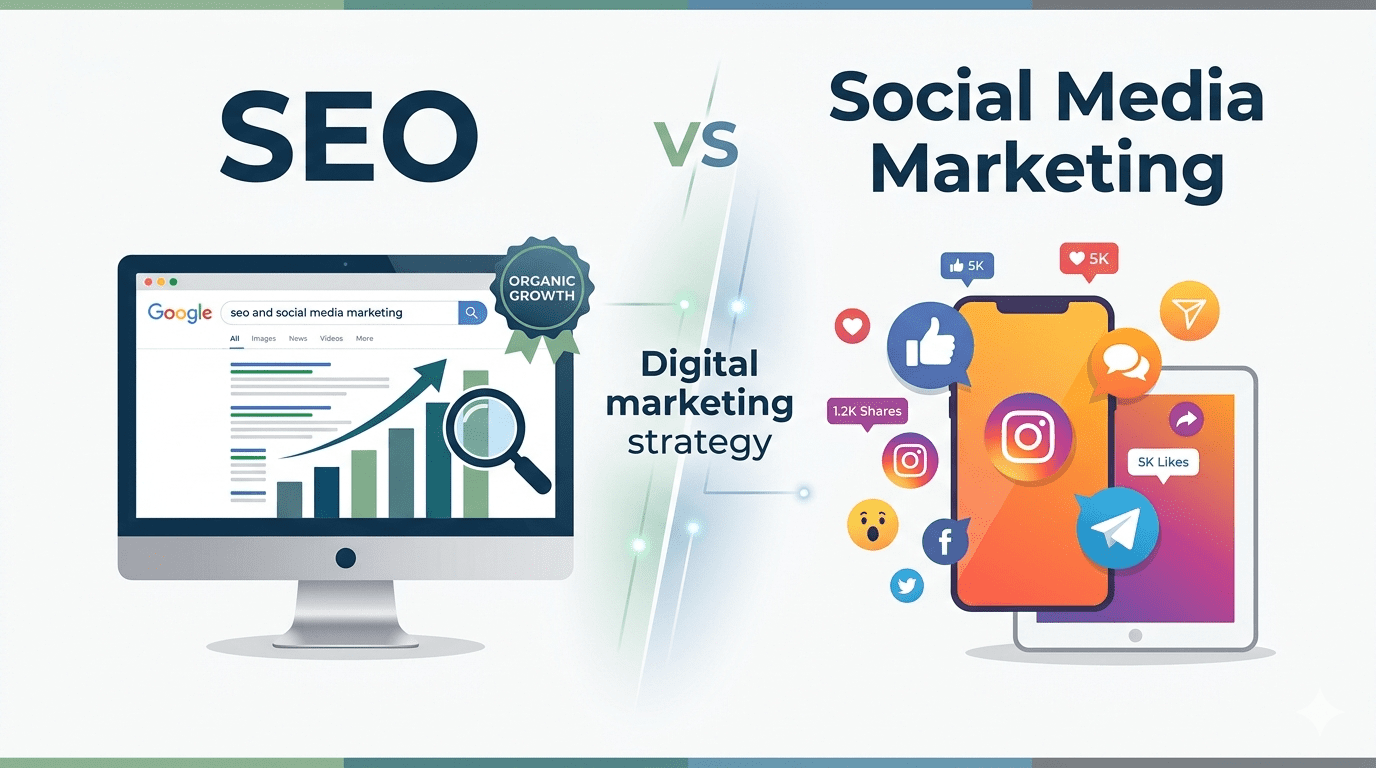
seo and social media marketing

SEO and Social Media Marketing: A Guide to Growing Your Online Presence

SEO and Social Media Marketing: How They Work Together

Search engine optimisation (SEO) and social media marketing are often treated as separate parts of a digital strategy. In practice, they can support one another. SEO helps people find your website through search engines, while social media helps you reach, engage and build relationships with audiences across social platforms.

Neither channel is a quick fix. But when they share clear goals and useful content, they can help your business become more visible online and create more opportunities to connect with potential customers.

What is SEO?

SEO is the process of improving a website so that it is easier for search engines and people to understand. It can involve researching the terms your audience uses, creating helpful pages, improving site structure and making sure the website works well on mobile devices.

SEO is about more than appearing in search results. A successful page should match the visitor’s needs, provide reliable information and make it easy to take the next step, whether that is making an enquiry, buying a product or reading more.

What is social media marketing?

Social media marketing uses platforms such as Instagram, LinkedIn, Facebook, TikTok and Pinterest to share content and communicate with an audience. Depending on your business and objectives, this might include publishing organic posts, responding to comments, working with creators or running paid campaigns.

Social media can help a brand stay connected with its community, showcase its expertise and direct people to useful resources on its website.

How SEO and social media can support each other

Social media can bring more people to your content

Sharing a useful article, guide or product page on social media can introduce it to people who may not have found it through search. If they visit the website, explore other pages or share the content with others, social activity may contribute to broader awareness and engagement.

Social media shares are not generally treated as a direct ranking factor by search engines. However, sharing content can help it reach more people, which may lead to natural links, mentions and further visits over time.

SEO can help you understand what your audience wants

Keyword research reveals the questions and topics people search for. These insights can inform social media content, helping you create posts that answer genuine questions rather than relying on guesswork.

Social media conversations can also reveal common concerns, customer language and emerging interests. These insights may inspire new website content or help you improve existing pages.

Consistent messaging strengthens your brand

When your website and social channels share a consistent tone, message and visual identity, people are more likely to recognise your brand. Clear, consistent communication can build familiarity and trust, whether someone discovers you through a search result, a social post or a recommendation.

Social profiles can appear in search results

Social media profiles and public posts may appear in search engine results, especially when someone searches for a brand by name. Complete profiles with accurate information, links and recent activity can make it easier for people to learn about your business and find your official channels.

Practical ways to combine SEO and social media

  • Start with your audience. Identify who you want to reach, what they need and which platforms they use.
  • Use search insights to plan content. Research relevant queries and turn them into useful articles, videos, short posts or FAQs.
  • Make content easy to share. Use clear headlines, helpful summaries and suitable images or video. Include social sharing options where they improve the user experience.
  • Adapt content for each platform. A detailed website guide might become a LinkedIn post, a short video, an Instagram carousel or a series of tips.
  • Keep profiles accurate. Use consistent business details, descriptions and links across your website and social channels.
  • Engage with your audience. Respond to relevant questions and comments, and use recurring feedback to improve your content.
  • Measure meaningful outcomes. Track organic search visibility, website visits, enquiries, sales and engagement against your business goals.

Measure each channel appropriately

SEO and social media have different performance indicators. For SEO, useful measures can include organic traffic, search visibility, rankings for relevant queries, conversions and the quality of visits. For social media, consider reach, engagement, referral traffic, audience growth and actions such as enquiries or purchases.

Use analytics tools to understand how the channels contribute to your objectives. Avoid judging success by follower numbers or rankings alone: the most valuable results are those that help your organisation meet its goals.

A joined-up strategy takes time

SEO is usually a long-term activity, while social media can provide quicker feedback on how people respond to ideas and content. Neither guarantees immediate results. Search performance depends on many factors, and social reach can vary by platform, audience and format.

By planning the channels together, businesses can create content that is useful to their audience, easier to discover and more consistent across the customer journey. The aim is not simply to post more or target more keywords. It is to provide the right information in the right places, and make it easy for people to take the next step.

Conclusion

SEO and social media marketing serve different purposes, but they can work well as part of a connected digital strategy. SEO helps people discover relevant website content through search, while social media helps that content reach and engage wider communities. With a clear understanding of your audience, consistent messaging and thoughtful measurement, both channels can contribute to stronger online visibility and lasting customer relationships.


Top 8 FAQs on Integrating SEO with Social Media Marketing

  1. How do SEO and social media marketing work together?
  2. Does social media activity directly affect SEO rankings?
  3. Can social media help increase organic website traffic?
  4. Which social media platforms are best for SEO?
  5. How can I use keyword research to plan social media content?
  6. What types of content work well for both SEO and social media?
  7. How should I measure the results of SEO and social media marketing?
  8. How long does it take to see results from SEO and social media marketing?

How do SEO and social media marketing work together?

SEO and social media marketing work together by helping your content reach people in different ways. SEO makes your website easier to find through search engines, while social media helps you share content, engage with your audience and bring visitors to your site. Social media activity is not generally a direct search ranking factor, but it can increase awareness and encourage visits, shares and natural links. Insights from search queries and social conversations can also help you create more relevant content for both channels.

Does social media activity directly affect SEO rankings?

Social media activity does not directly affect SEO rankings: likes, shares and follower numbers are not considered direct ranking factors by search engines. However, social media can support SEO indirectly by helping your content reach more people, attract website visits and earn natural links or brand mentions. It can also offer useful insights into the topics and questions your audience cares about, helping you create more relevant content.

Can social media help increase organic website traffic?

Yes, social media can help increase organic website traffic by promoting your content to a wider audience and encouraging people to visit your site. Sharing useful articles, products or resources can attract visitors who may not have found you through search, while audience feedback can help you create content that better answers their questions. Social media activity is not generally a direct Google ranking factor, so focus on sharing relevant, engaging content and making it easy for people to find and explore your website.

Which social media platforms are best for SEO?

No social media platform directly improves your search rankings, so the best choice depends on where your audience spends time and what you want to achieve. LinkedIn can suit B2B businesses and professional content, while Instagram, TikTok and Pinterest may work well for visual products and inspiration; Facebook can help businesses build communities and reach local audiences. Choose platforms you can maintain consistently, share useful content that links back to relevant pages on your website, and make sure your profiles include accurate business details. Social activity may increase awareness and visits, and can help your content reach people who may later link to or mention it.

How can I use keyword research to plan social media content?

Use keyword research to discover the questions, phrases and topics your audience is searching for, then turn those insights into useful social media posts. Group related keywords into themes and adapt them to each platform—for example, create a short video answering a common question, a carousel explaining a topic or a post linking to a more detailed guide on your website. Treat keywords as clues to audience interests rather than terms to squeeze into every caption, and use natural language that suits the platform. Review engagement and website visits to see which topics resonate and shape future content.

What types of content work well for both SEO and social media?

Content that answers your audience’s questions tends to work well for both SEO and social media. Practical guides, how-to articles, FAQs, original research, case studies, infographics and short videos can attract search visitors while also giving people something useful to share or discuss. Start with a clear topic based on audience needs and relevant search queries, then adapt the format for each platform—for example, turn a detailed guide into a short video or a series of social posts. Ensure the content is accurate, easy to understand and genuinely helpful, rather than created solely to include keywords or encourage clicks.

How should I measure the results of SEO and social media marketing?

Measure SEO and social media against clear business goals, such as increasing relevant website visits, enquiries or sales. For SEO, track organic traffic, visibility for relevant search terms, conversions and the quality of visits. For social media, monitor reach, engagement, referral traffic and actions such as enquiries or purchases. Use analytics tools to see how each channel contributes over time, and review results regularly. Follower counts and rankings can offer useful context, but they matter most when they support meaningful outcomes for your business.

How long does it take to see results from SEO and social media marketing?

The time it takes to see results from SEO and social media marketing varies according to your industry, competition, budget and the consistency of your activity. SEO is usually a longer-term investment: improvements in rankings and organic traffic may take several months, particularly for a new website or a competitive search term. Social media can generate engagement and reach sooner, but building a loyal audience and achieving steady enquiries or sales also takes time. Regular, useful content, a clear strategy and ongoing measurement can help both channels deliver more sustainable results.

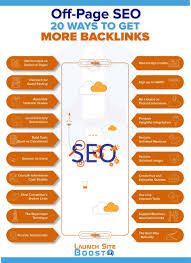
good backlinks for seo

Good Backlinks for SEO: How to Earn Links That Make a Difference

Good Backlinks for SEO: What They Are and How to Earn Them

Backlinks are links from other websites to yours. Search engines can use them as one signal when assessing a page’s credibility and relevance, which is why earning links is often part of an SEO strategy. But not all backlinks are equally useful. A handful of relevant, naturally earned links can be more valuable than hundreds of low-quality links created purely to manipulate rankings.

The strongest approach is to publish something worth referencing, then make it easy for the right people to discover it. This article explains what makes a backlink valuable, where good links can come from and how to build them responsibly.

What makes a backlink good?

A good backlink is one that makes sense for both the website linking to you and the person following the link. Consider these qualities:

  • Relevance: The linking page or website covers a subject related to your business, content or audience.
  • Editorial choice: The publisher links to your page because it adds useful information, not simply because you paid for a ranking boost or exchanged links.
  • Context: The link appears naturally within relevant content, where readers can understand why it is there.
  • Trustworthiness: The site is a genuine publication, organisation or business with content and an audience of its own.
  • Potential to reach people: The link may bring relevant visitors, referrals or professional recognition—not just an SEO metric.

Third-party scores such as domain authority can help with prospecting, but they are not Google metrics and should not be treated as a guarantee of SEO value. Look at the site itself: its subject matter, content quality, audience and editorial standards.

Types of backlinks worth pursuing

Editorial links

Editorial links are included by writers or publishers because they believe a source is useful to their readers. A journalist might cite original research, for example, or a specialist publication might link to a detailed guide. These links are earned through the usefulness and credibility of the material.

Links from relevant industry publications

Trade magazines, professional associations and respected websites in your sector can be good prospects. A relevant link can help the right audience find your site and reinforce the connection between your business and its subject area.

Local and community links

For businesses serving a particular area, links from local organisations can be especially relevant. These might include a chamber of commerce, a business association, a community group or a local event website—provided the relationship is genuine and the listing is appropriate.

Resource-page links

Some organisations maintain pages of recommended tools, services or further reading. If you have a genuinely useful resource that fits the page, you can contact its owner and explain why it may be a suitable addition. Avoid mass-emailing sites with generic requests.

Links earned through useful content

Original research, clear how-to guides, practical templates, calculators and well-organised reference material can attract links over time. The content should answer a real question or provide information that is difficult to find elsewhere.

How to earn good backlinks

  1. Create something worth citing. Develop content that offers clear expertise, original information or practical value. Make it accurate, easy to understand and simple to share.
  2. Find relevant publishers and organisations. Look for websites that serve an audience likely to benefit from your work. Prioritise fit and credibility over a long list of prospects.
  3. Build genuine relationships. Engage with journalists, editors, industry groups and local organisations by being helpful and professional. A relationship should not depend on an agreement to exchange links.
  4. Make a specific, considered pitch. Explain what your resource offers, why it suits that publisher’s audience and where it might fit. Keep the message concise and personalised.
  5. Review mentions of your business. If a site refers to your organisation but does not link to it, a polite note can clarify whether a link would help readers find the relevant page. There is no guarantee the publisher will add one.
  6. Monitor results and maintain your content. Check that important pages remain useful and up to date. Track referral visits and relevant changes in visibility, rather than judging success by link counts alone.

Anchor text: keep it natural

Anchor text is the clickable wording of a link. It should help readers understand where the link leads. A natural link might use a brand name, a page title or a descriptive phrase that fits the sentence.

Repeatedly trying to secure links with exact-match commercial phrases can look unnatural and may breach search engine spam policies. You generally cannot control how independent publishers choose their anchor text, and it is better not to pressure them to use a particular phrase.

Backlinks to avoid

Be cautious of offers promising large numbers of links for a small fee, private blog networks, automated link-building tools, irrelevant directory submissions and schemes that require reciprocal links at scale. These tactics can create low-quality or manipulative link patterns and may expose a site to search engine actions.

Paid advertising and sponsorship can be legitimate ways to reach an audience, but paid links should be clearly qualified. Links involving payment or other compensation should use appropriate attributes, such as rel="sponsored" or rel="nofollow", in line with search engine guidance. The aim should be transparency and audience value, not disguising an advert as an editorial recommendation.

How to assess your backlink profile

Use reputable SEO tools alongside your own judgement to review the sites linking to you. Look for relevant referrals, identify links from websites you recognise and investigate unusual patterns. A tool may flag a link as potentially harmful, but a metric alone does not prove that a link is damaging.

Do not rush to disavow links simply because a tool labels them “toxic”. Search engines can often ignore low-quality links themselves. Consider further action only when there is a clear reason, such as a history of deliberate link manipulation or a manual action, and follow current search engine guidance.

Quality over quantity

Good backlinks are usually the result of useful content, genuine expertise and thoughtful outreach. They come from websites whose readers have a reason to follow the link, and they support your wider reputation as well as your SEO efforts.

Rather than chasing a target number of backlinks, focus on creating resources worth recommending and earning mentions from relevant, trustworthy sources. A steady, audience-first approach is safer and more sustainable than shortcuts.


7 Essential Tips for Building Quality Backlinks to Boost SEO

  1. Earn links from reputable, relevant websites.
  2. Create useful content others naturally want to cite.
  3. Prioritise editorial links over paid placements.
  4. Use varied, natural anchor text.
  5. Build relationships with publishers in your field.
  6. Check referring sites for quality and relevance.
  7. Avoid link farms and schemes that manipulate rankings.

Earn links from reputable, relevant websites by creating useful content that publishers, industry organisations and local groups genuinely want to reference. A link from a trusted site in your field can help interested readers discover your business and strengthen its relevance, while links from unrelated or low-quality sites are unlikely to offer the same value. Focus on building genuine relationships and earning editorial mentions, rather than buying links or pursuing volume for its own sake.

Create useful content others naturally want to cite.

Create useful content that others naturally want to cite by answering a real question, offering original insights or making complex information easy to understand. In-depth guides, reliable research, practical tools and clear explanations can all become valuable resources for your industry. When your content genuinely helps readers, publishers and website owners are more likely to reference it organically, earning relevant backlinks that can support your SEO over time.

Prioritise editorial links over paid placements by creating useful, trustworthy content that relevant publishers genuinely choose to reference. Editorial links can help readers discover valuable information and are earned on merit, whereas paid links intended to influence search rankings may breach search engine spam policies. If you pay for advertising or sponsorship, make the relationship clear and use the appropriate link attributes, such as rel="sponsored".

Use varied, natural anchor text.

Use varied, natural anchor text—the clickable words in a link—to help readers understand what they’ll find on the linked page. Links may use your brand name, a page title or a relevant descriptive phrase, depending on the context. Avoid repeatedly seeking the same exact-match keyword as anchor text, as this can look forced and may be treated as an attempt to manipulate search rankings. Let publishers link in the wording that works best for their readers.

Build relationships with publishers in your field.

Build genuine relationships with publishers in your field by taking an interest in their work, sharing useful insights and offering relevant expertise. When you have a helpful resource, original research or a well-informed perspective, introduce it with a personalised, concise pitch that explains why it may benefit their readers. Focus on being a reliable source rather than asking for a link outright; relevant backlinks are more likely to follow naturally from trust and a mutually valuable relationship.

Check referring sites for quality and relevance.

Check the quality and relevance of websites linking to yours. A backlink is more likely to be useful when it comes from a trustworthy site covering a topic related to your business, and appears naturally in content that helps readers. Look beyond SEO metrics such as domain authority: review the site’s content, audience and reputation, and consider whether the link could bring relevant visitors as well as support your SEO.

Avoid link farms and schemes designed to manipulate search rankings. These often generate large numbers of irrelevant or low-quality links, which can undermine your site’s credibility and may lead to search engine penalties. Focus instead on earning links naturally through useful content, genuine industry relationships and reputable websites relevant to your audience.

best seo marketing

Best SEO Marketing: A Practical Guide to Growing Your Online Visibility

Best SEO Marketing: A Practical Guide to Growing Your Online Visibility

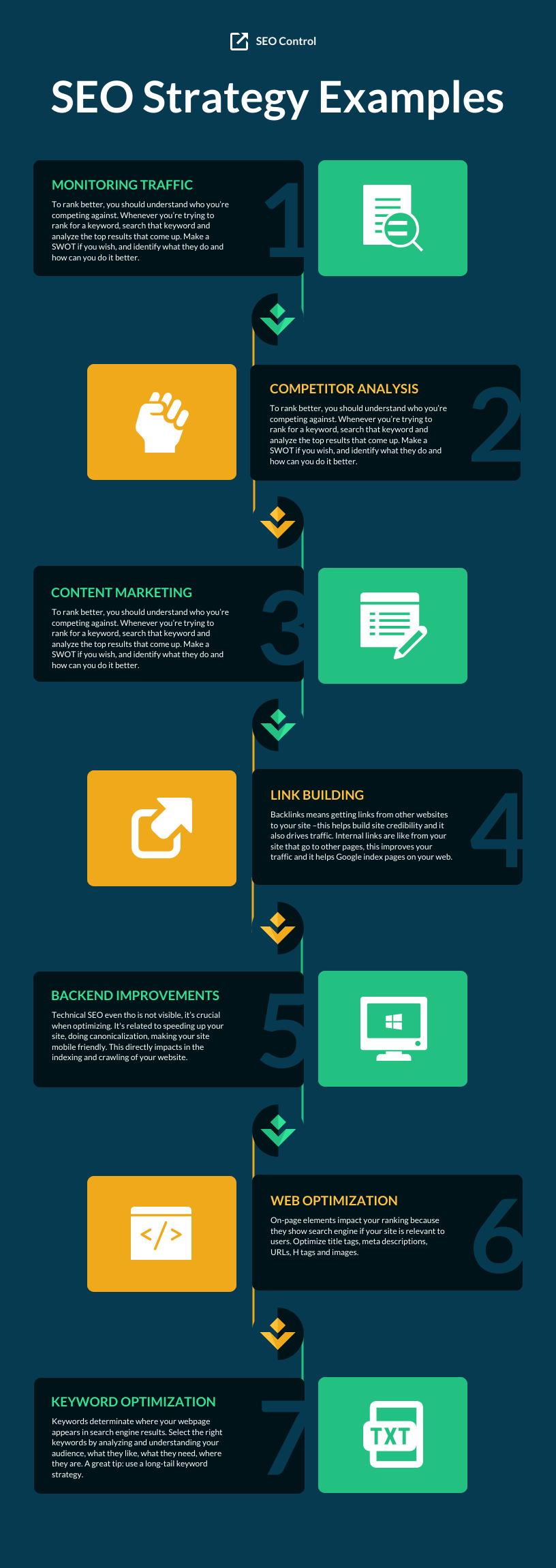
The best SEO marketing helps the right people find your business through search engines. It combines useful content, technical improvements and a clear understanding of what potential customers are looking for. Rather than relying on quick fixes, effective SEO builds lasting visibility and supports measurable business goals.

There is no single SEO strategy that works for every organisation. The right approach depends on your audience, industry, website and resources. However, the strongest campaigns tend to share a few fundamentals: they focus on users, use evidence to guide decisions and improve consistently over time.

What is SEO marketing?

Search engine optimisation (SEO) is the process of improving a website so that it can appear more prominently in relevant, unpaid search results. SEO marketing applies this process to wider marketing objectives, such as increasing brand awareness, attracting qualified visitors and generating enquiries or sales.

SEO usually includes several connected activities:

  • Keyword and audience research: discovering what people search for and what information they need.
  • Content optimisation: creating and improving pages to answer those needs clearly.
  • Technical SEO: helping search engines access, understand and index your website.
  • On-page optimisation: improving page titles, headings, internal links and other elements.
  • Authority building: earning relevant mentions and links from credible websites.
  • Measurement: reviewing performance and refining the strategy.

Start with your audience and business goals

Successful SEO begins with a clear idea of who you want to reach and what you want them to do. A rise in website traffic may look encouraging, but it is more valuable when that traffic comes from people who are likely to become customers.

Define your priorities before choosing keywords. You might want to increase online sales, attract more local enquiries, promote a particular service or build awareness in a new market. These goals help shape the pages you need and the results you should measure.

Choose keywords based on intent

Keyword research is not simply about finding phrases with high search volumes. It is about understanding the purpose behind a search. Someone searching for “how to improve website rankings” may be looking for advice, while someone searching for “SEO consultant in London” may be closer to choosing a provider.

Consider the different types of search intent:

  • Informational: the searcher wants to learn or solve a problem.
  • Commercial: the searcher is comparing options before making a decision.
  • Transactional: the searcher is ready to buy, book or enquire.
  • Navigational: the searcher is looking for a particular brand or website.

Map relevant search terms to suitable pages. A detailed guide may suit an informational query, while a service page is better for a search with commercial or transactional intent. Avoid creating several pages that compete for the same topic without a clear reason.

Create genuinely useful content

High-quality content is central to the best SEO marketing. It should answer the reader’s question accurately, be easy to follow and offer something of real value. This could be specialist knowledge, practical instructions, original research or a clear explanation of a complex subject.

Before writing, review the needs of your audience and the information already available. Then create a page that is more helpful, clearer or more complete. Use descriptive headings, concise paragraphs and examples where appropriate. Include keywords naturally, but never at the expense of readability.

Content also needs to stay current. Review important pages regularly to check that details are accurate, links work and recommendations remain relevant. Update, combine or remove pages where necessary rather than publishing new content simply to increase volume.

Make your website easy to use

A search result is only the start of the customer journey. Once visitors reach your site, they should be able to find information and take the next step without unnecessary effort. Clear navigation, readable text, helpful calls to action and a consistent design all contribute to a better experience.

Mobile usability is especially important because many people browse and search on mobile devices. Check that pages display correctly on smaller screens, buttons are easy to tap and important information is not difficult to find.

Address technical SEO essentials

Technical SEO helps search engines discover and interpret your pages. It also supports a reliable experience for visitors. Begin with the essentials:

  • Make sure important pages can be crawled and indexed.
  • Use a logical site structure and descriptive URLs.
  • Fix broken links and redirect outdated pages appropriately.
  • Provide a secure HTTPS connection.
  • Use a sitemap and maintain a suitable robots.txt file.
  • Check page speed and improve performance where practical.
  • Add structured data when it accurately describes the page.

Technical work should be prioritised according to its impact. A complicated website change is not automatically more valuable than fixing a small issue that prevents important pages from appearing in search.

Strengthen local SEO where relevant

For businesses serving a particular area, local SEO can help connect them with nearby customers. Keep your business name, address and phone number accurate across relevant platforms, and maintain a complete business profile on Google. Add up-to-date opening hours, services and photographs where appropriate.

Encourage genuine customer reviews and respond to them professionally. Local landing pages can also be useful when they provide specific information for each area served. Avoid creating near-identical pages that merely swap one location name for another.

Build authority naturally

Links from other websites can help search engines understand that your content is useful and credible. The most sustainable way to earn them is to publish material worth referencing and build genuine relationships within your industry.

Useful approaches may include sharing original research, contributing expert commentary, creating practical resources or partnering with relevant organisations. Be cautious of services that promise large numbers of links quickly. Manipulative link schemes can put a website’s long-term performance at risk.

Measure outcomes, not just rankings

Rankings can help you understand visibility, but they are only one part of performance. Use analytics and search performance tools to monitor a broader set of measures, such as:

  • Organic visits to important pages
  • Search impressions and clicks
  • Qualified enquiries, bookings or purchases
  • Conversion rate and revenue from organic search
  • Performance across priority topics and locations

Set a baseline before making major changes and allow enough time to assess the results. SEO is usually a gradual process, and performance can be affected by competition, seasonality, website changes and search engine updates.

Common SEO marketing mistakes to avoid

  • Choosing keywords only because they have high search volumes.
  • Publishing thin or repetitive pages to target more phrases.
  • Overusing keywords in a way that makes content unnatural.
  • Ignoring mobile usability and page experience.
  • Buying links or using tactics designed to manipulate rankings.
  • Expecting immediate results from a long-term channel.
  • Reporting rankings without connecting them to business outcomes.

How to choose an SEO marketing partner

If you work with an agency or consultant, look for a partner who takes time to understand your business, explains their recommendations clearly and sets realistic expectations. Ask how progress will be measured, what work will be carried out and how often results will be reviewed.

Be wary of guaranteed rankings or vague promises. No provider can control search engine results, but a responsible SEO partner can explain the strategy, prioritise the work and report honestly on progress.

Building an effective SEO strategy

The best SEO marketing is not a collection of tricks. It is a coordinated effort to understand your audience, create useful pages, maintain a technically sound website and earn trust over time. Start with the improvements most closely connected to your business goals, measure their impact and keep refining your approach.

With consistent work and realistic expectations, SEO can become a valuable source of relevant visitors and long-term business growth.


Top 26 Frequently Asked Questions About the Best SEO Marketing Practices

  1. Is SEO best or digital marketing?
  2. Who is the best SEO in the world?
  3. Which platform is good for SEO?
  4. Which SEO service is best?
  5. Is SEO the best marketing?
  6. Which is the 1 SEO company in the world?
  7. Which SEO company is best?
  8. What is an SEO in marketing?
  9. What is the best strategy for SEO?
  10. What is the most powerful SEO in the world?
  11. What are the 3 types of SEO?
  12. How is SEO good for marketing?
  13. What is SEO in marketing?
  14. Does SEO marketing really work?
  15. Is SEO worth it 2022?
  16. Is SEO the best form of marketing?
  17. What is SEO Best Practices 2022?
  18. Is SEO a waste of money?
  19. Is SEO dead or evolving in 2026?
  20. Can ChatGPT do SEO?
  21. Can you do SEO yourself?
  22. What is the best SEO service in the UK?
  23. Is SEO worth it in 2022?
  24. Can I do SEO on my own?
  25. What are SEO tools in marketing?
  26. What SEO company is best?

Is SEO best or digital marketing?

SEO is one part of digital marketing, so the best choice depends on your goals. SEO can help your website attract relevant visitors from unpaid search results over time, while digital marketing also includes channels such as paid advertising, email and social media, which may deliver faster or broader reach. For many businesses, the strongest approach is a combination: use SEO to build sustainable visibility and other digital marketing channels to support immediate campaigns and customer engagement.

Who is the best SEO in the world?

There is no single “best SEO in the world”, as the right expert depends on your industry, goals, budget and market. SEO is also constantly changing, so look for a professional or agency with relevant experience, a clear and ethical approach, transparent reporting and evidence of meaningful results. Be cautious of anyone promising guaranteed rankings; a trustworthy SEO partner will explain what they can influence and set realistic expectations.

Which platform is good for SEO?

The best platform for SEO depends on your website’s needs, but WordPress is a popular choice thanks to its flexibility and range of SEO tools. Shopify can work well for online shops, while Wix and Squarespace also offer useful SEO features for many small businesses. No platform guarantees strong rankings, however: results depend on factors such as useful content, a well-structured and technically sound website, and a good user experience. Choose a platform that suits your goals and makes it straightforward to manage and improve your site.

Which SEO service is best?

The best SEO service depends on your business goals, audience and current website. A local business may benefit most from local SEO, while an online shop might prioritise e-commerce SEO, technical improvements and product-page optimisation. Look for a service that starts with research, explains its recommendations clearly, focuses on sustainable practices and measures success through meaningful outcomes such as qualified enquiries or sales—not rankings alone.

Is SEO the best marketing?

SEO can be one of the most effective marketing channels for building long-term visibility and attracting people who are actively searching for your products or services, but it is not always the best choice on its own. Results can take time, and the right mix depends on your goals, audience and budget. For many businesses, SEO works best alongside channels such as paid advertising, social media and email marketing.

Which is the 1 SEO company in the world?

There is no universally recognised “number one” SEO company in the world, as the right choice depends on your goals, industry, budget and target markets. Rather than relying on rankings or bold claims, look for an SEO partner with relevant experience, transparent reporting, clear communication and a strategy tailored to your business. Check independent reviews and case studies, and be cautious of anyone guaranteeing specific rankings or overnight results.

Which SEO company is best?

There is no single SEO company that is best for every business; the right choice depends on your goals, budget, industry and target audience. Look for a company with relevant experience, clear and realistic recommendations, transparent reporting and an ethical approach to SEO. Ask how it will measure success and make sure its strategy focuses on meaningful outcomes—such as qualified enquiries or sales—not just rankings. Before committing, compare proposals and choose a team that takes the time to understand your business and explain its work clearly.

What is an SEO in marketing?

In marketing, SEO (search engine optimisation) is the practice of improving a website so it is more visible in unpaid search engine results. It involves understanding what people are searching for, creating useful and relevant content, and making sure the website is easy for search engines and visitors to use. The aim is to attract the right audience and support goals such as enquiries, sales or brand awareness.

What is the best strategy for SEO?

The best SEO strategy starts with understanding your audience and the searches they make, then creating accurate, useful content that meets their needs. Support this with a technically sound, mobile-friendly website, clear page structure, relevant internal links and trustworthy links earned from reputable sources. Track meaningful results—such as qualified enquiries, sales and organic traffic—not rankings alone, and refine your approach regularly as your business and search behaviour change.

What is the most powerful SEO in the world?

The most powerful SEO is not a single tool or tactic; it is a well-planned strategy that combines helpful, trustworthy content with strong technical foundations and a positive user experience. Understanding what people are searching for, then meeting those needs better than competing pages, can build lasting visibility. The right approach depends on your audience and goals, so focus on relevant traffic and meaningful results rather than quick fixes or guaranteed rankings.

What are the 3 types of SEO?

The three main types of SEO are on-page SEO, off-page SEO and technical SEO. On-page SEO covers improvements made to your website’s content and pages, such as useful information, headings and internal links. Off-page SEO focuses on building your site’s reputation beyond its own pages, particularly through relevant, trustworthy links and brand mentions. Technical SEO helps search engines crawl, understand and index your website, with work on areas such as site structure, mobile usability and page speed. Together, these three areas support stronger organic visibility and a better experience for visitors.

How is SEO good for marketing?

SEO is good for marketing because it helps your business appear when people search online for products, services or information you offer. By improving your website’s content, visibility and user experience, SEO can attract relevant visitors, build trust in your brand and generate enquiries or sales over time. Unlike paid advertising, organic search traffic does not require a fee for each click, although effective SEO does require ongoing effort and investment.

What is SEO in marketing?

SEO in marketing is the process of improving a website so it appears more prominently in unpaid search engine results. It involves understanding what your audience searches for, creating useful and relevant content, and making sure your website is easy for both visitors and search engines to use. As part of a wider marketing strategy, SEO can help attract qualified traffic, build brand visibility and support enquiries or sales over time.

Does SEO marketing really work?

Yes, SEO marketing can work by helping your website appear in relevant search results and attracting people who are actively looking for your products or services. Results usually take time and depend on factors such as your competition, website quality and the consistency of your efforts. While SEO cannot guarantee specific rankings, a well-planned strategy can increase qualified traffic, enquiries and sales over the long term.

Is SEO worth it 2022?

Yes, SEO was worth considering in 2022 for businesses looking to attract relevant visitors and build visibility in search results over the long term. It could help bring in customers who were actively searching for related products or services, but results were rarely immediate and depended on factors such as competition, website quality and the consistency of the work. SEO was most worthwhile when it supported clear business goals and was treated as an ongoing investment rather than a quick fix.

Is SEO the best form of marketing?

SEO can be one of the most effective forms of marketing, particularly for reaching people who are actively searching for products, services or information. It can attract relevant visitors over time and support lasting online visibility, but it is not always the best choice on its own. The right marketing mix depends on your goals, audience, budget and timescale; combining SEO with channels such as paid advertising, social media or email marketing may deliver stronger results.

What is SEO Best Practices 2022?

SEO best practices in 2022 meant using sustainable, user-focused techniques to improve a website’s visibility in search results. This included creating useful, trustworthy content that matched search intent, making pages mobile-friendly and fast, maintaining sound technical SEO, using clear page titles and headings, and earning relevant links naturally. Rather than relying on keyword stuffing or other shortcuts, the focus was on making a website genuinely helpful and easy for both visitors and search engines to understand.

Is SEO a waste of money?

No, SEO is not inherently a waste of money, but its value depends on the strategy, execution and expectations. A well-planned campaign can help your website attract relevant visitors and generate enquiries or sales over time. However, SEO is rarely an instant fix: results can take months, and no provider can guarantee specific rankings. Before investing, set clear business goals, ask how progress will be measured and make sure the proposed work is transparent, ethical and suited to your audience.

Is SEO dead or evolving in 2026?

As of 2026, SEO is far from dead; rather, it continues to evolve in response to changing technologies and user behaviours. While some traditional tactics may have become obsolete, the core principles of SEO remain vital for online visibility. Search engines are increasingly sophisticated, using advanced algorithms and AI to understand user intent and deliver more relevant results. This evolution means that businesses must adapt by focusing on high-quality content, user experience, and technical optimisation. Additionally, the rise of voice search, mobile-first indexing, and AI-driven search features are reshaping how SEO strategies are developed and implemented. Therefore, staying informed about these changes is crucial for maintaining a competitive edge in the digital landscape.

Can ChatGPT do SEO?

Yes, ChatGPT can support SEO by helping with tasks such as brainstorming keywords, outlining articles, drafting or refining content, and explaining SEO concepts. However, it cannot replace expert judgement: its suggestions need to be checked for accuracy, originality, search intent and alignment with your business, and it cannot guarantee rankings or independently manage every technical aspect of a campaign. Use it as a productivity tool alongside reliable data, human expertise and regular performance reviews.

Can you do SEO yourself?

Yes, you can do SEO yourself, particularly if you have time to learn the basics and your website is relatively small. Start by researching the phrases your audience uses, creating helpful content, improving page titles and headings, and making sure your site works well on mobile devices. Free tools can help you monitor performance and identify technical issues. SEO takes ongoing effort, though, and more complex websites or competitive markets may benefit from professional support.

What is the best SEO service in the UK?

The best SEO service in the UK is one that understands your business, audience and goals, then builds a tailored strategy around them. Look for a provider with a transparent approach, proven experience, clear reporting and a focus on sustainable techniques such as technical optimisation, useful content and relevant link-building. The right choice will measure success by meaningful outcomes—such as qualified enquiries or sales—not rankings alone, and will avoid guaranteeing specific positions in search results.

Is SEO worth it in 2022?

Yes, SEO was worth investing in during 2022 for businesses seeking to attract relevant visitors and build long-term online visibility. While it typically takes time to deliver results, well-planned SEO can bring qualified traffic without paying for every click and help a website remain discoverable over time. Its value depends on your goals, competition and the quality of your strategy, so success should be measured by meaningful outcomes such as enquiries, sales and leads—not rankings alone.

Can I do SEO on my own?

Yes, you can do SEO yourself, particularly if you have the time to learn the basics and make regular improvements. Start by researching the terms your customers use, creating helpful content, improving page titles and headings, and making sure your website works well on mobile. Free tools can help you monitor search performance and identify technical issues. SEO takes time, and more complex websites may need specialist support, but a steady, informed approach can make a worthwhile difference.

What are SEO tools in marketing?

SEO tools in marketing help businesses research, plan and measure their search engine optimisation (SEO) activity. They can be used to find relevant keywords, check website health, analyse competitors, monitor search rankings, identify content opportunities and track website traffic. Examples include Google Search Console and Google Analytics, alongside specialist SEO platforms. The best tools depend on your goals, but they should support informed decisions rather than replace useful content, sound strategy and a good experience for visitors.

What SEO company is best?

The best SEO company is one that understands your business, audience and goals, then builds a clear strategy around them. Look for a provider with relevant experience, transparent reporting and a focus on sustainable practices, such as useful content and sound technical SEO. Ask how they measure success and be cautious of anyone promising guaranteed rankings or instant results, as search performance takes time and no company can control Google’s results.

local seo ranking

Local SEO Ranking: How to Improve Your Visibility in Local Search Results

Local SEO Ranking: How to Improve Your Visibility in Local Search

When someone searches for a nearby service, such as “plumber near me” or “dentist in Manchester”, search engines aim to show useful local options. Appearing prominently in these results can help a business reach nearby customers at the moment they are looking to take action.

Local SEO is the process of improving a business’s visibility in location-based search results. These can include the local map results, often called the local pack, as well as standard organic listings. There is no single change that guarantees a top position, but consistent, relevant information and a strong online reputation can help improve your chances.

How local search rankings work

Google says local results are mainly based on three factors: relevance, distance and prominence.

  • Relevance refers to how closely a business matches what the person is searching for.
  • Distance considers how far the business is from the searcher or the location included in the search.
  • Prominence reflects how well-known and established a business appears to be, based on information Google can find online and elsewhere.

These factors can interact. A business may rank differently depending on the searcher’s location, the wording of the search and the level of competition nearby. That is why local SEO is an ongoing effort rather than a one-off task.

Optimise your Google Business Profile

A complete and accurate Google Business Profile is an important starting point for many local businesses. Check that your business name, address, phone number, website and opening hours are correct. Choose the most suitable primary category and add relevant additional categories where appropriate.

Describe your services clearly and keep details such as holiday opening hours up to date. Add genuine, high-quality photographs that help customers understand what you offer. If your profile includes features such as services, products, appointment links or questions and answers, use the ones that are relevant to your business.

Follow Google’s guidelines when creating or updating your profile. For example, use your real-world business name rather than adding extra keywords, and do not create multiple profiles for the same eligible location.

Make your website useful for local customers

Your website should make it easy for both visitors and search engines to understand what you do and where you operate. Include your business’s contact details and service information in clear, accessible places. Ensure the details match those on your Business Profile and other important listings.

If you serve several areas, create location pages only where they provide genuinely useful information. Each page should explain the services available in that area and offer relevant details, rather than simply swapping the place name in an otherwise identical block of text. Avoid creating thin or repetitive pages solely to target more locations.

It also helps to make sure your site works well on mobile devices, loads reliably and has clear navigation. Many local searches happen on phones, where people may want to call, request directions or make an appointment quickly.

Keep business information consistent

Business details are often described as NAP: name, address and phone number. Check that these details are accurate across your website, business directories, professional associations and social profiles. Small variations may be harmless in some cases, but outdated addresses or incorrect phone numbers can confuse potential customers.

Focus on reputable, relevant listings rather than submitting your details to every directory available. If your business moves or changes its phone number, update the most important profiles and directories promptly.

Earn and respond to customer reviews

Reviews help potential customers assess a business, and they can contribute to its online prominence. Make it easy for satisfied customers to leave an honest review by sharing a review link after a completed job or visit. Do not buy reviews, offer rewards in exchange for positive feedback or pressure customers to leave a particular rating.

Respond to reviews in a professional and considered way. Thank customers for positive feedback and address concerns without sharing private information. A thoughtful response can show that the business takes customer experience seriously.

Build local relevance and reputation

Useful local content can demonstrate your knowledge of the areas and customers you serve. Depending on your business, this might include practical guides, project examples, event information or answers to common local questions. The aim should be to help readers, not to repeat location keywords unnaturally.

Links and mentions from trusted local organisations can also support your online presence. Consider relevant opportunities such as local news coverage, business associations, community partnerships or professional directories. The value comes from genuine relevance and trust, not from collecting as many links as possible.

Measure local SEO performance

Track progress using more than a single ranking position. Local results can vary by searcher location, device and query, so one manual search will not show the full picture. Useful measures include:

  • Website visits from organic search
  • Calls, direction requests and website clicks from your Business Profile
  • Enquiries, bookings or sales from local landing pages
  • Review volume, quality and response activity
  • Visibility for relevant local searches across the areas you serve

Google Search Console and Google Business Profile performance data can help you understand how people discover and interact with your business. Use these insights to identify gaps, update inaccurate information and improve pages that are not meeting customer needs.

Common local SEO mistakes to avoid

  • Adding keywords or locations to a business name when they are not part of its real-world name
  • Creating duplicate or ineligible Business Profiles
  • Publishing near-identical pages for many towns or postcodes
  • Using inaccurate addresses, phone numbers or opening hours
  • Buying reviews or links
  • Focusing only on rankings instead of calls, enquiries and other meaningful outcomes

Build a steady local SEO strategy

Improving local SEO rankings starts with accurate business information, a well-maintained Google Business Profile and a website that clearly explains your services. Add a trustworthy reputation, useful local content and consistent measurement, then review your results regularly.

Local visibility can take time to improve, and no ethical SEO provider can guarantee a particular position. However, a clear, customer-focused approach can make your business easier to find and choose when people nearby are searching for what you offer.


7 Essential Tips to Boost Your Local SEO Rankings

  1. Keep your Google Business Profile accurate and complete.
  2. Use consistent business details across online directories.
  3. Add your town or area naturally to key website pages.
  4. Ask satisfied customers for honest reviews.
  5. Reply promptly to reviews and customer questions.
  6. Create useful pages for the areas you serve.
  7. Keep your website mobile-friendly and quick to load.

Keep your Google Business Profile accurate and complete.

Keep your Google Business Profile accurate and complete so customers can quickly find reliable information about your business. Check that your name, address, phone number, website, opening hours and service details are up to date, and choose the most relevant business categories. Add useful photos and update special hours or other changes promptly. A well-maintained profile helps search engines understand what you offer and where you operate, while making it easier for local customers to contact or visit you.

Use consistent business details across online directories.

Keep your business name, address and phone number consistent across online directories, your website and your Google Business Profile. Accurate, matching details help customers contact or visit you and make it easier for search engines to verify your business information. Review your listings regularly, update any changes promptly and prioritise reputable directories that are relevant to your business and location.

Add your town or area naturally to key website pages.

Include your town or service area naturally on key website pages, such as your homepage, contact page and relevant service pages. This helps visitors and search engines understand where you operate. Add location details where they’re genuinely useful—for example, describe the areas you cover or mention a local project—rather than repeating place names unnaturally or creating pages with little unique value.

Ask satisfied customers for honest reviews.

Ask satisfied customers to share an honest review of their experience. Reviews can help potential customers decide whether to choose your business and contribute to your online reputation. Make it easy by sharing a direct review link after a purchase or completed service, but never offer incentives for positive feedback or pressure customers to leave a particular rating. Respond to reviews professionally, thanking customers for their feedback and addressing any concerns appropriately.

Reply promptly to reviews and customer questions.

Reply promptly to reviews and customer questions to show that your business is attentive, trustworthy and engaged with its customers. Thank people for positive feedback, and respond to concerns politely and constructively without sharing private information. Timely, helpful replies can strengthen your reputation, encourage potential customers to choose your business and support a positive local presence.

Create useful pages for the areas you serve.

Create useful pages for the areas you serve by explaining which services are available locally and what customers can expect. Include genuinely relevant details, such as local projects, service coverage, travel arrangements or answers to common questions. Make each page distinct and helpful rather than creating near-identical pages that only swap one place name for another. This gives visitors useful information and helps search engines understand where your business operates.

Keep your website mobile-friendly and quick to load.

Keep your website mobile-friendly and quick to load so local customers can find what they need without frustration. Make sure pages display clearly on smaller screens, buttons and contact details are easy to use, and visitors can quickly call, get directions or make an enquiry. Compressing images, limiting unnecessary scripts and choosing reliable hosting can help pages load faster. A smooth mobile experience makes it easier for people to engage with your business and supports a stronger overall local SEO strategy.

top rated seo companies

Top Rated SEO Companies: How to Choose the Right Agency

Top-Rated SEO Companies: How to Choose the Right Agency

Finding a top-rated SEO company can help your business improve its visibility in search results, attract relevant visitors and turn more of those visitors into customers. But “top-rated” does not mean the same thing to everyone. One business may value technical expertise, while another needs local SEO, ecommerce support or a strong content strategy.

This guide explains what to look for when comparing SEO companies and offers a shortlist of UK agencies to research. It is not a definitive ranking: agency services, client reviews and performance change over time, so check current information before making a decision.

What does “top-rated” mean?

An agency’s rating may come from client reviews, industry awards, case studies or its reputation among marketing professionals. Each can be useful, but none tells the whole story. A high review score, for example, does not guarantee that an agency has experience in your sector or can meet your particular goals.

Instead of relying on a single rating, look for evidence of good working practices, relevant experience and clear results. A suitable SEO partner should be able to explain what it will do, how progress will be measured and what success could realistically look like.

UK SEO companies to research

The companies below are examples of established UK agencies with SEO services. They are presented alphabetically, not in order of quality or performance.

Click Consult

Click Consult is a UK digital marketing agency offering SEO alongside other online marketing services. When assessing the agency, ask about its experience with businesses of your size, the specialists who would work on your account and how SEO fits with any other channels you use.

Hallam

Hallam provides digital marketing services, including SEO. Businesses considering the agency can explore its approach to strategy, technical improvements and content, then compare that with their own priorities and internal resources.

Impression

Impression is a digital marketing agency with SEO among its services. If you are considering it, review relevant client examples and ask how the agency connects SEO activity to outcomes such as qualified leads, sales or revenue.

Reboot Online

Reboot Online offers SEO and digital PR services. Its work may be of interest to businesses looking to build organic visibility and earn coverage or links. Ask how campaigns are planned, assessed and aligned with your brand and risk requirements.

Rise at Seven

Rise at Seven works across search, content and digital PR. When comparing agencies with this broader focus, find out how creative campaigns support your search objectives and how results are reported beyond coverage or engagement figures.

The SEO Works

The SEO Works is a UK search marketing agency. Businesses can assess its suitability by reviewing its experience with similar websites and asking how it approaches technical SEO, content, local visibility or ecommerce, depending on their needs.

How to compare SEO agencies

Check for relevant experience

Look for experience that matches your business model, sector and website. The SEO needs of a local service provider may differ considerably from those of a large online retailer or a business operating in several countries. Ask for examples of comparable work and what the agency learned from it.

Ask how success will be measured

Rankings and website traffic can be useful indicators, but they are not business goals in themselves. Discuss the measures that matter to your organisation, such as qualified enquiries, online sales, revenue or visibility for strategically important searches. Agree how often results will be reviewed.

Understand what the service includes

SEO can involve technical audits, keyword research, content planning, on-page improvements, digital PR and reporting. Ask which activities are included in the proposed fee, who will carry them out and what support you may need to provide.

Look for clear, ethical methods

A reputable agency should explain its recommendations in plain language and avoid guarantees of specific rankings. Be cautious of promises of instant results, undisclosed link schemes or tactics that could put your website at risk. Ask how proposed work follows search engine guidelines.

Review communication and reporting

Find out who your main contact will be, how often you will meet and what the reports will contain. Good reporting should explain what has been done, what has changed, what the data means and what the next steps are.

Compare proposals carefully

The lowest-cost proposal is not always the best value, and the most expensive is not automatically the strongest. Compare the work, expertise, time commitment and expected outcomes behind each price. Make sure you understand contract terms, notice periods and any additional costs.

Questions to ask before hiring an SEO company

  • What would you prioritise on our website during the first few months, and why?
  • Who will be working on our account?
  • How will you measure progress against our business objectives?
  • Can you share examples of work for businesses with similar needs?
  • What do you need from our team to deliver the strategy?
  • How do you approach link building and digital PR?
  • What happens if results take longer than expected?

Choosing the right SEO partner

The best SEO company for your business is not necessarily the one with the most awards or the highest profile. It is the agency that understands your objectives, communicates clearly and proposes a realistic, well-explained plan. Compare several providers, check recent references and make sure you are comfortable with both the strategy and the people delivering it.

SEO is a long-term investment. A strong agency relationship should combine specialist knowledge with transparency, measurable progress and a strategy that supports the wider goals of your business.


Essential FAQs on Selecting Top-Rated SEO Companies in the UK

  1. What are the top-rated SEO companies in the UK?
  2. How do I choose the right SEO company for my business?
  3. How much does it cost to hire an SEO company in the UK?
  4. What services do top-rated SEO companies provide?
  5. How long does it take to see results from an SEO company?
  6. How can I tell whether an SEO company is reputable?

What are the top-rated SEO companies in the UK?

There is no single definitive list of the top-rated SEO companies in the UK, as ratings and suitability vary by review platform, industry and business needs. Agencies such as Hallam, Impression, Click Consult, Reboot Online, Rise at Seven and The SEO Works are among the established providers businesses may wish to compare. Before choosing, check recent independent reviews, relevant case studies, the services included and how each agency measures results.

How do I choose the right SEO company for my business?

Choose an SEO company that understands your business, audience and goals, and can show relevant experience through clear case studies or client references. Ask what work is included, who will manage your account and how success will be measured against meaningful outcomes such as qualified leads or sales—not just rankings. Look for transparent reporting, realistic expectations and ethical SEO practices, and compare proposals, fees and contract terms before deciding. The right partner should explain its recommendations clearly and tailor its approach to your needs.

How much does it cost to hire an SEO company in the UK?

The cost of hiring an SEO company in the UK varies depending on your website, goals, competition and the level of support required. As a guide, small businesses may pay a few hundred pounds a month for a focused service, while more competitive campaigns or larger websites can cost several thousand pounds monthly. Some agencies also offer one-off audits or project-based work. Ask for a clear breakdown of what is included, who will carry out the work and how results will be measured, rather than choosing on price alone.

What services do top-rated SEO companies provide?

Top-rated SEO companies typically provide a range of services to improve a website’s visibility in search results and attract relevant visitors. These may include technical SEO audits, keyword research, on-page optimisation, content strategy, local and international SEO, link building and digital PR, as well as analytics and regular reporting. The exact services vary between agencies, so it is worth checking that a provider’s expertise matches your business goals and asking how it will measure progress.

How long does it take to see results from an SEO company?

The time it takes to see results from an SEO company varies according to your website’s starting point, competition, industry and the work required. Some early improvements, such as fixing technical issues, may appear within weeks, but meaningful gains in rankings, organic traffic and enquiries often take around three to six months—and can take longer in competitive markets. SEO is an ongoing process, so a reputable company should set realistic expectations, explain what it is working on and report progress against agreed goals rather than promise instant results.

How can I tell whether an SEO company is reputable?

You can assess whether an SEO company is reputable by checking recent, independent client reviews, relevant case studies and references from businesses with similar needs. A trustworthy agency will explain its methods clearly, set realistic expectations and report on progress against agreed business goals—not promise guaranteed rankings or instant results. Ask who will work on your account, what the fee includes and how the agency follows search engine guidelines. Be cautious of vague proposals, pressure to sign quickly or secretive tactics such as undisclosed link schemes.

seo partners

SEO Partners: How to Choose the Right Partner for Your Business

SEO Partners: How to Choose the Right Partner for Your Business

Search engine optimisation (SEO) can help people find your business when they are looking for the products, services or information you provide. But building and maintaining an effective SEO strategy takes time, specialist knowledge and consistent effort. The right SEO partner can bring these skills together and help your business make informed, sustainable progress online.

What does an SEO partner do?

An SEO partner works with your business to improve the visibility and usefulness of your website in organic search results. Depending on your needs, their work may include:

  • SEO audits: reviewing your website’s technical health, content and search visibility.
  • Keyword and audience research: identifying the questions and search terms that matter to your potential customers.
  • Technical SEO: addressing issues that can affect crawling, indexing, site speed, mobile usability and website structure.
  • Content strategy: planning and improving helpful pages that meet users’ needs.
  • On-page optimisation: refining page titles, headings, internal links and other elements.
  • Digital PR and link acquisition: supporting your reputation and authority through relevant, credible coverage and links.
  • Measurement and reporting: tracking performance and explaining what the data means for your business.

The exact mix should depend on your goals, market and existing website. A good partner will explain what they recommend and why, rather than offering the same package to every business.

Why work with an SEO partner?

SEO is not a one-off task. Search behaviour, competitors, websites and search engine systems change over time. An experienced partner can help you prioritise work, build a practical plan and respond to changes without losing sight of your business objectives.

Working with an external specialist can also give your team access to skills that may be difficult to maintain in-house. This could be particularly useful if you need support with technical improvements, content planning or interpreting performance data. For larger organisations, an SEO partner can complement an existing marketing team; for smaller businesses, they may provide strategic guidance and hands-on delivery.

How to choose the right SEO partner

Start with your business goals

Before speaking to agencies or consultants, be clear about what you want SEO to contribute. You might be aiming to increase relevant organic traffic, generate more enquiries, improve online sales or build visibility in a particular location. Clear goals make it easier to assess whether a proposed strategy is appropriate.

Look for a clear, tailored plan

A credible SEO partner should take time to understand your business, customers, website and competitors. Their recommendations should connect to your objectives and explain the expected work, priorities and measures of progress. Be cautious of proposals that promise dramatic results without first examining your situation.

Ask how success will be measured

Rankings can be useful indicators, but they do not tell the whole story. Ask how reporting will connect SEO activity to meaningful outcomes, such as qualified visits, leads, sales or revenue. A strong reporting approach should include context, explain changes and identify the next steps—not simply present a list of figures.

Check communication and collaboration

SEO often involves input from people responsible for content, development, sales and marketing. Find out who will manage your account, how often you will meet and how recommendations will be shared. The best working relationships are collaborative: your partner brings specialist knowledge, while your team contributes insight into your customers, products and business.

Understand what is included

Before agreeing to work together, confirm the scope, fees, timescales and responsibilities. Clarify whether the partner will implement changes or provide recommendations for your team to action. It is also worth asking how work will be prioritised if new issues or opportunities arise.

Questions to ask a potential SEO partner

  • How will you learn about our business and target audience?
  • What would you assess before recommending a strategy?
  • Which activities do you expect to prioritise, and why?
  • How will you measure progress and report results?
  • Who will carry out the work, and how will we communicate?
  • What will you need from our team?
  • How do you approach changes in search performance or search engine guidance?
  • Can you explain the risks and limitations of the proposed approach?

Recognising warning signs

Be wary of guarantees of specific rankings or overnight success. Search performance depends on many factors, and no partner can control every part of the process. Other warning signs include vague reporting, unexplained technical language, pressure to sign quickly, or tactics that rely on manipulative link schemes and low-quality content.

A trustworthy SEO partner should be open about methods, realistic about timescales and willing to explain both progress and setbacks. They should also respect your website, your brand and the people you want to reach.

Making the partnership work

SEO works best when it is treated as an ongoing business activity rather than an isolated marketing task. Share relevant information with your partner, such as upcoming product launches, seasonal priorities and changes to your services. Make sure recommendations have a clear route to implementation, and review progress together at regular intervals.

It is also important to give sound work enough time to show its impact. Some technical changes can produce relatively quick improvements, while content development and authority-building often take longer. Regular reviews can help you adjust the plan while keeping attention on long-term goals.

Conclusion

The right SEO partner offers more than a list of tasks. They bring a considered strategy, clear communication and a practical understanding of how organic search can support your business. By setting clear goals, asking informed questions and agreeing how success will be measured, you can build a partnership focused on meaningful, sustainable growth.


Essential Tips for Selecting the Right SEO Partner

  1. Choose an SEO partner with proven results.
  2. Check their case studies and references.
  3. Agree clear goals and reporting.
  4. Avoid guarantees of top rankings.
  5. Ask about their link-building methods.
  6. Review progress regularly.

Choose an SEO partner with proven results.

Choose an SEO partner with proven results by looking for clear examples of work they have carried out for businesses with similar goals or challenges. Ask for case studies, references or evidence of improvements in relevant measures, such as qualified organic traffic, enquiries or sales. Results will vary between businesses, so look for honest explanations of the strategy, timescales and factors involved rather than guaranteed rankings or sweeping promises.

Check their case studies and references.

Check a potential SEO partner’s case studies and references to understand the results they have achieved and how they work with clients. Look for examples relevant to your industry, business size or goals, and ask how success was measured and over what period. References can offer useful insight into communication, reliability and day-to-day collaboration. Keep in mind that every business is different, so past results are helpful evidence—not a guarantee of what will happen for your business.

Agree clear goals and reporting.

Agree clear goals and reporting before work begins so you and your SEO partner share an understanding of what success looks like. Focus on outcomes that matter to your business, such as relevant enquiries, online sales or qualified website visits, rather than rankings alone. Set a regular reporting schedule and ask for clear explanations of progress, challenges and next steps. This keeps the partnership accountable and helps ensure that SEO activity supports your wider business objectives.

Avoid guarantees of top rankings.

Be cautious of SEO partners who guarantee top rankings. Search results are influenced by many factors, including competition and ongoing changes to search engines, so no provider can promise a particular position. A trustworthy partner will set realistic expectations, explain their approach and focus on sustainable improvements that support your business goals.

Ask potential SEO partners how they build links and how they decide which websites are worth approaching. A trustworthy partner should focus on earning relevant, high-quality links through useful content, genuine relationships and legitimate digital PR—not buying links or using automated schemes that could put your website at risk. Ask how they assess the quality of a link, what reporting you will receive and whether you can review the work. Their answers should be clear, transparent and aligned with search engine guidelines.

Review progress regularly.

Review progress regularly with your SEO partner to understand what is working, what needs attention and whether the strategy still supports your business goals. Look beyond rankings alone: consider relevant website visits, enquiries, sales and other agreed measures. Regular, open conversations help you spot opportunities, address challenges early and agree clear next steps.

what is seo

What Is SEO? A Simple Guide to Search Engine Optimisation

What Is SEO?

SEO stands for search engine optimisation. It is the process of improving a website so that search engines can understand its content and people can find it more easily in unpaid, or organic, search results.

When someone searches online for a product, service or answer, search engines such as Google aim to show the most useful and relevant results. SEO helps your website communicate what it offers and makes it easier for visitors to use. It does not involve paying for a higher position in the organic results.

How do search engines work?

Search engines generally follow three stages:

  • Crawling: Automated programmes, often called crawlers or bots, discover pages by following links and reading sitemaps.
  • Indexing: Search engines analyse the information they find and may store a page in their index.
  • Ranking: When someone searches, the search engine selects and orders pages that it considers relevant and helpful.

A page is not guaranteed to be crawled, indexed or shown prominently. SEO helps remove obstacles and make a website more useful, but search engines decide how and where pages appear.

What does SEO involve?

SEO is made up of several connected activities. The right priorities depend on a website, its audience and its goals.

On-page SEO

On-page SEO focuses on the content and elements of individual pages. This can include writing clear page titles and headings, answering visitors’ questions, using relevant search terms naturally and linking related pages together. The aim is to make each page easy to understand for both people and search engines.

Technical SEO

Technical SEO helps search engines access and interpret a website. It may involve improving page speed, making the site work well on mobile devices, fixing broken links, organising the site structure and providing an XML sitemap. Secure connections and clear page addresses can also contribute to a better website experience.

Off-page SEO

Off-page SEO refers to signals beyond your own website. Links from other relevant, trustworthy websites can help people discover your content and may contribute to how search engines assess its reputation. Building these links should focus on creating value and earning genuine recommendations, rather than using manipulative schemes.

Local SEO

Local SEO helps businesses reach people searching in a particular area. It can include keeping business details accurate across online listings, creating useful location-specific pages and managing a business profile on relevant platforms. Local visibility can be especially important for businesses with a shop, office or service area.

Why is SEO important?

SEO can help a website attract visitors who are already looking for information, products or services like yours. It can also improve the overall experience by making pages clearer, faster and easier to navigate. Unlike paid advertising, organic search traffic does not incur a charge for every click, although SEO still requires time and investment.

SEO is not only about getting more visitors. Useful traffic matters more than traffic that does not match your offer. A good strategy considers what people need, what your business can provide and which pages are most likely to help them take the next step.

How long does SEO take?

SEO is a long-term process, not an instant fix. The time it takes to see results varies according to factors such as your website’s current condition, the competitiveness of your market, the quality of your content and the work involved. Improvements may take weeks or months to become visible, and rankings can change over time.

No reputable SEO provider can guarantee a specific ranking. Search engines regularly update how they assess pages, and results also depend on competitors and the search itself.

How can you get started?

Start by making sure your website clearly explains what you offer and who it is for. Check that important pages can be accessed, work well on mobile and provide helpful, original information. Then research the questions and phrases your audience uses, and create or improve pages that answer those needs.

Measure progress using relevant indicators, such as organic visits, enquiries, sales and the visibility of important pages. Rankings can be useful to monitor, but they are only one part of the picture.

In summary

SEO is the ongoing work of making a website easier to find, understand and use through organic search. It combines helpful content, sound technical foundations and a trustworthy online presence. Done thoughtfully, SEO can connect a business or organisation with people looking for what it has to offer.


Five Key Benefits of SEO: Boosting Visibility, Credibility, and Organic Traffic

  1. Helps people find your website through search engines.
  2. Attracts visitors actively looking for your products or services.
  3. Can build your brand’s visibility and credibility.
  4. Improves website content, structure and usability.
  5. Can generate lasting organic traffic without paying per click.


Challenges of SEO: Time, Uncertainty, Competition, and Continuous Effort

  1. SEO can take months to show results.
  2. Search rankings can change without warning.
  3. Competition for popular searches can be tough.
  4. Ongoing optimisation takes time and resources.

Helps people find your website through search engines.

One of the main benefits of SEO is that it helps people find your website through search engines. By improving your site’s content and structure, you make it easier for search engines to understand what you offer and show your pages to people searching for relevant information, products or services.

Attracts visitors actively looking for your products or services.

One of the main benefits of SEO is that it can attract visitors who are already searching for the products or services you offer. By creating relevant, helpful content around the terms your potential customers use, you make it easier for them to find your website at the moment they need you. This can bring more qualified traffic to your site and increase the likelihood of enquiries, bookings or sales.

Can build your brand’s visibility and credibility.

SEO can help build your brand’s visibility and credibility by making your website easier to find when people search for relevant products, services or information. Appearing consistently in useful search results can introduce your brand to more potential customers, while clear, helpful content can demonstrate your knowledge and reliability. Over time, this can help people become more familiar with your brand and feel more confident choosing it.

Improves website content, structure and usability.

SEO can improve more than a website’s visibility in search results. It encourages you to create clear, useful content, organise pages in a logical way and make information easy to find. SEO improvements can also support a better user experience, helping visitors navigate the site, use it on mobile devices and find what they need with less effort.

Can generate lasting organic traffic without paying per click.

One of the key benefits of SEO is its potential to generate lasting organic traffic without paying for every click. While building visibility takes time and ongoing effort, a well-optimised page can continue attracting visitors from relevant searches long after it is published. This can make SEO a cost-effective way to reach people who are actively looking for your products, services or expertise.

SEO can take months to show results.

One drawback of SEO is that it can take months to show noticeable results. Search engines need time to discover and assess website changes, while competition and regular algorithm updates can affect progress. This means SEO is rarely a quick fix; businesses need patience, consistent effort and realistic expectations as they build organic visibility over time.

Search rankings can change without warning.

Search rankings can change without warning, even when you have not made any changes to your website. Search engines regularly update their algorithms, while competitors may improve their own pages and users’ search habits can shift. As a result, a page that performs well today may receive less visibility tomorrow, making SEO results difficult to predict and requiring ongoing monitoring and adjustments.

Competition for popular searches can be tough. Many businesses may be targeting the same keywords, making it difficult for a newer or smaller website to reach the top of search results. Building visibility can take time and usually requires useful content, a well-optimised website and consistent effort.

Ongoing optimisation takes time and resources.

One drawback of SEO is that it takes ongoing time and resources. Content needs to be reviewed and updated, technical issues may need fixing, and strategies must adapt as search trends and algorithms change. This means results rarely come overnight, and businesses need to commit to consistent effort, specialist expertise or both to maintain and improve their visibility.

local seo specialists

How Local SEO Specialists Help Businesses Get Found Nearby

Local SEO Specialists: Helping Your Business Get Found Nearby

When people need a nearby service, they often turn to a search engine. They might look for a café, solicitor, plumber or dentist and choose from the businesses that appear in local results. Local SEO specialists help businesses improve their visibility in these searches, so they can reach more potential customers in the areas they serve.

Local search engine optimisation is about more than adding a town name to a webpage. It combines accurate business information, useful local content, a well-optimised website and a strong online reputation. A specialist can bring these elements together in a practical strategy tailored to your business.

What does a local SEO specialist do?

A local SEO specialist works to improve how prominently a business appears in relevant searches with local intent. This may include searches that mention a location, such as “accountant in Bristol”, as well as searches where the search engine understands that the person is looking for a nearby option.

Depending on your needs, their work may include:

  • Google Business Profile optimisation: Reviewing your profile, choosing suitable categories, adding accurate details and helping you make the most of its features.
  • Local keyword research: Finding the phrases potential customers use when searching for your products or services in your area.
  • Website optimisation: Improving service pages, location pages, page titles, headings and internal links.
  • Local citations: Checking that your business name, address and phone number are accurate and consistent across relevant directories.
  • Review guidance: Helping you build a considered approach to requesting and responding to genuine customer reviews.
  • Local content: Planning useful content that reflects your services, local knowledge and customers’ needs.
  • Technical SEO: Identifying issues that could affect how search engines crawl, understand or display your website.
  • Reporting: Tracking agreed measures, such as local visibility, website visits, enquiries and calls.

Why local SEO matters

Local SEO can help connect your business with people who are actively looking for what you offer. Strong local visibility may increase the chances of customers finding your website, calling your business, requesting directions or making an enquiry.

It can also help smaller businesses compete more effectively. A well-maintained local presence gives search engines and customers clearer information about what you do, where you operate and why your business may be relevant.

Results depend on many factors, including competition, location, your website and the quality of your existing online presence. Local SEO is an ongoing process rather than a one-off fix, and no reputable specialist can guarantee a particular ranking.

What to look for when choosing a specialist

The right local SEO specialist should take time to understand your business, customers, service area and goals before recommending a plan. Look for someone who can explain their work in clear language and connect SEO activity to outcomes that matter to your business.

  • A tailored strategy: Your plan should reflect your market and objectives, rather than relying on a generic checklist.
  • Clear communication: You should understand what work is being done, why it matters and how progress will be reviewed.
  • Realistic expectations: Be wary of guaranteed rankings or claims of instant results.
  • Ethical methods: Avoid tactics that rely on fake reviews, misleading business details or unnatural link schemes.
  • Relevant experience: Ask about work with businesses of a similar type or in comparable local markets.
  • Useful reporting: Reports should explain performance and next steps, not simply present a collection of figures.

How a local SEO campaign usually works

Review your current visibility

A specialist will typically assess your website, business listings, Google Business Profile, local competitors and existing search performance. This helps identify opportunities and any issues that need attention first.

Set priorities

Based on the review, they can recommend a sequence of improvements. Priorities might include correcting business details, improving key service pages or strengthening your review process.

Make and monitor improvements

SEO work is implemented and monitored over time. Search visibility and customer behaviour can change, so regular reviews help determine what is working and where the strategy should adapt.

Is local SEO right for your business?

Local SEO is particularly relevant if you serve customers in a defined area, have a physical premises or travel to customers within specific locations. It can benefit independent businesses, multi-location organisations and professional service providers alike.

If your customers can find you through local searches, working with local SEO specialists may help you build a clearer, more consistent presence online. Start by defining what you want to achieve, whether that is more calls, more visits to your premises or more qualified enquiries. From there, you can assess whether a specialist’s approach is a good fit for your business.


8 Essential Tips for Choosing a Local SEO Specialist in the UK

  1. Choose a specialist with proven local SEO results.
  2. Check reviews and case studies from UK businesses.
  3. Ask how they improve Google Business Profiles.
  4. Make sure they target relevant local keywords.
  5. Confirm they build accurate local citations.
  6. Ask how they handle reviews and reputation.
  7. Avoid anyone promising instant rankings.
  8. Agree on clear goals and regular reporting.

Choose a specialist with proven local SEO results.

Choose a local SEO specialist with a track record of delivering results for businesses like yours. Ask for relevant case studies or examples, and look beyond ranking improvements to outcomes such as increased local enquiries, calls or website visits. A credible specialist will explain what they did, how success was measured and what results you can realistically expect—without promising guaranteed rankings.

Check reviews and case studies from UK businesses.

Before choosing a local SEO specialist, check reviews and case studies from UK businesses, particularly those in a similar industry or area. Look for specific examples of the work carried out and the results achieved, rather than vague claims or guaranteed rankings. Independent reviews can also give you a sense of how clearly the specialist communicates, reports progress and responds to challenges.

Ask how they improve Google Business Profiles.

Ask local SEO specialists how they improve Google Business Profiles and what work they’ll carry out. A good specialist should explain how they check your business details, choose relevant categories, add accurate services and keep information up to date. They may also advise on photos, posts and responding to customer reviews. Look for clear, practical recommendations tailored to your business, rather than promises of guaranteed rankings.

Make sure they target relevant local keywords.

A good local SEO specialist will research the terms your potential customers actually use, including relevant services and locations. Rather than targeting broad or popular phrases simply because they attract search volume, they should focus on keywords that reflect your offerings, service areas and customers’ intentions. This helps attract people who are more likely to need your business and makes your website content more useful and relevant.

Confirm they build accurate local citations.

Confirm that your local SEO specialist builds and maintains accurate local citations—mentions of your business name, address and phone number on relevant directories and websites. Consistent details help customers find and contact you, while reducing confusion for search engines. Ask how they check existing listings, correct errors and monitor important citations over time.

Ask how they handle reviews and reputation.

Ask local SEO specialists how they help businesses manage reviews and build a trustworthy online reputation. A good specialist should recommend ethical ways to encourage genuine customer feedback, explain how to respond professionally to positive and negative reviews, and monitor relevant review platforms. Be cautious of anyone offering fake reviews or promising to remove legitimate negative feedback, as these practices can damage trust and put your business at risk.

Avoid anyone promising instant rankings.

Avoid local SEO specialists who promise instant rankings. Search visibility takes time to build, and results depend on factors such as competition, your website and your online reputation. A trustworthy specialist will set realistic expectations, explain the work involved and report on progress without guaranteeing a particular position in search results.

Agree on clear goals and regular reporting.

Agree on clear goals and regular reporting before work begins. Decide what success means for your business, whether that’s more phone calls, enquiries, bookings or visits to your premises, and ask your local SEO specialist how progress will be measured. Regular reports should explain the results in plain English, highlight what’s working and set out the next steps, so you can see how the campaign is contributing to your goals.