local seo strategy 2021

Local SEO Strategy 2021: A Practical Guide for UK Businesses

Local SEO Strategy for 2021: A Practical Guide

Local search engine optimisation (SEO) helps businesses appear when people nearby search for relevant products or services. In 2021, that meant more than adding a town name to a website. Businesses needed accurate online listings, useful local content and a strong reputation across search and review platforms.

This guide looks at the core elements of a local SEO strategy for 2021, including Google My Business (now Google Business Profile), local keywords, reviews and performance tracking.

Optimise Your Google My Business Profile

For many local searches, a Google My Business listing was one of the first things a potential customer saw. Keeping it complete and accurate helped customers understand what a business offered and how to contact or visit it.

In 2021, businesses could strengthen their profile by:

  • Using the correct business name, address and phone number.
  • Choosing the most relevant primary and secondary categories.
  • Adding opening hours, services and a clear business description.
  • Uploading recent, high-quality photographs.
  • Publishing updates, offers or event announcements through Google Posts.
  • Checking that the business’s service area and location details were accurate.

Businesses should follow Google’s guidelines and avoid adding promotional keywords to their business name. Consistency and accuracy matter more than trying to manipulate the listing.

Research Local Keywords

Local keyword research reveals how people search for services in a particular area. A useful starting point is to combine the service with a location, such as “electrician in Manchester” or “accountant near me”. Search terms may also include neighbourhoods, nearby landmarks or phrases such as “open now”.

Use keyword research tools alongside Google Search suggestions and conversations with customers. The aim is to understand the language people use, not to insert every possible phrase into a page. Each important service or location should have a clear purpose on the website.

Create Helpful Local Landing Pages

A well-written location page can explain what a business offers in a specific area and make it easier for customers to take the next step. Include genuinely useful details, such as the services available, areas covered, contact information and practical information about visiting or booking.

Avoid creating large numbers of nearly identical pages that differ only by town name. Thin, repetitive pages offer little value to visitors. Instead, make each page distinct and relevant to the people it serves.

Keep Business Information Consistent

Search engines and customers need to find reliable information about a business. Keep the business name, address and phone number (often referred to as NAP) consistent across the website, Google My Business and important directories.

Check existing listings for outdated addresses, duplicate profiles or incorrect telephone numbers. Correcting these details can also prevent customers from contacting the wrong number or travelling to an old location.

Earn and Respond to Reviews

Reviews can influence a customer’s decision and help communicate the quality of a business. Make it easy for satisfied customers to leave honest feedback, but do not offer incentives in exchange for reviews or write reviews on their behalf.

Respond to reviews in a professional and timely way. Thank customers for positive comments, and address negative feedback calmly. Where appropriate, take the conversation offline to resolve individual concerns.

Build Local Authority and Links

Links from relevant, reputable local websites can help people discover a business and provide useful context about its role in the community. Consider opportunities such as local news coverage, business associations, community organisations, charities and genuine partnerships.

Focus on relationships and relevance rather than buying links or pursuing large volumes of low-quality directory listings. A small number of meaningful local mentions is more valuable than a collection of irrelevant links.

Make the Website Mobile-Friendly

Many local searches take place on mobile devices, often when someone is ready to call, book or visit. A local business website should load quickly, display clearly on smaller screens and make key actions easy to find.

Check that phone numbers can be tapped to call, contact forms work correctly and directions are straightforward to access. Clear navigation and accurate opening hours also help visitors find what they need.

Add Structured Data Where Appropriate

Local business structured data can help search engines interpret details such as a business’s name, address, telephone number and opening hours. In 2021, businesses could use the relevant Schema.org markup, provided the information matched what visitors could see on the website.

Structured data does not guarantee enhanced search results, and it should not be used to present misleading or hidden information. Validate the markup and keep it updated whenever business details change.

Track Results and Make Improvements

Local SEO is an ongoing process. Use tools such as Google Search Console and Google Analytics to monitor organic traffic, search queries and website activity. Google My Business insights can also provide information about how customers found and interacted with a listing.

Look beyond rankings alone. Calls, enquiries, bookings, direction requests and completed purchases can give a clearer picture of whether the strategy is supporting business goals. Review performance regularly and update pages or listings when you spot inaccurate details or changing customer needs.

Putting a Local SEO Strategy into Practice

A strong local SEO strategy for 2021 brought together accurate business listings, relevant website content, positive customer experiences and a mobile-friendly site. Start with the basics: update the Google My Business profile, check business details across the web and make sure important service pages answer customers’ questions.

From there, build local visibility steadily through useful content, genuine community relationships and thoughtful review management. Consistent, customer-focused work can help a business become easier to find—and easier to choose—in local search results.


Essential Local SEO Strategies for 2021: 8 Tips to Boost Your Business Visibility

  1. Claim and verify your Google My Business profile.
  2. Keep your name, address and phone number consistent everywhere.
  3. Choose accurate categories and add relevant services.
  4. Publish local updates, offers and photos regularly.
  5. Ask satisfied customers for honest reviews and reply to them.
  6. Create pages for each location you serve.
  7. Earn links from local organisations and publications.
  8. Make your website mobile-friendly and fast.

Claim and verify your Google My Business profile.

Claiming and verifying your Google My Business profile was an essential first step in a local SEO strategy in 2021. Verification helped confirm that you were authorised to manage the listing, while giving you control over important details such as your business name, address, phone number, opening hours and services. Keep this information accurate and consistent with your website, choose the most relevant business categories, and add clear photos to help local customers find and trust your business.

Keep your name, address and phone number consistent everywhere.

Keep your business name, address and phone number (NAP) accurate and consistent across your website, Google My Business profile and online directories. Even small differences—such as an old phone number or an inconsistent address format—can confuse potential customers and make it harder for search engines to match your listings. Check key platforms regularly, correct outdated details and remove duplicate listings so people can contact or visit you with confidence.

Choose accurate categories and add relevant services.

Choose the most accurate primary category for your business, then add relevant secondary categories and services where available. These details help Google understand what you offer and when your listing may be useful to local searchers. Be specific, keep the information up to date and only select categories and services that genuinely match your business—irrelevant choices can confuse potential customers and weaken the accuracy of your listing.

Publish local updates, offers and photos regularly.

Publish local updates, offers and photos regularly to keep your Google My Business profile useful, current and engaging. Share timely news about your services, local events or seasonal promotions, and use clear, high-quality images that show your premises, team or products. Regular activity can help potential customers understand what’s happening at your business and give them a reason to get in touch, while keeping all information accurate and following Google’s guidelines.

Ask satisfied customers for honest reviews and reply to them.

Encourage satisfied customers to leave an honest review on platforms such as Google, making it easy for them to share their experience without offering incentives or pressuring them. Reviews can build trust and help prospective customers choose your business. Take time to reply to both positive and negative feedback: thank customers for their comments, and respond to concerns politely and constructively. This shows that you value customer feedback and are committed to providing a good service.

Create pages for each location you serve.

Create a dedicated page for each location your business serves to help local customers find relevant information quickly. Include useful, location-specific details such as the services available, areas covered, contact information and directions, rather than simply changing the place name on an otherwise identical page. Each page should offer genuine value to visitors, use clear language and make it easy to get in touch or make a booking.

Earn links from reputable local organisations and publications to strengthen your visibility and connect your business with the community. Consider contributing expert advice to a local news site, sponsoring a community event, joining a business association or partnering with a charity. Focus on genuine relationships and relevant coverage rather than buying links or submitting your website to low-quality directories; a few trustworthy local links can be more valuable than many unrelated ones.

Make your website mobile-friendly and fast.

Make sure your website is fast and easy to use on mobile, as local customers often search while they’re out and ready to call, book or visit. Use a responsive design, compress large images and remove unnecessary features that slow pages down. Keep key information—such as your phone number, opening hours, address and booking options—easy to find, and make buttons simple to tap. A smooth mobile experience helps visitors get what they need quickly and can support stronger local SEO performance.
seo sem social media marketing

SEO, SEM and Social Media Marketing: A Complete Guide

SEO, SEM and Social Media Marketing: How They Work Together

Businesses have more ways than ever to reach potential customers online. Search engine optimisation (SEO), search engine marketing (SEM) and social media marketing each help build visibility, attract audiences and support growth. They work in different ways, but combining them can create a more effective digital marketing strategy.

What is SEO?

SEO is the process of improving a website so it is more likely to appear in relevant unpaid search results. It involves understanding what people search for and making a website useful, accessible and easy for search engines to understand.

SEO commonly includes:

  • Keyword research: discovering the words and questions people use when looking for a product, service or information.
  • On-page optimisation: improving page titles, headings, content, internal links and other elements on a website.
  • Technical SEO: helping search engines access and understand a site, while supporting a fast, mobile-friendly experience.
  • Content creation: publishing relevant, original material that answers audience questions and demonstrates expertise.
  • Link building: earning links from credible websites that can help people discover your content and provide useful context about your site.

SEO is generally a long-term activity. Results can take time, but strong organic visibility may continue to bring visitors after individual campaigns have ended.

What is SEM?

SEM, or search engine marketing, refers to marketing through search engines. The term is sometimes used broadly to include both paid and organic search. In many marketing conversations, however, SEM refers specifically to paid search advertising, such as sponsored listings shown on search results pages.

Paid search campaigns can help businesses reach people who are actively searching for particular products or services. Advertisers may choose keywords, write adverts, set budgets and direct users to relevant landing pages. Depending on the platform and campaign, costs may be based on clicks or other forms of engagement.

SEM can generate visibility quickly, but it requires careful management. Campaigns should be monitored for spending, relevance and performance. Strong adverts alone are not enough: the landing page needs to deliver on the advert’s promise and make the next step clear.

What is social media marketing?

Social media marketing uses platforms such as Instagram, LinkedIn, Facebook, TikTok and YouTube to communicate with audiences. It can include organic posts, community management, influencer partnerships and paid social advertising.

Social media is useful for building awareness, sharing expertise, introducing products and maintaining relationships with customers. It can also help businesses understand what their audiences care about through comments, questions and engagement.

Unlike search advertising, social media often reaches people while they are browsing rather than actively looking for a specific solution. Content therefore needs to earn attention and suit the platform, audience and format.

Key differences between SEO, SEM and social media

  • SEO aims to improve visibility in unpaid search results over time.
  • SEM can provide paid visibility on search platforms, often reaching people with clear search intent.
  • Social media marketing builds awareness and engagement within social platforms, using both organic and paid activity.

These channels serve different purposes. SEO can support ongoing discovery, paid search can help capture immediate demand, and social media can introduce a brand to new audiences and keep it part of the conversation.

Why combine the three?

Using these channels together can make marketing more consistent and give businesses more ways to reach potential customers. For example, search data can reveal the questions people are asking. Those insights can inform website content and social posts. A successful organic page may also provide ideas for paid search adverts, while social campaigns can help promote useful content to a wider audience.

A combined approach can also help businesses learn. Paid campaigns may provide early feedback on which messages or search terms attract interest. SEO can build a longer-term presence around relevant topics, while social media can show how audiences respond to different ideas and formats.

How to build an integrated strategy

Start with clear objectives

Decide what the marketing activity needs to achieve. Objectives might include increasing qualified website visits, generating enquiries, supporting online sales or improving awareness among a particular audience. Clear goals make it easier to select channels and assess results.

Understand your audience

Identify the people you want to reach, the problems they need to solve and the language they use. Search queries, customer conversations, website analytics and social engagement can all provide useful insights.

Match content to intent

Someone searching for a specific service may be ready to compare providers, while someone browsing social media may be discovering a need for the first time. Create content that suits each stage, from helpful introductory advice to detailed service information and clear calls to action.

Make the website ready to convert

Marketing can bring people to a website, but the site needs to make it easy for them to take the next step. Ensure pages load reliably, work well on mobile devices and explain what the business offers. Calls to action should be clear, and landing pages should closely match the adverts or links that lead to them.

Measure performance and improve

Track results against your objectives rather than relying on a single metric. Depending on the campaign, useful measures may include organic search visibility, relevant website visits, advert clicks, enquiries, sales and cost per conversion. Use what you learn to refine targeting, content and budgets.

Common mistakes to avoid

  • Expecting SEO to produce immediate results.
  • Running paid search campaigns without tracking meaningful outcomes.
  • Publishing the same content across every social platform without adapting it.
  • Focusing on traffic numbers without considering relevance or conversions.
  • Making promises in adverts or posts that the landing page does not fulfil.
  • Treating SEO, SEM and social media as separate activities with no shared objectives.

Conclusion

SEO, SEM and social media marketing each offer distinct ways to connect with audiences. SEO supports organic discovery, paid search can put a business in front of people with immediate intent, and social media helps build awareness and relationships. When they share insights, messaging and objectives, these channels can contribute to a more coherent and adaptable digital marketing strategy.


Understanding SEO, SEM, and Social Media Marketing: Key FAQs for Small Businesses

  1. What is the difference between SEO, SEM and social media marketing?
  2. How do SEO, SEM and social media marketing work together?
  3. Which is better for a small business
  4. How much do SEO, SEM and social media marketing cost?
  5. How long does it take to see results from SEO, SEM and social media marketing?
  6. How can social media marketing support SEO?
  7. How do you measure the success of SEO, SEM and social media marketing?
  8. Should a business use paid search advertising as well as SEO?

What is the difference between SEO, SEM and social media marketing?

SEO (search engine optimisation) improves a website’s visibility in unpaid search results over time. SEM (search engine marketing) commonly refers to paid search advertising, which can place adverts in front of people actively searching for particular products or services. Social media marketing uses platforms such as Instagram, LinkedIn and Facebook to build awareness, share content and engage with audiences through organic posts and paid campaigns. In short, SEO attracts visitors through organic search, SEM buys visibility on search engines, and social media marketing connects with people on social platforms.

How do SEO, SEM and social media marketing work together?

SEO, SEM and social media marketing work best when they support the same goals and share insights. SEO builds long-term visibility in organic search, while SEM can deliver quicker exposure through paid search adverts. Social media helps businesses reach and engage audiences, share useful content and build brand awareness. Search trends and campaign results can guide content across all three channels, creating a consistent experience that helps attract potential customers and encourages them to take the next step.

Which is better for a small business

There’s no single best option for every small business: it depends on your goals, budget and audience. SEO can build long-term visibility in organic search, while paid search (often called SEM) may bring faster results for people actively looking for your services. Social media marketing can help you build awareness and relationships, particularly if your customers use those platforms. Start with the channel most closely aligned with your customers’ behaviour, measure the results and expand as your budget allows.

How much do SEO, SEM and social media marketing cost?

The cost of SEO, SEM and social media marketing depends on your goals, industry, competition and the amount of work involved. SEO usually requires an ongoing investment in strategy, technical improvements and content; SEM includes both the advertising budget and any campaign management fees; and social media costs can cover content creation, community management and paid promotion. A small, focused campaign may need a modest budget, while competitive markets and broader campaigns typically require more. Ask providers to explain what their fees include and how results will be measured.

How long does it take to see results from SEO, SEM and social media marketing?

The time it takes to see results varies by channel, budget, competition and the work involved. SEO is usually a longer-term investment: improvements may take several months to become noticeable, as search engines need time to discover and assess changes. SEM can generate traffic and enquiries soon after a campaign launches, although performance often improves as targeting and adverts are refined. Social media results also vary: paid campaigns may reach people quickly, while building organic engagement and a loyal audience typically takes consistent effort over time. These channels work best when progress is measured against clear goals and strategies are adjusted using performance data.

How can social media marketing support SEO?

Social media marketing can support SEO by increasing the reach of your content and helping more people discover your website. Sharing useful articles, guides and service pages may attract visits, encourage engagement and, in some cases, lead to natural links from other websites. Social activity can also help you learn which topics resonate with your audience, providing ideas for future content. Social signals such as likes and shares are not generally considered direct Google ranking factors, so social media works best as a complement to a strong SEO strategy rather than a replacement for it.

How do you measure the success of SEO, SEM and social media marketing?

The success of SEO, SEM and social media marketing is measured against clear business objectives, such as increasing qualified traffic, enquiries, sales or brand awareness. For SEO, useful measures include organic search visibility, relevant website visits and conversions; for SEM, track clicks, conversion rates, cost per acquisition and return on advertising spend; and for social media, assess reach, engagement, referral traffic and conversions. Looking at these metrics together—and reviewing them regularly—helps show which channels are contributing to your goals and where your strategy could improve.

Should a business use paid search advertising as well as SEO?

Yes, many businesses benefit from using paid search advertising alongside SEO, as the two can complement each other. Paid search can provide immediate visibility for targeted searches, while SEO builds organic presence over time. Running both can help a business reach potential customers in more places, test which keywords and messages perform well, and maintain visibility while SEO gains momentum. The right balance depends on your goals, budget and audience, so track enquiries or sales—not just clicks—to understand whether each channel is delivering value.

Unlocking Success: The Role of a Digital Marketing Agency in SEO Strategies

The Role of a Digital Marketing Agency in SEO Strategies

The Role of a Digital Marketing Agency in SEO Strategies

In the fast-paced world of digital marketing, search engine optimisation (SEO) plays a crucial role in enhancing online visibility and driving organic traffic to websites. For businesses looking to improve their search engine rankings and attract more potential customers, partnering with a digital marketing agency that specialises in SEO can be a game-changer.

Expertise and Experience

A reputable digital marketing agency brings a wealth of expertise and experience to the table when it comes to SEO strategies. With a team of skilled professionals who stay up-to-date with the latest trends and algorithm updates, they can devise tailored SEO campaigns that align with the goals and objectives of their clients.

Comprehensive SEO Services

From keyword research and on-page optimisation to link building and content creation, a digital marketing agency offers a comprehensive range of SEO services to improve website rankings and increase organic traffic. By implementing white-hat SEO techniques, they ensure long-term success for their clients in the competitive online landscape.

Data-Driven Approach

One of the key advantages of working with a digital marketing agency for SEO is their data-driven approach. By analysing metrics such as website traffic, conversion rates, and keyword performance, they can continuously refine and optimise SEO strategies to maximise results and deliver measurable outcomes for their clients.

Strategic Planning and Execution

A digital marketing agency excels in strategic planning and execution when it comes to SEO campaigns. They develop customised strategies based on thorough analysis of target audiences, industry trends, and competitor landscapes. By implementing well-defined action plans, they help businesses achieve higher search engine rankings and increased online visibility.

Continuous Monitoring and Reporting

Monitoring the performance of SEO campaigns is essential for tracking progress and identifying areas for improvement. A digital marketing agency conducts regular audits, monitors key performance indicators, and provides detailed reports to clients on the effectiveness of their SEO efforts. This transparency ensures that clients are informed every step of the way.

Conclusion

In conclusion, partnering with a digital marketing agency that specialises in SEO can significantly benefit businesses seeking to enhance their online presence. From expert guidance and comprehensive services to data-driven strategies and continuous monitoring, an experienced agency can help businesses navigate the complexities of SEO successfully. By leveraging the expertise of professionals in the field, businesses can achieve sustainable growth and success in the ever-evolving digital landscape.


Top 9 FAQs About SEO Services in Digital Marketing Agencies

  1. How can I get SEO clients for my digital marketing agency?
  2. How much should SEO cost in the UK?
  3. What is a SEO digital marketing agency?
  4. Who is the best SEO agency?
  5. What is SEO digital marketing agency?
  6. Do digital marketers do SEO?
  7. How much does an agency charge for SEO?
  8. Does digital marketing include SEO?
  9. What are the 4 types of SEO?

How can I get SEO clients for my digital marketing agency?

Acquiring SEO clients for your digital marketing agency involves implementing a strategic approach to attract and retain businesses seeking SEO services. To begin, establishing a strong online presence through your agency’s website and social media platforms is essential to showcase your expertise and credibility in the field. Utilising targeted digital marketing campaigns, such as content marketing and search engine advertising, can help reach potential clients actively searching for SEO solutions. Networking with industry professionals, attending relevant events, and leveraging client referrals can also be effective in building a client base. Providing exceptional service, delivering measurable results, and maintaining transparent communication are key factors in retaining clients and fostering long-term relationships in the competitive landscape of digital marketing agency SEO.

How much should SEO cost in the UK?

When considering the cost of SEO services in the UK, it’s important to understand that pricing can vary depending on several factors such as the scope of work, the competitiveness of the industry, and the level of expertise offered by digital marketing agencies. Generally, SEO costs in the UK can range from a few hundred pounds to several thousand pounds per month. It’s crucial for businesses to assess their specific needs and goals when determining an appropriate budget for SEO services. Investing in quality SEO from a reputable agency can yield significant long-term benefits by improving online visibility, increasing website traffic, and ultimately driving business growth in the competitive digital landscape of the UK.

What is a SEO digital marketing agency?

A SEO digital marketing agency is a specialised firm that focuses on improving a company’s online visibility and search engine rankings through strategic search engine optimisation (SEO) techniques. These agencies employ experts in SEO, content creation, link building, and analytics to develop customised strategies that drive organic traffic to websites and enhance their online presence. By leveraging industry best practices and staying abreast of algorithm updates, a SEO digital marketing agency helps businesses attract more potential customers, increase brand awareness, and achieve sustainable growth in the competitive digital landscape.

Who is the best SEO agency?

When it comes to the frequently asked question, “Who is the best SEO agency?” the answer can vary depending on specific needs and objectives. The best SEO agency for one business may not necessarily be the best for another. Factors such as industry expertise, track record of success, transparency in reporting, and tailored strategies all play a crucial role in determining the right SEO agency for a particular business. It is essential for businesses to conduct thorough research, read client testimonials, and request consultations to find an SEO agency that aligns with their goals and values, ultimately leading to a successful partnership in enhancing online visibility and driving organic traffic.

What is SEO digital marketing agency?

A SEO digital marketing agency is a specialised firm that focuses on improving a company’s online visibility and search engine rankings through strategic search engine optimisation (SEO) techniques. These agencies employ experts in SEO who work closely with businesses to enhance their digital presence, drive organic traffic to their websites, and ultimately boost their online performance. By leveraging data-driven strategies, keyword research, content optimisation, and other SEO tactics, a SEO digital marketing agency helps businesses achieve higher visibility in search engine results pages and reach their target audience effectively in the competitive online landscape.

Do digital marketers do SEO?

In the realm of digital marketing, the question often arises: do digital marketers do SEO? The answer is a resounding yes. Digital marketers play a pivotal role in implementing SEO strategies to enhance online visibility and drive organic traffic to websites. With their expertise in various aspects of digital marketing, including keyword research, content optimisation, and link building, digital marketers are well-equipped to tackle the complexities of SEO and help businesses improve their search engine rankings. By integrating SEO into their comprehensive marketing efforts, digital marketers contribute significantly to the success and growth of businesses in the competitive online landscape.

How much does an agency charge for SEO?

When it comes to the frequently asked question of how much a digital marketing agency charges for SEO services, the answer can vary depending on several factors. The cost of SEO services typically depends on the scope of work required, the competitiveness of the industry, the size of the website, and the level of expertise offered by the agency. Some agencies may offer fixed-price packages, while others may provide customised pricing based on specific needs and goals. It is essential for businesses to discuss their requirements with potential agencies to receive accurate quotes and understand the value they will receive in return for their investment in SEO services.

Does digital marketing include SEO?

In the realm of digital marketing, a common query that arises is whether digital marketing encompasses search engine optimisation (SEO). The answer is yes, SEO is indeed a crucial component of digital marketing. While digital marketing encompasses a wide array of strategies such as social media marketing, content marketing, email marketing, and more, SEO plays a fundamental role in enhancing online visibility and driving organic traffic to websites. By optimising websites for search engines through keyword research, on-page optimisation, and link building, businesses can improve their search engine rankings and attract more potential customers. Therefore, integrating SEO into digital marketing efforts is essential for achieving long-term success in the competitive online landscape.

What are the 4 types of SEO?

In the realm of digital marketing agency SEO, a frequently asked question revolves around the four types of SEO strategies. These encompass on-page SEO, which involves optimising individual web pages to improve search engine rankings; off-page SEO, focusing on external factors like backlinks and social signals to boost website authority; technical SEO, dealing with website infrastructure and performance for better indexing and crawling by search engines; and local SEO, targeting geographically specific audiences to enhance visibility for businesses in specific locations. Understanding these distinct types of SEO is paramount for crafting comprehensive and effective strategies that elevate online presence and drive organic traffic.

on page optimization in digital marketing

Mastering On-Page Optimization Techniques in Digital Marketing

On-Page Optimization in Digital Marketing

The Importance of On-Page Optimization in Digital Marketing

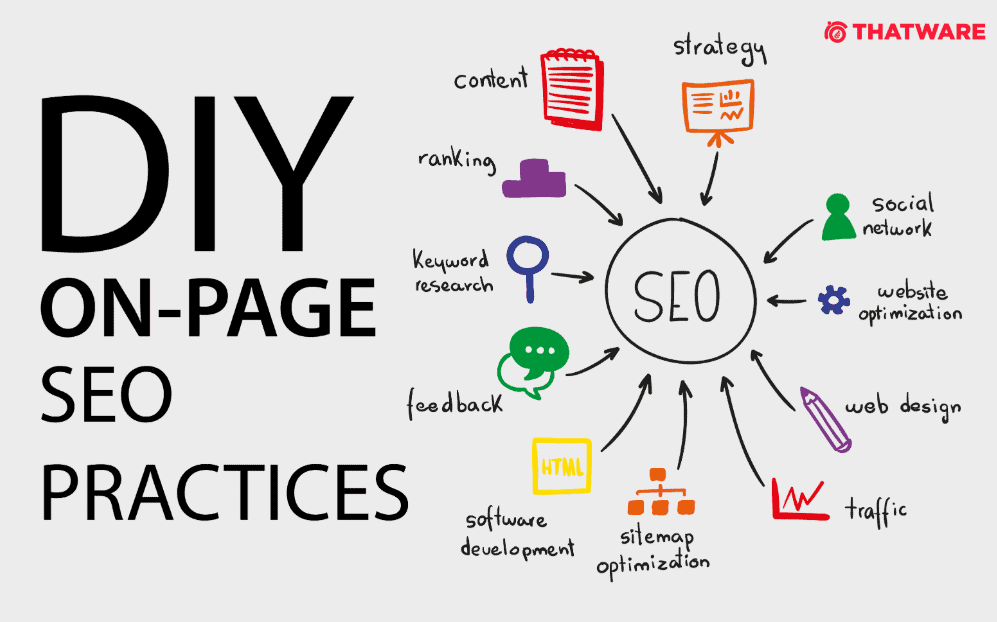
In the realm of digital marketing, on-page optimization plays a crucial role in enhancing a website’s visibility and search engine rankings. This strategic practice involves optimizing various elements on a webpage to improve its relevance, user experience, and overall performance.

Key Components of On-Page Optimization:

  • Keyword Research: Identifying relevant keywords that align with the content and intent of the webpage is essential for on-page optimization. Incorporating these keywords naturally throughout the content helps search engines understand the topic and context of the page.
  • Meta Tags: Optimizing meta tags such as title tags, meta descriptions, and header tags can significantly impact a webpage’s visibility in search results. These tags provide concise information about the content of the page and influence click-through rates.
  • Content Quality: High-quality, engaging content that is informative and relevant to users is key to on-page optimization. Content should be well-structured, easy to read, and incorporate targeted keywords without compromising readability.
  • URL Structure: Creating SEO-friendly URLs that are descriptive, concise, and include relevant keywords can improve both user experience and search engine visibility. A clear URL structure helps search engines crawl and index webpages more effectively.
  • Internal Linking: Strategically linking related pages within a website helps search engines understand the site’s structure and hierarchy. Internal links also distribute link equity throughout the site, improving overall SEO performance.

The Benefits of On-Page Optimization:

Effective on-page optimization offers several benefits for digital marketers and website owners. By implementing best practices in on-page SEO, businesses can:

  • Increase Organic Traffic: Optimized webpages are more likely to rank higher in search engine results pages (SERPs), driving organic traffic to the site.
  • Enhance User Experience: Well-optimized pages provide users with valuable information in a user-friendly format, leading to higher engagement and lower bounce rates.
  • Improve Conversion Rates: Relevant content and optimized calls-to-action (CTAs) can encourage visitors to take desired actions on the site, such as making a purchase or filling out a form.
  • Build Authority: Search engines reward websites with high-quality content and strong on-page optimization by ranking them higher in search results, increasing brand visibility and credibility.

In conclusion, on-page optimization is an integral part of any successful digital marketing strategy. By focusing on key elements such as keyword research, meta tags, content quality, URL structure, and internal linking, businesses can enhance their online presence, attract more organic traffic, and ultimately achieve their marketing goals.


Top 5 On-Page Optimisation Tips for Enhanced Digital Marketing Performance

  1. Include relevant keywords in the page title and meta description.
  2. Optimize headings (H1, H2, etc.) with keywords to improve readability and SEO.
  3. Create unique and engaging content that provides value to the audience.
  4. Optimize images with descriptive filenames and alt text for better visibility in search engines.
  5. Improve page loading speed by compressing images, minifying CSS/JS files, and using caching techniques.

Include relevant keywords in the page title and meta description.

In the realm of on-page optimization in digital marketing, a crucial tip is to include relevant keywords in the page title and meta description. By incorporating targeted keywords in these key elements, businesses can improve their website’s visibility in search engine results and attract more qualified traffic. The page title and meta description serve as concise summaries of the webpage’s content, helping both users and search engines understand the relevance of the page to their queries. This strategic practice not only enhances SEO performance but also increases click-through rates and improves overall user experience on the website.

Optimize headings (H1, H2, etc.) with keywords to improve readability and SEO.

Optimising headings, such as H1 and H2 tags, with relevant keywords is a valuable on-page optimization tip in digital marketing. By incorporating targeted keywords into headings, websites can not only enhance readability for users but also signal to search engines the main topics of the content. This practice helps improve the overall structure and organisation of the webpage, making it easier for both users and search engine crawlers to understand the relevance and context of the content. Ultimately, optimising headings with keywords can boost SEO performance by increasing visibility in search results and driving organic traffic to the site.

Create unique and engaging content that provides value to the audience.

Creating unique and engaging content that offers genuine value to the audience is a fundamental tip for successful on-page optimization in digital marketing. By crafting content that is original, informative, and tailored to the needs and interests of the target audience, businesses can attract and retain visitors to their website. High-quality content not only improves search engine visibility but also enhances user experience, fosters brand credibility, and encourages audience engagement. Ultimately, by prioritising the creation of valuable content, businesses can establish themselves as industry authorities and build lasting relationships with their online audience.

Optimize images with descriptive filenames and alt text for better visibility in search engines.

Optimising images with descriptive filenames and alt text is a valuable tip for enhancing on-page optimization in digital marketing. By using relevant keywords in image filenames and alt text, websites can improve their visibility in search engine results pages. Search engines rely on this information to understand the content of images, making it easier for them to index and rank webpages appropriately. Additionally, descriptive filenames and alt text not only boost SEO but also enhance accessibility for users with visual impairments, ensuring a more inclusive browsing experience.

Improve page loading speed by compressing images, minifying CSS/JS files, and using caching techniques.

To enhance on-page optimization in digital marketing, it is essential to prioritise improving page loading speed through various techniques. One effective tip is to compress images, reducing their file sizes without compromising quality, which can significantly decrease loading times. Additionally, minifying CSS and JavaScript files by removing unnecessary characters and spaces helps streamline code and improve site performance. Implementing caching techniques, such as browser caching and server-side caching, can also boost loading speed by storing frequently accessed resources for quicker retrieval. By incorporating these strategies, websites can deliver a faster and more seamless user experience while positively impacting search engine rankings.

digital seo

Unlocking Success: Navigating the Digital SEO Landscape

The Power of Digital SEO: Enhancing Your Online Presence

The Power of Digital SEO: Enhancing Your Online Presence

In today’s digital age, having a strong online presence is crucial for businesses to succeed. One of the most effective ways to boost your visibility and reach your target audience is through Digital SEO (Search Engine Optimization).

What is Digital SEO?

Digital SEO involves optimizing your website and online content to improve its visibility in search engine results. By strategically incorporating relevant keywords, creating high-quality content, and building authoritative backlinks, you can enhance your website’s ranking on search engine results pages (SERPs).

The Benefits of Digital SEO

Implementing a robust Digital SEO strategy offers numerous benefits for your business. Firstly, it helps drive organic traffic to your website, increasing the chances of converting visitors into customers. Improved visibility in search results also enhances brand credibility and trust among users.

Key Components of Digital SEO

Effective Digital SEO encompasses various elements, including keyword research, on-page optimization, technical SEO, content creation, and link building. By focusing on these components and staying up-to-date with search engine algorithms, you can stay ahead of the competition and attract more organic traffic.

Measuring Success with Digital SEO

Monitoring key performance indicators (KPIs) such as organic traffic growth, keyword rankings, conversion rates, and bounce rates is essential for evaluating the success of your Digital SEO efforts. By analysing these metrics regularly, you can make data-driven decisions to further enhance your online presence.

Conclusion

In conclusion, Digital SEO plays a vital role in improving your online visibility and driving sustainable growth for your business. By investing in a comprehensive Digital SEO strategy tailored to your specific goals and target audience, you can position your brand for success in the competitive digital landscape.


8 Benefits of Digital SEO: Enhancing Visibility, Credibility, and Competitiveness

  1. Increases online visibility
  2. Drives organic traffic to your website
  3. Enhances brand credibility and trust
  4. Improves user experience on your site
  5. Targets specific audiences effectively
  6. Provides measurable results through analytics
  7. Boosts conversion rates and leads generation
  8. Helps stay competitive in the digital landscape


Challenges of Digital SEO: Continuous Monitoring, Delayed Results, High Costs, and Content Quality Risks

  1. Digital SEO requires continuous monitoring and adjustments to keep up with changing search engine algorithms.
  2. It can be time-consuming to see significant results from Digital SEO efforts, especially for competitive keywords.
  3. Investing in professional Digital SEO services can be costly for small businesses with limited budgets.
  4. Over-optimisation of content for search engines may compromise the quality and relevance of the information provided to users.

Increases online visibility

Enhancing online visibility is a key advantage of Digital SEO. By implementing strategic tactics such as keyword optimization, content creation, and link building, businesses can improve their search engine rankings and attract more organic traffic to their websites. Increased online visibility not only boosts brand awareness but also expands the reach to a wider audience, ultimately driving more engagement and potential conversions. In a competitive digital landscape, the ability to stand out and be easily found by users is essential for long-term success, making improved online visibility through Digital SEO a valuable asset for any business looking to thrive online.

Drives organic traffic to your website

One significant advantage of Digital SEO is its ability to drive organic traffic to your website. By implementing effective SEO strategies such as keyword optimization, high-quality content creation, and link building, you can improve your website’s visibility in search engine results. This increased visibility not only attracts more visitors to your site but also ensures that the traffic is organic, meaning users are actively searching for products or services related to your business. As a result, organic traffic generated through Digital SEO has a higher likelihood of converting into valuable leads and customers, ultimately contributing to the growth and success of your online presence.

Enhances brand credibility and trust

One significant advantage of Digital SEO is its ability to enhance brand credibility and trust. By appearing higher in search engine results and providing valuable, relevant content to users, businesses can establish themselves as authoritative sources within their industry. This increased visibility and credibility not only attract more organic traffic but also instil trust in potential customers, leading to higher conversion rates and long-term customer loyalty.

Improves user experience on your site

Enhancing user experience on your website is a significant advantage of implementing Digital SEO strategies. By optimising site structure, improving page loading speed, and providing relevant and engaging content, Digital SEO ensures that visitors have a seamless and satisfying browsing experience. This not only encourages users to stay longer on your site but also increases the likelihood of them engaging with your content and taking desired actions, ultimately leading to higher conversion rates and improved customer satisfaction.

Targets specific audiences effectively

Digital SEO excels in targeting specific audiences effectively by leveraging strategic keyword research and content optimisation techniques. By tailoring website content to align with the search intent of target demographics, businesses can attract relevant traffic and engage potential customers who are actively seeking their products or services. This precision in audience targeting not only increases the likelihood of conversions but also enhances overall user experience, ultimately driving sustainable growth and success in the digital landscape.

Provides measurable results through analytics

One significant advantage of Digital SEO is its ability to provide measurable results through analytics. By leveraging data-driven insights, businesses can track and analyse key performance metrics such as website traffic, keyword rankings, conversion rates, and user engagement. This allows them to evaluate the effectiveness of their SEO strategies, identify areas for improvement, and make informed decisions to enhance their online presence. With the power of analytics, businesses can quantify the impact of their Digital SEO efforts and continuously refine their approach to achieve optimal results.

Boosts conversion rates and leads generation

One significant advantage of Digital SEO is its ability to boost conversion rates and lead generation for businesses. By optimising website content, implementing relevant keywords, and improving overall search engine visibility, Digital SEO attracts more qualified traffic to websites. This targeted approach increases the likelihood of converting visitors into customers, ultimately driving higher lead generation and enhancing overall business growth.

Helps stay competitive in the digital landscape

In the fast-evolving digital landscape, utilising Digital SEO is essential to staying competitive and relevant. By implementing effective SEO strategies, businesses can enhance their online visibility, attract more organic traffic, and outrank competitors in search engine results. Maintaining a strong digital presence through SEO not only ensures that your brand remains visible to potential customers but also allows you to adapt to changing market trends and consumer behaviour, ultimately giving you a competitive edge in the digital arena.

Digital SEO requires continuous monitoring and adjustments to keep up with changing search engine algorithms.

A notable drawback of Digital SEO is the necessity for ongoing monitoring and adjustments to align with evolving search engine algorithms. Keeping pace with the frequent updates and changes in algorithms can be a challenging task for businesses. Constant vigilance is required to ensure that SEO strategies remain effective and compliant with the latest standards set by search engines. Failure to adapt promptly to algorithm changes can result in a decline in search rankings and diminished online visibility, highlighting the demanding and dynamic nature of Digital SEO practices.

It can be time-consuming to see significant results from Digital SEO efforts, especially for competitive keywords.

Achieving significant results from Digital SEO efforts can be a time-consuming process, particularly when targeting competitive keywords. Building a strong online presence and improving search engine rankings require consistent effort and patience. Competition for top positions in search results can be fierce, making it challenging to see immediate results. However, with a strategic and persistent approach to Digital SEO, businesses can gradually enhance their visibility and ultimately reap the benefits of increased organic traffic and improved brand recognition.

Investing in professional Digital SEO services can be costly for small businesses with limited budgets.

For small businesses operating on constrained budgets, one significant drawback of investing in professional Digital SEO services is the associated costs. Engaging the expertise of SEO professionals can be a substantial financial commitment that may not always align with the financial capabilities of small businesses. The expense of hiring professional SEO services can strain limited resources and pose a challenge for smaller enterprises looking to enhance their online visibility and compete in the digital landscape. Balancing the potential benefits of Digital SEO with the financial constraints faced by small businesses is crucial in making informed decisions about allocating resources for digital marketing strategies.

Over-optimisation of content for search engines may compromise the quality and relevance of the information provided to users.

An inherent drawback of digital SEO is the risk of over-optimising content for search engines, potentially leading to a compromise in the quality and relevance of information presented to users. When content is excessively tailored to meet search engine algorithms rather than user needs, it can result in a disconnect between what users seek and what they actually find. This overemphasis on keywords and technical SEO aspects may detract from the overall user experience, undermining the credibility and authenticity of the content being delivered. Achieving a balance between SEO optimisation and user-centric content is essential to ensure that information remains valuable, engaging, and genuinely beneficial to the audience.

seo smo

Unlocking the Power of SEO and SMO: Maximising Your Digital Presence

Understanding SEO and SMO

The Power of SEO and SMO in Digital Marketing

In the realm of digital marketing, two crucial acronyms dominate the landscape: SEO (Search Engine Optimization) and SMO (Social Media Optimization). While both strategies aim to enhance online visibility and drive traffic to websites, each plays a distinct role in achieving these goals.

SEO: Enhancing Search Engine Visibility

SEO is the practice of optimising a website’s content and structure to rank higher on search engine results pages (SERPs). By strategically incorporating relevant keywords, improving site speed, enhancing user experience, and building quality backlinks, businesses can increase their organic traffic and attract potential customers actively searching for their products or services.

Effective SEO involves continuous monitoring of search engine algorithms, keyword research, on-page optimization, and off-page strategies such as link building. By staying abreast of industry trends and best practices, businesses can climb the SERP rankings and outperform competitors in the digital arena.

SMO: Leveraging Social Media Platforms

SMO focuses on leveraging social media platforms to increase brand visibility and engage with target audiences. By creating compelling content, fostering relationships with followers, and encouraging social sharing, businesses can amplify their online presence beyond traditional search engines.

Social media platforms such as Facebook, Twitter, Instagram, LinkedIn, and Pinterest offer unique opportunities to showcase products or services, interact with customers in real-time, and drive website traffic through shared links. SMO strategies encompass creating shareable content, engaging with followers through comments and messages, running targeted ad campaigns, and analysing performance metrics to refine future strategies.

The Synergy Between SEO and SMO

While SEO focuses on improving search engine rankings and organic traffic acquisition, SMO complements these efforts by expanding brand reach through social channels. When combined effectively, SEO and SMO create a powerful synergy that maximises online visibility across multiple digital touchpoints.

Businesses that integrate SEO-optimised content with shareable social media posts can benefit from increased brand awareness, higher website traffic volumes, enhanced customer engagement levels, and ultimately improved conversion rates. By aligning SEO keywords with social media hashtags and trends, businesses can create a cohesive digital marketing strategy that resonates with their target audience.

In Conclusion

SEO and SMO are indispensable tools in the digital marketer’s arsenal. By understanding the unique roles each strategy plays in enhancing online visibility and driving traffic to websites or social media profiles businesses can craft comprehensive digital marketing campaigns that deliver tangible results.


Top 6 Tips for Enhancing Your SEO and SMO Strategies

  1. SEO
  2. SEO
  3. SEO
  4. SMO
  5. SMO
  6. SMO

SEO

SEO (Search Engine Optimization) is a fundamental aspect of digital marketing that focuses on improving a website’s visibility on search engine results pages. By implementing strategic techniques such as keyword research, on-page optimization, and link building, businesses can enhance their organic search rankings and attract targeted traffic. Effective SEO practices not only increase a website’s chances of being discovered by potential customers but also establish credibility and authority within the online landscape.

SEO

Search Engine Optimization (SEO) is a fundamental aspect of digital marketing that focuses on enhancing a website’s visibility on search engine results pages. By strategically incorporating relevant keywords, improving site structure, and building quality backlinks, businesses can increase their organic traffic and attract potential customers actively searching for their products or services. Effective SEO involves continuous monitoring of search engine algorithms and best practices to stay ahead of the competition in the online landscape.

SEO

Search Engine Optimization (SEO) is a fundamental aspect of digital marketing that focuses on enhancing a website’s visibility on search engine results pages. By strategically incorporating relevant keywords, improving site structure, and building quality backlinks, businesses can attract organic traffic and reach potential customers actively searching for their products or services. Effective SEO practices involve continuous monitoring of search engine algorithms and implementing on-page and off-page optimization strategies to improve rankings and outperform competitors in the digital landscape.

SMO

Social Media Optimization (SMO) is a key component of digital marketing strategies aimed at enhancing brand visibility and engagement on social media platforms. By creating compelling content, fostering relationships with followers, and encouraging social sharing, businesses can leverage the power of SMO to expand their online presence beyond search engines. Through targeted ad campaigns, interactive posts, and real-time customer interactions, SMO enables businesses to connect with their audience in a more personal and engaging manner, ultimately driving traffic to their website and increasing brand awareness.

SMO

Social Media Optimization (SMO) is a vital component of any comprehensive digital marketing strategy. By harnessing the power of social media platforms such as Facebook, Twitter, and Instagram, businesses can engage with their target audience on a more personal level, foster brand loyalty, and drive traffic to their websites. SMO involves creating shareable content, interacting with followers through comments and messages, and leveraging social advertising to reach a wider audience. By integrating SMO tactics alongside SEO efforts, businesses can maximise their online visibility and establish a strong presence across various digital channels.

SMO

Social Media Optimization (SMO) is a vital component of any comprehensive digital marketing strategy. By leveraging the power of social media platforms such as Facebook, Twitter, and Instagram, businesses can enhance their online visibility, engage with their target audience, and drive traffic to their websites. SMO involves creating engaging content, interacting with followers, running targeted ad campaigns, and analysing performance metrics to refine strategies. A well-executed SMO strategy not only boosts brand awareness but also fosters meaningful connections with customers in the dynamic realm of social media.

online search engine optimization

Mastering the Art of Online Search Engine Optimization: A Guide to Digital Success

Online Search Engine Optimization

The Power of Online Search Engine Optimization

In today’s digital landscape, having a strong online presence is crucial for businesses looking to succeed and thrive. Online Search Engine Optimization (SEO) plays a fundamental role in enhancing visibility and driving organic traffic to websites. Understanding the importance of SEO and implementing effective strategies can significantly impact a company’s online success.

What is SEO?

SEO is the practice of optimizing a website to improve its ranking on search engine results pages (SERPs). By enhancing various aspects of a site, such as content quality, keywords, meta tags, and backlinks, SEO aims to make the website more relevant and authoritative in the eyes of search engines like Google, Bing, and Yahoo.

The Benefits of SEO

Effective SEO strategies offer numerous benefits to businesses. Firstly, improved visibility on search engines can lead to increased organic traffic, resulting in more potential customers visiting the site. Higher rankings also establish credibility and trust among users, as top-ranking websites are often perceived as more reliable and trustworthy.

Key SEO Techniques

Some key techniques used in SEO include keyword research, on-page optimization, off-page optimization (such as link building), technical SEO (improving site speed and mobile-friendliness), and content creation. By combining these techniques strategically, businesses can enhance their online presence and attract targeted traffic.

The Evolving Landscape of SEO

SEO is constantly evolving due to changes in search engine algorithms and user behaviour. Keeping up-to-date with the latest trends and best practices is essential for maintaining a competitive edge in the online space. As voice search, mobile usage, and local SEO continue to grow in importance, adapting SEO strategies accordingly becomes paramount.

Conclusion

Online Search Engine Optimization is a powerful tool that can propel businesses towards online success. By investing time and resources into effective SEO practices, companies can increase their visibility, attract more visitors, and ultimately drive conversions. Embracing the principles of SEO is key to staying relevant in today’s digital age.


Understanding SEO: Key Questions Answered for Effective Online Optimisation

  1. What is search engine optimization (SEO) and why is it important?
  2. How does SEO work and what are the key components of an effective SEO strategy?
  3. What are the benefits of implementing SEO for a business website?
  4. What are common SEO techniques used to improve website rankings?
  5. How long does it take to see results from SEO efforts?
  6. Is it necessary to hire an SEO agency or consultant for effective optimization?
  7. How can businesses measure the success of their SEO campaigns?

What is search engine optimization (SEO) and why is it important?

Search engine optimization (SEO) is the process of enhancing a website’s visibility on search engine results pages through various strategies and techniques. It involves improving factors such as content quality, keyword relevance, and site structure to achieve higher rankings in organic search results. SEO is crucial for businesses as it helps increase online visibility, drive organic traffic, and establish credibility with both search engines and users. By implementing effective SEO practices, businesses can reach their target audience more effectively, boost website traffic, and ultimately enhance their online presence and competitiveness in the digital landscape.

How does SEO work and what are the key components of an effective SEO strategy?

Understanding how SEO works is essential for businesses aiming to improve their online visibility. SEO involves a combination of strategies and techniques designed to enhance a website’s ranking on search engine results pages. The key components of an effective SEO strategy include thorough keyword research to identify relevant terms, on-page optimization to improve content quality and meta tags, off-page optimization like link building to establish authority, technical SEO for site performance enhancements, and engaging content creation to attract and retain visitors. By integrating these components strategically, businesses can boost their online presence, attract targeted traffic, and ultimately achieve their digital marketing goals.

What are the benefits of implementing SEO for a business website?

Implementing SEO for a business website offers a multitude of benefits that can significantly impact its online success. By optimising the website’s content, keywords, and structure, businesses can improve their visibility on search engine results pages, leading to increased organic traffic and potential customer engagement. Higher search engine rankings not only enhance brand credibility and trustworthiness but also establish the website as an authoritative source in its industry. Ultimately, effective SEO strategies can drive targeted traffic to the site, boost conversions, and help businesses stay competitive in the digital landscape.

What are common SEO techniques used to improve website rankings?

When it comes to improving website rankings through SEO, several common techniques are widely used by digital marketers and website owners. These techniques include keyword research to identify relevant search terms, on-page optimization by incorporating keywords strategically in titles, meta descriptions, and content, off-page optimization through link building to establish authority and credibility, technical SEO to enhance site performance and user experience, and content creation that is valuable, engaging, and optimised for search engines. By implementing these SEO techniques effectively, websites can enhance their visibility on search engine results pages and attract more organic traffic.

How long does it take to see results from SEO efforts?

One frequently asked question in the realm of online Search Engine Optimization is, “How long does it take to see results from SEO efforts?” The timeline for experiencing tangible results from SEO initiatives can vary depending on various factors, such as the competitiveness of the industry, the current state of the website, the chosen keywords, and the effectiveness of the strategies implemented. While some improvements may be noticeable within a few weeks, achieving significant and sustainable results often requires a longer-term commitment, with many businesses seeing substantial benefits over several months as search engines index and rank their optimised content. Consistent effort and monitoring are key to realising the full potential of SEO and reaping its rewards in terms of increased organic traffic and improved online visibility.

Is it necessary to hire an SEO agency or consultant for effective optimization?

When considering the question of whether it is necessary to hire an SEO agency or consultant for effective optimization, the answer depends on various factors. While some businesses may have the resources and expertise to handle SEO in-house, many find that partnering with an experienced SEO agency or consultant can bring significant benefits. These professionals possess specialised knowledge, tools, and insights that can lead to more effective and efficient optimization strategies. By leveraging their expertise, businesses can navigate the complexities of SEO, stay abreast of industry trends, and ultimately achieve better results in terms of visibility, traffic, and conversions. Ultimately, the decision to hire an SEO agency or consultant comes down to individual business goals, resources, and the level of expertise required to achieve optimal online success.

How can businesses measure the success of their SEO campaigns?

Businesses can measure the success of their SEO campaigns through various key performance indicators (KPIs) that reflect the effectiveness of their strategies. Tracking metrics such as organic traffic growth, keyword rankings, conversion rates, bounce rates, and backlink quality can provide valuable insights into the impact of SEO efforts. Additionally, monitoring engagement metrics like time on page, pages per session, and click-through rates can help assess user interaction with the website. By analysing these metrics regularly and comparing them against predefined goals, businesses can evaluate the performance of their SEO campaigns and make data-driven decisions to optimise their online presence effectively.

seo digital marketing agency

Unlocking Success: The Power of an SEO Digital Marketing Agency

SEO Digital Marketing Agency

The Role of an SEO Digital Marketing Agency in Boosting Online Presence

In today’s digital landscape, having a strong online presence is crucial for businesses looking to succeed and grow. This is where SEO digital marketing agencies play a vital role. These agencies specialise in leveraging search engine optimisation (SEO) techniques to enhance a company’s visibility and reach online.

What Does an SEO Digital Marketing Agency Do?

An SEO digital marketing agency works with businesses to improve their website’s ranking on search engine results pages (SERPs). By implementing various strategies such as keyword research, on-page optimisation, link building, and content creation, these agencies help websites climb the rankings and attract more organic traffic.

The Benefits of Working with an SEO Digital Marketing Agency

Collaborating with an SEO digital marketing agency offers several advantages. Firstly, it allows businesses to tap into the expertise of professionals who are well-versed in the ever-evolving world of SEO. This expertise can lead to better results and a higher return on investment.

Furthermore, working with an agency saves businesses time and resources that would otherwise be spent on trying to navigate the complexities of SEO on their own. By outsourcing their digital marketing efforts to experts, companies can focus on other core aspects of their operations.

Choosing the Right SEO Digital Marketing Agency

When selecting an SEO digital marketing agency to partner with, it is essential to consider factors such as the agency’s track record, client testimonials, and range of services offered. A reputable agency will have a proven history of delivering results for its clients and will be transparent in its communication and reporting practices.

Ultimately, by enlisting the services of an SEO digital marketing agency, businesses can improve their online visibility, attract more qualified leads, and ultimately drive growth and success in the competitive digital landscape.


Understanding SEO Digital Marketing Agencies: Key Questions and Insights

  1. What services does an SEO digital marketing agency offer?
  2. How can an SEO digital marketing agency help improve my website’s search engine ranking?
  3. What is the typical process involved when working with an SEO digital marketing agency?
  4. How long does it take to see results from SEO efforts by an agency?
  5. What sets a top-tier SEO digital marketing agency apart from others in the industry?
  6. How much does it cost to hire an SEO digital marketing agency?
  7. Can an SEO digital marketing agency assist with social media and content marketing strategies as well?

What services does an SEO digital marketing agency offer?

An SEO digital marketing agency typically offers a range of services aimed at enhancing a company’s online presence and visibility. These services may include keyword research and analysis, on-page and off-page SEO optimisation, content creation and marketing, link building, local SEO strategies, social media management, pay-per-click (PPC) advertising, website audit and analysis, and performance tracking through analytics. By employing a combination of these services tailored to each client’s specific needs, an SEO digital marketing agency helps businesses improve their search engine rankings, drive organic traffic to their websites, generate leads, and ultimately achieve their online marketing goals.

How can an SEO digital marketing agency help improve my website’s search engine ranking?

An SEO digital marketing agency can significantly enhance your website’s search engine ranking through a variety of strategic approaches. By conducting in-depth keyword research, implementing on-page optimisation techniques, creating high-quality content, and building authoritative backlinks, the agency can help boost your site’s visibility on search engine results pages. Additionally, they stay abreast of the latest algorithm updates and industry trends to ensure that your website remains competitive in the ever-evolving digital landscape. With their expertise and tailored strategies, an SEO digital marketing agency can effectively improve your website’s search engine ranking and drive organic traffic to your site.

What is the typical process involved when working with an SEO digital marketing agency?

When working with an SEO digital marketing agency, the typical process involves several key steps aimed at enhancing a company’s online presence. Initially, the agency conducts a comprehensive website audit to identify areas for improvement. This is followed by keyword research to determine the most relevant terms for targeting. Subsequently, on-page optimisation and content creation are implemented to enhance the website’s visibility on search engine results pages. Link building strategies are then employed to improve domain authority and drive organic traffic. Throughout the process, regular monitoring and analysis of performance metrics ensure that the SEO strategy is effective and continually refined for optimal results. Effective communication between the agency and the client is also crucial in ensuring alignment with business goals and objectives.

How long does it take to see results from SEO efforts by an agency?

When it comes to the question of how long it takes to see results from SEO efforts by an agency, the timeline can vary depending on various factors. Typically, SEO is a long-term strategy that requires patience and consistent effort. While some improvements may be noticeable within a few weeks, significant results such as improved rankings and increased organic traffic often take several months to materialise. The effectiveness of SEO efforts also depends on the competitiveness of the industry, the current state of the website, and the strategies implemented by the agency. It’s important for businesses to understand that SEO is an ongoing process that requires continuous monitoring and adaptation to achieve sustainable results in the ever-evolving digital landscape.

What sets a top-tier SEO digital marketing agency apart from others in the industry?

When considering what sets a top-tier SEO digital marketing agency apart from others in the industry, several key factors come into play. Firstly, top-tier agencies demonstrate a deep understanding of the latest SEO trends and algorithms, allowing them to develop cutting-edge strategies that deliver tangible results for their clients. Additionally, these agencies often have a proven track record of success, with a portfolio of satisfied clients and case studies showcasing their expertise. Furthermore, top-tier agencies prioritise transparent communication, providing clients with regular updates and detailed reports on the progress of their campaigns. Ultimately, it is the combination of expertise, results-driven approach, and commitment to client satisfaction that distinguishes a top-tier SEO digital marketing agency in a crowded marketplace.

How much does it cost to hire an SEO digital marketing agency?

When considering the cost of hiring an SEO digital marketing agency, several factors come into play. The pricing structure can vary depending on the scope of services required, the level of expertise offered by the agency, and the specific goals of the client. Some agencies may offer package deals with fixed prices, while others may tailor their services to meet individual needs, resulting in a more bespoke pricing model. It’s essential for businesses to carefully evaluate their budget and objectives when choosing an agency to ensure they find a solution that aligns with their financial resources and marketing goals.

Can an SEO digital marketing agency assist with social media and content marketing strategies as well?

Yes, an SEO digital marketing agency can certainly assist with social media and content marketing strategies. In fact, many reputable agencies offer comprehensive digital marketing services that encompass not only SEO but also social media management and content creation. By integrating SEO techniques with social media and content marketing strategies, businesses can create a cohesive and effective online presence that drives engagement, builds brand awareness, and boosts website traffic. These combined efforts help businesses reach a wider audience, improve their search engine rankings, and ultimately achieve their digital marketing goals.

search marketing experts

Unlocking Online Success: The Power of Search Marketing Experts

Search Marketing Experts

The Role of Search Marketing Experts in Boosting Online Visibility

In today’s digital landscape, the competition for online visibility is fiercer than ever. With millions of websites vying for attention on search engines, businesses need to employ strategic tactics to stand out from the crowd. This is where search marketing experts come into play.

What Are Search Marketing Experts?

Search marketing experts are professionals who specialise in improving a website’s visibility on search engine results pages (SERPs). They possess a deep understanding of search engine algorithms, keyword research, and digital marketing strategies that help websites rank higher in organic search results.

Their Key Responsibilities:

  • Keyword Research: Search marketing experts conduct thorough keyword research to identify relevant terms and phrases that potential customers are using to search for products or services.
  • On-Page Optimisation: They optimise website content, meta tags, and other on-page elements to make them more search engine-friendly.
  • Link Building: Search marketing experts develop link building strategies to increase a website’s authority and credibility in the eyes of search engines.
  • Paid Advertising: They may also manage pay-per-click (PPC) campaigns to drive targeted traffic to a website through paid advertising.
  • Analyse Performance: Constantly monitor and analyse website performance using tools like Google Analytics to make data-driven decisions for further optimisation.

The Importance of Search Marketing Experts:

In a world where online visibility can make or break a business, having skilled search marketing experts on your team can be a game-changer. They not only help improve your website’s ranking on search engines but also drive relevant traffic that is more likely to convert into customers. By staying up-to-date with the latest trends and best practices in SEO and digital marketing, they ensure that your online presence remains competitive and effective.


7 Essential Tips for Mastering Search Marketing Expertise

  1. Stay updated with the latest trends and algorithms in search engines.
  2. Utilize keyword research tools to identify relevant keywords for your campaigns.
  3. Create compelling ad copies that attract clicks and conversions.
  4. Optimize landing pages for better user experience and higher conversion rates.
  5. Monitor and analyse campaign performance regularly to make data-driven decisions.
  6. Experiment with different strategies to find what works best for your target audience.
  7. Continuously learn and improve your skills to stay ahead in the competitive search marketing landscape.

To excel as search marketing experts, it is crucial to stay updated with the latest trends and algorithms in search engines. Search engines are constantly evolving, and understanding these changes is essential for crafting effective SEO strategies. By keeping abreast of the latest developments, search marketing experts can adapt their approaches to align with search engine algorithms, ensuring that websites remain visible and competitive in search results. Continuous learning and staying informed about industry updates enable these experts to deliver results-driven solutions that meet the dynamic demands of the digital landscape.

Utilize keyword research tools to identify relevant keywords for your campaigns.

To maximise the effectiveness of your search marketing campaigns, it is essential to utilise keyword research tools to identify relevant keywords. These tools provide valuable insights into the terms and phrases that potential customers are using to search for products or services related to your business. By conducting thorough keyword research, search marketing experts can pinpoint high-impact keywords that have the potential to drive targeted traffic to your website and improve your search engine rankings. Incorporating these relevant keywords into your campaigns ensures that you are reaching the right audience and maximising the impact of your online presence.

Create compelling ad copies that attract clicks and conversions.

Creating compelling ad copies is a crucial aspect of search marketing expertise. By crafting engaging and persuasive content, search marketing experts can capture the attention of potential customers and entice them to click on the ad. A well-written ad copy not only attracts clicks but also increases the likelihood of conversions, ultimately driving valuable traffic to the website. Through their expertise in understanding consumer behaviour and effective communication, search marketing experts play a pivotal role in maximising the impact of online advertising campaigns.

Optimize landing pages for better user experience and higher conversion rates.

To maximise the effectiveness of search marketing strategies, it is crucial for experts to focus on optimising landing pages. By ensuring that landing pages are user-friendly, relevant, and engaging, search marketing experts can enhance the overall user experience and increase conversion rates. A well-optimised landing page not only meets the user’s expectations but also guides them towards taking a desired action, such as making a purchase or signing up for a service. By fine-tuning landing pages to align with search intent and providing valuable content, search marketing experts can significantly improve the success of digital marketing campaigns.

Monitor and analyse campaign performance regularly to make data-driven decisions.

Monitoring and analysing campaign performance regularly is a crucial tip for search marketing experts. By consistently reviewing data metrics such as website traffic, click-through rates, and conversion rates, experts can gain valuable insights into the effectiveness of their strategies. This data-driven approach allows them to identify what is working well and what needs improvement, enabling them to make informed decisions that optimise campaign performance and ultimately enhance online visibility for businesses.

Experiment with different strategies to find what works best for your target audience.

To maximise the effectiveness of your search marketing efforts, it is crucial to experiment with various strategies to determine what resonates best with your specific target audience. By testing different approaches, such as content types, keywords, and outreach methods, you can gather valuable insights into what drives engagement and conversions among your audience. This iterative process of experimentation allows search marketing experts to refine their tactics and tailor their strategies to better meet the needs and preferences of their target demographic, ultimately leading to improved online visibility and business success.

Continuously learn and improve your skills to stay ahead in the competitive search marketing landscape.

To excel in the competitive realm of search marketing, it is imperative to adopt a mindset of continuous learning and skill enhancement. Search marketing experts who actively seek to upgrade their knowledge and refine their strategies are better equipped to navigate the ever-evolving digital landscape. By staying abreast of industry trends, algorithm updates, and emerging technologies, professionals can stay ahead of the curve and deliver impactful results for their clients. Embracing a culture of continuous improvement not only enhances individual expertise but also ensures sustained success in the dynamic field of search marketing.

local search marketing services

Unlocking the Potential of Local Search Marketing Services in the UK

The Power of Local Search Marketing Services

The Power of Local Search Marketing Services

In today’s digital age, having a strong online presence is crucial for businesses to succeed. One powerful tool that can significantly boost a company’s visibility and attract local customers is local search marketing services.

What are Local Search Marketing Services?

Local search marketing services focus on optimising a business’s online presence to attract customers in a specific geographic area. This strategy involves various techniques such as local SEO, Google My Business optimisation, online reviews management, and location-based advertising.

The Benefits of Local Search Marketing

By investing in local search marketing services, businesses can:

  • Improve Visibility: Optimising for local search helps businesses appear in relevant local searches, making it easier for potential customers to find them.
  • Increase Website Traffic: Targeting local keywords and optimising Google My Business listings can drive more organic traffic to the company’s website.
  • Boost Conversions: When users find a business near them in search results, they are more likely to convert into customers, leading to increased sales and revenue.
  • Build Trust: Positive online reviews and accurate business information help build trust with potential customers and establish credibility within the local community.

Choosing the Right Local Search Marketing Provider

When selecting a local search marketing provider, businesses should look for a company with a proven track record of success in helping businesses improve their local online visibility. It’s essential to choose a provider that offers customised strategies tailored to the specific needs and goals of the business.

In Conclusion

Local search marketing services play a vital role in helping businesses connect with their target audience in their local area. By implementing effective strategies and techniques, businesses can enhance their visibility, attract more customers, and ultimately drive growth and success.


Maximise Your Local Reach: The Benefits of Local Search Marketing Services

  1. Improves visibility in local searches, making it easier for potential customers to find your business.
  2. Drives more organic traffic to your website by targeting local keywords and optimising Google My Business listings.
  3. Increases the likelihood of converting online users into customers when they see your business in local search results.
  4. Builds trust with potential customers through positive online reviews and accurate business information.
  5. Enhances credibility within the local community by establishing a strong online presence in relevant geographic areas.
  6. Helps businesses connect with their target audience in specific locations, leading to increased sales and revenue.


Challenges of Local Search Marketing Services: Limited Reach, High Competition, and Algorithm Dependency

  1. Limited Reach
  2. Competition
  3. Dependency on Algorithms

Improves visibility in local searches, making it easier for potential customers to find your business.

One significant advantage of utilising local search marketing services is the improvement in visibility within local searches. By optimising your online presence for local keywords and geographic targeting, your business becomes more easily discoverable by potential customers searching for products or services in your area. This increased visibility enhances the chances of attracting relevant leads and converting them into loyal customers, ultimately boosting your business’s reach and impact within the local community.

Drives more organic traffic to your website by targeting local keywords and optimising Google My Business listings.

By leveraging local search marketing services, businesses can significantly boost their online presence by driving more organic traffic to their website. This is achieved through the strategic targeting of local keywords and the meticulous optimisation of Google My Business listings. By focusing on these key aspects, businesses can attract a more relevant audience within their local area, increasing the likelihood of converting website visitors into loyal customers.

Increases the likelihood of converting online users into customers when they see your business in local search results.

One significant advantage of utilising local search marketing services is the increased likelihood of converting online users into customers when they encounter your business in local search results. By optimising your online presence for local searches, businesses can target potential customers who are actively seeking products or services in their vicinity. When users see your business prominently displayed in local search results, they are more inclined to engage with your brand, visit your website, and ultimately make a purchase. This targeted approach not only enhances visibility but also significantly boosts the chances of turning online users into loyal customers, driving growth and revenue for your business.

Builds trust with potential customers through positive online reviews and accurate business information.

One significant advantage of local search marketing services is their ability to build trust with potential customers through positive online reviews and accurate business information. By showcasing glowing testimonials and ensuring that essential details about the business are up-to-date and easily accessible, local search marketing helps establish credibility and reliability in the eyes of consumers. This transparency not only instils confidence in potential customers but also fosters a sense of trust that can ultimately drive them to choose the business over competitors.

Enhances credibility within the local community by establishing a strong online presence in relevant geographic areas.

By utilising local search marketing services, businesses can enhance their credibility within the local community by establishing a robust online presence in relevant geographic areas. By appearing prominently in local search results and maintaining accurate business information, companies can demonstrate their commitment to serving the local community. This not only builds trust with potential customers but also solidifies the business’s reputation as a reliable and reputable entity within its target market.

Helps businesses connect with their target audience in specific locations, leading to increased sales and revenue.

Local search marketing services offer a valuable advantage by enabling businesses to connect with their target audience in specific locations. By tailoring their online presence to local searches, businesses can effectively reach potential customers in their vicinity, increasing the likelihood of converting leads into sales. This targeted approach not only enhances visibility but also fosters customer engagement and loyalty, ultimately driving up sales and revenue for the business.

Limited Reach

Local search marketing services, despite their effectiveness in targeting local customers, do have a notable drawback in terms of limited reach. Unlike broader digital marketing strategies that can reach a wider audience across different regions or demographics, local search marketing services are inherently focused on a specific geographic area. This limitation can pose a challenge for businesses aiming to expand their reach beyond their immediate vicinity and target a more diverse or widespread audience. As such, companies looking to reach a broader customer base may need to complement their local search efforts with additional digital marketing tactics to ensure comprehensive coverage and engagement across various markets.

Competition

In the realm of local search marketing services, a notable drawback emerges in the form of heightened competition. With an increasing number of businesses recognising the value of local search optimisation, the landscape becomes saturated, intensifying the competition for prime spots in local search rankings. This escalating rivalry poses a significant challenge for certain businesses striving to distinguish themselves and secure prominent visibility amidst the crowded digital marketplace. Standing out amidst the fierce competition necessitates innovative strategies and a nuanced approach to navigate through the competitive terrain effectively.

Dependency on Algorithms

An inherent drawback of local search marketing services is the reliance on search engine algorithms, which can be a double-edged sword for businesses. The ever-evolving nature of these algorithms means that local search rankings are subject to frequent fluctuations, demanding continuous monitoring and adaptations to stay visible to potential customers. This dependency on algorithms poses a challenge for businesses, as they must invest time and resources into keeping up with algorithm changes to ensure their online presence remains effective and competitive in the local market.