seo sem social media marketing

SEO, SEM and Social Media Marketing: A Complete Guide

SEO, SEM and Social Media Marketing: How They Work Together

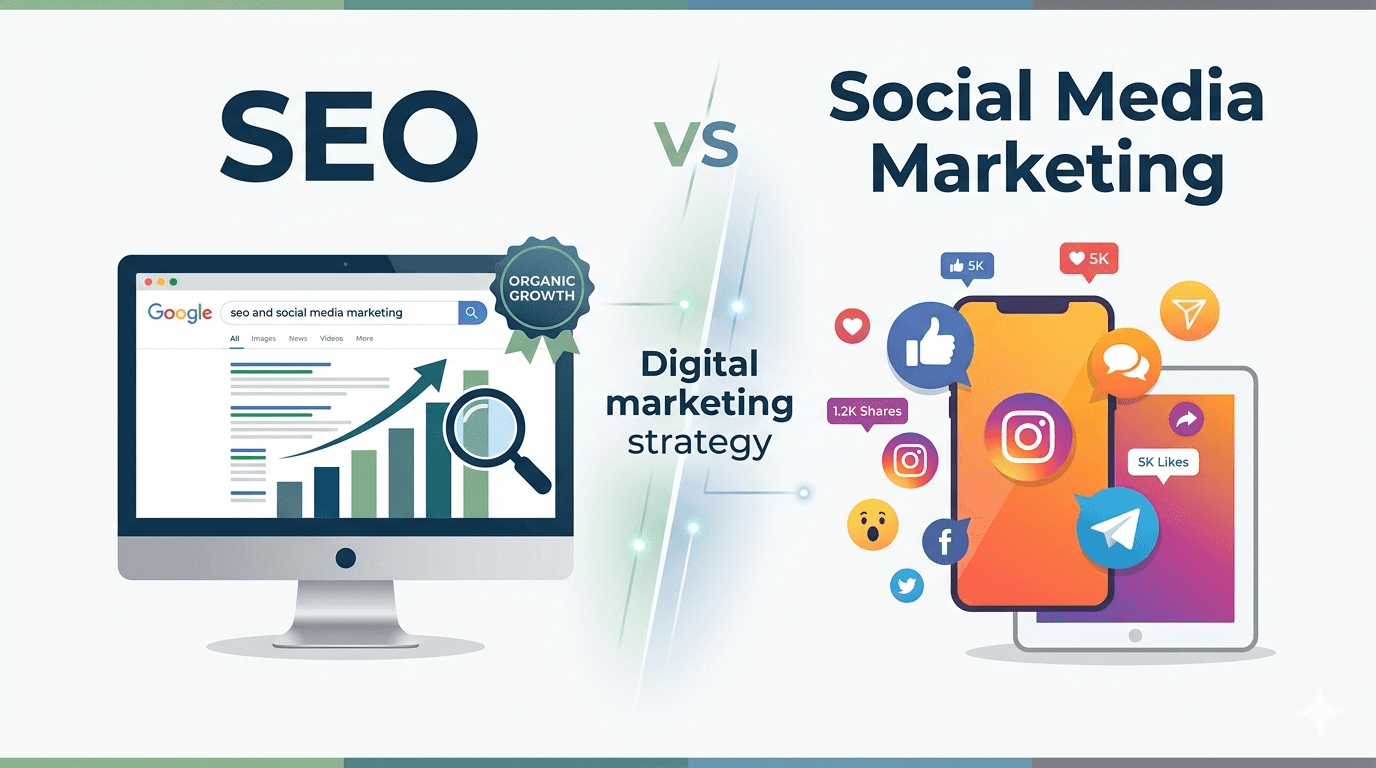
Businesses have more ways than ever to reach potential customers online. Search engine optimisation (SEO), search engine marketing (SEM) and social media marketing each help build visibility, attract audiences and support growth. They work in different ways, but combining them can create a more effective digital marketing strategy.

What is SEO?

SEO is the process of improving a website so it is more likely to appear in relevant unpaid search results. It involves understanding what people search for and making a website useful, accessible and easy for search engines to understand.

SEO commonly includes:

  • Keyword research: discovering the words and questions people use when looking for a product, service or information.
  • On-page optimisation: improving page titles, headings, content, internal links and other elements on a website.
  • Technical SEO: helping search engines access and understand a site, while supporting a fast, mobile-friendly experience.
  • Content creation: publishing relevant, original material that answers audience questions and demonstrates expertise.
  • Link building: earning links from credible websites that can help people discover your content and provide useful context about your site.

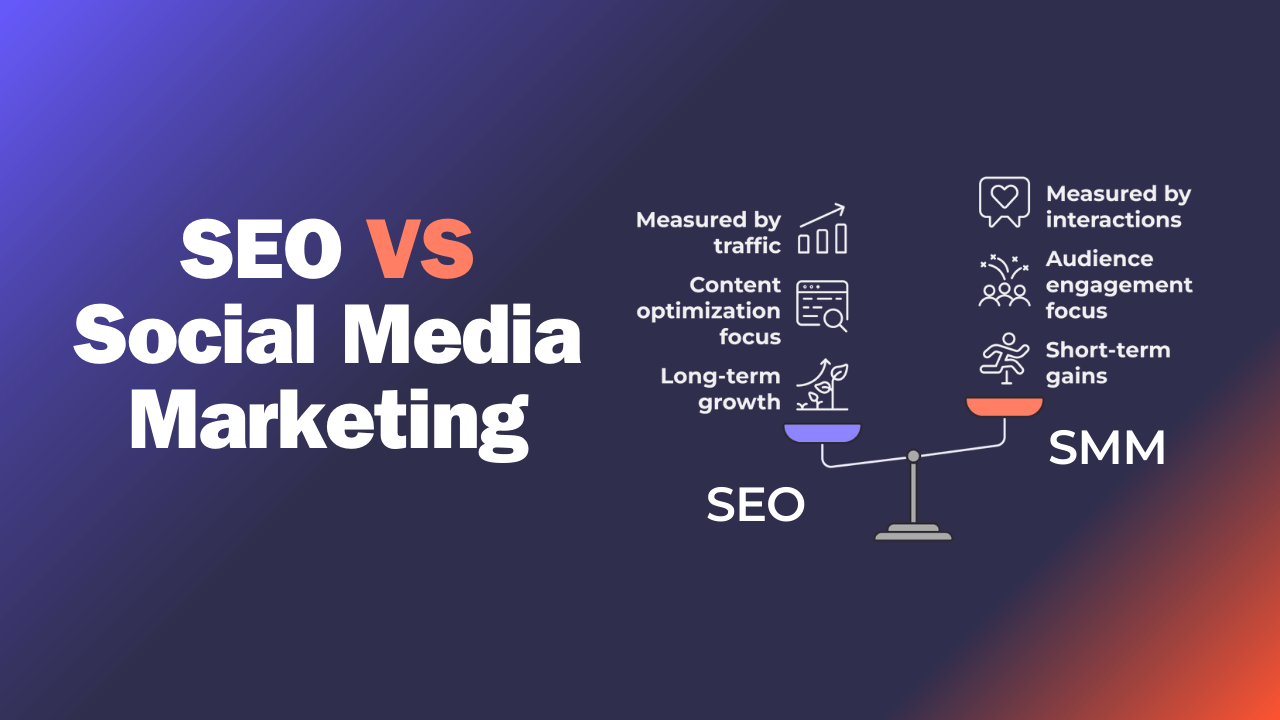
SEO is generally a long-term activity. Results can take time, but strong organic visibility may continue to bring visitors after individual campaigns have ended.

What is SEM?

SEM, or search engine marketing, refers to marketing through search engines. The term is sometimes used broadly to include both paid and organic search. In many marketing conversations, however, SEM refers specifically to paid search advertising, such as sponsored listings shown on search results pages.

Paid search campaigns can help businesses reach people who are actively searching for particular products or services. Advertisers may choose keywords, write adverts, set budgets and direct users to relevant landing pages. Depending on the platform and campaign, costs may be based on clicks or other forms of engagement.

SEM can generate visibility quickly, but it requires careful management. Campaigns should be monitored for spending, relevance and performance. Strong adverts alone are not enough: the landing page needs to deliver on the advert’s promise and make the next step clear.

What is social media marketing?

Social media marketing uses platforms such as Instagram, LinkedIn, Facebook, TikTok and YouTube to communicate with audiences. It can include organic posts, community management, influencer partnerships and paid social advertising.

Social media is useful for building awareness, sharing expertise, introducing products and maintaining relationships with customers. It can also help businesses understand what their audiences care about through comments, questions and engagement.

Unlike search advertising, social media often reaches people while they are browsing rather than actively looking for a specific solution. Content therefore needs to earn attention and suit the platform, audience and format.

Key differences between SEO, SEM and social media

  • SEO aims to improve visibility in unpaid search results over time.
  • SEM can provide paid visibility on search platforms, often reaching people with clear search intent.
  • Social media marketing builds awareness and engagement within social platforms, using both organic and paid activity.

These channels serve different purposes. SEO can support ongoing discovery, paid search can help capture immediate demand, and social media can introduce a brand to new audiences and keep it part of the conversation.

Why combine the three?

Using these channels together can make marketing more consistent and give businesses more ways to reach potential customers. For example, search data can reveal the questions people are asking. Those insights can inform website content and social posts. A successful organic page may also provide ideas for paid search adverts, while social campaigns can help promote useful content to a wider audience.

A combined approach can also help businesses learn. Paid campaigns may provide early feedback on which messages or search terms attract interest. SEO can build a longer-term presence around relevant topics, while social media can show how audiences respond to different ideas and formats.

How to build an integrated strategy

Start with clear objectives

Decide what the marketing activity needs to achieve. Objectives might include increasing qualified website visits, generating enquiries, supporting online sales or improving awareness among a particular audience. Clear goals make it easier to select channels and assess results.

Understand your audience

Identify the people you want to reach, the problems they need to solve and the language they use. Search queries, customer conversations, website analytics and social engagement can all provide useful insights.

Match content to intent

Someone searching for a specific service may be ready to compare providers, while someone browsing social media may be discovering a need for the first time. Create content that suits each stage, from helpful introductory advice to detailed service information and clear calls to action.

Make the website ready to convert

Marketing can bring people to a website, but the site needs to make it easy for them to take the next step. Ensure pages load reliably, work well on mobile devices and explain what the business offers. Calls to action should be clear, and landing pages should closely match the adverts or links that lead to them.

Measure performance and improve

Track results against your objectives rather than relying on a single metric. Depending on the campaign, useful measures may include organic search visibility, relevant website visits, advert clicks, enquiries, sales and cost per conversion. Use what you learn to refine targeting, content and budgets.

Common mistakes to avoid

  • Expecting SEO to produce immediate results.
  • Running paid search campaigns without tracking meaningful outcomes.
  • Publishing the same content across every social platform without adapting it.
  • Focusing on traffic numbers without considering relevance or conversions.
  • Making promises in adverts or posts that the landing page does not fulfil.
  • Treating SEO, SEM and social media as separate activities with no shared objectives.

Conclusion

SEO, SEM and social media marketing each offer distinct ways to connect with audiences. SEO supports organic discovery, paid search can put a business in front of people with immediate intent, and social media helps build awareness and relationships. When they share insights, messaging and objectives, these channels can contribute to a more coherent and adaptable digital marketing strategy.


Understanding SEO, SEM, and Social Media Marketing: Key FAQs for Small Businesses

  1. What is the difference between SEO, SEM and social media marketing?
  2. How do SEO, SEM and social media marketing work together?
  3. Which is better for a small business
  4. How much do SEO, SEM and social media marketing cost?
  5. How long does it take to see results from SEO, SEM and social media marketing?
  6. How can social media marketing support SEO?
  7. How do you measure the success of SEO, SEM and social media marketing?
  8. Should a business use paid search advertising as well as SEO?

What is the difference between SEO, SEM and social media marketing?

SEO (search engine optimisation) improves a website’s visibility in unpaid search results over time. SEM (search engine marketing) commonly refers to paid search advertising, which can place adverts in front of people actively searching for particular products or services. Social media marketing uses platforms such as Instagram, LinkedIn and Facebook to build awareness, share content and engage with audiences through organic posts and paid campaigns. In short, SEO attracts visitors through organic search, SEM buys visibility on search engines, and social media marketing connects with people on social platforms.

How do SEO, SEM and social media marketing work together?

SEO, SEM and social media marketing work best when they support the same goals and share insights. SEO builds long-term visibility in organic search, while SEM can deliver quicker exposure through paid search adverts. Social media helps businesses reach and engage audiences, share useful content and build brand awareness. Search trends and campaign results can guide content across all three channels, creating a consistent experience that helps attract potential customers and encourages them to take the next step.

Which is better for a small business

There’s no single best option for every small business: it depends on your goals, budget and audience. SEO can build long-term visibility in organic search, while paid search (often called SEM) may bring faster results for people actively looking for your services. Social media marketing can help you build awareness and relationships, particularly if your customers use those platforms. Start with the channel most closely aligned with your customers’ behaviour, measure the results and expand as your budget allows.

How much do SEO, SEM and social media marketing cost?

The cost of SEO, SEM and social media marketing depends on your goals, industry, competition and the amount of work involved. SEO usually requires an ongoing investment in strategy, technical improvements and content; SEM includes both the advertising budget and any campaign management fees; and social media costs can cover content creation, community management and paid promotion. A small, focused campaign may need a modest budget, while competitive markets and broader campaigns typically require more. Ask providers to explain what their fees include and how results will be measured.

How long does it take to see results from SEO, SEM and social media marketing?

The time it takes to see results varies by channel, budget, competition and the work involved. SEO is usually a longer-term investment: improvements may take several months to become noticeable, as search engines need time to discover and assess changes. SEM can generate traffic and enquiries soon after a campaign launches, although performance often improves as targeting and adverts are refined. Social media results also vary: paid campaigns may reach people quickly, while building organic engagement and a loyal audience typically takes consistent effort over time. These channels work best when progress is measured against clear goals and strategies are adjusted using performance data.

How can social media marketing support SEO?

Social media marketing can support SEO by increasing the reach of your content and helping more people discover your website. Sharing useful articles, guides and service pages may attract visits, encourage engagement and, in some cases, lead to natural links from other websites. Social activity can also help you learn which topics resonate with your audience, providing ideas for future content. Social signals such as likes and shares are not generally considered direct Google ranking factors, so social media works best as a complement to a strong SEO strategy rather than a replacement for it.

How do you measure the success of SEO, SEM and social media marketing?

The success of SEO, SEM and social media marketing is measured against clear business objectives, such as increasing qualified traffic, enquiries, sales or brand awareness. For SEO, useful measures include organic search visibility, relevant website visits and conversions; for SEM, track clicks, conversion rates, cost per acquisition and return on advertising spend; and for social media, assess reach, engagement, referral traffic and conversions. Looking at these metrics together—and reviewing them regularly—helps show which channels are contributing to your goals and where your strategy could improve.

Should a business use paid search advertising as well as SEO?

Yes, many businesses benefit from using paid search advertising alongside SEO, as the two can complement each other. Paid search can provide immediate visibility for targeted searches, while SEO builds organic presence over time. Running both can help a business reach potential customers in more places, test which keywords and messages perform well, and maintain visibility while SEO gains momentum. The right balance depends on your goals, budget and audience, so track enquiries or sales—not just clicks—to understand whether each channel is delivering value.
seo and social media marketing

SEO and Social Media Marketing: A Guide to Growing Your Online Presence

SEO and Social Media Marketing: How They Work Together

Search engine optimisation (SEO) and social media marketing are often treated as separate parts of a digital strategy. In practice, they can support one another. SEO helps people find your website through search engines, while social media helps you reach, engage and build relationships with audiences across social platforms.

Neither channel is a quick fix. But when they share clear goals and useful content, they can help your business become more visible online and create more opportunities to connect with potential customers.

What is SEO?

SEO is the process of improving a website so that it is easier for search engines and people to understand. It can involve researching the terms your audience uses, creating helpful pages, improving site structure and making sure the website works well on mobile devices.

SEO is about more than appearing in search results. A successful page should match the visitor’s needs, provide reliable information and make it easy to take the next step, whether that is making an enquiry, buying a product or reading more.

What is social media marketing?

Social media marketing uses platforms such as Instagram, LinkedIn, Facebook, TikTok and Pinterest to share content and communicate with an audience. Depending on your business and objectives, this might include publishing organic posts, responding to comments, working with creators or running paid campaigns.

Social media can help a brand stay connected with its community, showcase its expertise and direct people to useful resources on its website.

How SEO and social media can support each other

Social media can bring more people to your content

Sharing a useful article, guide or product page on social media can introduce it to people who may not have found it through search. If they visit the website, explore other pages or share the content with others, social activity may contribute to broader awareness and engagement.

Social media shares are not generally treated as a direct ranking factor by search engines. However, sharing content can help it reach more people, which may lead to natural links, mentions and further visits over time.

SEO can help you understand what your audience wants

Keyword research reveals the questions and topics people search for. These insights can inform social media content, helping you create posts that answer genuine questions rather than relying on guesswork.

Social media conversations can also reveal common concerns, customer language and emerging interests. These insights may inspire new website content or help you improve existing pages.

Consistent messaging strengthens your brand

When your website and social channels share a consistent tone, message and visual identity, people are more likely to recognise your brand. Clear, consistent communication can build familiarity and trust, whether someone discovers you through a search result, a social post or a recommendation.

Social profiles can appear in search results

Social media profiles and public posts may appear in search engine results, especially when someone searches for a brand by name. Complete profiles with accurate information, links and recent activity can make it easier for people to learn about your business and find your official channels.

Practical ways to combine SEO and social media

  • Start with your audience. Identify who you want to reach, what they need and which platforms they use.
  • Use search insights to plan content. Research relevant queries and turn them into useful articles, videos, short posts or FAQs.
  • Make content easy to share. Use clear headlines, helpful summaries and suitable images or video. Include social sharing options where they improve the user experience.
  • Adapt content for each platform. A detailed website guide might become a LinkedIn post, a short video, an Instagram carousel or a series of tips.
  • Keep profiles accurate. Use consistent business details, descriptions and links across your website and social channels.
  • Engage with your audience. Respond to relevant questions and comments, and use recurring feedback to improve your content.
  • Measure meaningful outcomes. Track organic search visibility, website visits, enquiries, sales and engagement against your business goals.

Measure each channel appropriately

SEO and social media have different performance indicators. For SEO, useful measures can include organic traffic, search visibility, rankings for relevant queries, conversions and the quality of visits. For social media, consider reach, engagement, referral traffic, audience growth and actions such as enquiries or purchases.

Use analytics tools to understand how the channels contribute to your objectives. Avoid judging success by follower numbers or rankings alone: the most valuable results are those that help your organisation meet its goals.

A joined-up strategy takes time

SEO is usually a long-term activity, while social media can provide quicker feedback on how people respond to ideas and content. Neither guarantees immediate results. Search performance depends on many factors, and social reach can vary by platform, audience and format.

By planning the channels together, businesses can create content that is useful to their audience, easier to discover and more consistent across the customer journey. The aim is not simply to post more or target more keywords. It is to provide the right information in the right places, and make it easy for people to take the next step.

Conclusion

SEO and social media marketing serve different purposes, but they can work well as part of a connected digital strategy. SEO helps people discover relevant website content through search, while social media helps that content reach and engage wider communities. With a clear understanding of your audience, consistent messaging and thoughtful measurement, both channels can contribute to stronger online visibility and lasting customer relationships.


Top 8 FAQs on Integrating SEO with Social Media Marketing

  1. How do SEO and social media marketing work together?
  2. Does social media activity directly affect SEO rankings?
  3. Can social media help increase organic website traffic?
  4. Which social media platforms are best for SEO?
  5. How can I use keyword research to plan social media content?
  6. What types of content work well for both SEO and social media?
  7. How should I measure the results of SEO and social media marketing?
  8. How long does it take to see results from SEO and social media marketing?

How do SEO and social media marketing work together?

SEO and social media marketing work together by helping your content reach people in different ways. SEO makes your website easier to find through search engines, while social media helps you share content, engage with your audience and bring visitors to your site. Social media activity is not generally a direct search ranking factor, but it can increase awareness and encourage visits, shares and natural links. Insights from search queries and social conversations can also help you create more relevant content for both channels.

Does social media activity directly affect SEO rankings?

Social media activity does not directly affect SEO rankings: likes, shares and follower numbers are not considered direct ranking factors by search engines. However, social media can support SEO indirectly by helping your content reach more people, attract website visits and earn natural links or brand mentions. It can also offer useful insights into the topics and questions your audience cares about, helping you create more relevant content.

Can social media help increase organic website traffic?

Yes, social media can help increase organic website traffic by promoting your content to a wider audience and encouraging people to visit your site. Sharing useful articles, products or resources can attract visitors who may not have found you through search, while audience feedback can help you create content that better answers their questions. Social media activity is not generally a direct Google ranking factor, so focus on sharing relevant, engaging content and making it easy for people to find and explore your website.

Which social media platforms are best for SEO?

No social media platform directly improves your search rankings, so the best choice depends on where your audience spends time and what you want to achieve. LinkedIn can suit B2B businesses and professional content, while Instagram, TikTok and Pinterest may work well for visual products and inspiration; Facebook can help businesses build communities and reach local audiences. Choose platforms you can maintain consistently, share useful content that links back to relevant pages on your website, and make sure your profiles include accurate business details. Social activity may increase awareness and visits, and can help your content reach people who may later link to or mention it.

How can I use keyword research to plan social media content?

Use keyword research to discover the questions, phrases and topics your audience is searching for, then turn those insights into useful social media posts. Group related keywords into themes and adapt them to each platform—for example, create a short video answering a common question, a carousel explaining a topic or a post linking to a more detailed guide on your website. Treat keywords as clues to audience interests rather than terms to squeeze into every caption, and use natural language that suits the platform. Review engagement and website visits to see which topics resonate and shape future content.

What types of content work well for both SEO and social media?

Content that answers your audience’s questions tends to work well for both SEO and social media. Practical guides, how-to articles, FAQs, original research, case studies, infographics and short videos can attract search visitors while also giving people something useful to share or discuss. Start with a clear topic based on audience needs and relevant search queries, then adapt the format for each platform—for example, turn a detailed guide into a short video or a series of social posts. Ensure the content is accurate, easy to understand and genuinely helpful, rather than created solely to include keywords or encourage clicks.

How should I measure the results of SEO and social media marketing?

Measure SEO and social media against clear business goals, such as increasing relevant website visits, enquiries or sales. For SEO, track organic traffic, visibility for relevant search terms, conversions and the quality of visits. For social media, monitor reach, engagement, referral traffic and actions such as enquiries or purchases. Use analytics tools to see how each channel contributes over time, and review results regularly. Follower counts and rankings can offer useful context, but they matter most when they support meaningful outcomes for your business.

How long does it take to see results from SEO and social media marketing?

The time it takes to see results from SEO and social media marketing varies according to your industry, competition, budget and the consistency of your activity. SEO is usually a longer-term investment: improvements in rankings and organic traffic may take several months, particularly for a new website or a competitive search term. Social media can generate engagement and reach sooner, but building a loyal audience and achieving steady enquiries or sales also takes time. Regular, useful content, a clear strategy and ongoing measurement can help both channels deliver more sustainable results.

seo and social media

SEO and Social Media: How to Make Them Work Together

SEO and Social Media: How They Work Together

Search engine optimisation (SEO) and social media are often treated as separate parts of digital marketing. In practice, they can support one another. SEO helps people find your website through search engines, while social media gives you ways to share useful content, connect with your audience and build awareness of your brand.

Social media activity is not generally a direct ranking factor in traditional search results. However, it can contribute to SEO indirectly by helping your content reach more people, attract attention and earn links or mentions. A joined-up approach can therefore strengthen your overall online presence.

What SEO and social media each do

SEO focuses on improving a website’s visibility in unpaid search results. It includes work such as researching search terms, creating helpful content, improving site structure and ensuring pages can be crawled and understood by search engines.

Social media marketing uses platforms such as Instagram, LinkedIn, TikTok, Facebook and YouTube to publish content and engage with an audience. Each platform has its own discovery features, so social posts can help people find a business even when they are not actively searching for it on Google or another search engine.

How social media can support SEO

It can extend the reach of your content

Publishing a useful article is only part of content marketing. Sharing it through relevant social channels can put it in front of more potential readers. Those readers may visit your website, share the article, refer to it in their own content or link to it from another website.

Social shares do not automatically improve search rankings. Their value is that they can increase exposure and create opportunities for the kinds of attention and references that may support a site’s authority over time.

It can help you understand your audience

Comments, questions, direct messages and engagement patterns can reveal what your audience wants to know. Use these insights to identify topics, concerns and language that could inform your SEO content plan.

For example, if customers repeatedly ask how a service works or how much it costs, those questions may inspire a detailed website guide or a useful FAQ page. Search data can then help you understand how people phrase similar questions in search engines.

It can build brand awareness

Consistent, helpful activity on social media can make your brand more familiar to potential customers. Someone who sees your posts may later search for your business by name, visit your website directly or choose your result over an unfamiliar alternative.

Brand awareness is difficult to measure with one metric, but it can be assessed through indicators such as branded search activity, website visits, enquiries and engagement with your content.

It can highlight content that deserves further investment

Social engagement can offer early feedback on topics and formats that resonate with your audience. A post that attracts thoughtful questions or is widely shared may point to a subject worth developing into a comprehensive guide, video or landing page.

Social performance is not a substitute for keyword research or search analytics, but it can add another useful source of insight.

How to align your SEO and social media strategies

  1. Start with shared goals. Decide what you want to achieve, such as increasing relevant website visits, generating enquiries or improving awareness of a particular service.
  2. Plan content around audience needs. Use keyword research, customer questions and social conversations to choose topics that are genuinely useful.
  3. Create content for each channel. Share the main idea in a format that suits the platform. A detailed website article might become a short video, a LinkedIn post or a series of social updates.
  4. Make it easy to visit your website. Add clear links where appropriate and make sure the destination page matches what the post promises.
  5. Use consistent branding and information. Keep your business name, descriptions and contact details accurate across your website and social profiles.
  6. Measure results across channels. Track social engagement alongside website visits, search visibility, leads and sales. Use analytics tools and campaign tracking parameters to understand which activity is contributing to results.

Common mistakes to avoid

  • Chasing likes instead of business outcomes. High engagement can be encouraging, but it does not necessarily mean more qualified visitors or customers.
  • Posting links without context. Explain why a piece of content is useful and who it is for, rather than simply dropping a link into a feed.
  • Duplicating the same post everywhere. Adapt the wording, format and call to action to suit each platform and its audience.
  • Expecting immediate ranking gains. SEO takes time, and social activity should not be treated as a shortcut to higher search positions.
  • Ignoring accessibility. Use descriptive link text, captions for video and alternative text for meaningful images where the platform allows it.

Measuring what matters

The right measures depend on your objectives. For SEO, you might monitor organic impressions, clicks, rankings for relevant searches and conversions from organic traffic. For social media, useful measures may include reach, engagement, referral visits and enquiries.

Look for connections between the channels rather than relying on a single figure. For example, a social campaign may bring new visitors to a guide, while search data later shows that the guide is gaining visibility for relevant queries. Regular reporting can help you understand what is working and where to refine your approach.

Conclusion

SEO and social media have different roles, but they can be more effective when planned together. Social media can help your content reach people, reveal audience interests and build familiarity with your brand. SEO can make your most useful website content easier to discover through search. By focusing on helpful content, a consistent brand experience and meaningful measurement, businesses can make both channels work towards shared goals.


Understanding the Interplay Between SEO and Social Media: 24 Key Questions Answered

  1. Is SEO and social media the same?
  2. How social media affects SEO?
  3. Can we use SEO for social media?
  4. What is the relationship between social media and SEO?
  5. How do SEO and social media work together?
  6. Why is social media optimization important to SEO?
  7. Does social media Affect Your SEO?
  8. Do you need social media for SEO?
  9. Does social media posting help SEO?
  10. Do links from social media help SEO?
  11. What is the role of SEO in social media marketing?
  12. Is SEO being phased out?
  13. Does SEO affect social media?
  14. What is the 80 20 rule of SEO?
  15. What is SEO for social media?
  16. What is SEO on social media?
  17. How social media impacts your SEO?
  18. What is the difference between social media and SEO?
  19. Is SEO needed for social media?
  20. How does SEO affect social media?
  21. What does SEO mean social media?
  22. How do I incorporate social media into SEO strategy?
  23. Can social media affect SEO?
  24. How important is SEO for social media?

Is SEO and social media the same?

No, SEO and social media marketing are not the same, although they can support each other. SEO helps your website appear in unpaid search engine results, while social media marketing uses platforms such as Instagram, LinkedIn and Facebook to share content and engage with audiences. Social activity can increase the reach of your content and build brand awareness, which may indirectly support your SEO, but social media engagement does not automatically improve search rankings.

How social media affects SEO?

Social media does not usually affect search rankings directly, but it can support SEO in several indirect ways. Sharing useful content can increase its reach, bring visitors to your website and encourage others to mention or link to it. Social conversations can also reveal the questions and topics your audience cares about, helping you create more relevant website content. Together, these benefits can strengthen brand awareness and contribute to a stronger online presence over time.

Can we use SEO for social media?

Yes. SEO principles can help people discover your social media content, although each platform has its own search and recommendation systems. Use clear, relevant keywords in profile descriptions, video titles, captions and post text, and make sure your business name and details are consistent across your profiles. Creating useful, well-structured content and adding accurate captions or hashtags can also improve discoverability. Social media SEO is different from optimising a website, so tailor your approach to the platform and the way your audience searches there.

What is the relationship between social media and SEO?

Social media and SEO support each other, although social media activity is not generally a direct ranking factor in search results. Sharing useful content on social platforms can increase its reach, bring visitors to your website and help build brand awareness. This exposure may lead to links, mentions and branded searches, which can contribute to your wider SEO efforts. Social conversations can also reveal the questions and topics your audience cares about, helping you create more relevant website content.

How do SEO and social media work together?

SEO and social media work together by helping people discover and engage with your brand in different ways. SEO improves your visibility in search results, while social media helps you share useful content, reach new audiences and learn what they care about. Social shares are not usually a direct search ranking factor, but wider exposure can encourage visits, brand searches and natural links to your website—all of which can support your wider SEO efforts.

Why is social media optimization important to SEO?

Social media optimisation is important to SEO because it helps your content reach a wider audience and encourages people to engage with your brand. Social signals such as likes and shares are not generally direct Google ranking factors, but greater visibility can lead to more website visits, brand searches and natural links or mentions—all of which may support your wider SEO efforts. An active, consistent social presence can also help you understand what your audience cares about, so you can create more relevant content for your website.

Does social media Affect Your SEO?

Social media does not usually affect search rankings directly, as likes, shares and follower numbers are not standard ranking factors. However, it can support SEO indirectly by helping your content reach a wider audience, attract website visits and earn links or brand mentions. Social platforms can also offer useful insight into the topics and questions your audience cares about. For the best results, use social media to share helpful content and build awareness, alongside a strong SEO strategy for your website.

Do you need social media for SEO?

No, you don’t need social media for SEO, and social media activity is not generally a direct Google ranking factor. However, it can support your SEO efforts by helping more people discover and share your content, increasing brand awareness and potentially attracting links to your website. Treat social media as a complementary channel: focus on useful content, an accessible website and sound SEO practices, then use social platforms to reach and engage your audience.

Does social media posting help SEO?

Social media posting does not usually improve search rankings directly, but it can support SEO in other ways. Sharing useful content can increase its reach, bring visitors to your website and help more people discover your brand. This exposure may lead to mentions or links from other websites, which can benefit your wider SEO efforts. Social platforms can also reveal the questions and topics your audience cares about, helping you plan relevant website content.

Links shared on social media can help people discover your website and may lead to visits, shares or links from other sites, but they do not usually improve search rankings directly. Search engines generally treat most social media links as “nofollow” or otherwise exclude them from passing ranking value. Their SEO benefit is indirect: sharing useful content can increase its reach, build brand awareness and create more opportunities for people to reference it elsewhere.

What is the role of SEO in social media marketing?

SEO supports social media marketing by helping you understand what your audience is searching for and shaping content around those interests. While social media activity does not directly determine traditional search rankings, optimising social profiles and sharing useful, relevant content can improve discoverability, drive visitors to your website and build brand awareness. Together, SEO and social media can help your content reach the right people across different channels.

Is SEO being phased out?

No, SEO is not being phased out; it is changing as search engines evolve and people discover information through more channels, including social platforms and AI-powered tools. The fundamentals still matter: creating useful, reliable content, making your website accessible and technically sound, and helping the right audience find it. Businesses may need to adapt their approach, but SEO remains an important way to build visibility and attract relevant visitors over time.

Does SEO affect social media?

SEO can support your social media strategy, and social media can help your SEO efforts, but neither directly controls the other. Social posts can increase the reach of your website content, introduce your brand to new audiences and provide insights into the topics people care about. This may lead to more website visits, brand searches or links from other websites. However, likes and shares are not generally direct ranking factors in traditional search results, so focus on useful content and a consistent experience across both channels.

What is the 80 20 rule of SEO?

The 80/20 rule of SEO applies the Pareto principle: a relatively small share of your SEO activities may drive most of your results. For example, a few high-performing pages, valuable search terms or important technical improvements could account for much of your organic traffic and enquiries. Use performance data to identify these priorities, then focus your time and resources on improving them. It is a useful way to guide decisions, rather than a guaranteed ratio or fixed rule.

What is SEO for social media?

SEO for social media means optimising your profiles and content so people can find them through searches on social platforms and, where relevant, search engines. This can include using clear profile descriptions, relevant keywords, accurate business details, descriptive captions and accessible text for images and videos. Social media SEO is distinct from website SEO, but both benefit from useful, well-structured content that matches what your audience is looking for.

What is SEO on social media?

SEO on social media means optimising your profiles and posts so people can find them more easily through a platform’s search and discovery features. This can include using relevant keywords in your profile name, bio and captions, adding accurate descriptions and hashtags, and publishing useful content that encourages genuine engagement. Social media SEO is different from website SEO, but it can help your content reach a wider audience and support your overall online visibility.

How social media impacts your SEO?

Social media activity does not usually directly affect your rankings in traditional search results, but it can support SEO in valuable ways. Sharing useful content can increase its reach, attract visitors and encourage other websites to mention or link to it. Social platforms can also help you understand your audience’s interests and questions, giving you ideas for content that meets their needs. Together, these benefits can strengthen brand awareness and create more opportunities for people to discover your website through search.

What is the difference between social media and SEO?

Social media focuses on connecting with audiences and sharing content on platforms such as Instagram, LinkedIn and Facebook, while SEO aims to improve a website’s visibility in unpaid search engine results. Social media can help build awareness, encourage engagement and bring visitors to your website; SEO helps people find relevant pages when they search for information, products or services. Although they use different channels and tactics, they can work together to strengthen your online presence.

Is SEO needed for social media?

SEO isn’t essential for posting on social media, but it can help people discover your profiles and content. Use clear, relevant wording in your profile details, captions and video titles, and include keywords naturally where they fit. Each platform has its own search and recommendation systems, so tailor your approach to the channel. Social media SEO is separate from website SEO, but both can support your wider online visibility.

How does SEO affect social media?

SEO can support your social media activity by helping you understand the words and topics your audience searches for, which can inform your posts, captions and profile descriptions. Optimised social profiles and useful, discoverable content may also appear in search engine results, helping more people find your brand. Social media engagement is not generally a direct ranking factor for traditional search results, but sharing content can increase its reach and create opportunities for website visits, brand mentions and links that may indirectly support SEO.

What does SEO mean social media?

When people ask “What does SEO mean on social media?”, they usually mean using search engine optimisation principles to make social profiles and posts easier to discover. This can include using relevant keywords in profile descriptions, captions, video titles and hashtags, as well as publishing useful content that matches what your audience is looking for. Social media SEO can help content appear in searches within a platform and, in some cases, in external search results. It is related to traditional SEO, but each social platform has its own search and recommendation systems.

How do I incorporate social media into SEO strategy?

Incorporate social media into your SEO strategy by using it to share helpful website content, reach relevant audiences and learn what questions your customers care about. Turn popular discussions and recurring questions into useful pages or articles, and tailor each social post to its platform with a clear link to the relevant content. Keep your brand details consistent across your website and social profiles, and track referral visits, engagement and conversions to see what is working. Social signals are not generally a direct search-ranking factor, but social activity can broaden your content’s reach and create opportunities for visits, mentions and links.

Can social media affect SEO?

Social media activity does not usually directly influence search rankings, but it can support SEO in several indirect ways. Sharing useful content can increase its reach, bring visitors to your website and encourage others to mention or link to it. Social platforms can also help you understand your audience’s interests and build brand awareness, which may lead people to search for your business by name. Treat social media as a way to strengthen your wider online presence, rather than as a shortcut to higher rankings.

How important is SEO for social media?

SEO is important for social media because it helps your profiles and content become easier to discover, both within social platforms and through search engines. Use relevant keywords naturally in profile descriptions, captions, titles and hashtags, and make sure your business information is accurate and consistent. Social media activity does not usually directly improve search rankings, but sharing useful content can increase its reach, attract website visitors and encourage links or brand mentions. Treat SEO and social media as complementary parts of your digital marketing strategy.

search engine optimization and social media

How Search Engine Optimization and Social Media Work Together

Search Engine Optimisation and Social Media: How They Work Together

Search engine optimisation (SEO) and social media are often treated as separate parts of digital marketing. In practice, they can support one another. SEO helps people find your website through search engines, while social media gives you ways to share useful content, build relationships and introduce your brand to new audiences.

Social media activity is not generally considered a direct Google ranking factor. However, it can contribute to outcomes that support SEO, such as greater awareness, more visits to your website and increased opportunities for people to discover and link to your content.

What SEO and social media each do

SEO involves improving your website so that it can be discovered, understood and used by people searching online. This includes creating helpful content, improving site structure and addressing technical issues that affect crawling, indexing or page experience.

Social media marketing focuses on publishing and sharing content on platforms such as LinkedIn, Instagram, Facebook and TikTok. It can help businesses engage with customers, answer questions and reach communities that may not yet know about their products or services.

Although their methods differ, both disciplines benefit from a clear understanding of your audience and the information they are looking for.

How social media can support SEO

It helps your content reach more people

Publishing a useful article on your website is only one step. Sharing it through relevant social channels can put it in front of a wider audience. More people may visit the page, discuss its ideas or share it with others. This can increase the likelihood of your content being discovered by publishers, bloggers or businesses that may choose to reference it.

Social shares themselves should not be treated as a guaranteed route to higher rankings. Their value lies in helping content travel further and creating opportunities for genuine attention and links.

It can strengthen brand awareness

Regular, useful activity on social media can help people become familiar with your brand. If they later search for your business by name, or recognise your website in search results, that familiarity may encourage them to visit. A consistent brand presence can also make your business easier to remember and recommend.

It provides insight into your audience

Comments, questions and conversations on social platforms can reveal what your audience cares about. These insights can inform keyword research and content planning. For example, repeated questions about delivery, pricing or product comparisons may point to topics worth addressing on your website.

Social media is not a replacement for proper keyword research, but it can be a useful source of real-world language and ideas.

It can help you identify content opportunities

When a post receives thoughtful discussion or strong engagement, consider whether the topic deserves a more detailed treatment on your website. You could develop it into a guide, a frequently asked questions page or a case study. The aim is to provide a lasting, searchable resource that answers the audience’s needs in greater depth.

How SEO can improve your social media strategy

SEO research can also make social media planning more effective. Search queries show the questions and problems people are actively exploring. By using these insights, you can create social posts that are more relevant and useful.

Your website content can also provide material for ongoing social activity. A single in-depth article might become several short posts, a video outline, an infographic or a series of tips. Adapt the content to suit each platform rather than simply copying and pasting the same message everywhere.

Practical ways to bring SEO and social media together

  • Start with audience needs: Identify the questions your customers ask and the problems they want to solve.
  • Create valuable website content: Publish accurate, original pages that offer a clear benefit to readers.
  • Share content thoughtfully: Choose platforms that suit your audience and adapt each post to the platform’s format.
  • Use clear titles and descriptions: Make it easy for people to understand what a shared link contains.
  • Encourage discussion: Respond to comments and use genuine feedback to shape future content.
  • Make sharing easy: Use descriptive page titles, suitable images and clear calls to action.
  • Measure the right outcomes: Track organic search performance separately from social referrals, engagement and conversions.

Measuring success

SEO and social media should each have clear objectives. For SEO, useful measures may include organic clicks, relevant keyword visibility, qualified enquiries and sales. For social media, consider reach, meaningful engagement, referral visits and conversions.

Analytics tools can help show whether social posts are sending visitors to your website and what those visitors do next. Use campaign tracking links where appropriate, and assess performance over time rather than judging a strategy by a single post or short-term change.

Common mistakes to avoid

  • Expecting social shares to directly improve rankings: Social activity can support visibility, but it does not guarantee better search positions.
  • Posting without a purpose: Every post should offer value, start a relevant conversation or guide people towards a useful resource.
  • Chasing vanity metrics: A large number of likes does not necessarily mean more relevant website visits or business results.
  • Ignoring the website experience: If a page is slow, confusing or difficult to use on mobile, social traffic may not convert.
  • Using the same approach on every platform: Different audiences and formats call for different types of content.

Conclusion

SEO and social media are most effective when they work towards shared business goals. Social platforms can help your content reach people, build brand familiarity and uncover audience questions. SEO can help turn those insights into useful website content that people can find through search.

Rather than treating social media as a shortcut to better rankings, use it as part of a broader strategy: create genuinely helpful content, share it with the right audiences and measure whether it contributes to meaningful results.


9 Advantages of SEO and Social Media: Enhancing Brand Visibility and Engagement

  1. Boosts brand visibility across search and social platforms.
  2. Helps content reach a wider audience.
  3. Drives relevant visitors to your website.
  4. Builds trust through consistent, useful content.
  5. Reveals audience interests and questions.
  6. Creates more opportunities for content sharing.
  7. Supports stronger brand recognition.
  8. Turns customer feedback into content ideas.
  9. Helps measure engagement and website visits.


Challenges of Balancing SEO and Social Media: Limited Impact on Rankings, Time Demands, and Conversion Issues

  1. Social media shares do not directly guarantee higher search rankings.
  2. Managing both channels can be time-consuming.
  3. Likes and followers may not translate into website traffic or sales.

Boosts brand visibility across search and social platforms.

A key benefit of combining search engine optimisation and social media is increased brand visibility across multiple platforms. SEO helps your website appear when people search for relevant products, services or information, while social media introduces your brand to audiences as they browse and share content. This wider presence makes it easier for potential customers to discover and recognise your business, helping to build familiarity and trust over time.

Helps content reach a wider audience.

SEO and social media can work together to help content reach a wider audience. Optimising a webpage makes it easier for people to find through search engines, while sharing it on relevant social platforms can introduce it to new communities. As more people discover and engage with useful content, they may share it further or link to it from their own websites, extending its reach and creating more opportunities for potential customers to find your brand.

Drives relevant visitors to your website.

SEO and social media can work together to drive relevant visitors to your website. SEO helps your pages appear when people search for products, services or information related to your business, while social media lets you share useful content with audiences who are likely to be interested. By targeting the right topics and platforms, you can attract visitors who are more likely to engage with your content and take action.

Builds trust through consistent, useful content.

Consistently sharing useful, accurate content across your website and social media helps build trust with your audience. SEO makes that content easier to find when people are searching for answers, while social media gives you a way to share it, respond to questions and stay connected. Over time, this reliable presence can show that your business understands its customers and is committed to helping them.

Reveals audience interests and questions.

Search engine optimisation and social media can reveal what your audience is interested in and the questions they want answered. Search data highlights the terms people use to find information, while comments, messages and discussions on social platforms offer insight into their concerns and opinions. By combining these signals, businesses can create more relevant content, address common questions and better match their products or services to what their audience needs.

Creates more opportunities for content sharing.

Combining search engine optimisation with social media creates more opportunities for useful content to reach the right people. SEO helps your content appear in relevant search results, while social platforms make it easy to share articles, guides and resources with wider audiences. As more people discover and discuss your content, it may attract further shares, visits and natural links from other websites, extending its reach and supporting your wider digital marketing efforts.

Supports stronger brand recognition.

SEO and social media can work together to build stronger brand recognition. A consistent presence in search results helps people discover your business when they are looking for relevant products, services or information, while social media gives you regular opportunities to share useful content and engage with your audience. Over time, seeing your brand across these channels can make it more familiar, memorable and trusted.

Turns customer feedback into content ideas.

Customer feedback on social media can be a valuable source of ideas for your website content. Questions, comments and recurring concerns reveal what your audience wants to know, helping you create useful blog posts, guides and FAQs that address real needs. By answering these questions clearly, you can improve the experience for potential customers and create content that is relevant to the search terms they use.

Helps measure engagement and website visits.

SEO and social media analytics help you understand how people engage with your content and whether that engagement leads to visits to your website. By tracking measures such as clicks, comments, shares, organic traffic and conversions, you can see which topics and channels are attracting the most interest. These insights make it easier to refine your content and focus your efforts on what works.

Social media shares do not directly guarantee higher search rankings.

Social media shares can help your content reach a wider audience, but they do not directly guarantee higher search rankings. Search engines use many factors to assess and rank pages, and a post receiving likes or shares is not, by itself, proof that the page deserves a higher position. Treat social media as a way to build awareness, attract visitors and create opportunities for people to discover and link to your content—not as a shortcut to improved rankings.

Managing both channels can be time-consuming.

Managing SEO and social media together can be time-consuming, as both require regular planning, content creation, monitoring and analysis. SEO often involves ongoing technical improvements and tracking search performance, while social media calls for consistent posting and responding to comments and messages. Without a clear schedule and shared content plan, the workload can quickly grow and make it harder to maintain quality across both channels.

Likes and followers may not translate into website traffic or sales.

A large number of likes and followers can look impressive, but they do not necessarily lead to more website visits or sales. Social media users may engage with a post without clicking through, and those who do visit may not be ready to make a purchase. For this reason, businesses should look beyond follower counts and likes, and track meaningful outcomes such as referral traffic, enquiries and conversions.

social media seo

Unlocking the Power of Social Media SEO for Enhanced Online Visibility

The Impact of Social Media SEO on Your Online Presence

The Impact of Social Media SEO on Your Online Presence

Social media has become an integral part of our daily lives, with millions of users engaging on platforms like Facebook, Twitter, Instagram, and LinkedIn. In the digital age, leveraging social media for Search Engine Optimization (SEO) can significantly impact your online presence and visibility.

What is Social Media SEO?

Social Media SEO involves optimising your social media profiles and content to improve your search engine rankings. By strategically incorporating relevant keywords, hashtags, and links into your social media posts and profiles, you can enhance your online visibility and attract more traffic to your website.

The Benefits of Social Media SEO

Increased Website Traffic: By optimising your social media content for search engines, you can drive more organic traffic to your website.

Enhanced Brand Visibility: Optimised social media profiles are more likely to appear in search engine results, increasing brand visibility and recognition.

Improved Engagement: By using targeted keywords in your social media posts, you can attract a relevant audience who is more likely to engage with your content.

How to Implement Social Media SEO

Keyword Research: Identify relevant keywords related to your industry and incorporate them into your social media posts and profiles.

Hashtag Strategy: Use popular hashtags that are relevant to your content to increase its discoverability on social media platforms.

Optimize Your Profiles: Ensure that your social media profiles are complete with accurate information and include relevant keywords in the bio sections.

Quality Content: Create engaging and shareable content that resonates with your audience while incorporating targeted keywords naturally.

In Conclusion

Social Media SEO is a powerful tool that can help boost your online presence and drive valuable traffic to your website. By implementing effective strategies and staying up-to-date with the latest trends, you can maximise the impact of social media on your overall SEO efforts.


7 Essential Tips for Boosting SEO Through Social Media

  1. 1. Use relevant keywords in your social media profiles and posts to improve SEO.
  2. 2. Optimize your social media content by including high-quality images and videos.
  3. 3. Engage with your audience regularly to boost visibility and increase traffic to your website.
  4. 4. Share links to your website or blog on social media platforms for better SEO results.
  5. 5. Utilize hashtags effectively to reach a wider audience and improve searchability of your content.
  6. 6. Monitor analytics to track the performance of your social media SEO efforts and make necessary adjustments.
  7. 7. Collaborate with influencers or other brands on social media to enhance visibility and attract more followers.

1. Use relevant keywords in your social media profiles and posts to improve SEO.

Utilising relevant keywords in your social media profiles and posts is a crucial tip for enhancing your Social Media SEO strategy. By strategically incorporating keywords that are related to your industry or niche, you can improve the discoverability of your content and increase the likelihood of appearing in search engine results. This practice not only boosts your online visibility but also attracts a more targeted audience who are actively searching for the products or services you offer. Remember, effective keyword usage is key to optimising your social media presence and driving organic traffic to your website.

2. Optimize your social media content by including high-quality images and videos.

To enhance your social media SEO strategy, it is crucial to optimise your content by incorporating high-quality images and videos. Visual content not only attracts the attention of users but also improves engagement and shareability. By using compelling visuals that are relevant to your brand and message, you can effectively convey your story and captivate your audience. Including visually appealing elements in your social media posts can help boost visibility, drive traffic to your website, and ultimately strengthen your online presence.

3. Engage with your audience regularly to boost visibility and increase traffic to your website.

Engaging with your audience regularly is a crucial tip in Social Media SEO. By actively interacting with your followers, responding to comments, and initiating conversations, you not only boost visibility but also foster a sense of community around your brand. This engagement not only increases user interaction but also encourages shares and referrals, ultimately driving more traffic to your website. Building a strong relationship with your audience through consistent engagement is key to enhancing your online presence and maximising the impact of Social Media SEO strategies.

Sharing links to your website or blog on social media platforms is a crucial tip for enhancing your Social Media SEO strategy. By posting links to your content across platforms like Facebook, Twitter, Instagram, and LinkedIn, you not only drive traffic directly to your website but also improve your search engine rankings. These backlinks from social media platforms signal to search engines that your content is valuable and relevant, ultimately leading to better SEO results and increased online visibility for your brand.

5. Utilize hashtags effectively to reach a wider audience and improve searchability of your content.

Utilising hashtags effectively is a crucial tip in Social Media SEO. By incorporating relevant hashtags into your social media posts, you can significantly expand your reach and increase the searchability of your content. Hashtags help categorise and organise content, making it easier for users to discover your posts when searching for specific topics or keywords. By choosing the right hashtags and using them strategically, you can attract a wider audience and enhance the visibility of your brand across various social media platforms.

6. Monitor analytics to track the performance of your social media SEO efforts and make necessary adjustments.

Monitoring analytics is a crucial aspect of successful social media SEO strategy. By tracking the performance metrics of your social media campaigns, such as engagement rates, click-throughs, and conversions, you can gain valuable insights into what is working and what needs improvement. This data allows you to make informed decisions and adjustments to your strategy, ensuring that your efforts are yielding the desired results and helping you stay ahead in the competitive online landscape.

7. Collaborate with influencers or other brands on social media to enhance visibility and attract more followers.

Collaborating with influencers or other brands on social media is a strategic tip to boost your Social Media SEO efforts. By partnering with influencers who have a significant following or align with your brand values, you can enhance visibility, reach a broader audience, and attract more followers to your social media profiles. These collaborations not only help increase engagement but also improve brand credibility and trust among potential customers. Leveraging influencer partnerships can be a powerful way to amplify your online presence and drive organic traffic to your website.