ppc in digital marketing

Mastering the Art of PPC in Digital Marketing: A Guide to Success

The Power of PPC in Digital Marketing

The Power of PPC in Digital Marketing

Pay-Per-Click (PPC) advertising is a powerful tool in the realm of digital marketing. It offers businesses a strategic way to reach their target audience and drive valuable traffic to their websites. In this article, we will delve into the key aspects of PPC and how it can benefit your overall marketing strategy.

What is PPC?

PPC is an online advertising model where advertisers pay a fee each time their ad is clicked. It allows businesses to bid for ad placement in search engine results or on websites, targeting specific keywords or demographics. This targeted approach ensures that your ads are shown to users who are likely to be interested in your products or services.

The Benefits of PPC

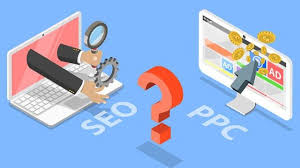
One of the main advantages of PPC is its ability to deliver immediate results. Unlike organic search engine optimisation (SEO) efforts that take time to show results, PPC campaigns can drive traffic to your website instantly. This makes it an ideal choice for businesses looking to generate leads or sales quickly.

PPC also offers precise targeting options, allowing you to tailor your ads based on factors such as location, device, interests, and more. This level of customization helps you reach the right audience with the right message, increasing the likelihood of conversions.

Maximising ROI with PPC

To make the most out of your PPC campaigns, it’s essential to monitor and optimise them regularly. By analysing data such as click-through rates, conversion rates, and cost per acquisition, you can refine your ads for better performance. Testing different ad creatives, keywords, and landing pages can help you identify what works best for your target audience.

Conclusion

In conclusion, PPC is a valuable tool that can significantly boost your digital marketing efforts. Its ability to deliver targeted traffic quickly and its flexibility in terms of budgeting and targeting options make it a must-have strategy for businesses looking to expand their online presence and drive conversions.


7 Essential Tips for Optimising PPC Campaigns in Digital Marketing

  1. 1. Conduct thorough keyword research to target relevant and high-performing keywords.
  2. 2. Create compelling ad copy that highlights unique selling points and encourages clicks.
  3. 3. Use ad extensions to provide additional information and improve ad visibility.
  4. 4. Continuously monitor and analyse campaign performance to make data-driven decisions for optimisation.
  5. 5. Implement conversion tracking to measure the effectiveness of your PPC campaigns.
  6. 6. Test different ad creatives, landing pages, and targeting strategies to identify what works best for your audience.
  7. 7. Set clear goals and KPIs to track the success of your PPC campaigns and adjust strategies accordingly.

1. Conduct thorough keyword research to target relevant and high-performing keywords.

To maximise the effectiveness of your PPC campaigns in digital marketing, it is crucial to conduct comprehensive keyword research to pinpoint relevant and high-performing keywords. By identifying the terms and phrases that your target audience is searching for, you can ensure that your ads are displayed to the right people at the right time. This strategic approach not only increases the chances of attracting qualified leads but also helps in optimising your budget by focusing on keywords that drive the most valuable traffic to your website.

2. Create compelling ad copy that highlights unique selling points and encourages clicks.

In the realm of PPC in digital marketing, a crucial tip is to create compelling ad copy that effectively showcases your unique selling points and entices users to click. By highlighting what sets your products or services apart from the competition and crafting persuasive messaging that resonates with your target audience, you can significantly increase the chances of driving clicks and conversions. Engaging ad copy that conveys value and addresses customer needs is key to capturing attention and driving traffic to your website.

3. Use ad extensions to provide additional information and improve ad visibility.

Utilising ad extensions in your PPC campaigns is a smart strategy to enhance your ad visibility and provide users with additional information about your products or services. By incorporating ad extensions such as sitelinks, callouts, and structured snippets, you can make your ads more informative and compelling. These extensions not only help in increasing the visibility of your ads on search engine results pages but also improve the overall user experience by offering relevant details upfront. Incorporating ad extensions can lead to higher click-through rates and better engagement with your target audience, ultimately boosting the effectiveness of your PPC efforts.

4. Continuously monitor and analyse campaign performance to make data-driven decisions for optimisation.

Continuously monitoring and analysing campaign performance is a crucial tip in PPC digital marketing. By regularly reviewing key metrics such as click-through rates, conversion rates, and cost per acquisition, businesses can make informed, data-driven decisions to optimise their campaigns. This approach allows for identifying areas of improvement, testing different strategies, and ultimately maximising the return on investment. Adapting and refining campaigns based on real-time data insights ensures that businesses stay agile and competitive in the ever-evolving digital landscape.

5. Implement conversion tracking to measure the effectiveness of your PPC campaigns.

Implementing conversion tracking is a crucial step in maximising the effectiveness of your PPC campaigns in digital marketing. By accurately measuring the actions taken by users after clicking on your ads, such as form submissions, purchases, or sign-ups, you can gain valuable insights into which aspects of your campaign are driving conversions. This data allows you to make informed decisions on optimising your ads, keywords, and landing pages to improve overall campaign performance and achieve better return on investment.

6. Test different ad creatives, landing pages, and targeting strategies to identify what works best for your audience.

To enhance the effectiveness of your PPC campaigns in digital marketing, it is crucial to implement Tip 6: Test different ad creatives, landing pages, and targeting strategies. By experimenting with various elements such as ad copy, visuals, calls-to-action on landing pages, and audience targeting parameters, you can gain valuable insights into what resonates most with your target audience. This iterative testing process allows you to refine your strategies based on real-time data and analytics, ultimately leading to improved campaign performance and higher conversion rates.

7. Set clear goals and KPIs to track the success of your PPC campaigns and adjust strategies accordingly.

Setting clear goals and Key Performance Indicators (KPIs) is crucial in maximising the effectiveness of your PPC campaigns in digital marketing. By defining specific objectives such as increasing website traffic, boosting conversions, or improving brand awareness, you can measure the success of your campaigns accurately. Tracking KPIs allows you to evaluate performance metrics and make informed decisions on adjusting strategies to achieve optimal results. This proactive approach ensures that your PPC efforts align with your overall marketing goals and drive tangible outcomes for your business.

ppc search engine internet marketing

Mastering the Art of PPC Search Engine Internet Marketing: A Guide to Online Success

PPC Search Engine Internet Marketing

The Power of PPC Search Engine Internet Marketing

In the realm of digital marketing, Pay-Per-Click (PPC) search engine internet marketing stands out as a powerful tool for businesses looking to boost their online presence and drive targeted traffic to their websites. PPC advertising allows businesses to bid on specific keywords relevant to their products or services and display ads on search engine results pages.

One of the key advantages of PPC advertising is its ability to deliver immediate results. Unlike organic SEO strategies that take time to yield results, PPC campaigns can generate traffic and leads almost instantly. This makes PPC an ideal choice for businesses looking to quickly increase visibility and attract potential customers.

PPC search engine internet marketing also offers precise targeting options. Advertisers can tailor their campaigns based on factors such as location, device, demographics, and even the time of day. This level of targeting ensures that ads are shown to the most relevant audience, increasing the likelihood of conversions.

Furthermore, PPC advertising provides detailed analytics and tracking capabilities. Advertisers can monitor key metrics such as click-through rates, conversion rates, and return on investment in real-time. This data allows businesses to make informed decisions about their campaigns and optimise performance for better results.

When done correctly, PPC search engine internet marketing can be a cost-effective way to drive traffic and achieve business goals. By continuously refining ad copy, targeting parameters, and bidding strategies, businesses can maximise the effectiveness of their PPC campaigns and see a significant return on investment.

In conclusion, PPC search engine internet marketing is a valuable tool for businesses seeking to enhance their online visibility and reach potential customers efficiently. With its immediate results, precise targeting options, and detailed analytics, PPC advertising offers a strategic approach to driving traffic and generating leads in the competitive digital landscape.


7 Frequently Asked Questions About PPC Search Engine Internet Marketing

  1. What is PPC search engine internet marketing?
  2. How does PPC advertising work for search engines?
  3. What are the benefits of using PPC for internet marketing?
  4. How can businesses target specific audiences with PPC campaigns?
  5. What metrics should businesses track to measure the success of their PPC campaigns?
  6. Is PPC advertising cost-effective compared to other forms of digital marketing?
  7. What are some best practices for optimising PPC campaigns for better results?

What is PPC search engine internet marketing?

PPC search engine internet marketing refers to a digital advertising strategy where businesses bid on specific keywords to display ads on search engine results pages. In this model, advertisers pay a fee each time a user clicks on their ad, hence the term “Pay-Per-Click” (PPC). This form of online marketing allows businesses to target their audience based on relevant keywords and demographics, ensuring that their ads are shown to users actively searching for products or services. With PPC search engine internet marketing, businesses can drive targeted traffic to their websites, increase brand visibility, and achieve specific marketing objectives through strategic ad placements on search engines like Google and Bing.

How does PPC advertising work for search engines?

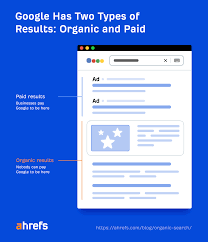
PPC advertising for search engines operates on a bidding system where businesses bid on specific keywords relevant to their products or services. When a user enters a search query that matches the chosen keywords, the search engine displays sponsored ads at the top or bottom of the search results page. Advertisers pay a fee only when their ad is clicked, hence the name “Pay-Per-Click”. The position of the ad is determined by factors such as bid amount, ad relevance, and click-through rate. This targeted approach ensures that businesses can reach potential customers actively searching for their offerings, making PPC advertising an effective strategy for driving traffic and increasing conversions.

What are the benefits of using PPC for internet marketing?

When considering the benefits of using PPC for internet marketing, businesses can harness the power of targeted advertising to reach specific audiences effectively. Through PPC campaigns, businesses can enjoy immediate visibility on search engine results pages, driving relevant traffic to their websites. The ability to control budgets and target keywords allows for a cost-effective approach, where advertisers only pay when their ads are clicked. Additionally, the detailed analytics provided by PPC platforms enable businesses to track performance metrics in real-time, allowing for continuous optimisation and improved return on investment. Overall, utilising PPC for internet marketing offers businesses a dynamic and results-driven strategy to enhance online presence and achieve marketing objectives efficiently.

How can businesses target specific audiences with PPC campaigns?

To target specific audiences with PPC campaigns, businesses can utilise a range of targeting options offered by search engine advertising platforms. These options include demographic targeting based on factors such as age, gender, and income level, as well as geographic targeting to reach audiences in specific locations. Businesses can also leverage interest-based targeting to display ads to users with particular interests or behaviours. Furthermore, remarketing allows businesses to target users who have previously interacted with their website or shown interest in their products or services. By combining these targeting methods strategically, businesses can tailor their PPC campaigns to reach the most relevant audience segments and maximise the effectiveness of their advertising efforts.

What metrics should businesses track to measure the success of their PPC campaigns?

When evaluating the success of their PPC campaigns, businesses should track a range of key metrics to gauge performance effectively. Some essential metrics include click-through rate (CTR), which indicates the percentage of users who clicked on the ad after seeing it; conversion rate, which measures the percentage of users who completed a desired action after clicking on the ad; cost per click (CPC), representing the amount paid for each click on the ad; return on investment (ROI), showing the profitability of the campaign relative to its cost; and quality score, reflecting the relevance and quality of keywords and ads. By monitoring these metrics closely, businesses can assess the effectiveness of their PPC campaigns and make data-driven decisions to optimise performance and achieve their marketing objectives.

Is PPC advertising cost-effective compared to other forms of digital marketing?

When considering the cost-effectiveness of PPC advertising compared to other forms of digital marketing, it is essential to weigh the benefits that PPC offers. PPC advertising allows businesses to have full control over their budget by setting daily or campaign-specific spending limits. This level of control ensures that advertisers only pay when their ads are clicked, making it a cost-effective option as they can track exactly how their budget is being utilised. Additionally, the precise targeting options in PPC campaigns help businesses reach their desired audience effectively, increasing the chances of conversions and maximising ROI. Overall, PPC advertising can be a highly cost-effective strategy when implemented strategically and monitored closely to optimise performance and achieve desired results.

What are some best practices for optimising PPC campaigns for better results?

When it comes to optimising PPC campaigns for better results, there are several best practices that businesses should consider implementing. Firstly, conducting thorough keyword research to identify relevant and high-performing keywords is essential. Creating compelling ad copy that is tailored to these keywords and aligns with the user’s search intent can improve click-through rates and conversions. Additionally, regularly monitoring campaign performance metrics such as click-through rates, conversion rates, and cost per acquisition allows for data-driven decision-making and enables adjustments to be made in real-time for optimal results. Testing different ad variations, targeting options, and bidding strategies can also help fine-tune campaigns for maximum effectiveness. By following these best practices and continuously refining strategies based on performance data, businesses can enhance the success of their PPC campaigns and achieve better results in driving traffic and generating leads.

seo digital marketing agency

Unlocking Success: The Power of an SEO Digital Marketing Agency

SEO Digital Marketing Agency

The Role of an SEO Digital Marketing Agency in Boosting Online Presence

In today’s digital landscape, having a strong online presence is crucial for businesses looking to succeed and grow. This is where SEO digital marketing agencies play a vital role. These agencies specialise in leveraging search engine optimisation (SEO) techniques to enhance a company’s visibility and reach online.

What Does an SEO Digital Marketing Agency Do?

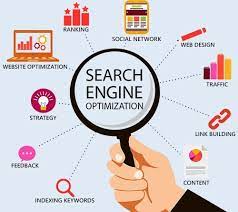
An SEO digital marketing agency works with businesses to improve their website’s ranking on search engine results pages (SERPs). By implementing various strategies such as keyword research, on-page optimisation, link building, and content creation, these agencies help websites climb the rankings and attract more organic traffic.

The Benefits of Working with an SEO Digital Marketing Agency

Collaborating with an SEO digital marketing agency offers several advantages. Firstly, it allows businesses to tap into the expertise of professionals who are well-versed in the ever-evolving world of SEO. This expertise can lead to better results and a higher return on investment.

Furthermore, working with an agency saves businesses time and resources that would otherwise be spent on trying to navigate the complexities of SEO on their own. By outsourcing their digital marketing efforts to experts, companies can focus on other core aspects of their operations.

Choosing the Right SEO Digital Marketing Agency

When selecting an SEO digital marketing agency to partner with, it is essential to consider factors such as the agency’s track record, client testimonials, and range of services offered. A reputable agency will have a proven history of delivering results for its clients and will be transparent in its communication and reporting practices.

Ultimately, by enlisting the services of an SEO digital marketing agency, businesses can improve their online visibility, attract more qualified leads, and ultimately drive growth and success in the competitive digital landscape.


Understanding SEO Digital Marketing Agencies: Key Questions and Insights

  1. What services does an SEO digital marketing agency offer?
  2. How can an SEO digital marketing agency help improve my website’s search engine ranking?
  3. What is the typical process involved when working with an SEO digital marketing agency?
  4. How long does it take to see results from SEO efforts by an agency?
  5. What sets a top-tier SEO digital marketing agency apart from others in the industry?
  6. How much does it cost to hire an SEO digital marketing agency?
  7. Can an SEO digital marketing agency assist with social media and content marketing strategies as well?

What services does an SEO digital marketing agency offer?

An SEO digital marketing agency typically offers a range of services aimed at enhancing a company’s online presence and visibility. These services may include keyword research and analysis, on-page and off-page SEO optimisation, content creation and marketing, link building, local SEO strategies, social media management, pay-per-click (PPC) advertising, website audit and analysis, and performance tracking through analytics. By employing a combination of these services tailored to each client’s specific needs, an SEO digital marketing agency helps businesses improve their search engine rankings, drive organic traffic to their websites, generate leads, and ultimately achieve their online marketing goals.

How can an SEO digital marketing agency help improve my website’s search engine ranking?

An SEO digital marketing agency can significantly enhance your website’s search engine ranking through a variety of strategic approaches. By conducting in-depth keyword research, implementing on-page optimisation techniques, creating high-quality content, and building authoritative backlinks, the agency can help boost your site’s visibility on search engine results pages. Additionally, they stay abreast of the latest algorithm updates and industry trends to ensure that your website remains competitive in the ever-evolving digital landscape. With their expertise and tailored strategies, an SEO digital marketing agency can effectively improve your website’s search engine ranking and drive organic traffic to your site.

What is the typical process involved when working with an SEO digital marketing agency?

When working with an SEO digital marketing agency, the typical process involves several key steps aimed at enhancing a company’s online presence. Initially, the agency conducts a comprehensive website audit to identify areas for improvement. This is followed by keyword research to determine the most relevant terms for targeting. Subsequently, on-page optimisation and content creation are implemented to enhance the website’s visibility on search engine results pages. Link building strategies are then employed to improve domain authority and drive organic traffic. Throughout the process, regular monitoring and analysis of performance metrics ensure that the SEO strategy is effective and continually refined for optimal results. Effective communication between the agency and the client is also crucial in ensuring alignment with business goals and objectives.

How long does it take to see results from SEO efforts by an agency?

When it comes to the question of how long it takes to see results from SEO efforts by an agency, the timeline can vary depending on various factors. Typically, SEO is a long-term strategy that requires patience and consistent effort. While some improvements may be noticeable within a few weeks, significant results such as improved rankings and increased organic traffic often take several months to materialise. The effectiveness of SEO efforts also depends on the competitiveness of the industry, the current state of the website, and the strategies implemented by the agency. It’s important for businesses to understand that SEO is an ongoing process that requires continuous monitoring and adaptation to achieve sustainable results in the ever-evolving digital landscape.

What sets a top-tier SEO digital marketing agency apart from others in the industry?

When considering what sets a top-tier SEO digital marketing agency apart from others in the industry, several key factors come into play. Firstly, top-tier agencies demonstrate a deep understanding of the latest SEO trends and algorithms, allowing them to develop cutting-edge strategies that deliver tangible results for their clients. Additionally, these agencies often have a proven track record of success, with a portfolio of satisfied clients and case studies showcasing their expertise. Furthermore, top-tier agencies prioritise transparent communication, providing clients with regular updates and detailed reports on the progress of their campaigns. Ultimately, it is the combination of expertise, results-driven approach, and commitment to client satisfaction that distinguishes a top-tier SEO digital marketing agency in a crowded marketplace.

How much does it cost to hire an SEO digital marketing agency?

When considering the cost of hiring an SEO digital marketing agency, several factors come into play. The pricing structure can vary depending on the scope of services required, the level of expertise offered by the agency, and the specific goals of the client. Some agencies may offer package deals with fixed prices, while others may tailor their services to meet individual needs, resulting in a more bespoke pricing model. It’s essential for businesses to carefully evaluate their budget and objectives when choosing an agency to ensure they find a solution that aligns with their financial resources and marketing goals.

Can an SEO digital marketing agency assist with social media and content marketing strategies as well?

Yes, an SEO digital marketing agency can certainly assist with social media and content marketing strategies. In fact, many reputable agencies offer comprehensive digital marketing services that encompass not only SEO but also social media management and content creation. By integrating SEO techniques with social media and content marketing strategies, businesses can create a cohesive and effective online presence that drives engagement, builds brand awareness, and boosts website traffic. These combined efforts help businesses reach a wider audience, improve their search engine rankings, and ultimately achieve their digital marketing goals.

seo media marketing

Unlocking the Potential of SEO Media Marketing for Online Success

SEO Media Marketing: Maximising Your Online Presence

SEO Media Marketing: Maximising Your Online Presence

In today’s digital age, having a strong online presence is crucial for the success of any business. Search engine optimisation (SEO) and social media marketing are two powerful tools that, when combined effectively, can significantly boost your visibility and engagement with your target audience.

The Power of SEO in Media Marketing

SEO is the process of optimising your website to rank higher in search engine results pages (SERPs). By incorporating relevant keywords, creating high-quality content, and building authoritative backlinks, you can improve your website’s visibility and attract more organic traffic. When it comes to media marketing, SEO plays a vital role in ensuring that your content reaches the right audience at the right time.

Enhancing Engagement Through Social Media

Social media platforms have become essential channels for businesses to connect with their target audience. Through strategic social media marketing efforts, you can engage with users, build brand awareness, and drive traffic to your website. By sharing valuable content, interacting with followers, and running targeted ad campaigns, you can leverage social media to enhance your online presence and foster meaningful relationships with customers.

Integrating SEO and Social Media Marketing

When SEO and social media marketing work hand in hand, the results can be truly transformative. By integrating SEO techniques into your social media strategy – such as using relevant keywords in your posts and optimising your profiles for search – you can increase your visibility across multiple online platforms. Additionally, sharing content that is both engaging and SEO-friendly can help improve your website’s ranking on search engines.

Conclusion

SEO media marketing is a dynamic approach that combines the best of both worlds – the technical prowess of SEO with the interactive nature of social media. By harnessing the power of these two tools together, businesses can maximise their online presence, reach a wider audience, and ultimately drive growth and success in the digital landscape.


Understanding SEO in Media Marketing: Answers to 16 Common Questions

  1. What does SEO mean?
  2. What is SEO in media marketing?
  3. What is an example of SEO marketing?
  4. What is the role of SEO in social media marketing?
  5. What are the 7 types of SEO?
  6. What is SEO in media?
  7. What is SEO and its types?
  8. What is media SEO?
  9. What is SEO and social media marketing?
  10. What is a SEO in marketing?
  11. What is Digital media SEO?
  12. What is SEO in digital media marketing?
  13. What does SEO mean in media?
  14. What is SEO in marketing?
  15. Is SEO Social Media Marketing?
  16. What is SEO for marketing?

What does SEO mean?

Search Engine Optimisation (SEO) refers to the practice of enhancing a website’s visibility and ranking on search engine results pages (SERPs). In the context of SEO media marketing, SEO plays a crucial role in ensuring that content is optimised for search engines to attract organic traffic. By incorporating relevant keywords, creating high-quality content, and building authoritative backlinks, businesses can improve their online presence and reach their target audience effectively. SEO is an essential component of any digital marketing strategy, helping websites to rank higher in search results and drive valuable organic traffic to their platforms.

What is SEO in media marketing?

SEO in media marketing refers to the strategic integration of search engine optimisation techniques within a broader media marketing strategy. In essence, SEO plays a crucial role in enhancing the visibility and reach of media marketing efforts across various online platforms. By incorporating relevant keywords, creating high-quality content, and optimising digital assets for search engines, businesses can ensure that their media marketing campaigns are not only engaging but also easily discoverable by their target audience. Ultimately, SEO in media marketing aims to maximise online presence, drive organic traffic, and improve overall brand visibility in the digital landscape.

What is an example of SEO marketing?

An example of SEO marketing is when a company optimises its website content and structure to improve its visibility in search engine results. For instance, a business selling handmade jewellery may use SEO techniques such as keyword research, meta tags optimisation, and high-quality backlinks to rank higher on search engine pages when users search for terms like “handmade jewellery” or “unique accessories.” By implementing effective SEO strategies, the company can attract more organic traffic to its website, increase brand awareness, and ultimately drive sales conversions.

What is the role of SEO in social media marketing?

The role of SEO in social media marketing is paramount in enhancing a business’s online visibility and engagement. SEO techniques, such as keyword research and content optimisation, play a crucial role in ensuring that social media posts and profiles are easily discoverable by search engines. By incorporating relevant keywords in social media content and optimising profiles for search, businesses can increase their chances of appearing in search results, driving organic traffic to their social media platforms. This integration of SEO principles into social media strategies helps businesses reach a wider audience, improve brand awareness, and ultimately boost their online presence across various digital channels.

What are the 7 types of SEO?

When it comes to SEO, there are seven main types that businesses can leverage to improve their online visibility and ranking on search engines. These include on-page SEO, off-page SEO, technical SEO, local SEO, mobile SEO, e-commerce SEO, and voice search SEO. Each type focuses on different aspects of a website’s optimisation strategy, from content and keywords to website structure and user experience. By understanding and implementing these various types of SEO effectively, businesses can enhance their online presence and attract more organic traffic to their websites.

What is SEO in media?

SEO in media refers to the application of search engine optimisation techniques within the realm of media marketing. It involves using SEO strategies to enhance the visibility and reach of media content, such as articles, videos, or social media posts. By incorporating relevant keywords, improving website structure, and increasing backlinks, SEO in media aims to improve content discoverability on search engines like Google. This helps media organisations and marketers attract more organic traffic, engage with their target audience effectively, and ultimately drive better results in terms of online visibility and engagement.

What is SEO and its types?

Search Engine Optimisation (SEO) is a fundamental digital marketing strategy aimed at enhancing a website’s visibility and ranking on search engine results pages (SERPs). SEO encompasses various types, including on-page SEO, off-page SEO, and technical SEO. On-page SEO involves optimising individual web pages with relevant content, meta tags, and keywords to improve their search engine ranking. Off-page SEO focuses on building backlinks from reputable websites to establish authority and credibility. Technical SEO involves optimising website structure, speed, and mobile-friendliness to enhance user experience and search engine crawlability. Understanding the different types of SEO is essential for developing a comprehensive strategy that boosts online visibility and drives organic traffic to websites.

What is media SEO?

Media SEO, also known as multimedia search engine optimisation, refers to the practice of optimising multimedia content such as images, videos, and audio files for search engines. Media SEO involves enhancing the visibility and accessibility of media assets on the web by incorporating relevant keywords, metadata, and descriptive tags. By implementing media SEO strategies, businesses can improve their chances of ranking higher in search engine results pages (SERPs) and attract more organic traffic to their multimedia content. This optimisation process ensures that multimedia assets are effectively indexed by search engines, making them more discoverable to users searching for related content online.

What is SEO and social media marketing?

SEO, or search engine optimisation, and social media marketing are two integral components of a successful digital marketing strategy. SEO involves techniques and practices aimed at improving a website’s visibility in search engine results pages through keyword optimisation, content creation, and link building. On the other hand, social media marketing focuses on leveraging social platforms to engage with audiences, build brand awareness, and drive traffic to websites through content sharing and targeted campaigns. When combined effectively, SEO and social media marketing work in tandem to enhance online visibility, increase engagement with target audiences, and ultimately boost a business’s online presence and success in the competitive digital landscape.

What is a SEO in marketing?

In the realm of marketing, SEO, which stands for Search Engine Optimization, plays a pivotal role in enhancing a company’s online visibility and reach. SEO in marketing refers to the strategic practice of optimising various elements of a website, such as content, keywords, and backlinks, to improve its ranking on search engine results pages. By aligning with search engine algorithms and user intent, SEO helps businesses attract organic traffic and increase their chances of being discovered by potential customers searching for relevant products or services. In essence, SEO in marketing acts as a fundamental tool for driving online growth and establishing a strong digital presence in today’s competitive landscape.

What is Digital media SEO?

Digital media SEO refers to the practice of optimising digital media content, such as images, videos, and audio files, to improve their visibility in search engine results. It involves implementing SEO strategies specific to multimedia formats to ensure that they are properly indexed and ranked by search engines. By incorporating relevant keywords, metadata, and other SEO techniques into digital media assets, businesses can enhance their online presence and attract more organic traffic. Digital media SEO plays a crucial role in increasing the discoverability of multimedia content and maximising its impact on target audiences in the competitive online landscape.

What is SEO in digital media marketing?

In the realm of digital media marketing, SEO (Search Engine Optimisation) plays a pivotal role in enhancing online visibility and driving organic traffic to websites. SEO in digital media marketing refers to the strategic process of optimising website content, structure, and keywords to improve search engine rankings. By implementing SEO best practices such as keyword research, on-page optimisation, and link building, businesses can increase their online presence and reach their target audience effectively. In essence, SEO is the cornerstone of successful digital media marketing campaigns, ensuring that websites are easily discoverable by search engines and users alike.

What does SEO mean in media?

In the realm of media marketing, the term SEO stands for Search Engine Optimisation. SEO in media refers to the strategic process of enhancing a website’s visibility and ranking on search engine results pages. By incorporating relevant keywords, creating high-quality content, and building authoritative backlinks, businesses can ensure that their media content is easily discoverable by users searching for related information online. In essence, SEO in media plays a crucial role in driving organic traffic to websites and maximising their reach and impact within the digital landscape.

What is SEO in marketing?

Search Engine Optimisation (SEO) in marketing refers to the strategic process of enhancing a website’s visibility and ranking on search engine results pages (SERPs). By utilising various techniques such as keyword research, content optimisation, and link building, SEO aims to improve a website’s organic traffic and attract relevant visitors. In the context of marketing, SEO plays a crucial role in ensuring that businesses can effectively reach their target audience online and drive engagement. Ultimately, SEO is about aligning your online presence with what users are searching for, thereby increasing visibility, credibility, and ultimately driving conversions.

Is SEO Social Media Marketing?

The question of whether SEO is social media marketing is a common one in the realm of digital marketing. While SEO (search engine optimisation) and social media marketing are distinct strategies, they are interconnected in their goal of enhancing online visibility and engagement. SEO focuses on improving website rankings in search engine results, while social media marketing revolves around promoting content and engaging with audiences on platforms like Facebook, Twitter, and Instagram. However, integrating both SEO and social media efforts can amplify the impact of each strategy, leading to a more comprehensive approach to maximising online presence and reaching target audiences effectively.

What is SEO for marketing?

SEO for marketing refers to the strategic use of search engine optimisation techniques to enhance a company’s marketing efforts. Essentially, SEO in marketing involves optimising online content, websites, and digital campaigns to improve visibility in search engine results pages (SERPs) and attract organic traffic. By incorporating relevant keywords, creating high-quality content, and building authoritative backlinks, businesses can increase their online presence and reach a wider audience. Ultimately, SEO for marketing aims to drive brand awareness, generate leads, and boost conversions by ensuring that a company’s online assets are easily discoverable by potential customers searching for relevant products or services.

seo digital

Unlocking the Potential of SEO in the Digital Age

The Power of SEO Digital Marketing

The Power of SEO Digital Marketing

In today’s digital age, having a strong online presence is crucial for businesses to succeed. Search Engine Optimization (SEO) has emerged as a powerful digital marketing strategy that can significantly impact a company’s visibility and success online.

SEO involves optimizing a website’s content, structure, and other elements to improve its ranking on search engine results pages. By enhancing a website’s SEO, businesses can attract more organic traffic, increase their online visibility, and ultimately drive more conversions.

Key Benefits of SEO Digital Marketing:

  • Increased Visibility: By implementing effective SEO strategies, businesses can improve their visibility on search engines like Google, making it easier for potential customers to find them.
  • Higher Website Traffic: Improved SEO can lead to higher organic traffic to a website, increasing the chances of generating leads and conversions.
  • Enhanced User Experience: SEO focuses on creating a seamless user experience by optimizing website speed, mobile responsiveness, and overall usability.
  • Builds Credibility and Trust: Websites that rank higher in search results are often perceived as more trustworthy and credible by users.
  • Cost-Effective Marketing Strategy: Compared to traditional marketing methods, SEO is a cost-effective way to reach a targeted audience and drive long-term results.

The Future of SEO Digital Marketing

As search engines continue to evolve and user behaviours change, staying ahead in the world of SEO is essential for businesses looking to thrive online. With the rise of voice search, mobile optimization, and AI-powered algorithms, adapting your SEO strategies accordingly is key to maintaining competitiveness in the digital landscape.

In conclusion, investing in SEO digital marketing can have a profound impact on your business’s online success. By leveraging the power of SEO techniques and staying abreast of industry trends, businesses can position themselves for sustained growth and visibility in an increasingly competitive online market.


7 Essential SEO Tips to Boost Your Website’s Digital Presence

  1. Create high-quality, relevant content for your website.
  2. Optimize your website’s meta tags, titles, and descriptions with relevant keywords.
  3. Improve your website’s loading speed for better user experience and SEO ranking.
  4. Build quality backlinks from reputable websites to increase your site’s authority.
  5. Use alt text for images to improve accessibility and keyword relevance.
  6. Regularly update and maintain your website to keep it fresh and engaging for visitors.
  7. Utilize social media platforms to promote your content and drive traffic to your website.

Create high-quality, relevant content for your website.

Creating high-quality, relevant content for your website is a fundamental tip in SEO digital marketing. By offering valuable and engaging content that resonates with your target audience, you not only enhance your website’s credibility and authority but also improve its search engine visibility. Search engines like Google prioritise websites that provide useful information to users, making content creation a vital aspect of any successful SEO strategy. By focusing on producing top-notch content that addresses the needs and interests of your audience, you can drive organic traffic to your site and establish a strong online presence in the competitive digital landscape.

Optimize your website’s meta tags, titles, and descriptions with relevant keywords.

To enhance your website’s search engine visibility and attract targeted traffic, it is crucial to optimise your meta tags, titles, and descriptions with relevant keywords. By strategically incorporating keywords that align with your content and target audience into these elements, you can improve your site’s chances of ranking higher in search results. Crafting compelling meta tags, titles, and descriptions not only helps search engines understand the context of your pages but also entices users to click through to your site. This SEO practice ensures that your website is effectively communicating its relevance to both search engines and potential visitors, ultimately driving organic traffic and boosting your online presence.

Improve your website’s loading speed for better user experience and SEO ranking.

To enhance your website’s user experience and boost its SEO ranking, focus on improving its loading speed. A fast-loading website not only provides visitors with a seamless browsing experience but also signals search engines that your site is well-optimised and user-friendly. By optimising elements such as image sizes, reducing unnecessary scripts, and leveraging browser caching, you can significantly enhance your website’s loading speed, leading to higher user engagement and improved search engine visibility. Prioritising loading speed is a key aspect of effective SEO digital strategies that can positively impact both user satisfaction and search engine rankings.

Building quality backlinks from reputable websites is a crucial tip in SEO digital marketing. By establishing links from trustworthy and authoritative sources, you can enhance your site’s credibility and authority in the eyes of search engines. These backlinks act as endorsements for your content, signalling to search algorithms that your website is a reliable source of information. As a result, your site is more likely to rank higher in search engine results pages, driving organic traffic and boosting your online visibility. Investing time and effort into acquiring quality backlinks is an effective strategy to strengthen your SEO efforts and establish a solid online presence.

Use alt text for images to improve accessibility and keyword relevance.

Utilising alt text for images is a valuable practice in SEO digital marketing. By incorporating descriptive alt text, not only do you enhance the accessibility of your website for visually impaired users, but you also improve keyword relevance for search engines. Alt text provides search engines with context about the images on your site, helping to boost your SEO efforts and overall visibility online. By optimising images with relevant alt text, you can enhance user experience, increase organic traffic, and strengthen your website’s overall performance in search engine results pages.

Regularly update and maintain your website to keep it fresh and engaging for visitors.

To maximise the effectiveness of your SEO digital strategy, it is crucial to regularly update and maintain your website. By keeping your site fresh with new content, updated information, and engaging features, you not only enhance user experience but also signal to search engines that your website is active and relevant. This proactive approach not only attracts visitors but also boosts your search engine rankings, ensuring that your website remains competitive and impactful in the ever-evolving online landscape.

Utilize social media platforms to promote your content and drive traffic to your website.

Utilising social media platforms is a valuable tip in SEO digital marketing. By actively promoting your content across platforms such as Facebook, Twitter, and Instagram, you can effectively drive traffic to your website. Engaging with your audience on social media not only increases brand visibility but also encourages users to visit your site, boosting overall online presence and potentially leading to higher conversion rates. Integrating social media into your SEO strategy is a powerful way to enhance reach and engagement with your target audience in the digital landscape.

ecommerce ppc management

Mastering Ecommerce PPC Management Strategies for Online Success

The Power of Ecommerce PPC Management

The Power of Ecommerce PPC Management

In the competitive world of ecommerce, Pay-Per-Click (PPC) advertising has become a vital tool for businesses looking to boost their online presence and drive sales. Ecommerce PPC management involves the strategic planning and execution of paid advertising campaigns to attract potential customers and increase conversions.

Benefits of Ecommerce PPC Management

Effective ecommerce PPC management offers a multitude of benefits for online retailers:

  • Increased Visibility: PPC ads allow your products to appear at the top of search engine results pages, enhancing visibility and attracting more clicks.
  • Targeted Advertising: With PPC, you can target specific demographics, locations, and keywords to reach your ideal audience, resulting in higher-quality leads.
  • Cost-Effective Results: Pay only when users click on your ads, ensuring that your marketing budget is spent efficiently on potential customers who are actively interested in your products.
  • Quick Results: Unlike organic SEO efforts that take time to yield results, PPC campaigns can generate immediate traffic and conversions for your ecommerce store.
  • Data-Driven Insights: Ecommerce PPC management provides valuable data on ad performance, user behaviour, and conversion rates, allowing you to make informed decisions to optimise your campaigns.

Key Strategies for Successful Ecommerce PPC Management

To maximise the effectiveness of your ecommerce PPC campaigns, consider implementing the following strategies:

  1. Keyword Research: Identify relevant keywords that align with your products and target audience to improve ad targeting and visibility.
  2. Compelling Ad Copy: Craft engaging ad copy that highlights unique selling points and encourages users to click through to your ecommerce site.
  3. Landing Page Optimisation: Create dedicated landing pages that are tailored to specific ads, providing a seamless user experience and increasing conversion rates.
  4. A/B Testing: Experiment with different ad variations, keywords, and targeting options to identify what resonates best with your audience and drives optimal results.
  5. Conversion Tracking: Implement tracking tools to monitor conversions and ROI from your PPC campaigns, enabling you to refine strategies for better performance.

In Conclusion

Ecommerce PPC management is a powerful tool for online retailers seeking to enhance their digital marketing efforts and drive sales. By leveraging targeted advertising strategies, data-driven insights, and continuous optimisation techniques, businesses can achieve significant growth in their ecommerce ventures through effective PPC campaigns.


Mastering Ecommerce PPC: 7 Essential Tips for Effective Campaign Management

  1. 1. Conduct thorough keyword research to target relevant search terms.
  2. 2. Create compelling ad copy that highlights unique selling points.
  3. 3. Utilise ad extensions to provide additional information and increase visibility.
  4. 4. Monitor performance regularly and adjust bids based on data analysis.
  5. 5. Test different ad variations to optimise for higher click-through rates.
  6. 6. Implement conversion tracking to measure the effectiveness of your campaigns.
  7. 7. Consider remarketing strategies to target users who have previously visited your website.

1. Conduct thorough keyword research to target relevant search terms.

To maximise the success of your ecommerce PPC campaigns, it is crucial to conduct comprehensive keyword research to pinpoint and target relevant search terms. By identifying the specific keywords that align with your products and resonate with your target audience, you can enhance the effectiveness of your ads and increase visibility on search engine results pages. Strategic keyword research lays the foundation for precise ad targeting, driving quality traffic to your ecommerce site and ultimately boosting conversions.

2. Create compelling ad copy that highlights unique selling points.

To maximise the effectiveness of your ecommerce PPC campaigns, it is crucial to create compelling ad copy that emphasises your unique selling points. By crafting engaging and persuasive content that showcases what sets your products or services apart from competitors, you can capture the attention of potential customers and entice them to click on your ads. Highlighting key benefits, special offers, or exclusive features in your ad copy can help differentiate your brand in a crowded marketplace and drive higher click-through rates and conversions.

3. Utilise ad extensions to provide additional information and increase visibility.

To enhance the effectiveness of your ecommerce PPC campaigns, it is crucial to utilise ad extensions effectively. By incorporating ad extensions, you can provide potential customers with additional information such as contact details, location links, pricing, and more. This not only improves the visibility of your ads but also enriches the user experience by offering relevant details upfront. Utilising ad extensions can help differentiate your ads from competitors and increase the likelihood of capturing the attention of your target audience, ultimately driving more traffic and conversions to your ecommerce website.

4. Monitor performance regularly and adjust bids based on data analysis.

To ensure the success of your ecommerce PPC campaigns, it is crucial to monitor performance regularly and adjust bids based on data analysis. By keeping a close eye on key metrics such as click-through rates, conversion rates, and cost per acquisition, you can identify trends and opportunities for improvement. Analyzing this data allows you to make informed decisions about bid adjustments, ensuring that your budget is allocated effectively towards keywords and ads that drive the best results. Regular monitoring and bid adjustments based on data analysis are essential steps in maximising the ROI of your ecommerce PPC efforts.

5. Test different ad variations to optimise for higher click-through rates.

To enhance the performance of your ecommerce PPC campaigns, it is crucial to implement Tip 5: Test different ad variations to optimise for higher click-through rates. By experimenting with diverse ad copies, visuals, and calls-to-action, you can identify which elements resonate best with your target audience and drive increased engagement. Through continuous testing and analysis of ad variations, you can refine your strategies to maximise click-through rates and ultimately boost conversions for your online store.

6. Implement conversion tracking to measure the effectiveness of your campaigns.

Implementing conversion tracking is a crucial step in ecommerce PPC management. By setting up tracking tools, businesses can accurately measure the impact and success of their advertising campaigns. Tracking conversions allows you to gain valuable insights into which ads are driving the most profitable results, enabling you to make informed decisions on where to allocate your budget for maximum ROI. This data-driven approach not only helps in evaluating campaign performance but also empowers you to refine strategies and optimise future campaigns for better outcomes.

7. Consider remarketing strategies to target users who have previously visited your website.

When delving into ecommerce PPC management, it is essential to consider implementing remarketing strategies to target users who have previously visited your website. By retargeting these users with tailored ads based on their past interactions with your site, you can effectively re-engage them and encourage return visits or conversions. Remarketing helps reinforce brand awareness, builds trust, and increases the likelihood of converting potential customers who have already shown interest in your products or services. This targeted approach can significantly enhance the effectiveness of your PPC campaigns and drive higher ROI in the competitive ecommerce landscape.

local seo marketing agency

Unlocking Success: The Essential Role of a Local SEO Marketing Agency

The Power of Local SEO Marketing Agencies

The Power of Local SEO Marketing Agencies

In today’s digital age, having a strong online presence is crucial for businesses to succeed. This is where local SEO marketing agencies play a vital role in helping businesses connect with their local audience and stand out in the competitive online landscape.

What is Local SEO?

Local SEO focuses on optimising a business’s online presence to attract more local customers. It involves strategies such as creating location-specific content, managing online reviews, and ensuring accurate business listings across various online platforms.

Benefits of Hiring a Local SEO Marketing Agency

Targeted Approach: A local SEO marketing agency understands the nuances of local search and can tailor strategies to target specific geographical areas where your potential customers are located.

Increased Visibility: By optimising your website for local search terms, a local SEO agency can help your business appear in relevant local search results, increasing visibility and driving more organic traffic.

Reputation Management: Managing online reviews and maintaining a positive online reputation is crucial for attracting local customers. A local SEO agency can help monitor and improve your online reputation effectively.

Cost-Effective Marketing: Local SEO is a cost-effective marketing strategy compared to traditional advertising methods. By investing in local SEO services, businesses can reach their target audience without breaking the bank.

Choosing the Right Local SEO Marketing Agency

When selecting a local SEO marketing agency, it’s essential to consider their experience, track record, and understanding of your industry. Look for agencies that offer customised strategies tailored to your business goals and have a proven history of delivering results for their clients.

In Conclusion

A reputable local SEO marketing agency can be a valuable partner in helping your business thrive in the digital world. By implementing effective local SEO strategies, businesses can boost their online visibility, attract more local customers, and ultimately drive growth and success.


Top 6 Tips for Enhancing Local SEO with a Marketing Agency

  1. Optimise your Google My Business listing with accurate information and high-quality images.
  2. Create locally-focused content on your website to target specific geographical areas.
  3. Encourage satisfied customers to leave positive reviews on Google and other relevant platforms.
  4. Utilise local keywords in your website content, meta tags, and headings to improve local search rankings.
  5. Engage with the local community by participating in events, sponsoring local causes, or collaborating with other businesses.
  6. Monitor your online presence regularly and make adjustments based on performance data and customer feedback.

Optimise your Google My Business listing with accurate information and high-quality images.

To maximise the impact of your local SEO marketing efforts, it is essential to optimise your Google My Business listing with precise details and compelling visuals. By providing accurate information such as your business address, phone number, operating hours, and services offered, you enhance your online visibility and make it easier for potential customers to find and engage with your business. Additionally, high-quality images showcasing your products, services, and premises can help create a positive first impression and attract more local customers to choose your business over competitors. Investing time in refining your Google My Business listing can significantly boost your local search rankings and drive more traffic to your website or physical location.

Create locally-focused content on your website to target specific geographical areas.

To enhance your local SEO strategy, consider creating locally-focused content on your website to target specific geographical areas. By incorporating location-specific keywords, addressing local interests, and highlighting community events or news, you can effectively connect with your target audience in those areas. This approach not only boosts your visibility in local search results but also establishes your business as a relevant and valuable resource for customers in those specific regions.

Encourage satisfied customers to leave positive reviews on Google and other relevant platforms.

Encouraging satisfied customers to leave positive reviews on Google and other relevant platforms is a powerful strategy for enhancing your local SEO efforts. Positive reviews not only build credibility and trust with potential customers but also contribute to improved search engine rankings. By actively seeking feedback from satisfied clients and guiding them to share their positive experiences online, businesses can strengthen their online reputation, attract more local customers, and ultimately boost their visibility in local search results.

Utilise local keywords in your website content, meta tags, and headings to improve local search rankings.

To enhance your local search rankings, it is essential to incorporate local keywords strategically throughout your website content, meta tags, and headings. By utilising specific keywords that reflect your business’s location and services, you can signal to search engines the relevance of your website to local searches. This practice not only helps improve your visibility in local search results but also increases the likelihood of attracting potential customers in your target area. Consistent use of local keywords demonstrates to search engines that your business is closely tied to a particular geographical location, boosting its credibility and authority in local searches.

Engage with the local community by participating in events, sponsoring local causes, or collaborating with other businesses.

Engaging with the local community is a powerful strategy for enhancing your local SEO efforts. By actively participating in events, sponsoring local causes, or collaborating with other businesses in the community, you not only strengthen your brand presence but also build valuable connections with potential customers. This involvement demonstrates your commitment to the local area and can lead to increased visibility, positive word-of-mouth referrals, and ultimately, a stronger online presence that resonates with your target audience.

Monitor your online presence regularly and make adjustments based on performance data and customer feedback.

Monitoring your online presence regularly and making adjustments based on performance data and customer feedback is a crucial tip for maximising the effectiveness of a local SEO marketing agency. By staying vigilant and responsive to changes in online visibility, businesses can adapt their strategies to better reach their target audience. Performance data provides valuable insights into what is working well and what areas need improvement, while customer feedback offers direct input on how the business is perceived online. By incorporating these insights into their approach, businesses can continuously enhance their local SEO efforts and stay ahead in the competitive digital landscape.

digital seo agency

Unlocking Success: The Power of a Digital SEO Agency in Boosting Online Visibility

The Role of a Digital SEO Agency in Boosting Online Presence

The Role of a Digital SEO Agency in Boosting Online Presence

In today’s digital landscape, having a strong online presence is crucial for businesses looking to succeed and grow. This is where digital SEO agencies play a vital role. A digital SEO agency specialises in improving a company’s visibility on search engines like Google, ultimately driving more organic traffic to their website.

What Does a Digital SEO Agency Do?

A digital SEO agency employs a range of strategies to enhance a company’s online presence. This includes:

  • Keyword Research: Identifying relevant keywords that potential customers use to search for products or services.
  • On-Page Optimization: Optimising website content, meta tags, and images to improve search engine rankings.
  • Link Building: Acquiring high-quality backlinks from reputable websites to boost domain authority.
  • Content Creation: Developing engaging and informative content that attracts and retains website visitors.
  • Analytics and Reporting: Monitoring website performance and providing insights on key metrics to drive continuous improvement.

The Benefits of Hiring a Digital SEO Agency

By partnering with a digital SEO agency, businesses can enjoy numerous benefits, including:

  • Increased Website Traffic: Improved search engine rankings lead to more organic traffic visiting the website.
  • Enhanced Brand Visibility: Ranking higher on search engine results pages increases brand visibility and credibility.
  • Better User Experience: Optimised websites provide users with a seamless browsing experience, leading to higher engagement and conversions.
  • Metric-Driven Results: Digital SEO agencies track performance metrics to demonstrate the effectiveness of their strategies and make data-driven decisions for ongoing improvements.

In Conclusion

A digital SEO agency plays a critical role in helping businesses navigate the complexities of online visibility and search engine optimisation. By leveraging their expertise and tailored strategies, businesses can achieve significant growth in their online presence, attract more customers, and ultimately drive success in the competitive digital landscape.


Top 19 FAQs About Digital SEO Agencies: Costs, Services, and Choosing the Best

  1. What should an SEO agency do?
  2. What is the cost of SEO?
  3. How much does it cost to hire an SEO company?
  4. How much does it cost to hire an SEO agency?
  5. What company has the best SEO?
  6. How much does SEO cost in Dubai?
  7. What is a digital web agency?
  8. What is digital media SEO?
  9. Are SEO agencies profitable?
  10. What does a digital branding agency do?
  11. Is starting a digital agency worth it?
  12. How much does an SEO agency charge?
  13. What is SEO digital marketing agency?
  14. What do SEO agencies charge?
  15. How much does it cost for SEO?
  16. What is digital business in SEO?
  17. How much is SEO per month?
  18. Is an SEO agency worth it?
  19. Who are the best SEO agencies in the UK?

What should an SEO agency do?

When considering what an SEO agency should do, it is essential to understand that their primary role is to enhance a company’s online visibility and improve its search engine rankings. An SEO agency should conduct thorough keyword research, implement on-page optimization techniques, build high-quality backlinks, create engaging content, and provide detailed analytics and reporting. By employing these strategies effectively, an SEO agency can drive organic traffic to a website, increase brand visibility, enhance user experience, and deliver measurable results that contribute to the overall success of a business in the digital realm.

What is the cost of SEO?

When considering the cost of SEO services provided by a digital SEO agency, it is essential to understand that pricing can vary depending on various factors. The cost of SEO is influenced by the scope of services required, the competitiveness of the industry, the size of the website, and the goals of the business. Typically, SEO services can be offered as one-time projects or ongoing monthly retainer packages. While some agencies may provide fixed pricing plans, others tailor their services and costs based on individual client needs. It is crucial for businesses to discuss their specific requirements with a digital SEO agency to receive a customised quote that aligns with their budget and objectives.

How much does it cost to hire an SEO company?

One of the most frequently asked questions regarding SEO companies is, “How much does it cost to hire an SEO company?” The cost of hiring an SEO company can vary significantly depending on various factors such as the scope of services required, the competitiveness of the industry, the size of the business, and the experience level of the SEO agency. Some SEO companies offer fixed-price packages, while others provide customised solutions tailored to specific business needs. It is essential for businesses to consider their budget and goals carefully when selecting an SEO company to ensure they receive a cost-effective solution that delivers tangible results in enhancing their online presence and driving organic traffic to their website.

How much does it cost to hire an SEO agency?

One of the most frequently asked questions regarding SEO agencies is, “How much does it cost to hire an SEO agency?” The cost of hiring an SEO agency can vary significantly depending on various factors such as the scope of services required, the competitiveness of the industry, the size of the business, and the experience level of the agency. Generally, SEO services are offered through different pricing models, including monthly retainers, project-based fees, or performance-based pricing. It is essential for businesses to consider their budget and goals when selecting an SEO agency to ensure they receive a tailored strategy that delivers a strong return on investment in enhancing their online presence.

What company has the best SEO?

When it comes to determining which company has the best SEO, the answer is not straightforward. The effectiveness of SEO strategies can vary depending on various factors such as industry, target audience, and competition. Different companies excel in different aspects of SEO, making it essential for businesses to assess their specific needs and goals before selecting an SEO agency. It is advisable to look for a reputable digital SEO agency with a proven track record of delivering results tailored to the unique requirements of each client. Conducting thorough research and seeking recommendations can help businesses identify a company that aligns with their objectives and can drive significant improvements in their online visibility and search engine rankings.

How much does SEO cost in Dubai?

When considering the cost of SEO services in Dubai, it is essential to understand that pricing can vary depending on several factors. The cost of SEO in Dubai is influenced by the scope of services required, the competitiveness of the industry, the goals of the campaign, and the expertise of the digital SEO agency selected. Typically, SEO costs in Dubai can range from affordable packages for small businesses to more comprehensive strategies for larger enterprises. It is advisable for businesses to consult with reputable SEO agencies in Dubai to receive tailored quotes based on their specific needs and objectives.

What is a digital web agency?

A digital web agency is a specialised firm that focuses on providing a range of digital services to help businesses establish and enhance their online presence. These agencies typically offer services such as website design, development, search engine optimisation (SEO), digital marketing, and more. A digital web agency combines creative design expertise with technical skills to create visually appealing and functional websites that are optimised for search engines and user experience. By leveraging the latest technologies and industry best practices, a digital web agency helps businesses effectively reach their target audience and achieve their online goals in today’s competitive digital landscape.

What is digital media SEO?

Digital media SEO refers to the practice of optimising digital media content, such as images, videos, and audio files, to improve their visibility and ranking on search engine results pages. In essence, digital media SEO involves applying search engine optimisation techniques to multimedia elements to enhance their discoverability by online users. By implementing strategies like keyword optimisation, metadata enhancement, and proper tagging, digital media SEO aims to increase the chances of multimedia content being found and accessed by a wider audience online. This process is essential for maximising the reach and impact of digital media assets in today’s competitive online landscape.

Are SEO agencies profitable?

The profitability of SEO agencies can vary depending on various factors such as the size of the agency, the quality of services offered, client retention rates, and market competition. Successful SEO agencies that deliver tangible results to their clients and maintain strong relationships often find themselves to be profitable ventures. By providing effective SEO strategies that drive organic traffic, improve search engine rankings, and ultimately boost client revenue, SEO agencies can prove to be a valuable investment for businesses looking to enhance their online presence and achieve long-term success in the digital realm.

What does a digital branding agency do?

A digital branding agency specialises in crafting and enhancing a company’s online identity to resonate with its target audience. These agencies work on developing a cohesive brand image across various digital platforms, including websites, social media, and online advertising. They focus on creating a strong brand presence that reflects the company’s values, mission, and unique selling points. Through strategic branding initiatives such as logo design, brand messaging, and visual storytelling, a digital branding agency helps businesses establish a memorable and compelling brand identity that sets them apart in the competitive digital landscape.

Is starting a digital agency worth it?

The decision to start a digital agency is a significant one that requires careful consideration. While the digital landscape offers vast opportunities for growth and success, it also presents challenges that aspiring agency owners must be prepared to navigate. Factors such as industry competition, evolving technology trends, client acquisition, and operational costs all play a crucial role in determining the worth of starting a digital agency. Success in this field often hinges on a combination of expertise, innovation, adaptability, and a strong business acumen. Ultimately, those willing to invest time, effort, and resources into building a reputable digital agency have the potential to reap rewards in terms of creative fulfilment, financial stability, and professional growth.

How much does an SEO agency charge?

When it comes to the question of how much an SEO agency charges, the answer can vary depending on several factors. SEO agencies typically offer a range of pricing structures, including monthly retainers, project-based fees, or hourly rates. The cost of hiring an SEO agency is influenced by the scope of work required, the competitiveness of the industry, the size of the website, and the level of expertise provided by the agency. It’s essential for businesses to consider not just the cost but also the value and results that an SEO agency can deliver in terms of improving online visibility, driving traffic, and ultimately increasing revenue. Transparency in pricing and clear communication about services offered are key aspects that businesses should look for when selecting an SEO agency to ensure a mutually beneficial partnership.

What is SEO digital marketing agency?

A digital SEO marketing agency is a specialised firm that focuses on improving a company’s online visibility and driving organic traffic to its website through search engine optimisation (SEO) strategies. These agencies employ tactics such as keyword research, on-page optimisation, content creation, and link building to enhance a brand’s presence on search engine results pages. By utilising data-driven techniques and industry expertise, SEO digital marketing agencies help businesses increase their online reach, improve brand awareness, and ultimately drive conversions in the competitive digital landscape.

What do SEO agencies charge?

When it comes to the question of what SEO agencies charge, the pricing can vary depending on several factors. SEO agencies typically offer a range of pricing models, including monthly retainers, project-based fees, or hourly rates. The cost of SEO services is influenced by the scope of work required, the competitiveness of the industry, the size of the website, and the level of expertise provided by the agency. It’s essential for businesses to discuss their specific needs with SEO agencies to receive accurate quotes tailored to their goals and budget constraints. Transparency in pricing and clear communication about services rendered are key factors in establishing a successful partnership between businesses and SEO agencies.

How much does it cost for SEO?

When considering the cost of SEO services provided by a digital SEO agency, it is essential to understand that pricing can vary significantly depending on various factors. These factors may include the scope of the project, the competitiveness of the industry, the specific goals and objectives of the client, and the level of expertise and services offered by the agency. Typically, SEO services are tailored to meet the unique needs of each client, and pricing structures may range from monthly retainers to one-time project fees. It is advisable for businesses to engage in consultations with digital SEO agencies to discuss their requirements and receive customised quotes that align with their budget and desired outcomes.

What is digital business in SEO?

In the realm of SEO, digital business refers to the online activities and operations of a company within the context of search engine optimisation. Digital business in SEO encompasses the use of various digital marketing strategies, such as content creation, website optimisation, and link building, to enhance a company’s online presence and visibility in search engine results. By leveraging SEO techniques tailored to digital business practices, companies can effectively reach their target audience, drive organic traffic to their website, and ultimately achieve their online marketing goals.

How much is SEO per month?

When it comes to the question of “How much is SEO per month?” the answer can vary significantly depending on several factors. The cost of SEO services from a digital SEO agency is influenced by the scope of work required, the competitiveness of the industry, the size of the website, and the specific goals of the business. Typically, SEO pricing can range from a few hundred to several thousand pounds per month. It’s essential for businesses to understand that investing in quality SEO services can yield long-term benefits in terms of increased website traffic, improved search engine rankings, and ultimately, a higher return on investment. Consulting with a reputable digital SEO agency can provide a tailored quote based on individual business needs and objectives.

Is an SEO agency worth it?

When considering whether an SEO agency is worth investing in, it’s important to weigh the potential benefits against the costs. An SEO agency can provide expertise, experience, and tailored strategies that may not be readily available in-house. By improving search engine rankings, increasing organic traffic, and enhancing online visibility, an SEO agency can help businesses reach a wider audience and drive growth. Ultimately, the value of an SEO agency lies in its ability to deliver measurable results and contribute to long-term success in the competitive digital landscape.

Who are the best SEO agencies in the UK?

When seeking the best SEO agencies in the UK, it is essential to consider factors such as expertise, track record, and client testimonials. Several top SEO agencies in the UK have established a reputation for delivering exceptional results through tailored strategies and innovative approaches. Conducting thorough research and requesting consultations can help businesses identify the best SEO agency that aligns with their specific goals and objectives. Ultimately, the best SEO agency for one business may not necessarily be the best for another, as individual needs and requirements vary.

seo digital agency

Maximising Online Presence: The Role of a Leading SEO Digital Agency

The Role of SEO Digital Agencies in Boosting Online Visibility

The Role of SEO Digital Agencies in Boosting Online Visibility

In today’s digital age, having a strong online presence is crucial for businesses to succeed. With millions of websites competing for attention, standing out from the crowd can be a daunting task. This is where SEO digital agencies come into play.

SEO (Search Engine Optimization) is the practice of enhancing a website’s visibility on search engine results pages. A well-executed SEO strategy can significantly improve a website’s ranking, driving organic traffic and increasing brand awareness.

SEO digital agencies specialise in helping businesses navigate the complex world of search engine algorithms and online visibility. These agencies employ a team of experts who are well-versed in the latest SEO techniques and best practices.

Services Offered by SEO Digital Agencies:

  • Keyword Research: Identifying relevant keywords that potential customers are searching for.
  • On-Page Optimization: Optimising website content, meta tags, and images for search engines.
  • Off-Page Optimization: Building quality backlinks to improve website authority.
  • Content Creation: Developing high-quality, SEO-friendly content to engage users and boost rankings.
  • Analytics and Reporting: Monitoring website performance and providing insights for continuous improvement.

By partnering with an SEO digital agency, businesses can benefit from tailored strategies that align with their goals and target audience. These agencies work closely with clients to understand their unique needs and develop customised solutions that deliver tangible results.

The impact of effective SEO cannot be overstated. Improved search engine rankings can lead to increased website traffic, higher conversion rates, and ultimately, greater revenue. In today’s competitive landscape, investing in professional SEO services is essential for long-term success.

If you’re looking to enhance your online visibility and drive growth for your business, consider partnering with an experienced SEO digital agency. With their expertise and dedication to achieving results, you can take your online presence to new heights and stay ahead of the competition.


21 Common Questions About SEO Digital Agencies Answered

  1. What services do SEO agencies provide?
  2. What should an SEO agency do?
  3. Why SEO agency is important?
  4. What is an SEO agency do?
  5. Who is the owner of SEO?
  6. What services do SEO agencies offer?
  7. How much does it cost to hire an SEO agency?
  8. What is a SEO agency?
  9. How do I find an SEO agency?
  10. What does SEO do in digital marketing?
  11. Who is the World No 1 SEO expert?
  12. Should I hire a agency for SEO?
  13. What is SEO in Pakistan?
  14. What does an SEO agency do?
  15. Who is the best SEO agency?
  16. How can I get SEO clients for my digital marketing agency?
  17. Who are the best SEO agencies?
  18. What is eCommerce SEO agency?
  19. What is an SEO agency?
  20. What is a SEO digital marketing agency?
  21. What is SEO digital marketing agency?

What services do SEO agencies provide?

SEO agencies provide a wide range of services aimed at improving a website’s visibility and search engine ranking. These services typically include keyword research to identify relevant terms, on-page optimization to enhance website content and structure, off-page optimization to build quality backlinks, content creation to engage users and boost rankings, as well as analytics and reporting to track performance and make data-driven decisions. SEO agencies work closely with clients to develop customised strategies that align with their business goals and target audience, ultimately driving organic traffic, increasing brand awareness, and improving online presence.

What should an SEO agency do?

When considering what an SEO agency should do, it is essential to understand that their primary role is to improve a website’s visibility and search engine rankings through strategic tactics and best practices. An SEO agency should conduct thorough keyword research, optimise on-page and off-page elements, create high-quality content, build authoritative backlinks, and provide regular analytics and reporting to track performance. Ultimately, the goal of an SEO agency is to drive organic traffic to a website, enhance user experience, and generate tangible results that contribute to the overall success of a business in the digital landscape.

Why SEO agency is important?

In the digital landscape, the importance of an SEO agency cannot be overstated. An SEO agency plays a pivotal role in enhancing a business’s online visibility and driving organic traffic to its website. By implementing strategic SEO techniques, such as keyword research, on-page optimisation, and content creation, an SEO agency helps businesses climb the search engine rankings and reach their target audience effectively. With the vast majority of online experiences beginning with a search engine query, investing in an SEO agency is crucial for businesses looking to increase brand awareness, generate leads, and ultimately boost revenue in today’s competitive online market.

What is an SEO agency do?

An SEO agency plays a pivotal role in helping businesses improve their online visibility and reach through strategic search engine optimisation techniques. These agencies are dedicated to enhancing a website’s ranking on search engine results pages by implementing various SEO practices such as keyword research, on-page and off-page optimisation, content creation, and analytics monitoring. By partnering with an SEO agency, businesses can benefit from expert guidance and customised strategies tailored to their specific goals, ultimately driving organic traffic, boosting brand awareness, and increasing overall online presence for long-term success in the digital landscape.

Who is the owner of SEO?

The question “Who is the owner of SEO?” is a common misconception in the realm of digital marketing. SEO, which stands for Search Engine Optimization, is not owned by any individual or entity. Instead, SEO is a set of practices and strategies aimed at improving a website’s visibility on search engine results pages. Businesses and website owners often collaborate with SEO experts or agencies to implement effective SEO techniques and enhance their online presence. Understanding that SEO is a dynamic field that requires continuous adaptation and expertise can help businesses make informed decisions when seeking to improve their search engine rankings.

What services do SEO agencies offer?

SEO agencies offer a comprehensive range of services aimed at improving a website’s visibility and search engine rankings. These services typically include keyword research to identify relevant search terms, on-page optimization to enhance website content and structure, off-page optimization to build quality backlinks, content creation to engage users and boost rankings, as well as analytics and reporting to monitor performance and provide insights for continuous improvement. By leveraging these services, SEO agencies help businesses increase organic traffic, improve brand awareness, and ultimately drive growth in the digital landscape.

How much does it cost to hire an SEO agency?

When considering the cost of hiring an SEO agency, it’s important to understand that pricing can vary significantly depending on the scope of services required, the size of your business, and the competitiveness of your industry. SEO agencies typically offer a range of pricing models, including monthly retainers, project-based fees, and performance-based pricing. Factors such as the complexity of your website, the number of keywords targeted, and the level of competition in your market all play a role in determining the cost. It’s advisable to request quotes from multiple SEO agencies and carefully evaluate their proposals to ensure you’re getting value for your investment in improving your online visibility and driving business growth.

What is a SEO agency?

A SEO agency, short for Search Engine Optimization agency, is a professional service provider that specialises in improving a website’s visibility on search engine results pages. These agencies employ experts in the field of SEO who utilise various strategies and techniques to enhance a website’s ranking and attract organic traffic. From keyword research to on-page and off-page optimization, a SEO agency works diligently to help businesses increase their online presence, reach their target audience effectively, and ultimately drive growth and success in the digital landscape.

How do I find an SEO agency?

When searching for an SEO agency, it is essential to consider several key factors to ensure you find the right fit for your business needs. Begin by conducting thorough research to identify reputable SEO agencies with a proven track record of success. Look for agencies that specialise in your industry or have experience working with businesses similar to yours. Reading client testimonials and case studies can provide valuable insights into an agency’s capabilities and results. Additionally, schedule consultations with potential agencies to discuss your goals, budget, and expectations to determine if their approach aligns with your objectives. By taking a strategic and informed approach to selecting an SEO agency, you can establish a productive partnership that drives significant improvements in your online visibility and digital marketing efforts.

What does SEO do in digital marketing?

In the realm of digital marketing, SEO plays a pivotal role in enhancing a brand’s online visibility and driving organic traffic to its website. Search Engine Optimization (SEO) involves a set of strategies and techniques aimed at improving a website’s search engine ranking. By optimising various aspects such as content, keywords, meta tags, and backlinks, SEO helps websites appear higher in search engine results pages (SERPs). This increased visibility not only attracts more visitors but also boosts brand awareness and credibility. Ultimately, SEO in digital marketing acts as a powerful tool to attract targeted audiences, generate leads, and foster long-term growth for businesses online.

Who is the World No 1 SEO expert?

In the realm of SEO digital agencies, the question of who holds the title of the world’s number one SEO expert often arises. While there may not be a definitive answer to this query, the industry recognises several highly skilled professionals who have made significant contributions to the field. These experts possess a deep understanding of search engine algorithms, keyword research, and content optimisation, allowing them to drive remarkable results for their clients. Ultimately, the title of the world’s top SEO expert may vary depending on individual perspectives and criteria, but it is clear that expertise and experience play vital roles in shaping this distinction within the dynamic landscape of search engine optimisation.

Should I hire a agency for SEO?

When considering whether to hire an agency for SEO, it’s essential to weigh the benefits against the resources required for effective search engine optimisation. SEO is a multifaceted and continuously evolving discipline that demands expertise, time, and dedication to yield meaningful results. By engaging a specialised SEO agency, businesses can leverage the skills of professionals who stay abreast of industry trends, algorithms, and best practices. This partnership can lead to enhanced online visibility, increased organic traffic, and improved search engine rankings – all crucial components for success in today’s digital landscape. Ultimately, investing in an SEO agency can be a strategic decision to propel your online presence forward and achieve sustainable growth.

What is SEO in Pakistan?

SEO in Pakistan refers to the practice of optimising websites to improve their visibility on search engine results pages specifically within the context of the Pakistani online market. SEO techniques tailored for Pakistan take into account local search trends, language preferences, and cultural nuances to effectively reach and engage the target audience in the region. By implementing SEO strategies that resonate with Pakistani users and align with search engine algorithms, businesses can enhance their online presence, attract relevant traffic, and increase their competitiveness in the digital landscape of Pakistan.

What does an SEO agency do?

An SEO agency plays a crucial role in enhancing a website’s visibility and ranking on search engine results pages. These agencies employ a team of experts who specialise in various aspects of search engine optimisation, including keyword research, on-page and off-page optimization, content creation, and analytics. By implementing tailored strategies based on the client’s goals and target audience, an SEO agency works to improve website traffic, increase brand awareness, and drive organic growth. Through continuous monitoring and adaptation to algorithm changes, an SEO agency ensures that clients stay ahead in the competitive online landscape.

Who is the best SEO agency?

When it comes to the question of “Who is the best SEO agency?”, the answer may vary depending on specific needs and objectives. The best SEO agency for one business may not necessarily be the best for another. Factors such as industry expertise, track record of success, client testimonials, and customised strategies play a significant role in determining the ideal SEO agency. It is essential for businesses to conduct thorough research, evaluate different agencies based on their offerings and capabilities, and choose a partner that aligns closely with their goals to achieve optimal results in boosting online visibility and driving growth.

How can I get SEO clients for my digital marketing agency?

One of the most frequently asked questions in the realm of SEO digital agencies is, “How can I acquire SEO clients for my digital marketing agency?” Securing SEO clients requires a strategic approach that combines effective marketing tactics with a deep understanding of client needs. Building a strong online presence through targeted content marketing, social media engagement, and networking within industry circles can help attract potential clients. Providing case studies, testimonials, and transparent pricing models can instil confidence in prospective clients and showcase the value of your services. Additionally, offering free consultations or audits can demonstrate your expertise and establish trust with potential clients seeking SEO solutions for their businesses.

Who are the best SEO agencies?

When it comes to identifying the best SEO agencies, the answer can vary depending on specific business needs and objectives. The best SEO agencies are typically those with a proven track record of delivering tangible results, a deep understanding of search engine algorithms, and a commitment to staying abreast of industry trends. Client testimonials, case studies, and industry recognition can also help in determining the credibility and expertise of an SEO agency. Ultimately, the best SEO agency for one business may not be the same for another, as factors such as budget, target market, and desired outcomes play a significant role in selecting the most suitable partner for enhancing online visibility.

What is eCommerce SEO agency?

An eCommerce SEO agency is a specialised digital marketing firm that focuses on enhancing the online visibility and search engine rankings of eCommerce websites. These agencies employ SEO experts who understand the unique challenges and opportunities of optimising online stores for search engines. The primary goal of an eCommerce SEO agency is to drive targeted traffic to eCommerce websites, improve product visibility, and increase sales conversions. By implementing tailored SEO strategies such as keyword optimisation, on-page and off-page SEO techniques, and content marketing, an eCommerce SEO agency helps online retailers maximise their potential in the competitive digital marketplace.

What is an SEO agency?

An SEO agency is a professional service provider that specialises in improving a website’s visibility on search engines like Google, Bing, and Yahoo. These agencies employ experts in search engine optimisation who utilise various strategies and techniques to enhance a website’s ranking in organic search results. An SEO agency typically offers services such as keyword research, on-page and off-page optimisation, content creation, link building, and performance analysis. By partnering with an SEO agency, businesses can benefit from customised solutions tailored to their specific needs, ultimately driving more traffic to their website and increasing online visibility.

What is a SEO digital marketing agency?

A SEO digital marketing agency is a specialised firm that focuses on improving a business’s online visibility and search engine rankings through strategic digital marketing techniques. These agencies employ experts in search engine optimisation (SEO), who work to enhance a website’s performance in organic search results. By leveraging various tools and tactics such as keyword research, content creation, and link building, SEO digital marketing agencies help businesses attract more organic traffic, increase brand awareness, and ultimately drive conversions. Partnering with a SEO digital marketing agency can significantly boost a company’s online presence and ensure that it remains competitive in the ever-evolving digital landscape.

What is SEO digital marketing agency?

An SEO digital marketing agency is a specialised firm that focuses on improving a company’s online visibility and brand awareness through strategic search engine optimisation techniques. These agencies employ experts in SEO, digital marketing, and analytics to develop customised strategies that help businesses rank higher on search engine results pages. By utilising a combination of on-page and off-page SEO tactics, content creation, keyword research, and data analysis, an SEO digital marketing agency aims to drive organic traffic to a client’s website and ultimately increase their online presence and revenue.

seo internet marketing

Unlocking the Power of SEO Internet Marketing for Online Success

SEO Internet Marketing: Maximising Your Online Presence

SEO Internet Marketing: Maximising Your Online Presence

In today’s digital age, having a strong online presence is crucial for businesses to succeed. Search Engine Optimization (SEO) internet marketing is a powerful strategy that can help businesses improve their visibility and reach their target audience effectively.

What is SEO Internet Marketing?

SEO internet marketing involves optimising your website and online content to improve its ranking on search engine results pages. By using relevant keywords, creating high-quality content, and building authoritative backlinks, businesses can attract more organic traffic to their websites.

The Benefits of SEO Internet Marketing

Implementing SEO internet marketing strategies offers numerous benefits for businesses:

  • Increased Visibility: By appearing higher in search engine results, your website will be more visible to potential customers searching for relevant keywords.
  • Targeted Traffic: SEO helps you reach your target audience by focusing on specific keywords related to your products or services.
  • Improved User Experience: Optimising your website for search engines also enhances the user experience, leading to higher engagement and conversions.
  • Cost-Effective Marketing: Compared to traditional advertising methods, SEO internet marketing is a cost-effective way to promote your business online.
  • Long-Term Results: Unlike paid advertising, the results of SEO efforts are long-lasting and continue to benefit your business over time.

How to Implement Effective SEO Internet Marketing Strategies

To make the most of SEO internet marketing, consider the following strategies:

  1. Keyword Research: Identify relevant keywords that your target audience is searching for and incorporate them naturally into your content.
  2. Quality Content Creation: Produce informative and engaging content that provides value to your audience and encourages them to stay on your site.
  3. On-Page Optimization: Optimise meta tags, headings, images, and URLs on your website to improve its search engine visibility.
  4. Link Building: Build high-quality backlinks from reputable websites to increase your site’s authority and credibility.
  5. Social Media Integration: Share your content on social media platforms to extend its reach and drive more traffic to your website.

In conclusion, SEO internet marketing is a valuable tool for businesses looking to enhance their online presence and attract more customers. By implementing effective SEO strategies, businesses can improve their visibility in search engine results and achieve long-term success in the digital landscape.


8 Essential Tips for Mastering SEO in Internet Marketing

  1. 1. Conduct keyword research to identify relevant terms for your website
  2. 2. Create high-quality, engaging content that is valuable to your target audience
  3. 3. Optimise on-page elements such as title tags, meta descriptions, and headings
  4. 4. Build high-quality backlinks from reputable websites in your industry
  5. 5. Ensure your website is mobile-friendly and loads quickly for a better user experience
  6. 6. Utilise social media platforms to promote your content and engage with users
  7. 7. Monitor and analyse your SEO efforts using tools like Google Analytics and Search Console
  8. 8. Stay updated on SEO trends and algorithm changes to adjust your strategy accordingly

1. Conduct keyword research to identify relevant terms for your website

Conducting thorough keyword research is a fundamental step in effective SEO internet marketing. By identifying and utilising relevant terms specific to your industry and target audience, you can optimise your website’s content to align with what users are actively searching for. This strategic approach not only enhances your website’s visibility on search engine results pages but also increases the likelihood of attracting qualified traffic that is genuinely interested in your products or services.

2. Create high-quality, engaging content that is valuable to your target audience

Creating high-quality, engaging content that offers value to your target audience is a fundamental aspect of successful SEO internet marketing. By developing content that is informative, relevant, and engaging, businesses can attract and retain the interest of their target customers. Valuable content not only helps improve search engine rankings but also establishes credibility and trust with the audience. It is essential to focus on creating content that addresses the needs and interests of your target market, as this will ultimately drive organic traffic to your website and lead to higher conversion rates.

3. Optimise on-page elements such as title tags, meta descriptions, and headings

Optimising on-page elements such as title tags, meta descriptions, and headings is a crucial aspect of SEO internet marketing. These elements play a significant role in communicating the relevance of your content to search engines and users. By carefully crafting keyword-rich titles and descriptions, and structuring headings to reflect the content hierarchy, businesses can improve their website’s visibility and attract more organic traffic. Paying attention to these on-page elements not only enhances search engine rankings but also enhances user experience by providing clear and informative cues about the content of the webpage.

One essential tip in SEO internet marketing is to focus on building high-quality backlinks from reputable websites within your industry. By establishing strong connections with authoritative websites that are relevant to your business niche, you can enhance your website’s credibility and improve its search engine rankings. These backlinks act as endorsements from respected sources, signalling to search engines that your content is valuable and trustworthy. This strategy not only boosts your website’s visibility but also helps drive targeted traffic from users who are genuinely interested in your products or services.

5. Ensure your website is mobile-friendly and loads quickly for a better user experience

Ensuring that your website is mobile-friendly and loads quickly is a critical aspect of SEO internet marketing. With the increasing use of mobile devices for browsing the internet, having a responsive design that adapts to different screen sizes is essential to provide a seamless user experience. A fast-loading website not only improves user satisfaction but also positively impacts your search engine rankings. By prioritising mobile-friendliness and speed, businesses can enhance user engagement, reduce bounce rates, and ultimately drive more traffic to their site.

6. Utilise social media platforms to promote your content and engage with users

To maximise the impact of your SEO internet marketing efforts, it is essential to leverage social media platforms effectively. By utilising platforms such as Facebook, Twitter, and Instagram to promote your content and engage with users, you can expand your reach, drive traffic to your website, and build a loyal online community. Engaging with users through social media not only increases brand visibility but also fosters meaningful relationships with your target audience, ultimately leading to improved brand awareness and customer loyalty.

7. Monitor and analyse your SEO efforts using tools like Google Analytics and Search Console

Monitoring and analysing your SEO efforts using tools such as Google Analytics and Search Console is essential for evaluating the effectiveness of your online marketing strategies. By tracking key metrics like website traffic, user behaviour, and keyword performance, you can gain valuable insights into how your SEO initiatives are performing. These tools provide valuable data that can help you identify areas for improvement, refine your content strategy, and make informed decisions to enhance your website’s visibility and ranking on search engine results pages.

It is essential to stay informed about the latest SEO trends and algorithm changes to adapt your internet marketing strategy effectively. By keeping up-to-date with industry developments, you can ensure that your approach aligns with current best practices and maximises your online visibility. Being proactive in adjusting your strategy based on these updates will help you stay ahead of the competition and maintain a strong position in search engine rankings.