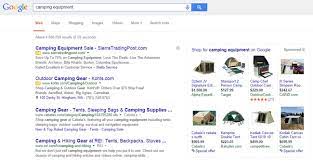
pay per click

Pay Per Click Advertising: A Practical Guide for Businesses

Pay-per-click advertising: a practical guide for businesses

Pay-per-click (PPC) advertising is a form of online marketing in which an advertiser pays when someone clicks on an advert. Rather than waiting for people to discover a website through unpaid search results, a business can use PPC to place its message in front of selected audiences across search engines, social media platforms and other websites.

PPC can help businesses attract visitors, generate enquiries and increase sales. However, successful campaigns need more than a budget and a set of adverts. They rely on thoughtful planning, relevant messaging and regular optimisation.

How does PPC work?

With search advertising, businesses typically choose keywords related to their products or services. When someone searches for one of those terms, an auction determines which adverts may appear and in what position. The advertiser’s bid is one factor, but platforms may also consider the advert’s relevance, expected performance and the quality of the landing page.

Despite the name, PPC does not always mean that every click costs the same amount. Costs vary according to factors such as competition, audience, platform and campaign settings. Advertisers usually set a budget and can adjust bids, targeting and spending as they learn what works.

Common types of PPC advertising

  • Search adverts: Text adverts shown on search engine results pages when people look for relevant terms.
  • Display adverts: Image or animated adverts shown on websites and apps across an advertising network.
  • Shopping adverts: Product-focused listings that can include an image, price and retailer details.
  • Social media adverts: Paid posts and campaigns on platforms such as LinkedIn, Instagram, Facebook and TikTok.
  • Video adverts: Short promotional videos shown before, during or alongside online video content.
  • Remarketing adverts: Campaigns aimed at people who have previously visited a website or interacted with a business.

Why businesses use PPC

One of PPC’s main advantages is speed. A well-prepared campaign can begin reaching potential customers soon after it is launched. It also offers control: businesses can choose audiences, locations, devices, schedules and daily budgets, depending on the platform.

PPC can also be measured in detail. Advertisers can track impressions, clicks, enquiries, purchases and other actions, then use that information to refine their campaigns. This makes it possible to compare different messages, keywords and landing pages rather than relying on guesswork.

For many organisations, PPC works alongside search engine optimisation (SEO). SEO can support long-term visibility in unpaid search results, while paid campaigns can provide more immediate exposure or help test demand for a product or service.

Building an effective PPC campaign

Set a clear objective

Decide what the campaign is intended to achieve. The goal might be online sales, phone calls, bookings, downloads or qualified enquiries. A clear objective makes it easier to choose the right campaign type and assess its results.

Understand the audience

Consider who is most likely to need the product or service, what they are searching for and what might influence their decision. Audience and location settings should reflect the business’s real customers rather than being chosen too broadly.

Choose relevant keywords and targeting

For search campaigns, select terms that match the offer and the intent behind a search. A person searching for a specific service may be closer to making a decision than someone looking for general information. Negative keywords can help exclude irrelevant searches and reduce wasted spend.

Write useful adverts

Good adverts are clear, specific and closely related to the search or audience. They should explain what is being offered and include a relevant next step, such as requesting a quote or viewing a product. Avoid claims that cannot be supported.

Create a relevant landing page

The page visitors reach after clicking should deliver what the advert promises. It should load reliably, work well on mobile devices and make the next action easy to understand. A mismatch between the advert and landing page can lead to poor results, even when the advert attracts clicks.

Measure and improve

Review campaign performance regularly and look beyond the number of clicks. Test variations in adverts and landing pages, pause weak elements and invest more in the parts of the campaign that contribute to the chosen objective.

Key PPC metrics

  • Impressions: How many times an advert was shown.
  • Click-through rate (CTR): The proportion of impressions that resulted in a click.
  • Cost per click (CPC): The average amount paid for each click.
  • Conversion rate: The proportion of visitors who completed a desired action.
  • Cost per acquisition (CPA): The average cost of gaining a customer or other defined conversion.
  • Return on ad spend (ROAS): The revenue attributed to advertising compared with the amount spent.

Metrics should be interpreted in context. A high CTR, for example, is not necessarily valuable if the clicks do not lead to meaningful actions. The right measures depend on the campaign’s objective and the business’s margins, sales process and customer value.

Common PPC mistakes to avoid

Frequent problems include targeting overly broad keywords, sending all visitors to the same generic page, overlooking mobile users and failing to configure conversion tracking. It is also easy to judge a campaign too quickly or to make frequent changes without enough data to understand their impact.

Budget is another consideration. A campaign can spend quickly if settings are not monitored, while an overly restrictive budget may limit the data available for improvement. Businesses should set spending limits they can afford and check performance against realistic commercial goals.

Is PPC right for your business?

PPC may be suitable if people are actively searching for what you offer, if you can target a defined audience, or if you want to promote a time-sensitive offer. It is not a guaranteed route to profit: results depend on competition, the quality of the campaign, the customer experience and the value of each conversion.

Start with a clear objective, a manageable budget and reliable tracking. Treat the first results as information to learn from, then refine the campaign over time. With careful planning and ongoing attention, PPC can become a valuable part of a broader digital marketing strategy.


Pay-Per-Click (PPC) Advertising: 30 Frequently Asked Questions

  1. What is CPM, CPC, CPA, and CTR?
  2. What is pay-per-click?
  3. Does pay-per-click work?
  4. What is an example of a PPC?
  5. What is cost per click vs pay-per-click?
  6. How do I become a pay-per-click?
  7. What is a good pay-per-click rate?
  8. How can I earn from pay-per-click?
  9. What is better SEO or PPC?
  10. Is pay-per-click worth it?
  11. Are Google Ads pay-per-click?
  12. What are examples of PPC?
  13. What is better PPC or SEO?
  14. How much does pay-per-click make?
  15. What does pay-per-click do?
  16. What is an example of pay-per-click?
  17. How much do pay-per-click ads pay?
  18. How much does pay-per-click pay?
  19. How much can I earn from pay-per-click?
  20. What is PPC vs SEO?
  21. How do you do pay-per-click?
  22. How to do a pay-per-click?
  23. What is the pay-per-click?
  24. What is SEO vs PPC?
  25. Is Google Ads pay-per-click?
  26. How do you get paid per click?
  27. Is PPC better than SEO?
  28. Why do companies use pay-per-click?
  29. Why is it called pay-per-click?
  30. What is pay per click advertising examples?

What is CPM, CPC, CPA, and CTR?

CPM, CPC, CPA and CTR are common metrics used to measure pay-per-click and other digital advertising campaigns. CPM means cost per mille (cost per 1,000 impressions), showing how much you pay for your advert to be displayed 1,000 times. CPC, or cost per click, is the average amount paid each time someone clicks your advert. CPA, or cost per acquisition, measures the average cost of gaining a customer or another desired action, such as a booking or enquiry. CTR, or click-through rate, is the percentage of people who see your advert and click it. Together, these figures help you understand your campaign’s visibility, engagement and cost-effectiveness.

What is pay-per-click?

Pay-per-click (PPC) is a type of online advertising where a business pays a fee when someone clicks on its advert. PPC adverts can appear in search engine results, on social media and across websites. They allow businesses to reach selected audiences and attract visitors, with costs usually influenced by factors such as competition, targeting and the advert’s relevance.

Does pay-per-click work?

Yes, pay-per-click can work well when campaigns are carefully planned and managed. It can help a business reach people who are actively searching for its products or services, but results depend on factors such as targeting, competition, budget, advert quality and the page visitors land on. Tracking enquiries or sales—not just clicks—is essential to understand whether a campaign is delivering worthwhile returns.

What is an example of a PPC?

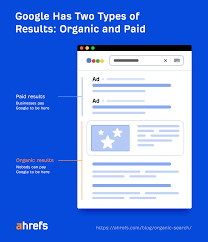
An example of pay-per-click (PPC) advertising is a sponsored search result on Google. For instance, a London plumber could bid on the keyword “emergency plumber near me”. When someone searches for that phrase, the business’s advert may appear above the organic results, and the advertiser pays when a user clicks it.

What is cost per click vs pay-per-click?

Cost per click (CPC) is the amount an advertiser pays for each click on an advert, while pay-per-click (PPC) is the advertising model in which that charge is made when someone clicks. In other words, PPC describes how the campaign is billed; CPC describes the price of an individual click, often reported as an average across a campaign.

How do I become a pay-per-click?

You don’t become a “pay-per-click” itself; you can become a pay-per-click (PPC) specialist, managing paid advertising campaigns for businesses. Start by learning the basics of platforms such as Google Ads and Microsoft Advertising, including keyword research, bidding, ad copy and campaign measurement. You can build practical experience through free training, personal projects, internships or entry-level digital marketing roles. Familiarity with analytics, spreadsheets and clear communication is also useful. As you gain experience, create a portfolio that shows how your campaigns performed and the results they achieved.

What is a good pay-per-click rate?

There’s no single “good” pay-per-click (PPC) rate, as costs vary by industry, keyword, location, competition and advertising platform. A more expensive click may still be worthwhile if it brings in valuable customers, while a cheap click may not help if it fails to lead to an enquiry or sale. Instead of judging performance by cost per click alone, compare it with your conversion rate, cost per lead or sale, and the revenue or value generated. Set a budget you can afford, track conversions accurately and use your results to decide what a sustainable rate is for your business.

How can I earn from pay-per-click?

You can earn from pay-per-click (PPC) by displaying adverts on a website, blog or app and receiving a payment when a visitor clicks one. To make this work, publish useful content that attracts a relevant audience, choose an advertising network whose terms suit your site, and place adverts where they are visible without disrupting the experience. Earnings depend on factors such as visitor numbers, audience location, topic and advertiser demand, so they are not guaranteed. If you mean earning through PPC as an advertiser, clicks cost money; income comes only if those visits lead to profitable sales or enquiries.

What is better SEO or PPC?

Neither SEO nor PPC is always better; the right choice depends on your goals, budget and timescale. PPC can bring targeted traffic quickly and offers precise control over spending, while SEO typically takes longer to build but can deliver sustainable visibility from organic search. If you need immediate leads or want to test an offer, PPC may be a good starting point; if you’re investing in long-term growth, SEO is often valuable. Many businesses use both, combining PPC’s short-term reach with SEO’s lasting benefits.

Is pay-per-click worth it?

Pay-per-click can be worth it if your campaign reaches the right audience and generates enough valuable leads or sales to justify the cost. It offers quick visibility and measurable results, but success depends on factors such as competition, budget, advert quality and the page visitors land on. Set clear goals, track conversions and review performance regularly; if the revenue or value generated exceeds your advertising and management costs, PPC may be a worthwhile investment.

Are Google Ads pay-per-click?

Yes. Google Ads commonly uses a pay-per-click model, particularly for search adverts, so you’re charged when someone clicks on your advert rather than simply seeing it. However, Google Ads also offers other bidding options, such as paying for impressions or conversions, depending on the campaign type and settings. You can set a budget and monitor performance to help manage your advertising costs.

What are examples of PPC?

Examples of pay-per-click (PPC) advertising include sponsored listings on Google or Bing search results, product adverts on Google Shopping, promoted posts on social media platforms such as Facebook, Instagram and LinkedIn, video adverts on YouTube, and display banners across websites and apps. In each case, businesses generally pay when someone clicks the advert, although some platforms also offer other charging models.

What is better PPC or SEO?

Neither PPC nor SEO is universally better; the right choice depends on your goals, budget and timescale. PPC can deliver immediate visibility and targeted traffic, but you pay for visits and results may stop when the campaign ends. SEO generally takes longer to build, but can support sustained visibility in unpaid search results over time. For many businesses, combining both works well: PPC can generate short-term traffic and help test keywords, while SEO builds long-term organic growth.

How much does pay-per-click make?

There’s no fixed amount that pay-per-click (PPC) advertising makes. Results depend on factors such as your industry, budget, competition, advert and landing-page quality, and how effectively clicks turn into customers. Measure performance by looking beyond clicks at conversions, revenue and profit; a campaign can attract plenty of visitors but still lose money if the cost of acquiring customers is too high.

What does pay-per-click do?

Pay-per-click (PPC) advertising helps businesses reach potential customers online by displaying adverts in places such as search results, social media feeds and websites. The advertiser usually pays when someone clicks an advert, directing them to a website or landing page. PPC can increase visibility, attract relevant visitors and encourage actions such as making a purchase, booking a service or submitting an enquiry.

What is an example of pay-per-click?

An example of pay-per-click (PPC) is a sponsored search advert for a local plumber. When someone searches Google for “emergency plumber in London”, the business’s advert may appear above the organic results. The plumber pays the advertising platform only when a user clicks the advert—not simply because it was displayed. The click then takes the user to the plumber’s website, where they can request a call-out or find out more about the service.

How much do pay-per-click ads pay?

Pay-per-click ads don’t pay the advertiser; the advertiser pays each time someone clicks an ad. There is no fixed rate: the cost per click depends on factors such as the platform, competition for the keyword or audience, targeting and ad quality. You can usually set a daily or campaign budget, while the actual cost of each click may vary. If you mean how much a website owner earns by displaying ads, that also varies according to traffic, audience and advertiser demand.

How much does pay-per-click pay?

Pay-per-click doesn’t pay a fixed amount: advertisers pay each time someone clicks their advert, and the cost can range from a few pence to several pounds or more, depending on the platform, industry, competition, targeting and quality of the advert and landing page. Businesses set a budget to control their spend, while the value of a campaign depends on whether those clicks lead to worthwhile actions, such as sales or enquiries. If you mean how much a website owner earns by displaying PPC adverts, earnings vary according to traffic, audience and advert rates.

How much can I earn from pay-per-click?

There’s no fixed amount you can earn from pay-per-click (PPC). If you mean earning revenue by displaying adverts on your website, income depends on factors such as visitor numbers, audience location, topic, advert placement and the rates advertisers pay; clicks alone don’t guarantee substantial earnings. If you’re using PPC to promote your business, it’s an advertising cost rather than income, and the return depends on how many clicks lead to valuable actions, such as sales or enquiries.

What is PPC vs SEO?

PPC (pay-per-click) is paid advertising: you bid to show adverts in search results or on other platforms, and typically pay when someone clicks. SEO (search engine optimisation) focuses on improving your website’s visibility in unpaid search results through relevant content, technical improvements and building authority. PPC can bring visibility quickly while a campaign is running, whereas SEO usually takes longer but may build lasting organic traffic. The two approaches can complement each other, helping businesses reach potential customers through both paid and unpaid listings.

How do you do pay-per-click?

To get started with pay-per-click (PPC), choose an advertising platform, define a clear goal and set a budget you can afford. Identify the keywords or audiences you want to reach, then create relevant adverts that lead to a useful landing page. Set up conversion tracking so you can measure actions such as enquiries or purchases, and monitor results regularly. Use the data to refine your targeting, adverts and spending, focusing on meaningful outcomes rather than clicks alone.

How to do a pay-per-click?

To run a pay-per-click (PPC) campaign, choose an advertising platform, such as Google Ads or a social media network, and set a clear goal, such as generating sales or enquiries. Define your audience, location and budget, then select relevant keywords or targeting options and write a clear advert with a compelling call to action. Send visitors to a relevant landing page and set up conversion tracking so you can measure meaningful results. Once the campaign is live, review its performance regularly, refine your targeting and adverts, and adjust your budget based on what is delivering value.

What is the pay-per-click?

Pay-per-click (PPC) is a form of online advertising where an advertiser pays a fee each time someone clicks on their advert. PPC adverts can appear on search engines, social media platforms and websites, helping businesses reach potential customers. The cost and results depend on factors such as competition, targeting and how relevant the advert and landing page are.

What is SEO vs PPC?

SEO (search engine optimisation) aims to improve a website’s visibility in unpaid search results through activities such as creating useful content, improving site performance and earning relevant links. PPC (pay-per-click) is paid advertising, where a business is charged when someone clicks on an advert. SEO can build visibility over time, while PPC can provide quicker exposure and more control over targeting and budget. The two approaches can work well together: PPC may help attract visitors and test keywords, while SEO supports longer-term organic growth.

Is Google Ads pay-per-click?

Yes, Google Ads is commonly used as a pay-per-click (PPC) platform, particularly for search adverts, where you generally pay when someone clicks. However, not every Google Ads campaign is charged per click: depending on the campaign type and bidding strategy, you may instead pay for impressions, video views or conversions. The charging model depends on the campaign settings you choose.

How do you get paid per click?

With pay-per-click advertising, the advertiser pays the advertising platform when someone clicks on their advert. If you host adverts on your website, the platform may share some of that revenue with you for valid clicks, depending on its terms and payment thresholds. The amount varies according to factors such as the advertiser, audience, topic and location, so earnings aren’t guaranteed.

Is PPC better than SEO?

Neither PPC nor SEO is universally better; the right choice depends on your goals, budget and timescale. PPC can deliver immediate visibility and targeted traffic, but you pay for each click and results usually slow or stop when the campaign ends. SEO takes longer to build momentum, but can support lasting visibility in organic search results without a charge for each visit. Many businesses use both: PPC for faster results, promotions or testing, and SEO for sustainable long-term growth.

Why do companies use pay-per-click?

Companies use pay-per-click (PPC) to reach potential customers quickly and target their adverts by factors such as search terms, location and interests. They pay when someone clicks, can set a budget, and can measure results such as enquiries or sales. This makes PPC a flexible way to promote products and services, test marketing messages and complement longer-term approaches such as SEO.

Why is it called pay-per-click?

It’s called pay-per-click because the advertiser typically pays a fee each time someone clicks on their advert. Unlike advertising charged by the number of times an advert is shown, PPC links the cost to a visitor actively clicking through to a website or landing page. The amount paid per click can vary depending on factors such as the platform, competition and campaign settings.

What is pay per click advertising examples?

Pay-per-click (PPC) advertising is a model where an advertiser pays when someone clicks on their advert. Common examples include sponsored links at the top of Google search results, product listings on Google Shopping, promoted posts on social media platforms such as Instagram or LinkedIn, display banner adverts on websites, and video adverts on YouTube. In each case, the business can usually set a budget and target audiences based on factors such as search terms, location or interests.
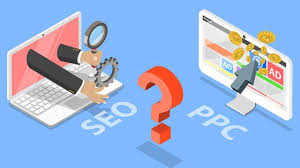
ppc agency

Maximising Your Online Reach: Partnering with a Leading PPC Agency in the UK

The Power of a PPC Agency in Boosting Your Online Presence

The Power of a PPC Agency in Boosting Your Online Presence

In today’s competitive digital landscape, having a strong online presence is essential for businesses to succeed. Pay-Per-Click (PPC) advertising is a powerful tool that can help drive targeted traffic to your website and increase conversions. This is where a dedicated PPC agency can make all the difference.

What is a PPC Agency?

A PPC agency specialises in managing and optimising Pay-Per-Click advertising campaigns for businesses. These agencies have experts who are skilled in creating effective ad campaigns, conducting keyword research, analysing data, and maximising ROI for their clients.

The Benefits of Working with a PPC Agency

Expertise: A PPC agency has the knowledge and experience to create highly targeted campaigns that reach the right audience at the right time.

Time-Saving: Managing PPC campaigns can be time-consuming. By outsourcing this task to a PPC agency, you can focus on other aspects of your business while experts handle your advertising efforts.

Cost-Effective: A good PPC agency will work to maximise your budget and ensure that you get the best possible return on investment from your ad spend.

Data-Driven Decisions: PPC agencies use data analytics to track campaign performance and make informed decisions on how to optimise ads for better results.

Choosing the Right PPC Agency

When selecting a PPC agency for your business, consider their track record, client testimonials, and expertise in your industry. Look for an agency that communicates effectively, provides transparent reporting, and aligns with your business goals.

In Conclusion

A PPC agency can be a valuable partner in helping you achieve your online marketing objectives. By leveraging their expertise and resources, you can drive targeted traffic to your website, increase brand visibility, and ultimately boost your online presence in today’s competitive digital landscape.


12 Common Questions About PPC Agencies: Understanding Costs, Roles, and Functionality

  1. Who gets paid in PPC?
  2. How much do PPC agencies charge?
  3. How do I find a PPC agency?
  4. What is a PPC agency?
  5. How does pay-per-click work?
  6. What is SEO and PPC agency?
  7. What is a PPC agent?
  8. Why do you need a PPC agency?
  9. What does PPC mean in company?
  10. How much does an agency charge for PPC?
  11. What is PPC and how does it work?
  12. What is PPC in Philippines?

Who gets paid in PPC?

In Pay-Per-Click (PPC) advertising, the payment model revolves around advertisers paying a fee each time their ad is clicked. The entities that get paid in PPC are the advertising platforms, such as Google Ads or Bing Ads, where the ads are displayed. These platforms earn revenue from advertisers for each click on their ads. Additionally, PPC agencies or professionals managing the campaigns may also receive compensation for their services in setting up and optimising the PPC campaigns to ensure maximum effectiveness and return on investment for the advertisers.

How much do PPC agencies charge?

When it comes to the cost of PPC agency services, the pricing can vary depending on several factors. PPC agencies typically charge based on a variety of elements such as the scope of work, campaign complexity, ad spend budget, and the level of service required. Some agencies may charge a flat fee for managing campaigns, while others may work on a percentage of ad spend model. It’s essential to discuss your specific needs with a PPC agency to get a tailored quote that aligns with your budget and objectives. Transparency in pricing and understanding the value that the agency can provide are key aspects to consider when determining how much PPC agencies charge for their services.

How do I find a PPC agency?

When looking for a PPC agency, it’s essential to start by defining your specific business goals and budget. Researching online and seeking recommendations from industry peers can help you identify potential agencies. Look for agencies with a proven track record of success, client testimonials, and expertise in your industry. Schedule consultations with shortlisted agencies to discuss your objectives and assess their approach to PPC management. Transparency, clear communication, and a tailored strategy that aligns with your goals are key factors to consider when finding the right PPC agency for your business.

What is a PPC agency?

A PPC agency, short for Pay-Per-Click agency, is a specialised digital marketing firm that focuses on managing and optimising Pay-Per-Click advertising campaigns for businesses. These agencies employ experts who are skilled in creating targeted ad campaigns, conducting thorough keyword research, analysing data metrics, and ultimately maximising Return on Investment (ROI) for their clients. By leveraging the expertise of a PPC agency, businesses can effectively reach their target audience, drive traffic to their websites, and increase conversions through strategic online advertising efforts.

How does pay-per-click work?

Pay-per-click (PPC) advertising operates on a model where advertisers pay a fee each time their ad is clicked. When users conduct a search query on a search engine like Google, ads are displayed alongside the organic search results. Advertisers bid on keywords relevant to their target audience, and when a user’s search matches those keywords, the ad may appear. The position of the ad is determined by a combination of bid amount and ad quality score. When a user clicks on the ad, the advertiser pays the search engine for that click. PPC campaigns allow businesses to reach their target audience effectively, drive traffic to their website, and potentially convert leads into customers through compelling ad content and strategic bidding strategies.

What is SEO and PPC agency?

An SEO and PPC agency is a digital marketing firm that specialises in both Search Engine Optimisation (SEO) and Pay-Per-Click (PPC) advertising strategies. SEO focuses on improving a website’s visibility in organic search results through optimisation techniques such as keyword research, content creation, and link building. On the other hand, PPC involves placing targeted ads on search engines or websites and paying a fee each time the ad is clicked. By combining these two approaches, an SEO and PPC agency can provide comprehensive solutions to help businesses increase their online presence, drive relevant traffic to their websites, and achieve their marketing goals effectively.

What is a PPC agent?

A PPC agent, often referred to as a PPC agency, is a professional entity that specialises in managing Pay-Per-Click advertising campaigns for businesses. These agencies employ experts who are skilled in creating and optimising targeted ad campaigns, conducting thorough keyword research, analysing campaign data, and maximising return on investment for their clients. Essentially, a PPC agent acts as a strategic partner for businesses looking to enhance their online presence through effective digital advertising methods.

Why do you need a PPC agency?

Businesses need a PPC agency for several reasons. Firstly, a PPC agency brings expertise and experience in creating and managing effective Pay-Per-Click advertising campaigns. They have the knowledge to target the right audience, conduct keyword research, analyse data, and maximise return on investment. Secondly, working with a PPC agency saves time for businesses as managing PPC campaigns can be time-consuming. By outsourcing this task to experts, businesses can focus on other core activities while ensuring their advertising efforts are in good hands. Lastly, a PPC agency helps businesses make data-driven decisions by tracking campaign performance and optimising ads for better results. Overall, partnering with a PPC agency can significantly enhance a business’s online visibility and drive targeted traffic to their website.

What does PPC mean in company?

PPC, in the context of a company, stands for Pay-Per-Click. It is a form of online advertising where businesses pay a fee each time their ad is clicked. This model allows companies to drive targeted traffic to their website and generate leads or sales. PPC campaigns are often run on search engines like Google or social media platforms, and they can be highly effective in reaching a specific audience based on keywords, demographics, and interests. By utilising PPC strategies, companies can increase their online visibility, attract potential customers, and achieve measurable results in terms of website traffic and conversions.

How much does an agency charge for PPC?

When it comes to the cost of PPC services provided by an agency, the pricing can vary depending on several factors. Typically, PPC agencies charge based on a combination of factors such as the complexity of the campaign, the scope of work involved, the size of the target audience, and the specific goals of the client. Some agencies may charge a flat fee for their services, while others may work on a percentage of ad spend model. It’s essential to discuss your specific requirements with the agency to get a clear understanding of their pricing structure and how it aligns with your budget and objectives.

What is PPC and how does it work?

Pay-Per-Click (PPC) is a digital advertising model where advertisers pay a fee each time their ad is clicked. It is a way of buying visits to your site rather than earning them organically. When a user searches for specific keywords related to your business, your ad may appear at the top of search engine results. The position of your ad is determined by a combination of bid amount and quality score. PPC campaigns require keyword research, ad creation, bid management, and continuous monitoring to ensure optimal performance. Ultimately, PPC allows businesses to reach their target audience effectively and drive traffic to their website through paid advertising channels.

What is PPC in Philippines?

PPC, which stands for Pay-Per-Click, is a digital advertising model widely used in the Philippines and around the world. In the context of the Philippines, PPC refers to online advertising where advertisers pay a fee each time their ad is clicked. This form of advertising allows businesses to target specific audiences based on demographics, interests, and online behaviour. By utilising PPC in the Philippines, businesses can effectively promote their products or services to a relevant audience, drive traffic to their websites, and increase conversions. It is a cost-effective and measurable way to enhance online visibility and reach potential customers in the dynamic digital landscape of the Philippines.

ppc in digital marketing

Mastering the Art of PPC in Digital Marketing: A Guide to Success

The Power of PPC in Digital Marketing

The Power of PPC in Digital Marketing

Pay-Per-Click (PPC) advertising is a powerful tool in the realm of digital marketing. It offers businesses a strategic way to reach their target audience and drive valuable traffic to their websites. In this article, we will delve into the key aspects of PPC and how it can benefit your overall marketing strategy.

What is PPC?

PPC is an online advertising model where advertisers pay a fee each time their ad is clicked. It allows businesses to bid for ad placement in search engine results or on websites, targeting specific keywords or demographics. This targeted approach ensures that your ads are shown to users who are likely to be interested in your products or services.

The Benefits of PPC

One of the main advantages of PPC is its ability to deliver immediate results. Unlike organic search engine optimisation (SEO) efforts that take time to show results, PPC campaigns can drive traffic to your website instantly. This makes it an ideal choice for businesses looking to generate leads or sales quickly.

PPC also offers precise targeting options, allowing you to tailor your ads based on factors such as location, device, interests, and more. This level of customization helps you reach the right audience with the right message, increasing the likelihood of conversions.

Maximising ROI with PPC

To make the most out of your PPC campaigns, it’s essential to monitor and optimise them regularly. By analysing data such as click-through rates, conversion rates, and cost per acquisition, you can refine your ads for better performance. Testing different ad creatives, keywords, and landing pages can help you identify what works best for your target audience.

Conclusion

In conclusion, PPC is a valuable tool that can significantly boost your digital marketing efforts. Its ability to deliver targeted traffic quickly and its flexibility in terms of budgeting and targeting options make it a must-have strategy for businesses looking to expand their online presence and drive conversions.


7 Essential Tips for Optimising PPC Campaigns in Digital Marketing

  1. 1. Conduct thorough keyword research to target relevant and high-performing keywords.
  2. 2. Create compelling ad copy that highlights unique selling points and encourages clicks.
  3. 3. Use ad extensions to provide additional information and improve ad visibility.
  4. 4. Continuously monitor and analyse campaign performance to make data-driven decisions for optimisation.
  5. 5. Implement conversion tracking to measure the effectiveness of your PPC campaigns.
  6. 6. Test different ad creatives, landing pages, and targeting strategies to identify what works best for your audience.
  7. 7. Set clear goals and KPIs to track the success of your PPC campaigns and adjust strategies accordingly.

1. Conduct thorough keyword research to target relevant and high-performing keywords.

To maximise the effectiveness of your PPC campaigns in digital marketing, it is crucial to conduct comprehensive keyword research to pinpoint relevant and high-performing keywords. By identifying the terms and phrases that your target audience is searching for, you can ensure that your ads are displayed to the right people at the right time. This strategic approach not only increases the chances of attracting qualified leads but also helps in optimising your budget by focusing on keywords that drive the most valuable traffic to your website.

2. Create compelling ad copy that highlights unique selling points and encourages clicks.

In the realm of PPC in digital marketing, a crucial tip is to create compelling ad copy that effectively showcases your unique selling points and entices users to click. By highlighting what sets your products or services apart from the competition and crafting persuasive messaging that resonates with your target audience, you can significantly increase the chances of driving clicks and conversions. Engaging ad copy that conveys value and addresses customer needs is key to capturing attention and driving traffic to your website.

3. Use ad extensions to provide additional information and improve ad visibility.

Utilising ad extensions in your PPC campaigns is a smart strategy to enhance your ad visibility and provide users with additional information about your products or services. By incorporating ad extensions such as sitelinks, callouts, and structured snippets, you can make your ads more informative and compelling. These extensions not only help in increasing the visibility of your ads on search engine results pages but also improve the overall user experience by offering relevant details upfront. Incorporating ad extensions can lead to higher click-through rates and better engagement with your target audience, ultimately boosting the effectiveness of your PPC efforts.

4. Continuously monitor and analyse campaign performance to make data-driven decisions for optimisation.

Continuously monitoring and analysing campaign performance is a crucial tip in PPC digital marketing. By regularly reviewing key metrics such as click-through rates, conversion rates, and cost per acquisition, businesses can make informed, data-driven decisions to optimise their campaigns. This approach allows for identifying areas of improvement, testing different strategies, and ultimately maximising the return on investment. Adapting and refining campaigns based on real-time data insights ensures that businesses stay agile and competitive in the ever-evolving digital landscape.

5. Implement conversion tracking to measure the effectiveness of your PPC campaigns.

Implementing conversion tracking is a crucial step in maximising the effectiveness of your PPC campaigns in digital marketing. By accurately measuring the actions taken by users after clicking on your ads, such as form submissions, purchases, or sign-ups, you can gain valuable insights into which aspects of your campaign are driving conversions. This data allows you to make informed decisions on optimising your ads, keywords, and landing pages to improve overall campaign performance and achieve better return on investment.

6. Test different ad creatives, landing pages, and targeting strategies to identify what works best for your audience.

To enhance the effectiveness of your PPC campaigns in digital marketing, it is crucial to implement Tip 6: Test different ad creatives, landing pages, and targeting strategies. By experimenting with various elements such as ad copy, visuals, calls-to-action on landing pages, and audience targeting parameters, you can gain valuable insights into what resonates most with your target audience. This iterative testing process allows you to refine your strategies based on real-time data and analytics, ultimately leading to improved campaign performance and higher conversion rates.

7. Set clear goals and KPIs to track the success of your PPC campaigns and adjust strategies accordingly.

Setting clear goals and Key Performance Indicators (KPIs) is crucial in maximising the effectiveness of your PPC campaigns in digital marketing. By defining specific objectives such as increasing website traffic, boosting conversions, or improving brand awareness, you can measure the success of your campaigns accurately. Tracking KPIs allows you to evaluate performance metrics and make informed decisions on adjusting strategies to achieve optimal results. This proactive approach ensures that your PPC efforts align with your overall marketing goals and drive tangible outcomes for your business.

ppc search engine internet marketing

Mastering the Art of PPC Search Engine Internet Marketing: A Guide to Online Success

PPC Search Engine Internet Marketing

The Power of PPC Search Engine Internet Marketing

In the realm of digital marketing, Pay-Per-Click (PPC) search engine internet marketing stands out as a powerful tool for businesses looking to boost their online presence and drive targeted traffic to their websites. PPC advertising allows businesses to bid on specific keywords relevant to their products or services and display ads on search engine results pages.

One of the key advantages of PPC advertising is its ability to deliver immediate results. Unlike organic SEO strategies that take time to yield results, PPC campaigns can generate traffic and leads almost instantly. This makes PPC an ideal choice for businesses looking to quickly increase visibility and attract potential customers.

PPC search engine internet marketing also offers precise targeting options. Advertisers can tailor their campaigns based on factors such as location, device, demographics, and even the time of day. This level of targeting ensures that ads are shown to the most relevant audience, increasing the likelihood of conversions.

Furthermore, PPC advertising provides detailed analytics and tracking capabilities. Advertisers can monitor key metrics such as click-through rates, conversion rates, and return on investment in real-time. This data allows businesses to make informed decisions about their campaigns and optimise performance for better results.

When done correctly, PPC search engine internet marketing can be a cost-effective way to drive traffic and achieve business goals. By continuously refining ad copy, targeting parameters, and bidding strategies, businesses can maximise the effectiveness of their PPC campaigns and see a significant return on investment.

In conclusion, PPC search engine internet marketing is a valuable tool for businesses seeking to enhance their online visibility and reach potential customers efficiently. With its immediate results, precise targeting options, and detailed analytics, PPC advertising offers a strategic approach to driving traffic and generating leads in the competitive digital landscape.


7 Frequently Asked Questions About PPC Search Engine Internet Marketing

  1. What is PPC search engine internet marketing?
  2. How does PPC advertising work for search engines?
  3. What are the benefits of using PPC for internet marketing?
  4. How can businesses target specific audiences with PPC campaigns?
  5. What metrics should businesses track to measure the success of their PPC campaigns?
  6. Is PPC advertising cost-effective compared to other forms of digital marketing?
  7. What are some best practices for optimising PPC campaigns for better results?

What is PPC search engine internet marketing?

PPC search engine internet marketing refers to a digital advertising strategy where businesses bid on specific keywords to display ads on search engine results pages. In this model, advertisers pay a fee each time a user clicks on their ad, hence the term “Pay-Per-Click” (PPC). This form of online marketing allows businesses to target their audience based on relevant keywords and demographics, ensuring that their ads are shown to users actively searching for products or services. With PPC search engine internet marketing, businesses can drive targeted traffic to their websites, increase brand visibility, and achieve specific marketing objectives through strategic ad placements on search engines like Google and Bing.

How does PPC advertising work for search engines?

PPC advertising for search engines operates on a bidding system where businesses bid on specific keywords relevant to their products or services. When a user enters a search query that matches the chosen keywords, the search engine displays sponsored ads at the top or bottom of the search results page. Advertisers pay a fee only when their ad is clicked, hence the name “Pay-Per-Click”. The position of the ad is determined by factors such as bid amount, ad relevance, and click-through rate. This targeted approach ensures that businesses can reach potential customers actively searching for their offerings, making PPC advertising an effective strategy for driving traffic and increasing conversions.

What are the benefits of using PPC for internet marketing?

When considering the benefits of using PPC for internet marketing, businesses can harness the power of targeted advertising to reach specific audiences effectively. Through PPC campaigns, businesses can enjoy immediate visibility on search engine results pages, driving relevant traffic to their websites. The ability to control budgets and target keywords allows for a cost-effective approach, where advertisers only pay when their ads are clicked. Additionally, the detailed analytics provided by PPC platforms enable businesses to track performance metrics in real-time, allowing for continuous optimisation and improved return on investment. Overall, utilising PPC for internet marketing offers businesses a dynamic and results-driven strategy to enhance online presence and achieve marketing objectives efficiently.

How can businesses target specific audiences with PPC campaigns?

To target specific audiences with PPC campaigns, businesses can utilise a range of targeting options offered by search engine advertising platforms. These options include demographic targeting based on factors such as age, gender, and income level, as well as geographic targeting to reach audiences in specific locations. Businesses can also leverage interest-based targeting to display ads to users with particular interests or behaviours. Furthermore, remarketing allows businesses to target users who have previously interacted with their website or shown interest in their products or services. By combining these targeting methods strategically, businesses can tailor their PPC campaigns to reach the most relevant audience segments and maximise the effectiveness of their advertising efforts.

What metrics should businesses track to measure the success of their PPC campaigns?

When evaluating the success of their PPC campaigns, businesses should track a range of key metrics to gauge performance effectively. Some essential metrics include click-through rate (CTR), which indicates the percentage of users who clicked on the ad after seeing it; conversion rate, which measures the percentage of users who completed a desired action after clicking on the ad; cost per click (CPC), representing the amount paid for each click on the ad; return on investment (ROI), showing the profitability of the campaign relative to its cost; and quality score, reflecting the relevance and quality of keywords and ads. By monitoring these metrics closely, businesses can assess the effectiveness of their PPC campaigns and make data-driven decisions to optimise performance and achieve their marketing objectives.

Is PPC advertising cost-effective compared to other forms of digital marketing?

When considering the cost-effectiveness of PPC advertising compared to other forms of digital marketing, it is essential to weigh the benefits that PPC offers. PPC advertising allows businesses to have full control over their budget by setting daily or campaign-specific spending limits. This level of control ensures that advertisers only pay when their ads are clicked, making it a cost-effective option as they can track exactly how their budget is being utilised. Additionally, the precise targeting options in PPC campaigns help businesses reach their desired audience effectively, increasing the chances of conversions and maximising ROI. Overall, PPC advertising can be a highly cost-effective strategy when implemented strategically and monitored closely to optimise performance and achieve desired results.

What are some best practices for optimising PPC campaigns for better results?

When it comes to optimising PPC campaigns for better results, there are several best practices that businesses should consider implementing. Firstly, conducting thorough keyword research to identify relevant and high-performing keywords is essential. Creating compelling ad copy that is tailored to these keywords and aligns with the user’s search intent can improve click-through rates and conversions. Additionally, regularly monitoring campaign performance metrics such as click-through rates, conversion rates, and cost per acquisition allows for data-driven decision-making and enables adjustments to be made in real-time for optimal results. Testing different ad variations, targeting options, and bidding strategies can also help fine-tune campaigns for maximum effectiveness. By following these best practices and continuously refining strategies based on performance data, businesses can enhance the success of their PPC campaigns and achieve better results in driving traffic and generating leads.

Mastering Paid Search Optimization Strategies for Online Success

The Power of Paid Search Optimization

The Power of Paid Search Optimization

In the competitive landscape of digital marketing, paid search optimization has emerged as a powerful tool for businesses looking to enhance their online visibility and drive targeted traffic to their websites. By strategically investing in paid search advertising, businesses can effectively reach their target audience and achieve measurable results.

What is Paid Search Optimization?

Paid search optimization, also known as pay-per-click (PPC) advertising, involves placing ads on search engine results pages (SERPs) and paying a fee each time a user clicks on the ad. This form of online advertising allows businesses to bid on specific keywords related to their products or services, ensuring that their ads appear prominently when users search for those keywords.

The Benefits of Paid Search Optimization

One of the key benefits of paid search optimization is its ability to deliver quick and measurable results. Unlike organic search engine optimization (SEO), which can take time to see significant improvements in rankings, paid search ads can generate immediate traffic to your website.

Additionally, paid search optimization offers precise targeting options, allowing businesses to tailor their ads based on factors such as location, demographics, and user behaviour. This level of targeting ensures that your ads are seen by the most relevant audience, increasing the likelihood of conversions.

Best Practices for Paid Search Optimization

To maximise the effectiveness of your paid search campaigns, it’s essential to follow best practices for optimization. This includes conducting thorough keyword research to identify high-performing keywords, creating compelling ad copy that entices users to click, and continuously monitoring and adjusting your campaigns based on performance data.

Furthermore, implementing conversion tracking allows you to measure the success of your campaigns and make data-driven decisions to improve ROI. By testing different ad variations and landing pages, you can refine your strategy over time and achieve optimal results from your paid search efforts.

Conclusion

Paid search optimization is a valuable tool for businesses seeking to increase their online visibility and drive targeted traffic to their websites. By leveraging the power of PPC advertising and following best practices for optimization, businesses can reach their target audience effectively and achieve tangible results in the competitive digital landscape.


Top 6 Strategies for Optimising Paid Search Campaigns

  1. Use relevant keywords in your ad copy to improve click-through rates.
  2. Regularly monitor and adjust your bids to ensure optimal performance.
  3. Create compelling ad extensions to provide additional information to users.
  4. Test different ad variations to identify what resonates best with your target audience.
  5. Optimise landing pages for conversions by ensuring they are relevant and user-friendly.
  6. Track key metrics such as click-through rate, conversion rate, and return on ad spend (ROAS) to measure success.

Use relevant keywords in your ad copy to improve click-through rates.

Utilising relevant keywords in your ad copy is a crucial strategy in paid search optimization to enhance click-through rates. By incorporating keywords that align closely with what users are searching for, you increase the likelihood of your ads being displayed to the right audience. This not only improves the relevance of your ad but also entices users to click through to your website, ultimately driving more qualified traffic and potential conversions. Strategic placement of relevant keywords in your ad copy can significantly impact the success of your paid search campaigns by attracting the attention of users actively seeking the products or services you offer.

Regularly monitor and adjust your bids to ensure optimal performance.

Regularly monitoring and adjusting your bids is a crucial tip for maximising the effectiveness of paid search optimization. By keeping a close eye on your bid performance and making timely adjustments, you can ensure that your ads are competitive and positioned for optimal visibility. This proactive approach allows you to fine-tune your bidding strategy based on real-time data, ultimately driving better results and improving the overall performance of your paid search campaigns.

Create compelling ad extensions to provide additional information to users.

Creating compelling ad extensions is a crucial tip for enhancing paid search optimization. By including additional information such as site links, callouts, and structured snippets in your ads, you can provide users with more context about your products or services. These extensions not only make your ads more informative and engaging but also increase the chances of users clicking on them. By utilising ad extensions effectively, businesses can improve the visibility and effectiveness of their paid search campaigns, ultimately driving more relevant traffic to their websites.

Test different ad variations to identify what resonates best with your target audience.

Testing different ad variations is a crucial tip in paid search optimization as it allows businesses to pinpoint what resonates most effectively with their target audience. By experimenting with various ad elements such as headlines, copy, and visuals, businesses can gather valuable insights into which messaging and creatives drive the highest engagement and conversions. This iterative approach not only helps in refining ad campaigns for better performance but also ensures that marketing efforts are tailored to meet the preferences and behaviours of the specific audience segments, leading to more impactful results in paid search advertising.

Optimise landing pages for conversions by ensuring they are relevant and user-friendly.

To maximise the effectiveness of your paid search campaigns, it is crucial to optimise landing pages for conversions by ensuring they are both relevant and user-friendly. A well-crafted landing page tailored to match the ad’s messaging not only enhances user experience but also increases the likelihood of conversions. By providing clear and concise information, incorporating strong call-to-action buttons, and ensuring easy navigation, businesses can create a seamless journey for users from clicking on the ad to completing a desired action. Optimising landing pages in this manner not only improves user engagement but also boosts overall campaign performance and ROI.

Track key metrics such as click-through rate, conversion rate, and return on ad spend (ROAS) to measure success.

Tracking key metrics such as click-through rate, conversion rate, and return on ad spend (ROAS) is essential for measuring the success of paid search optimization campaigns. By monitoring these metrics closely, businesses can gain valuable insights into the effectiveness of their ads and make informed decisions to improve performance. The click-through rate indicates the percentage of users who clicked on the ad, while the conversion rate measures the proportion of users who completed a desired action, such as making a purchase. Calculating the return on ad spend helps businesses understand the profitability of their advertising efforts. By analysing these key metrics, businesses can refine their strategies and maximise the impact of their paid search campaigns.

Maximising Your Online Visibility: The Power of PPC Search Engine Advertising

The Power of PPC Search Engine Advertising

The Power of PPC Search Engine Advertising

Pay-Per-Click (PPC) advertising is a powerful tool for businesses looking to boost their online visibility and drive targeted traffic to their websites. One of the most popular forms of PPC advertising is through search engines, such as Google Ads and Bing Ads.

How Does PPC Search Engine Advertising Work?

In PPC search engine advertising, advertisers bid on specific keywords relevant to their target audience. When a user searches for a query that matches the keywords, the search engine displays the advertiser’s ad at the top or bottom of the search results page. The advertiser only pays when a user clicks on their ad, hence the name Pay-Per-Click.

The Benefits of PPC Search Engine Advertising

PPC search engine advertising offers several benefits for businesses:

  • Targeted Reach: Advertisers can target their ads to specific locations, demographics, and even device types, ensuring that their message reaches the right audience.
  • Immediate Results: Unlike organic SEO efforts that take time to show results, PPC ads can generate immediate traffic to a website once the campaign is live.
  • Measurable ROI: Advertisers can track and measure the performance of their campaigns in real-time, allowing them to adjust strategies and budgets based on data-driven insights.
  • Flexible Budgeting: With PPC advertising, businesses have full control over how much they want to spend on campaigns, making it suitable for both small businesses and large enterprises.

Tips for Successful PPC Search Engine Advertising

To make the most out of your PPC search engine advertising campaigns, consider these tips:

  1. Keyword Research: Conduct thorough keyword research to identify relevant keywords with high search volume and low competition.
  2. Create Compelling Ad Copy: Craft engaging ad copy that entices users to click on your ads by highlighting unique selling points or promotions.
  3. Landing Page Optimization: Ensure that your landing pages are optimised for conversions by providing clear calls-to-action and relevant content.
  4. A/B Testing: Test different ad creatives, keywords, and landing pages to identify what resonates best with your target audience.
  5. Monitor Performance: Continuously monitor and analyse the performance of your campaigns to make data-driven decisions for ongoing optimisation.

In conclusion, PPC search engine advertising is a valuable tool for businesses seeking immediate results and targeted reach in the competitive online landscape. By leveraging the benefits of PPC advertising and implementing best practices, businesses can drive quality traffic to their websites and achieve their marketing goals effectively.


Understanding PPC in Search Engines: 11 Frequently Asked Questions

  1. What is PPC in search engines?
  2. What is PPC search engines?
  3. What is difference between PPC and SEO?
  4. What is Google search PPC?
  5. What is PPC search engine?
  6. Is PPC the same as SEO?
  7. What is PPC search ads?
  8. Is Google search ads PPC?
  9. What is search engine PPC?
  10. What is Google’s PPC system called?
  11. What was the first PPC search engine?

What is PPC in search engines?

PPC, or Pay-Per-Click, in search engines refers to a form of online advertising where advertisers bid on specific keywords to display their ads at the top or bottom of search engine results pages. When a user searches for a query that matches the selected keywords, the advertiser’s ad may appear, and they are charged a fee only when a user clicks on their ad. This model allows businesses to target their ads to relevant audiences and pay based on actual clicks, making PPC an effective way to drive targeted traffic to websites and increase visibility in search engine results.

What is PPC search engines?

PPC search engines refer to online platforms, such as Google Ads and Bing Ads, where advertisers can bid on specific keywords to display their ads in search engine results. In Pay-Per-Click (PPC) advertising, businesses only pay when a user clicks on their ad, making it a cost-effective way to drive targeted traffic to their websites. PPC search engines provide businesses with the opportunity to reach their desired audience at the right moment when they are actively searching for products or services related to the keywords being targeted. This form of advertising offers businesses flexibility in budgeting, precise targeting options, and measurable results, making it a popular choice for digital marketing campaigns.

What is difference between PPC and SEO?

When comparing PPC (Pay-Per-Click) and SEO (Search Engine Optimisation), it’s essential to understand the fundamental differences between the two digital marketing strategies. PPC involves advertisers paying for their ads to appear on search engine results pages, with costs incurred each time a user clicks on the ad. In contrast, SEO focuses on improving a website’s organic search rankings through various tactics like keyword optimisation, content creation, and link building, without direct payment for clicks. While PPC offers immediate visibility and control over ad placements, SEO aims for long-term sustainability and higher organic traffic growth. Both strategies play crucial roles in a comprehensive digital marketing approach, with PPC delivering instant results and SEO building a strong foundation for long-lasting online presence.

What is Google search PPC?

Google Search PPC, or Pay-Per-Click, is a form of online advertising offered by Google through its Google Ads platform. In simple terms, Google Search PPC allows advertisers to bid on specific keywords relevant to their target audience. When users search for those keywords on Google, the ads of relevant advertisers appear at the top or bottom of the search results page. Advertisers only pay when users click on their ads, making it a cost-effective way to drive targeted traffic to their websites. Google Search PPC offers businesses a powerful tool to increase visibility, attract potential customers, and achieve measurable results through data-driven advertising campaigns.

What is PPC search engine?

PPC search engine, short for Pay-Per-Click search engine, is a digital advertising model where advertisers bid on specific keywords to have their ads displayed at the top or bottom of search engine results pages. When a user enters a query that matches the chosen keywords, these targeted ads appear, and advertisers only pay when users click on their ads. This form of advertising allows businesses to reach a highly targeted audience and drive traffic to their websites effectively. PPC search engine campaigns offer businesses flexibility in budgeting, immediate results, and measurable ROI, making it a popular choice for online marketing strategies.

Is PPC the same as SEO?

In the realm of digital marketing, the frequently asked question of whether PPC is the same as SEO often arises. While both PPC (Pay-Per-Click) and SEO (Search Engine Optimization) are strategies aimed at increasing online visibility and driving traffic to websites, they differ in their approach and execution. PPC involves paid advertising where businesses bid on keywords to display ads on search engine results pages, paying only when users click on their ads. On the other hand, SEO focuses on improving a website’s organic search rankings through various tactics like content creation, link building, and keyword optimisation. While both PPC and SEO aim to enhance online presence, they serve distinct purposes in a comprehensive digital marketing strategy.

What is PPC search ads?

PPC search ads, also known as Pay-Per-Click search ads, are a form of online advertising where advertisers bid on specific keywords to have their ads displayed on search engine results pages. When a user enters a query that matches the chosen keywords, the search engine shows the advertiser’s ad at the top or bottom of the page. Advertisers only pay when a user clicks on their ad, making it a cost-effective way to drive targeted traffic to their websites. PPC search ads allow businesses to reach potential customers actively searching for products or services related to their offerings, making it an efficient and measurable marketing strategy in the digital landscape.

Is Google search ads PPC?

Yes, Google search ads are a form of PPC (Pay-Per-Click) advertising. When businesses run ads on Google’s search engine, they participate in a PPC model where they only pay when a user clicks on their ad. Google search ads appear at the top or bottom of the search results page when users enter relevant queries, making them a highly targeted and effective way to reach potential customers actively searching for products or services. By utilising Google search ads as part of their PPC strategy, businesses can increase visibility, drive traffic to their websites, and ultimately boost conversions.

What is search engine PPC?

Search engine PPC, or Pay-Per-Click, is a form of online advertising where advertisers bid on specific keywords to have their ads displayed on search engine results pages. When a user enters a search query that matches the chosen keywords, the advertiser’s ad may appear at the top or bottom of the search results. The term “Pay-Per-Click” refers to the payment model where advertisers only pay when users click on their ads. Search engine PPC is a targeted and measurable advertising strategy that allows businesses to reach their desired audience effectively and track the performance of their campaigns in real-time.

What is Google’s PPC system called?

Google’s PPC system is known as Google Ads. Formerly known as Google AdWords, Google Ads is a powerful online advertising platform that allows businesses to create and display ads on Google’s search engine results pages. Through Google Ads, advertisers can bid on keywords relevant to their target audience and pay for their ads only when users click on them. This system enables businesses to reach a wide audience, drive targeted traffic to their websites, and effectively promote their products or services across the Google network.

What was the first PPC search engine?

The first PPC search engine was Overture, formerly known as GoTo.com. Overture pioneered the concept of Pay-Per-Click advertising in the late 1990s, allowing advertisers to bid on keywords and pay for placement in search results based on those bids. This innovative approach revolutionised online advertising and laid the foundation for the PPC advertising model that is widely used today across various search engines and digital platforms.

ecommerce ppc management

Mastering Ecommerce PPC Management Strategies for Online Success

The Power of Ecommerce PPC Management

The Power of Ecommerce PPC Management

In the competitive world of ecommerce, Pay-Per-Click (PPC) advertising has become a vital tool for businesses looking to boost their online presence and drive sales. Ecommerce PPC management involves the strategic planning and execution of paid advertising campaigns to attract potential customers and increase conversions.

Benefits of Ecommerce PPC Management

Effective ecommerce PPC management offers a multitude of benefits for online retailers:

  • Increased Visibility: PPC ads allow your products to appear at the top of search engine results pages, enhancing visibility and attracting more clicks.
  • Targeted Advertising: With PPC, you can target specific demographics, locations, and keywords to reach your ideal audience, resulting in higher-quality leads.
  • Cost-Effective Results: Pay only when users click on your ads, ensuring that your marketing budget is spent efficiently on potential customers who are actively interested in your products.
  • Quick Results: Unlike organic SEO efforts that take time to yield results, PPC campaigns can generate immediate traffic and conversions for your ecommerce store.
  • Data-Driven Insights: Ecommerce PPC management provides valuable data on ad performance, user behaviour, and conversion rates, allowing you to make informed decisions to optimise your campaigns.

Key Strategies for Successful Ecommerce PPC Management

To maximise the effectiveness of your ecommerce PPC campaigns, consider implementing the following strategies:

  1. Keyword Research: Identify relevant keywords that align with your products and target audience to improve ad targeting and visibility.
  2. Compelling Ad Copy: Craft engaging ad copy that highlights unique selling points and encourages users to click through to your ecommerce site.
  3. Landing Page Optimisation: Create dedicated landing pages that are tailored to specific ads, providing a seamless user experience and increasing conversion rates.
  4. A/B Testing: Experiment with different ad variations, keywords, and targeting options to identify what resonates best with your audience and drives optimal results.
  5. Conversion Tracking: Implement tracking tools to monitor conversions and ROI from your PPC campaigns, enabling you to refine strategies for better performance.

In Conclusion

Ecommerce PPC management is a powerful tool for online retailers seeking to enhance their digital marketing efforts and drive sales. By leveraging targeted advertising strategies, data-driven insights, and continuous optimisation techniques, businesses can achieve significant growth in their ecommerce ventures through effective PPC campaigns.


Mastering Ecommerce PPC: 7 Essential Tips for Effective Campaign Management

  1. 1. Conduct thorough keyword research to target relevant search terms.
  2. 2. Create compelling ad copy that highlights unique selling points.
  3. 3. Utilise ad extensions to provide additional information and increase visibility.
  4. 4. Monitor performance regularly and adjust bids based on data analysis.
  5. 5. Test different ad variations to optimise for higher click-through rates.
  6. 6. Implement conversion tracking to measure the effectiveness of your campaigns.
  7. 7. Consider remarketing strategies to target users who have previously visited your website.

1. Conduct thorough keyword research to target relevant search terms.

To maximise the success of your ecommerce PPC campaigns, it is crucial to conduct comprehensive keyword research to pinpoint and target relevant search terms. By identifying the specific keywords that align with your products and resonate with your target audience, you can enhance the effectiveness of your ads and increase visibility on search engine results pages. Strategic keyword research lays the foundation for precise ad targeting, driving quality traffic to your ecommerce site and ultimately boosting conversions.

2. Create compelling ad copy that highlights unique selling points.

To maximise the effectiveness of your ecommerce PPC campaigns, it is crucial to create compelling ad copy that emphasises your unique selling points. By crafting engaging and persuasive content that showcases what sets your products or services apart from competitors, you can capture the attention of potential customers and entice them to click on your ads. Highlighting key benefits, special offers, or exclusive features in your ad copy can help differentiate your brand in a crowded marketplace and drive higher click-through rates and conversions.

3. Utilise ad extensions to provide additional information and increase visibility.

To enhance the effectiveness of your ecommerce PPC campaigns, it is crucial to utilise ad extensions effectively. By incorporating ad extensions, you can provide potential customers with additional information such as contact details, location links, pricing, and more. This not only improves the visibility of your ads but also enriches the user experience by offering relevant details upfront. Utilising ad extensions can help differentiate your ads from competitors and increase the likelihood of capturing the attention of your target audience, ultimately driving more traffic and conversions to your ecommerce website.

4. Monitor performance regularly and adjust bids based on data analysis.

To ensure the success of your ecommerce PPC campaigns, it is crucial to monitor performance regularly and adjust bids based on data analysis. By keeping a close eye on key metrics such as click-through rates, conversion rates, and cost per acquisition, you can identify trends and opportunities for improvement. Analyzing this data allows you to make informed decisions about bid adjustments, ensuring that your budget is allocated effectively towards keywords and ads that drive the best results. Regular monitoring and bid adjustments based on data analysis are essential steps in maximising the ROI of your ecommerce PPC efforts.

5. Test different ad variations to optimise for higher click-through rates.

To enhance the performance of your ecommerce PPC campaigns, it is crucial to implement Tip 5: Test different ad variations to optimise for higher click-through rates. By experimenting with diverse ad copies, visuals, and calls-to-action, you can identify which elements resonate best with your target audience and drive increased engagement. Through continuous testing and analysis of ad variations, you can refine your strategies to maximise click-through rates and ultimately boost conversions for your online store.

6. Implement conversion tracking to measure the effectiveness of your campaigns.

Implementing conversion tracking is a crucial step in ecommerce PPC management. By setting up tracking tools, businesses can accurately measure the impact and success of their advertising campaigns. Tracking conversions allows you to gain valuable insights into which ads are driving the most profitable results, enabling you to make informed decisions on where to allocate your budget for maximum ROI. This data-driven approach not only helps in evaluating campaign performance but also empowers you to refine strategies and optimise future campaigns for better outcomes.

7. Consider remarketing strategies to target users who have previously visited your website.

When delving into ecommerce PPC management, it is essential to consider implementing remarketing strategies to target users who have previously visited your website. By retargeting these users with tailored ads based on their past interactions with your site, you can effectively re-engage them and encourage return visits or conversions. Remarketing helps reinforce brand awareness, builds trust, and increases the likelihood of converting potential customers who have already shown interest in your products or services. This targeted approach can significantly enhance the effectiveness of your PPC campaigns and drive higher ROI in the competitive ecommerce landscape.

ppc search marketing

Unlocking the Potential of PPC Search Marketing Strategies

The Power of PPC Search Marketing

The Power of PPC Search Marketing

Pay-Per-Click (PPC) search marketing is a powerful tool that businesses can utilise to drive targeted traffic to their websites and increase conversions. In today’s competitive online landscape, having a strong PPC strategy can make all the difference in reaching your target audience effectively.

What is PPC Search Marketing?

PPC search marketing involves placing ads on search engine results pages such as Google or Bing. Advertisers bid on keywords relevant to their target audience, and they only pay when their ad is clicked. This model allows businesses to reach potential customers who are actively searching for products or services similar to what they offer.

The Benefits of PPC Search Marketing

One of the key benefits of PPC search marketing is its ability to deliver immediate results. Unlike organic search efforts that can take time to gain traction, PPC ads can appear at the top of search results almost instantly, driving traffic to your site right away.

PPC also offers precise targeting options, allowing you to tailor your ads based on factors such as location, device, time of day, and more. This level of targeting ensures that your ads are shown to the most relevant audience, increasing the likelihood of conversions.

Maximising ROI with PPC

To maximise the return on investment (ROI) from your PPC campaigns, it’s essential to continuously monitor and optimise your ads. This includes testing different ad copy, keywords, and landing pages to identify what resonates best with your audience.

Additionally, tracking key performance metrics such as click-through rate (CTR), conversion rate, and cost per acquisition (CPA) can help you gauge the effectiveness of your campaigns and make data-driven decisions to improve results over time.

In Conclusion

PPC search marketing is a valuable tool for businesses looking to boost their online visibility and drive targeted traffic to their websites. By crafting compelling ads, targeting the right audience, and optimising campaigns for success, businesses can harness the power of PPC to achieve their marketing goals effectively.


Essential FAQs on PPC Search Marketing: Understanding, Benefits, ROI Maximisation, Key Metrics, and Best Practices

  1. What is PPC search marketing?
  2. How does PPC search marketing work?
  3. What are the benefits of PPC search marketing?
  4. How can businesses maximise ROI with PPC search marketing?
  5. What are the key metrics to track in PPC search marketing campaigns?
  6. What best practices should businesses follow for successful PPC search marketing?

What is PPC search marketing?

PPC search marketing, often asked as “What is PPC search marketing?” is a digital advertising strategy where businesses place ads on search engine results pages, such as Google or Bing. Advertisers bid on specific keywords related to their products or services, and they only pay when their ad is clicked. This targeted approach allows businesses to reach potential customers who are actively searching for relevant offerings, making PPC search marketing an effective method for driving traffic to websites and increasing conversions.

How does PPC search marketing work?

PPC search marketing operates on a straightforward principle: advertisers bid on specific keywords relevant to their target audience, and their ads appear on search engine results pages when users search for those keywords. Advertisers only pay when someone clicks on their ad, hence the term “pay-per-click.” This model allows businesses to reach potential customers actively seeking their products or services, making it a highly effective method for driving targeted traffic to websites. By strategically selecting keywords, crafting compelling ad copy, and monitoring campaign performance, businesses can leverage PPC search marketing to increase visibility, attract quality leads, and ultimately boost conversions.

What are the benefits of PPC search marketing?

PPC search marketing offers a range of benefits for businesses looking to enhance their online presence and drive targeted traffic to their websites. One key advantage is the immediate visibility it provides, allowing ads to appear at the top of search results quickly. The precise targeting options available in PPC enable businesses to reach their desired audience based on factors like location, device, and search intent, increasing the chances of conversions. Furthermore, the ability to track and measure key performance metrics allows businesses to refine their campaigns for optimal results and maximise their return on investment. Overall, PPC search marketing is a powerful tool that can help businesses effectively reach and engage with potential customers in a competitive digital landscape.

How can businesses maximise ROI with PPC search marketing?

To maximise ROI with PPC search marketing, businesses should focus on strategic keyword selection, compelling ad copy, and continuous performance monitoring. By conducting thorough keyword research to target relevant terms with high commercial intent, businesses can attract qualified leads more effectively. Crafting compelling ad copy that resonates with the target audience and includes a clear call-to-action can improve click-through rates and conversions. Regularly monitoring key performance metrics such as CTR, conversion rate, and CPA allows businesses to identify areas for improvement and make data-driven adjustments to optimise their PPC campaigns for maximum ROI.

What are the key metrics to track in PPC search marketing campaigns?

In PPC search marketing campaigns, tracking key metrics is crucial to measure the effectiveness and success of your advertising efforts. Some of the key metrics to monitor include click-through rate (CTR), which indicates the percentage of users who click on your ad after seeing it; conversion rate, which measures the percentage of clicks that result in a desired action such as a purchase or sign-up; cost per click (CPC), representing the amount you pay for each click on your ad; and return on ad spend (ROAS), which calculates the revenue generated for every pound spent on advertising. By closely monitoring these metrics, advertisers can assess campaign performance, identify areas for improvement, and make informed decisions to optimise their PPC strategies for better results.

What best practices should businesses follow for successful PPC search marketing?

When it comes to successful PPC search marketing, businesses should adhere to several best practices to maximise their results. Firstly, conducting thorough keyword research to identify relevant and high-performing keywords is crucial for targeting the right audience. Crafting compelling ad copy that is both relevant and engaging can help attract clicks and drive conversions. Additionally, setting clear goals, monitoring campaign performance regularly, and making data-driven adjustments based on insights are essential for achieving success in PPC search marketing. Finally, testing different ad variations and landing pages can help businesses refine their strategies and improve overall campaign performance over time. By following these best practices diligently, businesses can enhance their PPC search marketing efforts and achieve optimal results.

paid search marketing

Unlocking Success: The Power of Paid Search Marketing in Driving Online Growth

The Power of Paid Search Marketing

The Power of Paid Search Marketing

In today’s digital landscape, businesses are constantly looking for ways to stand out and reach their target audience effectively. One powerful tool that has revolutionised online advertising is paid search marketing. Also known as pay-per-click (PPC) advertising, paid search marketing allows businesses to bid on relevant keywords to have their ads displayed prominently in search engine results.

How Does Paid Search Marketing Work?

When a user searches for a specific keyword or phrase on a search engine like Google, ads related to those keywords are displayed at the top of the search results. Advertisers bid on these keywords, and the highest bidder typically gets their ad shown first. However, it’s not just about bidding the most – relevance and quality of the ad also play a significant role in determining ad placement.

The Benefits of Paid Search Marketing

Targeted Advertising: Paid search marketing allows businesses to target specific demographics, locations, and interests, ensuring that ads are shown to relevant audiences who are more likely to convert.

Immediate Results: Unlike organic search efforts that can take time to see results, paid search marketing delivers immediate visibility and traffic to your website once the campaign is launched.

Measurable ROI: With paid search marketing, you can track and measure the performance of your ads in real-time. This data allows you to make informed decisions and optimise your campaigns for better results.

Tips for Successful Paid Search Marketing

Keyword Research: Conduct thorough keyword research to identify relevant keywords that your target audience is searching for. Use tools like Google Keyword Planner to discover high-performing keywords.

Compelling Ad Copy: Create engaging and relevant ad copy that entices users to click on your ads. Highlight your unique selling points and include a clear call-to-action.

Landing Page Optimisation: Ensure that your landing pages are optimised for conversions. Provide a seamless user experience with clear messaging and easy navigation.

In Conclusion

Paid search marketing is a valuable tool for businesses looking to boost their online visibility, drive targeted traffic, and increase conversions. By implementing effective paid search campaigns and continuously refining your strategies based on data insights, you can achieve significant results in the competitive digital landscape.


17 Common Questions About Paid Search Marketing Explained

  1. What is paid search SEO?
  2. What are paid search programs?
  3. What is paid search vs SEO?
  4. What is an example of a paid search?
  5. What are the benefits of paid search marketing?
  6. Is Google Ads and paid search the same?
  7. What is a paid search in marketing?
  8. What is paid search and PPC?
  9. What is paid search marketing example?
  10. What is the advantage of paid search marketing?
  11. What is paid search example?
  12. What is an example of paid search?
  13. What are examples of paid search?
  14. How does paid search works?
  15. What is paid search marketing?
  16. What is paid marketing with example?
  17. Are paid search and PPC the same?

What is paid search SEO?

Paid search SEO, also known as search engine marketing (SEM), is a digital marketing strategy where businesses pay for their ads to appear at the top of search engine results pages. Unlike traditional SEO, which focuses on organic methods to improve website visibility, paid search SEO involves bidding on keywords to have ads displayed to users searching for specific terms. This approach allows businesses to target their audience effectively and drive immediate traffic to their websites through paid placements. By combining paid search SEO with organic SEO efforts, businesses can maximise their online presence and reach a wider audience in the competitive digital landscape.

What are paid search programs?

Paid search programs refer to online advertising campaigns where businesses pay for their ads to be displayed prominently in search engine results when users search for specific keywords or phrases. These programs, also known as pay-per-click (PPC) advertising, allow businesses to bid on relevant keywords and create targeted ads that reach a specific audience. Paid search programs provide a cost-effective way for businesses to increase their online visibility, drive traffic to their websites, and generate leads or conversions. By utilising paid search programs effectively, businesses can enhance their digital marketing efforts and achieve measurable results in a competitive online landscape.

What is paid search vs SEO?

Paid search marketing and SEO (Search Engine Optimization) are two distinct strategies used to enhance a website’s visibility in search engine results. Paid search involves advertisers bidding on specific keywords to have their ads displayed at the top of search results, with costs incurred each time a user clicks on the ad. On the other hand, SEO focuses on improving a website’s organic ranking in search results through various tactics such as keyword optimization, content creation, and link building. While paid search offers immediate visibility and control over ad placement, SEO is a long-term strategy that aims to increase organic traffic and improve overall website authority. Both paid search and SEO play crucial roles in driving traffic and conversions for businesses online, with each strategy offering unique benefits based on different objectives and timelines.

An example of a paid search is when a user enters a specific query into a search engine, such as “best coffee shops in London,” and sees sponsored results at the top of the search results page. These sponsored results are paid advertisements placed by businesses that have bid on relevant keywords related to the user’s search query. By clicking on these ads, users are directed to the advertiser’s website or landing page, generating traffic and potential conversions for the business. Paid search allows businesses to target specific keywords and reach their desired audience effectively through paid advertising placements on search engine results pages.

What are the benefits of paid search marketing?

Paid search marketing offers a multitude of benefits for businesses seeking to enhance their online presence and reach their target audience effectively. One of the key advantages is targeted advertising, allowing businesses to tailor their ads to specific demographics, locations, and interests, ensuring that they are seen by relevant audiences likely to convert. Additionally, paid search marketing provides immediate results, delivering instant visibility and traffic to websites once campaigns are launched. Furthermore, the ability to track and measure the performance of ads in real-time enables businesses to achieve a measurable return on investment (ROI) and make data-driven decisions for ongoing campaign optimisation.

Is Google Ads and paid search the same?

When it comes to the frequently asked question of whether Google Ads and paid search are the same, it’s important to clarify that Google Ads is a specific platform within the realm of paid search marketing. Paid search encompasses various advertising methods where businesses pay for their ads to appear in search engine results, including platforms like Google Ads, Bing Ads, and others. Google Ads, formerly known as Google AdWords, is Google’s advertising platform that allows businesses to create and manage their paid search campaigns on the Google search engine and its partner sites. Therefore, while Google Ads is a popular and powerful tool for paid search marketing, it represents just one facet of the broader paid search landscape.

What is a paid search in marketing?

Paid search in marketing refers to a strategic advertising method where businesses pay for their ads to be displayed prominently in search engine results when users search for specific keywords or phrases. This form of online advertising, also known as pay-per-click (PPC) advertising, allows businesses to target their ads to relevant audiences based on keyword relevance, demographics, and interests. By bidding on keywords and creating compelling ad copy, businesses can drive targeted traffic to their websites and increase visibility in search engine results pages. Paid search marketing offers immediate results, measurable ROI, and the ability to track campaign performance in real-time, making it a powerful tool for reaching potential customers and driving conversions in the digital landscape.

What is paid search and PPC?

Paid search, also known as pay-per-click (PPC) advertising, refers to a digital marketing strategy where businesses bid on keywords to have their ads displayed prominently in search engine results. When users search for specific keywords or phrases, relevant ads appear at the top of the search results based on the bidding amount and ad quality. PPC allows businesses to target specific demographics, locations, and interests, ensuring that ads reach relevant audiences. This form of online advertising provides immediate visibility and measurable results, making it a powerful tool for driving targeted traffic and achieving conversions in the competitive digital landscape.

What is paid search marketing example?

Paid search marketing, also known as pay-per-click (PPC) advertising, involves businesses bidding on specific keywords to have their ads displayed prominently in search engine results. An example of paid search marketing can be seen when a user searches for a product or service on Google, and sponsored ads related to that search query appear at the top of the search results page. These ads are marked as ‘Ad’ and are typically relevant to the user’s search intent. By bidding on keywords relevant to their business, advertisers can target specific audiences and drive traffic to their websites through paid search campaigns.

What is the advantage of paid search marketing?

The advantage of paid search marketing lies in its ability to provide businesses with targeted visibility and immediate results. By bidding on relevant keywords, businesses can ensure that their ads are displayed to a specific audience actively searching for their products or services. Unlike organic search efforts that can take time to gain traction, paid search marketing delivers instant visibility and traffic to websites, helping businesses reach potential customers at the right moment. Additionally, the measurable nature of paid search marketing allows businesses to track performance metrics in real-time, enabling them to make data-driven decisions and optimise campaigns for maximum ROI.

What is paid search example?

A common example of paid search is Google Ads, where businesses bid on keywords related to their products or services to have their ads displayed at the top of Google search results. For instance, if a user searches for “best coffee shops in London,” coffee shop owners can bid on this keyword to have their ad shown to users looking for such establishments. When a user clicks on the ad, the advertiser pays a specified amount, hence the term pay-per-click (PPC) advertising. Paid search examples extend beyond Google Ads and can include platforms like Bing Ads, social media advertising, and sponsored listings on e-commerce websites.

An example of paid search is when a company bids on specific keywords related to their products or services to have their ads displayed at the top of search engine results pages. For instance, if a user searches for “best coffee shops in London,” the top results may include paid ads from coffee shops that have bid on the keyword “coffee shops in London.” These ads are marked as “Ad” or “Sponsored” and provide businesses with prominent visibility to users actively searching for relevant information, driving traffic to their websites and potentially leading to conversions.

Paid search marketing encompasses various platforms and formats that businesses can utilise to promote their products or services. Examples of paid search include Google Ads, which allows advertisers to display text ads at the top of Google search results based on selected keywords. Another example is Bing Ads, Microsoft’s advertising platform that operates in a similar way to Google Ads but targets Bing search engine users. Additionally, social media platforms like Facebook and Instagram offer paid search options where businesses can create targeted ads to reach specific audiences based on demographics, interests, and behaviours. These examples demonstrate the versatility and effectiveness of paid search marketing in reaching potential customers across different online channels.

How does paid search works?

Paid search marketing, also known as pay-per-click (PPC) advertising, operates by allowing businesses to bid on specific keywords relevant to their products or services. When a user enters a search query matching those keywords, ads associated with them appear at the top of the search results. Advertisers compete for ad placement based on their bid amount and ad quality, with factors like relevance and click-through rates influencing positioning. This targeted approach ensures that businesses can reach potential customers actively searching for related offerings, driving immediate traffic to their websites and providing measurable results in real-time.

What is paid search marketing?

Paid search marketing, also known as pay-per-click (PPC) advertising, is a digital advertising strategy where businesses bid on specific keywords to have their ads displayed prominently in search engine results. When users search for relevant keywords, these ads appear at the top of the search results, allowing businesses to target specific audiences and drive traffic to their websites. Paid search marketing offers immediate visibility and measurable results, making it a powerful tool for businesses looking to enhance their online presence and reach potential customers effectively.

What is paid marketing with example?

Paid marketing, also known as paid search marketing or pay-per-click (PPC) advertising, is a form of online advertising where businesses pay to have their ads displayed prominently in search engine results or on other digital platforms. One common example of paid marketing is Google Ads, where advertisers bid on keywords related to their products or services. When users search for those keywords, the ads appear at the top of the search results, and the advertiser pays a fee each time someone clicks on their ad. Paid marketing allows businesses to target specific audiences, drive immediate traffic to their websites, and track the performance of their campaigns in real-time for optimal results.

Are paid search and PPC the same?

In the realm of digital marketing, a common query often arises regarding the distinction between paid search and PPC (pay-per-click) advertising. While the terms are closely related, they are not entirely interchangeable. Paid search refers to the practice of placing ads within search engine results pages based on specific keywords, with advertisers paying for each click their ad receives. On the other hand, PPC is a broader term encompassing various forms of online advertising where advertisers pay a fee each time their ad is clicked. Therefore, while paid search is a subset of PPC, PPC encompasses a wider range of paid advertising strategies beyond just search engine placements.

ecommerce ppc agency

Unlocking Online Success: The Role of an Ecommerce PPC Agency in Boosting Sales

The Power of Ecommerce PPC Agencies in Boosting Online Sales

The Power of Ecommerce PPC Agencies in Boosting Online Sales

In today’s competitive digital landscape, having a strong online presence is crucial for the success of any ecommerce business. One effective way to drive targeted traffic to your online store and increase sales is through Pay-Per-Click (PPC) advertising. However, managing PPC campaigns can be complex and time-consuming, which is where Ecommerce PPC agencies come into play.

What is an Ecommerce PPC Agency?

An Ecommerce PPC agency specialises in creating and managing PPC campaigns specifically tailored for ecommerce businesses. These agencies have a deep understanding of the ecommerce industry and the nuances of online advertising. They leverage their expertise to design strategic PPC campaigns that drive relevant traffic to your online store and maximise your ROI.

The Benefits of Hiring an Ecommerce PPC Agency

  • Expertise: Ecommerce PPC agencies have a team of skilled professionals who are well-versed in the latest trends and best practices in online advertising.
  • Targeted Campaigns: These agencies create highly targeted campaigns that reach potential customers who are actively searching for products or services similar to yours.
  • Optimisation: Ecommerce PPC agencies continuously monitor and optimise your campaigns to ensure maximum performance and cost-effectiveness.
  • Data-Driven Approach: By analysing data and metrics, these agencies make informed decisions to improve campaign performance and achieve better results.
  • Increased Sales: With expertly crafted PPC campaigns, ecommerce businesses can experience a significant boost in sales and revenue.

Choosing the Right Ecommerce PPC Agency

When selecting an Ecommerce PPC agency for your business, it’s essential to consider their track record, experience, client testimonials, and pricing structure. Look for an agency that aligns with your business goals and has a proven track record of delivering results for ecommerce clients.

In Conclusion

Ecommerce PPC agencies play a vital role in helping online retailers succeed in today’s competitive market. By leveraging the expertise of these agencies, ecommerce businesses can drive targeted traffic, increase conversions, and ultimately boost their online sales. If you’re looking to take your ecommerce business to the next level, partnering with an experienced Ecommerce PPC agency could be the key to unlocking greater success.


Understanding Ecommerce PPC Agencies: Top 7 FAQs Answered

  1. How much do PPC consultants charge?
  2. What are PPC agencies?
  3. Is PPC good for ecommerce?
  4. How much does an agency charge for PPC?
  5. What is a PPC agency?
  6. What is PPC in eCommerce?
  7. Who is the best PPC agency?

How much do PPC consultants charge?

When it comes to the question of how much PPC consultants charge, the pricing can vary depending on several factors. PPC consultants typically charge based on their level of expertise, the scope of work required, the complexity of the campaigns, and the goals of the client. Some consultants may charge a flat fee for their services, while others may work on a retainer or project basis. It’s essential for businesses to discuss pricing details with PPC consultants upfront to ensure transparency and alignment with their budget and objectives.

What are PPC agencies?

PPC agencies, short for Pay-Per-Click agencies, are specialised firms that offer services to create, manage, and optimise Pay-Per-Click advertising campaigns for businesses. These agencies help businesses generate targeted traffic to their websites by strategically placing ads on search engines and other online platforms. PPC agencies utilise their expertise in digital marketing to design campaigns that align with the client’s objectives and budget. Through data analysis and continuous monitoring, PPC agencies ensure that each click on the ad translates into potential leads or sales for the business. In essence, PPC agencies play a crucial role in helping businesses maximise their online visibility and drive conversions through paid advertising strategies.

Is PPC good for ecommerce?

When it comes to boosting online sales for ecommerce businesses, Pay-Per-Click (PPC) advertising is often considered a highly effective strategy. PPC can be particularly beneficial for ecommerce ventures as it allows businesses to target specific audiences, drive relevant traffic to their online stores, and increase visibility for their products or services. With the ability to track and measure results in real-time, PPC campaigns offer a level of flexibility and control that can help ecommerce businesses optimise their marketing efforts and achieve a higher return on investment. Overall, leveraging PPC for ecommerce can be a powerful tool in driving conversions and maximising online sales potential.

How much does an agency charge for PPC?

When it comes to the cost of PPC services provided by an agency, pricing can vary depending on several factors. Ecommerce PPC agencies typically offer different pricing models, such as flat fees, percentage of ad spend, or performance-based pricing. The charges for PPC services may also be influenced by the complexity of the campaign, the scope of work involved, and the level of expertise required. It’s important for businesses to discuss their specific needs with the agency to determine a pricing structure that aligns with their budget and objectives. Transparency in pricing and clear communication about costs are key aspects to consider when engaging with an Ecommerce PPC agency.

What is a PPC agency?

A PPC agency, short for Pay-Per-Click agency, is a professional service provider that specialises in managing and optimising Pay-Per-Click advertising campaigns for businesses. PPC agencies help businesses create targeted online ads that appear on search engines and other platforms, with advertisers only paying when a user clicks on their ad. These agencies utilise their expertise in keyword research, ad copywriting, bid management, and analytics to drive relevant traffic to websites and generate leads or sales. By partnering with a PPC agency, businesses can effectively reach their target audience, increase brand visibility, and achieve measurable results in terms of website traffic and conversions.

What is PPC in eCommerce?

PPC, or Pay-Per-Click, in eCommerce refers to a digital advertising model where advertisers pay a fee each time their ad is clicked. In the context of eCommerce, PPC plays a crucial role in driving targeted traffic to online stores and generating sales. By bidding on relevant keywords and creating compelling ad copy, eCommerce businesses can place their products or services in front of potential customers who are actively searching for what they offer. PPC campaigns in eCommerce are designed to attract high-quality leads, increase brand visibility, and ultimately boost online sales by directing users to specific product pages or landing pages. This cost-effective advertising strategy allows businesses to reach their target audience effectively and measure the success of their campaigns through key performance indicators such as click-through rates and conversion rates.

Who is the best PPC agency?

When it comes to identifying the best PPC agency for your ecommerce business, the answer may vary depending on your specific needs and goals. The best PPC agency is one that aligns with your business objectives, has a proven track record of delivering results in the ecommerce industry, offers transparent communication and reporting, and provides tailored strategies to meet your requirements. It’s essential to research different agencies, read client testimonials, and assess their expertise in managing PPC campaigns for ecommerce businesses. Ultimately, the best PPC agency is the one that can drive targeted traffic, increase conversions, and maximise ROI for your online store.