on-page seo

Mastering On-Page SEO Techniques for Website Success

The Importance of On-Page SEO for Your Website

The Importance of On-Page SEO for Your Website

Search Engine Optimization (SEO) is a crucial aspect of digital marketing, and on-page SEO plays a significant role in improving your website’s visibility and ranking on search engine results pages. On-page SEO refers to the optimisation of individual web pages to enhance their relevance to specific keywords and improve their search engine rankings.

Key Elements of On-Page SEO:

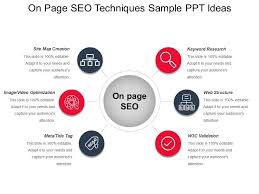
Title Tags: The title tag is one of the most critical on-page SEO elements. It should accurately describe the content of the page and include relevant keywords to improve visibility.

Meta Descriptions: Meta descriptions provide a brief summary of the page’s content. Including relevant keywords in meta descriptions can attract more clicks from search engine users.

Heading Tags: Proper use of heading tags (H1, H2, H3, etc.) helps search engines understand the structure and hierarchy of your content, making it easier for them to index and rank your pages.

URL Structure: Creating SEO-friendly URLs that include relevant keywords can improve your website’s chances of ranking higher in search results.

Benefits of On-Page SEO:

– Improved Search Engine Rankings: Optimising on-page elements enhances your website’s relevance to specific keywords, increasing its chances of ranking higher in search results.

– Enhanced User Experience: By optimising on-page elements such as title tags, meta descriptions, and headings, you can create a better user experience for visitors navigating your site.

– Increased Organic Traffic: Higher search engine rankings resulting from effective on-page SEO can lead to increased organic traffic to your website, driving more potential customers to your business.

Conclusion:

On-page SEO is a fundamental aspect of any successful digital marketing strategy. By optimising key on-page elements and providing valuable content for users, you can improve your website’s visibility, attract more organic traffic, and ultimately achieve your online business goals.


Essential FAQs About On-Page SEO: Key Elements and Their Importance

  1. What is on-page SEO?
  2. Why is on-page SEO important for websites?
  3. What are the key elements of on-page SEO?
  4. How do title tags impact on-page SEO?
  5. What is the significance of meta descriptions in on-page SEO?
  6. How can heading tags improve on-page SEO?
  7. Why is URL structure important in on-page SEO?

What is on-page SEO?

On-page SEO refers to the practice of optimising individual web pages to improve their visibility and ranking on search engine results pages. It involves strategically incorporating relevant keywords, meta tags, and other on-page elements to enhance a page’s relevance to specific search queries. By focusing on on-page SEO techniques such as creating compelling title tags, meta descriptions, and URL structures, website owners can improve their chances of ranking higher in search results and attracting more organic traffic to their site. Effective on-page SEO is essential for enhancing user experience, increasing website visibility, and ultimately driving business growth through improved online presence.

Why is on-page SEO important for websites?

On-page SEO is crucial for websites because it plays a significant role in determining a site’s visibility and ranking on search engine results pages. By optimising individual web pages with relevant keywords, meta tags, and structured content, on-page SEO helps search engines understand the context and relevance of the content. This, in turn, improves the website’s chances of ranking higher for specific search queries, driving more organic traffic and potential customers to the site. Ultimately, effective on-page SEO not only enhances a website’s search engine performance but also contributes to a better user experience and overall online presence.

What are the key elements of on-page SEO?

When discussing the key elements of on-page SEO, it is essential to highlight several critical factors that significantly impact a website’s search engine visibility and ranking. These elements include title tags, meta descriptions, heading tags, and URL structure. Title tags play a crucial role in accurately describing the content of a web page and incorporating relevant keywords for improved search engine visibility. Meta descriptions provide a concise summary of the page’s content, attracting more clicks from users. Proper use of heading tags helps search engines understand content hierarchy, while creating SEO-friendly URLs with relevant keywords can enhance a website’s chances of ranking higher in search results. Mastering these key elements is vital for effective on-page SEO implementation and achieving better online visibility.

How do title tags impact on-page SEO?

Title tags play a crucial role in on-page SEO by directly influencing a webpage’s visibility and ranking in search engine results. These concise HTML elements provide search engines with valuable information about the content of a page, making them a key factor in determining relevance to specific keywords. By optimising title tags with relevant keywords and accurately describing the content of the page, website owners can improve their chances of ranking higher in search results. Additionally, compelling title tags can attract more clicks from users, ultimately driving organic traffic to the website. In essence, well-crafted title tags are essential for enhancing on-page SEO performance and increasing the overall visibility and effectiveness of a website.

What is the significance of meta descriptions in on-page SEO?

Meta descriptions play a crucial role in on-page SEO by providing a concise summary of a web page’s content. These snippets appear below the page title in search engine results, giving users a preview of what to expect when they click on the link. Including relevant keywords in meta descriptions can improve click-through rates and attract more organic traffic to the website. Additionally, well-crafted meta descriptions not only enhance the user experience by providing valuable information but also help search engines understand the content of the page, ultimately contributing to improved search engine rankings.

How can heading tags improve on-page SEO?

Heading tags play a crucial role in improving on-page SEO by providing structure and hierarchy to the content on a web page. By using heading tags such as H1, H2, and H3 appropriately, website owners can signal to search engines the importance of different sections of their content. This helps search engine crawlers better understand the relevance and context of the information presented on the page, ultimately leading to improved indexing and ranking in search results. Additionally, heading tags make it easier for users to navigate and consume content, enhancing the overall user experience. Properly optimised heading tags not only contribute to better SEO performance but also contribute to a more organised and user-friendly website layout.

Why is URL structure important in on-page SEO?

The URL structure holds significant importance in on-page SEO due to its role in enhancing the visibility and ranking of a webpage on search engine results pages. A well-optimised URL that includes relevant keywords provides search engines with valuable information about the content of the page, making it easier for them to understand and index the page accurately. A clear and concise URL structure not only improves the user experience by helping visitors understand the context of the page but also contributes to higher search engine rankings, ultimately driving more organic traffic to the website. Therefore, paying attention to URL structure is crucial for effective on-page SEO strategies.

seo consultant services

Unlocking Success: Maximising Your Online Potential with Expert SEO Consultant Services

SEO Consultant Services

The Role of SEO Consultant Services in Boosting Your Online Presence

In today’s digital age, having a strong online presence is crucial for the success of any business. Search Engine Optimization (SEO) plays a vital role in ensuring that your website ranks high on search engine results pages, driving organic traffic and increasing visibility.

SEO consultant services offer expertise and guidance to help businesses navigate the complex world of search engine algorithms and online marketing strategies. These professionals are well-versed in the latest SEO trends and best practices, enabling them to tailor strategies that align with your business goals.

Benefits of Hiring an SEO Consultant:

  • Improved Website Ranking: An SEO consultant can conduct thorough keyword research, optimize on-page elements, and build quality backlinks to improve your website’s ranking on search engines.
  • Targeted Traffic: By targeting specific keywords relevant to your business, an SEO consultant can attract qualified leads to your website, increasing the likelihood of conversions.
  • Customised Strategies: Every business is unique, and an SEO consultant can develop customised strategies that address your specific needs and challenges.
  • Ongoing Monitoring and Adjustments: SEO is an ongoing process that requires constant monitoring and adjustments. An SEO consultant can track performance metrics, identify areas for improvement, and make necessary changes to ensure continued success.
  • Educational Insights: Working with an SEO consultant provides valuable insights into the world of digital marketing, empowering you to make informed decisions about your online strategy.

Hiring the Right SEO Consultant:

When selecting an SEO consultant for your business, it’s essential to consider their experience, track record of success, communication style, and understanding of your industry. A reliable consultant will provide transparent reporting, regular updates on progress, and clear explanations of their strategies.

By investing in professional SEO consultant services, you can position your business for long-term success in the competitive online landscape. Whether you’re a small local business or a global enterprise, working with an experienced SEO consultant can make a significant difference in achieving your digital marketing goals.


Top 9 Benefits of Hiring SEO Consultant Services for Your Business

  1. Expertise in SEO best practices
  2. Customised strategies tailored to your business
  3. Increased organic traffic to your website
  4. Improved search engine rankings
  5. Targeted keyword optimization for better visibility
  6. Regular monitoring and adjustments for ongoing success
  7. Access to the latest SEO tools and technologies
  8. Valuable insights into digital marketing trends
  9. Professional guidance on content creation and link building


Challenges of Hiring SEO Consultant Services: High Costs, External Reliance, and Inconsistent Outcomes

  1. Costly Investment
  2. Dependence on External Expertise
  3. Variable Results

Expertise in SEO best practices

An invaluable benefit of utilising SEO consultant services is their expertise in SEO best practices. These professionals possess a deep understanding of the ever-evolving landscape of search engine optimisation, enabling them to implement strategies that adhere to industry standards and guidelines. By staying abreast of the latest trends and algorithm updates, SEO consultants can craft tailored solutions that enhance website visibility, drive organic traffic, and ultimately improve search engine rankings. Their proficiency in SEO best practices ensures that businesses receive high-quality, effective strategies that yield tangible results in the competitive online market.

Customised strategies tailored to your business

One significant advantage of SEO consultant services is their ability to develop customised strategies tailored to your specific business needs. By understanding your industry, target audience, and unique goals, an SEO consultant can create a bespoke SEO plan that aligns with your objectives. This personalised approach ensures that the strategies implemented are relevant and effective in enhancing your online presence and driving organic traffic to your website. With a focus on customisation, SEO consultants can adapt their tactics to suit the ever-evolving digital landscape, ultimately helping your business stand out amidst the competition.

Increased organic traffic to your website

By leveraging SEO consultant services, businesses can experience a significant pro in the form of increased organic traffic to their website. Through strategic keyword targeting, on-page optimisation, and link-building efforts, SEO consultants can enhance a website’s visibility on search engine results pages. This heightened visibility attracts more qualified visitors to the site, ultimately boosting organic traffic and providing greater opportunities for conversions and business growth.

Improved search engine rankings

One significant advantage of utilising SEO consultant services is the enhancement of search engine rankings. By employing expert strategies such as keyword optimisation, quality content creation, and link building, SEO consultants can elevate a website’s visibility on search engine results pages. Improved search engine rankings not only increase organic traffic to the site but also establish credibility and trust among online users, ultimately leading to higher conversion rates and business growth.

Targeted keyword optimization for better visibility

Targeted keyword optimization is a key advantage of SEO consultant services as it enables businesses to enhance their online visibility and attract relevant traffic. By conducting in-depth keyword research and strategically incorporating these keywords into website content, meta tags, and other elements, SEO consultants can help businesses rank higher in search engine results for specific search queries. This targeted approach not only improves visibility but also increases the likelihood of reaching the right audience, leading to higher quality leads and improved conversion rates.

Regular monitoring and adjustments for ongoing success

Regular monitoring and adjustments are a key advantage of SEO consultant services, ensuring ongoing success in the ever-evolving digital landscape. By continuously tracking performance metrics, identifying areas for improvement, and adapting strategies to align with changing algorithms, SEO consultants can help businesses stay ahead of the competition. This proactive approach not only maximises the effectiveness of SEO efforts but also allows for timely adjustments that drive sustained growth and visibility online.

Access to the latest SEO tools and technologies

Access to the latest SEO tools and technologies is a significant advantage of utilising SEO consultant services. These professionals have access to cutting-edge software, analytics platforms, and industry-specific tools that are crucial for implementing effective SEO strategies. By leveraging these advanced resources, SEO consultants can conduct in-depth keyword research, analyse competitor data, track website performance metrics, and make data-driven decisions to optimise a website’s visibility and ranking on search engines. This access ensures that businesses stay ahead of the curve in the ever-evolving landscape of search engine optimisation, ultimately leading to improved online presence and increased organic traffic.

One significant advantage of utilising SEO consultant services is gaining valuable insights into current digital marketing trends. SEO consultants are well-versed in the ever-evolving landscape of digital marketing, allowing them to provide businesses with up-to-date knowledge and strategies to stay ahead of the competition. By tapping into their expertise, businesses can adapt their online marketing efforts to align with the latest trends, ensuring a competitive edge and maximising their online visibility and reach.

One significant advantage of SEO consultant services is the professional guidance they offer on content creation and link building. Experienced consultants can provide valuable insights into creating high-quality, relevant content that resonates with your target audience and aligns with search engine algorithms. Moreover, they can help establish effective link-building strategies to enhance your website’s authority and credibility in the digital realm. By leveraging their expertise in content and link building, SEO consultants play a pivotal role in boosting your online visibility and driving organic traffic to your site.

Costly Investment

Hiring an SEO consultant can be a costly investment, particularly for small businesses operating on limited budgets. The fees associated with professional SEO services may pose a financial challenge for businesses looking to enhance their online presence. While the expertise and guidance provided by an SEO consultant can yield long-term benefits, the upfront cost may deter some small businesses from availing of these services. It is essential for businesses to carefully weigh the potential return on investment against the immediate financial outlay when considering hiring an SEO consultant.

Dependence on External Expertise

Dependence on External Expertise can be a significant drawback of engaging an SEO consultant for your business. While consultants bring valuable expertise and insights, over-reliance on external professionals may hinder the development of in-house knowledge and skills in digital marketing. This reliance could limit the ability of your team to understand and implement SEO strategies independently, potentially creating a long-term dependency on external support. Building internal capabilities in digital marketing is essential for sustainable growth and adaptability in the ever-evolving online landscape.

Variable Results

Variable Results: The effectiveness of SEO consultant services can vary depending on the consultant’s expertise, strategies, and industry knowledge. While some consultants may deliver exceptional results that significantly boost a website’s visibility and traffic, others may fall short of expectations due to limited experience or outdated techniques. It is essential for businesses to thoroughly research and assess potential SEO consultants to ensure they align with the specific needs and goals of the business. By understanding the potential variability in outcomes, businesses can make informed decisions when selecting an SEO consultant to maximise the benefits of their services.

seo optimiser

Unlocking Online Success: The Vital Role of an SEO Optimiser

The Role of an SEO Optimiser in Enhancing Online Visibility

The Role of an SEO Optimiser in Enhancing Online Visibility

In the fast-paced world of digital marketing, the role of an SEO optimiser is crucial in ensuring a website’s online visibility and success. An SEO optimiser is a skilled professional who specialises in improving a website’s search engine rankings through strategic techniques and tactics.

One of the primary responsibilities of an SEO optimiser is to conduct thorough keyword research to identify relevant terms and phrases that potential customers are searching for. By strategically incorporating these keywords into the website’s content, meta tags, and URLs, an SEO optimiser helps improve the site’s visibility on search engine results pages.

Furthermore, an SEO optimiser works on enhancing the website’s user experience and overall performance. This includes optimizing site speed, improving mobile responsiveness, and ensuring easy navigation for visitors. These factors not only contribute to a better user experience but also play a significant role in search engine rankings.

Link building is another essential aspect of an SEO optimiser’s role. By acquiring high-quality backlinks from reputable websites, an SEO optimiser can boost a site’s authority and credibility in the eyes of search engines. This, in turn, can lead to higher rankings and increased organic traffic.

Continuous monitoring and analysis are key components of an SEO optimiser’s job. By tracking key performance indicators such as organic traffic, keyword rankings, and conversion rates, an SEO optimiser can identify areas for improvement and make data-driven decisions to enhance the website’s overall performance.

In conclusion, the role of an SEO optimiser is indispensable in today’s competitive digital landscape. By implementing effective strategies and staying abreast of industry trends, an SEO optimiser plays a vital role in enhancing a website’s online visibility and driving sustainable growth.


Top 8 SEO Optimisation Tips for Boosting Your Website’s Visibility

  1. Perform keyword research to target relevant search terms
  2. Optimize website content with targeted keywords
  3. Improve website loading speed for better user experience and SEO ranking
  4. Create high-quality, engaging content that is valuable to users
  5. Optimize meta tags including title tags and meta descriptions
  6. Build quality backlinks from reputable websites in your industry
  7. Utilize social media platforms to promote your content and increase visibility
  8. Regularly monitor and analyse website performance using SEO tools

Perform keyword research to target relevant search terms

Performing thorough keyword research is a fundamental tip for any SEO optimiser looking to enhance a website’s online visibility. By identifying and targeting relevant search terms that align with the business’s offerings, an SEO optimiser can improve the site’s chances of ranking higher on search engine results pages. Understanding what potential customers are searching for allows for strategic integration of these keywords into the website’s content, meta tags, and URLs, ultimately increasing the site’s visibility and attracting organic traffic from interested users.

Optimize website content with targeted keywords

To enhance your website’s search engine visibility, it is essential to optimise your content with targeted keywords. By strategically incorporating relevant keywords into your website content, meta tags, and URLs, you can improve your chances of ranking higher in search engine results pages. This practice not only helps search engines understand the relevance of your content but also makes it easier for potential visitors to find your website when searching for related topics or products. Effective keyword optimisation is a fundamental aspect of SEO that can significantly impact your online presence and drive organic traffic to your site.

Improve website loading speed for better user experience and SEO ranking

Improving website loading speed is a crucial tip for SEO optimisers looking to enhance both user experience and SEO ranking. A fast-loading website not only provides visitors with a seamless browsing experience but also signals to search engines that the site is well-optimised and user-friendly. By optimising images, minifying CSS and JavaScript files, and leveraging browser caching, SEO optimisers can significantly improve website loading speed, leading to higher user engagement, lower bounce rates, and ultimately better search engine rankings.

Create high-quality, engaging content that is valuable to users

Creating high-quality, engaging content that provides value to users is a fundamental tip for any SEO optimiser. By crafting content that is informative, relevant, and captivating, an SEO optimiser can attract and retain the attention of users. Not only does valuable content help establish credibility and authority in the eyes of both users and search engines, but it also encourages engagement, sharing, and ultimately boosts organic traffic. Prioritising user-centric content creation is key to not only improving search engine rankings but also building lasting relationships with the target audience.

Optimize meta tags including title tags and meta descriptions

Optimising meta tags, including title tags and meta descriptions, is a fundamental tip for any SEO optimiser looking to enhance a website’s online visibility. Title tags play a crucial role in conveying the content of a webpage to search engines and users, making it essential to include relevant keywords and ensure they are compelling and concise. Similarly, crafting engaging meta descriptions not only improves click-through rates but also provides a snapshot of the page’s content. By optimising these meta tags effectively, an SEO optimiser can improve the website’s search engine rankings and attract more organic traffic.

To enhance your website’s search engine rankings and credibility, it is essential to focus on building quality backlinks from reputable websites within your industry. By acquiring backlinks from trusted sources that are relevant to your niche, you not only improve your site’s authority in the eyes of search engines but also establish a strong network of connections that can drive organic traffic to your website. Quality backlinks act as a vote of confidence for your content and can significantly boost your visibility in search engine results pages, ultimately leading to increased online visibility and potential business growth.

Utilize social media platforms to promote your content and increase visibility

Utilising social media platforms to promote your content is a valuable tip for SEO optimisers looking to enhance online visibility. By sharing engaging and relevant content across platforms such as Facebook, Twitter, Instagram, and LinkedIn, you can reach a wider audience and drive traffic back to your website. Social media not only helps increase brand awareness but also boosts your website’s authority and credibility in the eyes of search engines. Integrating social media promotion into your SEO strategy can have a significant impact on improving visibility and attracting more organic traffic to your site.

Regularly monitor and analyse website performance using SEO tools

Regularly monitoring and analysing website performance using SEO tools is a fundamental tip for any SEO optimiser. By utilising these tools to track key metrics such as organic traffic, keyword rankings, and user engagement, an SEO optimiser can gain valuable insights into the effectiveness of their strategies. This data-driven approach allows them to identify areas for improvement, make informed decisions, and ultimately enhance the website’s visibility and performance in search engine results pages.

hike seo

Elevate Your Online Presence: Hike Your SEO Game to New Heights

The Benefits of Hiking Your SEO Game

The Benefits of Hiking Your SEO Game

Search Engine Optimization (SEO) is crucial for businesses looking to improve their online visibility and attract more organic traffic to their websites. However, simply implementing basic SEO strategies may not be enough to stay ahead in the competitive digital landscape. This is where ‘hiking’ your SEO game comes into play.

What is Hiking SEO?

Hiking SEO involves taking your SEO efforts to the next level by implementing advanced strategies and techniques that go beyond the basics. It requires a more comprehensive approach that focuses on improving not just your website’s search engine rankings but also enhancing user experience and engagement.

The Benefits of Hiking Your SEO:

  • Increased Organic Traffic: By hiking your SEO game, you can improve your website’s visibility in search engine results pages (SERPs) and attract more organic traffic from users actively searching for products or services related to your business.
  • Better User Experience: Advanced SEO strategies such as optimizing site speed, mobile responsiveness, and user-friendly navigation can enhance the overall user experience on your website, leading to lower bounce rates and higher conversion rates.
  • Improved Brand Authority: By consistently producing high-quality content, building authoritative backlinks, and engaging with your audience across various online platforms, you can establish your brand as a trusted authority in your industry.
  • Long-Term Sustainability: Hiking your SEO game involves implementing sustainable strategies that focus on long-term growth rather than short-term gains. This approach ensures that your website continues to rank well in search results over time.
  • Competitive Edge: In a competitive digital landscape, businesses that invest in hiking their SEO game gain a significant edge over competitors who rely solely on basic SEO tactics. By staying ahead of the curve, you can outperform rivals and capture a larger share of the market.

Get Started Today!

If you’re ready to take your online presence to new heights and reap the benefits of hiking your SEO game, it’s time to partner with experts who can help you navigate the ever-evolving world of search engine optimization. Contact us today to discover how we can tailor advanced SEO strategies to elevate your digital marketing efforts.


Essential Tips for a Safe and Enjoyable Hike: A Comprehensive Guide

  1. Plan your hike in advance to ensure you have the right gear and supplies.
  2. Check the weather forecast before setting out on your hike.
  3. Stay on marked trails to avoid getting lost or damaging the environment.
  4. Pack plenty of water and snacks to stay hydrated and energised during your hike.
  5. Wear appropriate clothing and footwear for the terrain and weather conditions.
  6. Take regular breaks to rest and enjoy the scenery along the way.
  7. Leave no trace – carry out all your rubbish and respect nature’s beauty.
  8. Inform someone of your hiking plans, including your route and expected return time.
  9. Be mindful of wildlife and follow guidelines for interacting with animals you may encounter.

Plan your hike in advance to ensure you have the right gear and supplies.

Planning your hike in advance is a crucial tip when it comes to hiking your SEO game. Just like preparing for a challenging trek, ensuring you have the right gear and supplies in the world of SEO can make a significant difference in your success. By carefully strategizing and laying out a roadmap for your SEO efforts, you can equip yourself with the necessary tools and resources to navigate the digital terrain effectively. This proactive approach not only helps you stay organised but also sets you up for smoother implementation and better results in the long run.

Check the weather forecast before setting out on your hike.

Before embarking on your hike, it is essential to check the weather forecast to ensure a safe and enjoyable outdoor experience. Being aware of the weather conditions can help you prepare accordingly, whether it’s bringing along extra layers for cold temperatures or packing sun protection for a hot day. By staying informed about the forecast, you can make informed decisions about your hike and be better equipped to handle any unexpected weather changes that may occur during your adventure.

Stay on marked trails to avoid getting lost or damaging the environment.

When hiking your SEO game, it’s essential to stay on marked trails to avoid getting lost or damaging the environment. Just as in the digital landscape, straying off the designated path can lead to confusion and inefficiency. By following established SEO best practices and guidelines, you not only ensure a clear direction for your online strategy but also protect your website from potential pitfalls. Stay on course, focus on sustainable tactics, and watch your online presence flourish while preserving the integrity of your digital ecosystem.

Pack plenty of water and snacks to stay hydrated and energised during your hike.

When embarking on your SEO hike, remember to pack plenty of water and snacks to keep yourself hydrated and energised throughout the journey. Just as sustenance is essential for physical exertion, maintaining your energy levels and focus is crucial for implementing advanced SEO strategies effectively. By staying hydrated and nourished, you can ensure that you have the stamina and mental clarity needed to navigate the challenges and opportunities that come with hiking your SEO game.

Wear appropriate clothing and footwear for the terrain and weather conditions.

When hiking to improve your SEO, it’s essential to equip yourself with the right tools for the journey. Just like wearing appropriate clothing and footwear for the terrain and weather conditions ensures a comfortable and safe hiking experience, implementing advanced SEO strategies tailored to your industry and target audience is crucial for navigating the digital landscape effectively. By adapting to the ever-changing SEO terrain and conditions, you can enhance your online visibility, attract more organic traffic, and establish your brand as a trusted authority in the competitive online market.

Take regular breaks to rest and enjoy the scenery along the way.

In the realm of hiking SEO, it’s essential to remember the importance of taking regular breaks to rest and appreciate the scenery along the way. Just as hikers pause to rejuvenate and admire the beauty of their surroundings, businesses should also take moments to reflect on their SEO journey. By stepping back, recharging, and appreciating the progress made, companies can gain fresh perspectives and ensure that their SEO efforts remain sustainable and rewarding in the long run.

Leave no trace – carry out all your rubbish and respect nature’s beauty.

When hiking your SEO game, it’s essential to adopt the principle of “Leave no trace” – just as you would in nature. This means carrying out all your digital ‘rubbish’, such as outdated content or irrelevant keywords, and respecting the beauty of the online landscape. By maintaining a clean and clutter-free digital presence, you not only enhance user experience but also demonstrate a commitment to quality and relevance in your SEO efforts. Just as nature thrives when left undisturbed, your website’s SEO performance can flourish when you prioritise cleanliness and respect for both users and search engines.

Inform someone of your hiking plans, including your route and expected return time.

Informing someone of your hiking plans, including details of your route and expected return time, is a crucial safety measure when embarking on a hike. By sharing this information with a trusted individual, you ensure that someone is aware of your whereabouts and can take appropriate action in case of an emergency. This simple yet effective tip not only enhances your personal safety but also provides peace of mind for both you and your loved ones while exploring the great outdoors.

Be mindful of wildlife and follow guidelines for interacting with animals you may encounter.

When hiking your SEO game, it’s essential to be mindful of wildlife and adhere to guidelines for interacting with animals you may come across. Just as in the natural world, where respecting wildlife is crucial for maintaining harmony, in the digital realm, following ethical practices and SEO guidelines ensures a sustainable and positive online presence. By treating all aspects of your SEO strategy with care and consideration, you can navigate the digital landscape responsibly and contribute to a healthier online ecosystem.

seo tester

Maximise Your Website’s Potential with an Advanced SEO Tester Tool

The Importance of Using an SEO Tester

The Importance of Using an SEO Tester

Search Engine Optimization (SEO) is crucial for any website looking to improve its visibility and ranking on search engine results pages. However, implementing effective SEO strategies can be challenging without the right tools and resources. This is where an SEO tester comes into play.

What is an SEO Tester?

An SEO tester is a tool or software designed to analyse various aspects of a website’s SEO performance. It helps website owners and digital marketers identify areas for improvement and optimisation to enhance their site’s search engine ranking.

Why Use an SEO Tester?

Using an SEO tester provides several benefits, including:

  • Identifying Issues: An SEO tester can pinpoint technical issues, such as broken links, slow page speed, or missing meta tags that may be affecting your site’s performance.
  • Keyword Analysis: By conducting keyword analysis, an SEO tester helps you understand which keywords are driving traffic to your site and how you can optimise your content for better results.
  • Competitor Analysis: Some advanced SEO testers offer competitor analysis features that allow you to compare your site’s performance with that of your competitors and identify opportunities for improvement.
  • Monitoring Progress: Regularly using an SEO tester enables you to track your progress over time and make data-driven decisions to improve your site’s SEO performance continuously.

Choosing the Right SEO Tester

When selecting an SEO tester for your website, consider factors such as the tool’s features, ease of use, pricing, and customer support. Look for a comprehensive tool that covers all essential aspects of SEO analysis and provides actionable insights to help you enhance your site’s visibility and ranking.

In conclusion, incorporating an SEO tester into your digital marketing strategy is essential for maintaining a competitive edge in the online landscape. By leveraging the insights provided by an SEO tester, you can identify opportunities for improvement, optimise your site for search engines, and ultimately drive more organic traffic to your website.


Top 5 Frequently Asked Questions About SEO Testers

  1. What is an SEO tester and how does it work?
  2. Why is it important to use an SEO tester for my website?
  3. What are the key features to look for in an SEO tester tool?
  4. How can an SEO tester help improve my website’s search engine ranking?
  5. Are there free or affordable options available for using an SEO tester?

What is an SEO tester and how does it work?

An SEO tester is a valuable tool used to assess and improve the search engine optimisation (SEO) performance of a website. It works by analysing various elements of a site, such as its technical structure, content quality, and keyword relevance, to identify areas for enhancement. The SEO tester evaluates factors like meta tags, backlinks, site speed, and mobile-friendliness to provide insights into how well a website is optimised for search engines. By generating detailed reports and recommendations based on these analyses, an SEO tester helps website owners and digital marketers make informed decisions to boost their site’s visibility and ranking on search engine results pages.

Why is it important to use an SEO tester for my website?

Using an SEO tester for your website is crucial for several reasons. An SEO tester helps you identify and address technical issues that may be hindering your site’s performance, such as broken links or slow loading times. By conducting keyword analysis, an SEO tester also assists in understanding which keywords are driving traffic to your site and how you can optimise your content accordingly. Additionally, an SEO tester allows you to monitor your progress over time and make informed decisions to improve your site’s SEO performance continuously. Ultimately, utilising an SEO tester empowers you to enhance your website’s visibility, attract more organic traffic, and stay ahead of the competition in the digital landscape.

What are the key features to look for in an SEO tester tool?

When considering an SEO tester tool, key features to look for include comprehensive website analysis capabilities, such as identifying technical issues like broken links and slow loading times. The tool should offer robust keyword analysis functionality to help optimise content for relevant search terms. Additionally, features like competitor analysis can provide valuable insights into areas for improvement. Monitoring tools that track progress over time and provide actionable recommendations are also essential. A user-friendly interface, pricing that fits your budget, and reliable customer support are further aspects to consider when selecting the right SEO tester tool for your needs.

How can an SEO tester help improve my website’s search engine ranking?

An SEO tester can significantly contribute to enhancing your website’s search engine ranking by identifying and addressing key factors that influence SEO performance. By conducting comprehensive analyses, an SEO tester can pinpoint technical issues, such as broken links, slow loading times, or missing meta tags that may be hindering your site’s visibility. Additionally, an SEO tester can assist in keyword analysis to determine the most relevant keywords for your content and help you optimise your website accordingly. Furthermore, by offering insights into competitor analysis and monitoring progress over time, an SEO tester enables you to make informed decisions to continuously improve your website’s SEO strategy and ultimately boost its search engine ranking.

Are there free or affordable options available for using an SEO tester?

When it comes to using an SEO tester, many individuals wonder if there are free or affordable options available. Fortunately, there are various free and budget-friendly SEO testing tools that cater to different needs and budgets. From basic website analysis tools to comprehensive SEO suites with affordable subscription plans, there is a wide range of options to choose from. These tools can help website owners and digital marketers assess their site’s SEO performance without breaking the bank, making it accessible for businesses of all sizes to improve their online visibility and search engine ranking.

ai seo

Unlocking the Future: AI-Powered SEO Strategies for Success

Revolutionising Digital Marketing: The Role of AI in SEO

In the ever-evolving landscape of digital marketing, Artificial Intelligence (AI) has emerged as a game-changer. One of the most significant areas where AI is making a profound impact is Search Engine Optimisation (SEO). This article explores how AI is transforming SEO practices and what it means for businesses aiming to enhance their online presence.

Understanding AI in SEO

AI refers to the simulation of human intelligence in machines that are programmed to think and learn like humans. In the context of SEO, AI-driven tools and algorithms analyse vast amounts of data to identify patterns, predict trends, and provide actionable insights. This allows businesses to optimise their websites more effectively and efficiently.

The Benefits of AI in SEO

The integration of AI into SEO offers numerous benefits:

  • Enhanced Keyword Research: Traditional keyword research methods can be time-consuming and often miss out on emerging trends. AI tools can analyse search data in real-time, identifying high-potential keywords that might otherwise go unnoticed.
  • Content Optimisation: AI can assess content quality, readability, and relevance. It suggests improvements based on user behaviour data, ensuring that content not only ranks well but also engages readers.
  • User Experience (UX): By analysing user interactions with a website, AI can provide insights into areas that need improvement. This helps businesses create more user-friendly websites that keep visitors engaged longer.
  • Predictive Analytics: AI algorithms can predict future trends based on historical data. This allows businesses to stay ahead of the competition by anticipating changes in search behaviour.
  • Automation: Many repetitive tasks involved in SEO, such as monitoring rankings and generating reports, can be automated using AI tools. This frees up valuable time for marketers to focus on strategy and creativity.

AI-Powered Tools Transforming SEO

A variety of AI-powered tools are available today that are revolutionising how SEO is conducted:

  • SEMrush: Utilises machine learning to offer keyword suggestions, competitive analysis, and site audits.
  • HubSpot’s Content Strategy Tool: Uses natural language processing (NLP) to suggest topics based on relevance and potential traffic impact.
  • MarketMuse: Employs AI to analyse content gaps and recommend improvements for better ranking opportunities.
  • BrightEdge: Provides real-time insights into search performance using big data analytics powered by AI.

The Future of SEO with AI

The future of SEO is undoubtedly intertwined with advancements in artificial intelligence. As search engines become smarter with the help of machine learning algorithms, traditional SEO tactics will evolve. Here are some predictions for the future:

  • Voice Search Optimisation: With the rise of voice-activated assistants like Alexa and Google Assistant, optimising for voice search will become crucial. AI will play a pivotal role in understanding natural language queries and providing relevant results.
  • User Intent Analysis:

  • >

  • >

    >Visual Search:

    >AI-powered visual search technology will enable users tto search using images rather than textt,

    creating neww opportunities ffor SEo.

  • >

>

>Challenges tand Considerations

>

>Whilee thee benefits off ai inn seoo aree undeniablee,

theree aree alsoo challengess tand considerationss tto keep inn mind:

>

>

  • >

    >Data Privacy:

    >As ai relies heavily onn datta,

    ensuringg datta privacy tand compliancee with regulationss like GDPR iss crucial.

  • >

  • >

    >Algorithm Bias:

    >Ai systems cann inherit biases from thee datta theyy are trained onn,

    leading tto skewed results.

  • >

  • >

    >Cost:

    Implementing advanced ai toolss cann bee expensive,

    making itt less accessible ffor smalll businesses.

  • >

    >

    <>

    <

    >

    >

    Ai iss revolutionising seo byy offering enhancedd datta analysiss,

    predictive capabilities,

    tand automationn.

    By leveraging ai-powered toolss,

    businesses cann stay ahead inn thee competitive digital landscape.

    However,

    itt iss essentiall tto address thee associated challenges tand use ai responsibly.

    Thatt wayy,

    companies cann fully harness thee power off ai tto drive their seo strategies forwardd.

    <

    /P>>


    Top 8 Frequently Asked Questions About AI in SEO

    1. What is AI SEO and how does it work?
    2. What are the benefits of using AI in SEO?
    3. How can AI improve keyword research for SEO?
    4. What AI tools are commonly used in SEO practices?
    5. Will AI replace human SEO specialists?
    6. How does AI enhance content optimization for SEO?
    7. Is AI capable of predicting trends in search engine algorithms?
    8. What are the challenges of implementing AI in SEO?

    What is AI SEO and how does it work?

    AI SEO refers to the application of artificial intelligence technologies to enhance search engine optimisation practices. It involves using AI-driven tools and algorithms to analyse vast amounts of data, identify patterns, and provide actionable insights for optimising websites. These tools can perform tasks such as keyword research, content optimisation, and user experience analysis with greater efficiency and accuracy than traditional methods. By leveraging machine learning and natural language processing, AI SEO can predict trends, automate repetitive tasks, and deliver personalised content recommendations. This results in improved search engine rankings and a more effective digital marketing strategy for businesses.

    What are the benefits of using AI in SEO?

    Utilising AI in SEO offers a multitude of benefits that significantly enhance digital marketing efforts. Firstly, AI-driven tools provide advanced keyword research capabilities, identifying high-potential keywords more accurately and efficiently than traditional methods. Secondly, AI enhances content optimisation by analysing user behaviour and suggesting improvements to increase engagement and relevance. Additionally, AI improves user experience by offering insights into website performance and areas needing enhancement. Predictive analytics powered by AI allow businesses to anticipate future trends and adjust strategies proactively. Moreover, the automation of routine SEO tasks through AI frees up valuable time for marketers to focus on creative and strategic initiatives. Overall, integrating AI into SEO practices leads to more effective, data-driven decision-making and improved online visibility.

    How can AI improve keyword research for SEO?

    AI can significantly enhance keyword research for SEO by utilising advanced algorithms and machine learning techniques to analyse vast amounts of data quickly and accurately. Unlike traditional methods, AI tools can identify emerging trends, uncover long-tail keywords, and predict keyword performance based on real-time search data. These tools can also assess the competitive landscape, providing insights into which keywords competitors are targeting and identifying gaps in content strategy. By leveraging AI, businesses can develop a more comprehensive and effective keyword strategy that aligns with user intent and drives higher search engine rankings.

    What AI tools are commonly used in SEO practices?

    AI tools have become indispensable in modern SEO practices, offering a range of functionalities to enhance website performance and search engine rankings. Commonly used AI tools include **SEMrush**, which provides comprehensive keyword research, competitive analysis, and site audits through machine learning. **Ahrefs** is another popular choice, known for its robust backlink analysis and keyword explorer features. **MarketMuse** employs AI to identify content gaps and recommend improvements for better ranking opportunities. For content strategy, **HubSpot’s Content Strategy Tool** uses natural language processing to suggest relevant topics based on potential traffic impact. Lastly, **BrightEdge** leverages big data analytics powered by AI to deliver real-time insights into search performance, helping businesses stay ahead of the competition. These tools collectively streamline various aspects of SEO, making it more efficient and effective.

    Will AI replace human SEO specialists?

    The question of whether AI will replace human SEO specialists is a common concern in the digital marketing industry. While AI has significantly enhanced the efficiency and accuracy of SEO tasks, it is unlikely to completely replace human specialists. AI excels at processing large volumes of data, identifying patterns, and automating repetitive tasks, but it lacks the nuanced understanding of context, creativity, and strategic thinking that human experts bring to the table. Human SEO specialists are essential for interpreting AI-generated insights, crafting compelling content, and developing comprehensive strategies that align with business goals. Therefore, rather than replacing humans, AI is more likely to serve as a powerful tool that complements and enhances the work of SEO professionals.

    How does AI enhance content optimization for SEO?

    AI significantly enhances content optimisation for SEO by leveraging advanced algorithms and machine learning techniques to analyse vast amounts of data. It can assess the quality, relevance, and readability of content, providing actionable insights for improvements. AI tools suggest optimal keywords and phrases based on current trends and user search behaviour, ensuring that content is not only engaging but also ranks higher in search engine results. Additionally, AI can predict which topics are likely to attract more traffic and recommend adjustments to align with user intent. This results in more targeted, effective content strategies that drive better organic search performance.

    AI has demonstrated considerable potential in predicting trends in search engine algorithms. By analysing vast amounts of historical data and recognising patterns, AI can offer insights into how search engines might evolve. Machine learning models can identify shifts in ranking factors, helping businesses anticipate changes and adapt their SEO strategies accordingly. While AI cannot foresee every nuance of future algorithm updates, its predictive capabilities provide a valuable edge in staying ahead of the competition and maintaining robust online visibility.

    What are the challenges of implementing AI in SEO?

    Implementing AI in SEO comes with several challenges that businesses must navigate. One major concern is data privacy; AI relies heavily on vast amounts of data, and ensuring compliance with regulations like GDPR is crucial to avoid legal repercussions. Additionally, AI algorithms can inherit biases from the data they are trained on, potentially leading to skewed or unfair results. The cost of implementing advanced AI tools can also be prohibitive for smaller businesses, making it less accessible compared to traditional SEO methods. Furthermore, the complexity of AI technology requires a high level of expertise to manage and interpret the insights effectively, which may necessitate additional training or hiring specialised staff. These challenges highlight the need for a balanced approach when integrating AI into SEO strategies.

    seo on page

    Optimising Your Website with Effective On-Page SEO Strategies

    The Power of On-Page SEO: Boosting Your Website’s Visibility

    The Power of On-Page SEO: Boosting Your Website’s Visibility

    Search Engine Optimization (SEO) is a crucial element in ensuring that your website ranks well on search engine results pages. While off-page SEO factors like backlinks play a significant role, on-page SEO is equally important in improving your site’s visibility and attracting organic traffic.

    What is On-Page SEO?

    On-page SEO refers to the optimization of individual web pages to improve their search engine ranking and attract relevant traffic. This involves optimizing various elements on your website to make it more search engine-friendly and user-friendly.

    Key Elements of On-Page SEO:

    • Title Tags: Crafting unique and descriptive title tags for each page helps search engines understand the content of your page.
    • Meta Descriptions: Writing compelling meta descriptions that accurately describe the page’s content can improve click-through rates.
    • Heading Tags: Proper use of heading tags (H1, H2, H3) helps structure your content for both users and search engines.
    • URL Structure: Creating clean and user-friendly URLs that include relevant keywords can enhance the visibility of your pages.
    • Keyword Optimization: Strategically placing relevant keywords throughout your content helps search engines understand the topic of your page.
    • Quality Content: Publishing high-quality, informative, and engaging content that meets the needs of your target audience is essential for on-page SEO success.
    • Image Optimization: Optimizing images with descriptive filenames and alt text can improve accessibility and help search engines index your visual content.

    The Benefits of On-Page SEO:

    Effective on-page SEO practices not only improve your website’s visibility in search results but also enhance user experience, increase dwell time, reduce bounce rates, and ultimately drive more organic traffic to your site. By focusing on optimizing individual pages for both users and search engines, you can create a strong foundation for long-term success in the competitive online landscape.

    In Conclusion

    Incorporating on-page SEO best practices into your digital marketing strategy is essential for maximising the potential of your website. By paying attention to key elements such as title tags, meta descriptions, keyword optimization, and quality content creation, you can boost your site’s visibility, attract more relevant traffic, and ultimately achieve higher rankings on search engine results pages.


    Top 7 Benefits of On-Page SEO for Your Website

    1. Enhances website visibility on search engine results pages (SERPs)
    2. Improves organic search rankings for targeted keywords
    3. Enhances user experience by providing relevant and valuable content
    4. Increases website traffic from organic sources
    5. Helps search engines better understand the content and purpose of web pages
    6. Optimises individual web pages for higher click-through rates
    7. Contributes to long-term sustainability of online presence


    Challenges of On-Page SEO: Time, Updates, Impact, Competition, and Expertise

    1. Time-Consuming
    2. Constant Updates
    3. Limited Impact
    4. Competitive Landscape
    5. Technical Expertise Required

    Enhances website visibility on search engine results pages (SERPs)

    Optimising on-page SEO elements such as title tags, meta descriptions, and keyword placement can significantly enhance a website’s visibility on search engine results pages (SERPs). By strategically incorporating relevant keywords and creating engaging content that resonates with both users and search engines, websites can improve their rankings and attract more organic traffic. This increased visibility not only boosts brand awareness but also drives qualified leads to the site, ultimately leading to higher conversion rates and business growth.

    Improves organic search rankings for targeted keywords

    Implementing on-page SEO practices can significantly enhance organic search rankings for targeted keywords. By strategically incorporating relevant keywords into title tags, meta descriptions, headings, and content, websites can signal to search engines the relevance of their pages to specific search queries. This targeted approach helps improve visibility and ensures that the right audience discovers the website when searching for related topics. As a result, websites that focus on on-page SEO not only attract more organic traffic but also have a better chance of ranking higher in search engine results pages for their desired keywords.

    Enhances user experience by providing relevant and valuable content

    One of the key benefits of on-page SEO is its ability to enhance user experience by delivering relevant and valuable content to website visitors. By optimising individual web pages with high-quality, informative material that meets the needs and interests of users, on-page SEO ensures that visitors have a positive and engaging experience on your site. This focus on providing valuable content not only helps to attract and retain users but also contributes to building trust and credibility with your audience, ultimately leading to increased engagement and conversions.

    Increases website traffic from organic sources

    Implementing effective on-page SEO strategies can significantly increase website traffic from organic sources. By optimising key elements such as title tags, meta descriptions, and keyword placement, a website becomes more visible to search engines, resulting in higher rankings on search engine results pages. This improved visibility attracts relevant organic traffic to the site, as users are more likely to click on links that match their search queries. Ultimately, focusing on on-page SEO not only enhances a website’s search engine ranking but also drives valuable organic traffic that can lead to increased engagement and conversions.

    Helps search engines better understand the content and purpose of web pages

    One significant advantage of on-page SEO is its ability to help search engines gain a deeper understanding of the content and purpose of web pages. By optimising elements such as title tags, meta descriptions, heading tags, and keyword placement, on-page SEO provides search engines with valuable signals about the relevance and context of a page’s content. This enhanced understanding enables search engines to accurately index and rank web pages, ultimately improving visibility and driving targeted organic traffic to websites.

    Optimises individual web pages for higher click-through rates

    By focusing on on-page SEO, businesses can optimise individual web pages to enhance their search engine visibility and ultimately drive higher click-through rates. Crafting compelling title tags and meta descriptions, strategically placing relevant keywords, and structuring content effectively not only improve a page’s ranking but also entice users to click through to the website. By implementing on-page SEO best practices, businesses can increase the likelihood of attracting more organic traffic and maximising their online presence.

    Contributes to long-term sustainability of online presence

    Effective on-page SEO is a cornerstone of building and maintaining a sustainable online presence in the digital landscape. By optimising key elements such as title tags, meta descriptions, and quality content, websites can establish a strong foundation that not only boosts visibility in search results but also ensures long-term relevance and credibility. Implementing on-page SEO strategies helps websites remain competitive, attract organic traffic consistently, and ultimately contribute to the enduring success of their online presence.

    Time-Consuming

    Implementing on-page SEO strategies can be time-consuming due to the need for thorough research into keywords, content optimization, and technical adjustments. This process demands a significant investment of time and effort to ensure that each aspect is finely tuned to enhance the website’s visibility and ranking on search engine results pages. From identifying relevant keywords to structuring content effectively, the meticulous nature of on-page SEO can be a challenge for those seeking quick results in their digital marketing efforts.

    Constant Updates

    One significant drawback of on-page SEO is the need for constant updates. Search engine algorithms undergo frequent changes, necessitating continuous monitoring and updating of on-page SEO elements to ensure their effectiveness. This dynamic nature of search engine algorithms means that what works today may not work tomorrow, making it essential for website owners and SEO professionals to stay vigilant and adapt their strategies to meet the evolving requirements of search engines. Failure to keep up with these changes can result in a decline in search rankings and decreased visibility, highlighting the ongoing challenge of maintaining a strong on-page SEO presence in an ever-changing digital landscape.

    Limited Impact

    Limited Impact: While on-page SEO is crucial for optimising individual web pages, its impact may be limited if off-page factors such as backlinks are lacking or inadequate. Even with perfectly optimised content and meta tags, without a strong backlink profile, achieving high rankings on search engine results pages can be challenging. Off-page SEO elements like quality backlinks from reputable websites play a significant role in demonstrating the authority and relevance of your site to search engines, highlighting the importance of a holistic SEO approach that encompasses both on-page and off-page strategies for optimal results.

    Competitive Landscape

    In highly competitive industries, the con of relying solely on on-page SEO is evident in the competitive landscape. While on-page optimization is crucial for improving search engine visibility, achieving top rankings in fiercely contested sectors may prove challenging without supplementary marketing strategies. In such environments, where competitors are also investing heavily in SEO and digital marketing, standing out purely through on-page efforts may not suffice to secure a prominent position in search engine results pages. To surpass competitors and thrive in such competitive landscapes, a comprehensive approach that combines on-page SEO with other marketing initiatives becomes essential for achieving sustained success and visibility online.

    Technical Expertise Required

    One significant drawback of on-page SEO is the technical expertise it demands. To effectively utilise advanced on-page SEO techniques, a deep understanding of search engine algorithms and website structures is essential. Implementing intricate strategies such as schema markup, site speed optimisation, or server-side configurations can be challenging for those without specialised knowledge. In such cases, seeking assistance from experienced professionals in the field becomes crucial to ensure optimal results and avoid potential errors that could hinder your website’s performance in search engine rankings.

    marketing seo

    Unlocking Success: The Essential Guide to Marketing SEO Strategies

    The Power of Marketing SEO: Boosting Your Online Presence

    The Power of Marketing SEO: Boosting Your Online Presence

    Marketing SEO, or Search Engine Optimization, is a vital component of any successful digital marketing strategy. In today’s competitive online landscape, having a strong SEO presence can make all the difference in reaching your target audience and driving organic traffic to your website.

    What is Marketing SEO?

    Marketing SEO involves optimizing your website and online content to improve its visibility in search engine results. By incorporating relevant keywords, creating high-quality content, and building authoritative backlinks, you can enhance your website’s ranking on search engine results pages (SERPs).

    The Benefits of Marketing SEO

    Investing in marketing SEO offers a myriad of benefits for your business:

    • Increased Visibility: By improving your website’s ranking on search engines like Google, you increase the likelihood of being discovered by potential customers.
    • Targeted Traffic: With strategic keyword targeting, you attract visitors who are actively searching for products or services related to your business.
    • Enhanced User Experience: Optimizing your website for SEO not only benefits search engines but also improves the overall user experience, leading to higher engagement and conversions.
    • Brand Credibility: A strong SEO presence signals credibility and authority to both users and search engines, establishing trust with your audience.

    Implementing an Effective Marketing SEO Strategy

    To harness the full potential of marketing SEO, consider the following key strategies:

    1. Keyword Research: Identify relevant keywords that align with your business offerings and target audience.
    2. On-Page Optimization: Optimize meta tags, headings, and content with targeted keywords for improved visibility.
    3. Content Creation: Develop high-quality, informative content that resonates with users and encourages engagement.
    4. Link Building: Build quality backlinks from reputable websites to enhance your site’s authority and credibility.

    In Conclusion

    In conclusion, marketing SEO plays a crucial role in enhancing your online presence and driving sustainable growth for your business. By implementing effective SEO strategies tailored to your goals and audience, you can elevate your brand visibility, attract targeted traffic, and establish a strong digital foothold in today’s competitive market.


    8 Key Benefits of SEO Marketing: Boosting Visibility, Traffic, and Credibility for Cost-Effective, Sustainable Growth

    1. Increased online visibility
    2. Targeted traffic generation
    3. Enhanced user experience
    4. Improved brand credibility
    5. Cost-effective marketing strategy
    6. Long-term sustainable results
    7. Competitive edge in the market
    8. Measurable and trackable results


    Seven Key Challenges of SEO Marketing: Time, Competition, and Beyond

    1. 1. Time-Consuming
    2. 2. Competitive Landscape
    3. 3. Algorithm Changes
    4. 4. Initial Investment
    5. 5. Uncertain Results
    6. 6. Technical Complexity
    7. 7. Black-Hat Practices

    Increased online visibility

    Increased online visibility is a key advantage of marketing SEO. By optimising your website and content for search engines, you can improve your ranking on search engine results pages (SERPs) and enhance your chances of being discovered by potential customers. A higher visibility means that your brand is more likely to appear in relevant searches, increasing organic traffic to your website and expanding your reach within your target audience. This heightened online presence not only boosts brand awareness but also establishes credibility and authority in the digital landscape, ultimately driving growth and success for your business.

    Targeted traffic generation

    One key advantage of marketing SEO is its ability to generate targeted traffic for your website. By strategically optimising your online content with relevant keywords and implementing effective SEO tactics, you can attract visitors who are actively searching for products or services that align with your offerings. This targeted traffic not only increases the likelihood of converting visitors into customers but also enhances the overall user experience by delivering relevant information to those who are most likely to engage with your brand.

    Enhanced user experience

    Enhancing user experience is a key advantage of marketing SEO. By optimising website content, structure, and navigation for search engines, businesses also improve the overall experience for site visitors. A user-friendly website that loads quickly, provides relevant information, and is easy to navigate not only pleases visitors but also aligns with search engine algorithms that favour user-centric sites. This focus on enhancing user experience through SEO leads to increased engagement, lower bounce rates, and ultimately higher conversion rates for businesses looking to establish a strong online presence.

    Improved brand credibility

    Enhancing brand credibility is a significant advantage of marketing SEO. By establishing a strong online presence through search engine optimisation strategies, businesses can boost their authority and trustworthiness in the eyes of both consumers and search engines. A higher ranking on search engine results pages signifies to users that the brand is reputable and relevant, ultimately increasing confidence in the products or services offered. This enhanced brand credibility not only attracts more organic traffic but also fosters long-term relationships with customers who perceive the brand as reliable and trustworthy.

    Cost-effective marketing strategy

    Marketing SEO stands out as a cost-effective marketing strategy that offers long-term benefits for businesses. Unlike traditional advertising methods that require significant financial investment, SEO allows companies to reach their target audience organically without incurring substantial ongoing costs. By focusing on creating high-quality content, optimizing website performance, and strategically targeting relevant keywords, businesses can attract valuable traffic and generate leads without breaking the bank. This sustainable approach to marketing not only delivers a strong return on investment but also helps businesses establish a solid online presence that continues to yield results over time.

    Long-term sustainable results

    One significant advantage of marketing SEO is its ability to deliver long-term sustainable results for businesses. By investing in SEO strategies that focus on improving website visibility, enhancing user experience, and building organic traffic, companies can establish a strong online presence that continues to yield benefits over time. Unlike short-lived marketing tactics, the effects of SEO efforts are enduring, providing a solid foundation for consistent growth and success in the digital landscape.

    Competitive edge in the market

    One significant advantage of marketing SEO is its ability to provide businesses with a competitive edge in the market. By implementing effective SEO strategies, businesses can improve their online visibility, attract targeted traffic, and outrank competitors in search engine results. This competitive advantage not only enhances brand visibility but also positions businesses as industry leaders, allowing them to stand out amidst the crowded digital landscape and capture the attention of potential customers ahead of their rivals. Ultimately, leveraging marketing SEO can give businesses the edge they need to thrive and succeed in today’s competitive market environment.

    Measurable and trackable results

    One significant advantage of marketing SEO is the ability to achieve measurable and trackable results. Through various analytical tools and metrics, businesses can monitor the performance of their SEO efforts in real-time, gaining valuable insights into website traffic, keyword rankings, and conversion rates. This data-driven approach not only allows for informed decision-making but also enables businesses to adapt their strategies based on concrete data, ultimately leading to more effective and successful digital marketing campaigns.

    1. Time-Consuming

    One significant drawback of marketing SEO is its time-consuming nature. Implementing effective SEO strategies demands a considerable amount of time and ongoing effort before tangible results become apparent. From conducting thorough keyword research to optimizing website content and building quality backlinks, the process of improving search engine visibility requires patience and consistent dedication. As a result, businesses may find themselves investing significant resources in SEO without immediate returns, making it a challenging aspect of digital marketing to navigate for those seeking quick outcomes.

    2. Competitive Landscape

    In the realm of marketing SEO, one significant drawback lies in the competitive landscape it presents. The SEO arena is fiercely competitive, with established competitors already holding prominent positions in search engine rankings. This intense competition makes it increasingly challenging for newer or smaller businesses to climb the ranks and secure top positions, often requiring substantial effort and resources to surpass well-established players in the digital domain.

    3. Algorithm Changes

    One significant drawback of marketing SEO is the constant changes in search engine algorithms. Search engines like Google regularly update their algorithms to enhance user experience and provide more relevant search results. As a result, businesses relying on SEO must adapt and make continuous adjustments to their strategies to ensure ongoing effectiveness. Keeping up with these algorithm changes can be challenging and time-consuming, requiring constant monitoring and refinement of SEO tactics to stay ahead in the digital landscape.

    4. Initial Investment

    One notable drawback of marketing SEO is the initial investment required to achieve substantial results. To effectively boost search engine rankings and enhance online visibility, businesses may need to allocate a significant budget towards acquiring essential tools, resources, and expertise. This upfront financial commitment can pose a challenge for some organisations, particularly smaller businesses with limited resources, as they strive to compete in the digital landscape.

    5. Uncertain Results

    One significant drawback of marketing SEO is the uncertainty surrounding its outcomes. Despite investing time and resources into SEO strategies, there is no assurance of immediate or consistent improvement in search rankings. The unpredictable nature of SEO results can make it challenging for businesses to gauge the effectiveness of their efforts and plan accordingly, leading to a sense of ambiguity in measuring the true impact of their SEO initiatives.

    6. Technical Complexity

    One significant drawback of marketing SEO is the technical complexity involved. For beginners, comprehending and executing technical aspects of SEO, such as website structure and coding, can be overwhelming. The intricacies of optimising a website for search engines require a deep understanding of various technical elements, which may pose a steep learning curve for those new to the field. This hurdle can deter individuals from fully harnessing the potential benefits of SEO and may necessitate seeking professional assistance to navigate the complexities effectively.

    7. Black-Hat Practices

    One significant drawback of marketing SEO is the prevalence of black-hat practices. These unethical techniques, aimed at manipulating search engine algorithms for quick gains, can have detrimental consequences for your online presence. Engaging in black-hat SEO tactics not only violates search engine guidelines but also puts your website at risk of penalties and potential removal from search results. Such practices tarnish your online reputation and erode trust with both users and search engines, highlighting the importance of ethical and sustainable SEO strategies for long-term success.

    seo strategies

    Mastering Effective SEO Strategies for Online Success

    Effective SEO Strategies to Boost Your Online Presence

    Effective SEO Strategies to Boost Your Online Presence

    In the competitive digital landscape, having a strong SEO strategy is crucial for improving your online visibility and attracting more organic traffic to your website. Search Engine Optimization (SEO) encompasses a range of techniques and practices that help search engines like Google understand and rank your website better. Here are some effective SEO strategies to enhance your online presence:

    Keyword Research

    Keywords are the foundation of any successful SEO strategy. Conduct thorough keyword research to identify relevant terms and phrases that your target audience is searching for. Integrate these keywords naturally into your website content, meta tags, and headings to improve your chances of ranking higher in search engine results.

    Quality Content Creation

    Create high-quality, engaging content that provides value to your audience. Search engines favour websites that offer informative and relevant content. Regularly update your blog with fresh articles, videos, or infographics that address common queries or interests within your industry.

    On-Page Optimization

    Optimize your website’s on-page elements such as title tags, meta descriptions, headings, and image alt text. Ensure that each page is structured logically with relevant keywords included where appropriate. Improving the user experience through faster loading times and mobile responsiveness can also positively impact your SEO performance.

    Link Building

    Building a strong backlink profile is essential for improving your website’s authority and credibility in the eyes of search engines. Seek opportunities to acquire backlinks from reputable websites within your industry through guest posting, partnerships, or creating shareable content that naturally attracts links.

    Local SEO

    If you have a physical presence or cater to a local audience, optimizing for local search is vital. Claim and optimize your Google My Business listing, ensure consistent NAP (Name, Address, Phone Number) information across online directories, and solicit customer reviews to boost your local rankings.

    Monitor and Analyse Performance

    Regularly monitor key performance metrics such as organic traffic, keyword rankings, bounce rates, and conversion rates. Use tools like Google Analytics and Google Search Console to gain insights into how users interact with your site and make data-driven decisions to refine your SEO strategy over time.

    In conclusion, implementing effective SEO strategies is essential for enhancing your online presence and driving sustainable growth for your business. By focusing on keyword research, quality content creation, on-page optimization, link building, local SEO efforts, and continuous monitoring of performance metrics, you can improve your website’s visibility in search engine results pages (SERPs) and attract valuable organic traffic.


    Essential SEO Strategies: Enhancing Your Website’s Visibility and Performance

    1. What is SEO and why is it important for my website?
    2. How can I improve my website’s SEO ranking?
    3. What are the best keyword research tools for developing an effective SEO strategy?
    4. Is content quality more important than keyword density in SEO?
    5. How do backlinks impact my website’s SEO performance?
    6. What are the common mistakes to avoid when implementing SEO strategies?

    What is SEO and why is it important for my website?

    Search Engine Optimization (SEO) is a set of strategies and techniques aimed at improving the visibility and ranking of a website on search engine results pages (SERPs). It involves optimising various elements of a website, such as content, keywords, meta tags, and backlinks, to make it more attractive to search engines like Google. SEO is crucial for websites because it helps increase organic traffic, attract relevant visitors who are actively searching for products or services, and ultimately enhance the overall online presence and credibility of a website. By implementing effective SEO practices, websites can reach a wider audience, improve user experience, and achieve better conversion rates, leading to long-term success in the competitive digital landscape.

    How can I improve my website’s SEO ranking?

    To improve your website’s SEO ranking, it is essential to implement a comprehensive SEO strategy that focuses on key elements such as keyword research, quality content creation, on-page optimization, link building, and regular monitoring of performance metrics. Start by conducting thorough keyword research to identify relevant terms and phrases that your target audience is searching for. Create high-quality content that provides value and answers common queries within your industry. Optimise your website’s on-page elements, such as title tags and meta descriptions, and ensure a user-friendly experience with fast loading times and mobile responsiveness. Building a strong backlink profile from reputable sites can also boost your website’s authority. Finally, monitor key metrics using tools like Google Analytics to track progress and make informed decisions to continually improve your SEO ranking.

    What are the best keyword research tools for developing an effective SEO strategy?

    When it comes to developing an effective SEO strategy, one frequently asked question is, “What are the best keyword research tools?” Keyword research is a fundamental aspect of SEO, and using the right tools can make a significant difference in identifying relevant keywords for your website. Some popular keyword research tools that are highly recommended for developing a robust SEO strategy include Google Keyword Planner, SEMrush, Ahrefs, Moz Keyword Explorer, and Ubersuggest. These tools provide valuable insights into search volume, competition level, and related keywords, helping businesses to target the most relevant terms and phrases to improve their online visibility and attract organic traffic.

    Is content quality more important than keyword density in SEO?

    When considering SEO strategies, the debate between content quality and keyword density often arises. While keyword density plays a role in signalling to search engines the relevance of your content to specific queries, it is widely acknowledged that content quality holds greater significance in modern SEO practices. High-quality content that is informative, engaging, and valuable to users not only enhances user experience but also attracts natural backlinks and social shares, which are crucial for improving search engine rankings. Ultimately, striking a balance between incorporating relevant keywords naturally within well-crafted content is key to achieving optimal results in SEO efforts.

    Backlinks play a crucial role in determining a website’s SEO performance. They act as a vote of confidence from other websites, signalling to search engines the credibility and authority of your site. Quality backlinks from reputable sources can significantly improve your website’s ranking in search engine results pages (SERPs). They not only drive referral traffic but also contribute to enhancing your website’s overall visibility and domain authority. However, it is essential to focus on acquiring relevant and natural backlinks rather than resorting to spammy or manipulative tactics, as search engines like Google value quality over quantity when it comes to backlink profiles.

    What are the common mistakes to avoid when implementing SEO strategies?

    When implementing SEO strategies, it is crucial to avoid common mistakes that can hinder the effectiveness of your efforts. One common mistake to steer clear of is keyword stuffing, where excessive use of keywords in content can make it appear unnatural and harm user experience. Neglecting mobile optimization is another pitfall, as search engines now prioritise mobile-friendly websites. Ignoring the importance of quality backlinks and focusing solely on quantity can also be detrimental to your SEO performance. Additionally, failing to regularly update and refresh content can lead to a decline in search engine rankings. By being mindful of these pitfalls and adopting a holistic approach to SEO, you can maximise the impact of your strategies and achieve sustainable online success.

    seo strategy

    Unlocking Success: The Essential Guide to Crafting an Effective SEO Strategy

    The Power of a Strong SEO Strategy

    The Power of a Strong SEO Strategy

    In today’s digital landscape, having a robust SEO strategy is crucial for businesses looking to succeed online. SEO, or Search Engine Optimization, is the practice of improving your website’s visibility in search engine results pages. A well-planned and executed SEO strategy can drive organic traffic to your site, increase brand awareness, and ultimately boost conversions.

    Key Elements of an Effective SEO Strategy

    Keyword Research: Understanding the keywords your target audience is searching for is essential for creating relevant content that ranks well in search engines.

    On-Page Optimization: Optimizing your website’s on-page elements such as meta tags, headings, and internal links can improve its visibility to search engines.

    Quality Content: Creating high-quality, informative content that addresses the needs of your target audience not only improves your search rankings but also establishes your brand as an authority in your industry.

    Link Building: Building a strong backlink profile from reputable websites can enhance your site’s credibility and authority in the eyes of search engines.

    The Benefits of a Strong SEO Strategy

    A well-crafted SEO strategy offers numerous benefits for businesses:

    • Increased Visibility: By ranking higher in search engine results pages, you can attract more organic traffic to your website.
    • Improved User Experience: Optimizing your site for search engines often leads to a better user experience, which can result in higher engagement and conversions.
    • Long-Term Results: Unlike paid advertising, the effects of SEO are long-lasting and continue to benefit your business over time.
    • Cost-Effectiveness: While implementing an SEO strategy requires an initial investment, organic traffic generated through SEO is essentially free, making it a cost-effective marketing approach.

    In Conclusion

    A strong SEO strategy is not just about improving your search engine rankings; it’s about creating a seamless user experience, building brand credibility, and driving sustainable growth for your business. By investing in SEO and staying up-to-date with best practices, you can position your business for long-term success in the competitive online landscape.


    9 Key Advantages of Implementing a Robust SEO Strategy for Your Business

    1. Increased website visibility in search engine results
    2. Enhanced brand credibility and trustworthiness
    3. Higher organic traffic to your website
    4. Improved user experience and site usability
    5. Long-term sustainability of SEO efforts
    6. Cost-effective compared to paid advertising
    7. Targeted reach to specific audience segments
    8. Ability to track and measure performance with analytics
    9. Competitive advantage over businesses without SEO strategies


    Six Challenges of Implementing an Effective SEO Strategy in the Digital Age

    1. SEO results can take time to materialize, requiring patience and ongoing effort.
    2. Algorithm changes by search engines can impact your SEO strategy and rankings.
    3. Competing for highly competitive keywords can be challenging and may require significant resources.
    4. SEO strategies need to adapt constantly to keep up with evolving search engine guidelines.
    5. Negative SEO tactics employed by competitors can harm your website’s rankings if not monitored closely.
    6. Over-optimization of content for search engines can lead to a poor user experience and potential penalties.

    Increased website visibility in search engine results

    One of the key advantages of implementing a solid SEO strategy is the significant increase in website visibility within search engine results. By optimising your website for relevant keywords and enhancing its overall search engine performance, you can secure higher rankings in search results pages. This heightened visibility not only drives more organic traffic to your site but also improves brand awareness and establishes your online presence as a credible and authoritative source in your industry.

    Enhanced brand credibility and trustworthiness

    An undeniable advantage of implementing a well-crafted SEO strategy is the enhancement of brand credibility and trustworthiness. By consistently appearing at the top of search engine results pages for relevant queries, businesses not only increase their visibility but also establish themselves as authoritative and trustworthy sources within their industry. This boost in credibility not only attracts more organic traffic but also instils confidence in consumers, ultimately leading to higher levels of brand trust and loyalty.

    Higher organic traffic to your website

    One of the key advantages of implementing a solid SEO strategy is the significant increase in organic traffic to your website. By optimising your site for search engines and targeting relevant keywords, you can attract a higher volume of quality visitors who are actively seeking the products or services you offer. This boost in organic traffic not only enhances your online visibility but also presents valuable opportunities to engage with potential customers and drive conversions, ultimately contributing to the growth and success of your business in the digital realm.

    Improved user experience and site usability

    Enhancing user experience and site usability is a significant advantage of implementing a strong SEO strategy. By focusing on improving website navigation, loading speed, mobile responsiveness, and overall user interface design, businesses can create a more engaging and user-friendly online environment. This not only pleases visitors but also encourages them to spend more time on the site, explore its content, and ultimately increases the likelihood of conversions. A seamless user experience not only contributes to higher search engine rankings but also builds trust with users, leading to improved brand perception and customer loyalty.

    Long-term sustainability of SEO efforts

    One significant advantage of implementing a well-planned SEO strategy is the long-term sustainability it offers to businesses. Unlike some marketing tactics that may provide short-term gains, the efforts put into SEO can yield lasting results over time. By consistently optimising your website and content for search engines, you can establish a strong online presence that continues to attract organic traffic and generate leads well into the future. This enduring impact makes SEO a valuable investment for businesses looking to maintain visibility and relevance in the ever-evolving digital landscape.

    Cost-effective compared to paid advertising

    One significant advantage of implementing an SEO strategy is its cost-effectiveness when compared to paid advertising. While paid advertising campaigns require ongoing investment to maintain visibility, organic traffic generated through SEO is essentially free once the initial optimization work is done. This makes SEO a sustainable and budget-friendly marketing approach that can deliver long-term results without the need for continuous financial resources.

    Targeted reach to specific audience segments

    One significant advantage of implementing an SEO strategy is the ability to achieve targeted reach to specific audience segments. By conducting thorough keyword research and optimising content accordingly, businesses can tailor their online presence to attract the attention of specific demographics or interest groups. This targeted approach not only enhances visibility among the desired audience but also increases the likelihood of engaging with users who are actively seeking the products or services offered, resulting in higher conversion rates and a more efficient use of marketing resources.

    Ability to track and measure performance with analytics

    One of the key advantages of implementing an SEO strategy is the ability to track and measure performance accurately using analytics. By leveraging tools such as Google Analytics, businesses can gain valuable insights into how their website is performing in terms of traffic, user engagement, conversion rates, and more. This data-driven approach allows businesses to make informed decisions, identify areas for improvement, and adjust their SEO tactics accordingly to achieve optimal results. The ability to track and measure performance with analytics not only provides valuable feedback on the effectiveness of SEO efforts but also helps in refining strategies for continuous growth and success online.

    Competitive advantage over businesses without SEO strategies

    Having a well-defined SEO strategy provides businesses with a significant competitive advantage over those without such strategies. By optimising their online presence for search engines, companies can increase their visibility, attract more organic traffic, and ultimately outrank competitors in search engine results pages. This higher visibility not only enhances brand awareness but also drives more qualified leads and conversions, giving businesses an edge in the digital marketplace. In today’s highly competitive landscape, investing in SEO is essential for staying ahead of the competition and establishing a strong online presence that resonates with target audiences.

    SEO results can take time to materialize, requiring patience and ongoing effort.

    One significant drawback of implementing an SEO strategy is the time it takes for tangible results to become apparent. SEO is a long-term investment that demands patience and consistent effort to see substantial improvements in search engine rankings and organic traffic. Businesses must understand that SEO is not a quick fix but a gradual process that requires ongoing monitoring, adjustments, and refinement to achieve sustainable success. This delay in seeing immediate results can test the patience of businesses looking for instant gratification in their digital marketing efforts.

    Algorithm changes by search engines can impact your SEO strategy and rankings.

    One significant drawback of implementing an SEO strategy is the vulnerability to algorithm changes by search engines, which can have a direct impact on your website’s rankings and overall SEO performance. Search engines like Google frequently update their algorithms to improve user experience and provide more relevant search results. These changes can sometimes result in fluctuations in search rankings, making it challenging for businesses to maintain consistent visibility and traffic. Adapting to these algorithm updates requires continuous monitoring, adjustments to SEO tactics, and a flexible approach to ensure that your website remains optimised for search engine success despite the ever-evolving landscape.

    Competing for highly competitive keywords can be challenging and may require significant resources.

    Competing for highly competitive keywords in an SEO strategy can present a significant challenge for businesses, as it often demands substantial resources and efforts to rank prominently in search engine results. The intense competition for these keywords can lead to increased costs and a prolonged timeframe to achieve desired outcomes. Additionally, the need for continuous monitoring and adjustments to stay competitive further adds to the complexity of the task. Despite the hurdles, strategic planning and a focused approach can help businesses navigate this con of SEO effectively and maximise their visibility in the digital landscape.
    SEO strategies need to adapt constantly to keep up with evolving search engine guidelines.

    In the realm of SEO strategy, a notable challenge lies in the necessity to continually adapt to the ever-evolving guidelines set forth by search engines. As search algorithms undergo frequent updates and refinements, businesses must remain vigilant and flexible in their approach to SEO tactics. Failure to stay abreast of these changes can result in diminished visibility and reduced effectiveness of existing strategies. Thus, the need for constant adaptation is a critical con that underscores the dynamic nature of SEO practices and the importance of staying ahead of the curve in the digital landscape.

    Negative SEO tactics employed by competitors can harm your website’s rankings if not monitored closely.

    In the realm of SEO strategy, one significant drawback to be wary of is the potential for negative SEO tactics employed by competitors. These underhanded practices, such as spammy backlinks or content scraping, can pose a serious threat to your website’s rankings if not diligently monitored and addressed. The impact of such malicious actions can lead to penalties from search engines, resulting in a drop in visibility and organic traffic. Vigilance and proactive measures are essential to safeguarding your website against the detrimental effects of negative SEO tactics in an increasingly competitive digital landscape.

    Over-optimization of content for search engines can lead to a poor user experience and potential penalties.

    Over-optimization of content for search engines can have detrimental effects on user experience and may result in penalties from search engines. When content is excessively tailored to meet search engine algorithms rather than providing valuable information to users, it can lead to a disconnect between what users are looking for and what they find on a website. This can frustrate visitors, decrease engagement, and ultimately harm the reputation of the website. Moreover, search engines like Google penalise websites that engage in manipulative SEO practices, such as keyword stuffing or irrelevant link building, which can negatively impact a site’s ranking and visibility. Striking a balance between optimising content for search engines and prioritising user experience is essential for a successful SEO strategy.

    Copyright © seolondon.digital