Keywords for Search Engine Optimisation: A Practical Guide
Keywords for Search Engine Optimisation: A Practical Guide
Keywords are the words and phrases people enter into search engines when looking for information, products or services. For businesses, understanding these searches can help shape useful website content and make it easier for the right people to find it.
However, effective search engine optimisation (SEO) is about more than adding popular phrases to a page. It involves understanding what searchers need and creating clear, relevant content that meets those needs.
What are SEO keywords?
An SEO keyword can be a single word, such as “accountant”, or a longer phrase, such as “accountant for small businesses in Manchester”. Longer, more specific searches are often called long-tail keywords. They may attract fewer searches, but they can reveal a clearer need or intention.
Keywords can help you understand how people describe a problem, compare their options and look for a solution. They can also guide the topics and terminology used across your website.
Why keyword research matters
Keyword research is the process of discovering and assessing the searches that are relevant to your business. It can help you:
- Understand the questions and needs of your audience.
- Find suitable topics for service pages, product pages and articles.
- Identify gaps in your existing website content.
- Prioritise pages based on relevance and potential value.
- Use language that reflects how your customers search.
Research does not guarantee rankings or traffic. It gives you evidence to inform your content and SEO decisions.
Search intent: what does the searcher want?
Search intent is the likely reason behind a query. A useful keyword strategy considers intent, not just search volume. Common types include:
- Informational: The person wants to learn something, such as “how does loft insulation work?”
- Navigational: The person is looking for a particular website or organisation.
- Commercial research: The person is comparing options, such as “best project management software for a small team”.
- Transactional: The person is ready to take action, such as “book a boiler service in Leeds”.
A page is more likely to be useful when its purpose matches the searcher’s intent. For example, a detailed guide may suit an informational query, while a clear service page may be a better fit for someone looking to make a booking.
How to find relevant keywords
Start with your audience and services
List the products, services and questions that matter to your customers. Consider the different ways people might describe them, including everyday wording, technical terms and location-specific phrases.
Look at real customer questions
Sales conversations, support requests, reviews and website enquiries can reveal the language customers use. These sources may also highlight concerns and questions that your existing content has not addressed.
Use keyword research tools
Keyword research tools can provide estimates of search demand, related queries and competition. Treat their figures as guidance rather than exact predictions. The best choice of keyword should also reflect your expertise, offer and audience.
Review search results
Search for a phrase and examine the pages that appear. Notice the format, topic and level of detail. This can help you understand what search engines appear to consider relevant, and whether your planned page would provide something useful and distinct.
Consider local language and locations
If you serve a particular area, location terms may be relevant. Include them where they help explain your service, such as on a location page or in practical details about the areas you cover. Avoid creating thin pages that simply repeat the same content with different place names.
How to choose the right keywords
There is no single metric that determines whether a keyword is worth targeting. Assess each phrase by considering:
- Relevance: Does it relate closely to your business and the page?
- Intent: Does the searcher want information, a comparison or a service?
- Demand: Is there evidence that people search for it?
- Competition: Are the current results difficult to compete with?
- Value: Could reaching this audience support a meaningful business goal?
- Fit: Can you create a page that answers the query clearly and credibly?
A highly specific phrase with modest search demand may be more useful than a broad, popular term if it attracts people who are a better fit for your offer.
Map keywords to pages
Once you have a shortlist, group related phrases by topic and intent. Assign each group to the most suitable existing or planned page. This is often called keyword mapping.
For instance, a service page might target a main service phrase and several close variations, while a supporting article answers a related question. Mapping helps give every page a clear purpose and reduces the risk of creating multiple pages that compete for the same searches.
Using keywords naturally in content
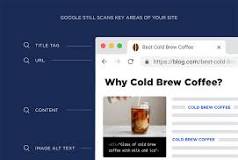
Include relevant wording where it helps readers understand the page. This may include the page title, main heading, introduction, subheadings and body copy. Use related terms and clear explanations when they add context.
There is no ideal keyword density that guarantees rankings. Repeating a phrase unnaturally can make content harder to read and may result in a poor experience. Write for people first, then review the page to make sure its topic is clear.
Common keyword mistakes
- Choosing phrases by search volume alone: A popular term may be too broad or unrelated to your goals.
- Keyword stuffing: Repeating phrases excessively does not make a page more helpful.
- Targeting too many topics on one page: A page without a clear focus may not satisfy any one search well.
- Creating a separate page for every variation: Similar pages can duplicate information and confuse visitors.
- Ignoring existing performance: Check which queries already bring people to your site before making major changes.
- Writing only for search engines: Content should be accurate, useful and easy to understand.
How to measure keyword performance
Use tools such as Google Search Console and web analytics to review how pages perform over time. Relevant measures may include impressions, clicks, click-through rate, average position, engagement and enquiries or sales. Interpret the figures in context: rankings can change, and a high position does not automatically lead to a business result.
Review your keyword research regularly, especially when your services, audience or market changes. Improve pages when the data and user feedback suggest there is a clearer way to answer a searcher’s needs.
Build a keyword strategy around useful content
Keywords are most valuable when they help you understand your audience and create better pages. Start with relevant searches, consider intent, match topics to the right pages and write naturally. A thoughtful approach can make your website easier to navigate and more useful to the people you want to reach.
Keywords for Search Engine Optimisation: 6 Frequently Asked Questions
- What are keywords in search engine optimisation?
- How do I find the right keywords for my website?
- How many keywords should I target on each page?
- What is the difference between short-tail and long-tail keywords?
- How often should I use a keyword in my content?
- How can I track whether my keywords are performing well?
What are keywords in search engine optimisation?
In search engine optimisation (SEO), keywords are the words and phrases people use in search engines to find information, products or services. They help businesses understand what their audience is looking for and guide the topics and language used on website pages. Effective keyword use means choosing relevant terms and including them naturally in useful content, rather than repeating them excessively.
How do I find the right keywords for my website?
To find the right keywords for your website, start by listing your products or services, your customers’ needs and the questions they commonly ask. Use keyword research tools to discover related searches and estimate their popularity, then check search results to understand what people expect to find. Choose phrases that are relevant to your business and match the purpose of each page, rather than focusing on search volume alone. Include them naturally in helpful content, and review your website’s performance over time to see which searches bring relevant visitors.
How many keywords should I target on each page?
There’s no fixed number of keywords to target on each page. Focus on one main topic or search intent, then use relevant variations and related terms naturally where they help explain the subject. A well-focused page may appear for many related searches without repeating exact phrases. Prioritise answering the reader’s question clearly, rather than trying to reach a particular keyword count.
What is the difference between short-tail and long-tail keywords?
Short-tail keywords are brief, broad search phrases, usually made up of one or two words, such as “running shoes”. They can attract a high volume of searches, but the searcher’s intent may be unclear and competition is often strong. Long-tail keywords are more specific phrases, such as “waterproof running shoes for beginners”, and typically have lower search volumes. However, they can reveal clearer intent and help you reach people looking for a particular product, service or answer. A balanced SEO strategy can use both, choosing phrases that match your audience and the purpose of each page.
How often should I use a keyword in my content?
There’s no fixed number of times you should use a keyword. Include it where it feels natural and helps make the page’s subject clear, such as in the title, main heading and relevant sections. Focus on answering the reader’s question clearly, and use related wording where appropriate. Repeating a keyword just to reach a particular frequency can make your content awkward and less useful.
How can I track whether my keywords are performing well?
Track keyword performance using tools such as Google Search Console, which shows the queries bringing impressions and clicks to your website, and analytics tools, which can help you understand what visitors do after they arrive. Review metrics such as clicks, impressions, click-through rate and average position alongside meaningful outcomes, such as enquiries or sales. Check performance over time rather than relying on a single snapshot, as rankings and search demand can fluctuate. Remember that a keyword is performing well when it attracts relevant visitors and supports your business goals—not simply because it ranks highly.
Leave a Reply