
influencer marketing agency

How to Choose the Right Influencer Marketing Agency for Your Brand

How an Influencer Marketing Agency Can Help Your Brand Grow

Influencer marketing has become an important way for brands to reach people through trusted, engaging content. Rather than relying solely on traditional advertising, businesses can work with creators who have built a connection with a particular audience. An influencer marketing agency helps plan and manage these partnerships, from finding suitable creators to measuring campaign results.

What is an influencer marketing agency?

An influencer marketing agency connects brands with content creators and manages campaigns designed to meet specific business goals. These goals might include increasing brand awareness, introducing a product, driving website visits or supporting sales.

Agencies can work across platforms such as Instagram, TikTok, YouTube and other social channels. The right platform depends on the audience, the campaign’s aims and the kind of content that will best communicate the brand’s message.

What does an influencer marketing agency do?

Campaigns involve more than choosing a popular creator and sending them a product. An agency can provide strategic and practical support at every stage, including:

  • Campaign planning: Defining objectives, audiences, key messages, budgets and measures of success.
  • Influencer discovery: Identifying creators whose content, audience and values are a good fit for the brand.
  • Audience checks: Reviewing audience demographics and engagement to help assess whether a partnership is suitable.
  • Partnership management: Coordinating outreach, agreements, content schedules and communication.
  • Content guidance: Providing a clear brief while allowing creators the freedom to make content that feels natural to their audience.
  • Campaign reporting: Assessing performance against agreed objectives and sharing useful insights.

Why work with an influencer marketing agency?

Planning an influencer campaign can take considerable time. A specialist agency can bring structure to the process, help a brand navigate creator partnerships and coordinate several contributors or platforms at once.

Agencies may also bring experience in evaluating creators beyond follower numbers. Relevant factors can include the quality of their content, audience relevance, engagement patterns and previous brand partnerships. This can help businesses make more considered decisions about where to invest their budget.

For brands with limited in-house resources, an agency can manage operational details such as timelines, approvals and deliverables. That gives internal teams more scope to focus on wider marketing priorities.

Choosing the right influencers

The most suitable influencer is not always the one with the largest following. A creator with a smaller, highly relevant audience may be a better fit for a campaign than a high-profile account with a broad but less engaged following.

When assessing potential partners, consider:

  • Audience fit: Does the creator reach the people the brand wants to engage?
  • Content style: Does their tone and approach suit the brand?
  • Engagement: Do followers interact meaningfully with their content?
  • Credibility: Does the partnership feel appropriate and believable?
  • Brand safety: Is their public content consistent with the brand’s values and requirements?

Measuring campaign performance

Campaign measurement should reflect the original objectives. If the goal is awareness, useful indicators may include reach, impressions, video views and brand mentions. For campaigns focused on traffic or sales, teams might also track link clicks, referral visits, discount-code use or conversions.

No single metric tells the whole story. A clear measurement plan, agreed before the campaign begins, helps brands understand what worked and what could be improved. It is also important to distinguish between activity, such as the number of posts published, and outcomes, such as audience engagement or sales.

Transparency and advertising rules

Influencer content must be clearly identifiable as advertising when it is paid for or otherwise controlled by a brand. In the UK, brands, agencies and creators should take care to follow applicable advertising rules and guidance, including requirements around clear disclosure. Campaign briefs should explain how sponsored content must be labelled and who is responsible for checking it.

Clear agreements are also valuable. These can set out content requirements, approval processes, usage rights, payment terms and publication dates, helping all parties understand what is expected.

What to look for in an agency

Before choosing an influencer marketing agency, consider its experience, approach to creator selection and reporting process. Ask how it will connect campaign activity to business objectives, how it checks audience suitability and what support it offers from planning through to evaluation.

A strong agency relationship should be based on clear communication, realistic expectations and a shared understanding of success. The agency should be able to explain its recommendations and tailor its approach to the brand, rather than offering a one-size-fits-all campaign.

Make influencer marketing work for your brand

An influencer marketing agency can help businesses develop well-planned creator partnerships and manage the practical details of a campaign. With clear objectives, carefully selected influencers, transparent advertising and meaningful measurement, influencer marketing can become a valuable part of a wider digital strategy.


7 Benefits of Working with an Influencer Marketing Agency

  1. Connects brands with relevant creators
  2. Saves time on campaign management
  3. Builds audience trust
  4. Creates engaging content
  5. Expands brand reach
  6. Supports measurable campaigns
  7. Provides specialist expertise


Five Drawbacks of Working with an Influencer Marketing Agency

  1. Agency fees can be high.
  2. Results are not guaranteed.
  3. Finding the right creators takes time.
  4. Campaigns can be difficult to measure.
  5. Brands may have less creative control.

Connects brands with relevant creators

An influencer marketing agency helps brands find creators whose audience, content and values align with their products or services. Rather than focusing only on follower numbers, the agency can assess factors such as audience demographics, engagement and content style. This makes it easier to build relevant partnerships that feel natural to the creator’s audience and help brands reach the people they want to connect with.

Saves time on campaign management

An influencer marketing agency can save your team valuable time by managing the many moving parts of a campaign. From finding suitable creators and coordinating contracts to organising content schedules, approvals and reporting, the agency handles the day-to-day details. This lets your team focus on other priorities while keeping the campaign organised and on track.

Builds audience trust

An influencer marketing agency can help build audience trust by matching your brand with creators whose values, expertise and content genuinely align with your products or services. Because followers have already developed a relationship with these creators, a thoughtful recommendation can feel more personal and credible than a traditional advert. By prioritising authentic partnerships and clear disclosure, an agency can help your brand connect with audiences in a way that feels relevant, honest and trustworthy.

Creates engaging content

An influencer marketing agency can help your brand create engaging content that feels natural to the platform and resonates with its audience. By working with creators who understand what their followers enjoy, the agency can shape campaigns around authentic stories, useful insights and compelling visuals. This can encourage people to watch, comment on and share your content, helping your message reach more potential customers.

Expands brand reach

An influencer marketing agency can help your brand reach new audiences by connecting you with creators whose followers may not yet know your business. By choosing influencers whose content and audience align with your offering, your message can appear in relevant, trusted spaces across social media. This can introduce your brand to more potential customers and extend its visibility beyond your existing channels.

Supports measurable campaigns

An influencer marketing agency can help make campaigns measurable by setting clear objectives and choosing relevant performance indicators from the outset. Depending on the campaign, these might include reach, engagement, website visits, enquiries or sales. The agency can track results across creators and platforms, then use the findings to show what worked and where future campaigns could improve.

Provides specialist expertise

An influencer marketing agency provides specialist expertise that can help brands plan and deliver more effective campaigns. Its team understands how to identify suitable creators, assess audience relevance, develop clear briefs and manage partnerships across different platforms. This experience can help businesses avoid common pitfalls, keep campaigns aligned with their objectives and measure results using meaningful performance indicators.

Agency fees can be high.

Agency fees can be high, particularly for smaller businesses or brands running several campaigns. Costs may include strategy, influencer research, campaign management and reporting, as well as payments to creators. Before committing, ask for a clear breakdown of fees and agree how success will be measured. This helps you assess whether the agency’s services fit your budget and are likely to deliver value.

Results are not guaranteed.

One potential drawback of working with an influencer marketing agency is that results are not guaranteed. Even a carefully planned campaign cannot control how audiences will respond, and outcomes may be affected by factors such as platform algorithms, market conditions and the creator’s level of engagement. An agency can help set objectives, select suitable influencers and monitor performance, but brands should avoid expecting guaranteed sales, reach or return on investment.

Finding the right creators takes time.

Finding the right creators takes time. An agency needs to research potential influencers, check that their audiences match your target market, review their content and engagement, and ensure their values align with your brand. Rushing this process can lead to partnerships that feel inauthentic or fail to reach the right people, so careful vetting is essential.

Campaigns can be difficult to measure.

One drawback of working with an influencer marketing agency is that campaign results can be difficult to measure. While metrics such as views, likes and clicks offer a useful snapshot, they do not always show whether a campaign has changed brand perception or contributed to a purchase. Sales may also be influenced by other marketing activity, making it hard to attribute results to a particular creator. Clear objectives, suitable tracking links and agreed reporting measures can improve evaluation, but some outcomes may remain difficult to quantify.

Brands may have less creative control.

Working with an influencer marketing agency can mean giving up some creative control. Creators know their audience and often produce their best work when they can use their own voice and style, so a brand may not be able to dictate every detail of the content. While a clear brief can set out key messages and requirements, overly strict approvals may make posts feel less authentic. Agreeing boundaries with the agency and creator in advance can help balance brand consistency with creative freedom.
top social media marketing companies

Discover the Top Social Media Marketing Companies in the UK

Top Social Media Marketing Companies

The Top Social Media Marketing Companies in the UK

Social media has become a powerful tool for businesses to connect with their audience, build brand awareness, and drive sales. To leverage the full potential of social media marketing, many companies turn to specialised agencies that excel in this field. Here are some of the top social media marketing companies in the UK:

Social Chain

Social Chain is a leading social media marketing agency known for its innovative campaigns and ability to create viral content. With a strong focus on influencer marketing and data-driven strategies, Social Chain helps brands maximise their presence on platforms like Facebook, Instagram, and Twitter.

We Are Social

We Are Social is a global agency with offices in London that specialises in social media marketing and digital communication. Their team of experts combines creativity with strategic thinking to deliver impactful campaigns that resonate with audiences across various social channels.

Born Social

Born Social is a boutique agency that prides itself on creating authentic and engaging social media experiences for brands. With a focus on storytelling and community building, Born Social helps clients connect with their target audience in meaningful ways.

The Drum Recommends: Commended

The Drum Recommends: Commended is an agency recommendation platform that recognises top-performing companies in various marketing disciplines, including social media. Agencies listed under this category have demonstrated excellence in delivering effective social media strategies for their clients.

These are just a few examples of the top social media marketing companies in the UK that can help businesses elevate their online presence and engage with customers effectively through social channels.


Top Social Media Marketing Companies: Answering Your Frequently Asked Questions

  1. Which company is best for social media marketing?
  2. What is the biggest social media agency?
  3. What is the most popular social media marketing?
  4. Which is the best social media marketing company?
  5. Who is the king of social media marketing?
  6. Which social media site is best for marketing?

Which company is best for social media marketing?

When it comes to determining the best company for social media marketing, several factors come into play. The ideal choice often depends on the specific needs and goals of a business. Companies like Social Chain, We Are Social, and Born Social are renowned for their innovative strategies and successful campaigns. However, the best company for social media marketing is one that aligns closely with a business’s objectives, offers tailored solutions, demonstrates a deep understanding of the target audience, and delivers measurable results. Conducting thorough research, reading client testimonials, and evaluating past performance can help businesses identify the right social media marketing partner that suits their requirements and budget.

What is the biggest social media agency?

When it comes to identifying the biggest social media agency, the answer may vary depending on different factors such as revenue, client base, global reach, and industry influence. Several prominent social media agencies like Social Chain, We Are Social, and Born Social are widely recognised for their significant impact in the industry. While there isn’t a definitive “biggest” social media agency, these companies stand out for their innovative strategies, creative campaigns, and ability to drive results for clients across various social platforms. Ultimately, the biggest agency may be subjective and can be determined by specific criteria or perspectives within the dynamic landscape of social media marketing.

One of the most frequently asked questions regarding top social media marketing companies is, “What is the most popular social media platform for marketing?” In today’s digital landscape, the answer to this question often varies depending on factors such as target audience demographics, industry niche, and campaign objectives. However, platforms like Facebook, Instagram, and Twitter continue to be among the most popular choices for social media marketing due to their wide user base, diverse advertising options, and robust engagement features. Understanding the unique strengths and audience preferences of each platform is crucial for businesses seeking to maximise their marketing efforts and achieve success in the competitive world of social media marketing.

Which is the best social media marketing company?

When it comes to determining the best social media marketing company, the answer can vary depending on specific business needs and objectives. The best social media marketing company for one business may not necessarily be the ideal choice for another. Factors such as industry expertise, track record of success, innovative strategies, and client satisfaction all play a crucial role in determining the top social media marketing company. It is essential for businesses to conduct thorough research, read reviews, and request consultations to find a company that aligns with their goals and can deliver results effectively in the realm of social media marketing.

Who is the king of social media marketing?

The question of who holds the title of the “king of social media marketing” is subjective and can vary depending on individual perspectives and industry trends. In the realm of social media marketing, there are several prominent companies known for their innovative strategies and impactful campaigns that have reshaped the digital landscape. While names like Social Chain, We Are Social, and Born Social are often recognised for their exceptional work in the field, determining a singular “king” remains elusive due to the dynamic nature of social media platforms and ever-evolving marketing techniques. Each company brings its unique strengths and approaches to the table, contributing to the diverse ecosystem of social media marketing leaders in the UK.

Which social media site is best for marketing?

When considering which social media site is best for marketing, the answer largely depends on the target audience and goals of the marketing campaign. Facebook remains a popular choice due to its vast user base and robust advertising options, making it suitable for reaching a wide demographic. Instagram is ideal for visually-driven brands looking to engage with a younger audience, while LinkedIn is preferred for B2B marketing and professional networking. Twitter’s real-time engagement makes it suitable for timely promotions and customer service interactions. Ultimately, the best social media site for marketing will be the one that aligns most closely with the brand’s objectives and resonates with its target audience.

on page seo and off page seo

Mastering the Art of On-Page SEO and Off-Page SEO Strategies for Online Success

The Importance of On-Page SEO and Off-Page SEO

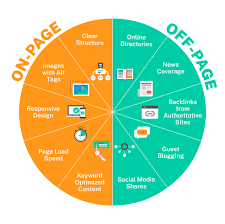
Search Engine Optimization (SEO) is a crucial aspect of digital marketing that helps websites rank higher in search engine results pages. There are two main components of SEO: On-Page SEO and Off-Page SEO. Let’s delve into the differences and importance of each.

On-Page SEO

On-Page SEO refers to the optimization of individual web pages to improve their search engine rankings and attract more organic traffic. This includes factors such as content quality, keyword usage, meta tags, headings, internal linking, and site structure. By focusing on On-Page SEO, website owners can make their content more relevant to search engines and users.

Key elements of On-Page SEO include:

  • Keyword Optimization: Using relevant keywords strategically throughout the content.
  • Meta Tags: Writing compelling meta titles and descriptions for each page.
  • Content Quality: Creating high-quality, engaging, and informative content that resonates with the target audience.
  • User Experience: Ensuring that the website is easy to navigate and provides a seamless user experience.

Off-Page SEO

In contrast, Off-Page SEO focuses on improving a website’s authority, credibility, and popularity through external factors. This includes activities that take place outside the website itself but impact its search engine rankings. Off-Page SEO primarily revolves around link building strategies and social media marketing efforts to increase a site’s visibility and reputation online.

Key elements of Off-Page SEO include:

  • Link Building: Acquiring high-quality backlinks from reputable websites to boost domain authority.
  • Social Media Engagement: Sharing content on social media platforms to drive traffic and increase brand awareness.
  • Online Reputation Management: Monitoring online reviews, mentions, and discussions about the brand to maintain a positive image.
  • Influencer Marketing: Collaborating with influencers or industry experts to endorse products or services.

The Synergy Between On-Page and Off-Page SEO

To achieve optimal results in search engine rankings, it is essential to integrate both On-Page and Off-Page SEO strategies effectively. While On-Page SEO lays the foundation by ensuring that your website is technically sound and user-friendly, Off-Page SEO helps establish your site’s authority in the online landscape through external validation from other reputable sources.

A holistic approach that combines these two aspects of SEO can significantly enhance a website’s visibility, credibility, and ultimately drive more organic traffic. By prioritizing both On-Page and Off-Page tactics in your digital marketing strategy, you can improve your chances of ranking higher in search engine results pages and reaching a wider audience online.

In conclusion, understanding the importance of both On-Page SEO and Off-Page SEO is crucial for any website looking to succeed in today’s competitive digital landscape. By implementing comprehensive strategies that encompass these two pillars of optimization, businesses can enhance their online presence, attract more visitors, and ultimately achieve their marketing goals successfully.


Essential On-Page and Off-Page SEO Tips: Enhancing URLs, Images, Speed, Links, Backlinks, and Reputation

  1. Use descriptive URLs with target keywords
  2. Optimize images with alt text and file names
  3. Ensure fast loading speed and mobile responsiveness
  4. Internal linking to relevant pages on your website
  5. Build quality backlinks from reputable websites
  6. Monitor and manage online reviews and reputation

Use descriptive URLs with target keywords

When it comes to On-Page SEO and Off-Page SEO, a valuable tip is to use descriptive URLs with target keywords. Incorporating relevant keywords into your website’s URLs not only helps search engines understand the content of your pages but also improves user experience by providing clear and informative links. By optimising your URLs with descriptive keywords related to your content, you can enhance both the visibility and relevance of your website in search engine results, ultimately driving more organic traffic and improving your site’s overall SEO performance.

Optimize images with alt text and file names

An essential tip for effective On-Page SEO and Off-Page SEO is to optimise images by using descriptive alt text and relevant file names. Alt text provides search engines with valuable information about the content of an image, helping improve its visibility in search results. Additionally, using descriptive file names that include keywords can further enhance the image’s relevance to both users and search engines. By incorporating these best practices, website owners can boost their SEO efforts and create a more user-friendly experience for visitors.

Ensure fast loading speed and mobile responsiveness

Ensuring fast loading speed and mobile responsiveness is a critical tip for effective On-Page SEO and Off-Page SEO strategies. Fast loading speed not only improves user experience but also plays a significant role in search engine rankings. Mobile responsiveness is equally important in today’s mobile-centric world, as search engines prioritise mobile-friendly websites. By optimising for speed and responsiveness, websites can enhance their visibility, engagement, and ultimately attract more organic traffic, contributing to a successful SEO campaign.

Internal linking to relevant pages on your website

Internal linking to relevant pages on your website is a fundamental aspect of On-Page SEO. By strategically linking related content within your site, you not only improve the user experience by guiding visitors to valuable information but also help search engines understand the structure and hierarchy of your website. This practice can boost the visibility and authority of important pages, ultimately enhancing your site’s overall SEO performance. In conjunction with Off-Page SEO efforts such as link building, internal linking plays a crucial role in establishing a strong online presence and improving search engine rankings.

Building quality backlinks from reputable websites is a fundamental aspect of Off-Page SEO that can significantly impact a website’s search engine rankings and online visibility. By acquiring backlinks from trustworthy and authoritative sources, websites can enhance their credibility and domain authority, signalling to search engines that the content is valuable and relevant. Quality backlinks act as endorsements from other reputable sites, helping to establish trust and legitimacy in the eyes of both search engines and users. Incorporating a strategic approach to link building as part of an overall SEO strategy can contribute to improving a website’s organic traffic, boosting its online reputation, and ultimately driving success in the digital landscape.

Monitor and manage online reviews and reputation

Monitoring and managing online reviews and reputation is a critical aspect of both On-Page SEO and Off-Page SEO strategies. By actively engaging with customer feedback, addressing concerns, and fostering positive interactions, businesses can enhance their online reputation and credibility. Positive reviews not only influence potential customers but also contribute to higher search engine rankings. Conversely, addressing negative feedback promptly demonstrates a commitment to customer satisfaction, which can help mitigate any potential damage to the brand’s reputation. Therefore, proactively monitoring and managing online reviews is essential for maintaining a positive online presence and building trust with both search engines and consumers.

advertising

Unleashing the Power of Strategic Advertising in the Digital Age

The Power of Advertising

The Power of Advertising

Advertising plays a crucial role in the success of businesses across the globe. It is a powerful tool that allows companies to communicate with their target audience, build brand awareness, and drive sales. In today’s competitive market, effective advertising strategies can make all the difference in capturing consumer attention and influencing purchasing decisions.

Types of Advertising

There are various forms of advertising, including:

  • Print Advertising: This includes newspaper ads, magazines, brochures, and flyers.
  • Digital Advertising: With the rise of the internet, digital advertising has become increasingly popular through channels such as social media, search engines, and display ads.
  • Outdoor Advertising: Billboards, posters, and transit ads are examples of outdoor advertising that reach a broad audience.
  • Broadcast Advertising: TV and radio commercials are traditional forms of broadcast advertising that continue to be effective in reaching mass audiences.

The Impact of Advertising

Effective advertising can have several benefits for businesses:

  • Brand Awareness: Advertising helps to create recognition for a brand and its products or services among consumers.
  • Sales Growth: Well-executed advertising campaigns can lead to increased sales and revenue for businesses.
  • Customer Engagement: Engaging ad campaigns can foster stronger relationships with customers and encourage loyalty.
  • Competitive Advantage: Strategic advertising can differentiate a business from its competitors and position it as a market leader.

The Future of Advertising

In an increasingly digital world, the landscape of advertising is constantly evolving. Personalised ads based on consumer data, influencer marketing on social media platforms, and interactive video ads are just some examples of innovative approaches to advertising. As technology continues to advance, advertisers must adapt their strategies to stay relevant and connect with consumers in meaningful ways.


Six Key Strategies for Effective Advertising: Audience Understanding, Multi-Channel Reach, Captivating Creatives, Performance Tracking, Trend Adaptation, and Brand Consistency

  1. Understand your target audience and tailor your message to resonate with them.
  2. Utilise various advertising channels to reach a wider audience.
  3. Create eye-catching visuals and compelling ad copy to capture attention.
  4. Monitor and analyse the performance of your ads to optimize for better results.
  5. Stay updated on current trends and adjust your advertising strategies accordingly.
  6. Ensure consistency in branding across all advertising materials for brand recognition.

Understand your target audience and tailor your message to resonate with them.

To maximise the effectiveness of your advertising efforts, it is essential to thoroughly understand your target audience and customise your message to resonate with them. By delving into the demographics, preferences, and behaviours of your audience, you can create tailored content that speaks directly to their needs and desires. This personalised approach not only enhances engagement but also fosters a deeper connection with your audience, increasing the likelihood of driving conversions and building brand loyalty.

Utilise various advertising channels to reach a wider audience.

To maximise the impact of your advertising efforts, it is essential to utilise various advertising channels to reach a wider audience. By diversifying your advertising strategy across different platforms such as social media, search engines, print media, and outdoor advertising, you can effectively engage with a broader demographic and increase brand visibility. This multi-channel approach not only helps you reach potential customers through different touchpoints but also allows you to tailor your message to suit the preferences and behaviours of diverse audiences. Ultimately, leveraging multiple advertising channels can enhance brand awareness, drive traffic, and boost overall marketing performance.

Create eye-catching visuals and compelling ad copy to capture attention.

To enhance the effectiveness of your advertising campaigns, it is crucial to create eye-catching visuals and compelling ad copy that captivate your audience’s attention. Visually appealing graphics and engaging copy can make your ads stand out in a crowded marketplace, drawing viewers in and prompting them to learn more about your products or services. By combining striking visuals with persuasive language, you can effectively communicate your brand message and entice potential customers to take action. Remember, the first impression is often the most impactful, so investing in compelling visuals and ad copy is key to capturing and retaining audience interest.

Monitor and analyse the performance of your ads to optimize for better results.

Monitoring and analysing the performance of your advertisements is a crucial step in maximising their effectiveness. By tracking key metrics such as click-through rates, conversion rates, and engagement levels, you can gain valuable insights into what is working well and what can be improved. This data-driven approach allows you to make informed decisions on how to optimise your ads for better results, ensuring that your advertising efforts are targeted and impactful. Regularly evaluating the performance of your ads enables you to refine your strategies, reach your target audience more effectively, and ultimately achieve greater success in your advertising campaigns.

To stay ahead in the competitive world of advertising, it is essential to stay informed about current trends and adapt your advertising strategies accordingly. By keeping a pulse on the latest developments in the industry, you can identify emerging opportunities and adjust your approach to resonate with your target audience effectively. Whether it’s leveraging new technologies, embracing popular social media platforms, or incorporating interactive content, staying updated on trends ensures that your advertising efforts remain fresh, relevant, and impactful.

Ensure consistency in branding across all advertising materials for brand recognition.

Ensuring consistency in branding across all advertising materials is essential for establishing strong brand recognition. By maintaining uniformity in visual elements, messaging, and tone of voice across various platforms and campaigns, businesses can create a cohesive brand identity that resonates with their target audience. Consistent branding helps to build trust and familiarity with consumers, making it easier for them to recognise and connect with the brand, ultimately leading to increased brand loyalty and recall.