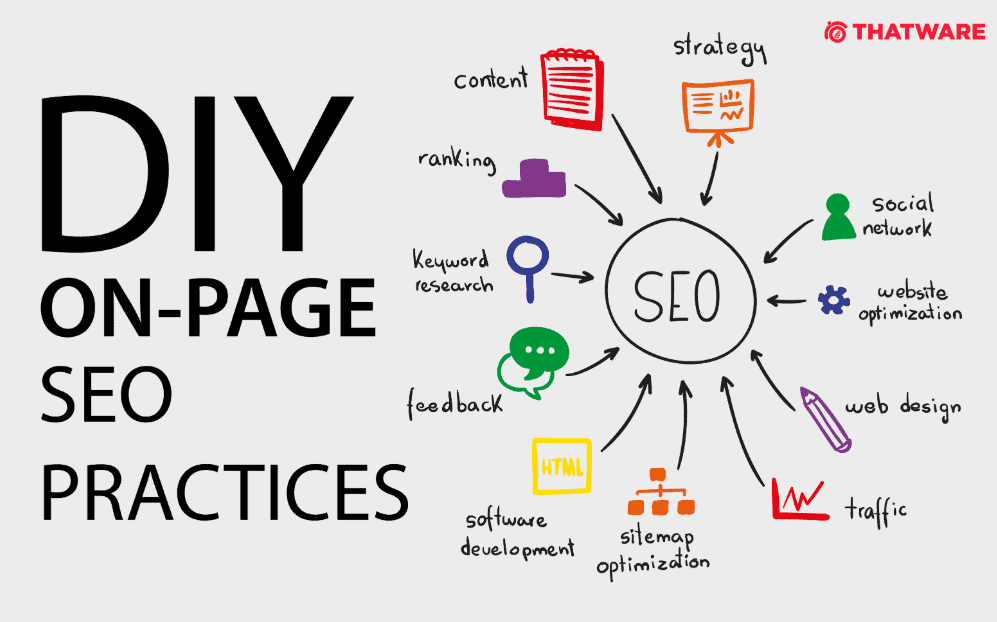
Mastering On-Page Optimization Techniques in Digital Marketing
The Importance of On-Page Optimization in Digital Marketing
In the realm of digital marketing, on-page optimization plays a crucial role in enhancing a website’s visibility and search engine rankings. This strategic practice involves optimizing various elements on a webpage to improve its relevance, user experience, and overall performance.
Key Components of On-Page Optimization:
- Keyword Research: Identifying relevant keywords that align with the content and intent of the webpage is essential for on-page optimization. Incorporating these keywords naturally throughout the content helps search engines understand the topic and context of the page.
- Meta Tags: Optimizing meta tags such as title tags, meta descriptions, and header tags can significantly impact a webpage’s visibility in search results. These tags provide concise information about the content of the page and influence click-through rates.
- Content Quality: High-quality, engaging content that is informative and relevant to users is key to on-page optimization. Content should be well-structured, easy to read, and incorporate targeted keywords without compromising readability.
- URL Structure: Creating SEO-friendly URLs that are descriptive, concise, and include relevant keywords can improve both user experience and search engine visibility. A clear URL structure helps search engines crawl and index webpages more effectively.
- Internal Linking: Strategically linking related pages within a website helps search engines understand the site’s structure and hierarchy. Internal links also distribute link equity throughout the site, improving overall SEO performance.
The Benefits of On-Page Optimization:
Effective on-page optimization offers several benefits for digital marketers and website owners. By implementing best practices in on-page SEO, businesses can:
- Increase Organic Traffic: Optimized webpages are more likely to rank higher in search engine results pages (SERPs), driving organic traffic to the site.
- Enhance User Experience: Well-optimized pages provide users with valuable information in a user-friendly format, leading to higher engagement and lower bounce rates.
- Improve Conversion Rates: Relevant content and optimized calls-to-action (CTAs) can encourage visitors to take desired actions on the site, such as making a purchase or filling out a form.
- Build Authority: Search engines reward websites with high-quality content and strong on-page optimization by ranking them higher in search results, increasing brand visibility and credibility.
In conclusion, on-page optimization is an integral part of any successful digital marketing strategy. By focusing on key elements such as keyword research, meta tags, content quality, URL structure, and internal linking, businesses can enhance their online presence, attract more organic traffic, and ultimately achieve their marketing goals.
Top 5 On-Page Optimisation Tips for Enhanced Digital Marketing Performance
- Include relevant keywords in the page title and meta description.
- Optimize headings (H1, H2, etc.) with keywords to improve readability and SEO.
- Create unique and engaging content that provides value to the audience.
- Optimize images with descriptive filenames and alt text for better visibility in search engines.
- Improve page loading speed by compressing images, minifying CSS/JS files, and using caching techniques.
Include relevant keywords in the page title and meta description.
In the realm of on-page optimization in digital marketing, a crucial tip is to include relevant keywords in the page title and meta description. By incorporating targeted keywords in these key elements, businesses can improve their website’s visibility in search engine results and attract more qualified traffic. The page title and meta description serve as concise summaries of the webpage’s content, helping both users and search engines understand the relevance of the page to their queries. This strategic practice not only enhances SEO performance but also increases click-through rates and improves overall user experience on the website.
Optimize headings (H1, H2, etc.) with keywords to improve readability and SEO.
Optimising headings, such as H1 and H2 tags, with relevant keywords is a valuable on-page optimization tip in digital marketing. By incorporating targeted keywords into headings, websites can not only enhance readability for users but also signal to search engines the main topics of the content. This practice helps improve the overall structure and organisation of the webpage, making it easier for both users and search engine crawlers to understand the relevance and context of the content. Ultimately, optimising headings with keywords can boost SEO performance by increasing visibility in search results and driving organic traffic to the site.
Create unique and engaging content that provides value to the audience.
Creating unique and engaging content that offers genuine value to the audience is a fundamental tip for successful on-page optimization in digital marketing. By crafting content that is original, informative, and tailored to the needs and interests of the target audience, businesses can attract and retain visitors to their website. High-quality content not only improves search engine visibility but also enhances user experience, fosters brand credibility, and encourages audience engagement. Ultimately, by prioritising the creation of valuable content, businesses can establish themselves as industry authorities and build lasting relationships with their online audience.
Optimize images with descriptive filenames and alt text for better visibility in search engines.
Optimising images with descriptive filenames and alt text is a valuable tip for enhancing on-page optimization in digital marketing. By using relevant keywords in image filenames and alt text, websites can improve their visibility in search engine results pages. Search engines rely on this information to understand the content of images, making it easier for them to index and rank webpages appropriately. Additionally, descriptive filenames and alt text not only boost SEO but also enhance accessibility for users with visual impairments, ensuring a more inclusive browsing experience.
Improve page loading speed by compressing images, minifying CSS/JS files, and using caching techniques.
To enhance on-page optimization in digital marketing, it is essential to prioritise improving page loading speed through various techniques. One effective tip is to compress images, reducing their file sizes without compromising quality, which can significantly decrease loading times. Additionally, minifying CSS and JavaScript files by removing unnecessary characters and spaces helps streamline code and improve site performance. Implementing caching techniques, such as browser caching and server-side caching, can also boost loading speed by storing frequently accessed resources for quicker retrieval. By incorporating these strategies, websites can deliver a faster and more seamless user experience while positively impacting search engine rankings.
Leave a Reply