serp seo

Unlocking the Potential of SERP SEO: Strategies for Success in the Digital Landscape

The Power of SERP SEO: Dominating Search Engine Results

The Power of SERP SEO: Dominating Search Engine Results

In the world of digital marketing, Search Engine Results Pages (SERPs) play a crucial role in determining the online visibility and success of a website. Understanding and harnessing the power of SERP SEO can significantly impact your website’s ranking and traffic.

What is SERP SEO?

SERP SEO refers to the practice of optimising your website’s content and structure to improve its visibility in search engine results pages. When users search for specific keywords or phrases related to your business, effective SERP SEO strategies can help your website appear higher in the search results, increasing the likelihood of attracting organic traffic.
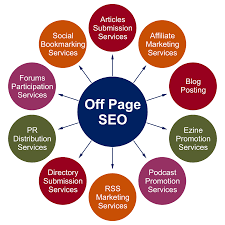
The Importance of SERP SEO

With millions of websites competing for attention on search engines, having a strong presence on SERPs is essential for driving organic traffic to your site. By implementing targeted keywords, creating high-quality content, and improving user experience, you can enhance your website’s relevance and authority in the eyes of search engines.

Key Elements of SERP SEO

Effective SERP SEO involves various elements, including:

  • Keyword Research: Identifying relevant keywords that align with your business and target audience.
  • On-Page Optimisation: Optimising meta tags, headings, images, and content for targeted keywords.
  • Quality Content: Creating engaging and informative content that adds value to users.
  • Mobile-Friendliness: Ensuring that your website is responsive and accessible on mobile devices.
  • User Experience: Improving site speed, navigation, and overall user experience to reduce bounce rates.

The Impact of SERP Rankings

Websites that appear on the first page of search engine results tend to receive the majority of clicks from users. By optimising your site for SERPs, you increase the chances of ranking higher and attracting valuable organic traffic. Higher rankings not only drive more visitors to your site but also enhance brand credibility and trust among users.

In Conclusion

In conclusion, mastering SERP SEO is essential for improving your website’s visibility and attracting organic traffic. By implementing effective strategies such as keyword research, on-page optimisation, quality content creation, and prioritising user experience, you can enhance your chances of dominating search engine results pages and achieving online success.


Top 5 Benefits of SERP SEO: Boosting Visibility, Traffic, and Credibility

  1. Increased online visibility
  2. Organic traffic growth
  3. Enhanced brand credibility
  4. Cost-effective marketing
  5. Competitive advantage


Challenges of SERP SEO: Time Investment, High Competition, and Algorithm Shifts

  1. 1. Time-Consuming
  2. 2. Competition
  3. 3. Algorithm Changes

Increased online visibility

By implementing effective SERP SEO strategies, your website gains the advantage of increased online visibility. By appearing higher in search engine results pages, your website becomes more prominent and easily discoverable by potential visitors searching for relevant keywords or topics. This enhanced visibility not only drives organic traffic to your site but also boosts brand awareness and credibility among your target audience.

Organic traffic growth

By prioritising SERP SEO, you can experience significant organic traffic growth for your website. By optimising your site to rank higher in search engine results pages, you can attract more visitors without the need for paid advertising. This organic traffic not only increases your website’s visibility but also brings in users who are actively searching for the products or services you offer, leading to higher-quality leads and potential conversions.

Enhanced brand credibility

Achieving higher rankings in search engine results through effective SERP SEO strategies can significantly enhance your brand’s credibility and trustworthiness among users. When your website appears at the top of search results for relevant keywords, it signals to users that your brand is authoritative and reliable in its industry. This increased visibility not only attracts more organic traffic but also establishes a positive perception of your brand, ultimately leading to greater trust and credibility among your target audience.

Cost-effective marketing

Investing in SERP SEO presents a significant advantage in terms of cost-effectiveness within the realm of digital marketing. By prioritising search engine optimisation strategies, businesses can establish a sustainable source of long-term traffic and leads to their website without the ongoing financial commitment associated with paid advertising campaigns. This approach not only offers a more economical alternative but also ensures a continuous flow of organic traffic, ultimately maximising the return on investment over time.

Competitive advantage

Effective SERP SEO strategies offer a significant competitive advantage by enabling your website to surpass rival sites in search engine rankings. By optimising your content and structure to align with search engine algorithms, you can increase your visibility and attract more organic traffic than competitors. This enhanced online presence not only boosts brand awareness but also positions your website as a top choice for users searching for relevant information or products, ultimately giving you a valuable edge in the competitive digital landscape.

1. Time-Consuming

One significant drawback of SERP SEO is its time-consuming nature. To implement effective strategies, considerable time and effort are required to conduct thorough keyword research, optimise content, and continuously monitor and adjust tactics based on results. The process of improving search engine rankings and visibility demands patience and dedication, as achieving significant outcomes in the competitive online landscape can be a gradual and ongoing endeavour.

2. Competition

In the realm of SERP SEO, one significant drawback is the intense competition that arises from the multitude of websites striving to secure top positions on search engine results pages. The digital landscape is saturated with competitors all vying for visibility, making it increasingly challenging for websites to distinguish themselves and capture the attention of users. Standing out amidst this fierce competition demands strategic planning, innovative approaches, and continuous efforts to stay ahead in the ever-evolving online environment.

3. Algorithm Changes

One significant drawback of SERP SEO is the constant changes in search engine algorithms. Search engines regularly update their algorithms to provide more accurate and relevant search results to users. These frequent changes can pose a challenge for website owners and SEO professionals, as strategies that were effective in the past may no longer yield the same results. Adapting to algorithm changes requires staying informed about updates, adjusting SEO tactics accordingly, and continuously monitoring and refining strategies to ensure that websites remain visible and competitive in search engine results pages.

seo web page analyzer

Unlocking the Power of an SEO Web Page Analyzer for Enhanced Online Visibility

The Importance of Using an SEO Web Page Analyzer

The Importance of Using an SEO Web Page Analyzer

Search Engine Optimization (SEO) is crucial for any website looking to improve its visibility and ranking on search engine results pages. One powerful tool that can greatly assist in this process is an SEO web page analyzer.

What is an SEO Web Page Analyzer?

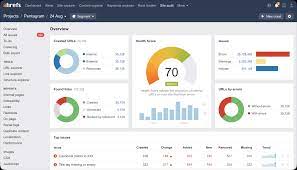
An SEO web page analyzer is a tool that evaluates various aspects of a webpage to determine its SEO performance. It scans the content, meta tags, headings, images, links, and other elements to provide insights into how well the page is optimized for search engines.

Benefits of Using an SEO Web Page Analyzer:

  • Identifying SEO Issues: By using an SEO web page analyzer, website owners can identify any issues that may be hindering their search engine rankings. These issues could include missing meta tags, broken links, duplicate content, or slow loading times.
  • Optimizing Content: The analyzer helps in optimizing content by suggesting relevant keywords, improving readability, and ensuring proper use of headings and subheadings.
  • Competitor Analysis: Some analyzers offer competitive analysis features that allow users to compare their website’s performance with that of competitors. This helps in identifying areas for improvement and staying ahead in the competitive landscape.
  • Monitoring Progress: Regularly using an SEO web page analyzer allows website owners to track their progress over time. They can see how changes made based on previous analyses have impacted their rankings and make informed decisions for future optimizations.

Choosing the Right SEO Web Page Analyzer:

When selecting an SEO web page analyzer, it’s essential to consider factors such as the depth of analysis provided, ease of use, reporting capabilities, and cost. There are various tools available in the market with different features catering to diverse needs.

In Conclusion

An SEO web page analyzer is a valuable tool for any website owner or digital marketer looking to enhance their site’s visibility and performance in search engine results. By leveraging the insights provided by these tools, businesses can make informed decisions to improve their SEO strategies and ultimately drive more organic traffic to their websites.


Top 9 Frequently Asked Questions About Using an SEO Web Page Analyzer

  1. What is an SEO web page analyzer?
  2. How does an SEO web page analyzer help improve search engine rankings?
  3. What are the key features to look for in an SEO web page analyzer?
  4. Is using an SEO web page analyzer essential for website optimization?
  5. Can an SEO web page analyzer identify technical issues on a website?
  6. How often should I use an SEO web page analyzer to monitor my website’s performance?
  7. Are there free options available for using an SEO web page analyzer?
  8. Can an SEO web page analyzer provide recommendations for improving content quality?
  9. Is it necessary to have technical knowledge to use an SEO web page analyzer effectively?

What is an SEO web page analyzer?

An SEO web page analyzer is a powerful tool that evaluates various elements of a webpage to assess its search engine optimization performance. This tool scans the content, meta tags, headings, images, links, and other components of a webpage to provide valuable insights into how well the page is optimized for search engines. By using an SEO web page analyzer, website owners can identify and address issues such as missing meta tags, broken links, duplicate content, and other factors that may impact their website’s visibility and ranking on search engine results pages.

How does an SEO web page analyzer help improve search engine rankings?

An SEO web page analyzer plays a crucial role in improving search engine rankings by providing valuable insights into the optimization of a webpage. By analysing various elements such as content quality, meta tags, headings, images, links, and overall site performance, the analyzer identifies areas for improvement. It helps website owners identify and fix SEO issues that may be impacting their rankings negatively. By suggesting relevant keywords, optimizing content structure, and highlighting technical errors that need attention, an SEO web page analyzer empowers users to make informed decisions to enhance their website’s visibility and relevance in search engine results pages.

What are the key features to look for in an SEO web page analyzer?

When considering an SEO web page analyzer, several key features are essential to look for to ensure effective website optimisation. Firstly, the tool should provide comprehensive analysis of on-page elements such as meta tags, headings, and content quality. It should also offer insights into keyword usage and density to enhance SEO performance. Additionally, the ability to identify technical issues like broken links, page speed, and mobile-friendliness is crucial for overall site health. Furthermore, a user-friendly interface with clear reporting and actionable recommendations is vital for easy implementation of suggested improvements. Lastly, considering features like competitor analysis and progress tracking can further elevate the effectiveness of an SEO web page analyzer in boosting search engine rankings and driving organic traffic to websites.

Is using an SEO web page analyzer essential for website optimization?

When considering website optimization, using an SEO web page analyzer is indeed essential. An SEO web page analyzer provides valuable insights into a webpage’s performance, highlighting areas that need improvement to enhance search engine visibility. By identifying SEO issues, optimizing content, and monitoring progress over time, website owners can make informed decisions to boost their rankings and attract more organic traffic. Therefore, incorporating an SEO web page analyzer into your optimization strategy is crucial for achieving long-term success in the competitive online landscape.

Can an SEO web page analyzer identify technical issues on a website?

Yes, an SEO web page analyzer can indeed identify technical issues on a website. These tools are designed to scan various technical aspects of a webpage, such as site speed, mobile-friendliness, URL structure, internal linking, and more. By analysing these elements, an SEO web page analyzer can pinpoint technical issues that may be affecting the website’s performance in search engine rankings. Identifying and resolving these technical issues is crucial for ensuring that the website is optimised for search engines and provides a seamless user experience.

How often should I use an SEO web page analyzer to monitor my website’s performance?

Regular monitoring of your website’s performance using an SEO web page analyzer is essential to ensure that your site remains optimised for search engines. It is recommended to use an SEO web page analyzer at least once a month to track changes, identify any emerging issues, and make necessary adjustments to improve your website’s SEO performance. By regularly analysing your website with an SEO web page analyzer, you can stay proactive in addressing any potential issues and continuously enhance your site’s visibility and ranking on search engine results pages.

Are there free options available for using an SEO web page analyzer?

When it comes to using an SEO web page analyzer, one common question that arises is whether there are free options available. The good news is that there are indeed free SEO web page analyzers available for website owners and digital marketers to utilise. These tools offer basic analysis of key SEO elements on a webpage, such as meta tags, headings, and keyword usage. While free options may have limitations compared to paid tools in terms of depth of analysis and additional features, they can still provide valuable insights to help improve a website’s SEO performance without the need for a financial investment.

Can an SEO web page analyzer provide recommendations for improving content quality?

When it comes to the frequently asked question of whether an SEO web page analyzer can provide recommendations for improving content quality, the answer is a resounding yes. An SEO web page analyzer is equipped with features that assess various aspects of content, such as keyword relevance, readability, and structure. By analysing these elements, the tool can offer valuable suggestions for enhancing content quality, including recommending relevant keywords, improving readability through formatting and headings, and identifying opportunities to enhance overall user experience. Utilising an SEO web page analyzer’s recommendations for content improvement can significantly boost a website’s SEO performance and user engagement.

Is it necessary to have technical knowledge to use an SEO web page analyzer effectively?

When it comes to using an SEO web page analyzer effectively, having technical knowledge can certainly be beneficial but is not always necessary. Many SEO web page analyzers are designed to be user-friendly and intuitive, allowing users with varying levels of technical expertise to navigate and interpret the results easily. While a basic understanding of SEO principles can aid in making sense of the analysis provided by the tool, most analyzers offer clear recommendations and actionable insights that can be implemented without extensive technical know-how. Ultimately, a willingness to learn and a proactive approach to implementing suggested improvements are key factors in leveraging an SEO web page analyzer effectively, regardless of one’s technical background.

on page seo

Mastering On-Page SEO Techniques for Website Success

The Importance of On-Page SEO for Your Website

The Importance of On-Page SEO for Your Website

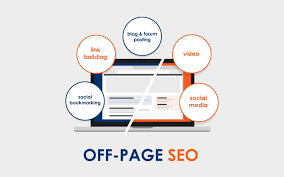
Search Engine Optimization (SEO) is crucial for improving your website’s visibility and ranking on search engine results pages. While off-page SEO plays a significant role, on-page SEO is equally important in ensuring that your website is optimised for search engines.

What is On-Page SEO?

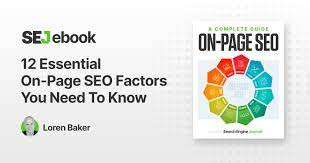
On-page SEO refers to the practice of optimising individual web pages to rank higher and earn more relevant traffic in search engines. This includes various elements such as optimizing content, meta tags, headings, images, and internal links on a webpage.

The Benefits of On-Page SEO

  • Improved Search Engine Ranking: By implementing on-page SEO best practices, you can improve your website’s ranking on search engine results pages.
  • Enhanced User Experience: Optimising your website’s on-page elements can enhance user experience, leading to lower bounce rates and increased engagement.
  • Increased Organic Traffic: Effective on-page SEO can help drive more organic traffic to your website by making it more visible to users searching for relevant keywords.
  • Better Conversion Rates: When your website is properly optimized with on-page SEO techniques, it can lead to higher conversion rates as users are more likely to engage with your content.

Key Elements of On-Page SEO

Some key elements of on-page SEO include:

  • Title Tags: Optimising title tags with relevant keywords can improve click-through rates from search engine results pages.
  • Meta Descriptions: Writing compelling meta descriptions can entice users to click through to your website.
  • Heading Tags: Proper use of heading tags (H1-H6) helps search engines understand the structure and hierarchy of your content.
  • Keyword Optimization: Incorporating relevant keywords naturally throughout your content helps improve visibility for those terms.
  • Image Alt Text: Adding descriptive alt text to images improves accessibility and provides another opportunity for keyword optimization.
  • User-Friendly URLs: Creating clean and descriptive URLs makes it easier for both users and search engines to understand the page’s topic.

In conclusion, on-page SEO is a fundamental aspect of any comprehensive SEO strategy. By focusing on optimizing individual web pages with relevant content and key elements, you can enhance your website’s visibility, attract more organic traffic, and ultimately improve your online presence.


Top 5 On-Page SEO Tips for Boosting Your Website’s Performance

  1. 1. Use relevant keywords in your page titles and meta descriptions.
  2. 2. Optimize your headings (H1, H2, etc.) with targeted keywords.
  3. 3. Create high-quality and engaging content that is valuable to your audience.
  4. 4. Improve the loading speed of your website for better user experience and SEO performance.
  5. 5. Utilize internal linking to connect related pages within your website.

1. Use relevant keywords in your page titles and meta descriptions.

Utilising relevant keywords in your page titles and meta descriptions is a crucial tip for effective on-page SEO. By incorporating targeted keywords that align with your content, you can enhance the visibility of your web pages on search engine results pages. Page titles and meta descriptions serve as a brief preview of your content to both search engines and users, making it essential to include keywords that accurately reflect the topic of the page. This practice not only improves search engine ranking but also entices users to click through to your website by providing a clear indication of what they can expect from your content.

2. Optimize your headings (H1, H2, etc.) with targeted keywords.

To enhance your on-page SEO, it is crucial to optimise your headings, such as H1 and H2 tags, with targeted keywords. By incorporating relevant keywords into your headings, you can signal to search engines the main topics of your content and improve its visibility for those specific terms. Strategic use of headings not only helps search engines understand the structure and relevance of your content but also enhances the user experience by providing a clear hierarchy of information on the webpage.

3. Create high-quality and engaging content that is valuable to your audience.

Creating high-quality and engaging content that provides value to your audience is a crucial aspect of on-page SEO. By crafting content that is informative, relevant, and engaging, you not only attract the attention of your target audience but also establish credibility and authority in your industry. Valuable content not only helps improve your website’s search engine ranking but also encourages user engagement, leading to increased organic traffic and better conversion rates. Remember, quality content is key to capturing the interest of your audience and keeping them coming back for more.

4. Improve the loading speed of your website for better user experience and SEO performance.

Improving the loading speed of your website is a crucial tip for enhancing user experience and boosting SEO performance. A fast-loading website not only provides visitors with a seamless browsing experience but also signals to search engines that your site is well-optimised and user-friendly. By prioritising loading speed optimisation, you can reduce bounce rates, increase engagement, and ultimately improve your website’s search engine ranking. Investing in speeding up your website can have a significant impact on both user satisfaction and SEO success.

To enhance your on-page SEO strategy, it is essential to utilise internal linking effectively by connecting related pages within your website. By incorporating internal links strategically, you not only improve the user experience by guiding visitors to relevant content but also help search engines understand the structure and hierarchy of your website. This practice can boost the authority of your pages and improve overall site visibility, ultimately contributing to a more cohesive and well-optimised online presence.

seo page analysis

Unveiling the Secrets of SEO Page Analysis: A Comprehensive Guide to Optimising Web Pages

SEO Page Analysis: Unveiling the Secrets of Optimised Web Pages

SEO Page Analysis: Unveiling the Secrets of Optimised Web Pages

In the realm of digital marketing, Search Engine Optimization (SEO) plays a crucial role in determining the success of a website. One essential aspect of SEO is page analysis, which involves evaluating and optimising individual web pages to improve their search engine rankings and overall performance.

The Importance of SEO Page Analysis

SEO page analysis is a systematic process that involves examining various elements of a web page to ensure it is optimised for search engines. By conducting a thorough analysis, digital marketers can identify areas for improvement and implement strategies to enhance the visibility and relevance of the page.

Key Elements of SEO Page Analysis

Some key elements that are typically analysed during an SEO page analysis include:

  • Title Tags: Ensuring that title tags are relevant, descriptive, and contain targeted keywords.
  • Meta Descriptions: Crafting compelling meta descriptions that entice users to click on the link.
  • Heading Tags: Using proper heading tags (H1, H2, H3) to structure content and improve readability.
  • Keyword Usage: Strategically incorporating relevant keywords throughout the content.
  • URL Structure: Creating clean and concise URLs that reflect the page’s content.
  • Image Optimization: Optimising images with descriptive alt text and appropriate file names.
  • Internal Linking: Establishing internal links to improve navigation and enhance user experience.
  • Mobile-Friendliness: Ensuring that the page is responsive and mobile-friendly for optimal viewing on different devices.

The Benefits of SEO Page Analysis

By conducting regular SEO page analyses, website owners can enjoy a range of benefits, including:

  • Improved Search Engine Rankings: Optimising web pages based on analysis results can lead to higher rankings in search engine results pages (SERPs).
  • Better User Experience: A well-optimised page provides users with valuable content and enhances their overall browsing experience.
  • Incrased Organic Traffic: Implementing SEO recommendations from page analysis can attract more organic traffic to the website.


Six Essential SEO Page Analysis Tips for Enhancing Your Website’s Visibility

  1. Analyse the page title to ensure it is relevant and includes targeted keywords.
  2. Check meta descriptions for each page to make sure they are unique and compelling.
  3. Review header tags (H1, H2, etc.) to see if they are properly structured and contain keywords.
  4. Examine the URL structure for readability and keyword inclusion.
  5. Evaluate image alt text to confirm it is descriptive and includes relevant keywords.
  6. Assess internal and external links for relevance, quality, and proper anchor text.

Analyse the page title to ensure it is relevant and includes targeted keywords.

When conducting SEO page analysis, it is crucial to scrutinise the page title meticulously. Ensuring that the page title is not only relevant to the content but also incorporates targeted keywords can significantly impact the website’s search engine visibility. A well-crafted page title not only informs search engines about the page’s topic but also entices users to click through by providing a clear and concise preview of what the page offers. By optimising the page title with strategic keywords, website owners can enhance their chances of ranking higher in search results and attracting relevant organic traffic.

Check meta descriptions for each page to make sure they are unique and compelling.

When conducting SEO page analysis, it is crucial to check the meta descriptions for each page to ensure they are both unique and compelling. Meta descriptions serve as a brief summary of a web page’s content in search engine results, influencing users’ decision to click through. By crafting unique and engaging meta descriptions that accurately reflect the page’s content, website owners can improve click-through rates and enhance their overall search engine visibility.

Review header tags (H1, H2, etc.) to see if they are properly structured and contain keywords.

When conducting SEO page analysis, it is crucial to review header tags such as H1, H2, etc., to ensure they are properly structured and incorporate relevant keywords. Header tags not only help search engines understand the hierarchical structure of the content but also provide users with a clear and organised reading experience. By optimising header tags with targeted keywords, website owners can improve their chances of ranking higher in search engine results and attracting more organic traffic to their site.

Examine the URL structure for readability and keyword inclusion.

When conducting SEO page analysis, it is essential to examine the URL structure to ensure both readability and keyword inclusion. A well-structured URL not only enhances the user experience by providing clear navigation but also plays a crucial role in search engine rankings. By incorporating relevant keywords into the URL and keeping it concise and descriptive, website owners can improve their chances of appearing higher in search results. Additionally, a clean URL structure contributes to better indexing by search engines, ultimately leading to increased visibility and traffic for the website.

Evaluate image alt text to confirm it is descriptive and includes relevant keywords.

When conducting SEO page analysis, it is crucial to evaluate the image alt text to ensure it is descriptive and incorporates relevant keywords. Alt text not only provides accessibility for visually impaired users but also serves as valuable metadata for search engines to understand the content of images. By including descriptive alt text with targeted keywords, websites can enhance their SEO performance and improve the overall user experience by providing context and relevance to visual content.

When conducting SEO page analysis, it is crucial to assess both internal and external links for relevance, quality, and proper anchor text. Internal links should guide users to related content within the website, enhancing navigation and user experience. External links should lead to reputable sources that add value to the content. By ensuring that all links are relevant, of high quality, and feature appropriate anchor text with targeted keywords, websites can improve their search engine rankings and provide users with valuable resources for a comprehensive online experience.

Copyright © seolondon.digital