on page seo content

Unlocking the Potential of On-Page SEO Content: A Guide to Optimising Your Website

The Power of On-Page SEO Content

The Power of On-Page SEO Content

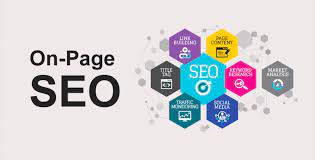
When it comes to search engine optimisation (SEO), on-page content plays a crucial role in determining the visibility and ranking of your website. On-page SEO content refers to the text, images, and multimedia elements that are present on individual web pages and are optimised for search engines.

Why On-Page SEO Content Matters

Effective on-page SEO content not only helps search engines understand the relevance of your website to specific keywords but also enhances the user experience. By creating high-quality, relevant, and engaging content, you can attract more organic traffic to your site and keep visitors engaged.

Key Elements of On-Page SEO Content

Keywords: Incorporating relevant keywords strategically throughout your content helps search engines identify the main topics of your web pages.

Title Tags: Optimising title tags with primary keywords can improve click-through rates from search engine results pages (SERPs).

Meta Descriptions: Compelling meta descriptions can entice users to click on your link in search results.

Headings: Using headings (H1, H2, etc.) helps structure your content and improve readability for both users and search engines.

Internal Links: Linking to other relevant pages within your website can improve navigation and increase dwell time.

Tips for Optimising On-Page SEO Content

To maximise the impact of your on-page SEO content, consider the following tips:

  • Create unique and valuable content that addresses user intent.
  • Avoid keyword stuffing and focus on natural incorporation of keywords.

In Conclusion

In conclusion, on-page SEO content is a fundamental aspect of any successful SEO strategy. By prioritising the creation of high-quality, relevant content that is optimised for both users and search engines, you can enhance your website’s visibility, attract more organic traffic, and ultimately achieve better rankings in search results.


Essential FAQs About Optimising On-Page SEO Content for Your Website

  1. What is on-page SEO content?
  2. Why is on-page SEO content important for websites?
  3. How can I optimise keywords in my on-page SEO content?
  4. What role do title tags play in on-page SEO?
  5. How do meta descriptions impact on-page SEO?
  6. Why are headings crucial for on-page SEO?
  7. What is the significance of internal links in on-page SEO content?
  8. How can I create unique and valuable on-page SEO content?
  9. Why is it essential to update and refresh on-page SEO content regularly?

What is on-page SEO content?

On-page SEO content refers to the textual, visual, and multimedia elements that are present on individual web pages and are optimised to improve the website’s visibility and ranking in search engine results. This content includes strategically placed keywords, meta tags, headings, internal links, and other elements that help search engines understand the relevance of the page to specific queries. By creating high-quality, engaging on-page SEO content that is relevant to users’ search intent, website owners can attract organic traffic, enhance user experience, and increase their chances of ranking higher in search engine results pages.

Why is on-page SEO content important for websites?

Effective on-page SEO content is vital for websites because it serves as the foundation for attracting organic traffic and improving search engine rankings. By optimising on-page content with relevant keywords, informative meta descriptions, and structured headings, websites can enhance their visibility and relevance to search engines. Quality on-page SEO content not only helps search engines understand the context of web pages but also provides valuable information to users, thereby improving user experience and engagement. Ultimately, prioritising on-page SEO content ensures that websites can effectively communicate their purpose, attract target audiences, and achieve sustainable online success.

How can I optimise keywords in my on-page SEO content?

Optimising keywords in your on-page SEO content is essential for improving your website’s visibility and relevance to search engines. To effectively optimise keywords, start by conducting thorough keyword research to identify relevant terms and phrases that align with your content and target audience. Once you have selected your keywords, strategically incorporate them into your title tags, meta descriptions, headings, and body content while maintaining a natural flow. Avoid keyword stuffing, as this can harm the user experience and lead to penalties from search engines. By creating high-quality, informative content that seamlessly integrates targeted keywords, you can enhance the discoverability of your website and attract organic traffic interested in your offerings.

What role do title tags play in on-page SEO?

Title tags play a crucial role in on-page SEO by serving as the clickable headline that appears in search engine results pages (SERPs). These tags not only provide a concise summary of the content on a web page but also help search engines understand the relevance of the page to specific keywords. Optimising title tags with relevant keywords can significantly impact click-through rates and improve the overall visibility and ranking of a website. By crafting compelling and keyword-rich title tags, website owners can enhance their SEO efforts and attract more organic traffic to their site.

How do meta descriptions impact on-page SEO?

Meta descriptions play a crucial role in on-page SEO by providing a concise summary of a web page’s content to both search engines and users. These snippets appear below the page title in search engine results, influencing click-through rates and user engagement. Optimising meta descriptions with relevant keywords and compelling language can attract more clicks, improving the visibility and ranking of the page. Additionally, well-crafted meta descriptions can enhance the user experience by accurately describing the content of the page, setting clear expectations for visitors before they click through. In essence, meta descriptions are a vital component of on-page SEO strategy, influencing both search engine algorithms and user behaviour.

Why are headings crucial for on-page SEO?

Headings play a crucial role in on-page SEO for several reasons. Firstly, headings help to structure the content of a web page, making it easier for both users and search engines to understand the hierarchy and main topics covered. Search engines use headings (such as H1, H2, etc.) to determine the relevance of the content to specific keywords, which can impact the ranking of the page in search results. Additionally, headings provide visual cues that improve readability and user experience, helping visitors to quickly scan and navigate through the content. By optimising headings with relevant keywords and maintaining a logical structure, websites can enhance their SEO performance and attract more organic traffic.

Internal links play a crucial role in on-page SEO content by connecting different pages within a website and establishing a hierarchical structure that search engines can crawl and index effectively. By strategically incorporating internal links, website owners can guide both users and search engines to relevant content, improving navigation and enhancing the overall user experience. Internal links help distribute link equity throughout the site, boosting the visibility of important pages and increasing the likelihood of higher rankings in search engine results. Proper use of internal links can also increase dwell time on the website, reduce bounce rates, and encourage visitors to explore more content, ultimately contributing to improved SEO performance.

How can I create unique and valuable on-page SEO content?

Creating unique and valuable on-page SEO content requires a strategic approach that combines creativity, relevance, and optimisation. Start by conducting thorough keyword research to identify relevant topics and phrases that align with your target audience’s search intent. Craft original and engaging content that provides valuable insights, answers questions, or solves problems for your readers. Structure your content with clear headings, subheadings, and bullet points to improve readability and user experience. Incorporate keywords naturally throughout the content while avoiding keyword stuffing. Regularly update and refresh your content to ensure it remains current and relevant to both users and search engines. By focusing on quality, relevance, and user experience, you can create on-page SEO content that stands out and drives organic traffic to your website.

Why is it essential to update and refresh on-page SEO content regularly?

Regularly updating and refreshing on-page SEO content is essential for maintaining the relevance and effectiveness of your website. Search engines favour fresh and up-to-date content, as it signals to them that your site is active and continuously providing value to users. By regularly revisiting and updating your on-page SEO content, you can ensure that it remains aligned with current search trends, user preferences, and algorithm updates. This practice not only improves your chances of ranking higher in search results but also enhances user experience by offering timely and accurate information. Keeping your content fresh demonstrates your commitment to quality and credibility, ultimately contributing to the long-term success of your SEO efforts.

off site seo

Mastering the Art of Off-Site SEO: Boost Your Online Presence Today!

The Power of Off-Site SEO in Boosting Your Online Presence

The Power of Off-Site SEO in Boosting Your Online Presence

Search Engine Optimization (SEO) is a crucial aspect of any successful digital marketing strategy. While on-site SEO focuses on optimizing your website’s content and structure, off-site SEO plays an equally important role in improving your online visibility and driving organic traffic to your site.

What is Off-Site SEO?

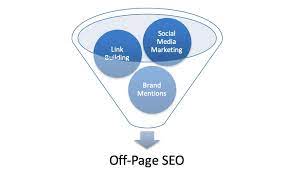
Off-site SEO refers to all the activities that take place outside of your website but have a direct impact on your search engine rankings. This includes building high-quality backlinks, establishing a strong social media presence, and engaging with influencers in your industry.

The Importance of Off-Site SEO

Off-site SEO is essential for several reasons:

  • Backlinks: Backlinks from reputable websites act as votes of confidence for your site, signalling to search engines that your content is valuable and trustworthy.
  • Brand Authority: By being mentioned on authoritative sites and social media platforms, you can establish yourself as an industry leader and build credibility with your audience.
  • Increase Traffic: A well-executed off-site SEO strategy can drive more organic traffic to your site, leading to higher conversion rates and improved ROI.
  • Improved Search Rankings: Search engines like Google consider off-site factors when determining where your site ranks in search results. By focusing on off-site SEO, you can improve your chances of appearing higher in SERPs.

Effective Off-Site SEO Techniques

To make the most of off-site SEO, consider implementing the following techniques:

  1. Link Building: Focus on acquiring high-quality backlinks from relevant websites in your industry. Guest posting, influencer collaborations, and broken link building are effective strategies for building a strong backlink profile.
  2. Social Media Engagement: Actively engage with your audience on social media platforms to increase brand awareness and drive traffic to your site. Share valuable content, participate in conversations, and respond to comments and messages promptly.
  3. Online PR: Develop relationships with journalists and bloggers to secure press coverage for your brand. Being featured in reputable publications can significantly boost your online reputation and visibility.
  4. Influencer Marketing: Collaborate with influencers who align with your brand values to reach a wider audience and gain credibility within your niche. Influencers can help amplify your message and drive engagement with their followers.

In conclusion, off-site SEO is a critical component of a comprehensive digital marketing strategy. By focusing on building a strong online presence through effective off-site techniques, you can improve your search rankings, attract more organic traffic, and ultimately achieve greater success online.


Seven Essential Off-Site SEO Tips to Boost Your Website’s Visibility

  1. Create high-quality and relevant content for off-site platforms.
  2. Build backlinks from reputable and authoritative websites to improve your site’s credibility.
  3. Utilize social media platforms to promote your website and engage with users.
  4. Submit your website to online directories and listings to increase visibility.
  5. Participate in guest blogging on relevant websites to reach a wider audience.
  6. Monitor your off-site SEO performance regularly using tools like Google Analytics and Search Console.
  7. Stay updated with the latest SEO trends and algorithm changes to adjust your strategy accordingly.

Create high-quality and relevant content for off-site platforms.

Creating high-quality and relevant content for off-site platforms is a crucial tip in off-site SEO. By crafting engaging and informative content that resonates with your target audience, you can attract more organic traffic, build credibility, and earn valuable backlinks from authoritative websites. Whether it’s guest blog posts, social media updates, or press releases, ensuring that your content adds value and aligns with the interests of your audience can significantly enhance your online presence and contribute to improved search engine rankings.

To enhance your site’s credibility and boost its search engine ranking, it is essential to focus on building backlinks from reputable and authoritative websites. These high-quality backlinks serve as endorsements of your content’s value and trustworthiness in the eyes of search engines. By establishing a network of strong backlinks from respected sources, you can not only improve your site’s credibility but also increase its visibility and organic traffic, ultimately contributing to the overall success of your off-site SEO strategy.

Utilize social media platforms to promote your website and engage with users.

Utilising social media platforms is a powerful strategy in off-site SEO. By actively promoting your website and engaging with users on platforms such as Facebook, Twitter, Instagram, and LinkedIn, you can increase brand visibility, drive traffic to your site, and foster meaningful connections with your audience. Sharing valuable content, responding to comments and messages promptly, and participating in relevant conversations can not only enhance your online presence but also improve your website’s authority and credibility in the eyes of search engines. Embracing social media as part of your off-site SEO efforts can lead to long-term benefits for your digital marketing strategy.

Submit your website to online directories and listings to increase visibility.

Submitting your website to online directories and listings is a valuable off-site SEO strategy that can significantly enhance your online visibility. By listing your site on relevant directories, you increase the chances of being discovered by potential customers searching for products or services in your industry. These directories act as digital signposts, directing traffic to your website and improving your overall search engine rankings. Additionally, being listed on reputable directories can boost your credibility and authority within your niche, further strengthening your online presence.

Participate in guest blogging on relevant websites to reach a wider audience.

Participating in guest blogging on relevant websites is a valuable off-site SEO strategy that can help you expand your online reach and attract a broader audience. By contributing high-quality content to websites in your industry or niche, you not only showcase your expertise but also gain exposure to a new set of readers who may be interested in your products or services. Guest blogging allows you to build backlinks to your site, establish credibility within your industry, and drive organic traffic through the power of collaboration and shared knowledge.

Monitor your off-site SEO performance regularly using tools like Google Analytics and Search Console.

Monitoring your off-site SEO performance regularly using tools like Google Analytics and Search Console is essential for evaluating the effectiveness of your digital marketing efforts. By analysing key metrics such as website traffic, backlink quality, and referral sources, you can gain valuable insights into how well your off-site strategies are performing. These tools provide valuable data that can help you identify areas for improvement, track the impact of your campaigns, and make informed decisions to enhance your online visibility and search engine rankings. Consistent monitoring allows you to adapt your off-site SEO tactics proactively, ensuring that you stay on course towards achieving your digital marketing goals.

To maximise the effectiveness of your off-site SEO efforts, it is crucial to stay informed about the latest SEO trends and algorithm updates. By keeping abreast of industry changes, you can adapt your strategy to align with search engine requirements and stay ahead of the competition. Regularly monitoring and adjusting your approach based on these developments will help ensure that your off-site SEO activities remain effective and continue to drive positive results for your online presence.

homepage seo

Mastering Homepage SEO Strategies for Enhanced Online Visibility

The Importance of Homepage SEO for Your Website

The Importance of Homepage SEO for Your Website

When it comes to search engine optimisation (SEO), your homepage plays a crucial role in determining your website’s visibility and ranking on search engine results pages. Optimising your homepage for SEO is essential for attracting organic traffic, improving user experience, and establishing credibility in the digital landscape.

Key Elements of Homepage SEO

Title Tag: The title tag of your homepage should accurately reflect your brand and include relevant keywords to improve search engine visibility.

Meta Description: A concise and compelling meta description can entice users to click on your website in search results. Include relevant keywords to increase click-through rates.

Header Tags: Use header tags (H1, H2, etc.) to structure your content and highlight important information on your homepage. This helps search engines understand the context of your page.

Keyword Placement: Incorporate relevant keywords naturally throughout your homepage content, including headings, subheadings, and body text.

Tips for Optimising Your Homepage

– Ensure fast loading times to improve user experience and reduce bounce rates.

– Include internal links to other key pages on your website to enhance navigation and boost SEO performance.

– Optimise images with descriptive alt text and file names to make them more discoverable by search engines.

The Benefits of Effective Homepage SEO

An optimised homepage can:

  • Increase organic traffic to your website
  • Enhance user engagement and retention
  • Improve search engine rankings for targeted keywords

In Conclusion

Investing time and effort into homepage SEO is a worthwhile endeavour that can yield significant benefits for your online presence. By implementing best practices and staying updated with the latest SEO trends, you can position your website for success in the competitive digital landscape.


9 Advantages of Homepage SEO: Enhancing Visibility, Trust, and Conversions

  1. Boosts website visibility on search engine results pages
  2. Enhances user experience by providing relevant and structured information
  3. Establishes credibility and trust with visitors
  4. Increases organic traffic to your website
  5. Improves search engine rankings for targeted keywords
  6. Helps users navigate your website more effectively
  7. Encourages higher click-through rates from search results
  8. Strengthens brand identity and online presence
  9. Leads to higher conversion rates and increased sales


Challenges of Homepage SEO: Balancing Optimisation, Page Focus, Algorithm Changes, and Keyword Limitations

  1. Over-optimisation of homepage content can lead to keyword stuffing and negatively impact user experience.
  2. Focusing solely on homepage SEO may result in neglecting other important pages on the website, affecting overall site performance.
  3. Constantly changing search engine algorithms can make it challenging to maintain consistent homepage SEO strategies.
  4. Limited space on the homepage may restrict the inclusion of all relevant keywords, potentially affecting search engine visibility.

Boosts website visibility on search engine results pages

Optimising your homepage for SEO offers a significant advantage by boosting your website’s visibility on search engine results pages. By strategically incorporating relevant keywords, meta tags, and content structure, your homepage can attract more organic traffic and improve its ranking in search results. This increased visibility not only enhances your online presence but also makes it easier for potential customers to discover and engage with your website, ultimately driving more valuable traffic and potential leads to your business.

Enhances user experience by providing relevant and structured information

An essential benefit of homepage SEO is its ability to enhance user experience by delivering relevant and structured information. By optimising the content and layout of your homepage with targeted keywords and clear headings, users can easily find the information they are looking for. This not only improves user satisfaction but also encourages visitors to explore further, leading to increased engagement and a higher likelihood of conversion. A well-optimised homepage that prioritises user experience can ultimately contribute to building trust with your audience and establishing your website as a valuable resource in your industry.

Establishes credibility and trust with visitors

Optimising your homepage for SEO not only boosts your website’s visibility but also plays a crucial role in establishing credibility and trust with visitors. A well-optimised homepage that ranks high on search engine results conveys professionalism and authority, instilling confidence in users that they have landed on a reputable site. By incorporating relevant keywords, providing valuable content, and ensuring a seamless user experience, your homepage becomes a reliable source of information that builds trust with visitors and encourages them to engage further with your brand.

Increases organic traffic to your website

Optimising your homepage for SEO offers the significant advantage of increasing organic traffic to your website. By strategically incorporating relevant keywords, meta tags, and other SEO elements on your homepage, you can improve your website’s visibility in search engine results. This enhanced visibility attracts more qualified visitors who are actively searching for products or services related to your business, ultimately driving higher levels of organic traffic and potential conversions.

Improves search engine rankings for targeted keywords

Enhancing your homepage SEO can significantly improve your website’s search engine rankings for specific keywords that are relevant to your business or industry. By strategically optimising your homepage with targeted keywords, you increase the likelihood of search engines recognising the relevance of your content to user queries. This proactive approach not only boosts visibility but also helps drive organic traffic to your site, ultimately leading to increased brand exposure and potential customer engagement.

Helps users navigate your website more effectively

An essential benefit of homepage SEO is that it aids users in navigating your website more effectively. By optimising your homepage with clear navigation elements, intuitive menus, and internal links to key pages, you create a user-friendly experience that enhances engagement and encourages visitors to explore further. This seamless navigation not only improves user satisfaction but also contributes to lower bounce rates and higher conversion rates, ultimately leading to a more positive user experience and increased online success.

Encourages higher click-through rates from search results

Optimising your homepage for SEO can significantly boost click-through rates from search results. By crafting compelling title tags and meta descriptions that incorporate relevant keywords, you can attract the attention of users searching for your products or services. A well-optimised homepage not only improves visibility on search engine results pages but also entices users to click through to your website, increasing traffic and potential conversions.

Strengthens brand identity and online presence

Optimising your homepage for SEO not only boosts your website’s visibility in search engine results but also strengthens your brand identity and online presence. By incorporating relevant keywords, meta tags, and quality content on your homepage, you can effectively communicate your brand message to your target audience. A well-optimised homepage enhances brand recognition, credibility, and trust among users, ultimately establishing a strong online presence that sets you apart from competitors. Consistent branding and a cohesive online identity are key components of a successful digital marketing strategy, making homepage SEO an essential tool for building and reinforcing your brand image in the digital realm.

Leads to higher conversion rates and increased sales

Optimising your homepage for SEO not only boosts your website’s visibility but also leads to higher conversion rates and increased sales. By strategically incorporating relevant keywords, compelling meta descriptions, and clear call-to-action elements on your homepage, you can attract qualified leads and guide them towards making a purchase or enquiry. A well-optimised homepage enhances user experience, builds trust with visitors, and ultimately drives more conversions, resulting in a tangible impact on your sales revenue.

Over-optimisation of homepage content can lead to keyword stuffing and negatively impact user experience.

Over-optimising homepage content for SEO can inadvertently result in keyword stuffing, where keywords are unnaturally repeated in an attempt to manipulate search engine rankings. This practice not only violates search engine guidelines but also detracts from the overall user experience. When users encounter content that is overly focused on keywords, it can appear spammy and diminish the credibility of the website. Balancing SEO optimisation with providing valuable and engaging content is crucial to maintain a positive user experience and avoid the pitfalls of keyword stuffing on the homepage.

Focusing solely on homepage SEO may result in neglecting other important pages on the website, affecting overall site performance.

A common drawback of prioritising homepage SEO exclusively is the risk of overlooking the optimisation of other critical pages on the website. By channelling all efforts into enhancing the homepage for search engines, there is a potential neglect of key landing pages, product pages, or blog posts that contribute significantly to the overall site performance. This oversight can lead to missed opportunities for attracting organic traffic and engaging with users effectively across various sections of the website, ultimately impacting the holistic SEO strategy and diminishing the site’s overall performance potential.

Constantly changing search engine algorithms can make it challenging to maintain consistent homepage SEO strategies.

Navigating the ever-evolving landscape of search engine algorithms poses a significant challenge for maintaining consistent homepage SEO strategies. The constant changes in algorithms implemented by search engines require website owners to adapt and adjust their SEO tactics regularly. What may have been effective in the past could become obsolete or even penalised in the present. This dynamic nature of search engine algorithms demands continuous monitoring and updates to ensure that homepage SEO efforts remain relevant and aligned with the latest ranking criteria, making it a perpetual challenge for website owners and digital marketers alike.

Limited space on the homepage may restrict the inclusion of all relevant keywords, potentially affecting search engine visibility.

Limited space on the homepage poses a significant challenge for SEO, as it may restrict the incorporation of all pertinent keywords essential for enhancing search engine visibility. With only a finite amount of content that can be displayed on the homepage, prioritising the most crucial keywords becomes paramount. Failure to include all relevant keywords due to space constraints could hinder the website’s ability to rank effectively for targeted search terms, impacting its overall visibility and organic traffic potential. Balancing keyword inclusion with other essential elements on the homepage is crucial to ensure optimal SEO performance despite spatial limitations.

Mastering Off-Page Optimization Techniques for SEO Success

The Power of Off-Page Optimization in SEO

The Power of Off-Page Optimization in SEO

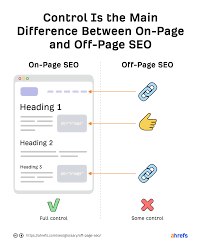
When it comes to search engine optimization (SEO), off-page optimization plays a crucial role in determining the online visibility and credibility of a website. While on-page optimization focuses on improving elements within the website itself, off-page optimization deals with factors external to the site that influence its rankings on search engine results pages (SERPs).

What is Off-Page Optimization?

Off-page optimization primarily revolves around building high-quality backlinks from reputable websites to your own site. These backlinks act as ‘upvotes’ from other sites, signalling to search engines that your content is valuable and trustworthy. The more authoritative and relevant the linking sites are, the more positively it impacts your site’s SEO performance.

The Importance of Off-Page Optimization

Off-page optimization is essential for several reasons:

  • Enhanced Authority: Quality backlinks from authoritative sites can boost your website’s credibility and authority in the eyes of search engines.
  • Improved Rankings: Backlinks are a key ranking factor for search engines like Google. The more high-quality backlinks you have, the higher your chances of ranking well for relevant keywords.
  • Increased Traffic: As your site gains visibility through off-page strategies, you are likely to attract more organic traffic from users interested in your content or products/services.
  • Brand Awareness: Building a strong off-page presence can help increase brand awareness and recognition among your target audience.

Effective Off-Page Optimization Strategies

To maximise the benefits of off-page optimization, consider implementing these proven strategies:

  1. Guest Blogging: Contribute high-quality guest posts to reputable websites in your industry with a link back to your site.
  2. Social Media Engagement: Actively engage with your audience on social media platforms to drive traffic and promote sharing of your content.
  3. Influencer Partnerships: Collaborate with influencers or industry experts to gain exposure and attract relevant backlinks.
  4. Broken Link Building: Identify broken links on other websites and offer your content as a replacement, earning valuable backlinks in return.

In Conclusion

In conclusion, off-page optimization is an indispensable component of a successful SEO strategy. By focusing on building quality backlinks and establishing a strong online presence beyond your website, you can significantly improve your rankings, drive organic traffic, and enhance brand visibility in the competitive digital landscape.


9 Essential Tips for Mastering Off-Page Optimisation

  1. Create high-quality and relevant backlinks from authoritative websites.
  2. Utilize social media platforms to promote your website and content.
  3. Guest blogging on reputable sites can help increase your website’s visibility.
  4. Submit your website to online directories and listings for better exposure.
  5. Engage in influencer marketing to reach a wider audience.
  6. Participate in forums and online communities related to your industry.
  7. Optimize your Google My Business listing for local SEO benefits.
  8. Encourage user reviews and testimonials to build credibility and trust.
  9. Monitor your off-page SEO efforts regularly and adjust strategies as needed.

To enhance your website’s SEO performance, it is crucial to focus on creating high-quality and relevant backlinks from authoritative websites. By securing backlinks from reputable sources within your industry or niche, you not only signal to search engines the credibility of your content but also establish your site as a valuable resource in the online landscape. These quality backlinks act as endorsements that can significantly boost your site’s authority, improve its rankings on search engine results pages, and ultimately drive organic traffic to your website. Prioritising the acquisition of such backlinks through strategic outreach and relationship-building efforts can yield long-term benefits for your off-page optimization strategy.

Utilize social media platforms to promote your website and content.

Utilising social media platforms to promote your website and content is a highly effective off-page optimisation strategy. By actively engaging with your audience on platforms such as Facebook, Twitter, Instagram, and LinkedIn, you can increase brand visibility, drive traffic to your site, and encourage social sharing of your content. Sharing valuable and engaging posts, interacting with followers, and leveraging features like hashtags and influencer collaborations can help amplify your online presence and attract quality backlinks from social media sources. Embracing social media as part of your off-page optimisation efforts can result in improved search engine rankings and enhanced brand recognition in the digital landscape.

Guest blogging on reputable sites can help increase your website’s visibility.

Guest blogging on reputable sites is a highly effective off-page optimization strategy that can significantly enhance your website’s visibility and credibility. By contributing valuable content to established platforms within your industry, you not only showcase your expertise to a wider audience but also earn authoritative backlinks that signal trustworthiness to search engines. This proactive approach not only drives targeted traffic to your site but also strengthens your online presence, ultimately boosting your SEO performance and positioning your brand as a trusted authority in the digital landscape.

Submit your website to online directories and listings for better exposure.

Submitting your website to online directories and listings is a valuable off-page optimization strategy that can significantly enhance your online visibility. By listing your site on reputable directories, you increase the chances of reaching a wider audience and attracting more traffic to your website. These directories not only provide valuable backlinks but also serve as platforms for potential customers to discover your business and services. Overall, leveraging online directories and listings is a simple yet effective way to boost your website’s exposure and improve its search engine rankings.

Engage in influencer marketing to reach a wider audience.

Engaging in influencer marketing is a powerful strategy for off-page optimization that can significantly expand your reach and visibility online. By partnering with influencers who have a strong following in your industry or niche, you can leverage their credibility and influence to promote your brand to a wider audience. Influencers can help amplify your message, drive traffic to your website, and attract valuable backlinks from their own networks. This collaborative approach not only enhances your brand’s exposure but also establishes trust with potential customers through the endorsement of respected figures in the digital space.

Engaging in forums and online communities relevant to your industry is a valuable off-page optimization strategy that can significantly boost your website’s SEO performance. By actively participating in discussions, sharing insights, and providing valuable contributions, you not only establish yourself as an authority in your field but also have the opportunity to build relationships with other industry professionals. Additionally, including links to your website in forum signatures or posts can generate quality backlinks and drive targeted traffic to your site, ultimately enhancing your online visibility and credibility within your niche.

Optimize your Google My Business listing for local SEO benefits.

To maximise the impact of off-page optimization, it is essential to optimise your Google My Business listing for local SEO benefits. By ensuring that your business information is accurate, up-to-date, and aligned with local keywords, you can enhance your visibility in local search results. A well-optimised Google My Business profile not only helps potential customers find essential information about your business quickly but also boosts your chances of appearing in the coveted ‘Local Pack’ results, increasing foot traffic and conversions.

Encourage user reviews and testimonials to build credibility and trust.

Encouraging user reviews and testimonials is a highly effective strategy in off-page optimization. By showcasing authentic feedback from satisfied customers, businesses can build credibility and trust with potential clients. Positive reviews not only enhance the reputation of a brand but also serve as social proof that influences purchasing decisions. Leveraging user-generated content in the form of testimonials can significantly boost a website’s authority and reliability in the eyes of both search engines and consumers, ultimately leading to improved online visibility and increased conversions.

Monitor your off-page SEO efforts regularly and adjust strategies as needed.

Monitoring your off-page SEO efforts regularly and adapting strategies as required is a fundamental tip to ensure the effectiveness of your search engine optimisation campaign. By keeping a close eye on the performance of your backlinks, social media engagements, and other off-page activities, you can identify what is working well and what needs improvement. This proactive approach allows you to stay ahead of algorithm changes, competitor actions, and evolving trends in the digital landscape, enabling you to make informed decisions that maximise the impact of your off-page optimisation efforts and drive sustainable results for your website.

on page seo services

Unlock the Power of On-Page SEO Services for Enhanced Online Visibility

On-Page SEO Services

The Power of On-Page SEO Services

Search Engine Optimization (SEO) is a crucial aspect of any successful digital marketing strategy. Among the various components of SEO, on-page optimization plays a significant role in improving a website’s visibility and ranking on search engine results pages (SERPs).

What are On-Page SEO Services?

On-page SEO services involve optimising individual web pages to enhance their relevance to specific keywords and improve their overall performance in search engine rankings. These services focus on factors that directly impact a webpage’s visibility and user experience.

The Key Elements of On-Page SEO Services

Effective on-page SEO services typically include the following key elements:

  • Title Tags: Crafting unique and descriptive title tags for each webpage.
  • Meta Descriptions: Writing compelling meta descriptions that encourage users to click through to the website.
  • Optimised Content: Creating high-quality, keyword-rich content that provides value to users.
  • Heading Tags: Properly structuring content with relevant heading tags (H1, H2, etc.).
  • Keyword Placement: Strategically placing keywords throughout the content for better visibility.
  • Internal Linking: Establishing internal links between related pages to improve site navigation and crawlability.
  • Image Optimization: Optimising images with descriptive filenames and alt text for improved accessibility and search engine indexing.
  • User Experience (UX): Ensuring that the website offers a seamless and engaging user experience across all devices.

The Benefits of On-Page SEO Services

Investing in professional on-page SEO services can yield several benefits for your website, including:

  • Improved Search Engine Rankings: By optimising key on-page elements, your website is more likely to rank higher in search results for relevant queries.
  • Increased Organic Traffic: Higher rankings lead to increased organic traffic as more users discover and visit your site through search engines.
  • Better User Experience: Optimised webpages provide a better user experience, leading to higher engagement and lower bounce rates.
  • <Elevated Brand Credibility: A well-optimised website signals credibility and authority to both users and search engines, enhancing your brand’s reputation online.

In Conclusion

In conclusion, on-page SEO services are essential for maximising the visibility, relevance, and performance of your website in search engine results. By focusing on key on-page elements and delivering valuable content to users, you can enhance your online presence, attract more organic traffic, and achieve long-term success in the competitive digital landscape.


9 Essential Tips for Enhancing On-Page SEO Effectiveness

  1. 1. Conduct keyword research to identify relevant search terms for your content.
  2. 2. Optimise your page titles with primary keywords and keep them concise yet descriptive.
  3. 3. Write compelling meta descriptions that encourage users to click through to your website.
  4. 4. Use headings (H1, H2, etc.) to structure your content and improve readability.
  5. 5. Ensure your URLs are SEO-friendly by including relevant keywords and keeping them short.
  6. 6. Optimise image alt text with descriptive keywords to improve accessibility and SEO.
  7. 7. Create high-quality, engaging content that provides value to your audience.
  8. 8. Internal linking helps search engines navigate your site better – use it wisely.
  9. 9. Regularly monitor and analyse the performance of your on-page SEO efforts using tools like Google Analytics.

1. Conduct keyword research to identify relevant search terms for your content.

Conducting thorough keyword research is a fundamental step in on-page SEO services. By identifying relevant search terms that align with your content, you can strategically incorporate these keywords into your webpages to improve their visibility and ranking on search engine results pages. Understanding the search intent behind specific keywords allows you to create content that resonates with your target audience, ultimately driving organic traffic to your website. Effective keyword research not only enhances the relevance of your content but also establishes a strong foundation for a successful SEO strategy that attracts and engages users searching for information related to your offerings.

2. Optimise your page titles with primary keywords and keep them concise yet descriptive.

To enhance your on-page SEO performance, it is crucial to optimise your page titles by incorporating primary keywords while maintaining a balance between conciseness and descriptiveness. By strategically placing relevant keywords in your page titles, you can signal to search engines the content and purpose of your webpage, improving its visibility in search results. Keeping the titles concise yet descriptive not only helps users understand the topic at a glance but also encourages higher click-through rates. This simple yet effective tip can significantly impact your website’s search engine rankings and overall online visibility.

3. Write compelling meta descriptions that encourage users to click through to your website.

To enhance the effectiveness of your on-page SEO strategy, it is crucial to craft compelling meta descriptions that entice users to click through to your website. A well-written meta description serves as a concise preview of your webpage in search engine results, offering users a glimpse of what they can expect upon visiting your site. By incorporating relevant keywords and creating engaging, informative descriptions, you can increase the likelihood of attracting clicks and driving valuable traffic to your website.

4. Use headings (H1, H2, etc.) to structure your content and improve readability.

Utilising headings such as H1, H2, and so on is a valuable tip in on-page SEO services. By incorporating structured headings into your content, you not only enhance the readability of your webpage but also improve its organisation and user experience. Headings help both search engines and visitors understand the hierarchy and flow of information on the page, making it easier to navigate and digest the content effectively. Implementing this practice can significantly contribute to better SEO performance and overall user engagement on your website.

5. Ensure your URLs are SEO-friendly by including relevant keywords and keeping them short.

To enhance the effectiveness of your on-page SEO strategy, it is crucial to ensure that your URLs are SEO-friendly. This involves incorporating relevant keywords into your URLs and keeping them concise and descriptive. By including targeted keywords in your URLs, you can improve their visibility and relevance to search engines, making it easier for users to understand the content of the page at a glance. Additionally, short and clear URLs not only enhance user experience but also contribute to better search engine rankings, ultimately driving more organic traffic to your website.

6. Optimise image alt text with descriptive keywords to improve accessibility and SEO.

Optimising image alt text with descriptive keywords is a valuable strategy in on-page SEO services. By incorporating relevant keywords into the alt text of images, websites can enhance both accessibility for visually impaired users and improve search engine optimisation. This practice not only helps search engines understand the content of images but also provides an opportunity to rank for additional keywords, ultimately boosting the overall visibility and relevance of the webpage.

7. Create high-quality, engaging content that provides value to your audience.

Creating high-quality, engaging content that offers real value to your target audience is a fundamental tip for effective on-page SEO services. By crafting content that is not only informative but also resonates with your audience, you can enhance user engagement, encourage longer website visits, and establish your website as a valuable resource in your industry. Quality content not only attracts visitors but also helps build trust and credibility with both users and search engines, ultimately contributing to improved search rankings and sustained organic traffic growth.

8. Internal linking helps search engines navigate your site better – use it wisely.

Internal linking is a valuable strategy in on-page SEO services as it assists search engines in navigating your website more effectively. By strategically linking relevant pages within your site, you can improve the overall structure and accessibility of your content. It not only helps search engines discover and index your webpages but also enhances the user experience by guiding visitors to related information. Utilising internal linking wisely can boost your site’s visibility and authority, contributing to improved search engine rankings and increased organic traffic.

9. Regularly monitor and analyse the performance of your on-page SEO efforts using tools like Google Analytics.

Regularly monitoring and analysing the performance of your on-page SEO efforts is crucial for maintaining a successful digital presence. By utilising tools such as Google Analytics, you can gain valuable insights into the effectiveness of your strategies, track key metrics like traffic sources and user behaviour, and make data-driven decisions to continually improve your website’s search engine visibility and user experience. Consistent monitoring allows you to identify areas for enhancement, adapt to changing trends, and ensure that your on-page SEO efforts align with your overall business objectives.

off page seo services

Unlocking Success: Elevate Your Online Presence with Off-Page SEO Services

The Importance of Off-Page SEO Services for Your Online Success

The Importance of Off-Page SEO Services for Your Online Success

When it comes to improving your website’s search engine rankings, off-page SEO services play a crucial role in enhancing your online visibility and driving organic traffic to your site. While on-page SEO focuses on optimising elements within your website, off-page SEO involves strategies implemented outside of your website to improve its authority and credibility in the eyes of search engines.

What Are Off-Page SEO Services?

Off-page SEO services refer to activities conducted outside of your website that aim to improve its search engine rankings. These services primarily focus on building high-quality backlinks from reputable websites, establishing a strong online presence through social media engagement, and enhancing brand awareness through content marketing and influencer partnerships.

The Benefits of Off-Page SEO Services

Improved Search Engine Rankings: Building high-quality backlinks from authoritative websites signals to search engines that your site is trustworthy and relevant, ultimately boosting its rankings in search results.

Increased Organic Traffic: By implementing off-page SEO strategies, you can attract more organic traffic to your website, leading to higher visibility and potential conversions.

Enhanced Brand Authority: Establishing a strong online presence through off-page SEO activities helps build brand authority and credibility, making it easier for users to trust and engage with your brand.

Key Off-Page SEO Techniques

Link Building: Acquiring high-quality backlinks from reputable websites is essential for improving your site’s authority and relevance in the eyes of search engines.

Social Media Engagement: Engaging with your audience on social media platforms not only increases brand visibility but also drives traffic back to your website.

Content Marketing: Creating valuable and shareable content can help attract natural backlinks from other websites, further boosting your site’s credibility and relevance.

The Role of Off-Page SEO in Your Online Strategy

In conclusion, off-page SEO services are essential for enhancing your website’s online success by improving its authority, credibility, and visibility in search engine results. By implementing effective off-page strategies such as link building, social media engagement, and content marketing, you can drive organic traffic to your site and establish a strong online presence that resonates with both users and search engines.


8 Essential Tips for Enhancing Off-Page SEO Services

  1. Create high-quality backlinks from relevant and authoritative websites.
  2. Utilize social media platforms to promote your website and content.
  3. Submit your website to online directories to increase visibility.
  4. Guest posting on reputable websites can help build backlinks and credibility.
  5. Engage in influencer marketing to reach a wider audience and gain backlinks.
  6. Participate in forums and online communities related to your industry for link building opportunities.
  7. Monitor your backlink profile regularly and disavow any toxic links that may harm your SEO efforts.
  8. Encourage user-generated content and reviews to improve brand reputation and SEO rankings.

Creating high-quality backlinks from relevant and authoritative websites is a fundamental tip in off-page SEO services. By establishing these backlinks, your website gains credibility and authority in the eyes of search engines, ultimately improving its search engine rankings. When you secure backlinks from reputable sources that are relevant to your industry or niche, you signal to search engines that your website is a trustworthy and valuable resource for users seeking information or solutions. This strategic approach not only enhances your online visibility but also boosts organic traffic to your site, leading to increased opportunities for engagement and conversions.

Utilize social media platforms to promote your website and content.

Utilising social media platforms to promote your website and content is a valuable tip for enhancing your off-page SEO strategy. By actively engaging with your audience on platforms like Facebook, Twitter, and Instagram, you can increase brand visibility, drive traffic to your website, and encourage social sharing of your content. Leveraging the power of social media not only helps in building a strong online presence but also contributes to improving your website’s authority and credibility in the eyes of search engines.

Submit your website to online directories to increase visibility.

Submitting your website to online directories is a valuable off-page SEO strategy that can significantly enhance your online visibility. By listing your website on reputable directories, you not only increase the chances of potential customers discovering your business but also improve your site’s credibility in the eyes of search engines. Online directories provide valuable backlinks to your website, helping to boost its authority and relevance in search results. This simple yet effective tip can have a lasting impact on driving organic traffic to your site and expanding your online reach.

Guest posting on reputable websites is a highly effective off-page SEO strategy that can significantly boost your website’s authority and credibility. By contributing valuable content to established platforms within your industry, you not only gain high-quality backlinks but also showcase your expertise to a wider audience. This can lead to increased brand recognition, improved search engine rankings, and ultimately drive more organic traffic to your site. Guest posting is a powerful way to establish trust with both search engines and users, making it a valuable addition to any off-page SEO campaign.

Engaging in influencer marketing is a powerful off-page SEO strategy that can significantly enhance your online presence. By collaborating with influencers in your industry, you can tap into their established audience base to reach a wider demographic and gain valuable backlinks from their platforms. Influencers can help amplify your brand message, increase brand awareness, and drive traffic back to your website, ultimately boosting your site’s authority and search engine rankings. Leveraging influencer partnerships as part of your off-page SEO services can be a game-changer in expanding your online reach and attracting new audiences to your website.

Participating in forums and online communities related to your industry is a valuable off-page SEO strategy that can create link building opportunities for your website. By engaging in discussions, sharing insights, and providing helpful information within these platforms, you can establish credibility, build relationships with other industry professionals, and potentially earn backlinks to your site. This proactive approach not only enhances your website’s authority but also drives targeted traffic from relevant sources, ultimately contributing to improved search engine rankings and online visibility.

Monitoring your backlink profile regularly is a crucial aspect of off-page SEO services. By keeping a close eye on the quality and relevance of the websites linking back to your site, you can identify any toxic links that may harm your SEO efforts. It is important to disavow these harmful links promptly to maintain the integrity of your backlink profile and ensure that search engines view your site positively. Proactively managing your backlinks helps to safeguard your website’s authority and rankings in search engine results, ultimately contributing to the success of your SEO strategy.

Encourage user-generated content and reviews to improve brand reputation and SEO rankings.

Encouraging user-generated content and reviews is a powerful strategy to enhance brand reputation and boost SEO rankings. By fostering authentic feedback from customers, businesses can build trust with their audience and demonstrate credibility to search engines. User-generated content not only adds value to the website but also generates valuable backlinks and social proof, contributing to improved visibility and higher rankings in search results. Embracing user engagement in the form of reviews and content creation not only benefits brand perception but also plays a vital role in strengthening the overall off-page SEO strategy.

on page seo and off page seo

Mastering the Art of On-Page SEO and Off-Page SEO Strategies for Online Success

The Importance of On-Page SEO and Off-Page SEO

Search Engine Optimization (SEO) is a crucial aspect of digital marketing that helps websites rank higher in search engine results pages. There are two main components of SEO: On-Page SEO and Off-Page SEO. Let’s delve into the differences and importance of each.

On-Page SEO

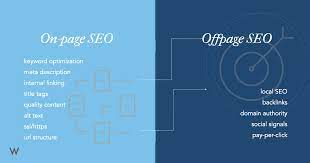
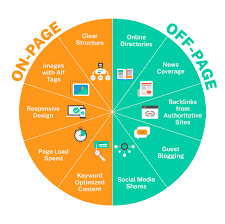
On-Page SEO refers to the optimization of individual web pages to improve their search engine rankings and attract more organic traffic. This includes factors such as content quality, keyword usage, meta tags, headings, internal linking, and site structure. By focusing on On-Page SEO, website owners can make their content more relevant to search engines and users.

Key elements of On-Page SEO include:

  • Keyword Optimization: Using relevant keywords strategically throughout the content.
  • Meta Tags: Writing compelling meta titles and descriptions for each page.
  • Content Quality: Creating high-quality, engaging, and informative content that resonates with the target audience.
  • User Experience: Ensuring that the website is easy to navigate and provides a seamless user experience.

Off-Page SEO

In contrast, Off-Page SEO focuses on improving a website’s authority, credibility, and popularity through external factors. This includes activities that take place outside the website itself but impact its search engine rankings. Off-Page SEO primarily revolves around link building strategies and social media marketing efforts to increase a site’s visibility and reputation online.

Key elements of Off-Page SEO include:

  • Link Building: Acquiring high-quality backlinks from reputable websites to boost domain authority.
  • Social Media Engagement: Sharing content on social media platforms to drive traffic and increase brand awareness.
  • Online Reputation Management: Monitoring online reviews, mentions, and discussions about the brand to maintain a positive image.
  • Influencer Marketing: Collaborating with influencers or industry experts to endorse products or services.

The Synergy Between On-Page and Off-Page SEO

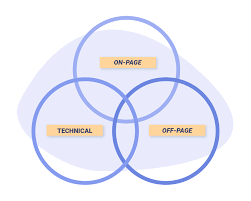
To achieve optimal results in search engine rankings, it is essential to integrate both On-Page and Off-Page SEO strategies effectively. While On-Page SEO lays the foundation by ensuring that your website is technically sound and user-friendly, Off-Page SEO helps establish your site’s authority in the online landscape through external validation from other reputable sources.

A holistic approach that combines these two aspects of SEO can significantly enhance a website’s visibility, credibility, and ultimately drive more organic traffic. By prioritizing both On-Page and Off-Page tactics in your digital marketing strategy, you can improve your chances of ranking higher in search engine results pages and reaching a wider audience online.

In conclusion, understanding the importance of both On-Page SEO and Off-Page SEO is crucial for any website looking to succeed in today’s competitive digital landscape. By implementing comprehensive strategies that encompass these two pillars of optimization, businesses can enhance their online presence, attract more visitors, and ultimately achieve their marketing goals successfully.


Essential On-Page and Off-Page SEO Tips: Enhancing URLs, Images, Speed, Links, Backlinks, and Reputation

  1. Use descriptive URLs with target keywords
  2. Optimize images with alt text and file names
  3. Ensure fast loading speed and mobile responsiveness
  4. Internal linking to relevant pages on your website
  5. Build quality backlinks from reputable websites
  6. Monitor and manage online reviews and reputation

Use descriptive URLs with target keywords

When it comes to On-Page SEO and Off-Page SEO, a valuable tip is to use descriptive URLs with target keywords. Incorporating relevant keywords into your website’s URLs not only helps search engines understand the content of your pages but also improves user experience by providing clear and informative links. By optimising your URLs with descriptive keywords related to your content, you can enhance both the visibility and relevance of your website in search engine results, ultimately driving more organic traffic and improving your site’s overall SEO performance.

Optimize images with alt text and file names

An essential tip for effective On-Page SEO and Off-Page SEO is to optimise images by using descriptive alt text and relevant file names. Alt text provides search engines with valuable information about the content of an image, helping improve its visibility in search results. Additionally, using descriptive file names that include keywords can further enhance the image’s relevance to both users and search engines. By incorporating these best practices, website owners can boost their SEO efforts and create a more user-friendly experience for visitors.

Ensure fast loading speed and mobile responsiveness

Ensuring fast loading speed and mobile responsiveness is a critical tip for effective On-Page SEO and Off-Page SEO strategies. Fast loading speed not only improves user experience but also plays a significant role in search engine rankings. Mobile responsiveness is equally important in today’s mobile-centric world, as search engines prioritise mobile-friendly websites. By optimising for speed and responsiveness, websites can enhance their visibility, engagement, and ultimately attract more organic traffic, contributing to a successful SEO campaign.

Internal linking to relevant pages on your website

Internal linking to relevant pages on your website is a fundamental aspect of On-Page SEO. By strategically linking related content within your site, you not only improve the user experience by guiding visitors to valuable information but also help search engines understand the structure and hierarchy of your website. This practice can boost the visibility and authority of important pages, ultimately enhancing your site’s overall SEO performance. In conjunction with Off-Page SEO efforts such as link building, internal linking plays a crucial role in establishing a strong online presence and improving search engine rankings.

Building quality backlinks from reputable websites is a fundamental aspect of Off-Page SEO that can significantly impact a website’s search engine rankings and online visibility. By acquiring backlinks from trustworthy and authoritative sources, websites can enhance their credibility and domain authority, signalling to search engines that the content is valuable and relevant. Quality backlinks act as endorsements from other reputable sites, helping to establish trust and legitimacy in the eyes of both search engines and users. Incorporating a strategic approach to link building as part of an overall SEO strategy can contribute to improving a website’s organic traffic, boosting its online reputation, and ultimately driving success in the digital landscape.

Monitor and manage online reviews and reputation

Monitoring and managing online reviews and reputation is a critical aspect of both On-Page SEO and Off-Page SEO strategies. By actively engaging with customer feedback, addressing concerns, and fostering positive interactions, businesses can enhance their online reputation and credibility. Positive reviews not only influence potential customers but also contribute to higher search engine rankings. Conversely, addressing negative feedback promptly demonstrates a commitment to customer satisfaction, which can help mitigate any potential damage to the brand’s reputation. Therefore, proactively monitoring and managing online reviews is essential for maintaining a positive online presence and building trust with both search engines and consumers.

seo page rank

Unlocking the Power of SEO Page Rank: A Guide to Elevating Your Website’s Visibility

Understanding SEO Page Rank

The Importance of SEO Page Rank in Digital Marketing

SEO page rank is a crucial aspect of search engine optimisation that determines the position of a website in search engine results pages (SERPs). Developed by Google co-founders Larry Page and Sergey Brin, page rank is a complex algorithm that evaluates the relevance and authority of web pages based on the number and quality of inbound links.

Page rank operates on a scale from 0 to 10, with 10 being the highest rank achievable. Websites with higher page ranks are more likely to appear at the top of search results, driving organic traffic and increasing visibility.

Factors Influencing Page Rank:

  • Inbound Links: The number and quality of backlinks from reputable websites play a significant role in determining page rank. Websites with authoritative inbound links are considered more trustworthy and receive higher rankings.
  • Content Quality: Engaging, relevant, and original content is essential for improving page rank. Search engines value websites that provide valuable information to users, leading to higher rankings.
  • User Experience: Factors such as site speed, mobile responsiveness, and user-friendly navigation contribute to a positive user experience. Websites that offer seamless browsing experiences are more likely to achieve higher page ranks.
  • Social Signals: Social media shares, likes, and comments can influence page rank by indicating the popularity and relevance of content. Integrating social media into your digital marketing strategy can positively impact your website’s ranking.

Improving Your Page Rank:

To enhance your website’s page rank and boost its visibility, consider implementing the following strategies:

  1. Optimise On-Page SEO: Focus on keyword optimisation, meta tags, image alt text, and internal linking to improve your website’s relevance for search engines.
  2. Create High-Quality Content: Publish informative, engaging content that addresses user queries and provides value. Regularly update your website with fresh content to attract both users and search engines.
  3. Build Quality Backlinks: Develop a robust link-building strategy by acquiring backlinks from reputable websites within your industry. Guest posting, outreach campaigns, and collaborations can help you earn valuable inbound links.
  4. Monitor Performance: Use analytics tools to track your website’s performance, identify areas for improvement, and measure the impact of your SEO efforts on page rank.

In conclusion, understanding SEO page rank is essential for achieving success in digital marketing. By focusing on factors such as inbound links, content quality, user experience, and social signals, you can enhance your website’s visibility and attract organic traffic from search engines.


8 Essential Tips to Boost Your SEO Page Rank

  1. Create high-quality and relevant content for your website.
  2. Optimize your website’s meta tags, titles, and descriptions with relevant keywords.
  3. Improve your website’s loading speed for better user experience.
  4. Use internal linking to connect related content within your website.
  5. Obtain backlinks from reputable and relevant websites to increase authority.
  6. Optimize images on your website with descriptive filenames and alt text.
  7. Regularly update your website with fresh content to keep it current and engaging.
  8. Monitor and analyse your SEO performance using tools like Google Analytics.

Create high-quality and relevant content for your website.

Creating high-quality and relevant content for your website is a fundamental tip for improving SEO page rank. Search engines value informative and engaging content that addresses user queries and provides value to visitors. By regularly updating your website with fresh, well-crafted content, you not only attract and retain users but also signal to search engines that your site is a valuable resource. This approach can help boost your website’s visibility, increase organic traffic, and ultimately enhance your page rank in search engine results pages.

Optimize your website’s meta tags, titles, and descriptions with relevant keywords.

To improve your website’s SEO page rank, it is vital to optimise your meta tags, titles, and descriptions with relevant keywords. By strategically incorporating keywords that align with your content and target audience’s search queries, you can enhance the visibility and relevance of your web pages to search engines. Crafting compelling meta tags and descriptions that accurately reflect the content of each page not only improves your site’s click-through rate but also signals to search engines the value and relevance of your website, ultimately contributing to a higher page rank in search results.

Improve your website’s loading speed for better user experience.

Improving your website’s loading speed is a valuable tip to enhance your SEO page rank. A fast-loading website not only provides a better user experience but also positively impacts your search engine rankings. Users are more likely to engage with and stay on a website that loads quickly, leading to lower bounce rates and higher conversion rates. By optimising your website’s loading speed, you can not only improve user satisfaction but also signal to search engines that your site is reliable and user-friendly, ultimately boosting your SEO page rank.

Utilising internal linking is a valuable strategy to improve your SEO page rank. By connecting related content within your website through internal links, you not only enhance user experience by guiding visitors to relevant information but also signal to search engines the significance and structure of your website. Internal linking helps search engine crawlers discover and index your web pages more effectively, ultimately boosting the visibility and authority of your site in search results. Implementing a well-thought-out internal linking strategy can play a significant role in improving your website’s overall SEO performance and increasing its page rank.

To enhance your website’s SEO page rank, it is essential to acquire backlinks from reputable and relevant websites. Backlinks act as a vote of confidence from other sites, indicating to search engines that your content is valuable and trustworthy. By securing links from authoritative sources within your industry, you can boost your website’s authority and credibility, ultimately improving its position in search engine results pages. Focus on building a strong backlink profile with quality links to establish your website as a reliable resource in the digital landscape.

Optimize images on your website with descriptive filenames and alt text.

Optimising images on your website with descriptive filenames and alt text is a valuable tip to improve your SEO page rank. Search engines rely on this information to understand the content of your images, enhancing the overall relevance of your web pages. By using descriptive filenames and alt text that accurately describe the image, you not only make your website more accessible to visually impaired users but also signal to search engines the context and relevance of the image in relation to your content. This simple yet effective practice can help boost your website’s visibility in search engine results and contribute to a better user experience.

Regularly update your website with fresh content to keep it current and engaging.

To improve your SEO page rank, it is essential to regularly update your website with fresh content. By keeping your site current and engaging, you not only provide valuable information to your audience but also signal to search engines that your website is active and relevant. Fresh content can attract more visitors, encourage return visits, and enhance user engagement, all of which contribute positively to your website’s ranking in search engine results pages.

Monitor and analyse your SEO performance using tools like Google Analytics.

To effectively improve your SEO page rank, it is essential to monitor and analyse your website’s performance using tools such as Google Analytics. By utilising this powerful tool, you can gain valuable insights into your website traffic, user behaviour, and keyword performance. Tracking key metrics allows you to identify areas for enhancement, measure the impact of your SEO strategies, and make informed decisions to optimise your online presence. Continuous monitoring and analysis with Google Analytics enable you to adapt your SEO efforts proactively and improve your website’s visibility in search engine results pages.

off page seo

Unlocking the Potential: Mastering Off-Page SEO Strategies for Website Success

The Power of Off-Page SEO: Boosting Your Website’s Authority

The Power of Off-Page SEO: Boosting Your Website’s Authority

When it comes to search engine optimisation (SEO), most people are familiar with on-page tactics such as keyword optimisation and meta tags. However, off-page SEO plays an equally crucial role in determining your website’s ranking on search engine results pages (SERPs).

Off-page SEO refers to all the activities that take place outside your website but have a direct impact on its authority and credibility in the eyes of search engines like Google. These activities are essential for building backlinks, establishing your website as a reputable source of information, and ultimately improving your search rankings.

Key Components of Off-Page SEO:

  • Link Building: One of the most critical aspects of off-page SEO is building high-quality backlinks from reputable websites. Backlinks act as votes of confidence for your site, indicating to search engines that your content is valuable and trustworthy.
  • Social Media Engagement: Engaging with your audience on social media platforms not only helps drive traffic to your website but also signals to search engines that your content is relevant and popular.
  • Online Reputation Management: Monitoring and managing online reviews, mentions, and comments about your brand can impact how search engines perceive your website’s authority.
  • Guest Blogging: Publishing high-quality guest posts on other websites within your industry can help you reach new audiences and earn valuable backlinks to your site.

The Benefits of Off-Page SEO:

Implementing a robust off-page SEO strategy can yield several benefits for your website, including:

  • Improved Search Rankings: High-quality backlinks from authoritative sites can significantly boost your website’s ranking in SERPs.
  • Increased Website Traffic: By attracting more visitors through off-page tactics such as social media marketing and guest blogging, you can drive organic traffic to your site.
  • Enhanced Brand Visibility: Establishing a strong online presence through off-page activities can help increase brand awareness and credibility among users.
  • Better User Trust: When other reputable sites link back to yours, it instils trust in users and signals to search engines that your content is reliable.

In conclusion, off-page SEO is a vital component of any comprehensive SEO strategy. By focusing on building quality backlinks, engaging with your audience on social media, managing online reputation effectively, and leveraging guest blogging opportunities, you can enhance your website’s authority and drive organic traffic for long-term success.


Nine Key Benefits of Off-Page SEO for Enhancing Online Presence and Authority

  1. Boosts website’s authority and credibility
  2. Improves search engine rankings
  3. Drives organic traffic to the site
  4. Increases brand visibility and awareness
  5. Enhances online reputation and trustworthiness
  6. Helps in reaching new audiences through backlinks
  7. Strengthens social media presence and engagement
  8. Builds valuable relationships with other websites in the industry
  9. Positions the website as a reputable source of information


Challenges of Off-Page SEO: Time, Control, Dependency, Risk, and Measurement Issues

  1. 1. Time-Consuming
  2. 2. Lack of Control
  3. 3. Dependency on Others
  4. 4. Risk of Negative SEO
  5. 5. Difficulty in Measurement

Boosts website’s authority and credibility

One significant advantage of off-page SEO is its ability to boost a website’s authority and credibility. By acquiring high-quality backlinks from reputable websites and engaging in online activities that showcase expertise and trustworthiness, a website can establish itself as a reliable source of information in the eyes of both users and search engines. This enhanced authority not only improves the website’s ranking on search engine results pages but also fosters greater trust among visitors, ultimately leading to increased traffic and conversions.

Improves search engine rankings

One significant advantage of off-page SEO is its ability to improve search engine rankings effectively. By acquiring high-quality backlinks from reputable websites and engaging in social media strategies, off-page SEO signals to search engines like Google that your website is a trusted and authoritative source of information. This increased credibility can lead to higher rankings on search engine results pages, ultimately driving more organic traffic to your site and enhancing your online visibility.

Drives organic traffic to the site

One significant advantage of off-page SEO is its ability to drive organic traffic to the website. By implementing effective off-page strategies such as link building, social media engagement, and guest blogging, websites can attract a steady stream of visitors who are genuinely interested in the content and offerings. This organic traffic not only increases the site’s visibility but also brings in high-quality leads and potential customers who are more likely to engage with the site’s content and convert into loyal followers or customers over time.

Increases brand visibility and awareness

One significant advantage of off-page SEO is its ability to increase brand visibility and awareness. By strategically building backlinks from reputable websites, engaging with audiences on social media platforms, and participating in guest blogging opportunities, businesses can expand their online presence and reach a broader audience. This heightened visibility not only enhances brand recognition but also establishes credibility and trust among users, ultimately driving more organic traffic to the website.

Enhances online reputation and trustworthiness

One of the key advantages of off-page SEO is its ability to enhance a website’s online reputation and trustworthiness. By building high-quality backlinks from reputable websites, engaging with users on social media platforms, and managing online reviews effectively, businesses can establish themselves as credible and trustworthy sources of information in the eyes of both users and search engines. This increased credibility not only improves the website’s authority in search engine rankings but also fosters trust among visitors, leading to higher levels of user engagement and loyalty over time.

One significant advantage of off-page SEO is its ability to help websites reach new audiences through backlinks. By acquiring high-quality backlinks from reputable sources, websites can expand their reach and attract visitors who may not have otherwise discovered their content. These backlinks act as pathways that lead users from other websites to yours, increasing visibility and driving organic traffic from diverse sources. This not only enhances the website’s authority in the eyes of search engines but also opens up opportunities to engage with a broader audience and establish connections with new potential customers or followers.

Strengthens social media presence and engagement

Off-page SEO plays a crucial role in strengthening a website’s social media presence and engagement. By actively engaging with the audience on social media platforms and sharing valuable content that resonates with users, off-page SEO helps build a loyal following and increase brand visibility. High-quality backlinks from social media platforms can drive traffic to the website, while active participation in discussions and sharing relevant content can boost engagement levels. This proactive approach not only enhances the website’s authority but also fosters a strong connection with the target audience, leading to increased brand awareness and credibility in the digital landscape.

Builds valuable relationships with other websites in the industry

One significant advantage of off-page SEO is its ability to build valuable relationships with other websites in the industry. By engaging in activities such as guest blogging, link building, and social media interactions, websites can establish connections with reputable sources. These relationships not only help in acquiring high-quality backlinks but also foster collaborations and partnerships that can enhance credibility, visibility, and authority within the industry. Building strong relationships with other websites through off-page SEO strategies can lead to mutual benefits, increased exposure, and a broader network of support within the online community.

Positions the website as a reputable source of information

One significant advantage of off-page SEO is that it positions the website as a reputable and authoritative source of information within its industry or niche. By acquiring high-quality backlinks from trustworthy websites, engaging in social media interactions, and participating in guest blogging opportunities, the website demonstrates credibility and expertise to both users and search engines. This reputation as a reliable source of information not only boosts the website’s visibility in search engine rankings but also instils trust in visitors, encouraging them to view the site as a go-to destination for valuable content and insights.

1. Time-Consuming

One significant drawback of off-page SEO is its time-consuming nature. Building high-quality backlinks and actively engaging in off-page SEO activities demand a considerable amount of time and consistent effort. From reaching out to other websites for guest blogging opportunities to monitoring social media engagement and managing online reputation, these tasks can be labour-intensive and require ongoing dedication to yield tangible results. The time investment needed for effective off-page SEO strategies can sometimes be a challenge for businesses looking to see quick returns on their digital marketing efforts.

2. Lack of Control

An inherent drawback of off-page SEO is the lack of control over external websites’ linking practices to your site. Unlike on-page SEO where you have full autonomy to optimise content and meta tags, the quality of backlinks generated through off-page strategies can be influenced by factors beyond your control. This limitation in managing how other websites link to yours poses a challenge in ensuring that all backlinks are from reputable sources, potentially affecting the overall effectiveness of your SEO efforts.

3. Dependency on Others

An inherent drawback of off-page SEO is its reliance on external entities like other websites and social media platforms, leading to a level of dependency that can be concerning. Since off-page SEO strategies hinge on factors outside your direct influence, such as algorithm updates or changes in social media policies, the effectiveness of these efforts can be subject to unpredictable shifts. This dependency on external sources highlights a vulnerability within off-page SEO, as changes beyond your control may impact the success and sustainability of your digital marketing initiatives.

4. Risk of Negative SEO

One significant downside of off-page SEO is the risk of negative SEO practices. Competitors or malicious entities may resort to unethical tactics, such as creating spammy backlinks pointing to your website. These black hat strategies can have detrimental effects on your search engine rankings by triggering penalties from search engines like Google. It is essential for website owners to stay vigilant and monitor their backlink profile regularly to identify and disavow any harmful links that could potentially harm their online visibility and reputation.

5. Difficulty in Measurement

One significant drawback of off-page SEO is the difficulty in measurement. Unlike on-page SEO, where results can be more easily tracked and analysed, assessing the direct impact of off-page SEO efforts on search engine rankings and organic traffic can be a challenging task. The influence of factors such as backlinks, social media engagement, and online reputation management on a website’s performance may not always be straightforward to quantify accurately. This lack of precise measurement can make it harder for businesses to determine the effectiveness of their off-page strategies and adjust them accordingly for optimal results.

page seo

Optimising Your Website with Page SEO Strategies

The Importance of On-Page SEO for Your Website

The Importance of On-Page SEO for Your Website

Search Engine Optimization (SEO) is crucial for ensuring that your website ranks well in search engine results. While off-page SEO factors like backlinks are important, on-page SEO plays a significant role in determining your website’s visibility and relevance to search engines.

What is On-Page SEO?

On-page SEO refers to the optimization of individual web pages to improve their search engine rankings and drive organic traffic. It involves optimizing various elements on a webpage to make it more user-friendly and relevant to both users and search engines.

Key Elements of On-Page SEO

Some key elements of on-page SEO include:

  • Title Tags: Creating unique and descriptive title tags for each page.
  • Meta Descriptions: Writing compelling meta descriptions that accurately describe the page’s content.
  • Heading Tags: Properly structuring headings using H1, H2, H3 tags for better readability and keyword optimization.
  • Keyword Optimization: Strategically placing relevant keywords throughout the content without keyword stuffing.
  • Quality Content: Publishing high-quality, relevant, and engaging content that provides value to users.
  • Image Optimization: Optimizing images with descriptive filenames and alt text for better accessibility and search engine visibility.
  • User Experience (UX): Ensuring a positive user experience through fast loading times, mobile responsiveness, and easy navigation.
  • Internal Linking: Linking to other relevant pages within your website to improve navigation and distribute link equity.

The Benefits of On-Page SEO

Effective on-page SEO can bring several benefits to your website, including:

  • Improved Search Engine Rankings: Optimizing on-page elements can help search engines understand your content better, leading to higher rankings for relevant keywords.
  • Increase Organic Traffic: By making your website more visible in search results, you can attract more organic traffic from users searching for related topics or products/services.
  • <

    strong>Better User Experience:

    li>

    ul>

    p>

    body>

    html>>


    9 Essential Tips for Optimising Page SEO

    1. Use relevant keywords in the title tag.
    2. Ensure meta descriptions are engaging and informative.
    3. Optimise URL structure with keywords.
    4. Include alt text for images to improve accessibility and SEO.
    5. Utilise header tags (H1, H2, H3) to organise content.
    6. Create high-quality, original content that provides value.
    7. Ensure the website is mobile-friendly and responsive.
    8. Improve page load speed by optimising images and using caching techniques.
    9. Incorporate internal linking to enhance navigation and SEO.

    Use relevant keywords in the title tag.

    Utilising relevant keywords in the title tag is a fundamental aspect of on-page SEO. By incorporating targeted keywords into the title tag, you can effectively signal to search engines what your webpage is about, thus improving its visibility and ranking potential. Crafting a concise and descriptive title that includes relevant keywords not only helps search engines understand the content of your page but also entices users to click through to your site. This strategic use of keywords in the title tag can significantly impact your website’s overall SEO performance and enhance its chances of attracting organic traffic from interested users.

    Ensure meta descriptions are engaging and informative.

    Ensuring that your meta descriptions are engaging and informative is a crucial aspect of on-page SEO. A well-crafted meta description not only provides a concise summary of the webpage’s content but also entices users to click through to your site. By incorporating relevant keywords and highlighting the value proposition of the page, you can improve click-through rates and attract qualified traffic to your website. Remember, a compelling meta description can make a significant difference in how your page performs in search engine results pages.

    Optimise URL structure with keywords.

    Optimising your URL structure with relevant keywords is a crucial aspect of on-page SEO. By incorporating targeted keywords into your URLs, you not only make it easier for search engines to understand the content of your page but also improve the chances of ranking higher for those keywords. A well-optimised URL structure not only enhances the overall user experience but also signals to search engines the relevance and context of your webpage, ultimately boosting your website’s visibility and organic traffic.

    Include alt text for images to improve accessibility and SEO.

    Including alt text for images is a crucial aspect of on-page SEO as it not only enhances the accessibility of your website for visually impaired users but also contributes to better search engine optimization. Alt text provides a textual description of an image, allowing search engines to understand the content of the image and index it appropriately. By incorporating descriptive and relevant alt text for images, you can improve your website’s overall accessibility and increase the chances of your images appearing in search engine results, thereby boosting your SEO efforts.

    Utilise header tags (H1, H2, H3) to organise content.

    Utilising header tags such as H1, H2, and H3 is a fundamental aspect of on-page SEO that helps to organise content effectively. By structuring your content with appropriate header tags, you not only make it easier for users to navigate and understand the information on your webpage but also signal to search engines the hierarchy and importance of different sections. This practice not only enhances readability but also contributes to better keyword optimisation and overall search engine visibility, ultimately improving the user experience and SEO performance of your website.

    Create high-quality, original content that provides value.

    Creating high-quality, original content that offers real value to your audience is a fundamental tip for effective on-page SEO. Search engines prioritise content that is informative, engaging, and relevant to users’ search queries. By crafting unique and valuable content, you not only enhance your website’s credibility and authority but also increase the likelihood of ranking higher in search results. Providing valuable content not only attracts more organic traffic but also encourages user engagement and establishes trust with your audience, ultimately contributing to the success of your SEO efforts.

    Ensure the website is mobile-friendly and responsive.

    Ensuring that your website is mobile-friendly and responsive is a crucial aspect of on-page SEO. With the increasing number of users accessing websites on mobile devices, having a site that adapts seamlessly to different screen sizes not only improves user experience but also positively impacts search engine rankings. A mobile-friendly and responsive website enhances accessibility, reduces bounce rates, and ultimately contributes to higher organic traffic and better visibility in search results. It is essential to prioritise mobile responsiveness to cater to the evolving needs of online users and stay competitive in the digital landscape.

    Improve page load speed by optimising images and using caching techniques.

    To enhance your website’s performance and boost its search engine ranking, focus on improving page load speed through image optimization and caching techniques. By compressing images without compromising quality and implementing caching strategies, you can significantly reduce loading times, providing visitors with a seamless browsing experience. Optimized images and efficient caching not only enhance user satisfaction but also signal search engines that your site is well-structured and user-friendly, ultimately improving its visibility and accessibility online.

    Incorporate internal linking to enhance navigation and SEO.

    Incorporating internal linking within your website is a valuable on-page SEO strategy that not only enhances navigation for users but also boosts your site’s search engine optimisation efforts. By strategically linking relevant pages within your website, you not only make it easier for visitors to explore related content but also help search engines understand the structure and hierarchy of your site. This can lead to improved indexation, better distribution of link equity, and ultimately higher rankings in search results. Internal linking is a simple yet effective technique that can have a significant impact on both user experience and SEO performance.