seo optimization uk

SEO Optimization UK: A Practical Guide to Growing Your Business

SEO Optimisation in the UK: A Practical Guide for Businesses

SEO optimisation helps people find your website through unpaid search results. For UK businesses, a well-planned approach can improve visibility among the audiences that matter, attract relevant visitors and support long-term growth. It is not a quick fix: effective SEO combines useful content, a technically sound website and a clear understanding of what potential customers are searching for.

What does SEO optimisation involve?

Search engine optimisation (SEO) is the process of improving a website so that search engines can understand it and users can find and use it easily. The main areas of SEO are:

  • Technical SEO: Making sure search engines can crawl and index your website, and that it works reliably across devices.
  • On-page SEO: Improving page content, headings, titles, internal links and other elements to make each page clear and relevant.
  • Off-page SEO: Building your website’s reputation through relevant mentions, links and other credible signals from elsewhere online.
  • Local SEO: Helping your business appear in searches with a local intent, such as services in a particular town or city.

Start with UK-focused keyword research

Keyword research helps you understand the words and phrases people use when looking for your products or services. In the UK, spelling and terminology can differ from other markets. For example, customers may search for “optimisation”, “trainers”, “solicitor” or “car hire”, depending on the subject and location.

Consider the language your customers actually use, rather than relying on assumptions. Look at search suggestions, competitor pages and questions customers ask your team. Group related searches by intent: someone looking for information may need a guide, while someone ready to buy may need a service or product page.

Create useful, locally relevant content

Strong SEO content answers the reader’s question clearly and accurately. Build pages around the needs of your audience, not simply around a list of keywords. Explain what you offer, who it is for and what makes your service suitable. Where location is relevant, include genuine details about the areas you serve.

A local landing page should offer useful information specific to that place. Repeating a town name across near-identical pages is unlikely to provide a good experience. Instead, explain the services available there, include practical details and make it easy for visitors to contact you.

Keep important pages up to date, use clear headings and link between related content. A well-organised website helps visitors find their way around and gives search engines a clearer picture of how your pages relate to one another.

Make your website technically sound

Technical issues can make it harder for search engines to access your pages and for visitors to use your site. Regularly check that:

  • Important pages can be crawled and indexed.
  • Your website works well on mobile devices.
  • Pages load reliably and provide a smooth experience.
  • URLs, redirects and canonical tags are configured correctly.
  • Images have suitable file sizes and descriptive alternative text where appropriate.
  • Your site uses HTTPS and has no avoidable security or accessibility barriers.

Technical SEO can become complex, particularly for large websites or online shops. Prioritise problems that affect important pages, prevent access or cause a poor user experience.

Improve local SEO visibility

For businesses that serve customers in a particular area, local SEO can help connect online searches with real-world services. Keep your business name, address and telephone number accurate wherever they appear. Complete and maintain your business profile on relevant search platforms, choose appropriate categories and respond professionally to customer reviews.

Local visibility is supported by more than a business listing. Clear service pages, consistent business information and credible local references can all help people understand where you operate and what you do.

Build credibility and earn relevant links

Links from other websites can help people discover your content and may contribute to your site’s perceived authority. Focus on earning links naturally by publishing useful resources, sharing original expertise and developing genuine relationships with relevant organisations, suppliers or publications.

Avoid schemes that promise large numbers of links or guaranteed rankings. Tactics designed to manipulate search results can put a website at risk and rarely provide lasting value. Quality, relevance and trust matter more than the raw number of links.

Measure progress and refine your strategy

SEO performance should be assessed against business goals, not rankings alone. Useful measures may include organic traffic, enquiries, sales, visibility for relevant searches and the performance of important landing pages. Analytics and search performance tools can help identify what is working and where visitors may be encountering difficulties.

Review results regularly, but allow enough time to identify meaningful trends. Search visibility can change as competitors, customer behaviour and search engine systems evolve. Use the data to improve your pages and priorities rather than making changes based on a single fluctuation.

SEO optimisation is an ongoing investment

There is no single SEO formula that suits every UK business. The right approach depends on your market, customers, website and objectives. By understanding search intent, creating genuinely useful content, maintaining a technically healthy website and measuring relevant outcomes, you can build a stronger foundation for sustainable search visibility.


9 SEO Optimisation Tips for Reaching UK Audiences

  1. Research keywords used by UK searchers.
  2. Use British spelling where it suits your audience.
  3. Create helpful, original content for UK readers.
  4. Add location terms to relevant local pages.
  5. Optimise page titles and meta descriptions.
  6. Make your website fast and mobile-friendly.
  7. Use clear headings and descriptive URLs.
  8. Earn links from reputable UK websites.
  9. Track rankings, traffic and conversions regularly.

Research keywords used by UK searchers.

Research the keywords UK searchers actually use, as wording and spelling can differ from other markets. Consider British English terms, regional expressions and location-specific searches, then check search suggestions and customer questions to understand what people want to find. Choose phrases that match your audience’s intent and use them naturally in relevant pages, rather than forcing keywords into the copy.

Use British spelling where it suits your audience.

Use British spelling where it suits your audience to make your content feel familiar and relevant to UK readers. For example, use “optimisation” rather than “optimization”, and choose locally recognised terms such as “postcode” or “car hire” where appropriate. Consider how your customers actually search, though: keyword research can reveal when people use alternative spellings or wording. Write naturally for your audience rather than forcing variants into every page.

Create helpful, original content for UK readers.

Create helpful, original content that speaks directly to the needs of UK readers. Use familiar British spelling and terminology, answer real questions clearly and include relevant local details where they add value. Rather than repeating keywords or rewriting what other websites have already published, share accurate information, practical advice and your own expertise. Content that genuinely helps visitors is more likely to earn their trust, keep them engaged and support your SEO efforts over time.

Add location terms to relevant local pages.

Add location terms to relevant local pages to help people find your business when they search for services in a particular area. Mention the towns, cities or regions you genuinely serve in a natural way, and include useful local details where appropriate. Avoid simply repeating place names or creating near-identical pages for every location; each page should offer clear, relevant information for local customers.

Optimise page titles and meta descriptions.

Optimise page titles and meta descriptions to help searchers understand what each page offers before they click. Write a unique, descriptive title that reflects the page’s main topic and uses natural UK terminology where relevant. Pair it with a concise meta description that accurately summarises the content and gives readers a reason to visit. Keep both clear and relevant rather than stuffing them with keywords, and avoid promising anything the page does not deliver.

Make your website fast and mobile-friendly.

Make your website fast and mobile-friendly to give visitors a better experience and make it easier for search engines to access your content. Many people in the UK browse and shop on their phones, so pages should load quickly, display clearly on smaller screens and be easy to navigate with a touch screen. Compressing images, limiting unnecessary scripts and testing your site across different devices can help improve performance.

Use clear headings and descriptive URLs.

Use clear headings and descriptive URLs to make your website easier for people and search engines to understand. Organise each page with a clear main heading and relevant subheadings, so readers can quickly find the information they need. Keep URLs short, readable and closely related to the page topic—for example, use `/seo-services-london/` rather than a string of numbers or vague terms. This simple approach improves navigation and helps set clear expectations about what each page contains.

Earn links from reputable UK websites by creating useful, reliable content that others genuinely want to reference. Relevant links from trusted industry publications, professional organisations, local news sites and community groups can help people discover your business and strengthen your site’s credibility. Focus on building genuine relationships and offering something valuable, rather than buying links or using schemes that promise quick results.

Track rankings, traffic and conversions regularly.

Track your keyword rankings, organic traffic and conversions regularly to understand whether your SEO efforts are delivering results. Rankings show how visible your website is in search, while traffic reveals whether people are visiting your pages. Conversions—such as enquiries, bookings or sales—show whether those visits are supporting your business goals. Review these measures over time, rather than reacting to short-term fluctuations, and use what you learn to refine your content and SEO strategy.
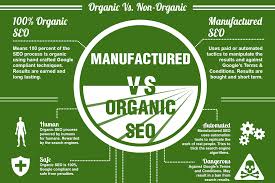
organic seo marketing

Organic SEO Marketing: A Practical Guide to Sustainable Online Growth

Organic SEO Marketing: A Practical Guide to Sustainable Growth

Organic SEO marketing is the process of improving a website’s visibility in unpaid search engine results. It helps businesses reach people who are actively looking for their products, services or information—without paying for each click.

Unlike paid search advertising, organic SEO is not an instant fix. It involves building a useful, accessible and trustworthy website over time. When done well, it can attract relevant visitors, strengthen brand visibility and support long-term business growth.

What is organic SEO marketing?

SEO stands for search engine optimisation. It includes the work involved in helping search engines discover, understand and present a website to people searching online. The term organic refers to unpaid results, rather than sponsored listings or pay-per-click adverts.

Organic SEO marketing brings together several activities, including:

  • Researching the words and questions your audience uses in search
  • Creating helpful, relevant content
  • Improving website structure and technical performance
  • Building your website’s reputation and authority
  • Measuring results and refining your approach

Why organic SEO matters

Search engines are a common starting point for researching a purchase, finding a local business or solving a problem. Appearing prominently for relevant searches can help your business reach potential customers at the moment they need information.

Organic search can also provide value beyond an individual visit. A well-researched article, service page or resource may attract visitors for months or years, provided it remains useful and competitive. However, visibility is never guaranteed: rankings can change as search algorithms, competitors and user needs evolve.

The main elements of an organic SEO strategy

Understand your audience and search intent

Effective SEO starts with understanding what your audience wants to achieve. A person searching for “how to choose a running shoe” is likely looking for advice, while someone searching for “buy running shoes London” may be ready to make a purchase.

Keyword research helps identify the language people use, but the goal is not simply to insert popular phrases into a page. Consider the purpose behind each search and create content that meets it clearly and accurately.

Create useful, well-structured content

Content should answer real questions and offer genuine value. Depending on your business, this might include product and service pages, guides, FAQs, case studies or local information.

Make each page easy to read. Use clear headings, concise paragraphs and descriptive page titles. Cover the subject thoroughly, but avoid padding content or repeating keywords unnaturally. Content should be written primarily for people, with search engines helped by a clear structure and relevant language.

Improve technical SEO

Technical SEO helps search engines access and understand your website. It also supports a better experience for visitors. Important areas include:

  • Making sure important pages can be crawled and indexed
  • Using a logical website structure and descriptive URLs
  • Ensuring pages work well on mobile devices
  • Improving loading speed and overall page experience
  • Fixing broken links and redirect issues
  • Providing clear page titles and meta descriptions

Technical improvements should be prioritised according to their impact. A long list of minor fixes is not necessarily more valuable than resolving one issue that prevents important pages from appearing in search.

Build authority and trust

Search engines aim to show results that are relevant and reliable. A website can demonstrate credibility through accurate information, clear authorship, transparent business details and a strong reputation in its field.

Links from reputable, relevant websites can also help people discover your content and may contribute to your site’s authority. Focus on earning links by publishing useful resources, sharing original expertise and building genuine relationships. Avoid buying links or using manipulative schemes, which can put your website at risk.

Optimise for local searches where relevant

For businesses serving a particular area, local SEO can help connect with nearby customers. Keep your business name, address and phone number accurate and consistent, maintain a complete business profile on relevant platforms, and create pages that explain your services and locations clearly.

Local visibility depends on several factors, including relevance, distance and prominence. No agency or business can guarantee a particular local ranking, but accurate information and a strong customer experience provide a sound foundation.

How long does organic SEO take?

Organic SEO usually takes time. The timeline depends on factors such as the age and condition of your website, the competitiveness of your market, the quality of your content and the resources available to make improvements.

Some changes may produce early signs of progress, while meaningful growth in traffic and enquiries can take several months or longer. SEO should therefore be treated as an ongoing investment, rather than a one-off task or a promise of immediate results.

How to measure SEO performance

Rankings can be useful, but they are only one part of the picture. A practical measurement plan should connect search performance to business goals. Depending on your objectives, track:

  • Organic clicks and impressions
  • Visibility for relevant search topics
  • Engagement with key landing pages
  • Enquiries, bookings, sales or other conversions
  • The quality and value of leads generated through organic search

Use analytics and search performance tools to identify what is working and where visitors encounter difficulties. Review results regularly, while allowing enough time for changes to take effect.

Common organic SEO mistakes to avoid

  • Chasing keywords without considering intent: High search volume is of little value if the visitors are not looking for what you offer.
  • Publishing thin or repetitive content: Pages should provide a clear reason to exist and a useful answer for the reader.
  • Ignoring technical problems: Excellent content may struggle if search engines cannot access it or visitors cannot use the site comfortably.
  • Expecting guaranteed rankings: Search results are influenced by many factors outside any single business’s control.
  • Focusing only on traffic: More visits do not necessarily mean more customers. Measure meaningful outcomes as well.

Organic SEO and paid search

Organic SEO and paid search can complement one another. Paid campaigns can provide immediate visibility for selected searches, while organic SEO builds a longer-term presence. Insights from paid campaigns may help identify useful keywords, and organic content can answer questions that paid adverts do not address in depth.

The right balance depends on your audience, budget and goals. For many businesses, a combination of both approaches offers flexibility: paid advertising can support short-term campaigns, while SEO develops sustainable visibility over time.

Getting started with organic SEO marketing

Begin with a review of your website, audience and business priorities. Identify the services or topics that matter most, research the searches connected to them, and assess whether your existing pages provide clear, useful answers. Then prioritise technical fixes and content improvements according to their likely value.

Organic SEO marketing is most effective when it is consistent, evidence-led and focused on people. By building a technically sound website and publishing content that genuinely helps your audience, you can create a stronger foundation for lasting search visibility and business growth.


6 Practical Tips for Effective Organic SEO Marketing

  1. Research keywords your audience actually uses.
  2. Publish useful, original content regularly.
  3. Write clear titles and meta descriptions.
  4. Use descriptive headings and internal links.
  5. Make pages fast and mobile-friendly.
  6. Earn relevant backlinks through valuable content.

Research keywords your audience actually uses.

Research the keywords your audience actually uses by considering the questions, phrases and problems they bring to search engines. Use keyword research tools alongside insights from customer conversations, sales enquiries and website search data to understand what people are looking for and why. Focus on search intent, not just search volume: the best keywords are relevant to your offer and help you create useful content that answers a real need.

Publish useful, original content regularly.

Publish useful, original content regularly to give your audience a reason to visit and return to your website. Focus on answering real questions, sharing your expertise and offering information that is genuinely helpful, rather than creating pages just to target keywords. A consistent publishing schedule can keep your site fresh and build topical depth over time, but quality matters more than volume: every piece should be accurate, clear and relevant to your readers.

Write clear titles and meta descriptions.

Write clear, descriptive titles and meta descriptions to help people understand what each page offers before they click. Include the page’s main topic naturally, keep titles concise and distinctive, and make descriptions relevant to the content rather than relying on a list of keywords. These details can make your pages more appealing in search results and set accurate expectations for visitors. Search engines may sometimes rewrite them, so treat them as helpful guidance rather than guaranteed snippets.

Use descriptive headings to organise your content and make each section’s purpose clear to readers and search engines. Headings such as “How to choose the right running shoes” are more helpful than vague labels like “More information”. Add relevant internal links to guide visitors to related pages on your website, such as a service page, detailed guide or contact page. Clear headings and useful links make your content easier to navigate and help search engines understand how your pages relate to one another.

Make pages fast and mobile-friendly.

Make your pages fast and mobile-friendly to give visitors a smoother experience and help search engines access and understand your content. Optimise images, reduce unnecessary scripts and use responsive layouts that adapt to different screen sizes. Test key pages on mobile devices and fix issues such as slow loading, small text or difficult navigation. While speed and mobile usability do not guarantee higher rankings, they help make your site easier to use and can support your wider organic SEO efforts.

Earn relevant backlinks by creating valuable content that other websites genuinely want to reference. Useful guides, original research, practical resources and expert insights can give publishers a good reason to link to your site. Focus on earning links from reputable websites that are relevant to your industry or audience, rather than chasing large numbers of unrelated links. This approach can help people discover your content and build your website’s credibility over time.