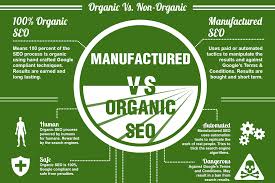
organic seo marketing

Organic SEO Marketing: A Practical Guide to Sustainable Online Growth

Organic SEO Marketing: A Practical Guide to Sustainable Growth

Organic SEO marketing is the process of improving a website’s visibility in unpaid search engine results. It helps businesses reach people who are actively looking for their products, services or information—without paying for each click.

Unlike paid search advertising, organic SEO is not an instant fix. It involves building a useful, accessible and trustworthy website over time. When done well, it can attract relevant visitors, strengthen brand visibility and support long-term business growth.

What is organic SEO marketing?

SEO stands for search engine optimisation. It includes the work involved in helping search engines discover, understand and present a website to people searching online. The term organic refers to unpaid results, rather than sponsored listings or pay-per-click adverts.

Organic SEO marketing brings together several activities, including:

  • Researching the words and questions your audience uses in search
  • Creating helpful, relevant content
  • Improving website structure and technical performance
  • Building your website’s reputation and authority
  • Measuring results and refining your approach

Why organic SEO matters

Search engines are a common starting point for researching a purchase, finding a local business or solving a problem. Appearing prominently for relevant searches can help your business reach potential customers at the moment they need information.

Organic search can also provide value beyond an individual visit. A well-researched article, service page or resource may attract visitors for months or years, provided it remains useful and competitive. However, visibility is never guaranteed: rankings can change as search algorithms, competitors and user needs evolve.

The main elements of an organic SEO strategy

Understand your audience and search intent

Effective SEO starts with understanding what your audience wants to achieve. A person searching for “how to choose a running shoe” is likely looking for advice, while someone searching for “buy running shoes London” may be ready to make a purchase.

Keyword research helps identify the language people use, but the goal is not simply to insert popular phrases into a page. Consider the purpose behind each search and create content that meets it clearly and accurately.

Create useful, well-structured content

Content should answer real questions and offer genuine value. Depending on your business, this might include product and service pages, guides, FAQs, case studies or local information.

Make each page easy to read. Use clear headings, concise paragraphs and descriptive page titles. Cover the subject thoroughly, but avoid padding content or repeating keywords unnaturally. Content should be written primarily for people, with search engines helped by a clear structure and relevant language.

Improve technical SEO

Technical SEO helps search engines access and understand your website. It also supports a better experience for visitors. Important areas include:

  • Making sure important pages can be crawled and indexed
  • Using a logical website structure and descriptive URLs
  • Ensuring pages work well on mobile devices
  • Improving loading speed and overall page experience
  • Fixing broken links and redirect issues
  • Providing clear page titles and meta descriptions

Technical improvements should be prioritised according to their impact. A long list of minor fixes is not necessarily more valuable than resolving one issue that prevents important pages from appearing in search.

Build authority and trust

Search engines aim to show results that are relevant and reliable. A website can demonstrate credibility through accurate information, clear authorship, transparent business details and a strong reputation in its field.

Links from reputable, relevant websites can also help people discover your content and may contribute to your site’s authority. Focus on earning links by publishing useful resources, sharing original expertise and building genuine relationships. Avoid buying links or using manipulative schemes, which can put your website at risk.

Optimise for local searches where relevant

For businesses serving a particular area, local SEO can help connect with nearby customers. Keep your business name, address and phone number accurate and consistent, maintain a complete business profile on relevant platforms, and create pages that explain your services and locations clearly.

Local visibility depends on several factors, including relevance, distance and prominence. No agency or business can guarantee a particular local ranking, but accurate information and a strong customer experience provide a sound foundation.

How long does organic SEO take?

Organic SEO usually takes time. The timeline depends on factors such as the age and condition of your website, the competitiveness of your market, the quality of your content and the resources available to make improvements.

Some changes may produce early signs of progress, while meaningful growth in traffic and enquiries can take several months or longer. SEO should therefore be treated as an ongoing investment, rather than a one-off task or a promise of immediate results.

How to measure SEO performance

Rankings can be useful, but they are only one part of the picture. A practical measurement plan should connect search performance to business goals. Depending on your objectives, track:

  • Organic clicks and impressions
  • Visibility for relevant search topics
  • Engagement with key landing pages
  • Enquiries, bookings, sales or other conversions
  • The quality and value of leads generated through organic search

Use analytics and search performance tools to identify what is working and where visitors encounter difficulties. Review results regularly, while allowing enough time for changes to take effect.

Common organic SEO mistakes to avoid

  • Chasing keywords without considering intent: High search volume is of little value if the visitors are not looking for what you offer.
  • Publishing thin or repetitive content: Pages should provide a clear reason to exist and a useful answer for the reader.
  • Ignoring technical problems: Excellent content may struggle if search engines cannot access it or visitors cannot use the site comfortably.
  • Expecting guaranteed rankings: Search results are influenced by many factors outside any single business’s control.
  • Focusing only on traffic: More visits do not necessarily mean more customers. Measure meaningful outcomes as well.

Organic SEO and paid search

Organic SEO and paid search can complement one another. Paid campaigns can provide immediate visibility for selected searches, while organic SEO builds a longer-term presence. Insights from paid campaigns may help identify useful keywords, and organic content can answer questions that paid adverts do not address in depth.

The right balance depends on your audience, budget and goals. For many businesses, a combination of both approaches offers flexibility: paid advertising can support short-term campaigns, while SEO develops sustainable visibility over time.

Getting started with organic SEO marketing

Begin with a review of your website, audience and business priorities. Identify the services or topics that matter most, research the searches connected to them, and assess whether your existing pages provide clear, useful answers. Then prioritise technical fixes and content improvements according to their likely value.

Organic SEO marketing is most effective when it is consistent, evidence-led and focused on people. By building a technically sound website and publishing content that genuinely helps your audience, you can create a stronger foundation for lasting search visibility and business growth.


6 Practical Tips for Effective Organic SEO Marketing

  1. Research keywords your audience actually uses.
  2. Publish useful, original content regularly.
  3. Write clear titles and meta descriptions.
  4. Use descriptive headings and internal links.
  5. Make pages fast and mobile-friendly.
  6. Earn relevant backlinks through valuable content.

Research keywords your audience actually uses.

Research the keywords your audience actually uses by considering the questions, phrases and problems they bring to search engines. Use keyword research tools alongside insights from customer conversations, sales enquiries and website search data to understand what people are looking for and why. Focus on search intent, not just search volume: the best keywords are relevant to your offer and help you create useful content that answers a real need.

Publish useful, original content regularly.

Publish useful, original content regularly to give your audience a reason to visit and return to your website. Focus on answering real questions, sharing your expertise and offering information that is genuinely helpful, rather than creating pages just to target keywords. A consistent publishing schedule can keep your site fresh and build topical depth over time, but quality matters more than volume: every piece should be accurate, clear and relevant to your readers.

Write clear titles and meta descriptions.

Write clear, descriptive titles and meta descriptions to help people understand what each page offers before they click. Include the page’s main topic naturally, keep titles concise and distinctive, and make descriptions relevant to the content rather than relying on a list of keywords. These details can make your pages more appealing in search results and set accurate expectations for visitors. Search engines may sometimes rewrite them, so treat them as helpful guidance rather than guaranteed snippets.

Use descriptive headings to organise your content and make each section’s purpose clear to readers and search engines. Headings such as “How to choose the right running shoes” are more helpful than vague labels like “More information”. Add relevant internal links to guide visitors to related pages on your website, such as a service page, detailed guide or contact page. Clear headings and useful links make your content easier to navigate and help search engines understand how your pages relate to one another.

Make pages fast and mobile-friendly.

Make your pages fast and mobile-friendly to give visitors a smoother experience and help search engines access and understand your content. Optimise images, reduce unnecessary scripts and use responsive layouts that adapt to different screen sizes. Test key pages on mobile devices and fix issues such as slow loading, small text or difficult navigation. While speed and mobile usability do not guarantee higher rankings, they help make your site easier to use and can support your wider organic SEO efforts.

Earn relevant backlinks by creating valuable content that other websites genuinely want to reference. Useful guides, original research, practical resources and expert insights can give publishers a good reason to link to your site. Focus on earning links from reputable websites that are relevant to your industry or audience, rather than chasing large numbers of unrelated links. This approach can help people discover your content and build your website’s credibility over time.
SEO Company Websites: What Makes Them Effective?

SEO Company Websites: What Makes Them Effective?

An SEO company website has two important jobs: it needs to attract the right visitors from search engines and persuade potential clients that the company can help their business grow. A strong site does both by combining useful content, clear messaging, sound technical foundations and an easy-to-use design.

Whether you are building a website for an SEO agency or looking for an agency to work with, understanding these elements can help you recognise what makes a site effective.

Clear services and a clear message

Visitors should quickly understand what an SEO company does, who it works with and how its services can help. Avoid vague claims such as “we deliver digital excellence” unless they are supported by specific information.

Service pages can explain offerings such as technical SEO, local SEO, content strategy, keyword research and digital PR. Each page should describe the work involved, the problems it addresses and the types of businesses that may benefit. Clear calls to action, such as “Discuss your SEO goals”, give visitors a straightforward next step.

Useful, original content

Content can help an SEO company demonstrate its knowledge and attract people researching search marketing. Helpful articles, guides and case studies may cover topics such as improving local visibility, understanding organic traffic or preparing for a website migration.

Content should be written for people first. It needs to answer real questions accurately, use plain language and offer practical insight. Publishing large volumes of repetitive pages or articles created mainly to include keywords is unlikely to build trust with readers.

Evidence that builds trust

Choosing an SEO partner involves trust. A company website can support that trust by explaining its approach and sharing evidence of its work. Case studies are especially useful when they set out the client’s challenge, the strategy used and the results achieved, with relevant context.

Testimonials, team profiles, industry experience and clear contact details can also help visitors assess whether an agency is a suitable partner. Results should be presented honestly: SEO outcomes depend on factors such as competition, the website’s starting point and the time available.

A sound technical foundation

Even well-written content can struggle if a website is difficult for people or search engines to use. SEO company websites should be fast, secure and accessible across mobile devices. Important technical considerations include:

  • Logical navigation and a clear page structure
  • Descriptive page titles and headings
  • Readable URLs and working internal links
  • Mobile-friendly layouts and quick loading times
  • Accessible text, forms and navigation
  • Accurate indexing and XML sitemap settings

Technical optimisation is not a one-off task. Websites change over time, so regular checks can help identify broken links, indexing issues and performance problems.

Local relevance without keyword stuffing

For agencies serving particular areas, local SEO can help connect the business with nearby clients. A location page should provide genuinely useful information about the service and the area, rather than simply repeating place names.

Consistent business details, a well-maintained Google Business Profile and relevant local references can support a company’s local presence. Location pages are most effective when they reflect real expertise or service coverage.

Design that supports the user journey

A professional design should make information easy to find, not distract from it. Visitors should be able to move naturally from learning about a service to reviewing evidence and making an enquiry. Keep forms simple, use clear labels and make contact options easy to spot.

Good design also includes accessibility. Sufficient colour contrast, descriptive link text, keyboard-friendly navigation and meaningful image descriptions help make a website usable by more people.

How to assess an SEO company website

If you are comparing agencies, look beyond the site’s position in search results. Search rankings alone do not prove that an agency will be right for your business. Consider whether its website:

  • Explains its services and process clearly
  • Shows relevant experience and credible examples
  • Publishes useful, well-maintained information
  • Sets realistic expectations about SEO
  • Makes it easy to ask questions or arrange a conversation

It is also worth asking how the agency measures progress, what information it needs from you and how often it reports on work and outcomes. A good working relationship depends on clear communication as well as technical expertise.

Bringing it all together

The best SEO company websites are built around their visitors. They explain services plainly, offer useful information, demonstrate credibility and make the next step clear. Behind the scenes, they are supported by a fast, accessible and well-structured website.

These principles apply whether you are improving an agency’s own site or choosing an SEO partner. Focus on usefulness, transparency and a good experience for the people you want to reach.


Essential Tips for Enhancing Your SEO Company Website: Showcasing Services, Results, and Building Trust

  1. Show clear SEO services and specialisms.
  2. Use case studies with measurable results.
  3. Make contact details easy to find.
  4. Write useful, original content for clients.
  5. Optimise pages for relevant search terms.
  6. Ensure the website loads quickly on mobile.
  7. Add client testimonials and trust signals.

Show clear SEO services and specialisms.

Show clear SEO services and specialisms so potential clients can quickly see how your company can help. Describe each service in straightforward terms, such as technical SEO, local SEO, content strategy or digital PR, and explain who it is suited to and what it aims to achieve. If you focus on particular industries, locations or types of business, make that clear too. Specific, honest descriptions help visitors find the right information and understand what sets your company apart.

Use case studies with measurable results.

Use case studies with measurable results to show prospective clients what your SEO company can achieve. Explain the client’s challenge, the work carried out and the outcomes—such as growth in organic traffic, improved rankings for relevant search terms or more enquiries—while including the timeframe and any important context. Clear, credible evidence helps visitors understand your approach and builds trust without promising that every campaign will deliver identical results.

Make contact details easy to find.

Make your contact details easy to find on every page of your SEO company website. Include clear options such as a telephone number, email address or enquiry form in your header, footer or contact page, and make sure they work well on mobile devices. When potential clients can quickly get in touch, they are less likely to abandon their search and more likely to take the next step.

Write useful, original content for clients.

Write useful, original content that answers the questions your clients actually ask. Share practical advice, explain SEO concepts in plain English and create guides or case studies that reflect your experience. This helps visitors find relevant information, understand how you work and decide whether your services are right for them. Focus on accuracy and genuine value rather than repeating keywords or publishing content simply to fill your website.

Optimise pages for relevant search terms.

Optimise each page of your SEO company website for search terms that reflect its topic and what your potential clients are looking for. Choose a relevant primary phrase for each page, then use it naturally in the page title, main heading, copy and URL where appropriate. Include related terms and answer common questions, but avoid forcing keywords into the text. Clear, helpful content that matches search intent is more useful to visitors—and more sustainable—than keyword stuffing.

Ensure the website loads quickly on mobile.

Ensure your website loads quickly on mobile, where visitors may be browsing on slower connections or while on the move. Compress images, reduce unnecessary scripts and choose reliable hosting to improve loading times. A faster site makes it easier for potential clients to explore your services and can support a better user experience.

Add client testimonials and trust signals.

Add client testimonials and trust signals to help prospective customers feel confident about choosing your SEO company. Genuine reviews, detailed case studies, industry accreditations and clear information about your team can show how you work and the value you bring. Where possible, include specific outcomes and the context behind them, and always get permission before sharing a client’s name, logo or feedback. Avoid vague or unverified claims: honest, relevant evidence is more persuasive and helps set realistic expectations.

search engine optimization service near me

Enhance Your Online Presence with a Local Search Engine Optimization Service Near Me

Search Engine Optimization Service Near Me

The Importance of Finding a Search Engine Optimization Service Near You

In today’s digital age, having a strong online presence is crucial for the success of any business. Search engine optimization (SEO) plays a key role in ensuring that your website ranks high on search engine results pages, driving organic traffic and increasing visibility.

When looking for an SEO service provider, finding one near you can offer several advantages. Here are some reasons why opting for a search engine optimization service near you can benefit your business:

Local Expertise

SEO practices can vary based on location and target audience. A local SEO service provider understands the nuances of your area, helping tailor strategies that resonate with your local customers.

Personalised Service

Working with an SEO agency in close proximity allows for more personalised service. You can have face-to-face meetings, discuss strategies in person, and build a stronger relationship with the team handling your SEO needs.

Quick Response Time

In case of urgent requirements or issues, having an SEO service provider nearby ensures quick response times. You can easily reach out to them for immediate assistance or updates without delays.

Supporting Local Businesses

By choosing a search engine optimization service near you, you are also supporting local businesses and contributing to the growth of your community. It fosters a sense of collaboration and strengthens the local economy.

Building Trust and Credibility

A local SEO service provider is more likely to understand the unique challenges and opportunities faced by businesses in your area. This knowledge helps in building trust and credibility, as they can create tailored solutions that address specific local needs.

In conclusion, when searching for an SEO service provider, consider the benefits of choosing one near you. The advantages of local expertise, personalised service, quick response times, support for local businesses, and enhanced trust and credibility make opting for a search engine optimization service near you a strategic choice for boosting your online presence.


Choosing the Right Local SEO Service: 8 Essential Tips to Consider

  1. Research and compare different SEO services available near you
  2. Read reviews and testimonials from previous clients to gauge the quality of service
  3. Check the experience and expertise of the SEO professionals working at these services
  4. Inquire about their pricing structure and what services are included in their packages
  5. Ask for case studies or examples of successful SEO campaigns they have run for local businesses
  6. Consider scheduling consultations with multiple SEO services to discuss your specific needs and goals
  7. Ensure that the SEO service you choose follows ethical practices and guidelines set by search engines
  8. Don’t hesitate to ask questions and seek clarification on any aspect of their service before making a decision

Research and compare different SEO services available near you

Researching and comparing various search engine optimization services available near you is a crucial step in finding the right partner to enhance your online presence. By exploring different options, you can gain insights into the expertise, pricing, and approach of each service provider. This process allows you to make an informed decision based on your specific business needs and objectives. Comparing SEO services near you empowers you to select a provider that aligns with your goals and can deliver tailored strategies to boost your website’s visibility and performance in search engine results.

Read reviews and testimonials from previous clients to gauge the quality of service

When seeking a search engine optimization service near you, it is advisable to read reviews and testimonials from previous clients. By doing so, you can gain valuable insights into the quality of service provided by the SEO agency. Reviews and testimonials offer real-life experiences from customers who have worked with the service provider, helping you gauge their expertise, professionalism, and results. This information can guide your decision-making process and ensure that you choose an SEO service that meets your expectations and delivers tangible results for your business.

Check the experience and expertise of the SEO professionals working at these services

When seeking a search engine optimization service near you, it is essential to assess the experience and expertise of the SEO professionals employed by these services. The proficiency and knowledge of the team members play a pivotal role in devising effective SEO strategies tailored to your business needs. By verifying the credentials and track record of the professionals working at these services, you can ensure that you are entrusting your online visibility and success to capable hands.

Inquire about their pricing structure and what services are included in their packages

When seeking a search engine optimization service near you, it is advisable to inquire about their pricing structure and the services included in their packages. Understanding the costs involved and the specific services offered can help you make an informed decision about which SEO provider aligns best with your business needs. By clarifying these details upfront, you can ensure transparency and avoid any surprises down the line, ultimately leading to a more productive and successful partnership with your chosen SEO service provider.

Ask for case studies or examples of successful SEO campaigns they have run for local businesses

When seeking a search engine optimization service near you, it is advisable to inquire about case studies or examples of successful SEO campaigns they have executed for local businesses. By requesting this information, you can gain valuable insights into the expertise and track record of the SEO service provider. Reviewing past successes allows you to assess their capabilities in delivering tangible results for businesses similar to yours, helping you make an informed decision when selecting an SEO partner.

Consider scheduling consultations with multiple SEO services to discuss your specific needs and goals

When seeking a search engine optimization service near you, it is advisable to schedule consultations with several providers to discuss your unique requirements and objectives. By engaging in these consultations, you can gain valuable insights into each agency’s approach, expertise, and how they can tailor their services to meet your specific goals. This proactive step allows you to make an informed decision based on the compatibility of the SEO service with your business needs, ultimately leading to a more successful partnership.

Ensure that the SEO service you choose follows ethical practices and guidelines set by search engines

It is crucial to ensure that the SEO service provider you select adheres to ethical practices and guidelines established by search engines. By following these standards, such as avoiding black hat techniques and focusing on quality content and legitimate strategies, you can safeguard your website from potential penalties and maintain a positive online reputation. Choosing an SEO service near you that prioritises ethical SEO practices not only benefits your website’s long-term success but also aligns with the values of transparency and integrity in the digital marketing industry.

Don’t hesitate to ask questions and seek clarification on any aspect of their service before making a decision

When considering a search engine optimization service near you, it is essential not to hesitate to ask questions and seek clarification on any aspect of their service before making a decision. Clear communication is key to understanding the strategies and methods that will be employed to enhance your online presence. By seeking clarification, you can ensure that the SEO service provider aligns with your business goals and objectives, ultimately leading to a more effective and tailored approach to improving your website’s visibility and search engine rankings.