organic seo services

Organic SEO Services: A Practical Guide to Sustainable Search Growth

Organic SEO Services: A Guide to Sustainable Search Growth

When people search online for a product, service or answer, they often begin with a search engine. Organic SEO services help businesses improve their visibility in unpaid search results, making it easier for potential customers to find relevant pages on their website.

Unlike paid search advertising, organic search traffic is not purchased through a fee for each click. Instead, it is earned over time by making a website useful, accessible and relevant to both visitors and search engines. Results are not instant, but a well-planned SEO strategy can support sustainable growth.

What are organic SEO services?

Organic SEO services are the activities used to improve a website’s position and visibility in non-paid search results. They combine technical improvements, helpful content and website authority to make pages easier to discover and more valuable to visitors.

Services are usually tailored to a business’s audience, objectives, competition and current website performance. They may include:

  • SEO audits: Reviewing a website to identify technical issues, content gaps and opportunities to improve.
  • Keyword research: Understanding the terms people use when looking for a business’s products, services or expertise.
  • On-page optimisation: Improving page titles, headings, copy, internal links and other elements so each page clearly addresses its subject.
  • Technical SEO: Helping search engines access, crawl and understand a website, while improving factors such as mobile usability and page performance.
  • Content strategy: Planning and creating useful, original content that answers genuine questions and supports the customer journey.
  • Local SEO: Improving visibility for relevant searches in a particular town, city or region.
  • Digital PR and link earning: Building a website’s reputation through relevant coverage, references and links from credible sources.
  • Measurement and reporting: Tracking meaningful indicators such as organic visits, enquiries, sales and search visibility.

Why invest in organic SEO?

Organic SEO can help a business reach people who are actively searching for information or services related to its offering. When a website appears prominently for relevant searches, it can attract more qualified visitors and give potential customers useful information at the moment they need it.

SEO can also improve the website itself. Clear navigation, well-structured pages, accessible content and faster-loading experiences benefit visitors as well as supporting search performance. Over time, valuable content can continue to attract traffic beyond the initial publication date.

However, SEO is not a guaranteed route to a particular ranking or a fixed volume of sales. Search results change, competitors improve their websites and customer behaviour evolves. Effective optimisation is an ongoing process rather than a one-off task.

How organic SEO works

Search engines aim to show results that are useful and relevant to a person’s query. To do this, they discover and assess web pages, considering a range of signals. Organic SEO helps ensure that a website can be found, understood and trusted, while making its content a strong match for the audience’s needs.

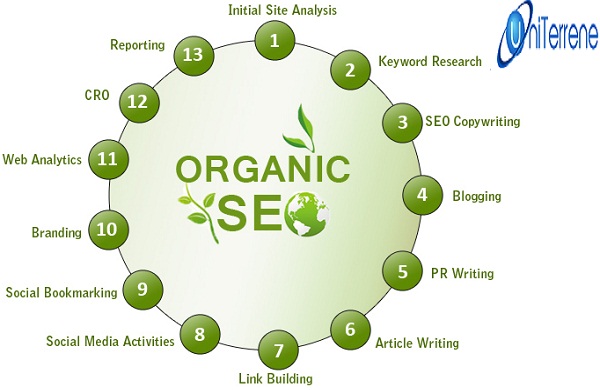
A typical campaign begins with research and a review of the website. The SEO team then agrees priorities, makes improvements and measures the results. Depending on the findings, the work may focus on resolving technical barriers, improving important service pages, creating new content or strengthening the site’s authority.

What to look for in an SEO service

Choosing an SEO provider is about more than comparing a list of deliverables. Look for a team that takes time to understand your business, explains its recommendations clearly and connects its work to your objectives.

  • A tailored strategy: Recommendations should reflect your website, audience and market, rather than rely on a generic package.
  • Clear communication: You should understand what work is being done, why it matters and how progress will be reviewed.
  • Realistic expectations: A responsible provider will not promise guaranteed rankings or overnight results.
  • Ethical methods: Avoid tactics designed to manipulate search engines, such as buying links or publishing low-quality, repetitive content.
  • Useful reporting: Reports should explain performance in plain language and focus on outcomes that matter to your business.

How long does organic SEO take?

There is no universal timeframe. Progress depends on factors such as the website’s starting condition, the competitiveness of its market, the quality of existing content and the resources available to make improvements. Technical fixes may be completed relatively quickly, while building visibility and authority often takes longer.

A good SEO programme sets priorities, establishes a performance baseline and reviews results regularly. It should also adapt as new information becomes available, rather than follow a rigid plan regardless of what the data shows.

Make organic search part of your growth strategy

Organic SEO services can help businesses build a stronger presence in search, attract relevant visitors and create a better experience on their website. The strongest results come from consistent work that puts users first: understanding what they need, providing clear answers and making those answers easy to find.

Whether you are starting from scratch or improving an established website, a considered SEO strategy can help you make better use of organic search as part of your wider digital marketing activity.


8 Essential Tips for Choosing Effective Organic SEO Services

  1. Choose an SEO provider with proven results.
  2. Set clear goals before work begins.
  3. Prioritise useful, original content.
  4. Research relevant search terms.
  5. Improve page speed and mobile usability.
  6. Earn links from trusted websites.
  7. Track rankings, traffic and conversions.
  8. Avoid providers promising instant results.

Choose an SEO provider with proven results.

Choose an SEO provider with proven results, and ask for evidence that their work has delivered meaningful outcomes for businesses with similar goals or challenges. Look beyond ranking claims: useful proof may include improvements in relevant organic traffic, qualified enquiries, sales or visibility. A reputable provider should explain what they did, how success was measured and what factors influenced the results, while being clear that SEO cannot guarantee specific rankings or outcomes.

Set clear goals before work begins.

Before organic SEO work begins, set clear goals that link to your wider business objectives. Decide what success should look like, whether that means increasing relevant website visits, generating more enquiries, growing online sales or improving visibility for priority services. Clear goals help guide the strategy, focus resources on the most valuable opportunities and make it easier to measure progress over time. They also ensure that you and your SEO provider share the same expectations from the outset.

Prioritise useful, original content.

Prioritise useful, original content that answers your audience’s questions and helps them make informed decisions. Rather than creating pages simply to include keywords, focus on sharing accurate, relevant information in a clear and engaging way. This gives visitors a better experience, helps your website stand out and supports organic SEO by showing search engines what each page offers. Keep content up to date, and make sure it reflects your expertise and the needs of your customers.

Research relevant search terms.

Researching relevant search terms is a key first step in organic SEO. Find out what your potential customers are searching for, including the questions they ask and the language they use to describe your products or services. Choose terms that match your offering and the intent behind each search, then use them naturally in useful page titles, headings and content. This helps search engines understand your pages and gives visitors information that is genuinely relevant to their needs.

Improve page speed and mobile usability.

Improving page speed and mobile usability can make a real difference to both user experience and organic search performance. Pages that load quickly and work smoothly on smartphones help visitors find what they need without frustration, making them more likely to stay and take action. Compressing images, reducing unnecessary code and checking that text, buttons and navigation display clearly on smaller screens are practical ways to improve your website. Regular testing across different devices can help identify issues before they affect your visitors.

Earn links from trusted websites by creating genuinely useful content that others want to reference, and by building relationships with relevant organisations, publications and industry experts. Quality matters more than quantity: links from reputable, relevant sources can help people discover your website and strengthen its credibility. Avoid buying links or using schemes designed to manipulate search rankings, as these can put your site at risk.

Track rankings, traffic and conversions.

Track rankings, organic traffic and conversions to understand whether your SEO activity is delivering meaningful results. Rankings can show how your pages perform for target searches, while traffic reveals whether more people are finding your website through search. Most importantly, monitor conversions—such as enquiries, bookings or sales—to see whether those visits are contributing to your business goals. Reviewing these measures regularly helps you identify what is working and where your organic SEO strategy may need adjusting.

Avoid providers promising instant results.

Avoid SEO providers promising instant results or guaranteed top rankings. Organic SEO takes time because improvements need to be implemented, indexed and assessed by search engines, and progress depends on factors such as competition and your website’s starting point. A trustworthy provider will set realistic expectations, explain its approach and report on meaningful progress rather than offer quick fixes that may put your website’s reputation at risk.

seo and social media

SEO and Social Media: How to Make Them Work Together

SEO and Social Media: How They Work Together

Search engine optimisation (SEO) and social media are often treated as separate parts of digital marketing. In practice, they can support one another. SEO helps people find your website through search engines, while social media gives you ways to share useful content, connect with your audience and build awareness of your brand.

Social media activity is not generally a direct ranking factor in traditional search results. However, it can contribute to SEO indirectly by helping your content reach more people, attract attention and earn links or mentions. A joined-up approach can therefore strengthen your overall online presence.

What SEO and social media each do

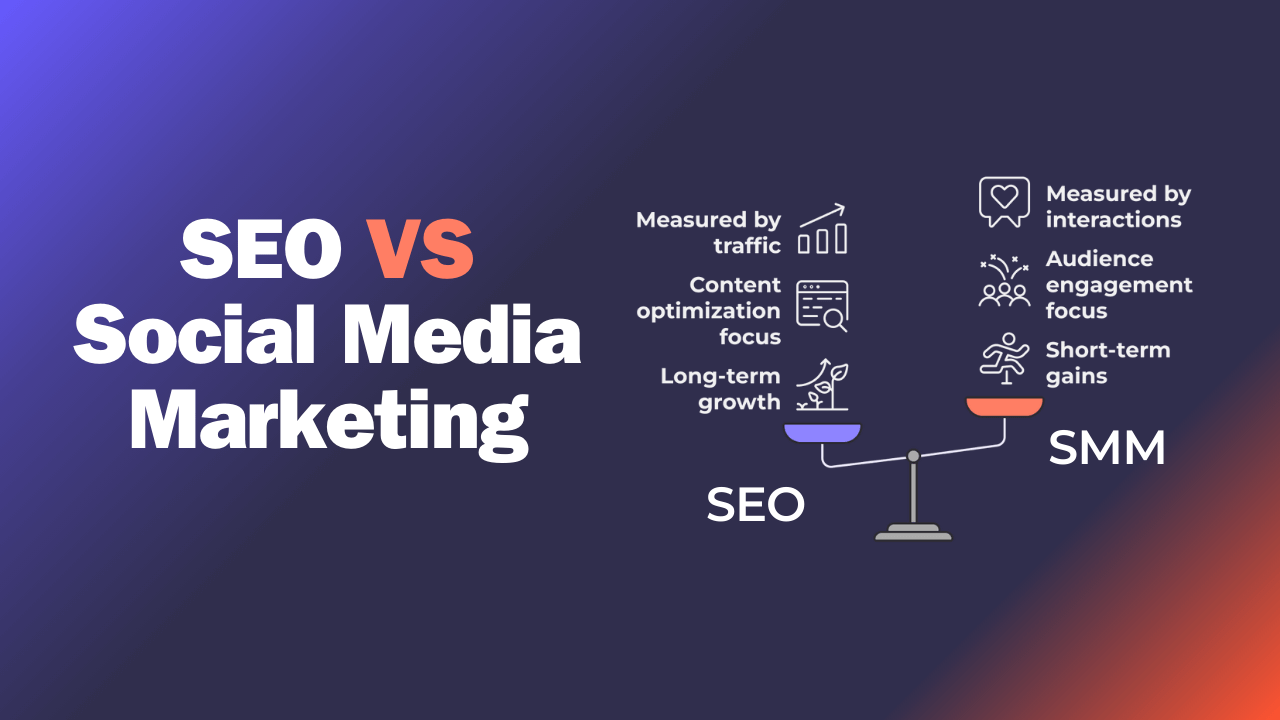
SEO focuses on improving a website’s visibility in unpaid search results. It includes work such as researching search terms, creating helpful content, improving site structure and ensuring pages can be crawled and understood by search engines.

Social media marketing uses platforms such as Instagram, LinkedIn, TikTok, Facebook and YouTube to publish content and engage with an audience. Each platform has its own discovery features, so social posts can help people find a business even when they are not actively searching for it on Google or another search engine.

How social media can support SEO

It can extend the reach of your content

Publishing a useful article is only part of content marketing. Sharing it through relevant social channels can put it in front of more potential readers. Those readers may visit your website, share the article, refer to it in their own content or link to it from another website.

Social shares do not automatically improve search rankings. Their value is that they can increase exposure and create opportunities for the kinds of attention and references that may support a site’s authority over time.

It can help you understand your audience

Comments, questions, direct messages and engagement patterns can reveal what your audience wants to know. Use these insights to identify topics, concerns and language that could inform your SEO content plan.

For example, if customers repeatedly ask how a service works or how much it costs, those questions may inspire a detailed website guide or a useful FAQ page. Search data can then help you understand how people phrase similar questions in search engines.

It can build brand awareness

Consistent, helpful activity on social media can make your brand more familiar to potential customers. Someone who sees your posts may later search for your business by name, visit your website directly or choose your result over an unfamiliar alternative.

Brand awareness is difficult to measure with one metric, but it can be assessed through indicators such as branded search activity, website visits, enquiries and engagement with your content.

It can highlight content that deserves further investment

Social engagement can offer early feedback on topics and formats that resonate with your audience. A post that attracts thoughtful questions or is widely shared may point to a subject worth developing into a comprehensive guide, video or landing page.

Social performance is not a substitute for keyword research or search analytics, but it can add another useful source of insight.

How to align your SEO and social media strategies

  1. Start with shared goals. Decide what you want to achieve, such as increasing relevant website visits, generating enquiries or improving awareness of a particular service.
  2. Plan content around audience needs. Use keyword research, customer questions and social conversations to choose topics that are genuinely useful.
  3. Create content for each channel. Share the main idea in a format that suits the platform. A detailed website article might become a short video, a LinkedIn post or a series of social updates.
  4. Make it easy to visit your website. Add clear links where appropriate and make sure the destination page matches what the post promises.
  5. Use consistent branding and information. Keep your business name, descriptions and contact details accurate across your website and social profiles.
  6. Measure results across channels. Track social engagement alongside website visits, search visibility, leads and sales. Use analytics tools and campaign tracking parameters to understand which activity is contributing to results.

Common mistakes to avoid

  • Chasing likes instead of business outcomes. High engagement can be encouraging, but it does not necessarily mean more qualified visitors or customers.
  • Posting links without context. Explain why a piece of content is useful and who it is for, rather than simply dropping a link into a feed.
  • Duplicating the same post everywhere. Adapt the wording, format and call to action to suit each platform and its audience.
  • Expecting immediate ranking gains. SEO takes time, and social activity should not be treated as a shortcut to higher search positions.
  • Ignoring accessibility. Use descriptive link text, captions for video and alternative text for meaningful images where the platform allows it.

Measuring what matters

The right measures depend on your objectives. For SEO, you might monitor organic impressions, clicks, rankings for relevant searches and conversions from organic traffic. For social media, useful measures may include reach, engagement, referral visits and enquiries.

Look for connections between the channels rather than relying on a single figure. For example, a social campaign may bring new visitors to a guide, while search data later shows that the guide is gaining visibility for relevant queries. Regular reporting can help you understand what is working and where to refine your approach.

Conclusion

SEO and social media have different roles, but they can be more effective when planned together. Social media can help your content reach people, reveal audience interests and build familiarity with your brand. SEO can make your most useful website content easier to discover through search. By focusing on helpful content, a consistent brand experience and meaningful measurement, businesses can make both channels work towards shared goals.


Understanding the Interplay Between SEO and Social Media: 24 Key Questions Answered

  1. Is SEO and social media the same?
  2. How social media affects SEO?
  3. Can we use SEO for social media?
  4. What is the relationship between social media and SEO?
  5. How do SEO and social media work together?
  6. Why is social media optimization important to SEO?
  7. Does social media Affect Your SEO?
  8. Do you need social media for SEO?
  9. Does social media posting help SEO?
  10. Do links from social media help SEO?
  11. What is the role of SEO in social media marketing?
  12. Is SEO being phased out?
  13. Does SEO affect social media?
  14. What is the 80 20 rule of SEO?
  15. What is SEO for social media?
  16. What is SEO on social media?
  17. How social media impacts your SEO?
  18. What is the difference between social media and SEO?
  19. Is SEO needed for social media?
  20. How does SEO affect social media?
  21. What does SEO mean social media?
  22. How do I incorporate social media into SEO strategy?
  23. Can social media affect SEO?
  24. How important is SEO for social media?

Is SEO and social media the same?

No, SEO and social media marketing are not the same, although they can support each other. SEO helps your website appear in unpaid search engine results, while social media marketing uses platforms such as Instagram, LinkedIn and Facebook to share content and engage with audiences. Social activity can increase the reach of your content and build brand awareness, which may indirectly support your SEO, but social media engagement does not automatically improve search rankings.

How social media affects SEO?

Social media does not usually affect search rankings directly, but it can support SEO in several indirect ways. Sharing useful content can increase its reach, bring visitors to your website and encourage others to mention or link to it. Social conversations can also reveal the questions and topics your audience cares about, helping you create more relevant website content. Together, these benefits can strengthen brand awareness and contribute to a stronger online presence over time.

Can we use SEO for social media?

Yes. SEO principles can help people discover your social media content, although each platform has its own search and recommendation systems. Use clear, relevant keywords in profile descriptions, video titles, captions and post text, and make sure your business name and details are consistent across your profiles. Creating useful, well-structured content and adding accurate captions or hashtags can also improve discoverability. Social media SEO is different from optimising a website, so tailor your approach to the platform and the way your audience searches there.

What is the relationship between social media and SEO?

Social media and SEO support each other, although social media activity is not generally a direct ranking factor in search results. Sharing useful content on social platforms can increase its reach, bring visitors to your website and help build brand awareness. This exposure may lead to links, mentions and branded searches, which can contribute to your wider SEO efforts. Social conversations can also reveal the questions and topics your audience cares about, helping you create more relevant website content.

How do SEO and social media work together?

SEO and social media work together by helping people discover and engage with your brand in different ways. SEO improves your visibility in search results, while social media helps you share useful content, reach new audiences and learn what they care about. Social shares are not usually a direct search ranking factor, but wider exposure can encourage visits, brand searches and natural links to your website—all of which can support your wider SEO efforts.

Why is social media optimization important to SEO?

Social media optimisation is important to SEO because it helps your content reach a wider audience and encourages people to engage with your brand. Social signals such as likes and shares are not generally direct Google ranking factors, but greater visibility can lead to more website visits, brand searches and natural links or mentions—all of which may support your wider SEO efforts. An active, consistent social presence can also help you understand what your audience cares about, so you can create more relevant content for your website.

Does social media Affect Your SEO?

Social media does not usually affect search rankings directly, as likes, shares and follower numbers are not standard ranking factors. However, it can support SEO indirectly by helping your content reach a wider audience, attract website visits and earn links or brand mentions. Social platforms can also offer useful insight into the topics and questions your audience cares about. For the best results, use social media to share helpful content and build awareness, alongside a strong SEO strategy for your website.

Do you need social media for SEO?

No, you don’t need social media for SEO, and social media activity is not generally a direct Google ranking factor. However, it can support your SEO efforts by helping more people discover and share your content, increasing brand awareness and potentially attracting links to your website. Treat social media as a complementary channel: focus on useful content, an accessible website and sound SEO practices, then use social platforms to reach and engage your audience.

Does social media posting help SEO?

Social media posting does not usually improve search rankings directly, but it can support SEO in other ways. Sharing useful content can increase its reach, bring visitors to your website and help more people discover your brand. This exposure may lead to mentions or links from other websites, which can benefit your wider SEO efforts. Social platforms can also reveal the questions and topics your audience cares about, helping you plan relevant website content.

Links shared on social media can help people discover your website and may lead to visits, shares or links from other sites, but they do not usually improve search rankings directly. Search engines generally treat most social media links as “nofollow” or otherwise exclude them from passing ranking value. Their SEO benefit is indirect: sharing useful content can increase its reach, build brand awareness and create more opportunities for people to reference it elsewhere.

What is the role of SEO in social media marketing?

SEO supports social media marketing by helping you understand what your audience is searching for and shaping content around those interests. While social media activity does not directly determine traditional search rankings, optimising social profiles and sharing useful, relevant content can improve discoverability, drive visitors to your website and build brand awareness. Together, SEO and social media can help your content reach the right people across different channels.

Is SEO being phased out?

No, SEO is not being phased out; it is changing as search engines evolve and people discover information through more channels, including social platforms and AI-powered tools. The fundamentals still matter: creating useful, reliable content, making your website accessible and technically sound, and helping the right audience find it. Businesses may need to adapt their approach, but SEO remains an important way to build visibility and attract relevant visitors over time.

Does SEO affect social media?

SEO can support your social media strategy, and social media can help your SEO efforts, but neither directly controls the other. Social posts can increase the reach of your website content, introduce your brand to new audiences and provide insights into the topics people care about. This may lead to more website visits, brand searches or links from other websites. However, likes and shares are not generally direct ranking factors in traditional search results, so focus on useful content and a consistent experience across both channels.

What is the 80 20 rule of SEO?

The 80/20 rule of SEO applies the Pareto principle: a relatively small share of your SEO activities may drive most of your results. For example, a few high-performing pages, valuable search terms or important technical improvements could account for much of your organic traffic and enquiries. Use performance data to identify these priorities, then focus your time and resources on improving them. It is a useful way to guide decisions, rather than a guaranteed ratio or fixed rule.

What is SEO for social media?

SEO for social media means optimising your profiles and content so people can find them through searches on social platforms and, where relevant, search engines. This can include using clear profile descriptions, relevant keywords, accurate business details, descriptive captions and accessible text for images and videos. Social media SEO is distinct from website SEO, but both benefit from useful, well-structured content that matches what your audience is looking for.

What is SEO on social media?

SEO on social media means optimising your profiles and posts so people can find them more easily through a platform’s search and discovery features. This can include using relevant keywords in your profile name, bio and captions, adding accurate descriptions and hashtags, and publishing useful content that encourages genuine engagement. Social media SEO is different from website SEO, but it can help your content reach a wider audience and support your overall online visibility.

How social media impacts your SEO?

Social media activity does not usually directly affect your rankings in traditional search results, but it can support SEO in valuable ways. Sharing useful content can increase its reach, attract visitors and encourage other websites to mention or link to it. Social platforms can also help you understand your audience’s interests and questions, giving you ideas for content that meets their needs. Together, these benefits can strengthen brand awareness and create more opportunities for people to discover your website through search.

What is the difference between social media and SEO?

Social media focuses on connecting with audiences and sharing content on platforms such as Instagram, LinkedIn and Facebook, while SEO aims to improve a website’s visibility in unpaid search engine results. Social media can help build awareness, encourage engagement and bring visitors to your website; SEO helps people find relevant pages when they search for information, products or services. Although they use different channels and tactics, they can work together to strengthen your online presence.

Is SEO needed for social media?

SEO isn’t essential for posting on social media, but it can help people discover your profiles and content. Use clear, relevant wording in your profile details, captions and video titles, and include keywords naturally where they fit. Each platform has its own search and recommendation systems, so tailor your approach to the channel. Social media SEO is separate from website SEO, but both can support your wider online visibility.

How does SEO affect social media?

SEO can support your social media activity by helping you understand the words and topics your audience searches for, which can inform your posts, captions and profile descriptions. Optimised social profiles and useful, discoverable content may also appear in search engine results, helping more people find your brand. Social media engagement is not generally a direct ranking factor for traditional search results, but sharing content can increase its reach and create opportunities for website visits, brand mentions and links that may indirectly support SEO.

What does SEO mean social media?

When people ask “What does SEO mean on social media?”, they usually mean using search engine optimisation principles to make social profiles and posts easier to discover. This can include using relevant keywords in profile descriptions, captions, video titles and hashtags, as well as publishing useful content that matches what your audience is looking for. Social media SEO can help content appear in searches within a platform and, in some cases, in external search results. It is related to traditional SEO, but each social platform has its own search and recommendation systems.

How do I incorporate social media into SEO strategy?

Incorporate social media into your SEO strategy by using it to share helpful website content, reach relevant audiences and learn what questions your customers care about. Turn popular discussions and recurring questions into useful pages or articles, and tailor each social post to its platform with a clear link to the relevant content. Keep your brand details consistent across your website and social profiles, and track referral visits, engagement and conversions to see what is working. Social signals are not generally a direct search-ranking factor, but social activity can broaden your content’s reach and create opportunities for visits, mentions and links.

Can social media affect SEO?

Social media activity does not usually directly influence search rankings, but it can support SEO in several indirect ways. Sharing useful content can increase its reach, bring visitors to your website and encourage others to mention or link to it. Social platforms can also help you understand your audience’s interests and build brand awareness, which may lead people to search for your business by name. Treat social media as a way to strengthen your wider online presence, rather than as a shortcut to higher rankings.

How important is SEO for social media?

SEO is important for social media because it helps your profiles and content become easier to discover, both within social platforms and through search engines. Use relevant keywords naturally in profile descriptions, captions, titles and hashtags, and make sure your business information is accurate and consistent. Social media activity does not usually directly improve search rankings, but sharing useful content can increase its reach, attract website visitors and encourage links or brand mentions. Treat SEO and social media as complementary parts of your digital marketing strategy.

search engine consultant

How a Search Engine Consultant Can Help Your Business Grow

What Does a Search Engine Consultant Do?

A search engine consultant helps businesses improve how they appear in search results. By assessing a website and its wider digital presence, they identify opportunities to attract relevant visitors, make pages easier for search engines to understand and support business goals such as generating enquiries or increasing sales.

Search engine optimisation (SEO) is an ongoing process rather than a one-off fix. Search engines change how they rank pages, competitors update their websites, and customers’ needs evolve. A consultant can help a business respond to these changes with a clear, practical strategy.

What a Search Engine Consultant Can Help With

The work will vary depending on a business’s website, industry and objectives. Common areas of support include:

  • SEO audits: Reviewing a website to identify technical issues, content gaps and opportunities to improve its visibility.
  • Keyword research: Finding the search terms potential customers use and understanding the intent behind them.
  • Technical SEO: Advising on factors such as site speed, mobile usability, crawlability, indexing and website structure.
  • Content strategy: Planning useful, relevant pages that answer customer questions and reflect the services or products a business offers.
  • On-page optimisation: Improving page titles, headings, internal links and other elements that help users and search engines understand a page.
  • Local SEO: Helping eligible businesses improve their visibility in local searches, including the accuracy and completeness of their business information.
  • Performance reporting: Tracking progress using meaningful measures, such as organic traffic, search visibility, enquiries and sales.

How the Consulting Process Works

A good engagement usually begins with a conversation about the business. The consultant will want to understand its audience, services, priorities and existing marketing activity. They may then review the website, search performance and competitors to establish a baseline.

From there, the consultant can set out recommendations in order of importance. Some changes may be straightforward, while others could require input from developers, writers or marketing teams. A useful strategy explains what needs to be done, why it matters and how its impact will be assessed.

SEO results rarely appear overnight. The time required depends on factors such as the website’s current condition, the competitiveness of its market and the scale of the work. A consultant should set realistic expectations and report honestly on progress, including areas where results are still developing.

Why Hire a Search Engine Consultant?

Businesses may seek consultancy when they lack in-house SEO expertise, are planning a new website or want an independent view of their current approach. A consultant can also help teams focus their resources by distinguishing high-priority improvements from less urgent tasks.

For businesses with an existing marketing team, a consultant can provide specialist guidance without replacing the team’s wider knowledge of the brand and its customers. Depending on the arrangement, they may offer strategic advice, practical implementation or support for internal staff.

Choosing the Right Consultant

When considering a search engine consultant, look for someone who takes time to understand your business rather than offering the same package to every client. They should be able to explain their recommendations clearly, describe how success will be measured and provide a realistic view of the work involved.

It is also worth asking how they approach reporting, communication and collaboration with your team. Be cautious of guaranteed rankings or claims of instant results. Search engines control their results, and no consultant can promise a specific position for every search.

SEO That Supports Your Business

A search engine consultant can bring structure and specialist knowledge to a business’s SEO efforts. The most effective work connects technical improvements, useful content and a clear understanding of customer needs. With realistic goals and consistent measurement, SEO can become a valuable part of a broader digital marketing strategy.


9 Essential Tips for Choosing the Right Search Engine Consultant

  1. Set clear goals before hiring a search engine consultant.
  2. Check their SEO experience and client results.
  3. Ask for references and case studies.
  4. Choose someone who explains their methods clearly.
  5. Agree on deliverables, timelines and fees.
  6. Ensure they follow search engine guidelines.
  7. Request regular reports on progress and results.
  8. Avoid anyone promising guaranteed rankings.
  9. Review the strategy together regularly.

Set clear goals before hiring a search engine consultant.

Before hiring a search engine consultant, decide what you want to achieve. Your goals might include attracting more relevant visitors, increasing local enquiries, improving online sales or resolving technical issues. Clear objectives help the consultant recommend the right strategy, set realistic expectations and measure progress against outcomes that matter to your business.

Check their SEO experience and client results.

When choosing a search engine consultant, check their SEO experience and ask for examples of results they have achieved for clients. Look for relevant case studies, testimonials or references, and find out what the consultant actually did to improve visibility, traffic or enquiries. Results will vary between businesses and industries, so focus on evidence of a thoughtful, transparent approach rather than promises of guaranteed rankings.

Ask for references and case studies.

Ask potential search engine consultants for references and case studies to understand the results they have achieved for other clients. Look for examples relevant to your industry, business size or goals, and ask how the consultant contributed to the outcomes. Case studies should explain the work carried out and the measures used to assess progress, while references can offer insight into communication and reliability. Remember that past results are useful evidence, but they cannot guarantee the same results for your business.

Choose someone who explains their methods clearly.

Choose a search engine consultant who explains their methods clearly and can show how their recommendations support your business goals. They should be able to outline what they plan to do, why it matters and how progress will be measured, using straightforward language rather than jargon. Clear communication helps you make informed decisions, understand what to expect and spot unrealistic promises, such as guaranteed rankings or instant results.

Agree on deliverables, timelines and fees.

Before work begins, agree exactly what the search engine consultant will deliver, when each milestone is due and how much the work will cost. Set out the scope in writing, including any reports, audits or recommendations, and clarify whether implementation is included or charged separately. Clear expectations help prevent misunderstandings, keep the project on track and make it easier to assess the value of the work.

Ensure they follow search engine guidelines.

Choose a search engine consultant who follows search engine guidelines and focuses on sustainable, ethical SEO practices. They should be able to explain their recommendations clearly and avoid risky tactics such as spammy link-building, hidden text or keyword stuffing, which could harm your website’s visibility. Following established guidelines helps build a strong online presence over time and reduces the risk of search engine penalties.

Request regular reports on progress and results.

Ask your search engine consultant for regular reports that clearly show progress and results. Reports should cover meaningful measures such as organic traffic, search visibility, enquiries or sales, and explain what has changed and why. A consistent reporting schedule helps you understand whether the SEO work is supporting your business goals, identify areas that need attention and agree on the next steps.

Avoid anyone promising guaranteed rankings.

Be cautious of any search engine consultant who guarantees specific rankings. Search results are influenced by many factors and are controlled by search engines, so no consultant can promise a particular position. A trustworthy professional will explain what they can improve, set realistic expectations and measure progress using meaningful results such as relevant traffic, enquiries and sales.

Review the strategy together regularly.

Reviewing your SEO strategy together regularly helps ensure it still reflects your business goals, customers and the changing search landscape. Set aside time with your search engine consultant to discuss progress, review meaningful performance data and agree on any priorities or adjustments. Regular check-ins also give you the chance to raise concerns, share new business developments and make sure everyone understands the next steps.

local seo google my business

Unlocking Local SEO Success with Google My Business: A Guide for UK Businesses

The Power of Local SEO with Google My Business

The Power of Local SEO with Google My Business

Local SEO is a crucial aspect of digital marketing for businesses looking to attract customers in their geographic area. One powerful tool that can significantly boost your local search visibility is Google My Business.

What is Google My Business?

Google My Business is a free and easy-to-use tool provided by Google that allows businesses to manage their online presence across the search engine and its various platforms, including Google Search and Google Maps. By creating a Google My Business listing, you can provide essential information about your business, such as your address, phone number, business hours, and website.

The Benefits of Local SEO with Google My Business

Optimising your business listing on Google My Business can have several benefits for your local SEO strategy:

  • Improved Visibility: A well-optimised Google My Business listing can help your business appear in local search results when potential customers are looking for products or services you offer in your area.
  • Increased Website Traffic: By providing accurate information on your listing, such as your website URL, you can drive more traffic to your website from users who discover your business through Google Search or Maps.
  • Enhanced Credibility: Having a verified and up-to-date Google My Business profile adds credibility to your business in the eyes of potential customers. Positive reviews and high ratings can also build trust and encourage more people to choose your business.
  • Local Engagement: Interacting with customers through features like messaging and responding to reviews on your listing can help you engage with the local community and build relationships with customers.

Tips for Optimising Your Google My Business Listing

To make the most of local SEO with Google My Business, consider implementing these best practices:

  1. Create a Complete Profile: Fill out all sections of your profile accurately, including business categories, photos, and contact information.
  2. Add Posts and Updates: Share posts about promotions, events, or new products/services to keep customers informed and engaged.
  3. Solicit Reviews: Encourage satisfied customers to leave positive reviews on your listing to boost credibility and attract more customers.
  4. Monitor Insights: Use the insights provided by Google My Business to track how users interact with your listing and make data-driven decisions for improvement.

In conclusion, leveraging the power of local SEO through an optimised presence on Google My Business can help businesses connect with local consumers effectively. By following best practices and regularly updating your listing, you can enhance visibility, credibility, and engagement within your target market.


Optimising Your Google My Business Profile: 8 Essential Local SEO Tips

  1. Ensure your Google My Business profile is complete and accurate with your business name, address, phone number, and website URL.
  2. Select the most relevant categories for your business on Google My Business to improve local search visibility.
  3. Regularly update your business hours, services offered, and any promotions on your Google My Business listing.
  4. Encourage satisfied customers to leave positive reviews on your Google My Business profile to build credibility and attract more customers.
  5. Include high-quality images of your business premises, products, and services on your Google My Business listing to engage potential customers.
  6. Respond promptly to customer reviews and messages on Google My Business to show that you value customer feedback.
  7. Use local keywords in your business description and posts on Google My Business to improve search engine rankings for local searches.
  8. Monitor insights provided by Google My Business to track how users interact with your listing and make data-driven decisions for optimization.

Ensure your Google My Business profile is complete and accurate with your business name, address, phone number, and website URL.

To maximise your local SEO impact using Google My Business, it is essential to ensure that your business listing is complete and accurate. Include vital information such as your business name, address, phone number, and website URL. A fully optimised profile not only helps potential customers find and contact you easily but also signals to search engines that your business is legitimate and trustworthy. By providing accurate details, you enhance your chances of appearing in local search results and driving more traffic to your website, ultimately boosting your online visibility and attracting local customers.

Select the most relevant categories for your business on Google My Business to improve local search visibility.

Selecting the most relevant categories for your business on Google My Business is a crucial tip to enhance your local search visibility. By accurately choosing categories that best describe your products or services, you increase the chances of appearing in relevant local search results. This strategic step not only helps potential customers find your business more easily but also signals to search engines the nature of your offerings, ultimately boosting your online presence in the local market.

Regularly update your business hours, services offered, and any promotions on your Google My Business listing.

To maximise the impact of your local SEO strategy using Google My Business, it is essential to regularly update crucial information such as your business hours, services provided, and any ongoing promotions on your listing. By keeping this information up-to-date and accurate, you not only ensure that potential customers have access to the latest details about your business but also improve your chances of appearing in local search results. Consistent updates demonstrate to both Google’s algorithm and users that your business is active and relevant, ultimately boosting your visibility and credibility within your target market.

Encourage satisfied customers to leave positive reviews on your Google My Business profile to build credibility and attract more customers.

Encouraging satisfied customers to leave positive reviews on your Google My Business profile is a highly effective strategy in enhancing your local SEO efforts. By showcasing testimonials from happy clients, you not only build credibility and trust with potential customers but also improve your visibility in local search results. Positive reviews act as social proof of your business’s quality and reliability, which can significantly influence other consumers to choose your products or services. Ultimately, this proactive approach to managing online reviews can help attract more customers and establish a strong reputation within your community.

Include high-quality images of your business premises, products, and services on your Google My Business listing to engage potential customers.

Including high-quality images of your business premises, products, and services on your Google My Business listing is a crucial tip for boosting local SEO. Visual content plays a significant role in engaging potential customers and giving them a glimpse of what your business has to offer. By showcasing appealing images that accurately represent your brand, you can capture the attention of users searching for local businesses and increase the likelihood of them choosing your establishment. High-quality photos not only enhance the visual appeal of your listing but also build credibility and trust with prospective customers, ultimately driving more traffic and conversions to your business.

Respond promptly to customer reviews and messages on Google My Business to show that you value customer feedback.

Responding promptly to customer reviews and messages on Google My Business is a crucial aspect of local SEO strategy. By engaging with customer feedback in a timely manner, businesses demonstrate their commitment to customer satisfaction and show that they value the opinions of their clientele. Prompt responses not only foster a positive relationship with customers but also contribute to building trust and credibility for the business. This proactive approach not only enhances the overall customer experience but also plays a significant role in improving local search visibility and attracting more potential customers to the business.

Use local keywords in your business description and posts on Google My Business to improve search engine rankings for local searches.

To enhance your local SEO strategy on Google My Business, it is essential to incorporate local keywords into your business description and posts. By including relevant terms that reflect your location and target audience in your content, you can improve your search engine rankings for local searches. Utilising local keywords helps search engines connect your business with users searching for products or services in your area, increasing the visibility of your listing and attracting potential customers looking for businesses like yours nearby.

Monitor insights provided by Google My Business to track how users interact with your listing and make data-driven decisions for optimization.

Monitoring insights provided by Google My Business is a crucial tip for enhancing your local SEO strategy. By tracking how users engage with your business listing, you can gather valuable data that informs your decision-making process. Understanding metrics such as search queries, customer actions, and profile views allows you to identify trends and opportunities for optimisation. By utilising these insights effectively, you can refine your online presence, improve user experience, and ultimately drive more traffic and conversions to your business.