search engine optimization marketing services

A Guide to Search Engine Optimization Marketing Services

Search Engine Optimisation Marketing Services: A Practical Guide

When people need a product, service or answer, they often begin with a search engine. Search engine optimisation (SEO) marketing services help businesses improve their visibility in organic search results, attract relevant visitors and make it easier for potential customers to take the next step.

SEO is not a quick fix or a guarantee of first-place rankings. It is an ongoing process that combines technical improvements, useful content and a clear understanding of what your audience is searching for. The right strategy can support long-term growth by helping your website reach people with genuine interest in what you offer.

What are SEO marketing services?

SEO marketing services are activities designed to improve a website’s performance in unpaid search results. They may be delivered by an in-house team, an agency or an independent consultant, and are usually tailored to a business’s goals, audience and level of competition.

Depending on your needs, an SEO programme may include:

  • SEO audits: Reviewing a website to identify technical issues, content gaps and opportunities to improve visibility.
  • Keyword and audience research: Finding the terms people use when searching, and understanding the intent behind those searches.
  • On-page optimisation: Improving page titles, headings, internal links, copy and other elements so pages are clear to visitors and search engines.
  • Technical SEO: Addressing issues such as crawling, indexing, site speed, mobile usability and structured data.
  • Content strategy: Planning and creating useful pages that answer relevant questions and support the customer journey.
  • Local SEO: Helping businesses improve their visibility in location-based searches, including local listings and map results.
  • Digital PR and link earning: Building awareness and authority through useful resources, outreach and legitimate editorial coverage.
  • Measurement and reporting: Tracking performance and explaining what the data means for your business.

How SEO supports marketing goals

SEO can connect your business with people at different stages of their decision-making process. Some may be researching a problem, while others are comparing providers or looking for a specific product. By creating relevant pages for these needs, a business can earn visibility across more of the customer journey.

Organic search can also complement other marketing channels. Search insights may inform paid advertising, content marketing and website improvements. In turn, a strong website experience can help visitors who arrive through search, social media, referrals or email.

Unlike paid advertising, organic visibility does not usually stop as soon as a campaign budget is paused. However, SEO requires ongoing attention: competitors change their websites, search behaviour shifts and search engines update how they present results.

What does an SEO campaign involve?

Set clear objectives

Effective work starts with business goals. These might include generating more qualified enquiries, increasing online sales, growing awareness in a particular area or improving the performance of important service pages. Rankings can be useful to monitor, but they should not be treated as the only measure of success.

Review the website and its market

An initial review looks at the website’s current performance, its technical health, existing content and competitors. It should also consider the audience: what they need, the language they use and the information they expect before making a decision.

Prioritise improvements

Not every recommendation needs to be implemented at once. A good plan prioritises changes according to their likely impact, effort and relevance to the business. Fixing a barrier that prevents important pages from being indexed, for example, may take precedence over minor copy edits.

Improve content and website experience

Pages should be helpful, accurate and easy to navigate. Content should answer the reader’s question clearly rather than repeat keywords unnaturally. Strong page structure, descriptive headings, useful internal links and clear calls to action can make the experience better for both visitors and search engines.

Measure, learn and refine

SEO performance is assessed over time using data such as organic visits, search visibility, engagement, enquiries and sales. Results should be interpreted in context: seasonal changes, website updates and wider market conditions can all affect performance. Regular reviews help identify what is working and where to focus next.

How to choose an SEO provider

SEO providers vary in their services, specialisms and working methods. Before choosing one, ask how they will understand your business, what work they recommend and how they will report progress. A reliable provider should be able to explain their approach in plain English and distinguish realistic expectations from guarantees.

It is also worth asking:

  • What will be included in the proposed service?
  • Who will carry out the work, and how will they work with your team?
  • How will success be measured beyond keyword rankings?
  • How often will progress and next steps be discussed?
  • Will you retain access to your website, analytics and search accounts?

Be cautious of promises of guaranteed rankings, instant results or large numbers of links without a clear explanation of how they will be earned. Ethical SEO focuses on sustainable improvements and avoids tactics that could put a website’s reputation or search visibility at risk.

SEO is an investment in long-term visibility

Search engine optimisation marketing services can help businesses make their websites more discoverable, useful and effective. The best results come from a strategy that connects technical quality, relevant content and a positive user experience with measurable business objectives.

Whether you are building a new website or improving an established one, start with a clear understanding of your audience and priorities. From there, consistent work and thoughtful measurement can turn organic search into a valuable part of your wider marketing strategy.


Essential FAQs About Search Engine Optimisation Marketing Services in the UK

  1. What are search engine optimisation marketing services?
  2. What services are included in an SEO marketing campaign?
  3. How much do SEO marketing services cost in the UK?
  4. How long does SEO take to deliver results?
  5. How can SEO marketing services help my business?
  6. How do I choose the right SEO agency or consultant?
  7. How do SEO providers measure and report results?
  8. Can an SEO provider guarantee first-page rankings?
  9. What is the difference between SEO and paid search advertising?

What are search engine optimisation marketing services?

Search engine optimisation (SEO) marketing services help improve a website’s visibility in unpaid search results and attract relevant visitors. They can include technical website audits, keyword research, on-page optimisation, content creation, local SEO and performance reporting. The specific services are tailored to a business’s goals and audience, with the aim of making its website easier to find, more useful to visitors and better able to generate enquiries or sales.

What services are included in an SEO marketing campaign?

An SEO marketing campaign may include a website audit, keyword and audience research, technical SEO, on-page optimisation, content planning and creation, local SEO, and digital PR or link-building. It may also cover competitor analysis, conversion improvements, and regular performance reporting. The exact mix depends on your website, industry and goals, with work prioritised to improve search visibility and attract relevant visitors.

How much do SEO marketing services cost in the UK?

The cost of SEO marketing services in the UK depends on your goals, industry, competition and the amount of work required. Small businesses might pay around £500–£2,000 per month, while more competitive campaigns can cost £2,000–£5,000 or more; one-off SEO audits and consultancy are usually priced separately. Ask providers for a clear breakdown of deliverables, reporting and fees, and be cautious of unusually cheap offers or guaranteed rankings.

How long does SEO take to deliver results?

SEO typically takes several months to show meaningful results, although the timeframe varies depending on your website’s current condition, competition, industry and the work involved. Technical fixes or improvements to existing pages may have an impact sooner, while building authority and gaining visibility for competitive searches often takes longer. A reputable SEO provider will set realistic expectations, track progress using relevant measures such as qualified traffic and enquiries, and refine the strategy over time. SEO is an ongoing investment rather than a one-off fix, so results are best assessed over the long term.

How can SEO marketing services help my business?

SEO marketing services can help your business appear more prominently in relevant search results, making it easier for potential customers to find your products or services. By improving your website’s technical performance, content and local visibility, SEO can attract more qualified visitors, build trust and support enquiries or sales over time. Results depend on factors such as your industry, competition and website, so SEO is best viewed as a long-term investment rather than a guarantee of instant rankings.

How do I choose the right SEO agency or consultant?

Choose an SEO agency or consultant by first defining your goals, such as increasing qualified enquiries, online sales or local visibility. Look for relevant experience and case studies, then ask how they would assess your website, prioritise work and measure results. A trustworthy provider will explain their approach clearly, offer transparent reporting and set realistic expectations; be wary of guaranteed rankings, instant results or vague promises. It is also important to find someone who communicates well and understands your business, audience and budget.

How do SEO providers measure and report results?

SEO providers measure results against agreed business goals, using metrics such as organic traffic, search visibility, relevant keyword rankings, leads, sales and conversion rates. They may also monitor technical health and how visitors engage with key pages. Regular reports should explain what has changed, what the data means for your business and which actions are planned next, rather than simply listing numbers. Results are best assessed over time, as SEO improvements can take months to build and may be affected by seasonality, competition and search engine updates.

Can an SEO provider guarantee first-page rankings?

No reputable SEO provider can guarantee first-page rankings. Search results are influenced by many factors, including competition, search engine algorithms and changes in how people search, so rankings cannot be controlled or promised. A trustworthy provider should explain its approach, set realistic expectations and focus on sustainable improvements—such as better technical performance, useful content and more qualified organic traffic—rather than guaranteed positions.

What is the difference between SEO and paid search advertising?

SEO improves a website’s visibility in organic search results through activities such as creating useful content, improving site performance and earning reputable links. Paid search advertising places sponsored listings in search results, usually charging the advertiser when someone clicks. SEO can build lasting visibility over time, but results are gradual and not guaranteed; paid search can generate traffic more quickly, but visibility generally stops when the campaign budget ends. Many businesses use both to support their marketing goals.
yoast seo for shopify

Yoast SEO for Shopify: A Practical Guide to Optimising Your Online Store

Yoast SEO for Shopify: A Practical Guide

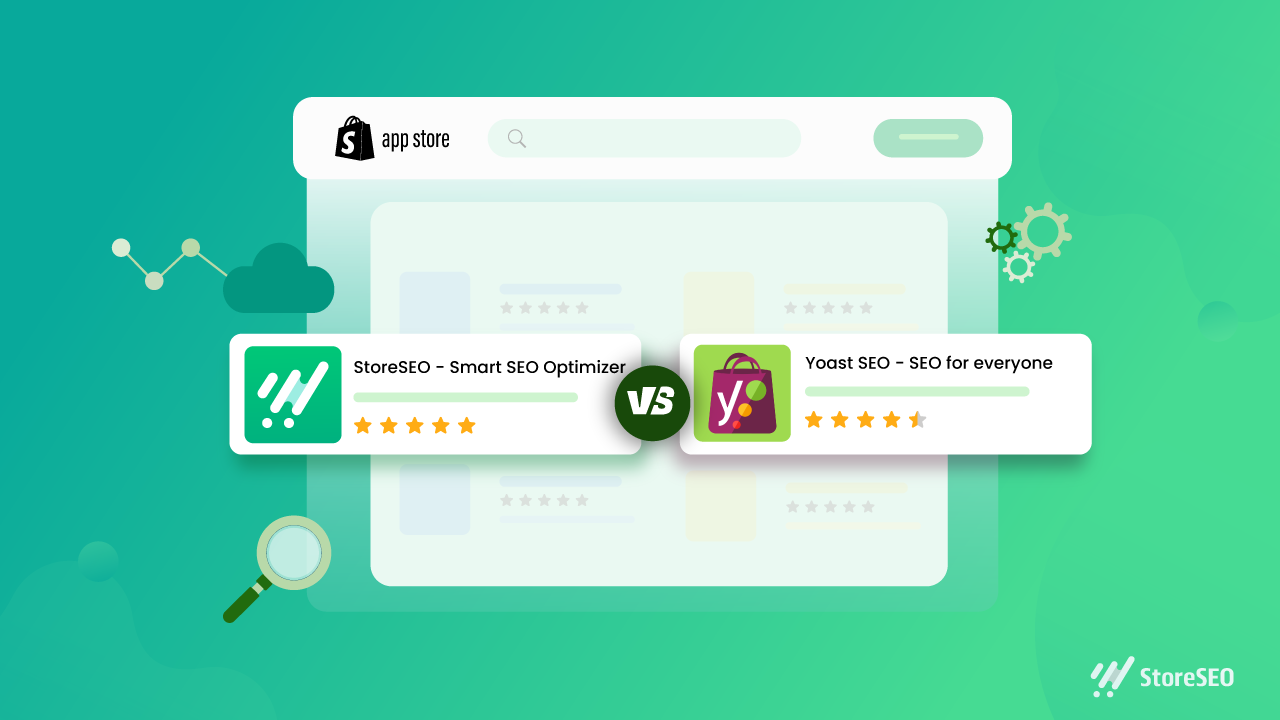
Search engine optimisation (SEO) helps potential customers discover your Shopify store through search engines. Yoast SEO for Shopify is an app designed to make some SEO tasks easier, including improving page content, editing search previews and adding structured data. It can be a useful tool, but it works best as part of a broader strategy that includes useful content, a well-organised store and a good customer experience.

What is Yoast SEO for Shopify?

Yoast SEO for Shopify is an SEO app for Shopify stores. It provides guidance while you work on pages and products, helping you review elements such as page titles, meta descriptions and content. Depending on the app’s current features and your store setup, it can also help with technical SEO and structured data.

It is separate from Yoast SEO for WordPress. Shopify already manages some technical features, such as generating an XML sitemap and creating canonical URLs for many pages. An SEO app complements Shopify’s built-in tools; it does not replace them or automatically guarantee better rankings.

What can Yoast SEO help you with?

Search titles and meta descriptions

Search titles and meta descriptions help describe a page in search results. Yoast can help you draft and review these elements. Aim to make each one accurate, distinctive and appealing to searchers. Include relevant terms naturally, but avoid repeating keywords simply to influence rankings.

Product and collection content

Product and collection pages are central to most online shops. SEO guidance can help you spot opportunities to improve their text, but the most important thing is to give customers information they actually need. Describe a product’s features, materials, sizing, uses and care instructions where relevant. For collection pages, add a concise introduction that explains what shoppers will find.

Readability

Readability checks can highlight long sentences, dense paragraphs or other aspects of copy that may be difficult to follow. Treat these checks as prompts rather than strict rules: clear, natural writing is more valuable than changing good copy just to achieve a particular score.

Structured data

Structured data gives search engines information about the content of a page. Depending on the app’s configuration, Yoast may add structured data to eligible store pages. This can help search engines interpret your products and other content, but it does not guarantee enhanced listings or special placements in search results.

How to use Yoast SEO for Shopify

  1. Install the app from the Shopify App Store. Review its current features, pricing and compatibility before installing.
  2. Check your store settings. Make sure your store name, domain and other business details are correct, and review any guidance provided during setup.
  3. Start with important pages. Prioritise key products, collections and informational pages rather than trying to optimise everything at once.
  4. Review the page title and meta description. Write a clear, accurate summary that reflects the page and gives customers a reason to visit.
  5. Improve the page content. Make descriptions distinctive and helpful. Avoid copying manufacturer text across multiple products.
  6. Check images and links. Use descriptive file names and alternative text where appropriate, and ensure important pages are linked clearly within your store.
  7. Preview and publish your changes. Check how the page appears on your storefront and, where available, in search and social previews.

Best practice for Shopify SEO

  • Do keyword research. Find out how your customers describe the products and problems you serve. Use those insights to shape pages, not to stuff them with repeated phrases.
  • Write original product copy. Helpful details can distinguish your store from competitors selling similar products.
  • Keep your site easy to navigate. Use sensible collections, clear menus and descriptive links so customers and search engines can understand your store’s structure.
  • Optimise images thoughtfully. Use relevant image names and alt text, and make sure files are not unnecessarily large, as page speed affects the shopping experience.
  • Review mobile usability. Check that product information, menus, images and checkout are easy to use on a phone.
  • Monitor performance. Use tools such as Google Search Console and Shopify analytics to track search visibility, traffic and sales. Allow time for changes to be crawled and assessed.

Things to keep in mind

An SEO app can make optimisation more manageable, but it cannot compensate for thin content, confusing navigation or products that do not meet customer needs. Automated recommendations are not always right for every page, so use your judgement and check important changes before publishing.

Also avoid installing several apps that perform the same SEO tasks. Overlapping apps can create duplicated or conflicting metadata and structured data. If you change apps or themes, review key pages afterwards to make sure titles, descriptions and other SEO elements are still working as intended.

Is Yoast SEO for Shopify worth using?

Yoast SEO for Shopify may be useful if you want guided checks and a more structured process for improving your store’s content and search presentation. Its value depends on your needs, budget and how consistently you act on its recommendations. It is not essential for every Shopify store, and installing it alone will not deliver higher rankings.

For the best results, use Yoast as a practical aid: create genuinely useful product and collection pages, keep the store technically sound, and review performance over time. A well-maintained Shopify store gives both customers and search engines a clearer understanding of what you offer.


8 Essential Tips for Optimising Shopify with Yoast SEO

  1. Install the Yoast SEO app from the Shopify App Store.
  2. Write a unique SEO title for every product and page.
  3. Keep meta descriptions clear, concise and inviting.
  4. Use your main search phrase naturally in product copy.
  5. Add descriptive alt text to product images.
  6. Use Yoast’s feedback to improve readability and SEO.
  7. Review SEO titles and descriptions before publishing.
  8. Check redirects when changing product or page URLs.

Install the Yoast SEO app from the Shopify App Store.

To get started with Yoast SEO for Shopify, install the app from the Shopify App Store. Before installing, check that it suits your store’s needs, review its current features and pricing, and confirm it’s compatible with your Shopify setup. Once installed, follow the app’s setup guidance and review its recommendations before making changes to your pages.

Write a unique SEO title for every product and page.

Write a unique SEO title for every product and page in your Shopify store so customers and search engines can quickly understand what each one offers. Include the main topic or product name naturally, and make each title specific to that page rather than reusing a generic template. A clear, accurate title can help your page stand out in search results and attract more relevant visitors.

Keep meta descriptions clear, concise and inviting.

Keep your meta descriptions clear, concise and inviting. Summarise what shoppers will find on the page, highlight a useful benefit and give them a reason to click. Write a unique description for each important product or collection page, use natural language, and avoid awkwardly packing in keywords. Search engines may choose to display different text, but a well-written description can still help your listing stand out in search results.

Use your main search phrase naturally in product copy.

Use your main search phrase naturally in your product copy so customers and search engines can quickly understand what you’re selling. Include it where it fits—such as in the product description or a relevant heading—but prioritise clear, persuasive writing over repetition. Explain the product’s features and benefits in your own words, and use related terms only when they add useful detail. Avoid keyword stuffing, which can make descriptions awkward and less helpful to shoppers.

Add descriptive alt text to product images.

Add descriptive alt text to your product images so people using screen readers can understand what each image shows, and search engines can better interpret its context. Keep the text concise and specific: describe the product and any important visible details, such as its colour, style or material. For example, “Navy blue cotton shirt with a button-down collar” is more useful than “shirt image”. If an image is purely decorative and adds no information, leave the alt text blank where your Shopify theme allows it.

Use Yoast’s feedback to improve readability and SEO.

Use Yoast’s feedback as a guide to make your Shopify content clearer and easier to read. Its suggestions can highlight long sentences, dense paragraphs and opportunities to use relevant search terms naturally. Treat the checks as helpful prompts rather than strict rules: prioritise useful, accurate copy for your customers, and avoid awkward phrasing or keyword stuffing just to improve a score.

Review SEO titles and descriptions before publishing.

Review your SEO titles and meta descriptions before publishing each Shopify page. Make sure the title clearly describes the page and includes the main search term naturally, while the description gives shoppers a concise, accurate reason to click. Keep both unique across your store, avoid keyword stuffing, and check that they read well on search results pages.

Check redirects when changing product or page URLs.

When changing a product or page URL in Shopify, set up a redirect from the old address to the new one. This helps customers who follow an existing link reach the right page and guides search engines to its updated location, reducing the risk of broken links and lost traffic. Check that the redirect works correctly after publishing, and avoid redirecting unrelated URLs to your homepage.

seo consultant specialist

SEO Consultant Specialist: A Guide to Growing Your Search Visibility

What Does an SEO Consultant Specialist Do?

A strong online presence can help a business reach new customers, build credibility and grow over time. But appearing in search results is not simply a matter of adding a few keywords to a website. Search engine optimisation (SEO) involves a range of technical, creative and analytical tasks. An SEO consultant specialist helps businesses understand those tasks and develop a practical plan to improve their visibility in organic search.

What is an SEO consultant specialist?

An SEO consultant specialist is a professional who reviews a website’s search performance and recommends or carries out improvements. Their work may cover technical SEO, content, keyword research, local visibility and link-related activities. The exact role varies: some consultants provide strategic advice, while others work alongside a client’s team to implement changes and measure the results.

The aim is not just to attract more visitors. Effective SEO focuses on reaching relevant people and making it easier for them to find useful information, products or services.

What services can an SEO specialist provide?

SEO audits

An audit examines how well a website is performing from a search perspective. It may identify issues such as slow-loading pages, broken links, duplicate content, poor internal linking or pages that search engines struggle to access. An audit should prioritise findings according to their likely impact and the effort needed to address them.

Keyword and search-intent research

Keyword research helps reveal the words and questions people use when looking for a business, product or service. A specialist also considers search intent: what someone is hoping to achieve when they make a particular search. This helps shape pages that answer the right questions rather than simply repeating popular phrases.

Technical SEO

Technical SEO concerns the foundations that help search engines discover, crawl and understand a website. This can include site structure, mobile usability, page speed, indexing, redirects and structured data. Technical recommendations should take account of how the website is built and the resources available to maintain it.

Content strategy and on-page optimisation

An SEO consultant may advise on new content or improvements to existing pages. This can involve refining page titles and headings, improving internal links, making information easier to understand and identifying gaps in the site’s coverage. Good content should be useful to readers first, with optimisation supporting its clarity and discoverability.

Local SEO

For businesses serving a particular area, local SEO can help improve visibility in location-based searches. Work may include reviewing business listings, strengthening location pages and ensuring that key business details are accurate and consistent across relevant platforms.

Reporting and measurement

SEO takes time, so regular reporting is important. A specialist can help monitor indicators such as organic traffic, search visibility, enquiries, sales and the performance of important landing pages. The most useful measures depend on a business’s goals; rankings alone do not show whether a campaign is delivering value.

When might a business need an SEO consultant?

A consultant may be useful when a website receives little organic traffic, when search performance has declined, or when a business is planning a redesign or entering a new market. They can also provide specialist knowledge to a marketing team that needs support with a particular challenge.

SEO may not be the right immediate priority for every organisation. A consultant should be prepared to discuss expected timescales, limitations and alternative priorities, rather than promising instant results.

How to choose the right SEO specialist

Look for a consultant who takes time to understand your business, audience and goals. Before hiring someone, consider asking:

  • What would you review first, and why?
  • How will you prioritise recommendations?
  • What work will you carry out, and what will our team need to do?
  • How will progress and business outcomes be reported?
  • Can you explain your methods and share relevant examples?

Be cautious of guarantees of a number-one ranking or claims that results are certain by a fixed date. Search performance depends on many factors, including competition, website changes and search engine updates. A trustworthy specialist will explain what can be influenced, what cannot, and how success will be assessed.

Building a productive working relationship

SEO works best when it is treated as an ongoing part of a business’s digital strategy. The consultant needs access to accurate information and, where appropriate, collaboration with developers, writers and marketing staff. In return, the business should expect clear advice, realistic recommendations and transparent communication.

A capable SEO consultant specialist combines technical understanding with sound judgement and a focus on the customer. By connecting a clear strategy with useful content and a well-structured website, they can help a business build sustainable search visibility and make its online presence more effective.


Essential FAQs About Hiring an SEO Consultant Specialist in the UK

  1. What does an SEO consultant specialist do?
  2. How can an SEO consultant specialist help my business?
  3. How much does it cost to hire an SEO consultant specialist in the UK?
  4. How long does it take to see results from SEO?
  5. What should I look for when choosing an SEO consultant specialist?
  6. What is the difference between an SEO consultant and an SEO agency?
  7. How can I measure the success of an SEO consultant’s work?

What does an SEO consultant specialist do?

An SEO consultant specialist helps businesses improve their visibility in organic search results. They assess a website, identify opportunities and issues, and recommend or carry out work such as keyword research, technical improvements, content optimisation and local SEO. They also monitor performance and report on progress, with the aim of attracting more relevant visitors and supporting business goals.

How can an SEO consultant specialist help my business?

An SEO consultant specialist can help your business improve its visibility in search results and attract people who are looking for your products or services. They assess your website, research relevant search terms, identify technical and content improvements, and create a strategy tailored to your goals. They can also monitor performance and explain what is working, helping you make informed decisions and build sustainable organic traffic over time.

How much does it cost to hire an SEO consultant specialist in the UK?

The cost of hiring an SEO consultant specialist in the UK varies according to their experience, the scope of work and the complexity of your website. Some charge an hourly rate, while others offer a fixed-fee audit, monthly retainer or project-based pricing. A small, focused piece of work will generally cost less than ongoing support for a large or highly competitive website. Ask for a clear proposal outlining the work, deliverables, timescales and reporting, and be wary of guaranteed rankings or unusually low prices that promise quick results.

How long does it take to see results from SEO?

SEO is a long-term process, and the time it takes to see results depends on factors such as your website’s current condition, the level of competition and the work required. Some improvements, such as fixing technical issues, may have an impact sooner, while stronger gains in visibility, traffic and enquiries often take several months. An SEO consultant specialist should set realistic expectations, track progress against meaningful goals and refine the strategy as results develop.

What should I look for when choosing an SEO consultant specialist?

When choosing an SEO consultant specialist, look for someone who takes time to understand your business, audience and objectives, and can explain their recommendations in clear, practical terms. Ask about their experience, approach to technical SEO, content and reporting, and how they will measure progress against your goals. A reliable consultant sets realistic expectations, communicates transparently and avoids guarantees of specific rankings or instant results. It is also helpful to check relevant case studies or references and agree upfront on the work, timescales and responsibilities.

What is the difference between an SEO consultant and an SEO agency?

An SEO consultant is usually an individual specialist who provides focused advice and may also carry out SEO work, while an SEO agency is a team that can offer a broader range of services, such as technical SEO, content creation and digital PR. A consultant may give you direct, one-to-one support and suit a business with a specific SEO need; an agency may be better if you need several areas of expertise or a larger campaign. However, services vary, so compare each provider’s experience, approach, communication and fees rather than relying on the title alone.

How can I measure the success of an SEO consultant’s work?

Measure an SEO consultant’s success against clear business goals, not rankings alone. Track relevant indicators over time, such as organic traffic, visibility for target searches, qualified leads, enquiries, sales and revenue, alongside improvements to the website’s technical health and content. Agree on a baseline, realistic timescales and regular reporting with your consultant, and consider how results compare with seasonal changes or other marketing activity. SEO often takes time, so look for sustained progress and transparent explanations rather than promises of instant results.

How to Choose the Right SEO Specialist Agency for Your Business

How to Choose the Right SEO Specialist Agency

Search engine optimisation (SEO) can help businesses attract more relevant visitors, build visibility and support long-term growth. But effective SEO takes more than adding keywords to a website. It involves technical knowledge, useful content, careful research and ongoing improvement. A SEO specialist agency can bring these skills together and create a strategy that reflects your business goals.

What does an SEO specialist agency do?

An SEO specialist agency helps improve how a website appears in organic search results. Its work usually begins with understanding your business, audience, website and competitors. From there, the agency can identify opportunities and prioritise improvements.

Depending on your needs, SEO services may include:

  • SEO audits: Reviewing a website to identify technical issues, content gaps and opportunities to improve search visibility.
  • Keyword research: Finding the search terms your potential customers use and assessing which are relevant to your products or services.
  • Technical SEO: Improving factors such as site structure, page speed, mobile usability, crawlability and indexing.
  • On-page optimisation: Refining page titles, headings, internal links and content so that pages are clear and useful to both visitors and search engines.
  • Content strategy: Planning and improving content that answers customers’ questions and supports their decision-making.
  • Local SEO: Helping businesses improve their visibility in location-based searches and local results.
  • Reporting and analysis: Tracking agreed measures, explaining what the data means and recommending next steps.

Why work with an SEO specialist agency?

SEO is a continuing process, not a one-off website fix. Search behaviour changes, competitors update their websites and search engines regularly adjust how they assess content. An agency can provide specialist skills and a consistent approach without requiring a business to manage every detail in-house.

A good agency will also connect SEO activity to meaningful business objectives. Rather than focusing only on rankings or traffic, it should consider whether organic search is helping to attract the right people and contribute to enquiries, sales or other agreed outcomes.

What to look for when choosing an agency

A clear, tailored strategy

Your business, audience and website are different from everyone else’s. Look for an agency that asks questions before recommending a plan. Its strategy should explain the priorities, the reasoning behind them and how progress will be assessed.

Transparent communication

SEO can involve technical concepts, but explanations should still be easy to understand. A reliable agency will communicate regularly, share useful reports and be open about what is working, what needs attention and what may take time.

Realistic expectations

No agency can guarantee a particular ranking or promise instant results. SEO outcomes depend on many factors, including competition, website condition and the resources available for implementation. Be cautious of claims that sound certain or unusually quick.

Evidence of relevant experience

Ask how the agency has approached challenges similar to yours. Case studies and examples can be helpful, provided they explain the work involved and avoid implying that the same results are guaranteed for every client.

Ethical, sustainable methods

SEO should improve the usefulness and accessibility of your website, not rely on tactics designed to manipulate search results. Ask how the agency approaches content, links and technical changes. Its methods should be clear and consistent with search engine guidelines.

Questions to ask before you start

  • What would you prioritise during the first few months, and why?
  • How will you learn about our customers and business goals?
  • Which measures will you use to assess progress?
  • How often will we receive updates and reports?
  • What support or input will you need from our team?
  • How do you approach changes in search engine algorithms?

SEO is a partnership

The best results often come when an agency and a business work together. The agency can provide research, recommendations and specialist implementation, while your team brings detailed knowledge of your services, customers and industry. Clear responsibilities and regular communication help keep the work practical and aligned with your priorities.

Choosing an agency with confidence

A SEO specialist agency should offer more than a list of tasks. It should help you understand where your website stands, which improvements matter most and how SEO can support your wider marketing plans. Take time to compare approaches, ask direct questions and choose a partner whose advice is clear, considered and focused on sustainable progress.


Essential FAQs About Hiring and Working with an SEO Specialist Agency

  1. Is hiring a SEO company worth it?
  2. Is SEO dead or evolving in 2026?
  3. How much should I pay a SEO Specialist?
  4. How do I get an SEO Specialist?
  5. How much does an SEO agency typically cost?
  6. Should I hire an agency for SEO?
  7. How much does an SEO specialist cost?
  8. How can I find the best SEO service provider?
  9. How much does it cost for SEO?
  10. How do I choose a SEO specialist?
  11. How much does it cost to hire a SEO?
  12. How much does a SEO expert cost?
  13. How much does it cost to hire an SEO specialist?
  14. How much does SEO cost in Dubai?
  15. How can I do SEO agency?
  16. How much does it cost to hire an SEO agency?
  17. Which is the best company for SEO services?
  18. Are SEO Experts worth it?
  19. Who is the best company for SEO?
  20. Who is the best SEO specialist?
  21. What is an SEO agency do?
  22. How do I find SEO agencies?
  23. How do I find SEO companies?
  24. How much do SEO consultants charge?

Is hiring a SEO company worth it?

Hiring an SEO company can be worthwhile if you want to improve your website’s visibility but lack the time or specialist skills to manage SEO in-house. A reputable agency can identify technical issues, develop a strategy and track progress towards goals such as relevant traffic, enquiries or sales. Results usually take time, so look for transparent reporting, realistic expectations and a plan tailored to your business. Whether it is worth the investment depends on your objectives, budget and the value of the opportunities SEO could bring.

Is SEO dead or evolving in 2026?

SEO isn’t dead in 2026; it’s evolving. Search engines are changing how they present information, including through AI-generated answers, but people still use search to find businesses, compare options and solve problems. SEO now calls for more than targeting keywords: it means publishing genuinely useful, trustworthy content, maintaining a technically sound website and building a strong brand presence across relevant platforms. A specialist agency can help businesses adapt their strategy as search behaviour and technology continue to change.

How much should I pay a SEO Specialist?

The cost of hiring an SEO specialist varies depending on their experience, the scope of work and the competitiveness of your market. In the UK, freelancers and agencies may charge an hourly rate, a project fee or a monthly retainer, with ongoing support typically costing more when it includes technical SEO, content and regular reporting. Ask for a clear breakdown of what is included, how success will be measured and whether any extra costs may apply. Rather than choosing solely on price, look for a specialist who offers a realistic, tailored plan and transparent expectations—no reputable provider can guarantee specific rankings or instant results.

How do I get an SEO Specialist?

To find an SEO specialist, start by defining your goals, such as improving local visibility, attracting more organic traffic or increasing online sales. You can hire an in-house specialist, work with a freelancer or approach an SEO agency, depending on the expertise and support you need. Review their relevant experience, ask how they measure results and request a clear outline of their proposed approach. Choose someone who communicates openly, sets realistic expectations and explains their recommendations without promising guaranteed rankings.

How much does an SEO agency typically cost?

The cost of an SEO agency varies depending on the work involved, the size of your website, the competitiveness of your industry and the level of support you need. Some agencies charge a monthly retainer, while others offer project-based fees or hourly rates. Before comparing prices, ask what each package includes, how progress will be reported and whether any extra costs may apply. A clear proposal should link the recommended work to your business goals, rather than promise guaranteed rankings or instant results.

Should I hire an agency for SEO?

Hiring an SEO agency can be worthwhile if you lack the time or in-house expertise to improve your website’s search visibility. A specialist agency can audit your site, develop a strategy and support ongoing technical, content and performance improvements. Before choosing one, consider your goals, budget and the level of support you need. Look for clear communication, realistic expectations and transparent reporting, and be wary of anyone promising guaranteed rankings. SEO takes time, so choose an agency that focuses on sustainable progress and outcomes relevant to your business.

How much does an SEO specialist cost?

The cost of an SEO specialist varies depending on the work required, the competitiveness of your market and the specialist’s experience. You may be charged an hourly rate, a one-off fee for a specific project, or a monthly retainer for ongoing support. Before choosing an SEO specialist or agency, ask for a clear proposal outlining the services, expected deliverables and reporting, and compare value rather than price alone.

How can I find the best SEO service provider?

To find the best SEO service provider, look for an agency that takes time to understand your business, audience and goals before recommending a strategy. Check its relevant experience, client reviews and case studies, and ask how it measures results, reports progress and keeps you informed. A trustworthy provider will explain its methods clearly, set realistic expectations and avoid guarantees of specific rankings. Choose a partner that focuses on sustainable improvements and outcomes that matter to your business, such as qualified traffic, enquiries or sales.

How much does it cost for SEO?

The cost of SEO varies depending on your website, goals, competition and the level of support required. Some businesses need a one-off audit, while others benefit from ongoing work covering technical improvements, content and reporting. An SEO specialist agency should explain what its fees include, how the work will be prioritised and how progress will be measured. Rather than choosing on price alone, consider whether the proposed services suit your needs and offer clear value.

How do I choose a SEO specialist?

Choose an SEO specialist by looking for relevant experience, a clear and tailored approach, and a willingness to explain their recommendations in plain English. Ask how they will understand your business goals, measure progress and report results, and request examples of work with similar businesses. A trustworthy specialist will set realistic expectations, avoid guaranteed rankings and explain the methods they use. Make sure their services, fees and responsibilities are clear before you begin.

How much does it cost to hire a SEO?

The cost of hiring an SEO specialist in the UK varies depending on the work required, the competitiveness of your industry and the specialist’s experience. Some charge an hourly rate or a one-off fee for an SEO audit, while agencies often offer monthly retainers for ongoing work. Before agreeing a price, ask what the service includes, how progress will be reported and whether any additional costs may apply. A clear, tailored proposal is more useful than choosing on price alone.

How much does a SEO expert cost?

The cost of an SEO expert depends on the work involved, their experience and whether you choose a freelancer or an agency. Some charge an hourly rate, while others offer a monthly retainer or a fixed fee for a project, such as an SEO audit. Before agreeing to a price, clarify what the service includes, how progress will be reported and whether any additional costs may apply. Be wary of guaranteed rankings or unusually low prices paired with promises of instant results; SEO is an ongoing process, and outcomes can take time.

How much does it cost to hire an SEO specialist?

The cost of hiring an SEO specialist varies depending on the scope of work, the competitiveness of your industry and the specialist’s experience. Some charge an hourly rate or a fixed fee for a project, while agencies often offer monthly retainers for ongoing support. Before agreeing a budget, ask what the fee includes, how progress will be reported and whether any additional costs may arise. Focus on the value and suitability of the service, rather than choosing solely on price.

How much does SEO cost in Dubai?

The cost of SEO in Dubai varies depending on your website, industry, competition and the scope of work required. A local business with a focused target area may need a different level of support from a large company targeting customers across multiple markets. Agencies may charge a monthly retainer, a project fee or an hourly rate, so ask for a clear breakdown of services, deliverables and reporting before you commit. Rather than choosing on price alone, look for a tailored strategy, transparent communication and realistic expectations about results and timescales.

How can I do SEO agency?

To run an SEO agency, start by developing practical skills in areas such as technical SEO, keyword research, content strategy and analytics. Choose the services and types of businesses you want to work with, then set up your business, pricing and client processes. Build a professional website that explains what you offer, use ethical SEO methods to attract enquiries, and create clear proposals and reports so clients understand the work and its progress. As SEO takes time and results can vary, set realistic expectations and communicate openly from the outset.

How much does it cost to hire an SEO agency?

The cost of hiring an SEO agency in the UK varies depending on your website, competition, goals and the level of support required. Some agencies charge a monthly retainer, while others offer fixed-fee projects or hourly consultancy. A smaller local SEO campaign may cost less than a complex national or international strategy involving technical work and ongoing content creation. Ask for a clear breakdown of services, fees and reporting, and be cautious of unusually cheap packages or promises of guaranteed rankings.

Which is the best company for SEO services?

The best company for SEO services is one that understands your business, explains its approach clearly and builds a strategy around your goals—not one that promises instant rankings. Look for a proven track record, transparent reporting, ethical SEO practices and realistic expectations. Compare agencies’ experience and communication style, and ask how they will measure progress, such as through relevant traffic, enquiries or sales.

Are SEO Experts worth it?

Yes, SEO experts can be worth it if they help your business attract more relevant visitors and turn that visibility into enquiries or sales. They can identify technical issues, improve your content and build a strategy around your goals, saving your team time and helping you avoid costly guesswork. Results take time and are never guaranteed, so choose an expert who sets realistic expectations, explains their approach clearly and reports on meaningful outcomes—not just rankings or traffic.

Who is the best company for SEO?

There is no single best company for SEO for every business. The right agency depends on your goals, budget, industry and the support you need. Look for a team that takes time to understand your business, explains its strategy clearly, uses ethical SEO practices and reports on meaningful results. Ask for relevant examples of previous work, but be wary of guaranteed rankings or promises of instant success. The best fit is an agency that sets realistic expectations and works transparently towards your objectives.

Who is the best SEO specialist?

There is no single “best” SEO specialist for every business. The right specialist is someone who understands your goals, audience and industry, explains their recommendations clearly, uses ethical SEO practices and measures progress against meaningful outcomes—not just rankings. Look for relevant experience, transparent reporting and realistic expectations, then choose a specialist whose approach suits your needs and budget.

What is an SEO agency do?

An SEO agency helps businesses improve their visibility in organic search results. It may research relevant keywords, optimise website content and technical performance, create a content strategy, improve local search presence and monitor results. The aim is to attract more relevant visitors and support business goals, such as generating enquiries or sales.

How do I find SEO agencies?

To find an SEO agency, start by asking trusted business contacts for recommendations and searching online for agencies with experience in your industry or location. Review their websites, case studies and client feedback, then speak to a shortlist about your goals, proposed approach, reporting and fees. Choose an agency that explains its recommendations clearly, sets realistic expectations and avoids guarantees of specific rankings or overnight results.

How do I find SEO companies?

To find SEO companies, start by asking trusted business contacts for recommendations and searching online for agencies with experience in your industry or location. Review their websites, case studies and client feedback, then speak to a shortlist about your goals, their proposed approach, reporting and fees. Look for clear communication and realistic expectations, and be wary of guaranteed rankings or promises of instant results.

How much do SEO consultants charge?

SEO consultant fees vary depending on their experience, location, the scope of work and how competitive your industry is. In the UK, consultants may charge an hourly rate, a day rate or a monthly retainer, while some offer a fixed fee for a specific project, such as an SEO audit. Before agreeing to work together, ask for a clear breakdown of what’s included, how progress will be measured and whether any additional costs may apply.

seo solution

SEO Solution: A Practical Guide to Growing Your Online Visibility

SEO Solutions: A Practical Guide to Growing Your Online Visibility

A strong online presence can help businesses reach more potential customers, build trust and generate enquiries. Search engine optimisation (SEO) is one way to support these goals. An effective SEO solution brings together technical improvements, useful content and a clear understanding of what people are searching for.

What is an SEO solution?

An SEO solution is a set of services and activities designed to improve a website’s visibility in organic search results. It can include reviewing a website, identifying opportunities, making improvements and monitoring performance over time.

Every business has different goals, audiences and challenges, so an SEO solution should be shaped around the organisation rather than applied as a one-size-fits-all package. A local service business, for example, may focus on appearing in relevant local searches, while an online retailer may prioritise product pages and category content.

What can an SEO solution include?

SEO audits and strategy

An SEO audit examines a website’s current performance and identifies areas for improvement. This may include technical issues, content gaps, site structure and opportunities to reach relevant audiences. The findings can then inform a strategy that sets priorities and defines how progress will be assessed.

Keyword and audience research

Keyword research helps businesses understand the words and phrases people use when looking for information, products or services. Good research considers more than search volume: it also looks at the searcher’s intent and whether a topic is relevant to the business.

Understanding the audience behind a search can help shape clearer website pages, useful articles and more relevant service descriptions.

Technical SEO

Technical SEO focuses on how well search engines can access, understand and index a website. Work may involve improving page speed, checking mobile usability, reviewing site navigation, fixing broken links and resolving duplicate or poorly indexed pages.

A technically sound website can also provide a better experience for visitors. Clear navigation and reliable pages make it easier for people to find what they need.

Content optimisation

Helpful, well-structured content gives visitors a reason to stay on a website and can help search engines understand what each page is about. Content optimisation may include improving existing pages, creating new resources and organising information around the needs of the intended audience.

Content should be written for people first. Adding keywords unnaturally or publishing pages with little practical value is unlikely to build lasting trust.

Local SEO

For businesses serving a particular area, local SEO can help improve visibility in location-based searches. This may involve keeping business details consistent online, improving local landing pages and managing a business profile on relevant platforms.

Accurate contact details, opening hours and service information help potential customers decide whether a business is right for them.

Measurement and reporting

SEO takes time, so regular measurement is important. Reporting can track indicators such as organic visits, search visibility, enquiries, sales and engagement with key pages. The most useful measures depend on the business’s objectives.

Reports should explain what has changed, what the results mean and what actions are planned next. Rankings alone do not always show whether SEO is contributing to meaningful business outcomes.

How to choose the right SEO solution

Before selecting an SEO service, consider what the business wants to achieve. It may be looking to attract more local enquiries, increase relevant website traffic or improve the performance of important product pages. Clear objectives make it easier to decide which activities are appropriate.

Look for a provider that explains its approach in straightforward terms, sets realistic expectations and is willing to discuss how progress will be measured. Be cautious of guarantees of specific rankings or claims of instant results. Search engines change, competitors respond and SEO improvements often require sustained work.

It is also worth asking who will carry out the work, how communication will be handled and whether recommendations will be explained before they are implemented. A good working relationship should be based on transparency, collaboration and a shared understanding of the goals.

SEO is an ongoing process

SEO is not usually a one-off fix. Websites evolve, customer needs change and search engine results continue to develop. An ongoing approach allows a business to review performance, respond to new opportunities and keep its website useful and up to date.

With a clear strategy and consistent effort, an SEO solution can help a business build a stronger foundation for long-term online visibility. The best place to start is with a realistic assessment of the website, the audience it serves and the results the business wants to achieve.


Essential FAQs About Choosing the Right SEO Solution for Your Business

  1. What is an SEO solution?
  2. What does an SEO solution include?
  3. How long does an SEO solution take to deliver results?
  4. How much does an SEO solution cost?
  5. How can I choose the right SEO solution for my business?

What is an SEO solution?

An SEO solution is a tailored set of strategies and improvements designed to help a website appear more prominently in relevant search results. It may include technical fixes, keyword research, content optimisation and ongoing performance tracking, with the aim of making the site easier to find and more useful to potential customers.

What does an SEO solution include?

An SEO solution typically includes a review of your website, keyword and audience research, technical improvements, content optimisation and, where relevant, local SEO. It may also involve monitoring performance and providing regular reports, so you can see what’s working and where further improvements are needed. The exact activities should be tailored to your business goals, website and target audience.

How long does an SEO solution take to deliver results?

An SEO solution typically takes three to six months to show noticeable results, although the timeframe varies depending on your website’s condition, competition, industry and the work involved. Technical fixes may have an impact sooner, while building authority and improving search visibility usually takes longer. SEO is an ongoing process, so consistent work and regular measurement are important for sustaining progress.

How much does an SEO solution cost?

The cost of an SEO solution varies depending on your website, business goals, level of competition and the work required. A focused local SEO campaign may cost less than a broader strategy involving technical improvements, content creation and link building. Some providers charge a monthly retainer, while others offer one-off audits or project-based work. Ask for a clear breakdown of the services, costs and expected reporting, and be wary of guarantees of specific rankings or instant results.

How can I choose the right SEO solution for my business?

To choose the right SEO solution, start by defining your business goals, such as attracting more local enquiries, increasing relevant website traffic or improving online sales. Look for a provider that takes time to understand your audience, industry and current website, then explains a tailored strategy, realistic timescales and how results will be measured. Ask about communication and reporting, and be wary of guaranteed rankings or promises of instant results. The right solution should suit your needs, budget and long-term plans.

local search seo services

Local Search SEO Services: A Guide to Reaching Nearby Customers

Local Search SEO Services: Helping Nearby Customers Find Your Business

When people need a nearby service, they often turn to a search engine. They might look for a plumber in their area, a café close to work or a solicitor in their town. Local search engine optimisation (SEO) helps businesses appear in relevant search results when potential customers are looking for products or services nearby.

Local search SEO services bring together website improvements, business listing management and location-focused content. The aim is to make it easier for search engines and customers to understand what your business offers, where it operates and how to get in touch.

What is local search SEO?

Local SEO is the process of improving a business’s visibility in searches with a local focus. These searches may include a place name, such as “accountant in Manchester”, or words that suggest the searcher wants something nearby, such as “coffee shop near me”.

Local results can appear in several places, including map listings, local business profiles and standard organic search results. Where and how a business appears depends on factors such as relevance, distance, prominence and the quality of its online information.

What do local search SEO services include?

Business profile optimisation

A well-maintained business profile can help customers find key details quickly. Local SEO services may review and improve your profile by checking that your business name, address, phone number, opening hours, website and service categories are accurate and consistent.

Adding useful photographs, describing your services clearly and responding professionally to customer reviews can also help create a complete and trustworthy profile. Information should always reflect the business accurately.

Local keyword research

Keyword research helps identify the phrases potential customers use when searching for your services. This may include service names, nearby towns, neighbourhoods and terms such as “near me”. An SEO specialist can use this research to guide your website content and page structure.

The goal is not to add place names wherever possible. Content should read naturally and provide information that is genuinely useful to people in the areas you serve.

Location and service pages

If your business serves several locations, dedicated pages can explain what you offer in each area. Effective pages provide relevant details, such as the services available, areas covered and practical information for local customers.

Simply creating multiple pages with nearly identical wording is unlikely to provide a good experience. Each page should have a clear purpose and offer value to its intended audience.

Website optimisation

Your website needs to be easy to use on mobile devices, load reliably and make important information easy to find. Local SEO work may include improving page titles and headings, adding clear contact details, strengthening internal links and making sure search engines can crawl and understand the site.

Structured data may also be used to provide search engines with information about a business, such as its address or opening hours. It needs to be implemented correctly and should match the visible information on the website.

Reviews and reputation management

Customer reviews can influence how people view a business and whether they decide to make contact. Local SEO services may help you establish a consistent process for inviting genuine feedback and responding to reviews in a timely, considered way.

Reviews should never be bought or fabricated. A professional approach focuses on making it straightforward for real customers to share their experiences and addressing concerns constructively.

Local citations and business information

A citation is a mention of your business’s key details on another website, such as a directory or industry listing. Accurate, consistent information can help customers and search engines identify your business. SEO providers may check important listings, correct outdated details and identify relevant directories.

Local link building

Links from relevant local organisations, publications, community groups or business partners can help people discover your website and strengthen your online presence. Quality and relevance matter more than the number of links. Any link-building activity should be transparent and focused on genuine relationships or useful information.

How local SEO can benefit your business

Local search SEO services can help your business:

  • Become more visible to people searching in your service area
  • Provide accurate information about your location, opening hours and services
  • Attract more relevant visits to your website or business profile
  • Build trust through helpful content and genuine customer feedback
  • Understand which locations, services and search terms are bringing people to your site

SEO is a long-term marketing activity, and results vary according to factors such as competition, location, website condition and the resources invested. No provider can responsibly guarantee a particular position in search results.

Choosing a local SEO provider

Look for a provider that takes time to understand your business, customers and service areas. A clear proposal should explain the work involved, how progress will be measured and what information you will receive. It should also set realistic expectations rather than promising instant results or guaranteed rankings.

Useful reporting may include changes in search visibility, website visits, calls, direction requests or enquiries. The most relevant measures depend on your business goals, so agree on these before work begins.

Getting started with local search SEO

Start by checking that your business details are accurate across your website and key online profiles. Consider the questions customers ask, the areas you serve and the services you want to promote. These basics provide a strong foundation for a more detailed local SEO strategy.

With consistent information, useful local content and ongoing attention to your website and business listings, local search SEO can help nearby customers discover and choose your business.


Enhance Local Business Success with Effective Local Search SEO Strategies

  1. Improves visibility in local search results.
  2. Helps nearby customers find your business.
  3. Drives relevant visits, calls and enquiries.
  4. Builds trust with accurate listings and reviews.
  5. Targets customers in the areas you serve.


Challenges of Local Search SEO Services: Time, Cost, Competition, and Uncertain Rankings

  1. Results can take time to appear.
  2. Ongoing work may be costly.
  3. Local competition can be intense.
  4. Rankings can change unexpectedly.
  5. Managing reviews takes effort.
  6. No provider can guarantee top rankings.

Improves visibility in local search results.

Local search SEO services can improve your visibility when nearby customers search online for the products or services you offer. By optimising your website, business listings and location information, they help search engines connect your business with relevant local searches. This makes it easier for potential customers to discover you in map listings and organic results, and find essential details such as your services, opening hours and contact information.

Helps nearby customers find your business.

Local search SEO services help nearby customers find your business when they’re looking for products or services in your area. By improving your visibility in local search results and map listings, they make it easier for potential customers to discover what you offer, check your opening hours and contact you.

Drives relevant visits, calls and enquiries.

Local search SEO services help your business reach people who are actively looking for the products or services you offer in your area. By improving your visibility in relevant local searches, they can attract more qualified visitors to your website and business profile, leading to more phone calls, appointment requests and customer enquiries.

Builds trust with accurate listings and reviews.

Local search SEO services help build trust by keeping your business information accurate and consistent across search engines and online directories. Clear details about your address, opening hours and contact information make it easier for customers to know what to expect. Encouraging genuine reviews and responding to them thoughtfully also shows that you value customer feedback, helping people feel more confident about choosing your business.

Targets customers in the areas you serve.

Local search SEO services help your business reach people in the areas you serve. By targeting relevant local searches and clearly highlighting your locations and services, they make it easier for nearby customers to find you when they’re ready to enquire, visit or make a purchase.

Results can take time to appear.

One drawback of local search SEO services is that results can take time to appear. Improvements to your website, business listings and local content may take weeks or months to influence search visibility, particularly in competitive areas. SEO is an ongoing process rather than an instant fix, so businesses should set realistic expectations and track progress over time instead of relying on immediate increases in enquiries.

Ongoing work may be costly.

One potential drawback of local search SEO services is the ongoing cost. Improving and maintaining local visibility takes regular work, such as updating business listings, creating useful content, monitoring performance and responding to changes in search results. These recurring fees may be difficult to justify for businesses with limited budgets, particularly as results can take time and are not guaranteed. Before committing, clarify what the service includes, how progress will be measured and whether the expected benefits make the ongoing investment worthwhile.

Local competition can be intense.

Local competition can be intense, particularly in crowded markets and popular areas where many businesses offer similar services. This can make it harder to appear prominently in local search results, even with a well-optimised website and business profile. Standing out often takes time and consistent effort, including useful local content, accurate business information and a strong reputation supported by genuine customer reviews.

Rankings can change unexpectedly.

Local search rankings can change unexpectedly, even when your business has a consistent SEO strategy in place. Search engines regularly update their systems, while competitors may improve their websites or business profiles and local demand can shift. As a result, your position in search results may rise or fall without warning. SEO services can help monitor these changes and adapt your approach, but they cannot guarantee a fixed ranking.

Managing reviews takes effort.

Managing reviews takes time and consistent effort. Businesses need to monitor feedback across relevant platforms, respond promptly and professionally, and address concerns constructively. While positive reviews can build trust, negative comments may require careful handling, so reputation management can become an ongoing responsibility alongside day-to-day operations.

No provider can guarantee top rankings.

One limitation of local search SEO services is that no provider can guarantee top rankings. Search results are influenced by changing algorithms, competitor activity, location and many other factors outside an agency’s control. A reputable provider can improve your website and local listings, explain the work being carried out and report on progress, but should avoid promising a specific position or instant results.

seo professionals

SEO Professionals: How They Improve Search Visibility and Support Business Growth

SEO Professionals: What They Do and How They Help Businesses Grow

SEO professionals help businesses improve their visibility in search engines and attract more relevant visitors to their websites. SEO, or search engine optimisation, involves making a website easier for search engines to understand and more useful for the people who visit it.

Good SEO is not about chasing quick wins or guaranteeing a top position on Google. It is a long-term process that combines technical improvements, useful content and a clear understanding of what potential customers are searching for.

What does an SEO professional do?

The work of an SEO professional can vary depending on a business’s needs, industry and website. Typical responsibilities include:

  • Researching keywords: Identifying the search terms people use when looking for products, services or information.
  • Improving website content: Helping businesses create and refine pages that answer searchers’ questions and meet their needs.
  • Technical SEO: Identifying issues that affect how search engines crawl, index and display a website, such as slow loading times or poor mobile usability.
  • On-page optimisation: Improving page titles, headings, internal links, image descriptions and other elements of individual web pages.
  • Local SEO: Helping businesses appear in relevant local search results, including map listings.
  • Performance analysis: Reviewing data to understand what is working, identify opportunities and guide future activity.

Skills of an effective SEO professional

SEO brings together several disciplines, so professionals need a broad mix of skills. Analytical thinking helps them interpret search and website data. Strong writing and communication skills are essential for producing useful content and explaining recommendations clearly.

Technical knowledge is also valuable. SEO professionals may need to understand website architecture, redirects, structured data, page speed and indexing. Just as importantly, they need to keep learning. Search engines regularly update their systems, and effective strategies must adapt to changes in technology and user behaviour.

Different types of SEO specialists

Some SEO professionals work across the whole discipline, while others focus on particular areas. An SEO strategist may develop a long-term plan and prioritise opportunities. A technical SEO specialist concentrates on website performance and search engine access. Content specialists work on research, planning and optimisation, while local SEO consultants focus on visibility in specific areas.

Businesses may also work with an in-house SEO professional, an agency or an independent consultant. The right option depends on the organisation’s goals, resources and the level of support required.

How to choose an SEO professional

When assessing an SEO professional, look for a clear explanation of their approach and how they will measure progress. A trustworthy provider should take time to understand the business, its customers and its competition before recommending a strategy.

Ask what work will be carried out, how often progress will be reported and which measures will be used. Useful indicators might include relevant organic traffic, enquiries, sales, search visibility and improvements to the website experience. Rankings can provide context, but they should not be the only measure of success.

Be cautious of anyone promising guaranteed rankings, instant results or large numbers of links without explaining their quality and relevance. Search performance takes time, and tactics designed to manipulate search engines can put a website at risk.

Why ethical SEO matters

Responsible SEO focuses on helping people find genuinely useful information and making websites easier to use. This means creating original, accurate content, following search engine guidelines and avoiding deceptive techniques such as hidden text or spam links.

Ethical work may take time to show results, but it supports a stronger foundation for sustainable growth. It can also improve the experience for visitors, which matters whether they arrive from a search engine or another source.

The value SEO professionals can bring

SEO professionals can help businesses make informed decisions about their websites and digital content. By combining research, technical improvements and clear measurement, they can uncover ways to reach relevant audiences and support wider business objectives.

The best results come from collaboration. Business owners bring knowledge of their customers and services; SEO professionals contribute specialist expertise and a structured approach to improving search visibility. Together, they can build a website that is easier to find, more useful to visitors and better equipped for long-term growth.


Top 9 Frequently Asked Questions About SEO Professionals: Career Insights and Expertise

  1. Is SEO is a good career?
  2. What is SEO skill?
  3. What is the qualification for SEO?
  4. What is an SEO person called?
  5. How much does an SEO expert cost?
  6. Who is the World No 1 SEO expert?
  7. Is SEO a tough job?
  8. Who is the best SEO expert in the UK?
  9. What is an SEO professional?

Is SEO is a good career?

Yes, SEO can be a rewarding career for people who enjoy problem-solving, writing, data analysis and keeping up with changes in technology. SEO professionals help businesses improve their visibility in search results, and there are opportunities to specialise in areas such as technical SEO, content or local search. The field is constantly evolving, so curiosity and a willingness to keep learning are important. As with any career, prospects and pay vary depending on experience, location and the role.

What is SEO skill?

SEO skills are the abilities used to improve a website’s visibility in search engine results and attract relevant visitors. They include keyword research, content optimisation, technical SEO, link building, data analysis and an understanding of how search engines work. Strong SEO professionals also need good communication and problem-solving skills, as well as the ability to adapt to changes in search trends and algorithms.

What is the qualification for SEO?

There is no single formal qualification required to become an SEO professional in the UK. Many people develop their skills through digital marketing courses, industry certifications, practical experience and ongoing learning. Knowledge of keyword research, content, analytics and technical SEO is valuable, as is familiarity with tools such as Google Search Console and Google Analytics. Since search engines and best practice change regularly, hands-on experience and a commitment to keeping up to date are often just as important as formal qualifications.

What is an SEO person called?

An SEO professional may be called an SEO specialist, SEO consultant or SEO analyst, depending on their role and level of responsibility. They help improve a website’s visibility in search engine results through activities such as keyword research, technical optimisation and content planning. Some work in-house or for an agency, while others provide independent consultancy.

How much does an SEO expert cost?

The cost of an SEO expert in the UK varies depending on their experience, the scope of work and whether you hire a freelancer, consultant or agency. Some charge an hourly rate or a one-off fee for an audit, while ongoing support is often priced as a monthly retainer. Before choosing a provider, ask for a clear breakdown of what’s included, how results will be measured and whether any additional costs may apply. Compare the value and expertise offered—not just the headline price—and be wary of promises of guaranteed rankings or instant results.

Who is the World No 1 SEO expert?

There is no officially recognised “World No 1 SEO expert”, as search engine optimisation covers many areas and results depend on a business’s goals, industry and market. Different professionals may be highly regarded for technical SEO, content strategy, local search or research, but no single ranking can reliably identify the best expert for everyone. When choosing an SEO professional, look for relevant experience, transparent methods, credible case studies and a clear understanding of your needs.

Is SEO a tough job?

SEO can be a challenging job because it combines technical problem-solving, content planning and data analysis, while search engine algorithms and user behaviour continue to change. It also takes patience: meaningful improvements in visibility and traffic often develop over time rather than overnight. However, the work can be rewarding for people who enjoy learning, testing ideas and helping businesses connect with the right audience.

Who is the best SEO expert in the UK?

There is no single “best” SEO expert in the UK for every business. The right choice depends on your industry, goals, budget and the expertise you need, whether that is technical SEO, local search or content strategy. Look for a professional who can demonstrate relevant experience, explain their recommendations clearly, report on meaningful results and set realistic expectations. Be wary of guaranteed rankings or promises of instant success, as effective SEO takes time and no one can guarantee a specific position in search results.

What is an SEO professional?

An SEO professional is a specialist who helps improve a website’s visibility in search engine results and attract relevant visitors. Their work may include researching keywords, improving website content, resolving technical issues, strengthening local search visibility and analysing performance. The aim is to make a website easier for search engines to understand and more useful to the people who visit it.

seo analyzer online

SEO Analyzer Online: Check and Improve Your Website’s Search Performance

SEO Analyser Online: How to Check and Improve Your Website

An SEO analyser online can help you understand how well your website is performing in search engines. By checking factors such as page titles, mobile usability, loading speed and links, these tools can highlight potential issues and suggest where to focus your efforts.

Whether you run a small business website, an online shop or a blog, an SEO analysis is a useful starting point. It can turn a broad aim—improving visibility in search results—into a practical list of tasks.

What is an online SEO analyser?

An online SEO analyser is a tool that reviews a web page or website for search engine optimisation factors. Depending on the tool, it may assess one URL, scan several pages or crawl a larger site.

Some analysers provide a simple score, while others offer detailed reports. These might include technical checks, on-page recommendations, performance measurements and information about links. A score can be a helpful snapshot, but it should not be treated as a direct measure of how well a page will rank.

What can an SEO analyser check?

On-page SEO

On-page checks look at the content and HTML elements on a page. An analyser may review:

  • Page titles and meta descriptions
  • Heading structure, including the H1 heading
  • Use of relevant search terms
  • Image alt text
  • Internal links and descriptive anchor text
  • Duplicate or missing content

These checks can help identify missing information or unclear page structure. They cannot reliably judge every aspect of content quality, however. A page still needs to be useful, accurate and written for its intended audience.

Technical SEO

Technical SEO relates to how search engines access and understand a website. Depending on its capabilities, an analyser may flag:

  • Broken links and error pages
  • Redirect issues
  • Missing or incorrect canonical tags
  • Indexing and crawlability concerns
  • Mobile usability problems
  • HTTPS or security issues
  • Structured data errors

Technical checks are particularly valuable on larger websites, where a problem affecting many pages can be difficult to spot manually.

Page speed and user experience

Some tools measure page performance and provide recommendations, such as compressing images, reducing unnecessary scripts or improving server response times. Results can vary depending on the testing location, device and network conditions, so use them as guidance rather than as a definitive measure of every visitor’s experience.

Backlinks and visibility

More advanced SEO analysers may provide information about links from other websites, keyword rankings or estimated organic traffic. These figures are often based on a tool’s own data and methods. They can be useful for spotting trends, but they may differ from data in your website analytics or from other SEO platforms.

How to use an SEO analyser online

  1. Choose a representative page. Start with an important service, product or landing page, rather than analysing your entire site at once.
  2. Run the analysis. Enter the page URL and review the report, noting both technical errors and content suggestions.
  3. Check the findings. Confirm that each recommendation applies to your site. Automated tools can misinterpret unusual layouts or overlook context.
  4. Prioritise the work. Address issues that affect accessibility, crawling, indexing or key user journeys before minor score improvements.
  5. Make changes and test again. Recheck the page after updates, then monitor its performance over time.

For a wider review, repeat the process across different page types, such as category pages, blog posts and product pages. A site-wide crawl can help reveal patterns that a single-page check may miss.

How to choose the right tool

The best online SEO analyser depends on your needs. Before choosing one, consider:

  • Scope: Does it check one URL, a group of pages or a whole website?
  • Clarity: Are recommendations explained in plain language?
  • Depth: Does it cover the areas you need, such as technical SEO, content or performance?
  • Limits: Are there restrictions on the number of checks or pages?
  • Privacy: Understand how the service handles any information you submit.
  • Cost: Decide whether a free report is sufficient or whether regular monitoring justifies a paid tool.

A free analyser can be a good first step, particularly for a small site. For ongoing work, you may need a combination of tools: one for crawling, another for performance testing and platform data that shows how people find and use your website.

Common mistakes to avoid

It is easy to focus too much on a single score. SEO tools use different benchmarks, and search engines do not rank pages according to one universal analyser rating. Instead, look for issues that matter to visitors and search engines, and judge progress using a range of measures.

Another common mistake is making changes simply to satisfy a tool. For example, repeating a keyword unnaturally may make a report look better but create a worse experience for readers. Recommendations should support a clear, helpful website—not replace sound judgement.

Use analysis as a starting point

An SEO analyser online can make website optimisation more manageable by identifying areas worth investigating. It is most effective when its findings are checked, prioritised and paired with useful content and a good user experience.

Run checks regularly, keep track of the changes you make and review real performance data over time. That approach provides a more meaningful picture of your SEO progress than a one-off score.


Essential SEO Tips: Utilise Online Analysers for Optimal Performance

  1. Check page titles and meta descriptions for clarity and length.
  2. Review keyword use without overstuffing.
  3. Test page speed and mobile usability.
  4. Fix broken links and missing image alt text.
  5. Check indexing, canonical tags and sitemap status.
  6. Compare competitor pages for content gaps.

Check page titles and meta descriptions for clarity and length.

Check your page titles and meta descriptions to make sure they clearly explain what each page offers and encourage people to click. Keep titles concise so they display well in search results, and write unique, relevant descriptions that summarise the page without unnecessary repetition. An online SEO analyser can flag titles or descriptions that may be too long, too short or missing, but always review its suggestions to ensure the wording sounds natural and accurately represents your content.

Review keyword use without overstuffing.

Review keyword use to make sure your target search terms appear naturally in the page title, headings and content where they help explain the topic. An online SEO analyser can highlight missing or unusually frequent keywords, but treat its suggestions as guidance rather than rules. Avoid repeating phrases just to improve a score: clear, useful writing for readers should always come first.

Test page speed and mobile usability.

Use an SEO analyser online to test your page speed and mobile usability, as both can affect visitors’ experience and how easily they can use your site. Check how quickly key pages load and whether text, images and navigation work well on smaller screens. If the report highlights slow-loading elements or mobile display issues, prioritise fixes such as compressing images, simplifying page layouts and making buttons easier to tap. Test the pages again after making changes.

Use an online SEO analyser to find broken links and images with missing alt text. Broken links can frustrate visitors and make it harder for search engines to crawl your site, so update the URL, restore the missing page or remove the link. Add concise, accurate alt text to meaningful images to describe their content for people using screen readers and help search engines understand them. For decorative images, use empty alt text so assistive technology can skip them.

Check indexing, canonical tags and sitemap status.

Check that important pages are indexed, each page has the correct canonical tag, and your XML sitemap is accessible and up to date. An online SEO analyser can flag indexing or sitemap errors and help you spot canonical tags that point to the wrong URL. Fixing these issues helps search engines find and interpret your preferred pages, although inclusion in a sitemap does not guarantee that a page will be indexed.

Compare competitor pages for content gaps.

Use an online SEO analyser to compare your pages with competitors that perform well in search results. Look for topics, questions or useful details they cover that your content does not, such as pricing information, practical examples or answers to common customer queries. These content gaps can reveal opportunities to make your page more complete and helpful. Focus on adding genuinely valuable information for your audience rather than copying competitors or including content simply to target more keywords.

online seo service

Online SEO Service: A Practical Guide to Growing Your Business Visibility

Online SEO Services: How They Help Your Business Grow

When people search online for a product, service or answer, appearing prominently in search results can make a real difference to which businesses they consider. An online SEO service helps improve a website’s visibility in search engines, making it easier for potential customers to find and explore your business.

SEO, or search engine optimisation, is the process of improving a website so that it can attract relevant organic traffic. Unlike paid advertising, organic search listings are not charged per click. However, SEO takes time, expertise and ongoing work to deliver sustainable results.

What does an online SEO service include?

SEO is not a single task. A good service takes a considered approach to the different factors that influence how search engines understand and rank a website. The work may include:

  • SEO audits: Reviewing a website’s structure, content and technical health to identify issues and opportunities.
  • Keyword research: Finding the search terms potential customers use, and understanding what they want when they search.
  • On-page optimisation: Improving page titles, headings, copy, internal links and other elements so pages are clear and relevant.
  • Technical SEO: Addressing factors such as site speed, mobile usability, indexing, redirects and structured data.
  • Content planning: Creating or improving useful pages that respond to real questions and support the customer journey.
  • Local SEO: Helping businesses appear in location-based searches through accurate business details and relevant local content.
  • Performance reporting: Tracking visibility, website traffic and other agreed measures to understand progress.

Why use an online SEO service?

Search engine optimisation brings together technical, creative and analytical skills. Working with an experienced provider can help businesses build a clear plan, prioritise the most important improvements and avoid spending time on changes that are unlikely to make a difference.

An online service can also make collaboration straightforward. Businesses can discuss goals, share information and review progress remotely, without needing to be in the same location as their SEO provider. This can be useful for companies serving customers across a city, the UK or international markets.

Choosing the right SEO provider

SEO providers vary in their methods, experience and approach to communication. Before choosing a service, consider whether the provider:

  • Explains its recommendations in clear, straightforward language.
  • Tailors its approach to your website, audience and business objectives.
  • Sets realistic expectations and does not promise guaranteed rankings.
  • Uses ethical, search-engine-compliant techniques.
  • Provides clear reporting and explains what the results mean.
  • Agrees the scope of work, timescales and fees in advance.

Be cautious of claims that a website can reach the top of search results overnight. Rankings depend on many factors, including competition, the condition of a website and changes in search behaviour. Responsible SEO focuses on steady improvements and long-term value rather than shortcuts.

How to measure SEO progress

Rankings are one part of the picture, but they do not tell the whole story. Useful measures may include organic traffic, visibility for relevant searches, enquiries, sales and the performance of key landing pages. The right measures depend on what the business wants its website to achieve.

It is also important to allow enough time for SEO work to take effect. Some technical improvements may be noticed relatively quickly, while building visibility for competitive searches can take longer. Regular reviews help show what is working and where the strategy may need to adapt.

Make SEO part of your wider digital strategy

SEO works best when it supports a useful, accessible website and a positive customer experience. Clear information, helpful content, simple navigation and a mobile-friendly design can all contribute to making a site more effective for visitors as well as search engines.

Whether you run a local business, an online shop or a growing service company, an online SEO service can help you identify opportunities to improve your search visibility. Start with clear business goals, choose a provider you trust and focus on delivering genuine value to the people you want to reach.


7 Essential Tips for Choosing the Right Online SEO Service

  1. Set clear SEO goals before choosing a service.
  2. Check the provider’s reviews and case studies.
  3. Ask for a tailored strategy, not a one-size-fits-all package.
  4. Prioritise useful content and relevant keywords.
  5. Make sure technical SEO and mobile usability are covered.
  6. Request regular reports with clear results.
  7. Avoid providers promising instant rankings.

Set clear SEO goals before choosing a service.

Before choosing an online SEO service, decide what you want SEO to achieve for your business. You might aim to increase relevant website visits, attract more local enquiries, improve sales from organic search or build visibility for specific products and services. Clear goals make it easier to compare providers, agree on the right strategy and measure progress using meaningful results—not just rankings or traffic alone.

Check the provider’s reviews and case studies.

Before choosing an online SEO service, take time to check the provider’s reviews and case studies. Reviews can offer insight into how the company communicates and works with clients, while case studies may show how it has approached challenges and measured results. Look for examples relevant to your industry or goals, and consider whether the outcomes are explained clearly and credibly. Remember that past performance cannot guarantee future results, so use this information alongside a conversation about your own needs and expectations.

Ask for a tailored strategy, not a one-size-fits-all package.

Ask for a tailored SEO strategy rather than a one-size-fits-all package. Every business has different goals, customers, competitors and website needs, so an effective plan should reflect your specific situation. A reputable provider will take time to understand your business, assess your website and explain which activities are most likely to support your objectives. This helps ensure your budget is focused on relevant work, with clear priorities and measures of progress.

Prioritise useful content and relevant keywords.

Prioritise useful content and relevant keywords by creating pages that answer your audience’s questions and address their needs. Research the terms potential customers actually use, then include them naturally in headings, page titles and copy. Avoid keyword stuffing: clear, helpful content is more valuable to readers and gives search engines a better understanding of each page.

Make sure technical SEO and mobile usability are covered.

Make sure your online SEO service covers both technical SEO and mobile usability. A technically sound website is easier for search engines to crawl and index, while fast loading times, secure connections and a clear site structure help create a better experience for visitors. As many people browse on smartphones, your site should also be responsive, easy to navigate and simple to use on smaller screens. Regular checks can uncover problems early and help ensure your website works well for both search engines and potential customers.

Request regular reports with clear results.

Request regular SEO reports that clearly show what work has been completed and how it is performing. Look for meaningful measures such as organic traffic, visibility for relevant search terms, enquiries and sales—not just rankings. A good report should explain the results in plain English, highlight progress and challenges, and set out the next steps so you can see how the service is contributing to your business goals.

Avoid providers promising instant rankings.

Avoid SEO providers that promise instant rankings or guaranteed positions in search results. Search performance depends on many factors, including your website, competition and ongoing changes to search engines, so meaningful improvements usually take time. A trustworthy provider will set realistic expectations, explain their approach clearly and focus on sustainable progress—such as attracting relevant visitors and generating more enquiries—rather than quick fixes.

seo ranking service

SEO Ranking Service: A Practical Guide to Improving Your Search Visibility

SEO Ranking Service: A Practical Guide to Improving Your Search Visibility

A strong presence in search results can help potential customers discover your business when they are looking for products or services like yours. An SEO ranking service aims to improve that visibility by making a website more useful, accessible and relevant to both search engines and visitors.

SEO is not a quick fix or a guarantee of a particular position. It is an ongoing process that combines research, technical improvements and high-quality content. Understanding what a service should include can help you choose the right approach for your business.

What is an SEO ranking service?

An SEO ranking service is a set of activities designed to help a website perform better in organic search results. Organic results are the unpaid listings shown by search engines in response to a query.

Rather than focusing only on rankings, a good service considers the wider purpose of SEO: attracting relevant visitors, helping them find what they need and supporting meaningful business outcomes. This may include enquiries, bookings, sales or other valuable actions.

What does an SEO ranking service include?

The exact work depends on a website’s condition, industry and goals. A tailored service may include the following:

  • SEO audit: A review of a website’s technical health, content, structure and current search performance.
  • Keyword research: Identifying the searches that matter to your audience, including the intent behind those searches.
  • On-page optimisation: Improving page titles, headings, internal links, content and other elements to make pages clearer and more relevant.
  • Technical SEO: Addressing issues that can affect crawling, indexing, site speed, mobile usability and website structure.
  • Content planning: Creating or improving useful pages that answer customers’ questions and reflect their needs.
  • Local SEO: Helping a business improve its visibility in location-based searches, where appropriate.
  • Performance reporting: Tracking progress through measures such as organic traffic, search impressions, enquiries and conversions.

Why rankings are only part of the picture

Search positions can provide a useful indication of visibility, but they do not tell the whole story. A page may rank well for a search that brings few relevant visitors, while another page may generate valuable enquiries from a more specific query.

For this reason, SEO should be measured against business objectives as well as rankings. Useful reporting explains what has changed, what the results mean and what work is planned next. It should also distinguish between increased visibility and outcomes such as leads or sales.

How long does SEO take?

SEO usually takes time. Results depend on factors such as competition, the age and condition of a website, the quality of existing content and the scale of work required. Some technical improvements may have an impact sooner, while building authority and earning stronger visibility can take longer.

A trustworthy provider will avoid promising instant results or guaranteed rankings. Instead, they should explain the likely priorities, how progress will be assessed and why the proposed work is suitable for your website.

Choosing an SEO ranking service

Before choosing a provider, ask how they will assess your website and what their recommendations are based on. A dependable service should be transparent about its methods, communicate in clear language and tailor its work to your goals.

It is also worth asking:

  • What work will be carried out, and who will carry it out?
  • How will success be measured?
  • How often will you receive updates and reports?
  • Will you retain access to your website, analytics and search accounts?
  • Are any proposed tactics risky or against search engine guidelines?

Be cautious of guaranteed first-page rankings, unexplained link packages or promises of a large number of backlinks in a short period. SEO should support a website’s long-term quality rather than rely on tactics that could put its visibility at risk.

Make SEO work for your business

An effective SEO ranking service begins with understanding your audience and your business. It then uses research, practical improvements and consistent measurement to help your website become more visible for relevant searches.

With realistic expectations and a clear strategy, SEO can become a valuable part of your wider digital marketing. The goal is not simply to climb the rankings, but to make it easier for the right people to find your business and take the next step.


7 Essential Tips for Choosing an SEO Ranking Service

  1. Choose a service that follows search engine guidelines.
  2. Check for transparent methods and regular reports.
  3. Avoid guaranteed rankings or instant results.
  4. Prioritise useful content for your audience.
  5. Make sure technical SEO is included.
  6. Review real case studies and references.
  7. Track traffic, leads and rankings over time.

Choose a service that follows search engine guidelines.

Choose an SEO ranking service that follows search engine guidelines and focuses on sustainable, ethical techniques. This means improving your website’s technical performance, creating useful content and earning relevant links naturally, rather than relying on shortcuts such as link schemes or misleading tactics. Following these guidelines can help protect your site from search penalties and build lasting visibility, although no reputable provider can guarantee a particular ranking.

Check for transparent methods and regular reports.

When choosing an SEO ranking service, look for a provider that explains its methods clearly and gives you regular, easy-to-understand reports. You should know what work is being carried out, how progress is measured and what the results mean for your business. Transparent communication helps you spot genuine improvements, ask informed questions and avoid vague promises or risky tactics.

Avoid guaranteed rankings or instant results.

Be wary of any SEO ranking service that guarantees a specific position or promises instant results. Search rankings are influenced by many factors, including competition and search engine updates, so no reputable provider can guarantee where a website will appear or exactly when changes will take effect. SEO takes time, and a trustworthy service will set realistic expectations, explain its approach and measure progress through meaningful improvements in visibility, relevant traffic and enquiries.

Prioritise useful content for your audience.

Prioritise useful content that addresses your audience’s questions, needs and search intent. Rather than writing simply to include keywords, offer clear, accurate information that helps readers make decisions or solve problems. Well-organised content that is easy to understand can improve the visitor experience, encourage people to explore your website and support your SEO efforts over time.

Make sure technical SEO is included.

Make sure technical SEO is included in any SEO ranking service you choose. It helps search engines crawl and understand your website, while making it easier for visitors to use. A technical review should consider factors such as site speed, mobile usability, indexing, broken links and website structure. Fixing these issues can support your wider SEO work and help ensure that useful content has the best chance of appearing in search results.

Review real case studies and references.

Reviewing real case studies and references can help you judge whether an SEO ranking service delivers meaningful results. Look for examples from businesses with similar goals or challenges, and check how performance was measured—not just whether rankings improved, but whether relevant traffic, enquiries or sales increased. Ask for client references where possible, and be wary of vague claims or results without context.

Track traffic, leads and rankings over time.

Track traffic, leads and rankings over time to understand whether your SEO ranking service is delivering meaningful results. Search positions can fluctuate, so look at longer-term trends alongside organic visits, enquiries and sales. Reviewing these measures regularly helps you identify what is working, spot areas that need attention and make informed decisions about your next SEO priorities.