search engine marketing for local business

Search Engine Marketing for Local Business: A Practical Guide

Search Engine Marketing for Local Businesses

When someone needs a nearby plumber, café, accountant or hairdresser, they often turn to a search engine. Search engine marketing helps local businesses appear when potential customers are looking for the products or services they offer. Done well, it can increase visibility, bring more relevant visitors to a website and encourage enquiries, bookings or visits.

Search engine marketing, or SEM, is an umbrella term for improving visibility in search results. It can include organic search engine optimisation (SEO), paid search advertising and local listings. For many local businesses, the strongest approach combines these channels rather than relying on just one.

How search engine marketing works locally

Local searches often include a place name or phrases such as “near me”. Search engines may also use a person’s location to show relevant nearby businesses, even when the search does not mention a town or area.

Results can include standard website listings, paid adverts, map results and business profiles. The exact layout varies depending on the search and the user’s location. A well-rounded local search strategy aims to make a business easy to find and gives people clear, useful information once they discover it.

Build a strong local search presence

Keep your business information accurate

Make sure your business name, address, phone number, opening hours and website details are correct wherever they appear online. Consistent information helps customers contact or visit you and can support search engines in understanding your business.

Claim and maintain your business profile on relevant search and map platforms. Choose the most accurate categories, describe your services clearly, add up-to-date photographs and respond to customer reviews. Avoid adding unnecessary keywords to your business name or creating listings for locations where you do not genuinely operate.

Create useful, location-aware website content

Your website should explain what you do, who you serve and which areas you cover. Create clear service pages, and include local details where they are genuinely helpful. For example, a builder might explain the types of projects they take on in the areas they serve, while a restaurant could publish its menu, location, accessibility information and booking details.

Use the words customers are likely to search for, but write naturally. Repeating a town name or search phrase excessively can make a page harder to read and does not create a good experience for visitors.

Make the website easy to use

Local customers may be searching on a mobile phone while travelling or making a quick decision. Ensure that pages load reliably, contact details are easy to find and important actions—such as calling, booking or requesting a quote—are straightforward. Include a clear address or service-area information where appropriate.

Use paid search to reach customers sooner

Paid search adverts can help a business appear prominently for selected searches. Advertisers usually set a budget and bid for relevant search terms, with the cost and visibility affected by factors such as competition, relevance and the advertising platform’s auction.

To make local campaigns more effective:

  • Choose search terms that reflect your services and the areas you actually serve.
  • Write adverts that clearly state what you offer and what customers should do next.
  • Send visitors to a relevant page rather than always directing them to the home page.
  • Set sensible budgets and review spending regularly.
  • Use call, booking or enquiry tracking where possible, while respecting privacy requirements.
  • Check search-term reports and exclude irrelevant queries when appropriate.

Paid advertising can bring visibility quickly, but it does not replace a useful website or a strong reputation. Once a campaign stops, the adverts generally stop appearing, so businesses should consider how paid activity fits alongside their longer-term organic presence.

Encourage and respond to customer reviews

Reviews can help prospective customers understand what it is like to deal with your business. Invite customers to leave honest feedback through appropriate channels, without offering rewards in exchange for positive reviews. Respond professionally to both praise and criticism, and avoid sharing private customer information in public replies.

Reviews should reflect genuine experiences. Do not buy or fabricate them: misleading reviews can damage trust and may breach platform rules or consumer-protection requirements.

Measure what matters

Rankings and website visits are useful indicators, but they are not the whole picture. Track outcomes that matter to the business, such as qualified calls, form submissions, bookings, store visits or sales. Where possible, distinguish between organic search, paid adverts and other sources so you can understand which activities are contributing results.

Review performance regularly. If a campaign attracts clicks but few enquiries, check whether the search terms are relevant, the advert sets clear expectations and the landing page makes it easy to take the next step. If a service page receives little traffic, consider whether it answers the questions customers are asking and is easy to discover from the rest of the site.

Common mistakes to avoid

  • Using the same generic page for every service and location.
  • Listing areas you do not serve or creating misleading business profiles.
  • Focusing on traffic or rankings without measuring enquiries and sales.
  • Sending paid-ad visitors to pages that do not match the advert.
  • Ignoring mobile usability, opening hours or out-of-date contact details.
  • Promising guaranteed rankings or instant results.

A practical approach for local businesses

Start with the essentials: accurate business information, a clear and mobile-friendly website, useful service pages and a process for requesting and responding to genuine reviews. Then consider a targeted paid search campaign if you want to test demand or promote a particular service. Measure the results, learn which searches bring the right customers and adjust your activity over time.

Search engine marketing is most effective when it reflects the real strengths of the business. By combining trustworthy information, relevant content and carefully managed advertising, local businesses can make it easier for nearby customers to find them—and choose them.


7 Key Advantages of Search Engine Marketing for Local Businesses

  1. Reaches nearby customers actively searching for your services.
  2. Boosts visibility in local search results.
  3. Drives more relevant website traffic.
  4. Encourages calls, bookings and enquiries.
  5. Targets advertising by location and budget.
  6. Helps build trust through reviews and accurate listings.
  7. Makes campaign performance measurable.


Challenges of Search Engine Marketing for Local Businesses: Costs, Time, and Uncertain Returns

  1. Paid search can become costly in competitive local markets.
  2. Results may take time, especially with organic SEO.
  3. Poor targeting can waste budget on irrelevant clicks.
  4. Search engine algorithms and ad policies can change.
  5. Managing listings, reviews and campaigns takes time.
  6. High visibility does not guarantee enquiries or sales.

Reaches nearby customers actively searching for your services.

Search engine marketing helps your business reach nearby customers at the moment they’re looking for the services you provide. By appearing in relevant local search results, map listings or adverts, you can connect with people who already have a clear need and are more likely to call, book or visit.

Boosts visibility in local search results.

Search engine marketing helps local businesses appear more prominently when nearby customers search for relevant products or services. By combining local SEO, accurate business listings and targeted paid adverts, you can increase the chances of being found in search results and map listings at the moment potential customers are ready to take action.

Drives more relevant website traffic.

Search engine marketing helps local businesses attract more relevant website traffic by putting them in front of people actively searching for nearby services or products. By targeting specific locations, search terms and customer needs, businesses can reach visitors who are more likely to enquire, book an appointment or make a purchase, rather than simply increasing visits from people outside their service area.

Encourages calls, bookings and enquiries.

Search engine marketing can turn local searches into valuable customer actions. By appearing when people are actively looking for a nearby service, and giving them clear contact details and a relevant next step, your business can encourage more phone calls, bookings and enquiries. Well-crafted adverts and landing pages make it easy for potential customers to get in touch, check availability or request a quote.

Targets advertising by location and budget.

Search engine marketing lets local businesses focus their advertising on the areas they actually serve, helping avoid spending money on clicks from people too far away. Campaigns can also be planned around a chosen budget, with spending monitored and adjusted as results come in. This makes it easier to promote a service locally, test demand and manage advertising costs in line with business goals.

Helps build trust through reviews and accurate listings.

Accurate business listings and genuine customer reviews help local businesses build trust before a customer gets in touch. Consistent details, such as your address, opening hours and contact information, make it easier for people to feel confident they have found the right business. Reviews offer first-hand insight into other customers’ experiences, while thoughtful responses show that you value feedback and take service seriously.

Makes campaign performance measurable.

One of the key advantages of search engine marketing for local businesses is that campaign performance can be measured. Tools such as analytics platforms and advertising dashboards can show how many people viewed or clicked an advert, which searches brought them to your website, and whether they went on to call, book or make an enquiry. These insights help you see what is working, adjust your budget and improve campaigns over time, rather than relying on guesswork.

Paid search can become costly in competitive local markets, where several businesses may be bidding for the same high-value search terms. This can push up the cost of each click, making it harder to generate profitable enquiries—particularly for businesses with limited advertising budgets. Setting clear spending limits, targeting relevant locations and reviewing campaign results regularly can help control costs and reduce wasted spend.

Results may take time, especially with organic SEO.

One drawback of search engine marketing for local businesses is that results can take time, particularly with organic SEO. Improving a website’s visibility, building its reputation and earning stronger rankings rarely happens overnight, so businesses may need to invest consistent effort before seeing a noticeable increase in enquiries or sales. Paid search can deliver visibility more quickly, but it requires an ongoing budget and results may reduce when advertising stops.

Poor targeting can waste budget on irrelevant clicks.

Poor targeting can quickly waste a local business’s marketing budget. If adverts appear for searches that are only loosely related to the services offered, or reach people outside the areas the business serves, they may attract clicks without generating genuine enquiries or sales. Choosing relevant keywords, setting precise location boundaries and regularly reviewing search-term reports can help reduce irrelevant traffic and make each advertising pound work harder.

Search engine algorithms and ad policies can change.

Search engine algorithms and advertising policies can change, sometimes with little warning, affecting how prominently a local business appears in results or whether its adverts are approved. A change may reduce website traffic, increase advertising costs or require updates to campaign settings and content. Local businesses should therefore review their search performance regularly, keep up to date with platform guidance and avoid relying on a single source of online visibility.

Managing listings, reviews and campaigns takes time.

Managing listings, reviews and advertising campaigns can take more time than local businesses expect. Business details need to stay accurate across online directories, customer feedback requires timely and thoughtful responses, and paid campaigns need regular monitoring to ensure budgets are spent effectively. For a small team already focused on day-to-day operations, keeping up with these tasks can be challenging and may require setting aside dedicated time or getting external support.

High visibility does not guarantee enquiries or sales.

High visibility in search results does not automatically lead to enquiries or sales. People may see your advert or listing but choose a competitor, or visit your website without taking action. To turn visibility into results, make sure your message matches what local customers are looking for, your website is easy to use, and it is simple to call, book or request a quote. Tracking these actions can help you identify where potential customers are dropping off.
Small Businesses SEO: A Practical Guide to Growing Online visibility

SEO for Small Businesses: A Practical Guide

For a small business, being easy to find online can make a real difference. Search engine optimisation (SEO) helps your website appear in search results when potential customers look for the products or services you offer. It is not an overnight fix, but a steady, well-planned approach can help you attract relevant visitors and build trust over time.

Start with your customers

Effective SEO begins with understanding what your customers need. Think about the questions they ask, the problems they want to solve and the words they use when searching. A local plumber, for example, might be found through searches such as “emergency plumber in Bristol” or “boiler repair near me”. A specialist online shop may need to focus on product names, categories and detailed buying advice.

Make a list of relevant search terms, then group them by topic and intent. Some people are looking for information; others are ready to compare options or make a purchase. Your website should provide useful pages for each of these stages.

Make your website clear and useful

Each important product or service should have its own page with a clear description of what you offer, who it is for and how customers can take the next step. Use straightforward headings, concise paragraphs and descriptive page titles. Avoid repeating the same phrase unnaturally: content should be written for people first.

Useful content can also help your business demonstrate its expertise. Depending on your industry, this might include how-to guides, answers to common questions, case studies or advice on choosing the right service. Keep information accurate and up to date, and make sure it genuinely helps your audience.

Improve your local SEO

If your business serves a particular area, local SEO can help nearby customers find you. Create or update your Google Business Profile with accurate details, including your business name, address, telephone number, opening hours and services. Add suitable photos and respond professionally to reviews.

Keep your contact details consistent across your website and other reputable business directories. If you serve several locations, create a useful page for each area rather than publishing multiple pages with nearly identical wording.

Look after the technical essentials

A website needs to be accessible to both visitors and search engines. Check that it works well on mobile devices, loads promptly and uses HTTPS. Make sure important pages can be reached through clear navigation and that links lead to the right places.

Technical issues such as broken links, duplicate pages or pages that search engines cannot access may limit your visibility. Free tools such as Google Search Console can help you spot indexing problems and understand which searches bring people to your site. For more complex websites, a technical SEO review may be worthwhile.

Build credibility over time

Search engines consider many signals when assessing pages, and trustworthy references to your business can contribute to your online presence. Focus on earning relevant links naturally: for example, through useful resources, local partnerships, industry associations or genuine media coverage. Avoid buying links or using schemes that promise quick rankings; these can put your site at risk.

Customer reviews can also help prospective customers decide whether to contact you. Invite feedback in an honest, appropriate way, and never offer incentives in exchange for positive reviews.

Measure progress and be patient

SEO results take time and depend on factors such as your industry, location, website history and competition. Track useful measures, including organic visits, enquiries, sales and the search terms that lead people to your site. Ranking positions alone do not tell the whole story: the aim is to attract the right visitors and help them take meaningful action.

Review your performance regularly and use what you learn to improve your pages. A page that attracts visitors but few enquiries may need clearer information, stronger calls to action or a simpler contact process.

A manageable SEO plan for a small business

  1. Check that your website is secure, mobile-friendly and easy to navigate.
  2. Identify the main services, products and locations you want to be found for.
  3. Improve the key pages with clear, helpful and original information.
  4. Set up or update your Google Business Profile if you serve local customers.
  5. Use Google Search Console and website analytics to monitor results.
  6. Set aside time each month to review, update and improve your content.

Small businesses do not need to tackle every SEO task at once. Start with the changes most likely to help your customers, build a consistent routine and focus on providing a better online experience. Over time, those foundations can support stronger visibility and more opportunities to grow.


Essential SEO Insights for Small Businesses: Top 8 FAQs Answered

  1. How to optimize SEO for small business?
  2. What are the 4 P’s of SEO?
  3. What is the 80/20 rule in SEO?
  4. Do small businesses need SEO?
  5. What is SEO and how it works for small businesses?
  6. How many small businesses use SEO?
  7. Can a beginner do SEO?
  8. What is the best SEO for a small business?

How to optimize SEO for small business?

To optimise SEO for a small business, start by identifying the search terms your potential customers use, including relevant products, services and locations. Create clear, helpful pages around those topics, make sure your website works well on mobile and loads quickly, and use descriptive page titles and headings. If you serve local customers, keep your Google Business Profile and contact details accurate, and encourage genuine customer reviews. Use Google Search Console and website analytics to monitor performance, then regularly improve pages based on what people search for and which visits lead to enquiries or sales. SEO takes time, so focus on consistent, useful improvements rather than quick fixes.

What are the 4 P’s of SEO?

There is no universally accepted set of “4 P’s” in SEO; the phrase usually adapts the marketing mix: Product, Price, Place and Promotion. For a small business, this means clearly explaining what you offer, providing useful pricing information where appropriate, making it easy for customers in your service area to find you, and promoting your website through helpful content and reputable links. Together, these principles can make your site more relevant to customers and support your SEO, although they do not replace technical optimisation or keyword research.

What is the 80/20 rule in SEO?

The 80/20 rule in SEO is a useful guideline suggesting that around 80% of your results may come from 20% of your efforts. For a small business, this could mean prioritising the pages, search terms and activities that are most likely to attract relevant visitors and generate enquiries or sales—for example, improving key service pages, strengthening local listings or updating content that already performs well. It is not a fixed formula, but a reminder to focus your time and budget on the work with the greatest potential impact.

Do small businesses need SEO?

Yes, SEO can help small businesses reach people who are actively searching for their products or services. It can improve your visibility in search results, help local customers discover your business and bring relevant visitors to your website. SEO takes time and results are not guaranteed, but focusing on useful content, accurate business details and a well-organised website can build a strong foundation for long-term growth.

What is SEO and how it works for small businesses?

SEO (search engine optimisation) is the process of improving a website so it is more likely to appear in relevant search results. For small businesses, this can mean helping local customers find your services, products and contact details when they search online. SEO works by making your site useful, easy to navigate and accessible to search engines, while using the words and topics your potential customers are likely to search for. Improving local listings, publishing helpful content and maintaining a technically sound website can all contribute to better visibility over time, although results are not instant or guaranteed.

How many small businesses use SEO?

There is no single reliable figure for how many small businesses use SEO, as surveys define it differently and adoption varies by country and industry. Many use at least some SEO practices, such as improving their website content, managing a Google Business Profile or seeking customer reviews, even if they do not have a formal SEO strategy. For small businesses, these practical steps can help improve visibility in search results and make it easier for potential customers to find them.

Can a beginner do SEO?

Yes, a beginner can do SEO. Start with the basics: understand what your customers search for, create clear and useful pages, make sure your website works well on mobile, and keep your business details accurate online. Free tools such as Google Search Console can help you monitor how your site appears in search results. SEO takes time, so focus on steady improvements rather than quick fixes, and consider professional support if you encounter technical issues or need a more advanced strategy.

What is the best SEO for a small business?

The best SEO for a small business focuses on reaching the right customers, rather than chasing rankings alone. Start by making your website fast, mobile-friendly and easy to navigate, then create clear, useful pages for your products or services using the terms your customers are likely to search for. If you serve a local area, keep your Google Business Profile and contact details accurate, and encourage genuine customer reviews. Track visits, enquiries and sales to see what is working, and improve your site consistently—SEO takes time, but a focused, customer-first approach can build lasting visibility.

seo analyzer online

SEO Analyzer Online: Check and Improve Your Website’s Search Performance

SEO Analyser Online: How to Check and Improve Your Website

An SEO analyser online can help you understand how well your website is performing in search engines. By checking factors such as page titles, mobile usability, loading speed and links, these tools can highlight potential issues and suggest where to focus your efforts.

Whether you run a small business website, an online shop or a blog, an SEO analysis is a useful starting point. It can turn a broad aim—improving visibility in search results—into a practical list of tasks.

What is an online SEO analyser?

An online SEO analyser is a tool that reviews a web page or website for search engine optimisation factors. Depending on the tool, it may assess one URL, scan several pages or crawl a larger site.

Some analysers provide a simple score, while others offer detailed reports. These might include technical checks, on-page recommendations, performance measurements and information about links. A score can be a helpful snapshot, but it should not be treated as a direct measure of how well a page will rank.

What can an SEO analyser check?

On-page SEO

On-page checks look at the content and HTML elements on a page. An analyser may review:

  • Page titles and meta descriptions
  • Heading structure, including the H1 heading
  • Use of relevant search terms
  • Image alt text
  • Internal links and descriptive anchor text
  • Duplicate or missing content

These checks can help identify missing information or unclear page structure. They cannot reliably judge every aspect of content quality, however. A page still needs to be useful, accurate and written for its intended audience.

Technical SEO

Technical SEO relates to how search engines access and understand a website. Depending on its capabilities, an analyser may flag:

  • Broken links and error pages
  • Redirect issues
  • Missing or incorrect canonical tags
  • Indexing and crawlability concerns
  • Mobile usability problems
  • HTTPS or security issues
  • Structured data errors

Technical checks are particularly valuable on larger websites, where a problem affecting many pages can be difficult to spot manually.

Page speed and user experience

Some tools measure page performance and provide recommendations, such as compressing images, reducing unnecessary scripts or improving server response times. Results can vary depending on the testing location, device and network conditions, so use them as guidance rather than as a definitive measure of every visitor’s experience.

Backlinks and visibility

More advanced SEO analysers may provide information about links from other websites, keyword rankings or estimated organic traffic. These figures are often based on a tool’s own data and methods. They can be useful for spotting trends, but they may differ from data in your website analytics or from other SEO platforms.

How to use an SEO analyser online

  1. Choose a representative page. Start with an important service, product or landing page, rather than analysing your entire site at once.
  2. Run the analysis. Enter the page URL and review the report, noting both technical errors and content suggestions.
  3. Check the findings. Confirm that each recommendation applies to your site. Automated tools can misinterpret unusual layouts or overlook context.
  4. Prioritise the work. Address issues that affect accessibility, crawling, indexing or key user journeys before minor score improvements.
  5. Make changes and test again. Recheck the page after updates, then monitor its performance over time.

For a wider review, repeat the process across different page types, such as category pages, blog posts and product pages. A site-wide crawl can help reveal patterns that a single-page check may miss.

How to choose the right tool

The best online SEO analyser depends on your needs. Before choosing one, consider:

  • Scope: Does it check one URL, a group of pages or a whole website?
  • Clarity: Are recommendations explained in plain language?
  • Depth: Does it cover the areas you need, such as technical SEO, content or performance?
  • Limits: Are there restrictions on the number of checks or pages?
  • Privacy: Understand how the service handles any information you submit.
  • Cost: Decide whether a free report is sufficient or whether regular monitoring justifies a paid tool.

A free analyser can be a good first step, particularly for a small site. For ongoing work, you may need a combination of tools: one for crawling, another for performance testing and platform data that shows how people find and use your website.

Common mistakes to avoid

It is easy to focus too much on a single score. SEO tools use different benchmarks, and search engines do not rank pages according to one universal analyser rating. Instead, look for issues that matter to visitors and search engines, and judge progress using a range of measures.

Another common mistake is making changes simply to satisfy a tool. For example, repeating a keyword unnaturally may make a report look better but create a worse experience for readers. Recommendations should support a clear, helpful website—not replace sound judgement.

Use analysis as a starting point

An SEO analyser online can make website optimisation more manageable by identifying areas worth investigating. It is most effective when its findings are checked, prioritised and paired with useful content and a good user experience.

Run checks regularly, keep track of the changes you make and review real performance data over time. That approach provides a more meaningful picture of your SEO progress than a one-off score.


Essential SEO Tips: Utilise Online Analysers for Optimal Performance

  1. Check page titles and meta descriptions for clarity and length.
  2. Review keyword use without overstuffing.
  3. Test page speed and mobile usability.
  4. Fix broken links and missing image alt text.
  5. Check indexing, canonical tags and sitemap status.
  6. Compare competitor pages for content gaps.

Check page titles and meta descriptions for clarity and length.

Check your page titles and meta descriptions to make sure they clearly explain what each page offers and encourage people to click. Keep titles concise so they display well in search results, and write unique, relevant descriptions that summarise the page without unnecessary repetition. An online SEO analyser can flag titles or descriptions that may be too long, too short or missing, but always review its suggestions to ensure the wording sounds natural and accurately represents your content.

Review keyword use without overstuffing.

Review keyword use to make sure your target search terms appear naturally in the page title, headings and content where they help explain the topic. An online SEO analyser can highlight missing or unusually frequent keywords, but treat its suggestions as guidance rather than rules. Avoid repeating phrases just to improve a score: clear, useful writing for readers should always come first.

Test page speed and mobile usability.

Use an SEO analyser online to test your page speed and mobile usability, as both can affect visitors’ experience and how easily they can use your site. Check how quickly key pages load and whether text, images and navigation work well on smaller screens. If the report highlights slow-loading elements or mobile display issues, prioritise fixes such as compressing images, simplifying page layouts and making buttons easier to tap. Test the pages again after making changes.

Use an online SEO analyser to find broken links and images with missing alt text. Broken links can frustrate visitors and make it harder for search engines to crawl your site, so update the URL, restore the missing page or remove the link. Add concise, accurate alt text to meaningful images to describe their content for people using screen readers and help search engines understand them. For decorative images, use empty alt text so assistive technology can skip them.

Check indexing, canonical tags and sitemap status.

Check that important pages are indexed, each page has the correct canonical tag, and your XML sitemap is accessible and up to date. An online SEO analyser can flag indexing or sitemap errors and help you spot canonical tags that point to the wrong URL. Fixing these issues helps search engines find and interpret your preferred pages, although inclusion in a sitemap does not guarantee that a page will be indexed.

Compare competitor pages for content gaps.

Use an online SEO analyser to compare your pages with competitors that perform well in search results. Look for topics, questions or useful details they cover that your content does not, such as pricing information, practical examples or answers to common customer queries. These content gaps can reveal opportunities to make your page more complete and helpful. Focus on adding genuinely valuable information for your audience rather than copying competitors or including content simply to target more keywords.

strategie seo

Unlocking Success: Mastering SEO Strategies for Online Growth

The Power of SEO Strategies

The Power of SEO Strategies

Search Engine Optimization (SEO) has become a crucial element in the digital marketing landscape. In order to succeed in the competitive online world, businesses need to implement effective SEO strategies that can boost their visibility and drive organic traffic to their websites.

Understanding SEO Strategies

SEO strategies are a set of techniques and practices that aim to improve a website’s ranking on search engine results pages (SERPs). These strategies involve various elements such as keyword research, on-page optimization, link building, and content creation. By implementing these strategies effectively, businesses can enhance their online presence and reach a wider audience.

The Importance of SEO Strategies

Effective SEO strategies can have a significant impact on a business’s online success. By improving their visibility on search engines like Google, businesses can attract more organic traffic to their websites. This not only increases brand awareness but also generates valuable leads and conversions.

Key Components of SEO Strategies

There are several key components that make up a successful SEO strategy:

  • Keyword Research: Identifying relevant keywords that your target audience is searching for.
  • On-Page Optimization: Optimizing website content, meta tags, and images for search engines.
  • Link Building: Acquiring high-quality backlinks from reputable websites to improve domain authority.
  • Content Creation: Producing high-quality, engaging content that resonates with your audience and attracts organic traffic.
  • Technical SEO: Ensuring that your website is technically sound and easily crawlable by search engine bots.

Incorporating SEO Strategies into Your Marketing Plan

Integrating SEO strategies into your overall marketing plan is essential for long-term success. By aligning your content creation efforts with targeted keywords and optimizing your website for search engines, you can improve your chances of ranking higher on SERPs and attracting qualified leads.

The Future of SEO Strategies

In an ever-evolving digital landscape, staying ahead of the curve with innovative SEO strategies is crucial. As search engines continue to update their algorithms, businesses need to adapt their strategies to remain competitive. By investing in ongoing optimization efforts and staying informed about industry trends, businesses can continue to reap the benefits of effective SEO strategies.


8 Essential SEO Strategies for Boosting Your Online Presence

  1. Perform keyword research to identify relevant search terms
  2. Optimize on-page elements such as title tags, meta descriptions, and headings
  3. Create high-quality and engaging content for both users and search engines
  4. Build a strong backlink profile from reputable websites in your industry
  5. Improve website loading speed for better user experience and SEO performance
  6. Utilize local SEO strategies if targeting specific geographic locations
  7. Regularly monitor and analyze your SEO performance using tools like Google Analytics
  8. Stay updated with the latest SEO trends and algorithm changes to adjust your strategy accordingly

Perform keyword research to identify relevant search terms

Performing thorough keyword research is a fundamental step in developing effective SEO strategies. By identifying relevant search terms that align with your target audience’s intent, businesses can optimise their website content to attract organic traffic and improve search engine rankings. Understanding the specific keywords that users are searching for allows businesses to tailor their content and meta tags strategically, increasing the likelihood of being discovered by potential customers online. In essence, keyword research lays the foundation for a successful SEO strategy by ensuring that your website is visible to those actively seeking your products or services.

Optimize on-page elements such as title tags, meta descriptions, and headings

Optimising on-page elements like title tags, meta descriptions, and headings is a fundamental SEO strategy that can significantly impact a website’s search engine ranking. By crafting compelling and relevant title tags, concise and informative meta descriptions, and well-structured headings that include targeted keywords, businesses can enhance their visibility in search results. These on-page elements not only help search engines understand the content of a webpage but also attract users to click through by providing a clear preview of what the page offers. Paying attention to these details can make a substantial difference in driving organic traffic and improving overall SEO performance.

Create high-quality and engaging content for both users and search engines

Creating high-quality and engaging content is a fundamental tip in SEO strategy. By crafting content that appeals to both users and search engines, businesses can effectively communicate their message while also improving their website’s visibility in search results. Content that is informative, relevant, and well-optimised not only attracts and retains users but also signals to search engines that the website provides valuable information. This approach not only enhances user experience but also boosts organic traffic and ultimately contributes to the overall success of an SEO strategy.

Building a robust backlink profile from reputable websites within your industry is a key strategy in SEO. By acquiring high-quality backlinks from trusted sources, you not only enhance your website’s credibility and authority in the eyes of search engines but also increase the likelihood of driving organic traffic to your site. These backlinks act as endorsements for your content, signalling to search engines that your website is a valuable resource within its niche. This approach not only improves your search engine rankings but also establishes your brand as a reputable player in the industry, ultimately leading to increased visibility and potential business growth.

Improve website loading speed for better user experience and SEO performance

Improving website loading speed is a crucial tip in SEO strategy that can significantly enhance both user experience and SEO performance. A fast-loading website not only provides visitors with a better browsing experience but also signals search engines that your site is efficient and user-friendly. This can lead to higher search engine rankings, increased organic traffic, and ultimately, improved conversion rates. By prioritising website speed optimisation as part of your SEO strategy, you can create a positive impact on both user satisfaction and search engine visibility.

Utilize local SEO strategies if targeting specific geographic locations

When aiming to target specific geographic locations, leveraging local SEO strategies can be immensely beneficial. By focusing on optimising your online presence for a particular region, such as incorporating location-based keywords and creating location-specific content, you can significantly enhance your visibility within that area. Implementing local SEO tactics not only helps in attracting relevant local traffic but also improves your chances of appearing in local search results, thus increasing the likelihood of connecting with potential customers in your target geographic locations.

Regularly monitor and analyze your SEO performance using tools like Google Analytics

Regularly monitoring and analysing your SEO performance using tools such as Google Analytics is a fundamental tip in SEO strategy. By tracking key metrics like website traffic, user behaviour, and conversion rates, businesses can gain valuable insights into the effectiveness of their SEO efforts. This data allows them to identify areas for improvement, refine their strategies, and make informed decisions to enhance their online visibility and drive sustainable growth.

To stay ahead in the ever-evolving realm of SEO, it is crucial to remain abreast of the latest trends and algorithm updates. By staying updated with these changes, businesses can adapt their SEO strategies accordingly to ensure continued success in improving their online visibility and ranking on search engine results pages. Embracing a proactive approach towards incorporating the latest SEO insights can lead to more effective strategies and better outcomes in reaching and engaging with target audiences.

udemy seo

Unlocking the Power of Udemy SEO Courses for Digital Success

Exploring Udemy SEO Courses

Exploring Udemy SEO Courses

Udemy, the popular online learning platform, offers a wide range of courses on Search Engine Optimization (SEO) to help individuals and businesses improve their online visibility and drive more organic traffic to their websites. Whether you are a beginner looking to understand the basics of SEO or an experienced professional aiming to enhance your skills, Udemy has something for everyone.

Why Choose Udemy for SEO Learning?

Udemy stands out as a valuable resource for SEO education due to its:

  • Diverse Course Selection: Udemy hosts a variety of SEO courses catering to different skill levels and interests. From introductory courses covering fundamental concepts to advanced classes focusing on specific techniques, there is something for everyone.
  • Experienced Instructors: The platform features courses created by industry experts and seasoned professionals who bring real-world experience and insights into their teachings. Learners benefit from the expertise of these instructors.
  • Flexible Learning Options: Udemy’s on-demand model allows learners to study at their own pace and convenience. With lifetime access to course materials, students can revisit lessons whenever they need a refresher.
  • Affordability: Many Udemy SEO courses are reasonably priced, making quality education accessible to a wide audience. Additionally, frequent discounts and promotions make learning even more cost-effective.

Popular Udemy SEO Courses

If you are considering enrolling in an SEO course on Udemy, here are some popular options worth exploring:

  1. “SEO 2021: Complete SEO Training + SEO for WordPress Websites”: This comprehensive course covers all aspects of modern SEO practices, including keyword research, on-page optimization, link building, and more.
  2. “The Complete SEO Course: Rank Your Website in Google Easily”: Ideal for beginners, this course provides a step-by-step guide to improving website rankings in search engine results pages (SERPs).
  3. “Advanced SEO: Tactics & Strategy”: Designed for intermediate to advanced learners, this course delves into advanced strategies for enhancing organic search performance and staying ahead in the ever-evolving world of SEO.

Start Your SEO Journey on Udemy Today!

No matter your current level of expertise or familiarity with SEO concepts, Udemy offers a wealth of resources to help you master the art of search engine optimization. Take the first step towards improving your online presence by enrolling in an Udemy SEO course today!


8 Essential Tips for Boosting Your Udemy Course SEO

  1. 1. Conduct keyword research to identify relevant search terms for your Udemy course.
  2. 2. Optimise your course title and description with targeted keywords.
  3. 3. Use high-quality images and videos to enhance the visual appeal of your course.
  4. 4. Encourage student reviews and ratings to improve your course’s credibility.
  5. 5. Engage with students through Q&A sessions and discussions to boost interaction.
  6. 6. Promote your course on social media platforms to increase visibility and attract more students.
  7. 7. Keep updating your course content regularly to stay relevant in search results.
  8. 8. Analyse performance metrics like enrolment rates and completion rates to refine your SEO strategy.

1. Conduct keyword research to identify relevant search terms for your Udemy course.

Conducting thorough keyword research is a crucial step in optimising your Udemy course for search engines. By identifying relevant search terms and incorporating them strategically into your course content, title, and description, you can increase its visibility to potential students actively searching for topics related to your course. Effective keyword research not only helps attract the right audience but also enhances the overall discoverability and ranking of your Udemy course in search results, ultimately leading to higher enrolment rates and engagement.

2. Optimise your course title and description with targeted keywords.

To maximise the visibility of your Udemy SEO course, it is essential to optimise your course title and description with targeted keywords. By strategically incorporating relevant keywords that potential learners are likely to search for, you can improve the chances of your course appearing higher in search results. Crafting a compelling title and description that not only accurately represents your course content but also includes key terms related to the topic can attract more organic traffic and increase the discoverability of your course on the Udemy platform.

3. Use high-quality images and videos to enhance the visual appeal of your course.

Utilising high-quality images and videos is a crucial tip in Udemy SEO to elevate the visual appeal of your course content. Engaging visuals not only capture the attention of learners but also enhance their overall learning experience. By incorporating visually appealing elements, such as vibrant images and informative videos, you can effectively convey complex concepts and make your course more engaging and memorable for students. Embracing visual media not only improves the aesthetic appeal of your course but also contributes to higher engagement levels and increased retention rates among learners.

4. Encourage student reviews and ratings to improve your course’s credibility.

To enhance the credibility of your Udemy SEO course, it is beneficial to encourage student reviews and ratings. Positive feedback from learners not only boosts the reputation of your course but also helps attract more students looking for quality content. By fostering a culture of feedback and actively seeking reviews, you can establish trust with potential enrollees and demonstrate the value your course provides in the competitive landscape of online learning.

5. Engage with students through Q&A sessions and discussions to boost interaction.

Engaging with students through Q&A sessions and discussions is a valuable tip to enhance interaction in Udemy SEO courses. By encouraging active participation and fostering a collaborative learning environment, instructors can create a dynamic platform for sharing insights, addressing queries, and building a sense of community among learners. This interactive approach not only deepens understanding but also cultivates a supportive network where students can exchange ideas, seek clarification, and ultimately enhance their SEO knowledge and skills.

6. Promote your course on social media platforms to increase visibility and attract more students.

To maximise the reach of your Udemy SEO course, it is essential to leverage the power of social media platforms. By actively promoting your course on channels like Facebook, Twitter, LinkedIn, and Instagram, you can significantly boost its visibility and attract a larger audience of potential students. Engaging with users through compelling content, sharing course updates, and encouraging feedback can help create a buzz around your offering and drive more enrolments. Embracing social media as a promotional tool is a strategic way to enhance the discoverability of your course and ultimately expand its impact in the online learning community.

7. Keep updating your course content regularly to stay relevant in search results.

To maximise your visibility on search engines, it is crucial to regularly update your Udemy SEO course content. By keeping your materials current and relevant, you signal to search algorithms that your course remains valuable and up-to-date. This practice not only enhances your ranking in search results but also ensures that learners receive the most recent and accurate information, ultimately improving their overall learning experience. Stay ahead of the curve by consistently refreshing your course content to maintain relevance and attract a wider audience.

8. Analyse performance metrics like enrolment rates and completion rates to refine your SEO strategy.

To enhance the effectiveness of your SEO strategy on Udemy, it is crucial to analyse performance metrics such as enrolment rates and completion rates. By monitoring these key indicators, you can gain valuable insights into the success of your courses and identify areas for improvement. Adjusting your SEO approach based on these metrics allows you to refine your strategies, attract more learners, and increase course completion rates, ultimately maximising the impact of your efforts on the platform.

professional search engine optimization

Unlocking Success: The Power of Professional Search Engine Optimization

Professional Search Engine Optimization

The Importance of Professional Search Engine Optimization

In today’s digital age, having a strong online presence is crucial for businesses to succeed. One of the key strategies for enhancing visibility and driving organic traffic to your website is through professional search engine optimization (SEO).

What is Professional SEO?

Professional SEO involves the implementation of various techniques and strategies to improve a website’s ranking in search engine results pages (SERPs). This process requires in-depth knowledge of search engine algorithms, keyword research, on-page optimization, link building, and content creation.

The Benefits of Professional SEO

Increased Visibility: By optimising your website for relevant keywords, professional SEO helps improve your visibility in search results, making it easier for potential customers to find you online.

Higher Rankings: Professional SEO techniques can help boost your website’s rankings on search engines like Google, leading to increased organic traffic and more qualified leads.

Enhanced User Experience: SEO involves improving various aspects of your website, such as site speed, mobile responsiveness, and user-friendly navigation, which enhances the overall user experience.

Choosing a Professional SEO Service

When selecting a professional SEO service provider, it’s essential to consider their experience, expertise, track record of success, and approach to SEO strategies. A reputable SEO agency will conduct a thorough website audit, develop a customised SEO plan tailored to your business goals, and provide regular reports on performance metrics.

In Conclusion

Professional search engine optimization is a vital component of any successful digital marketing strategy. By investing in professional SEO services, businesses can increase their online visibility, attract more organic traffic, and ultimately achieve long-term success in the competitive online landscape.


Mastering SEO: Six Essential Tips for Professional Optimisation Success

  1. Perform keyword research to identify relevant search terms
  2. Optimize on-page elements such as title tags, meta descriptions, and headings
  3. Create high-quality, original content that provides value to users
  4. Build quality backlinks from reputable websites in your industry
  5. Ensure your website is mobile-friendly and has fast loading speed
  6. Regularly monitor and analyse your SEO performance using tools like Google Analytics

Perform keyword research to identify relevant search terms

Performing thorough keyword research is a fundamental aspect of professional search engine optimisation. By identifying relevant search terms that align with your target audience’s queries, businesses can strategically optimise their website content to improve visibility in search engine results. Understanding the language and phrases potential customers use when searching online allows for the creation of tailored content that not only attracts organic traffic but also enhances user engagement and conversions. Effective keyword research forms the foundation of a successful SEO strategy, helping businesses connect with their audience and drive valuable traffic to their website.

Optimize on-page elements such as title tags, meta descriptions, and headings

To enhance your website’s search engine visibility and improve its ranking, it is crucial to optimise on-page elements like title tags, meta descriptions, and headings. These elements play a significant role in communicating the relevance of your content to search engines and users. By crafting compelling and keyword-rich title tags, informative meta descriptions, and well-structured headings, you can effectively signal the content of your pages to search engines, leading to better indexing and higher click-through rates. Paying attention to these on-page elements is a fundamental aspect of professional search engine optimisation that can positively impact your website’s performance in organic search results.

Create high-quality, original content that provides value to users

Creating high-quality, original content that offers genuine value to users is a fundamental tip in professional search engine optimisation. By producing content that is informative, engaging, and relevant to your target audience, you not only enhance user experience but also establish credibility and authority in your industry. Search engines like Google prioritise content that adds value to users, so by focusing on quality and originality, you can improve your website’s visibility and attract organic traffic effectively. Remember, content is king in the world of SEO, and investing in creating valuable content can yield long-term benefits for your online presence.

Building quality backlinks from reputable websites within your industry is a fundamental tip for professional search engine optimization. These backlinks act as endorsements of your website’s credibility and relevance to search engines, helping to improve your website’s authority and ranking in search results. By establishing connections with trusted websites in your niche, you not only enhance your online visibility but also attract targeted traffic from users who are genuinely interested in your products or services. This strategic approach to link building is essential for establishing a strong online presence and staying competitive in the digital landscape.

Ensure your website is mobile-friendly and has fast loading speed

In the realm of professional search engine optimisation, a critical tip is to ensure that your website is mobile-friendly and boasts fast loading speeds. With an increasing number of users accessing websites via mobile devices, having a responsive design that adapts seamlessly to various screen sizes is paramount. Additionally, fast loading speeds not only enhance user experience but also play a significant role in search engine rankings. By prioritising mobile-friendliness and swift loading times, businesses can improve their online visibility and attract more organic traffic, ultimately leading to greater success in the digital landscape.

Regularly monitor and analyse your SEO performance using tools like Google Analytics

Regularly monitoring and analysing your SEO performance using tools like Google Analytics is essential for maintaining a successful online presence. By tracking key metrics such as website traffic, user behaviour, and keyword performance, businesses can gain valuable insights into the effectiveness of their SEO strategies. This data allows for informed decision-making and enables continuous refinement of SEO efforts to ensure optimal performance and visibility in search engine results pages.

on page seo services

Unlock the Power of On-Page SEO Services for Enhanced Online Visibility

On-Page SEO Services

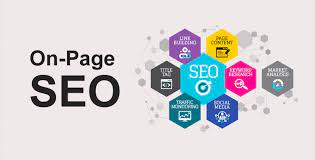
The Power of On-Page SEO Services

Search Engine Optimization (SEO) is a crucial aspect of any successful digital marketing strategy. Among the various components of SEO, on-page optimization plays a significant role in improving a website’s visibility and ranking on search engine results pages (SERPs).

What are On-Page SEO Services?

On-page SEO services involve optimising individual web pages to enhance their relevance to specific keywords and improve their overall performance in search engine rankings. These services focus on factors that directly impact a webpage’s visibility and user experience.

The Key Elements of On-Page SEO Services

Effective on-page SEO services typically include the following key elements:

  • Title Tags: Crafting unique and descriptive title tags for each webpage.
  • Meta Descriptions: Writing compelling meta descriptions that encourage users to click through to the website.
  • Optimised Content: Creating high-quality, keyword-rich content that provides value to users.
  • Heading Tags: Properly structuring content with relevant heading tags (H1, H2, etc.).
  • Keyword Placement: Strategically placing keywords throughout the content for better visibility.
  • Internal Linking: Establishing internal links between related pages to improve site navigation and crawlability.
  • Image Optimization: Optimising images with descriptive filenames and alt text for improved accessibility and search engine indexing.
  • User Experience (UX): Ensuring that the website offers a seamless and engaging user experience across all devices.

The Benefits of On-Page SEO Services

Investing in professional on-page SEO services can yield several benefits for your website, including:

  • Improved Search Engine Rankings: By optimising key on-page elements, your website is more likely to rank higher in search results for relevant queries.
  • Increased Organic Traffic: Higher rankings lead to increased organic traffic as more users discover and visit your site through search engines.
  • Better User Experience: Optimised webpages provide a better user experience, leading to higher engagement and lower bounce rates.
  • <Elevated Brand Credibility: A well-optimised website signals credibility and authority to both users and search engines, enhancing your brand’s reputation online.

In Conclusion

In conclusion, on-page SEO services are essential for maximising the visibility, relevance, and performance of your website in search engine results. By focusing on key on-page elements and delivering valuable content to users, you can enhance your online presence, attract more organic traffic, and achieve long-term success in the competitive digital landscape.


9 Essential Tips for Enhancing On-Page SEO Effectiveness

  1. 1. Conduct keyword research to identify relevant search terms for your content.
  2. 2. Optimise your page titles with primary keywords and keep them concise yet descriptive.
  3. 3. Write compelling meta descriptions that encourage users to click through to your website.
  4. 4. Use headings (H1, H2, etc.) to structure your content and improve readability.
  5. 5. Ensure your URLs are SEO-friendly by including relevant keywords and keeping them short.
  6. 6. Optimise image alt text with descriptive keywords to improve accessibility and SEO.
  7. 7. Create high-quality, engaging content that provides value to your audience.
  8. 8. Internal linking helps search engines navigate your site better – use it wisely.
  9. 9. Regularly monitor and analyse the performance of your on-page SEO efforts using tools like Google Analytics.

1. Conduct keyword research to identify relevant search terms for your content.

Conducting thorough keyword research is a fundamental step in on-page SEO services. By identifying relevant search terms that align with your content, you can strategically incorporate these keywords into your webpages to improve their visibility and ranking on search engine results pages. Understanding the search intent behind specific keywords allows you to create content that resonates with your target audience, ultimately driving organic traffic to your website. Effective keyword research not only enhances the relevance of your content but also establishes a strong foundation for a successful SEO strategy that attracts and engages users searching for information related to your offerings.

2. Optimise your page titles with primary keywords and keep them concise yet descriptive.

To enhance your on-page SEO performance, it is crucial to optimise your page titles by incorporating primary keywords while maintaining a balance between conciseness and descriptiveness. By strategically placing relevant keywords in your page titles, you can signal to search engines the content and purpose of your webpage, improving its visibility in search results. Keeping the titles concise yet descriptive not only helps users understand the topic at a glance but also encourages higher click-through rates. This simple yet effective tip can significantly impact your website’s search engine rankings and overall online visibility.

3. Write compelling meta descriptions that encourage users to click through to your website.

To enhance the effectiveness of your on-page SEO strategy, it is crucial to craft compelling meta descriptions that entice users to click through to your website. A well-written meta description serves as a concise preview of your webpage in search engine results, offering users a glimpse of what they can expect upon visiting your site. By incorporating relevant keywords and creating engaging, informative descriptions, you can increase the likelihood of attracting clicks and driving valuable traffic to your website.

4. Use headings (H1, H2, etc.) to structure your content and improve readability.

Utilising headings such as H1, H2, and so on is a valuable tip in on-page SEO services. By incorporating structured headings into your content, you not only enhance the readability of your webpage but also improve its organisation and user experience. Headings help both search engines and visitors understand the hierarchy and flow of information on the page, making it easier to navigate and digest the content effectively. Implementing this practice can significantly contribute to better SEO performance and overall user engagement on your website.

5. Ensure your URLs are SEO-friendly by including relevant keywords and keeping them short.

To enhance the effectiveness of your on-page SEO strategy, it is crucial to ensure that your URLs are SEO-friendly. This involves incorporating relevant keywords into your URLs and keeping them concise and descriptive. By including targeted keywords in your URLs, you can improve their visibility and relevance to search engines, making it easier for users to understand the content of the page at a glance. Additionally, short and clear URLs not only enhance user experience but also contribute to better search engine rankings, ultimately driving more organic traffic to your website.

6. Optimise image alt text with descriptive keywords to improve accessibility and SEO.

Optimising image alt text with descriptive keywords is a valuable strategy in on-page SEO services. By incorporating relevant keywords into the alt text of images, websites can enhance both accessibility for visually impaired users and improve search engine optimisation. This practice not only helps search engines understand the content of images but also provides an opportunity to rank for additional keywords, ultimately boosting the overall visibility and relevance of the webpage.

7. Create high-quality, engaging content that provides value to your audience.

Creating high-quality, engaging content that offers real value to your target audience is a fundamental tip for effective on-page SEO services. By crafting content that is not only informative but also resonates with your audience, you can enhance user engagement, encourage longer website visits, and establish your website as a valuable resource in your industry. Quality content not only attracts visitors but also helps build trust and credibility with both users and search engines, ultimately contributing to improved search rankings and sustained organic traffic growth.

8. Internal linking helps search engines navigate your site better – use it wisely.

Internal linking is a valuable strategy in on-page SEO services as it assists search engines in navigating your website more effectively. By strategically linking relevant pages within your site, you can improve the overall structure and accessibility of your content. It not only helps search engines discover and index your webpages but also enhances the user experience by guiding visitors to related information. Utilising internal linking wisely can boost your site’s visibility and authority, contributing to improved search engine rankings and increased organic traffic.

9. Regularly monitor and analyse the performance of your on-page SEO efforts using tools like Google Analytics.

Regularly monitoring and analysing the performance of your on-page SEO efforts is crucial for maintaining a successful digital presence. By utilising tools such as Google Analytics, you can gain valuable insights into the effectiveness of your strategies, track key metrics like traffic sources and user behaviour, and make data-driven decisions to continually improve your website’s search engine visibility and user experience. Consistent monitoring allows you to identify areas for enhancement, adapt to changing trends, and ensure that your on-page SEO efforts align with your overall business objectives.

seo service

Unlocking Success: The Essential Guide to SEO Services for Your Business

The Power of SEO Services in Boosting Your Online Presence

The Power of SEO Services in Boosting Your Online Presence

Search Engine Optimization (SEO) has become an indispensable tool for businesses looking to enhance their online visibility and reach a wider audience. In today’s digital landscape, having a strong online presence is crucial for success, and SEO services play a key role in achieving that goal.

SEO services involve a range of strategies and techniques aimed at improving a website’s ranking on search engine results pages (SERPs). By optimising various aspects of a website, such as content, keywords, and backlinks, SEO professionals can help businesses climb the ranks and attract more organic traffic.

The Benefits of SEO Services

One of the primary benefits of investing in SEO services is increased visibility. When your website appears higher in search results, it is more likely to be seen by potential customers who are actively searching for products or services related to your business. This increased visibility can lead to higher traffic levels and ultimately more conversions.

SEO services also help build credibility and trust with your audience. Websites that rank highly on search engines are often perceived as more trustworthy and authoritative. By implementing effective SEO strategies, businesses can establish themselves as industry leaders and build a loyal customer base.

Choosing the Right SEO Service Provider

When selecting an SEO service provider, it is essential to choose a company with a proven track record of success. Look for providers who have experience working with businesses in your industry and who can provide case studies or testimonials demonstrating their results.

Additionally, consider the specific services offered by each provider. While some companies may focus solely on on-page optimization, others may offer a comprehensive suite of services including keyword research, link building, and content creation. Choose a provider whose services align with your business goals and objectives.

In Conclusion

SEO services are an invaluable asset for businesses looking to improve their online presence and attract more customers. By investing in professional SEO services, businesses can increase their visibility, credibility, and ultimately their bottom line. With the right strategies in place, businesses can position themselves for long-term success in the competitive online marketplace.


Seven Essential SEO Service Tips: Enhancing Visibility and Ranking on the Web

  1. 1. Conduct keyword research to identify relevant search terms for your website.
  2. 2. Optimise your website’s meta tags, headings, and content with your chosen keywords.
  3. 3. Create high-quality, engaging content that is valuable to your target audience.
  4. 4. Improve the user experience on your website by ensuring it is mobile-friendly and loads quickly.
  5. 5. Build high-quality backlinks from reputable websites to improve your site’s authority.
  6. 6. Monitor and analyse your SEO performance regularly using tools like Google Analytics and Search Console.
  7. 7. Stay up-to-date with SEO trends and algorithm changes to adapt your strategy accordingly.

1. Conduct keyword research to identify relevant search terms for your website.

Conducting thorough keyword research is a fundamental step in any SEO service strategy. By identifying relevant search terms that align with your website’s content and target audience, you can optimise your website to rank higher in search engine results. Understanding the specific keywords that potential visitors are using to find information related to your business allows you to create targeted and compelling content that resonates with users and improves your overall online visibility.

2. Optimise your website’s meta tags, headings, and content with your chosen keywords.

To enhance your website’s search engine visibility, it is crucial to optimise key elements such as meta tags, headings, and content with strategically chosen keywords. By incorporating relevant keywords into these areas, you can signal to search engines the relevance of your content to users’ search queries. This practice not only improves the overall SEO performance of your website but also enhances user experience by providing clear and informative content aligned with their interests and needs.

3. Create high-quality, engaging content that is valuable to your target audience.

Creating high-quality, engaging content that provides value to your target audience is a crucial tip for effective SEO services. By crafting content that is informative, relevant, and tailored to the needs of your audience, you not only enhance user experience but also improve your website’s visibility and credibility in search engine rankings. Engaging content that resonates with your target audience can drive organic traffic to your site, increase user engagement, and ultimately lead to higher conversion rates. In the competitive online landscape, quality content remains a cornerstone of successful SEO strategies.

4. Improve the user experience on your website by ensuring it is mobile-friendly and loads quickly.

To enhance your SEO performance, a crucial tip is to focus on improving the user experience of your website. This includes making sure that your site is mobile-friendly and loads quickly. With the increasing use of mobile devices for browsing, having a responsive design that adapts to different screen sizes is essential. Additionally, fast-loading web pages not only improve user satisfaction but also contribute to higher search engine rankings. By prioritising mobile-friendliness and speed, you can create a seamless browsing experience for visitors and boost your SEO efforts effectively.

Building high-quality backlinks from reputable websites is a crucial strategy in enhancing your site’s authority and boosting its search engine rankings. Backlinks act as a vote of confidence from other websites, indicating to search engines that your site is trustworthy and valuable. By earning backlinks from authoritative sources, you not only improve your site’s credibility but also increase its visibility in search results. Focus on cultivating relationships with reputable sites in your industry to establish a strong backlink profile that can significantly impact your SEO efforts.

6. Monitor and analyse your SEO performance regularly using tools like Google Analytics and Search Console.

To ensure the effectiveness of your SEO efforts, it is crucial to monitor and analyse your performance regularly. Utilising tools such as Google Analytics and Search Console allows you to track key metrics, gain insights into user behaviour, and identify areas for improvement. By consistently reviewing your SEO performance, you can make informed decisions to optimise your strategy and enhance your online visibility.

It is crucial to stay up-to-date with SEO trends and algorithm changes to ensure the effectiveness of your strategy. By keeping abreast of the latest developments in the ever-evolving landscape of search engine optimisation, you can adapt your approach accordingly and stay ahead of the competition. Being proactive in monitoring and implementing changes based on new trends and algorithms will help maintain and improve your website’s visibility and ranking in search engine results pages.