search engine optimization and social media

How Search Engine Optimization and Social Media Work Together

Search Engine Optimisation and Social Media: How They Work Together

Search engine optimisation (SEO) and social media are often treated as separate parts of digital marketing. In practice, they can support one another. SEO helps people find your website through search engines, while social media gives you ways to share useful content, build relationships and introduce your brand to new audiences.

Social media activity is not generally considered a direct Google ranking factor. However, it can contribute to outcomes that support SEO, such as greater awareness, more visits to your website and increased opportunities for people to discover and link to your content.

What SEO and social media each do

SEO involves improving your website so that it can be discovered, understood and used by people searching online. This includes creating helpful content, improving site structure and addressing technical issues that affect crawling, indexing or page experience.

Social media marketing focuses on publishing and sharing content on platforms such as LinkedIn, Instagram, Facebook and TikTok. It can help businesses engage with customers, answer questions and reach communities that may not yet know about their products or services.

Although their methods differ, both disciplines benefit from a clear understanding of your audience and the information they are looking for.

How social media can support SEO

It helps your content reach more people

Publishing a useful article on your website is only one step. Sharing it through relevant social channels can put it in front of a wider audience. More people may visit the page, discuss its ideas or share it with others. This can increase the likelihood of your content being discovered by publishers, bloggers or businesses that may choose to reference it.

Social shares themselves should not be treated as a guaranteed route to higher rankings. Their value lies in helping content travel further and creating opportunities for genuine attention and links.

It can strengthen brand awareness

Regular, useful activity on social media can help people become familiar with your brand. If they later search for your business by name, or recognise your website in search results, that familiarity may encourage them to visit. A consistent brand presence can also make your business easier to remember and recommend.

It provides insight into your audience

Comments, questions and conversations on social platforms can reveal what your audience cares about. These insights can inform keyword research and content planning. For example, repeated questions about delivery, pricing or product comparisons may point to topics worth addressing on your website.

Social media is not a replacement for proper keyword research, but it can be a useful source of real-world language and ideas.

It can help you identify content opportunities

When a post receives thoughtful discussion or strong engagement, consider whether the topic deserves a more detailed treatment on your website. You could develop it into a guide, a frequently asked questions page or a case study. The aim is to provide a lasting, searchable resource that answers the audience’s needs in greater depth.

How SEO can improve your social media strategy

SEO research can also make social media planning more effective. Search queries show the questions and problems people are actively exploring. By using these insights, you can create social posts that are more relevant and useful.

Your website content can also provide material for ongoing social activity. A single in-depth article might become several short posts, a video outline, an infographic or a series of tips. Adapt the content to suit each platform rather than simply copying and pasting the same message everywhere.

Practical ways to bring SEO and social media together

  • Start with audience needs: Identify the questions your customers ask and the problems they want to solve.
  • Create valuable website content: Publish accurate, original pages that offer a clear benefit to readers.
  • Share content thoughtfully: Choose platforms that suit your audience and adapt each post to the platform’s format.
  • Use clear titles and descriptions: Make it easy for people to understand what a shared link contains.
  • Encourage discussion: Respond to comments and use genuine feedback to shape future content.
  • Make sharing easy: Use descriptive page titles, suitable images and clear calls to action.
  • Measure the right outcomes: Track organic search performance separately from social referrals, engagement and conversions.

Measuring success

SEO and social media should each have clear objectives. For SEO, useful measures may include organic clicks, relevant keyword visibility, qualified enquiries and sales. For social media, consider reach, meaningful engagement, referral visits and conversions.

Analytics tools can help show whether social posts are sending visitors to your website and what those visitors do next. Use campaign tracking links where appropriate, and assess performance over time rather than judging a strategy by a single post or short-term change.

Common mistakes to avoid

  • Expecting social shares to directly improve rankings: Social activity can support visibility, but it does not guarantee better search positions.
  • Posting without a purpose: Every post should offer value, start a relevant conversation or guide people towards a useful resource.
  • Chasing vanity metrics: A large number of likes does not necessarily mean more relevant website visits or business results.
  • Ignoring the website experience: If a page is slow, confusing or difficult to use on mobile, social traffic may not convert.
  • Using the same approach on every platform: Different audiences and formats call for different types of content.

Conclusion

SEO and social media are most effective when they work towards shared business goals. Social platforms can help your content reach people, build brand familiarity and uncover audience questions. SEO can help turn those insights into useful website content that people can find through search.

Rather than treating social media as a shortcut to better rankings, use it as part of a broader strategy: create genuinely helpful content, share it with the right audiences and measure whether it contributes to meaningful results.


9 Advantages of SEO and Social Media: Enhancing Brand Visibility and Engagement

  1. Boosts brand visibility across search and social platforms.
  2. Helps content reach a wider audience.
  3. Drives relevant visitors to your website.
  4. Builds trust through consistent, useful content.
  5. Reveals audience interests and questions.
  6. Creates more opportunities for content sharing.
  7. Supports stronger brand recognition.
  8. Turns customer feedback into content ideas.
  9. Helps measure engagement and website visits.


Challenges of Balancing SEO and Social Media: Limited Impact on Rankings, Time Demands, and Conversion Issues

  1. Social media shares do not directly guarantee higher search rankings.
  2. Managing both channels can be time-consuming.
  3. Likes and followers may not translate into website traffic or sales.

Boosts brand visibility across search and social platforms.

A key benefit of combining search engine optimisation and social media is increased brand visibility across multiple platforms. SEO helps your website appear when people search for relevant products, services or information, while social media introduces your brand to audiences as they browse and share content. This wider presence makes it easier for potential customers to discover and recognise your business, helping to build familiarity and trust over time.

Helps content reach a wider audience.

SEO and social media can work together to help content reach a wider audience. Optimising a webpage makes it easier for people to find through search engines, while sharing it on relevant social platforms can introduce it to new communities. As more people discover and engage with useful content, they may share it further or link to it from their own websites, extending its reach and creating more opportunities for potential customers to find your brand.

Drives relevant visitors to your website.

SEO and social media can work together to drive relevant visitors to your website. SEO helps your pages appear when people search for products, services or information related to your business, while social media lets you share useful content with audiences who are likely to be interested. By targeting the right topics and platforms, you can attract visitors who are more likely to engage with your content and take action.

Builds trust through consistent, useful content.

Consistently sharing useful, accurate content across your website and social media helps build trust with your audience. SEO makes that content easier to find when people are searching for answers, while social media gives you a way to share it, respond to questions and stay connected. Over time, this reliable presence can show that your business understands its customers and is committed to helping them.

Reveals audience interests and questions.

Search engine optimisation and social media can reveal what your audience is interested in and the questions they want answered. Search data highlights the terms people use to find information, while comments, messages and discussions on social platforms offer insight into their concerns and opinions. By combining these signals, businesses can create more relevant content, address common questions and better match their products or services to what their audience needs.

Creates more opportunities for content sharing.

Combining search engine optimisation with social media creates more opportunities for useful content to reach the right people. SEO helps your content appear in relevant search results, while social platforms make it easy to share articles, guides and resources with wider audiences. As more people discover and discuss your content, it may attract further shares, visits and natural links from other websites, extending its reach and supporting your wider digital marketing efforts.

Supports stronger brand recognition.

SEO and social media can work together to build stronger brand recognition. A consistent presence in search results helps people discover your business when they are looking for relevant products, services or information, while social media gives you regular opportunities to share useful content and engage with your audience. Over time, seeing your brand across these channels can make it more familiar, memorable and trusted.

Turns customer feedback into content ideas.

Customer feedback on social media can be a valuable source of ideas for your website content. Questions, comments and recurring concerns reveal what your audience wants to know, helping you create useful blog posts, guides and FAQs that address real needs. By answering these questions clearly, you can improve the experience for potential customers and create content that is relevant to the search terms they use.

Helps measure engagement and website visits.

SEO and social media analytics help you understand how people engage with your content and whether that engagement leads to visits to your website. By tracking measures such as clicks, comments, shares, organic traffic and conversions, you can see which topics and channels are attracting the most interest. These insights make it easier to refine your content and focus your efforts on what works.

Social media shares do not directly guarantee higher search rankings.

Social media shares can help your content reach a wider audience, but they do not directly guarantee higher search rankings. Search engines use many factors to assess and rank pages, and a post receiving likes or shares is not, by itself, proof that the page deserves a higher position. Treat social media as a way to build awareness, attract visitors and create opportunities for people to discover and link to your content—not as a shortcut to improved rankings.

Managing both channels can be time-consuming.

Managing SEO and social media together can be time-consuming, as both require regular planning, content creation, monitoring and analysis. SEO often involves ongoing technical improvements and tracking search performance, while social media calls for consistent posting and responding to comments and messages. Without a clear schedule and shared content plan, the workload can quickly grow and make it harder to maintain quality across both channels.

Likes and followers may not translate into website traffic or sales.

A large number of likes and followers can look impressive, but they do not necessarily lead to more website visits or sales. Social media users may engage with a post without clicking through, and those who do visit may not be ready to make a purchase. For this reason, businesses should look beyond follower counts and likes, and track meaningful outcomes such as referral traffic, enquiries and conversions.

search engine consultant

How a Search Engine Consultant Can Help Your Business Grow

What Does a Search Engine Consultant Do?

A search engine consultant helps businesses improve how they appear in search results. By assessing a website and its wider digital presence, they identify opportunities to attract relevant visitors, make pages easier for search engines to understand and support business goals such as generating enquiries or increasing sales.

Search engine optimisation (SEO) is an ongoing process rather than a one-off fix. Search engines change how they rank pages, competitors update their websites, and customers’ needs evolve. A consultant can help a business respond to these changes with a clear, practical strategy.

What a Search Engine Consultant Can Help With

The work will vary depending on a business’s website, industry and objectives. Common areas of support include:

  • SEO audits: Reviewing a website to identify technical issues, content gaps and opportunities to improve its visibility.
  • Keyword research: Finding the search terms potential customers use and understanding the intent behind them.
  • Technical SEO: Advising on factors such as site speed, mobile usability, crawlability, indexing and website structure.
  • Content strategy: Planning useful, relevant pages that answer customer questions and reflect the services or products a business offers.
  • On-page optimisation: Improving page titles, headings, internal links and other elements that help users and search engines understand a page.
  • Local SEO: Helping eligible businesses improve their visibility in local searches, including the accuracy and completeness of their business information.
  • Performance reporting: Tracking progress using meaningful measures, such as organic traffic, search visibility, enquiries and sales.

How the Consulting Process Works

A good engagement usually begins with a conversation about the business. The consultant will want to understand its audience, services, priorities and existing marketing activity. They may then review the website, search performance and competitors to establish a baseline.

From there, the consultant can set out recommendations in order of importance. Some changes may be straightforward, while others could require input from developers, writers or marketing teams. A useful strategy explains what needs to be done, why it matters and how its impact will be assessed.

SEO results rarely appear overnight. The time required depends on factors such as the website’s current condition, the competitiveness of its market and the scale of the work. A consultant should set realistic expectations and report honestly on progress, including areas where results are still developing.

Why Hire a Search Engine Consultant?

Businesses may seek consultancy when they lack in-house SEO expertise, are planning a new website or want an independent view of their current approach. A consultant can also help teams focus their resources by distinguishing high-priority improvements from less urgent tasks.

For businesses with an existing marketing team, a consultant can provide specialist guidance without replacing the team’s wider knowledge of the brand and its customers. Depending on the arrangement, they may offer strategic advice, practical implementation or support for internal staff.

Choosing the Right Consultant

When considering a search engine consultant, look for someone who takes time to understand your business rather than offering the same package to every client. They should be able to explain their recommendations clearly, describe how success will be measured and provide a realistic view of the work involved.

It is also worth asking how they approach reporting, communication and collaboration with your team. Be cautious of guaranteed rankings or claims of instant results. Search engines control their results, and no consultant can promise a specific position for every search.

SEO That Supports Your Business

A search engine consultant can bring structure and specialist knowledge to a business’s SEO efforts. The most effective work connects technical improvements, useful content and a clear understanding of customer needs. With realistic goals and consistent measurement, SEO can become a valuable part of a broader digital marketing strategy.


9 Essential Tips for Choosing the Right Search Engine Consultant

  1. Set clear goals before hiring a search engine consultant.
  2. Check their SEO experience and client results.
  3. Ask for references and case studies.
  4. Choose someone who explains their methods clearly.
  5. Agree on deliverables, timelines and fees.
  6. Ensure they follow search engine guidelines.
  7. Request regular reports on progress and results.
  8. Avoid anyone promising guaranteed rankings.
  9. Review the strategy together regularly.

Set clear goals before hiring a search engine consultant.

Before hiring a search engine consultant, decide what you want to achieve. Your goals might include attracting more relevant visitors, increasing local enquiries, improving online sales or resolving technical issues. Clear objectives help the consultant recommend the right strategy, set realistic expectations and measure progress against outcomes that matter to your business.

Check their SEO experience and client results.

When choosing a search engine consultant, check their SEO experience and ask for examples of results they have achieved for clients. Look for relevant case studies, testimonials or references, and find out what the consultant actually did to improve visibility, traffic or enquiries. Results will vary between businesses and industries, so focus on evidence of a thoughtful, transparent approach rather than promises of guaranteed rankings.

Ask for references and case studies.

Ask potential search engine consultants for references and case studies to understand the results they have achieved for other clients. Look for examples relevant to your industry, business size or goals, and ask how the consultant contributed to the outcomes. Case studies should explain the work carried out and the measures used to assess progress, while references can offer insight into communication and reliability. Remember that past results are useful evidence, but they cannot guarantee the same results for your business.

Choose someone who explains their methods clearly.

Choose a search engine consultant who explains their methods clearly and can show how their recommendations support your business goals. They should be able to outline what they plan to do, why it matters and how progress will be measured, using straightforward language rather than jargon. Clear communication helps you make informed decisions, understand what to expect and spot unrealistic promises, such as guaranteed rankings or instant results.

Agree on deliverables, timelines and fees.

Before work begins, agree exactly what the search engine consultant will deliver, when each milestone is due and how much the work will cost. Set out the scope in writing, including any reports, audits or recommendations, and clarify whether implementation is included or charged separately. Clear expectations help prevent misunderstandings, keep the project on track and make it easier to assess the value of the work.

Ensure they follow search engine guidelines.

Choose a search engine consultant who follows search engine guidelines and focuses on sustainable, ethical SEO practices. They should be able to explain their recommendations clearly and avoid risky tactics such as spammy link-building, hidden text or keyword stuffing, which could harm your website’s visibility. Following established guidelines helps build a strong online presence over time and reduces the risk of search engine penalties.

Request regular reports on progress and results.

Ask your search engine consultant for regular reports that clearly show progress and results. Reports should cover meaningful measures such as organic traffic, search visibility, enquiries or sales, and explain what has changed and why. A consistent reporting schedule helps you understand whether the SEO work is supporting your business goals, identify areas that need attention and agree on the next steps.

Avoid anyone promising guaranteed rankings.

Be cautious of any search engine consultant who guarantees specific rankings. Search results are influenced by many factors and are controlled by search engines, so no consultant can promise a particular position. A trustworthy professional will explain what they can improve, set realistic expectations and measure progress using meaningful results such as relevant traffic, enquiries and sales.

Review the strategy together regularly.

Reviewing your SEO strategy together regularly helps ensure it still reflects your business goals, customers and the changing search landscape. Set aside time with your search engine consultant to discuss progress, review meaningful performance data and agree on any priorities or adjustments. Regular check-ins also give you the chance to raise concerns, share new business developments and make sure everyone understands the next steps.

seo price

SEO Price in the UK: What Businesses Should Expect to Pay

SEO Price: How Much Does SEO Cost in the UK?

There is no single SEO price that suits every business. The cost depends on your goals, the competitiveness of your market, your website’s current condition and the amount of work required. A small local business may need a focused campaign, while a national or e-commerce brand may require ongoing technical, content and link-building support.

Understanding what is included in an SEO service makes it easier to compare proposals and choose an investment that fits your business.

Typical SEO prices in the UK

As a general guide, UK SEO services may fall within these ranges. Actual fees vary between providers and depend on the campaign’s scope:

  • Freelance SEO support: around £35–£100 per hour
  • SEO audit: around £500–£3,000 for a one-off review
  • Local SEO: around £500–£1,500 per month
  • Small or medium-sized business campaign: around £1,000–£5,000 per month
  • Large, competitive or e-commerce campaign: £5,000 or more per month

These are indicative figures, not fixed tariffs. A provider may charge less or more depending on experience, deliverables and the level of specialist support involved. Check whether quoted prices include VAT, content production, development work and any third-party costs.

What affects the price of SEO?

Your goals and target market

Improving visibility for a local service in one area is usually a different undertaking from competing nationally for high-value search terms. The number of locations, products, services and target keywords can all affect the workload.

Your website’s current condition

A site with technical issues, thin content or a complicated structure may need more work before it can perform well in search. An initial audit helps identify these requirements and establish priorities.

The level of competition

In crowded sectors, SEO often requires more research, stronger content and sustained optimisation. Progress may take longer when established competitors already have authoritative websites and extensive content.

The work included

SEO is not one task. A campaign may include technical improvements, keyword research, content planning, on-page optimisation, digital PR, link earning, local listings and performance reporting. The more work included, the greater the resources—and usually the cost—required.

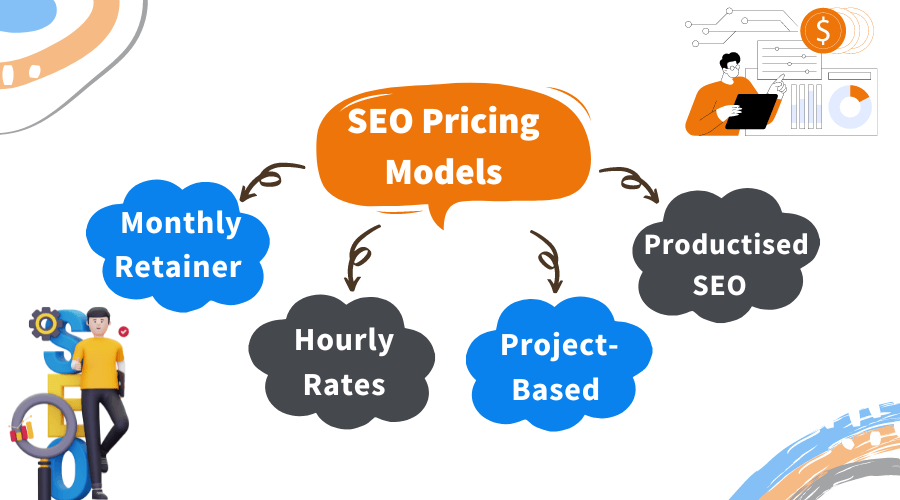
Common SEO pricing models

Monthly retainer

A monthly retainer provides ongoing support and is common for campaigns that need regular analysis and optimisation. Before agreeing to a retainer, ask what work will be completed each month and how priorities will be reviewed.

Hourly consulting

Hourly support can suit businesses that need expert advice, help with a specific issue or guidance for an in-house team. Agree the expected hours and deliverables in advance.

Fixed-fee project

A fixed fee may be suitable for a defined piece of work, such as an SEO audit, website migration review or keyword strategy. Make sure the proposal explains what is included and what would be treated as additional work.

How to judge whether an SEO price is fair

Rather than comparing prices alone, compare the work and expertise behind them. A useful proposal should explain:

  • the research and analysis that will be carried out;
  • the tasks and deliverables included;
  • who will do the work and how they will communicate with you;
  • how performance will be measured and reported; and
  • what is excluded from the price.

Be cautious of guaranteed rankings, unusually low fees with vague deliverables, or promises of rapid results. Search rankings are influenced by many factors, and no reputable provider can guarantee a particular position. SEO is generally a long-term investment, so meaningful results often take several months and depend on the starting point and competition.

Is SEO worth the price?

SEO can help bring relevant visitors to your website, build visibility and support enquiries or sales over time. Its value depends on whether the traffic is useful to your business and whether your website can turn visitors into customers. Set clear objectives—such as qualified leads, online sales or local enquiries—and review progress against them, not just rankings.

Frequently asked questions

How much should a small business spend on SEO?

There is no universal budget. A small business might begin with a focused local campaign or a one-off audit, then invest in ongoing work according to its goals, competition and available resources. Request a proposal that prioritises the highest-impact tasks.

Can I pay for SEO just once?

Yes. One-off services such as audits or strategy projects can provide useful direction. However, ongoing optimisation is often needed to implement recommendations, respond to changes and compete over time.

Why do SEO agencies charge different prices?

Fees can reflect the scope of work, team experience, specialist skills, reporting and level of support. Compare what each provider will actually deliver rather than assuming that the lowest or highest quote is automatically the best choice.

Choosing the right SEO investment

The right SEO price is one that matches your business objectives and pays for a clear, credible plan. Ask providers to explain their recommendations, expected timeframes and reporting before you commit. With realistic expectations and consistent work, SEO can become a valuable part of your wider digital marketing strategy.


Affordable SEO Pricing: Flexible Packages and Transparent Costs for Lasting ROI

  1. Flexible packages suit different budgets.
  2. Clear pricing makes costs easier to plan.
  3. Monthly fees support ongoing improvements.
  4. One-off audits offer focused value.
  5. Local SEO can be cost-effective.
  6. Transparent quotes clarify deliverables.
  7. SEO can generate lasting organic traffic.
  8. Results can improve return on investment.


Challenges of SEO Pricing: High Costs, Delayed Results, Ongoing Fees, and Quality Variability

  1. SEO costs can be high for small businesses.
  2. Results may take months to appear.
  3. Ongoing work can mean ongoing fees.
  4. Prices and service quality vary widely.

Flexible packages suit different budgets.

SEO pricing can be flexible, with packages designed to suit different budgets and business needs. Whether you’re a small business starting with local SEO or a larger company looking for ongoing support, you can choose a level of service that fits your priorities and scale up as your goals and resources grow.

Clear pricing makes costs easier to plan.

Clear SEO pricing makes it easier to plan your marketing budget and manage cash flow. When fees and deliverables are set out upfront, you can see what your investment covers, compare options more confidently and avoid unexpected costs. This clarity also helps you decide whether a service fits your current priorities and budget.

Monthly fees support ongoing improvements.

Monthly SEO fees support ongoing improvements to your website and marketing strategy. Rather than making a one-off change, regular investment allows specialists to monitor performance, respond to search engine updates, refine content and address technical issues as they arise. This continuous work helps your SEO stay aligned with your business goals and changing customer behaviour.

One-off audits offer focused value.

One-off SEO audits offer focused value by identifying the technical issues, content gaps and optimisation opportunities that may be holding your website back. Rather than committing to ongoing support, you receive a clear assessment and prioritised recommendations for a fixed fee. This can be a practical starting point for businesses that want expert insight and a plan they can implement in-house or with their existing team.

Local SEO can be cost-effective.

Local SEO can be a cost-effective way for businesses to reach people nearby who are already looking for their products or services. By focusing on local search results, business listings and location-specific content, you can target a relevant audience without investing in a broad national campaign. This focused approach can make better use of your marketing budget and help generate valuable local enquiries over time.

Transparent quotes clarify deliverables.

Transparent SEO quotes make it clear what you’re paying for and what work will be carried out. By setting out the deliverables—such as technical improvements, content optimisation, reporting and consultancy—a quote helps you compare providers fairly, plan your budget and understand how the service supports your business goals.

SEO can generate lasting organic traffic.

One of the key advantages of SEO is its potential to generate lasting organic traffic. Unlike paid advertising, where visits often stop when your budget runs out, well-optimised content can continue attracting relevant visitors from search engines over time. Although SEO requires ongoing investment to maintain and improve results, it can deliver sustained visibility and make the cost more valuable in the long term.

Results can improve return on investment.

SEO can improve return on investment by helping your website attract people who are actively searching for your products or services. As organic visibility grows, your business may gain more relevant visits, enquiries and sales without paying for every click. While SEO requires time and ongoing investment, tracking results against your goals can help you understand what is working and focus your budget on activity that delivers lasting value.

SEO costs can be high for small businesses.

One disadvantage of SEO is that the cost can be challenging for small businesses, particularly when budgets are limited. Effective SEO often requires ongoing investment in technical improvements, quality content and specialist expertise, and results can take time to appear. This may make it harder for smaller companies to compete with businesses that can afford larger, sustained campaigns.

Results may take months to appear.

One drawback of SEO pricing is that results may take months to appear, even when you are paying for regular work. Search engines need time to crawl and assess changes, while competitive keywords can take longer to improve. This means SEO requires patience and a sustained budget, with no guarantee of quick returns. Before committing, agree realistic milestones with your provider and track progress using measures such as relevant traffic, enquiries and sales—not rankings alone.

Ongoing work can mean ongoing fees.

SEO is rarely a one-off expense: maintaining visibility often requires regular work on technical improvements, content, links and performance monitoring. This means fees can continue month after month, which may be challenging for businesses with limited budgets. Before committing, clarify what the ongoing work includes, how results will be measured and whether the investment still fits your priorities.

Prices and service quality vary widely.

SEO prices and service quality can vary widely, making it difficult to compare providers and know what you’re paying for. A low-cost package may offer limited support or lack a clear strategy, while a higher fee does not automatically guarantee better results. Before committing, check exactly what the service includes, who will carry out the work and how progress will be measured.

local seo experts

Unlocking Success: The Role of Local SEO Experts in Boosting Your Business

The Power of Local SEO Experts in Boosting Your Business

The Power of Local SEO Experts in Boosting Your Business

In today’s digital age, having a strong online presence is crucial for businesses to succeed. One effective way to enhance your visibility in the local market is through the expertise of local SEO professionals. Local SEO experts are specialists who understand the nuances of optimising your online presence to target local customers effectively.

What Do Local SEO Experts Do?

Local SEO experts focus on improving your business’s visibility in local search results. They employ strategies such as optimising your website for local keywords, creating and managing Google My Business listings, obtaining quality backlinks from local websites, and ensuring consistent NAP (Name, Address, Phone Number) information across online directories.

The Benefits of Hiring Local SEO Experts

Targeted Reach: Local SEO experts can help you reach potential customers in your specific geographic area, increasing foot traffic to your physical store or generating leads for local services.

Improved Search Rankings: By implementing proven local SEO techniques, experts can boost your rankings on search engine results pages for relevant local searches, making it easier for potential customers to find you.

Enhanced Online Reputation: Local SEO professionals can manage and respond to customer reviews on platforms like Google My Business, Yelp, and other review sites, helping you build a positive online reputation that instils trust in potential customers.

How Local SEO Experts Can Help Your Business Grow

With their in-depth knowledge of local search trends and algorithms, local SEO experts can tailor strategies that align with your business goals and target audience. By leveraging their expertise, you can see tangible results in terms of increased website traffic, higher conversion rates, and ultimately, improved revenue.

In Conclusion

Investing in the services of local SEO experts is a smart move for businesses looking to dominate their local market. By harnessing the power of targeted local search optimisation techniques, you can position your business ahead of the competition and attract valuable customers who are actively seeking your products or services in your area.


Essential FAQs About Hiring Local SEO Experts: Costs, Value, and Finding the Right Services

  1. How much should I pay local SEO?
  2. How much should I pay for local SEO?
  3. Who is the World No 1 SEO expert?
  4. Is it worth paying for local SEO optimization?
  5. What is the 80/20 rule for SEO?
  6. How do I find local SEO services?
  7. Are SEO Experts worth it?
  8. How much does it cost to hire an SEO consultant?
  9. How much does it cost to hire someone for SEO?

How much should I pay local SEO?

When considering the cost of hiring local SEO experts, it’s important to understand that pricing can vary depending on several factors such as the scope of services required, the competitiveness of your local market, and the expertise of the SEO professionals you choose to work with. Typically, local SEO services can range from a few hundred to several thousand pounds per month. It’s advisable to seek quotes from multiple reputable agencies or consultants and compare their offerings to ensure you are getting value for your investment. Remember that investing in quality local SEO services can yield significant returns by driving targeted traffic to your business and boosting your online visibility in the local market.

How much should I pay for local SEO?

When considering the cost of local SEO services, it’s important to understand that pricing can vary depending on several factors such as the scope of work, the competitiveness of your local market, and the expertise of the SEO provider. Typically, local SEO services can range from a few hundred to a few thousand pounds per month. It’s essential to invest in a reputable local SEO expert who can tailor their services to meet your specific business needs and deliver tangible results that align with your budget and objectives. Conducting thorough research and requesting quotes from multiple providers can help you make an informed decision on how much you should pay for local SEO while ensuring you receive quality service that drives growth for your business.

Who is the World No 1 SEO expert?

When it comes to the frequently asked question of “Who is the World No 1 SEO expert?”, it’s important to note that the field of SEO is vast and constantly evolving. The title of the world’s top SEO expert may vary depending on individual expertise, experience, and industry recognition. While there may not be a definitive answer to this question, there are certainly renowned SEO professionals who have made significant contributions to the industry and are widely respected for their knowledge and achievements in the field of search engine optimisation.

Is it worth paying for local SEO optimization?

Investing in local SEO optimization services can be highly beneficial for businesses looking to enhance their online visibility and attract local customers. While there may be initial costs associated with hiring local SEO experts, the long-term benefits often outweigh the investment. By paying for local SEO optimization, businesses can improve their search engine rankings for relevant local searches, increase website traffic from potential customers in their area, and ultimately drive more leads and sales. The expertise and tailored strategies provided by local SEO professionals can help businesses stand out in a competitive market and achieve sustainable growth over time.

What is the 80/20 rule for SEO?

The 80/20 rule for SEO, also known as the Pareto Principle, suggests that roughly 80% of the results in search engine optimisation come from 20% of the efforts. In the context of local SEO experts, this principle highlights the importance of focusing on key strategies that yield significant results. By identifying and prioritising the most impactful SEO tactics for local businesses, such as targeted keyword optimisation, local link building, and Google My Business optimisation, experts can maximise their efforts to achieve optimal visibility and success in local search rankings. Adhering to the 80/20 rule allows local SEO experts to efficiently allocate resources and drive meaningful outcomes for their clients’ online presence.

How do I find local SEO services?

When seeking local SEO services, the process typically involves conducting thorough research to identify reputable and experienced local SEO experts. A common approach is to start by browsing online directories, reading reviews from past clients, and exploring the websites of various SEO agencies. Referrals from business associates or industry contacts can also be valuable in finding trustworthy local SEO services. It is essential to consider factors such as the expertise of the service provider, their track record of success with local businesses, and the specific strategies they offer to enhance your online visibility within your target geographic area. By carefully evaluating these aspects and engaging in consultations with potential providers, you can effectively find local SEO services that align with your business goals and drive tangible results.

Are SEO Experts worth it?

When considering the value of SEO experts, particularly in the realm of local SEO, it’s essential to recognise the significant impact they can have on your business. SEO experts possess the knowledge and skills to navigate the complexities of search engine algorithms, ensuring that your website ranks higher in search results and attracts more organic traffic. Their expertise in local SEO strategies can help you target specific geographic areas, reach potential customers effectively, and ultimately drive growth for your business. By investing in SEO experts, you are not just improving your online visibility but also laying a solid foundation for long-term success in a competitive digital landscape.

How much does it cost to hire an SEO consultant?

When it comes to hiring an SEO consultant, the cost can vary depending on several factors such as the consultant’s level of expertise, the scope of services required, and the duration of the engagement. Generally, SEO consultants may charge hourly rates, project-based fees, or monthly retainers. The cost of hiring an SEO consultant is an investment in improving your online visibility and attracting more potential customers to your business. It is essential to consider the value that a skilled SEO consultant can bring in terms of boosting your website’s search engine rankings, increasing organic traffic, and ultimately driving business growth.

How much does it cost to hire someone for SEO?

When it comes to hiring someone for SEO services, the cost can vary significantly depending on various factors such as the scope of work, the level of expertise required, and the specific goals of your SEO campaign. Generally, SEO services can range from a few hundred pounds to several thousand pounds per month. Some SEO professionals may charge an hourly rate, while others may offer package deals or customised pricing based on your needs. It’s essential to consider the value that a skilled SEO expert can bring to your business in terms of increased visibility, website traffic, and ultimately, revenue generation when determining the cost worth investing in professional SEO services.

seo media

Unleashing the Potential of SEO Media in Digital Marketing Strategies

The Power of SEO Media in Digital Marketing

The Power of SEO Media in Digital Marketing

In today’s digital age, search engine optimisation (SEO) has become a crucial component of any successful marketing strategy. One aspect of SEO that is often overlooked but holds immense potential is SEO media.

What is SEO Media?

SEO media refers to the use of various media elements, such as images, videos, infographics, and interactive content, to enhance a website’s visibility and ranking on search engine results pages. By optimising these media elements with relevant keywords and metadata, businesses can attract more organic traffic and engage their target audience effectively.

The Benefits of SEO Media

Integrating SEO media into your digital marketing efforts offers several benefits:

  • Enhanced User Experience: Visual content enhances user engagement and makes your website more appealing to visitors.
  • Improved Search Rankings: Optimised media elements can help improve your website’s visibility on search engines, leading to higher rankings.
  • Increased Traffic: High-quality images and videos can drive more organic traffic to your site and encourage users to stay longer.
  • Boosted Conversions: Compelling media content can influence purchasing decisions and lead to higher conversion rates.

Tips for Effective SEO Media Implementation

To make the most of SEO media in your digital marketing strategy, consider the following tips:

  1. Optimise File Names: Use descriptive file names for images and videos that include relevant keywords.
  2. Add Alt Text: Include alt text that describes the image or video for improved accessibility and search engine indexing.
  3. Create Engaging Content: Produce high-quality visual content that resonates with your target audience and encourages sharing.
  4. Monitor Performance: Track the performance of your SEO media elements using analytics tools to make data-driven decisions.

In Conclusion

SEO media is a powerful tool that can elevate your digital marketing efforts and drive tangible results. By incorporating visually appealing and optimised media elements into your website, you can enhance user experience, improve search rankings, and ultimately boost conversions. Embrace the potential of SEO media in your strategy today!


Maximising SEO Media: Six Key Benefits for Enhanced User Engagement and Website Performance

  1. Enhances user engagement through visual content
  2. Improves website visibility on search engines
  3. Drives more organic traffic to the site
  4. Encourages visitors to stay longer on the website
  5. Influences purchasing decisions and boosts conversions
  6. Provides a more appealing and interactive user experience


Seven Drawbacks of SEO Media: From Loading Delays to Maintenance Hurdles

  1. 1. Increased Loading Times
  2. 2. Compatibility Issues
  3. 3. Copyright Concerns
  4. 4. Overwhelming Visuals
  5. 5. Resource Intensive
  6. 6. Limited SEO Impact
  7. 7. Maintenance Challenges

Enhances user engagement through visual content

Utilising SEO media to enhance user engagement through visual content is a powerful strategy in digital marketing. By incorporating compelling images, videos, infographics, and interactive elements on a website, businesses can captivate their audience and create a more immersive online experience. Visual content not only makes the website more visually appealing but also helps convey information in a more engaging and memorable way. This approach not only attracts visitors but also encourages them to stay longer on the site, interact with the content, and ultimately increases the likelihood of conversion.

Improves website visibility on search engines

Enhancing website visibility on search engines is a key advantage of utilising SEO media in digital marketing strategies. By optimising images, videos, and other media elements with relevant keywords and metadata, businesses can significantly improve their chances of appearing higher in search engine results pages. This increased visibility not only attracts more organic traffic to the website but also boosts brand awareness and credibility among online audiences. Ultimately, leveraging SEO media effectively can help businesses stand out in a competitive online landscape and drive valuable traffic to their digital platforms.

Drives more organic traffic to the site

One significant advantage of utilising SEO media in digital marketing strategies is its ability to drive more organic traffic to the website. By optimising visual content such as images, videos, and infographics with relevant keywords and metadata, businesses can attract a higher volume of organic search traffic. Engaging and visually appealing media elements not only enhance user experience but also increase the likelihood of users discovering the site through search engine results. This boost in organic traffic can lead to improved visibility, higher search rankings, and ultimately, a broader reach for the brand online.

Encourages visitors to stay longer on the website

One significant benefit of incorporating SEO media into a website is that it encourages visitors to stay longer on the site. Engaging visual content such as images, videos, and interactive elements captivate users’ attention and entice them to explore further. By providing relevant and appealing media content, businesses can enhance user experience, increase dwell time, and reduce bounce rates. This not only improves the overall engagement with the website but also signals to search engines that the site offers valuable content, potentially boosting its ranking in search results.

Influences purchasing decisions and boosts conversions

Utilising SEO media, such as engaging images and videos, can significantly impact purchasing decisions and drive conversions for businesses. By showcasing products or services in a visually appealing and informative manner, businesses can influence potential customers to make informed buying choices. High-quality visual content not only captures attention but also builds trust and credibility, ultimately leading to increased sales and improved conversion rates. Incorporating SEO media effectively into digital marketing strategies can create a compelling online shopping experience that encourages visitors to take action and become loyal customers.

Provides a more appealing and interactive user experience

By incorporating SEO media elements such as images, videos, and interactive content, websites can provide users with a more visually appealing and engaging experience. The use of high-quality visuals not only captures the attention of visitors but also enhances their overall interaction with the site. Interactive media elements encourage user engagement and make the browsing experience more dynamic and immersive. This improved user experience not only keeps visitors on the site longer but also increases the likelihood of conversions and customer retention.

1. Increased Loading Times

Large media files used in SEO media can be a double-edged sword, as they have the potential to significantly increase loading times on websites. This drawback can result in a poor user experience, causing visitors to become frustrated and potentially abandon the site before fully engaging with its content. Balancing the visual appeal of media elements with their impact on loading speed is crucial to ensure that SEO media enhances rather than hinders the overall user experience.

2. Compatibility Issues

One significant drawback of utilising SEO media in digital marketing is the issue of compatibility. Certain media formats may not be universally supported across all devices and web browsers, leading to limitations in accessibility for users. This can result in a fragmented user experience, where some visitors may not be able to view or interact with the media content as intended. Addressing compatibility issues requires careful consideration of alternative formats or responsive design strategies to ensure that all users can access and engage with the media seamlessly.

One significant drawback of utilising SEO media in digital marketing is the risk of copyright concerns. Unauthorized use of images or videos in SEO media campaigns can lead to legal repercussions and potential copyright infringement issues. Businesses must exercise caution when sourcing and incorporating visual content to ensure compliance with copyright laws and licensing agreements, as overlooking these considerations can result in costly legal disputes and damage to the brand’s reputation.

4. Overwhelming Visuals

An important drawback of SEO media is the potential for overwhelming visuals. When website owners incorporate an excessive amount of media elements, such as images, videos, and animations, it can lead to a cluttered and distracting user experience. Visitors may find it challenging to focus on the main content or navigate the site effectively when bombarded with an overload of visual stimuli. This can result in a negative impact on user engagement and retention, ultimately hindering the effectiveness of the website’s overall message and goals. Striking a balance between engaging visuals and clear communication is essential to prevent overwhelming visitors and ensure a seamless browsing experience.

5. Resource Intensive

Creating high-quality SEO media can be a resource-intensive process, demanding significant time, effort, and sometimes additional resources that may not always be readily available or feasible for every business. From producing engaging videos to designing eye-catching infographics, the creation of compelling media content requires careful planning and investment. This con of SEO media highlights the challenge that some businesses face in allocating the necessary resources to consistently produce top-notch visual content that resonates with their target audience.

6. Limited SEO Impact

In the realm of SEO media, a notable drawback is its limited impact on search engine optimisation rankings. Despite the significance of visual content in engaging audiences, it may not always wield a substantial influence on search engine rankings when juxtaposed with other critical SEO factors. This con underscores the importance of striking a balance between captivating media elements and prioritising other key aspects of SEO to maximise overall digital marketing effectiveness.

7. Maintenance Challenges

One significant drawback of utilising SEO media in digital marketing is the maintenance challenges it presents. Keeping SEO media content up to date and relevant demands consistent effort and attention. Regularly updating images, videos, infographics, and interactive content to align with current trends and keywords can be a time-consuming task for businesses. The need for ongoing maintenance can strain resources and divert focus from other critical aspects of a marketing strategy.

wordpress seo optimization

Mastering WordPress SEO Optimization: Elevate Your Website’s Visibility

WordPress SEO Optimization: Boosting Your Website’s Visibility

WordPress SEO Optimization: Boosting Your Website’s Visibility

In the competitive online landscape, having a well-optimised website is crucial for standing out and attracting organic traffic. WordPress, as one of the most popular content management systems, offers a range of tools and plugins to help you improve your site’s search engine visibility through effective SEO strategies.

Key Steps for WordPress SEO Optimization:

  1. Choose an SEO-friendly theme: Selecting a responsive and fast-loading theme that is optimised for search engines is the first step towards improving your website’s SEO performance.
  2. Optimise your permalinks: Customising your permalink structure to include relevant keywords can enhance the readability of your URLs and make them more search engine friendly.
  3. Create high-quality content: Producing engaging, informative, and keyword-rich content is essential for attracting both users and search engine crawlers. Regularly updating your website with fresh content can also boost your SEO efforts.
  4. Optimise meta tags: Crafting compelling meta titles and descriptions that accurately reflect the content of each page can improve click-through rates from search engine results pages (SERPs).
  5. Utilise SEO plugins: WordPress offers a variety of powerful SEO plugins such as Yoast SEO or All in One SEO Pack that can help you optimise your website’s on-page elements, analyse keyword density, and generate XML sitemaps.
  6. Improve site speed: Optimising images, leveraging browser caching, and using a reliable hosting provider are some ways to enhance your site’s loading speed, which is a crucial factor in both user experience and search rankings.

The Benefits of WordPress SEO Optimization:

By implementing effective SEO strategies on your WordPress website, you can enjoy several benefits including increased organic traffic, higher search engine rankings, improved user experience, enhanced brand visibility, and ultimately, greater conversions and revenue.

In conclusion, investing time and effort into WordPress SEO optimization can significantly impact the success of your online presence. By following best practices and utilising the available tools within the WordPress ecosystem, you can boost your website’s visibility and attract more qualified traffic to achieve your business goals.


8 Essential Tips for Optimising Your WordPress Site for SEO Success

  1. 1. Install an SEO plugin like Yoast or Rank Math to help with on-page optimization.
  2. 2. Use SEO-friendly URLs that include relevant keywords.
  3. 3. Optimise your images by using descriptive filenames and alt text.
  4. 4. Create high-quality, engaging content that is valuable to your audience.
  5. 5. Improve website speed by optimising images, using caching plugins, and choosing a reliable hosting provider.
  6. 6. Utilise internal linking to help search engines discover and index more of your content.
  7. 7. Regularly update and maintain your WordPress site to ensure it is secure and performing well for SEO.
  8. 8. Conduct keyword research to identify relevant terms your target audience is searching for.

1. Install an SEO plugin like Yoast or Rank Math to help with on-page optimization.

To enhance your WordPress website’s SEO performance, a valuable tip is to install an SEO plugin such as Yoast or Rank Math. These plugins offer robust features that assist in on-page optimisation, including optimising meta tags, generating XML sitemaps, analysing keyword density, and providing actionable insights to improve your content’s search engine visibility. By leveraging the capabilities of these SEO plugins, you can streamline your optimisation efforts and enhance your website’s chances of ranking higher in search engine results pages.

2. Use SEO-friendly URLs that include relevant keywords.

When focusing on WordPress SEO optimization, it is essential to pay attention to your website’s URLs. By using SEO-friendly URLs that incorporate relevant keywords related to your content, you can enhance the visibility and search engine ranking of your pages. Customising your permalinks in this manner not only makes it easier for search engines to understand the context of your content but also improves the user experience by providing clear and descriptive links. This simple yet effective tip can have a significant impact on driving organic traffic to your WordPress site.

3. Optimise your images by using descriptive filenames and alt text.

Optimising images on your WordPress website is a crucial aspect of SEO. By using descriptive filenames and alt text for your images, you not only improve accessibility for visually impaired users but also provide search engines with valuable information about the content of your images. This practice enhances the overall relevance of your website’s visual elements, making it easier for search engines to index and rank your site based on image content.

4. Create high-quality, engaging content that is valuable to your audience.

Creating high-quality, engaging content that provides genuine value to your audience is a cornerstone of effective WordPress SEO optimization. By producing content that is not only informative but also resonates with your target audience, you can enhance user engagement, establish credibility, and improve your website’s visibility in search engine results. Valuable content not only attracts organic traffic but also encourages repeat visits and social sharing, ultimately contributing to a strong online presence and increased brand authority.

5. Improve website speed by optimising images, using caching plugins, and choosing a reliable hosting provider.

To enhance your WordPress website’s SEO performance, it is essential to focus on improving website speed. This can be achieved by optimising images to reduce file sizes, implementing caching plugins to store static content for faster loading times, and selecting a reputable hosting provider that offers reliable server performance. By prioritising these aspects of website optimisation, you can create a smoother user experience, boost search engine rankings, and increase the overall efficiency of your site.

6. Utilise internal linking to help search engines discover and index more of your content.

Internal linking is a powerful strategy in WordPress SEO optimization. By strategically linking relevant pages within your website, you not only help users navigate your content more effectively but also assist search engines in discovering and indexing more of your valuable information. This practice enhances the overall structure of your site, improves user experience, and signals to search engines the importance and relevance of specific pages. Implementing internal linking as part of your SEO strategy can boost your website’s visibility and authority in search engine results.

7. Regularly update and maintain your WordPress site to ensure it is secure and performing well for SEO.

Regularly updating and maintaining your WordPress site is a crucial aspect of SEO optimization. By keeping your site’s themes, plugins, and core software up to date, you not only ensure the security of your website but also contribute to its overall performance in search engine rankings. Search engines favour websites that are secure, fast-loading, and regularly updated with fresh content. Therefore, staying on top of maintenance tasks is essential for maximising your site’s SEO potential and providing a positive user experience for visitors.

8. Conduct keyword research to identify relevant terms your target audience is searching for.

Conducting thorough keyword research is a critical step in WordPress SEO optimization. By identifying the specific terms and phrases that your target audience is searching for, you can tailor your content to align with their interests and needs. Understanding these relevant keywords not only helps improve your website’s visibility in search engine results but also ensures that your content resonates with the right audience, driving organic traffic and engagement.