Local Organic SEO: A Practical Guide to Growing Your Local Visibility
Local Organic SEO: How to Improve Your Visibility in Local Search
When someone searches for a service “near me” or adds a town or postcode to their query, they are often looking for a business they can contact or visit soon. Local organic SEO helps your business appear in the unpaid search results for these location-based searches.
Whether you run a shop, restaurant, professional practice or service-area business, a well-planned local SEO strategy can help nearby customers discover your website. Here’s what local organic SEO involves and how to strengthen your visibility.
What is local organic SEO?
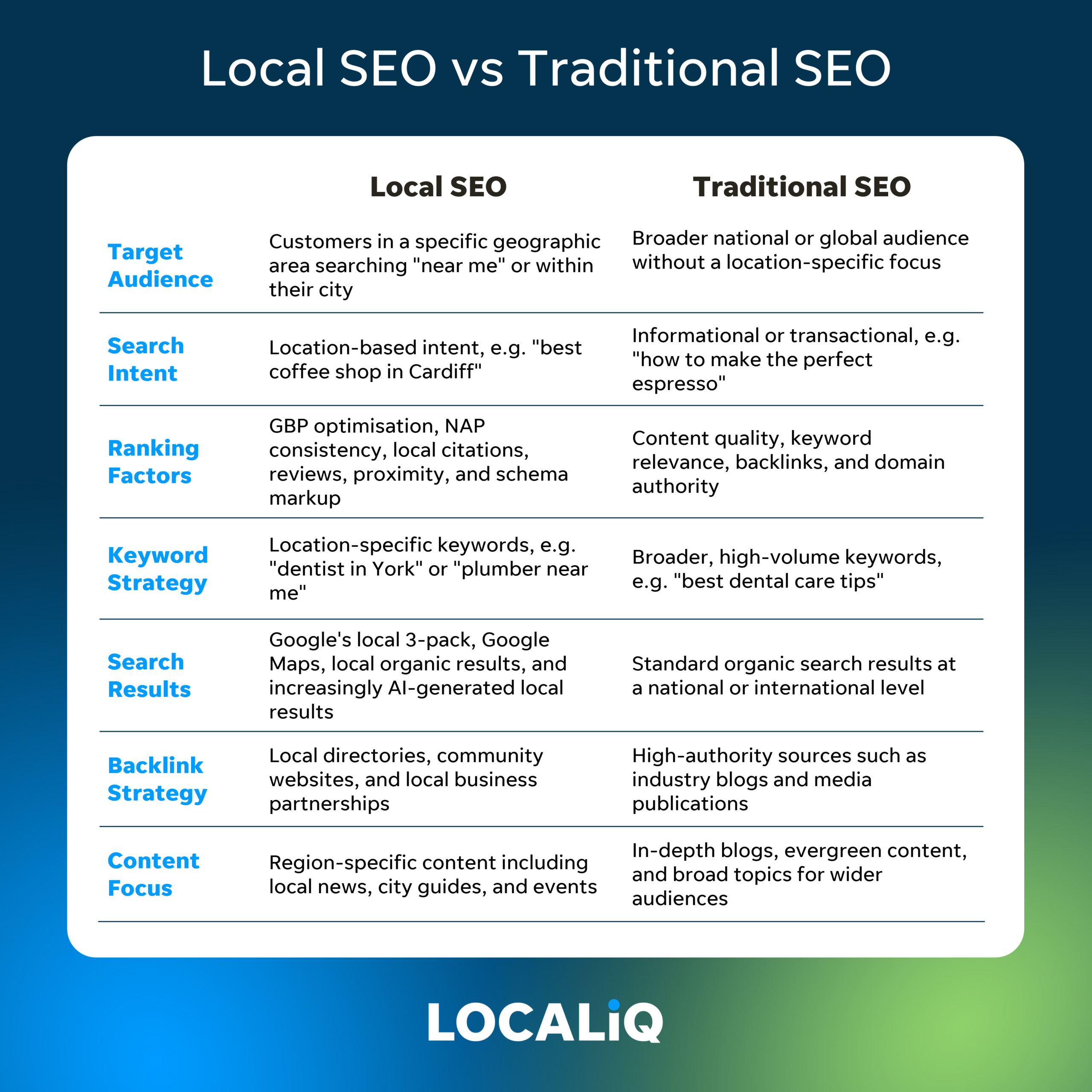
Local organic SEO is the process of improving your website’s visibility in unpaid search results for searches with local intent. Examples include “accountant in Bristol”, “plumber near me” and “best café in Camden”.
It is useful to distinguish between two types of local search results:
- Local organic results are standard website listings that appear because search engines consider them relevant and useful for a local query.
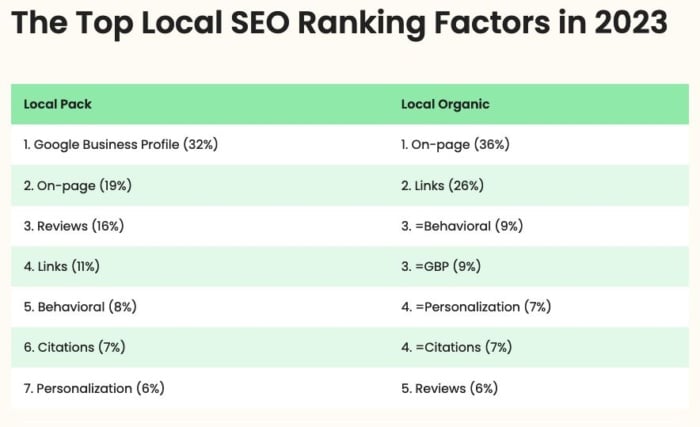
- Local pack results are map-based listings, usually featuring businesses and their locations. These are influenced by factors such as relevance, distance and prominence.
Both can contribute to local visibility, but they are not the same. A strong local strategy should support your website’s organic performance as well as your presence in relevant business listings.
Why local organic SEO matters
Local searches often indicate that someone has a specific need and is considering nearby options. Appearing prominently can help potential customers find your services, learn about your business and take the next step.
Unlike paid advertising, organic search traffic does not depend on paying for each click. However, SEO takes time and ongoing work, and rankings cannot be guaranteed. The aim is to build a useful, credible online presence that is relevant to both search engines and people in your area.
Key elements of a local organic SEO strategy
Research local search terms
Start by finding out how customers describe your services and the areas they search for. Consider service names, locations and phrases that show clear intent. For example, a searcher may use “roof repairs in Leeds” rather than simply “roofer”.
Use keyword research tools, search suggestions and conversations with customers to build a realistic list of topics. Avoid creating pages for every possible variation of a search term; focus on phrases that reflect genuine services and locations you can serve.
Create useful, location-relevant pages
Your website should clearly explain what you offer, who you serve and where you operate. If you serve several distinct locations, consider creating dedicated location pages where there is enough unique information to make each one valuable.
A good location page should provide helpful details, such as:
- The services available in that area
- Relevant local experience or examples of work
- Opening hours, contact details or service coverage
- Directions or information about visiting your premises, where relevant
- Answers to questions customers in that area are likely to have
Avoid publishing near-identical pages with only the place name changed. Thin or repetitive content is unlikely to be useful to visitors and may weaken the quality of your site.
Optimise your website’s on-page content
Use clear page titles, headings and descriptions that accurately summarise each page. Mention your location naturally where it helps visitors understand your service area, but do not force place names into every sentence.
Make sure each important service has a relevant page and that your navigation makes it easy for visitors to find information. Internal links between related service and location pages can help people—and search engines—understand how your content is connected.
Keep your business information consistent
Ensure your business name, address and phone number are accurate wherever they appear online. Consistency across your website, business listings and relevant directories helps customers verify your details.
If your business serves customers at an address, show the correct address and visiting information. If you travel to customers instead, describe your service areas accurately and follow the rules of the platforms where your business is listed.
Improve your business profile and local listings
Claim and maintain your Google Business Profile and other relevant profiles. Add accurate categories, services, opening hours, contact details and photographs. Keep information updated when anything changes.
Reviews can also help people assess whether your business is right for them. Encourage genuine feedback from customers, respond professionally and do not buy or fabricate reviews. Review management supports trust and reputation, though it does not guarantee higher rankings.
Build local relevance and authority
Links from reputable local organisations, suppliers, business groups, charities or community publications can help people discover your business and may contribute to your site’s authority. Focus on genuine relationships and useful local involvement rather than buying links or pursuing low-quality directories.
Local mentions do not always need to include a link to be useful for brand awareness, but a relevant link can make it easier for readers to reach your website.
Make your website fast and easy to use on mobile
Many people search for local businesses on their phones, sometimes while travelling. Your website should load reliably, display clearly on smaller screens and make key actions—such as calling, booking or finding directions—easy to complete.
Check that contact forms work, phone numbers are tappable and important information is not hidden behind confusing menus. A smooth experience helps visitors use your site and supports your wider digital performance.
How to measure local organic SEO
Rankings are only one part of the picture. Review a range of measures to understand whether your work is reaching the right audience and supporting business goals, including:
- Organic visits to service and location pages
- Search queries and impressions in Google Search Console
- Calls, enquiries, bookings or purchases from organic visitors
- Engagement with your business profiles, such as website clicks or direction requests
- Visibility across relevant local search terms and locations
Use analytics and tracking tools where appropriate, and make sure they are configured in line with privacy and data protection requirements. Look at trends over time rather than relying on a single ranking or short-term change.
Common local SEO mistakes to avoid
- Creating duplicate location pages with little useful information
- Adding location keywords unnaturally to page titles or body copy
- Using inaccurate addresses or claiming locations where you do not operate
- Ignoring outdated business details across listings
- Buying links or reviews
- Focusing only on rankings instead of enquiries and customer experience
Build a stronger local presence
Local organic SEO is an ongoing process. Start with accurate business information, a technically sound website and clear pages that answer local customers’ questions. Then build your reputation through useful content, genuine customer feedback and meaningful links from relevant sources.
With consistent effort, your business can become easier to find in local searches and better equipped to turn online visibility into real enquiries and visits.
5 Essential Tips to Boost Your Local Organic SEO
- Keep your Google Business Profile accurate and up to date.
- Use local keywords naturally on your website.
- Create a separate page for each area you serve.
- Ask happy customers for honest reviews.
- Earn links from trusted local organisations.
Keep your Google Business Profile accurate and up to date.
Keep your Google Business Profile accurate and up to date so local customers can find reliable information about your business. Check that your name, address, phone number, opening hours, website link and services are correct, and update them promptly whenever anything changes. Add recent photos and respond professionally to customer reviews to give people a clearer picture of what you offer and help them feel confident choosing your business.
Use local keywords naturally on your website.
Use local keywords naturally throughout your website to help search engines and visitors understand where you operate and what you offer. Include relevant place names alongside your services in page titles, headings and useful body copy—for example, “family solicitor in York”—but only where they fit the context. Avoid repeating keywords unnaturally or creating pages for locations you do not serve; clear, genuinely helpful content is more valuable than keyword stuffing.
Create a separate page for each area you serve.
Create a separate page for each area you serve when you can provide genuinely useful, location-specific information. Explain which services are available there, describe relevant local experience and include clear contact details or service-area information. Avoid simply duplicating one page and swapping in different place names: each page should offer distinct value to local visitors and accurately reflect the areas your business serves.
Ask happy customers for honest reviews.
Ask happy customers to leave an honest review about their experience. Genuine feedback can help people in your area feel more confident choosing your business and gives you useful insight into what you do well. Make the request politely, make it easy to find your review page, and never offer incentives for positive reviews or ask customers to say anything untrue. Respond to feedback professionally, thanking customers for positive comments and addressing concerns constructively.
Earn links from trusted local organisations.
Earn links from trusted local organisations by building genuine relationships in your community. Sponsoring a local event, partnering with a charity, joining a business association or contributing useful expertise to a local publication may give people a good reason to link to your website. Relevant links can help local customers discover your business and strengthen your online credibility. Focus on worthwhile partnerships and useful contributions rather than buying links or taking part in schemes designed solely to manipulate search rankings.