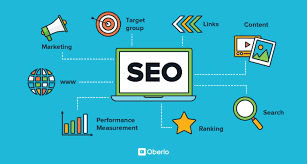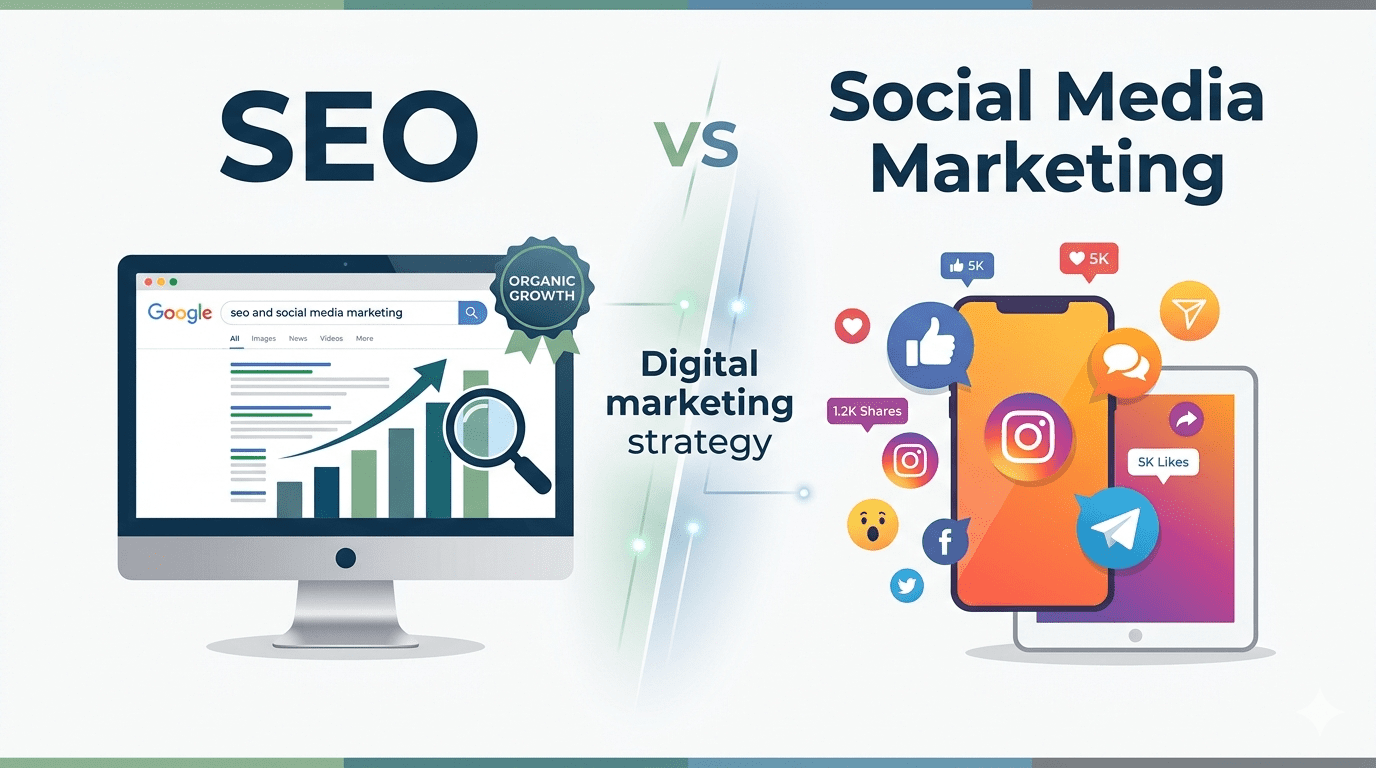
seo and social media marketing

SEO and Social Media Marketing: A Guide to Growing Your Online Presence

SEO and Social Media Marketing: How They Work Together

Search engine optimisation (SEO) and social media marketing are often treated as separate parts of a digital strategy. In practice, they can support one another. SEO helps people find your website through search engines, while social media helps you reach, engage and build relationships with audiences across social platforms.

Neither channel is a quick fix. But when they share clear goals and useful content, they can help your business become more visible online and create more opportunities to connect with potential customers.

What is SEO?

SEO is the process of improving a website so that it is easier for search engines and people to understand. It can involve researching the terms your audience uses, creating helpful pages, improving site structure and making sure the website works well on mobile devices.

SEO is about more than appearing in search results. A successful page should match the visitor’s needs, provide reliable information and make it easy to take the next step, whether that is making an enquiry, buying a product or reading more.

What is social media marketing?

Social media marketing uses platforms such as Instagram, LinkedIn, Facebook, TikTok and Pinterest to share content and communicate with an audience. Depending on your business and objectives, this might include publishing organic posts, responding to comments, working with creators or running paid campaigns.

Social media can help a brand stay connected with its community, showcase its expertise and direct people to useful resources on its website.

How SEO and social media can support each other

Social media can bring more people to your content

Sharing a useful article, guide or product page on social media can introduce it to people who may not have found it through search. If they visit the website, explore other pages or share the content with others, social activity may contribute to broader awareness and engagement.

Social media shares are not generally treated as a direct ranking factor by search engines. However, sharing content can help it reach more people, which may lead to natural links, mentions and further visits over time.

SEO can help you understand what your audience wants

Keyword research reveals the questions and topics people search for. These insights can inform social media content, helping you create posts that answer genuine questions rather than relying on guesswork.

Social media conversations can also reveal common concerns, customer language and emerging interests. These insights may inspire new website content or help you improve existing pages.

Consistent messaging strengthens your brand

When your website and social channels share a consistent tone, message and visual identity, people are more likely to recognise your brand. Clear, consistent communication can build familiarity and trust, whether someone discovers you through a search result, a social post or a recommendation.

Social profiles can appear in search results

Social media profiles and public posts may appear in search engine results, especially when someone searches for a brand by name. Complete profiles with accurate information, links and recent activity can make it easier for people to learn about your business and find your official channels.

Practical ways to combine SEO and social media

  • Start with your audience. Identify who you want to reach, what they need and which platforms they use.
  • Use search insights to plan content. Research relevant queries and turn them into useful articles, videos, short posts or FAQs.
  • Make content easy to share. Use clear headlines, helpful summaries and suitable images or video. Include social sharing options where they improve the user experience.
  • Adapt content for each platform. A detailed website guide might become a LinkedIn post, a short video, an Instagram carousel or a series of tips.
  • Keep profiles accurate. Use consistent business details, descriptions and links across your website and social channels.
  • Engage with your audience. Respond to relevant questions and comments, and use recurring feedback to improve your content.
  • Measure meaningful outcomes. Track organic search visibility, website visits, enquiries, sales and engagement against your business goals.

Measure each channel appropriately

SEO and social media have different performance indicators. For SEO, useful measures can include organic traffic, search visibility, rankings for relevant queries, conversions and the quality of visits. For social media, consider reach, engagement, referral traffic, audience growth and actions such as enquiries or purchases.

Use analytics tools to understand how the channels contribute to your objectives. Avoid judging success by follower numbers or rankings alone: the most valuable results are those that help your organisation meet its goals.

A joined-up strategy takes time

SEO is usually a long-term activity, while social media can provide quicker feedback on how people respond to ideas and content. Neither guarantees immediate results. Search performance depends on many factors, and social reach can vary by platform, audience and format.

By planning the channels together, businesses can create content that is useful to their audience, easier to discover and more consistent across the customer journey. The aim is not simply to post more or target more keywords. It is to provide the right information in the right places, and make it easy for people to take the next step.

Conclusion

SEO and social media marketing serve different purposes, but they can work well as part of a connected digital strategy. SEO helps people discover relevant website content through search, while social media helps that content reach and engage wider communities. With a clear understanding of your audience, consistent messaging and thoughtful measurement, both channels can contribute to stronger online visibility and lasting customer relationships.


Top 8 FAQs on Integrating SEO with Social Media Marketing

  1. How do SEO and social media marketing work together?
  2. Does social media activity directly affect SEO rankings?
  3. Can social media help increase organic website traffic?
  4. Which social media platforms are best for SEO?
  5. How can I use keyword research to plan social media content?
  6. What types of content work well for both SEO and social media?
  7. How should I measure the results of SEO and social media marketing?
  8. How long does it take to see results from SEO and social media marketing?

How do SEO and social media marketing work together?

SEO and social media marketing work together by helping your content reach people in different ways. SEO makes your website easier to find through search engines, while social media helps you share content, engage with your audience and bring visitors to your site. Social media activity is not generally a direct search ranking factor, but it can increase awareness and encourage visits, shares and natural links. Insights from search queries and social conversations can also help you create more relevant content for both channels.

Does social media activity directly affect SEO rankings?

Social media activity does not directly affect SEO rankings: likes, shares and follower numbers are not considered direct ranking factors by search engines. However, social media can support SEO indirectly by helping your content reach more people, attract website visits and earn natural links or brand mentions. It can also offer useful insights into the topics and questions your audience cares about, helping you create more relevant content.

Can social media help increase organic website traffic?

Yes, social media can help increase organic website traffic by promoting your content to a wider audience and encouraging people to visit your site. Sharing useful articles, products or resources can attract visitors who may not have found you through search, while audience feedback can help you create content that better answers their questions. Social media activity is not generally a direct Google ranking factor, so focus on sharing relevant, engaging content and making it easy for people to find and explore your website.

Which social media platforms are best for SEO?

No social media platform directly improves your search rankings, so the best choice depends on where your audience spends time and what you want to achieve. LinkedIn can suit B2B businesses and professional content, while Instagram, TikTok and Pinterest may work well for visual products and inspiration; Facebook can help businesses build communities and reach local audiences. Choose platforms you can maintain consistently, share useful content that links back to relevant pages on your website, and make sure your profiles include accurate business details. Social activity may increase awareness and visits, and can help your content reach people who may later link to or mention it.

How can I use keyword research to plan social media content?

Use keyword research to discover the questions, phrases and topics your audience is searching for, then turn those insights into useful social media posts. Group related keywords into themes and adapt them to each platform—for example, create a short video answering a common question, a carousel explaining a topic or a post linking to a more detailed guide on your website. Treat keywords as clues to audience interests rather than terms to squeeze into every caption, and use natural language that suits the platform. Review engagement and website visits to see which topics resonate and shape future content.

What types of content work well for both SEO and social media?

Content that answers your audience’s questions tends to work well for both SEO and social media. Practical guides, how-to articles, FAQs, original research, case studies, infographics and short videos can attract search visitors while also giving people something useful to share or discuss. Start with a clear topic based on audience needs and relevant search queries, then adapt the format for each platform—for example, turn a detailed guide into a short video or a series of social posts. Ensure the content is accurate, easy to understand and genuinely helpful, rather than created solely to include keywords or encourage clicks.

How should I measure the results of SEO and social media marketing?

Measure SEO and social media against clear business goals, such as increasing relevant website visits, enquiries or sales. For SEO, track organic traffic, visibility for relevant search terms, conversions and the quality of visits. For social media, monitor reach, engagement, referral traffic and actions such as enquiries or purchases. Use analytics tools to see how each channel contributes over time, and review results regularly. Follower counts and rankings can offer useful context, but they matter most when they support meaningful outcomes for your business.

How long does it take to see results from SEO and social media marketing?

The time it takes to see results from SEO and social media marketing varies according to your industry, competition, budget and the consistency of your activity. SEO is usually a longer-term investment: improvements in rankings and organic traffic may take several months, particularly for a new website or a competitive search term. Social media can generate engagement and reach sooner, but building a loyal audience and achieving steady enquiries or sales also takes time. Regular, useful content, a clear strategy and ongoing measurement can help both channels deliver more sustainable results.
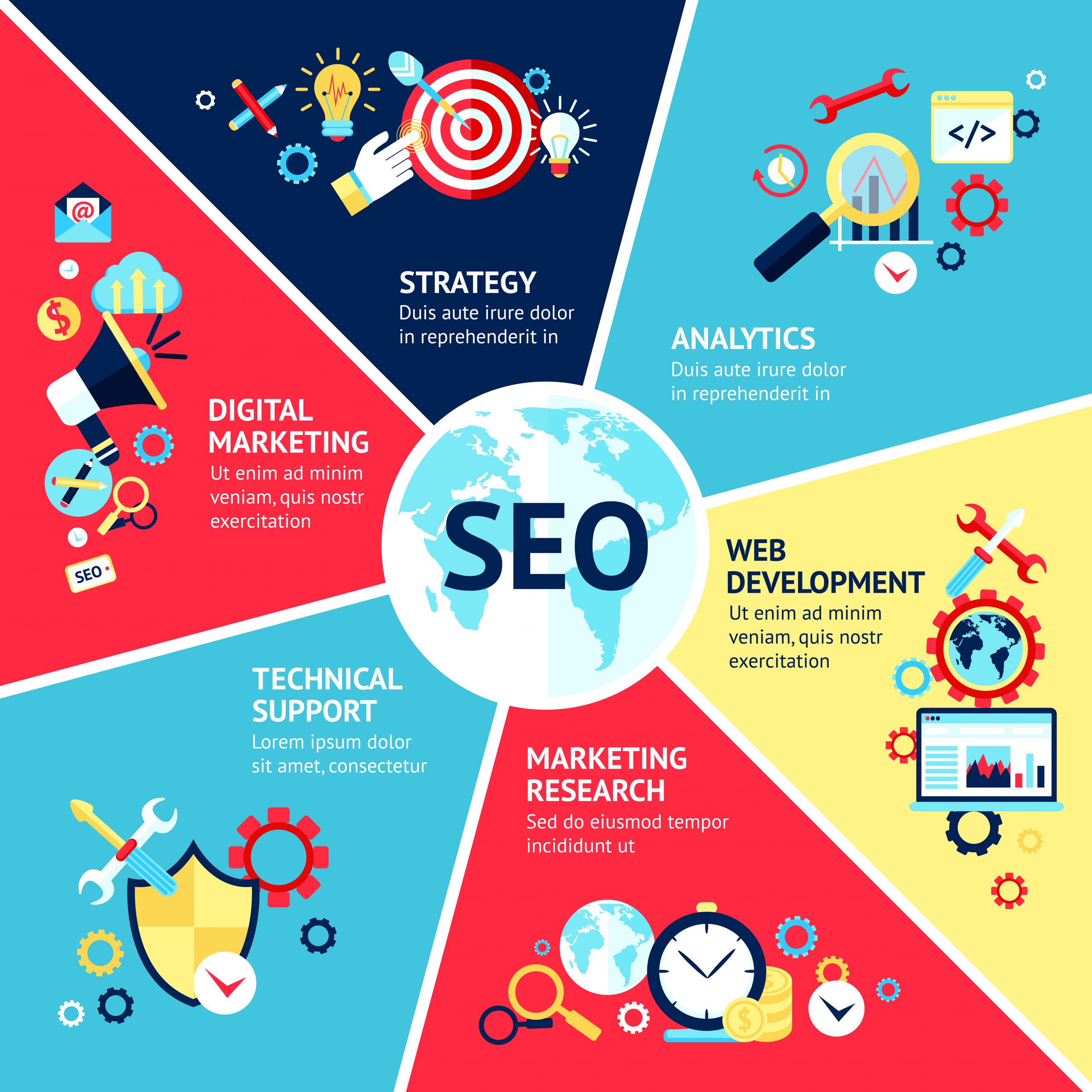
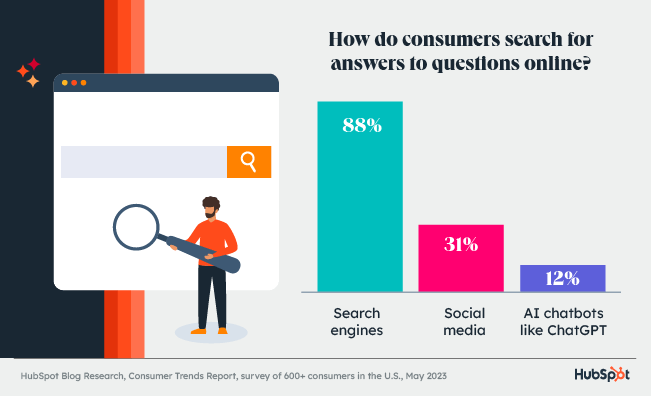
best local seo companies

Best Local SEO Companies: How to Choose the Right Partner

Best Local SEO Companies: How to Choose the Right Partner

For a business serving a particular town, city or region, appearing in local search results can make a real difference. A strong local SEO strategy can help potential customers find your business on Google Search and Maps, understand what you offer and get in touch.

The best local SEO company for your business will depend on your location, budget, goals and the support you need. Some providers are full-service digital agencies, while others specialise in local search or offer tools to help you manage the work yourself. The companies below are a useful starting point—not a definitive ranking or guarantee of results.

Local SEO companies to consider

LocaliQ UK

LocaliQ UK offers digital marketing services for businesses, including services intended to help improve local visibility. It may suit organisations looking for support across several areas of digital marketing rather than SEO alone. Ask how its local SEO work is tailored to your locations and how results are reported.

The SEO Works

The SEO Works is a UK digital marketing agency offering SEO and related services. It may be worth considering if you want an agency partner that can look at organic search as part of a wider online growth strategy. Discuss your service areas, competition and expectations before agreeing a campaign.

Hallam

Hallam is a UK digital agency with search marketing expertise. Businesses considering a broader strategy—including SEO and other digital channels—may find its approach relevant. Ask whether the proposed team has experience with businesses like yours and with the locations you want to target.

Blue Array

Blue Array is a UK SEO consultancy that works with organisations on search strategy. It may be suitable for businesses seeking strategic advice or specialist SEO support. If local visibility is your priority, check that the proposal specifically covers local rankings, Google Business Profile and location-specific pages.

Whitespark

Whitespark is a Canada-based local SEO provider known for local search tools and services. Its resources may be useful to businesses looking to manage parts of local SEO themselves, as well as those seeking specialist support. UK businesses should confirm that the service and advice fit their market and locations.

Sterling Sky

Sterling Sky is a Canada-based agency focused on local SEO. It may be of interest to businesses looking for specialist local search expertise. As with any provider based overseas, check its experience in your country, how communication and reporting will work, and whether its recommendations reflect local search practices.

What does a local SEO company do?

Local SEO focuses on helping a business appear in search results for relevant services and places. Depending on the provider and your needs, work may include:

  • Reviewing and improving your Google Business Profile
  • Checking that your business name, address and phone number are consistent online
  • Researching local search terms and competitors
  • Improving location and service pages on your website
  • Supporting a genuine customer review strategy
  • Finding relevant local directories and citation opportunities
  • Monitoring local visibility, website enquiries and other agreed outcomes

Not every business needs every service. A single-location tradesperson, for example, may need different support from a multi-location healthcare group or a chain of shops.

How to choose the best local SEO company

Look for relevant experience

Ask for examples of work with businesses in your sector and in markets similar to yours. Case studies should explain the work carried out and the results measured, rather than relying only on broad claims about rankings.

Understand the proposed strategy

A reputable provider should explain what it plans to do, why those activities matter and how they relate to your goals. Be cautious of vague packages that promise a set number of links or rankings without first reviewing your website and competition.

Ask how success is measured

Rankings can be useful, but they are only one part of the picture. Ask how the company will track relevant calls, enquiries, bookings or visits, and how it will distinguish meaningful leads from general website traffic.

Check who will do the work

Find out who your main contact will be, who carries out the work and how often you will receive updates. If several locations are involved, ask how the provider will manage the workload and maintain consistency.

Clarify costs and ownership

Request a clear breakdown of fees, services and contract terms. Make sure your business retains access to its website, analytics accounts and Google Business Profile, and ask what happens to any work or content if the agreement ends.

Warning signs to watch for

  • Guaranteed first-place rankings or instant results
  • Unclear descriptions of the work being delivered
  • Pressure to sign a long contract before an audit or discussion
  • Recommendations to create misleading listings or reviews
  • Reports that show activity but do not connect it to business outcomes

Final thoughts

The best local SEO company is one that understands your customers and service area, explains its work clearly and measures progress against outcomes that matter to your business. Compare several providers, ask specific questions and choose a partner whose approach is realistic, transparent and suited to your goals.


Essential FAQs for Choosing the Best Local SEO Companies in the UK

  1. What are the best local SEO companies in the UK?
  2. How do I choose the right local SEO company for my business?
  3. How much do local SEO companies charge in the UK?
  4. What services should a local SEO company provide?
  5. How long does it take for a local SEO company to deliver results?

What are the best local SEO companies in the UK?

The best local SEO companies in the UK depend on your business, budget and service area, so there is no single provider that suits everyone. When comparing agencies, look for proven experience with businesses like yours, a clear plan for improving local search visibility, transparent reporting and realistic expectations. Ask how they’ll support your Google Business Profile, local website pages and customer reviews, and check that you’ll retain access to your accounts. Compare proposals and case studies before choosing a partner.

How do I choose the right local SEO company for my business?

Choose a local SEO company that understands your industry, customers and service area, and can explain clearly how its strategy will support your goals. Ask for relevant case studies, details of the work included, and how it measures outcomes such as calls, enquiries or bookings—not just rankings. Check the costs, contract terms and reporting arrangements, and make sure you retain access to your website and business listings. Be wary of guaranteed rankings or promises of instant results; a trustworthy provider will set realistic expectations and tailor its recommendations to your business.

How much do local SEO companies charge in the UK?

Local SEO costs in the UK vary depending on your location, competition, number of branches and the work required. Smaller businesses may pay a few hundred pounds a month for ongoing support, while more competitive campaigns or multi-location businesses can cost considerably more; one-off audits and consultancy are often priced separately. Ask for a clear breakdown of the services, reporting and contract terms, and compare proposals by the value and scope of work—not just the monthly fee.

What services should a local SEO company provide?

A local SEO company should provide services that help your business appear in relevant local search results and attract nearby customers. These may include optimising your Google Business Profile, researching local keywords, improving location and service pages, checking that your business details are consistent across online directories, and supporting a genuine customer review strategy. The company should also monitor local visibility and meaningful outcomes, such as calls, enquiries or bookings, and provide clear reports explaining the work completed and its impact. The right services will depend on your business, locations and goals, so expect a tailored plan rather than a one-size-fits-all package.

How long does it take for a local SEO company to deliver results?

A local SEO company can often make initial improvements within a few weeks, but noticeable results typically take several months. The timeframe depends on factors such as your website’s starting point, local competition, the condition of your Google Business Profile and how consistently recommended changes are made. A reputable company should set realistic expectations, explain which early indicators it will track and report on progress towards meaningful outcomes such as enquiries, calls or bookings.

search engine optimization and social media

How Search Engine Optimization and Social Media Work Together

Search Engine Optimisation and Social Media: How They Work Together

Search engine optimisation (SEO) and social media are often treated as separate parts of digital marketing. In practice, they can support one another. SEO helps people find your website through search engines, while social media gives you ways to share useful content, build relationships and introduce your brand to new audiences.

Social media activity is not generally considered a direct Google ranking factor. However, it can contribute to outcomes that support SEO, such as greater awareness, more visits to your website and increased opportunities for people to discover and link to your content.

What SEO and social media each do

SEO involves improving your website so that it can be discovered, understood and used by people searching online. This includes creating helpful content, improving site structure and addressing technical issues that affect crawling, indexing or page experience.

Social media marketing focuses on publishing and sharing content on platforms such as LinkedIn, Instagram, Facebook and TikTok. It can help businesses engage with customers, answer questions and reach communities that may not yet know about their products or services.

Although their methods differ, both disciplines benefit from a clear understanding of your audience and the information they are looking for.

How social media can support SEO

It helps your content reach more people

Publishing a useful article on your website is only one step. Sharing it through relevant social channels can put it in front of a wider audience. More people may visit the page, discuss its ideas or share it with others. This can increase the likelihood of your content being discovered by publishers, bloggers or businesses that may choose to reference it.

Social shares themselves should not be treated as a guaranteed route to higher rankings. Their value lies in helping content travel further and creating opportunities for genuine attention and links.

It can strengthen brand awareness

Regular, useful activity on social media can help people become familiar with your brand. If they later search for your business by name, or recognise your website in search results, that familiarity may encourage them to visit. A consistent brand presence can also make your business easier to remember and recommend.

It provides insight into your audience

Comments, questions and conversations on social platforms can reveal what your audience cares about. These insights can inform keyword research and content planning. For example, repeated questions about delivery, pricing or product comparisons may point to topics worth addressing on your website.

Social media is not a replacement for proper keyword research, but it can be a useful source of real-world language and ideas.

It can help you identify content opportunities

When a post receives thoughtful discussion or strong engagement, consider whether the topic deserves a more detailed treatment on your website. You could develop it into a guide, a frequently asked questions page or a case study. The aim is to provide a lasting, searchable resource that answers the audience’s needs in greater depth.

How SEO can improve your social media strategy

SEO research can also make social media planning more effective. Search queries show the questions and problems people are actively exploring. By using these insights, you can create social posts that are more relevant and useful.

Your website content can also provide material for ongoing social activity. A single in-depth article might become several short posts, a video outline, an infographic or a series of tips. Adapt the content to suit each platform rather than simply copying and pasting the same message everywhere.

Practical ways to bring SEO and social media together

  • Start with audience needs: Identify the questions your customers ask and the problems they want to solve.
  • Create valuable website content: Publish accurate, original pages that offer a clear benefit to readers.
  • Share content thoughtfully: Choose platforms that suit your audience and adapt each post to the platform’s format.
  • Use clear titles and descriptions: Make it easy for people to understand what a shared link contains.
  • Encourage discussion: Respond to comments and use genuine feedback to shape future content.
  • Make sharing easy: Use descriptive page titles, suitable images and clear calls to action.
  • Measure the right outcomes: Track organic search performance separately from social referrals, engagement and conversions.

Measuring success

SEO and social media should each have clear objectives. For SEO, useful measures may include organic clicks, relevant keyword visibility, qualified enquiries and sales. For social media, consider reach, meaningful engagement, referral visits and conversions.

Analytics tools can help show whether social posts are sending visitors to your website and what those visitors do next. Use campaign tracking links where appropriate, and assess performance over time rather than judging a strategy by a single post or short-term change.

Common mistakes to avoid

  • Expecting social shares to directly improve rankings: Social activity can support visibility, but it does not guarantee better search positions.
  • Posting without a purpose: Every post should offer value, start a relevant conversation or guide people towards a useful resource.
  • Chasing vanity metrics: A large number of likes does not necessarily mean more relevant website visits or business results.
  • Ignoring the website experience: If a page is slow, confusing or difficult to use on mobile, social traffic may not convert.
  • Using the same approach on every platform: Different audiences and formats call for different types of content.

Conclusion

SEO and social media are most effective when they work towards shared business goals. Social platforms can help your content reach people, build brand familiarity and uncover audience questions. SEO can help turn those insights into useful website content that people can find through search.

Rather than treating social media as a shortcut to better rankings, use it as part of a broader strategy: create genuinely helpful content, share it with the right audiences and measure whether it contributes to meaningful results.


9 Advantages of SEO and Social Media: Enhancing Brand Visibility and Engagement

  1. Boosts brand visibility across search and social platforms.
  2. Helps content reach a wider audience.
  3. Drives relevant visitors to your website.
  4. Builds trust through consistent, useful content.
  5. Reveals audience interests and questions.
  6. Creates more opportunities for content sharing.
  7. Supports stronger brand recognition.
  8. Turns customer feedback into content ideas.
  9. Helps measure engagement and website visits.


Challenges of Balancing SEO and Social Media: Limited Impact on Rankings, Time Demands, and Conversion Issues

  1. Social media shares do not directly guarantee higher search rankings.
  2. Managing both channels can be time-consuming.
  3. Likes and followers may not translate into website traffic or sales.

Boosts brand visibility across search and social platforms.

A key benefit of combining search engine optimisation and social media is increased brand visibility across multiple platforms. SEO helps your website appear when people search for relevant products, services or information, while social media introduces your brand to audiences as they browse and share content. This wider presence makes it easier for potential customers to discover and recognise your business, helping to build familiarity and trust over time.

Helps content reach a wider audience.

SEO and social media can work together to help content reach a wider audience. Optimising a webpage makes it easier for people to find through search engines, while sharing it on relevant social platforms can introduce it to new communities. As more people discover and engage with useful content, they may share it further or link to it from their own websites, extending its reach and creating more opportunities for potential customers to find your brand.

Drives relevant visitors to your website.

SEO and social media can work together to drive relevant visitors to your website. SEO helps your pages appear when people search for products, services or information related to your business, while social media lets you share useful content with audiences who are likely to be interested. By targeting the right topics and platforms, you can attract visitors who are more likely to engage with your content and take action.

Builds trust through consistent, useful content.

Consistently sharing useful, accurate content across your website and social media helps build trust with your audience. SEO makes that content easier to find when people are searching for answers, while social media gives you a way to share it, respond to questions and stay connected. Over time, this reliable presence can show that your business understands its customers and is committed to helping them.

Reveals audience interests and questions.

Search engine optimisation and social media can reveal what your audience is interested in and the questions they want answered. Search data highlights the terms people use to find information, while comments, messages and discussions on social platforms offer insight into their concerns and opinions. By combining these signals, businesses can create more relevant content, address common questions and better match their products or services to what their audience needs.

Creates more opportunities for content sharing.

Combining search engine optimisation with social media creates more opportunities for useful content to reach the right people. SEO helps your content appear in relevant search results, while social platforms make it easy to share articles, guides and resources with wider audiences. As more people discover and discuss your content, it may attract further shares, visits and natural links from other websites, extending its reach and supporting your wider digital marketing efforts.

Supports stronger brand recognition.

SEO and social media can work together to build stronger brand recognition. A consistent presence in search results helps people discover your business when they are looking for relevant products, services or information, while social media gives you regular opportunities to share useful content and engage with your audience. Over time, seeing your brand across these channels can make it more familiar, memorable and trusted.

Turns customer feedback into content ideas.

Customer feedback on social media can be a valuable source of ideas for your website content. Questions, comments and recurring concerns reveal what your audience wants to know, helping you create useful blog posts, guides and FAQs that address real needs. By answering these questions clearly, you can improve the experience for potential customers and create content that is relevant to the search terms they use.

Helps measure engagement and website visits.

SEO and social media analytics help you understand how people engage with your content and whether that engagement leads to visits to your website. By tracking measures such as clicks, comments, shares, organic traffic and conversions, you can see which topics and channels are attracting the most interest. These insights make it easier to refine your content and focus your efforts on what works.

Social media shares do not directly guarantee higher search rankings.

Social media shares can help your content reach a wider audience, but they do not directly guarantee higher search rankings. Search engines use many factors to assess and rank pages, and a post receiving likes or shares is not, by itself, proof that the page deserves a higher position. Treat social media as a way to build awareness, attract visitors and create opportunities for people to discover and link to your content—not as a shortcut to improved rankings.

Managing both channels can be time-consuming.

Managing SEO and social media together can be time-consuming, as both require regular planning, content creation, monitoring and analysis. SEO often involves ongoing technical improvements and tracking search performance, while social media calls for consistent posting and responding to comments and messages. Without a clear schedule and shared content plan, the workload can quickly grow and make it harder to maintain quality across both channels.

Likes and followers may not translate into website traffic or sales.

A large number of likes and followers can look impressive, but they do not necessarily lead to more website visits or sales. Social media users may engage with a post without clicking through, and those who do visit may not be ready to make a purchase. For this reason, businesses should look beyond follower counts and likes, and track meaningful outcomes such as referral traffic, enquiries and conversions.

seo company london

Enhance Your Online Presence with a Top SEO Company in London

SEO Company London

The Leading SEO Company in London

London is a bustling hub of business activity, and in such a competitive landscape, having a strong online presence is essential for success. This is where an expert SEO company in London can make all the difference.

SEO (Search Engine Optimisation) is the process of improving a website’s visibility on search engines like Google, Bing, and Yahoo. A reputable SEO company in London employs strategies to enhance a website’s organic search ranking, driving more traffic and potential customers to the site.

Benefits of Hiring an SEO Company in London

  • Increased Online Visibility: By utilising effective SEO techniques, your website can rank higher on search engine results pages (SERPs), making it more visible to potential customers.
  • Targeted Traffic: An experienced SEO company can help attract relevant traffic to your website, increasing the chances of converting visitors into customers.
  • Improved User Experience: SEO involves optimising your website for better user experience, which can lead to higher engagement and lower bounce rates.
  • Long-Term Results: Unlike paid advertising, the benefits of SEO are long-lasting. With ongoing optimisation efforts, your website can maintain its high rankings over time.

Choosing the Right SEO Company in London

When selecting an SEO company in London, it’s important to consider their experience, track record, and approach to SEO. Look for a company that offers customised strategies tailored to your business goals and stays updated on the latest industry trends.

A reliable SEO company will conduct thorough keyword research, implement on-page and off-page optimisation techniques, monitor performance metrics, and provide regular reports on progress.

In Conclusion

In today’s digital age, having a strong online presence is crucial for businesses looking to stand out in London’s competitive market. By partnering with a reputable SEO company in London, you can unlock the full potential of your website and reach a wider audience online.

© 2023 SEO Company London. All rights reserved.


Top Questions About Choosing an SEO Company in London: Services, Benefits, and Costs

  1. 1. What services does an SEO company in London offer?
  2. 2. How can an SEO company in London help improve my website’s search engine ranking?
  3. 3. What sets a top SEO company in London apart from others?
  4. 4. Are there any specific industries that benefit the most from hiring an SEO company in London?
  5. 5. How much does it cost to hire an SEO company in London for my business?

1. What services does an SEO company in London offer?

An SEO company in London typically offers a range of services aimed at improving a website’s visibility and search engine ranking. These services may include keyword research to identify relevant search terms, on-page optimisation to enhance website content and structure, off-page optimisation such as link building to increase domain authority, technical SEO audits to improve site performance, content creation and marketing strategies, local SEO targeting for businesses in specific geographic areas, as well as analytics and reporting to track progress and measure results. By providing these comprehensive services, an SEO company in London helps businesses establish a strong online presence and attract more organic traffic to their websites.

2. How can an SEO company in London help improve my website’s search engine ranking?

An SEO company in London can significantly enhance your website’s search engine ranking through a variety of tailored strategies. These experts possess the knowledge and tools to conduct comprehensive keyword research, optimise on-page elements such as meta tags and content, build high-quality backlinks, and improve overall website performance. By implementing these techniques effectively, an SEO company can boost your website’s visibility on search engine results pages (SERPs), attract more organic traffic, and ultimately improve your online presence and search engine ranking in London’s competitive digital landscape.

3. What sets a top SEO company in London apart from others?

When considering what sets a top SEO company in London apart from others, several key factors come into play. Firstly, a top SEO company will have a proven track record of delivering tangible results for their clients, demonstrating expertise and success in improving organic search rankings and driving targeted traffic. Additionally, top SEO companies in London stay abreast of the latest industry trends and algorithm updates, ensuring that their strategies are always cutting-edge and effective. They also offer customised solutions tailored to each client’s specific needs, providing a personalised approach that sets them apart in the competitive digital marketing landscape. Ultimately, transparency, communication, and a commitment to achieving measurable outcomes distinguish a top SEO company in London from the rest.

4. Are there any specific industries that benefit the most from hiring an SEO company in London?

Certain industries can benefit significantly from hiring an SEO company in London. Industries such as e-commerce, hospitality, real estate, and professional services often see substantial improvements in online visibility and customer engagement through effective SEO strategies. E-commerce businesses can attract more online shoppers, while hospitality companies can increase bookings and reservations. Real estate agencies can showcase their properties to a wider audience, and professional service providers can enhance their credibility and attract more clients. By targeting industry-specific keywords and implementing tailored SEO tactics, businesses in these sectors can experience notable growth and success in the competitive London market.

5. How much does it cost to hire an SEO company in London for my business?

When considering hiring an SEO company in London for your business, one common question that arises is, “How much does it cost?” The cost of hiring an SEO company in London can vary depending on several factors such as the size of your business, the scope of services required, and the level of competition in your industry. Typically, SEO companies offer tailored pricing packages based on your specific needs and goals. It’s essential to discuss your budget and objectives with the SEO company to determine a cost-effective strategy that aligns with your business requirements and delivers measurable results.

Unlocking Success: How a Leading UK SEO Agency Can Transform Your Online Visibility

The Role of a UK SEO Agency in Boosting Online Visibility

The Role of a UK SEO Agency in Boosting Online Visibility

In today’s digital age, having a strong online presence is crucial for the success of any business. This is where a reputable UK SEO agency can play a vital role in boosting your online visibility and driving organic traffic to your website.

Search Engine Optimisation (SEO) is the practice of improving your website’s ranking on search engine results pages (SERPs) for relevant keywords and phrases. A UK SEO agency specialises in implementing strategies that help your website rank higher in search engine results, ultimately increasing your visibility to potential customers.

One of the key benefits of partnering with a UK SEO agency is their expertise in understanding the ever-changing landscape of search engines. Search algorithms are constantly evolving, and it takes a dedicated team of professionals to stay updated with the latest trends and best practices in SEO.

Moreover, a UK SEO agency can conduct thorough keyword research to identify the most relevant and high-performing keywords for your business. By optimising your website’s content with these keywords, you can attract more qualified traffic and improve your chances of converting visitors into customers.

Another important aspect of SEO is link building, which involves acquiring high-quality backlinks from reputable websites. A UK SEO agency can help you build a strong backlink profile that not only boosts your website’s authority but also enhances its credibility in the eyes of search engines.

Furthermore, an experienced UK SEO agency will provide detailed analytics and reports to track the performance of your SEO campaigns. By analysing key metrics such as organic traffic, keyword rankings, and conversion rates, they can make data-driven decisions to continually improve your website’s visibility and drive tangible results.

In conclusion, investing in the services of a professional UK SEO agency is essential for businesses looking to enhance their online presence and reach their target audience effectively. With their expertise, resources, and dedication to delivering results, a UK SEO agency can be instrumental in helping you achieve long-term success in the competitive digital landscape.


Top 6 Tips for Selecting the Right UK SEO Agency

  1. Choose an SEO agency with a proven track record of success in the UK market.
  2. Look for agencies that have experience working with businesses similar to yours in size and industry.
  3. Ensure the agency uses ethical SEO practices to avoid penalties from search engines.
  4. Regularly monitor and evaluate the performance of the SEO agency to ensure they are delivering results.
  5. Communicate your business goals clearly to the agency to align their strategies with your objectives.
  6. Stay informed about the latest trends and updates in SEO to collaborate effectively with the agency.

Choose an SEO agency with a proven track record of success in the UK market.

When selecting an SEO agency in the UK, it is paramount to opt for one with a demonstrated history of success in the local market. Choosing an agency with a proven track record not only instils confidence but also signifies their ability to navigate the nuances of the UK digital landscape effectively. By partnering with an SEO agency that has delivered tangible results for clients in the UK, you can rest assured that they possess the expertise and experience needed to elevate your online visibility and drive sustainable growth for your business.

Look for agencies that have experience working with businesses similar to yours in size and industry.

When searching for a UK SEO agency, it is advisable to seek out agencies that have a track record of working with businesses similar to yours in terms of size and industry. By choosing an agency with relevant experience, you can benefit from their understanding of the unique challenges and opportunities within your sector. This targeted expertise allows the SEO agency to tailor their strategies effectively to meet your specific business goals and drive meaningful results that align with your industry’s requirements.

Ensure the agency uses ethical SEO practices to avoid penalties from search engines.

It is crucial to ensure that the UK SEO agency you choose implements ethical SEO practices to safeguard your website from potential penalties imposed by search engines. By adhering to ethical guidelines and avoiding black hat techniques, such as keyword stuffing or buying backlinks, the agency can help maintain your website’s credibility and long-term visibility in search engine results. Transparency and integrity in SEO strategies not only protect your online reputation but also contribute to sustainable growth and success for your business in the digital landscape.

Regularly monitor and evaluate the performance of the SEO agency to ensure they are delivering results.

It is essential to regularly monitor and evaluate the performance of your chosen UK SEO agency to ensure that they are effectively delivering results. By keeping a close eye on key performance indicators such as organic traffic, keyword rankings, and conversion rates, you can assess the impact of their strategies on your online visibility and business growth. Regular evaluations allow you to make informed decisions and adjustments to maximise the effectiveness of your SEO campaigns and ensure that your investment is yielding the desired outcomes.

Communicate your business goals clearly to the agency to align their strategies with your objectives.

When working with a UK SEO agency, it is essential to communicate your business goals clearly to ensure that their strategies align with your objectives. By articulating your specific aims and targets, you provide the agency with valuable insights that enable them to tailor their SEO approach to meet your unique requirements. Clear communication fosters a collaborative partnership, enhancing the agency’s ability to develop customised strategies that effectively boost your online visibility and drive meaningful results for your business.

Staying informed about the latest trends and updates in SEO is crucial for effective collaboration with a UK SEO agency. By keeping abreast of industry developments, you can engage in meaningful discussions with the agency, provide valuable insights, and align your goals with current best practices. This proactive approach not only fosters a more productive partnership but also ensures that your SEO strategies remain relevant and competitive in the ever-evolving digital landscape.

website's

Unlocking Your Website’s Potential: A Guide to Maximising Online Presence

The Importance of Websites in the Digital Age

The Importance of Websites in the Digital Age

In today’s digital age, having a strong online presence is essential for businesses of all sizes. A website serves as the virtual storefront for your company, representing your brand and providing a platform for customers to learn more about your products or services.

Here are some key reasons why websites are crucial in the digital landscape:

Credibility and Professionalism

A well-designed website instils trust and credibility in your brand. It shows that you are a legitimate business and gives potential customers confidence in your products or services.

Reach and Accessibility

With a website, you can reach a global audience 24/

Your website is accessible to anyone with an internet connection, allowing you to expand your reach beyond physical boundaries.

Marketing and Branding

Your website is a powerful marketing tool that enables you to showcase your brand’s unique value proposition. Through compelling content, visuals, and user experience, you can effectively communicate your brand message to visitors.

Customer Engagement

A website provides a platform for engaging with customers through features such as contact forms, live chat support, and social media integration. This direct communication channel helps build relationships with your audience.

Analytics and Insights

Websites offer valuable insights into visitor behaviour through analytics tools. By analysing data such as traffic sources, user demographics, and conversion rates, you can make informed decisions to optimise your online presence.

In conclusion, websites play a vital role in the success of modern businesses by enhancing visibility, credibility, and engagement with customers. Investing in a well-designed website is not just an option but a necessity in today’s digital era.


Essential FAQs: Building and Optimising a Professional Business Website

  1. What is the importance of having a website for my business?
  2. How can I create a professional-looking website on a budget?
  3. What are the key elements that make a website effective?
  4. How do I drive traffic to my website and improve its visibility?
  5. What security measures should I implement to protect my website from cyber threats?

What is the importance of having a website for my business?

Having a website for your business is crucial in today’s digital landscape for several reasons. Firstly, a website serves as a 24/7 virtual storefront, providing potential customers with access to information about your products or services at any time. It enhances your credibility and professionalism, establishing trust with customers and showcasing your brand identity. Moreover, a website expands your reach beyond physical boundaries, allowing you to tap into a global audience and increase your market presence. Overall, having a website is essential for boosting visibility, engaging with customers, and driving business growth in the digital age.

How can I create a professional-looking website on a budget?

Creating a professional-looking website on a budget is achievable with careful planning and the right tools. Start by choosing a user-friendly website builder platform that offers templates and drag-and-drop features for easy customisation. Focus on clean design, high-quality images, and clear navigation to enhance the overall look and feel of your site. Utilise free or affordable stock photos and graphics to add visual appeal without breaking the bank. Additionally, consider investing in a custom domain name for a more professional touch. Remember that content is key, so craft compelling copy that effectively communicates your brand message. By prioritising simplicity, creativity, and attention to detail, you can create a visually appealing website that resonates with your audience while staying within your budget constraints.

What are the key elements that make a website effective?

When considering the key elements that make a website effective, several factors come into play. Firstly, a user-friendly and intuitive design is crucial for ensuring a positive browsing experience. Clear navigation, responsive layout, and fast loading times are essential components that enhance usability. Compelling and relevant content that resonates with the target audience is another vital element. Additionally, incorporating strong visual elements, such as high-quality images and videos, can help capture visitors’ attention. Furthermore, implementing effective SEO strategies to improve search engine visibility and integrating calls-to-action to guide users towards desired actions are also important aspects of creating an impactful website. Overall, a successful website combines aesthetics with functionality to engage users and drive conversions effectively.

How do I drive traffic to my website and improve its visibility?

To drive traffic to your website and enhance its visibility, it is essential to implement effective digital marketing strategies. Start by focusing on search engine optimisation (SEO) techniques such as keyword research, on-page optimisation, and link building to improve your website’s ranking in search engine results. Additionally, creating high-quality and engaging content that is relevant to your target audience can attract organic traffic and encourage visitors to stay longer on your site. Utilising social media platforms, email marketing campaigns, and online advertising can also help increase website traffic and reach a wider audience. Regularly analysing website analytics data to understand user behaviour and preferences will enable you to make informed decisions to further enhance visibility and engagement.

What security measures should I implement to protect my website from cyber threats?

To safeguard your website from cyber threats, it is crucial to implement robust security measures. Start by ensuring that your website has a valid SSL certificate to encrypt data transmitted between users and the server. Regularly update your website’s software, including content management systems and plugins, to patch any vulnerabilities. Enable strong password policies and implement two-factor authentication for added security layers. Conduct regular security audits and scans to detect any potential threats or malware. Consider implementing a Web Application Firewall (WAF) to monitor and filter incoming traffic for suspicious activities. Lastly, educate yourself and your team on best practices for cybersecurity to stay vigilant against evolving threats in the digital landscape.

digital media marketing companies

Unleashing the Power of Digital Media Marketing Companies in the UK

The Rise of Digital Media Marketing Companies

The Rise of Digital Media Marketing Companies

In today’s digital age, the importance of effective marketing strategies cannot be overstated. As more and more businesses shift their focus to online platforms, the demand for digital media marketing companies has skyrocketed.

These companies play a crucial role in helping businesses navigate the complex world of digital marketing. From social media campaigns to search engine optimisation, digital media marketing companies offer a wide range of services designed to boost brand visibility and drive engagement.

What Sets Digital Media Marketing Companies Apart?

Unlike traditional marketing agencies, digital media marketing companies specialise in leveraging online channels to reach target audiences. They are adept at utilising various digital tools and platforms to create impactful campaigns that resonate with consumers in the digital space.

One of the key advantages of working with a digital media marketing company is their ability to track and measure the success of campaigns in real-time. Through analytics and data-driven insights, these companies can refine strategies on the fly, ensuring optimal results for their clients.

The Evolution of Digital Marketing Strategies

With the rapid evolution of digital technologies, digital media marketing companies are constantly adapting their strategies to stay ahead of the curve. From influencer partnerships to immersive content experiences, these companies are at the forefront of innovation in the digital marketing landscape.

Moreover, as consumer behaviour continues to shift towards online interactions, digital media marketing companies are well-positioned to help businesses capitalise on this trend. By creating personalised and targeted campaigns, these companies can help brands forge meaningful connections with their audiences in the digital realm.

The Future of Digital Media Marketing Companies

As we move further into the digital age, the role of digital media marketing companies will only become more prominent. With new technologies such as artificial intelligence and virtual reality reshaping the way we interact with content online, these companies will play a vital role in helping businesses navigate this ever-changing landscape.

Ultimately, by partnering with a reputable digital media marketing company, businesses can unlock new opportunities for growth and success in an increasingly competitive online marketplace.


8 Essential Tips for Success with Digital Media Marketing Companies

  1. Understand your target audience to create tailored campaigns.
  2. Consistently monitor and analyse data to track performance.
  3. Stay updated with the latest trends in digital marketing.
  4. Engage with your audience through interactive content.
  5. Utilise social media platforms effectively for brand promotion.
  6. Collaborate with influencers to reach a wider audience.
  7. Optimise your website for search engines to improve visibility.
  8. Invest in paid advertising strategies for targeted reach.

Understand your target audience to create tailored campaigns.

To maximise the effectiveness of digital media marketing campaigns, it is essential for companies to have a deep understanding of their target audience. By thoroughly researching and analysing the demographics, interests, and behaviours of their audience, businesses can create tailored campaigns that resonate with their target market. This personalised approach not only increases engagement but also enhances brand loyalty and drives conversions. Understanding your target audience is the cornerstone of successful digital media marketing strategies, allowing companies to deliver relevant content that speaks directly to the needs and preferences of their customers.

Consistently monitor and analyse data to track performance.

Consistently monitoring and analysing data to track performance is a crucial tip for digital media marketing companies. By keeping a close eye on key metrics such as website traffic, engagement rates, and conversion rates, these companies can gain valuable insights into the effectiveness of their campaigns. This data-driven approach allows them to identify what strategies are working well and where adjustments may be needed to optimise results. Through continuous analysis and refinement based on data, digital media marketing companies can ensure that their efforts are aligned with client objectives and deliver measurable success in the dynamic digital landscape.

To thrive in the ever-evolving realm of digital media marketing, it is imperative for companies to stay abreast of the latest trends in the industry. By keeping a pulse on emerging technologies, shifting consumer behaviours, and innovative strategies, digital media marketing companies can adapt their approaches to remain competitive and relevant. Staying updated with the latest trends not only allows companies to anticipate changes in the digital landscape but also empowers them to proactively leverage new opportunities for engaging their target audiences effectively.

Engage with your audience through interactive content.

To maximise the impact of your digital media marketing efforts, it is essential to engage with your audience through interactive content. By creating immersive and interactive experiences, such as quizzes, polls, and live streams, digital media marketing companies can foster deeper connections with their target audience. Interactive content not only captivates users but also encourages active participation and feedback, leading to increased brand awareness and customer engagement. Embracing interactive content as part of your digital strategy can set your business apart in a crowded online landscape and drive meaningful interactions that resonate with your audience.

Utilise social media platforms effectively for brand promotion.

In the realm of digital media marketing companies, a crucial tip for maximising brand promotion is to utilise social media platforms effectively. By leveraging the power of social media channels such as Facebook, Instagram, Twitter, and LinkedIn, businesses can engage with their target audience in a more personal and interactive manner. Crafting compelling content, running targeted ad campaigns, and fostering community engagement are key strategies that digital media marketing companies employ to elevate brand visibility and drive meaningful connections with consumers in the digital space.

Collaborate with influencers to reach a wider audience.

Collaborating with influencers is a powerful strategy employed by digital media marketing companies to expand brand reach and engage with a broader audience. By partnering with influencers who have a loyal following and influence in specific niches, companies can tap into their credibility and reach new demographics that may be otherwise challenging to access. This collaborative approach not only helps in increasing brand visibility but also allows for authentic connections with consumers through trusted voices in the digital space, ultimately driving engagement and fostering brand loyalty.

Optimise your website for search engines to improve visibility.

To enhance the visibility of your business online, it is crucial to optimise your website for search engines. By implementing effective search engine optimisation (SEO) strategies, digital media marketing companies can improve your website’s ranking in search results, making it more likely to be seen by potential customers. This process involves keyword research, content optimisation, and technical enhancements to ensure that your website is easily discoverable by search engines like Google. By prioritising SEO, businesses can increase their online visibility and attract organic traffic, ultimately leading to greater brand exposure and potential conversions.

Invest in paid advertising strategies for targeted reach.

Investing in paid advertising strategies is a key tip for digital media marketing companies looking to achieve targeted reach and engagement. By utilising platforms such as Google Ads, social media advertising, and display networks, businesses can precisely target their desired audience based on demographics, interests, and online behaviour. Paid advertising allows companies to amplify their message to a specific segment of users who are most likely to convert, ultimately maximising the return on investment and driving measurable results in the digital space.

Mastering Tactful SEO Strategies for Online Success

The Art of Tactful SEO: Navigating the Digital Landscape

The Art of Tactful SEO: Navigating the Digital Landscape

In the fast-paced world of digital marketing, Search Engine Optimization (SEO) plays a crucial role in determining the online visibility and success of a business. However, merely implementing SEO strategies is not enough; what sets successful businesses apart is their ability to apply tactful SEO techniques.

Understanding Tactful SEO

Tactful SEO involves more than just incorporating keywords and building backlinks. It requires a strategic approach that considers not only search engine algorithms but also user intent and behaviour. By understanding the nuances of search engine ranking factors and user preferences, businesses can craft SEO strategies that resonate with their target audience.

The Elements of Tactful SEO

Effective keyword research forms the foundation of tactful SEO. By identifying relevant keywords that align with user queries, businesses can attract qualified traffic to their websites. Additionally, creating high-quality, engaging content that addresses user needs and provides value is essential for maintaining a strong online presence.

Furthermore, technical aspects such as website speed, mobile-friendliness, and secure browsing are crucial for enhancing user experience and ensuring higher search engine rankings. By optimising these technical elements, businesses can improve their website performance and visibility.

Adapting to Algorithm Changes

In the ever-evolving landscape of SEO, staying abreast of algorithm updates is paramount. Search engines continually refine their algorithms to deliver more accurate and relevant search results. Businesses that adapt quickly to these changes and adjust their SEO strategies accordingly are better positioned to maintain their online visibility and competitiveness.

The Role of Analytics in Tactful SEO

Analytical tools provide valuable insights into the performance of SEO strategies. By tracking key metrics such as organic traffic, conversion rates, and bounce rates, businesses can evaluate the effectiveness of their tactics and make data-driven decisions to optimise their campaigns further.

Conclusion

Tactful SEO goes beyond surface-level optimisation; it delves deep into understanding user behaviour, search engine algorithms, and industry trends. By adopting a strategic approach to SEO that focuses on relevance, quality, and adaptability, businesses can navigate the digital landscape successfully and achieve sustainable online growth.


9 Essential SEO Tips to Enhance Your Online Presence

  1. Understand your target audience and tailor your SEO strategy to meet their needs.
  2. Create high-quality, relevant content that provides value to users.
  3. Optimize your website’s on-page elements such as titles, meta descriptions, and headings.
  4. Focus on building natural backlinks from reputable websites in your industry.
  5. Improve your website’s loading speed for better user experience and SEO performance.
  6. Utilize social media channels to promote your content and engage with your audience.
  7. Regularly monitor and analyse your SEO performance using tools like Google Analytics and Search Console.
  8. Stay updated with the latest SEO trends and algorithm changes to adapt your strategy accordingly.
  9. Consider local SEO tactics if you have a physical location or target a specific geographic area.

Understand your target audience and tailor your SEO strategy to meet their needs.

To excel in tactful SEO, it is essential to comprehend your target audience thoroughly and customise your SEO approach to fulfil their requirements. By gaining insights into the preferences, behaviours, and search patterns of your audience, you can create targeted content that resonates with them. Tailoring your SEO strategy to address the specific needs and interests of your audience not only enhances user experience but also increases the likelihood of attracting qualified traffic to your website. This personalised approach is key to establishing a strong online presence and fostering lasting connections with your target demographic.

Create high-quality, relevant content that provides value to users.

To excel in tactful SEO, it is imperative to prioritise the creation of high-quality, relevant content that offers genuine value to users. By crafting content that addresses user needs, answers their queries, and provides valuable insights, businesses can establish credibility and build trust with their audience. Not only does this approach enhance user engagement and satisfaction, but it also signals to search engines that the website is a reliable source of information, ultimately improving its visibility and ranking in search results. Emphasising quality and relevance in content creation is a fundamental aspect of tactful SEO that can drive organic traffic and foster long-term success online.

Optimize your website’s on-page elements such as titles, meta descriptions, and headings.

To enhance your SEO strategy with tact, it is crucial to optimise your website’s on-page elements effectively. This includes crafting compelling titles, informative meta descriptions, and well-structured headings. By strategically incorporating relevant keywords into these elements, you can improve your website’s visibility in search engine results and attract more targeted traffic. Paying attention to these on-page details not only enhances user experience but also signals to search engines the relevance and quality of your content, ultimately boosting your site’s SEO performance.

To enhance your SEO strategy with tact, it is essential to concentrate on cultivating organic backlinks from respected websites within your industry. By prioritising the acquisition of natural backlinks, you not only improve your website’s authority and credibility in the eyes of search engines but also establish valuable connections with relevant sources. This approach not only boosts your search engine rankings but also enhances your brand’s reputation within your niche, fostering long-term success in the digital landscape.

Improve your website’s loading speed for better user experience and SEO performance.

Enhancing your website’s loading speed is a fundamental aspect of tactful SEO strategy. By prioritising faster loading times, you not only improve user experience but also boost your SEO performance. Search engines like Google consider page speed as a ranking factor, meaning that a faster website is more likely to rank higher in search results. Moreover, in today’s fast-paced digital landscape, users expect instant access to information, and a slow-loading website can lead to high bounce rates and diminished user engagement. By optimising your website’s loading speed, you create a smoother browsing experience for visitors and increase the likelihood of retaining their interest and driving organic traffic to your site.

Utilize social media channels to promote your content and engage with your audience.

To enhance your tactful SEO strategy, leverage social media channels as powerful tools to promote your content and foster meaningful engagement with your audience. By sharing valuable and relevant content across platforms such as Facebook, Twitter, Instagram, and LinkedIn, you can not only increase the visibility of your brand but also establish a direct line of communication with your target audience. Engaging with users through comments, messages, and discussions enables you to build relationships, gain insights into their preferences, and drive traffic back to your website. Incorporating social media into your SEO approach not only boosts brand awareness but also contributes to a holistic digital marketing strategy that resonates with users and search engines alike.

Regularly monitor and analyse your SEO performance using tools like Google Analytics and Search Console.

To enhance your SEO strategy with tact, it is essential to regularly monitor and analyse your performance using tools such as Google Analytics and Search Console. By leveraging these powerful tools, you can gain valuable insights into the effectiveness of your SEO efforts, track key metrics like website traffic and user engagement, and identify areas for improvement. Continuous monitoring and analysis allow you to make data-driven decisions, refine your strategies, and stay ahead in the dynamic digital landscape.

To excel in the realm of tactful SEO, it is imperative to stay abreast of the latest industry trends and algorithm updates. By remaining informed and proactive in monitoring changes in search engine algorithms, businesses can adjust their SEO strategies effectively to align with current best practices. Adapting swiftly to evolving trends ensures that your online presence remains competitive and optimised for maximum visibility and engagement with your target audience.

Consider local SEO tactics if you have a physical location or target a specific geographic area.

When implementing tactful SEO strategies, it is essential to consider local SEO tactics, especially if your business has a physical location or targets a specific geographic area. By focusing on local SEO techniques such as optimising Google My Business listings, incorporating location-specific keywords, and obtaining local backlinks, businesses can enhance their visibility among local audiences and improve their chances of attracting relevant traffic. This targeted approach not only increases the likelihood of appearing in local search results but also helps establish a stronger connection with potential customers in the area.

seo top

Unlocking Success: Top SEO Strategies for Website Optimisation

The Top SEO Strategies for Optimising Your Website

The Top SEO Strategies for Optimising Your Website

Search Engine Optimization (SEO) is crucial for improving your website’s visibility and driving organic traffic. With the ever-changing landscape of search engine algorithms, it’s essential to stay updated on the top SEO strategies to ensure your website ranks well. Here are some key strategies to help you optimise your website effectively:

Keyword Research and Analysis

Keywords are the foundation of SEO. Conduct thorough keyword research to identify relevant keywords that your target audience is searching for. Use tools like Google Keyword Planner or SEMrush to discover high-volume, low-competition keywords that you can strategically incorporate into your content.

On-Page Optimization

Optimise your website’s on-page elements such as title tags, meta descriptions, heading tags, and URL structures. Ensure that your content is well-structured, relevant to the target keywords, and provides value to users. Pay attention to image alt text and internal linking to enhance user experience and improve search engine visibility.

Quality Content Creation

Create high-quality, engaging content that resonates with your audience. Focus on producing informative articles, blog posts, videos, and infographics that address users’ queries and provide solutions to their problems. Regularly update your content to keep it fresh and relevant in the eyes of search engines.

Mobile-Friendly Design

In today’s mobile-centric world, having a responsive website design is crucial for SEO success. Ensure that your website is mobile-friendly and loads quickly on all devices. Google prioritises mobile-friendly websites in its search results, so optimising for mobile can significantly impact your rankings.

Link Building Strategy

Build a strong backlink profile by acquiring high-quality inbound links from reputable websites in your industry. Focus on earning natural backlinks through guest blogging, influencer collaborations, and creating shareable content that attracts links organically. Avoid spammy link-building tactics that could harm your website’s reputation.

Monitor Performance and Analytics

Regularly monitor your website’s performance using tools like Google Analytics and Google Search Console. Analyse key metrics such as organic traffic, bounce rate, click-through rate (CTR), and keyword rankings to track the effectiveness of your SEO efforts. Use this data to make informed decisions and refine your strategy for better results.

By implementing these top SEO strategies consistently and staying abreast of industry trends, you can enhance your website’s visibility, attract more organic traffic, and ultimately boost conversions and revenue.


Top SEO Insights: Expert Tips and Leading Professionals

  1. Who is the best SEO in the world?
  2. Which SEO is the best?
  3. What are your top SEO tips?
  4. How to get 100% SEO?
  5. What is SEO ranking?
  6. Who is the World No 1 SEO expert?
  7. What is top SEO?
  8. How do I get on top of SEO?

Who is the best SEO in the world?

The question of who is the best SEO in the world is subjective and can vary depending on individual perspectives and criteria. In the field of Search Engine Optimization, there are many talented professionals and agencies with a proven track record of delivering exceptional results for their clients. The best SEO experts are those who stay up-to-date with industry trends, possess a deep understanding of search engine algorithms, and consistently implement effective strategies to improve website visibility and rankings. Ultimately, the best SEO in the world is someone who can tailor their approach to meet the specific needs and goals of each client, driving tangible outcomes that align with business objectives.

Which SEO is the best?

When it comes to determining the best SEO strategy, there is no one-size-fits-all answer. The effectiveness of an SEO approach depends on various factors such as the nature of the business, target audience, industry competition, and goals. What works well for one website may not necessarily yield the same results for another. It’s essential to tailor your SEO strategy to align with your specific objectives and continuously adapt it based on performance data and algorithm updates. Ultimately, the best SEO is one that is customised, data-driven, and evolves over time to meet the changing demands of search engines and user behaviour.

What are your top SEO tips?

When it comes to enhancing your website’s search engine visibility, implementing effective SEO strategies is crucial. Some of our top SEO tips include conducting thorough keyword research to target relevant terms, optimising on-page elements like title tags and meta descriptions, creating high-quality and engaging content for users, ensuring mobile-friendliness of your website design, building a strong backlink profile from reputable sources, and regularly monitoring performance through analytics tools. By following these essential SEO tips consistently and adapting to industry trends, you can improve your website’s rankings and drive organic traffic effectively.

How to get 100% SEO?

Achieving 100% SEO perfection is a lofty goal that requires a comprehensive and strategic approach. To get closer to this ideal, it’s essential to focus on key elements such as thorough keyword research, on-page optimisation, quality content creation, mobile-friendly design, effective link building, and continuous monitoring of performance metrics. By implementing these critical SEO strategies diligently and adapting to the evolving search engine algorithms, businesses can significantly improve their website’s visibility and organic traffic. While perfection may be elusive in the ever-changing landscape of SEO, consistent effort and adherence to best practices can bring you closer to achieving optimal results.

What is SEO ranking?

SEO ranking refers to the position at which a website appears in the search engine results pages (SERPs) for a specific keyword or query. It is a crucial metric that indicates how well a website is performing in terms of visibility and relevance to users’ search queries. The higher a website ranks in the search results, the more likely it is to attract organic traffic and potential customers. SEO ranking is influenced by various factors such as keyword relevance, content quality, backlinks, user experience, and technical optimisation. Websites strive to improve their SEO ranking through strategic SEO tactics to increase their online presence and reach a wider audience.

Who is the World No 1 SEO expert?

When it comes to identifying the World’s No. 1 SEO expert, the answer can vary depending on individual perspectives and criteria. In the dynamic field of SEO, numerous professionals have made significant contributions and achieved remarkable success in optimising websites for search engines. While there may not be a definitive consensus on a single individual holding the title of the World’s No. 1 SEO expert, renowned figures such as Rand Fishkin, Neil Patel, and Brian Dean are often cited for their expertise, thought leadership, and impact in the SEO industry. These experts have garnered widespread recognition for their innovative strategies, valuable insights, and proven track records in helping businesses achieve higher search engine rankings and visibility online.

What is top SEO?

Top SEO refers to the best practices and strategies used to optimise a website for search engines, with the goal of improving its visibility and ranking in search engine results pages (SERPs). It involves implementing various techniques such as keyword research, on-page optimisation, quality content creation, mobile-friendly design, and link building to enhance a website’s online presence. Top SEO aims to attract organic traffic, increase website authority, and ultimately drive conversions. By focusing on top SEO strategies, businesses can effectively reach their target audience and stand out in the competitive digital landscape.

How do I get on top of SEO?

To get on top of SEO and improve your website’s ranking, it’s essential to implement a comprehensive SEO strategy. Start by conducting thorough keyword research to identify relevant keywords that your target audience is searching for. Optimise your website’s on-page elements, including title tags, meta descriptions, and heading tags, to make them keyword-rich and user-friendly. Create high-quality content that provides value to users and encourages engagement. Focus on building a strong backlink profile through natural link-building tactics. Regularly monitor your website’s performance using analytics tools to track progress and make necessary adjustments to your SEO efforts. By following these steps consistently and staying updated on the latest SEO trends, you can increase your chances of reaching the top of search engine results pages.

seo career

Navigating Your SEO Career: Pathways to Success

The Path to a Successful SEO Career

The Path to a Successful SEO Career

Search Engine Optimization (SEO) has emerged as a vital component of digital marketing strategies worldwide. As businesses strive to improve their online visibility and reach their target audience, the demand for skilled SEO professionals continues to grow. If you have a passion for digital marketing and enjoy analysing data, pursuing a career in SEO could be a rewarding choice.

What Does an SEO Professional Do?

An SEO professional is responsible for improving a website’s ranking on search engine results pages (SERPs). This involves conducting keyword research, analysing website performance metrics, implementing on-page and off-page optimization strategies, and staying up-to-date with search engine algorithms.

Skills Required for an SEO Career

To excel in the field of SEO, individuals need to possess a combination of technical, analytical, and creative skills. Some essential skills for an SEO career include:

  • Understanding of search engine algorithms
  • Keyword research and analysis
  • On-page and off-page optimization techniques
  • Content creation and optimization
  • Analytical skills to interpret data and performance metrics
  • Link building strategies
  • Knowledge of web analytics tools such as Google Analytics

Career Opportunities in SEO

The field of SEO offers diverse career opportunities for professionals at various stages of their careers. Some common roles in the field of SEO include:

  • SEO Specialist/Analyst
  • Digital Marketing Manager with a focus on SEO
  • Content Marketing Specialist with an emphasis on SEO techniques
  • SEO Consultant for businesses seeking expert advice
  • Freelance SEO Expert working with multiple clients

Educational Paths for Aspiring SEO Professionals

While formal education in digital marketing or related fields can provide a solid foundation for an SEO career, many professionals also acquire skills through online courses, workshops, and self-study. Certifications such as Google Analytics Certification or HubSpot Content Marketing Certification can enhance credibility in the industry.

The Future of SEO Careers

The future looks promising for individuals pursuing careers in SEO. As search engines evolve and user behaviour changes, the role of an SEO professional will continue to be crucial in helping businesses succeed online. Continuous learning and adapting to industry trends are key factors in staying competitive in the dynamic world of digital marketing.

© 2023 The Path to a Successful SEO Career – All Rights Reserved.


21 Frequently Asked Questions About Pursuing a Career in SEO

  1. How do I start my career in SEO?
  2. What is SEO career?
  3. What is the minimum salary of SEO?
  4. Is SEO job stressful?
  5. Is SEO a tough job?
  6. Is SEO a good career?
  7. How does SEO career Work?
  8. How do I get a job in SEO?
  9. Is SEO Specialist a stressful job?
  10. Does SEO is a good career?
  11. What qualifications do you need for SEO job?
  12. What is the SEO Career program?
  13. What qualification is required for SEO?
  14. Is SEO a well paid job?
  15. What qualifications do I need to be a SEO?
  16. What does a job in SEO do?
  17. Is SEO a good career in future?
  18. Is SEO job in demand?
  19. Is SEO an in demand job?
  20. What is SEO career program?
  21. How do I start my SEO career?

How do I start my career in SEO?

Embarking on a career in SEO can be an exciting journey for aspiring digital marketers. To kickstart your path in SEO, it’s essential to begin by acquiring a solid understanding of search engine optimization principles. Start by familiarising yourself with basic concepts such as keyword research, on-page and off-page optimization techniques, and Google Analytics. Consider enrolling in online courses or workshops to deepen your knowledge and gain practical skills. Building a strong foundation through hands-on experience, staying updated on industry trends, and networking with seasoned professionals can all contribute to launching a successful career in SEO. Remember, perseverance and continuous learning are key as you navigate the dynamic landscape of search engine optimization.

What is SEO career?

A career in SEO, short for Search Engine Optimization, revolves around the practice of enhancing a website’s visibility on search engine results pages. SEO professionals utilise various strategies to improve a website’s ranking organically, aiming to drive more traffic and reach the target audience effectively. This entails keyword research, content optimisation, technical SEO enhancements, and staying abreast of search engine algorithms. A career in SEO offers opportunities for individuals with a passion for digital marketing and analytics to make a significant impact in helping businesses succeed online by increasing their online presence and visibility to potential customers.

What is the minimum salary of SEO?

When considering a career in SEO, one common question that arises is, “What is the minimum salary of an SEO professional?” The minimum salary for SEO professionals can vary depending on factors such as experience, location, company size, and specific job responsibilities. Entry-level SEO positions may offer salaries starting from around £20,000 to £30,000 per year in the UK, while more experienced professionals or those in managerial roles can earn significantly higher salaries. It’s important to note that salaries in the field of SEO are often influenced by individual skill sets, industry demand, and ongoing professional development.

Is SEO job stressful?

The question of whether an SEO job is stressful is a common concern among individuals considering a career in the field. While SEO roles can be demanding due to the ever-changing nature of search engine algorithms and the need to stay updated on industry trends, the level of stress can vary depending on individual work environments and personal approaches to handling pressure. Effective time management, prioritisation of tasks, and a proactive attitude towards problem-solving can help mitigate stress levels in an SEO job. Additionally, working in a supportive team environment and cultivating a healthy work-life balance are essential factors in managing potential stress associated with an SEO career.

Is SEO a tough job?

The question of whether SEO is a tough job is one that often arises among individuals considering a career in the field. While SEO can present its challenges, it is ultimately a rewarding and dynamic profession for those with a passion for digital marketing. Success in SEO requires a combination of technical expertise, analytical skills, creativity, and adaptability to ever-changing search engine algorithms. The continuous learning curve and the need to stay updated with industry trends can make SEO demanding, but the sense of accomplishment that comes from improving a website’s visibility and driving organic traffic makes it a fulfilling and worthwhile career choice for many professionals in the digital marketing realm.

Is SEO a good career?

The question of whether SEO is a good career is a common one among aspiring digital marketers. The answer lies in the ever-evolving nature of the digital landscape and the increasing importance of online visibility for businesses. A career in SEO can be rewarding for individuals who enjoy analysing data, staying updated on search engine algorithms, and implementing strategies to improve website rankings. With the demand for skilled SEO professionals on the rise, pursuing a career in SEO offers opportunities for growth, creativity, and contributing to the success of businesses in the competitive online space.

How does SEO career Work?

The field of SEO career works by focusing on enhancing a website’s visibility and ranking on search engine results pages (SERPs). SEO professionals employ various strategies such as keyword research, on-page and off-page optimization, content creation, and link building to improve a website’s organic traffic and online presence. By staying updated with search engine algorithms and analytics tools, SEO specialists analyse data to make informed decisions that drive targeted traffic to websites. Success in an SEO career is achieved through continuous learning, adaptability to industry changes, and the ability to deliver measurable results for businesses seeking to thrive in the competitive digital landscape.

How do I get a job in SEO?

To secure a job in SEO, individuals can take several steps to enhance their chances of success. Firstly, gaining a solid understanding of search engine optimisation principles through online courses, workshops, or self-study is essential. Building a portfolio of practical SEO projects and showcasing one’s skills through personal websites or blogs can also demonstrate expertise to potential employers. Networking within the digital marketing industry and attending industry events can help in making valuable connections and staying updated on the latest trends. Additionally, obtaining relevant certifications such as Google Analytics or SEO-specific qualifications can further boost credibility and increase job prospects in the competitive field of SEO.

Is SEO Specialist a stressful job?

The role of an SEO Specialist can be perceived as challenging rather than stressful. SEO Specialists are tasked with staying updated on search engine algorithms, conducting in-depth keyword research, and implementing strategies to improve website visibility. While the job requires attention to detail and continuous learning, the satisfaction of seeing tangible results from successful SEO campaigns often outweighs any potential stress. With a passion for digital marketing and a proactive approach to problem-solving, an SEO Specialist can navigate the demands of the role effectively and find it rewarding rather than overwhelming.

Does SEO is a good career?

The question “Is SEO a good career?” is a common query among individuals considering a path in digital marketing. The answer lies in the dynamic nature of the industry and the increasing importance of online visibility for businesses. A career in SEO can be rewarding for those who enjoy analysing data, staying updated on search engine algorithms, and implementing strategies to enhance website rankings. With the demand for skilled SEO professionals on the rise, pursuing a career in SEO can offer opportunities for growth, creativity, and making a tangible impact on businesses’ online presence.

What qualifications do you need for SEO job?

When considering a career in SEO, aspiring professionals often wonder about the qualifications required for an SEO job. While there is no strict set of formal qualifications necessary to enter the field of SEO, having a solid understanding of digital marketing principles, familiarity with search engine algorithms, and proficiency in tools like Google Analytics can be advantageous. Many successful SEO professionals have backgrounds in marketing, communications, computer science, or related fields. Additionally, certifications from platforms like Google and HubSpot can help demonstrate expertise and credibility in the industry. Ultimately, a combination of relevant skills, practical experience, and a passion for staying updated on industry trends can pave the way for a rewarding career in SEO.

What is the SEO Career program?

The SEO Career program is a structured initiative designed to equip individuals with the necessary skills and knowledge to pursue a successful career in Search Engine Optimization (SEO). This program typically includes training on various aspects of SEO, such as keyword research, on-page and off-page optimization techniques, content creation, and understanding search engine algorithms. Participants in the SEO Career program can expect to gain practical experience and industry insights that will help them navigate the dynamic landscape of digital marketing. By completing this program, individuals can enhance their employability in the field of SEO and position themselves for rewarding opportunities in the ever-evolving world of online marketing.

What qualification is required for SEO?

In the field of SEO, qualifications can vary depending on the specific role and company requirements. While a formal degree in digital marketing, computer science, or a related field can be beneficial, many successful SEO professionals have gained expertise through hands-on experience and continuous learning. Essential qualifications for an SEO career often include a solid understanding of search engine algorithms, proficiency in keyword research and analysis, familiarity with on-page and off-page optimization techniques, and the ability to interpret data using web analytics tools. Certifications from reputable sources like Google Analytics or SEMrush can also enhance credibility in the industry. Ultimately, a combination of relevant skills, practical experience, and a passion for staying updated with industry trends can pave the way for a successful career in SEO.

Is SEO a well paid job?

The question of whether SEO is a well-paid job is a common inquiry among individuals considering a career in the field. The answer to this question largely depends on factors such as experience, expertise, and location. In general, SEO professionals with a strong skill set and proven track record of delivering results for businesses can command competitive salaries. As businesses increasingly recognise the importance of SEO in their digital marketing strategies, the demand for skilled SEO professionals has led to better compensation packages in many regions. However, like any profession, the earning potential in SEO can vary, but with dedication and continuous learning, individuals can certainly build a rewarding and well-paid career in this dynamic field.

What qualifications do I need to be a SEO?

To pursue a career in SEO, specific qualifications are not always a strict requirement. While a degree in marketing, communications, or computer science can be beneficial, what truly matters in the field of SEO is a combination of skills and practical experience. Having a solid understanding of search engine algorithms, proficiency in keyword research and analysis, familiarity with on-page and off-page optimization techniques, and the ability to interpret data using analytics tools are key attributes that can make you successful in an SEO career. Continuous learning, staying updated with industry trends, and gaining hands-on experience through internships or personal projects can also play a significant role in establishing yourself as a competent SEO professional.

What does a job in SEO do?

A job in SEO involves optimising websites to improve their visibility on search engine results pages. SEO professionals conduct keyword research, analyse website performance metrics, and implement strategies to enhance a site’s ranking. They work towards increasing organic traffic, improving user experience, and ultimately driving conversions for businesses online. Additionally, SEO professionals stay updated on search engine algorithms and trends to ensure that websites remain competitive in the ever-evolving digital landscape.

Is SEO a good career in future?

The question of whether SEO is a promising career choice for the future is a common one among individuals considering a path in digital marketing. The evolving landscape of online search and the increasing reliance on digital platforms by businesses indicate that SEO professionals will continue to be in demand. With the ever-changing algorithms of search engines and the need for businesses to enhance their online visibility, pursuing a career in SEO can offer long-term prospects for those who are willing to stay updated with industry trends and adapt to new challenges. As technology advances and digital marketing becomes even more integral to business success, investing in an SEO career could prove to be a rewarding choice for individuals passionate about driving online growth and visibility.

Is SEO job in demand?

The demand for SEO professionals is on the rise as businesses increasingly recognise the importance of enhancing their online visibility and driving organic traffic to their websites. With the digital landscape evolving rapidly, the need for skilled SEO experts who can navigate search engine algorithms and implement effective strategies has never been greater. As companies strive to compete in crowded online markets, the job outlook for SEO professionals remains promising, making it a sought-after career path for individuals looking to thrive in the dynamic field of digital marketing.

Is SEO an in demand job?

In today’s digital landscape, the demand for SEO professionals is steadily increasing as businesses recognise the importance of enhancing their online presence. With more consumers turning to search engines to find products and services, the role of an SEO expert has become integral to a company’s marketing strategy. As a result, SEO has emerged as a sought-after job in the digital marketing industry, with a growing number of opportunities for individuals skilled in optimising websites for search engines. The continuous evolution of search engine algorithms and the need for businesses to stay competitive online ensure that SEO remains an in-demand job with promising career prospects.

What is SEO career program?

The SEO career program is a structured pathway designed to equip individuals with the necessary skills and knowledge to pursue a successful career in Search Engine Optimization (SEO). This program typically includes training on various aspects of SEO, such as keyword research, on-page and off-page optimization techniques, content creation, link building strategies, and analytics. By enrolling in an SEO career program, participants can gain practical experience and industry insights that prepare them for roles as SEO specialists, digital marketing managers, content marketers with a focus on SEO, consultants, or freelance experts. The program aims to provide a comprehensive understanding of SEO principles and best practices to help individuals thrive in the ever-evolving digital marketing landscape.

How do I start my SEO career?

Embarking on a career in SEO can be an exciting journey for those passionate about digital marketing. To kickstart your SEO career, it is essential to begin by acquiring a solid understanding of search engine algorithms and best practices. Engaging in online courses, workshops, and self-study can help build a strong foundation in SEO techniques such as keyword research, on-page optimization, and content creation. Gaining practical experience through internships or freelance projects can also provide valuable hands-on learning opportunities. Networking with industry professionals and staying updated on the latest trends in SEO are key steps towards launching a successful SEO career.