How to Choose the Right SEO Specialist Agency for Your Business

How to Choose the Right SEO Specialist Agency

Search engine optimisation (SEO) can help businesses attract more relevant visitors, build visibility and support long-term growth. But effective SEO takes more than adding keywords to a website. It involves technical knowledge, useful content, careful research and ongoing improvement. A SEO specialist agency can bring these skills together and create a strategy that reflects your business goals.

What does an SEO specialist agency do?

An SEO specialist agency helps improve how a website appears in organic search results. Its work usually begins with understanding your business, audience, website and competitors. From there, the agency can identify opportunities and prioritise improvements.

Depending on your needs, SEO services may include:

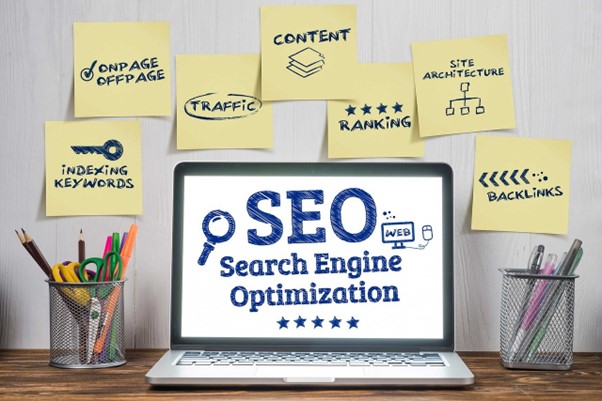
  • SEO audits: Reviewing a website to identify technical issues, content gaps and opportunities to improve search visibility.
  • Keyword research: Finding the search terms your potential customers use and assessing which are relevant to your products or services.
  • Technical SEO: Improving factors such as site structure, page speed, mobile usability, crawlability and indexing.
  • On-page optimisation: Refining page titles, headings, internal links and content so that pages are clear and useful to both visitors and search engines.
  • Content strategy: Planning and improving content that answers customers’ questions and supports their decision-making.
  • Local SEO: Helping businesses improve their visibility in location-based searches and local results.
  • Reporting and analysis: Tracking agreed measures, explaining what the data means and recommending next steps.

Why work with an SEO specialist agency?

SEO is a continuing process, not a one-off website fix. Search behaviour changes, competitors update their websites and search engines regularly adjust how they assess content. An agency can provide specialist skills and a consistent approach without requiring a business to manage every detail in-house.

A good agency will also connect SEO activity to meaningful business objectives. Rather than focusing only on rankings or traffic, it should consider whether organic search is helping to attract the right people and contribute to enquiries, sales or other agreed outcomes.

What to look for when choosing an agency

A clear, tailored strategy

Your business, audience and website are different from everyone else’s. Look for an agency that asks questions before recommending a plan. Its strategy should explain the priorities, the reasoning behind them and how progress will be assessed.

Transparent communication

SEO can involve technical concepts, but explanations should still be easy to understand. A reliable agency will communicate regularly, share useful reports and be open about what is working, what needs attention and what may take time.

Realistic expectations

No agency can guarantee a particular ranking or promise instant results. SEO outcomes depend on many factors, including competition, website condition and the resources available for implementation. Be cautious of claims that sound certain or unusually quick.

Evidence of relevant experience

Ask how the agency has approached challenges similar to yours. Case studies and examples can be helpful, provided they explain the work involved and avoid implying that the same results are guaranteed for every client.

Ethical, sustainable methods

SEO should improve the usefulness and accessibility of your website, not rely on tactics designed to manipulate search results. Ask how the agency approaches content, links and technical changes. Its methods should be clear and consistent with search engine guidelines.

Questions to ask before you start

  • What would you prioritise during the first few months, and why?
  • How will you learn about our customers and business goals?
  • Which measures will you use to assess progress?
  • How often will we receive updates and reports?
  • What support or input will you need from our team?
  • How do you approach changes in search engine algorithms?

SEO is a partnership

The best results often come when an agency and a business work together. The agency can provide research, recommendations and specialist implementation, while your team brings detailed knowledge of your services, customers and industry. Clear responsibilities and regular communication help keep the work practical and aligned with your priorities.

Choosing an agency with confidence

A SEO specialist agency should offer more than a list of tasks. It should help you understand where your website stands, which improvements matter most and how SEO can support your wider marketing plans. Take time to compare approaches, ask direct questions and choose a partner whose advice is clear, considered and focused on sustainable progress.


Essential FAQs About Hiring and Working with an SEO Specialist Agency

  1. Is hiring a SEO company worth it?
  2. Is SEO dead or evolving in 2026?
  3. How much should I pay a SEO Specialist?
  4. How do I get an SEO Specialist?
  5. How much does an SEO agency typically cost?
  6. Should I hire an agency for SEO?
  7. How much does an SEO specialist cost?
  8. How can I find the best SEO service provider?
  9. How much does it cost for SEO?
  10. How do I choose a SEO specialist?
  11. How much does it cost to hire a SEO?
  12. How much does a SEO expert cost?
  13. How much does it cost to hire an SEO specialist?
  14. How much does SEO cost in Dubai?
  15. How can I do SEO agency?
  16. How much does it cost to hire an SEO agency?
  17. Which is the best company for SEO services?
  18. Are SEO Experts worth it?
  19. Who is the best company for SEO?
  20. Who is the best SEO specialist?
  21. What is an SEO agency do?
  22. How do I find SEO agencies?
  23. How do I find SEO companies?
  24. How much do SEO consultants charge?

Is hiring a SEO company worth it?

Hiring an SEO company can be worthwhile if you want to improve your website’s visibility but lack the time or specialist skills to manage SEO in-house. A reputable agency can identify technical issues, develop a strategy and track progress towards goals such as relevant traffic, enquiries or sales. Results usually take time, so look for transparent reporting, realistic expectations and a plan tailored to your business. Whether it is worth the investment depends on your objectives, budget and the value of the opportunities SEO could bring.

Is SEO dead or evolving in 2026?

SEO isn’t dead in 2026; it’s evolving. Search engines are changing how they present information, including through AI-generated answers, but people still use search to find businesses, compare options and solve problems. SEO now calls for more than targeting keywords: it means publishing genuinely useful, trustworthy content, maintaining a technically sound website and building a strong brand presence across relevant platforms. A specialist agency can help businesses adapt their strategy as search behaviour and technology continue to change.

How much should I pay a SEO Specialist?

The cost of hiring an SEO specialist varies depending on their experience, the scope of work and the competitiveness of your market. In the UK, freelancers and agencies may charge an hourly rate, a project fee or a monthly retainer, with ongoing support typically costing more when it includes technical SEO, content and regular reporting. Ask for a clear breakdown of what is included, how success will be measured and whether any extra costs may apply. Rather than choosing solely on price, look for a specialist who offers a realistic, tailored plan and transparent expectations—no reputable provider can guarantee specific rankings or instant results.

How do I get an SEO Specialist?

To find an SEO specialist, start by defining your goals, such as improving local visibility, attracting more organic traffic or increasing online sales. You can hire an in-house specialist, work with a freelancer or approach an SEO agency, depending on the expertise and support you need. Review their relevant experience, ask how they measure results and request a clear outline of their proposed approach. Choose someone who communicates openly, sets realistic expectations and explains their recommendations without promising guaranteed rankings.

How much does an SEO agency typically cost?

The cost of an SEO agency varies depending on the work involved, the size of your website, the competitiveness of your industry and the level of support you need. Some agencies charge a monthly retainer, while others offer project-based fees or hourly rates. Before comparing prices, ask what each package includes, how progress will be reported and whether any extra costs may apply. A clear proposal should link the recommended work to your business goals, rather than promise guaranteed rankings or instant results.

Should I hire an agency for SEO?

Hiring an SEO agency can be worthwhile if you lack the time or in-house expertise to improve your website’s search visibility. A specialist agency can audit your site, develop a strategy and support ongoing technical, content and performance improvements. Before choosing one, consider your goals, budget and the level of support you need. Look for clear communication, realistic expectations and transparent reporting, and be wary of anyone promising guaranteed rankings. SEO takes time, so choose an agency that focuses on sustainable progress and outcomes relevant to your business.

How much does an SEO specialist cost?

The cost of an SEO specialist varies depending on the work required, the competitiveness of your market and the specialist’s experience. You may be charged an hourly rate, a one-off fee for a specific project, or a monthly retainer for ongoing support. Before choosing an SEO specialist or agency, ask for a clear proposal outlining the services, expected deliverables and reporting, and compare value rather than price alone.

How can I find the best SEO service provider?

To find the best SEO service provider, look for an agency that takes time to understand your business, audience and goals before recommending a strategy. Check its relevant experience, client reviews and case studies, and ask how it measures results, reports progress and keeps you informed. A trustworthy provider will explain its methods clearly, set realistic expectations and avoid guarantees of specific rankings. Choose a partner that focuses on sustainable improvements and outcomes that matter to your business, such as qualified traffic, enquiries or sales.

How much does it cost for SEO?

The cost of SEO varies depending on your website, goals, competition and the level of support required. Some businesses need a one-off audit, while others benefit from ongoing work covering technical improvements, content and reporting. An SEO specialist agency should explain what its fees include, how the work will be prioritised and how progress will be measured. Rather than choosing on price alone, consider whether the proposed services suit your needs and offer clear value.

How do I choose a SEO specialist?

Choose an SEO specialist by looking for relevant experience, a clear and tailored approach, and a willingness to explain their recommendations in plain English. Ask how they will understand your business goals, measure progress and report results, and request examples of work with similar businesses. A trustworthy specialist will set realistic expectations, avoid guaranteed rankings and explain the methods they use. Make sure their services, fees and responsibilities are clear before you begin.

How much does it cost to hire a SEO?

The cost of hiring an SEO specialist in the UK varies depending on the work required, the competitiveness of your industry and the specialist’s experience. Some charge an hourly rate or a one-off fee for an SEO audit, while agencies often offer monthly retainers for ongoing work. Before agreeing a price, ask what the service includes, how progress will be reported and whether any additional costs may apply. A clear, tailored proposal is more useful than choosing on price alone.

How much does a SEO expert cost?

The cost of an SEO expert depends on the work involved, their experience and whether you choose a freelancer or an agency. Some charge an hourly rate, while others offer a monthly retainer or a fixed fee for a project, such as an SEO audit. Before agreeing to a price, clarify what the service includes, how progress will be reported and whether any additional costs may apply. Be wary of guaranteed rankings or unusually low prices paired with promises of instant results; SEO is an ongoing process, and outcomes can take time.

How much does it cost to hire an SEO specialist?

The cost of hiring an SEO specialist varies depending on the scope of work, the competitiveness of your industry and the specialist’s experience. Some charge an hourly rate or a fixed fee for a project, while agencies often offer monthly retainers for ongoing support. Before agreeing a budget, ask what the fee includes, how progress will be reported and whether any additional costs may arise. Focus on the value and suitability of the service, rather than choosing solely on price.

How much does SEO cost in Dubai?

The cost of SEO in Dubai varies depending on your website, industry, competition and the scope of work required. A local business with a focused target area may need a different level of support from a large company targeting customers across multiple markets. Agencies may charge a monthly retainer, a project fee or an hourly rate, so ask for a clear breakdown of services, deliverables and reporting before you commit. Rather than choosing on price alone, look for a tailored strategy, transparent communication and realistic expectations about results and timescales.

How can I do SEO agency?

To run an SEO agency, start by developing practical skills in areas such as technical SEO, keyword research, content strategy and analytics. Choose the services and types of businesses you want to work with, then set up your business, pricing and client processes. Build a professional website that explains what you offer, use ethical SEO methods to attract enquiries, and create clear proposals and reports so clients understand the work and its progress. As SEO takes time and results can vary, set realistic expectations and communicate openly from the outset.

How much does it cost to hire an SEO agency?

The cost of hiring an SEO agency in the UK varies depending on your website, competition, goals and the level of support required. Some agencies charge a monthly retainer, while others offer fixed-fee projects or hourly consultancy. A smaller local SEO campaign may cost less than a complex national or international strategy involving technical work and ongoing content creation. Ask for a clear breakdown of services, fees and reporting, and be cautious of unusually cheap packages or promises of guaranteed rankings.

Which is the best company for SEO services?

The best company for SEO services is one that understands your business, explains its approach clearly and builds a strategy around your goals—not one that promises instant rankings. Look for a proven track record, transparent reporting, ethical SEO practices and realistic expectations. Compare agencies’ experience and communication style, and ask how they will measure progress, such as through relevant traffic, enquiries or sales.

Are SEO Experts worth it?

Yes, SEO experts can be worth it if they help your business attract more relevant visitors and turn that visibility into enquiries or sales. They can identify technical issues, improve your content and build a strategy around your goals, saving your team time and helping you avoid costly guesswork. Results take time and are never guaranteed, so choose an expert who sets realistic expectations, explains their approach clearly and reports on meaningful outcomes—not just rankings or traffic.

Who is the best company for SEO?

There is no single best company for SEO for every business. The right agency depends on your goals, budget, industry and the support you need. Look for a team that takes time to understand your business, explains its strategy clearly, uses ethical SEO practices and reports on meaningful results. Ask for relevant examples of previous work, but be wary of guaranteed rankings or promises of instant success. The best fit is an agency that sets realistic expectations and works transparently towards your objectives.

Who is the best SEO specialist?

There is no single “best” SEO specialist for every business. The right specialist is someone who understands your goals, audience and industry, explains their recommendations clearly, uses ethical SEO practices and measures progress against meaningful outcomes—not just rankings. Look for relevant experience, transparent reporting and realistic expectations, then choose a specialist whose approach suits your needs and budget.

What is an SEO agency do?

An SEO agency helps businesses improve their visibility in organic search results. It may research relevant keywords, optimise website content and technical performance, create a content strategy, improve local search presence and monitor results. The aim is to attract more relevant visitors and support business goals, such as generating enquiries or sales.

How do I find SEO agencies?

To find an SEO agency, start by asking trusted business contacts for recommendations and searching online for agencies with experience in your industry or location. Review their websites, case studies and client feedback, then speak to a shortlist about your goals, proposed approach, reporting and fees. Choose an agency that explains its recommendations clearly, sets realistic expectations and avoids guarantees of specific rankings or overnight results.

How do I find SEO companies?

To find SEO companies, start by asking trusted business contacts for recommendations and searching online for agencies with experience in your industry or location. Review their websites, case studies and client feedback, then speak to a shortlist about your goals, their proposed approach, reporting and fees. Look for clear communication and realistic expectations, and be wary of guaranteed rankings or promises of instant results.

How much do SEO consultants charge?

SEO consultant fees vary depending on their experience, location, the scope of work and how competitive your industry is. In the UK, consultants may charge an hourly rate, a day rate or a monthly retainer, while some offer a fixed fee for a specific project, such as an SEO audit. Before agreeing to work together, ask for a clear breakdown of what’s included, how progress will be measured and whether any additional costs may apply.
local seo for real estate

Local SEO for Real Estate: A Practical Guide for Estate Agents

Local SEO for Real Estate: A Practical Guide for Estate Agents

When someone searches online for an estate agent, letting agent or property professional, they often want help in a specific area. Searches such as “estate agents in Bristol” or “letting agents near me” show clear local intent. Local SEO helps your business appear in relevant search results and makes it easier for nearby buyers, sellers, landlords and tenants to find you.

For estate agents, local search visibility can support more than brand awareness. It can bring prospective clients to your website, encourage enquiries and help establish your agency as a trusted presence in the communities you serve. Here’s how to build a practical local SEO strategy for your property business.

What is local SEO?

Local SEO is the process of improving your visibility in search results for services associated with a particular location. It includes your website, business listings, reviews and other online references to your agency.

Search engines consider factors such as the relevance of your business to a search, its distance from the person searching and how prominent or established it appears online. You cannot control every factor, but you can make your business information accurate, useful and consistent.

Optimise your Google Business Profile

Your Google Business Profile can help your agency appear in local results and on Google Maps. Make sure it is claimed, verified and kept up to date.

  • Use your real business name and select the most suitable categories.
  • Add your correct address, telephone number, website and opening hours.
  • Describe your services clearly, including sales, lettings, property management or commercial property, where relevant.
  • Upload high-quality photographs of your office, team and properties, ensuring you have permission to use them.
  • Keep holiday hours and other important details current.

If your agency serves clients at their properties rather than from a public-facing office, check the profile rules and choose the appropriate service-area settings. Avoid creating extra profiles for locations where your business does not have a genuine presence.

Build useful location pages

A well-planned website should make it clear which areas your agency serves. Create dedicated pages for important towns, neighbourhoods or boroughs, but make each page genuinely useful rather than simply swapping one place name for another.

A strong area page might include local property expertise, the services you offer there, relevant market insights, nearby amenities and links to current properties. Add clear contact details and a straightforward way to request a valuation or viewing.

For example, an estate agent working across several parts of London could create separate pages for the areas it actively serves. Each should contain specific information that helps a potential client understand the agency’s knowledge of that location.

Use local keywords naturally

Think about the phrases local customers are likely to use. These may combine a service with a place, such as “homes for sale in York”, “property management in Leeds” or “letting agent in Cardiff”. Use relevant phrases in page titles, headings, introductory copy and image descriptions where they fit naturally.

Do not overload pages with repeated keywords or lists of locations. Search engines and visitors both benefit from clear, readable content that answers real questions.

Publish content with local value

Useful local content can demonstrate your knowledge and give people a reason to visit your website. Consider publishing:

  • Guides to buying, selling or renting in the areas you cover.
  • Updates on local property trends, based on reliable and clearly dated information.
  • Advice for landlords on managing property in your service area.
  • Introductions to neighbourhoods, transport links and local amenities.
  • Answers to common questions about valuations, viewings and the moving process.

Keep information accurate and review it regularly. If you include market figures, explain where they came from and when they were published.

Encourage and respond to reviews

Reviews can help prospective clients assess your service and can strengthen your local reputation. Invite customers to leave honest feedback after a meaningful interaction, following the review platform’s policies. Do not offer incentives in exchange for positive reviews or try to influence what customers write.

Respond professionally to reviews, including critical ones. Avoid sharing private client or transaction details in a public reply. A thoughtful response can show that your agency takes feedback seriously.

Keep business details consistent

Your agency’s name, address and telephone number should be accurate wherever they appear online. Check your website, Google Business Profile, property directories and relevant local listings for outdated or conflicting details.

Consistency makes it easier for people to contact you and helps search engines identify your business. Remove or correct duplicate listings where possible, particularly if your office has moved or your business details have changed.

Make your website mobile-friendly

Many people search for property and local services on a mobile phone. Your website should load promptly, display clearly on smaller screens and make key actions easy to complete. Visitors should be able to find property details, call your office, request a valuation or arrange a viewing without difficulty.

Use clear navigation, descriptive page titles and helpful image text. Property photographs should be presented well without making pages unnecessarily slow. Check that forms work properly and ask only for the information you need.

Use structured data where appropriate

Structured data is code that helps search engines interpret information on a page. Depending on your website, relevant types may include local business details, property listings or breadcrumb navigation. Structured data does not guarantee enhanced search results, and it must accurately reflect the visible content of the page.

For technical implementation, ask a developer or SEO specialist to review the appropriate schema and test it using search engine tools.

Measure progress and refine your strategy

Local SEO takes ongoing work, so track meaningful outcomes rather than focusing on rankings alone. Useful measures may include:

  • Calls, website visits and direction requests from your business profile.
  • Organic visits to location and service pages.
  • Enquiries, valuation requests and viewing bookings.
  • Changes in visibility for relevant local search terms.
  • The number and quality of customer reviews.

Use website analytics and search performance tools to understand what is working. Review results over time, as local search visibility can vary by location, competition and season.

Build local visibility for the long term

Effective local SEO for real estate is about being easy to find, easy to contact and genuinely helpful to people in the areas you serve. Start with accurate business information, a well-organised website and useful local pages. Then build on that foundation with trustworthy reviews, relevant content and regular performance checks.

There is no guaranteed shortcut to the top of local search results. A consistent, customer-focused approach can, however, strengthen your online presence and help more local buyers, sellers, landlords and tenants discover your agency.


Local SEO for Estate Agents: 7 Frequently Asked Questions

  1. What is local SEO for real estate?
  2. Why is local SEO important for estate agents?
  3. How can estate agents improve their Google Business Profile?
  4. How do I choose the right local keywords for my estate agency?
  5. Do estate agents need separate pages for each area they serve?
  6. How can online reviews help an estate agency’s local SEO?
  7. How long does it take to see results from local SEO for real estate?

What is local SEO for real estate?

Local SEO for real estate is the process of improving an estate or letting agency’s visibility in search results when people look for property services in a particular area. It involves keeping business details accurate across online listings, optimising a Google Business Profile, creating useful pages for the locations you serve, and earning genuine customer reviews. The aim is to help local buyers, sellers, landlords and tenants find your agency and get in touch.

Why is local SEO important for estate agents?

Local SEO is important for estate agents because buyers, sellers, landlords and tenants often search for property services in a specific area, using phrases such as “estate agents near me” or “letting agents in Manchester”. A strong local presence can help your agency appear in relevant search results and on Google Maps, making it easier for potential clients to find and contact you. It also helps you showcase your knowledge of the areas you serve, build trust through customer reviews and attract enquiries from people looking for local property expertise.

How can estate agents improve their Google Business Profile?

Estate agents can improve their Google Business Profile by claiming and verifying it, then keeping their business name, address, phone number, website and opening hours accurate and consistent. Choose the most relevant business categories, describe your services clearly, add up-to-date photographs of your office and team, and share useful updates or property-related posts. Encourage clients to leave honest reviews and respond to feedback professionally, without sharing confidential details. If you serve clients at their properties rather than from a public-facing office, use the appropriate service-area settings and follow Google’s profile guidelines.

How do I choose the right local keywords for my estate agency?

Choose local keywords by thinking about what buyers, sellers, landlords and tenants actually type into search engines, combining your service with the areas you genuinely cover—for example, “estate agent in [town]”, “letting agent near [neighbourhood]” or “property valuation in [borough]”. Use keyword research tools and search suggestions to compare likely search interest, competition and intent, then check that the terms match the services you offer. Focus on a small number of relevant phrases for each page, including specific neighbourhood names where appropriate, and use them naturally in headings and copy. Avoid targeting areas you do not serve or repeating keywords unnaturally; useful, accurate local content is more valuable than a long list of place names.

Do estate agents need separate pages for each area they serve?

Estate agents do not necessarily need a separate page for every area they serve, but dedicated pages can help when each one offers genuinely useful, location-specific information. A strong area page might cover local property expertise, services, market insights and relevant listings, with clear contact details. Avoid creating many near-identical pages that simply replace one place name with another; they offer little value to visitors and may weaken your site’s quality. Focus on the locations that matter most to your business and make each page distinct and helpful.

How can online reviews help an estate agency’s local SEO?

Online reviews can support an estate agency’s local SEO by strengthening its reputation and helping prospective clients assess the service it provides. A steady flow of genuine, recent reviews may also contribute to local search prominence, while detailed feedback can highlight the areas and services your agency covers. Encourage clients to share honest reviews without offering incentives or pressuring them, and respond professionally to both positive and negative comments. Never include private transaction details in a public reply.

How long does it take to see results from local SEO for real estate?

Results from local SEO for real estate usually take around three to six months to become noticeable, although the timeline varies depending on your location, competition, website quality and how established your online presence is. Improvements such as updating your Google Business Profile and correcting business details may have an earlier impact, while stronger rankings, website traffic and enquiries often take longer to build. Regularly publishing useful local content, earning genuine reviews and keeping your information accurate can support steady progress.

seo marketing near me

SEO Marketing Near Me: Find the Right Local SEO Partner

SEO Marketing Near Me: How to Find the Right Local Partner

Searching for “SEO marketing near me” is often the first step towards finding support that understands your local market. Whether you run a shop, provide professional services or manage an online business, search engine optimisation (SEO) can help more of the right people discover your website.

But choosing an SEO provider is about more than finding the closest agency. The right partner should understand your goals, explain their approach clearly and focus on sustainable improvements—not overnight promises.

What does SEO marketing involve?

SEO marketing is the process of improving a website’s visibility in unpaid search results. It can include:

  • Technical SEO: Improving site speed, mobile usability, indexing and website structure.
  • On-page SEO: Making pages clear and useful, with relevant headings, content and internal links.
  • Local SEO: Helping a business appear in searches connected to a particular town, city or service area.
  • Content marketing: Creating helpful pages that answer the questions potential customers are searching for.
  • Authority building: Earning relevant mentions and links that strengthen a website’s reputation.

A well-rounded strategy usually brings these elements together. The right mix depends on your business, your audience and the competition in your market.

Why search for a local SEO agency?

A local provider may offer face-to-face meetings and a better understanding of the area you serve. They may also be familiar with local search behaviour, nearby competitors and the differences between reaching customers in one neighbourhood and covering a wider region.

However, proximity alone does not guarantee quality. Many SEO projects can be managed remotely, so it is worth comparing providers on their experience, communication and proposed strategy as well as their location.

How local SEO can help your business

Local SEO can make it easier for nearby customers to find your business when they search for relevant products or services. Depending on the search, this may involve visibility in standard results, map listings or location-specific pages on your website.

Useful local SEO work can include:

  • Creating or improving your Google Business Profile.
  • Keeping your business name, address and phone number consistent across relevant directories.
  • Building pages for the locations you genuinely serve.
  • Encouraging genuine customer reviews and responding to them professionally.
  • Publishing useful information about your services and local expertise.

Local visibility is not simply a matter of adding a town name to every page. Search engines aim to provide relevant results, so your content should be accurate, useful and written for people—not just packed with keywords.

What to look for when choosing an SEO provider

A clear, tailored strategy

A reputable agency should want to understand your business before recommending a plan. Ask how its proposed work supports your goals, whether that means increasing enquiries, attracting visitors to a shop or growing online sales.

Transparent communication

You should know what work is being carried out and how progress will be reported. Ask how often you will receive updates, which measures will be tracked and who will be your main point of contact.

Realistic expectations

SEO takes time, and results can vary according to your website, industry and competition. Be cautious of guarantees of specific rankings or claims that results will arrive immediately. A trustworthy provider will explain what it can influence and what it cannot control.

Relevant experience

Ask whether the provider has worked with businesses like yours or in comparable markets. Case studies can be helpful, but look for context: what the starting point was, what work was undertaken and how success was measured.

Ethical methods

SEO should focus on improving your website and earning visibility through useful, relevant work. Avoid providers that are vague about their methods or offer large numbers of links and rankings without explaining how they will achieve them.

Questions to ask before hiring an SEO agency

  • What would you review first on my website?
  • How will you decide which keywords and locations to target?
  • What work will you carry out, and what might you need from my team?
  • How will you measure progress beyond keyword positions?
  • How do you report results and explain changes in performance?
  • Who owns the website content, accounts and data if we stop working together?

The answers should be clear and specific to your circumstances. A good provider will welcome sensible questions rather than pressure you into signing up.

How to judge SEO results

Rankings can provide useful insight, but they are only one part of the picture. Search results can vary by location, device and personalisation. It is also important to look at qualified website visits, phone calls, enquiries, bookings or sales—depending on what matters to your business.

Agree on meaningful goals at the beginning of the campaign. This makes it easier to understand whether the work is contributing to business growth, rather than focusing on traffic that does not lead to useful outcomes.

Finding the right SEO marketing near you

When you search for SEO marketing near me, treat the results as a shortlist rather than a recommendation on their own. Compare providers, review their approach and choose a partner who communicates openly and understands what success means for your business.

With a clear strategy and consistent work, SEO can help improve your online visibility and connect your business with people actively looking for what you offer.


SEO Marketing Near Me: 30 FAQs on Costs, Services and Choosing an Expert

  1. Is SEO a monthly fee?
  2. How much should I pay someone for SEO?
  3. Which is the best SEO company in Dubai?
  4. Who is the World No 1 SEO expert?
  5. Why SEO is important for business?
  6. How much does it cost to hire SEO?
  7. How much should SEO set up cost?
  8. How much should I pay for SEO marketing?
  9. How much should I pay a SEO specialist?
  10. How much is SEO in Singapore?
  11. Who are the cheapest SEO service providers?
  12. What is the price of SEO per month?
  13. How much does it cost to have SEO done?
  14. How much is SEO Marketing per month?
  15. How much does Google SEO cost for a small business?
  16. How much does SEO charge per hour?
  17. Is it worth it to pay for SEO?
  18. How much does it cost to do SEO marketing?
  19. Is it worth it to pay someone for SEO?
  20. How much is SEO per month UK?
  21. How much does it cost for SEO marketing?
  22. What are the 4 types of SEO?
  23. How much to charge for SEO in the UK?
  24. How much should you spend on SEO per month?
  25. Do I need to hire someone for SEO?
  26. Is it worth paying someone to do SEO?
  27. Is SEO paid for marketing?
  28. Can I do SEO by my self?
  29. Do you pay for SEO marketing?
  30. How much does it cost to hire someone for SEO?

Is SEO a monthly fee?

SEO is often charged as a monthly fee, particularly when it involves ongoing work such as technical improvements, content creation, local SEO and performance reporting. The cost depends on your website, competition and business goals, and some providers may instead offer a one-off audit or project-based work. Before committing, ask what the fee includes, how progress will be measured and whether there are any extra costs.

How much should I pay someone for SEO?

The cost of SEO varies depending on your goals, the competitiveness of your industry, the size of your website and the amount of work required. A small local campaign may cost a few hundred pounds a month, while a broader or more competitive campaign can require a larger investment. Before choosing a provider, ask for a clear breakdown of what’s included, how progress will be measured and whether there are any extra costs. Be cautious of unusually cheap offers or guaranteed rankings; good SEO is an ongoing process, and the right fee should reflect a realistic, tailored strategy.

Which is the best SEO company in Dubai?

There is no single “best” SEO company in Dubai for every business; the right choice depends on your goals, industry and budget. Look for an agency with experience in the UAE market, a clear strategy tailored to your business, transparent reporting and credible examples of its work. Ask how it will measure results, and be wary of guaranteed rankings or promises of instant success.

Who is the World No 1 SEO expert?

There is no officially recognised “World No 1 SEO expert”, as SEO covers many disciplines and results depend on a business’s goals, market and competition. Rather than relying on a global ranking or bold claims, look for an SEO professional with relevant experience, a transparent approach and evidence of work that has delivered meaningful results. For businesses searching for SEO marketing near me, local market knowledge and clear communication may be just as important as an expert’s wider reputation.

Why SEO is important for business?

SEO is important for businesses because it helps potential customers find your products or services when they search online. By improving your website’s visibility in relevant search results, SEO can attract more qualified visitors, build trust in your brand and support enquiries or sales over time. For local businesses, it can also help people nearby discover your services. Unlike paid advertising, organic visibility can continue to deliver value beyond the period of a single campaign, although results take time and depend on your market, website and ongoing effort.

How much does it cost to hire SEO?

The cost of hiring an SEO specialist or agency varies depending on your goals, website and the level of competition in your market. Local SEO support may be available as a monthly retainer, while a technical audit or one-off project may be priced separately; broader campaigns typically require a larger investment. Ask for a clear breakdown of the work, reporting and any extra costs, and be wary of guaranteed rankings or unusually low prices.

How much should SEO set up cost?

The cost of SEO set-up depends on your website, competition and the work required. As a rough guide, a small business might pay around £500–£2,000 for an initial audit, keyword research and foundational technical and on-page improvements, while larger or more complex websites may cost more. Ask for a clear breakdown of what is included, and check whether ongoing SEO support is charged separately, as set-up work alone is unlikely to deliver lasting results.

How much should I pay for SEO marketing?

The cost of SEO marketing varies depending on your goals, the competitiveness of your industry and the amount of work required. In the UK, a small business might pay a few hundred pounds a month for focused local SEO, while broader or more competitive campaigns can cost considerably more. Ask for a clear breakdown of the work, reporting and any setup fees, and be wary of guaranteed rankings or unusually cheap packages. The right investment should fit your budget and focus on measurable business outcomes, such as relevant enquiries, bookings or sales.

How much should I pay a SEO specialist?

The cost of an SEO specialist in the UK depends on your goals, the competition in your area and the amount of work required. Freelancers may charge around £50–£150 per hour, while ongoing local SEO support often costs about £500–£2,000 or more per month; one-off audits and projects are usually priced according to their scope. Rather than choosing the cheapest quote, ask what the fee includes, how progress will be measured and whether the plan is tailored to your business. Be wary of guaranteed rankings or unusually low prices that promise quick results.

How much is SEO in Singapore?

SEO in Singapore typically costs around S$800 to S$5,000 or more per month, depending on your industry, competition, website condition and the work involved. A local campaign for a small business may sit towards the lower end, while highly competitive sectors or multi-location and international campaigns usually require a larger budget. Some providers also offer one-off SEO audits or project-based work. Ask for a clear breakdown of deliverables, reporting and fees, and be wary of guaranteed rankings or unusually low prices.

Who are the cheapest SEO service providers?

The cheapest SEO service providers are usually freelancers or small agencies offering basic packages, but prices and quality vary considerably. Rather than choosing on cost alone, check exactly what is included, how the work will support your goals and whether the provider uses transparent, ethical methods. Be cautious of unusually low prices paired with guaranteed rankings or promises of instant results, as effective SEO takes time and ongoing effort. Request a clear quote and compare the expected value, deliverables and reporting before making a decision.

What is the price of SEO per month?

The price of SEO per month varies depending on your goals, the competitiveness of your industry, your website’s current condition and the amount of work required. A local campaign for a small business may cost less than a national or e-commerce strategy involving technical improvements, content creation and link building. Ask providers for a clear breakdown of what is included, how progress will be measured and whether there are any extra fees. Be cautious of unusually cheap packages or guaranteed rankings, as effective SEO takes time and should be tailored to your business.

How much does it cost to have SEO done?

The cost of SEO depends on your goals, website and level of competition. In the UK, a small local SEO campaign may cost a few hundred pounds a month, while more competitive or wide-ranging campaigns can cost £1,000 or more per month; one-off audits and projects are usually priced separately. Ask what the fee includes, how progress will be measured and whether there are any additional costs, and be wary of promises of guaranteed rankings for a very low price.

How much is SEO Marketing per month?

The cost of SEO marketing per month varies depending on your goals, the competitiveness of your industry, the size of your website and the work required. A local campaign for a small business may cost less than a national or e-commerce strategy involving extensive technical improvements and content creation. Ask providers for a clear breakdown of services, reporting and any additional costs, and be wary of guaranteed rankings or unusually low prices without a clear explanation. The right budget should reflect a realistic plan focused on measurable business outcomes.

How much does Google SEO cost for a small business?

The cost of Google SEO for a small business in the UK depends on your goals, location, competition and the amount of work needed. A local SEO campaign may cost a few hundred pounds a month, while a more competitive or comprehensive campaign can run to £1,000 or more per month; one-off audits and consultancy are often priced separately. Ask what the fee covers, how progress will be measured and whether there are any extra costs, and be wary of guarantees of instant rankings.

How much does SEO charge per hour?

SEO hourly rates in the UK vary depending on the provider’s experience, location and the work involved. Freelancers may charge less than established agencies, while specialist technical or strategic work can cost more. Rather than focusing only on the hourly rate, ask what the work includes, who will carry it out and how progress will be measured. A reputable SEO provider should explain its fees clearly and avoid promising guaranteed rankings.

Is it worth it to pay for SEO?

Paying for SEO can be worthwhile if it helps your business attract relevant visitors, enquiries or sales over time. A reputable SEO provider should explain the work involved, set realistic expectations and report on outcomes that matter to your business—not just rankings. Results are rarely instant, and no agency can guarantee a particular position in search results, so consider your goals, budget and the provider’s approach before committing.

How much does it cost to do SEO marketing?

The cost of SEO marketing varies depending on your goals, industry, location and the amount of work required. A local campaign for a small business may cost less than a broader strategy targeting competitive keywords or multiple areas. Fees may be charged monthly, hourly or as a fixed project price, so ask for a clear breakdown of the work, reporting and any additional costs. Be cautious of unusually cheap offers or guaranteed rankings, as effective SEO takes time and should be tailored to your business.

Is it worth it to pay someone for SEO?

Paying for SEO can be worthwhile if the provider’s work supports your business goals and delivers value over time. A reputable SEO specialist can help improve your website, reach relevant local customers and measure progress, but results are not immediate or guaranteed. Before hiring someone, ask what work they will do, how they will report results and how success will be measured. Be cautious of promises of instant rankings; focus instead on clear communication, realistic expectations and outcomes such as qualified enquiries, bookings or sales.

How much is SEO per month UK?

SEO costs in the UK vary according to your goals, industry, competition and the amount of work required. Monthly retainers may range from a few hundred pounds for limited support to several thousand pounds for a comprehensive campaign, while some consultants charge by the hour or offer fixed-price projects. Before choosing a provider, ask what the fee includes, how progress will be measured and whether any additional costs apply. A clear proposal should connect the work to your business objectives and set realistic expectations—rather than promise instant rankings.

How much does it cost for SEO marketing?

The cost of SEO marketing varies depending on your goals, the competitiveness of your industry and the amount of work required. A local SEO provider may offer a one-off website audit, a fixed project or ongoing monthly support, with fees differing between freelancers and agencies. Before choosing a service, ask what is included, how progress will be measured and whether any additional costs apply. Be cautious of guaranteed rankings or unusually low prices, as effective SEO takes time and should be tailored to your business.

What are the 4 types of SEO?

The four main types of SEO are on-page SEO, which improves the content and structure of individual pages; off-page SEO, which builds your website’s reputation through relevant links and mentions; technical SEO, which helps search engines crawl, understand and index your site; and local SEO, which helps businesses appear in searches connected to a particular area. If you’re looking for SEO marketing near you, a provider can recommend the right mix based on your business, audience and goals.

How much to charge for SEO in the UK?

SEO costs in the UK vary according to your website, competition and the amount of work required. As a guide, small businesses might pay around £500–£2,000 per month for ongoing SEO, while more competitive campaigns can cost £2,000–£5,000 or more; one-off audits and projects are usually priced separately. When comparing quotes, check what’s included—such as technical improvements, content, local SEO and reporting—and look for a clear plan rather than a guaranteed ranking.

How much should you spend on SEO per month?

How much you should spend on SEO each month depends on your goals, industry, competition and the amount of work your website needs. A small local business may need a modest, focused campaign, while a competitive market or a larger website could require a greater investment. Rather than choosing the cheapest option, look for a clear monthly plan that explains the work involved, how progress will be measured and what results are realistic. SEO takes time, so allow for consistent investment and avoid providers promising guaranteed rankings or instant results.

Do I need to hire someone for SEO?

You don’t necessarily need to hire someone for SEO. If you have the time to learn, you can handle basics such as improving page titles, publishing useful content and keeping your business details accurate online. However, SEO can be time-consuming and technically complex, particularly in a competitive market. An experienced professional may help you identify priorities, avoid common mistakes and measure progress. Consider your budget, skills and goals, and choose a provider who explains their approach clearly without promising guaranteed rankings.

Is it worth paying someone to do SEO?

Paying an SEO professional can be worthwhile if you lack the time or expertise to improve your website’s visibility yourself. A reputable provider can identify technical issues, develop useful content and focus on searches that may bring relevant customers to your business. Before hiring someone, ask what work they’ll carry out, how they’ll report progress and how success will be measured. SEO takes time, and no one can honestly guarantee a particular ranking, so look for clear communication, realistic expectations and a strategy tailored to your goals.

Is SEO paid for marketing?

SEO is not usually paid advertising: it aims to improve your visibility in the organic search results, where you do not pay search engines for each click. However, SEO itself is not necessarily free. Businesses may invest in an agency, specialist tools, technical improvements or content creation. Paid search advertising, such as Google Ads, is a separate marketing channel that can place adverts in search results for a fee.

Can I do SEO by my self?

Yes, you can do SEO yourself, especially if you have the time to learn and make regular improvements. Start by creating helpful content for your customers, using clear page titles and headings, making sure your website works well on mobile, and keeping your Google Business Profile up to date if you serve a local area. SEO takes ongoing effort, and technical issues or competitive keywords can be more challenging, so you may choose to bring in a specialist for advice or support as your needs grow.

Do you pay for SEO marketing?

SEO marketing is usually a paid service when you hire an agency or consultant to plan and carry out the work. The cost depends on factors such as your goals, the competitiveness of your market and the support you need. You do not pay search engines for organic rankings, although paid search advertising is a separate service. Before choosing an SEO provider, ask what is included, how progress will be reported and whether there are any additional costs.

How much does it cost to hire someone for SEO?

The cost of hiring someone for SEO varies depending on your website, goals, competition and the level of support required. Some providers charge an hourly rate, while others offer a monthly retainer or a one-off project fee. Before comparing prices, ask what the work includes—such as technical improvements, content, local SEO and reporting—and how progress will be measured. Be cautious of unusually cheap packages or guaranteed rankings, as effective SEO takes time and should be tailored to your business.

seo and social media marketing

SEO and Social Media Marketing: A Guide to Growing Your Online Presence

SEO and Social Media Marketing: How They Work Together

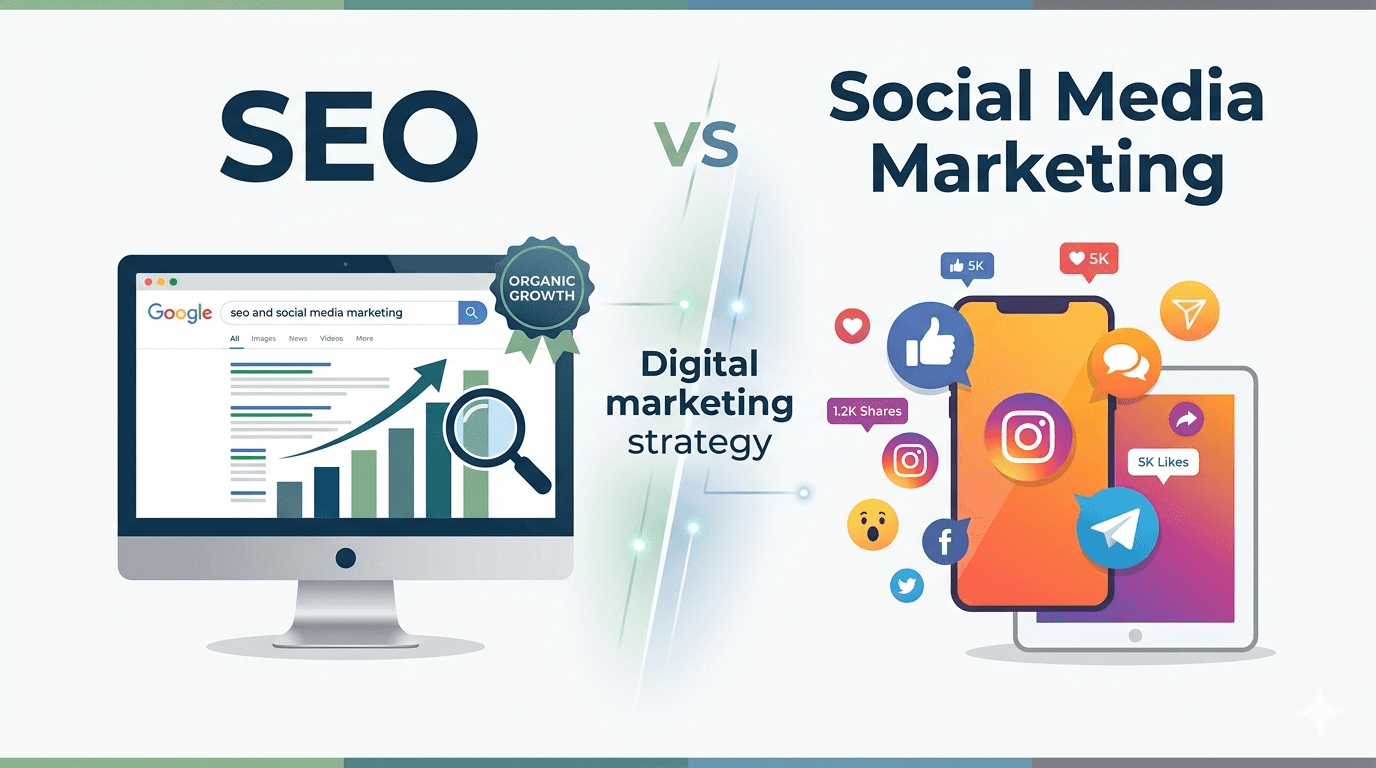
Search engine optimisation (SEO) and social media marketing are often treated as separate parts of a digital strategy. In practice, they can support one another. SEO helps people find your website through search engines, while social media helps you reach, engage and build relationships with audiences across social platforms.

Neither channel is a quick fix. But when they share clear goals and useful content, they can help your business become more visible online and create more opportunities to connect with potential customers.

What is SEO?

SEO is the process of improving a website so that it is easier for search engines and people to understand. It can involve researching the terms your audience uses, creating helpful pages, improving site structure and making sure the website works well on mobile devices.

SEO is about more than appearing in search results. A successful page should match the visitor’s needs, provide reliable information and make it easy to take the next step, whether that is making an enquiry, buying a product or reading more.

What is social media marketing?

Social media marketing uses platforms such as Instagram, LinkedIn, Facebook, TikTok and Pinterest to share content and communicate with an audience. Depending on your business and objectives, this might include publishing organic posts, responding to comments, working with creators or running paid campaigns.

Social media can help a brand stay connected with its community, showcase its expertise and direct people to useful resources on its website.

How SEO and social media can support each other

Social media can bring more people to your content

Sharing a useful article, guide or product page on social media can introduce it to people who may not have found it through search. If they visit the website, explore other pages or share the content with others, social activity may contribute to broader awareness and engagement.

Social media shares are not generally treated as a direct ranking factor by search engines. However, sharing content can help it reach more people, which may lead to natural links, mentions and further visits over time.

SEO can help you understand what your audience wants

Keyword research reveals the questions and topics people search for. These insights can inform social media content, helping you create posts that answer genuine questions rather than relying on guesswork.

Social media conversations can also reveal common concerns, customer language and emerging interests. These insights may inspire new website content or help you improve existing pages.

Consistent messaging strengthens your brand

When your website and social channels share a consistent tone, message and visual identity, people are more likely to recognise your brand. Clear, consistent communication can build familiarity and trust, whether someone discovers you through a search result, a social post or a recommendation.

Social profiles can appear in search results

Social media profiles and public posts may appear in search engine results, especially when someone searches for a brand by name. Complete profiles with accurate information, links and recent activity can make it easier for people to learn about your business and find your official channels.

Practical ways to combine SEO and social media

  • Start with your audience. Identify who you want to reach, what they need and which platforms they use.
  • Use search insights to plan content. Research relevant queries and turn them into useful articles, videos, short posts or FAQs.
  • Make content easy to share. Use clear headlines, helpful summaries and suitable images or video. Include social sharing options where they improve the user experience.
  • Adapt content for each platform. A detailed website guide might become a LinkedIn post, a short video, an Instagram carousel or a series of tips.
  • Keep profiles accurate. Use consistent business details, descriptions and links across your website and social channels.
  • Engage with your audience. Respond to relevant questions and comments, and use recurring feedback to improve your content.
  • Measure meaningful outcomes. Track organic search visibility, website visits, enquiries, sales and engagement against your business goals.

Measure each channel appropriately

SEO and social media have different performance indicators. For SEO, useful measures can include organic traffic, search visibility, rankings for relevant queries, conversions and the quality of visits. For social media, consider reach, engagement, referral traffic, audience growth and actions such as enquiries or purchases.

Use analytics tools to understand how the channels contribute to your objectives. Avoid judging success by follower numbers or rankings alone: the most valuable results are those that help your organisation meet its goals.

A joined-up strategy takes time

SEO is usually a long-term activity, while social media can provide quicker feedback on how people respond to ideas and content. Neither guarantees immediate results. Search performance depends on many factors, and social reach can vary by platform, audience and format.

By planning the channels together, businesses can create content that is useful to their audience, easier to discover and more consistent across the customer journey. The aim is not simply to post more or target more keywords. It is to provide the right information in the right places, and make it easy for people to take the next step.

Conclusion

SEO and social media marketing serve different purposes, but they can work well as part of a connected digital strategy. SEO helps people discover relevant website content through search, while social media helps that content reach and engage wider communities. With a clear understanding of your audience, consistent messaging and thoughtful measurement, both channels can contribute to stronger online visibility and lasting customer relationships.


Top 8 FAQs on Integrating SEO with Social Media Marketing

  1. How do SEO and social media marketing work together?
  2. Does social media activity directly affect SEO rankings?
  3. Can social media help increase organic website traffic?
  4. Which social media platforms are best for SEO?
  5. How can I use keyword research to plan social media content?
  6. What types of content work well for both SEO and social media?
  7. How should I measure the results of SEO and social media marketing?
  8. How long does it take to see results from SEO and social media marketing?

How do SEO and social media marketing work together?

SEO and social media marketing work together by helping your content reach people in different ways. SEO makes your website easier to find through search engines, while social media helps you share content, engage with your audience and bring visitors to your site. Social media activity is not generally a direct search ranking factor, but it can increase awareness and encourage visits, shares and natural links. Insights from search queries and social conversations can also help you create more relevant content for both channels.

Does social media activity directly affect SEO rankings?

Social media activity does not directly affect SEO rankings: likes, shares and follower numbers are not considered direct ranking factors by search engines. However, social media can support SEO indirectly by helping your content reach more people, attract website visits and earn natural links or brand mentions. It can also offer useful insights into the topics and questions your audience cares about, helping you create more relevant content.

Can social media help increase organic website traffic?

Yes, social media can help increase organic website traffic by promoting your content to a wider audience and encouraging people to visit your site. Sharing useful articles, products or resources can attract visitors who may not have found you through search, while audience feedback can help you create content that better answers their questions. Social media activity is not generally a direct Google ranking factor, so focus on sharing relevant, engaging content and making it easy for people to find and explore your website.

Which social media platforms are best for SEO?

No social media platform directly improves your search rankings, so the best choice depends on where your audience spends time and what you want to achieve. LinkedIn can suit B2B businesses and professional content, while Instagram, TikTok and Pinterest may work well for visual products and inspiration; Facebook can help businesses build communities and reach local audiences. Choose platforms you can maintain consistently, share useful content that links back to relevant pages on your website, and make sure your profiles include accurate business details. Social activity may increase awareness and visits, and can help your content reach people who may later link to or mention it.

How can I use keyword research to plan social media content?

Use keyword research to discover the questions, phrases and topics your audience is searching for, then turn those insights into useful social media posts. Group related keywords into themes and adapt them to each platform—for example, create a short video answering a common question, a carousel explaining a topic or a post linking to a more detailed guide on your website. Treat keywords as clues to audience interests rather than terms to squeeze into every caption, and use natural language that suits the platform. Review engagement and website visits to see which topics resonate and shape future content.

What types of content work well for both SEO and social media?

Content that answers your audience’s questions tends to work well for both SEO and social media. Practical guides, how-to articles, FAQs, original research, case studies, infographics and short videos can attract search visitors while also giving people something useful to share or discuss. Start with a clear topic based on audience needs and relevant search queries, then adapt the format for each platform—for example, turn a detailed guide into a short video or a series of social posts. Ensure the content is accurate, easy to understand and genuinely helpful, rather than created solely to include keywords or encourage clicks.

How should I measure the results of SEO and social media marketing?

Measure SEO and social media against clear business goals, such as increasing relevant website visits, enquiries or sales. For SEO, track organic traffic, visibility for relevant search terms, conversions and the quality of visits. For social media, monitor reach, engagement, referral traffic and actions such as enquiries or purchases. Use analytics tools to see how each channel contributes over time, and review results regularly. Follower counts and rankings can offer useful context, but they matter most when they support meaningful outcomes for your business.

How long does it take to see results from SEO and social media marketing?

The time it takes to see results from SEO and social media marketing varies according to your industry, competition, budget and the consistency of your activity. SEO is usually a longer-term investment: improvements in rankings and organic traffic may take several months, particularly for a new website or a competitive search term. Social media can generate engagement and reach sooner, but building a loyal audience and achieving steady enquiries or sales also takes time. Regular, useful content, a clear strategy and ongoing measurement can help both channels deliver more sustainable results.

top local seo companies

Top Local SEO Companies: How to Choose the Right Agency for Your Business

Top Local SEO Companies: A Guide for UK Businesses

For businesses that serve a particular town, city or region, appearing in local search results can make a real difference. A strong local SEO strategy can help potential customers find your business when they search for nearby services, compare local providers or look up directions and opening hours.

Choosing an SEO partner can be challenging: agencies differ in their specialisms, services and approach. This guide introduces several recognised names in local search and explains what to look for when deciding which company is right for your business. It is a shortlist, not a definitive ranking; the best choice depends on your goals, location and budget.

Local SEO companies and providers to consider

SEO London Digital

For businesses seeking a London-focused SEO partner, SEO London Digital is a name to consider. Before appointing any agency, ask how it approaches local keyword research, Google Business Profile optimisation, local landing pages and performance reporting. Request examples of relevant work and a clear outline of what is included in its service.

The SEO Works

The SEO Works is a UK digital marketing agency offering SEO alongside other online marketing services. Businesses considering the agency can ask how its team would adapt an SEO campaign to their service areas, competition and customer search behaviour.

Hallam

Hallam is a UK digital agency with a broad range of marketing services, including SEO. It may suit organisations looking for SEO to work alongside other digital activity. If local visibility is the priority, ask about the specific local SEO expertise and resources that would be assigned to the account.

Pearl Lemon

Pearl Lemon is a London-based marketing agency that offers SEO services. As with any agency, businesses should check whether its experience matches their sector and the type of local campaign they need. A useful first conversation should cover objectives, service locations, deliverables and how success will be measured.

BrightLocal

BrightLocal is best known for its local SEO software, which helps businesses and marketers monitor local search performance, citations and reviews. It is not the same type of provider as a conventional full-service agency, but its tools may be useful for in-house teams or agencies managing local campaigns.

Whitespark

Whitespark offers local SEO tools and services, including support with local listings and citation building. It is based in Canada, so UK businesses should confirm that any proposed work is suitable for UK directories, locations and search behaviour before proceeding.

Sterling Sky

Sterling Sky is a specialist local SEO agency based in North America. Its focus on local search may be of interest to businesses seeking specialist expertise, although UK organisations should check its knowledge of the UK market and whether its services are appropriate for their needs.

What should a local SEO company do?

Local SEO is more than adding a town name to a webpage. A capable provider should understand how customers search in your area and build a strategy around the factors that influence local visibility. Depending on your business, this may include:

  • Google Business Profile optimisation: keeping business details accurate and improving the completeness of your profile.
  • Local keyword research: identifying the services and location-based phrases your potential customers use.
  • Website improvements: creating useful local pages and improving technical performance, content and internal linking.
  • Local listings and citations: checking that your business name, address and phone number are consistent across relevant directories.
  • Reviews and reputation: helping you develop a compliant process for requesting and responding to customer reviews.
  • Local links and community visibility: identifying relevant opportunities to earn links and mentions from local organisations.
  • Measurement and reporting: tracking meaningful outcomes such as enquiries, calls, direction requests and relevant search visibility.

How to choose the right local SEO company

Look for relevant experience

Ask for examples involving businesses similar to yours in size, sector or service area. Case studies should explain the work undertaken and the results achieved, rather than relying on vague promises or impressive-looking rankings alone.

Understand the proposed strategy

A good agency should explain what it plans to do, why those activities matter and how they relate to your business goals. Be cautious of standard packages that do not account for your location, competition or current website.

Ask about reporting

Find out how often you will receive updates and which measures will be reported. Rankings can be useful, but they are only one part of the picture. Enquiries, calls, website visits from relevant searches and completed bookings may be more meaningful indicators of progress.

Check who owns your accounts and data

Your business should retain control of its website, domain, Google Business Profile and analytics accounts. Confirm who will have access, how work will be documented and what happens if you decide to change providers.

Be wary of guarantees

No company can honestly guarantee a specific position in Google’s organic results. Search visibility depends on many factors, including competition, location and changes to search algorithms. Look for realistic forecasts and clear explanations instead of promises of instant results.

Questions to ask before hiring an agency

  • What would you prioritise during the first three months?
  • Who will manage the account and carry out the work?
  • How will you measure local enquiries and conversions?
  • Do you have experience with businesses in my industry and service area?
  • Are there additional costs for content, listings or technical work?
  • How do you approach reviews, links and directory listings?

Final thoughts

The top local SEO company for one business may not be the right choice for another. A small trades business, a multi-location retailer and a national service provider all have different requirements. Compare providers on relevant experience, transparency, communication and the quality of their proposed strategy—not just on price or promises.

Take time to discuss your goals with a shortlist of providers, review their recommendations and make sure you understand what the work involves. The right partner should help your business become easier to find and make local search a dependable source of relevant enquiries.


7 Tips for Choosing a Top Local SEO Company

  1. Check reviews from nearby businesses.
  2. Look for proven local search results.
  3. Ask about Google Business Profile expertise.
  4. Compare transparent pricing and deliverables.
  5. Choose a company with local market knowledge.
  6. Request clear reporting and regular updates.
  7. Avoid guaranteed rankings and vague promises.

Check reviews from nearby businesses.

Before choosing a local SEO company, read reviews from businesses in your area. Nearby clients can offer useful insight into the agency’s communication, reliability and understanding of local competition. Look for detailed, recent feedback and, where possible, ask the agency for references from businesses with similar goals. Treat reviews as one part of your research, alongside case studies, clear reporting and a realistic proposal.

Look for proven local search results.

When comparing local SEO companies, look for evidence that they have improved visibility and generated meaningful results for businesses in comparable locations or industries. Ask for case studies that explain the work carried out and show outcomes such as more relevant local enquiries, calls or visits—not just higher rankings. Check that results are clearly attributed, realistic and relevant to your own goals, as success for one business does not guarantee the same outcome for another.

Ask about Google Business Profile expertise.

When comparing local SEO companies, ask about their experience with Google Business Profile. A knowledgeable provider should be able to explain how it will improve your profile’s accuracy and completeness, select suitable categories, manage business information and support a consistent approach to customer reviews. Ask how it measures the profile’s contribution to calls, website visits and direction requests, and make sure your business retains ownership and access to the account.

Compare transparent pricing and deliverables.

Compare transparent pricing and deliverables before choosing a local SEO company. Ask for a clear breakdown of fees, the work included and any potential extra costs, such as content creation or directory listings. A reliable provider should explain what it will do, how often it will report progress and which measures it will use to assess results. This makes it easier to compare proposals fairly and avoid vague promises or unexpected charges.

Choose a company with local market knowledge.

Choose a company with strong local market knowledge. An agency that understands your area can better identify how residents search, which competitors are prominent and what makes your business stand out. It can also tailor local keywords, website content and Google Business Profile activity to the places you serve, helping attract customers who are more likely to get in touch.

Request clear reporting and regular updates.

When choosing among the top local SEO companies, request clear reporting and regular updates so you can see what work is being carried out and whether it is making a difference. Reports should explain progress in plain English and focus on relevant measures, such as local search visibility, website visits, calls and enquiries—not just rankings. Agree how often you will receive updates and who to contact with questions, so expectations stay clear throughout the campaign.

Avoid guaranteed rankings and vague promises.

Avoid local SEO companies that guarantee specific rankings or make vague promises about getting your business “to the top”. Search results depend on factors such as location, competition and ongoing algorithm changes, so no agency can guarantee a particular position. Instead, look for a provider that explains its strategy clearly, sets realistic expectations and reports on meaningful outcomes, such as relevant website visits, enquiries and calls.

best seo marketing

Best SEO Marketing: A Practical Guide to Growing Your Online Visibility

Best SEO Marketing: A Practical Guide to Growing Your Online Visibility

The best SEO marketing helps the right people find your business through search engines. It combines useful content, technical improvements and a clear understanding of what potential customers are looking for. Rather than relying on quick fixes, effective SEO builds lasting visibility and supports measurable business goals.

There is no single SEO strategy that works for every organisation. The right approach depends on your audience, industry, website and resources. However, the strongest campaigns tend to share a few fundamentals: they focus on users, use evidence to guide decisions and improve consistently over time.

What is SEO marketing?

Search engine optimisation (SEO) is the process of improving a website so that it can appear more prominently in relevant, unpaid search results. SEO marketing applies this process to wider marketing objectives, such as increasing brand awareness, attracting qualified visitors and generating enquiries or sales.

SEO usually includes several connected activities:

  • Keyword and audience research: discovering what people search for and what information they need.
  • Content optimisation: creating and improving pages to answer those needs clearly.
  • Technical SEO: helping search engines access, understand and index your website.
  • On-page optimisation: improving page titles, headings, internal links and other elements.
  • Authority building: earning relevant mentions and links from credible websites.
  • Measurement: reviewing performance and refining the strategy.

Start with your audience and business goals

Successful SEO begins with a clear idea of who you want to reach and what you want them to do. A rise in website traffic may look encouraging, but it is more valuable when that traffic comes from people who are likely to become customers.

Define your priorities before choosing keywords. You might want to increase online sales, attract more local enquiries, promote a particular service or build awareness in a new market. These goals help shape the pages you need and the results you should measure.

Choose keywords based on intent

Keyword research is not simply about finding phrases with high search volumes. It is about understanding the purpose behind a search. Someone searching for “how to improve website rankings” may be looking for advice, while someone searching for “SEO consultant in London” may be closer to choosing a provider.

Consider the different types of search intent:

  • Informational: the searcher wants to learn or solve a problem.
  • Commercial: the searcher is comparing options before making a decision.
  • Transactional: the searcher is ready to buy, book or enquire.
  • Navigational: the searcher is looking for a particular brand or website.

Map relevant search terms to suitable pages. A detailed guide may suit an informational query, while a service page is better for a search with commercial or transactional intent. Avoid creating several pages that compete for the same topic without a clear reason.

Create genuinely useful content

High-quality content is central to the best SEO marketing. It should answer the reader’s question accurately, be easy to follow and offer something of real value. This could be specialist knowledge, practical instructions, original research or a clear explanation of a complex subject.

Before writing, review the needs of your audience and the information already available. Then create a page that is more helpful, clearer or more complete. Use descriptive headings, concise paragraphs and examples where appropriate. Include keywords naturally, but never at the expense of readability.

Content also needs to stay current. Review important pages regularly to check that details are accurate, links work and recommendations remain relevant. Update, combine or remove pages where necessary rather than publishing new content simply to increase volume.

Make your website easy to use

A search result is only the start of the customer journey. Once visitors reach your site, they should be able to find information and take the next step without unnecessary effort. Clear navigation, readable text, helpful calls to action and a consistent design all contribute to a better experience.

Mobile usability is especially important because many people browse and search on mobile devices. Check that pages display correctly on smaller screens, buttons are easy to tap and important information is not difficult to find.

Address technical SEO essentials

Technical SEO helps search engines discover and interpret your pages. It also supports a reliable experience for visitors. Begin with the essentials:

  • Make sure important pages can be crawled and indexed.
  • Use a logical site structure and descriptive URLs.
  • Fix broken links and redirect outdated pages appropriately.
  • Provide a secure HTTPS connection.
  • Use a sitemap and maintain a suitable robots.txt file.
  • Check page speed and improve performance where practical.
  • Add structured data when it accurately describes the page.

Technical work should be prioritised according to its impact. A complicated website change is not automatically more valuable than fixing a small issue that prevents important pages from appearing in search.

Strengthen local SEO where relevant

For businesses serving a particular area, local SEO can help connect them with nearby customers. Keep your business name, address and phone number accurate across relevant platforms, and maintain a complete business profile on Google. Add up-to-date opening hours, services and photographs where appropriate.

Encourage genuine customer reviews and respond to them professionally. Local landing pages can also be useful when they provide specific information for each area served. Avoid creating near-identical pages that merely swap one location name for another.

Build authority naturally

Links from other websites can help search engines understand that your content is useful and credible. The most sustainable way to earn them is to publish material worth referencing and build genuine relationships within your industry.

Useful approaches may include sharing original research, contributing expert commentary, creating practical resources or partnering with relevant organisations. Be cautious of services that promise large numbers of links quickly. Manipulative link schemes can put a website’s long-term performance at risk.

Measure outcomes, not just rankings

Rankings can help you understand visibility, but they are only one part of performance. Use analytics and search performance tools to monitor a broader set of measures, such as:

  • Organic visits to important pages
  • Search impressions and clicks
  • Qualified enquiries, bookings or purchases
  • Conversion rate and revenue from organic search
  • Performance across priority topics and locations

Set a baseline before making major changes and allow enough time to assess the results. SEO is usually a gradual process, and performance can be affected by competition, seasonality, website changes and search engine updates.

Common SEO marketing mistakes to avoid

  • Choosing keywords only because they have high search volumes.
  • Publishing thin or repetitive pages to target more phrases.
  • Overusing keywords in a way that makes content unnatural.
  • Ignoring mobile usability and page experience.
  • Buying links or using tactics designed to manipulate rankings.
  • Expecting immediate results from a long-term channel.
  • Reporting rankings without connecting them to business outcomes.

How to choose an SEO marketing partner

If you work with an agency or consultant, look for a partner who takes time to understand your business, explains their recommendations clearly and sets realistic expectations. Ask how progress will be measured, what work will be carried out and how often results will be reviewed.

Be wary of guaranteed rankings or vague promises. No provider can control search engine results, but a responsible SEO partner can explain the strategy, prioritise the work and report honestly on progress.

Building an effective SEO strategy

The best SEO marketing is not a collection of tricks. It is a coordinated effort to understand your audience, create useful pages, maintain a technically sound website and earn trust over time. Start with the improvements most closely connected to your business goals, measure their impact and keep refining your approach.

With consistent work and realistic expectations, SEO can become a valuable source of relevant visitors and long-term business growth.


Top 26 Frequently Asked Questions About the Best SEO Marketing Practices

  1. Is SEO best or digital marketing?
  2. Who is the best SEO in the world?
  3. Which platform is good for SEO?
  4. Which SEO service is best?
  5. Is SEO the best marketing?
  6. Which is the 1 SEO company in the world?
  7. Which SEO company is best?
  8. What is an SEO in marketing?
  9. What is the best strategy for SEO?
  10. What is the most powerful SEO in the world?
  11. What are the 3 types of SEO?
  12. How is SEO good for marketing?
  13. What is SEO in marketing?
  14. Does SEO marketing really work?
  15. Is SEO worth it 2022?
  16. Is SEO the best form of marketing?
  17. What is SEO Best Practices 2022?
  18. Is SEO a waste of money?
  19. Is SEO dead or evolving in 2026?
  20. Can ChatGPT do SEO?
  21. Can you do SEO yourself?
  22. What is the best SEO service in the UK?
  23. Is SEO worth it in 2022?
  24. Can I do SEO on my own?
  25. What are SEO tools in marketing?
  26. What SEO company is best?

Is SEO best or digital marketing?

SEO is one part of digital marketing, so the best choice depends on your goals. SEO can help your website attract relevant visitors from unpaid search results over time, while digital marketing also includes channels such as paid advertising, email and social media, which may deliver faster or broader reach. For many businesses, the strongest approach is a combination: use SEO to build sustainable visibility and other digital marketing channels to support immediate campaigns and customer engagement.

Who is the best SEO in the world?

There is no single “best SEO in the world”, as the right expert depends on your industry, goals, budget and market. SEO is also constantly changing, so look for a professional or agency with relevant experience, a clear and ethical approach, transparent reporting and evidence of meaningful results. Be cautious of anyone promising guaranteed rankings; a trustworthy SEO partner will explain what they can influence and set realistic expectations.

Which platform is good for SEO?

The best platform for SEO depends on your website’s needs, but WordPress is a popular choice thanks to its flexibility and range of SEO tools. Shopify can work well for online shops, while Wix and Squarespace also offer useful SEO features for many small businesses. No platform guarantees strong rankings, however: results depend on factors such as useful content, a well-structured and technically sound website, and a good user experience. Choose a platform that suits your goals and makes it straightforward to manage and improve your site.

Which SEO service is best?

The best SEO service depends on your business goals, audience and current website. A local business may benefit most from local SEO, while an online shop might prioritise e-commerce SEO, technical improvements and product-page optimisation. Look for a service that starts with research, explains its recommendations clearly, focuses on sustainable practices and measures success through meaningful outcomes such as qualified enquiries or sales—not rankings alone.

Is SEO the best marketing?

SEO can be one of the most effective marketing channels for building long-term visibility and attracting people who are actively searching for your products or services, but it is not always the best choice on its own. Results can take time, and the right mix depends on your goals, audience and budget. For many businesses, SEO works best alongside channels such as paid advertising, social media and email marketing.

Which is the 1 SEO company in the world?

There is no universally recognised “number one” SEO company in the world, as the right choice depends on your goals, industry, budget and target markets. Rather than relying on rankings or bold claims, look for an SEO partner with relevant experience, transparent reporting, clear communication and a strategy tailored to your business. Check independent reviews and case studies, and be cautious of anyone guaranteeing specific rankings or overnight results.

Which SEO company is best?

There is no single SEO company that is best for every business; the right choice depends on your goals, budget, industry and target audience. Look for a company with relevant experience, clear and realistic recommendations, transparent reporting and an ethical approach to SEO. Ask how it will measure success and make sure its strategy focuses on meaningful outcomes—such as qualified enquiries or sales—not just rankings. Before committing, compare proposals and choose a team that takes the time to understand your business and explain its work clearly.

What is an SEO in marketing?

In marketing, SEO (search engine optimisation) is the practice of improving a website so it is more visible in unpaid search engine results. It involves understanding what people are searching for, creating useful and relevant content, and making sure the website is easy for search engines and visitors to use. The aim is to attract the right audience and support goals such as enquiries, sales or brand awareness.

What is the best strategy for SEO?

The best SEO strategy starts with understanding your audience and the searches they make, then creating accurate, useful content that meets their needs. Support this with a technically sound, mobile-friendly website, clear page structure, relevant internal links and trustworthy links earned from reputable sources. Track meaningful results—such as qualified enquiries, sales and organic traffic—not rankings alone, and refine your approach regularly as your business and search behaviour change.

What is the most powerful SEO in the world?

The most powerful SEO is not a single tool or tactic; it is a well-planned strategy that combines helpful, trustworthy content with strong technical foundations and a positive user experience. Understanding what people are searching for, then meeting those needs better than competing pages, can build lasting visibility. The right approach depends on your audience and goals, so focus on relevant traffic and meaningful results rather than quick fixes or guaranteed rankings.

What are the 3 types of SEO?

The three main types of SEO are on-page SEO, off-page SEO and technical SEO. On-page SEO covers improvements made to your website’s content and pages, such as useful information, headings and internal links. Off-page SEO focuses on building your site’s reputation beyond its own pages, particularly through relevant, trustworthy links and brand mentions. Technical SEO helps search engines crawl, understand and index your website, with work on areas such as site structure, mobile usability and page speed. Together, these three areas support stronger organic visibility and a better experience for visitors.

How is SEO good for marketing?

SEO is good for marketing because it helps your business appear when people search online for products, services or information you offer. By improving your website’s content, visibility and user experience, SEO can attract relevant visitors, build trust in your brand and generate enquiries or sales over time. Unlike paid advertising, organic search traffic does not require a fee for each click, although effective SEO does require ongoing effort and investment.

What is SEO in marketing?

SEO in marketing is the process of improving a website so it appears more prominently in unpaid search engine results. It involves understanding what your audience searches for, creating useful and relevant content, and making sure your website is easy for both visitors and search engines to use. As part of a wider marketing strategy, SEO can help attract qualified traffic, build brand visibility and support enquiries or sales over time.

Does SEO marketing really work?

Yes, SEO marketing can work by helping your website appear in relevant search results and attracting people who are actively looking for your products or services. Results usually take time and depend on factors such as your competition, website quality and the consistency of your efforts. While SEO cannot guarantee specific rankings, a well-planned strategy can increase qualified traffic, enquiries and sales over the long term.

Is SEO worth it 2022?

Yes, SEO was worth considering in 2022 for businesses looking to attract relevant visitors and build visibility in search results over the long term. It could help bring in customers who were actively searching for related products or services, but results were rarely immediate and depended on factors such as competition, website quality and the consistency of the work. SEO was most worthwhile when it supported clear business goals and was treated as an ongoing investment rather than a quick fix.

Is SEO the best form of marketing?

SEO can be one of the most effective forms of marketing, particularly for reaching people who are actively searching for products, services or information. It can attract relevant visitors over time and support lasting online visibility, but it is not always the best choice on its own. The right marketing mix depends on your goals, audience, budget and timescale; combining SEO with channels such as paid advertising, social media or email marketing may deliver stronger results.

What is SEO Best Practices 2022?

SEO best practices in 2022 meant using sustainable, user-focused techniques to improve a website’s visibility in search results. This included creating useful, trustworthy content that matched search intent, making pages mobile-friendly and fast, maintaining sound technical SEO, using clear page titles and headings, and earning relevant links naturally. Rather than relying on keyword stuffing or other shortcuts, the focus was on making a website genuinely helpful and easy for both visitors and search engines to understand.

Is SEO a waste of money?

No, SEO is not inherently a waste of money, but its value depends on the strategy, execution and expectations. A well-planned campaign can help your website attract relevant visitors and generate enquiries or sales over time. However, SEO is rarely an instant fix: results can take months, and no provider can guarantee specific rankings. Before investing, set clear business goals, ask how progress will be measured and make sure the proposed work is transparent, ethical and suited to your audience.

Is SEO dead or evolving in 2026?

As of 2026, SEO is far from dead; rather, it continues to evolve in response to changing technologies and user behaviours. While some traditional tactics may have become obsolete, the core principles of SEO remain vital for online visibility. Search engines are increasingly sophisticated, using advanced algorithms and AI to understand user intent and deliver more relevant results. This evolution means that businesses must adapt by focusing on high-quality content, user experience, and technical optimisation. Additionally, the rise of voice search, mobile-first indexing, and AI-driven search features are reshaping how SEO strategies are developed and implemented. Therefore, staying informed about these changes is crucial for maintaining a competitive edge in the digital landscape.

Can ChatGPT do SEO?

Yes, ChatGPT can support SEO by helping with tasks such as brainstorming keywords, outlining articles, drafting or refining content, and explaining SEO concepts. However, it cannot replace expert judgement: its suggestions need to be checked for accuracy, originality, search intent and alignment with your business, and it cannot guarantee rankings or independently manage every technical aspect of a campaign. Use it as a productivity tool alongside reliable data, human expertise and regular performance reviews.

Can you do SEO yourself?

Yes, you can do SEO yourself, particularly if you have time to learn the basics and your website is relatively small. Start by researching the phrases your audience uses, creating helpful content, improving page titles and headings, and making sure your site works well on mobile devices. Free tools can help you monitor performance and identify technical issues. SEO takes ongoing effort, though, and more complex websites or competitive markets may benefit from professional support.

What is the best SEO service in the UK?

The best SEO service in the UK is one that understands your business, audience and goals, then builds a tailored strategy around them. Look for a provider with a transparent approach, proven experience, clear reporting and a focus on sustainable techniques such as technical optimisation, useful content and relevant link-building. The right choice will measure success by meaningful outcomes—such as qualified enquiries or sales—not rankings alone, and will avoid guaranteeing specific positions in search results.

Is SEO worth it in 2022?

Yes, SEO was worth investing in during 2022 for businesses seeking to attract relevant visitors and build long-term online visibility. While it typically takes time to deliver results, well-planned SEO can bring qualified traffic without paying for every click and help a website remain discoverable over time. Its value depends on your goals, competition and the quality of your strategy, so success should be measured by meaningful outcomes such as enquiries, sales and leads—not rankings alone.

Can I do SEO on my own?

Yes, you can do SEO yourself, particularly if you have the time to learn the basics and make regular improvements. Start by researching the terms your customers use, creating helpful content, improving page titles and headings, and making sure your website works well on mobile. Free tools can help you monitor search performance and identify technical issues. SEO takes time, and more complex websites may need specialist support, but a steady, informed approach can make a worthwhile difference.

What are SEO tools in marketing?

SEO tools in marketing help businesses research, plan and measure their search engine optimisation (SEO) activity. They can be used to find relevant keywords, check website health, analyse competitors, monitor search rankings, identify content opportunities and track website traffic. Examples include Google Search Console and Google Analytics, alongside specialist SEO platforms. The best tools depend on your goals, but they should support informed decisions rather than replace useful content, sound strategy and a good experience for visitors.

What SEO company is best?

The best SEO company is one that understands your business, audience and goals, then builds a clear strategy around them. Look for a provider with relevant experience, transparent reporting and a focus on sustainable practices, such as useful content and sound technical SEO. Ask how they measure success and be cautious of anyone promising guaranteed rankings or instant results, as search performance takes time and no company can control Google’s results.

top rated seo companies

Top Rated SEO Companies: How to Choose the Right Agency

Top-Rated SEO Companies: How to Choose the Right Agency

Finding a top-rated SEO company can help your business improve its visibility in search results, attract relevant visitors and turn more of those visitors into customers. But “top-rated” does not mean the same thing to everyone. One business may value technical expertise, while another needs local SEO, ecommerce support or a strong content strategy.

This guide explains what to look for when comparing SEO companies and offers a shortlist of UK agencies to research. It is not a definitive ranking: agency services, client reviews and performance change over time, so check current information before making a decision.

What does “top-rated” mean?

An agency’s rating may come from client reviews, industry awards, case studies or its reputation among marketing professionals. Each can be useful, but none tells the whole story. A high review score, for example, does not guarantee that an agency has experience in your sector or can meet your particular goals.

Instead of relying on a single rating, look for evidence of good working practices, relevant experience and clear results. A suitable SEO partner should be able to explain what it will do, how progress will be measured and what success could realistically look like.

UK SEO companies to research

The companies below are examples of established UK agencies with SEO services. They are presented alphabetically, not in order of quality or performance.

Click Consult

Click Consult is a UK digital marketing agency offering SEO alongside other online marketing services. When assessing the agency, ask about its experience with businesses of your size, the specialists who would work on your account and how SEO fits with any other channels you use.

Hallam

Hallam provides digital marketing services, including SEO. Businesses considering the agency can explore its approach to strategy, technical improvements and content, then compare that with their own priorities and internal resources.

Impression

Impression is a digital marketing agency with SEO among its services. If you are considering it, review relevant client examples and ask how the agency connects SEO activity to outcomes such as qualified leads, sales or revenue.

Reboot Online

Reboot Online offers SEO and digital PR services. Its work may be of interest to businesses looking to build organic visibility and earn coverage or links. Ask how campaigns are planned, assessed and aligned with your brand and risk requirements.

Rise at Seven

Rise at Seven works across search, content and digital PR. When comparing agencies with this broader focus, find out how creative campaigns support your search objectives and how results are reported beyond coverage or engagement figures.

The SEO Works

The SEO Works is a UK search marketing agency. Businesses can assess its suitability by reviewing its experience with similar websites and asking how it approaches technical SEO, content, local visibility or ecommerce, depending on their needs.

How to compare SEO agencies

Check for relevant experience

Look for experience that matches your business model, sector and website. The SEO needs of a local service provider may differ considerably from those of a large online retailer or a business operating in several countries. Ask for examples of comparable work and what the agency learned from it.

Ask how success will be measured

Rankings and website traffic can be useful indicators, but they are not business goals in themselves. Discuss the measures that matter to your organisation, such as qualified enquiries, online sales, revenue or visibility for strategically important searches. Agree how often results will be reviewed.

Understand what the service includes

SEO can involve technical audits, keyword research, content planning, on-page improvements, digital PR and reporting. Ask which activities are included in the proposed fee, who will carry them out and what support you may need to provide.

Look for clear, ethical methods

A reputable agency should explain its recommendations in plain language and avoid guarantees of specific rankings. Be cautious of promises of instant results, undisclosed link schemes or tactics that could put your website at risk. Ask how proposed work follows search engine guidelines.

Review communication and reporting

Find out who your main contact will be, how often you will meet and what the reports will contain. Good reporting should explain what has been done, what has changed, what the data means and what the next steps are.

Compare proposals carefully

The lowest-cost proposal is not always the best value, and the most expensive is not automatically the strongest. Compare the work, expertise, time commitment and expected outcomes behind each price. Make sure you understand contract terms, notice periods and any additional costs.

Questions to ask before hiring an SEO company

  • What would you prioritise on our website during the first few months, and why?
  • Who will be working on our account?
  • How will you measure progress against our business objectives?
  • Can you share examples of work for businesses with similar needs?
  • What do you need from our team to deliver the strategy?
  • How do you approach link building and digital PR?
  • What happens if results take longer than expected?

Choosing the right SEO partner

The best SEO company for your business is not necessarily the one with the most awards or the highest profile. It is the agency that understands your objectives, communicates clearly and proposes a realistic, well-explained plan. Compare several providers, check recent references and make sure you are comfortable with both the strategy and the people delivering it.

SEO is a long-term investment. A strong agency relationship should combine specialist knowledge with transparency, measurable progress and a strategy that supports the wider goals of your business.


Essential FAQs on Selecting Top-Rated SEO Companies in the UK

  1. What are the top-rated SEO companies in the UK?
  2. How do I choose the right SEO company for my business?
  3. How much does it cost to hire an SEO company in the UK?
  4. What services do top-rated SEO companies provide?
  5. How long does it take to see results from an SEO company?
  6. How can I tell whether an SEO company is reputable?

What are the top-rated SEO companies in the UK?

There is no single definitive list of the top-rated SEO companies in the UK, as ratings and suitability vary by review platform, industry and business needs. Agencies such as Hallam, Impression, Click Consult, Reboot Online, Rise at Seven and The SEO Works are among the established providers businesses may wish to compare. Before choosing, check recent independent reviews, relevant case studies, the services included and how each agency measures results.

How do I choose the right SEO company for my business?

Choose an SEO company that understands your business, audience and goals, and can show relevant experience through clear case studies or client references. Ask what work is included, who will manage your account and how success will be measured against meaningful outcomes such as qualified leads or sales—not just rankings. Look for transparent reporting, realistic expectations and ethical SEO practices, and compare proposals, fees and contract terms before deciding. The right partner should explain its recommendations clearly and tailor its approach to your needs.

How much does it cost to hire an SEO company in the UK?

The cost of hiring an SEO company in the UK varies depending on your website, goals, competition and the level of support required. As a guide, small businesses may pay a few hundred pounds a month for a focused service, while more competitive campaigns or larger websites can cost several thousand pounds monthly. Some agencies also offer one-off audits or project-based work. Ask for a clear breakdown of what is included, who will carry out the work and how results will be measured, rather than choosing on price alone.

What services do top-rated SEO companies provide?

Top-rated SEO companies typically provide a range of services to improve a website’s visibility in search results and attract relevant visitors. These may include technical SEO audits, keyword research, on-page optimisation, content strategy, local and international SEO, link building and digital PR, as well as analytics and regular reporting. The exact services vary between agencies, so it is worth checking that a provider’s expertise matches your business goals and asking how it will measure progress.

How long does it take to see results from an SEO company?

The time it takes to see results from an SEO company varies according to your website’s starting point, competition, industry and the work required. Some early improvements, such as fixing technical issues, may appear within weeks, but meaningful gains in rankings, organic traffic and enquiries often take around three to six months—and can take longer in competitive markets. SEO is an ongoing process, so a reputable company should set realistic expectations, explain what it is working on and report progress against agreed goals rather than promise instant results.

How can I tell whether an SEO company is reputable?

You can assess whether an SEO company is reputable by checking recent, independent client reviews, relevant case studies and references from businesses with similar needs. A trustworthy agency will explain its methods clearly, set realistic expectations and report on progress against agreed business goals—not promise guaranteed rankings or instant results. Ask who will work on your account, what the fee includes and how the agency follows search engine guidelines. Be cautious of vague proposals, pressure to sign quickly or secretive tactics such as undisclosed link schemes.

local seo specialists

How Local SEO Specialists Help Businesses Get Found Nearby

Local SEO Specialists: Helping Your Business Get Found Nearby

When people need a nearby service, they often turn to a search engine. They might look for a café, solicitor, plumber or dentist and choose from the businesses that appear in local results. Local SEO specialists help businesses improve their visibility in these searches, so they can reach more potential customers in the areas they serve.

Local search engine optimisation is about more than adding a town name to a webpage. It combines accurate business information, useful local content, a well-optimised website and a strong online reputation. A specialist can bring these elements together in a practical strategy tailored to your business.

What does a local SEO specialist do?

A local SEO specialist works to improve how prominently a business appears in relevant searches with local intent. This may include searches that mention a location, such as “accountant in Bristol”, as well as searches where the search engine understands that the person is looking for a nearby option.

Depending on your needs, their work may include:

  • Google Business Profile optimisation: Reviewing your profile, choosing suitable categories, adding accurate details and helping you make the most of its features.
  • Local keyword research: Finding the phrases potential customers use when searching for your products or services in your area.
  • Website optimisation: Improving service pages, location pages, page titles, headings and internal links.
  • Local citations: Checking that your business name, address and phone number are accurate and consistent across relevant directories.
  • Review guidance: Helping you build a considered approach to requesting and responding to genuine customer reviews.
  • Local content: Planning useful content that reflects your services, local knowledge and customers’ needs.
  • Technical SEO: Identifying issues that could affect how search engines crawl, understand or display your website.
  • Reporting: Tracking agreed measures, such as local visibility, website visits, enquiries and calls.

Why local SEO matters

Local SEO can help connect your business with people who are actively looking for what you offer. Strong local visibility may increase the chances of customers finding your website, calling your business, requesting directions or making an enquiry.

It can also help smaller businesses compete more effectively. A well-maintained local presence gives search engines and customers clearer information about what you do, where you operate and why your business may be relevant.

Results depend on many factors, including competition, location, your website and the quality of your existing online presence. Local SEO is an ongoing process rather than a one-off fix, and no reputable specialist can guarantee a particular ranking.

What to look for when choosing a specialist

The right local SEO specialist should take time to understand your business, customers, service area and goals before recommending a plan. Look for someone who can explain their work in clear language and connect SEO activity to outcomes that matter to your business.

  • A tailored strategy: Your plan should reflect your market and objectives, rather than relying on a generic checklist.
  • Clear communication: You should understand what work is being done, why it matters and how progress will be reviewed.
  • Realistic expectations: Be wary of guaranteed rankings or claims of instant results.
  • Ethical methods: Avoid tactics that rely on fake reviews, misleading business details or unnatural link schemes.
  • Relevant experience: Ask about work with businesses of a similar type or in comparable local markets.
  • Useful reporting: Reports should explain performance and next steps, not simply present a collection of figures.

How a local SEO campaign usually works

Review your current visibility

A specialist will typically assess your website, business listings, Google Business Profile, local competitors and existing search performance. This helps identify opportunities and any issues that need attention first.

Set priorities

Based on the review, they can recommend a sequence of improvements. Priorities might include correcting business details, improving key service pages or strengthening your review process.

Make and monitor improvements

SEO work is implemented and monitored over time. Search visibility and customer behaviour can change, so regular reviews help determine what is working and where the strategy should adapt.

Is local SEO right for your business?

Local SEO is particularly relevant if you serve customers in a defined area, have a physical premises or travel to customers within specific locations. It can benefit independent businesses, multi-location organisations and professional service providers alike.

If your customers can find you through local searches, working with local SEO specialists may help you build a clearer, more consistent presence online. Start by defining what you want to achieve, whether that is more calls, more visits to your premises or more qualified enquiries. From there, you can assess whether a specialist’s approach is a good fit for your business.


8 Essential Tips for Choosing a Local SEO Specialist in the UK

  1. Choose a specialist with proven local SEO results.
  2. Check reviews and case studies from UK businesses.
  3. Ask how they improve Google Business Profiles.
  4. Make sure they target relevant local keywords.
  5. Confirm they build accurate local citations.
  6. Ask how they handle reviews and reputation.
  7. Avoid anyone promising instant rankings.
  8. Agree on clear goals and regular reporting.

Choose a specialist with proven local SEO results.

Choose a local SEO specialist with a track record of delivering results for businesses like yours. Ask for relevant case studies or examples, and look beyond ranking improvements to outcomes such as increased local enquiries, calls or website visits. A credible specialist will explain what they did, how success was measured and what results you can realistically expect—without promising guaranteed rankings.

Check reviews and case studies from UK businesses.

Before choosing a local SEO specialist, check reviews and case studies from UK businesses, particularly those in a similar industry or area. Look for specific examples of the work carried out and the results achieved, rather than vague claims or guaranteed rankings. Independent reviews can also give you a sense of how clearly the specialist communicates, reports progress and responds to challenges.

Ask how they improve Google Business Profiles.

Ask local SEO specialists how they improve Google Business Profiles and what work they’ll carry out. A good specialist should explain how they check your business details, choose relevant categories, add accurate services and keep information up to date. They may also advise on photos, posts and responding to customer reviews. Look for clear, practical recommendations tailored to your business, rather than promises of guaranteed rankings.

Make sure they target relevant local keywords.

A good local SEO specialist will research the terms your potential customers actually use, including relevant services and locations. Rather than targeting broad or popular phrases simply because they attract search volume, they should focus on keywords that reflect your offerings, service areas and customers’ intentions. This helps attract people who are more likely to need your business and makes your website content more useful and relevant.

Confirm they build accurate local citations.

Confirm that your local SEO specialist builds and maintains accurate local citations—mentions of your business name, address and phone number on relevant directories and websites. Consistent details help customers find and contact you, while reducing confusion for search engines. Ask how they check existing listings, correct errors and monitor important citations over time.

Ask how they handle reviews and reputation.

Ask local SEO specialists how they help businesses manage reviews and build a trustworthy online reputation. A good specialist should recommend ethical ways to encourage genuine customer feedback, explain how to respond professionally to positive and negative reviews, and monitor relevant review platforms. Be cautious of anyone offering fake reviews or promising to remove legitimate negative feedback, as these practices can damage trust and put your business at risk.

Avoid anyone promising instant rankings.

Avoid local SEO specialists who promise instant rankings. Search visibility takes time to build, and results depend on factors such as competition, your website and your online reputation. A trustworthy specialist will set realistic expectations, explain the work involved and report on progress without guaranteeing a particular position in search results.

Agree on clear goals and regular reporting.

Agree on clear goals and regular reporting before work begins. Decide what success means for your business, whether that’s more phone calls, enquiries, bookings or visits to your premises, and ask your local SEO specialist how progress will be measured. Regular reports should explain the results in plain English, highlight what’s working and set out the next steps, so you can see how the campaign is contributing to your goals.

best local seo companies

Best Local SEO Companies: How to Choose the Right Partner

Best Local SEO Companies: How to Choose the Right Partner

For a business serving a particular town, city or region, appearing in local search results can make a real difference. A strong local SEO strategy can help potential customers find your business on Google Search and Maps, understand what you offer and get in touch.

The best local SEO company for your business will depend on your location, budget, goals and the support you need. Some providers are full-service digital agencies, while others specialise in local search or offer tools to help you manage the work yourself. The companies below are a useful starting point—not a definitive ranking or guarantee of results.

Local SEO companies to consider

LocaliQ UK

LocaliQ UK offers digital marketing services for businesses, including services intended to help improve local visibility. It may suit organisations looking for support across several areas of digital marketing rather than SEO alone. Ask how its local SEO work is tailored to your locations and how results are reported.

The SEO Works

The SEO Works is a UK digital marketing agency offering SEO and related services. It may be worth considering if you want an agency partner that can look at organic search as part of a wider online growth strategy. Discuss your service areas, competition and expectations before agreeing a campaign.

Hallam

Hallam is a UK digital agency with search marketing expertise. Businesses considering a broader strategy—including SEO and other digital channels—may find its approach relevant. Ask whether the proposed team has experience with businesses like yours and with the locations you want to target.

Blue Array

Blue Array is a UK SEO consultancy that works with organisations on search strategy. It may be suitable for businesses seeking strategic advice or specialist SEO support. If local visibility is your priority, check that the proposal specifically covers local rankings, Google Business Profile and location-specific pages.

Whitespark

Whitespark is a Canada-based local SEO provider known for local search tools and services. Its resources may be useful to businesses looking to manage parts of local SEO themselves, as well as those seeking specialist support. UK businesses should confirm that the service and advice fit their market and locations.

Sterling Sky

Sterling Sky is a Canada-based agency focused on local SEO. It may be of interest to businesses looking for specialist local search expertise. As with any provider based overseas, check its experience in your country, how communication and reporting will work, and whether its recommendations reflect local search practices.

What does a local SEO company do?

Local SEO focuses on helping a business appear in search results for relevant services and places. Depending on the provider and your needs, work may include:

  • Reviewing and improving your Google Business Profile
  • Checking that your business name, address and phone number are consistent online
  • Researching local search terms and competitors
  • Improving location and service pages on your website
  • Supporting a genuine customer review strategy
  • Finding relevant local directories and citation opportunities
  • Monitoring local visibility, website enquiries and other agreed outcomes

Not every business needs every service. A single-location tradesperson, for example, may need different support from a multi-location healthcare group or a chain of shops.

How to choose the best local SEO company

Look for relevant experience

Ask for examples of work with businesses in your sector and in markets similar to yours. Case studies should explain the work carried out and the results measured, rather than relying only on broad claims about rankings.

Understand the proposed strategy

A reputable provider should explain what it plans to do, why those activities matter and how they relate to your goals. Be cautious of vague packages that promise a set number of links or rankings without first reviewing your website and competition.

Ask how success is measured

Rankings can be useful, but they are only one part of the picture. Ask how the company will track relevant calls, enquiries, bookings or visits, and how it will distinguish meaningful leads from general website traffic.

Check who will do the work

Find out who your main contact will be, who carries out the work and how often you will receive updates. If several locations are involved, ask how the provider will manage the workload and maintain consistency.

Clarify costs and ownership

Request a clear breakdown of fees, services and contract terms. Make sure your business retains access to its website, analytics accounts and Google Business Profile, and ask what happens to any work or content if the agreement ends.

Warning signs to watch for

  • Guaranteed first-place rankings or instant results
  • Unclear descriptions of the work being delivered
  • Pressure to sign a long contract before an audit or discussion
  • Recommendations to create misleading listings or reviews
  • Reports that show activity but do not connect it to business outcomes

Final thoughts

The best local SEO company is one that understands your customers and service area, explains its work clearly and measures progress against outcomes that matter to your business. Compare several providers, ask specific questions and choose a partner whose approach is realistic, transparent and suited to your goals.


Essential FAQs for Choosing the Best Local SEO Companies in the UK

  1. What are the best local SEO companies in the UK?
  2. How do I choose the right local SEO company for my business?
  3. How much do local SEO companies charge in the UK?
  4. What services should a local SEO company provide?
  5. How long does it take for a local SEO company to deliver results?

What are the best local SEO companies in the UK?

The best local SEO companies in the UK depend on your business, budget and service area, so there is no single provider that suits everyone. When comparing agencies, look for proven experience with businesses like yours, a clear plan for improving local search visibility, transparent reporting and realistic expectations. Ask how they’ll support your Google Business Profile, local website pages and customer reviews, and check that you’ll retain access to your accounts. Compare proposals and case studies before choosing a partner.

How do I choose the right local SEO company for my business?

Choose a local SEO company that understands your industry, customers and service area, and can explain clearly how its strategy will support your goals. Ask for relevant case studies, details of the work included, and how it measures outcomes such as calls, enquiries or bookings—not just rankings. Check the costs, contract terms and reporting arrangements, and make sure you retain access to your website and business listings. Be wary of guaranteed rankings or promises of instant results; a trustworthy provider will set realistic expectations and tailor its recommendations to your business.

How much do local SEO companies charge in the UK?

Local SEO costs in the UK vary depending on your location, competition, number of branches and the work required. Smaller businesses may pay a few hundred pounds a month for ongoing support, while more competitive campaigns or multi-location businesses can cost considerably more; one-off audits and consultancy are often priced separately. Ask for a clear breakdown of the services, reporting and contract terms, and compare proposals by the value and scope of work—not just the monthly fee.

What services should a local SEO company provide?

A local SEO company should provide services that help your business appear in relevant local search results and attract nearby customers. These may include optimising your Google Business Profile, researching local keywords, improving location and service pages, checking that your business details are consistent across online directories, and supporting a genuine customer review strategy. The company should also monitor local visibility and meaningful outcomes, such as calls, enquiries or bookings, and provide clear reports explaining the work completed and its impact. The right services will depend on your business, locations and goals, so expect a tailored plan rather than a one-size-fits-all package.

How long does it take for a local SEO company to deliver results?

A local SEO company can often make initial improvements within a few weeks, but noticeable results typically take several months. The timeframe depends on factors such as your website’s starting point, local competition, the condition of your Google Business Profile and how consistently recommended changes are made. A reputable company should set realistic expectations, explain which early indicators it will track and report on progress towards meaningful outcomes such as enquiries, calls or bookings.

top seo agencies

Top SEO Agencies in the UK: How to Choose the Right Partner

Top SEO Agencies in the UK: How to Find the Right Partner

Choosing an SEO agency can be a significant decision for any business. The right partner can help improve your visibility in search results, attract more relevant visitors and support sustainable growth. The wrong fit, however, may leave you with unclear reports, unsuitable tactics or expectations that were never realistic in the first place.

There is no single agency that is best for every organisation. The right choice depends on your goals, budget, sector and in-house resources. This guide introduces several established UK agencies and explains what to look for when comparing SEO providers.

What makes a top SEO agency?

A strong SEO agency should begin by understanding your business, audience and commercial objectives. Rather than promising a quick ranking boost, it should explain how its recommendations connect to meaningful outcomes, such as qualified enquiries, online sales or increased visibility for important services.

Look for an agency that can demonstrate:

  • A clear strategy: Recommendations should reflect your website, market and priorities, rather than relying on a generic checklist.
  • Sound technical knowledge: The team should be able to identify issues affecting crawling, indexing, site structure, page experience and performance.
  • Useful content expertise: Effective SEO involves creating and improving content that answers genuine customer needs.
  • Transparent reporting: Reports should explain progress in plain language and distinguish activity from results.
  • Ethical practices: Be cautious of guaranteed rankings, secret methods or link-building promises that sound too good to be true.
  • Relevant experience: Experience with businesses of a similar size, business model or sector can be valuable.

Notable SEO agencies in the UK

The agencies below are examples of established providers operating in the UK. This is not a definitive ranking: services, teams and areas of specialism can change, so check each agency’s current offering and speak with its team before making a decision.

Impression

Impression is a digital marketing agency with SEO among its services. It may be worth considering if you want to explore SEO alongside other digital channels, such as paid media or digital PR. Ask how its teams coordinate activity and how performance is measured across channels.

The SEO Works

The SEO Works provides search marketing services to businesses across different sectors. When assessing the agency, ask about its approach to technical SEO, content and link acquisition, and request examples that are relevant to your own business goals.

Blue Array

Blue Array focuses on SEO and organic search consultancy. A specialist provider may suit organisations looking for dedicated search expertise or support alongside an existing marketing team. Clarify whether you need strategic advice, implementation or a combination of both.

Reboot Online

Reboot Online offers SEO and digital marketing services, including work connected with digital PR and content. If these areas are important to your strategy, ask how campaigns are planned, how quality is assessed and how outcomes are reported.

Rise at Seven

Rise at Seven works across search, content and digital PR. It may be relevant to brands looking for creative campaigns designed to build awareness as well as organic visibility. Discuss how campaign ideas will support your target audience and longer-term search performance.

Aira

Aira is a digital marketing agency offering services that include SEO and content-related work. Businesses considering an integrated approach can ask how SEO fits with their wider marketing activity and which specialists would be involved in their account.

Hallam

Hallam provides digital marketing services, including SEO. It may be a useful option for businesses comparing agencies that can support several areas of digital marketing. Make sure the proposed scope gives SEO enough attention if organic search is a main priority.

Brainlabs

Brainlabs is a digital marketing company with services spanning multiple channels. Larger organisations or brands with more complex marketing requirements may wish to explore whether its capabilities match their needs, team structure and budget.

How to choose the right SEO agency

Define your goals first

Be clear about what you want SEO to achieve. You might be looking to increase online sales, generate local leads, grow non-branded traffic or improve the visibility of a particular service. Clear objectives make it easier to compare proposals fairly.

Ask what the work will involve

Request a straightforward explanation of the proposed work during the first few months. This might include a technical review, keyword and competitor research, content recommendations, improvements to existing pages or digital PR. The plan should be specific enough to understand, while allowing for findings to shape priorities.

Understand how success is measured

Rankings can be useful indicators, but they do not tell the whole story. Ask how the agency will report on traffic quality, enquiries, conversions and revenue where suitable tracking is in place. Agree how progress will be reviewed and what information you will need to provide.

Check the contract and account team

Before signing, review the contract length, notice period, fees and any additional costs. Find out who will manage your account, how often you will meet and who will carry out the work. Make sure the arrangement suits your organisation’s pace and internal capacity.

Look for realistic expectations

SEO is an ongoing process, and results depend on factors such as competition, website condition, budget and the time required to implement changes. A trustworthy agency will discuss uncertainty and likely priorities rather than guarantee a particular position in search results.

Questions to ask before hiring an SEO agency

  • What would you prioritise for a business like ours, and why?
  • Which parts of the work will your team deliver, and which will require our input?
  • How do you approach technical SEO, content and link acquisition?
  • How will you measure and report on progress?
  • Who will be responsible for our account?
  • Can you share relevant examples or references?
  • What would you consider a realistic timeframe for our objectives?

Final thoughts

The top SEO agency for your business is not necessarily the biggest or most widely known. It is the one that understands your objectives, communicates clearly and can provide a credible plan for improving your organic search performance. Compare several proposals, ask detailed questions and choose a partner whose approach is transparent, realistic and suited to your needs.


Top SEO Agencies: 9 Benefits to Boost Your Online Presence and Drive Sales

  1. Improve visibility in search results
  2. Attract more relevant website visitors
  3. Build a tailored SEO strategy
  4. Strengthen technical website performance
  5. Create useful, search-focused content
  6. Support sustainable organic growth
  7. Provide clear performance reporting
  8. Offer specialist industry expertise
  9. Help turn traffic into enquiries and sales


Considerations When Choosing Top SEO Agencies: Cost, Timing, and Specialisation

  1. Top agencies can be expensive.
  2. Results may take months to appear.
  3. Some specialise in certain industries or services.

Improve visibility in search results

Top SEO agencies can help improve your visibility in search results by making your website easier for search engines to understand and more useful to potential customers. Through careful keyword research, technical improvements and relevant, high-quality content, they can help your pages appear for searches related to your products or services. Greater visibility can bring more qualified visitors to your website and help your business reach people who are actively looking for what you offer.

Attract more relevant website visitors

Top SEO agencies help attract more relevant website visitors by making it easier for people actively searching for your products or services to find you. Through careful keyword research, useful content and technical improvements, they help your website appear for searches that match your audience’s needs. This can bring in visitors who are more likely to engage, make an enquiry or become customers—not simply increase traffic for its own sake.

Build a tailored SEO strategy

A key advantage of working with a top SEO agency is the development of a strategy tailored to your business. Rather than relying on a standard checklist, experienced specialists consider your goals, audience, industry, competitors and website to identify the most valuable opportunities. This helps ensure that technical improvements, content and other SEO activity are prioritised around your needs, making your investment more focused and measurable.

Strengthen technical website performance

Top SEO agencies can strengthen your website’s technical performance by identifying and addressing issues that make it harder for search engines to crawl, index and understand your pages. This may include improving site speed and mobile usability, fixing broken links and redirect errors, refining site structure and resolving duplicate-content or indexing problems. A technically sound website can make it easier for visitors to find and use your content, while giving search engines clearer signals about what each page offers.

Create useful, search-focused content

Top SEO agencies create useful, search-focused content that meets the needs of both your audience and search engines. They research the questions, topics and search terms relevant to your customers, then use those insights to shape clear, informative pages. This helps potential customers find answers and understand your products or services, while giving search engines a better picture of what your website offers. The result is content designed to attract relevant visitors and support your wider business goals—not simply pages written to include keywords.

Support sustainable organic growth

Top SEO agencies support sustainable organic growth by building a strong foundation for long-term visibility, rather than relying on short-lived tactics. Through technical improvements, useful content and a clear understanding of what your audience is searching for, they can help your website attract relevant visitors over time. This steady approach can strengthen your online presence and generate valuable enquiries or sales well beyond a single campaign.

Provide clear performance reporting

Top SEO agencies provide clear performance reporting, helping you understand what is being done and whether it is making a difference. Regular reports should explain key measures such as organic traffic, search visibility, enquiries and conversions in straightforward language, with context on what has changed and why. This transparency makes it easier to track progress, spot opportunities and agree on the next steps with your agency.

Offer specialist industry expertise

Top SEO agencies often bring specialist industry expertise, helping them understand the customers, competition and search trends that shape your market. This insight can inform more relevant keyword research, content recommendations and SEO strategies, while helping avoid a one-size-fits-all approach. An agency familiar with your sector may also identify opportunities and challenges more quickly, although it is still important to check that its experience matches your business and goals.

Help turn traffic into enquiries and sales

Top SEO agencies look beyond increasing website traffic: they focus on attracting people who are more likely to become customers. By targeting relevant searches, improving landing pages and making it easier for visitors to take the next step, they can help turn organic visits into enquiries and sales. Regular performance analysis also helps identify what is working and where the customer journey could be improved.

Top agencies can be expensive.

Top SEO agencies can be expensive, particularly for small businesses or organisations with limited marketing budgets. Their fees may reflect specialist expertise, larger teams and a broad range of services, but that does not always mean they are the right fit for every company. Before committing, compare proposals, check exactly what is included and consider whether a smaller specialist agency or consultant could provide the support you need at a more manageable cost.

Results may take months to appear.

One drawback of working with a top SEO agency is that results may take months to appear. SEO involves research, technical improvements, content development and earning authority over time, while search engines need time to assess and reflect those changes. This means businesses seeking immediate leads or sales may find the wait challenging, and should agree realistic milestones with their agency rather than expect overnight results.

Some specialise in certain industries or services.

Some top SEO agencies specialise in particular industries or services, which can limit their suitability for businesses with different needs. Their experience may not translate directly to your market, and they may lack the knowledge required for your audience, competitors or regulatory requirements. Before choosing an agency, check that its expertise matches your sector and goals, and ask how it would adapt its approach to your business.