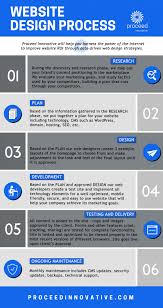
The Intersection of Web Design and SEO
The Intersection of Web Design and SEO
Web design and SEO are two crucial elements that go hand in hand when it comes to creating a successful online presence. While web design focuses on the aesthetics and user experience of a website, SEO is all about optimising the site to rank higher in search engine results.
Web Design: Creating a Visually Appealing Website
A well-designed website not only looks visually appealing but also enhances user experience. It involves elements such as layout, colour scheme, typography, images, and navigation that collectively create a seamless browsing experience for visitors. A user-friendly design not only attracts visitors but also keeps them engaged on the site for longer periods.
SEO: Optimising for Search Engines
SEO, on the other hand, is the process of optimising a website to improve its visibility in search engine results pages (SERPs). This involves various strategies such as keyword research, on-page optimisation, link building, and content creation. By implementing SEO best practices, websites can rank higher in search results and attract organic traffic.
The Synergy Between Web Design and SEO
When web design and SEO work together harmoniously, the benefits are manifold. A well-designed website not only pleases visitors but also makes it easier for search engines to crawl and index its content. Clean code, fast loading times, mobile responsiveness, and intuitive navigation are all factors that contribute to better SEO performance.
Conversely, implementing SEO strategies during the web design process ensures that the site is built with search engines in mind from the outset. This includes creating relevant meta tags, using structured data markup, optimising images for search visibility, and ensuring proper URL structure – all of which contribute to improved search engine rankings.
Conclusion
In conclusion, web design and SEO are integral components of a successful online presence. By combining visually appealing design with effective SEO strategies, websites can attract more visitors, improve user engagement, and rank higher in search engine results. Understanding the intersection between web design and SEO is key to creating a website that not only looks great but also performs well in today’s competitive digital landscape.
Essential Insights: Understanding the Interplay of SEO and Web Design – A Compilation of Top 16 FAQs
- What is the concept of SEO in web designing?
- Is web development and SEO same?
- Do Web developers need to learn SEO?
- Do Web designers do SEO?
- Do Web designers know SEO?
- Why is SEO important in web design?
- What is SEO in website designing?
- Does a web designer do SEO?
- Does web design affect SEO?
- How SEO improve web design?
- How do you design SEO?
- What is the relationship between web design and SEO?
- What is SEO in a website?
- Do Web designers need to know SEO?
- How to use SEO in web designing?
- Does a web designer need to know SEO?
What is the concept of SEO in web designing?
The concept of SEO in web design refers to the integration of search engine optimisation principles during the website development process. It involves structuring the website in a way that makes it easily discoverable by search engines, such as Google, Bing, and Yahoo. By incorporating SEO elements like relevant keywords, meta tags, alt text for images, and user-friendly URLs into the design framework, web designers ensure that the site is not only visually appealing but also optimised for higher search engine rankings. This strategic approach to SEO in web design aims to improve the website’s visibility online and attract organic traffic by aligning with search engine algorithms and best practices.
Is web development and SEO same?
The frequently asked question “Is web development the same as SEO?” often arises in discussions about online presence and digital marketing strategies. While web development and SEO are both crucial aspects of creating and maintaining a successful website, they serve different purposes. Web development focuses on building and maintaining the technical structure and functionality of a website, including coding, design, and user experience. On the other hand, SEO is specifically geared towards optimising a website’s content and structure to improve its visibility and ranking in search engine results. While web development lays the foundation for a functional website, SEO enhances its performance by driving organic traffic and increasing online visibility. Understanding the distinctions between web development and SEO is essential for businesses looking to maximise their online presence effectively.
Do Web developers need to learn SEO?
Understanding SEO is becoming increasingly important for web developers in today’s digital landscape. While web developers focus on creating functional and visually appealing websites, having a basic knowledge of SEO principles can greatly enhance the effectiveness of their work. By incorporating SEO best practices into the development process, web developers can ensure that websites are not only aesthetically pleasing but also optimised for search engines. This knowledge allows developers to create sites that rank higher in search results, attract more organic traffic, and ultimately provide a better user experience for visitors. In essence, learning SEO empowers web developers to build websites that are not just beautiful but also highly discoverable and user-friendly.
Do Web designers do SEO?
When it comes to the question of whether web designers do SEO, the answer is not a simple yes or no. While web designers primarily focus on creating visually appealing and user-friendly websites, many also possess a basic understanding of SEO principles. However, the depth of their SEO knowledge and expertise can vary significantly. Some web designers may offer basic SEO services such as optimising meta tags or ensuring mobile responsiveness, while others may collaborate with dedicated SEO specialists to implement more advanced strategies. Ultimately, the extent to which web designers handle SEO tasks depends on their individual skill set and experience in the field.
Do Web designers know SEO?
The question of whether web designers know SEO is a common query in the realm of digital marketing. While web designers primarily focus on creating visually appealing and user-friendly websites, their understanding of SEO can vary. Some web designers possess a solid grasp of basic SEO principles, such as optimising images and ensuring mobile responsiveness. However, for more advanced SEO strategies like keyword research, on-page optimisation, and link building, it may be beneficial to collaborate with dedicated SEO professionals who have expertise in maximising a website’s search engine visibility. Ultimately, the synergy between web design and SEO can lead to a well-rounded online presence that combines aesthetic appeal with optimal search engine performance.
Why is SEO important in web design?
In the realm of web design, the significance of SEO cannot be overstated. Integrating SEO principles into the web design process is essential for ensuring that a website not only looks visually appealing but also ranks well in search engine results. By incorporating SEO elements such as keyword optimisation, meta tags, and mobile responsiveness from the outset, web designers can create websites that are not only user-friendly but also easily discoverable by search engines. This synergy between SEO and web design is crucial for driving organic traffic, enhancing online visibility, and ultimately maximising the effectiveness of a website in reaching its target audience.
What is SEO in website designing?
In the realm of website designing, SEO plays a pivotal role in ensuring that a website is not only visually appealing but also optimised for search engines. SEO in website designing involves integrating key elements such as relevant keywords, meta tags, structured data markup, and user-friendly URLs during the design process. By incorporating SEO best practices from the outset, web designers can create websites that are not only aesthetically pleasing but also easily discoverable by search engines, ultimately leading to improved visibility and higher rankings in search results.
Does a web designer do SEO?
When it comes to the question of whether a web designer does SEO, the answer lies in understanding the distinct roles and expertise of each profession. While web designers focus on creating visually appealing and user-friendly websites, SEO specialists are dedicated to optimising these sites for search engines. Though some web designers may have basic knowledge of SEO principles, a comprehensive SEO strategy typically requires specialised skills and experience. Therefore, while a web designer may incorporate certain SEO elements into the design process, it is advisable to engage an SEO expert for in-depth optimisation that can significantly impact a website’s search engine visibility and performance.
Does web design affect SEO?
The relationship between web design and SEO is intricate and interconnected. Web design significantly impacts SEO performance as it influences factors like site structure, user experience, loading speed, mobile responsiveness, and content accessibility. A well-designed website not only enhances user engagement but also makes it easier for search engines to crawl and index its content effectively. By implementing SEO-friendly design elements during the web development process, businesses can improve their search engine rankings and overall online visibility. Ultimately, a harmonious blend of web design and SEO practices is essential for creating a successful website that ranks well in search engine results.
How SEO improve web design?
SEO plays a crucial role in enhancing web design by ensuring that websites are not only visually appealing but also optimised for search engines. By incorporating SEO best practices during the web design process, such as using relevant keywords, creating SEO-friendly URLs, and structuring content for better visibility, websites can improve their search engine rankings and attract more organic traffic. SEO also influences design elements like site speed, mobile responsiveness, and user experience, all of which contribute to a website’s overall performance in search results. Ultimately, integrating SEO into web design results in websites that are not only aesthetically pleasing but also functional and easily discoverable by users searching online.
How do you design SEO?
When it comes to designing for SEO, the key lies in creating a website that is not only visually appealing but also optimised for search engines. Designing for SEO involves incorporating elements such as proper site structure, relevant keywords, meta tags, high-quality content, and mobile responsiveness. By ensuring that these SEO best practices are integrated into the design process, websites can improve their visibility in search engine results pages and attract organic traffic. Ultimately, designing for SEO is about striking a balance between aesthetics and functionality to create a website that not only looks great but also performs well in terms of search engine rankings.
What is the relationship between web design and SEO?
The relationship between web design and SEO is symbiotic, with each playing a crucial role in the success of a website. Web design focuses on creating a visually appealing and user-friendly interface that enhances the overall user experience. On the other hand, SEO is all about optimising the website’s structure, content, and performance to improve its visibility in search engine results. A well-designed website not only attracts visitors but also provides a solid foundation for implementing SEO strategies effectively. Conversely, incorporating SEO principles during the web design process ensures that the site is built to be search engine-friendly from the start, ultimately leading to better rankings and increased organic traffic. In essence, a harmonious blend of web design and SEO is essential for creating a high-performing website that not only looks great but also ranks well in search engine results pages.
What is SEO in a website?
SEO, or Search Engine Optimization, plays a pivotal role in enhancing the visibility and ranking of a website in search engine results. In essence, SEO involves implementing various strategies and techniques to optimise a website’s content, structure, and performance in a way that aligns with search engine algorithms. By focusing on factors such as keyword research, on-page optimization, link building, and user experience, SEO aims to improve a website’s organic traffic and overall online presence. Essentially, SEO is about making a website more search engine-friendly to attract relevant visitors and increase its chances of being discovered by users searching for related topics or products.
Do Web designers need to know SEO?
In the realm of web design and SEO, a frequently asked question is whether web designers need to have knowledge of SEO. The answer is increasingly leaning towards yes. Understanding SEO principles allows web designers to create websites that are not only visually appealing but also optimised for search engines. By incorporating SEO best practices into the design process, such as proper site structure, mobile responsiveness, and content optimisation, web designers can ensure that the websites they create are well-positioned to rank higher in search engine results and attract organic traffic. In today’s digital landscape, the synergy between web design and SEO is becoming more essential for building successful online platforms.
How to use SEO in web designing?
When it comes to incorporating SEO into web design, it’s essential to consider various factors that can enhance the website’s visibility and performance in search engine results. To use SEO effectively in web designing, start by conducting thorough keyword research to identify relevant terms and phrases that your target audience is searching for. Integrate these keywords strategically into the website’s content, meta tags, headings, and image alt text to improve search engine rankings. Additionally, focus on creating a user-friendly design with fast loading times, mobile responsiveness, and intuitive navigation to enhance the overall user experience while also pleasing search engine algorithms. By combining SEO best practices with thoughtful web design elements, you can create a website that not only looks visually appealing but also ranks well in search results to attract organic traffic.
Does a web designer need to know SEO?
In the realm of web design, the question of whether a web designer needs to know SEO often arises. While it may not be an absolute requirement for every web designer to be an SEO expert, having a basic understanding of SEO principles can greatly benefit the design process. Knowledge of SEO allows web designers to create websites that are not only visually appealing but also optimised for search engines. By incorporating SEO best practices such as proper site structure, keyword placement, and mobile responsiveness into their designs, web designers can help improve a website’s visibility and performance in search engine results. Ultimately, having a grasp of SEO can enhance the overall effectiveness and success of a web designer’s creations in the digital landscape.