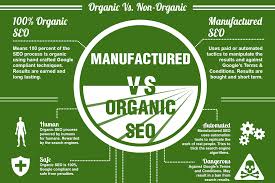
organic seo marketing

Organic SEO Marketing: A Practical Guide to Sustainable Online Growth

Organic SEO Marketing: A Practical Guide to Sustainable Growth

Organic SEO marketing is the process of improving a website’s visibility in unpaid search engine results. It helps businesses reach people who are actively looking for their products, services or information—without paying for each click.

Unlike paid search advertising, organic SEO is not an instant fix. It involves building a useful, accessible and trustworthy website over time. When done well, it can attract relevant visitors, strengthen brand visibility and support long-term business growth.

What is organic SEO marketing?

SEO stands for search engine optimisation. It includes the work involved in helping search engines discover, understand and present a website to people searching online. The term organic refers to unpaid results, rather than sponsored listings or pay-per-click adverts.

Organic SEO marketing brings together several activities, including:

  • Researching the words and questions your audience uses in search
  • Creating helpful, relevant content
  • Improving website structure and technical performance
  • Building your website’s reputation and authority
  • Measuring results and refining your approach

Why organic SEO matters

Search engines are a common starting point for researching a purchase, finding a local business or solving a problem. Appearing prominently for relevant searches can help your business reach potential customers at the moment they need information.

Organic search can also provide value beyond an individual visit. A well-researched article, service page or resource may attract visitors for months or years, provided it remains useful and competitive. However, visibility is never guaranteed: rankings can change as search algorithms, competitors and user needs evolve.

The main elements of an organic SEO strategy

Understand your audience and search intent

Effective SEO starts with understanding what your audience wants to achieve. A person searching for “how to choose a running shoe” is likely looking for advice, while someone searching for “buy running shoes London” may be ready to make a purchase.

Keyword research helps identify the language people use, but the goal is not simply to insert popular phrases into a page. Consider the purpose behind each search and create content that meets it clearly and accurately.

Create useful, well-structured content

Content should answer real questions and offer genuine value. Depending on your business, this might include product and service pages, guides, FAQs, case studies or local information.

Make each page easy to read. Use clear headings, concise paragraphs and descriptive page titles. Cover the subject thoroughly, but avoid padding content or repeating keywords unnaturally. Content should be written primarily for people, with search engines helped by a clear structure and relevant language.

Improve technical SEO

Technical SEO helps search engines access and understand your website. It also supports a better experience for visitors. Important areas include:

  • Making sure important pages can be crawled and indexed
  • Using a logical website structure and descriptive URLs
  • Ensuring pages work well on mobile devices
  • Improving loading speed and overall page experience
  • Fixing broken links and redirect issues
  • Providing clear page titles and meta descriptions

Technical improvements should be prioritised according to their impact. A long list of minor fixes is not necessarily more valuable than resolving one issue that prevents important pages from appearing in search.

Build authority and trust

Search engines aim to show results that are relevant and reliable. A website can demonstrate credibility through accurate information, clear authorship, transparent business details and a strong reputation in its field.

Links from reputable, relevant websites can also help people discover your content and may contribute to your site’s authority. Focus on earning links by publishing useful resources, sharing original expertise and building genuine relationships. Avoid buying links or using manipulative schemes, which can put your website at risk.

Optimise for local searches where relevant

For businesses serving a particular area, local SEO can help connect with nearby customers. Keep your business name, address and phone number accurate and consistent, maintain a complete business profile on relevant platforms, and create pages that explain your services and locations clearly.

Local visibility depends on several factors, including relevance, distance and prominence. No agency or business can guarantee a particular local ranking, but accurate information and a strong customer experience provide a sound foundation.

How long does organic SEO take?

Organic SEO usually takes time. The timeline depends on factors such as the age and condition of your website, the competitiveness of your market, the quality of your content and the resources available to make improvements.

Some changes may produce early signs of progress, while meaningful growth in traffic and enquiries can take several months or longer. SEO should therefore be treated as an ongoing investment, rather than a one-off task or a promise of immediate results.

How to measure SEO performance

Rankings can be useful, but they are only one part of the picture. A practical measurement plan should connect search performance to business goals. Depending on your objectives, track:

  • Organic clicks and impressions
  • Visibility for relevant search topics
  • Engagement with key landing pages
  • Enquiries, bookings, sales or other conversions
  • The quality and value of leads generated through organic search

Use analytics and search performance tools to identify what is working and where visitors encounter difficulties. Review results regularly, while allowing enough time for changes to take effect.

Common organic SEO mistakes to avoid

  • Chasing keywords without considering intent: High search volume is of little value if the visitors are not looking for what you offer.
  • Publishing thin or repetitive content: Pages should provide a clear reason to exist and a useful answer for the reader.
  • Ignoring technical problems: Excellent content may struggle if search engines cannot access it or visitors cannot use the site comfortably.
  • Expecting guaranteed rankings: Search results are influenced by many factors outside any single business’s control.
  • Focusing only on traffic: More visits do not necessarily mean more customers. Measure meaningful outcomes as well.

Organic SEO and paid search

Organic SEO and paid search can complement one another. Paid campaigns can provide immediate visibility for selected searches, while organic SEO builds a longer-term presence. Insights from paid campaigns may help identify useful keywords, and organic content can answer questions that paid adverts do not address in depth.

The right balance depends on your audience, budget and goals. For many businesses, a combination of both approaches offers flexibility: paid advertising can support short-term campaigns, while SEO develops sustainable visibility over time.

Getting started with organic SEO marketing

Begin with a review of your website, audience and business priorities. Identify the services or topics that matter most, research the searches connected to them, and assess whether your existing pages provide clear, useful answers. Then prioritise technical fixes and content improvements according to their likely value.

Organic SEO marketing is most effective when it is consistent, evidence-led and focused on people. By building a technically sound website and publishing content that genuinely helps your audience, you can create a stronger foundation for lasting search visibility and business growth.


6 Practical Tips for Effective Organic SEO Marketing

  1. Research keywords your audience actually uses.
  2. Publish useful, original content regularly.
  3. Write clear titles and meta descriptions.
  4. Use descriptive headings and internal links.
  5. Make pages fast and mobile-friendly.
  6. Earn relevant backlinks through valuable content.

Research keywords your audience actually uses.

Research the keywords your audience actually uses by considering the questions, phrases and problems they bring to search engines. Use keyword research tools alongside insights from customer conversations, sales enquiries and website search data to understand what people are looking for and why. Focus on search intent, not just search volume: the best keywords are relevant to your offer and help you create useful content that answers a real need.

Publish useful, original content regularly.

Publish useful, original content regularly to give your audience a reason to visit and return to your website. Focus on answering real questions, sharing your expertise and offering information that is genuinely helpful, rather than creating pages just to target keywords. A consistent publishing schedule can keep your site fresh and build topical depth over time, but quality matters more than volume: every piece should be accurate, clear and relevant to your readers.

Write clear titles and meta descriptions.

Write clear, descriptive titles and meta descriptions to help people understand what each page offers before they click. Include the page’s main topic naturally, keep titles concise and distinctive, and make descriptions relevant to the content rather than relying on a list of keywords. These details can make your pages more appealing in search results and set accurate expectations for visitors. Search engines may sometimes rewrite them, so treat them as helpful guidance rather than guaranteed snippets.

Use descriptive headings to organise your content and make each section’s purpose clear to readers and search engines. Headings such as “How to choose the right running shoes” are more helpful than vague labels like “More information”. Add relevant internal links to guide visitors to related pages on your website, such as a service page, detailed guide or contact page. Clear headings and useful links make your content easier to navigate and help search engines understand how your pages relate to one another.

Make pages fast and mobile-friendly.

Make your pages fast and mobile-friendly to give visitors a smoother experience and help search engines access and understand your content. Optimise images, reduce unnecessary scripts and use responsive layouts that adapt to different screen sizes. Test key pages on mobile devices and fix issues such as slow loading, small text or difficult navigation. While speed and mobile usability do not guarantee higher rankings, they help make your site easier to use and can support your wider organic SEO efforts.

Earn relevant backlinks by creating valuable content that other websites genuinely want to reference. Useful guides, original research, practical resources and expert insights can give publishers a good reason to link to your site. Focus on earning links from reputable websites that are relevant to your industry or audience, rather than chasing large numbers of unrelated links. This approach can help people discover your content and build your website’s credibility over time.
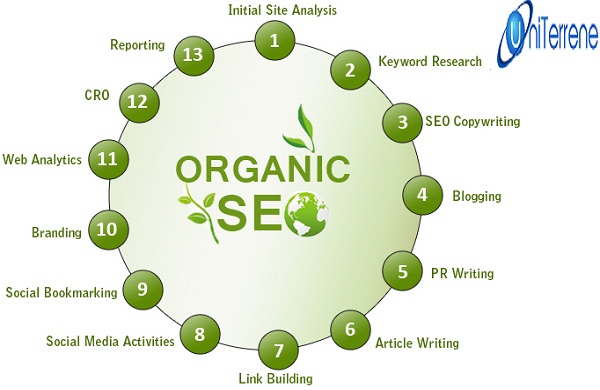
organic seo services

Organic SEO Services: A Practical Guide to Sustainable Search Growth

Organic SEO Services: A Guide to Sustainable Search Growth

When people search online for a product, service or answer, they often begin with a search engine. Organic SEO services help businesses improve their visibility in unpaid search results, making it easier for potential customers to find relevant pages on their website.

Unlike paid search advertising, organic search traffic is not purchased through a fee for each click. Instead, it is earned over time by making a website useful, accessible and relevant to both visitors and search engines. Results are not instant, but a well-planned SEO strategy can support sustainable growth.

What are organic SEO services?

Organic SEO services are the activities used to improve a website’s position and visibility in non-paid search results. They combine technical improvements, helpful content and website authority to make pages easier to discover and more valuable to visitors.

Services are usually tailored to a business’s audience, objectives, competition and current website performance. They may include:

  • SEO audits: Reviewing a website to identify technical issues, content gaps and opportunities to improve.
  • Keyword research: Understanding the terms people use when looking for a business’s products, services or expertise.
  • On-page optimisation: Improving page titles, headings, copy, internal links and other elements so each page clearly addresses its subject.
  • Technical SEO: Helping search engines access, crawl and understand a website, while improving factors such as mobile usability and page performance.
  • Content strategy: Planning and creating useful, original content that answers genuine questions and supports the customer journey.
  • Local SEO: Improving visibility for relevant searches in a particular town, city or region.
  • Digital PR and link earning: Building a website’s reputation through relevant coverage, references and links from credible sources.
  • Measurement and reporting: Tracking meaningful indicators such as organic visits, enquiries, sales and search visibility.

Why invest in organic SEO?

Organic SEO can help a business reach people who are actively searching for information or services related to its offering. When a website appears prominently for relevant searches, it can attract more qualified visitors and give potential customers useful information at the moment they need it.

SEO can also improve the website itself. Clear navigation, well-structured pages, accessible content and faster-loading experiences benefit visitors as well as supporting search performance. Over time, valuable content can continue to attract traffic beyond the initial publication date.

However, SEO is not a guaranteed route to a particular ranking or a fixed volume of sales. Search results change, competitors improve their websites and customer behaviour evolves. Effective optimisation is an ongoing process rather than a one-off task.

How organic SEO works

Search engines aim to show results that are useful and relevant to a person’s query. To do this, they discover and assess web pages, considering a range of signals. Organic SEO helps ensure that a website can be found, understood and trusted, while making its content a strong match for the audience’s needs.

A typical campaign begins with research and a review of the website. The SEO team then agrees priorities, makes improvements and measures the results. Depending on the findings, the work may focus on resolving technical barriers, improving important service pages, creating new content or strengthening the site’s authority.

What to look for in an SEO service

Choosing an SEO provider is about more than comparing a list of deliverables. Look for a team that takes time to understand your business, explains its recommendations clearly and connects its work to your objectives.

  • A tailored strategy: Recommendations should reflect your website, audience and market, rather than rely on a generic package.
  • Clear communication: You should understand what work is being done, why it matters and how progress will be reviewed.
  • Realistic expectations: A responsible provider will not promise guaranteed rankings or overnight results.
  • Ethical methods: Avoid tactics designed to manipulate search engines, such as buying links or publishing low-quality, repetitive content.
  • Useful reporting: Reports should explain performance in plain language and focus on outcomes that matter to your business.

How long does organic SEO take?

There is no universal timeframe. Progress depends on factors such as the website’s starting condition, the competitiveness of its market, the quality of existing content and the resources available to make improvements. Technical fixes may be completed relatively quickly, while building visibility and authority often takes longer.

A good SEO programme sets priorities, establishes a performance baseline and reviews results regularly. It should also adapt as new information becomes available, rather than follow a rigid plan regardless of what the data shows.

Make organic search part of your growth strategy

Organic SEO services can help businesses build a stronger presence in search, attract relevant visitors and create a better experience on their website. The strongest results come from consistent work that puts users first: understanding what they need, providing clear answers and making those answers easy to find.

Whether you are starting from scratch or improving an established website, a considered SEO strategy can help you make better use of organic search as part of your wider digital marketing activity.


8 Essential Tips for Choosing Effective Organic SEO Services

  1. Choose an SEO provider with proven results.
  2. Set clear goals before work begins.
  3. Prioritise useful, original content.
  4. Research relevant search terms.
  5. Improve page speed and mobile usability.
  6. Earn links from trusted websites.
  7. Track rankings, traffic and conversions.
  8. Avoid providers promising instant results.

Choose an SEO provider with proven results.

Choose an SEO provider with proven results, and ask for evidence that their work has delivered meaningful outcomes for businesses with similar goals or challenges. Look beyond ranking claims: useful proof may include improvements in relevant organic traffic, qualified enquiries, sales or visibility. A reputable provider should explain what they did, how success was measured and what factors influenced the results, while being clear that SEO cannot guarantee specific rankings or outcomes.

Set clear goals before work begins.

Before organic SEO work begins, set clear goals that link to your wider business objectives. Decide what success should look like, whether that means increasing relevant website visits, generating more enquiries, growing online sales or improving visibility for priority services. Clear goals help guide the strategy, focus resources on the most valuable opportunities and make it easier to measure progress over time. They also ensure that you and your SEO provider share the same expectations from the outset.

Prioritise useful, original content.

Prioritise useful, original content that answers your audience’s questions and helps them make informed decisions. Rather than creating pages simply to include keywords, focus on sharing accurate, relevant information in a clear and engaging way. This gives visitors a better experience, helps your website stand out and supports organic SEO by showing search engines what each page offers. Keep content up to date, and make sure it reflects your expertise and the needs of your customers.

Research relevant search terms.

Researching relevant search terms is a key first step in organic SEO. Find out what your potential customers are searching for, including the questions they ask and the language they use to describe your products or services. Choose terms that match your offering and the intent behind each search, then use them naturally in useful page titles, headings and content. This helps search engines understand your pages and gives visitors information that is genuinely relevant to their needs.

Improve page speed and mobile usability.

Improving page speed and mobile usability can make a real difference to both user experience and organic search performance. Pages that load quickly and work smoothly on smartphones help visitors find what they need without frustration, making them more likely to stay and take action. Compressing images, reducing unnecessary code and checking that text, buttons and navigation display clearly on smaller screens are practical ways to improve your website. Regular testing across different devices can help identify issues before they affect your visitors.

Earn links from trusted websites by creating genuinely useful content that others want to reference, and by building relationships with relevant organisations, publications and industry experts. Quality matters more than quantity: links from reputable, relevant sources can help people discover your website and strengthen its credibility. Avoid buying links or using schemes designed to manipulate search rankings, as these can put your site at risk.

Track rankings, traffic and conversions.

Track rankings, organic traffic and conversions to understand whether your SEO activity is delivering meaningful results. Rankings can show how your pages perform for target searches, while traffic reveals whether more people are finding your website through search. Most importantly, monitor conversions—such as enquiries, bookings or sales—to see whether those visits are contributing to your business goals. Reviewing these measures regularly helps you identify what is working and where your organic SEO strategy may need adjusting.

Avoid providers promising instant results.

Avoid SEO providers promising instant results or guaranteed top rankings. Organic SEO takes time because improvements need to be implemented, indexed and assessed by search engines, and progress depends on factors such as competition and your website’s starting point. A trustworthy provider will set realistic expectations, explain its approach and report on meaningful progress rather than offer quick fixes that may put your website’s reputation at risk.

seo page

Unlocking the Power of Your SEO Page: Strategies for Online Success

The Importance of SEO for Your Web Page

The Importance of SEO for Your Web Page

Search Engine Optimization (SEO) is a crucial aspect of any successful online presence. In today’s digital world, where competition is fierce and attention spans are short, having a well-optimised web page can make all the difference in attracting visitors and driving organic traffic.

Why SEO Matters

SEO helps your web page rank higher in search engine results pages (SERPs), making it more visible to potential visitors. By incorporating relevant keywords, meta tags, and high-quality content, you can improve your chances of appearing at the top of search results when users look for information related to your business or industry.

The Benefits of SEO

Effective SEO not only increases your web page’s visibility but also enhances user experience. By following best practices such as mobile responsiveness, fast loading times, and easy navigation, you can create a positive impression on visitors and encourage them to explore further.

Driving Organic Traffic

Organic traffic refers to visitors who find your web page through unpaid search results. By optimising your content for search engines, you can attract qualified leads who are genuinely interested in what you have to offer. This targeted traffic is more likely to convert into customers or subscribers, ultimately boosting your business’s success.

Staying Ahead of the Competition

In a crowded online landscape, staying ahead of the competition is essential for business growth. By investing in SEO strategies that align with current trends and algorithms, you can outperform competitors and establish your web page as a trusted source of information within your niche.

Conclusion

In conclusion, SEO plays a vital role in enhancing the visibility, credibility, and success of your web page. By implementing effective SEO techniques and staying informed about industry developments, you can position your business for long-term growth and sustainability in the digital realm.


8 Essential Tips for Optimising Your Web Page’s SEO

  1. 1. Conduct keyword research to identify relevant and high-traffic keywords for your page.
  2. 2. Optimise your page title tag with the primary keyword to improve search engine visibility.
  3. 3. Create unique and engaging meta descriptions that accurately describe the content of your page.
  4. 4. Use headings (H1, H2, etc.) to structure your content and make it more readable for both users and search engines.
  5. 5. Ensure your page loads quickly by optimising images, minimising code, and using a reliable hosting provider.
  6. 6. Build internal links within your website to help search engines discover and index all of your important pages.
  7. 7. Regularly update and add fresh content to keep your page relevant and demonstrate authority in your niche.
  8. 8. Monitor performance metrics such as traffic, bounce rate, and rankings to track the effectiveness of your SEO efforts.

1. Conduct keyword research to identify relevant and high-traffic keywords for your page.

To enhance the visibility and reach of your web page, it is essential to conduct thorough keyword research to pinpoint relevant and high-traffic keywords. By identifying the terms and phrases that users commonly search for in your industry or niche, you can tailor your content to align with these queries. Incorporating these targeted keywords strategically throughout your page can improve its search engine ranking and attract more organic traffic from users actively seeking the information or services you provide.

2. Optimise your page title tag with the primary keyword to improve search engine visibility.

To enhance your search engine visibility, it is essential to optimise your page title tag by incorporating the primary keyword. By strategically placing the main keyword in the title tag, you signal to search engines the relevance of your content to users’ queries. This simple yet effective SEO tip can significantly improve your web page’s chances of ranking higher in search results, attracting more organic traffic and increasing overall visibility online.

3. Create unique and engaging meta descriptions that accurately describe the content of your page.

Creating unique and engaging meta descriptions is a crucial aspect of effective SEO. By crafting concise yet compelling summaries that accurately reflect the content of your web page, you not only improve your chances of ranking higher in search engine results but also entice users to click through to your site. A well-written meta description serves as a preview of what visitors can expect, encouraging them to engage with your content and enhancing the overall user experience.

4. Use headings (H1, H2, etc.) to structure your content and make it more readable for both users and search engines.

Utilising headings, such as H1 and H2 tags, is a valuable SEO tip to structure your content effectively. By incorporating headings, you not only enhance the readability of your web page for users but also provide search engines with a clear hierarchy of information. This practice helps search engines understand the context and relevance of your content, improving the overall visibility and ranking of your page in search results.

5. Ensure your page loads quickly by optimising images, minimising code, and using a reliable hosting provider.

To improve your web page’s SEO performance, it is essential to ensure that your page loads quickly. This can be achieved by optimising images to reduce file sizes, minimising code to streamline the loading process, and selecting a reliable hosting provider that offers fast server speeds. A fast-loading page not only enhances user experience but also contributes to higher search engine rankings, as search engines favour websites that deliver content quickly and efficiently. By implementing these strategies, you can enhance your web page’s overall performance and attract more visitors organically.

Building internal links within your website is a crucial SEO strategy that can significantly benefit your online presence. By creating relevant links between different pages on your site, you not only help users navigate easily but also assist search engines in discovering and indexing all of your important pages. This practice enhances the overall structure of your website and ensures that valuable content is properly showcased, ultimately improving your visibility and ranking in search engine results.

7. Regularly update and add fresh content to keep your page relevant and demonstrate authority in your niche.

To maintain a strong online presence and showcase expertise in your field, it is essential to follow tip number 7: regularly update and add fresh content to your web page. By consistently updating your content with relevant information, you not only keep your page current but also demonstrate authority within your niche. This practice not only attracts search engine algorithms but also engages visitors, encouraging them to return for new insights and updates. By prioritising fresh content, you can establish credibility and stay ahead of the competition in the dynamic digital landscape.

8. Monitor performance metrics such as traffic, bounce rate, and rankings to track the effectiveness of your SEO efforts.

Monitoring performance metrics is a crucial aspect of effective SEO strategy. By keeping a close eye on key indicators such as website traffic, bounce rate, and search engine rankings, you can gain valuable insights into the impact of your SEO efforts. Tracking these metrics allows you to identify areas for improvement, measure the success of your campaigns, and make informed decisions to continuously enhance your web page’s visibility and performance in search results.