website seo analysis

Unlocking Success: The Power of Website SEO Analysis

The Importance of Website SEO Analysis

The Importance of Website SEO Analysis

Search Engine Optimization (SEO) is a crucial aspect of any successful online presence. It involves various strategies and techniques to improve a website’s visibility on search engine results pages. One essential component of an effective SEO strategy is conducting regular website SEO analysis.

Understanding Website SEO Analysis

Website SEO analysis is the process of evaluating various elements of a website to assess its performance in terms of search engine rankings and user experience. By conducting a comprehensive analysis, digital marketers and website owners can identify areas for improvement and develop strategies to enhance their site’s visibility and performance.

The Benefits of Website SEO Analysis

There are several benefits to conducting regular website SEO analysis:

  • Identifying Strengths and Weaknesses: By analysing key metrics such as keyword rankings, backlink profile, page load speed, and user engagement, website owners can identify what is working well and areas that need improvement.
  • Improving Search Engine Rankings: Through detailed analysis, it becomes easier to identify opportunities for optimising content, meta tags, images, and other elements that can positively impact search engine rankings.
  • Enhancing User Experience: A thorough analysis can reveal issues that may be hindering user experience, such as broken links, slow loading times, or poor mobile responsiveness. Addressing these issues can lead to higher user satisfaction and retention.
  • Staying Ahead of Competitors: By keeping track of competitors’ strategies through SEO analysis, website owners can adapt their own tactics to stay competitive in the ever-evolving digital landscape.

Tools for Website SEO Analysis

There are numerous tools available to help with website SEO analysis, including Google Analytics for tracking website traffic and user behaviour, SEMrush for keyword research and competitor analysis, Moz for backlink monitoring and site audits, and many more. These tools provide valuable insights that inform data-driven decisions to improve overall SEO performance.

In Conclusion

In conclusion, conducting regular website SEO analysis is essential for maintaining a strong online presence in today’s competitive digital environment. By identifying strengths and weaknesses, improving search engine rankings, enhancing user experience, and staying ahead of competitors through data-driven insights, website owners can effectively optimise their sites for success.


Mastering SEO: 14 Key Questions Answered for Effective Website Analysis and Optimization

  1. How do I check my SEO score?
  2. How do I find my website SEO score?
  3. How do I analyze SEO for my website?
  4. What should I look for in SEO?
  5. How do I audit a website for SEO?
  6. How do I Analyse SEO for my website?
  7. How do you know if a website is SEO friendly?
  8. How do I check my SEO ranking?
  9. How can I check my SEO ranking?
  10. How do I know if my website is good for SEO?
  11. What does an SEO analysis include?
  12. What does the SEO analysis include?
  13. What is good SEO score?
  14. How do you analyze SEO content?

How do I check my SEO score?

To check your SEO score, there are various tools available online that can provide you with valuable insights into the performance of your website. Popular tools like SEMrush, Moz, Ahrefs, and Google Search Console offer features that allow you to assess your website’s SEO health. These tools typically analyse factors such as keyword rankings, backlink profiles, site speed, mobile-friendliness, and overall site structure to generate an SEO score or grade. By utilising these tools and regularly monitoring your SEO score, you can identify areas for improvement and implement strategies to enhance your website’s visibility and ranking on search engine results pages.

How do I find my website SEO score?

To determine your website SEO score, you can utilise various online tools specifically designed for this purpose. These tools assess different aspects of your website, such as keyword usage, backlink quality, page load speed, mobile responsiveness, and overall user experience. Popular SEO analysis tools like SEMrush, Moz’s Site Explorer, Ahrefs, and Google’s PageSpeed Insights can provide valuable insights into your website’s SEO performance. By entering your website URL into these tools, you can generate a comprehensive report detailing your current SEO score and offering suggestions for improvement. Regularly monitoring and improving your website SEO score is crucial for enhancing your online visibility and driving organic traffic to your site.

How do I analyze SEO for my website?

To effectively analyse SEO for your website, start by conducting a comprehensive audit of your site’s current performance. This includes assessing key elements such as keyword usage, meta tags, backlink profile, site speed, and mobile responsiveness. Utilise tools like Google Analytics and Search Console to track website traffic and user behaviour. Perform in-depth keyword research to identify relevant terms for optimisation. Regularly monitor and analyse your competitors’ strategies to stay competitive. By focusing on these areas and leveraging data-driven insights, you can develop a robust SEO analysis strategy that enhances your website’s visibility and performance in search engine results pages.

What should I look for in SEO?

When considering what to look for in SEO, it is essential to focus on key elements that can significantly impact your website’s performance and visibility. Firstly, pay attention to relevant keywords that align with your content and target audience, as they play a crucial role in attracting organic traffic. Additionally, ensure that your website’s structure is user-friendly and optimised for search engines, including clear navigation, mobile responsiveness, and fast loading speeds. Backlinks from reputable sites can also boost your SEO efforts. Regularly monitoring and analysing your website’s performance through tools like Google Analytics can provide valuable insights for ongoing improvement. Ultimately, a holistic approach that combines quality content, technical optimisation, and strategic marketing tactics is key to achieving SEO success.

How do I audit a website for SEO?

When it comes to auditing a website for SEO, the process involves a comprehensive evaluation of various elements to assess its performance and identify areas for improvement. To audit a website effectively, start by examining key factors such as on-page SEO elements (meta tags, headings, content quality), technical aspects (site speed, mobile-friendliness, crawl errors), backlink profile, and overall user experience. Utilising tools like Google Search Console, SEMrush, or Moz can provide valuable insights into these areas. By conducting a thorough SEO audit, website owners can gain a clear understanding of their site’s strengths and weaknesses, enabling them to develop targeted strategies to enhance visibility and performance in search engine results pages.

How do I Analyse SEO for my website?

Analyzing SEO for your website involves a systematic approach to evaluating various aspects that impact your site’s visibility and performance on search engines. To begin, conduct a comprehensive keyword analysis to identify relevant keywords for your content. Next, assess your website’s on-page elements such as meta tags, headings, and content quality to ensure they are optimised for search engines. Additionally, review your backlink profile to gauge the quality and quantity of inbound links pointing to your site. Utilising tools like Google Analytics and Search Console can provide valuable insights into your website’s traffic, user behaviour, and overall performance. Regularly monitoring and adjusting these key elements based on data-driven analysis will help improve your website’s SEO and enhance its online presence.

How do you know if a website is SEO friendly?

Determining whether a website is SEO friendly involves assessing various key factors that contribute to its search engine visibility and user experience. Firstly, examining the website’s structure and navigation to ensure it is easily crawlable by search engines is crucial. Additionally, analysing the use of relevant keywords in meta tags, headings, and content helps determine if the site is optimised for search queries. Checking for mobile responsiveness, fast loading times, secure connections (HTTPS), and high-quality backlinks are also indicators of an SEO-friendly website. Conducting regular audits and monitoring performance metrics can provide valuable insights into the overall health of a website’s SEO strategy.

How do I check my SEO ranking?

To check your SEO ranking, you can use various tools and methods to assess where your website stands in search engine results pages (SERPs). One common approach is to utilise online tools like Google Search Console, SEMrush, Ahrefs, or Moz’s Rank Tracker. These tools provide insights into your website’s keyword rankings, organic traffic data, backlink profiles, and overall visibility on search engines. Additionally, manual methods such as conducting keyword searches on search engines can give you a quick snapshot of where your website appears for specific terms. Regularly monitoring and analysing your SEO ranking is crucial in understanding the effectiveness of your SEO efforts and identifying areas for improvement to enhance your online visibility.

How can I check my SEO ranking?

To check your SEO ranking, there are several methods you can employ. One common approach is to use online tools such as Google Search Console, SEMrush, or Ahrefs, which provide insights into your website’s performance in search engine results pages. By entering relevant keywords associated with your website, these tools can generate reports on your current ranking positions and track changes over time. Additionally, monitoring organic traffic and user engagement metrics through analytics platforms like Google Analytics can offer valuable indicators of your SEO ranking success. Regularly assessing these metrics and making data-informed adjustments to your SEO strategy can help improve your website’s visibility and performance in search results.

How do I know if my website is good for SEO?

To determine if your website is optimised for SEO, several key factors need to be considered. Firstly, assess your website’s loading speed and mobile responsiveness, as search engines favour fast-loading, mobile-friendly sites. Next, examine your site’s content quality, relevance of keywords, and internal linking structure to ensure they align with SEO best practices. Additionally, check for proper meta tags, alt text for images, and a clear site structure that search engine crawlers can easily navigate. Regularly monitor your website’s performance using tools like Google Analytics to track traffic, user engagement metrics, and keyword rankings. By consistently evaluating these aspects and making necessary improvements based on SEO analysis results, you can enhance your website’s SEO effectiveness and visibility in search engine results pages.

What does an SEO analysis include?

When conducting an SEO analysis for a website, various key components are typically assessed to evaluate its performance and potential for improvement. An SEO analysis includes examining factors such as keyword usage and effectiveness, website structure and navigation, content quality and relevance, backlink profile, page loading speed, mobile responsiveness, meta tags optimisation, user experience metrics, and overall search engine visibility. By analysing these elements comprehensively, digital marketers can gain valuable insights into the strengths and weaknesses of a website’s SEO strategy, allowing them to develop targeted solutions to enhance its online presence and ranking on search engine results pages.

What does the SEO analysis include?

When conducting an SEO analysis for a website, various key components are typically assessed to evaluate its overall performance and effectiveness in search engine rankings. The SEO analysis includes an examination of factors such as keyword usage and relevance, on-page optimisation elements like meta tags and headings, backlink profile quality and quantity, site speed and mobile responsiveness, content quality and relevance, user engagement metrics, and overall site structure. By delving into these aspects, website owners can gain valuable insights into areas that require improvement to enhance their site’s visibility, user experience, and ultimately achieve better search engine rankings.

What is good SEO score?

When it comes to evaluating the effectiveness of SEO efforts, one common question that arises is: “What is a good SEO score?” The answer to this question can vary depending on various factors, including the specific goals and industry of a website. In general, a good SEO score typically refers to achieving high rankings on search engine results pages (SERPs), increasing organic traffic, improving user engagement metrics, and enhancing overall website performance. While there isn’t a universal number that defines a perfect SEO score, continuous monitoring and analysis of key performance indicators can help determine the success of an SEO strategy and identify areas for further optimisation.

How do you analyze SEO content?

Analyzing SEO content involves a multifaceted approach to ensure that the content is optimised for search engines and resonates with the target audience. To analyse SEO content effectively, one must start by conducting keyword research to identify relevant and high-traffic keywords. Next, evaluating the on-page elements such as meta tags, headings, and internal linking structure is crucial to ensure proper optimisation. Additionally, assessing the quality and relevance of the content, including readability, engagement metrics, and multimedia usage, plays a vital role in determining its effectiveness. Regular monitoring of performance metrics like organic traffic, bounce rate, and conversion rates helps in refining and improving SEO content strategy over time.
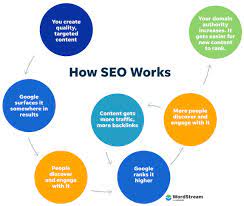

seo definition

Understanding the Definition of SEO in the UK

The Definition of SEO: A Comprehensive Guide

The Definition of SEO: A Comprehensive Guide

SEO, which stands for Search Engine Optimization, is a fundamental digital marketing strategy aimed at improving a website’s visibility and ranking on search engine results pages (SERPs). In today’s highly competitive online landscape, SEO plays a crucial role in driving organic traffic to websites and attracting potential customers.

Understanding the Basics of SEO

SEO involves a series of techniques and best practices that help search engines like Google understand the content of a website better. By optimising various elements such as keywords, meta tags, and content structure, SEO aims to make a website more relevant and authoritative in the eyes of search engine algorithms.

The Key Components of SEO

There are several key components to effective SEO:

  • Keyword Research: Identifying relevant keywords that users are searching for.
  • On-Page Optimization: Optimising content, meta tags, and internal links on individual web pages.
  • Off-Page Optimization: Building backlinks from reputable websites to improve domain authority.
  • Technical SEO: Ensuring proper website structure, mobile-friendliness, and site speed.
  • Content Creation: Producing high-quality, valuable content that engages users and attracts natural links.

The Benefits of Implementing SEO

By investing in SEO, businesses can enjoy a wide range of benefits, including:

  • Increase in Organic Traffic: Higher rankings on SERPs lead to more organic traffic to your website.
  • Better User Experience: Optimised websites provide a seamless user experience that keeps visitors engaged.
  • Better Brand Visibility: Improved visibility on search engines helps build brand awareness and credibility.
  • Growth in Sales and Conversions: Targeted traffic from SEO leads to higher conversion rates and increased revenue.

In Conclusion

In conclusion, SEO is an essential digital marketing strategy that can have a significant impact on your online presence and business success. By understanding the principles of SEO and implementing best practices, you can position your website for long-term growth and success in the competitive online market.


Understanding SEO: A Guide to Its Importance, Function, and Benefits for Businesses

  1. What is SEO and why is it important?
  2. How does SEO work?
  3. What are the key components of SEO?
  4. Why is keyword research important in SEO?
  5. How can businesses benefit from implementing SEO?
  6. What are the common misconceptions about SEO?

What is SEO and why is it important?

Search Engine Optimization (SEO) is a crucial digital marketing strategy that focuses on improving a website’s visibility and ranking on search engine results pages (SERPs). It involves various techniques such as keyword research, content optimisation, and link building to enhance a website’s relevance and authority in the eyes of search engines like Google. SEO is important because it helps businesses attract organic traffic, increase brand visibility, and drive conversions. By implementing effective SEO practices, businesses can reach their target audience more effectively, establish credibility online, and ultimately achieve long-term success in the competitive digital landscape.

How does SEO work?

SEO, or Search Engine Optimization, works by optimising various elements of a website to improve its visibility and ranking on search engine results pages (SERPs). This involves a strategic approach that includes keyword research, on-page optimization, off-page optimization, technical SEO, and content creation. By aligning these elements with search engine algorithms and user intent, SEO helps search engines better understand the relevance and authority of a website’s content. Ultimately, effective SEO drives organic traffic to a website, enhances user experience, and boosts brand visibility in the highly competitive online landscape.

What are the key components of SEO?

When exploring the question “What are the key components of SEO?” it becomes evident that Search Engine Optimization comprises various essential elements. These components include keyword research to identify relevant search terms, on-page optimization to enhance individual web pages, off-page optimization for building domain authority through backlinks, technical SEO for ensuring website structure and performance, and content creation for engaging and valuable information. Each of these key components plays a vital role in improving a website’s visibility and ranking on search engine results pages, ultimately contributing to a successful SEO strategy.

Why is keyword research important in SEO?

Keyword research is a critical aspect of SEO due to its pivotal role in understanding the language and search intent of users. By identifying relevant keywords that align with what users are searching for, businesses can tailor their content and website optimisation strategies to attract targeted organic traffic. Effective keyword research not only helps improve a website’s visibility on search engine results pages but also enhances user experience by providing valuable and relevant information. Ultimately, investing time and effort in keyword research empowers businesses to create content that resonates with their target audience, driving higher engagement, conversions, and overall success in the competitive digital landscape.

How can businesses benefit from implementing SEO?

Businesses can benefit significantly from implementing SEO as it helps improve their online visibility and attract targeted organic traffic to their websites. By optimising their web content, keywords, and technical aspects, businesses can achieve higher rankings on search engine results pages (SERPs), leading to increased brand visibility and credibility. Additionally, SEO enhances user experience by providing relevant and valuable content, ultimately driving more qualified leads and conversions. Overall, investing in SEO can result in long-term growth, improved online presence, and higher revenue for businesses in today’s competitive digital landscape.

What are the common misconceptions about SEO?

There are several common misconceptions about SEO that often lead to confusion among website owners and digital marketers. One prevalent misconception is that SEO is a one-time task rather than an ongoing process. In reality, SEO requires continuous monitoring, adjustments, and updates to stay effective in the ever-evolving digital landscape. Another misconception is that stuffing keywords into content will automatically boost rankings, when in fact, keyword stuffing can harm a website’s SEO performance. Understanding and dispelling these misconceptions is crucial for implementing a successful SEO strategy that yields sustainable results and improves online visibility.

seo services london

Enhance Your Online Presence with Top SEO Services in London

SEO Services in London: Boost Your Online Presence

SEO Services in London: Boost Your Online Presence

In today’s digital age, having a strong online presence is crucial for the success of any business. Search Engine Optimization (SEO) plays a vital role in helping businesses improve their visibility and reach their target audience. If you’re looking to enhance your online presence in London, investing in professional SEO services can make a significant difference.

What Are SEO Services?

SEO services involve a range of strategies and techniques aimed at improving a website’s ranking on search engine results pages. This includes keyword research, on-page optimization, link building, content creation, and more. By implementing these strategies effectively, businesses can increase their visibility online and attract more organic traffic to their websites.

Benefits of SEO Services

There are numerous benefits to investing in SEO services for your business in London. Some of the key advantages include:

  • Improved Visibility: By optimizing your website for search engines, you can improve its visibility and appear higher in search results.
  • Increased Website Traffic: Effective SEO strategies can drive more organic traffic to your website, increasing the chances of generating leads and conversions.
  • Enhanced User Experience: SEO focuses on creating a seamless user experience on your website, which can lead to higher engagement and lower bounce rates.

Choosing the Right SEO Service Provider

When selecting an SEO service provider in London, it’s essential to choose a company with a proven track record of delivering results. Look for an agency that offers customised solutions tailored to your business goals and objectives. Additionally, consider their expertise in local SEO if you’re targeting customers specifically in London.

The Impact of Local SEO

In a bustling city like London, local SEO is particularly important for businesses looking to attract customers within the area. Local SEO strategies focus on optimising your online presence for local searches, such as “best restaurants in London” or “top attractions near me.” By targeting local keywords and optimizing your Google My Business profile, you can increase your visibility among potential customers in London.

In Conclusion

Investing in professional SEO services in London is a strategic move that can help your business stand out in the competitive online landscape. By working with experienced professionals who understand the nuances of local search trends and algorithms, you can boost your online presence and reach new heights of success.


Maximising Your London Business’s Online Potential: 8 Key Benefits of Professional SEO Services

  1. Enhanced online visibility in the competitive London market
  2. Increased organic traffic to your website
  3. Improved search engine rankings for targeted keywords
  4. Customised SEO strategies tailored to your business needs
  5. Expertise in local SEO to attract customers in London
  6. Professional link building and content creation services
  7. Transparent reporting and clear communication throughout the process
  8. Long-term benefits for sustained online growth


Seven Drawbacks of SEO Services in London: Investment Costs, Time Constraints, and Market Challenges

  1. 1. Costly investment
  2. 2. Time-consuming process
  3. 3. Competitive market
  4. 4. Constant algorithm changes
  5. 5. Risk of penalties
  6. 6. Limited guarantees
  7. 7. Technical expertise required

Enhanced online visibility in the competitive London market

In the competitive London market, one of the key advantages of SEO services is the ability to enhance online visibility. By implementing effective SEO strategies tailored to the local market, businesses can improve their search engine rankings and stand out amidst fierce competition. Increased online visibility not only helps businesses attract more organic traffic but also enables them to reach a wider audience of potential customers in London. With professional SEO services, businesses can strengthen their presence online and establish a strong foothold in the bustling digital landscape of London.

Increased organic traffic to your website

By utilising SEO services in London, businesses can experience a significant pro in the form of increased organic traffic to their websites. Through strategic optimization techniques and targeted keyword research, SEO specialists can enhance a website’s visibility on search engine results pages, attracting more relevant visitors organically. This boost in organic traffic not only expands the reach of the website but also improves the opportunity for generating leads and conversions, ultimately contributing to the overall success and growth of the business online.

Improved search engine rankings for targeted keywords

One of the key advantages of SEO services in London is the ability to achieve improved search engine rankings for targeted keywords. By implementing strategic SEO techniques, businesses can enhance their visibility on search engine results pages for specific keywords relevant to their products or services. This increased visibility not only drives more organic traffic to their websites but also helps establish authority and credibility in their industry, ultimately leading to higher conversion rates and business growth.

Customised SEO strategies tailored to your business needs

One significant advantage of SEO services in London is the provision of customised SEO strategies tailored to meet the specific needs of your business. By understanding your unique goals, target audience, and industry dynamics, a reputable SEO service provider can develop bespoke strategies that align with your objectives. This tailored approach ensures that your SEO efforts are focused and effective, ultimately leading to improved online visibility, increased website traffic, and higher conversion rates.

Expertise in local SEO to attract customers in London

Having expertise in local SEO is a significant advantage when it comes to attracting customers in London. Local SEO strategies focus on optimising online presence for specific geographical areas, making it easier for businesses to connect with their target audience in the local market. By understanding the unique search trends and preferences of London residents, businesses can tailor their SEO efforts to attract more local customers and enhance their visibility within the city.

Professional link building and content creation services are essential components of effective SEO strategies in London. By engaging in quality link building, businesses can enhance their website’s authority and credibility, ultimately improving their search engine rankings. Moreover, compelling content creation not only attracts visitors but also keeps them engaged, leading to increased traffic and higher conversion rates. Partnering with experts who excel in link building and content creation can significantly boost a business’s online visibility and success in the competitive digital landscape of London.

Transparent reporting and clear communication throughout the process

One of the key advantages of SEO services in London is the commitment to transparent reporting and clear communication throughout the entire process. By providing clients with detailed insights into the progress and outcomes of their SEO strategies, businesses can make informed decisions and understand the impact of each initiative. This level of transparency fosters trust between the SEO service provider and the client, ensuring that goals are aligned and expectations are met effectively. Clear communication also allows for adjustments to be made promptly, leading to a more collaborative and successful SEO campaign.

Long-term benefits for sustained online growth

One significant advantage of investing in SEO services in London is the long-term benefits they offer for sustained online growth. By implementing effective SEO strategies tailored to your business, you can achieve lasting improvements in your website’s visibility and ranking on search engine results pages. This sustained online presence not only helps attract more organic traffic over time but also establishes a strong foundation for continued growth and success in the competitive digital landscape of London.

1. Costly investment

One significant drawback of SEO services in London is the costly investment associated with it. Working with reputable agencies to implement effective SEO strategies can come at a high price tag, making it a financial challenge for some businesses. The expense of hiring professional SEO services in London can be a barrier for smaller companies or startups looking to improve their online presence but may struggle to allocate a substantial budget for marketing efforts.

2. Time-consuming process

One notable drawback of SEO services in London is the time-consuming nature of the process. Achieving substantial results through SEO demands continuous effort and a significant amount of time investment. It is a gradual process that requires patience, as building a strong online presence and improving search engine rankings cannot be achieved overnight. Businesses seeking immediate results may find the time required for effective SEO implementation to be a challenge in the fast-paced digital landscape of London.

3. Competitive market

In the bustling city of London, one significant drawback of SEO services is the fiercely competitive market. The SEO landscape in London is saturated with businesses vying for online visibility, making it a daunting task to differentiate oneself and stand out among competitors. With numerous companies employing SEO strategies to enhance their online presence, businesses face stiff competition in capturing the attention of their target audience and securing top positions in search engine results pages. Navigating this competitive environment requires innovative approaches and strategic planning to carve a niche and achieve sustainable success in the dynamic digital marketplace of London.

4. Constant algorithm changes

One significant drawback of SEO services in London is the constant algorithm changes implemented by search engines. Search engine algorithms are dynamic and undergo frequent updates, making it challenging for businesses to keep up with the evolving landscape. This necessitates continuous adjustments to SEO strategies to ensure that websites remain optimised and maintain their visibility in search results. Adapting to these algorithm changes can be time-consuming and resource-intensive, posing a conundrum for businesses seeking stable and consistent SEO performance in the ever-changing digital realm.

5. Risk of penalties

One significant drawback of SEO services in London is the risk of penalties. Engaging in incorrect SEO practices, such as keyword stuffing or using black hat techniques, can result in penalties from search engines. These penalties can have a detrimental effect on your website’s ranking, causing it to drop significantly in search results. It is crucial to work with reputable SEO service providers who adhere to ethical practices to avoid the risk of penalties and safeguard your online presence.

6. Limited guarantees

One significant drawback of SEO services in London is the limited guarantees they offer. While SEO has the potential to enhance visibility and drive organic traffic to websites, there are no assurances of achieving specific rankings or immediate results. The unpredictable nature of search engine algorithms and the competitive landscape make it challenging for SEO service providers to promise concrete outcomes. Businesses must understand that SEO is a long-term strategy that requires patience and ongoing effort to see sustainable results, rather than expecting instant gratification or fixed ranking positions.

7. Technical expertise required

Implementing advanced SEO techniques in London may pose a challenge for businesses due to the technical expertise required. Not all businesses have the necessary knowledge or resources to navigate complex technical aspects of SEO effectively. From website structure optimization to schema markup implementation, mastering these advanced techniques demands a level of technical proficiency that can be daunting for some businesses. As a result, seeking professional SEO services in London from experts with the right technical skills and experience becomes essential to ensure successful implementation of advanced SEO strategies.

seo

Unlocking the Power of SEO: Strategies for Success in the Digital Landscape

Understanding the Essentials of SEO in Today’s Digital Landscape

Search Engine Optimisation, or SEO, stands as one of the most crucial components in the digital marketing arsenal. It’s a complex and ever-evolving field that demands a strategic approach to ensure websites rank highly on search engine results pages (SERPs). This article aims to demystify SEO and highlight its importance for businesses looking to increase their online visibility.

What is SEO?

SEO is a methodology of strategies, techniques, and tactics used to increase the number of visitors to a website by obtaining a high-ranking placement in the search results page of search engines like Google, Bing, Yahoo, and others. It encompasses both the technical and creative elements required to improve rankings, drive traffic, and increase awareness in search engines.

The Pillars of SEO

There are several key areas within SEO that need to be addressed in any effective strategy:

  • Technical SEO: This involves making sure that a website is compatible with search engine guidelines so that it can be crawled and indexed without any issues.
  • On-Page SEO: This refers to all measures taken directly within the website in order to improve its position in the search rankings. Examples include content optimisation, use of meta tags, and URL structure.
  • Off-Page SEO: This focuses on external factors that impact the ranking of your site such as backlinks. The quality and quantity of backlinks can significantly affect your site’s authority and credibility.

The Importance of Keywords

In the realm of SEO, keywords are paramount. They are essentially words or phrases that users enter into search engines when looking for information. Understanding your audience’s intent and how they use keywords is critical for creating content that effectively targets those terms.

User Experience (UX) & Mobile Optimisation

A positive user experience is increasingly becoming an important factor for good rankings. Websites need to be user-friendly, intuitive, and accessible across all devices—especially mobiles—as more people use smartphones for internet access than ever before.

The Role of Content

“Content is king” is a phrase often heard in digital marketing circles. High-quality content tailored to your target audience boosts engagement which can lead to improved rankings. Freshness of content also plays a role; regularly updating your site with new articles or blog posts can keep it relevant within SERPs.

The Impact of Social Media on SEO

Social media doesn’t contribute directly to SEO ranking but it influences online marketing efforts positively by increasing visibility and traffic for your content which indirectly improves your ranking signals.

The Future of SEO: Voice Search & AI

Voice search optimization is becoming increasingly important with more people using voice assistants like Siri or Alexa. Additionally, artificial intelligence (AI) is transforming how search engines understand user intent which means businesses need to refine their approach continually as technology evolves.

In Conclusion

To stay ahead in today’s competitive digital landscape requires an understanding that SEO isn’t just about technical tweaks or keyword stuffing; it’s about creating a seamless experience for users while delivering content that meets their needs. As algorithms become more sophisticated at interpreting user intent, businesses must ensure their websites offer value above all else if they wish to succeed long-term in organic search results.

If you’re looking to enhance your online presence through effective SEO strategies or simply want more information about this vital digital marketing tool, there are plenty of resources available online including guides from Google itself which offers best practices for achieving better rankings.


Seven Essential SEO Strategies: Boosting Visibility and Engagement Online

  1. Perform keyword research to identify relevant terms for your content
  2. Optimize your website’s meta tags including title tags and meta descriptions
  3. Create high-quality and engaging content that is valuable to your audience
  4. Improve website loading speed for better user experience and search engine rankings
  5. Build quality backlinks from reputable websites to increase your site’s authority
  6. Utilize social media platforms to promote your content and drive traffic to your site
  7. Regularly monitor and analyse your SEO performance using tools like Google Analytics

Perform keyword research to identify relevant terms for your content

Performing keyword research is a fundamental step in any successful SEO strategy. By identifying relevant terms that your target audience is searching for, you can tailor your content to match their intent and increase the chances of your website appearing in search engine results. Understanding which keywords are most valuable for your industry allows you to create content that not only resonates with your audience but also improves your site’s visibility and ranking. Effective keyword research lays the foundation for driving organic traffic to your website and ultimately achieving your digital marketing goals.

Optimize your website’s meta tags including title tags and meta descriptions

Optimising your website’s meta tags, including title tags and meta descriptions, is a fundamental aspect of effective SEO. Title tags provide a concise and accurate description of each webpage’s content, playing a crucial role in search engine ranking and user click-through rates. Meta descriptions, on the other hand, offer a brief summary of what users can expect when they click on your link in search results, influencing their decision to visit your site. By crafting compelling and relevant meta tags that incorporate strategic keywords, you can enhance your website’s visibility, attract more organic traffic, and ultimately improve your online presence.

Create high-quality and engaging content that is valuable to your audience

Creating high-quality and engaging content that provides value to your target audience is a cornerstone of effective SEO strategy. By offering informative, relevant, and captivating content, you not only attract more visitors to your website but also keep them engaged and coming back for more. Valuable content establishes your authority in your industry, builds trust with your audience, and ultimately improves your search engine rankings. Remember, quality content is not just about keywords; it’s about delivering real value that resonates with your readers and meets their needs.

Improve website loading speed for better user experience and search engine rankings

Enhancing website loading speed is a crucial tip in SEO as it not only improves user experience but also boosts search engine rankings. A fast-loading website ensures that visitors can access content quickly, reducing bounce rates and increasing engagement. Search engines like Google consider page speed as a ranking factor, prioritising websites that provide a seamless browsing experience. By optimising loading speed through techniques such as image compression, minifying code, and leveraging browser caching, businesses can significantly improve their online visibility and drive more organic traffic to their site.

One essential tip in SEO is to focus on building quality backlinks from reputable websites to enhance your site’s authority. Backlinks from trusted sources act as a vote of confidence in your content, signalling to search engines that your website is a reliable and valuable resource. By acquiring backlinks from high-quality sites, you not only improve your site’s credibility but also boost its visibility in search engine results, ultimately driving more organic traffic to your website.

Utilize social media platforms to promote your content and drive traffic to your site

Incorporating social media platforms into your SEO strategy is a powerful way to amplify your content’s reach and attract more visitors to your website. By sharing engaging posts, articles, and updates across platforms like Facebook, Twitter, Instagram, and LinkedIn, you can not only increase brand visibility but also drive targeted traffic to your site. Leveraging the vast user base of social media networks allows you to connect with a wider audience and encourage them to explore your offerings, ultimately boosting your online presence and enhancing your SEO efforts.

Regularly monitor and analyse your SEO performance using tools like Google Analytics

Regularly monitoring and analysing your SEO performance using tools like Google Analytics is essential for maintaining a successful online presence. By tracking key metrics such as website traffic, user behaviour, and conversion rates, you can gain valuable insights into the effectiveness of your SEO strategies. This data allows you to identify areas for improvement, make informed decisions, and ultimately enhance your website’s visibility and ranking on search engine results pages. Consistent analysis ensures that you stay ahead of the curve in the ever-evolving landscape of search engine optimisation.