seomarketing

Unlocking the Potential of SEO Marketing: Strategies for Online Success

The Power of SEO Marketing

The Power of SEO Marketing

SEO marketing, also known as search engine optimisation marketing, is a crucial component of any successful digital marketing strategy. In today’s highly competitive online landscape, having a strong SEO presence can make all the difference in boosting your brand visibility and driving organic traffic to your website.

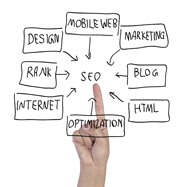
SEO marketing involves optimising your website and online content to rank higher in search engine results pages (SERPs) for relevant keywords and phrases. By improving your website’s visibility on search engines like Google, Bing, and Yahoo, you can attract more qualified leads and potential customers to your site.

The Benefits of SEO Marketing

One of the key advantages of SEO marketing is its long-term effectiveness. Unlike paid advertising, which stops generating results once you stop paying for it, SEO efforts can continue to drive organic traffic to your site over time. By consistently producing high-quality content, building backlinks, and optimising your website for search engines, you can create a sustainable source of inbound traffic.

Furthermore, SEO marketing allows you to target specific audiences based on their search intent. By understanding the keywords and phrases that your target audience uses when searching for products or services like yours, you can tailor your content to meet their needs and attract qualified leads to your site.

How to Implement an Effective SEO Marketing Strategy

Implementing an effective SEO marketing strategy requires a combination of technical expertise, content creation skills, and ongoing monitoring and analysis. Key components of a successful SEO strategy include:

  • Keyword Research: Identify relevant keywords with high search volume and low competition.
  • On-Page Optimisation: Optimise title tags, meta descriptions, headings, and content for target keywords.
  • Off-Page Optimisation: Build quality backlinks from reputable websites to improve your site’s authority.
  • Content Creation: Produce engaging and informative content that resonates with your target audience.
  • Analytics Monitoring: Track key performance indicators (KPIs) such as organic traffic, keyword rankings, and conversion rates to measure the success of your SEO efforts.

In Conclusion

In conclusion, SEO marketing is a powerful tool for enhancing brand visibility, driving organic traffic, and attracting qualified leads to your website. By implementing a comprehensive SEO strategy that focuses on creating valuable content and optimising for search engines, you can position your business for long-term success in the digital marketplace.


Essential FAQs on SEO Marketing: Understanding Its Importance, Strategies, and Success Measurement

  1. What is SEO marketing?
  2. Why is SEO marketing important for businesses?
  3. How does SEO marketing differ from traditional marketing?
  4. What are the key benefits of implementing an SEO marketing strategy?
  5. How long does it take to see results from SEO marketing efforts?
  6. What are the common challenges businesses face when implementing SEO marketing?
  7. Is it necessary to hire a professional agency for SEO marketing, or can it be done in-house?
  8. What are the latest trends and best practices in SEO marketing?
  9. How can I measure the success of my SEO marketing campaigns?

What is SEO marketing?

SEO marketing, short for search engine optimisation marketing, is a strategic digital marketing approach aimed at improving a website’s visibility and ranking on search engine results pages (SERPs). By optimising various elements such as content, keywords, meta tags, and backlinks, SEO marketing helps businesses attract organic traffic from search engines like Google. The ultimate goal of SEO marketing is to enhance online presence, increase brand awareness, drive qualified leads to the website, and ultimately boost conversions and revenue. It is a fundamental aspect of any successful digital marketing strategy in today’s competitive online landscape.

Why is SEO marketing important for businesses?

SEO marketing is essential for businesses because it plays a pivotal role in enhancing online visibility and driving organic traffic to their websites. By optimising their online presence for search engines, businesses can improve their search engine rankings, attract more qualified leads, and ultimately increase their brand’s visibility and credibility. With the majority of consumers turning to search engines like Google to find products and services, a strong SEO strategy is crucial for businesses looking to stay competitive in the digital landscape and reach their target audience effectively.

How does SEO marketing differ from traditional marketing?

When comparing SEO marketing to traditional marketing, the key distinction lies in the approach to reaching and engaging with target audiences. SEO marketing focuses on improving a website’s visibility in search engine results pages through strategic keyword targeting, content optimisation, and link building. In contrast, traditional marketing methods such as print ads, TV commercials, and direct mail rely on mass media channels to reach a broad audience. SEO marketing is more targeted and cost-effective as it aims to attract organic traffic from users actively searching for specific products or services online. Additionally, SEO marketing provides measurable results through analytics tools, allowing businesses to track performance and adjust strategies in real-time for optimal effectiveness.

What are the key benefits of implementing an SEO marketing strategy?

Implementing an SEO marketing strategy offers a multitude of key benefits for businesses seeking to enhance their online presence. By prioritising SEO, businesses can significantly improve their website’s visibility on search engine results pages, thereby increasing organic traffic and attracting a targeted audience of potential customers. A well-executed SEO strategy not only boosts brand awareness but also establishes credibility and trust with users, leading to higher conversion rates and improved return on investment. Furthermore, the long-term effectiveness of SEO ensures sustainable growth by consistently driving qualified leads to the website, making it a valuable asset for any business looking to thrive in the competitive digital landscape.

How long does it take to see results from SEO marketing efforts?

Achieving tangible results from SEO marketing efforts is a common concern for many businesses. The timeline for seeing results from SEO strategies can vary depending on various factors such as the competitiveness of your industry, the quality of your website content, and the effectiveness of your SEO tactics. In general, it can take anywhere from a few weeks to several months to start seeing noticeable improvements in your search engine rankings and organic traffic. Patience and consistency are key when it comes to SEO marketing, as building a strong online presence and climbing the search engine results pages require ongoing effort and strategic implementation of SEO best practices.

What are the common challenges businesses face when implementing SEO marketing?

When implementing SEO marketing, businesses often encounter common challenges that can impact the effectiveness of their strategies. One key issue is the ever-evolving nature of search engine algorithms, which require continuous adaptation and updates to maintain visibility and rankings. Additionally, fierce competition in the online landscape can make it difficult for businesses to stand out amidst a sea of similar offerings. Limited resources, such as time and budget constraints, may also hinder the implementation of comprehensive SEO strategies. Furthermore, measuring the ROI of SEO efforts and staying updated with industry best practices pose additional hurdles for businesses looking to maximise their online presence through SEO marketing.

Is it necessary to hire a professional agency for SEO marketing, or can it be done in-house?

When considering whether to hire a professional agency for SEO marketing or handle it in-house, the decision ultimately depends on your business’s specific needs, resources, and expertise. While some companies may have the internal capabilities to manage their SEO strategies effectively, working with a professional agency can offer distinct advantages. A reputable SEO agency brings specialised knowledge, experience, and tools to the table, allowing them to develop and implement comprehensive strategies that yield optimal results. Additionally, outsourcing SEO to experts can save time and resources while ensuring that your digital marketing efforts are in line with industry best practices. Ultimately, the choice between in-house or agency-led SEO marketing should be based on your business goals and available resources.

When it comes to the latest trends and best practices in SEO marketing, staying ahead of the curve is essential for success in the ever-evolving digital landscape. Some of the current trends include a shift towards user-focused content that prioritises relevance and quality, the increasing importance of mobile optimisation for improved user experience, and the rising significance of voice search optimisation. Best practices involve creating valuable and engaging content that answers users’ queries effectively, implementing structured data markup to enhance search engine visibility, and focusing on building authoritative backlinks from reputable sources. By keeping abreast of these trends and following best practices, businesses can maximise their SEO efforts and achieve sustainable growth in online visibility.

How can I measure the success of my SEO marketing campaigns?

Measuring the success of your SEO marketing campaigns is essential to track performance and determine the effectiveness of your strategies. Key metrics to consider when evaluating the impact of your SEO efforts include organic traffic growth, keyword rankings, conversion rates, and engagement metrics such as bounce rate and time on page. By analysing these metrics regularly using tools like Google Analytics and search engine ranking reports, you can gain valuable insights into how well your SEO campaigns are performing and make data-driven decisions to optimise your strategies for continued success.
sem e seo

Unlocking the Power of SEM and SEO: A Comprehensive Guide to Digital Marketing Strategies

SEM and SEO: Understanding the Difference

SEM and SEO: Understanding the Difference

Search Engine Marketing (SEM) and Search Engine Optimization (SEO) are two vital components of any digital marketing strategy aimed at improving a website’s visibility in search engine results. While both SEM and SEO focus on increasing website traffic through search engines, they differ in their approaches and techniques.

Search Engine Optimization (SEO)

SEO is the process of optimizing a website to improve its organic (unpaid) search engine rankings. This involves various strategies such as keyword research, content optimization, link building, and technical enhancements to make the website more search engine-friendly. The goal of SEO is to increase organic traffic by appearing higher in search engine results pages (SERPs).

Search Engine Marketing (SEM)

SEM, on the other hand, includes paid advertising efforts to gain visibility in search engines. This typically involves pay-per-click (PPC) campaigns where advertisers bid on keywords relevant to their target audience. SEM allows businesses to place ads at the top of search results for specific keywords, driving immediate traffic to their websites.

The Relationship Between SEM and SEO

While SEM and SEO serve distinct purposes, they can complement each other effectively in a comprehensive digital marketing strategy. By combining both organic SEO efforts with paid SEM campaigns, businesses can maximise their online visibility and reach a wider audience.

In conclusion, understanding the differences between SEM and SEO is crucial for developing a successful digital marketing strategy. Whether focusing on organic growth through SEO or leveraging paid advertising with SEM, businesses can enhance their online presence and attract more valuable traffic from search engines.


Maximising Online Success: The Combined Benefits of SEM and SEO Strategies

  1. SEM allows for immediate visibility on search engine results pages (SERPs) through paid advertising.
  2. SEO helps improve organic search rankings over time, leading to long-term visibility and credibility.
  3. Combining SEM and SEO strategies can maximise a website’s overall online presence.
  4. SEM provides precise targeting options, allowing businesses to reach specific audiences with tailored ads.
  5. SEO enhances user experience by optimising website content and structure for better usability.
  6. SEM campaigns can be easily adjusted and optimised based on real-time performance data.
  7. SEO builds brand authority and trust by ranking higher in organic search results.
  8. SEM offers quick results for new websites or promotions that need immediate exposure.
  9. SEO is cost-effective in the long run as organic traffic does not require ongoing ad spend.


Exploring the Drawbacks of SEM and SEO: Costs, Competition, and More

  1. 1. Cost
  2. 2. Competition
  3. 3. Time-Consuming
  4. 4. Complexity
  5. 5. Algorithm Changes
  6. 6. Click Fraud
  7. 7. Limited Control

SEM allows for immediate visibility on search engine results pages (SERPs) through paid advertising.

Search Engine Marketing (SEM) offers a significant advantage by providing immediate visibility on search engine results pages (SERPs) through paid advertising. By running pay-per-click (PPC) campaigns, businesses can bid on relevant keywords and have their ads displayed prominently at the top of search results. This instant visibility allows companies to quickly reach their target audience and drive traffic to their websites, generating immediate results and increasing brand awareness in a competitive online landscape.

SEO helps improve organic search rankings over time, leading to long-term visibility and credibility.

Search Engine Optimization (SEO) plays a crucial role in enhancing a website’s organic search rankings gradually, resulting in sustained visibility and credibility over time. By implementing SEO strategies such as keyword optimization, quality content creation, and building authoritative backlinks, websites can climb the search engine results pages (SERPs) organically. This long-term approach not only boosts visibility but also establishes trust and credibility with users, as higher organic rankings are often perceived as more reliable and trustworthy sources of information.

Combining SEM and SEO strategies can maximise a website’s overall online presence.

Combining Search Engine Marketing (SEM) and Search Engine Optimization (SEO) strategies can significantly enhance a website’s online visibility and overall presence. By leveraging the strengths of both SEM, which involves paid advertising for immediate results, and SEO, which focuses on organic search ranking improvement over time, businesses can create a well-rounded digital marketing approach. SEM can drive immediate traffic to the website through targeted ads, while SEO works in the background to improve organic search rankings for sustainable long-term growth. Together, these strategies complement each other to maximise a website’s reach and effectiveness in capturing valuable online traffic.

SEM provides precise targeting options, allowing businesses to reach specific audiences with tailored ads.

SEM offers precise targeting options, enabling businesses to connect with highly specific audiences through customised advertisements. By utilising SEM strategies, companies can tailor their ads to reach the most relevant and interested individuals, increasing the likelihood of conversions and maximising the return on investment. This targeted approach not only enhances the effectiveness of marketing campaigns but also helps businesses establish a stronger connection with their intended audience, ultimately driving growth and success in the competitive digital landscape.

SEO enhances user experience by optimising website content and structure for better usability.

Search Engine Optimization (SEO) plays a crucial role in improving user experience by optimising website content and structure for enhanced usability. By implementing SEO best practices such as relevant keyword usage, high-quality content creation, and intuitive site navigation, websites become more user-friendly and engaging for visitors. This not only helps in attracting organic traffic from search engines but also ensures that users have a seamless and satisfying experience while browsing the site. Ultimately, SEO’s focus on enhancing user experience contributes to higher engagement, increased time spent on the website, and improved conversion rates.

SEM campaigns can be easily adjusted and optimised based on real-time performance data.

SEM campaigns offer the advantage of being easily adjusted and optimised in real-time based on performance data. This flexibility allows marketers to react promptly to changing trends and audience behaviour, ensuring that their ads are always relevant and effective. By monitoring key metrics such as click-through rates, conversion rates, and cost per acquisition, SEM practitioners can make data-driven decisions to refine their campaigns for optimal results. This ability to adapt quickly to insights gained from real-time data sets SEM apart as a dynamic and responsive digital marketing strategy.

SEO builds brand authority and trust by ranking higher in organic search results.

Search Engine Optimization (SEO) plays a crucial role in establishing brand authority and trust by securing higher rankings in organic search results. When a website consistently appears at the top of search engine results pages through effective SEO strategies, it not only increases visibility but also conveys credibility and reliability to users. By earning a prominent position through organic means, businesses can build trust with their target audience, positioning themselves as reputable industry leaders and enhancing their overall brand image.

SEM offers quick results for new websites or promotions that need immediate exposure.

Search Engine Marketing (SEM) provides a significant advantage by offering rapid results for new websites or promotions that require immediate exposure. Through SEM, businesses can create targeted advertising campaigns that appear prominently in search engine results, driving instant traffic to their websites. This quick visibility allows new websites to establish a presence online swiftly and promote their products or services effectively to a broader audience, making SEM an invaluable tool for achieving immediate marketing goals.

SEO is cost-effective in the long run as organic traffic does not require ongoing ad spend.

SEO offers a significant advantage in terms of cost-effectiveness over SEM in the long run. Unlike SEM, where ongoing ad spend is necessary to maintain visibility in search engine results, SEO focuses on improving organic traffic through sustainable strategies such as keyword optimization, content creation, and link building. Once a website starts ranking well organically, it can continue to attract relevant traffic without the need for continuous investment in paid advertising. This makes SEO a valuable long-term investment for businesses looking to drive consistent and cost-efficient traffic to their websites.

1. Cost

When considering the drawbacks of Search Engine Marketing (SEM) and Search Engine Optimization (SEO), one significant con to highlight is the cost associated with SEM. SEM can be costly, particularly when targeting competitive keywords, which often leads to high advertising expenses. Businesses investing in SEM campaigns need to allocate a substantial budget to compete effectively in paid search results and maintain visibility. This financial aspect of SEM can pose a challenge for businesses with limited marketing budgets, making it important to carefully consider the cost-effectiveness and potential return on investment when incorporating SEM into a digital marketing strategy.

2. Competition

Competition poses a significant challenge for both Search Engine Marketing (SEM) and Search Engine Optimization (SEO) strategies. In the digital landscape, businesses are constantly vying for visibility in search engine results, leading to intense competition. With numerous companies investing in SEM campaigns and implementing SEO tactics to improve their rankings, standing out amidst this fierce competition becomes increasingly difficult. This saturation of the online market underscores the importance of implementing innovative and strategic approaches to SEM and SEO to effectively differentiate oneself and capture the attention of target audiences in a competitive environment.

3. Time-Consuming

SEO, while effective in boosting organic rankings and driving long-term traffic, poses a significant challenge in terms of time consumption. Implementing SEO strategies demands consistent and ongoing efforts, as well as a considerable amount of patience to witness substantial enhancements in search engine rankings. It involves tasks such as keyword research, content creation, technical optimisation, and link building, all of which require time to yield noticeable results. Businesses investing in SEO must understand the time commitment involved and be prepared for a gradual but rewarding journey towards improved online visibility and organic traffic growth.

4. Complexity

Navigating the realm of SEM and SEO can pose a significant challenge due to its inherent complexity, particularly for those new to the field. The intricacies of SEM and SEO techniques, such as keyword research, content optimisation, link building, and PPC campaigns, can be overwhelming for beginners. Understanding the nuances of these strategies requires time, effort, and a continuous learning process to effectively harness the power of search engine marketing and optimisation.

5. Algorithm Changes

Search engine algorithms undergo frequent updates and changes, posing a significant challenge for both SEM and SEO strategies. These algorithm changes can directly impact the effectiveness of digital marketing efforts, requiring constant monitoring and adaptation to stay ahead. For SEM, shifts in algorithms can affect ad placements and bidding strategies, influencing the visibility and performance of paid campaigns. Similarly, SEO strategies need to evolve to align with new algorithm requirements to maintain or improve organic search rankings. Adapting to these algorithm changes is crucial for businesses aiming to succeed in the dynamic landscape of search engine marketing and optimisation.

6. Click Fraud

In Search Engine Marketing (SEM) campaigns, a significant drawback is the occurrence of click fraud. This unethical practice involves competitors or automated bots clicking on ads intentionally to exhaust advertising budgets, leading to wasted resources and reduced effectiveness of the campaign. Click fraud not only distorts campaign performance metrics but also undermines the integrity of SEM efforts by generating false clicks that do not result in genuine user engagement or conversions. Businesses engaging in SEM must remain vigilant against click fraud and implement measures to mitigate its impact on their advertising campaigns.

7. Limited Control

One significant drawback of Search Engine Marketing (SEM) and Search Engine Optimization (SEO) is the limited control that businesses have over their website rankings. In the case of SEO, search engines have the final say in determining where a website appears in search results, which means that businesses may find themselves at the mercy of constantly changing algorithms and ranking factors. This lack of control can make it challenging for businesses to maintain a consistent position in search engine results, highlighting the need for continuous monitoring and adaptation to stay competitive in the online landscape.