Local SEO Strategy: A Practical Guide for UK Businesses
Local SEO Strategy: A Practical Guide for UK Businesses
When people search for a nearby service, they often want to take action quickly. Searches such as “plumber near me”, “dentist in Leeds” or “coffee shop in Bristol” can lead directly to a visit, booking or phone call. A well-planned local SEO strategy helps your business appear in relevant local search results and makes it easier for nearby customers to choose you.
Local SEO is the process of improving your online visibility for searches connected to a particular place. It involves more than adding a town name to your website. Search engines consider your business details, website content, customer reviews, local relevance and other signals when deciding which businesses to show.
Define the areas and customers you want to reach
Start by identifying the locations your business genuinely serves. A shop or restaurant may focus on the neighbourhood around its premises, while a trades business might cover several towns. Consider your service area, customer travel patterns and the locations that are commercially worthwhile.
Be specific. Listing every town in a wide region can make your marketing unfocused, and creating pages for places you do not serve may frustrate visitors. Prioritise areas where you can provide a reliable service and where there is real demand.
Optimise your Google Business Profile
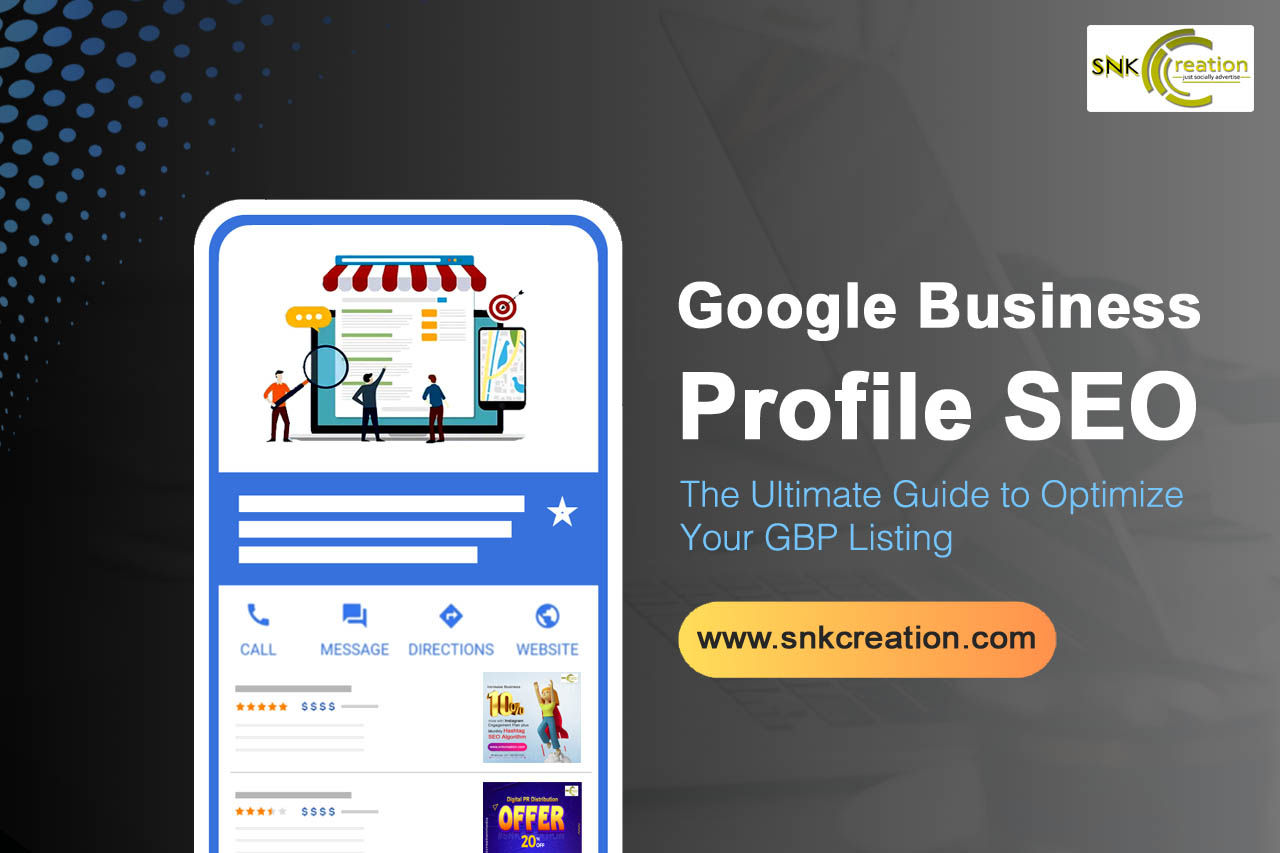
Your Google Business Profile can help your business appear in Google Maps and local search results. Claim and verify the profile, then check that all information is accurate and complete.
- Use your real-world business name, without adding unnecessary keywords.
- Choose the most relevant primary and secondary categories.
- Add your correct address or service area, phone number and website.
- Set accurate opening hours, including holiday hours.
- Describe your services and add useful photos.
- Keep information up to date when anything changes.
Businesses that serve customers at their premises can display an eligible address. Service-area businesses that visit customers should follow Google’s guidelines and avoid showing a residential address when customers are not served there.
Keep your business details consistent
Your business name, address and phone number—often called NAP details—should be consistent across your website, business directories and social profiles. Small differences, such as an old telephone number or a previous address, can confuse customers and make it harder to verify your business information.
Make a list of the places where your business details appear online. Correct inaccurate listings and prioritise reputable directories and relevant industry platforms. Avoid submitting your details to low-quality directories simply to build a large number of listings.
Create useful, locally relevant website content
Your website should make it clear what you do, who you help and where you operate. Include location information naturally in relevant page titles, headings, copy and contact details. The aim is to help visitors and search engines understand your services—not to repeat place names unnaturally.
If you serve several locations, create a dedicated page for each important area only when you can provide genuinely useful, unique information. Include details such as the services available there, local delivery or appointment options, and how customers can get in touch. Avoid publishing numerous near-identical pages that differ only by town name.
Local content can also answer questions that matter to people in your area. For example, a building company might explain planning considerations common to local property types, while a clinic could outline how to book an appointment and what to expect. Useful content gives potential customers a reason to trust your business before they contact you.
Make your website easy to use
Many local searches happen on mobile devices, so your website should load quickly and work well on smaller screens. Make key information easy to find, including your address, telephone number, opening hours, service details and booking options.
Use clear calls to action, such as “Call to book” or “Request a quote”. Where appropriate, make telephone numbers tap-to-call and provide a simple contact form. Good usability can help turn search visibility into enquiries and visits.
Earn and respond to customer reviews
Reviews can help prospective customers understand the experience your business provides. Invite customers to leave honest feedback after a purchase or completed service, using a polite, straightforward request. Do not offer incentives in exchange for reviews, and never write or buy fake reviews.
Respond professionally to both positive and negative feedback. Thank customers for positive comments, and address concerns calmly and constructively. Avoid sharing personal or sensitive information in public replies. A thoughtful response can show that your business takes customer service seriously.
Build local links and relationships
Links from relevant, reputable local websites can help people discover your business and support your local credibility. Look for natural opportunities to contribute to your community, such as local business associations, charities, events, suppliers or industry organisations.
Focus on genuine relationships and useful contributions rather than buying links or taking part in schemes designed solely to manipulate search rankings. A mention from a respected local organisation is more valuable when it reflects a real connection.
Measure performance and improve over time
Track the outcomes that matter to your business, not just rankings. Useful measures may include:
- Calls, enquiries, bookings and directions requests.
- Organic visits to important service and location pages.
- Search terms that bring relevant local visitors to your site.
- Google Business Profile interactions and customer reviews.
- Conversions from different locations or marketing channels.
Use tools such as Google Search Console and website analytics to understand how people find and use your site. Review the data regularly, check whether your business details remain accurate and update pages when services, locations or customer needs change.
Common local SEO mistakes to avoid
- Adding keywords to a business name when they are not part of its real-world name.
- Creating thin or duplicate pages for many locations.
- Using inaccurate addresses, opening hours or service areas.
- Buying reviews or links.
- Focusing on rankings while ignoring calls, bookings and other business results.
- Leaving outdated information on directories and social profiles.
Build a strategy around trust and relevance
An effective local SEO strategy brings together accurate business information, a helpful website, strong customer service and genuine local connections. Start with the essentials: define your service area, complete your Google Business Profile, check your listings and improve the pages most likely to generate enquiries.
Local SEO is an ongoing process rather than a one-off task. By monitoring results and keeping your information useful and up to date, you can make it easier for local customers to find your business—and feel confident choosing it.
Top 5 Tips for Enhancing Your Local SEO Strategy
- Optimise your Google Business Profile with accurate details and opening hours.
- Use location-specific keywords on relevant pages.
- Keep your business name, address and phone number consistent across directories.
- Encourage satisfied customers to leave honest reviews.
- Create useful content about local events, services and community needs.
Optimise your Google Business Profile with accurate details and opening hours.
Keep your Google Business Profile accurate and up to date so local customers can find and contact you with confidence. Check that your business name, address, phone number, website and services are correct, and make sure your opening hours reflect when you’re genuinely available—including any changes for bank holidays or seasonal closures. Clear, reliable details help prevent missed visits and calls, while giving searchers a better reason to choose your business.
Use location-specific keywords on relevant pages.
Use location-specific keywords on the pages where they’re genuinely relevant, such as “accountant in Manchester” on your Manchester services page. Include local terms naturally in page titles, headings and useful copy, rather than repeating them unnaturally. This helps search engines understand where you operate and helps potential customers quickly see whether you serve their area. If you cover several locations, create individual pages only when each can offer genuinely useful, distinct information.
Keep your business name, address and phone number consistent across directories.
Keep your business name, address and phone number consistent across online directories, your website and social media profiles. Even small differences—such as an outdated phone number or inconsistent address format—can confuse potential customers and make it harder for search engines to verify your business details. Check your listings regularly and update them whenever your information changes.
Encourage satisfied customers to leave honest reviews.
Encourage satisfied customers to share honest feedback by asking them after a positive experience, such as once a job is complete or a purchase has been made. Make it easy by sending a direct link to your review profile, but never pressure customers or offer rewards in exchange for reviews. Respond courteously to feedback—positive or negative—to show that you value your customers and take their comments seriously.
Create useful content about local events, services and community needs.
Create useful content that reflects what matters to people in your area. Share updates about local events, explain how your services meet community needs, or answer questions residents commonly ask. Keep information accurate and genuinely helpful, rather than adding place names simply to attract search traffic. This approach can strengthen your connection with the community while helping local customers discover your business.