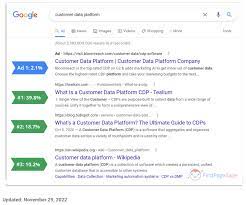
what is seo

What Is SEO? A Simple Guide to Search Engine Optimisation

What Is SEO?

SEO stands for search engine optimisation. It is the process of improving a website so that search engines can understand its content and people can find it more easily in unpaid, or organic, search results.

When someone searches online for a product, service or answer, search engines such as Google aim to show the most useful and relevant results. SEO helps your website communicate what it offers and makes it easier for visitors to use. It does not involve paying for a higher position in the organic results.

How do search engines work?

Search engines generally follow three stages:

  • Crawling: Automated programmes, often called crawlers or bots, discover pages by following links and reading sitemaps.
  • Indexing: Search engines analyse the information they find and may store a page in their index.
  • Ranking: When someone searches, the search engine selects and orders pages that it considers relevant and helpful.

A page is not guaranteed to be crawled, indexed or shown prominently. SEO helps remove obstacles and make a website more useful, but search engines decide how and where pages appear.

What does SEO involve?

SEO is made up of several connected activities. The right priorities depend on a website, its audience and its goals.

On-page SEO

On-page SEO focuses on the content and elements of individual pages. This can include writing clear page titles and headings, answering visitors’ questions, using relevant search terms naturally and linking related pages together. The aim is to make each page easy to understand for both people and search engines.

Technical SEO

Technical SEO helps search engines access and interpret a website. It may involve improving page speed, making the site work well on mobile devices, fixing broken links, organising the site structure and providing an XML sitemap. Secure connections and clear page addresses can also contribute to a better website experience.

Off-page SEO

Off-page SEO refers to signals beyond your own website. Links from other relevant, trustworthy websites can help people discover your content and may contribute to how search engines assess its reputation. Building these links should focus on creating value and earning genuine recommendations, rather than using manipulative schemes.

Local SEO

Local SEO helps businesses reach people searching in a particular area. It can include keeping business details accurate across online listings, creating useful location-specific pages and managing a business profile on relevant platforms. Local visibility can be especially important for businesses with a shop, office or service area.

Why is SEO important?

SEO can help a website attract visitors who are already looking for information, products or services like yours. It can also improve the overall experience by making pages clearer, faster and easier to navigate. Unlike paid advertising, organic search traffic does not incur a charge for every click, although SEO still requires time and investment.

SEO is not only about getting more visitors. Useful traffic matters more than traffic that does not match your offer. A good strategy considers what people need, what your business can provide and which pages are most likely to help them take the next step.

How long does SEO take?

SEO is a long-term process, not an instant fix. The time it takes to see results varies according to factors such as your website’s current condition, the competitiveness of your market, the quality of your content and the work involved. Improvements may take weeks or months to become visible, and rankings can change over time.

No reputable SEO provider can guarantee a specific ranking. Search engines regularly update how they assess pages, and results also depend on competitors and the search itself.

How can you get started?

Start by making sure your website clearly explains what you offer and who it is for. Check that important pages can be accessed, work well on mobile and provide helpful, original information. Then research the questions and phrases your audience uses, and create or improve pages that answer those needs.

Measure progress using relevant indicators, such as organic visits, enquiries, sales and the visibility of important pages. Rankings can be useful to monitor, but they are only one part of the picture.

In summary

SEO is the ongoing work of making a website easier to find, understand and use through organic search. It combines helpful content, sound technical foundations and a trustworthy online presence. Done thoughtfully, SEO can connect a business or organisation with people looking for what it has to offer.


Five Key Benefits of SEO: Boosting Visibility, Credibility, and Organic Traffic

  1. Helps people find your website through search engines.
  2. Attracts visitors actively looking for your products or services.
  3. Can build your brand’s visibility and credibility.
  4. Improves website content, structure and usability.
  5. Can generate lasting organic traffic without paying per click.


Challenges of SEO: Time, Uncertainty, Competition, and Continuous Effort

  1. SEO can take months to show results.
  2. Search rankings can change without warning.
  3. Competition for popular searches can be tough.
  4. Ongoing optimisation takes time and resources.

Helps people find your website through search engines.

One of the main benefits of SEO is that it helps people find your website through search engines. By improving your site’s content and structure, you make it easier for search engines to understand what you offer and show your pages to people searching for relevant information, products or services.

Attracts visitors actively looking for your products or services.

One of the main benefits of SEO is that it can attract visitors who are already searching for the products or services you offer. By creating relevant, helpful content around the terms your potential customers use, you make it easier for them to find your website at the moment they need you. This can bring more qualified traffic to your site and increase the likelihood of enquiries, bookings or sales.

Can build your brand’s visibility and credibility.

SEO can help build your brand’s visibility and credibility by making your website easier to find when people search for relevant products, services or information. Appearing consistently in useful search results can introduce your brand to more potential customers, while clear, helpful content can demonstrate your knowledge and reliability. Over time, this can help people become more familiar with your brand and feel more confident choosing it.

Improves website content, structure and usability.

SEO can improve more than a website’s visibility in search results. It encourages you to create clear, useful content, organise pages in a logical way and make information easy to find. SEO improvements can also support a better user experience, helping visitors navigate the site, use it on mobile devices and find what they need with less effort.

Can generate lasting organic traffic without paying per click.

One of the key benefits of SEO is its potential to generate lasting organic traffic without paying for every click. While building visibility takes time and ongoing effort, a well-optimised page can continue attracting visitors from relevant searches long after it is published. This can make SEO a cost-effective way to reach people who are actively looking for your products, services or expertise.

SEO can take months to show results.

One drawback of SEO is that it can take months to show noticeable results. Search engines need time to discover and assess website changes, while competition and regular algorithm updates can affect progress. This means SEO is rarely a quick fix; businesses need patience, consistent effort and realistic expectations as they build organic visibility over time.

Search rankings can change without warning.

Search rankings can change without warning, even when you have not made any changes to your website. Search engines regularly update their algorithms, while competitors may improve their own pages and users’ search habits can shift. As a result, a page that performs well today may receive less visibility tomorrow, making SEO results difficult to predict and requiring ongoing monitoring and adjustments.

Competition for popular searches can be tough. Many businesses may be targeting the same keywords, making it difficult for a newer or smaller website to reach the top of search results. Building visibility can take time and usually requires useful content, a well-optimised website and consistent effort.

Ongoing optimisation takes time and resources.

One drawback of SEO is that it takes ongoing time and resources. Content needs to be reviewed and updated, technical issues may need fixing, and strategies must adapt as search trends and algorithms change. This means results rarely come overnight, and businesses need to commit to consistent effort, specialist expertise or both to maintain and improve their visibility.
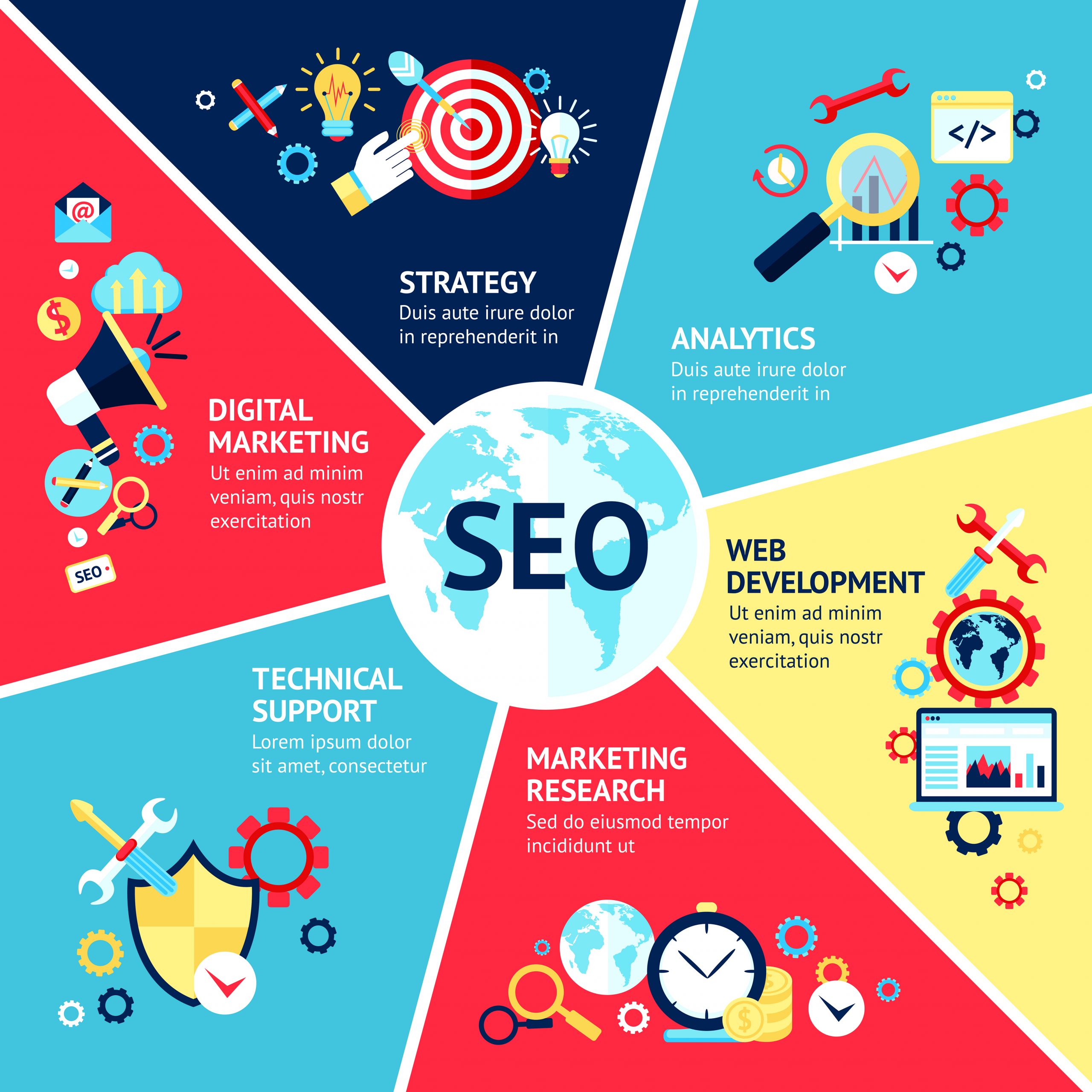

best local seo companies

Best Local SEO Companies: How to Choose the Right Partner

Best Local SEO Companies: How to Choose the Right Partner

For a business serving a particular town, city or region, appearing in local search results can make a real difference. A strong local SEO strategy can help potential customers find your business on Google Search and Maps, understand what you offer and get in touch.

The best local SEO company for your business will depend on your location, budget, goals and the support you need. Some providers are full-service digital agencies, while others specialise in local search or offer tools to help you manage the work yourself. The companies below are a useful starting point—not a definitive ranking or guarantee of results.

Local SEO companies to consider

LocaliQ UK

LocaliQ UK offers digital marketing services for businesses, including services intended to help improve local visibility. It may suit organisations looking for support across several areas of digital marketing rather than SEO alone. Ask how its local SEO work is tailored to your locations and how results are reported.

The SEO Works

The SEO Works is a UK digital marketing agency offering SEO and related services. It may be worth considering if you want an agency partner that can look at organic search as part of a wider online growth strategy. Discuss your service areas, competition and expectations before agreeing a campaign.

Hallam

Hallam is a UK digital agency with search marketing expertise. Businesses considering a broader strategy—including SEO and other digital channels—may find its approach relevant. Ask whether the proposed team has experience with businesses like yours and with the locations you want to target.

Blue Array

Blue Array is a UK SEO consultancy that works with organisations on search strategy. It may be suitable for businesses seeking strategic advice or specialist SEO support. If local visibility is your priority, check that the proposal specifically covers local rankings, Google Business Profile and location-specific pages.

Whitespark

Whitespark is a Canada-based local SEO provider known for local search tools and services. Its resources may be useful to businesses looking to manage parts of local SEO themselves, as well as those seeking specialist support. UK businesses should confirm that the service and advice fit their market and locations.

Sterling Sky

Sterling Sky is a Canada-based agency focused on local SEO. It may be of interest to businesses looking for specialist local search expertise. As with any provider based overseas, check its experience in your country, how communication and reporting will work, and whether its recommendations reflect local search practices.

What does a local SEO company do?

Local SEO focuses on helping a business appear in search results for relevant services and places. Depending on the provider and your needs, work may include:

  • Reviewing and improving your Google Business Profile
  • Checking that your business name, address and phone number are consistent online
  • Researching local search terms and competitors
  • Improving location and service pages on your website
  • Supporting a genuine customer review strategy
  • Finding relevant local directories and citation opportunities
  • Monitoring local visibility, website enquiries and other agreed outcomes

Not every business needs every service. A single-location tradesperson, for example, may need different support from a multi-location healthcare group or a chain of shops.

How to choose the best local SEO company

Look for relevant experience

Ask for examples of work with businesses in your sector and in markets similar to yours. Case studies should explain the work carried out and the results measured, rather than relying only on broad claims about rankings.

Understand the proposed strategy

A reputable provider should explain what it plans to do, why those activities matter and how they relate to your goals. Be cautious of vague packages that promise a set number of links or rankings without first reviewing your website and competition.

Ask how success is measured

Rankings can be useful, but they are only one part of the picture. Ask how the company will track relevant calls, enquiries, bookings or visits, and how it will distinguish meaningful leads from general website traffic.

Check who will do the work

Find out who your main contact will be, who carries out the work and how often you will receive updates. If several locations are involved, ask how the provider will manage the workload and maintain consistency.

Clarify costs and ownership

Request a clear breakdown of fees, services and contract terms. Make sure your business retains access to its website, analytics accounts and Google Business Profile, and ask what happens to any work or content if the agreement ends.

Warning signs to watch for

  • Guaranteed first-place rankings or instant results
  • Unclear descriptions of the work being delivered
  • Pressure to sign a long contract before an audit or discussion
  • Recommendations to create misleading listings or reviews
  • Reports that show activity but do not connect it to business outcomes

Final thoughts

The best local SEO company is one that understands your customers and service area, explains its work clearly and measures progress against outcomes that matter to your business. Compare several providers, ask specific questions and choose a partner whose approach is realistic, transparent and suited to your goals.


Essential FAQs for Choosing the Best Local SEO Companies in the UK

  1. What are the best local SEO companies in the UK?
  2. How do I choose the right local SEO company for my business?
  3. How much do local SEO companies charge in the UK?
  4. What services should a local SEO company provide?
  5. How long does it take for a local SEO company to deliver results?

What are the best local SEO companies in the UK?

The best local SEO companies in the UK depend on your business, budget and service area, so there is no single provider that suits everyone. When comparing agencies, look for proven experience with businesses like yours, a clear plan for improving local search visibility, transparent reporting and realistic expectations. Ask how they’ll support your Google Business Profile, local website pages and customer reviews, and check that you’ll retain access to your accounts. Compare proposals and case studies before choosing a partner.

How do I choose the right local SEO company for my business?

Choose a local SEO company that understands your industry, customers and service area, and can explain clearly how its strategy will support your goals. Ask for relevant case studies, details of the work included, and how it measures outcomes such as calls, enquiries or bookings—not just rankings. Check the costs, contract terms and reporting arrangements, and make sure you retain access to your website and business listings. Be wary of guaranteed rankings or promises of instant results; a trustworthy provider will set realistic expectations and tailor its recommendations to your business.

How much do local SEO companies charge in the UK?

Local SEO costs in the UK vary depending on your location, competition, number of branches and the work required. Smaller businesses may pay a few hundred pounds a month for ongoing support, while more competitive campaigns or multi-location businesses can cost considerably more; one-off audits and consultancy are often priced separately. Ask for a clear breakdown of the services, reporting and contract terms, and compare proposals by the value and scope of work—not just the monthly fee.

What services should a local SEO company provide?

A local SEO company should provide services that help your business appear in relevant local search results and attract nearby customers. These may include optimising your Google Business Profile, researching local keywords, improving location and service pages, checking that your business details are consistent across online directories, and supporting a genuine customer review strategy. The company should also monitor local visibility and meaningful outcomes, such as calls, enquiries or bookings, and provide clear reports explaining the work completed and its impact. The right services will depend on your business, locations and goals, so expect a tailored plan rather than a one-size-fits-all package.

How long does it take for a local SEO company to deliver results?

A local SEO company can often make initial improvements within a few weeks, but noticeable results typically take several months. The timeframe depends on factors such as your website’s starting point, local competition, the condition of your Google Business Profile and how consistently recommended changes are made. A reputable company should set realistic expectations, explain which early indicators it will track and report on progress towards meaningful outcomes such as enquiries, calls or bookings.

search engine consultant

How a Search Engine Consultant Can Help Your Business Grow

What Does a Search Engine Consultant Do?

A search engine consultant helps businesses improve how they appear in search results. By assessing a website and its wider digital presence, they identify opportunities to attract relevant visitors, make pages easier for search engines to understand and support business goals such as generating enquiries or increasing sales.

Search engine optimisation (SEO) is an ongoing process rather than a one-off fix. Search engines change how they rank pages, competitors update their websites, and customers’ needs evolve. A consultant can help a business respond to these changes with a clear, practical strategy.

What a Search Engine Consultant Can Help With

The work will vary depending on a business’s website, industry and objectives. Common areas of support include:

  • SEO audits: Reviewing a website to identify technical issues, content gaps and opportunities to improve its visibility.
  • Keyword research: Finding the search terms potential customers use and understanding the intent behind them.
  • Technical SEO: Advising on factors such as site speed, mobile usability, crawlability, indexing and website structure.
  • Content strategy: Planning useful, relevant pages that answer customer questions and reflect the services or products a business offers.
  • On-page optimisation: Improving page titles, headings, internal links and other elements that help users and search engines understand a page.
  • Local SEO: Helping eligible businesses improve their visibility in local searches, including the accuracy and completeness of their business information.
  • Performance reporting: Tracking progress using meaningful measures, such as organic traffic, search visibility, enquiries and sales.

How the Consulting Process Works

A good engagement usually begins with a conversation about the business. The consultant will want to understand its audience, services, priorities and existing marketing activity. They may then review the website, search performance and competitors to establish a baseline.

From there, the consultant can set out recommendations in order of importance. Some changes may be straightforward, while others could require input from developers, writers or marketing teams. A useful strategy explains what needs to be done, why it matters and how its impact will be assessed.

SEO results rarely appear overnight. The time required depends on factors such as the website’s current condition, the competitiveness of its market and the scale of the work. A consultant should set realistic expectations and report honestly on progress, including areas where results are still developing.

Why Hire a Search Engine Consultant?

Businesses may seek consultancy when they lack in-house SEO expertise, are planning a new website or want an independent view of their current approach. A consultant can also help teams focus their resources by distinguishing high-priority improvements from less urgent tasks.

For businesses with an existing marketing team, a consultant can provide specialist guidance without replacing the team’s wider knowledge of the brand and its customers. Depending on the arrangement, they may offer strategic advice, practical implementation or support for internal staff.

Choosing the Right Consultant

When considering a search engine consultant, look for someone who takes time to understand your business rather than offering the same package to every client. They should be able to explain their recommendations clearly, describe how success will be measured and provide a realistic view of the work involved.

It is also worth asking how they approach reporting, communication and collaboration with your team. Be cautious of guaranteed rankings or claims of instant results. Search engines control their results, and no consultant can promise a specific position for every search.

SEO That Supports Your Business

A search engine consultant can bring structure and specialist knowledge to a business’s SEO efforts. The most effective work connects technical improvements, useful content and a clear understanding of customer needs. With realistic goals and consistent measurement, SEO can become a valuable part of a broader digital marketing strategy.


9 Essential Tips for Choosing the Right Search Engine Consultant

  1. Set clear goals before hiring a search engine consultant.
  2. Check their SEO experience and client results.
  3. Ask for references and case studies.
  4. Choose someone who explains their methods clearly.
  5. Agree on deliverables, timelines and fees.
  6. Ensure they follow search engine guidelines.
  7. Request regular reports on progress and results.
  8. Avoid anyone promising guaranteed rankings.
  9. Review the strategy together regularly.

Set clear goals before hiring a search engine consultant.

Before hiring a search engine consultant, decide what you want to achieve. Your goals might include attracting more relevant visitors, increasing local enquiries, improving online sales or resolving technical issues. Clear objectives help the consultant recommend the right strategy, set realistic expectations and measure progress against outcomes that matter to your business.

Check their SEO experience and client results.

When choosing a search engine consultant, check their SEO experience and ask for examples of results they have achieved for clients. Look for relevant case studies, testimonials or references, and find out what the consultant actually did to improve visibility, traffic or enquiries. Results will vary between businesses and industries, so focus on evidence of a thoughtful, transparent approach rather than promises of guaranteed rankings.

Ask for references and case studies.

Ask potential search engine consultants for references and case studies to understand the results they have achieved for other clients. Look for examples relevant to your industry, business size or goals, and ask how the consultant contributed to the outcomes. Case studies should explain the work carried out and the measures used to assess progress, while references can offer insight into communication and reliability. Remember that past results are useful evidence, but they cannot guarantee the same results for your business.

Choose someone who explains their methods clearly.

Choose a search engine consultant who explains their methods clearly and can show how their recommendations support your business goals. They should be able to outline what they plan to do, why it matters and how progress will be measured, using straightforward language rather than jargon. Clear communication helps you make informed decisions, understand what to expect and spot unrealistic promises, such as guaranteed rankings or instant results.

Agree on deliverables, timelines and fees.

Before work begins, agree exactly what the search engine consultant will deliver, when each milestone is due and how much the work will cost. Set out the scope in writing, including any reports, audits or recommendations, and clarify whether implementation is included or charged separately. Clear expectations help prevent misunderstandings, keep the project on track and make it easier to assess the value of the work.

Ensure they follow search engine guidelines.

Choose a search engine consultant who follows search engine guidelines and focuses on sustainable, ethical SEO practices. They should be able to explain their recommendations clearly and avoid risky tactics such as spammy link-building, hidden text or keyword stuffing, which could harm your website’s visibility. Following established guidelines helps build a strong online presence over time and reduces the risk of search engine penalties.

Request regular reports on progress and results.

Ask your search engine consultant for regular reports that clearly show progress and results. Reports should cover meaningful measures such as organic traffic, search visibility, enquiries or sales, and explain what has changed and why. A consistent reporting schedule helps you understand whether the SEO work is supporting your business goals, identify areas that need attention and agree on the next steps.

Avoid anyone promising guaranteed rankings.

Be cautious of any search engine consultant who guarantees specific rankings. Search results are influenced by many factors and are controlled by search engines, so no consultant can promise a particular position. A trustworthy professional will explain what they can improve, set realistic expectations and measure progress using meaningful results such as relevant traffic, enquiries and sales.

Review the strategy together regularly.

Reviewing your SEO strategy together regularly helps ensure it still reflects your business goals, customers and the changing search landscape. Set aside time with your search engine consultant to discuss progress, review meaningful performance data and agree on any priorities or adjustments. Regular check-ins also give you the chance to raise concerns, share new business developments and make sure everyone understands the next steps.

SEO Company Websites: What Makes Them Effective?

SEO Company Websites: What Makes Them Effective?

An SEO company website has two important jobs: it needs to attract the right visitors from search engines and persuade potential clients that the company can help their business grow. A strong site does both by combining useful content, clear messaging, sound technical foundations and an easy-to-use design.

Whether you are building a website for an SEO agency or looking for an agency to work with, understanding these elements can help you recognise what makes a site effective.

Clear services and a clear message

Visitors should quickly understand what an SEO company does, who it works with and how its services can help. Avoid vague claims such as “we deliver digital excellence” unless they are supported by specific information.

Service pages can explain offerings such as technical SEO, local SEO, content strategy, keyword research and digital PR. Each page should describe the work involved, the problems it addresses and the types of businesses that may benefit. Clear calls to action, such as “Discuss your SEO goals”, give visitors a straightforward next step.

Useful, original content

Content can help an SEO company demonstrate its knowledge and attract people researching search marketing. Helpful articles, guides and case studies may cover topics such as improving local visibility, understanding organic traffic or preparing for a website migration.

Content should be written for people first. It needs to answer real questions accurately, use plain language and offer practical insight. Publishing large volumes of repetitive pages or articles created mainly to include keywords is unlikely to build trust with readers.

Evidence that builds trust

Choosing an SEO partner involves trust. A company website can support that trust by explaining its approach and sharing evidence of its work. Case studies are especially useful when they set out the client’s challenge, the strategy used and the results achieved, with relevant context.

Testimonials, team profiles, industry experience and clear contact details can also help visitors assess whether an agency is a suitable partner. Results should be presented honestly: SEO outcomes depend on factors such as competition, the website’s starting point and the time available.

A sound technical foundation

Even well-written content can struggle if a website is difficult for people or search engines to use. SEO company websites should be fast, secure and accessible across mobile devices. Important technical considerations include:

  • Logical navigation and a clear page structure
  • Descriptive page titles and headings
  • Readable URLs and working internal links
  • Mobile-friendly layouts and quick loading times
  • Accessible text, forms and navigation
  • Accurate indexing and XML sitemap settings

Technical optimisation is not a one-off task. Websites change over time, so regular checks can help identify broken links, indexing issues and performance problems.

Local relevance without keyword stuffing

For agencies serving particular areas, local SEO can help connect the business with nearby clients. A location page should provide genuinely useful information about the service and the area, rather than simply repeating place names.

Consistent business details, a well-maintained Google Business Profile and relevant local references can support a company’s local presence. Location pages are most effective when they reflect real expertise or service coverage.

Design that supports the user journey

A professional design should make information easy to find, not distract from it. Visitors should be able to move naturally from learning about a service to reviewing evidence and making an enquiry. Keep forms simple, use clear labels and make contact options easy to spot.

Good design also includes accessibility. Sufficient colour contrast, descriptive link text, keyboard-friendly navigation and meaningful image descriptions help make a website usable by more people.

How to assess an SEO company website

If you are comparing agencies, look beyond the site’s position in search results. Search rankings alone do not prove that an agency will be right for your business. Consider whether its website:

  • Explains its services and process clearly
  • Shows relevant experience and credible examples
  • Publishes useful, well-maintained information
  • Sets realistic expectations about SEO
  • Makes it easy to ask questions or arrange a conversation

It is also worth asking how the agency measures progress, what information it needs from you and how often it reports on work and outcomes. A good working relationship depends on clear communication as well as technical expertise.

Bringing it all together

The best SEO company websites are built around their visitors. They explain services plainly, offer useful information, demonstrate credibility and make the next step clear. Behind the scenes, they are supported by a fast, accessible and well-structured website.

These principles apply whether you are improving an agency’s own site or choosing an SEO partner. Focus on usefulness, transparency and a good experience for the people you want to reach.


Essential Tips for Enhancing Your SEO Company Website: Showcasing Services, Results, and Building Trust

  1. Show clear SEO services and specialisms.
  2. Use case studies with measurable results.
  3. Make contact details easy to find.
  4. Write useful, original content for clients.
  5. Optimise pages for relevant search terms.
  6. Ensure the website loads quickly on mobile.
  7. Add client testimonials and trust signals.

Show clear SEO services and specialisms.

Show clear SEO services and specialisms so potential clients can quickly see how your company can help. Describe each service in straightforward terms, such as technical SEO, local SEO, content strategy or digital PR, and explain who it is suited to and what it aims to achieve. If you focus on particular industries, locations or types of business, make that clear too. Specific, honest descriptions help visitors find the right information and understand what sets your company apart.

Use case studies with measurable results.

Use case studies with measurable results to show prospective clients what your SEO company can achieve. Explain the client’s challenge, the work carried out and the outcomes—such as growth in organic traffic, improved rankings for relevant search terms or more enquiries—while including the timeframe and any important context. Clear, credible evidence helps visitors understand your approach and builds trust without promising that every campaign will deliver identical results.

Make contact details easy to find.

Make your contact details easy to find on every page of your SEO company website. Include clear options such as a telephone number, email address or enquiry form in your header, footer or contact page, and make sure they work well on mobile devices. When potential clients can quickly get in touch, they are less likely to abandon their search and more likely to take the next step.

Write useful, original content for clients.

Write useful, original content that answers the questions your clients actually ask. Share practical advice, explain SEO concepts in plain English and create guides or case studies that reflect your experience. This helps visitors find relevant information, understand how you work and decide whether your services are right for them. Focus on accuracy and genuine value rather than repeating keywords or publishing content simply to fill your website.

Optimise pages for relevant search terms.

Optimise each page of your SEO company website for search terms that reflect its topic and what your potential clients are looking for. Choose a relevant primary phrase for each page, then use it naturally in the page title, main heading, copy and URL where appropriate. Include related terms and answer common questions, but avoid forcing keywords into the text. Clear, helpful content that matches search intent is more useful to visitors—and more sustainable—than keyword stuffing.

Ensure the website loads quickly on mobile.

Ensure your website loads quickly on mobile, where visitors may be browsing on slower connections or while on the move. Compress images, reduce unnecessary scripts and choose reliable hosting to improve loading times. A faster site makes it easier for potential clients to explore your services and can support a better user experience.

Add client testimonials and trust signals.

Add client testimonials and trust signals to help prospective customers feel confident about choosing your SEO company. Genuine reviews, detailed case studies, industry accreditations and clear information about your team can show how you work and the value you bring. Where possible, include specific outcomes and the context behind them, and always get permission before sharing a client’s name, logo or feedback. Avoid vague or unverified claims: honest, relevant evidence is more persuasive and helps set realistic expectations.

seo magnifier

Unleashing the Potential of SEO Magnifier: Elevate Your Digital Marketing Strategy

Exploring the Power of SEO Magnifier

Exploring the Power of SEO Magnifier

In the world of digital marketing, search engine optimisation (SEO) plays a crucial role in improving a website’s visibility and ranking on search engine results pages. One tool that has gained popularity among SEO professionals is SEO Magnifier.

SEO Magnifier is an online tool that offers a range of services to help website owners and marketers enhance their SEO efforts. From keyword analysis to content rewriting, this tool provides valuable features that can streamline the optimisation process.

Key Features of SEO Magnifier:

  • Plagiarism Checker: This feature allows users to check the originality of their content and identify any instances of plagiarism.
  • Article Rewriter: Users can rewrite articles to create unique content for better SEO performance.
  • Keyword Position Checker: This tool helps track the position of specific keywords in search engine results.
  • Backlink Maker: Users can generate quality backlinks to improve their website’s authority and ranking.

By utilising these features, website owners can effectively optimise their content, monitor keyword rankings, and enhance their overall SEO strategy. SEO Magnifier simplifies complex tasks and provides actionable insights to drive organic traffic and improve search engine visibility.

The Benefits of Using SEO Magnifier:

Time-Saving: With its user-friendly interface and efficient tools, SEO Magnifier saves time by automating various aspects of SEO analysis and implementation.

Enhanced Content Quality: The article rewriter feature helps create unique and engaging content that resonates with both users and search engines.

In-depth Analysis: The tools provided by SEO Magnifier offer detailed insights into keyword performance, backlink quality, and overall website health.

In conclusion, SEO Magnifier is a valuable resource for anyone looking to elevate their SEO game. By leveraging its features and functionalities, users can boost their online presence, attract more organic traffic, and ultimately achieve better search engine rankings. Explore the power of SEO Magnifier today to take your digital marketing efforts to new heights!


Enhance Your SEO Strategy: 7 Essential Tips Using SEO Magnifier Tools

  1. Use SEO Magnifier to analyse the keyword density in your content.
  2. Utilise the paraphrasing tool to create unique and original content for better SEO results.
  3. Check your website’s meta tags using SEO Magnifier to ensure they are optimised for search engines.
  4. Take advantage of the backlink maker tool to generate quality backlinks for improved SEO performance.
  5. Regularly use the plagiarism checker feature to avoid duplicate content issues that can harm your SEO efforts.
  6. Optimise your images by resizing and compressing them with the image compressor tool on SEO Magnifier.
  7. Make use of the grammar checker to ensure that your content is error-free and well-optimised for search engines.

Use SEO Magnifier to analyse the keyword density in your content.

Utilise SEO Magnifier to analyse the keyword density within your content. By employing this tool, you can effectively evaluate the frequency of target keywords in your text, ensuring optimal keyword usage for improved search engine visibility and ranking. Monitoring keyword density through SEO Magnifier enables you to fine-tune your content strategy and enhance its relevance to search queries, ultimately contributing to a more robust SEO performance.

Utilise the paraphrasing tool to create unique and original content for better SEO results.

By utilising the paraphrasing tool offered by SEO Magnifier, website owners and content creators can effortlessly generate unique and original content that is tailored for improved SEO performance. This tool enables users to rephrase existing content in a way that enhances its uniqueness, making it more appealing to search engines and online audiences. By incorporating fresh and original content into their websites, businesses can boost their search engine rankings, attract more organic traffic, and ultimately achieve better SEO results.

Check your website’s meta tags using SEO Magnifier to ensure they are optimised for search engines.

When utilising SEO Magnifier, it is advisable to check your website’s meta tags to guarantee they are optimised for search engines. By examining and refining your meta tags using this tool, you can enhance the visibility and relevance of your website in search engine results. Optimised meta tags play a crucial role in improving your website’s SEO performance, making it easier for search engines to understand and index your content effectively. Take advantage of SEO Magnifier’s capabilities to ensure that your meta tags are finely tuned for optimal search engine optimisation results.

Utilise the backlink maker tool available on SEO Magnifier to effortlessly create high-quality backlinks that can significantly enhance your website’s SEO performance. By leveraging this feature, you can establish a strong link profile that not only boosts your site’s authority but also improves its visibility in search engine results. Generating quality backlinks through the backlink maker tool is a strategic approach to increasing organic traffic and elevating your website’s ranking, ultimately driving better overall SEO results.

Regularly use the plagiarism checker feature to avoid duplicate content issues that can harm your SEO efforts.

Regularly utilising the plagiarism checker feature on SEO Magnifier is essential to prevent duplicate content issues that could potentially damage your SEO endeavours. By routinely checking the originality of your content, you can ensure that your website offers unique and valuable information to both users and search engines. Avoiding duplicate content not only enhances your site’s credibility but also helps maintain a strong SEO performance, ultimately contributing to improved search engine rankings and organic traffic growth.

Optimise your images by resizing and compressing them with the image compressor tool on SEO Magnifier.

Optimising images is a crucial aspect of enhancing website performance and SEO rankings. With the image compressor tool on SEO Magnifier, you can resize and compress your images effectively. By reducing the file size of images without compromising quality, you can improve page loading speed, which is a key factor in user experience and search engine optimisation. Utilising this feature on SEO Magnifier allows you to enhance your website’s performance by ensuring that your images are optimised for web use, ultimately contributing to a better overall SEO strategy.

Make use of the grammar checker to ensure that your content is error-free and well-optimised for search engines.

Utilising the grammar checker feature on SEO Magnifier is a smart strategy to guarantee that your content is not only error-free but also optimised for search engines. By identifying and rectifying grammar mistakes, you can enhance the readability and credibility of your content, which can positively impact your website’s SEO performance. Ensuring that your content is grammatically correct not only improves user experience but also signals to search engines that your website provides high-quality, valuable information. Incorporating the grammar checker tool into your SEO workflow through SEO Magnifier can help you achieve a polished and professional online presence that resonates with both users and search engine algorithms.

seo results

Unlocking the Power of SEO Results for Your Business Growth

The Impact of SEO Results on Your Business

The Impact of SEO Results on Your Business

Search Engine Optimization (SEO) is a powerful tool that can significantly impact the success of your business in the online world. By improving your website’s visibility and ranking on search engine results pages, SEO can drive more organic traffic to your site, increase brand awareness, and ultimately lead to higher conversion rates and revenue.

Increased Website Traffic

One of the most immediate benefits of effective SEO is the increase in website traffic. By optimising your website for relevant keywords and improving its overall performance, you are more likely to appear higher in search engine results. This heightened visibility means more users are likely to click through to your site, resulting in a steady stream of organic traffic.

Enhanced Brand Visibility

SEO also plays a crucial role in enhancing your brand’s visibility and credibility online. When your website consistently appears at the top of search results for relevant queries, users are more likely to trust your brand as an authority in your industry. This increased visibility not only attracts more potential customers but also helps build trust and loyalty among existing ones.

Improved Conversion Rates

Higher website traffic and enhanced brand visibility often translate into improved conversion rates. When users find your website easily through organic search results and perceive your brand as trustworthy and reliable, they are more likely to engage with your content, products, or services. This increased engagement can lead to higher conversion rates, whether it be making a purchase, signing up for a newsletter, or filling out a contact form.

Measurable Results

One of the key advantages of SEO is its measurability. Through various analytics tools and metrics, you can track the performance of your SEO efforts in real-time. From monitoring keyword rankings to analysing website traffic patterns, you can gain valuable insights into what strategies are working effectively and where improvements can be made.

Conclusion

In conclusion, SEO results have a profound impact on the success of your business online. By investing in effective SEO strategies, you can drive more organic traffic to your site, enhance brand visibility and credibility, improve conversion rates, and ultimately achieve long-term growth and success in the digital landscape.


Top 6 Tips for Enhancing Your SEO Results

  1. Create high-quality, relevant content for your website.
  2. Optimize your website’s metadata, including title tags and meta descriptions.
  3. Improve your website’s loading speed for better user experience and SEO performance.
  4. Use relevant keywords naturally throughout your content to improve search engine visibility.
  5. Build high-quality backlinks from reputable websites to increase your site’s authority.
  6. Regularly monitor and analyse your SEO performance using tools like Google Analytics.

Create high-quality, relevant content for your website.

Creating high-quality, relevant content for your website is a crucial tip for achieving successful SEO results. By producing content that is informative, engaging, and tailored to your target audience’s needs and interests, you not only improve your website’s visibility in search engine results but also enhance user experience. Search engines value fresh, valuable content, so regularly updating your site with relevant information can help boost your rankings and attract more organic traffic. Ultimately, prioritising quality content creation establishes your brand as an authority in your industry and fosters trust with both search engines and site visitors.

Optimize your website’s metadata, including title tags and meta descriptions.

Optimising your website’s metadata, such as title tags and meta descriptions, is a crucial tip to improve your SEO results. Title tags provide search engines and users with a concise summary of what each page on your website is about, while meta descriptions offer a brief snippet that entices users to click through to your site. By crafting compelling and relevant metadata that includes targeted keywords, you can enhance your website’s visibility in search engine results pages and increase the likelihood of attracting organic traffic. Paying attention to these small yet impactful details can make a significant difference in improving your website’s overall SEO performance.

Improve your website’s loading speed for better user experience and SEO performance.

To enhance your website’s performance and boost its visibility on search engines, focus on improving its loading speed. A faster-loading website not only provides a better user experience but also positively impacts your SEO results. Search engines like Google consider page speed as a ranking factor, so optimising your site’s loading time can help improve its search engine rankings and attract more organic traffic. Prioritising website speed not only benefits your users by offering a seamless browsing experience but also contributes to better SEO performance, ultimately leading to increased visibility and engagement for your online presence.

Use relevant keywords naturally throughout your content to improve search engine visibility.

To enhance your search engine visibility and improve SEO results, it is crucial to incorporate relevant keywords naturally throughout your content. By strategically placing keywords that align with user search queries, you can signal to search engines the relevance of your content. This practice not only helps attract organic traffic but also increases the likelihood of your website ranking higher in search results for specific queries. Remember, the key is to seamlessly integrate keywords into your content while maintaining a natural flow and readability for your audience.

Building high-quality backlinks from reputable websites is a crucial strategy to enhance your site’s authority and improve its search engine ranking. By earning backlinks from trustworthy sources, you signal to search engines that your website is a reliable and valuable resource within your industry. These authoritative backlinks not only drive referral traffic to your site but also boost your credibility and visibility online. Investing in building a strong backlink profile can significantly impact your SEO results by establishing your site as a reputable source of information, ultimately leading to higher organic traffic and better search engine rankings.

Regularly monitor and analyse your SEO performance using tools like Google Analytics.

Regularly monitoring and analysing your SEO performance using tools such as Google Analytics is essential for understanding the effectiveness of your strategies. By tracking key metrics like website traffic, keyword rankings, and user engagement, you can gain valuable insights into what is working well and where adjustments may be needed. This data-driven approach allows you to make informed decisions to optimise your SEO efforts, ultimately leading to improved visibility, increased website traffic, and higher conversion rates for your business.