best seo marketing

Best SEO Marketing: A Practical Guide to Growing Your Online Visibility

Best SEO Marketing: A Practical Guide to Growing Your Online Visibility

The best SEO marketing helps the right people find your business through search engines. It combines useful content, technical improvements and a clear understanding of what potential customers are looking for. Rather than relying on quick fixes, effective SEO builds lasting visibility and supports measurable business goals.

There is no single SEO strategy that works for every organisation. The right approach depends on your audience, industry, website and resources. However, the strongest campaigns tend to share a few fundamentals: they focus on users, use evidence to guide decisions and improve consistently over time.

What is SEO marketing?

Search engine optimisation (SEO) is the process of improving a website so that it can appear more prominently in relevant, unpaid search results. SEO marketing applies this process to wider marketing objectives, such as increasing brand awareness, attracting qualified visitors and generating enquiries or sales.

SEO usually includes several connected activities:

  • Keyword and audience research: discovering what people search for and what information they need.
  • Content optimisation: creating and improving pages to answer those needs clearly.
  • Technical SEO: helping search engines access, understand and index your website.
  • On-page optimisation: improving page titles, headings, internal links and other elements.
  • Authority building: earning relevant mentions and links from credible websites.
  • Measurement: reviewing performance and refining the strategy.

Start with your audience and business goals

Successful SEO begins with a clear idea of who you want to reach and what you want them to do. A rise in website traffic may look encouraging, but it is more valuable when that traffic comes from people who are likely to become customers.

Define your priorities before choosing keywords. You might want to increase online sales, attract more local enquiries, promote a particular service or build awareness in a new market. These goals help shape the pages you need and the results you should measure.

Choose keywords based on intent

Keyword research is not simply about finding phrases with high search volumes. It is about understanding the purpose behind a search. Someone searching for “how to improve website rankings” may be looking for advice, while someone searching for “SEO consultant in London” may be closer to choosing a provider.

Consider the different types of search intent:

  • Informational: the searcher wants to learn or solve a problem.
  • Commercial: the searcher is comparing options before making a decision.
  • Transactional: the searcher is ready to buy, book or enquire.
  • Navigational: the searcher is looking for a particular brand or website.

Map relevant search terms to suitable pages. A detailed guide may suit an informational query, while a service page is better for a search with commercial or transactional intent. Avoid creating several pages that compete for the same topic without a clear reason.

Create genuinely useful content

High-quality content is central to the best SEO marketing. It should answer the reader’s question accurately, be easy to follow and offer something of real value. This could be specialist knowledge, practical instructions, original research or a clear explanation of a complex subject.

Before writing, review the needs of your audience and the information already available. Then create a page that is more helpful, clearer or more complete. Use descriptive headings, concise paragraphs and examples where appropriate. Include keywords naturally, but never at the expense of readability.

Content also needs to stay current. Review important pages regularly to check that details are accurate, links work and recommendations remain relevant. Update, combine or remove pages where necessary rather than publishing new content simply to increase volume.

Make your website easy to use

A search result is only the start of the customer journey. Once visitors reach your site, they should be able to find information and take the next step without unnecessary effort. Clear navigation, readable text, helpful calls to action and a consistent design all contribute to a better experience.

Mobile usability is especially important because many people browse and search on mobile devices. Check that pages display correctly on smaller screens, buttons are easy to tap and important information is not difficult to find.

Address technical SEO essentials

Technical SEO helps search engines discover and interpret your pages. It also supports a reliable experience for visitors. Begin with the essentials:

  • Make sure important pages can be crawled and indexed.
  • Use a logical site structure and descriptive URLs.
  • Fix broken links and redirect outdated pages appropriately.
  • Provide a secure HTTPS connection.
  • Use a sitemap and maintain a suitable robots.txt file.
  • Check page speed and improve performance where practical.
  • Add structured data when it accurately describes the page.

Technical work should be prioritised according to its impact. A complicated website change is not automatically more valuable than fixing a small issue that prevents important pages from appearing in search.

Strengthen local SEO where relevant

For businesses serving a particular area, local SEO can help connect them with nearby customers. Keep your business name, address and phone number accurate across relevant platforms, and maintain a complete business profile on Google. Add up-to-date opening hours, services and photographs where appropriate.

Encourage genuine customer reviews and respond to them professionally. Local landing pages can also be useful when they provide specific information for each area served. Avoid creating near-identical pages that merely swap one location name for another.

Build authority naturally

Links from other websites can help search engines understand that your content is useful and credible. The most sustainable way to earn them is to publish material worth referencing and build genuine relationships within your industry.

Useful approaches may include sharing original research, contributing expert commentary, creating practical resources or partnering with relevant organisations. Be cautious of services that promise large numbers of links quickly. Manipulative link schemes can put a website’s long-term performance at risk.

Measure outcomes, not just rankings

Rankings can help you understand visibility, but they are only one part of performance. Use analytics and search performance tools to monitor a broader set of measures, such as:

  • Organic visits to important pages
  • Search impressions and clicks
  • Qualified enquiries, bookings or purchases
  • Conversion rate and revenue from organic search
  • Performance across priority topics and locations

Set a baseline before making major changes and allow enough time to assess the results. SEO is usually a gradual process, and performance can be affected by competition, seasonality, website changes and search engine updates.

Common SEO marketing mistakes to avoid

  • Choosing keywords only because they have high search volumes.
  • Publishing thin or repetitive pages to target more phrases.
  • Overusing keywords in a way that makes content unnatural.
  • Ignoring mobile usability and page experience.
  • Buying links or using tactics designed to manipulate rankings.
  • Expecting immediate results from a long-term channel.
  • Reporting rankings without connecting them to business outcomes.

How to choose an SEO marketing partner

If you work with an agency or consultant, look for a partner who takes time to understand your business, explains their recommendations clearly and sets realistic expectations. Ask how progress will be measured, what work will be carried out and how often results will be reviewed.

Be wary of guaranteed rankings or vague promises. No provider can control search engine results, but a responsible SEO partner can explain the strategy, prioritise the work and report honestly on progress.

Building an effective SEO strategy

The best SEO marketing is not a collection of tricks. It is a coordinated effort to understand your audience, create useful pages, maintain a technically sound website and earn trust over time. Start with the improvements most closely connected to your business goals, measure their impact and keep refining your approach.

With consistent work and realistic expectations, SEO can become a valuable source of relevant visitors and long-term business growth.


Top 26 Frequently Asked Questions About the Best SEO Marketing Practices

  1. Is SEO best or digital marketing?
  2. Who is the best SEO in the world?
  3. Which platform is good for SEO?
  4. Which SEO service is best?
  5. Is SEO the best marketing?
  6. Which is the 1 SEO company in the world?
  7. Which SEO company is best?
  8. What is an SEO in marketing?
  9. What is the best strategy for SEO?
  10. What is the most powerful SEO in the world?
  11. What are the 3 types of SEO?
  12. How is SEO good for marketing?
  13. What is SEO in marketing?
  14. Does SEO marketing really work?
  15. Is SEO worth it 2022?
  16. Is SEO the best form of marketing?
  17. What is SEO Best Practices 2022?
  18. Is SEO a waste of money?
  19. Is SEO dead or evolving in 2026?
  20. Can ChatGPT do SEO?
  21. Can you do SEO yourself?
  22. What is the best SEO service in the UK?
  23. Is SEO worth it in 2022?
  24. Can I do SEO on my own?
  25. What are SEO tools in marketing?
  26. What SEO company is best?

Is SEO best or digital marketing?

SEO is one part of digital marketing, so the best choice depends on your goals. SEO can help your website attract relevant visitors from unpaid search results over time, while digital marketing also includes channels such as paid advertising, email and social media, which may deliver faster or broader reach. For many businesses, the strongest approach is a combination: use SEO to build sustainable visibility and other digital marketing channels to support immediate campaigns and customer engagement.

Who is the best SEO in the world?

There is no single “best SEO in the world”, as the right expert depends on your industry, goals, budget and market. SEO is also constantly changing, so look for a professional or agency with relevant experience, a clear and ethical approach, transparent reporting and evidence of meaningful results. Be cautious of anyone promising guaranteed rankings; a trustworthy SEO partner will explain what they can influence and set realistic expectations.

Which platform is good for SEO?

The best platform for SEO depends on your website’s needs, but WordPress is a popular choice thanks to its flexibility and range of SEO tools. Shopify can work well for online shops, while Wix and Squarespace also offer useful SEO features for many small businesses. No platform guarantees strong rankings, however: results depend on factors such as useful content, a well-structured and technically sound website, and a good user experience. Choose a platform that suits your goals and makes it straightforward to manage and improve your site.

Which SEO service is best?

The best SEO service depends on your business goals, audience and current website. A local business may benefit most from local SEO, while an online shop might prioritise e-commerce SEO, technical improvements and product-page optimisation. Look for a service that starts with research, explains its recommendations clearly, focuses on sustainable practices and measures success through meaningful outcomes such as qualified enquiries or sales—not rankings alone.

Is SEO the best marketing?

SEO can be one of the most effective marketing channels for building long-term visibility and attracting people who are actively searching for your products or services, but it is not always the best choice on its own. Results can take time, and the right mix depends on your goals, audience and budget. For many businesses, SEO works best alongside channels such as paid advertising, social media and email marketing.

Which is the 1 SEO company in the world?

There is no universally recognised “number one” SEO company in the world, as the right choice depends on your goals, industry, budget and target markets. Rather than relying on rankings or bold claims, look for an SEO partner with relevant experience, transparent reporting, clear communication and a strategy tailored to your business. Check independent reviews and case studies, and be cautious of anyone guaranteeing specific rankings or overnight results.

Which SEO company is best?

There is no single SEO company that is best for every business; the right choice depends on your goals, budget, industry and target audience. Look for a company with relevant experience, clear and realistic recommendations, transparent reporting and an ethical approach to SEO. Ask how it will measure success and make sure its strategy focuses on meaningful outcomes—such as qualified enquiries or sales—not just rankings. Before committing, compare proposals and choose a team that takes the time to understand your business and explain its work clearly.

What is an SEO in marketing?

In marketing, SEO (search engine optimisation) is the practice of improving a website so it is more visible in unpaid search engine results. It involves understanding what people are searching for, creating useful and relevant content, and making sure the website is easy for search engines and visitors to use. The aim is to attract the right audience and support goals such as enquiries, sales or brand awareness.

What is the best strategy for SEO?

The best SEO strategy starts with understanding your audience and the searches they make, then creating accurate, useful content that meets their needs. Support this with a technically sound, mobile-friendly website, clear page structure, relevant internal links and trustworthy links earned from reputable sources. Track meaningful results—such as qualified enquiries, sales and organic traffic—not rankings alone, and refine your approach regularly as your business and search behaviour change.

What is the most powerful SEO in the world?

The most powerful SEO is not a single tool or tactic; it is a well-planned strategy that combines helpful, trustworthy content with strong technical foundations and a positive user experience. Understanding what people are searching for, then meeting those needs better than competing pages, can build lasting visibility. The right approach depends on your audience and goals, so focus on relevant traffic and meaningful results rather than quick fixes or guaranteed rankings.

What are the 3 types of SEO?

The three main types of SEO are on-page SEO, off-page SEO and technical SEO. On-page SEO covers improvements made to your website’s content and pages, such as useful information, headings and internal links. Off-page SEO focuses on building your site’s reputation beyond its own pages, particularly through relevant, trustworthy links and brand mentions. Technical SEO helps search engines crawl, understand and index your website, with work on areas such as site structure, mobile usability and page speed. Together, these three areas support stronger organic visibility and a better experience for visitors.

How is SEO good for marketing?

SEO is good for marketing because it helps your business appear when people search online for products, services or information you offer. By improving your website’s content, visibility and user experience, SEO can attract relevant visitors, build trust in your brand and generate enquiries or sales over time. Unlike paid advertising, organic search traffic does not require a fee for each click, although effective SEO does require ongoing effort and investment.

What is SEO in marketing?

SEO in marketing is the process of improving a website so it appears more prominently in unpaid search engine results. It involves understanding what your audience searches for, creating useful and relevant content, and making sure your website is easy for both visitors and search engines to use. As part of a wider marketing strategy, SEO can help attract qualified traffic, build brand visibility and support enquiries or sales over time.

Does SEO marketing really work?

Yes, SEO marketing can work by helping your website appear in relevant search results and attracting people who are actively looking for your products or services. Results usually take time and depend on factors such as your competition, website quality and the consistency of your efforts. While SEO cannot guarantee specific rankings, a well-planned strategy can increase qualified traffic, enquiries and sales over the long term.

Is SEO worth it 2022?

Yes, SEO was worth considering in 2022 for businesses looking to attract relevant visitors and build visibility in search results over the long term. It could help bring in customers who were actively searching for related products or services, but results were rarely immediate and depended on factors such as competition, website quality and the consistency of the work. SEO was most worthwhile when it supported clear business goals and was treated as an ongoing investment rather than a quick fix.

Is SEO the best form of marketing?

SEO can be one of the most effective forms of marketing, particularly for reaching people who are actively searching for products, services or information. It can attract relevant visitors over time and support lasting online visibility, but it is not always the best choice on its own. The right marketing mix depends on your goals, audience, budget and timescale; combining SEO with channels such as paid advertising, social media or email marketing may deliver stronger results.

What is SEO Best Practices 2022?

SEO best practices in 2022 meant using sustainable, user-focused techniques to improve a website’s visibility in search results. This included creating useful, trustworthy content that matched search intent, making pages mobile-friendly and fast, maintaining sound technical SEO, using clear page titles and headings, and earning relevant links naturally. Rather than relying on keyword stuffing or other shortcuts, the focus was on making a website genuinely helpful and easy for both visitors and search engines to understand.

Is SEO a waste of money?

No, SEO is not inherently a waste of money, but its value depends on the strategy, execution and expectations. A well-planned campaign can help your website attract relevant visitors and generate enquiries or sales over time. However, SEO is rarely an instant fix: results can take months, and no provider can guarantee specific rankings. Before investing, set clear business goals, ask how progress will be measured and make sure the proposed work is transparent, ethical and suited to your audience.

Is SEO dead or evolving in 2026?

As of 2026, SEO is far from dead; rather, it continues to evolve in response to changing technologies and user behaviours. While some traditional tactics may have become obsolete, the core principles of SEO remain vital for online visibility. Search engines are increasingly sophisticated, using advanced algorithms and AI to understand user intent and deliver more relevant results. This evolution means that businesses must adapt by focusing on high-quality content, user experience, and technical optimisation. Additionally, the rise of voice search, mobile-first indexing, and AI-driven search features are reshaping how SEO strategies are developed and implemented. Therefore, staying informed about these changes is crucial for maintaining a competitive edge in the digital landscape.

Can ChatGPT do SEO?

Yes, ChatGPT can support SEO by helping with tasks such as brainstorming keywords, outlining articles, drafting or refining content, and explaining SEO concepts. However, it cannot replace expert judgement: its suggestions need to be checked for accuracy, originality, search intent and alignment with your business, and it cannot guarantee rankings or independently manage every technical aspect of a campaign. Use it as a productivity tool alongside reliable data, human expertise and regular performance reviews.

Can you do SEO yourself?

Yes, you can do SEO yourself, particularly if you have time to learn the basics and your website is relatively small. Start by researching the phrases your audience uses, creating helpful content, improving page titles and headings, and making sure your site works well on mobile devices. Free tools can help you monitor performance and identify technical issues. SEO takes ongoing effort, though, and more complex websites or competitive markets may benefit from professional support.

What is the best SEO service in the UK?

The best SEO service in the UK is one that understands your business, audience and goals, then builds a tailored strategy around them. Look for a provider with a transparent approach, proven experience, clear reporting and a focus on sustainable techniques such as technical optimisation, useful content and relevant link-building. The right choice will measure success by meaningful outcomes—such as qualified enquiries or sales—not rankings alone, and will avoid guaranteeing specific positions in search results.

Is SEO worth it in 2022?

Yes, SEO was worth investing in during 2022 for businesses seeking to attract relevant visitors and build long-term online visibility. While it typically takes time to deliver results, well-planned SEO can bring qualified traffic without paying for every click and help a website remain discoverable over time. Its value depends on your goals, competition and the quality of your strategy, so success should be measured by meaningful outcomes such as enquiries, sales and leads—not rankings alone.

Can I do SEO on my own?

Yes, you can do SEO yourself, particularly if you have the time to learn the basics and make regular improvements. Start by researching the terms your customers use, creating helpful content, improving page titles and headings, and making sure your website works well on mobile. Free tools can help you monitor search performance and identify technical issues. SEO takes time, and more complex websites may need specialist support, but a steady, informed approach can make a worthwhile difference.

What are SEO tools in marketing?

SEO tools in marketing help businesses research, plan and measure their search engine optimisation (SEO) activity. They can be used to find relevant keywords, check website health, analyse competitors, monitor search rankings, identify content opportunities and track website traffic. Examples include Google Search Console and Google Analytics, alongside specialist SEO platforms. The best tools depend on your goals, but they should support informed decisions rather than replace useful content, sound strategy and a good experience for visitors.

What SEO company is best?

The best SEO company is one that understands your business, audience and goals, then builds a clear strategy around them. Look for a provider with relevant experience, transparent reporting and a focus on sustainable practices, such as useful content and sound technical SEO. Ask how they measure success and be cautious of anyone promising guaranteed rankings or instant results, as search performance takes time and no company can control Google’s results.

seo partners

SEO Partners: How to Choose the Right Partner for Your Business

SEO Partners: How to Choose the Right Partner for Your Business

Search engine optimisation (SEO) can help people find your business when they are looking for the products, services or information you provide. But building and maintaining an effective SEO strategy takes time, specialist knowledge and consistent effort. The right SEO partner can bring these skills together and help your business make informed, sustainable progress online.

What does an SEO partner do?

An SEO partner works with your business to improve the visibility and usefulness of your website in organic search results. Depending on your needs, their work may include:

  • SEO audits: reviewing your website’s technical health, content and search visibility.
  • Keyword and audience research: identifying the questions and search terms that matter to your potential customers.
  • Technical SEO: addressing issues that can affect crawling, indexing, site speed, mobile usability and website structure.
  • Content strategy: planning and improving helpful pages that meet users’ needs.
  • On-page optimisation: refining page titles, headings, internal links and other elements.
  • Digital PR and link acquisition: supporting your reputation and authority through relevant, credible coverage and links.
  • Measurement and reporting: tracking performance and explaining what the data means for your business.

The exact mix should depend on your goals, market and existing website. A good partner will explain what they recommend and why, rather than offering the same package to every business.

Why work with an SEO partner?

SEO is not a one-off task. Search behaviour, competitors, websites and search engine systems change over time. An experienced partner can help you prioritise work, build a practical plan and respond to changes without losing sight of your business objectives.

Working with an external specialist can also give your team access to skills that may be difficult to maintain in-house. This could be particularly useful if you need support with technical improvements, content planning or interpreting performance data. For larger organisations, an SEO partner can complement an existing marketing team; for smaller businesses, they may provide strategic guidance and hands-on delivery.

How to choose the right SEO partner

Start with your business goals

Before speaking to agencies or consultants, be clear about what you want SEO to contribute. You might be aiming to increase relevant organic traffic, generate more enquiries, improve online sales or build visibility in a particular location. Clear goals make it easier to assess whether a proposed strategy is appropriate.

Look for a clear, tailored plan

A credible SEO partner should take time to understand your business, customers, website and competitors. Their recommendations should connect to your objectives and explain the expected work, priorities and measures of progress. Be cautious of proposals that promise dramatic results without first examining your situation.

Ask how success will be measured

Rankings can be useful indicators, but they do not tell the whole story. Ask how reporting will connect SEO activity to meaningful outcomes, such as qualified visits, leads, sales or revenue. A strong reporting approach should include context, explain changes and identify the next steps—not simply present a list of figures.

Check communication and collaboration

SEO often involves input from people responsible for content, development, sales and marketing. Find out who will manage your account, how often you will meet and how recommendations will be shared. The best working relationships are collaborative: your partner brings specialist knowledge, while your team contributes insight into your customers, products and business.

Understand what is included

Before agreeing to work together, confirm the scope, fees, timescales and responsibilities. Clarify whether the partner will implement changes or provide recommendations for your team to action. It is also worth asking how work will be prioritised if new issues or opportunities arise.

Questions to ask a potential SEO partner

  • How will you learn about our business and target audience?
  • What would you assess before recommending a strategy?
  • Which activities do you expect to prioritise, and why?
  • How will you measure progress and report results?
  • Who will carry out the work, and how will we communicate?
  • What will you need from our team?
  • How do you approach changes in search performance or search engine guidance?
  • Can you explain the risks and limitations of the proposed approach?

Recognising warning signs

Be wary of guarantees of specific rankings or overnight success. Search performance depends on many factors, and no partner can control every part of the process. Other warning signs include vague reporting, unexplained technical language, pressure to sign quickly, or tactics that rely on manipulative link schemes and low-quality content.

A trustworthy SEO partner should be open about methods, realistic about timescales and willing to explain both progress and setbacks. They should also respect your website, your brand and the people you want to reach.

Making the partnership work

SEO works best when it is treated as an ongoing business activity rather than an isolated marketing task. Share relevant information with your partner, such as upcoming product launches, seasonal priorities and changes to your services. Make sure recommendations have a clear route to implementation, and review progress together at regular intervals.

It is also important to give sound work enough time to show its impact. Some technical changes can produce relatively quick improvements, while content development and authority-building often take longer. Regular reviews can help you adjust the plan while keeping attention on long-term goals.

Conclusion

The right SEO partner offers more than a list of tasks. They bring a considered strategy, clear communication and a practical understanding of how organic search can support your business. By setting clear goals, asking informed questions and agreeing how success will be measured, you can build a partnership focused on meaningful, sustainable growth.


Essential Tips for Selecting the Right SEO Partner

  1. Choose an SEO partner with proven results.
  2. Check their case studies and references.
  3. Agree clear goals and reporting.
  4. Avoid guarantees of top rankings.
  5. Ask about their link-building methods.
  6. Review progress regularly.

Choose an SEO partner with proven results.

Choose an SEO partner with proven results by looking for clear examples of work they have carried out for businesses with similar goals or challenges. Ask for case studies, references or evidence of improvements in relevant measures, such as qualified organic traffic, enquiries or sales. Results will vary between businesses, so look for honest explanations of the strategy, timescales and factors involved rather than guaranteed rankings or sweeping promises.

Check their case studies and references.

Check a potential SEO partner’s case studies and references to understand the results they have achieved and how they work with clients. Look for examples relevant to your industry, business size or goals, and ask how success was measured and over what period. References can offer useful insight into communication, reliability and day-to-day collaboration. Keep in mind that every business is different, so past results are helpful evidence—not a guarantee of what will happen for your business.

Agree clear goals and reporting.

Agree clear goals and reporting before work begins so you and your SEO partner share an understanding of what success looks like. Focus on outcomes that matter to your business, such as relevant enquiries, online sales or qualified website visits, rather than rankings alone. Set a regular reporting schedule and ask for clear explanations of progress, challenges and next steps. This keeps the partnership accountable and helps ensure that SEO activity supports your wider business objectives.

Avoid guarantees of top rankings.

Be cautious of SEO partners who guarantee top rankings. Search results are influenced by many factors, including competition and ongoing changes to search engines, so no provider can promise a particular position. A trustworthy partner will set realistic expectations, explain their approach and focus on sustainable improvements that support your business goals.

Ask potential SEO partners how they build links and how they decide which websites are worth approaching. A trustworthy partner should focus on earning relevant, high-quality links through useful content, genuine relationships and legitimate digital PR—not buying links or using automated schemes that could put your website at risk. Ask how they assess the quality of a link, what reporting you will receive and whether you can review the work. Their answers should be clear, transparent and aligned with search engine guidelines.

Review progress regularly.

Review progress regularly with your SEO partner to understand what is working, what needs attention and whether the strategy still supports your business goals. Look beyond rankings alone: consider relevant website visits, enquiries, sales and other agreed measures. Regular, open conversations help you spot opportunities, address challenges early and agree clear next steps.

seo analyzer online

SEO Analyzer Online: Check and Improve Your Website’s Search Performance

SEO Analyser Online: How to Check and Improve Your Website

An SEO analyser online can help you understand how well your website is performing in search engines. By checking factors such as page titles, mobile usability, loading speed and links, these tools can highlight potential issues and suggest where to focus your efforts.

Whether you run a small business website, an online shop or a blog, an SEO analysis is a useful starting point. It can turn a broad aim—improving visibility in search results—into a practical list of tasks.

What is an online SEO analyser?

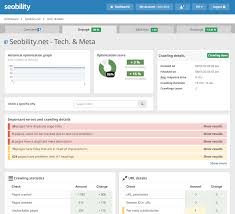
An online SEO analyser is a tool that reviews a web page or website for search engine optimisation factors. Depending on the tool, it may assess one URL, scan several pages or crawl a larger site.

Some analysers provide a simple score, while others offer detailed reports. These might include technical checks, on-page recommendations, performance measurements and information about links. A score can be a helpful snapshot, but it should not be treated as a direct measure of how well a page will rank.

What can an SEO analyser check?

On-page SEO

On-page checks look at the content and HTML elements on a page. An analyser may review:

  • Page titles and meta descriptions
  • Heading structure, including the H1 heading
  • Use of relevant search terms
  • Image alt text
  • Internal links and descriptive anchor text
  • Duplicate or missing content

These checks can help identify missing information or unclear page structure. They cannot reliably judge every aspect of content quality, however. A page still needs to be useful, accurate and written for its intended audience.

Technical SEO

Technical SEO relates to how search engines access and understand a website. Depending on its capabilities, an analyser may flag:

  • Broken links and error pages
  • Redirect issues
  • Missing or incorrect canonical tags
  • Indexing and crawlability concerns
  • Mobile usability problems
  • HTTPS or security issues
  • Structured data errors

Technical checks are particularly valuable on larger websites, where a problem affecting many pages can be difficult to spot manually.

Page speed and user experience

Some tools measure page performance and provide recommendations, such as compressing images, reducing unnecessary scripts or improving server response times. Results can vary depending on the testing location, device and network conditions, so use them as guidance rather than as a definitive measure of every visitor’s experience.

Backlinks and visibility

More advanced SEO analysers may provide information about links from other websites, keyword rankings or estimated organic traffic. These figures are often based on a tool’s own data and methods. They can be useful for spotting trends, but they may differ from data in your website analytics or from other SEO platforms.

How to use an SEO analyser online

  1. Choose a representative page. Start with an important service, product or landing page, rather than analysing your entire site at once.
  2. Run the analysis. Enter the page URL and review the report, noting both technical errors and content suggestions.
  3. Check the findings. Confirm that each recommendation applies to your site. Automated tools can misinterpret unusual layouts or overlook context.
  4. Prioritise the work. Address issues that affect accessibility, crawling, indexing or key user journeys before minor score improvements.
  5. Make changes and test again. Recheck the page after updates, then monitor its performance over time.

For a wider review, repeat the process across different page types, such as category pages, blog posts and product pages. A site-wide crawl can help reveal patterns that a single-page check may miss.

How to choose the right tool

The best online SEO analyser depends on your needs. Before choosing one, consider:

  • Scope: Does it check one URL, a group of pages or a whole website?
  • Clarity: Are recommendations explained in plain language?
  • Depth: Does it cover the areas you need, such as technical SEO, content or performance?
  • Limits: Are there restrictions on the number of checks or pages?
  • Privacy: Understand how the service handles any information you submit.
  • Cost: Decide whether a free report is sufficient or whether regular monitoring justifies a paid tool.

A free analyser can be a good first step, particularly for a small site. For ongoing work, you may need a combination of tools: one for crawling, another for performance testing and platform data that shows how people find and use your website.

Common mistakes to avoid

It is easy to focus too much on a single score. SEO tools use different benchmarks, and search engines do not rank pages according to one universal analyser rating. Instead, look for issues that matter to visitors and search engines, and judge progress using a range of measures.

Another common mistake is making changes simply to satisfy a tool. For example, repeating a keyword unnaturally may make a report look better but create a worse experience for readers. Recommendations should support a clear, helpful website—not replace sound judgement.

Use analysis as a starting point

An SEO analyser online can make website optimisation more manageable by identifying areas worth investigating. It is most effective when its findings are checked, prioritised and paired with useful content and a good user experience.

Run checks regularly, keep track of the changes you make and review real performance data over time. That approach provides a more meaningful picture of your SEO progress than a one-off score.


Essential SEO Tips: Utilise Online Analysers for Optimal Performance

  1. Check page titles and meta descriptions for clarity and length.
  2. Review keyword use without overstuffing.
  3. Test page speed and mobile usability.
  4. Fix broken links and missing image alt text.
  5. Check indexing, canonical tags and sitemap status.
  6. Compare competitor pages for content gaps.

Check page titles and meta descriptions for clarity and length.

Check your page titles and meta descriptions to make sure they clearly explain what each page offers and encourage people to click. Keep titles concise so they display well in search results, and write unique, relevant descriptions that summarise the page without unnecessary repetition. An online SEO analyser can flag titles or descriptions that may be too long, too short or missing, but always review its suggestions to ensure the wording sounds natural and accurately represents your content.

Review keyword use without overstuffing.

Review keyword use to make sure your target search terms appear naturally in the page title, headings and content where they help explain the topic. An online SEO analyser can highlight missing or unusually frequent keywords, but treat its suggestions as guidance rather than rules. Avoid repeating phrases just to improve a score: clear, useful writing for readers should always come first.

Test page speed and mobile usability.

Use an SEO analyser online to test your page speed and mobile usability, as both can affect visitors’ experience and how easily they can use your site. Check how quickly key pages load and whether text, images and navigation work well on smaller screens. If the report highlights slow-loading elements or mobile display issues, prioritise fixes such as compressing images, simplifying page layouts and making buttons easier to tap. Test the pages again after making changes.

Use an online SEO analyser to find broken links and images with missing alt text. Broken links can frustrate visitors and make it harder for search engines to crawl your site, so update the URL, restore the missing page or remove the link. Add concise, accurate alt text to meaningful images to describe their content for people using screen readers and help search engines understand them. For decorative images, use empty alt text so assistive technology can skip them.

Check indexing, canonical tags and sitemap status.

Check that important pages are indexed, each page has the correct canonical tag, and your XML sitemap is accessible and up to date. An online SEO analyser can flag indexing or sitemap errors and help you spot canonical tags that point to the wrong URL. Fixing these issues helps search engines find and interpret your preferred pages, although inclusion in a sitemap does not guarantee that a page will be indexed.

Compare competitor pages for content gaps.

Use an online SEO analyser to compare your pages with competitors that perform well in search results. Look for topics, questions or useful details they cover that your content does not, such as pricing information, practical examples or answers to common customer queries. These content gaps can reveal opportunities to make your page more complete and helpful. Focus on adding genuinely valuable information for your audience rather than copying competitors or including content simply to target more keywords.

top seo agencies

Top SEO Agencies in the UK: How to Choose the Right Partner

Top SEO Agencies in the UK: How to Find the Right Partner

Choosing an SEO agency can be a significant decision for any business. The right partner can help improve your visibility in search results, attract more relevant visitors and support sustainable growth. The wrong fit, however, may leave you with unclear reports, unsuitable tactics or expectations that were never realistic in the first place.

There is no single agency that is best for every organisation. The right choice depends on your goals, budget, sector and in-house resources. This guide introduces several established UK agencies and explains what to look for when comparing SEO providers.

What makes a top SEO agency?

A strong SEO agency should begin by understanding your business, audience and commercial objectives. Rather than promising a quick ranking boost, it should explain how its recommendations connect to meaningful outcomes, such as qualified enquiries, online sales or increased visibility for important services.

Look for an agency that can demonstrate:

  • A clear strategy: Recommendations should reflect your website, market and priorities, rather than relying on a generic checklist.
  • Sound technical knowledge: The team should be able to identify issues affecting crawling, indexing, site structure, page experience and performance.
  • Useful content expertise: Effective SEO involves creating and improving content that answers genuine customer needs.
  • Transparent reporting: Reports should explain progress in plain language and distinguish activity from results.
  • Ethical practices: Be cautious of guaranteed rankings, secret methods or link-building promises that sound too good to be true.
  • Relevant experience: Experience with businesses of a similar size, business model or sector can be valuable.

Notable SEO agencies in the UK

The agencies below are examples of established providers operating in the UK. This is not a definitive ranking: services, teams and areas of specialism can change, so check each agency’s current offering and speak with its team before making a decision.

Impression

Impression is a digital marketing agency with SEO among its services. It may be worth considering if you want to explore SEO alongside other digital channels, such as paid media or digital PR. Ask how its teams coordinate activity and how performance is measured across channels.

The SEO Works

The SEO Works provides search marketing services to businesses across different sectors. When assessing the agency, ask about its approach to technical SEO, content and link acquisition, and request examples that are relevant to your own business goals.

Blue Array

Blue Array focuses on SEO and organic search consultancy. A specialist provider may suit organisations looking for dedicated search expertise or support alongside an existing marketing team. Clarify whether you need strategic advice, implementation or a combination of both.

Reboot Online

Reboot Online offers SEO and digital marketing services, including work connected with digital PR and content. If these areas are important to your strategy, ask how campaigns are planned, how quality is assessed and how outcomes are reported.

Rise at Seven

Rise at Seven works across search, content and digital PR. It may be relevant to brands looking for creative campaigns designed to build awareness as well as organic visibility. Discuss how campaign ideas will support your target audience and longer-term search performance.

Aira

Aira is a digital marketing agency offering services that include SEO and content-related work. Businesses considering an integrated approach can ask how SEO fits with their wider marketing activity and which specialists would be involved in their account.

Hallam

Hallam provides digital marketing services, including SEO. It may be a useful option for businesses comparing agencies that can support several areas of digital marketing. Make sure the proposed scope gives SEO enough attention if organic search is a main priority.

Brainlabs

Brainlabs is a digital marketing company with services spanning multiple channels. Larger organisations or brands with more complex marketing requirements may wish to explore whether its capabilities match their needs, team structure and budget.

How to choose the right SEO agency

Define your goals first

Be clear about what you want SEO to achieve. You might be looking to increase online sales, generate local leads, grow non-branded traffic or improve the visibility of a particular service. Clear objectives make it easier to compare proposals fairly.

Ask what the work will involve

Request a straightforward explanation of the proposed work during the first few months. This might include a technical review, keyword and competitor research, content recommendations, improvements to existing pages or digital PR. The plan should be specific enough to understand, while allowing for findings to shape priorities.

Understand how success is measured

Rankings can be useful indicators, but they do not tell the whole story. Ask how the agency will report on traffic quality, enquiries, conversions and revenue where suitable tracking is in place. Agree how progress will be reviewed and what information you will need to provide.

Check the contract and account team

Before signing, review the contract length, notice period, fees and any additional costs. Find out who will manage your account, how often you will meet and who will carry out the work. Make sure the arrangement suits your organisation’s pace and internal capacity.

Look for realistic expectations

SEO is an ongoing process, and results depend on factors such as competition, website condition, budget and the time required to implement changes. A trustworthy agency will discuss uncertainty and likely priorities rather than guarantee a particular position in search results.

Questions to ask before hiring an SEO agency

  • What would you prioritise for a business like ours, and why?
  • Which parts of the work will your team deliver, and which will require our input?
  • How do you approach technical SEO, content and link acquisition?
  • How will you measure and report on progress?
  • Who will be responsible for our account?
  • Can you share relevant examples or references?
  • What would you consider a realistic timeframe for our objectives?

Final thoughts

The top SEO agency for your business is not necessarily the biggest or most widely known. It is the one that understands your objectives, communicates clearly and can provide a credible plan for improving your organic search performance. Compare several proposals, ask detailed questions and choose a partner whose approach is transparent, realistic and suited to your needs.


Top SEO Agencies: 9 Benefits to Boost Your Online Presence and Drive Sales

  1. Improve visibility in search results
  2. Attract more relevant website visitors
  3. Build a tailored SEO strategy
  4. Strengthen technical website performance
  5. Create useful, search-focused content
  6. Support sustainable organic growth
  7. Provide clear performance reporting
  8. Offer specialist industry expertise
  9. Help turn traffic into enquiries and sales


Considerations When Choosing Top SEO Agencies: Cost, Timing, and Specialisation

  1. Top agencies can be expensive.
  2. Results may take months to appear.
  3. Some specialise in certain industries or services.

Improve visibility in search results

Top SEO agencies can help improve your visibility in search results by making your website easier for search engines to understand and more useful to potential customers. Through careful keyword research, technical improvements and relevant, high-quality content, they can help your pages appear for searches related to your products or services. Greater visibility can bring more qualified visitors to your website and help your business reach people who are actively looking for what you offer.

Attract more relevant website visitors

Top SEO agencies help attract more relevant website visitors by making it easier for people actively searching for your products or services to find you. Through careful keyword research, useful content and technical improvements, they help your website appear for searches that match your audience’s needs. This can bring in visitors who are more likely to engage, make an enquiry or become customers—not simply increase traffic for its own sake.

Build a tailored SEO strategy

A key advantage of working with a top SEO agency is the development of a strategy tailored to your business. Rather than relying on a standard checklist, experienced specialists consider your goals, audience, industry, competitors and website to identify the most valuable opportunities. This helps ensure that technical improvements, content and other SEO activity are prioritised around your needs, making your investment more focused and measurable.

Strengthen technical website performance

Top SEO agencies can strengthen your website’s technical performance by identifying and addressing issues that make it harder for search engines to crawl, index and understand your pages. This may include improving site speed and mobile usability, fixing broken links and redirect errors, refining site structure and resolving duplicate-content or indexing problems. A technically sound website can make it easier for visitors to find and use your content, while giving search engines clearer signals about what each page offers.

Create useful, search-focused content

Top SEO agencies create useful, search-focused content that meets the needs of both your audience and search engines. They research the questions, topics and search terms relevant to your customers, then use those insights to shape clear, informative pages. This helps potential customers find answers and understand your products or services, while giving search engines a better picture of what your website offers. The result is content designed to attract relevant visitors and support your wider business goals—not simply pages written to include keywords.

Support sustainable organic growth

Top SEO agencies support sustainable organic growth by building a strong foundation for long-term visibility, rather than relying on short-lived tactics. Through technical improvements, useful content and a clear understanding of what your audience is searching for, they can help your website attract relevant visitors over time. This steady approach can strengthen your online presence and generate valuable enquiries or sales well beyond a single campaign.

Provide clear performance reporting

Top SEO agencies provide clear performance reporting, helping you understand what is being done and whether it is making a difference. Regular reports should explain key measures such as organic traffic, search visibility, enquiries and conversions in straightforward language, with context on what has changed and why. This transparency makes it easier to track progress, spot opportunities and agree on the next steps with your agency.

Offer specialist industry expertise

Top SEO agencies often bring specialist industry expertise, helping them understand the customers, competition and search trends that shape your market. This insight can inform more relevant keyword research, content recommendations and SEO strategies, while helping avoid a one-size-fits-all approach. An agency familiar with your sector may also identify opportunities and challenges more quickly, although it is still important to check that its experience matches your business and goals.

Help turn traffic into enquiries and sales

Top SEO agencies look beyond increasing website traffic: they focus on attracting people who are more likely to become customers. By targeting relevant searches, improving landing pages and making it easier for visitors to take the next step, they can help turn organic visits into enquiries and sales. Regular performance analysis also helps identify what is working and where the customer journey could be improved.

Top agencies can be expensive.

Top SEO agencies can be expensive, particularly for small businesses or organisations with limited marketing budgets. Their fees may reflect specialist expertise, larger teams and a broad range of services, but that does not always mean they are the right fit for every company. Before committing, compare proposals, check exactly what is included and consider whether a smaller specialist agency or consultant could provide the support you need at a more manageable cost.

Results may take months to appear.

One drawback of working with a top SEO agency is that results may take months to appear. SEO involves research, technical improvements, content development and earning authority over time, while search engines need time to assess and reflect those changes. This means businesses seeking immediate leads or sales may find the wait challenging, and should agree realistic milestones with their agency rather than expect overnight results.

Some specialise in certain industries or services.

Some top SEO agencies specialise in particular industries or services, which can limit their suitability for businesses with different needs. Their experience may not translate directly to your market, and they may lack the knowledge required for your audience, competitors or regulatory requirements. Before choosing an agency, check that its expertise matches your sector and goals, and ask how it would adapt its approach to your business.

seo website checker

Enhance Your Website’s Performance with an SEO Website Checker

The Importance of Using an SEO Website Checker

The Importance of Using an SEO Website Checker

In the competitive world of online marketing, having a strong online presence is crucial for the success of any business. Search Engine Optimization (SEO) plays a key role in driving organic traffic to your website and improving your search engine rankings. One effective tool that can help you assess and enhance your website’s SEO performance is an SEO website checker.

What is an SEO Website Checker?

An SEO website checker is a tool that evaluates various aspects of your website’s SEO, providing you with valuable insights into areas that need improvement. It analyses factors such as meta tags, keyword usage, backlinks, page speed, mobile-friendliness, and more to determine how well your site is optimized for search engines.

The Benefits of Using an SEO Website Checker

Using an SEO website checker offers several benefits for your online presence:

  • Identifying Issues: The tool can pinpoint technical issues on your site that may be hindering its performance in search engine results.
  • Improving Rankings: By addressing the recommendations provided by the checker, you can enhance your website’s visibility and climb higher in search engine rankings.
  • Enhancing User Experience: A well-optimized site not only attracts search engines but also provides a better experience for visitors, leading to increased engagement and conversions.
  • Staying Competitive: Regularly using an SEO website checker helps you stay ahead of the competition by keeping your site up-to-date with the latest SEO best practices.

How to Use an SEO Website Checker

To make the most of an SEO website checker, follow these steps:

  1. Enter Your Website URL: Input your website’s URL into the tool to initiate the analysis process.
  2. Review the Report: Examine the generated report detailing areas for improvement and suggested actions.
  3. Implement Recommendations: Take action on the recommendations provided to enhance your site’s SEO performance.
  4. Monitor Progress: Regularly check back with the tool to track improvements and make adjustments as needed.

In conclusion, utilising an SEO website checker is a valuable practice for any business looking to boost its online visibility and attract more organic traffic. By identifying and rectifying issues that may be holding back your site’s performance, you can pave the way for improved search engine rankings and increased user engagement. Stay ahead in the digital landscape by harnessing the power of an SEO website checker today!


14 Common Questions About Free SEO Website Checkers and Tools

  1. How do you know if a website is SEO friendly?
  2. How can I do SEO for free?
  3. How can I Analyse a website for free?
  4. How can I check my website SEO?
  5. Is there a free SEO checker?
  6. How do I check the SEO on my website?
  7. How can I check the SEO of my website?
  8. How do I audit a website for SEO?
  9. Is 70 a good SEO score?
  10. Is My website SEO Friendly?
  11. Is SEO Analyzer free?
  12. How do I check my website SEO?
  13. Is there a free tool for SEO site audit?
  14. How can I check my website ranking?

How do you know if a website is SEO friendly?

Determining whether a website is SEO-friendly involves assessing various key factors that contribute to its optimisation for search engines. One effective way to evaluate this is by using an SEO website checker tool. Such tools analyse elements like meta tags, keyword usage, backlinks, page speed, mobile responsiveness, and more to provide insights into the website’s SEO performance. By examining these aspects and addressing any issues or recommendations highlighted by the checker, you can ensure that your website is well-optimised for search engines, thereby improving its visibility and ranking potential. Regularly monitoring and fine-tuning these factors can help maintain a strong SEO-friendly status for your website in the ever-evolving digital landscape.

How can I do SEO for free?

For those seeking to improve their website’s SEO without incurring costs, there are several ways to effectively implement SEO for free. One common approach is to focus on creating high-quality, keyword-rich content that is relevant to your target audience. By conducting thorough keyword research and optimising your website’s meta tags, headings, and image alt text with these keywords, you can enhance your site’s visibility in search engine results. Additionally, building quality backlinks from reputable websites and regularly updating your content to keep it fresh and engaging can further boost your SEO efforts without the need for financial investment. By consistently applying these free SEO tactics and staying informed about the latest industry trends, you can effectively enhance your website’s organic search performance.

How can I Analyse a website for free?

Analyzing a website for free can be easily achieved by using an SEO website checker tool. These tools are designed to assess various aspects of a website’s SEO performance without any cost involved. By simply entering the website’s URL into the tool, users can generate a detailed report highlighting areas that need improvement, such as meta tags, keyword usage, backlinks, page speed, and mobile-friendliness. Implementing the recommendations provided by the SEO website checker can help enhance the site’s visibility and search engine rankings effectively and efficiently.

How can I check my website SEO?

To check your website’s SEO, you can use an SEO website checker tool that analyses various aspects of your site’s optimisation. Simply input your website’s URL into the tool, and it will generate a report highlighting areas for improvement. The SEO checker evaluates factors such as meta tags, keyword usage, backlinks, page speed, and mobile-friendliness to provide insights into how well your site is optimised for search engines. By reviewing the recommendations and implementing necessary changes, you can enhance your website’s SEO performance and increase its visibility in search engine results. Regularly checking your site’s SEO using a reliable tool is essential to staying competitive in the online landscape and attracting organic traffic to your website.

Is there a free SEO checker?

When it comes to SEO website checkers, a common question that arises is, “Is there a free SEO checker available?” The answer is yes, there are several free SEO checkers that can provide valuable insights into your website’s SEO performance. These tools often analyse key aspects such as meta tags, keyword usage, backlinks, and more to help you identify areas for improvement. While paid SEO checkers may offer additional features and more comprehensive analyses, free options can still be a great starting point for businesses looking to enhance their online presence without incurring extra costs.

How do I check the SEO on my website?

To check the SEO on your website, you can utilise various tools known as SEO website checkers. These tools analyse different aspects of your website’s SEO performance, including meta tags, keywords, backlinks, site speed, mobile-friendliness, and more. By inputting your website’s URL into an SEO website checker, you can generate a comprehensive report that highlights areas for improvement and provides actionable recommendations. Implementing these suggestions can help enhance your site’s optimisation for search engines and improve its visibility online. Regularly checking and updating your website based on the insights from an SEO website checker is key to maintaining a strong online presence and attracting organic traffic to your site.

How can I check the SEO of my website?

To check the SEO of your website, you can utilise an SEO website checker tool. These tools are designed to analyse various aspects of your website’s search engine optimisation, including meta tags, keyword usage, backlinks, page speed, mobile-friendliness, and more. By inputting your website’s URL into the SEO checker, you can receive a detailed report outlining areas for improvement and suggested actions to enhance your site’s SEO performance. Implementing the recommendations provided by the tool can help you address any technical issues and optimise your website for better visibility in search engine results. Regularly monitoring and adjusting based on the insights from an SEO website checker can lead to improved rankings and increased organic traffic to your site.

How do I audit a website for SEO?

Auditing a website for SEO involves a comprehensive evaluation of various factors to assess its search engine optimization performance. To audit a website effectively for SEO, start by conducting a thorough analysis of on-page elements such as meta tags, headings, and keyword usage. Assess the website’s technical aspects including site speed, mobile-friendliness, and crawlability to ensure optimal performance. Additionally, examine the website’s backlink profile and content quality to identify areas for improvement. By conducting a detailed SEO audit, businesses can uncover opportunities to enhance their online visibility, improve search engine rankings, and attract more organic traffic to their website.

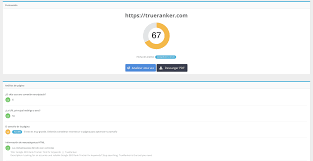
Is 70 a good SEO score?

When considering whether a score of 70 on an SEO website checker is good, it’s important to understand that SEO scores can vary depending on the tool used and the specific metrics assessed. While a score of 70 may indicate that your website has a decent level of optimisation, it’s essential to delve deeper into the individual factors contributing to this score. Factors such as keyword usage, backlinks, content quality, and technical aspects all play a role in determining the overall effectiveness of your SEO strategy. Therefore, while a score of 70 can be considered satisfactory, striving for continuous improvement and addressing specific areas for enhancement can further elevate your website’s SEO performance and visibility in search engine results.

Is My website SEO Friendly?

One of the most common questions that website owners ask when it comes to SEO is, “Is my website SEO friendly?” This query reflects a crucial concern about whether their website is optimised for search engines to effectively crawl and index its content. By using an SEO website checker, you can gain valuable insights into the SEO-friendliness of your site. This tool assesses various aspects such as meta tags, keyword usage, site speed, mobile responsiveness, and more to determine how well your website aligns with best SEO practices. Regularly checking and improving your site’s SEO friendliness can significantly impact its visibility in search engine results and ultimately drive more organic traffic to your online platform.

Is SEO Analyzer free?

When it comes to the frequently asked question, “Is SEO Analyzer free?”, the answer may vary depending on the specific tool or service being referred to. Some SEO analyzers offer basic features for free, allowing users to assess certain aspects of their website’s SEO performance at no cost. However, more comprehensive and advanced features may require a premium subscription or one-time payment. It is advisable to explore different SEO analyzers to find one that aligns with your needs and budget, ensuring you make an informed decision when choosing a tool to enhance your website’s search engine optimisation.

How do I check my website SEO?

To check your website’s SEO, you can start by using an SEO website checker tool. Simply enter your website’s URL into the tool, and it will analyse various aspects of your site’s SEO performance. The tool will provide insights into areas that may need improvement, such as meta tags, keyword usage, backlinks, page speed, and mobile-friendliness. By following the recommendations provided by the SEO website checker, you can take steps to enhance your website’s visibility and attract more organic traffic. Regularly monitoring and adjusting your site based on the checker’s insights can help improve your search engine rankings and overall online presence.

Is there a free tool for SEO site audit?

For those wondering about the availability of a free tool for conducting an SEO site audit, the answer is yes, there are indeed free options available. Many reputable SEO website checkers offer basic audit functionalities at no cost, allowing users to assess key aspects of their website’s SEO performance without any financial investment. While these free tools may have limitations compared to their premium counterparts, they still provide valuable insights into areas that require attention and improvement. Whether you are a small business owner or a digital marketing enthusiast looking to enhance your online presence, leveraging a free SEO site audit tool can be a practical starting point in optimising your website for better search engine visibility.

How can I check my website ranking?

To check your website ranking, you can utilise various tools, including SEO website checkers, to assess where your website stands in search engine results. These tools typically provide insights into your website’s position for specific keywords, its visibility on search engine results pages (SERPs), and its overall performance compared to competitors. By regularly monitoring your website ranking through these tools, you can track progress, identify areas for improvement, and implement strategies to enhance your SEO efforts and climb higher in search engine rankings.

seo audit tool

Maximise Your Website’s Potential with an Advanced SEO Audit Tool

The Importance of Using an SEO Audit Tool

The Importance of Using an SEO Audit Tool

Search Engine Optimization (SEO) is crucial for any website looking to improve its online visibility and rank higher in search engine results. An SEO audit is a comprehensive review of a website’s performance in terms of SEO factors such as keywords, backlinks, site speed, and more. Conducting regular SEO audits is essential to identify areas for improvement and ensure that your website is optimised for search engines.

Benefits of Using an SEO Audit Tool:

  • Identifying Technical Issues: An SEO audit tool can help uncover technical issues on your website that may be hindering its performance in search engine rankings. This includes identifying broken links, duplicate content, and crawl errors that need to be fixed.
  • Keyword Analysis: By analysing the keywords used on your website and comparing them to industry trends, an SEO audit tool can provide insights into which keywords are driving traffic to your site and which ones may need to be optimised.
  • Competitor Analysis: Many SEO audit tools offer features that allow you to compare your website’s performance against that of your competitors. This can help you identify areas where you are lagging behind and develop strategies to outperform them.
  • Improving User Experience: A good user experience is essential for both visitors and search engines. An SEO audit tool can highlight areas where user experience can be enhanced, such as improving site speed, mobile responsiveness, and overall usability.
  • Monitoring Progress: Regularly using an SEO audit tool allows you to track the progress of your SEO efforts over time. By monitoring key metrics such as organic traffic, keyword rankings, and backlinks, you can adjust your strategies accordingly to achieve better results.

In conclusion, utilising an SEO audit tool is a valuable investment for any website looking to improve its search engine rankings and overall online presence. By identifying issues, analysing keywords, comparing with competitors, enhancing user experience, and monitoring progress, you can develop effective strategies to boost your website’s visibility and drive organic traffic.


Maximise Your Website’s Potential: 7 Advantages of Using an SEO Audit Tool

  1. Identifies technical issues that affect SEO performance
  2. Provides insights into keyword usage and effectiveness
  3. Offers competitor analysis to improve competitive edge
  4. Enhances user experience by highlighting usability improvements
  5. Monitors progress and tracks key metrics over time
  6. Helps in identifying and fixing broken links and crawl errors
  7. Optimises website for search engines, leading to improved visibility


Challenges of SEO Audit Tools: Navigating Complexity, Cost, False Positives, and Limited Customisation

  1. Complexity
  2. Cost
  3. False Positives
  4. Limited Customisation

Identifies technical issues that affect SEO performance

An invaluable benefit of using an SEO audit tool is its ability to pinpoint and address technical issues that can significantly impact a website’s SEO performance. By conducting a thorough analysis, the tool can uncover issues such as broken links, duplicate content, crawl errors, and other technical shortcomings that may be hindering the site’s visibility and ranking on search engines. Identifying and rectifying these technical issues promptly can help improve the overall health of the website and enhance its chances of achieving higher search engine rankings, ultimately leading to increased organic traffic and better online visibility.

Provides insights into keyword usage and effectiveness

An SEO audit tool offers invaluable insights into the usage and effectiveness of keywords on a website. By analysing the keywords implemented across the site and evaluating their impact on search engine rankings, businesses can gain a deeper understanding of which keywords are driving traffic and which ones may require optimisation. This information enables website owners to refine their keyword strategy, target relevant terms more effectively, and ultimately enhance their visibility in search engine results pages.

Offers competitor analysis to improve competitive edge

An invaluable benefit of utilising an SEO audit tool is its capability to provide competitor analysis, enabling businesses to enhance their competitive edge. By comparing and evaluating their website performance against that of competitors, organisations can gain valuable insights into areas where they may be falling behind and identify opportunities to refine their strategies for greater success in the digital landscape. This feature empowers businesses to make informed decisions, adapt their SEO tactics, and ultimately strengthen their position within the market by staying ahead of the competition.

Enhances user experience by highlighting usability improvements

An SEO audit tool plays a crucial role in enhancing user experience by pinpointing usability improvements on a website. By identifying areas that can be optimised for better user interaction and navigation, such as improving site speed, mobile responsiveness, and overall usability, the tool ensures that visitors have a seamless and enjoyable browsing experience. This focus on enhancing usability not only benefits users but also contributes to improved search engine rankings, as search engines value websites that provide a positive user experience.

Monitors progress and tracks key metrics over time

One significant advantage of using an SEO audit tool is its capability to monitor progress and track key metrics over time. By consistently analysing important indicators such as organic traffic, keyword rankings, and backlinks, businesses can gain valuable insights into the effectiveness of their SEO strategies. This ongoing monitoring allows for adjustments and refinements to be made based on real data trends, ultimately leading to improved search engine visibility and enhanced online performance in the long term.

An SEO audit tool plays a crucial role in enhancing website performance by assisting in the identification and resolution of broken links and crawl errors. By pinpointing these issues, website owners can ensure a smoother user experience and improve search engine rankings. Fixing broken links and crawl errors not only enhances site usability but also signals to search engines that the website is well-maintained and reliable, ultimately boosting its credibility and visibility online.

Optimises website for search engines, leading to improved visibility

By utilising an SEO audit tool, websites can be optimised for search engines, resulting in enhanced visibility online. This proactive approach ensures that the website is structured and populated with content in a way that aligns with search engine algorithms, ultimately improving its ranking in search results. As a result, the website becomes more discoverable to users searching for relevant information or services, driving increased organic traffic and expanding its reach to a broader audience.

Complexity

Navigating the realm of SEO audit tools can pose a significant challenge due to its inherent complexity, particularly for novices in the field. The plethora of features and functionalities offered by these tools may seem overwhelming at first glance, necessitating a steep learning curve to grasp their full potential. Beginners may find themselves daunted by the intricate details and technical jargon involved in utilising SEO audit tools effectively. However, with dedication and patience, mastering these tools can empower users to unlock valuable insights and enhance their website’s SEO performance over time.

Cost

One notable downside of SEO audit tools is the cost factor. Certain advanced SEO audit tools are priced at a premium, which can pose a challenge for small businesses or individuals operating on limited budgets. The high price point of these tools may deter smaller entities from investing in them, potentially limiting access to valuable insights and optimisation opportunities that could otherwise enhance their online presence.

False Positives

Occasionally, one drawback of using SEO audit tools is the occurrence of false positives. These tools may mistakenly flag issues that are not genuinely problematic, resulting in the allocation of unnecessary time and resources towards addressing irrelevant fixes. This can potentially divert attention away from more critical SEO optimisation tasks and create frustration for website owners and SEO professionals who must sift through false alarms to focus on genuine areas that require improvement. Vigilance and critical evaluation are essential when interpreting audit tool results to avoid getting sidetracked by misleading information.

Limited Customisation

Some SEO audit tools suffer from a con of limited customisation, restricting users from tailoring reports or honing in on specific areas of interest that align with their unique requirements. This limitation can hinder the flexibility and depth of analysis needed to address individual concerns or priorities effectively. Users may find themselves constrained by the tool’s predefined parameters, limiting their ability to conduct a comprehensive and personalised SEO audit that caters to their specific goals and objectives.

seo ahrefs

Unlocking SEO Success with Ahrefs: Maximising Your Online Visibility

The Power of SEO with Ahrefs: Boosting Your Online Visibility

The Power of SEO with Ahrefs: Boosting Your Online Visibility

In the world of digital marketing, search engine optimisation (SEO) plays a crucial role in driving organic traffic to your website. One powerful tool that has revolutionised the way businesses approach SEO is Ahrefs. Let’s delve into how Ahrefs can help you enhance your online visibility and outrank your competitors.

What is Ahrefs?

Ahrefs is an all-in-one SEO toolset that provides comprehensive solutions for keyword research, backlink analysis, competitor analysis, site auditing, and more. With its vast database and advanced features, Ahrefs empowers businesses to make informed decisions and optimise their online presence effectively.

Key Features of Ahrefs

One of the standout features of Ahrefs is its ability to conduct in-depth keyword research. By identifying high-volume keywords relevant to your niche, you can create targeted content that resonates with your audience and boosts your search engine rankings.

Moreover, Ahrefs’ backlink analysis tool allows you to monitor your website’s backlink profile and track the quality and quantity of backlinks pointing to your site. This insight is invaluable for improving your link building strategy and enhancing your site’s authority in the eyes of search engines.

How Ahrefs Can Benefit Your Business

By leveraging the power of Ahrefs, businesses can gain a competitive edge in the crowded online landscape. With actionable insights into keyword opportunities, content gaps, and competitor strategies, you can fine-tune your SEO efforts and drive targeted traffic to your website.

Furthermore, Ahrefs’ site auditing feature helps identify technical issues that may be hindering your site’s performance in search results. By addressing these issues promptly, you can improve user experience, increase site speed, and enhance overall SEO performance.

Conclusion

In conclusion, Ahrefs is a game-changer for businesses looking to elevate their SEO strategies and dominate search engine rankings. By harnessing its robust features and data-driven insights, you can unlock new opportunities for growth, expand your online reach, and achieve sustainable success in the digital realm.


7 Essential SEO Tips Using Ahrefs for Enhanced Website Performance

  1. Perform keyword research to identify relevant search terms for your content.
  2. Optimize your website’s on-page elements such as titles, meta descriptions, and headings.
  3. Create high-quality and engaging content that provides value to your audience.
  4. Build quality backlinks from reputable websites to improve your site’s authority.
  5. Regularly monitor your website’s performance using Ahrefs tools like Site Audit and Rank Tracker.
  6. Analyse competitors’ strategies and keywords to identify opportunities for improvement.
  7. Stay updated with SEO trends and algorithm changes to adapt your strategy accordingly.

Perform keyword research to identify relevant search terms for your content.

Performing keyword research is a fundamental aspect of SEO strategy, especially when utilising tools like Ahrefs. By conducting thorough keyword research, you can uncover valuable insights into the search terms that your target audience is using. Identifying relevant keywords allows you to create content that aligns with user intent, improves your website’s visibility in search results, and drives organic traffic. With Ahrefs’ robust keyword research capabilities, you can pinpoint high-potential keywords to optimise your content effectively and enhance your overall SEO performance.

Optimize your website’s on-page elements such as titles, meta descriptions, and headings.

To maximise the effectiveness of your SEO strategy using Ahrefs, it is essential to focus on optimising your website’s on-page elements, including titles, meta descriptions, and headings. By crafting compelling and relevant titles, concise meta descriptions, and structured headings that incorporate targeted keywords identified through Ahrefs’ research tools, you can enhance your website’s visibility and relevance to search engines. This strategic approach not only improves user experience but also increases the likelihood of your content ranking higher in search results, ultimately driving more organic traffic to your site.

Create high-quality and engaging content that provides value to your audience.

Creating high-quality and engaging content that offers genuine value to your audience is a fundamental tip for leveraging the power of SEO with Ahrefs. By crafting informative and relevant content that resonates with your target audience, you not only improve your chances of ranking higher in search results but also establish credibility and trust with your readers. Ahrefs can help you identify trending topics, relevant keywords, and content gaps, allowing you to tailor your content strategy for maximum impact. Remember, quality content is key to attracting and retaining visitors to your website, ultimately driving organic traffic and boosting your online visibility.

Building quality backlinks from reputable websites is a fundamental strategy in SEO, and Ahrefs can be a valuable tool in this endeavour. By securing backlinks from authoritative sources, you not only enhance your site’s credibility and trustworthiness in the eyes of search engines but also boost your overall domain authority. Ahrefs’ backlink analysis feature enables you to identify high-quality link opportunities, monitor your backlink profile, and track the impact of your link building efforts. This proactive approach to building quality backlinks can significantly improve your site’s authority and organic search rankings over time.

Regularly monitor your website’s performance using Ahrefs tools like Site Audit and Rank Tracker.

Regularly monitoring your website’s performance using Ahrefs tools such as Site Audit and Rank Tracker is essential for maintaining a strong online presence. By conducting routine site audits, you can identify and address any technical issues that may be impacting your SEO efforts. Additionally, utilising the Rank Tracker feature allows you to track your keyword rankings over time, enabling you to make informed decisions to improve your search engine visibility. Consistent monitoring with Ahrefs ensures that your website remains optimised and competitive in the ever-evolving digital landscape.

Analyse competitors’ strategies and keywords to identify opportunities for improvement.

By utilising Ahrefs’ powerful tools to analyse competitors’ strategies and keywords, businesses can uncover valuable insights that pave the way for enhancing their own SEO performance. By identifying gaps in competitors’ keyword targeting and understanding their successful strategies, businesses can pinpoint opportunities for improvement and refinement in their own SEO approach. This competitive analysis not only helps in staying ahead of the curve but also enables businesses to fine-tune their strategies for better visibility and increased organic traffic.

Staying updated with the latest SEO trends and algorithm changes is essential for maintaining a competitive edge in the digital landscape. By keeping abreast of industry developments, such as through tools like Ahrefs, businesses can adapt their SEO strategies proactively to align with search engine requirements. This approach not only ensures that your website remains visible and relevant to users but also positions your brand for long-term success in an ever-evolving online environment.

top seo expert

Unveiling the Traits of a Top SEO Expert in the UK

Top SEO Expert

The Qualities of a Top SEO Expert

Search Engine Optimization (SEO) is a crucial aspect of digital marketing that can significantly impact a website’s visibility and ranking on search engine results pages. To navigate the complexities of SEO successfully, it often requires the expertise of a top SEO expert.

Technical Proficiency

A top SEO expert possesses in-depth technical knowledge of search engine algorithms, website structures, and coding languages. They are adept at conducting website audits, identifying technical issues that affect SEO performance, and implementing solutions to enhance site speed, mobile-friendliness, and overall user experience.

Strategic Thinker

Effective SEO strategies are not one-size-fits-all but tailored to meet specific business goals and target audiences. A top SEO expert is a strategic thinker who can conduct comprehensive keyword research, competitor analysis, and market trends evaluation to develop customised strategies that drive organic traffic and improve conversion rates.

Analytical Mindset

Data analysis is at the core of successful SEO campaigns. A top SEO expert utilises various analytics tools to track key performance indicators, measure the effectiveness of implemented strategies, and make data-driven decisions for continuous improvement. They are proficient in interpreting data insights to adjust tactics proactively for optimal results.

Adaptability & Continuous Learning

The digital landscape is ever-evolving, with search engine algorithms frequently updating and consumer behaviours shifting. A top SEO expert stays abreast of industry trends, attends conferences, participates in training programmes, and engages in peer learning to remain at the forefront of SEO best practices. They embrace change and adapt their strategies accordingly to stay competitive.

Effective Communication & Collaboration

SEO does not operate in isolation but intersects with various aspects of digital marketing such as content creation, social media management, and web development. A top SEO expert excels in communication skills to collaborate effectively with cross-functional teams or clients. They can articulate complex technical concepts in simple terms and foster productive relationships that drive successful outcomes.

In conclusion, a top SEO expert combines technical proficiency with strategic thinking, analytical mindset, adaptability, continuous learning, effective communication skills, and collaboration abilities to deliver exceptional results for businesses seeking to enhance their online presence through organic search.


Exploring the World’s Leading SEO Experts: Top FAQs Answered

  1. Who is #1 Google ranking expert?
  2. Who is no 1 SEO expert in Pakistan?
  3. Who is world best Google ranking expert?
  4. How do I hire the best SEO expert?
  5. Who is expert in SEO?
  6. Who is the best SEO analyst?
  7. Who is best SEO expert in India?
  8. What is the highest paid SEO specialist?
  9. Who is the king of SEO?
  10. Who is the best SEO expert?
  11. Who is SEO expert from India?
  12. Who is best SEO expert in the world?
  13. How do I get SEO experts?
  14. Who is Google SEO expert?
  15. Who is an SEO expert?
  16. Which is the best Google SEO expert agency?
  17. Who is the top rank SEO expert India?
  18. Who is the top SEO expert in the US?
  19. Who is SEO expert in India?
  20. Who is top SEO expert in the world?
  21. Are SEO Experts worth it?
  22. Who are SEO experts?
  23. Is it worth getting a SEO expert?
  24. Who is the father of SEO?

Who is #1 Google ranking expert?

In the realm of Search Engine Optimization (SEO), the question of who holds the title of the number one Google ranking expert is a topic that often sparks curiosity. While it is challenging to pinpoint a singular individual or agency as the definitive #1 ranking expert due to the dynamic nature of SEO and the varying criteria for expertise, there are numerous seasoned professionals and reputable companies renowned for their proficiency in achieving top rankings on Google. These experts leverage their technical acumen, strategic insights, and continuous adaptation to algorithm changes to propel websites to the coveted top positions in search results, making them valuable assets to businesses aiming to enhance their online visibility and drive organic traffic.

Who is no 1 SEO expert in Pakistan?

The question of who holds the title of the number one SEO expert in Pakistan is subjective and may vary depending on individual perspectives and criteria. In a diverse and dynamic field like SEO, expertise is often measured by a combination of technical skills, industry experience, proven track record, client satisfaction, and contributions to the SEO community. While there may be several highly skilled SEO professionals in Pakistan known for their exceptional work, determining the definitive “number one” SEO expert is a nuanced assessment that considers a range of factors beyond mere ranking or popularity.

Who is world best Google ranking expert?

In the realm of Search Engine Optimization (SEO), the question of who holds the title of the world’s best Google ranking expert is a topic that often sparks debate and curiosity. While there may not be a definitive answer to this question, several renowned SEO professionals have earned recognition for their expertise in understanding and navigating Google’s complex algorithms to achieve high search engine rankings. These experts combine technical proficiency, strategic thinking, data analysis skills, and continuous learning to stay ahead in the ever-evolving world of SEO. Ultimately, the title of the world’s best Google ranking expert may vary depending on individual perspectives and criteria for measuring success in the dynamic field of search engine optimisation.

How do I hire the best SEO expert?

When seeking to hire the best SEO expert, it is essential to consider several key factors to ensure you find the right fit for your business needs. Start by evaluating their track record and experience in the field, looking for proven results and successful SEO campaigns they have executed. Additionally, assess their technical proficiency, strategic thinking capabilities, and adaptability to industry changes. Effective communication skills and a collaborative approach are also crucial for seamless integration with your team or organisation. Finally, request references or case studies to gain insights into their past work and client satisfaction levels. By thoroughly vetting potential candidates based on these criteria, you can hire the best SEO expert who can elevate your online presence and drive sustainable growth for your business.

Who is expert in SEO?

The term “expert in SEO” typically refers to a professional with advanced knowledge and experience in Search Engine Optimization strategies and techniques. An expert in SEO is someone who demonstrates proficiency in understanding search engine algorithms, conducting thorough keyword research, implementing on-page and off-page optimization tactics, and analysing data to improve website visibility and rankings. They possess the skills to develop customised SEO strategies tailored to specific business objectives, staying updated on industry trends and best practices. Ultimately, an SEO expert is a trusted advisor who can navigate the complexities of digital marketing to help businesses enhance their online presence effectively.

Who is the best SEO analyst?

When it comes to determining the best SEO analyst, it is essential to consider a combination of factors that contribute to their expertise and effectiveness in the field of search engine optimisation. The best SEO analyst is not just defined by their title or accolades but by their technical proficiency, strategic thinking, analytical skills, adaptability to industry changes, continuous learning mindset, and ability to communicate and collaborate effectively with others. Ultimately, the best SEO analyst is someone who can deliver tangible results through data-driven insights and innovative strategies that drive organic traffic and improve search engine rankings for businesses seeking to enhance their online visibility.

Who is best SEO expert in India?

The question “Who is the best SEO expert in India?” is a common query among businesses and individuals seeking top-tier search engine optimisation services. In a country known for its vast pool of digital marketing talent, identifying the best SEO expert can be a challenging task. The answer to this question may vary depending on specific criteria such as expertise in technical SEO, proven track record of delivering results, depth of industry knowledge, and client satisfaction. It is advisable for those seeking the best SEO expert in India to conduct thorough research, read reviews, and request case studies to determine the most suitable professional who can meet their unique needs and goals effectively.

What is the highest paid SEO specialist?

In the realm of SEO, the question of who is the highest paid SEO specialist often piques curiosity. The answer to this query varies depending on factors such as experience, expertise, industry reputation, and geographic location. Generally, top SEO specialists with a proven track record of delivering significant results for high-profile clients or leading successful SEO campaigns for prominent brands tend to command higher salaries or fees. Additionally, those who specialise in niche areas of SEO, such as e-commerce or technical SEO, may also earn top-tier compensation due to the specialised nature of their skills and the demand for their expertise in the competitive digital landscape.

Who is the king of SEO?

The question “Who is the king of SEO?” is a common query in the digital marketing realm, often sparking debates and discussions among industry professionals. While there is no definitive answer to crown a singular individual as the ultimate “king of SEO,” several renowned experts have made significant contributions to the field. SEO stalwarts like Rand Fishkin, Neil Patel, and Brian Dean are widely respected for their expertise, thought leadership, and innovative strategies that have shaped the landscape of search engine optimisation. Each of these experts has carved a niche in the SEO world, earning accolades for their valuable insights, practical guidance, and commitment to advancing the industry’s best practices.

Who is the best SEO expert?

The question “Who is the best SEO expert?” is a common inquiry in the digital marketing realm. Determining the best SEO expert is subjective and can vary based on individual needs and preferences. The ideal SEO expert for one business may not necessarily be the best fit for another. Factors such as expertise in specific industries, track record of successful campaigns, up-to-date knowledge of search engine algorithms, and effective communication skills all contribute to defining the best SEO expert for a particular project or organisation. It is essential to conduct thorough research, seek recommendations, and evaluate past performance to identify an SEO expert who aligns with your goals and can deliver tangible results in enhancing your online visibility and search engine rankings.

Who is SEO expert from India?

When it comes to identifying a prominent SEO expert from India, the digital landscape is rich with talented professionals who have made significant contributions to the field of search engine optimisation. Many SEO experts from India have garnered international recognition for their expertise in developing innovative strategies, conducting comprehensive keyword research, and implementing effective SEO tactics to enhance online visibility and drive organic traffic. These individuals often possess a deep understanding of search engine algorithms, stay updated on industry trends, and deliver measurable results for businesses across various sectors. The SEO expert community in India continues to thrive, showcasing a diverse range of skills and knowledge that contribute to the global SEO industry’s growth and success.

Who is best SEO expert in the world?

The question “Who is the best SEO expert in the world?” is a common query in the digital marketing realm, often arising from the desire to identify a standout professional capable of delivering exceptional results. In reality, determining the absolute best SEO expert globally is subjective and challenging, given the diverse expertise and approaches within the industry. The field of SEO is dynamic, with numerous talented individuals and agencies making significant contributions to their clients’ online visibility and success. Instead of seeking a single definitive answer to this question, it’s more beneficial for businesses to focus on finding an experienced SEO expert whose skills align with their specific needs and objectives, ultimately leading to effective collaboration and tangible outcomes in the competitive digital landscape.

How do I get SEO experts?

When seeking SEO experts for your digital marketing needs, it is essential to conduct thorough research and due diligence to ensure you find the right fit for your business. Start by exploring reputable SEO agencies or freelancers with a proven track record of delivering successful results for clients. Look for professionals who demonstrate technical proficiency, strategic thinking, and a commitment to continuous learning in the ever-evolving field of SEO. Consider their past projects, client testimonials, and case studies to gauge their expertise and capabilities. Effective communication and collaboration skills are also crucial when engaging with SEO experts to ensure seamless integration with your existing team or business operations. By investing time in selecting the right SEO expert, you can unlock opportunities for improved online visibility and sustainable growth for your brand.

Who is Google SEO expert?

In the realm of SEO, the term “Google SEO expert” often refers to an individual or agency with a deep understanding of Google’s search algorithms and best practices for optimising websites to rank well on the search engine. A Google SEO expert is proficient in leveraging Google’s tools, such as Search Console and Analytics, to analyse website performance, identify areas for improvement, and implement strategies that align with Google’s guidelines. These experts stay updated on algorithm changes, trends in search behaviour, and industry updates to ensure that websites remain visible and competitive in Google search results.

Who is an SEO expert?

An SEO expert is a seasoned professional with a deep understanding of search engine optimisation techniques and strategies aimed at improving a website’s visibility and ranking on search engine results pages. They possess technical proficiency in analysing websites, conducting keyword research, and implementing on-page and off-page SEO tactics to enhance organic traffic and user engagement. An SEO expert stays abreast of industry trends, algorithm updates, and best practices to develop customised strategies that align with business objectives. Their expertise lies in interpreting data insights, making informed decisions, and continuously refining SEO approaches to achieve sustainable results for their clients or organisations.

Which is the best Google SEO expert agency?

When seeking the best Google SEO expert agency, it is essential to consider several factors to ensure you find a reputable and reliable partner for your digital marketing needs. Look for an agency with a proven track record of success in improving website rankings, increasing organic traffic, and delivering measurable results for their clients. Consider their level of expertise in Google algorithms, keyword research, on-page and off-page optimisation techniques, as well as their ability to adapt to the ever-changing SEO landscape. Additionally, read client testimonials and reviews to gauge customer satisfaction and the agency’s overall reputation in the industry. Ultimately, the best Google SEO expert agency will be one that aligns with your business goals, values transparency in their practices, and demonstrates a commitment to driving tangible growth for your online presence.

Who is the top rank SEO expert India?

The question “Who is the top-ranked SEO expert in India?” is a common query in the digital marketing industry. Given the vast and competitive landscape of SEO professionals in India, identifying a singular individual as the definitive top-ranking expert can be subjective and challenging. The title of a top SEO expert may vary based on criteria such as experience, track record of success, client testimonials, industry recognition, and contributions to the SEO community. It is essential for businesses seeking SEO services in India to conduct thorough research, consider multiple factors, and engage with experts who align with their specific goals and requirements to achieve optimal results in their digital marketing endeavours.

Who is the top SEO expert in the US?

The question “Who is the top SEO expert in the US?” is a common query that arises in the digital marketing realm. Identifying the top SEO expert in a vast and dynamic landscape like the United States can be subjective, as expertise and reputation vary among professionals. Many renowned SEO experts in the US have garnered recognition for their contributions to the industry, innovative strategies, and successful track records. Conducting thorough research, seeking recommendations, and reviewing case studies can help businesses identify a top SEO expert whose skills align with their specific needs and goals.

Who is SEO expert in India?

When seeking a top SEO expert in India, businesses can find a plethora of talented professionals with diverse skill sets and expertise in search engine optimisation. From seasoned digital marketing agencies to independent consultants, the Indian SEO landscape boasts individuals who excel in technical proficiency, strategic thinking, data analysis, and effective communication. These SEO experts leverage their knowledge of search engine algorithms and industry trends to help businesses enhance their online visibility, drive organic traffic, and achieve sustainable growth in the competitive digital market. Collaborating with an SEO expert in India can provide businesses with tailored strategies that align with their objectives and deliver tangible results in the ever-evolving realm of digital marketing.

Who is top SEO expert in the world?

The question “Who is the top SEO expert in the world?” is a common inquiry in the digital marketing realm, often sparking debates and varied opinions within the industry. Identifying the single best SEO expert globally is subjective, as expertise and success in SEO can be measured in different ways. Many professionals have made significant contributions to the field, each excelling in specific areas such as technical proficiency, strategic thinking, data analysis, adaptability, and effective communication. Ultimately, the title of the top SEO expert may vary depending on individual perspectives and criteria applied to evaluate their skills and achievements in the ever-evolving landscape of search engine optimisation.

Are SEO Experts worth it?

When considering the question “Are SEO Experts worth it?”, it’s essential to recognise the invaluable expertise and strategic insights that top SEO experts bring to the table. SEO is a multifaceted discipline that requires a deep understanding of search engine algorithms, keyword research, content optimisation, and technical aspects of website performance. By enlisting the services of a reputable SEO expert, businesses can benefit from tailored strategies that enhance their online visibility, drive organic traffic, and ultimately improve their bottom line. The return on investment from engaging an SEO expert often outweighs the cost, as their proficiency in navigating the ever-changing digital landscape can lead to sustainable growth and long-term success for businesses seeking to thrive in the competitive online marketplace.

Who are SEO experts?

SEO experts are professionals with a deep understanding of search engine optimisation techniques and strategies. They possess the knowledge and skills to improve a website’s visibility on search engine results pages through organic means. SEO experts are proficient in conducting keyword research, analysing website performance metrics, and implementing on-page and off-page optimisation tactics to enhance a site’s ranking. They stay updated on the latest trends in SEO algorithms and best practices to ensure that their clients’ websites remain competitive in the ever-evolving digital landscape. SEO experts play a critical role in helping businesses increase their online presence, attract organic traffic, and achieve their digital marketing goals effectively.

Is it worth getting a SEO expert?

Inquiring about the value of hiring an SEO expert is a common query among businesses aiming to enhance their online visibility and drive organic traffic to their websites. The decision to invest in an SEO expert often proves worthwhile for companies seeking sustainable growth and improved search engine rankings. A skilled SEO expert possesses the expertise to navigate the intricacies of search engine algorithms, implement tailored strategies, and deliver measurable results that can positively impact a business’s bottom line. By entrusting SEO responsibilities to a knowledgeable professional, businesses can save time, stay competitive in the digital landscape, and unlock the full potential of their online presence.

Who is the father of SEO?

The question “Who is the father of SEO?” often sparks curiosity among digital marketers and SEO enthusiasts. While there is no definitive answer to this query, the title of the “father of SEO” is often attributed to Bruce Clay, a prominent figure in the search engine optimisation industry. Bruce Clay is renowned for his pioneering work in developing SEO methodologies and best practices that have shaped the way websites are optimised for search engines. His contributions have had a lasting impact on the field of SEO, earning him recognition as a leading authority in the industry.

keyword ranking search tool

Unlock Your Website’s Potential with a Powerful Keyword Ranking Search Tool

The Importance of Using a Keyword Ranking Search Tool

The Importance of Using a Keyword Ranking Search Tool

In the world of digital marketing, having a strong online presence is crucial for the success of any business. One key aspect of online visibility is ensuring that your website ranks well on search engine results pages (SERPs) for relevant keywords. This is where a keyword ranking search tool comes into play.

What is a Keyword Ranking Search Tool?

A keyword ranking search tool is a valuable instrument that allows website owners and digital marketers to track the positions of their webpages in search engine results for specific keywords or phrases. By monitoring keyword rankings, businesses can gain insights into their SEO performance and make informed decisions to improve their search visibility.

The Benefits of Using a Keyword Ranking Search Tool

**Monitor Performance:** With a keyword ranking search tool, you can easily monitor how your website is performing in search results for targeted keywords. This helps you identify areas for improvement and track the effectiveness of your SEO efforts over time.

**Competitor Analysis:** By analysing keyword rankings, you can also keep an eye on how your competitors are faring in search results. This information can be invaluable for refining your own SEO strategy and staying ahead in the competitive digital landscape.

**Identify Opportunities:** A keyword ranking search tool can highlight new keyword opportunities that you may not have considered before. By identifying high-ranking keywords related to your industry, you can tailor your content and optimisation efforts to capture more organic traffic.

Choosing the Right Keyword Ranking Search Tool

When selecting a keyword ranking search tool, it’s essential to consider factors such as accuracy, user-friendliness, and data analysis capabilities. Look for tools that provide detailed insights into keyword performance and offer features like competitor tracking and custom reporting.

By incorporating a keyword ranking search tool into your digital marketing arsenal, you can take proactive steps to improve your website’s visibility in search results and attract more organic traffic. Stay ahead of the competition by harnessing the power of data-driven insights provided by these essential tools.


Top 6 Tips for Choosing and Using a Keyword Ranking Search Tool Effectively

  1. Choose a keyword ranking search tool that provides accurate and up-to-date data.
  2. Look for a tool that offers insights into competitor keyword rankings to inform your strategy.
  3. Consider the user interface and ease of use when selecting a keyword ranking search tool.
  4. Regularly track and monitor your chosen keywords to evaluate performance over time.
  5. Utilise features such as filtering and sorting to efficiently manage your keyword data.
  6. Stay informed about algorithm updates and trends in SEO to adapt your keyword strategy accordingly.

Choose a keyword ranking search tool that provides accurate and up-to-date data.

When selecting a keyword ranking search tool, it is paramount to opt for a solution that offers precise and current data. Accurate and up-to-date information is essential for making informed decisions about your SEO strategy. By choosing a keyword ranking search tool that provides reliable data, you can confidently track your website’s performance in search results and adjust your tactics accordingly to enhance your online visibility effectively.

Look for a tool that offers insights into competitor keyword rankings to inform your strategy.

When utilising a keyword ranking search tool, it is advantageous to seek out a tool that provides valuable insights into competitor keyword rankings. By gaining visibility into how competitors are performing in search results for specific keywords, businesses can refine their SEO strategy and make informed decisions to stay competitive in the digital landscape. Understanding competitor keyword rankings allows for strategic adjustments and the identification of opportunities to enhance search visibility and attract targeted organic traffic.

Consider the user interface and ease of use when selecting a keyword ranking search tool.

When choosing a keyword ranking search tool, it is crucial to consider the user interface and ease of use. A tool with an intuitive interface and user-friendly design can streamline the process of tracking keyword rankings and interpreting data effectively. By opting for a tool that prioritises usability, businesses can ensure that their team members, regardless of their level of expertise, can navigate the tool effortlessly and derive valuable insights to enhance their SEO strategies. Investing in a keyword ranking search tool that offers a seamless user experience can significantly contribute to the efficiency and success of your digital marketing efforts.

Regularly track and monitor your chosen keywords to evaluate performance over time.

Regularly tracking and monitoring your selected keywords is a crucial tip when utilising a keyword ranking search tool. By consistently evaluating the performance of your chosen keywords over time, you can gain valuable insights into the effectiveness of your SEO strategies. This practice allows you to identify trends, measure progress, and make data-driven decisions to enhance your website’s search visibility. Keeping a close eye on keyword rankings ensures that you stay informed about how your website is positioned in search engine results, enabling you to adapt and optimise your content for improved performance in the long run.

Utilise features such as filtering and sorting to efficiently manage your keyword data.

When utilising a keyword ranking search tool, it is essential to leverage features like filtering and sorting to efficiently manage your keyword data. By employing these functionalities, you can streamline the process of analysing and tracking keyword rankings, allowing you to identify trends, opportunities, and areas for improvement with ease. Filtering and sorting tools enable you to organise your keyword data effectively, making it simpler to focus on the most critical metrics and make informed decisions to enhance your SEO strategy.

Staying informed about algorithm updates and trends in SEO is crucial when utilising a keyword ranking search tool. By keeping abreast of the latest developments in search engine algorithms and SEO best practices, you can adapt your keyword strategy effectively. Understanding how search engines evaluate and rank websites allows you to make informed decisions about keyword selection, optimisation techniques, and content creation. By staying proactive and agile in response to industry changes, you can ensure that your website maintains a competitive edge in search engine rankings and attracts valuable organic traffic.

website seo analyzer

Unlocking Your Website’s Potential with an SEO Analyzer Tool

The Importance of Using a Website SEO Analyzer

The Importance of Using a Website SEO Analyzer

In the competitive world of online business, having a strong online presence is crucial for success. Search Engine Optimization (SEO) plays a vital role in ensuring that your website ranks well on search engine results pages, driving organic traffic and increasing visibility.

One valuable tool that can help you improve your website’s SEO performance is a Website SEO Analyzer. This tool provides detailed insights into various aspects of your website’s SEO, highlighting areas that need improvement and suggesting strategies to enhance your site’s search engine ranking.

Key Benefits of Using a Website SEO Analyzer:

  • Identifying Technical Issues: A Website SEO Analyzer can detect technical issues that may be hindering your website’s performance, such as broken links, slow page speed, or missing meta tags.
  • Keyword Analysis: By analysing keywords used on your website, an SEO analyzer can help you identify relevant keywords to target and integrate them strategically into your content.
  • Competitor Analysis: Some SEO analyzers provide insights into your competitors’ strategies, allowing you to benchmark your performance and discover opportunities for improvement.
  • Content Evaluation: Assessing the quality and relevance of your content is crucial for effective SEO. A Website SEO Analyzer can evaluate your content and suggest ways to optimise it for better search engine visibility.
  • Backlink Analysis: Backlinks are essential for building authority and credibility for your website. An SEO analyzer can help you analyse your backlink profile and identify opportunities to acquire high-quality backlinks.

By utilising a Website SEO Analyzer, you can gain valuable insights into how well your website is optimised for search engines and take proactive steps to improve its performance. Regularly analysing and monitoring your site’s SEO metrics can help you stay ahead of the competition and attract more organic traffic to your website.

If you want to enhance your website’s visibility and drive more traffic through improved search engine rankings, consider using a Website SEO Analyzer as part of your digital marketing strategy.


Maximise Your Website’s Potential: 5 Essential Tips for Effective SEO Analysis

  1. Ensure your website SEO analyzer tool can crawl and analyse all pages of your website.
  2. Regularly monitor and track the performance of your website using the SEO analyzer tool.
  3. Optimize meta tags, headings, and content based on the recommendations provided by the SEO analyzer.
  4. Check for broken links and fix them promptly to improve user experience and SEO ranking.
  5. Utilize the data from the SEO analyzer to make informed decisions on improving your website’s visibility and ranking.

Ensure your website SEO analyzer tool can crawl and analyse all pages of your website.

To maximise the effectiveness of your website SEO analyzer tool, it is crucial to ensure that it can crawl and analyse all pages of your website. By allowing the tool to access and evaluate every page, you can gain a comprehensive understanding of your site’s overall SEO performance. This approach enables you to identify any hidden issues, optimise content across all pages, and implement targeted strategies to improve your website’s search engine visibility. Ensuring thorough coverage of all website pages with your SEO analyzer tool is key to achieving optimal results in enhancing your online presence and attracting organic traffic.

Regularly monitor and track the performance of your website using the SEO analyzer tool.

To ensure the ongoing success of your website in the digital landscape, it is essential to implement a proactive approach by regularly monitoring and tracking its performance using an SEO analyzer tool. By consistently analysing key metrics such as website traffic, keyword rankings, and backlink quality, you can identify areas for improvement and make informed decisions to enhance your site’s SEO strategy. This continuous monitoring allows you to stay ahead of algorithm changes, adapt to evolving trends, and maintain a competitive edge in search engine results pages.

Optimize meta tags, headings, and content based on the recommendations provided by the SEO analyzer.

To enhance your website’s search engine visibility, it is essential to optimise meta tags, headings, and content according to the recommendations offered by the SEO analyzer. By following these suggestions, you can improve the relevance and quality of your website’s metadata and content, making it more appealing to search engines. This proactive approach ensures that your website aligns with best SEO practices, ultimately leading to better rankings and increased organic traffic.

Checking for broken links on your website and promptly fixing them is a crucial tip for enhancing user experience and boosting your SEO ranking. Broken links not only frustrate visitors but also signal to search engines that your site may not be well-maintained, potentially lowering your search ranking. By ensuring all links on your website are functional and lead to relevant pages, you create a seamless browsing experience for users and demonstrate to search engines that your site is reliable and user-friendly. Addressing broken links promptly can help improve user satisfaction, increase the credibility of your website, and ultimately enhance your SEO performance.

Utilize the data from the SEO analyzer to make informed decisions on improving your website’s visibility and ranking.

By utilising the data obtained from the SEO analyzer, you can make well-informed decisions when it comes to enhancing your website’s visibility and ranking. By analysing the insights provided by the SEO analyzer, you can pinpoint areas that require attention and implement strategic changes to optimise your website for search engines. This data-driven approach enables you to tailor your SEO efforts effectively, ultimately leading to improved online visibility and higher search engine rankings for your website.