google maps marketing

Unlocking Success: The Art of Google Maps Marketing Strategies

The Power of Google Maps Marketing

The Power of Google Maps Marketing

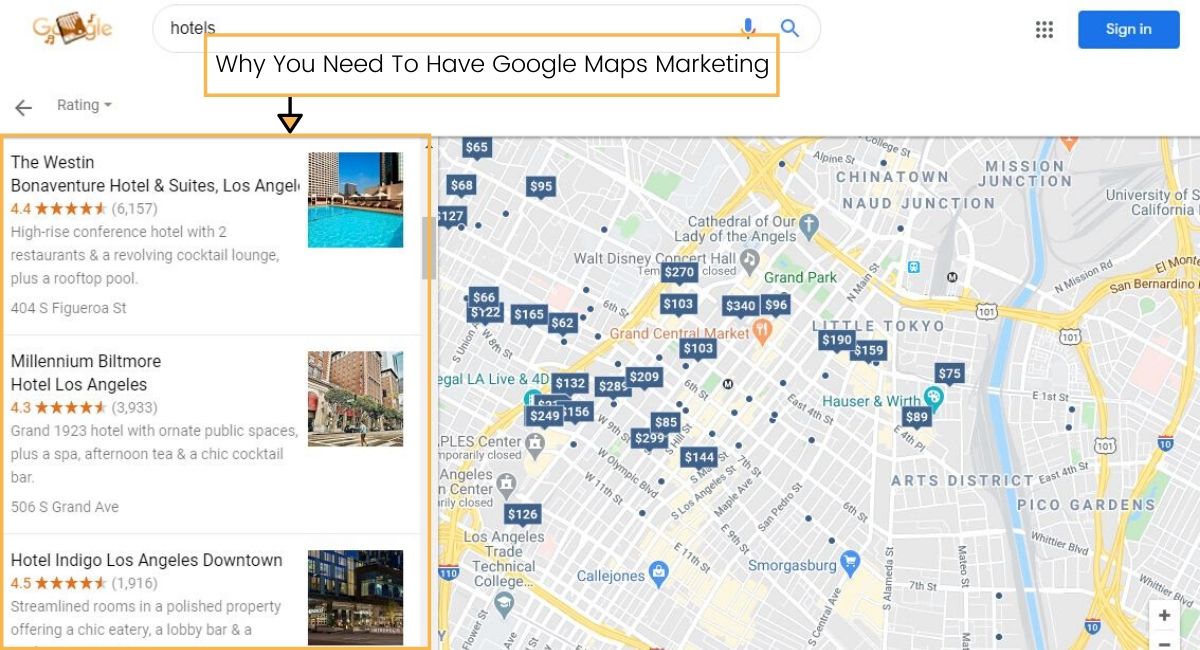
Google Maps is not just a tool for navigation; it has also become a powerful marketing platform for businesses looking to boost their online presence and attract local customers. Google Maps marketing is a strategic approach that leverages the visibility and reach of Google’s mapping service to drive foot traffic, enhance brand awareness, and increase sales.

Benefits of Google Maps Marketing:

  • Improved Local Visibility: By optimising your business listing on Google Maps, you can ensure that your company appears prominently in local search results when users are looking for products or services in their area.
  • Enhanced Brand Credibility: A well-maintained presence on Google Maps with positive reviews and accurate information can build trust with potential customers and establish your brand as a reputable local business.
  • Increased Website Traffic: Integrating Google Maps into your website can make it easier for visitors to find your physical location, leading to more foot traffic and potential conversions.
  • Mobile-Friendly Marketing: As more users rely on mobile devices for search, having a strong presence on Google Maps ensures that your business is easily accessible to consumers on the go.
  • Insightful Analytics: Google My Business provides valuable data and insights on how users interact with your listing, helping you make informed decisions to improve your marketing strategy.

Tips for Effective Google Maps Marketing:

  1. Create a Complete Business Profile: Ensure that your business listing on Google My Business is accurate, up-to-date, and includes relevant information such as contact details, opening hours, and photos.
  2. Solicit Customer Reviews: Encourage satisfied customers to leave positive reviews on your Google Maps listing to boost credibility and attract new clientele.
  3. Utilise Local SEO Strategies: Optimise your website content with local keywords and geo-targeted phrases to improve your ranking in local search results.
  4. Add Visual Content: Include high-quality images and videos of your business premises or products to engage users and showcase what sets you apart from competitors.
  5. Maintain Consistent NAP Data: Ensure that your business name, address, and phone number (NAP) are consistent across all online platforms to avoid confusion among potential customers.

In conclusion, Google Maps marketing presents a valuable opportunity for businesses to connect with local audiences, drive traffic to their physical locations, and establish a strong online presence. By implementing effective strategies and optimising their listings on this popular mapping service, businesses can reap the benefits of increased visibility, credibility, and customer engagement in today’s digital landscape.


Top 10 FAQs About Google Maps Marketing and Advertising

  1. Is Google Maps good for SEO?
  2. Is $20 a day good for Google Ads?
  3. How much does it cost to advertise on Google Maps?
  4. How do I get advertising on Google Maps?
  5. Can I get paid by Google Maps?
  6. Can you use Google Maps for marketing?
  7. How can I advertise on Google Maps?
  8. What is the Google Maps marketing strategy?
  9. How can I get Google Maps to advertise?
  10. Can I earn money with Google Maps?

Is Google Maps good for SEO?

When considering the impact of Google Maps on SEO, it is important to recognise the significant benefits it can offer to businesses. Google Maps plays a crucial role in local search engine optimisation (SEO) by enhancing a company’s online visibility, particularly for location-based searches. By optimising their presence on Google Maps through accurate business listings, positive reviews, and relevant keywords, businesses can improve their rankings in local search results and attract more potential customers. Therefore, leveraging Google Maps as part of an integrated SEO strategy can be highly advantageous for businesses looking to enhance their online presence and reach a wider audience.

Is $20 a day good for Google Ads?

When considering a daily budget of $20 for Google Ads, it is important to assess your specific advertising goals, target audience, and industry competition. While $20 a day can be a modest starting point for some businesses, it may not be sufficient for others with higher advertising costs or more competitive markets. It is advisable to conduct thorough research, monitor campaign performance closely, and adjust your budget accordingly to ensure optimal results and ROI from your Google Ads investment.

How much does it cost to advertise on Google Maps?

One of the frequently asked questions regarding Google Maps marketing is, “How much does it cost to advertise on Google Maps?” The cost of advertising on Google Maps can vary depending on several factors, such as the location of your business, the competitiveness of your industry, and the specific advertising options you choose. Google offers various advertising solutions, including local search ads and promoted pins, which allow businesses to target local customers and drive traffic to their physical locations. The pricing structure for advertising on Google Maps typically involves a pay-per-click (PPC) model, where businesses pay based on the number of clicks or interactions with their ads. It’s essential for businesses to set a budget that aligns with their marketing goals and objectives to maximise the effectiveness of their Google Maps advertising campaigns.

How do I get advertising on Google Maps?

To get advertising on Google Maps, businesses can utilise Google Ads to create location-based campaigns that target users within a specific geographic radius. By setting up a Google My Business account and linking it to Google Ads, businesses can promote their listings on Google Maps through features like Local Search Ads. These ads appear as pinned locations on the map, directing users to the business’s physical location or website. With detailed targeting options and bid strategies, businesses can effectively reach local customers searching for products or services in their vicinity through advertising on Google Maps.

Can I get paid by Google Maps?

When it comes to Google Maps, users often wonder if they can get paid by the platform. The answer is that Google Maps itself does not directly pay individuals for using or contributing to the service. However, businesses can leverage Google Maps marketing to attract customers and increase revenue through enhanced visibility and local search optimisation. By utilising Google Maps effectively as a marketing tool, businesses can drive traffic to their physical locations, ultimately leading to potential sales and business growth.

Can you use Google Maps for marketing?

Businesses can indeed utilise Google Maps for marketing purposes. Google Maps offers a valuable platform for businesses to enhance their online visibility, attract local customers, and drive foot traffic to their physical locations. By optimising their presence on Google Maps through strategies such as creating a detailed business profile, soliciting customer reviews, and incorporating local SEO techniques, businesses can effectively leverage this tool to promote their products or services, build brand credibility, and reach a wider audience of potential customers. With its mobile-friendly interface and insightful analytics capabilities, Google Maps serves as a powerful marketing tool that can help businesses connect with local consumers and grow their online presence.

How can I advertise on Google Maps?

To advertise on Google Maps, businesses can utilise Google Ads to create location-based campaigns that target users searching for products or services in specific geographic areas. By setting up a Google My Business account and linking it to Google Ads, businesses can showcase their ads on Google Maps when users perform relevant searches in their vicinity. Advertisers can customise their ads with location extensions, call-to-action buttons, and business details to attract local customers and drive foot traffic to their physical locations. With the ability to track ad performance and measure results, advertising on Google Maps offers businesses a targeted and cost-effective way to reach potential customers in their local area.

What is the Google Maps marketing strategy?

The Google Maps marketing strategy involves leveraging the power of Google’s mapping service to enhance a business’s online visibility and attract local customers. This strategic approach includes creating and optimising a Google My Business listing with accurate information, engaging visuals, and positive customer reviews. By utilising local SEO tactics, such as incorporating relevant keywords and geo-targeted phrases, businesses can improve their ranking in local search results and drive foot traffic to their physical locations. Consistency in NAP data (business name, address, phone number) across all online platforms is crucial for establishing credibility and ensuring a seamless customer experience. Ultimately, the Google Maps marketing strategy aims to boost brand awareness, increase website traffic, and build trust with potential customers through an effective online presence on this widely-used mapping platform.

How can I get Google Maps to advertise?

To get Google Maps to advertise your business, you can start by creating a Google My Business account and claiming your business listing. Once you have verified your ownership, you can set up an ad campaign through Google Ads that specifically targets users on Google Maps. By selecting location-based targeting options and creating engaging ad content, you can reach potential customers who are actively searching for products or services in your area. Utilising features such as local extensions and promoted pins can help increase the visibility of your ads on Google Maps and drive more traffic to your business.

Can I earn money with Google Maps?

Many individuals wonder whether it is possible to generate income through Google Maps. While Google Maps itself does not offer a direct way to earn money, businesses can leverage the platform for marketing purposes to attract customers and drive sales. By optimising their presence on Google Maps, businesses can enhance their visibility in local search results, increase foot traffic to their physical locations, and ultimately boost their revenue. Therefore, while Google Maps may not directly facilitate monetary transactions, it serves as a valuable tool for businesses looking to grow their customer base and improve their bottom line through effective marketing strategies.

linkedin seo

Mastering LinkedIn SEO: Elevate Your Profile Visibility

Unlocking the Power of LinkedIn SEO

Unlocking the Power of LinkedIn SEO

In today’s digital age, having a strong online presence is crucial for professionals and businesses alike. When it comes to networking and showcasing your expertise, LinkedIn is a powerful platform that can help you connect with industry peers, potential clients, and job opportunities. However, to truly stand out on LinkedIn, you need to harness the power of LinkedIn SEO.

What is LinkedIn SEO?

LinkedIn SEO involves optimising your profile and content to improve your visibility in search results within the platform. Just like traditional search engine optimisation (SEO) for websites, LinkedIn SEO helps you increase your chances of being discovered by relevant audiences on the platform.

Tips for Optimising Your LinkedIn Profile with SEO

  1. Keyword Research: Identify relevant keywords related to your industry, skills, and expertise. Incorporate these keywords strategically in your profile headline, summary, experience section, and skills.
  2. Optimise Your Headline: Your headline is one of the first things people see on your profile. Make sure it includes relevant keywords and highlights what sets you apart in your field.
  3. Create Engaging Content: Regularly share valuable content such as articles, videos, and updates that showcase your knowledge and expertise. Use relevant keywords in your posts to improve their visibility.
  4. Build a Strong Network: Connect with industry professionals, colleagues, and thought leaders in your field. Engage with their content by liking, commenting, and sharing to increase your visibility on the platform.
  5. Customise Your URL: Personalise your public profile URL with your name or relevant keywords to make it more searchable both within LinkedIn and external search engines.

The Benefits of Optimising Your LinkedIn Profile

By implementing effective LinkedIn SEO strategies, you can:

  • Increase your visibility to recruiters and potential employers searching for candidates with specific skills.
  • Showcase your expertise and thought leadership within your industry.
  • Enhance your credibility by appearing higher in search results related to your profession.
  • Expand your professional network and connect with like-minded individuals who can offer new opportunities.

In conclusion, leveraging LinkedIn SEO can significantly boost your online presence on the platform and help you achieve your professional goals. By implementing these tips and staying active on LinkedIn, you can maximise the impact of this powerful networking tool for career advancement and business growth.


Enhancing LinkedIn Visibility: Top FAQs on Optimising Your Profile for SEO Success

  1. What is LinkedIn SEO and why is it important?
  2. How can I optimise my LinkedIn profile for search engines?
  3. What role do keywords play in LinkedIn SEO?
  4. Is it necessary to regularly update content on my LinkedIn profile for SEO purposes?
  5. How can building a strong network on LinkedIn improve my SEO visibility?
  6. Should I customise my public profile URL for better searchability on LinkedIn?
  7. Can sharing engaging content help improve my LinkedIn SEO ranking?
  8. What are the benefits of implementing effective LinkedIn SEO strategies?

What is LinkedIn SEO and why is it important?

LinkedIn SEO refers to the practice of optimising your LinkedIn profile and content to improve visibility within the platform’s search results. Just like traditional SEO for websites, LinkedIn SEO helps individuals and businesses increase their chances of being discovered by relevant audiences on LinkedIn. It is important because a well-optimised profile can enhance your professional visibility, attract potential clients or job opportunities, and position you as an industry expert. By incorporating relevant keywords, creating engaging content, and building a strong network, you can leverage LinkedIn SEO to stand out in a competitive digital landscape and maximise your networking potential on the platform.

How can I optimise my LinkedIn profile for search engines?

To optimise your LinkedIn profile for search engines, start by conducting keyword research to identify relevant terms related to your industry, skills, and expertise. Incorporate these keywords strategically in your profile headline, summary, experience section, and skills to improve your visibility in search results. Customise your public profile URL with your name or relevant keywords to enhance searchability both within LinkedIn and external search engines. Creating engaging content regularly that includes targeted keywords can also boost your profile’s SEO performance. Additionally, building a strong network by connecting with industry professionals and engaging with their content can further increase your visibility on the platform. By implementing these strategies, you can enhance your LinkedIn profile’s discoverability and attract the right audience to your professional brand.

What role do keywords play in LinkedIn SEO?

Keywords play a pivotal role in LinkedIn SEO by enhancing the visibility of your profile and content to the right audience. Strategic use of relevant keywords in your profile headline, summary, experience section, and skills can significantly improve your chances of being discovered by recruiters, potential clients, and industry peers searching for specific skills or expertise. By conducting thorough keyword research and incorporating these terms organically into your LinkedIn profile, you can optimise your online presence and increase the likelihood of appearing in search results related to your profession. In essence, keywords act as the foundation for effective LinkedIn SEO, helping you stand out and attract the attention of those who are seeking individuals with your particular skill set or background.

Is it necessary to regularly update content on my LinkedIn profile for SEO purposes?

For optimal SEO performance on LinkedIn, it is highly recommended to regularly update the content on your profile. By frequently refreshing your profile with new information, relevant keywords, and engaging content, you not only signal to LinkedIn’s algorithm that your profile is active and up-to-date but also increase your chances of appearing in search results. Updating your profile with recent achievements, skills, projects, and industry insights can enhance your visibility to recruiters, potential clients, and connections seeking professionals with specific expertise. Consistent updates demonstrate your commitment to personal branding and professional growth, ultimately contributing to a stronger online presence and improved SEO outcomes on LinkedIn.

How can building a strong network on LinkedIn improve my SEO visibility?

Building a strong network on LinkedIn can significantly enhance your SEO visibility by increasing your profile’s reach and engagement. When you connect with industry professionals, colleagues, and thought leaders on the platform, you create opportunities for your content to be shared, liked, and commented on by a wider audience. This increased engagement signals to LinkedIn’s algorithm that your profile is valuable and relevant, leading to improved visibility in search results within the platform. Moreover, connections with high-quality profiles can also boost your credibility and authority in your industry, further enhancing your SEO visibility on LinkedIn. By building a robust network of connections and actively engaging with them, you can strengthen your online presence and make yourself more discoverable to potential clients, recruiters, and collaborators.

Should I customise my public profile URL for better searchability on LinkedIn?

Customising your public profile URL on LinkedIn can greatly enhance your searchability on the platform. By personalising your URL with your name or relevant keywords, you make it easier for both LinkedIn users and external search engines to find and index your profile. A customised URL not only looks more professional but also increases the chances of your profile appearing in search results related to your industry or expertise. Taking the time to optimise your public profile URL is a simple yet effective way to improve your visibility on LinkedIn and make a positive impression on potential connections and recruiters.

Can sharing engaging content help improve my LinkedIn SEO ranking?

Sharing engaging content on LinkedIn can indeed play a crucial role in improving your LinkedIn SEO ranking. By consistently posting high-quality and relevant content that resonates with your target audience, you can increase engagement levels, attract more profile views, and enhance your visibility on the platform. Search algorithms on LinkedIn often prioritise content that receives likes, comments, and shares, which can positively impact your SEO ranking. Therefore, focusing on creating valuable and engaging posts can not only boost your credibility as a thought leader in your industry but also improve your chances of being discovered by a wider audience on LinkedIn.

What are the benefits of implementing effective LinkedIn SEO strategies?

Implementing effective LinkedIn SEO strategies offers a multitude of benefits for professionals and businesses looking to enhance their online presence. By optimising your LinkedIn profile with relevant keywords and engaging content, you increase your visibility to recruiters, potential employers, and industry peers searching for specific skills or expertise. Showcasing your thought leadership through strategic SEO can help you stand out in a competitive landscape and establish credibility within your field. Additionally, by expanding your network and connecting with like-minded individuals, you open doors to new opportunities for career advancement and professional growth. Overall, leveraging LinkedIn SEO can have a significant impact on boosting your visibility, credibility, and networking potential on the platform.

Unlocking Local Success with LRP SEO Strategies

The Power of LRP SEO: Enhancing Your Online Presence

The Power of LRP SEO: Enhancing Your Online Presence

LRP SEO, short for Local Relevance Positioning SEO, is a cutting-edge approach to search engine optimisation that focuses on enhancing your online visibility in specific local markets. In today’s digital landscape, where competition is fierce and consumers are increasingly turning to the internet to find products and services, having a strong local presence is crucial for businesses of all sizes.

LRP SEO goes beyond traditional SEO strategies by honing in on the relevance of your business within your target local area. By optimising your website for local keywords, creating location-specific content, and ensuring consistent business information across online directories and platforms, LRP SEO helps you stand out to potential customers in your area.

One of the key benefits of LRP SEO is its ability to drive highly targeted traffic to your website. By appearing prominently in local search results, you can attract users who are actively seeking the products or services you offer in your area. This not only increases the likelihood of converting these visitors into customers but also helps build brand loyalty within your community.

Furthermore, LRP SEO can have a significant impact on your overall search engine rankings. By establishing a strong presence in local searches, search engines like Google recognise the relevance and authority of your business, which can improve your organic search rankings across the board. This means increased visibility not only locally but also on a broader scale.

Implementing an LRP SEO strategy requires a deep understanding of both traditional SEO principles and local marketing tactics. Working with experienced professionals who specialise in LRP SEO can help ensure that your efforts are targeted and effective. From optimising your Google My Business profile to creating location-specific landing pages, every aspect of your online presence should be tailored to maximise local relevance.

In conclusion, LRP SEO offers businesses a powerful tool for enhancing their online presence and connecting with local customers. By focusing on relevance and visibility within specific geographic areas, businesses can drive targeted traffic to their websites, improve search engine rankings, and ultimately grow their customer base. Embracing LRP SEO as part of your digital marketing strategy can give you a competitive edge in today’s crowded online marketplace.


9 Benefits of LRP SEO: Boosting Local Visibility and Engagement

  1. Enhances local visibility and brand awareness.
  2. Drives targeted traffic to your website from specific geographic areas.
  3. Increases the likelihood of converting local visitors into customers.
  4. Improves search engine rankings for local searches.
  5. Builds trust and credibility within the local community.
  6. Helps businesses stand out in competitive local markets.
  7. Creates a more personalised user experience for local audiences.
  8. Boosts online and offline customer engagement through local SEO strategies.
  9. Provides a cost-effective way to reach potential customers in your area.


Challenges of Local SEO: Navigating Limited Reach, Competition, and More

  1. Limited Reach
  2. Competition
  3. Dependency on Location
  4. Resource Intensive
  5. Algorithm Changes
  6. Scaling Challenges

Enhances local visibility and brand awareness.

One significant benefit of LRP SEO is its capability to enhance local visibility and boost brand awareness within specific geographic areas. By optimising your online presence for local searches, LRP SEO ensures that your business stands out to potential customers in your target market. This increased visibility not only drives more local traffic to your website but also helps establish your brand as a trusted and relevant choice in the community. As a result, businesses can strengthen their connections with local customers, build brand loyalty, and ultimately grow their customer base through effective LRP SEO strategies.

Drives targeted traffic to your website from specific geographic areas.

An inherent advantage of LRP SEO is its ability to drive highly targeted traffic to your website from specific geographic areas. By optimising your online presence for local relevance, LRP SEO ensures that your website appears prominently in search results for users in your target locations. This targeted approach not only increases the likelihood of attracting visitors who are actively seeking your products or services in those areas but also enhances the chances of converting them into valuable customers.

Increases the likelihood of converting local visitors into customers.

By focusing on enhancing local relevance and visibility, LRP SEO significantly increases the likelihood of converting local visitors into customers. By appearing prominently in local search results, businesses can attract users who are actively seeking their products or services in the area. This targeted approach not only drives relevant traffic to the website but also establishes a connection with potential customers who are more likely to engage with the business, leading to higher conversion rates and increased sales within the local community.

Improves search engine rankings for local searches.

One of the key advantages of LRP SEO is its ability to enhance search engine rankings specifically for local searches. By optimising your website for local keywords and ensuring consistent business information across online directories, LRP SEO helps businesses appear more prominently in local search results. This increased visibility not only attracts highly targeted traffic from users seeking local products or services but also signals to search engines the relevance and authority of the business within its specific geographic area. As a result, businesses implementing LRP SEO strategies can enjoy improved organic search rankings for local queries, ultimately driving more qualified leads and customers to their websites.

Builds trust and credibility within the local community.

An important pro of LRP SEO is its ability to build trust and credibility within the local community. By appearing prominently in local search results and providing relevant information tailored to the specific needs of local customers, businesses can establish themselves as reputable and trustworthy sources within their community. This increased visibility not only enhances brand recognition but also fosters a sense of connection and reliability, ultimately strengthening relationships with local customers and building a loyal customer base.

Helps businesses stand out in competitive local markets.

In highly competitive local markets, LRP SEO plays a crucial role in helping businesses differentiate themselves and stand out from the crowd. By optimising for local relevance and visibility, businesses can capture the attention of potential customers who are actively seeking products or services in their area. This strategic approach not only increases brand recognition but also enhances the chances of converting local leads into loyal customers. In essence, LRP SEO empowers businesses to carve a distinct niche for themselves in fiercely competitive local landscapes, driving growth and success in the digital realm.

Creates a more personalised user experience for local audiences.

LRP SEO excels in creating a more personalised user experience for local audiences by tailoring content and search strategies to resonate with specific geographic regions. By understanding the unique preferences, needs, and behaviours of local consumers, LRP SEO ensures that businesses can deliver targeted and relevant information that speaks directly to their audience. This personalised approach not only enhances user engagement but also fosters a stronger connection between businesses and their local customers, ultimately leading to increased brand loyalty and customer satisfaction.

Boosts online and offline customer engagement through local SEO strategies.

By leveraging Local Relevance Positioning SEO (LRP SEO), businesses can significantly enhance both online and offline customer engagement through targeted local SEO strategies. By optimising for local keywords, creating location-specific content, and ensuring consistent business information across online platforms, LRP SEO boosts visibility within specific geographic areas. This not only drives more relevant traffic to the website but also encourages in-person visits to physical locations, ultimately strengthening the connection between businesses and their local customer base.

Provides a cost-effective way to reach potential customers in your area.

LRP SEO offers a cost-effective solution to reach potential customers in your local area. By targeting specific geographic locations with tailored keywords and content, businesses can efficiently connect with their target audience without the need for expensive nationwide campaigns. This localised approach not only saves on marketing costs but also ensures that resources are allocated where they are most likely to yield results, making LRP SEO an efficient and budget-friendly strategy for businesses looking to enhance their online presence within their community.

Limited Reach

One notable downside of LRP SEO is its limited reach, as it predominantly focuses on local markets. While this approach is effective for targeting specific geographic areas and attracting local customers, it may restrict your ability to reach a broader audience beyond your immediate vicinity. Businesses looking to expand their reach nationally or internationally may find that LRP SEO alone is not sufficient in reaching a wider pool of potential customers who are outside the scope of local targeting. To address this limitation, businesses may need to complement their LRP SEO efforts with additional strategies that cater to a more diverse and expansive audience.

Competition

In the realm of LRP SEO, one significant drawback is the intense competition that exists within local markets. With numerous businesses striving to capture the attention of local customers, standing out amidst this crowded landscape can be a daunting task. The challenge lies in differentiating your brand and offerings from competitors who are also implementing local relevance positioning strategies. This fierce competition underscores the importance of crafting unique and compelling content, leveraging innovative marketing techniques, and continuously adapting strategies to stay ahead in the race for local visibility and customer engagement.

Dependency on Location

One significant drawback of LRP SEO is its dependency on location. The success of your LRP SEO efforts is closely tied to your physical location and the demand for your products or services in that specific area. If your business operates in a region with limited online search activity or low demand for what you offer, achieving significant results through LRP SEO can be challenging. This limitation underscores the importance of conducting thorough market research and understanding the local landscape before investing heavily in LRP SEO strategies.

Resource Intensive

Implementing an effective LRP SEO strategy can be challenging due to its resource-intensive nature. Building and maintaining localised content and listings demands significant time, effort, and resources. Businesses need to consistently update and optimise their website with location-specific information, create relevant content tailored to each target area, and manage various online directories and platforms. This ongoing commitment to local relevance can strain the resources of businesses, especially those with limited manpower or budget constraints. The demand for continuous attention and investment in local SEO efforts poses a notable con for organisations looking to establish a strong local online presence through LRP SEO strategies.

Algorithm Changes

Search engine algorithms are constantly evolving, and this poses a significant challenge for LRP SEO strategies. The effectiveness of local relevance positioning tactics can be heavily influenced by these algorithm changes, making it essential for businesses to continually adapt and adjust their approaches to remain relevant in search results. The need for ongoing monitoring and adjustment to align with the latest algorithm updates can be time-consuming and resource-intensive, highlighting a notable drawback of LRP SEO. Staying abreast of these changes and making necessary modifications are crucial to ensure that LRP SEO efforts continue to yield positive results in the ever-changing landscape of online search.

Scaling Challenges

Expanding beyond your local market may pose challenges when relying solely on LRP SEO strategies due to scaling difficulties. While LRP SEO is highly effective in targeting specific local audiences and driving local traffic, its impact may diminish as you reach out to broader geographical areas. Maintaining the same level of local relevance and visibility across multiple regions can be complex, especially when competing with businesses that have implemented more comprehensive national or international SEO strategies. To overcome this con of LRP SEO, businesses looking to scale beyond their local market may need to supplement their approach with broader SEO tactics tailored for wider reach and audience targeting.

local website optimization

Unlocking Success: Mastering Local Website Optimization Strategies in the UK

Local Website Optimization

The Importance of Local Website Optimization

In today’s digital age, having a strong online presence is crucial for businesses to succeed. One key aspect of this is local website optimization. Local SEO focuses on improving a website’s visibility in local search results, making it easier for potential customers in the area to find your business online.

Benefits of Local Website Optimization

Increased Visibility: By optimising your website for local search terms and including location-specific keywords, you can improve your chances of appearing in local search results. This increased visibility can drive more traffic to your site and attract local customers.

Targeted Audience: Local website optimization allows you to target a specific audience based on their location. This means that your website will be seen by people who are more likely to convert into customers because they are in close proximity to your business.

Improved Credibility: When your website ranks well in local search results, it enhances the credibility of your business. Customers are more likely to trust businesses that appear at the top of search engine results pages, leading to increased trust and brand loyalty.

Strategies for Local Website Optimization

Google My Business: Creating and optimising a Google My Business listing is essential for local SEO. Ensure that your business information is accurate and up-to-date, including your address, phone number, and business hours.

Local Keywords: Incorporate location-specific keywords throughout your website content, meta tags, and headings. This helps search engines understand where your business is located and improves your chances of ranking for local searches.

Citations and Backlinks: Building citations (mentions of your business name, address, and phone number) on reputable online directories can boost your local SEO efforts. Additionally, earning backlinks from locally relevant websites can improve your website’s authority and credibility.

In Conclusion

Local website optimization plays a vital role in helping businesses connect with their target audience in specific geographic areas. By implementing effective local SEO strategies, businesses can enhance their online visibility, attract more local customers, and ultimately drive growth and success.


Top 5 FAQs on Enhancing Your Website with Local SEO Strategies

  1. What is local website optimization?
  2. Why is local SEO important for businesses?
  3. How can I improve my website’s visibility in local search results?
  4. What are the key strategies for local website optimization?
  5. How does Google My Business help with local SEO?

What is local website optimization?

Local website optimization refers to the process of enhancing a website’s visibility in local search results by implementing specific strategies tailored to a particular geographic area. It involves incorporating location-specific keywords, creating and optimising Google My Business listings, building citations on online directories, and earning backlinks from locally relevant websites. By focusing on local SEO tactics, businesses can improve their chances of appearing in searches made by users in their vicinity, ultimately driving more targeted traffic to their websites and attracting potential customers within the local community.

Why is local SEO important for businesses?

Local SEO is crucial for businesses because it helps them connect with potential customers in their local area. By optimising their website for local search terms and incorporating location-specific keywords, businesses can improve their visibility in local search results. This increased visibility not only drives more traffic to their website but also attracts highly targeted leads who are more likely to convert into customers. Local SEO enhances a business’s credibility and trustworthiness, as appearing at the top of local search results establishes them as a reputable and reliable choice for consumers in the area. Ultimately, investing in local SEO allows businesses to strengthen their online presence, reach a targeted audience, and drive growth within their community.

How can I improve my website’s visibility in local search results?

To improve your website’s visibility in local search results, it is essential to focus on local website optimization strategies. Start by creating a Google My Business listing with accurate business information, including your address, phone number, and business hours. Incorporate location-specific keywords throughout your website content and meta tags to signal to search engines where your business is located. Building citations on reputable online directories and earning backlinks from locally relevant websites can also boost your website’s authority and credibility in local searches. By implementing these local SEO tactics effectively, you can enhance your website’s visibility in local search results and attract more potential customers in your area.

What are the key strategies for local website optimization?

When it comes to local website optimization, implementing key strategies is essential to enhance your online presence within a specific geographic area. Some of the fundamental strategies include creating and optimising a Google My Business listing to provide accurate business information, incorporating location-specific keywords throughout your website content and meta tags, and building citations and backlinks from reputable sources to boost your local SEO efforts. These strategies help improve visibility in local search results, target a specific audience based on location, and establish credibility for your business within the community. By focusing on these key tactics, businesses can effectively connect with local customers and drive growth through enhanced online visibility.

How does Google My Business help with local SEO?

Google My Business is a powerful tool that significantly aids in local SEO efforts. By creating and optimising a Google My Business listing, businesses can enhance their online visibility in local search results. This platform allows businesses to provide accurate and up-to-date information, including their address, phone number, business hours, and customer reviews. Having a well-optimised Google My Business profile not only helps potential customers find your business easily but also boosts your credibility and trustworthiness in the eyes of both users and search engines. Additionally, Google My Business listings appear prominently in local search results, increasing the chances of attracting local customers to your website or physical location.

seo for startups

Unlocking Success: SEO Strategies for Startups in the UK

SEO for Startups

The Essential Guide to SEO for Startups

For startups looking to establish a strong online presence and attract potential customers, Search Engine Optimization (SEO) is a crucial tool that can make a significant difference. In today’s digital age, having a well-optimised website can propel your startup ahead of the competition and drive organic traffic to your site.

Why SEO Matters for Startups

SEO helps startups improve their visibility on search engines like Google, making it easier for users to find their products or services. By targeting relevant keywords and optimising website content, startups can increase their chances of ranking higher in search results, ultimately leading to more website traffic and potential conversions.

Key SEO Strategies for Startups

Keyword Research: Identify relevant keywords related to your startup’s niche and target audience. Use tools like Google Keyword Planner to discover high-volume keywords with low competition.

On-Page Optimisation: Optimise your website’s meta tags, headings, and content with targeted keywords. Ensure that your website is user-friendly, mobile-responsive, and loads quickly to provide a positive user experience.

Quality Content: Create engaging and informative content that resonates with your target audience. Regularly update your blog with fresh content, infographics, videos, and other media to keep users engaged and encourage repeat visits.

Link Building: Build quality backlinks from reputable websites in your industry. Guest posting, influencer collaborations, and social media promotion can help increase your website’s authority and credibility in the eyes of search engines.

The Benefits of SEO for Startups

Increase Brand Visibility: By implementing effective SEO strategies, startups can improve their brand visibility online and reach a wider audience of potential customers.

Drive Organic Traffic: SEO helps startups attract organic traffic from search engines without relying on paid advertising. This sustainable traffic source can lead to long-term growth and success for the business.

Better User Experience: Optimising your website for SEO also enhances the overall user experience by providing relevant information in a well-organised manner. This can increase user engagement and encourage visitors to explore more pages on your site.

In Conclusion

SEO is an invaluable asset for startups looking to establish a strong online presence and compete effectively in today’s competitive digital landscape. By implementing effective SEO strategies tailored to their business goals, startups can drive organic traffic, increase brand visibility, and ultimately achieve long-term success in their industry.


Essential SEO Tips for Startups: Boosting Your Online Presence

  1. Create high-quality and relevant content for your website
  2. Optimize your website’s on-page elements such as title tags, meta descriptions, and headings
  3. Focus on building a strong backlink profile from reputable websites
  4. Ensure your website is mobile-friendly and loads quickly
  5. Utilize local SEO strategies if you have a physical location for your startup
  6. Regularly monitor and analyse your website’s performance using tools like Google Analytics
  7. Stay updated with the latest SEO trends and algorithm changes to adapt your strategy accordingly
  8. Consider hiring an SEO expert or agency for professional guidance

Create high-quality and relevant content for your website

Creating high-quality and relevant content for your website is a fundamental tip for startups aiming to enhance their SEO strategy. By producing engaging and informative content that resonates with their target audience, startups can not only attract more visitors to their site but also establish credibility and authority in their industry. Search engines value fresh, valuable content, so consistently updating the website with relevant articles, blog posts, and multimedia can significantly improve search engine rankings and drive organic traffic. Ultimately, investing in quality content creation is a powerful way for startups to connect with users, boost brand visibility, and achieve long-term success online.

Optimize your website’s on-page elements such as title tags, meta descriptions, and headings

To enhance your startup’s online visibility and improve search engine rankings, it is essential to optimise key on-page elements of your website, including title tags, meta descriptions, and headings. By strategically incorporating relevant keywords into these elements, you can signal to search engines the content and purpose of each page on your site. Title tags provide a concise summary of a page’s content in search results, while meta descriptions offer a brief overview that entices users to click through. Additionally, structuring headings with targeted keywords not only improves readability for visitors but also helps search engines understand the hierarchy and context of your content. By focusing on these on-page SEO elements, startups can enhance their website’s relevance and accessibility to both users and search engines alike.

Building a strong backlink profile from reputable websites is a crucial tip for startups looking to enhance their SEO strategy. By acquiring quality backlinks from trusted and authoritative sources, startups can improve their website’s credibility and authority in the eyes of search engines. These backlinks act as votes of confidence for your website, signalling to search engines that your content is valuable and relevant. This can ultimately lead to higher rankings in search results, increased organic traffic, and greater visibility for your startup in the competitive online landscape.

Ensure your website is mobile-friendly and loads quickly

To maximise the effectiveness of your SEO efforts as a startup, it is crucial to ensure that your website is optimised for mobile devices and loads quickly. With the increasing use of smartphones and tablets for browsing the internet, a mobile-friendly website not only enhances user experience but also positively impacts your search engine rankings. A fast-loading website is essential in retaining visitors and reducing bounce rates, ultimately improving your chances of ranking higher in search results. By prioritising mobile-friendliness and speed, startups can create a seamless browsing experience for users while boosting their SEO performance.

Utilize local SEO strategies if you have a physical location for your startup

For startups with a physical location, leveraging local SEO strategies can be a game-changer in attracting nearby customers and driving foot traffic to their business. By optimising their website and online presence with location-specific keywords, business listings, and Google My Business profiles, startups can enhance their visibility in local search results. This targeted approach not only helps businesses connect with local customers actively seeking their products or services but also establishes a strong presence within their community, ultimately boosting brand recognition and customer engagement.

Regularly monitor and analyse your website’s performance using tools like Google Analytics

Regularly monitoring and analysing your website’s performance using tools like Google Analytics is a crucial tip for startups aiming to enhance their online presence. By tracking key metrics such as website traffic, user behaviour, and conversion rates, startups can gain valuable insights into the effectiveness of their SEO strategies. This data-driven approach allows businesses to identify areas for improvement, make informed decisions, and ultimately optimise their website for better visibility and user engagement.

To succeed in the competitive digital landscape, startups must stay abreast of the latest SEO trends and algorithm changes. By keeping a watchful eye on industry developments, startups can adapt their SEO strategies accordingly to ensure they remain relevant and competitive. Being proactive in understanding and implementing these changes can help startups stay ahead of the curve, improve their search engine rankings, and attract more organic traffic to their websites.

Consider hiring an SEO expert or agency for professional guidance

When embarking on the journey of SEO for startups, it is advisable to consider hiring an SEO expert or agency for professional guidance. An experienced SEO specialist can provide valuable insights, develop tailored strategies, and navigate the complexities of search engine optimisation to help your startup achieve optimal results. By partnering with an SEO expert or agency, startups can benefit from industry knowledge, best practices, and a focused approach that can significantly enhance their online visibility and drive sustainable growth in the digital landscape.

Maximise Your Product Visibility with Amazon Keyword Ranking Strategies

Amazon Keyword Ranking: Maximising Your Product Visibility

The Importance of Amazon Keyword Ranking

When it comes to selling products on Amazon, visibility is key. With millions of products listed on the platform, standing out from the competition can be a daunting task. This is where Amazon keyword ranking plays a crucial role in helping your products get discovered by potential customers.

Understanding Amazon Keyword Ranking

Amazon keyword ranking refers to the position at which your product appears in search results when customers use specific keywords to find relevant products. The higher your product ranks for relevant keywords, the more likely it is to be seen and clicked on by shoppers.

Optimising Your Keywords

To improve your Amazon keyword ranking, it’s essential to conduct thorough keyword research. Identify relevant keywords that are commonly used by customers searching for products similar to yours. Incorporate these keywords strategically into your product title, description, bullet points, and backend search terms.

Monitoring and Adjusting

Monitoring your Amazon keyword ranking is crucial to track the effectiveness of your keyword optimisation efforts. Regularly check where your product ranks for target keywords and make adjustments as needed. Experiment with different keywords and monitor how these changes impact your product’s visibility.

Enhancing Product Listings

In addition to optimising keywords, enhancing other aspects of your product listing can also positively impact your Amazon keyword ranking. High-quality images, compelling product descriptions, positive customer reviews, and competitive pricing all contribute to making your product more attractive to both customers and Amazon’s search algorithm.

The Bottom Line

Amazon keyword ranking is a powerful tool that can significantly boost the visibility of your products on the platform. By strategically selecting and optimising keywords, monitoring performance, and continuously refining your approach, you can improve your rankings and increase sales. Invest time and effort into mastering Amazon keyword ranking, and watch as your products rise above the competition.


Essential FAQs on Boosting Your Amazon Keyword Ranking and Visibility

  1. 1. What is Amazon keyword ranking?
  2. 2. How important is Amazon keyword ranking for product visibility?
  3. 3. How can I improve my Amazon keyword ranking?
  4. 4. What tools can help me with Amazon keyword research?
  5. 5. How often should I monitor my Amazon keyword ranking?
  6. 6. What impact does product listing optimisation have on keyword ranking?
  7. 7. Are there specific strategies for targeting long-tail keywords on Amazon?

1. What is Amazon keyword ranking?

Amazon keyword ranking on Amazon refers to the position at which a product appears in search results when customers use specific keywords to find relevant products. Essentially, it determines where your product ranks in relation to other similar products when customers search for specific terms on the platform. The higher your product ranks for relevant keywords, the more likely it is to be seen and clicked on by potential buyers, ultimately impacting your product’s visibility and sales potential on Amazon. Understanding and optimising Amazon keyword ranking is essential for sellers looking to enhance their product’s discoverability and competitiveness within the marketplace.

2. How important is Amazon keyword ranking for product visibility?

Amazon keyword ranking plays a vital role in determining the visibility of products on Amazon. The position at which a product appears in search results directly impacts its discoverability by potential customers. A high Amazon keyword ranking increases the likelihood of attracting clicks and ultimately driving sales. By strategically optimising keywords and regularly monitoring rankings, sellers can enhance their product visibility, stand out from competitors, and maximise their chances of reaching a wider audience on the platform.

3. How can I improve my Amazon keyword ranking?

To enhance your Amazon keyword ranking, it is essential to conduct thorough keyword research to identify relevant keywords that resonate with your target audience. Incorporate these keywords strategically into your product listings, including titles, descriptions, bullet points, and backend search terms. Regularly monitor your keyword performance and make adjustments as needed based on the insights gained. Additionally, focus on enhancing other aspects of your product listings such as high-quality images, compelling descriptions, positive reviews, and competitive pricing to improve overall visibility and attract more customers. By consistently refining your keyword strategy and optimising various elements of your listings, you can effectively boost your Amazon keyword ranking and increase the discoverability of your products.

4. What tools can help me with Amazon keyword research?

When it comes to conducting effective Amazon keyword research, there are several tools available to assist sellers in identifying relevant keywords and improving their product visibility. Popular tools such as Jungle Scout, Helium 10, and MerchantWords offer comprehensive keyword research features that enable sellers to discover high-volume keywords, analyse competitor strategies, and track keyword performance over time. These tools provide valuable insights that can help sellers optimise their product listings and enhance their Amazon keyword ranking, ultimately leading to increased visibility and sales on the platform.

5. How often should I monitor my Amazon keyword ranking?

Regular monitoring of your Amazon keyword ranking is essential to stay on top of your product’s visibility on the platform. As search trends and algorithms constantly evolve, it is recommended to monitor your keyword ranking regularly to assess the effectiveness of your SEO strategies. Depending on the competitiveness of your niche and the frequency of changes in search trends, monitoring weekly or bi-weekly can provide valuable insights into how your keywords are performing and whether adjustments are needed to maintain or improve your rankings. By keeping a close eye on your Amazon keyword ranking, you can adapt quickly to changes and maximise the visibility of your products to potential customers.

6. What impact does product listing optimisation have on keyword ranking?

Product listing optimisation plays a significant role in determining keyword ranking on Amazon. By strategically optimising product listings with relevant keywords, compelling descriptions, and high-quality images, sellers can improve their chances of ranking higher in search results. A well-optimised product listing not only enhances the visibility of the product but also increases its relevance to specific search queries. Ultimately, effective product listing optimisation can lead to improved keyword ranking, driving more traffic to the product page and increasing the likelihood of conversions.

7. Are there specific strategies for targeting long-tail keywords on Amazon?

When it comes to targeting long-tail keywords on Amazon, specific strategies can be employed to enhance product visibility and attract relevant customers. Long-tail keywords are longer, more specific search terms that often indicate higher purchase intent. To effectively target long-tail keywords on Amazon, sellers can conduct in-depth keyword research to identify niche phrases that align with their products. Incorporating these long-tail keywords strategically into product titles, descriptions, and backend search terms can help improve search visibility and reach potential customers who are more likely to convert. By focusing on long-tail keyword optimisation, sellers can increase their chances of ranking higher in search results and driving targeted traffic to their products.

upwork seo

Mastering Upwork SEO: Elevate Your Freelance Profile on the Platform

The Power of Upwork SEO: Boosting Your Freelance Career

The Power of Upwork SEO: Boosting Your Freelance Career

Upwork is a leading platform for freelancers to connect with clients from around the world. With millions of freelancers vying for projects, standing out from the crowd is crucial to success. One way to enhance your visibility on Upwork and attract more clients is through Search Engine Optimization (SEO).

What is Upwork SEO?

Upwork SEO involves optimising your profile and proposals to rank higher in search results within the platform. By strategically using keywords and phrases that clients are likely to search for, you can increase the chances of your profile being discovered.

Why is Upwork SEO Important?

Effective Upwork SEO can make a significant difference in your freelance career. By appearing higher in search results, you are more likely to attract potential clients who are actively looking for your skills and expertise. This can lead to more project invitations and ultimately, more work opportunities.

Tips for Optimising Your Upwork Profile with SEO:

  1. Keyword Research: Identify relevant keywords that best describe your skills and services. Include these keywords naturally throughout your profile.
  2. Title and Overview: Craft a compelling title and overview that incorporate key terms related to your expertise.
  3. Skill Tags: Select skill tags that accurately represent your abilities and match them with client searches.
  4. Portfolio Items: Showcase your best work through portfolio items that are rich in relevant keywords.
  5. Cover Letter: Tailor each cover letter to include targeted keywords based on the job description.

The Benefits of Upwork SEO:

By implementing effective SEO strategies on Upwork, freelancers can enjoy several benefits, including:

  • Increased Visibility: Stand out in search results and attract more clients.
  • Better Matchmaking: Connect with clients who are specifically looking for what you offer.
  • Higher Earning Potential: Secure more projects and build a strong reputation on the platform.

In Conclusion

If you’re looking to take your freelance career on Upwork to the next level, investing time in optimising your profile with SEO techniques can be a game-changer. By understanding how Upwork SEO works and implementing best practices, you can boost your visibility, attract quality clients, and propel your freelance business towards success.


Optimising Your Upwork Profile: 7 Essential SEO Tips for Success

  1. 1. Use relevant keywords in your Upwork profile to improve SEO.
  2. 2. Complete all sections of your profile with detailed information and examples of your work.
  3. 3. Include a professional profile picture and a compelling headline to attract clients.
  4. 4. Showcase your skills and experience through portfolio items on Upwork.
  5. 5. Request client feedback and endorsements to build credibility on the platform.
  6. 6. Regularly update your profile with new skills, projects, and certifications.
  7. 7. Stay active on Upwork by applying to jobs regularly and engaging with the community.

1. Use relevant keywords in your Upwork profile to improve SEO.

Utilising relevant keywords strategically throughout your Upwork profile is a crucial tip to enhance your SEO on the platform. By incorporating keywords that accurately reflect your skills and services, you increase the likelihood of your profile appearing in search results when clients are looking for freelancers with your expertise. This simple yet effective practice not only boosts your visibility but also helps you attract the right clients who are actively seeking the services you offer, ultimately leading to more project opportunities and success in your freelance career.

2. Complete all sections of your profile with detailed information and examples of your work.

To maximise your success with Upwork SEO, it is essential to follow Tip 2: Complete all sections of your profile with detailed information and examples of your work. By providing comprehensive details about your skills, experience, and achievements, along with showcasing relevant examples of your work through portfolio items, you not only enhance your profile’s credibility but also increase your chances of being discovered by potential clients. A well-rounded profile with rich content and compelling examples can significantly boost your visibility on Upwork and attract high-quality project opportunities that align with your expertise.

3. Include a professional profile picture and a compelling headline to attract clients.

To maximise your success on Upwork, it’s essential to incorporate a professional profile picture and a captivating headline. A high-quality profile image not only adds a personal touch but also instils trust and credibility in potential clients. Pairing it with a compelling headline that succinctly showcases your expertise and unique value proposition can significantly enhance your visibility and attract clients seeking your specific skills. By paying attention to these details, you can make a strong first impression and increase the likelihood of securing lucrative projects on the platform.

4. Showcase your skills and experience through portfolio items on Upwork.

Showcasing your skills and experience through portfolio items on Upwork is a powerful way to demonstrate your expertise to potential clients. By featuring high-quality samples of your work, you can provide tangible evidence of your capabilities and the value you can offer. Whether it’s design projects, writing samples, or previous collaborations, creating a robust portfolio not only enhances your credibility but also sets you apart from other freelancers. Clients are more likely to trust and hire freelancers who showcase their skills effectively through compelling portfolio items on Upwork.

5. Request client feedback and endorsements to build credibility on the platform.

Requesting client feedback and endorsements is a crucial tip for enhancing your credibility on Upwork through SEO. Positive reviews and endorsements from satisfied clients not only showcase your expertise and professionalism but also contribute to boosting your profile’s visibility in search results. By actively seeking feedback and endorsements, you demonstrate to potential clients that you are reliable, skilled, and dedicated to delivering high-quality work, ultimately strengthening your reputation on the platform.

6. Regularly update your profile with new skills, projects, and certifications.

To maximise your visibility and appeal to potential clients on Upwork, it is essential to regularly update your profile with fresh skills, recent projects, and any new certifications you have acquired. By showcasing your evolving expertise and demonstrating a commitment to continuous improvement, you not only signal to clients that you are actively engaged in your field but also increase the likelihood of being matched with projects that align with your current capabilities. Keeping your profile up-to-date with relevant information can significantly enhance your credibility and attract more opportunities for freelance work on the platform.

7. Stay active on Upwork by applying to jobs regularly and engaging with the community.

To maximise your success with Upwork SEO, it’s essential to stay active on the platform by applying to jobs regularly and engaging with the community. By actively participating in job opportunities and interacting with other freelancers and clients, you not only increase your visibility but also demonstrate your commitment and expertise in your field. This proactive approach can help you build a strong presence on Upwork, attract more clients, and ultimately enhance your freelance career.

website seo optimization

Maximising Website SEO Optimization for Improved Online Visibility

The Importance of Website SEO Optimization

The Importance of Website SEO Optimization

Search Engine Optimization (SEO) is crucial for any website looking to increase its online visibility and attract more organic traffic. By optimising your website for search engines, you can improve your rankings in search results, drive more qualified visitors to your site, and ultimately boost conversions and revenue.

Key Benefits of Website SEO Optimization:

  • Increased Visibility: By implementing SEO best practices, your website will rank higher in search engine results pages (SERPs), making it more likely to be seen by users searching for relevant keywords.
  • Targeted Traffic: SEO helps attract quality traffic to your site from users who are actively searching for products or services related to your business. This means higher chances of converting visitors into customers.
  • Improved User Experience: Optimising your website for SEO involves enhancing user experience by making the site faster, mobile-friendly, and easy to navigate. This leads to higher engagement and lower bounce rates.
  • Builds Credibility and Trust: Websites that appear at the top of search results are often perceived as more trustworthy and credible by users. By ranking well in search engines, you can establish authority in your industry.
  • Long-Term Results: Unlike paid advertising, the effects of SEO are long-lasting. Once you have a solid SEO foundation in place, you can continue to benefit from increased organic traffic over time without ongoing ad spend.

How to Implement Effective Website SEO Optimization:

To improve your website’s SEO performance, consider the following strategies:

  1. Keyword Research: Identify relevant keywords that align with your business offerings and target audience.
  2. On-Page Optimization: Optimise meta tags, headings, content, images, and internal links on each page of your website.
  3. Quality Content Creation: Publish high-quality, informative content that addresses user queries and provides value.
  4. Mobile-Friendly Design: Ensure your website is responsive and performs well on mobile devices for better user experience.
  5. Link Building: Acquire high-quality backlinks from reputable websites to improve your site’s authority and credibility.

In conclusion, investing in website SEO optimization is essential for businesses looking to enhance their online presence and reach a wider audience. By following best practices and staying up-to-date with the latest trends in SEO, you can position your website for success in the competitive digital landscape.


Top 20 FAQs on Optimising Website SEO Effectively

  1. How is website SEO done?
  2. What is SEO in a website?
  3. What is optimization in SEO?
  4. How do I optimize my website?
  5. How do I SEO optimize my website?
  6. What is SEO and how do you optimize it?
  7. What are the five steps to improve website SEO?
  8. How do you perform SEO on a website?
  9. How do I optimize SEO for my website?
  10. What is on site optimization SEO?
  11. How can I optimize the SEO of my website?
  12. How does SEO optimization work?
  13. What is website optimization in SEO?
  14. How can I optimize my SEO for free?
  15. What is SEO and how it works?
  16. What is website Optimisation in SEO?
  17. What are the 3 types of SEO?
  18. How do I make my website optimized for SEO?
  19. How can I optimize my website for SEO?
  20. What is the 80 20 rule for SEO?

How is website SEO done?

Optimising a website for search engines, known as SEO (Search Engine Optimization), involves a strategic approach to improve its visibility and ranking in search engine results pages. Website SEO is typically done through a combination of on-page and off-page techniques. On-page SEO focuses on optimising elements within the website itself, such as meta tags, headings, content, and internal links, to make it more relevant to search queries. Off-page SEO involves activities like link building and social media promotion to enhance the site’s authority and credibility. By implementing these strategies effectively and staying updated with search engine algorithms, businesses can improve their online presence and attract more organic traffic to their websites.

What is SEO in a website?

Search Engine Optimization (SEO) in a website refers to the process of improving various elements on a website to enhance its visibility and ranking in search engine results. SEO involves strategic techniques such as keyword research, on-page optimization, content creation, and link building to make a website more relevant and authoritative in the eyes of search engines like Google. By implementing SEO best practices, a website can attract more organic traffic, increase its chances of appearing higher in search results for relevant queries, and ultimately drive meaningful engagement and conversions. In essence, SEO is about making a website more search engine-friendly to improve its online presence and reach a wider audience effectively.

What is optimization in SEO?

Optimization in SEO refers to the process of making strategic improvements to a website to enhance its visibility and ranking on search engine results pages (SERPs). This involves various techniques such as keyword research, on-page optimization, content creation, and link building to align the website with search engine algorithms and user intent. By optimising elements like meta tags, headings, and site structure, businesses can improve their chances of being discovered by users searching for relevant information or products. Ultimately, SEO optimization aims to drive organic traffic to a website and increase its online presence for better engagement and conversions.

How do I optimize my website?

Optimising your website for search engines involves a series of strategic steps to improve its visibility and performance in search results. To optimise your website effectively, start by conducting thorough keyword research to identify relevant terms that your target audience is searching for. Implement on-page optimisation techniques such as optimising meta tags, headings, and content with these keywords. Ensure your website is user-friendly, mobile-responsive, and loads quickly to enhance user experience. Quality content creation and link building are also key components of website SEO optimisation. Regularly monitoring and analysing your site’s performance using tools like Google Analytics can help you track progress and make necessary adjustments to further enhance your SEO efforts.

How do I SEO optimize my website?

To SEO optimize your website effectively, start by conducting thorough keyword research to identify relevant terms your target audience is searching for. Implement these keywords strategically in your website’s meta tags, headings, content, and image alt text. Ensure your site’s structure is user-friendly and easy to navigate, with clear internal linking. Create high-quality, engaging content that addresses user queries and provides value. Optimise your website for mobile devices and focus on building a strong backlink profile from reputable sources. Regularly monitor and analyse your SEO performance to make necessary adjustments and stay ahead of the competition. By following these steps diligently, you can enhance your website’s visibility in search engine results and attract more organic traffic.

What is SEO and how do you optimize it?

Search Engine Optimization (SEO) is a fundamental digital marketing strategy aimed at improving a website’s visibility in search engine results pages (SERPs) organically. To optimize SEO effectively, businesses need to focus on various key aspects such as keyword research, on-page optimization, quality content creation, mobile responsiveness, and link building. By conducting thorough keyword research to target relevant search terms, implementing on-page optimization techniques like meta tags and internal linking, creating valuable content for users, ensuring mobile-friendly design for better user experience, and acquiring high-quality backlinks from reputable sources, businesses can enhance their website’s SEO performance and attract more organic traffic. Implementing these strategies collectively can help websites rank higher in search results and ultimately drive more qualified traffic to their site.

What are the five steps to improve website SEO?

Improving website SEO involves a strategic approach to enhance online visibility and attract more organic traffic. The five key steps to boost website SEO include conducting thorough keyword research to target relevant search terms, implementing on-page optimization by refining meta tags and content, focusing on creating high-quality and engaging content that resonates with the target audience, ensuring mobile-friendly design for better user experience, and building strong backlinks from reputable sources to improve site credibility and authority. By following these steps diligently, businesses can significantly enhance their search engine rankings and drive more qualified traffic to their websites.

How do you perform SEO on a website?

Performing SEO on a website involves a strategic approach to improving its visibility and ranking on search engine results pages. To start, conducting thorough keyword research to identify relevant terms that users are searching for is essential. On-page optimization techniques, such as optimizing meta tags, headings, and content with targeted keywords, play a crucial role in signalling the relevance of the website to search engines. Additionally, creating high-quality content that addresses user intent and incorporates keywords naturally can enhance a site’s SEO performance. Off-page strategies like building quality backlinks from reputable sources also contribute to improving a website’s authority and credibility in the eyes of search engines. Regular monitoring, analysis of performance metrics, and staying informed about algorithm updates are key aspects of an effective SEO strategy for any website looking to increase organic traffic and achieve sustainable online success.

How do I optimize SEO for my website?

Optimizing SEO for your website involves a strategic approach to improve your online visibility and attract more organic traffic. To enhance your website’s SEO performance, start by conducting thorough keyword research to identify relevant terms that resonate with your target audience. Implement on-page optimization techniques, such as optimizing meta tags, headings, and content with targeted keywords. Focus on creating high-quality, engaging content that addresses user needs and provides value. Ensure your website is mobile-friendly and easy to navigate for a seamless user experience. Additionally, building quality backlinks from reputable sites can boost your site’s authority and credibility in the eyes of search engines. By following these best practices and staying informed about the ever-evolving landscape of SEO, you can effectively optimize your website for improved search engine rankings and increased organic traffic.

What is on site optimization SEO?

On-site optimization SEO, also known as on-page SEO, refers to the process of optimizing individual web pages to improve their search engine rankings and attract more organic traffic. This involves various techniques such as optimizing meta tags, headings, content, images, and internal links within a website to make them more relevant and user-friendly. By focusing on on-site optimization, website owners can enhance the visibility of their pages in search engine results pages (SERPs) and provide a better user experience for visitors. Implementing on-site SEO strategies is crucial for improving a website’s overall performance and increasing its chances of ranking higher in search engine results.

How can I optimize the SEO of my website?

To optimise the SEO of your website effectively, start by conducting thorough keyword research to identify relevant terms that your target audience is searching for. Implement these keywords strategically in your website’s meta tags, headings, content, and URLs. Focus on creating high-quality, engaging content that addresses user queries and provides value. Ensure your website is mobile-friendly and loads quickly to enhance user experience. Building quality backlinks from reputable sites can also boost your site’s authority in the eyes of search engines. Regularly monitor and analyse your website’s performance using tools like Google Analytics to make data-driven decisions for continuous improvement in SEO.

How does SEO optimization work?

SEO optimization works by implementing various strategies to improve a website’s visibility and ranking on search engine results pages (SERPs). This involves optimising both on-page elements, such as meta tags, headings, and content, as well as off-page factors like backlinks and social signals. By conducting keyword research to target relevant search terms, creating high-quality content that satisfies user intent, and ensuring technical aspects of the site are in order, SEO aims to make a website more accessible and appealing to search engines. Ultimately, SEO optimization is about enhancing the overall user experience and authority of a website to attract organic traffic and achieve higher rankings in search results.

What is website optimization in SEO?

Website optimization in SEO refers to the process of refining various elements of a website to improve its visibility and ranking in search engine results. This involves implementing strategies such as keyword research, on-page optimization, content creation, and technical enhancements to make the site more search engine-friendly. By focusing on website optimization in SEO, businesses can attract targeted traffic, enhance user experience, and ultimately drive better organic search performance. It is a fundamental aspect of digital marketing that aims to maximise a website’s potential for attracting quality visitors and achieving online success.

How can I optimize my SEO for free?

Optimizing your SEO for free can be achieved through various strategies that focus on improving your website’s visibility and relevance to search engines without incurring additional costs. Some effective ways to optimise your SEO for free include conducting thorough keyword research to target relevant terms, creating high-quality and engaging content that resonates with your audience, optimizing meta tags and descriptions for each webpage, improving website speed and mobile-friendliness, obtaining backlinks from reputable sources, and regularly monitoring and updating your site’s performance using tools like Google Analytics. By implementing these cost-effective tactics consistently, you can enhance your website’s organic search rankings and attract more valuable traffic without breaking the bank.

What is SEO and how it works?

SEO, short for Search Engine Optimization, is a fundamental digital marketing strategy aimed at improving a website’s visibility in search engine results. SEO works by optimising various elements of a website to make it more attractive to search engines like Google. This involves implementing relevant keywords, creating high-quality content, improving site speed and user experience, building quality backlinks, and adhering to search engine guidelines. By following SEO best practices, websites can climb the rankings in search results, attract more organic traffic, and ultimately increase their online presence and potential for conversions.

What is website Optimisation in SEO?

Website optimisation in SEO refers to the process of improving various elements of a website to enhance its visibility and performance in search engine results. This includes making strategic changes to on-page elements such as meta tags, headings, content, and images to align with relevant keywords and user intent. Additionally, website optimisation involves enhancing user experience by ensuring the site is fast, mobile-friendly, and easy to navigate. By focusing on both technical aspects and user-centric improvements, website optimisation plays a crucial role in boosting organic traffic, increasing rankings, and ultimately driving conversions for businesses online.

What are the 3 types of SEO?

When it comes to website SEO optimization, understanding the three main types of SEO is essential for implementing an effective strategy. The three types of SEO are on-page SEO, off-page SEO, and technical SEO. On-page SEO involves optimising individual web pages with relevant keywords, meta tags, and quality content to improve their search engine rankings. Off-page SEO focuses on building backlinks from reputable sites to enhance a website’s authority and credibility. Technical SEO deals with the backend aspects of a website, such as site speed, mobile-friendliness, and structured data markup, to ensure optimal performance in search results. By incorporating all three types of SEO into your digital marketing efforts, you can maximise your website’s visibility and attract more organic traffic.

How do I make my website optimized for SEO?

To make your website optimized for SEO, it is essential to follow a strategic approach that includes several key steps. Firstly, conducting thorough keyword research to identify relevant search terms that align with your content and target audience is crucial. Next, implementing on-page optimization techniques such as optimizing meta tags, headings, and content with these keywords can help improve your site’s visibility in search results. Additionally, creating high-quality and engaging content that addresses user queries and provides value is essential for attracting organic traffic. Ensuring that your website is mobile-friendly, fast-loading, and easy to navigate also plays a significant role in enhancing user experience and SEO performance. Lastly, building a strong backlink profile through reputable sources can further boost your site’s authority and credibility in the eyes of search engines. By incorporating these strategies into your SEO efforts, you can effectively make your website more optimized for search engine visibility and improved rankings.

How can I optimize my website for SEO?

To optimise your website for SEO, start by conducting thorough keyword research to identify relevant search terms that align with your business. Incorporate these keywords strategically into your website content, meta tags, and headings. Focus on creating high-quality, informative content that addresses user queries and provides value. Ensure your website is mobile-friendly and optimised for speed to enhance user experience. Implement on-page optimisation techniques such as meta descriptions, alt tags for images, and internal linking. Additionally, work on acquiring quality backlinks from reputable websites to boost your site’s authority in search engine rankings. By following these SEO best practices diligently, you can improve your website’s visibility and attract more organic traffic.

What is the 80 20 rule for SEO?

The 80/20 rule for SEO, also known as the Pareto Principle, suggests that roughly 80% of the results in search engine optimisation come from 20% of the efforts. In the context of website SEO optimization, this means that focusing on key factors that have the most significant impact on search rankings can yield substantial results. By prioritising tasks such as keyword research, content optimisation, and link building that contribute most to improving SEO performance, website owners can maximise their efforts and achieve better visibility in search engine results pages.

google seo ranking

Enhancing Your Website’s Visibility: Mastering Google SEO Ranking

Understanding Google SEO Ranking

The Importance of Google SEO Ranking

Google SEO ranking plays a crucial role in determining the visibility and success of a website on the internet. In today’s digital age, where competition is fierce and attention spans are short, appearing on the first page of Google search results can make a significant difference in attracting organic traffic and potential customers.

How Does Google Determine SEO Ranking?

Google uses complex algorithms that consider various factors to determine the ranking of websites in search results. These factors include the relevance of content, quality of backlinks, website speed, mobile-friendliness, user experience, and many more. By optimising these elements according to Google’s guidelines, website owners can improve their chances of ranking higher in search results.

Tips for Improving Google SEO Ranking

  • Keyword Research: Conduct thorough keyword research to identify relevant keywords that your target audience is searching for.
  • Quality Content: Create high-quality and engaging content that provides value to users and incorporates targeted keywords naturally.
  • On-Page Optimisation: Optimise meta tags, headings, images, and URLs to make it easier for search engines to understand your content.
  • Backlink Building: Acquire high-quality backlinks from reputable websites to boost your site’s authority and credibility.
  • User Experience: Ensure your website is user-friendly, fast-loading, and mobile-responsive for a positive user experience.
  • Social Signals: Engage with your audience on social media platforms to increase brand visibility and drive traffic to your website.

The Benefits of High Google SEO Ranking

Achieving a high Google SEO ranking offers numerous benefits for businesses, including increased organic traffic, brand credibility, lead generation, higher conversion rates, and ultimately improved revenue. By consistently implementing effective SEO strategies and staying updated with algorithm changes, website owners can position themselves favourably in search engine results pages (SERPs) and stay ahead of the competition.

© 2023 Understanding Google SEO Ranking – All Rights Reserved


Top 5 Tips for Enhancing Your Website’s Google SEO Ranking

  1. Create high-quality and relevant content that is valuable to your audience.
  2. Optimize your website’s meta tags, headings, and images with relevant keywords.
  3. Build high-quality backlinks from reputable websites to improve your site’s authority.
  4. Ensure your website loads quickly and is mobile-friendly for better user experience.
  5. Regularly monitor and analyse your website’s performance using Google Analytics and Search Console.

Create high-quality and relevant content that is valuable to your audience.

Creating high-quality and relevant content that adds value to your audience is a fundamental tip for improving your Google SEO ranking. By crafting content that resonates with your target audience’s needs and interests, you not only enhance user engagement but also increase the likelihood of your website being ranked higher in search results. Quality content that is informative, compelling, and tailored to address specific queries can establish your authority in your niche, attract organic traffic, and encourage users to stay longer on your site. Ultimately, prioritising valuable content creation is key to building a strong online presence and boosting your visibility in the competitive digital landscape.

Optimize your website’s meta tags, headings, and images with relevant keywords.

To enhance your Google SEO ranking, it is essential to optimise your website’s meta tags, headings, and images with relevant keywords. By strategically incorporating targeted keywords into these elements, you can improve the visibility and relevance of your content to search engines. Meta tags provide search engines with information about your webpage, while headings structure your content for better readability and keyword emphasis. Additionally, optimising images with descriptive filenames and alt text not only enhances user experience but also allows search engines to understand the context of your visuals. This practice helps search engine crawlers index your website more effectively, ultimately boosting your chances of ranking higher in search results.

Building high-quality backlinks from reputable websites is a crucial strategy to enhance your site’s authority and boost its visibility in Google search results. Backlinks act as a vote of confidence from other websites, signalling to search engines that your content is valuable and trustworthy. By establishing connections with authoritative sites in your industry, you not only improve your site’s credibility but also increase the likelihood of ranking higher in search engine results pages. This proactive approach to link building can significantly impact your SEO ranking and contribute to the overall success of your online presence.

Ensure your website loads quickly and is mobile-friendly for better user experience.

To improve your Google SEO ranking, it is essential to ensure that your website loads quickly and is mobile-friendly. A fast-loading website and mobile responsiveness contribute significantly to a better user experience. Users expect seamless browsing experiences, regardless of the device they are using. By optimising your website for speed and mobile compatibility, you not only enhance user satisfaction but also increase the likelihood of higher search engine rankings. Google prioritises user experience in its ranking algorithm, making it imperative for website owners to focus on speed and mobile-friendliness as key factors in their SEO strategy.

Regularly monitor and analyse your website’s performance using Google Analytics and Search Console.

Regularly monitoring and analysing your website’s performance using Google Analytics and Search Console is a critical tip for improving your Google SEO ranking. By leveraging these powerful tools, you can gain valuable insights into how users interact with your site, identify areas for improvement, track key metrics such as organic traffic and keyword performance, and make data-driven decisions to enhance your SEO strategy. Continuously monitoring your website’s performance allows you to stay informed about its strengths and weaknesses, adapt to algorithm changes, and ultimately optimise your online presence for better visibility and higher rankings on Google search results pages.

google ranking

Unleashing the Power of Google Ranking for Online Success

The Importance of Google Ranking for Your Website

The Importance of Google Ranking for Your Website

Google ranking plays a crucial role in determining the visibility and success of your website in the vast online landscape. When users search for information, products, or services on Google, they are presented with a list of search results ranked according to relevance and quality. Achieving a high ranking on Google can significantly impact your website’s traffic, credibility, and ultimately, your business’s success.

Why Does Google Ranking Matter?

Visibility: Websites that appear on the first page of Google search results are more likely to be clicked on by users. A higher ranking increases your visibility and exposes your website to a larger audience.

Credibility: Users often perceive websites that rank higher on Google as more trustworthy and authoritative. A top-ranking position can enhance your brand’s credibility and reputation.

Traffic: Higher rankings lead to increased organic traffic to your website. The more visible you are in search results, the more visitors you are likely to attract.

How to Improve Your Google Ranking

To improve your Google ranking, consider implementing the following strategies:

  • Optimise Your Website: Ensure that your website is well-structured, mobile-friendly, and loads quickly.
  • Create Quality Content: Publish relevant, engaging, and original content that provides value to your audience.
  • Build Quality Backlinks: Earn backlinks from reputable websites to demonstrate authority and credibility.
  • Use Relevant Keywords: Conduct keyword research and incorporate relevant keywords into your content naturally.
  • Monitor Performance: Track your website’s performance using analytics tools and make adjustments as needed.

The Future of Google Ranking

In an ever-evolving digital landscape, staying ahead of the competition requires continuous efforts to improve your Google ranking. As search algorithms become more sophisticated, focusing on user experience, relevance, and quality will be key to maintaining a strong online presence.

In conclusion, prioritising your website’s Google ranking is essential for increasing visibility, driving traffic, and building credibility online. By implementing effective SEO strategies and staying informed about industry trends, you can enhance your website’s performance and achieve long-term success in the digital realm.


9 Essential Tips to Enhance Your Google Ranking

  1. Create high-quality and relevant content for your website.
  2. Optimize your website for mobile devices to improve user experience.
  3. Use relevant keywords naturally in your content and meta tags.
  4. Improve website loading speed for better user engagement.
  5. Earn backlinks from reputable websites to increase your site’s authority.
  6. ‘Claim’ and optimize your Google My Business listing for local SEO benefits.
  7. ‘Ensure that your website is secure with HTTPS to boost trust and rankings.’
  8. ‘Regularly update and refresh your content to show search engines that your site is active.’
  9. ‘Monitor and analyse your website’s performance using tools like Google Analytics.’

Create high-quality and relevant content for your website.

Creating high-quality and relevant content for your website is a fundamental tip for improving your Google ranking. By offering valuable and engaging content that resonates with your target audience, you not only establish credibility and authority in your field but also increase the likelihood of attracting organic traffic to your site. Google’s algorithms favour websites that provide useful information to users, so focusing on creating top-notch content that addresses their needs and interests can significantly boost your website’s visibility and ranking in search results.

Optimize your website for mobile devices to improve user experience.

Optimising your website for mobile devices is a crucial tip to enhance your Google ranking. In today’s digital age, where a significant portion of online traffic comes from mobile users, ensuring that your website is responsive and user-friendly on smartphones and tablets is paramount. By providing a seamless browsing experience on mobile devices, you not only improve user satisfaction but also signal to search engines like Google that your site prioritises accessibility and usability. This can lead to higher rankings in mobile search results, ultimately driving more organic traffic to your website.

Use relevant keywords naturally in your content and meta tags.

Utilising relevant keywords naturally in your website’s content and meta tags is a fundamental strategy to improve your Google ranking. By seamlessly incorporating these keywords into your content, you not only enhance the relevance and visibility of your website for search engines but also provide valuable information to users looking for specific topics or products. This practice helps search engines understand the context of your content, making it easier for them to match your website with relevant search queries, ultimately boosting your chances of appearing higher in search results.

Improve website loading speed for better user engagement.

Improving your website loading speed is a crucial tip for enhancing your Google ranking. A faster-loading website not only boosts user experience but also signals to search engines that your site is reliable and user-friendly. When visitors encounter quick-loading pages, they are more likely to stay engaged, explore further, and ultimately convert. By prioritising website loading speed, you not only improve user engagement but also increase the likelihood of securing a higher position in Google search results, driving more organic traffic to your site.

Earning backlinks from reputable websites is a crucial strategy to enhance your site’s authority and credibility in the eyes of search engines like Google. When high-quality websites link back to your content, it signals to search engines that your site is a trusted source of information. This not only boosts your site’s ranking in search results but also establishes your website as an authoritative voice within your industry. By focusing on building quality backlinks from reputable sources, you can strengthen your site’s online presence and attract more organic traffic, ultimately contributing to the overall success of your digital marketing efforts.

‘Claim’ and optimize your Google My Business listing for local SEO benefits.

To improve your Google ranking and enhance your local SEO efforts, it is essential to ‘claim’ and optimise your Google My Business listing. By claiming your listing, you can ensure that accurate information about your business is displayed to potential customers when they search for relevant services or products in your area. Optimising your Google My Business profile with updated contact details, business hours, photos, and customer reviews can significantly boost your visibility in local search results, making it easier for nearby customers to find and engage with your business. By leveraging the power of Google My Business, you can strengthen your online presence and attract more local traffic to your website or physical location.

‘Ensure that your website is secure with HTTPS to boost trust and rankings.’

Ensuring that your website is secure with HTTPS is a crucial step in improving both user trust and search engine rankings. HTTPS encryption not only protects sensitive data exchanged between your website and users but also signals to search engines like Google that your site is safe and trustworthy. By implementing HTTPS, you not only enhance the security of your website but also boost its credibility, which can positively impact your rankings in search results. Prioritising website security through HTTPS not only safeguards user information but also strengthens your online presence and visibility in the competitive digital landscape.

‘Regularly update and refresh your content to show search engines that your site is active.’

Regularly updating and refreshing your website’s content is a crucial tip for improving your Google ranking. By consistently adding new and relevant content, you signal to search engines that your site is active and engaging for users. This practice not only demonstrates your commitment to providing up-to-date information but also helps improve your site’s visibility and authority in search results. Keeping your content fresh and informative can attract more visitors, boost engagement, and ultimately contribute to a higher ranking on Google.

‘Monitor and analyse your website’s performance using tools like Google Analytics.’

Monitoring and analysing your website’s performance using tools like Google Analytics is a crucial tip for improving your Google ranking. By tracking key metrics such as traffic sources, user behaviour, and conversion rates, you can gain valuable insights into how your website is performing and identify areas for improvement. Google Analytics provides in-depth data that can help you make informed decisions about your SEO strategy, content optimisation, and overall online presence. Regularly reviewing these analytics allows you to refine your approach, enhance user experience, and ultimately boost your website’s visibility and ranking on Google search results.