local seo optimisation services

Unlocking the Potential: Local SEO Optimisation Services for Your Business in the UK

The Power of Local SEO Optimisation Services

The Power of Local SEO Optimisation Services

In today’s digital age, having a strong online presence is crucial for businesses to succeed. Local SEO optimisation services play a vital role in helping businesses connect with their local audience and stand out in search engine results. Let’s explore the significance of local SEO and how it can benefit your business.

What is Local SEO?

Local SEO focuses on optimising your online presence to attract more business from relevant local searches. It involves strategies that help your business appear in local search results when potential customers are looking for products or services in their area.

The Benefits of Local SEO Optimisation Services

Increased Visibility: By implementing local SEO strategies, your business is more likely to appear in local search results, making it easier for potential customers to find you.

Targeted Traffic: Local SEO helps target specific geographic areas where your potential customers are located, increasing the chances of attracting relevant traffic to your website.

Competitive Edge: With effective local SEO optimisation, you can outrank competitors in local search results and establish your business as a prominent player in your area.

Improved Conversions: When potential customers find your business in local search results, they are more likely to convert into actual customers, leading to increased sales and revenue.

Key Strategies for Local SEO Success

To make the most of local SEO optimisation services, consider implementing the following key strategies:

  • Optimise Google My Business: Claim and optimise your Google My Business listing with accurate information about your business, including address, phone number, and opening hours.
  • Create Localised Content: Develop content that is tailored to your local audience and includes location-specific keywords to improve visibility in local searches.
  • Build Citations: Ensure consistent NAP (Name, Address, Phone Number) information across online directories and listings to boost credibility and trustworthiness.
  • Solicit Customer Reviews: Encourage satisfied customers to leave positive reviews on platforms like Google My Business, as reviews can influence local search rankings.

In Conclusion

Local SEO optimisation services are essential for businesses looking to enhance their visibility within their target geographic areas. By investing in local SEO strategies tailored to attract local customers, businesses can drive targeted traffic, increase conversions, and gain a competitive edge in the digital landscape.


Understanding Local SEO Optimisation: Key FAQs for Enhancing Local Business Visibility

  1. What is local SEO and why is it important for businesses?
  2. How can local SEO optimisation services help my business stand out in local search results?
  3. What are the key benefits of investing in local SEO strategies?
  4. How does Google My Business play a role in local SEO optimisation?
  5. What are the common challenges businesses face when implementing local SEO tactics?
  6. Are customer reviews important for local SEO success? If so, how can businesses encourage positive reviews?
  7. How long does it typically take to see results from local SEO efforts?

What is local SEO and why is it important for businesses?

Local SEO, or local search engine optimisation, is a digital marketing strategy that focuses on enhancing a business’s visibility in local search results. It involves optimising a website’s content, online listings, and Google My Business profile to target local customers searching for products or services in their area. Local SEO is crucial for businesses as it helps them connect with their target audience at the right time and place. By improving local search rankings, businesses can increase their online visibility, attract relevant traffic, drive footfall to physical stores, and ultimately boost sales and revenue. In today’s competitive market, local SEO plays a vital role in helping businesses stand out in the digital landscape and reach customers who are actively seeking their offerings within their vicinity.

How can local SEO optimisation services help my business stand out in local search results?

Local SEO optimisation services can significantly enhance your business’s visibility in local search results by implementing targeted strategies tailored to your geographic area. By optimising your online presence with location-specific keywords, accurate business information, and localised content, local SEO services help your business rank higher in local search queries. This increased visibility makes it easier for potential customers in your area to find and engage with your business, ultimately setting you apart from competitors and establishing your brand as a prominent player in the local market.

What are the key benefits of investing in local SEO strategies?

Investing in local SEO strategies offers a multitude of key benefits for businesses looking to enhance their online presence and connect with their local audience. Firstly, local SEO increases visibility in local search results, making it easier for potential customers to find and engage with your business. Targeted traffic is another significant advantage, as local SEO helps attract relevant leads from specific geographic areas where your target market is located. Furthermore, by outranking competitors in local searches, businesses can establish themselves as authoritative figures within their community, gaining a competitive edge. Ultimately, investing in local SEO strategies leads to improved conversions, as the increased visibility and targeted approach result in higher-quality leads that are more likely to convert into loyal customers.

How does Google My Business play a role in local SEO optimisation?

Google My Business plays a crucial role in local SEO optimisation by providing businesses with a prominent online presence in local search results. By claiming and optimising their Google My Business listing, businesses can ensure that essential information such as their address, phone number, and opening hours are accurate and up-to-date. This not only helps potential customers easily find and contact the business but also improves the business’s visibility in local searches. Additionally, Google My Business allows businesses to showcase photos, respond to reviews, and engage with customers, all of which contribute to building trust and credibility within the local community. Overall, leveraging Google My Business effectively is key to enhancing a business’s local SEO strategy and attracting targeted traffic from nearby customers.

What are the common challenges businesses face when implementing local SEO tactics?

When implementing local SEO tactics, businesses often encounter common challenges that can hinder their success in reaching their target audience effectively. One of the key challenges is ensuring consistent and accurate business information across various online directories and platforms, as discrepancies can negatively impact search engine rankings. Another challenge is creating location-specific content that resonates with the local audience while maintaining relevance and quality. Additionally, businesses may struggle with managing and responding to customer reviews on different platforms to build credibility and trust. Overcoming these challenges requires a strategic approach, attention to detail, and ongoing monitoring to ensure that local SEO efforts yield positive results for the business.

Are customer reviews important for local SEO success? If so, how can businesses encourage positive reviews?

Customer reviews play a significant role in the success of local SEO efforts. Positive reviews not only enhance a business’s credibility and reputation but also impact its visibility in local search results. Encouraging customers to leave positive reviews can be achieved through various strategies, such as providing exceptional service, requesting feedback after a purchase or service, and making it easy for customers to leave reviews on platforms like Google My Business. Businesses can also incentivise customers with discounts or rewards for leaving feedback. By actively seeking and promoting positive customer reviews, businesses can boost their local SEO rankings and attract more potential customers in their target geographic areas.

How long does it typically take to see results from local SEO efforts?

When it comes to local SEO optimisation services, the timeframe for seeing results can vary depending on various factors such as the competitiveness of the industry, the current state of your online presence, and the effectiveness of the strategies implemented. In general, businesses may start to see some initial improvements in local search rankings within a few weeks to a few months after implementing local SEO efforts. However, significant and sustainable results often require ongoing optimisation and monitoring to maintain and enhance visibility in local search results over time. Patience and consistency are key when it comes to realising the full benefits of local SEO initiatives.
ppc in digital marketing

Mastering the Art of PPC in Digital Marketing: A Guide to Success

The Power of PPC in Digital Marketing

The Power of PPC in Digital Marketing

Pay-Per-Click (PPC) advertising is a powerful tool in the realm of digital marketing. It offers businesses a strategic way to reach their target audience and drive valuable traffic to their websites. In this article, we will delve into the key aspects of PPC and how it can benefit your overall marketing strategy.

What is PPC?

PPC is an online advertising model where advertisers pay a fee each time their ad is clicked. It allows businesses to bid for ad placement in search engine results or on websites, targeting specific keywords or demographics. This targeted approach ensures that your ads are shown to users who are likely to be interested in your products or services.

The Benefits of PPC

One of the main advantages of PPC is its ability to deliver immediate results. Unlike organic search engine optimisation (SEO) efforts that take time to show results, PPC campaigns can drive traffic to your website instantly. This makes it an ideal choice for businesses looking to generate leads or sales quickly.

PPC also offers precise targeting options, allowing you to tailor your ads based on factors such as location, device, interests, and more. This level of customization helps you reach the right audience with the right message, increasing the likelihood of conversions.

Maximising ROI with PPC

To make the most out of your PPC campaigns, it’s essential to monitor and optimise them regularly. By analysing data such as click-through rates, conversion rates, and cost per acquisition, you can refine your ads for better performance. Testing different ad creatives, keywords, and landing pages can help you identify what works best for your target audience.

Conclusion

In conclusion, PPC is a valuable tool that can significantly boost your digital marketing efforts. Its ability to deliver targeted traffic quickly and its flexibility in terms of budgeting and targeting options make it a must-have strategy for businesses looking to expand their online presence and drive conversions.


7 Essential Tips for Optimising PPC Campaigns in Digital Marketing

  1. 1. Conduct thorough keyword research to target relevant and high-performing keywords.
  2. 2. Create compelling ad copy that highlights unique selling points and encourages clicks.
  3. 3. Use ad extensions to provide additional information and improve ad visibility.
  4. 4. Continuously monitor and analyse campaign performance to make data-driven decisions for optimisation.
  5. 5. Implement conversion tracking to measure the effectiveness of your PPC campaigns.
  6. 6. Test different ad creatives, landing pages, and targeting strategies to identify what works best for your audience.
  7. 7. Set clear goals and KPIs to track the success of your PPC campaigns and adjust strategies accordingly.

1. Conduct thorough keyword research to target relevant and high-performing keywords.

To maximise the effectiveness of your PPC campaigns in digital marketing, it is crucial to conduct comprehensive keyword research to pinpoint relevant and high-performing keywords. By identifying the terms and phrases that your target audience is searching for, you can ensure that your ads are displayed to the right people at the right time. This strategic approach not only increases the chances of attracting qualified leads but also helps in optimising your budget by focusing on keywords that drive the most valuable traffic to your website.

2. Create compelling ad copy that highlights unique selling points and encourages clicks.

In the realm of PPC in digital marketing, a crucial tip is to create compelling ad copy that effectively showcases your unique selling points and entices users to click. By highlighting what sets your products or services apart from the competition and crafting persuasive messaging that resonates with your target audience, you can significantly increase the chances of driving clicks and conversions. Engaging ad copy that conveys value and addresses customer needs is key to capturing attention and driving traffic to your website.

3. Use ad extensions to provide additional information and improve ad visibility.

Utilising ad extensions in your PPC campaigns is a smart strategy to enhance your ad visibility and provide users with additional information about your products or services. By incorporating ad extensions such as sitelinks, callouts, and structured snippets, you can make your ads more informative and compelling. These extensions not only help in increasing the visibility of your ads on search engine results pages but also improve the overall user experience by offering relevant details upfront. Incorporating ad extensions can lead to higher click-through rates and better engagement with your target audience, ultimately boosting the effectiveness of your PPC efforts.

4. Continuously monitor and analyse campaign performance to make data-driven decisions for optimisation.

Continuously monitoring and analysing campaign performance is a crucial tip in PPC digital marketing. By regularly reviewing key metrics such as click-through rates, conversion rates, and cost per acquisition, businesses can make informed, data-driven decisions to optimise their campaigns. This approach allows for identifying areas of improvement, testing different strategies, and ultimately maximising the return on investment. Adapting and refining campaigns based on real-time data insights ensures that businesses stay agile and competitive in the ever-evolving digital landscape.

5. Implement conversion tracking to measure the effectiveness of your PPC campaigns.

Implementing conversion tracking is a crucial step in maximising the effectiveness of your PPC campaigns in digital marketing. By accurately measuring the actions taken by users after clicking on your ads, such as form submissions, purchases, or sign-ups, you can gain valuable insights into which aspects of your campaign are driving conversions. This data allows you to make informed decisions on optimising your ads, keywords, and landing pages to improve overall campaign performance and achieve better return on investment.

6. Test different ad creatives, landing pages, and targeting strategies to identify what works best for your audience.

To enhance the effectiveness of your PPC campaigns in digital marketing, it is crucial to implement Tip 6: Test different ad creatives, landing pages, and targeting strategies. By experimenting with various elements such as ad copy, visuals, calls-to-action on landing pages, and audience targeting parameters, you can gain valuable insights into what resonates most with your target audience. This iterative testing process allows you to refine your strategies based on real-time data and analytics, ultimately leading to improved campaign performance and higher conversion rates.

7. Set clear goals and KPIs to track the success of your PPC campaigns and adjust strategies accordingly.

Setting clear goals and Key Performance Indicators (KPIs) is crucial in maximising the effectiveness of your PPC campaigns in digital marketing. By defining specific objectives such as increasing website traffic, boosting conversions, or improving brand awareness, you can measure the success of your campaigns accurately. Tracking KPIs allows you to evaluate performance metrics and make informed decisions on adjusting strategies to achieve optimal results. This proactive approach ensures that your PPC efforts align with your overall marketing goals and drive tangible outcomes for your business.

seo development

Unlocking Success: Navigating the World of SEO Development for Business Growth

Understanding SEO Development: A Comprehensive Guide

In the rapidly evolving digital landscape, SEO development has become a cornerstone for businesses aiming to enhance their online presence. But what exactly does SEO development entail, and why is it crucial for your business?

What is SEO Development?

SEO development refers to the process of optimising a website’s structure and content to improve its visibility in search engine results. It involves a combination of technical adjustments, strategic content creation, and ongoing analysis to ensure that a website meets the criteria set by search engines like Google.

The Key Elements of SEO Development

  • Technical SEO: This involves optimising the backend structure of a website, including improving site speed, mobile responsiveness, and ensuring that the site is easily crawlable by search engines.
  • On-Page SEO: Focused on individual pages, this includes optimising title tags, meta descriptions, header tags, and ensuring keyword-rich content that aligns with user intent.
  • Off-Page SEO: This involves building backlinks from reputable sites to increase domain authority and trustworthiness in the eyes of search engines.
  • User Experience (UX): A well-designed website that offers an excellent user experience can reduce bounce rates and increase engagement metrics.

The Importance of SEO Development

The primary goal of SEO development is to drive organic traffic to your site. Unlike paid advertising, organic traffic is cost-effective in the long run and builds trust with users. A well-optimised website not only ranks higher in search results but also provides valuable information that meets users’ needs.

Benefits of Effective SEO Development

  • Increased Visibility: Higher rankings mean more visibility for your brand or business.
  • User Trust: Websites that appear at the top are often perceived as more credible by users.
  • Sustainability: While it requires effort upfront, good SEO practices can provide sustainable traffic over time.
  • Bigger Reach: Effective optimisation can help reach international audiences if targeting global markets.

The Future of SEO Development

The world of SEO is ever-changing with advancements in technology such as AI and machine learning. As search engines become more sophisticated, so must our strategies. Voice search optimisation, mobile-first indexing, and AI-driven analytics are just some areas where future-focused businesses should invest their efforts.

Conclusion

The journey towards mastering SEO development might seem daunting at first glance. However, understanding its fundamental principles can significantly impact your business’s success online. By investing time and resources into developing an effective strategy today, you’re setting up for sustained growth tomorrow.

If you’re ready to take your business’s online presence seriously through comprehensive SEO development strategies tailored specifically for you—now’s the time!


9 Essential Tips for Effective SEO Development in the UK

  1. 1. Conduct keyword research to identify relevant search terms for your website.
  2. 2. Optimise your website’s on-page elements, such as title tags, meta descriptions, and headings.
  3. 3. Create high-quality and engaging content that is valuable to your target audience.
  4. 4. Build a strong internal linking structure to improve navigation and enhance SEO.
  5. 5. Ensure your website is mobile-friendly for better user experience and search engine rankings.
  6. 6. Monitor your website’s performance using tools like Google Analytics and Search Console.
  7. 7. Earn backlinks from reputable websites to increase your site’s authority in search engines.
  8. 8. Regularly update and maintain your website with fresh content and improvements.
  9. 9. Stay informed about SEO trends and algorithm updates to adapt your strategy accordingly.

1. Conduct keyword research to identify relevant search terms for your website.

To kickstart your SEO development journey, it’s crucial to conduct thorough keyword research to pinpoint the most relevant search terms for your website. By identifying these key phrases, you can tailor your content to match what users are actively searching for, ultimately boosting your visibility in search engine results. Understanding the language your target audience uses when searching online is essential for crafting compelling and optimised content that resonates with potential visitors.

2. Optimise your website’s on-page elements, such as title tags, meta descriptions, and headings.

To enhance your website’s visibility and search engine rankings, it is crucial to optimise your on-page elements effectively. This includes refining key components like title tags, meta descriptions, and headings to align with relevant keywords and user intent. By ensuring that these elements are strategically crafted and accurately reflect the content of each page, you can improve your website’s overall SEO performance and increase the likelihood of attracting targeted organic traffic.

3. Create high-quality and engaging content that is valuable to your target audience.

To enhance your SEO development efforts, it is essential to focus on creating high-quality and engaging content that provides value to your target audience. By producing content that is informative, relevant, and compelling, you not only attract visitors to your website but also encourage them to engage with your brand. Valuable content not only improves user experience but also helps establish your credibility and authority in your industry, ultimately leading to higher search engine rankings and increased organic traffic.

4. Build a strong internal linking structure to improve navigation and enhance SEO.

Building a robust internal linking structure is a crucial aspect of SEO development. By strategically interlinking relevant pages within your website, you not only improve user navigation but also enhance the overall SEO performance. Internal links help search engines crawl and index your site more effectively, leading to better visibility in search results. Additionally, a well-structured internal linking system can distribute link equity throughout your site, boosting the authority of important pages and ultimately improving the user experience.

5. Ensure your website is mobile-friendly for better user experience and search engine rankings.

Ensuring that your website is mobile-friendly is a crucial aspect of SEO development. With the increasing number of users accessing the internet via mobile devices, having a responsive and mobile-optimised website is essential for providing a seamless user experience. Not only does a mobile-friendly site enhance user satisfaction, but it also plays a significant role in improving search engine rankings. Search engines like Google prioritise mobile-friendly websites in their rankings, making it imperative for businesses to adapt to this trend to stay competitive in the digital landscape. By prioritising mobile-friendliness, you not only cater to user preferences but also boost your visibility and credibility online.

6. Monitor your website’s performance using tools like Google Analytics and Search Console.

To enhance your SEO development efforts, it is crucial to monitor your website’s performance regularly using tools such as Google Analytics and Search Console. These tools provide valuable insights into your website’s traffic, user behaviour, keyword performance, and overall search engine visibility. By analysing this data, you can identify areas for improvement, track the effectiveness of your SEO strategies, and make informed decisions to optimise your website for better search engine rankings and user experience. Monitoring your website’s performance through these tools is essential for staying competitive in the ever-evolving digital landscape.

Earning backlinks from reputable websites is a crucial aspect of SEO development. By securing links from trusted sources, you not only enhance your site’s credibility but also signal to search engines that your content is valuable and worth recommending to users. These backlinks act as a vote of confidence for your website, boosting its authority and improving its chances of ranking higher in search engine results pages. Focus on building quality backlinks from authoritative sites to establish your site as a reliable source of information within your industry.

8. Regularly update and maintain your website with fresh content and improvements.

To enhance your SEO development efforts, it is crucial to follow Tip 8: Regularly update and maintain your website with fresh content and improvements. Search engines value websites that provide relevant and up-to-date information to users. By consistently adding fresh content, such as blog posts, articles, or product updates, you not only keep visitors engaged but also signal to search engines that your site is active and authoritative. Additionally, making continuous improvements to your website’s design, functionality, and user experience can help boost its overall performance and ranking in search results.

To stay ahead in the realm of SEO development, it is crucial to heed Tip 9: Stay informed about SEO trends and algorithm updates to adapt your strategy accordingly. Remaining abreast of the ever-evolving landscape of search engine optimisation ensures that your approach remains relevant and effective. By staying informed, you can proactively adjust your strategies to align with the latest trends and algorithm changes, ultimately enhancing your website’s visibility and performance in search engine results.

automotive seo

Unlocking the Potential of Automotive SEO: Driving Your Online Success

The Power of Automotive SEO: Driving Your Online Presence Forward

The Power of Automotive SEO: Driving Your Online Presence Forward

In today’s digital age, having a strong online presence is crucial for automotive businesses looking to attract and engage customers. This is where Automotive SEO comes into play, offering a powerful strategy to drive your website to the top of search engine results and increase visibility among potential buyers.

What is Automotive SEO?

Automotive SEO involves optimizing your website and online content to rank higher in search engine results pages (SERPs) for relevant keywords related to the automotive industry. By implementing effective SEO techniques, such as keyword research, on-page optimization, link building, and content creation, automotive businesses can improve their online visibility and attract more organic traffic.

The Benefits of Automotive SEO

Implementing a robust Automotive SEO strategy offers numerous benefits for automotive businesses:

  • Increased Visibility: By ranking higher in search engine results, your website becomes more visible to potential customers searching for automotive products or services.
  • Targeted Traffic: Optimizing your website for specific keywords allows you to attract targeted traffic from users who are actively seeking automotive solutions.
  • Improved Brand Awareness: A strong online presence through SEO helps build brand awareness and credibility among consumers in the competitive automotive market.
  • Higher Conversion Rates: By targeting relevant keywords and providing valuable content, you can increase the chances of converting website visitors into leads or customers.
  • Competitive Edge: Effective Automotive SEO can give your business a competitive edge by outperforming competitors in search engine rankings.

Key Strategies for Automotive SEO Success

To make the most of Automotive SEO, consider implementing the following key strategies:

  • Keyword Research: Identify relevant keywords that potential customers are using to search for automotive products or services.
  • On-Page Optimization: Optimise meta tags, headings, images, and content on your website with targeted keywords.
  • Local SEO: Target local keywords and optimise your Google My Business listing to attract local customers searching for automotive services in your area.
  • Content Creation: Create high-quality, engaging content such as blogs, articles, and videos that provide value to your audience and incorporate relevant keywords.
  • Link Building: Build quality backlinks from reputable websites to improve your site’s authority and credibility in the eyes of search engines.

In Conclusion

A strong Automotive SEO strategy is essential for driving your online presence forward in the competitive automotive industry. By implementing effective SEO techniques tailored to your business goals, you can enhance visibility, attract targeted traffic, and ultimately drive growth and success for your automotive business online.


Top 5 Advantages of Automotive SEO: Boost Visibility, Targeted Traffic, and Competitive Edge

  1. Increased online visibility for automotive businesses
  2. Targeted traffic from users actively seeking automotive products or services
  3. Enhanced brand awareness and credibility in the competitive automotive market
  4. Higher conversion rates by attracting relevant leads and customers
  5. Competitive edge over rivals by outperforming them in search engine rankings


Challenges of Automotive SEO: Navigating Competition, Costs, and Constant Change

  1. 1. Competitive Industry
  2. 2. Time-Consuming
  3. 3. Constant Algorithm Changes
  4. 4. Technical Expertise Needed
  5. 5. Costly Investment
  6. 6. Results Not Immediate
  7. 7. Risk of Penalties

Increased online visibility for automotive businesses

Increased online visibility for automotive businesses is a significant advantage of implementing Automotive SEO strategies. By optimising website content and utilising effective SEO techniques, such as keyword research and on-page optimisation, automotive businesses can improve their search engine rankings and attract more organic traffic. This heightened visibility not only increases brand awareness but also ensures that potential customers can easily find and engage with the business online, ultimately leading to greater opportunities for growth and success in the competitive automotive industry.

Targeted traffic from users actively seeking automotive products or services

One significant advantage of Automotive SEO is the ability to attract targeted traffic from users who are actively searching for automotive products or services. By optimising your website with relevant keywords and engaging content, you can ensure that your site appears in front of potential customers at the exact moment they are looking for automotive solutions. This targeted approach not only increases the likelihood of converting visitors into leads or customers but also enhances the overall effectiveness of your online marketing efforts in reaching the right audience.

Enhanced brand awareness and credibility in the competitive automotive market

Implementing Automotive SEO can significantly enhance brand awareness and credibility in the fiercely competitive automotive market. By ranking higher in search engine results and having a strong online presence, automotive businesses can establish themselves as authoritative and trustworthy sources within the industry. This increased visibility not only attracts more potential customers but also helps build a positive reputation that sets them apart from competitors. As consumers increasingly turn to search engines for information, a well-executed Automotive SEO strategy can elevate a brand’s standing and make it a go-to choice for automotive products and services.

Higher conversion rates by attracting relevant leads and customers

One of the key advantages of Automotive SEO is its ability to significantly boost conversion rates by attracting relevant leads and customers to your website. By optimising your online presence for specific automotive keywords, you can ensure that your site appears in front of users actively seeking products or services in the automotive industry. This targeted approach not only drives more traffic to your site but also increases the likelihood of converting these visitors into valuable leads or customers, ultimately leading to improved sales and business growth.

Competitive edge over rivals by outperforming them in search engine rankings

One of the key advantages of Automotive SEO is the ability to gain a competitive edge over rivals by outperforming them in search engine rankings. By implementing effective SEO strategies tailored to the automotive industry, businesses can improve their online visibility and appear higher in search results than their competitors. This not only increases brand exposure but also attracts more organic traffic from users actively searching for automotive products or services, ultimately positioning the business as a leader in the market and driving ahead of rivals in the digital landscape.

1. Competitive Industry

In the automotive industry, one significant drawback of Automotive SEO is the intense competition within the sector. With numerous businesses vying for visibility and customer attention, it becomes increasingly challenging to secure top rankings for popular keywords. The competitive nature of the automotive market demands strategic and innovative SEO approaches to stand out amidst rivals and capture the interest of potential customers effectively.

2. Time-Consuming

Implementing and maintaining an effective Automotive SEO strategy can be a time-consuming endeavour. From conducting thorough keyword research to continuously updating and optimising website content, SEO demands a significant investment of time and effort. In the fast-paced automotive industry, where trends and technologies evolve rapidly, staying ahead in search engine rankings requires consistent monitoring and adjustments. Despite the time commitment involved, the long-term benefits of a well-executed Automotive SEO strategy can outweigh the initial challenges, leading to increased online visibility and customer engagement for automotive businesses.

3. Constant Algorithm Changes

One significant drawback of Automotive SEO is the constant algorithm changes implemented by search engines. These frequent updates demand continual adaptations to SEO strategies to ensure optimal performance and maintain visibility in search engine results. Keeping up with these evolving algorithms can be challenging for automotive businesses, as it requires ongoing monitoring and adjustments to stay ahead of the curve and effectively reach target audiences.

4. Technical Expertise Needed

One notable drawback of Automotive SEO is the need for technical expertise to navigate its intricate aspects effectively. This specialised field demands a deep understanding of various technical elements, such as website structure, schema markup, and server configurations. Implementing advanced SEO strategies specific to the automotive industry may necessitate skills that go beyond basic SEO practices. Therefore, businesses operating in this sector may face challenges in optimising their online presence without the requisite technical knowledge or expertise.

5. Costly Investment

One notable drawback of Automotive SEO is the substantial cost involved in hiring SEO professionals or agencies to implement and manage the strategy. This can be a significant financial investment for automotive businesses, especially those operating on tight budgets. The expense of hiring experts for Automotive SEO may deter some businesses from fully utilising this powerful marketing tool, limiting their ability to compete effectively in the online automotive market.

6. Results Not Immediate

One notable drawback of Automotive SEO is the lack of immediate results. Despite implementing effective SEO strategies, such as keyword research and on-page optimization, automotive businesses may not see instant improvements in website traffic and conversions. It requires patience and persistence as it can take time for search engines to recognize and reward these efforts with higher rankings. This delay in seeing tangible results from Automotive SEO efforts can be challenging for businesses seeking quick outcomes in the competitive online landscape.

7. Risk of Penalties

One significant drawback of Automotive SEO is the risk of penalties that may arise from incorrect implementation of SEO practices. If your automotive website fails to adhere to search engine guidelines or engages in questionable tactics, such as keyword stuffing or acquiring low-quality backlinks, it could result in penalties from search engines. These penalties can have a detrimental impact on your website’s ranking, leading to decreased visibility and potential loss of organic traffic. It is crucial for automotive businesses to follow ethical SEO practices and stay informed about search engine algorithm updates to avoid such risks and maintain a strong online presence.

h1 h2 h3 seo

Unlocking the Power of SEO: A Comprehensive Guide with h2 and h3 Strategies

The Importance of SEO: A Comprehensive Guide

Understanding the Basics of SEO

SEO, or Search Engine Optimization, is a crucial aspect of digital marketing that focuses on improving a website’s visibility in search engine results. By optimising various elements such as content, keywords, and backlinks, SEO aims to drive organic traffic to a website and enhance its online presence.

The Benefits of Implementing SEO Strategies

Effective SEO strategies can have numerous benefits for businesses. By ranking higher in search engine results pages (SERPs), websites can attract more relevant traffic and potential customers. Additionally, a well-executed SEO campaign can establish credibility, increase brand awareness, and ultimately lead to higher conversion rates.

Key Components of Successful SEO

Keyword Research: Identifying relevant keywords that your target audience is searching for is essential for creating optimised content.

On-Page Optimization: Optimising meta tags, headings, and content with targeted keywords to improve search engine rankings.

Link Building: Acquiring high-quality backlinks from reputable websites to boost domain authority and increase visibility.

User Experience: Ensuring that your website is user-friendly, mobile-responsive, and provides valuable information to visitors.

The Evolving Landscape of SEO

As search engines continue to refine their algorithms, staying up-to-date with the latest trends and best practices in SEO is crucial. Factors such as mobile-friendliness, site speed, and user intent are now key considerations in achieving success in organic search rankings.

In Conclusion

In today’s competitive digital landscape, implementing effective SEO strategies is essential for businesses looking to stand out online. By understanding the fundamentals of SEO and staying abreast of industry developments, organisations can maximise their online visibility and reach their target audience effectively.

Contact us today to learn how our team of experts can help you elevate your SEO efforts and achieve sustainable growth in the digital realm.


Understanding H1, H2, and H3: Their Role in SEO and Beyond

  1. Does H1 H2 H3 matter SEO?
  2. What are H1, H2, H3, H4, H5, and H6 tags?
  3. What are H1 H2 H3 H4 H5 H6 tags?
  4. What is H1 H2 H3 HTML tag?
  5. What is the H1 H2 H3 system?
  6. What is H1 H2 H3 in business?

Does H1 H2 H3 matter SEO?

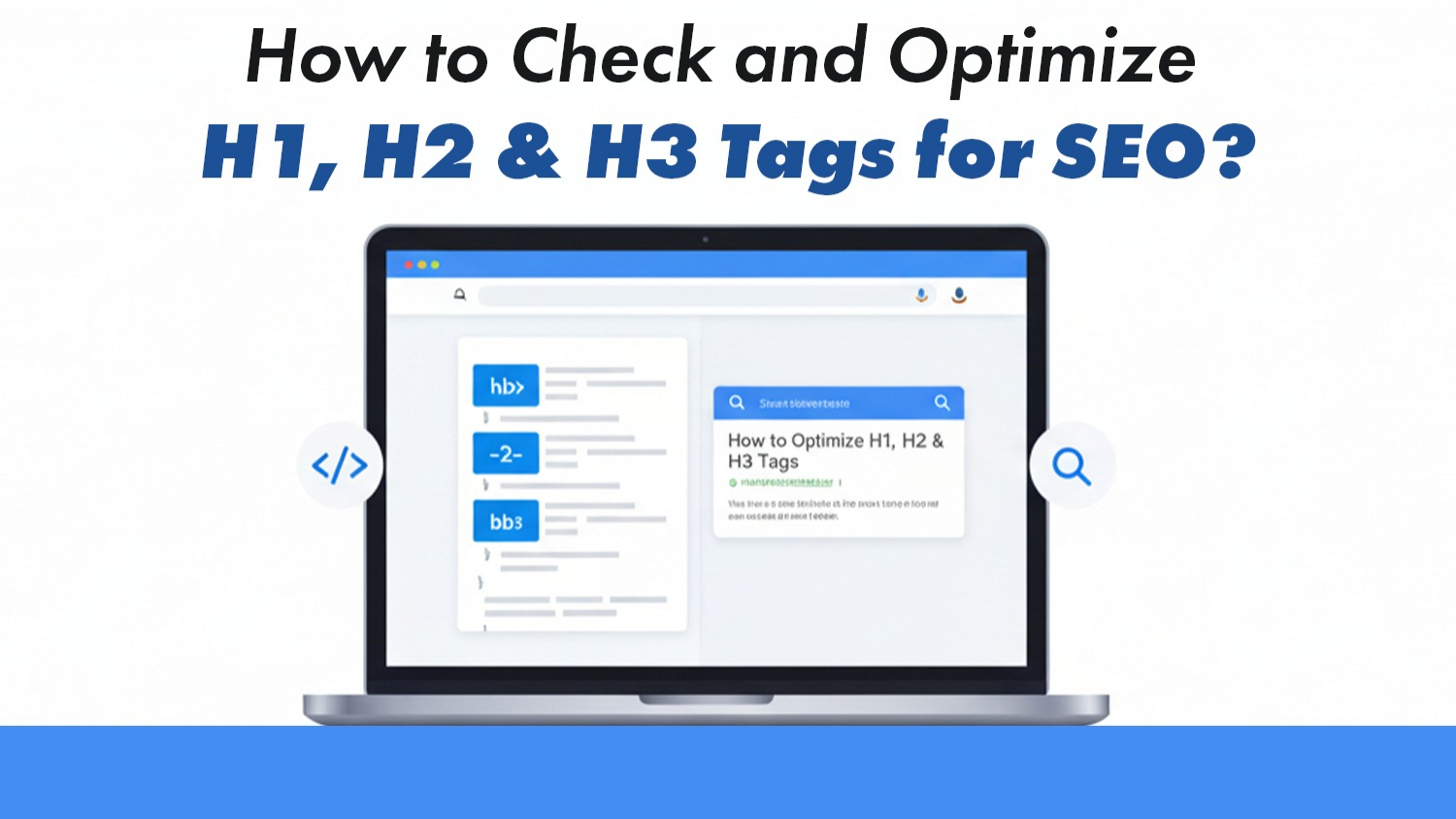
The use of H1, H2, and H3 headings plays a significant role in SEO. These heading tags help search engines understand the structure and hierarchy of content on a webpage. The H1 tag, typically used for the main heading of a page, carries more weight in terms of SEO than H2 and H3 tags. Properly utilising these heading tags not only improves the readability and organisation of content for users but also signals to search engines the importance of specific information on a webpage. Therefore, incorporating relevant keywords in H1, H2, and H3 headings can positively impact SEO by enhancing the overall visibility and ranking potential of a website.

What are H1, H2, H3, H4, H5, and H6 tags?

Understanding H1, H2, H3, H4, H5, and H6 Tags in SEO

In the realm of SEO, H1 to H6 tags refer to the hierarchy of heading elements used in HTML to structure content on a webpage. The H1 tag represents the main heading of a page and holds significant weight in terms of SEO as it communicates the primary topic or keyword. Subsequent headings such as H2, H3, H4, H5, and H6 tags are used to organise content hierarchically, with each level indicating a subheading that further segments and categorises information. Utilising these heading tags effectively not only enhances readability for users but also helps search engines better understand the structure and relevance of the content on a webpage, ultimately contributing to improved SEO performance.

What are H1 H2 H3 H4 H5 H6 tags?

Understanding H1, H2, H3, H4, H5, and H6 Tags in SEO

In the realm of SEO, H1, H2, H3, H4, H5, and H6 tags refer to HTML heading tags used to structure content on a webpage. The H1 tag is typically reserved for the main heading of a page and holds the highest importance in terms of SEO. Subheadings are then organised using H2 tags, followed by H3 tags for further subheadings. Utilising these heading tags not only helps search engines understand the hierarchy and context of your content but also improves readability for users. By strategically incorporating these tags with relevant keywords, websites can enhance their SEO performance and provide a better user experience.

What is H1 H2 H3 HTML tag?

The H1, H2, and H3 HTML tags are heading tags used to structure and organise content within a web page. The H1 tag represents the main heading of a page and is typically the largest and most important heading on the page. H2 tags are used for subheadings that are slightly less prominent than the main heading, while H3 tags further break down the content into subsections. By utilising these HTML tags effectively, web developers can improve the readability of their content, enhance user experience, and help search engines better understand the hierarchy and relevance of the information presented on a webpage.

What is the H1 H2 H3 system?

The H1, H2, and H3 system refers to the hierarchy of heading tags used in HTML to structure and organise content on a webpage. The H1 tag is typically used for the main title or heading of a page, conveying the primary topic or message. H2 tags are then used to subdivide the content into sections or subsections, providing a clear hierarchy beneath the main heading. Finally, H3 tags can be employed to further break down content within H2 sections. This systematic approach not only enhances readability for users but also helps search engines better understand and index the content, ultimately improving SEO performance.

What is H1 H2 H3 in business?

In the realm of business and digital marketing, H1, H2, and H3 refer to heading tags used in HTML coding to structure and organise content on a webpage. The H1 tag represents the main heading of a page and holds significant weight in terms of SEO as search engines use it to understand the primary topic of the content. H2 and H3 tags are subheadings that help break down the content into sections, making it more readable for both users and search engines. By utilising H1, H2, and H3 tags strategically, businesses can enhance their website’s SEO performance, improve user experience, and convey information in a clear and organised manner.

seo meta 1 click

Unlocking SEO Success with Meta 1 Click: A Guide to Optimising Your Website

Understanding SEO Meta 1 Click

Understanding SEO Meta 1 Click

In the realm of Search Engine Optimization (SEO), every click matters. One tool that has gained popularity in the SEO community is SEO Meta 1 Click. But what exactly is SEO Meta 1 Click and how can it benefit your website?

What is SEO Meta 1 Click?

SEO Meta 1 Click is a powerful tool designed to streamline the process of managing meta tags for your website. Meta tags play a crucial role in informing search engines about the content of your web pages. By optimising meta tags, you can improve your website’s visibility and ranking in search engine results.

The Benefits of Using SEO Meta 1 Click

With SEO Meta 1 Click, you can easily edit and manage meta tags such as title tags, meta descriptions, and meta keywords with just one click. This tool simplifies the process of updating meta information across your website, saving you time and ensuring consistency in your SEO efforts.

How to Use SEO Meta 1 Click

Using SEO Meta 1 Click is straightforward. Simply install the tool on your website and access its user-friendly interface to make changes to your meta tags. Whether you need to update titles for multiple pages or refine meta descriptions for better click-through rates, SEO Meta 1 Click provides a convenient solution.

Final Thoughts

SEO Meta 1 Click offers a convenient way to manage and optimise your website’s meta tags efficiently. By leveraging this tool, you can enhance your site’s visibility in search engine results and attract more organic traffic. Consider incorporating SEO Meta 1 Click into your SEO strategy to maximise the potential of your online presence.


Optimise Your SEO with 9 Essential Meta Tag Tips for Better Click-Through Rates

  1. Include relevant keywords in the meta title.
  2. Write a compelling meta description to increase click-through rates.
  3. Ensure the meta title and description accurately reflect the content of the page.
  4. Keep the meta title under 60 characters to prevent truncation in search results.
  5. Use unique meta titles and descriptions for each page on your website.
  6. Incorporate local SEO keywords if targeting a specific geographic location.
  7. Utilize schema markup to provide search engines with more context about your content.
  8. Regularly review and update your meta tags to stay current with SEO best practices.
  9. Monitor performance metrics such as click-through rates and adjust meta tags accordingly.

Include relevant keywords in the meta title.

To enhance your website’s search engine visibility, it is essential to include relevant keywords in the meta title using SEO Meta 1 Click. By incorporating targeted keywords in the meta title, you can signal to search engines what your page is about and improve its chances of ranking for relevant search queries. This simple yet effective tip can significantly impact your SEO efforts and help drive organic traffic to your website.

Write a compelling meta description to increase click-through rates.

Crafting a compelling meta description is a crucial aspect of SEO Meta 1 Click that can significantly boost click-through rates. By creating a concise and engaging meta description that accurately summarises the content of a web page, you can entice users to click on your link in search engine results. A well-crafted meta description not only improves visibility but also increases the likelihood of attracting relevant traffic to your website, ultimately enhancing your overall SEO performance.

Ensure the meta title and description accurately reflect the content of the page.

It is crucial to ensure that the meta title and description accurately reflect the content of the page when utilising SEO Meta 1 Click. By aligning these meta tags with the actual content on your webpage, you enhance the user experience and provide search engines with clear signals about the relevance of your page. This practice not only improves your website’s visibility in search results but also increases the likelihood of attracting qualified organic traffic that is genuinely interested in what your site has to offer.

Keep the meta title under 60 characters to prevent truncation in search results.

When utilising SEO Meta 1 Click, it is advisable to keep the meta title under 60 characters to avoid truncation in search results. By adhering to this guideline, you ensure that your title displays fully in search engine listings, enhancing visibility and improving click-through rates. Consistently monitoring and adjusting the length of your meta titles using SEO Meta 1 Click can contribute significantly to the overall effectiveness of your SEO strategy.

Use unique meta titles and descriptions for each page on your website.

Ensure optimal SEO performance for your website by utilising SEO Meta 1 Click to create unique meta titles and descriptions for every page. Crafting distinct meta tags for each page enhances search engine visibility and boosts click-through rates. With the convenience of SEO Meta 1 Click, you can efficiently manage and customise meta information, ensuring that each page on your site stands out in search results, driving organic traffic and improving overall online presence.

Incorporate local SEO keywords if targeting a specific geographic location.

When utilising SEO Meta 1 Click, it is advisable to incorporate local SEO keywords if your aim is to target a specific geographic location. By including region-specific keywords in your meta tags, such as city names or local landmarks, you can enhance the visibility of your website within that particular area. This strategic approach helps attract relevant local traffic and improves the chances of your site ranking higher in local search results, ultimately boosting your online presence within your target location.

Utilize schema markup to provide search engines with more context about your content.

To enhance your SEO efforts with SEO Meta 1 Click, consider utilising schema markup to offer search engines additional context about your content. By incorporating schema markup, you can provide structured data that helps search engines better understand the relevance and significance of your web pages. This additional information can improve the visibility of your content in search results and increase the likelihood of attracting relevant traffic to your website.

Regularly review and update your meta tags to stay current with SEO best practices.

To ensure optimal performance in search engine rankings, it is essential to regularly review and update your meta tags using tools like SEO Meta 1 Click. By staying current with SEO best practices and keeping your meta tags relevant and engaging, you can improve your website’s visibility and attract more organic traffic. Consistent monitoring and adjustment of meta tags are key components of a successful SEO strategy that can help your site stay ahead in the competitive online landscape.

Monitor performance metrics such as click-through rates and adjust meta tags accordingly.

To enhance the effectiveness of your SEO strategy using SEO Meta 1 Click, it is crucial to monitor performance metrics like click-through rates closely. By analysing these metrics, you can gain valuable insights into how users interact with your website in search engine results. Adjusting meta tags based on this data allows you to fine-tune your content and improve its relevance, ultimately boosting click-through rates and enhancing your website’s overall visibility and performance in search engine rankings.

seo nextjs

Maximising SEO Performance with Next.js: A Guide to Success

SEO with Next.js: Boosting Your Website’s Performance

SEO with Next.js: Boosting Your Website’s Performance

In the realm of modern web development, having a website that is not only visually appealing but also performs well in search engine results is crucial for success. This is where Next.js, a popular React framework, comes into play. By leveraging the power of Next.js for your website, you can supercharge your SEO efforts and enhance your online visibility.

The Power of Next.js for SEO

Next.js offers a range of features that make it an ideal choice for boosting your website’s SEO performance. Its server-side rendering capabilities help search engine crawlers easily index your content, leading to improved visibility on search engine results pages (SERPs). Additionally, Next.js provides support for dynamic routing, which allows you to create SEO-friendly URLs that are both user-friendly and easily discoverable by search engines.

Optimising Your Website with Next.js

When it comes to SEO optimisation with Next.js, there are several best practices to keep in mind. Firstly, ensure that your website’s metadata, including title tags and meta descriptions, are optimised for relevant keywords. Next.js makes it easy to customise these elements for each page of your site.

Furthermore, utilise Next.js’s built-in support for structured data to mark up your content in a way that search engines understand. By implementing schema.org markup using Next.js components, you can enhance the visibility of your website in rich snippets and other SERP features.

Improving Page Speed and Performance

In addition to its SEO benefits, Next.js can also help improve your website’s overall performance. With features like automatic code splitting and prefetching of linked pages, Next.js ensures that your site loads quickly and provides users with a seamless browsing experience. Search engines like Google consider page speed as a ranking factor, so optimising performance with Next.js can positively impact your SEO efforts.

Final Thoughts

By harnessing the capabilities of Next.js for SEO optimisation, you can take your website’s performance to the next level. Whether you’re looking to improve crawlability, enhance user experience or boost search rankings, incorporating Next.js into your web development toolkit can yield significant benefits. Stay ahead of the competition and maximise your online presence with the powerful combination of SEO and Next.js.


7 Essential SEO Tips for Optimising Your Next.js Website

  1. Ensure proper meta tags (title, description) for each page.
  2. Implement structured data to enhance search engine visibility.
  3. Optimize images by using descriptive filenames and alt text.
  4. Create SEO-friendly URLs with relevant keywords.
  5. Improve page loading speed for better user experience and SEO ranking.
  6. Generate a sitemap.xml file to help search engines index your site efficiently.
  7. Regularly monitor and analyse website performance using tools like Google Analytics.

Ensure proper meta tags (title, description) for each page.

Ensuring proper meta tags, including title and description, for each page is a crucial tip when it comes to SEO with Next.js. By customising these meta tags for every page on your website, you can provide search engines with valuable information about the content of each page. This not only helps improve your website’s visibility in search engine results but also enhances user experience by displaying relevant and enticing snippets in search listings. With Next.js’s flexibility in managing metadata, optimising meta tags for each page becomes a seamless process, ultimately contributing to a more effective SEO strategy.

Implement structured data to enhance search engine visibility.

Implementing structured data is a key tip for maximising the SEO potential of Next.js websites. By incorporating schema.org markup using Next.js components, you can provide search engines with valuable context about your content. This structured data not only enhances the visibility of your website in search engine results but also increases the likelihood of appearing in rich snippets and other SERP features. By following this best practice, you can improve your website’s search engine visibility and attract more organic traffic to your site.

Optimize images by using descriptive filenames and alt text.

When utilising Next.js for SEO optimisation, a crucial tip is to optimise images by employing descriptive filenames and alt text. By naming images with relevant keywords and providing informative alt text, you not only enhance accessibility for visually impaired users but also provide search engines with valuable context about the content of the image. This practice can improve your website’s overall SEO performance and increase the likelihood of your images appearing in relevant search results, thereby driving more organic traffic to your site.

Create SEO-friendly URLs with relevant keywords.

When utilising Next.js for SEO optimisation, a key tip is to create SEO-friendly URLs that incorporate relevant keywords. By structuring your website’s URLs in a way that reflects the content and includes targeted keywords, you enhance the discoverability of your pages by search engines. Next.js’s dynamic routing capabilities make it easy to customise URLs for each page, ensuring they are both user-friendly and optimised for search engine visibility. Implementing this practice can significantly improve your website’s ranking potential and attract more organic traffic to your site.

Improve page loading speed for better user experience and SEO ranking.

Optimising page loading speed is a crucial aspect of SEO when utilising Next.js. By enhancing the performance of your website and ensuring faster loading times, you not only provide users with a better browsing experience but also improve your SEO ranking. Search engines like Google prioritise fast-loading websites in their rankings, making it essential to focus on improving page speed for both user satisfaction and search engine visibility. With Next.js’s features such as automatic code splitting and prefetching, you can streamline your website’s performance, leading to increased user engagement and higher search engine rankings.

Generate a sitemap.xml file to help search engines index your site efficiently.

To enhance the search engine optimisation (SEO) of your Next.js website, consider generating a sitemap.xml file. This file acts as a roadmap for search engine crawlers, guiding them to all the important pages on your site. By providing a clear and organised structure of your website’s content through a sitemap, you can help search engines index your site efficiently. This, in turn, can improve the visibility of your website in search results and ensure that all relevant pages are properly crawled and indexed.

Regularly monitor and analyse website performance using tools like Google Analytics.

Regularly monitoring and analysing your website’s performance is crucial for effective SEO strategies when utilising Next.js. By leveraging tools such as Google Analytics, you can gain valuable insights into user behaviour, traffic sources, and key performance indicators. This data allows you to make informed decisions to optimise your website for search engines and enhance the overall user experience. Continuous monitoring and analysis help you identify areas for improvement, track the effectiveness of your SEO efforts, and ultimately drive better results in terms of visibility and organic traffic.

sem e seo

Unlocking the Power of SEM and SEO: A Comprehensive Guide to Digital Marketing Strategies

SEM and SEO: Understanding the Difference

SEM and SEO: Understanding the Difference

Search Engine Marketing (SEM) and Search Engine Optimization (SEO) are two vital components of any digital marketing strategy aimed at improving a website’s visibility in search engine results. While both SEM and SEO focus on increasing website traffic through search engines, they differ in their approaches and techniques.

Search Engine Optimization (SEO)

SEO is the process of optimizing a website to improve its organic (unpaid) search engine rankings. This involves various strategies such as keyword research, content optimization, link building, and technical enhancements to make the website more search engine-friendly. The goal of SEO is to increase organic traffic by appearing higher in search engine results pages (SERPs).

Search Engine Marketing (SEM)

SEM, on the other hand, includes paid advertising efforts to gain visibility in search engines. This typically involves pay-per-click (PPC) campaigns where advertisers bid on keywords relevant to their target audience. SEM allows businesses to place ads at the top of search results for specific keywords, driving immediate traffic to their websites.

The Relationship Between SEM and SEO

While SEM and SEO serve distinct purposes, they can complement each other effectively in a comprehensive digital marketing strategy. By combining both organic SEO efforts with paid SEM campaigns, businesses can maximise their online visibility and reach a wider audience.

In conclusion, understanding the differences between SEM and SEO is crucial for developing a successful digital marketing strategy. Whether focusing on organic growth through SEO or leveraging paid advertising with SEM, businesses can enhance their online presence and attract more valuable traffic from search engines.


Maximising Online Success: The Combined Benefits of SEM and SEO Strategies

  1. SEM allows for immediate visibility on search engine results pages (SERPs) through paid advertising.
  2. SEO helps improve organic search rankings over time, leading to long-term visibility and credibility.
  3. Combining SEM and SEO strategies can maximise a website’s overall online presence.
  4. SEM provides precise targeting options, allowing businesses to reach specific audiences with tailored ads.
  5. SEO enhances user experience by optimising website content and structure for better usability.
  6. SEM campaigns can be easily adjusted and optimised based on real-time performance data.
  7. SEO builds brand authority and trust by ranking higher in organic search results.
  8. SEM offers quick results for new websites or promotions that need immediate exposure.
  9. SEO is cost-effective in the long run as organic traffic does not require ongoing ad spend.


Exploring the Drawbacks of SEM and SEO: Costs, Competition, and More

  1. 1. Cost
  2. 2. Competition
  3. 3. Time-Consuming
  4. 4. Complexity
  5. 5. Algorithm Changes
  6. 6. Click Fraud
  7. 7. Limited Control

SEM allows for immediate visibility on search engine results pages (SERPs) through paid advertising.

Search Engine Marketing (SEM) offers a significant advantage by providing immediate visibility on search engine results pages (SERPs) through paid advertising. By running pay-per-click (PPC) campaigns, businesses can bid on relevant keywords and have their ads displayed prominently at the top of search results. This instant visibility allows companies to quickly reach their target audience and drive traffic to their websites, generating immediate results and increasing brand awareness in a competitive online landscape.

SEO helps improve organic search rankings over time, leading to long-term visibility and credibility.

Search Engine Optimization (SEO) plays a crucial role in enhancing a website’s organic search rankings gradually, resulting in sustained visibility and credibility over time. By implementing SEO strategies such as keyword optimization, quality content creation, and building authoritative backlinks, websites can climb the search engine results pages (SERPs) organically. This long-term approach not only boosts visibility but also establishes trust and credibility with users, as higher organic rankings are often perceived as more reliable and trustworthy sources of information.

Combining SEM and SEO strategies can maximise a website’s overall online presence.

Combining Search Engine Marketing (SEM) and Search Engine Optimization (SEO) strategies can significantly enhance a website’s online visibility and overall presence. By leveraging the strengths of both SEM, which involves paid advertising for immediate results, and SEO, which focuses on organic search ranking improvement over time, businesses can create a well-rounded digital marketing approach. SEM can drive immediate traffic to the website through targeted ads, while SEO works in the background to improve organic search rankings for sustainable long-term growth. Together, these strategies complement each other to maximise a website’s reach and effectiveness in capturing valuable online traffic.

SEM provides precise targeting options, allowing businesses to reach specific audiences with tailored ads.

SEM offers precise targeting options, enabling businesses to connect with highly specific audiences through customised advertisements. By utilising SEM strategies, companies can tailor their ads to reach the most relevant and interested individuals, increasing the likelihood of conversions and maximising the return on investment. This targeted approach not only enhances the effectiveness of marketing campaigns but also helps businesses establish a stronger connection with their intended audience, ultimately driving growth and success in the competitive digital landscape.

SEO enhances user experience by optimising website content and structure for better usability.

Search Engine Optimization (SEO) plays a crucial role in improving user experience by optimising website content and structure for enhanced usability. By implementing SEO best practices such as relevant keyword usage, high-quality content creation, and intuitive site navigation, websites become more user-friendly and engaging for visitors. This not only helps in attracting organic traffic from search engines but also ensures that users have a seamless and satisfying experience while browsing the site. Ultimately, SEO’s focus on enhancing user experience contributes to higher engagement, increased time spent on the website, and improved conversion rates.

SEM campaigns can be easily adjusted and optimised based on real-time performance data.

SEM campaigns offer the advantage of being easily adjusted and optimised in real-time based on performance data. This flexibility allows marketers to react promptly to changing trends and audience behaviour, ensuring that their ads are always relevant and effective. By monitoring key metrics such as click-through rates, conversion rates, and cost per acquisition, SEM practitioners can make data-driven decisions to refine their campaigns for optimal results. This ability to adapt quickly to insights gained from real-time data sets SEM apart as a dynamic and responsive digital marketing strategy.

SEO builds brand authority and trust by ranking higher in organic search results.

Search Engine Optimization (SEO) plays a crucial role in establishing brand authority and trust by securing higher rankings in organic search results. When a website consistently appears at the top of search engine results pages through effective SEO strategies, it not only increases visibility but also conveys credibility and reliability to users. By earning a prominent position through organic means, businesses can build trust with their target audience, positioning themselves as reputable industry leaders and enhancing their overall brand image.

SEM offers quick results for new websites or promotions that need immediate exposure.

Search Engine Marketing (SEM) provides a significant advantage by offering rapid results for new websites or promotions that require immediate exposure. Through SEM, businesses can create targeted advertising campaigns that appear prominently in search engine results, driving instant traffic to their websites. This quick visibility allows new websites to establish a presence online swiftly and promote their products or services effectively to a broader audience, making SEM an invaluable tool for achieving immediate marketing goals.

SEO is cost-effective in the long run as organic traffic does not require ongoing ad spend.

SEO offers a significant advantage in terms of cost-effectiveness over SEM in the long run. Unlike SEM, where ongoing ad spend is necessary to maintain visibility in search engine results, SEO focuses on improving organic traffic through sustainable strategies such as keyword optimization, content creation, and link building. Once a website starts ranking well organically, it can continue to attract relevant traffic without the need for continuous investment in paid advertising. This makes SEO a valuable long-term investment for businesses looking to drive consistent and cost-efficient traffic to their websites.

1. Cost

When considering the drawbacks of Search Engine Marketing (SEM) and Search Engine Optimization (SEO), one significant con to highlight is the cost associated with SEM. SEM can be costly, particularly when targeting competitive keywords, which often leads to high advertising expenses. Businesses investing in SEM campaigns need to allocate a substantial budget to compete effectively in paid search results and maintain visibility. This financial aspect of SEM can pose a challenge for businesses with limited marketing budgets, making it important to carefully consider the cost-effectiveness and potential return on investment when incorporating SEM into a digital marketing strategy.

2. Competition

Competition poses a significant challenge for both Search Engine Marketing (SEM) and Search Engine Optimization (SEO) strategies. In the digital landscape, businesses are constantly vying for visibility in search engine results, leading to intense competition. With numerous companies investing in SEM campaigns and implementing SEO tactics to improve their rankings, standing out amidst this fierce competition becomes increasingly difficult. This saturation of the online market underscores the importance of implementing innovative and strategic approaches to SEM and SEO to effectively differentiate oneself and capture the attention of target audiences in a competitive environment.

3. Time-Consuming

SEO, while effective in boosting organic rankings and driving long-term traffic, poses a significant challenge in terms of time consumption. Implementing SEO strategies demands consistent and ongoing efforts, as well as a considerable amount of patience to witness substantial enhancements in search engine rankings. It involves tasks such as keyword research, content creation, technical optimisation, and link building, all of which require time to yield noticeable results. Businesses investing in SEO must understand the time commitment involved and be prepared for a gradual but rewarding journey towards improved online visibility and organic traffic growth.

4. Complexity

Navigating the realm of SEM and SEO can pose a significant challenge due to its inherent complexity, particularly for those new to the field. The intricacies of SEM and SEO techniques, such as keyword research, content optimisation, link building, and PPC campaigns, can be overwhelming for beginners. Understanding the nuances of these strategies requires time, effort, and a continuous learning process to effectively harness the power of search engine marketing and optimisation.

5. Algorithm Changes

Search engine algorithms undergo frequent updates and changes, posing a significant challenge for both SEM and SEO strategies. These algorithm changes can directly impact the effectiveness of digital marketing efforts, requiring constant monitoring and adaptation to stay ahead. For SEM, shifts in algorithms can affect ad placements and bidding strategies, influencing the visibility and performance of paid campaigns. Similarly, SEO strategies need to evolve to align with new algorithm requirements to maintain or improve organic search rankings. Adapting to these algorithm changes is crucial for businesses aiming to succeed in the dynamic landscape of search engine marketing and optimisation.

6. Click Fraud

In Search Engine Marketing (SEM) campaigns, a significant drawback is the occurrence of click fraud. This unethical practice involves competitors or automated bots clicking on ads intentionally to exhaust advertising budgets, leading to wasted resources and reduced effectiveness of the campaign. Click fraud not only distorts campaign performance metrics but also undermines the integrity of SEM efforts by generating false clicks that do not result in genuine user engagement or conversions. Businesses engaging in SEM must remain vigilant against click fraud and implement measures to mitigate its impact on their advertising campaigns.

7. Limited Control

One significant drawback of Search Engine Marketing (SEM) and Search Engine Optimization (SEO) is the limited control that businesses have over their website rankings. In the case of SEO, search engines have the final say in determining where a website appears in search results, which means that businesses may find themselves at the mercy of constantly changing algorithms and ranking factors. This lack of control can make it challenging for businesses to maintain a consistent position in search engine results, highlighting the need for continuous monitoring and adaptation to stay competitive in the online landscape.

seo management

Mastering Effective SEO Management Strategies for Online Success

The Importance of SEO Management

The Importance of SEO Management

Search Engine Optimization (SEO) is crucial for any business looking to establish a strong online presence. However, simply implementing SEO strategies is not enough; effective SEO management is key to ensuring long-term success.

What is SEO Management?

SEO management involves the ongoing process of monitoring, analysing, and optimising your website’s performance in search engine results. It goes beyond initial keyword research and on-page optimisation to include regular updates, adjustments, and strategic planning to improve your website’s visibility and ranking.

The Benefits of Effective SEO Management

**Sustainable Results**: By consistently managing your SEO efforts, you can maintain and improve your search engine rankings over time, leading to sustained organic traffic and visibility.

**Adaptability**: With proper SEO management, you can adapt to changes in search engine algorithms, consumer behaviour, and industry trends to stay ahead of the competition.

**Increased ROI**: Investing in SEO management can yield a high return on investment by driving targeted traffic to your website and converting leads into customers.

Best Practices for SEO Management

To ensure effective SEO management, consider the following best practices:

  • Regular Monitoring: Track key performance indicators (KPIs) such as organic traffic, keyword rankings, and conversion rates regularly.
  • Content Updates: Keep your website fresh with new content that is relevant, engaging, and optimised for search engines.
  • Technical Optimisation: Regularly audit your website for technical issues that may impact its performance in search results.
  • Link Building: Develop a robust link-building strategy to increase the authority and credibility of your website.
  • Data Analysis: Utilise analytics tools to gather insights into user behaviour and performance metrics for informed decision-making.

In Conclusion

Effective SEO management is essential for maintaining a competitive edge in today’s digital landscape. By investing time and resources into managing your SEO efforts effectively, you can drive sustainable growth, increase brand visibility, and achieve long-term success online.


Essential FAQs on SEO Management: Understanding Its Importance, Practices, and Challenges

  1. What is SEO management and why is it important?
  2. How does SEO management differ from regular SEO practices?
  3. What are the key components of effective SEO management?
  4. How often should SEO management tasks be performed?
  5. What tools are commonly used for SEO management?
  6. How can I measure the success of my SEO management efforts?
  7. What are common challenges faced in implementing SEO management strategies?
  8. Is hiring an external agency for SEO management worth the investment?

What is SEO management and why is it important?

SEO management encompasses the ongoing process of overseeing and optimising a website’s SEO strategies to enhance its visibility and ranking on search engine results pages. It involves monitoring performance metrics, conducting regular audits, updating content, and adapting to algorithm changes to improve organic traffic and user engagement. Effective SEO management is vital for businesses as it ensures sustained online visibility, drives targeted traffic to the website, boosts brand credibility, and ultimately leads to increased conversions and revenue. By investing in SEO management, businesses can stay competitive in the digital landscape and achieve long-term success in their online endeavours.

How does SEO management differ from regular SEO practices?

When comparing SEO management to regular SEO practices, it’s important to note that while both focus on improving a website’s visibility and ranking in search engine results, they serve different purposes. Regular SEO practices typically involve initial optimisation efforts such as keyword research, on-page optimisation, and link building. On the other hand, SEO management goes beyond these basic strategies by encompassing ongoing monitoring, analysis, and adjustment of SEO efforts to ensure sustained performance and adaptability to changing algorithms and trends. In essence, SEO management is a more comprehensive and continuous process that aims to maintain and enhance a website’s search engine presence over time, making it a crucial component for long-term success in the digital landscape.

What are the key components of effective SEO management?

When it comes to effective SEO management, understanding the key components is essential for achieving success in online visibility and search engine rankings. The key components of effective SEO management typically include comprehensive keyword research to target relevant search terms, on-page optimisation to ensure website content is structured and tagged correctly for search engines, technical SEO to address website performance and user experience factors, quality link building to enhance website authority and credibility, regular content updates to keep information fresh and engaging, and data analysis to track performance metrics and make informed strategic decisions. By incorporating these key components into SEO management practices, businesses can improve their online presence and drive sustainable organic traffic growth.

How often should SEO management tasks be performed?

When it comes to SEO management, the frequency of performing tasks is a common query among businesses aiming to enhance their online presence. The ideal cadence for conducting SEO management tasks typically depends on various factors such as the size of the website, the level of competition in the industry, and the current state of search engine rankings. In general, regular monitoring and updates are essential for maintaining optimal performance. It is recommended to perform basic SEO tasks like content updates, keyword research, and performance tracking on a monthly basis, while more in-depth analyses and adjustments may be required quarterly or biannually to ensure sustained growth and visibility in search engine results. By establishing a consistent schedule for SEO management tasks, businesses can stay proactive in improving their online visibility and driving organic traffic to their websites.

What tools are commonly used for SEO management?

When it comes to SEO management, a variety of tools are commonly used to streamline and enhance the process. Some of the most popular tools include keyword research tools like SEMrush and Ahrefs, which help identify relevant keywords and track their performance. For on-page optimisation, tools such as Moz and Yoast SEO provide insights into content quality and readability. Additionally, analytics tools like Google Analytics and Search Console offer valuable data on website traffic, user behaviour, and search performance. These tools play a crucial role in monitoring, analysing, and improving SEO strategies to achieve optimal results for websites seeking to boost their online visibility and rankings.

How can I measure the success of my SEO management efforts?

Measuring the success of your SEO management efforts is essential to understanding the impact of your strategies and making informed decisions for future optimisation. Key performance indicators (KPIs) such as organic traffic growth, keyword rankings, conversion rates, and backlink quality can provide valuable insights into the effectiveness of your SEO initiatives. Utilising web analytics tools like Google Analytics can help track these metrics and evaluate the performance of your website over time. By regularly monitoring and analysing these KPIs, you can assess the ROI of your SEO efforts and make data-driven adjustments to further enhance your online visibility and reach.

What are common challenges faced in implementing SEO management strategies?

Implementing SEO management strategies can present several challenges for businesses aiming to enhance their online visibility. One common hurdle is staying abreast of ever-evolving search engine algorithms, which require constant updates and adjustments to maintain effectiveness. Additionally, balancing the technical aspects of SEO, such as website optimisation and link building, with creating high-quality, engaging content can be a complex task. Moreover, measuring the impact of SEO efforts and demonstrating tangible results to stakeholders often poses a challenge. Overcoming these obstacles requires a strategic approach, continuous learning, and a commitment to adaptability in the dynamic realm of SEO management.

Is hiring an external agency for SEO management worth the investment?

When considering whether hiring an external agency for SEO management is worth the investment, businesses must weigh the benefits against the costs. Outsourcing SEO management to a specialised agency can bring expertise, experience, and dedicated resources to the table, leading to more effective strategies and better results. These agencies often stay updated on industry trends and best practices, offering a competitive advantage. Additionally, by freeing up internal resources and allowing professionals to handle SEO tasks, businesses can focus on core operations and growth opportunities. While there is an initial financial outlay involved in hiring an external agency, the potential long-term benefits in terms of increased organic traffic, improved search engine rankings, and enhanced online visibility make it a valuable investment for many businesses seeking to succeed in the digital realm.

dental seo services

Unlocking the Potential of Dental SEO Services for Your Practice

The Power of Dental SEO Services

The Power of Dental SEO Services

In today’s digital age, having a strong online presence is crucial for businesses across all industries, including the dental sector. Dental practices looking to attract more patients and grow their business can benefit significantly from utilising Dental SEO services.

What is Dental SEO?

Dental SEO (Search Engine Optimisation) involves implementing strategies to enhance a dental practice’s visibility in search engine results pages. By optimising the practice’s website with relevant keywords, creating high-quality content, and improving overall website performance, Dental SEO aims to drive organic traffic and increase online visibility.

The Benefits of Dental SEO Services

Increased Online Visibility: With effective Dental SEO strategies in place, a dental practice can rank higher in search engine results, making it easier for potential patients to find them online.

Targeted Traffic: By targeting specific keywords related to dental services and treatments, Dental SEO helps attract relevant traffic to the practice’s website, increasing the likelihood of converting visitors into patients.

Improved Brand Awareness: A strong online presence built through Dental SEO services not only attracts new patients but also enhances the practice’s brand awareness and credibility in the eyes of potential patients.

Choosing the Right Dental SEO Provider

When selecting a provider for Dental SEO services, it is essential to choose a reputable agency with experience in working with dental practices. Look for a provider that offers customised strategies tailored to your practice’s unique needs and objectives.

Final Thoughts

Dental SEO services play a vital role in helping dental practices stand out in a competitive digital landscape. By investing in effective SEO strategies, dental practices can attract more patients, increase online visibility, and ultimately grow their business successfully.


Top 6 Tips for Enhancing Dental SEO: Boost Your Practice’s Online Presence

  1. Optimize your website with relevant keywords related to dental services and your location.
  2. Create informative and engaging content about dental procedures, oral health tips, and FAQs.
  3. Utilize local SEO strategies to target potential patients in your area.
  4. Improve website speed and mobile responsiveness for better user experience.
  5. Encourage satisfied patients to leave positive reviews on Google and other review platforms.
  6. Engage with your audience on social media platforms to increase brand visibility and attract new patients.

To enhance the effectiveness of your dental SEO strategy, it is crucial to optimise your website with relevant keywords that are specific to dental services offered and your location. By incorporating keywords related to dental treatments and procedures along with geographic terms that reflect your practice’s location, you can significantly improve your website’s visibility in search engine results. This targeted approach not only attracts local patients seeking dental services but also helps establish your practice as a reputable and trustworthy option in your area.

Create informative and engaging content about dental procedures, oral health tips, and FAQs.

Creating informative and engaging content about dental procedures, oral health tips, and frequently asked questions (FAQs) is a valuable tip for enhancing Dental SEO services. By providing relevant and educational content on a practice’s website, dental professionals can not only attract and engage visitors but also establish themselves as authoritative sources in the field. Informative articles about common dental procedures, helpful oral health advice, and answers to frequently asked questions can not only improve the practice’s search engine visibility but also build trust with potential patients seeking reliable information online.

Utilize local SEO strategies to target potential patients in your area.

Utilising local SEO strategies is a powerful tip for dental practices looking to attract potential patients in their area. By optimising their website with location-specific keywords, creating localised content, and ensuring accurate business listings, dental practices can effectively target individuals searching for dental services in their vicinity. Local SEO helps increase visibility in local search results, making it easier for nearby patients to discover and choose the practice for their dental needs. This targeted approach not only enhances the practice’s online presence but also improves the chances of converting local leads into loyal patients.

Improve website speed and mobile responsiveness for better user experience.

Improving website speed and mobile responsiveness is a crucial tip for enhancing Dental SEO services. A fast-loading website that is optimised for mobile devices not only boosts search engine rankings but also provides visitors with a seamless user experience. By prioritising website speed and responsiveness, dental practices can ensure that potential patients can easily access information, book appointments, and navigate the site effortlessly, ultimately leading to increased patient engagement and conversions.

Encourage satisfied patients to leave positive reviews on Google and other review platforms.

Encouraging satisfied patients to leave positive reviews on Google and other review platforms is a valuable tip for enhancing the online presence of a dental practice through Dental SEO services. Positive reviews not only showcase the quality of service provided by the practice but also contribute to building trust and credibility among potential patients. By actively seeking feedback from satisfied patients and directing them to leave reviews on prominent platforms, dental practices can boost their online reputation, attract more patients, and improve their search engine rankings.

Engage with your audience on social media platforms to increase brand visibility and attract new patients.

Engaging with your audience on social media platforms is a powerful tip for enhancing the effectiveness of your Dental SEO services. By actively interacting with patients and potential clients on platforms such as Facebook, Instagram, and Twitter, you can not only increase brand visibility but also establish a strong online presence that resonates with your target audience. Through meaningful interactions, sharing informative content, and showcasing your practice’s expertise, you can build trust, attract new patients, and ultimately drive growth for your dental practice in the digital realm.