organic search rankings

Organic Search Rankings: A Practical Guide to Improving Your Visibility

Organic Search Rankings: What They Are and How to Improve Them

Organic search rankings determine where webpages appear in the unpaid results on search engines such as Google and Bing. A higher position can help a page reach more people, but ranking well is not simply a matter of adding keywords. Search engines aim to show results that are relevant, useful and trustworthy for each search.

What are organic search rankings?

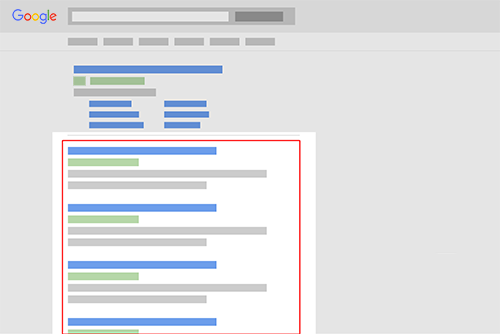
When someone enters a query, a search engine uses automated systems to identify and order pages that may answer it. These unpaid listings are known as organic results, distinguishing them from advertisements that are labelled as sponsored or paid placements.

Rankings can vary according to the search query, location, device and other contextual factors. A page may appear prominently for one phrase and much lower for another. Search results can also change as search engines update their systems and as new or improved content becomes available.

Why do rankings matter?

Search visibility can help people discover a business, organisation or publication while they are looking for information, products or services. Strong rankings may contribute to relevant website visits and enquiries, but position alone does not guarantee results. The page also needs to meet visitors’ expectations and make it easy for them to take the next step.

Organic search is usually a longer-term investment than paid advertising. It can take time for search engines to discover, assess and rank content, and there are no reliable guarantees of a particular position.

What influences organic rankings?

Search engines use many signals to assess pages. Their systems are complex and change over time, but several broad principles can guide a sound search strategy.

Relevance to the search

A page should address the subject or need behind a search. This means understanding what people are trying to find, rather than focusing only on individual keywords. Someone searching for a basic explanation may need a clear guide, while someone comparing services may want details about options, costs or features.

Useful, original content

Content should provide accurate information and genuine value to its intended audience. It should be clear, well organised and sufficiently complete for the topic. Adding words simply to make a page longer, or publishing many near-identical pages, is unlikely to create a better experience.

Technical accessibility

Search engines need to be able to access and understand a page. Technical issues such as broken links, incorrect indexing settings, duplicate URLs or slow-loading pages can make this harder. A logical site structure, descriptive page titles and a mobile-friendly layout can support both visitors and search engines.

Reputation and links

Links from other websites can help search engines discover pages and provide context about their prominence. However, links should be earned naturally through useful resources, strong reporting or worthwhile products and services. Buying links or using manipulative schemes can put a website at risk of search engine penalties.

Page experience

A page should be easy to use across common devices. Readable text, clear navigation, accessible design and stable page layouts all contribute to a better experience. A technically polished page cannot compensate for content that fails to answer the visitor’s question, but usability is an important part of a well-rounded website.

How to improve organic search rankings

  1. Research your audience and topics. Find out what your potential visitors ask, how they describe their needs and which pages already address those subjects. Use this research to plan content that meets a clear purpose.
  2. Improve existing pages. Review important pages for accuracy, clarity and completeness. Update outdated details, remove unnecessary repetition and make the main information easy to find.
  3. Use descriptive titles and headings. Page titles and headings should explain what the page is about. Include relevant language naturally, without forcing keywords into every heading.
  4. Make your site easy to navigate. Organise related pages into sensible sections and use helpful internal links. This helps visitors find relevant information and assists search engines in understanding how pages relate to one another.
  5. Check technical health. Monitor indexing, mobile usability, page performance and broken links. Tools such as Google Search Console can help identify how Google accesses and displays a site.
  6. Build credibility over time. Publish dependable information, show who is responsible for it where appropriate, and earn attention by creating resources that others genuinely find useful.
  7. Measure meaningful outcomes. Track organic visits alongside enquiries, sales, sign-ups or other business goals. Rankings are useful indicators, but they are only one part of performance.

How to measure rankings and progress

Rankings can be monitored using search engine tools or specialist platforms, but individual checks should be treated with care. Results may differ by location, device and personal context, so a single search from one computer does not provide a complete picture.

Consider tracking a group of relevant search queries over time, along with impressions, clicks and click-through rates. Google Search Console provides data about a site’s appearance in Google Search, while analytics tools can show what visitors do after arriving. Comparing these measures can reveal whether a page is becoming more visible and whether that visibility is attracting the right audience.

Changes should be assessed over a suitable period. Search performance can fluctuate, and a short-term rise or fall does not always indicate a lasting trend. When reviewing results, consider seasonality, website changes and broader search updates as well as the work carried out on individual pages.

Common mistakes to avoid

  • Keyword stuffing: Repeating phrases unnaturally can make content awkward and less useful.
  • Chasing every ranking fluctuation: Frequent reactive changes may create confusion. Investigate sustained patterns before making major adjustments.
  • Publishing thin or duplicate pages: Pages with little unique value can make a site harder to manage and less helpful to visitors.
  • Expecting instant results: Search visibility often takes time to develop, particularly for new websites or competitive topics.
  • Focusing only on position: A high ranking for an irrelevant query may bring little value. Prioritise qualified traffic and useful outcomes.
  • Promising guaranteed positions: No legitimate SEO practitioner can guarantee a specific organic ranking, because search engines control their results.

A long-term approach to organic visibility

Improving organic search rankings is an ongoing process of understanding your audience, producing useful content, maintaining a healthy website and learning from performance data. Rather than looking for shortcuts, focus on making each important page the clearest and most helpful result you can provide for its intended search.


Organic Search Rankings: 9 Frequently Asked Questions

  1. What are organic search rankings?
  2. How do search engines determine organic search rankings?
  3. How can I improve my organic search rankings?
  4. How long does it take to improve organic search rankings?
  5. Why have my organic search rankings dropped?
  6. How can I check my website’s organic search rankings?
  7. Do keywords still affect organic search rankings?
  8. Can backlinks improve organic search rankings?
  9. Are organic search rankings different for each user or location?

What are organic search rankings?

Organic search rankings are the positions webpages appear in the unpaid results on search engines such as Google and Bing. Search engines rank pages according to how relevant and useful they appear for a particular search. Rankings can vary by query, location and device, and may change over time as search results are updated.

How do search engines determine organic search rankings?

Search engines determine organic search rankings using automated systems that discover, index and assess webpages, then match them to a person’s search query. They consider many factors, including how relevant and useful a page is, the quality and originality of its content, the website’s technical accessibility, its reputation and the experience it offers on different devices. The exact systems are complex and change over time, so no single factor guarantees a particular position. Rankings can also vary depending on the query, location and other context.

How can I improve my organic search rankings?

To improve your organic search rankings, create helpful, original content that matches what your audience is searching for, and organise it with clear titles, headings and internal links. Make sure your website is mobile-friendly, fast and easy for search engines to crawl, and keep important information accurate and up to date. Build your site’s credibility by earning relevant links naturally, rather than using manipulative tactics. Track performance with tools such as Google Search Console, and use the data to refine your pages over time. SEO takes patience, and no one can guarantee a particular ranking.

How long does it take to improve organic search rankings?

It can take anywhere from a few weeks to several months to see improvements in organic search rankings, depending on factors such as your website’s age and authority, the level of competition, and the changes made. Technical fixes or updates to established pages may show results sooner, while building visibility for a new website or competitive topic often takes longer. Search engines need time to crawl and reassess changes, so monitor trends over time rather than expecting an immediate or guaranteed ranking.

Why have my organic search rankings dropped?

Organic search rankings can drop for several reasons, and a short-term change does not always indicate a serious problem. Search engines regularly update their systems, competitors may improve their pages, and shifts in demand or seasonality can affect results. Technical issues—such as pages being blocked from indexing, broken links or a recent website migration—can also reduce visibility, as can outdated or less relevant content. Check Google Search Console for indexing issues and changes in impressions and clicks, then review affected pages, recent site updates and the search results for your key queries. Look for sustained patterns before making major changes, as rankings can fluctuate naturally.

How can I check my website’s organic search rankings?

You can check your website’s organic search rankings using Google Search Console, which shows the search queries your pages appear for, along with impressions, clicks and average position. For a broader view, SEO platforms can track selected keywords over time and compare visibility across locations or devices. Remember that rankings can vary by searcher and context, so treat them as a guide rather than a fixed position. Also review organic traffic and enquiries or sales to see whether your visibility is reaching the right audience.

Do keywords still affect organic search rankings?

Yes, keywords still affect organic search rankings, but search engines now look beyond exact-match phrases to understand a page’s topic and how well it answers a search. Use the words and phrases your audience naturally uses in relevant places, such as the page title, main heading and body text. Avoid keyword stuffing: clear, useful content that meets the reader’s needs is more valuable than repeating a phrase unnaturally.

Yes, backlinks can help improve organic search rankings. When reputable, relevant websites link to your content, those links may signal that it is useful or trustworthy and can also bring visitors to your site. However, backlinks are only one of many ranking factors, and their value depends on quality and relevance rather than quantity. Focus on earning links naturally by publishing helpful content and building genuine relationships; buying links or using manipulative tactics can harm your search visibility.

Are organic search rankings different for each user or location?

Yes. Organic search rankings can vary by location, device and the wording or context of a search, so two people may see different results for the same query. Search engines often prioritise locally relevant pages—for example, a nearby business when someone searches for a service—while personalisation may also influence results. For a more reliable view, compare performance across relevant locations and use tools such as Google Search Console, rather than relying on a single search from one device.
cloaking in seo

Unveiling the Impact of Cloaking in SEO Strategies

The Practice of Cloaking in SEO

The Practice of Cloaking in SEO

When it comes to Search Engine Optimization (SEO), there are various strategies and techniques that website owners employ to improve their search engine rankings. One such technique is known as cloaking.

What is Cloaking?

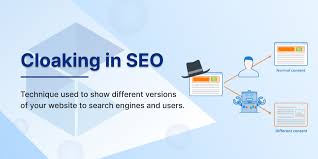
Cloaking is the practice of presenting different content or URLs to search engines and users. In other words, when a user visits a webpage, they see different content compared to what a search engine crawler sees. This technique is often used to deceive search engines into ranking a webpage higher than it deserves based on its actual content.

How Cloaking Works

Website owners who engage in cloaking typically use technology to identify whether a visitor is a search engine crawler or a regular user. When a crawler visits the site, it receives optimized content designed to improve the page’s ranking. However, when a regular user accesses the same page, they may see entirely different content that is more appealing or engaging.

Is Cloaking Ethical?

Cloaking is considered a black hat SEO technique and goes against the guidelines set by major search engines like Google. Search engines aim to provide users with relevant and accurate results, and cloaking undermines this goal by presenting misleading information.

The Risks of Cloaking

While cloaking may initially result in improved rankings, it poses significant risks for website owners. Search engines actively penalize websites that engage in cloaking by lowering their rankings or removing them from search results altogether. These penalties can have long-lasting effects on a website’s visibility and credibility.

Conclusion

In conclusion, while cloaking may seem like a shortcut to higher search engine rankings, it is not a sustainable or ethical SEO practice. Website owners should focus on creating high-quality, relevant content that provides value to users rather than resorting to deceptive techniques like cloaking. By following ethical SEO practices and staying up-to-date with search engine guidelines, websites can achieve long-term success in their online visibility efforts.


Understanding Cloaking in SEO: 18 Frequently Asked Questions and Answers

  1. What cloaking means?
  2. How can you tell cloaking?
  3. What is cloaking in black hat SEO?
  4. What is cloaking?
  5. What is cloaking a website?
  6. Is cloaking good for SEO?
  7. How do you do cloaking SEO?
  8. What are the 4 types of SEO?
  9. What is the cloaking technique?
  10. What is cloaking in Google ads?
  11. What is cloaking example?
  12. What are the 3 C’s of SEO?
  13. What is cloaking used for?
  14. How do you do cloaking in SEO?
  15. How do you implement cloaking in SEO?
  16. Why cloaking is done?
  17. What is an example of cloaking content?
  18. What is a cloaking in SEO?

What cloaking means?

Cloaking in SEO refers to the practice of displaying different content or URLs to search engine crawlers compared to what regular users see. Essentially, it involves presenting one version of a webpage to search engines for indexing purposes while showing a different version to human visitors. This deceptive technique aims to manipulate search engine rankings by misleading algorithms about the actual content of a webpage. However, cloaking is considered unethical and violates search engine guidelines, leading to potential penalties and loss of credibility for websites that engage in such practices.

How can you tell cloaking?

Identifying cloaking in SEO involves comparing the content that search engine crawlers see with what regular users see when accessing a webpage. Discrepancies between the two versions, such as hidden text or keyword stuffing visible only to crawlers, can indicate the presence of cloaking. Additionally, sudden changes in rankings or penalties from search engines may suggest that cloaking is being employed. Webmasters should remain vigilant and utilise tools like Google Search Console to monitor for any signs of cloaking and ensure compliance with search engine guidelines for ethical SEO practices.

What is cloaking in black hat SEO?

Cloaking in black hat SEO refers to the deceptive practice of displaying different content to search engine crawlers than what is shown to actual users. This unethical tactic aims to manipulate search engine rankings by presenting content that is optimised for search engines but not necessarily relevant or valuable to human visitors. Cloaking violates search engine guidelines and compromises the integrity of search results by misleading both users and search engines. Website owners engaging in cloaking risk severe penalties, including lower rankings or removal from search engine results pages, highlighting the importance of ethical SEO practices for long-term success online.

What is cloaking?

Cloaking in the context of SEO refers to the deceptive practice of presenting different content or URLs to search engines than what is shown to users. Essentially, it involves showing one version of a webpage to search engine crawlers to manipulate rankings, while displaying a different version to regular visitors. This unethical technique aims to trick search engines into ranking a webpage higher than it deserves based on its actual content. However, cloaking violates search engine guidelines and can lead to penalties that harm a website’s visibility and credibility in the long run.

What is cloaking a website?

Cloaking a website refers to the deceptive practice of presenting different content or URLs to search engine crawlers than what is shown to regular users. In essence, it involves displaying one version of a webpage to search engines for indexing purposes while showing a different version to human visitors. This technique aims to manipulate search engine rankings by misleadingly presenting content that may not accurately reflect the actual user experience. However, cloaking is considered unethical in SEO as it violates search engine guidelines and can lead to penalties that harm a website’s visibility and credibility in the long run.

Is cloaking good for SEO?

The question of whether cloaking is beneficial for SEO is a contentious one in the digital marketing realm. While cloaking may initially yield short-term gains by manipulating search engine rankings, it ultimately undermines the integrity of search results and violates search engine guidelines. Engaging in cloaking practices can lead to severe penalties from search engines, resulting in a significant drop in rankings or even removal from search results. In essence, while cloaking may seem like a tempting strategy to boost SEO performance, its unethical nature and associated risks make it an unsustainable and detrimental approach in the long run. It is advisable for website owners to focus on legitimate SEO tactics that prioritise user experience and quality content to achieve lasting success in their online visibility efforts.

How do you do cloaking SEO?

When it comes to the frequently asked question of how to do cloaking in SEO, it’s important to highlight that cloaking is a black hat SEO technique that goes against search engine guidelines. Engaging in cloaking involves presenting different content to search engine crawlers than what regular users see, with the aim of manipulating search engine rankings. However, it is crucial to note that employing cloaking can lead to severe penalties from search engines, including lowered rankings or even removal from search results. Therefore, it is strongly advised against using cloaking as an SEO strategy due to its unethical nature and the risks associated with it in terms of online visibility and credibility. It is always recommended to focus on creating high-quality, relevant content and following ethical SEO practices for sustainable and long-term success in improving search engine rankings.

What are the 4 types of SEO?

When discussing the types of SEO, it is important to note that cloaking, a controversial technique in SEO, is not one of them. The four main types of SEO are on-page SEO, off-page SEO, technical SEO, and local SEO. On-page SEO focuses on optimizing individual web pages to improve search engine rankings and attract organic traffic. Off-page SEO involves activities outside the website to enhance its authority and relevance. Technical SEO deals with website infrastructure and ensures search engines can crawl and index the site effectively. Local SEO targets local searches to help businesses appear in location-based results. Understanding these different types of SEO can help website owners develop comprehensive strategies to improve their online visibility and rankings ethically.

What is the cloaking technique?

The cloaking technique in SEO refers to the practice of displaying different content or URLs to search engine crawlers compared to what regular users see when visiting a webpage. This deceptive strategy aims to manipulate search engine rankings by presenting optimized content to crawlers for better visibility, while showing users different, often more engaging content. However, cloaking is considered unethical and against search engine guidelines as it provides misleading information to users. Website owners should avoid employing cloaking techniques and focus on creating high-quality, relevant content that benefits both search engines and visitors for long-term SEO success.

What is cloaking in Google ads?

Cloaking in Google Ads refers to the practice of displaying different content to Google’s ad review system compared to what actual users see after clicking on the ad. This deceptive technique is used to bypass Google’s policies and guidelines by showing compliant content during the review process while directing users to unrelated or low-quality landing pages. Cloaking in Google Ads is strictly prohibited as it violates Google’s advertising policies and can result in severe penalties, including ad disapproval or account suspension. Website owners are advised to adhere to ethical practices and provide consistent and relevant content to both users and search engines for sustainable advertising success.

What is cloaking example?

Cloaking in SEO refers to the practice of showing different content to search engine crawlers than what regular users see. An example of cloaking could be a website displaying specific keywords or content solely for search engine bots to improve its ranking, while presenting different information to human visitors. This deceptive technique violates search engine guidelines and can lead to severe penalties, including lowered rankings or removal from search results. It is crucial for website owners to avoid cloaking and focus on providing consistent and relevant content for both users and search engines to maintain ethical SEO practices and long-term online success.

What are the 3 C’s of SEO?

One frequently asked question in SEO is about the concept of the 3 C’s of SEO. The 3 C’s of SEO stand for Content, Code, and Connectivity. These elements are crucial for a successful SEO strategy. Content refers to the quality and relevance of the information on a website, while Code focuses on the technical aspects that affect search engine visibility, such as meta tags and site structure. Connectivity involves building links and relationships with other websites to improve authority and credibility. By paying attention to these three key areas, website owners can enhance their search engine rankings and overall online presence.

What is cloaking used for?

Cloaking in SEO is a controversial practice used to deceive search engines by presenting different content to them compared to what regular users see. While cloaking is primarily employed to manipulate search engine rankings and improve visibility, it is important to note that this technique goes against ethical SEO guidelines. Website owners who engage in cloaking risk penalties from search engines, which can ultimately harm their online reputation and credibility. It is crucial for businesses to focus on creating valuable and relevant content for users rather than resorting to deceptive tactics like cloaking for short-term gains.

How do you do cloaking in SEO?

Cloaking in SEO involves presenting different content to search engine crawlers than what regular users see. To implement cloaking, website owners typically use technology to detect whether a visitor is a search engine crawler or a regular user. When a crawler visits the site, it is served optimised content aimed at improving the page’s ranking. However, when a regular user accesses the same page, they may encounter entirely different content that is more engaging or appealing. It’s important to note that cloaking is considered a black hat SEO technique and violates search engine guidelines, risking penalties such as lowered rankings or removal from search results.

How do you implement cloaking in SEO?

Implementing cloaking in SEO involves using specific techniques to serve different content to search engine crawlers and regular users. One common method is to detect the user agent of the visitor, determining whether it is a search engine bot or a human user. Based on this information, the website can dynamically generate content that is tailored to each audience. This may include showing keyword-rich content to search engines for better indexing while displaying more user-friendly or promotional content to regular users. However, it’s important to note that implementing cloaking is considered a black hat SEO practice and goes against search engine guidelines, risking penalties that can harm a website’s ranking and credibility in the long run.

Why cloaking is done?

Cloaking is done in SEO with the intention of manipulating search engine rankings by presenting different content to search engine crawlers compared to regular users. The primary goal of cloaking is to deceive search engines into believing that a webpage is more relevant or valuable than it actually is, ultimately aiming to achieve higher rankings in search results. However, it is important to note that cloaking is considered an unethical and black hat SEO practice that can result in penalties from search engines, leading to a loss of credibility and visibility for the website employing such tactics.

What is an example of cloaking content?

An example of cloaking content in SEO would be a website showing entirely different text or images to search engine crawlers compared to what regular users see. For instance, a webpage might display keyword-stuffed content or irrelevant information to manipulate search engine rankings while presenting engaging and user-friendly content to visitors. This deceptive practice aims to trick search engines into ranking the page higher based on the cloaked content, ultimately misleading users and violating search engine guidelines.

What is a cloaking in SEO?

In the realm of SEO, cloaking refers to the deceptive practice of displaying different content to search engine crawlers than what is shown to website visitors. This unethical technique aims to manipulate search engine rankings by presenting optimised content to algorithms while delivering a different experience to users. Cloaking violates search engine guidelines and can result in severe penalties, including lowered rankings or removal from search results. It is crucial for website owners to understand that cloaking compromises the integrity of their online presence and undermines the trustworthiness of their website.