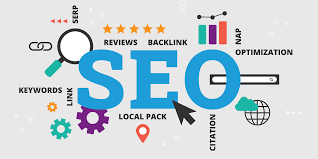
Unveiling the True Meaning of Search Engine Optimization
The Essence of Search Engine Optimization (SEO)
Search Engine Optimization, commonly known as SEO, is a fundamental digital marketing strategy aimed at enhancing a website’s visibility on search engine results pages (SERPs). The primary goal of SEO is to increase organic (non-paid) traffic to a website by improving its ranking for relevant search queries.
Key Components of SEO
SEO comprises various techniques and practices that work together to improve a website’s search engine ranking. These include:
- On-Page SEO: Optimising individual web pages with relevant keywords, meta tags, and high-quality content.
- Off-Page SEO: Building backlinks from reputable websites to establish the authority and credibility of a website.
- Technical SEO: Enhancing the technical aspects of a website, such as site speed, mobile-friendliness, and URL structure.
- Local SEO: Optimising a website for local searches to attract nearby customers.
- E-commerce SEO: Tailoring SEO strategies for online stores to drive traffic and increase sales.
The Importance of SEO
In today’s competitive digital landscape, having a strong SEO strategy is essential for businesses looking to succeed online. By improving their search engine visibility, companies can attract more targeted traffic, generate leads, and boost conversions. Furthermore, effective SEO can help build brand awareness and establish credibility in the eyes of both users and search engines.
The Evolution of SEO
Over the years, SEO has evolved significantly in response to changes in search engine algorithms and user behaviour. Modern SEO practices focus on providing valuable content that meets user intent, fostering a positive user experience, and adapting to mobile-first indexing. As search engines continue to refine their algorithms, staying updated with the latest trends and best practices is crucial for maintaining a competitive edge in the digital realm.
In Conclusion
In essence, Search Engine Optimization is an indispensable tool for businesses seeking to improve their online presence and reach their target audience effectively. By implementing sound SEO strategies tailored to their specific goals and objectives, organisations can unlock new opportunities for growth and success in the ever-evolving digital landscape.
Understanding SEO: Key Questions and Insights into Effective Search Engine Optimisation
- What is Search Engine Optimization (SEO) and why is it important?
- How does SEO work to improve a website’s visibility on search engines?
- What are the key components of an effective SEO strategy?
- Why is keyword research crucial in SEO?
- What is the difference between On-Page SEO and Off-Page SEO?
- How does technical SEO impact a website’s search engine ranking?
- Why is local SEO important for businesses targeting local customers?
- How can e-commerce websites benefit from implementing SEO strategies?
What is Search Engine Optimization (SEO) and why is it important?
Search Engine Optimization (SEO) is a strategic digital marketing approach aimed at enhancing a website’s visibility on search engine results pages (SERPs). It involves various techniques such as keyword optimisation, content creation, and link building to improve a site’s ranking organically. SEO is crucial for businesses as it helps drive targeted traffic to their websites, increasing the chances of attracting potential customers and generating leads. By improving search engine visibility, businesses can establish credibility, build brand awareness, and ultimately boost conversions. In today’s competitive online landscape, a solid SEO strategy is essential for staying ahead of the competition and reaching the right audience effectively.
How does SEO work to improve a website’s visibility on search engines?
To enhance a website’s visibility on search engines, SEO works by implementing a combination of strategies that aim to improve the website’s relevance and authority in the eyes of search engine algorithms. This involves optimising on-page elements such as meta tags, headings, and content with relevant keywords, as well as building high-quality backlinks from reputable websites to establish credibility. Additionally, technical aspects like site speed, mobile-friendliness, and structured data are optimised to enhance user experience and indexability. By aligning these factors with search engine ranking criteria, SEO helps websites climb the search results pages and attract organic traffic from users searching for related queries.
What are the key components of an effective SEO strategy?
When considering the key components of an effective SEO strategy, it is essential to focus on several crucial elements that work together to improve a website’s search engine visibility. These components include on-page SEO, which involves optimising individual web pages with relevant keywords and high-quality content; off-page SEO, which entails building backlinks from reputable websites to enhance a site’s authority; technical SEO, which addresses the technical aspects of a website such as site speed and mobile-friendliness; local SEO, which targets local searches to attract nearby customers; and e-commerce SEO, tailored specifically for online stores to drive traffic and boost sales. By incorporating these components into a comprehensive SEO strategy, businesses can increase their online presence, attract targeted traffic, and ultimately achieve their digital marketing goals.
Why is keyword research crucial in SEO?
Keyword research plays a pivotal role in Search Engine Optimization (SEO) due to its significance in understanding the search behaviour of users and aligning website content with their queries. By conducting thorough keyword research, businesses can identify the specific terms and phrases that potential customers use when searching for products or services online. This insight enables website owners to strategically incorporate relevant keywords into their content, meta tags, and other elements to improve their visibility on search engine results pages. Ultimately, effective keyword research not only enhances a website’s ranking but also ensures that it attracts qualified traffic that is more likely to convert into leads or customers.
What is the difference between On-Page SEO and Off-Page SEO?
When discussing Search Engine Optimization (SEO), it is crucial to understand the distinction between On-Page SEO and Off-Page SEO. On-Page SEO involves optimising individual web pages through factors such as keyword usage, meta tags, and content quality to improve their search engine ranking. In contrast, Off-Page SEO focuses on building external signals like backlinks from reputable websites to enhance a site’s authority and credibility in the eyes of search engines. Both On-Page and Off-Page SEO play integral roles in boosting a website’s visibility and driving organic traffic, highlighting the importance of implementing a comprehensive SEO strategy that encompasses both aspects effectively.
How does technical SEO impact a website’s search engine ranking?
When considering the impact of technical SEO on a website’s search engine ranking, it is essential to recognise its crucial role in enhancing the overall performance and visibility of a site. Technical SEO focuses on optimising the technical aspects of a website, such as site speed, mobile-friendliness, crawlability, and URL structure. By ensuring that a website meets search engine guidelines and standards, technical SEO helps search engines better understand and index its content. A well-optimised site that is technically sound can result in improved user experience, faster loading times, and easier navigation for both users and search engine bots. Ultimately, technical SEO plays a significant role in influencing a website’s search engine ranking by contributing to its overall quality and relevance in the eyes of search engines.
Why is local SEO important for businesses targeting local customers?
Local SEO is crucial for businesses targeting local customers because it helps them connect with their nearby audience effectively. By optimising their online presence for local searches, businesses can increase visibility in geographically relevant search results, making it easier for potential customers in the area to find them. Local SEO strategies such as local keyword targeting, Google My Business optimisation, and online reviews management not only enhance a business’s online visibility but also build trust and credibility among local consumers. This targeted approach ensures that businesses can attract foot traffic, drive website visits, and ultimately boost conversions from customers within their immediate vicinity.
How can e-commerce websites benefit from implementing SEO strategies?
Implementing SEO strategies can significantly benefit e-commerce websites by enhancing their online visibility, attracting more qualified traffic, and ultimately increasing sales and revenue. By optimising product pages with relevant keywords, improving site structure and navigation, and building high-quality backlinks, e-commerce sites can improve their search engine rankings and reach a wider audience of potential customers. Additionally, SEO helps e-commerce websites establish trust and credibility with both users and search engines, leading to higher conversion rates and long-term success in the competitive online marketplace.