etsy seo 2022

Optimising Your Etsy Shop for Success: Essential SEO Strategies in 2022

The Ultimate Guide to Etsy SEO in 2022

The Ultimate Guide to Etsy SEO in 2022

As we step into 2022, mastering Etsy SEO is more crucial than ever for sellers looking to stand out in the competitive online marketplace. With millions of products listed on Etsy, having a solid SEO strategy can make all the difference in driving traffic and increasing sales.

Understanding Etsy SEO

Etsy SEO (Search Engine Optimization) involves optimising your product listings to improve their visibility in search results within the Etsy platform. By strategically incorporating relevant keywords and tags, you can increase the chances of your products being discovered by potential customers.

Key Strategies for Etsy SEO in 2022

Keyword Research: Start by conducting thorough keyword research to identify terms that potential buyers are searching for. Use tools like Google Keyword Planner or Etsy’s own search bar suggestions to discover high-ranking keywords.

Optimise Product Titles: Craft descriptive and keyword-rich titles for your products. Include relevant keywords that accurately describe your item while enticing buyers to click on your listing.

Utilise Tags Wisely: Tags play a crucial role in helping Etsy’s algorithm understand what your product is about. Use all available tag slots and include a mix of broad and specific tags related to your product.

High-Quality Images: Visual appeal matters on Etsy. Ensure that you use high-quality images that showcase your products effectively. Optimize image file names with relevant keywords for better search visibility.

Detailed Product Descriptions: Write detailed and engaging product descriptions that not only describe the item but also incorporate relevant keywords naturally. Provide essential information such as materials used, dimensions, and care instructions.

The Importance of Regular Monitoring and Adjustments

Etsy’s search algorithm is constantly evolving, making it essential for sellers to regularly monitor their listings’ performance and make necessary adjustments. Analyse your traffic data, track keyword rankings, and experiment with different strategies to see what works best for your shop.

In Conclusion

In 2022, mastering Etsy SEO is a key component of achieving success as an online seller on the platform. By implementing effective SEO strategies, staying updated on algorithm changes, and continuously refining your approach based on data insights, you can enhance your visibility, attract more customers, and boost sales on Etsy.


Top FAQs on Etsy SEO 2022: Tools, Optimisation, and Ranking Tips

  1. What is the best SEO tool for Etsy?
  2. How do I get noticed on Etsy 2022?
  3. Does SEO help on Etsy?
  4. How do I find my Etsy SEO?
  5. Which SEO tool is best for Etsy?
  6. How to see SEO on Etsy?
  7. How do I optimize SEO on Etsy?
  8. How to rank on Etsy 2023?

What is the best SEO tool for Etsy?

When it comes to optimising your Etsy listings for better visibility and reach in 2022, one frequently asked question is, “What is the best SEO tool for Etsy?” While there are several SEO tools available that can aid sellers in improving their Etsy SEO performance, it’s essential to choose a tool that aligns with your specific needs and budget. Some popular options include Marmalead, eRank, and EtsyRank, each offering unique features such as keyword research, competition analysis, and listing optimisation. It’s recommended to explore different tools, consider user reviews and ratings, and select the one that best suits your Etsy SEO strategy goals for the year ahead.

How do I get noticed on Etsy 2022?

To get noticed on Etsy in 2022, implementing a strong SEO strategy is paramount. By conducting thorough keyword research, optimising product titles with relevant keywords, utilising tags effectively, showcasing high-quality images, and crafting detailed product descriptions, sellers can significantly improve their visibility on the platform. Regularly monitoring performance metrics and making necessary adjustments based on data insights are also crucial for standing out amidst the vast array of listings on Etsy. By staying proactive and strategic in their approach to SEO, sellers can enhance their chances of getting noticed and attracting more customers in 2022.

Does SEO help on Etsy?

Optimising your Etsy shop for search engines through SEO can significantly benefit your online presence and sales potential on the platform. By implementing effective SEO strategies tailored to Etsy’s unique search algorithm, you can improve the visibility of your products, attract more organic traffic, and increase the likelihood of reaching potential customers actively searching for items like yours. With the right use of keywords, tags, and optimised product listings, SEO can play a crucial role in helping your Etsy shop stand out amidst the competition in 2022.

How do I find my Etsy SEO?

To find your Etsy SEO, start by conducting thorough keyword research to identify relevant terms that potential buyers are searching for. Utilise tools like Google Keyword Planner or Etsy’s own search bar suggestions to discover high-ranking keywords related to your products. Optimise your product titles, tags, and descriptions with these identified keywords to improve your visibility in Etsy’s search results. Regularly monitor the performance of your listings, track keyword rankings, and make adjustments based on data insights to enhance your Etsy SEO strategy in 2022.

Which SEO tool is best for Etsy?

When it comes to optimising your Etsy listings for maximum visibility and sales in 2022, the choice of the best SEO tool for Etsy can vary depending on individual needs and preferences. Some popular options include tools like Marmalead, eRank, and EtsyRank, which offer features such as keyword research, competition analysis, and listing optimisation guidance. It’s essential to explore different tools, experiment with their functionalities, and choose the one that aligns best with your SEO goals and workflow on the Etsy platform.

How to see SEO on Etsy?

To understand how your SEO performs on Etsy in 2022, you can utilise various tools and metrics provided by the platform. One way is to track the visibility and ranking of your listings by monitoring the search terms that lead users to your products. Additionally, analysing your shop’s traffic data, such as views, clicks, and conversions, can give you insights into the effectiveness of your SEO strategy. By regularly reviewing these metrics and making adjustments based on performance, you can optimise your SEO efforts on Etsy for better visibility and increased sales potential in the competitive online marketplace.

How do I optimize SEO on Etsy?

To optimise SEO on Etsy in 2022, sellers should focus on key strategies such as conducting thorough keyword research to identify relevant terms, crafting descriptive product titles with targeted keywords, utilising tags effectively to help Etsy’s algorithm understand product relevance, using high-quality images with keyword-optimised file names, and providing detailed product descriptions that incorporate keywords naturally. Regular monitoring of performance data and making adjustments based on insights are crucial for maintaining visibility and driving traffic to listings on the platform. By implementing these SEO best practices, sellers can enhance their presence on Etsy and increase the chances of attracting potential buyers.

How to rank on Etsy 2023?

To rank on Etsy in 2023, sellers need to stay ahead of the curve by understanding and adapting to the evolving landscape of Etsy SEO. By focusing on continuous keyword research, optimising product titles and tags, showcasing high-quality images, and providing detailed product descriptions with relevant keywords, sellers can enhance their visibility and improve their chances of ranking higher in search results. Keeping up with algorithm changes, monitoring performance metrics, and experimenting with different strategies will be key to staying competitive and increasing sales on Etsy in the upcoming year.

google maps marketing

Unlocking Success: The Art of Google Maps Marketing Strategies

The Power of Google Maps Marketing

The Power of Google Maps Marketing

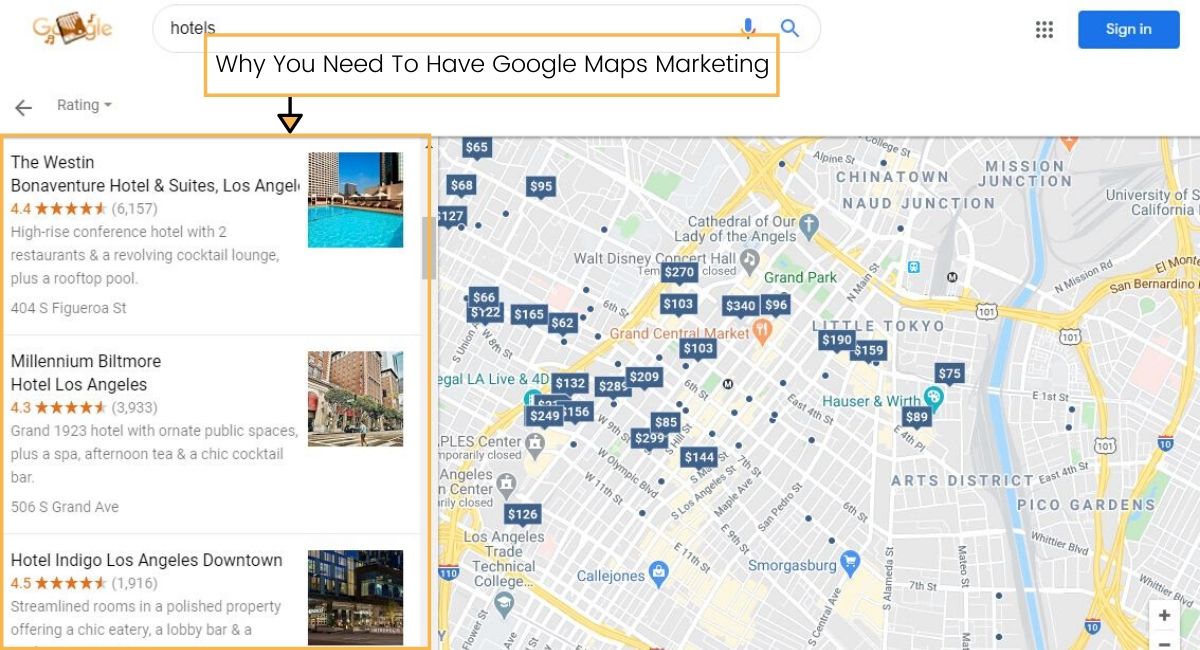
Google Maps is not just a tool for navigation; it has also become a powerful marketing platform for businesses looking to boost their online presence and attract local customers. Google Maps marketing is a strategic approach that leverages the visibility and reach of Google’s mapping service to drive foot traffic, enhance brand awareness, and increase sales.

Benefits of Google Maps Marketing:

  • Improved Local Visibility: By optimising your business listing on Google Maps, you can ensure that your company appears prominently in local search results when users are looking for products or services in their area.
  • Enhanced Brand Credibility: A well-maintained presence on Google Maps with positive reviews and accurate information can build trust with potential customers and establish your brand as a reputable local business.
  • Increased Website Traffic: Integrating Google Maps into your website can make it easier for visitors to find your physical location, leading to more foot traffic and potential conversions.
  • Mobile-Friendly Marketing: As more users rely on mobile devices for search, having a strong presence on Google Maps ensures that your business is easily accessible to consumers on the go.
  • Insightful Analytics: Google My Business provides valuable data and insights on how users interact with your listing, helping you make informed decisions to improve your marketing strategy.

Tips for Effective Google Maps Marketing:

  1. Create a Complete Business Profile: Ensure that your business listing on Google My Business is accurate, up-to-date, and includes relevant information such as contact details, opening hours, and photos.
  2. Solicit Customer Reviews: Encourage satisfied customers to leave positive reviews on your Google Maps listing to boost credibility and attract new clientele.
  3. Utilise Local SEO Strategies: Optimise your website content with local keywords and geo-targeted phrases to improve your ranking in local search results.
  4. Add Visual Content: Include high-quality images and videos of your business premises or products to engage users and showcase what sets you apart from competitors.
  5. Maintain Consistent NAP Data: Ensure that your business name, address, and phone number (NAP) are consistent across all online platforms to avoid confusion among potential customers.

In conclusion, Google Maps marketing presents a valuable opportunity for businesses to connect with local audiences, drive traffic to their physical locations, and establish a strong online presence. By implementing effective strategies and optimising their listings on this popular mapping service, businesses can reap the benefits of increased visibility, credibility, and customer engagement in today’s digital landscape.


Top 10 FAQs About Google Maps Marketing and Advertising

  1. Is Google Maps good for SEO?
  2. Is $20 a day good for Google Ads?
  3. How much does it cost to advertise on Google Maps?
  4. How do I get advertising on Google Maps?
  5. Can I get paid by Google Maps?
  6. Can you use Google Maps for marketing?
  7. How can I advertise on Google Maps?
  8. What is the Google Maps marketing strategy?
  9. How can I get Google Maps to advertise?
  10. Can I earn money with Google Maps?

Is Google Maps good for SEO?

When considering the impact of Google Maps on SEO, it is important to recognise the significant benefits it can offer to businesses. Google Maps plays a crucial role in local search engine optimisation (SEO) by enhancing a company’s online visibility, particularly for location-based searches. By optimising their presence on Google Maps through accurate business listings, positive reviews, and relevant keywords, businesses can improve their rankings in local search results and attract more potential customers. Therefore, leveraging Google Maps as part of an integrated SEO strategy can be highly advantageous for businesses looking to enhance their online presence and reach a wider audience.

Is $20 a day good for Google Ads?

When considering a daily budget of $20 for Google Ads, it is important to assess your specific advertising goals, target audience, and industry competition. While $20 a day can be a modest starting point for some businesses, it may not be sufficient for others with higher advertising costs or more competitive markets. It is advisable to conduct thorough research, monitor campaign performance closely, and adjust your budget accordingly to ensure optimal results and ROI from your Google Ads investment.

How much does it cost to advertise on Google Maps?

One of the frequently asked questions regarding Google Maps marketing is, “How much does it cost to advertise on Google Maps?” The cost of advertising on Google Maps can vary depending on several factors, such as the location of your business, the competitiveness of your industry, and the specific advertising options you choose. Google offers various advertising solutions, including local search ads and promoted pins, which allow businesses to target local customers and drive traffic to their physical locations. The pricing structure for advertising on Google Maps typically involves a pay-per-click (PPC) model, where businesses pay based on the number of clicks or interactions with their ads. It’s essential for businesses to set a budget that aligns with their marketing goals and objectives to maximise the effectiveness of their Google Maps advertising campaigns.

How do I get advertising on Google Maps?

To get advertising on Google Maps, businesses can utilise Google Ads to create location-based campaigns that target users within a specific geographic radius. By setting up a Google My Business account and linking it to Google Ads, businesses can promote their listings on Google Maps through features like Local Search Ads. These ads appear as pinned locations on the map, directing users to the business’s physical location or website. With detailed targeting options and bid strategies, businesses can effectively reach local customers searching for products or services in their vicinity through advertising on Google Maps.

Can I get paid by Google Maps?

When it comes to Google Maps, users often wonder if they can get paid by the platform. The answer is that Google Maps itself does not directly pay individuals for using or contributing to the service. However, businesses can leverage Google Maps marketing to attract customers and increase revenue through enhanced visibility and local search optimisation. By utilising Google Maps effectively as a marketing tool, businesses can drive traffic to their physical locations, ultimately leading to potential sales and business growth.

Can you use Google Maps for marketing?

Businesses can indeed utilise Google Maps for marketing purposes. Google Maps offers a valuable platform for businesses to enhance their online visibility, attract local customers, and drive foot traffic to their physical locations. By optimising their presence on Google Maps through strategies such as creating a detailed business profile, soliciting customer reviews, and incorporating local SEO techniques, businesses can effectively leverage this tool to promote their products or services, build brand credibility, and reach a wider audience of potential customers. With its mobile-friendly interface and insightful analytics capabilities, Google Maps serves as a powerful marketing tool that can help businesses connect with local consumers and grow their online presence.

How can I advertise on Google Maps?

To advertise on Google Maps, businesses can utilise Google Ads to create location-based campaigns that target users searching for products or services in specific geographic areas. By setting up a Google My Business account and linking it to Google Ads, businesses can showcase their ads on Google Maps when users perform relevant searches in their vicinity. Advertisers can customise their ads with location extensions, call-to-action buttons, and business details to attract local customers and drive foot traffic to their physical locations. With the ability to track ad performance and measure results, advertising on Google Maps offers businesses a targeted and cost-effective way to reach potential customers in their local area.

What is the Google Maps marketing strategy?

The Google Maps marketing strategy involves leveraging the power of Google’s mapping service to enhance a business’s online visibility and attract local customers. This strategic approach includes creating and optimising a Google My Business listing with accurate information, engaging visuals, and positive customer reviews. By utilising local SEO tactics, such as incorporating relevant keywords and geo-targeted phrases, businesses can improve their ranking in local search results and drive foot traffic to their physical locations. Consistency in NAP data (business name, address, phone number) across all online platforms is crucial for establishing credibility and ensuring a seamless customer experience. Ultimately, the Google Maps marketing strategy aims to boost brand awareness, increase website traffic, and build trust with potential customers through an effective online presence on this widely-used mapping platform.

How can I get Google Maps to advertise?

To get Google Maps to advertise your business, you can start by creating a Google My Business account and claiming your business listing. Once you have verified your ownership, you can set up an ad campaign through Google Ads that specifically targets users on Google Maps. By selecting location-based targeting options and creating engaging ad content, you can reach potential customers who are actively searching for products or services in your area. Utilising features such as local extensions and promoted pins can help increase the visibility of your ads on Google Maps and drive more traffic to your business.

Can I earn money with Google Maps?

Many individuals wonder whether it is possible to generate income through Google Maps. While Google Maps itself does not offer a direct way to earn money, businesses can leverage the platform for marketing purposes to attract customers and drive sales. By optimising their presence on Google Maps, businesses can enhance their visibility in local search results, increase foot traffic to their physical locations, and ultimately boost their revenue. Therefore, while Google Maps may not directly facilitate monetary transactions, it serves as a valuable tool for businesses looking to grow their customer base and improve their bottom line through effective marketing strategies.

search marketing company

Elevate Your Online Presence with a Leading Search Marketing Company

The Power of Search Marketing Companies

The Power of Search Marketing Companies

In today’s digital age, the online presence of a business is crucial for its success. One of the most effective ways to boost visibility and attract potential customers is through search marketing. Search marketing companies play a vital role in helping businesses navigate the complex world of online search engines and maximise their reach.

What is Search Marketing?

Search marketing encompasses a range of strategies aimed at increasing a website’s visibility in search engine results pages (SERPs). This includes both paid advertising, such as pay-per-click (PPC) campaigns, and organic methods like search engine optimisation (SEO).

How Search Marketing Companies Can Help

Search marketing companies are experts in understanding the algorithms that search engines use to rank websites. By leveraging this knowledge, they can help businesses improve their online presence and drive targeted traffic to their websites.

These companies conduct thorough keyword research, optimise website content, and create compelling ad campaigns to ensure that businesses appear prominently in search results. They also provide valuable insights through analytics and reporting, allowing businesses to track their performance and make data-driven decisions.

The Benefits of Working with a Search Marketing Company

  • Increased Visibility: By implementing effective search marketing strategies, businesses can increase their visibility online and reach a larger audience.
  • Targeted Traffic: Search marketing companies help attract relevant traffic to a website by targeting specific keywords and demographics.
  • Improved ROI: Through precise targeting and analysis, businesses can achieve a higher return on investment from their digital marketing efforts.
  • Ongoing Support: Search marketing companies provide ongoing support and monitoring to ensure that strategies are continuously refined for optimal results.

In Conclusion

Search marketing companies play a crucial role in helping businesses succeed in the competitive online landscape. By harnessing the power of search engines and implementing tailored strategies, these companies empower businesses to enhance their visibility, attract qualified leads, and ultimately grow their bottom line.


Top 6 Tips for Enhancing Your Search Marketing Strategy

  1. Focus on creating high-quality and relevant content for your target audience.
  2. Utilize search engine optimization (SEO) strategies to improve your website’s visibility in search results.
  3. Invest in pay-per-click (PPC) advertising to drive targeted traffic to your website.
  4. Monitor and analyse key performance indicators (KPIs) to track the success of your campaigns.
  5. Stay updated with the latest trends and algorithm changes in search engines like Google.
  6. Engage with your audience through social media platforms to enhance brand visibility and customer engagement.

Focus on creating high-quality and relevant content for your target audience.

To maximise the effectiveness of your search marketing efforts, it is essential to concentrate on producing high-quality and relevant content that resonates with your target audience. By crafting engaging and valuable content that addresses the needs and interests of your audience, you can not only enhance your website’s visibility in search engine results but also establish credibility and trust with potential customers. This approach not only improves your search rankings but also fosters long-term relationships with your audience, driving organic traffic and conversions for your business.

Utilize search engine optimization (SEO) strategies to improve your website’s visibility in search results.

By utilising search engine optimisation (SEO) strategies, businesses can significantly enhance their website’s visibility in search results. Implementing SEO techniques such as keyword optimisation, content creation, and link building can help improve a website’s ranking on search engine results pages (SERPs). By focusing on SEO, businesses can attract more organic traffic, reach a wider audience, and ultimately increase their online presence and visibility to potential customers searching for relevant products or services.

Invest in pay-per-click (PPC) advertising to drive targeted traffic to your website.

Investing in pay-per-click (PPC) advertising is a strategic move for businesses looking to drive targeted traffic to their website. By utilising PPC campaigns, businesses can place ads directly in front of their desired audience based on specific keywords and demographics. This targeted approach not only increases visibility but also ensures that the traffic directed to the website is more likely to convert into leads or customers. With PPC advertising, businesses have the flexibility to control their budget, monitor performance in real-time, and adjust strategies for optimal results, making it a valuable tool in the arsenal of any search marketing company.

Monitor and analyse key performance indicators (KPIs) to track the success of your campaigns.

Monitoring and analysing key performance indicators (KPIs) is essential for tracking the success of your search marketing campaigns. By closely examining metrics such as website traffic, conversion rates, click-through rates, and keyword rankings, you can gain valuable insights into the effectiveness of your strategies. Tracking KPIs allows you to identify what is working well and where adjustments may be needed, enabling you to make data-driven decisions that optimise your campaign performance and ultimately drive better results for your business.

To maximise the effectiveness of your search marketing efforts, it is essential to stay updated with the latest trends and algorithm changes in search engines like Google. By keeping abreast of these developments, you can adapt your strategies accordingly to ensure that your website remains visible and competitive in search results. Being proactive in monitoring and understanding these changes allows you to make informed decisions that drive targeted traffic to your site and ultimately enhance your online presence.

Engage with your audience through social media platforms to enhance brand visibility and customer engagement.

To maximise the impact of your search marketing efforts, it is essential to engage actively with your audience on social media platforms. By leveraging platforms such as Facebook, Twitter, and Instagram, businesses can enhance their brand visibility and foster meaningful customer engagement. Through regular interactions, sharing valuable content, and responding to queries promptly, businesses can build a loyal following and create a strong online presence that resonates with their target audience. Active engagement on social media not only boosts brand awareness but also cultivates relationships with customers, leading to increased trust and loyalty in the long run.

b2b seo services

Enhance Your Business Growth with Tailored B2B SEO Services in the UK

B2B SEO Services

The Importance of B2B SEO Services for Business Growth

Search Engine Optimization (SEO) is a crucial component of any digital marketing strategy, and this holds true for Business-to-Business (B2B) companies as well. B2B SEO services play a vital role in helping businesses reach their target audience, generate leads, and ultimately drive revenue.

Targeting the Right Audience

One of the key benefits of B2B SEO services is the ability to target a specific audience. By optimising your website and content for relevant keywords and phrases, you can attract potential clients who are actively searching for the products or services you offer. This targeted approach increases the likelihood of converting website visitors into qualified leads.

Building Credibility and Trust

Effective B2B SEO not only improves your search engine rankings but also helps establish your business as an authority in your industry. By consistently creating high-quality content that addresses the needs and pain points of your target audience, you can build credibility and trust with potential clients. This trust is essential in the B2B space where long-term relationships are key to success.

Increasing Organic Traffic

Organic traffic refers to visitors who find your website through unpaid search results. By implementing B2B SEO strategies such as on-page optimization, link building, and content creation, you can increase your website’s visibility in search engine results pages (SERPs). This heightened visibility drives organic traffic to your site, reducing dependency on paid advertising and increasing overall ROI.

Generating Quality Leads

Beyond increasing traffic, B2B SEO services focus on attracting high-quality leads that are more likely to convert into customers. By understanding the search intent of your target audience and tailoring your content to address their specific needs at each stage of the buyer’s journey, you can nurture leads effectively and guide them towards making a purchase decision.

Measuring Success with Analytics

An essential aspect of any B2B SEO campaign is tracking performance metrics using analytics tools. By monitoring key performance indicators such as organic traffic, keyword rankings, conversion rates, and engagement metrics, you can assess the effectiveness of your SEO efforts and make data-driven decisions to continuously improve results.

In Conclusion

B2B SEO services are indispensable for businesses looking to increase their online visibility, attract qualified leads, and drive revenue growth. By investing in strategic SEO initiatives tailored to the unique needs of B2B companies, businesses can position themselves for long-term success in a competitive digital landscape.


Understanding B2B SEO: Key Questions and Insights for Business Growth

  1. What is B2B SEO and how does it differ from B2C SEO?
  2. Why is B2B SEO important for business growth?
  3. What are the key components of an effective B2B SEO strategy?
  4. How long does it take to see results from B2B SEO efforts?
  5. What metrics should be tracked to measure the success of B2B SEO campaigns?
  6. How can businesses find the right B2B SEO service provider for their needs?

What is B2B SEO and how does it differ from B2C SEO?

B2B SEO, short for Business-to-Business Search Engine Optimization, is a digital marketing strategy aimed at enhancing the online visibility and reach of companies that sell products or services to other businesses. Unlike B2C SEO (Business-to-Consumer SEO), which targets individual consumers, B2B SEO focuses on reaching decision-makers and professionals within organisations. The key difference lies in the target audience and the complexity of the sales process. B2B SEO typically involves longer sales cycles, higher-value transactions, and a focus on building relationships and trust with business clients. Strategies for B2B SEO often include targeting specific industry keywords, creating in-depth content that addresses business challenges, and prioritising lead generation and conversion over high-volume traffic.

Why is B2B SEO important for business growth?

B2B SEO is crucial for business growth as it plays a pivotal role in enhancing a company’s online visibility, attracting targeted traffic, and generating high-quality leads. By implementing effective B2B SEO strategies, businesses can reach their specific target audience at the right moment when they are actively searching for relevant products or services. This increased visibility not only boosts brand awareness but also establishes credibility and trust among potential clients. Furthermore, B2B SEO helps businesses build long-term relationships with customers, drive revenue, and stay competitive in the digital landscape by consistently adapting to evolving search engine algorithms and consumer behaviours.

What are the key components of an effective B2B SEO strategy?

An effective B2B SEO strategy comprises several key components that work together to enhance a company’s online visibility and drive business growth. Firstly, thorough keyword research is essential to identify relevant search terms that align with the target audience’s intent. On-page optimization, including meta tags, headings, and content structure, ensures that the website is easily indexed by search engines. Quality content creation that addresses industry-specific topics and pain points establishes credibility and attracts organic traffic. Additionally, link building from reputable sources strengthens the website’s authority and boosts search rankings. Regular performance tracking and analysis help refine the strategy over time for sustained success in the competitive B2B landscape.

How long does it take to see results from B2B SEO efforts?

When it comes to B2B SEO services, the timeline to see tangible results can vary depending on various factors such as the competitiveness of your industry, the quality of your website and content, and the effectiveness of your SEO strategy. Generally, businesses can start observing improvements in their search engine rankings and organic traffic within a few months of implementing SEO efforts. However, achieving significant results that translate into increased leads and revenue may take anywhere from 6 to 12 months or longer. Patience is key when it comes to B2B SEO as it involves continuous optimization and monitoring to yield sustainable outcomes over time.

What metrics should be tracked to measure the success of B2B SEO campaigns?

When evaluating the success of B2B SEO campaigns, it is essential to track a range of metrics that provide insights into the effectiveness of your strategies. Key metrics to monitor include organic traffic growth, keyword rankings, conversion rates, lead generation, and engagement metrics such as bounce rate and time on page. By analysing these metrics, businesses can gain a comprehensive understanding of how their SEO efforts are performing and make informed decisions to optimise their campaigns for maximum impact. Tracking these metrics allows businesses to measure the ROI of their B2B SEO initiatives and continuously refine their strategies to achieve long-term success in reaching and converting their target audience.

How can businesses find the right B2B SEO service provider for their needs?

When seeking the ideal B2B SEO service provider to meet their requirements, businesses should conduct thorough research and consider several key factors. Firstly, evaluating the provider’s experience and track record in delivering successful B2B SEO campaigns is crucial. It is essential to assess their understanding of the B2B landscape and their ability to tailor strategies to align with specific business goals. Additionally, businesses should inquire about the range of services offered, ensuring they cover all aspects of SEO, from on-page optimization to content creation and link building. Clear communication, transparent reporting practices, and a collaborative approach are also vital considerations when selecting a B2B SEO service provider that can effectively drive organic growth and enhance online visibility for business success.

page insights

Unlocking the Power of Page Insights: A Guide to Understanding Website Analytics

Understanding Page Insights: Unlocking the Power of Website Analytics

Understanding Page Insights: Unlocking the Power of Website Analytics

In today’s digital age, having a strong online presence is crucial for businesses to succeed. One of the most valuable tools in a website owner’s arsenal is page insights, which provide invaluable data and analytics about how users interact with your site.

What are Page Insights?

Page insights refer to the metrics and data that reveal how visitors engage with your website. This information includes details such as page views, bounce rates, average session duration, traffic sources, and more. By analysing these insights, you can gain a deeper understanding of your audience’s behaviour and preferences.

The Benefits of Page Insights

By utilising page insights effectively, website owners can make informed decisions to improve user experience and drive conversions. Here are some key benefits of leveraging page insights:

  • Identifying Popular Content: Page insights help you identify which pages on your site are performing well and resonating with your audience. This information can guide content creation strategies.
  • Improving User Experience: By analysing user behaviour metrics like bounce rates and session duration, you can pinpoint areas for improvement on your site to enhance user experience.
  • Optimising Conversion Rates: Understanding how users navigate through your site can help you optimise conversion paths and increase the likelihood of visitors taking desired actions.
  • Enhancing SEO Strategies: Page insights provide valuable data for refining SEO strategies by identifying keywords that drive traffic and improving overall search engine visibility.

How to Access Page Insights

Most website analytics platforms offer robust tools for tracking page insights. Google Analytics is one of the most popular options, providing detailed reports on user behaviour, traffic sources, conversions, and more. By setting up Google Analytics or a similar tool on your site, you can start collecting valuable data to inform your digital marketing efforts.

In Conclusion

Page insights are a powerful resource for website owners looking to optimise their online presence. By delving into the data provided by these analytics tools, businesses can make informed decisions that drive growth and success in the digital landscape.


6 Essential Tips for Maximising Your Page Insights

  1. Regularly monitor your page insights to track performance trends over time.
  2. Pay attention to key metrics such as reach, engagement, and follower demographics.
  3. Use insights to identify the type of content that resonates most with your audience.
  4. Experiment with posting times and frequency based on insights data for optimal reach and engagement.
  5. Analyse the performance of paid promotions to understand their effectiveness in reaching your target audience.
  6. Compare your page insights with competitors’ data to gain industry perspective and improve your strategy.

Regularly monitoring your page insights is essential for tracking performance trends over time. By consistently analysing metrics such as page views, bounce rates, and traffic sources, you can gain valuable insights into how your website is performing and identify areas for improvement. Tracking these trends allows you to make informed decisions about content strategy, user experience enhancements, and SEO optimisation to ensure that your site continues to meet the evolving needs of your audience and achieve your business goals.

Pay attention to key metrics such as reach, engagement, and follower demographics.

When utilising page insights, it is essential to pay close attention to key metrics such as reach, engagement, and follower demographics. Understanding the reach of your content gives insight into the size of your audience and how effectively you are connecting with them. Monitoring engagement metrics provides valuable information on how users interact with your content, helping you tailor future strategies for better user engagement. Additionally, analysing follower demographics allows you to gain a deeper understanding of your audience’s characteristics and preferences, enabling you to create more targeted and relevant content that resonates with your followers. By focusing on these key metrics, businesses can enhance their digital marketing efforts and drive meaningful results.

Use insights to identify the type of content that resonates most with your audience.

Utilising page insights to identify the type of content that resonates most with your audience is a valuable strategy for enhancing your online presence. By analysing metrics such as page views, time spent on page, and engagement rates, you can pinpoint which topics, formats, and styles of content are most appealing to your visitors. This knowledge empowers you to tailor your content strategy to better meet the needs and interests of your target audience, ultimately driving higher engagement levels and fostering stronger connections with your online community.

Experiment with posting times and frequency based on insights data for optimal reach and engagement.

To maximise reach and engagement on your website, it’s essential to experiment with posting times and frequency based on insights data. By analysing metrics such as peak traffic hours and user engagement patterns, you can determine the most optimal times to publish content. Adjusting your posting schedule accordingly can help you reach a larger audience and increase interaction with your website, ultimately enhancing the overall effectiveness of your digital marketing strategy.

Analyse the performance of paid promotions to understand their effectiveness in reaching your target audience.

Analyse the performance of paid promotions to understand their effectiveness in reaching your target audience. By closely examining the data provided by page insights on paid campaigns, you can gain valuable insights into which promotional strategies are resonating with your target audience. Understanding the performance metrics, such as click-through rates, conversion rates, and engagement levels, allows you to refine your marketing efforts and allocate resources more effectively to maximise ROI. This analytical approach enables businesses to make data-driven decisions that enhance the impact of their paid promotions and drive meaningful results in reaching and engaging with the right audience.

Compare your page insights with competitors’ data to gain industry perspective and improve your strategy.

To gain a comprehensive industry perspective and enhance your strategic approach, it is beneficial to compare your page insights with data from competitors. By analysing how your website performance stacks up against others in your industry, you can identify areas of strength and weakness, pinpoint opportunities for improvement, and fine-tune your digital marketing strategy accordingly. This comparative analysis not only provides valuable insights into market trends and consumer behaviour but also empowers you to stay ahead of the competition and drive sustainable growth in a competitive online landscape.

social media and seo

Unlocking the Synergy Between Social Media and SEO for Digital Success

Social Media and SEO: A Powerful Combination for Digital Success

Social Media and SEO: A Powerful Combination for Digital Success

In today’s digital landscape, social media and search engine optimisation (SEO) have become integral components of any successful online marketing strategy. While they may seem like distinct entities, the truth is that social media and SEO are closely intertwined and can work together synergistically to boost your brand’s visibility and reach.

The Relationship Between Social Media and SEO

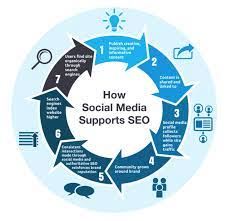
Social media platforms are not directly part of Google’s search algorithm, but they do play a crucial role in influencing your website’s SEO performance. Here’s how:

  • Increased Website Traffic: Sharing your content on social media channels can drive traffic to your website, which in turn can improve your site’s authority and relevance in the eyes of search engines.
  • Enhanced Brand Awareness: Building a strong presence on social media can increase brand visibility, leading to more brand mentions and backlinks – both of which are important ranking factors for SEO.
  • Engagement Signals: Social signals such as likes, shares, comments, and overall engagement on social media posts can indicate the quality and relevance of your content to search engines.
  • Local SEO Benefits: Social media profiles also contribute to local SEO efforts by providing valuable information about your business that search engines use to determine local search rankings.

Tips for Integrating Social Media with Your SEO Strategy

To maximise the impact of social media on your SEO efforts, consider the following tips:

  1. Create High-Quality Content: Produce engaging and shareable content that resonates with your audience on both social media platforms and your website.
  2. Optimise Your Social Profiles: Ensure that your social media profiles are complete, consistent, and include relevant keywords to improve their visibility in search results.
  3. Encourage Social Sharing: Make it easy for users to share your content by including social sharing buttons on your website pages.
  4. Monitor Performance Metrics: Track key metrics such as website traffic from social media, engagement rates, and backlinks generated from social platforms to measure the impact of your efforts.

The Future of Social Media and SEO

As search engines continue to evolve their algorithms to deliver more personalised and relevant results to users, the relationship between social media and SEO will only grow stronger. By leveraging the power of both channels effectively, businesses can enhance their online visibility, build brand authority, and ultimately drive more organic traffic to their websites.


Top 5 Tips for Enhancing SEO through Social Media Integration

  1. Social Media
  2. Social Media
  3. SEO
  4. SEO
  5. SEO

Social Media

In the realm of SEO, utilising social media platforms effectively can significantly impact your online presence and search engine rankings. By actively engaging with your audience on social media channels, sharing valuable content, and encouraging interactions, you can enhance brand visibility, drive website traffic, and improve engagement signals that are crucial for SEO performance. Integrating social media into your overall digital marketing strategy can amplify your reach and boost your website’s authority in the eyes of search engines, ultimately leading to a more robust online presence and increased organic traffic.

Social Media

When it comes to enhancing your SEO strategy, leveraging social media platforms can be a game-changer. By actively engaging with your audience on social media, sharing valuable content, and encouraging interaction, you not only boost brand awareness but also create opportunities for increased website traffic and valuable backlinks. Social media serves as a powerful tool to amplify your online presence and influence search engine rankings positively.

SEO

When it comes to leveraging social media for SEO purposes, focusing on search engine optimisation (SEO) is essential. By incorporating relevant keywords, meta tags, and high-quality content into your social media posts and profiles, you can enhance your online visibility and improve your website’s ranking in search engine results pages. Consistency in applying SEO best practices across both social media and website content can lead to increased organic traffic, better engagement metrics, and ultimately, a stronger digital presence for your brand.

SEO

Search engine optimisation (SEO) is a fundamental aspect of any successful digital marketing strategy. By incorporating SEO best practices into your social media efforts, you can enhance the visibility and credibility of your brand online. Optimising your social media profiles with relevant keywords, creating high-quality content that resonates with your audience, and encouraging social sharing can all contribute to improving your website’s search engine rankings. When SEO is integrated effectively with social media activities, businesses can experience increased website traffic, improved brand awareness, and better engagement metrics – all essential components for achieving digital success in today’s competitive online landscape.

SEO

Search engine optimisation (SEO) is a fundamental aspect of any successful digital marketing strategy. By implementing SEO best practices, businesses can improve their website’s visibility in search engine results pages, drive organic traffic, and enhance their online presence. SEO involves a combination of on-page optimisation, quality content creation, link building, and technical enhancements to ensure that a website ranks well for relevant keywords. By focusing on SEO, businesses can attract more qualified leads and ultimately increase their chances of converting visitors into customers.

digital marketing

Mastering the Art of Digital Marketing: Strategies for Success in the Digital Age

The Power of Digital Marketing in Today’s Business Landscape

The Power of Digital Marketing in Today’s Business Landscape

In the fast-paced digital age, traditional marketing methods are no longer sufficient to reach and engage with modern consumers. This is where digital marketing steps in as a powerful tool that businesses can leverage to connect with their target audience effectively. Let’s delve into the world of digital marketing and explore why it has become indispensable in today’s business landscape.

What is Digital Marketing?

Digital marketing encompasses all online strategies and tactics used by businesses to promote their products or services. This includes a wide range of channels such as websites, social media, email, search engines, and online advertising. The goal of digital marketing is to increase brand awareness, drive website traffic, generate leads, and ultimately boost sales.

The Benefits of Digital Marketing

One of the key advantages of digital marketing is its ability to target specific audiences with precision. Through data analytics and targeting tools, businesses can tailor their messages to reach consumers based on demographics, interests, behaviour, and more. This targeted approach not only increases the effectiveness of marketing campaigns but also helps businesses save costs by reaching those most likely to convert.

Furthermore, digital marketing offers real-time insights and analytics that allow businesses to track the performance of their campaigns accurately. From website traffic to conversion rates, every aspect of a digital marketing campaign can be measured and analysed. This data-driven approach enables businesses to make informed decisions and optimise their strategies for better results.

The Evolution of Digital Marketing

As technology continues to advance at a rapid pace, digital marketing strategies evolve accordingly. From the rise of social media platforms to the importance of mobile optimisation, staying ahead in the digital marketing landscape requires adaptability and innovation. Businesses that embrace new trends and technologies stand to gain a competitive edge in reaching and engaging with their target audience.

Conclusion

Digital marketing has revolutionised the way businesses connect with consumers in today’s interconnected world. By harnessing the power of online channels and data-driven insights, businesses can create targeted campaigns that resonate with their audience and drive meaningful results. As the digital landscape continues to evolve, staying abreast of new trends and technologies will be key to succeeding in the dynamic realm of digital marketing.


Five Key Advantages of Digital Marketing: Precision Targeting, Cost Efficiency, Instant Analytics, Worldwide Exposure, and Enhanced Customer Interaction

  1. Targeted Audience Reach
  2. Cost-Effective
  3. Real-Time Analytics
  4. Global Reach
  5. Improved Engagement


Five Key Challenges of Digital Marketing: Navigating Information Overload, Ad Blindness, Privacy Issues, Industry Volatility, and Fierce Competition

  1. 1. Information Overload
  2. 2. Ad Blindness
  3. 3. Privacy Concerns
  4. 4. Rapid Changes
  5. 5. Competitive Landscape

Targeted Audience Reach

Digital marketing offers a significant advantage in its ability to target specific demographics, interests, and behaviours, thus enhancing the precision of reaching potential customers. By utilising data analytics and targeting tools, businesses can tailor their marketing messages to resonate with audiences most likely to convert. This targeted approach not only improves the effectiveness of marketing campaigns but also maximises the chances of engaging with individuals who are genuinely interested in the products or services being offered.

Cost-Effective

In comparison to traditional marketing approaches, digital marketing offers a cost-effective solution that is particularly advantageous for small businesses operating on limited budgets. By leveraging online channels and targeted strategies, businesses can reach their desired audience without the hefty price tags associated with traditional advertising methods. This affordability aspect of digital marketing allows small businesses to compete on a level playing field with larger competitors, maximising their ROI and reaching a wider audience without breaking the bank.

Real-Time Analytics

One significant advantage of digital marketing is its provision of real-time analytics. By offering immediate data and insights, businesses can monitor the performance of their campaigns in real-time. This capability empowers companies to make informed decisions promptly, leading to more effective strategies and ultimately improved results.

Global Reach

With digital marketing, businesses can leverage the pro of global reach, transcending geographical boundaries to connect with a vast and diverse audience worldwide. This unparalleled advantage allows companies to expand their market reach exponentially and tap into new opportunities on a global scale. By harnessing the power of digital channels, businesses can break free from traditional limitations and establish a strong presence in international markets, driving growth and visibility like never before.

Improved Engagement

Through interactive content and personalised messaging, digital marketing excels in enhancing customer engagement. By creating dynamic and tailored experiences for consumers, businesses can establish deeper connections with their audience, resulting in heightened brand loyalty and stronger customer relationships. This personalised approach not only captivates customers but also encourages ongoing interaction, ultimately fostering a sense of loyalty that can significantly benefit the brand in the long run.

1. Information Overload

In the realm of digital marketing, one notable drawback is the phenomenon of information overload. The vast array of digital marketing channels and content accessible online can inundate consumers with an excessive amount of information, potentially causing decision fatigue. When bombarded with a plethora of messages and advertisements, individuals may find it challenging to sift through the noise and make informed choices, ultimately hindering their ability to engage meaningfully with brands and products.

2. Ad Blindness

In the realm of digital marketing, a significant drawback lies in the phenomenon of ad blindness. With the saturation of online advertisements across various platforms, users have become adept at filtering out and disregarding these ads, leading to a decline in the efficacy of traditional digital advertising strategies. This ad blindness poses a challenge for businesses aiming to capture the attention of their target audience and highlights the importance of adopting more innovative and engaging approaches to cut through the noise and connect with consumers effectively.

3. Privacy Concerns

Privacy concerns represent a significant con of digital marketing, as the practice frequently entails the collection of user data to tailor advertising and marketing efforts. This has sparked apprehension among consumers who are increasingly conscious of how their personal information is being utilised. The potential misuse or mishandling of sensitive data can erode trust between businesses and their target audience, leading to heightened scrutiny over data privacy practices within the digital marketing industry. Addressing these privacy concerns is paramount for businesses to build and maintain credibility with consumers in an era where data protection and transparency are top priorities.

4. Rapid Changes

In the realm of digital marketing, one significant drawback is the rapid pace of change within the digital landscape. With new technologies and trends constantly emerging, businesses often find it challenging to stay abreast of these developments and adjust their strategies accordingly. This fast-paced evolution can create hurdles for businesses looking to maintain a competitive edge, requiring them to continuously monitor and adapt to the ever-changing digital environment to ensure their marketing efforts remain effective and relevant.

5. Competitive Landscape

In the realm of digital marketing, one significant drawback lies in the competitive landscape it fosters. The ease of access to digital marketing tools and platforms has levelled the playing field, allowing businesses of all sizes to partake in online promotion. Consequently, this accessibility has given rise to a fiercely competitive environment where distinguishing oneself from the multitude can prove to be a daunting challenge. With numerous players vying for attention and visibility online, standing out and capturing the audience’s interest amidst the digital noise has become increasingly arduous for businesses seeking to make their mark in this crowded space.