Organic Search Rankings: A Practical Guide to Improving Your Visibility
Organic Search Rankings: What They Are and How to Improve Them
Organic search rankings determine where webpages appear in the unpaid results on search engines such as Google and Bing. A higher position can help a page reach more people, but ranking well is not simply a matter of adding keywords. Search engines aim to show results that are relevant, useful and trustworthy for each search.
What are organic search rankings?
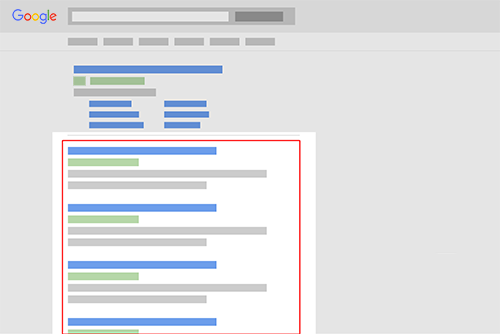
When someone enters a query, a search engine uses automated systems to identify and order pages that may answer it. These unpaid listings are known as organic results, distinguishing them from advertisements that are labelled as sponsored or paid placements.
Rankings can vary according to the search query, location, device and other contextual factors. A page may appear prominently for one phrase and much lower for another. Search results can also change as search engines update their systems and as new or improved content becomes available.
Why do rankings matter?
Search visibility can help people discover a business, organisation or publication while they are looking for information, products or services. Strong rankings may contribute to relevant website visits and enquiries, but position alone does not guarantee results. The page also needs to meet visitors’ expectations and make it easy for them to take the next step.
Organic search is usually a longer-term investment than paid advertising. It can take time for search engines to discover, assess and rank content, and there are no reliable guarantees of a particular position.
What influences organic rankings?
Search engines use many signals to assess pages. Their systems are complex and change over time, but several broad principles can guide a sound search strategy.
Relevance to the search
A page should address the subject or need behind a search. This means understanding what people are trying to find, rather than focusing only on individual keywords. Someone searching for a basic explanation may need a clear guide, while someone comparing services may want details about options, costs or features.
Useful, original content
Content should provide accurate information and genuine value to its intended audience. It should be clear, well organised and sufficiently complete for the topic. Adding words simply to make a page longer, or publishing many near-identical pages, is unlikely to create a better experience.
Technical accessibility
Search engines need to be able to access and understand a page. Technical issues such as broken links, incorrect indexing settings, duplicate URLs or slow-loading pages can make this harder. A logical site structure, descriptive page titles and a mobile-friendly layout can support both visitors and search engines.
Reputation and links
Links from other websites can help search engines discover pages and provide context about their prominence. However, links should be earned naturally through useful resources, strong reporting or worthwhile products and services. Buying links or using manipulative schemes can put a website at risk of search engine penalties.
Page experience
A page should be easy to use across common devices. Readable text, clear navigation, accessible design and stable page layouts all contribute to a better experience. A technically polished page cannot compensate for content that fails to answer the visitor’s question, but usability is an important part of a well-rounded website.
How to improve organic search rankings
- Research your audience and topics. Find out what your potential visitors ask, how they describe their needs and which pages already address those subjects. Use this research to plan content that meets a clear purpose.
- Improve existing pages. Review important pages for accuracy, clarity and completeness. Update outdated details, remove unnecessary repetition and make the main information easy to find.
- Use descriptive titles and headings. Page titles and headings should explain what the page is about. Include relevant language naturally, without forcing keywords into every heading.
- Make your site easy to navigate. Organise related pages into sensible sections and use helpful internal links. This helps visitors find relevant information and assists search engines in understanding how pages relate to one another.
- Check technical health. Monitor indexing, mobile usability, page performance and broken links. Tools such as Google Search Console can help identify how Google accesses and displays a site.
- Build credibility over time. Publish dependable information, show who is responsible for it where appropriate, and earn attention by creating resources that others genuinely find useful.
- Measure meaningful outcomes. Track organic visits alongside enquiries, sales, sign-ups or other business goals. Rankings are useful indicators, but they are only one part of performance.
How to measure rankings and progress
Rankings can be monitored using search engine tools or specialist platforms, but individual checks should be treated with care. Results may differ by location, device and personal context, so a single search from one computer does not provide a complete picture.
Consider tracking a group of relevant search queries over time, along with impressions, clicks and click-through rates. Google Search Console provides data about a site’s appearance in Google Search, while analytics tools can show what visitors do after arriving. Comparing these measures can reveal whether a page is becoming more visible and whether that visibility is attracting the right audience.
Changes should be assessed over a suitable period. Search performance can fluctuate, and a short-term rise or fall does not always indicate a lasting trend. When reviewing results, consider seasonality, website changes and broader search updates as well as the work carried out on individual pages.
Common mistakes to avoid
- Keyword stuffing: Repeating phrases unnaturally can make content awkward and less useful.
- Chasing every ranking fluctuation: Frequent reactive changes may create confusion. Investigate sustained patterns before making major adjustments.
- Publishing thin or duplicate pages: Pages with little unique value can make a site harder to manage and less helpful to visitors.
- Expecting instant results: Search visibility often takes time to develop, particularly for new websites or competitive topics.
- Focusing only on position: A high ranking for an irrelevant query may bring little value. Prioritise qualified traffic and useful outcomes.
- Promising guaranteed positions: No legitimate SEO practitioner can guarantee a specific organic ranking, because search engines control their results.
A long-term approach to organic visibility
Improving organic search rankings is an ongoing process of understanding your audience, producing useful content, maintaining a healthy website and learning from performance data. Rather than looking for shortcuts, focus on making each important page the clearest and most helpful result you can provide for its intended search.
Organic Search Rankings: 9 Frequently Asked Questions
- What are organic search rankings?
- How do search engines determine organic search rankings?
- How can I improve my organic search rankings?
- How long does it take to improve organic search rankings?
- Why have my organic search rankings dropped?
- How can I check my website’s organic search rankings?
- Do keywords still affect organic search rankings?
- Can backlinks improve organic search rankings?
- Are organic search rankings different for each user or location?
What are organic search rankings?
Organic search rankings are the positions webpages appear in the unpaid results on search engines such as Google and Bing. Search engines rank pages according to how relevant and useful they appear for a particular search. Rankings can vary by query, location and device, and may change over time as search results are updated.
How do search engines determine organic search rankings?
Search engines determine organic search rankings using automated systems that discover, index and assess webpages, then match them to a person’s search query. They consider many factors, including how relevant and useful a page is, the quality and originality of its content, the website’s technical accessibility, its reputation and the experience it offers on different devices. The exact systems are complex and change over time, so no single factor guarantees a particular position. Rankings can also vary depending on the query, location and other context.
How can I improve my organic search rankings?
To improve your organic search rankings, create helpful, original content that matches what your audience is searching for, and organise it with clear titles, headings and internal links. Make sure your website is mobile-friendly, fast and easy for search engines to crawl, and keep important information accurate and up to date. Build your site’s credibility by earning relevant links naturally, rather than using manipulative tactics. Track performance with tools such as Google Search Console, and use the data to refine your pages over time. SEO takes patience, and no one can guarantee a particular ranking.
How long does it take to improve organic search rankings?
It can take anywhere from a few weeks to several months to see improvements in organic search rankings, depending on factors such as your website’s age and authority, the level of competition, and the changes made. Technical fixes or updates to established pages may show results sooner, while building visibility for a new website or competitive topic often takes longer. Search engines need time to crawl and reassess changes, so monitor trends over time rather than expecting an immediate or guaranteed ranking.
Why have my organic search rankings dropped?
Organic search rankings can drop for several reasons, and a short-term change does not always indicate a serious problem. Search engines regularly update their systems, competitors may improve their pages, and shifts in demand or seasonality can affect results. Technical issues—such as pages being blocked from indexing, broken links or a recent website migration—can also reduce visibility, as can outdated or less relevant content. Check Google Search Console for indexing issues and changes in impressions and clicks, then review affected pages, recent site updates and the search results for your key queries. Look for sustained patterns before making major changes, as rankings can fluctuate naturally.
How can I check my website’s organic search rankings?
You can check your website’s organic search rankings using Google Search Console, which shows the search queries your pages appear for, along with impressions, clicks and average position. For a broader view, SEO platforms can track selected keywords over time and compare visibility across locations or devices. Remember that rankings can vary by searcher and context, so treat them as a guide rather than a fixed position. Also review organic traffic and enquiries or sales to see whether your visibility is reaching the right audience.
Do keywords still affect organic search rankings?
Yes, keywords still affect organic search rankings, but search engines now look beyond exact-match phrases to understand a page’s topic and how well it answers a search. Use the words and phrases your audience naturally uses in relevant places, such as the page title, main heading and body text. Avoid keyword stuffing: clear, useful content that meets the reader’s needs is more valuable than repeating a phrase unnaturally.
Can backlinks improve organic search rankings?
Yes, backlinks can help improve organic search rankings. When reputable, relevant websites link to your content, those links may signal that it is useful or trustworthy and can also bring visitors to your site. However, backlinks are only one of many ranking factors, and their value depends on quality and relevance rather than quantity. Focus on earning links naturally by publishing helpful content and building genuine relationships; buying links or using manipulative tactics can harm your search visibility.
Are organic search rankings different for each user or location?
Yes. Organic search rankings can vary by location, device and the wording or context of a search, so two people may see different results for the same query. Search engines often prioritise locally relevant pages—for example, a nearby business when someone searches for a service—while personalisation may also influence results. For a more reliable view, compare performance across relevant locations and use tools such as Google Search Console, rather than relying on a single search from one device.
