google maps marketing

Unlocking Success: The Art of Google Maps Marketing Strategies

The Power of Google Maps Marketing

The Power of Google Maps Marketing

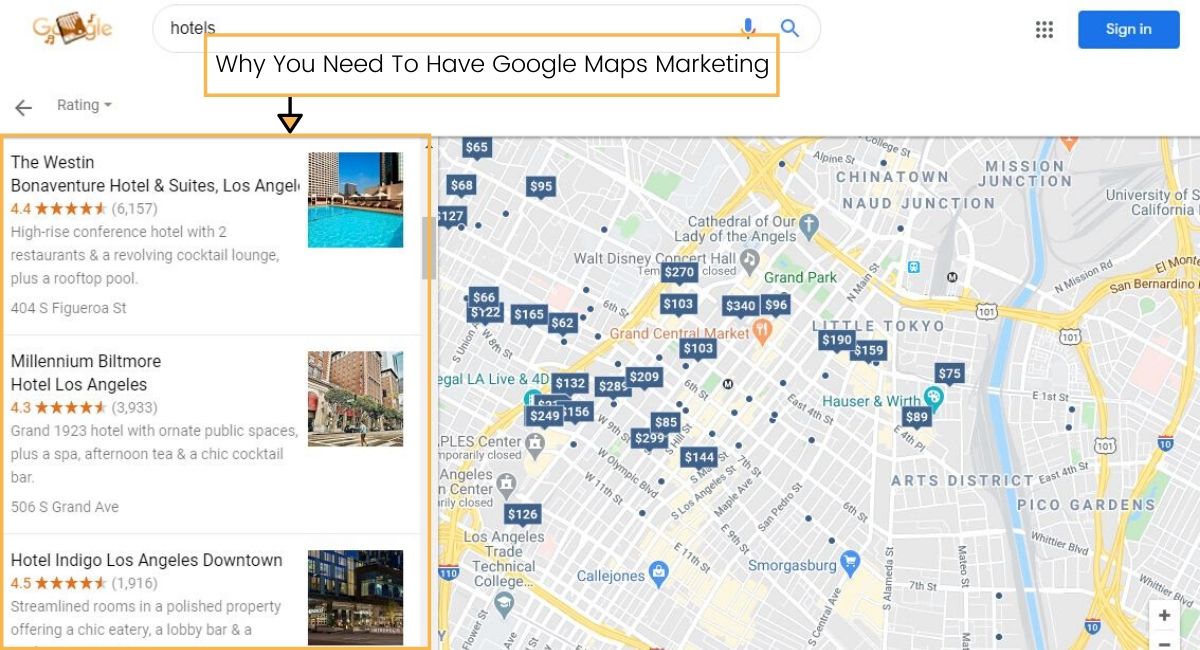
Google Maps is not just a tool for navigation; it has also become a powerful marketing platform for businesses looking to boost their online presence and attract local customers. Google Maps marketing is a strategic approach that leverages the visibility and reach of Google’s mapping service to drive foot traffic, enhance brand awareness, and increase sales.

Benefits of Google Maps Marketing:

  • Improved Local Visibility: By optimising your business listing on Google Maps, you can ensure that your company appears prominently in local search results when users are looking for products or services in their area.
  • Enhanced Brand Credibility: A well-maintained presence on Google Maps with positive reviews and accurate information can build trust with potential customers and establish your brand as a reputable local business.
  • Increased Website Traffic: Integrating Google Maps into your website can make it easier for visitors to find your physical location, leading to more foot traffic and potential conversions.
  • Mobile-Friendly Marketing: As more users rely on mobile devices for search, having a strong presence on Google Maps ensures that your business is easily accessible to consumers on the go.
  • Insightful Analytics: Google My Business provides valuable data and insights on how users interact with your listing, helping you make informed decisions to improve your marketing strategy.

Tips for Effective Google Maps Marketing:

  1. Create a Complete Business Profile: Ensure that your business listing on Google My Business is accurate, up-to-date, and includes relevant information such as contact details, opening hours, and photos.
  2. Solicit Customer Reviews: Encourage satisfied customers to leave positive reviews on your Google Maps listing to boost credibility and attract new clientele.
  3. Utilise Local SEO Strategies: Optimise your website content with local keywords and geo-targeted phrases to improve your ranking in local search results.
  4. Add Visual Content: Include high-quality images and videos of your business premises or products to engage users and showcase what sets you apart from competitors.
  5. Maintain Consistent NAP Data: Ensure that your business name, address, and phone number (NAP) are consistent across all online platforms to avoid confusion among potential customers.

In conclusion, Google Maps marketing presents a valuable opportunity for businesses to connect with local audiences, drive traffic to their physical locations, and establish a strong online presence. By implementing effective strategies and optimising their listings on this popular mapping service, businesses can reap the benefits of increased visibility, credibility, and customer engagement in today’s digital landscape.


Top 10 FAQs About Google Maps Marketing and Advertising

  1. Is Google Maps good for SEO?
  2. Is $20 a day good for Google Ads?
  3. How much does it cost to advertise on Google Maps?
  4. How do I get advertising on Google Maps?
  5. Can I get paid by Google Maps?
  6. Can you use Google Maps for marketing?
  7. How can I advertise on Google Maps?
  8. What is the Google Maps marketing strategy?
  9. How can I get Google Maps to advertise?
  10. Can I earn money with Google Maps?

Is Google Maps good for SEO?

When considering the impact of Google Maps on SEO, it is important to recognise the significant benefits it can offer to businesses. Google Maps plays a crucial role in local search engine optimisation (SEO) by enhancing a company’s online visibility, particularly for location-based searches. By optimising their presence on Google Maps through accurate business listings, positive reviews, and relevant keywords, businesses can improve their rankings in local search results and attract more potential customers. Therefore, leveraging Google Maps as part of an integrated SEO strategy can be highly advantageous for businesses looking to enhance their online presence and reach a wider audience.

Is $20 a day good for Google Ads?

When considering a daily budget of $20 for Google Ads, it is important to assess your specific advertising goals, target audience, and industry competition. While $20 a day can be a modest starting point for some businesses, it may not be sufficient for others with higher advertising costs or more competitive markets. It is advisable to conduct thorough research, monitor campaign performance closely, and adjust your budget accordingly to ensure optimal results and ROI from your Google Ads investment.

How much does it cost to advertise on Google Maps?

One of the frequently asked questions regarding Google Maps marketing is, “How much does it cost to advertise on Google Maps?” The cost of advertising on Google Maps can vary depending on several factors, such as the location of your business, the competitiveness of your industry, and the specific advertising options you choose. Google offers various advertising solutions, including local search ads and promoted pins, which allow businesses to target local customers and drive traffic to their physical locations. The pricing structure for advertising on Google Maps typically involves a pay-per-click (PPC) model, where businesses pay based on the number of clicks or interactions with their ads. It’s essential for businesses to set a budget that aligns with their marketing goals and objectives to maximise the effectiveness of their Google Maps advertising campaigns.

How do I get advertising on Google Maps?

To get advertising on Google Maps, businesses can utilise Google Ads to create location-based campaigns that target users within a specific geographic radius. By setting up a Google My Business account and linking it to Google Ads, businesses can promote their listings on Google Maps through features like Local Search Ads. These ads appear as pinned locations on the map, directing users to the business’s physical location or website. With detailed targeting options and bid strategies, businesses can effectively reach local customers searching for products or services in their vicinity through advertising on Google Maps.

Can I get paid by Google Maps?

When it comes to Google Maps, users often wonder if they can get paid by the platform. The answer is that Google Maps itself does not directly pay individuals for using or contributing to the service. However, businesses can leverage Google Maps marketing to attract customers and increase revenue through enhanced visibility and local search optimisation. By utilising Google Maps effectively as a marketing tool, businesses can drive traffic to their physical locations, ultimately leading to potential sales and business growth.

Can you use Google Maps for marketing?

Businesses can indeed utilise Google Maps for marketing purposes. Google Maps offers a valuable platform for businesses to enhance their online visibility, attract local customers, and drive foot traffic to their physical locations. By optimising their presence on Google Maps through strategies such as creating a detailed business profile, soliciting customer reviews, and incorporating local SEO techniques, businesses can effectively leverage this tool to promote their products or services, build brand credibility, and reach a wider audience of potential customers. With its mobile-friendly interface and insightful analytics capabilities, Google Maps serves as a powerful marketing tool that can help businesses connect with local consumers and grow their online presence.

How can I advertise on Google Maps?

To advertise on Google Maps, businesses can utilise Google Ads to create location-based campaigns that target users searching for products or services in specific geographic areas. By setting up a Google My Business account and linking it to Google Ads, businesses can showcase their ads on Google Maps when users perform relevant searches in their vicinity. Advertisers can customise their ads with location extensions, call-to-action buttons, and business details to attract local customers and drive foot traffic to their physical locations. With the ability to track ad performance and measure results, advertising on Google Maps offers businesses a targeted and cost-effective way to reach potential customers in their local area.

What is the Google Maps marketing strategy?

The Google Maps marketing strategy involves leveraging the power of Google’s mapping service to enhance a business’s online visibility and attract local customers. This strategic approach includes creating and optimising a Google My Business listing with accurate information, engaging visuals, and positive customer reviews. By utilising local SEO tactics, such as incorporating relevant keywords and geo-targeted phrases, businesses can improve their ranking in local search results and drive foot traffic to their physical locations. Consistency in NAP data (business name, address, phone number) across all online platforms is crucial for establishing credibility and ensuring a seamless customer experience. Ultimately, the Google Maps marketing strategy aims to boost brand awareness, increase website traffic, and build trust with potential customers through an effective online presence on this widely-used mapping platform.

How can I get Google Maps to advertise?

To get Google Maps to advertise your business, you can start by creating a Google My Business account and claiming your business listing. Once you have verified your ownership, you can set up an ad campaign through Google Ads that specifically targets users on Google Maps. By selecting location-based targeting options and creating engaging ad content, you can reach potential customers who are actively searching for products or services in your area. Utilising features such as local extensions and promoted pins can help increase the visibility of your ads on Google Maps and drive more traffic to your business.

Can I earn money with Google Maps?

Many individuals wonder whether it is possible to generate income through Google Maps. While Google Maps itself does not offer a direct way to earn money, businesses can leverage the platform for marketing purposes to attract customers and drive sales. By optimising their presence on Google Maps, businesses can enhance their visibility in local search results, increase foot traffic to their physical locations, and ultimately boost their revenue. Therefore, while Google Maps may not directly facilitate monetary transactions, it serves as a valuable tool for businesses looking to grow their customer base and improve their bottom line through effective marketing strategies.

Unlocking the Potential of Local SEO with Google My Business

The Power of Local SEO with Google My Business

The Power of Local SEO with Google My Business

In today’s digital age, local search engine optimisation (SEO) has become an essential strategy for businesses looking to attract customers in their area. One powerful tool that can significantly boost your local SEO efforts is Google My Business.

What is Google My Business?

Google My Business is a free tool provided by Google that allows businesses to manage their online presence across the search engine and its various platforms, including Google Search and Google Maps. By creating and optimising your Google My Business listing, you can increase your visibility in local search results and make it easier for potential customers to find and contact you.

The Benefits of Using Google My Business for Local SEO

There are several key benefits to utilising Google My Business as part of your local SEO strategy:

  • Improved Visibility: A well-optimised Google My Business listing can help your business appear in the local pack and map results, increasing your visibility to users searching for products or services in your area.
  • Enhanced Credibility: Having a verified and up-to-date listing on Google My Business adds credibility to your business and reassures potential customers that you are a legitimate and trustworthy entity.
  • Increased Engagement: You can engage with customers by responding to reviews, posting updates, sharing photos, and providing important business information such as hours of operation and contact details.
  • Local Insights: Gain valuable insights into how customers find and interact with your business online through the analytics provided by Google My Business.

Tips for Optimising Your Google My Business Listing

To make the most of Google My Business for local SEO, follow these tips:

  1. Create a Complete Profile: Provide accurate information about your business, including name, address, phone number (NAP), website URL, categories, and business hours.
  2. Add High-Quality Photos: Upload photos that showcase your products or services, premises, team members, and any other relevant visuals that can attract potential customers.
  3. Solicit Reviews: Encourage satisfied customers to leave positive reviews on your listing as they can improve your credibility and ranking in local search results.
  4. Use Keywords Strategically: Incorporate relevant keywords into your business description, posts, and updates to improve the chances of appearing in local searches related to your offerings.

In Conclusion

Incorporating Google My Business into your local SEO strategy is a smart move that can bring significant benefits to your business. By optimising your listing and actively engaging with customers through this platform, you can enhance your online visibility, attract more local traffic, and ultimately drive growth for your business.


Top 8 Advantages of Using Google My Business for Local SEO Success

  1. Increased visibility in local search results
  2. Enhanced credibility and trustworthiness
  3. Improved engagement with customers through reviews and updates
  4. Valuable insights into customer interactions and behaviours
  5. Free tool provided by Google for businesses
  6. Ability to showcase products, services, and premises through photos
  7. Opportunity to rank in the local pack and map results
  8. Effective way to provide essential business information like hours of operation and contact details


Challenges of Local SEO: Navigating User Content, Competition, and Google Dependency

  1. Limited Control Over User-Generated Content
  2. Competition for Visibility
  3. Algorithm Changes
  4. Potential for Spammy Listings
  5. Dependency on Google
  6. Difficulty in Managing Multiple Locations

Increased visibility in local search results

By utilising Google My Business as part of your local SEO strategy, you can experience a notable benefit of increased visibility in local search results. Optimising your Google My Business listing enhances the chances of your business appearing in the local pack and map results, making it easier for potential customers to discover your products or services when searching within your geographical area. This heightened visibility not only boosts brand awareness but also drives more targeted traffic to your business, ultimately leading to increased opportunities for engagement and conversions with local customers.

Enhanced credibility and trustworthiness

Having an optimised Google My Business listing not only improves your online visibility but also enhances your credibility and trustworthiness as a business. By maintaining an up-to-date and verified presence on Google My Business, you signal to potential customers that you are a legitimate and reliable entity. Positive reviews, accurate business information, and engaging content on your listing all contribute to building trust with consumers, making them more likely to choose your business over competitors.

Improved engagement with customers through reviews and updates

An important advantage of utilising Google My Business for local SEO is the enhanced engagement it offers with customers through reviews and updates. By actively encouraging customers to leave reviews and responding to them promptly, businesses can build trust and credibility within their local community. Additionally, regularly updating the listing with relevant information, promotions, and news keeps customers informed and engaged, fostering a stronger connection that can lead to increased loyalty and repeat business.

Valuable insights into customer interactions and behaviours

One significant advantage of utilising Google My Business for local SEO is the access it provides to valuable insights into customer interactions and behaviours. By leveraging the analytics tools offered by Google My Business, businesses can gain a deeper understanding of how customers discover their listing, what actions they take once they find it, and how they engage with the business online. These insights enable businesses to make data-driven decisions, tailor their marketing strategies to better meet customer needs, and ultimately improve their overall online presence and customer satisfaction.

Free tool provided by Google for businesses

One significant advantage of utilising Google My Business for local SEO is that it is a free tool offered by Google specifically for businesses. This means that businesses of all sizes, from small local shops to larger enterprises, can take advantage of the platform without incurring any costs. By providing a range of features and functionalities at no charge, Google My Business enables businesses to enhance their online visibility, attract more local customers, and effectively manage their online presence without adding to their marketing budget.

Ability to showcase products, services, and premises through photos

One of the key advantages of utilising Google My Business for local SEO is the ability to showcase your products, services, and premises through high-quality photos. By uploading visually appealing images that highlight what your business has to offer, you can capture the attention of potential customers and provide them with a glimpse of what sets your business apart. These photos not only add credibility and authenticity to your listing but also help create a positive first impression, ultimately increasing the likelihood of attracting local customers to engage with your business.

Opportunity to rank in the local pack and map results

One significant advantage of utilising Google My Business for local SEO is the opportunity it provides to rank in the local pack and map results. By optimising your Google My Business listing with accurate and relevant information, you increase your chances of appearing prominently in the local pack, a section of search results that showcases businesses related to a user’s query on Google Maps. This visibility not only enhances your online presence but also boosts your credibility and attracts potential customers who are actively searching for products or services in your area.

Effective way to provide essential business information like hours of operation and contact details

An important advantage of utilising Google My Business for local SEO is its effectiveness in providing essential business information such as operating hours and contact details to potential customers. By ensuring that this key information is readily available and accurate on your Google My Business listing, you enhance the convenience for users seeking to engage with your business. This transparency not only builds trust with your audience but also streamlines the process for customers to reach out or visit your establishment, ultimately contributing to improved customer satisfaction and increased footfall.

Limited Control Over User-Generated Content

An inherent drawback of utilising Google My Business for local SEO is the limited control over user-generated content. Negative reviews or inaccurate information posted by users have the potential to significantly impact your business reputation. Despite efforts to maintain a positive online presence, the influence of user-generated content on potential customers cannot be underestimated, highlighting the importance of actively managing and responding to feedback to mitigate any adverse effects on your brand image.

Competition for Visibility

In the realm of local SEO using Google My Business, one notable drawback is the fierce competition for visibility. As numerous businesses strive to capture the attention of local consumers within search results, distinguishing oneself from the crowd can prove to be a daunting task. The challenge lies in devising strategies that not only boost visibility but also set your business apart in a saturated local market where every click and impression counts towards establishing a strong online presence.

Algorithm Changes

One significant drawback of utilising Google My Business for local SEO is the constant changes in Google’s algorithms. These algorithm updates can have a direct impact on how businesses are ranked in local search results. The unpredictability of these changes means that a business’s ranking position can fluctuate, requiring continuous monitoring and adjustments to maintain visibility. This volatility can make it challenging for businesses to establish a stable and consistent presence in local searches, leading to potential fluctuations in online visibility and customer engagement.

Potential for Spammy Listings

One significant drawback of utilising Google My Business for local SEO is the potential for spammy listings. Competitors or malicious entities may resort to creating fake listings that mimic your business, leading to confusion among potential customers and tarnishing your business’s credibility. These fraudulent activities not only mislead consumers but can also negatively impact your online reputation and trustworthiness. It is essential to remain vigilant and regularly monitor your Google My Business profile to identify and report any suspicious or false listings that could harm your business’s online presence.

Dependency on Google

An inherent drawback of relying solely on Google My Business for local SEO is the dependency on Google itself. Businesses that place all their emphasis on this platform are at risk of vulnerability to any sudden changes or issues that may arise within the Google My Business system. This over-reliance can leave businesses exposed to fluctuations in search algorithms, policy updates, or technical glitches, potentially impacting their online visibility and customer engagement strategies. It is advisable for businesses to diversify their SEO efforts across multiple platforms to mitigate the risk of being solely dependent on one entity like Google.

Difficulty in Managing Multiple Locations

Businesses with multiple branches may encounter difficulties in managing their local SEO efforts through Google My Business due to the challenge of maintaining consistent and accurate information across all listings. Ensuring that each location’s details are up-to-date, such as contact information, business hours, and services offered, can be a time-consuming task that requires meticulous attention to detail. Inconsistencies or inaccuracies in the information provided across different listings can not only confuse potential customers but also negatively impact the overall search visibility and credibility of the business. Finding effective strategies to streamline and centralise the management of multiple locations within Google My Business is crucial to overcoming this con and maximising the benefits of local SEO for each branch.

local seo packages

Unlock the Power of Local SEO Packages for Your Business Growth in the UK

Local SEO Packages: Boost Your Business Locally

Local SEO Packages: Boost Your Business Locally

In today’s digital age, having a strong online presence is crucial for businesses looking to attract local customers. Local SEO (Search Engine Optimization) is a powerful tool that can help your business stand out in local search results and drive more foot traffic to your physical store or website.

What is Local SEO?

Local SEO focuses on optimising your online presence to attract more business from relevant local searches. This involves creating and managing online listings, improving website content with local keywords, and garnering positive reviews from local customers.

Benefits of Local SEO Packages

Investing in a local SEO package can offer numerous benefits for your business:

  • Increased Visibility: By appearing in local search results, you can reach potential customers who are actively looking for products or services in your area.
  • Targeted Traffic: Local SEO helps you target specific geographic locations, ensuring that your marketing efforts are reaching the right audience.
  • Improved Online Reputation: Positive reviews and ratings can enhance your credibility and trustworthiness among local customers.
  • Higher Conversion Rates: When your business is easily found online, it can lead to more conversions and sales both online and offline.
  • Cross-Device Compatibility: Local SEO packages ensure that your website is optimised for mobile devices, making it easier for potential customers to find you on the go.

Choosing the Right Local SEO Package

When selecting a local SEO package for your business, consider the following factors:

  • Coverage Area: Ensure that the package targets the specific locations where your target audience resides.
  • Listings Management: Look for packages that include managing online listings on platforms like Google My Business and Yelp.
  • Citation Building: Verify if the package offers citation building services to boost your business’s credibility across different platforms.
  • Analytics Reporting: Choose packages that provide detailed analytics reports to track the performance of your local SEO efforts.
  • Ongoing Support: Opt for packages that offer ongoing support and updates to adapt to changing search engine algorithms.

In Conclusion

A well-executed local SEO strategy can significantly impact the success of your business by connecting you with nearby customers actively seeking your products or services. Consider investing in a tailored local SEO package to boost your visibility, attract more foot traffic, and ultimately grow your business locally.


Understanding Local SEO Packages: Key Inclusions, Timelines, Guarantees, Customisation Options, and Success Metrics

  1. What is included in a typical local SEO package?
  2. How long does it take to see results from a local SEO package?
  3. Do local SEO packages guarantee first-page rankings on search engines?
  4. Can I customise a local SEO package to suit my business needs?
  5. What metrics are used to measure the success of a local SEO package?

What is included in a typical local SEO package?

A typical local SEO package usually includes a comprehensive range of services designed to enhance a business’s visibility in local search results. These packages often encompass tasks such as keyword research for local search terms, on-page optimization with location-specific keywords, Google My Business optimization, local directory listings management, citation building to establish credibility, review management to encourage positive feedback from customers, and performance tracking through analytics reporting. Additionally, some packages may offer website audits for local SEO compliance, mobile optimization for improved user experience on smartphones and tablets, and ongoing support to adapt strategies according to algorithm updates. By bundling these essential services together, businesses can effectively target their local audience and drive more traffic to their physical locations or websites.

How long does it take to see results from a local SEO package?

When it comes to seeing results from a local SEO package, the timeline can vary depending on various factors such as the competitiveness of your industry, the current state of your online presence, and the specific strategies implemented in the package. Generally, businesses can start noticing improvements in their local search rankings within a few weeks to a few months after implementing a local SEO package. However, for more significant and long-lasting results, it is recommended to view local SEO as an ongoing process that requires continuous monitoring, adjustment, and refinement over time to maximise its effectiveness and sustain growth in local visibility.

Do local SEO packages guarantee first-page rankings on search engines?

When considering local SEO packages, it’s important to understand that while they can significantly improve your website’s visibility in local search results, they do not guarantee first-page rankings on search engines. SEO is a complex and dynamic process influenced by various factors such as competition, algorithm changes, and the quality of your website content. Local SEO packages can enhance your online presence, optimise your website for local searches, and increase your chances of ranking higher. However, achieving first-page rankings requires ongoing efforts, strategic planning, and continuous monitoring to stay ahead in the competitive digital landscape.

Can I customise a local SEO package to suit my business needs?

When considering local SEO packages, businesses often wonder if they can customise the package to align with their specific needs. The answer is yes – many reputable SEO agencies offer the flexibility to tailor local SEO packages according to your business requirements. By customising a local SEO package, you can address unique challenges, target specific geographic locations, focus on key services or products, and ensure that the strategies implemented align closely with your business goals. This personalised approach not only enhances the effectiveness of your local SEO efforts but also ensures that you receive a tailored solution that maximises results for your business.

What metrics are used to measure the success of a local SEO package?

When evaluating the success of a local SEO package, several key metrics are commonly used to measure its effectiveness. These metrics include local search rankings, website traffic from local searches, online visibility in local directories and listings, customer reviews and ratings, click-through rates on local search results, and conversion rates for local leads generated. By monitoring these metrics closely, businesses can assess the impact of their local SEO efforts and make informed decisions to further enhance their online presence within their target geographic locations.