keyword ranking tools free

Unlocking the Power of Free Keyword Ranking Tools

Exploring Free Keyword Ranking Tools

Exploring Free Keyword Ranking Tools

In the world of digital marketing, keywords play a crucial role in determining the success of your online presence. Monitoring your keyword rankings is essential to understand how well your website is performing in search engine results. Fortunately, there are various free keyword ranking tools available that can help you track and improve your SEO efforts.

Benefits of Using Free Keyword Ranking Tools

Free keyword ranking tools offer several advantages for businesses and website owners:

  • Insight into Performance: These tools provide valuable insights into how your selected keywords are performing in search results.
  • Competitor Analysis: You can compare your keyword rankings with those of your competitors to identify opportunities for improvement.
  • Identifying Trends: By tracking keyword rankings over time, you can spot trends and adjust your SEO strategy accordingly.
  • Optimisation Suggestions: Some tools offer suggestions on how to optimise your content for better keyword rankings.

Popular Free Keyword Ranking Tools

Here are some widely used free keyword ranking tools that can help you enhance your SEO performance:

  1. Google Search Console: A powerful tool provided by Google that offers insights into how your site appears in search results.
  2. SEMrush: While SEMrush offers a paid version, it also provides limited access to its features for free, including basic keyword tracking capabilities.
  3. Ahrefs Webmaster Tools: Ahrefs offers a free version of its toolset that includes features for monitoring keyword rankings and backlinks.
  4. Moz Keyword Explorer: Moz’s free tool allows you to research keywords and track their performance over time.
  5. SERPWatcher: This tool provides basic keyword tracking functionalities for free, allowing you to monitor your search engine rankings easily.

In Conclusion

Free keyword ranking tools are invaluable resources for any business looking to improve their SEO performance without breaking the bank. By leveraging these tools effectively, you can gain valuable insights into your website’s visibility in search results and make informed decisions to enhance your online presence.


Top 8 Free Tools for Effective Keyword Ranking and Research

  1. Utilize Google Keyword Planner for basic keyword research.
  2. Explore Ubersuggest for comprehensive keyword suggestions and analysis.
  3. Try Keyword Tool to generate long-tail keywords for better targeting.
  4. Leverage AnswerThePublic to discover common questions related to your keywords.
  5. Use SEMrush’s free version for limited but valuable keyword insights.
  6. Experiment with Keyword Surfer Chrome extension for quick on-page SEO data.
  7. Consider using MozBar to analyze the competitiveness of search results.
  8. Regularly monitor your keyword rankings and adjust your strategy accordingly.

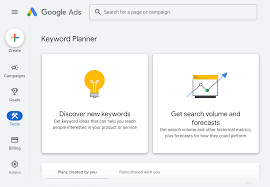
Utilize Google Keyword Planner for basic keyword research.

When it comes to conducting basic keyword research without spending a penny, one valuable tip is to make the most of Google Keyword Planner. This tool, provided by Google itself, offers essential insights into keyword trends, search volumes, and competition levels. By utilising Google Keyword Planner effectively, businesses and website owners can identify relevant keywords to target in their content and optimise their SEO strategy for improved visibility in search engine results.

Explore Ubersuggest for comprehensive keyword suggestions and analysis.

When delving into the realm of free keyword ranking tools, consider exploring Ubersuggest for comprehensive keyword suggestions and analysis. Ubersuggest offers a robust platform that not only provides a wide array of keyword suggestions but also delivers in-depth analysis to help you refine your SEO strategy effectively. By utilising Ubersuggest, you can uncover valuable insights into relevant keywords and their performance, empowering you to make informed decisions to enhance your website’s search engine visibility.

Try Keyword Tool to generate long-tail keywords for better targeting.

To enhance your SEO strategy and improve targeting, consider using a Keyword Tool to generate long-tail keywords. Long-tail keywords are specific phrases that typically have lower search volume but higher conversion rates. By incorporating long-tail keywords into your content, you can attract more qualified traffic to your website and increase the chances of reaching users who are actively searching for what you offer. This targeted approach can help boost your keyword rankings and ultimately drive more organic traffic to your site.

Leverage AnswerThePublic to discover common questions related to your keywords. AnswerThePublic is a valuable tool that can provide insights into the questions people are asking around your chosen keywords. By understanding the common queries and concerns of your target audience, you can tailor your content to address their specific needs effectively. This approach not only helps improve your keyword rankings but also enhances user engagement and drives relevant traffic to your website.

Use SEMrush’s free version for limited but valuable keyword insights.

For valuable keyword insights without the cost, consider utilising SEMrush’s free version. While offering limited access to its features, SEMrush’s free tool provides valuable insights into keyword performance. By leveraging SEMrush’s free version, you can gain essential information on your selected keywords and make informed decisions to enhance your SEO strategy effectively.

Experiment with Keyword Surfer Chrome extension for quick on-page SEO data.

For a swift and efficient way to gather on-page SEO data, consider experimenting with the Keyword Surfer Chrome extension. This handy tool provides quick insights into keyword rankings directly within your browser, allowing you to assess your website’s performance and make informed decisions to enhance your SEO strategy. By utilising the Keyword Surfer extension, you can streamline your keyword research process and optimise your content for better search engine visibility.

Consider using MozBar to analyze the competitiveness of search results.

When utilising free keyword ranking tools, it is advisable to consider using MozBar to analyse the competitiveness of search results. MozBar is a valuable browser extension that provides essential insights into the strength of websites appearing in search engine results pages. By leveraging MozBar’s features, such as domain authority and page authority metrics, users can assess the competitiveness of keywords and make informed decisions to enhance their SEO strategies effectively.

Regularly monitor your keyword rankings and adjust your strategy accordingly.

Regularly monitoring your keyword rankings using free tools is essential for maintaining a successful SEO strategy. By keeping a close eye on how your selected keywords are performing in search results, you can identify trends, track progress, and make informed decisions to optimise your content effectively. Adjusting your strategy based on these insights ensures that you stay competitive in the ever-evolving digital landscape and continue to improve your website’s visibility and search engine ranking.

twitter seo

Unlocking the Power of Twitter SEO: Enhance Your Visibility and Engagement

Twitter SEO: How to Improve Your Visibility on the Platform

Twitter SEO: How to Improve Your Visibility on the Platform

Twitter is not just a social media platform; it can also be a powerful tool for improving your online visibility through search engine optimisation (SEO). By optimising your Twitter profile and tweets, you can attract more followers, increase engagement, and ultimately drive more traffic to your website. Here are some tips to enhance your Twitter SEO:

Optimise Your Twitter Profile

Make sure your Twitter bio includes relevant keywords related to your industry or business. Use a clear profile picture and header image that represent your brand effectively. Include a link to your website in the designated space.

Use Keywords in Your Tweets

Incorporate relevant keywords into your tweets to make them more discoverable in Twitter search results. Use hashtags strategically but avoid overloading your tweets with them. Focus on creating valuable content that resonates with your audience.

Engage with Followers

Engagement is key on Twitter. Respond to mentions, retweet relevant content, and participate in conversations within your industry. Building relationships with followers can improve your visibility and credibility on the platform.

Share Visual Content

Visual content such as images and videos tend to perform well on Twitter. Including eye-catching visuals in your tweets can increase engagement and make your content more shareable, further boosting your visibility.

Monitor Analytics

Use Twitter analytics tools to track the performance of your tweets and profile. Pay attention to metrics such as impressions, engagements, and click-through rates. Analyse what works best for your audience and adjust your strategy accordingly.

Collaborate with Influencers

Partnering with influencers in your industry can help expand the reach of your tweets and increase visibility among their followers. Identify relevant influencers who align with your brand values and collaborate on campaigns or promotions.

In conclusion, incorporating SEO tactics into your Twitter strategy can significantly impact your online visibility and overall digital marketing efforts. By following these tips and staying active on the platform, you can enhance engagement, attract new followers, and drive traffic to your website through effective Twitter SEO.


Top 8 Frequently Asked Questions About Optimising Twitter for SEO Success

  1. 1. What is Twitter SEO and why is it important?
  2. 2. How can I optimise my Twitter profile for better SEO?
  3. 3. What role do keywords play in improving visibility on Twitter?
  4. 4. Is engagement with followers crucial for Twitter SEO success?
  5. 5. How does visual content impact SEO on Twitter?
  6. 6. Which analytics should I monitor to track the performance of my tweets on Twitter?
  7. 7. Are collaborations with influencers beneficial for Twitter SEO?
  8. 8. What are some common mistakes to avoid when implementing SEO strategies on Twitter?

1. What is Twitter SEO and why is it important?

Twitter SEO refers to the practice of optimising your Twitter profile and tweets to improve visibility and attract more followers on the platform. It involves using relevant keywords, engaging with followers, sharing valuable content, and monitoring analytics to enhance your presence in Twitter search results. Twitter SEO is important because it helps increase your brand’s online visibility, drives traffic to your website, and boosts engagement with your target audience. By implementing effective Twitter SEO strategies, you can strengthen your online presence, build credibility, and ultimately achieve your digital marketing goals on this dynamic social media platform.

2. How can I optimise my Twitter profile for better SEO?

Optimising your Twitter profile for better SEO involves several key steps to enhance your visibility on the platform. Start by crafting a compelling bio that incorporates relevant keywords related to your industry or business. Use a clear profile picture and header image that reflect your brand identity effectively. Ensure to include a link to your website in the designated space to drive traffic. Consistency in branding and messaging across your profile is essential for establishing credibility and attracting followers. By implementing these strategies, you can improve the discoverability of your Twitter profile and increase engagement with your target audience.

3. What role do keywords play in improving visibility on Twitter?

Keywords play a crucial role in improving visibility on Twitter by making your tweets more discoverable to users searching for specific topics or interests. By strategically incorporating relevant keywords into your tweets, you increase the chances of appearing in search results and attracting a targeted audience. Using industry-specific terms, trending hashtags, and popular phrases can help boost the visibility of your content and attract engagement from users interested in those topics. Therefore, leveraging keywords effectively on Twitter can enhance your online presence, drive more traffic to your profile, and ultimately improve your overall visibility on the platform.

4. Is engagement with followers crucial for Twitter SEO success?

Engagement with followers plays a pivotal role in achieving success in Twitter SEO. Interacting with your audience through replies, retweets, and likes not only fosters a sense of community but also signals to the Twitter algorithm that your content is valuable and relevant. This active engagement can lead to increased visibility on the platform, as Twitter is more likely to promote accounts that consistently engage with their followers. By prioritising interactions and building meaningful relationships with your audience, you can enhance your Twitter SEO efforts and ultimately improve your overall presence on the platform.

5. How does visual content impact SEO on Twitter?

Visual content plays a crucial role in enhancing SEO on Twitter. Tweets with images or videos tend to attract more engagement and stand out in users’ feeds, increasing the likelihood of being shared and reaching a wider audience. Visual elements not only make tweets more appealing but also improve the overall user experience, leading to higher retention rates and increased click-through rates. Including relevant visual content in your tweets can boost your visibility on Twitter, improve your profile’s discoverability, and ultimately contribute to better SEO performance on the platform.

6. Which analytics should I monitor to track the performance of my tweets on Twitter?

When it comes to tracking the performance of your tweets on Twitter, there are several key analytics that you should monitor closely. These include metrics such as impressions, engagements, click-through rates, and follower growth. Impressions indicate the number of times your tweet has been seen by users, while engagements measure the interactions such as likes, retweets, and replies. Click-through rates reveal how many users clicked on links or media included in your tweet. Monitoring follower growth can also provide insights into the impact of your tweets on expanding your audience reach. By analysing these analytics regularly, you can gain valuable insights into the effectiveness of your Twitter strategy and make informed decisions to enhance your online visibility and engagement on the platform.

7. Are collaborations with influencers beneficial for Twitter SEO?

Collaborations with influencers can indeed be highly beneficial for Twitter SEO. When influencers with a significant following share your content or mention your brand on Twitter, it can amplify your reach and visibility on the platform. Their endorsement can attract new followers, increase engagement, and drive traffic to your website. Additionally, influencer collaborations can enhance your brand credibility and authority within your industry, which can positively impact your search engine rankings. By leveraging the influence of key personalities in your niche, you not only expand your audience but also boost your overall SEO efforts on Twitter.

8. What are some common mistakes to avoid when implementing SEO strategies on Twitter?

When implementing SEO strategies on Twitter, it is essential to be aware of common mistakes that can hinder your efforts. One common mistake to avoid is neglecting the use of relevant keywords in your tweets and profile bio. Keywords play a crucial role in making your content discoverable on Twitter search results. Another mistake is overusing hashtags, which can make your tweets appear spammy and reduce engagement. Additionally, failing to engage with followers and participate in conversations within your industry can limit the reach of your tweets. It’s important to strike a balance between promotional content and genuine interactions to maintain a strong presence on Twitter. By avoiding these common pitfalls and staying informed about best practices, you can enhance the effectiveness of your SEO strategies on Twitter.

wordpress seo

Mastering WordPress SEO: Strategies for Success in the UK

WordPress SEO: Optimising Your Website for Success

The Power of WordPress SEO

WordPress is a powerful platform for building websites, but without proper search engine optimisation (SEO), your site may struggle to attract the right audience. By implementing effective SEO strategies tailored to WordPress websites, you can improve your site’s visibility, drive organic traffic, and ultimately boost your online presence.

Key Steps for WordPress SEO Success

Optimise Your Permalinks: Ensure that your permalinks are structured in a way that includes relevant keywords and describes the content of each page accurately.

Utilise SEO-Friendly Themes: Choose a responsive and lightweight theme that is optimised for search engines to improve site speed and user experience.

Create Quality Content: Regularly publish high-quality, informative content that incorporates relevant keywords naturally to attract both users and search engines.

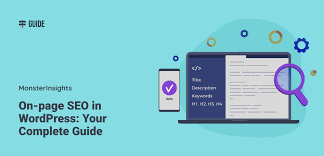
Optimise Meta Tags: Write compelling meta titles and descriptions for each page, including relevant keywords to improve click-through rates from search engine results pages.

Utilise SEO Plugins: Take advantage of popular WordPress SEO plugins like Yoast SEO or All in One SEO Pack to streamline the optimisation process and receive valuable insights on how to improve your site’s performance.

The Benefits of WordPress SEO

By investing time and effort into WordPress SEO, you can enjoy a range of benefits, including:

  • Increase in Organic Traffic: By ranking higher in search engine results pages for relevant keywords, you can attract more organic traffic to your website.
  • Better User Experience: Optimising your site for SEO often leads to improvements in user experience, such as faster loading times and easy navigation.
  • Growth in Online Visibility: Improved search engine rankings can enhance your online visibility and help you reach a wider audience interested in your products or services.
  • Economic Marketing Strategy: Compared to traditional marketing methods, investing in WordPress SEO can be a cost-effective way to promote your website and generate leads.

In Conclusion

In today’s competitive online landscape, implementing effective WordPress SEO strategies is essential for ensuring the success of your website. By following best practices, creating quality content, and utilising the right tools, you can enhance your site’s visibility, attract more visitors, and achieve your online goals with ease.


Top 5 Frequently Asked Questions About WordPress SEO

  1. 1. What is WordPress SEO and why is it important for my website?
  2. 2. How can I optimise permalinks for better SEO on my WordPress site?
  3. 3. Which are the best SEO plugins to use with WordPress?
  4. 4. What are some key strategies for improving SEO on a WordPress website?
  5. 5. How do I ensure that my WordPress site’s content is optimised for search engines?

1. What is WordPress SEO and why is it important for my website?

WordPress SEO refers to the practice of optimising your WordPress website to improve its visibility and ranking on search engine results pages. It involves implementing various strategies, such as keyword research, content optimisation, and technical enhancements, to attract organic traffic and enhance user experience. WordPress SEO is crucial for your website because it helps you reach a wider audience, increase organic traffic, and improve your online presence. By focusing on WordPress SEO, you can ensure that your website is easily discoverable by search engines and potential visitors, ultimately leading to higher engagement and better performance in the digital landscape.

When it comes to enhancing SEO on your WordPress site, optimising permalinks is a crucial step. To improve SEO through permalinks, ensure they are structured in a descriptive manner that includes relevant keywords. By customising your permalinks to reflect the content of each page accurately, you can increase the chances of search engines understanding and ranking your content appropriately. Utilising keywords in permalinks can also help users better understand the context of your pages, ultimately leading to improved visibility and organic traffic for your website.

3. Which are the best SEO plugins to use with WordPress?

When it comes to enhancing SEO on WordPress websites, choosing the right plugins can make a significant difference in optimising your site for search engines. Some of the best SEO plugins recommended for WordPress users include Yoast SEO, All in One SEO Pack, and Rank Math. These plugins offer a range of features such as on-page optimisation, XML sitemap generation, meta tag management, and content analysis tools to help improve your site’s visibility and ranking. By incorporating these powerful SEO plugins into your WordPress website, you can streamline the optimisation process and gain valuable insights to boost your online presence effectively.

4. What are some key strategies for improving SEO on a WordPress website?

When it comes to enhancing SEO on a WordPress website, there are several key strategies that can significantly improve your site’s visibility and performance. Some essential tactics include optimising permalinks with relevant keywords, selecting SEO-friendly themes for better site speed and user experience, consistently creating high-quality content that incorporates targeted keywords, crafting compelling meta tags for each page, and leveraging popular WordPress SEO plugins like Yoast SEO or All in One SEO Pack for streamlined optimisation and valuable insights. By implementing these strategies effectively, you can boost your WordPress website’s search engine rankings and attract more organic traffic to your site.

5. How do I ensure that my WordPress site’s content is optimised for search engines?

To ensure that your WordPress site’s content is optimised for search engines, you can follow several key steps. Firstly, conduct thorough keyword research to identify relevant keywords that your target audience is searching for. Integrate these keywords naturally into your content, including headings, meta tags, and image alt text. Focus on creating high-quality, engaging content that provides value to users and encourages them to stay on your site. Utilise SEO plugins like Yoast SEO to analyse and improve the SEO-friendliness of your content, including readability and keyword density. Regularly update and refresh your content to keep it relevant and valuable in the eyes of search engines. By implementing these strategies, you can enhance the visibility of your WordPress site and attract more organic traffic from search engines.