Organic SEO Services: A Practical Guide to Sustainable Search Growth
Organic SEO Services: A Guide to Sustainable Search Growth
When people search online for a product, service or answer, they often begin with a search engine. Organic SEO services help businesses improve their visibility in unpaid search results, making it easier for potential customers to find relevant pages on their website.
Unlike paid search advertising, organic search traffic is not purchased through a fee for each click. Instead, it is earned over time by making a website useful, accessible and relevant to both visitors and search engines. Results are not instant, but a well-planned SEO strategy can support sustainable growth.
What are organic SEO services?
Organic SEO services are the activities used to improve a website’s position and visibility in non-paid search results. They combine technical improvements, helpful content and website authority to make pages easier to discover and more valuable to visitors.
Services are usually tailored to a business’s audience, objectives, competition and current website performance. They may include:
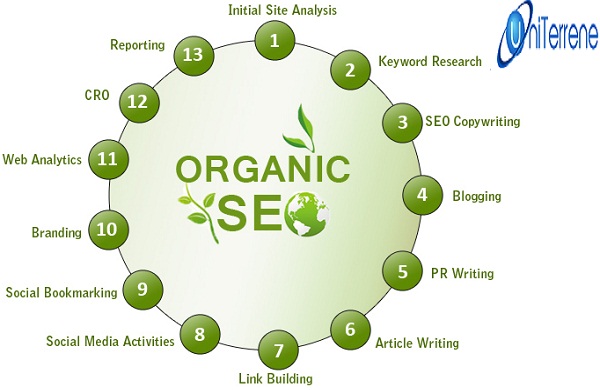
- SEO audits: Reviewing a website to identify technical issues, content gaps and opportunities to improve.
- Keyword research: Understanding the terms people use when looking for a business’s products, services or expertise.
- On-page optimisation: Improving page titles, headings, copy, internal links and other elements so each page clearly addresses its subject.
- Technical SEO: Helping search engines access, crawl and understand a website, while improving factors such as mobile usability and page performance.
- Content strategy: Planning and creating useful, original content that answers genuine questions and supports the customer journey.
- Local SEO: Improving visibility for relevant searches in a particular town, city or region.
- Digital PR and link earning: Building a website’s reputation through relevant coverage, references and links from credible sources.
- Measurement and reporting: Tracking meaningful indicators such as organic visits, enquiries, sales and search visibility.
Why invest in organic SEO?
Organic SEO can help a business reach people who are actively searching for information or services related to its offering. When a website appears prominently for relevant searches, it can attract more qualified visitors and give potential customers useful information at the moment they need it.
SEO can also improve the website itself. Clear navigation, well-structured pages, accessible content and faster-loading experiences benefit visitors as well as supporting search performance. Over time, valuable content can continue to attract traffic beyond the initial publication date.
However, SEO is not a guaranteed route to a particular ranking or a fixed volume of sales. Search results change, competitors improve their websites and customer behaviour evolves. Effective optimisation is an ongoing process rather than a one-off task.
How organic SEO works
Search engines aim to show results that are useful and relevant to a person’s query. To do this, they discover and assess web pages, considering a range of signals. Organic SEO helps ensure that a website can be found, understood and trusted, while making its content a strong match for the audience’s needs.
A typical campaign begins with research and a review of the website. The SEO team then agrees priorities, makes improvements and measures the results. Depending on the findings, the work may focus on resolving technical barriers, improving important service pages, creating new content or strengthening the site’s authority.
What to look for in an SEO service
Choosing an SEO provider is about more than comparing a list of deliverables. Look for a team that takes time to understand your business, explains its recommendations clearly and connects its work to your objectives.
- A tailored strategy: Recommendations should reflect your website, audience and market, rather than rely on a generic package.
- Clear communication: You should understand what work is being done, why it matters and how progress will be reviewed.
- Realistic expectations: A responsible provider will not promise guaranteed rankings or overnight results.
- Ethical methods: Avoid tactics designed to manipulate search engines, such as buying links or publishing low-quality, repetitive content.
- Useful reporting: Reports should explain performance in plain language and focus on outcomes that matter to your business.
How long does organic SEO take?
There is no universal timeframe. Progress depends on factors such as the website’s starting condition, the competitiveness of its market, the quality of existing content and the resources available to make improvements. Technical fixes may be completed relatively quickly, while building visibility and authority often takes longer.
A good SEO programme sets priorities, establishes a performance baseline and reviews results regularly. It should also adapt as new information becomes available, rather than follow a rigid plan regardless of what the data shows.
Make organic search part of your growth strategy
Organic SEO services can help businesses build a stronger presence in search, attract relevant visitors and create a better experience on their website. The strongest results come from consistent work that puts users first: understanding what they need, providing clear answers and making those answers easy to find.
Whether you are starting from scratch or improving an established website, a considered SEO strategy can help you make better use of organic search as part of your wider digital marketing activity.
8 Essential Tips for Choosing Effective Organic SEO Services
- Choose an SEO provider with proven results.
- Set clear goals before work begins.
- Prioritise useful, original content.
- Research relevant search terms.
- Improve page speed and mobile usability.
- Earn links from trusted websites.
- Track rankings, traffic and conversions.
- Avoid providers promising instant results.
Choose an SEO provider with proven results.
Choose an SEO provider with proven results, and ask for evidence that their work has delivered meaningful outcomes for businesses with similar goals or challenges. Look beyond ranking claims: useful proof may include improvements in relevant organic traffic, qualified enquiries, sales or visibility. A reputable provider should explain what they did, how success was measured and what factors influenced the results, while being clear that SEO cannot guarantee specific rankings or outcomes.
Set clear goals before work begins.
Before organic SEO work begins, set clear goals that link to your wider business objectives. Decide what success should look like, whether that means increasing relevant website visits, generating more enquiries, growing online sales or improving visibility for priority services. Clear goals help guide the strategy, focus resources on the most valuable opportunities and make it easier to measure progress over time. They also ensure that you and your SEO provider share the same expectations from the outset.
Prioritise useful, original content.
Prioritise useful, original content that answers your audience’s questions and helps them make informed decisions. Rather than creating pages simply to include keywords, focus on sharing accurate, relevant information in a clear and engaging way. This gives visitors a better experience, helps your website stand out and supports organic SEO by showing search engines what each page offers. Keep content up to date, and make sure it reflects your expertise and the needs of your customers.
Research relevant search terms.
Researching relevant search terms is a key first step in organic SEO. Find out what your potential customers are searching for, including the questions they ask and the language they use to describe your products or services. Choose terms that match your offering and the intent behind each search, then use them naturally in useful page titles, headings and content. This helps search engines understand your pages and gives visitors information that is genuinely relevant to their needs.
Improve page speed and mobile usability.
Improving page speed and mobile usability can make a real difference to both user experience and organic search performance. Pages that load quickly and work smoothly on smartphones help visitors find what they need without frustration, making them more likely to stay and take action. Compressing images, reducing unnecessary code and checking that text, buttons and navigation display clearly on smaller screens are practical ways to improve your website. Regular testing across different devices can help identify issues before they affect your visitors.
Earn links from trusted websites.
Earn links from trusted websites by creating genuinely useful content that others want to reference, and by building relationships with relevant organisations, publications and industry experts. Quality matters more than quantity: links from reputable, relevant sources can help people discover your website and strengthen its credibility. Avoid buying links or using schemes designed to manipulate search rankings, as these can put your site at risk.
Track rankings, traffic and conversions.
Track rankings, organic traffic and conversions to understand whether your SEO activity is delivering meaningful results. Rankings can show how your pages perform for target searches, while traffic reveals whether more people are finding your website through search. Most importantly, monitor conversions—such as enquiries, bookings or sales—to see whether those visits are contributing to your business goals. Reviewing these measures regularly helps you identify what is working and where your organic SEO strategy may need adjusting.
Avoid providers promising instant results.
Avoid SEO providers promising instant results or guaranteed top rankings. Organic SEO takes time because improvements need to be implemented, indexed and assessed by search engines, and progress depends on factors such as competition and your website’s starting point. A trustworthy provider will set realistic expectations, explain its approach and report on meaningful progress rather than offer quick fixes that may put your website’s reputation at risk.