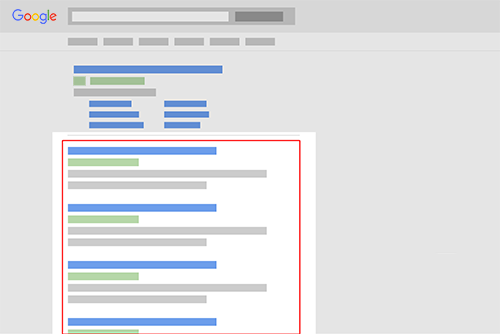
organic search rankings

Organic Search Rankings: A Practical Guide to Improving Your Visibility

Organic Search Rankings: What They Are and How to Improve Them

Organic search rankings determine where webpages appear in the unpaid results on search engines such as Google and Bing. A higher position can help a page reach more people, but ranking well is not simply a matter of adding keywords. Search engines aim to show results that are relevant, useful and trustworthy for each search.

What are organic search rankings?

When someone enters a query, a search engine uses automated systems to identify and order pages that may answer it. These unpaid listings are known as organic results, distinguishing them from advertisements that are labelled as sponsored or paid placements.

Rankings can vary according to the search query, location, device and other contextual factors. A page may appear prominently for one phrase and much lower for another. Search results can also change as search engines update their systems and as new or improved content becomes available.

Why do rankings matter?

Search visibility can help people discover a business, organisation or publication while they are looking for information, products or services. Strong rankings may contribute to relevant website visits and enquiries, but position alone does not guarantee results. The page also needs to meet visitors’ expectations and make it easy for them to take the next step.

Organic search is usually a longer-term investment than paid advertising. It can take time for search engines to discover, assess and rank content, and there are no reliable guarantees of a particular position.

What influences organic rankings?

Search engines use many signals to assess pages. Their systems are complex and change over time, but several broad principles can guide a sound search strategy.

Relevance to the search

A page should address the subject or need behind a search. This means understanding what people are trying to find, rather than focusing only on individual keywords. Someone searching for a basic explanation may need a clear guide, while someone comparing services may want details about options, costs or features.

Useful, original content

Content should provide accurate information and genuine value to its intended audience. It should be clear, well organised and sufficiently complete for the topic. Adding words simply to make a page longer, or publishing many near-identical pages, is unlikely to create a better experience.

Technical accessibility

Search engines need to be able to access and understand a page. Technical issues such as broken links, incorrect indexing settings, duplicate URLs or slow-loading pages can make this harder. A logical site structure, descriptive page titles and a mobile-friendly layout can support both visitors and search engines.

Reputation and links

Links from other websites can help search engines discover pages and provide context about their prominence. However, links should be earned naturally through useful resources, strong reporting or worthwhile products and services. Buying links or using manipulative schemes can put a website at risk of search engine penalties.

Page experience

A page should be easy to use across common devices. Readable text, clear navigation, accessible design and stable page layouts all contribute to a better experience. A technically polished page cannot compensate for content that fails to answer the visitor’s question, but usability is an important part of a well-rounded website.

How to improve organic search rankings

  1. Research your audience and topics. Find out what your potential visitors ask, how they describe their needs and which pages already address those subjects. Use this research to plan content that meets a clear purpose.
  2. Improve existing pages. Review important pages for accuracy, clarity and completeness. Update outdated details, remove unnecessary repetition and make the main information easy to find.
  3. Use descriptive titles and headings. Page titles and headings should explain what the page is about. Include relevant language naturally, without forcing keywords into every heading.
  4. Make your site easy to navigate. Organise related pages into sensible sections and use helpful internal links. This helps visitors find relevant information and assists search engines in understanding how pages relate to one another.
  5. Check technical health. Monitor indexing, mobile usability, page performance and broken links. Tools such as Google Search Console can help identify how Google accesses and displays a site.
  6. Build credibility over time. Publish dependable information, show who is responsible for it where appropriate, and earn attention by creating resources that others genuinely find useful.
  7. Measure meaningful outcomes. Track organic visits alongside enquiries, sales, sign-ups or other business goals. Rankings are useful indicators, but they are only one part of performance.

How to measure rankings and progress

Rankings can be monitored using search engine tools or specialist platforms, but individual checks should be treated with care. Results may differ by location, device and personal context, so a single search from one computer does not provide a complete picture.

Consider tracking a group of relevant search queries over time, along with impressions, clicks and click-through rates. Google Search Console provides data about a site’s appearance in Google Search, while analytics tools can show what visitors do after arriving. Comparing these measures can reveal whether a page is becoming more visible and whether that visibility is attracting the right audience.

Changes should be assessed over a suitable period. Search performance can fluctuate, and a short-term rise or fall does not always indicate a lasting trend. When reviewing results, consider seasonality, website changes and broader search updates as well as the work carried out on individual pages.

Common mistakes to avoid

  • Keyword stuffing: Repeating phrases unnaturally can make content awkward and less useful.
  • Chasing every ranking fluctuation: Frequent reactive changes may create confusion. Investigate sustained patterns before making major adjustments.
  • Publishing thin or duplicate pages: Pages with little unique value can make a site harder to manage and less helpful to visitors.
  • Expecting instant results: Search visibility often takes time to develop, particularly for new websites or competitive topics.
  • Focusing only on position: A high ranking for an irrelevant query may bring little value. Prioritise qualified traffic and useful outcomes.
  • Promising guaranteed positions: No legitimate SEO practitioner can guarantee a specific organic ranking, because search engines control their results.

A long-term approach to organic visibility

Improving organic search rankings is an ongoing process of understanding your audience, producing useful content, maintaining a healthy website and learning from performance data. Rather than looking for shortcuts, focus on making each important page the clearest and most helpful result you can provide for its intended search.


Organic Search Rankings: 9 Frequently Asked Questions

  1. What are organic search rankings?
  2. How do search engines determine organic search rankings?
  3. How can I improve my organic search rankings?
  4. How long does it take to improve organic search rankings?
  5. Why have my organic search rankings dropped?
  6. How can I check my website’s organic search rankings?
  7. Do keywords still affect organic search rankings?
  8. Can backlinks improve organic search rankings?
  9. Are organic search rankings different for each user or location?

What are organic search rankings?

Organic search rankings are the positions webpages appear in the unpaid results on search engines such as Google and Bing. Search engines rank pages according to how relevant and useful they appear for a particular search. Rankings can vary by query, location and device, and may change over time as search results are updated.

How do search engines determine organic search rankings?

Search engines determine organic search rankings using automated systems that discover, index and assess webpages, then match them to a person’s search query. They consider many factors, including how relevant and useful a page is, the quality and originality of its content, the website’s technical accessibility, its reputation and the experience it offers on different devices. The exact systems are complex and change over time, so no single factor guarantees a particular position. Rankings can also vary depending on the query, location and other context.

How can I improve my organic search rankings?

To improve your organic search rankings, create helpful, original content that matches what your audience is searching for, and organise it with clear titles, headings and internal links. Make sure your website is mobile-friendly, fast and easy for search engines to crawl, and keep important information accurate and up to date. Build your site’s credibility by earning relevant links naturally, rather than using manipulative tactics. Track performance with tools such as Google Search Console, and use the data to refine your pages over time. SEO takes patience, and no one can guarantee a particular ranking.

How long does it take to improve organic search rankings?

It can take anywhere from a few weeks to several months to see improvements in organic search rankings, depending on factors such as your website’s age and authority, the level of competition, and the changes made. Technical fixes or updates to established pages may show results sooner, while building visibility for a new website or competitive topic often takes longer. Search engines need time to crawl and reassess changes, so monitor trends over time rather than expecting an immediate or guaranteed ranking.

Why have my organic search rankings dropped?

Organic search rankings can drop for several reasons, and a short-term change does not always indicate a serious problem. Search engines regularly update their systems, competitors may improve their pages, and shifts in demand or seasonality can affect results. Technical issues—such as pages being blocked from indexing, broken links or a recent website migration—can also reduce visibility, as can outdated or less relevant content. Check Google Search Console for indexing issues and changes in impressions and clicks, then review affected pages, recent site updates and the search results for your key queries. Look for sustained patterns before making major changes, as rankings can fluctuate naturally.

How can I check my website’s organic search rankings?

You can check your website’s organic search rankings using Google Search Console, which shows the search queries your pages appear for, along with impressions, clicks and average position. For a broader view, SEO platforms can track selected keywords over time and compare visibility across locations or devices. Remember that rankings can vary by searcher and context, so treat them as a guide rather than a fixed position. Also review organic traffic and enquiries or sales to see whether your visibility is reaching the right audience.

Do keywords still affect organic search rankings?

Yes, keywords still affect organic search rankings, but search engines now look beyond exact-match phrases to understand a page’s topic and how well it answers a search. Use the words and phrases your audience naturally uses in relevant places, such as the page title, main heading and body text. Avoid keyword stuffing: clear, useful content that meets the reader’s needs is more valuable than repeating a phrase unnaturally.

Yes, backlinks can help improve organic search rankings. When reputable, relevant websites link to your content, those links may signal that it is useful or trustworthy and can also bring visitors to your site. However, backlinks are only one of many ranking factors, and their value depends on quality and relevance rather than quantity. Focus on earning links naturally by publishing helpful content and building genuine relationships; buying links or using manipulative tactics can harm your search visibility.

Are organic search rankings different for each user or location?

Yes. Organic search rankings can vary by location, device and the wording or context of a search, so two people may see different results for the same query. Search engines often prioritise locally relevant pages—for example, a nearby business when someone searches for a service—while personalisation may also influence results. For a more reliable view, compare performance across relevant locations and use tools such as Google Search Console, rather than relying on a single search from one device.

seo magnifier

Unleashing the Potential of SEO Magnifier: Elevate Your Digital Marketing Strategy

Exploring the Power of SEO Magnifier

Exploring the Power of SEO Magnifier

In the world of digital marketing, search engine optimisation (SEO) plays a crucial role in improving a website’s visibility and ranking on search engine results pages. One tool that has gained popularity among SEO professionals is SEO Magnifier.

SEO Magnifier is an online tool that offers a range of services to help website owners and marketers enhance their SEO efforts. From keyword analysis to content rewriting, this tool provides valuable features that can streamline the optimisation process.

Key Features of SEO Magnifier:

  • Plagiarism Checker: This feature allows users to check the originality of their content and identify any instances of plagiarism.
  • Article Rewriter: Users can rewrite articles to create unique content for better SEO performance.
  • Keyword Position Checker: This tool helps track the position of specific keywords in search engine results.
  • Backlink Maker: Users can generate quality backlinks to improve their website’s authority and ranking.

By utilising these features, website owners can effectively optimise their content, monitor keyword rankings, and enhance their overall SEO strategy. SEO Magnifier simplifies complex tasks and provides actionable insights to drive organic traffic and improve search engine visibility.

The Benefits of Using SEO Magnifier:

Time-Saving: With its user-friendly interface and efficient tools, SEO Magnifier saves time by automating various aspects of SEO analysis and implementation.

Enhanced Content Quality: The article rewriter feature helps create unique and engaging content that resonates with both users and search engines.

In-depth Analysis: The tools provided by SEO Magnifier offer detailed insights into keyword performance, backlink quality, and overall website health.

In conclusion, SEO Magnifier is a valuable resource for anyone looking to elevate their SEO game. By leveraging its features and functionalities, users can boost their online presence, attract more organic traffic, and ultimately achieve better search engine rankings. Explore the power of SEO Magnifier today to take your digital marketing efforts to new heights!


Enhance Your SEO Strategy: 7 Essential Tips Using SEO Magnifier Tools

  1. Use SEO Magnifier to analyse the keyword density in your content.
  2. Utilise the paraphrasing tool to create unique and original content for better SEO results.
  3. Check your website’s meta tags using SEO Magnifier to ensure they are optimised for search engines.
  4. Take advantage of the backlink maker tool to generate quality backlinks for improved SEO performance.
  5. Regularly use the plagiarism checker feature to avoid duplicate content issues that can harm your SEO efforts.
  6. Optimise your images by resizing and compressing them with the image compressor tool on SEO Magnifier.
  7. Make use of the grammar checker to ensure that your content is error-free and well-optimised for search engines.

Use SEO Magnifier to analyse the keyword density in your content.

Utilise SEO Magnifier to analyse the keyword density within your content. By employing this tool, you can effectively evaluate the frequency of target keywords in your text, ensuring optimal keyword usage for improved search engine visibility and ranking. Monitoring keyword density through SEO Magnifier enables you to fine-tune your content strategy and enhance its relevance to search queries, ultimately contributing to a more robust SEO performance.

Utilise the paraphrasing tool to create unique and original content for better SEO results.

By utilising the paraphrasing tool offered by SEO Magnifier, website owners and content creators can effortlessly generate unique and original content that is tailored for improved SEO performance. This tool enables users to rephrase existing content in a way that enhances its uniqueness, making it more appealing to search engines and online audiences. By incorporating fresh and original content into their websites, businesses can boost their search engine rankings, attract more organic traffic, and ultimately achieve better SEO results.

Check your website’s meta tags using SEO Magnifier to ensure they are optimised for search engines.

When utilising SEO Magnifier, it is advisable to check your website’s meta tags to guarantee they are optimised for search engines. By examining and refining your meta tags using this tool, you can enhance the visibility and relevance of your website in search engine results. Optimised meta tags play a crucial role in improving your website’s SEO performance, making it easier for search engines to understand and index your content effectively. Take advantage of SEO Magnifier’s capabilities to ensure that your meta tags are finely tuned for optimal search engine optimisation results.

Utilise the backlink maker tool available on SEO Magnifier to effortlessly create high-quality backlinks that can significantly enhance your website’s SEO performance. By leveraging this feature, you can establish a strong link profile that not only boosts your site’s authority but also improves its visibility in search engine results. Generating quality backlinks through the backlink maker tool is a strategic approach to increasing organic traffic and elevating your website’s ranking, ultimately driving better overall SEO results.

Regularly use the plagiarism checker feature to avoid duplicate content issues that can harm your SEO efforts.

Regularly utilising the plagiarism checker feature on SEO Magnifier is essential to prevent duplicate content issues that could potentially damage your SEO endeavours. By routinely checking the originality of your content, you can ensure that your website offers unique and valuable information to both users and search engines. Avoiding duplicate content not only enhances your site’s credibility but also helps maintain a strong SEO performance, ultimately contributing to improved search engine rankings and organic traffic growth.

Optimise your images by resizing and compressing them with the image compressor tool on SEO Magnifier.

Optimising images is a crucial aspect of enhancing website performance and SEO rankings. With the image compressor tool on SEO Magnifier, you can resize and compress your images effectively. By reducing the file size of images without compromising quality, you can improve page loading speed, which is a key factor in user experience and search engine optimisation. Utilising this feature on SEO Magnifier allows you to enhance your website’s performance by ensuring that your images are optimised for web use, ultimately contributing to a better overall SEO strategy.

Make use of the grammar checker to ensure that your content is error-free and well-optimised for search engines.

Utilising the grammar checker feature on SEO Magnifier is a smart strategy to guarantee that your content is not only error-free but also optimised for search engines. By identifying and rectifying grammar mistakes, you can enhance the readability and credibility of your content, which can positively impact your website’s SEO performance. Ensuring that your content is grammatically correct not only improves user experience but also signals to search engines that your website provides high-quality, valuable information. Incorporating the grammar checker tool into your SEO workflow through SEO Magnifier can help you achieve a polished and professional online presence that resonates with both users and search engine algorithms.

professional search engine optimization

Unlocking Success: The Power of Professional Search Engine Optimization

Professional Search Engine Optimization

The Importance of Professional Search Engine Optimization

In today’s digital age, having a strong online presence is crucial for businesses to succeed. One of the key strategies for enhancing visibility and driving organic traffic to your website is through professional search engine optimization (SEO).

What is Professional SEO?

Professional SEO involves the implementation of various techniques and strategies to improve a website’s ranking in search engine results pages (SERPs). This process requires in-depth knowledge of search engine algorithms, keyword research, on-page optimization, link building, and content creation.

The Benefits of Professional SEO

Increased Visibility: By optimising your website for relevant keywords, professional SEO helps improve your visibility in search results, making it easier for potential customers to find you online.

Higher Rankings: Professional SEO techniques can help boost your website’s rankings on search engines like Google, leading to increased organic traffic and more qualified leads.

Enhanced User Experience: SEO involves improving various aspects of your website, such as site speed, mobile responsiveness, and user-friendly navigation, which enhances the overall user experience.

Choosing a Professional SEO Service

When selecting a professional SEO service provider, it’s essential to consider their experience, expertise, track record of success, and approach to SEO strategies. A reputable SEO agency will conduct a thorough website audit, develop a customised SEO plan tailored to your business goals, and provide regular reports on performance metrics.

In Conclusion

Professional search engine optimization is a vital component of any successful digital marketing strategy. By investing in professional SEO services, businesses can increase their online visibility, attract more organic traffic, and ultimately achieve long-term success in the competitive online landscape.


Mastering SEO: Six Essential Tips for Professional Optimisation Success

  1. Perform keyword research to identify relevant search terms
  2. Optimize on-page elements such as title tags, meta descriptions, and headings
  3. Create high-quality, original content that provides value to users
  4. Build quality backlinks from reputable websites in your industry
  5. Ensure your website is mobile-friendly and has fast loading speed
  6. Regularly monitor and analyse your SEO performance using tools like Google Analytics

Perform keyword research to identify relevant search terms

Performing thorough keyword research is a fundamental aspect of professional search engine optimisation. By identifying relevant search terms that align with your target audience’s queries, businesses can strategically optimise their website content to improve visibility in search engine results. Understanding the language and phrases potential customers use when searching online allows for the creation of tailored content that not only attracts organic traffic but also enhances user engagement and conversions. Effective keyword research forms the foundation of a successful SEO strategy, helping businesses connect with their audience and drive valuable traffic to their website.

Optimize on-page elements such as title tags, meta descriptions, and headings

To enhance your website’s search engine visibility and improve its ranking, it is crucial to optimise on-page elements like title tags, meta descriptions, and headings. These elements play a significant role in communicating the relevance of your content to search engines and users. By crafting compelling and keyword-rich title tags, informative meta descriptions, and well-structured headings, you can effectively signal the content of your pages to search engines, leading to better indexing and higher click-through rates. Paying attention to these on-page elements is a fundamental aspect of professional search engine optimisation that can positively impact your website’s performance in organic search results.

Create high-quality, original content that provides value to users

Creating high-quality, original content that offers genuine value to users is a fundamental tip in professional search engine optimisation. By producing content that is informative, engaging, and relevant to your target audience, you not only enhance user experience but also establish credibility and authority in your industry. Search engines like Google prioritise content that adds value to users, so by focusing on quality and originality, you can improve your website’s visibility and attract organic traffic effectively. Remember, content is king in the world of SEO, and investing in creating valuable content can yield long-term benefits for your online presence.

Building quality backlinks from reputable websites within your industry is a fundamental tip for professional search engine optimization. These backlinks act as endorsements of your website’s credibility and relevance to search engines, helping to improve your website’s authority and ranking in search results. By establishing connections with trusted websites in your niche, you not only enhance your online visibility but also attract targeted traffic from users who are genuinely interested in your products or services. This strategic approach to link building is essential for establishing a strong online presence and staying competitive in the digital landscape.

Ensure your website is mobile-friendly and has fast loading speed

In the realm of professional search engine optimisation, a critical tip is to ensure that your website is mobile-friendly and boasts fast loading speeds. With an increasing number of users accessing websites via mobile devices, having a responsive design that adapts seamlessly to various screen sizes is paramount. Additionally, fast loading speeds not only enhance user experience but also play a significant role in search engine rankings. By prioritising mobile-friendliness and swift loading times, businesses can improve their online visibility and attract more organic traffic, ultimately leading to greater success in the digital landscape.

Regularly monitor and analyse your SEO performance using tools like Google Analytics

Regularly monitoring and analysing your SEO performance using tools like Google Analytics is essential for maintaining a successful online presence. By tracking key metrics such as website traffic, user behaviour, and keyword performance, businesses can gain valuable insights into the effectiveness of their SEO strategies. This data allows for informed decision-making and enables continuous refinement of SEO efforts to ensure optimal performance and visibility in search engine results pages.