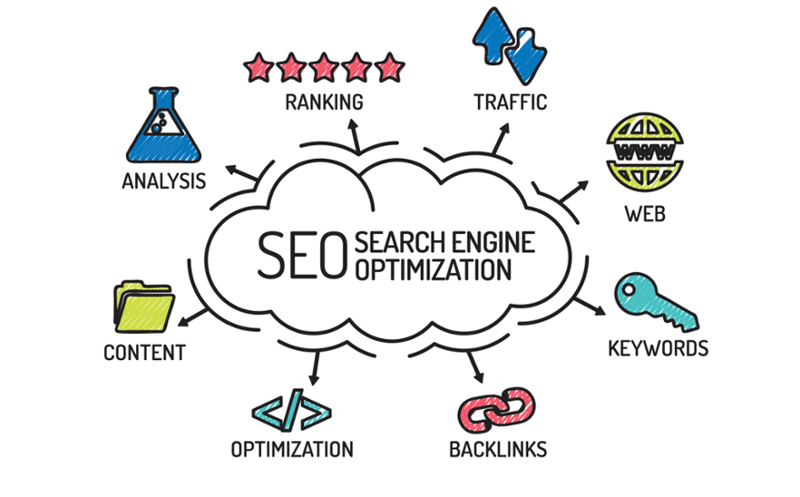
on page optimization

Mastering On-Page Optimization Techniques for Enhanced Website Performance

On-Page Optimization: Enhancing Your Website’s Performance

On-Page Optimization: Enhancing Your Website’s Performance

In the realm of digital marketing, on-page optimization plays a crucial role in improving your website’s visibility and performance in search engine results. This process involves fine-tuning various elements on your web pages to make them more search engine-friendly and user-friendly.

Key Aspects of On-Page Optimization:

  • Meta Tags: Crafting relevant meta titles and descriptions that accurately describe the content of each page.
  • Keyword Placement: Strategically placing relevant keywords throughout the content, headings, and meta tags.
  • Quality Content: Creating high-quality, engaging content that provides value to users and incorporates targeted keywords naturally.
  • Optimized Images: Compressing images for faster loading times and adding descriptive alt text for improved accessibility and SEO.
  • User Experience (UX): Ensuring a seamless user experience by optimizing page speed, mobile responsiveness, and overall site usability.
  • Internal Linking: Linking related pages within your website to improve navigation and distribute link equity effectively.

The Benefits of On-Page Optimization:

By implementing effective on-page optimization strategies, you can reap a multitude of benefits for your website:

  • Improved Search Engine Rankings: Optimizing on-page elements can help search engines better understand and index your content, leading to higher rankings for relevant keywords.
  • Enhanced User Experience: A well-optimized website provides a seamless browsing experience for visitors, encouraging them to stay longer and explore more pages.
  • Increase in Organic Traffic: Higher search engine rankings result in increased organic traffic to your website, bringing in more potential customers or clients.
  • Better Conversion Rates: When users find what they are looking for easily on your site, they are more likely to convert into leads or customers.

In conclusion, on-page optimization is a fundamental aspect of SEO that can significantly impact your website’s performance. By paying attention to the key elements mentioned above and continuously refining your strategies, you can create a strong foundation for attracting organic traffic, engaging users, and achieving online success.


Essential On-Page Optimisation Tips: Enhance Keywords, Speed, and Mobile Experience

  1. Include relevant keywords in the title tag and meta description.
  2. Optimise images by using descriptive filenames and alt text.
  3. Create unique and engaging content for each page.
  4. Use internal linking to connect related pages on your website.
  5. Ensure fast loading speed by compressing images and minifying code.
  6. Make sure your website is mobile-friendly for better user experience

Include relevant keywords in the title tag and meta description.

To enhance your on-page optimization, it is crucial to include relevant keywords in the title tag and meta description of your web pages. By strategically incorporating targeted keywords into these elements, you can improve the visibility of your content in search engine results. The title tag and meta description serve as concise summaries of your page’s content, making it easier for search engines to understand the relevance of your website to users’ search queries. This practice not only boosts your SEO efforts but also increases the likelihood of attracting qualified traffic to your site.

Optimise images by using descriptive filenames and alt text.

When focusing on on-page optimization, a valuable tip is to optimise images by utilising descriptive filenames and alt text. By assigning relevant filenames and incorporating descriptive alt text, you not only enhance the accessibility of your website for visually impaired users but also provide search engines with valuable information about the content of the images. This practice can improve your website’s overall SEO performance and contribute to better user experience, ultimately leading to increased visibility and engagement.

Create unique and engaging content for each page.

Creating unique and engaging content for each page is a fundamental tip for effective on-page optimization. By crafting content that is not only original but also relevant to the specific topic of the page, you can capture the attention of both users and search engines. Unique content helps differentiate your website from competitors and establishes your authority in your industry. Engaging content, on the other hand, keeps visitors interested and encourages them to explore further, ultimately improving user experience and increasing the likelihood of conversions. Embracing this tip ensures that each page on your website serves a distinct purpose and contributes positively to your overall SEO strategy.

Utilising internal linking is a valuable strategy in on-page optimisation to establish connections between related pages within your website. By incorporating relevant internal links, you not only enhance the user experience by guiding visitors to additional useful content but also help search engines better understand the structure and hierarchy of your site. This practice can improve the indexing of your pages, distribute link equity effectively, and ultimately boost your website’s overall SEO performance.

Ensure fast loading speed by compressing images and minifying code.

To enhance your website’s on-page optimization, it is essential to prioritise fast loading speed. One effective tip is to compress images and minify code. By compressing images, you can reduce their file sizes without compromising quality, leading to quicker loading times and a smoother user experience. Additionally, minifying code involves removing unnecessary characters and spaces from HTML, CSS, and JavaScript files, further improving load times. Implementing these practices not only boosts your site’s performance but also positively impacts SEO rankings by providing visitors with a seamless browsing experience.

Make sure your website is mobile-friendly for better user experience

Ensuring that your website is mobile-friendly is a crucial aspect of on-page optimization. With the increasing number of users accessing websites on mobile devices, it is essential to provide a seamless browsing experience across different screen sizes. A mobile-friendly website not only enhances user experience but also contributes to higher search engine rankings, as search engines prioritise mobile-responsive sites in their results. By optimising your website for mobile devices, you can cater to a wider audience and improve engagement, ultimately leading to better conversion rates and overall online success.
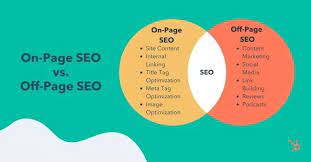
onsite seo

Mastering On-Site SEO Techniques for Enhanced Website Visibility

The Importance of On-Site SEO for Your Website

The Importance of On-Site SEO for Your Website

Search Engine Optimization (SEO) is a crucial aspect of any successful online presence. While off-site SEO strategies like link building are essential, on-site SEO plays a fundamental role in ensuring that your website is search engine friendly and ranks well in search results.

What is On-Site SEO?

On-site SEO refers to the optimization of elements on your website to improve its visibility and relevance to search engines. This includes optimizing content, meta tags, headings, images, URLs, and internal linking structure. By fine-tuning these on-site elements, you can enhance your website’s chances of ranking higher in search engine results pages (SERPs).

The Benefits of On-Site SEO

Implementing effective on-site SEO practices offers several benefits for your website:

  • Improved Search Engine Rankings: By optimizing your website’s on-site elements, you increase its chances of ranking higher in search results for relevant keywords.
  • Enhanced User Experience: A well-optimized website provides a better user experience, leading to increased engagement and lower bounce rates.
  • Increased Organic Traffic: Higher rankings in search results can drive more organic traffic to your website, resulting in greater visibility and potential conversions.
  • Better Crawlability: Optimized on-site elements make it easier for search engine crawlers to navigate and index your site effectively.
  • Competitive Advantage: By investing in on-site SEO, you stay ahead of competitors and establish a strong online presence.

Key On-Site SEO Practices

To maximise the benefits of on-site SEO, consider implementing the following key practices:

  1. Keyword Optimization: Conduct keyword research and strategically place relevant keywords throughout your content.
  2. Title Tags and Meta Descriptions: Write compelling title tags and meta descriptions that accurately reflect the content of each page.
  3. User-Friendly URLs: Create clean and descriptive URLs that are easy for users and search engines to understand.
  4. Optimized Images: Use descriptive alt text and file names for images to improve accessibility and relevance.
  5. Maintain Site Structure: Ensure a logical site structure with clear navigation paths for both users and search engines.
  6. Create Quality Content: Produce high-quality, relevant content that engages users and provides value.

In Conclusion

Incorporating effective on-site SEO practices into your website is crucial for improving its visibility, attracting organic traffic, and achieving higher rankings in search results. By focusing on optimizing key elements such as content, meta tags, URLs, images, and internal linking structure, you can enhance both user experience and search engine performance. Invest time and effort into refining your on-site SEO strategy to reap the long-term benefits it brings to your online presence.


9 Essential Onsite SEO Tips for Boosting Your Website’s Performance

  1. 1. Ensure your website is mobile-friendly for better user experience and SEO.
  2. 2. Optimise your page titles and meta descriptions with relevant keywords.
  3. 3. Create high-quality, original content that provides value to your audience.
  4. 4. Use descriptive alt text for images to improve accessibility and SEO.
  5. 5. Improve site speed by compressing images and minifying code.
  6. 6. Utilise internal linking to help search engines navigate your site’s content.
  7. 7. Include keywords in headings (H1, H2) to signal the topic of each section.
  8. 8. Regularly update and maintain your website to keep it fresh and relevant.
  9. 9. Monitor performance with tools like Google Analytics to track progress and make data-driven decisions.

1. Ensure your website is mobile-friendly for better user experience and SEO.

Ensuring that your website is mobile-friendly is a crucial aspect of on-site SEO. With the increasing number of users accessing the internet via mobile devices, having a responsive and mobile-optimised website is essential for providing a seamless user experience. Not only does a mobile-friendly site enhance user satisfaction, but it also positively impacts your SEO efforts. Search engines like Google prioritise mobile-friendly websites in their rankings, making it easier for your site to be discovered by a wider audience. By prioritising mobile responsiveness, you not only improve user engagement but also boost your website’s visibility in search engine results pages.

2. Optimise your page titles and meta descriptions with relevant keywords.

To enhance your on-site SEO performance, it is crucial to optimise your page titles and meta descriptions by incorporating relevant keywords. By strategically including targeted keywords in these elements, you can improve the visibility and relevance of your web pages in search engine results. Crafting compelling page titles and meta descriptions that accurately reflect the content of your pages while incorporating key keywords can significantly boost your website’s search engine rankings and attract more organic traffic.

3. Create high-quality, original content that provides value to your audience.

Creating high-quality, original content that offers genuine value to your target audience is a cornerstone of effective on-site SEO. By producing engaging and informative content that resonates with your visitors, you not only enhance user experience but also establish your website as a valuable resource in the eyes of search engines. Quality content not only attracts and retains visitors but also boosts your site’s credibility and authority, ultimately contributing to improved search engine rankings and organic traffic growth.

4. Use descriptive alt text for images to improve accessibility and SEO.

Utilising descriptive alt text for images is a valuable on-site SEO practice that serves a dual purpose: enhancing website accessibility for visually impaired users and improving search engine optimisation. By providing detailed alt text that accurately describes the content of images, you not only make your website more inclusive and user-friendly but also help search engines understand the context of the visuals on your site. This simple yet effective strategy can significantly boost your website’s overall accessibility and SEO performance.

5. Improve site speed by compressing images and minifying code.

To enhance your on-site SEO performance, a valuable tip is to focus on improving site speed by compressing images and minifying code. By reducing the file sizes of images through compression techniques and streamlining the code through minification, you can significantly boost your website’s loading times. Faster loading speeds not only improve user experience but also signal to search engines that your site is efficient and user-friendly, potentially leading to higher rankings in search results. Implementing these practices can have a positive impact on both SEO and overall website performance.

6. Utilise internal linking to help search engines navigate your site’s content.

Utilising internal linking is a valuable on-site SEO strategy that can significantly enhance your website’s visibility and search engine performance. By strategically linking relevant pages within your site, you not only help search engines navigate and index your content more effectively but also improve user experience by guiding visitors to related information. Internal linking establishes a logical hierarchy and connection between different pages, ultimately boosting the overall SEO value of your website.

7. Include keywords in headings (H1, H2) to signal the topic of each section.

In on-site SEO, it is essential to include keywords in headings (H1, H2) to effectively signal the topic of each section. By incorporating relevant keywords into headings, you not only provide search engines with valuable information about the content of your page but also make it easier for users to understand the main topics covered. This practice helps improve the overall structure and readability of your website while enhancing its visibility in search engine results.

8. Regularly update and maintain your website to keep it fresh and relevant.

Regularly updating and maintaining your website is a crucial aspect of on-site SEO. By keeping your content fresh and relevant, you signal to search engines that your site is active and up-to-date, which can positively impact your search rankings. Updating your website with new information, blog posts, or product updates not only engages visitors but also encourages search engine crawlers to index your site more frequently. This practice demonstrates to both users and search engines that you are committed to providing valuable and current content, ultimately contributing to the overall success of your SEO efforts.

9. Monitor performance with tools like Google Analytics to track progress and make data-driven decisions.

Monitoring performance using tools such as Google Analytics is a vital aspect of effective on-site SEO. By tracking key metrics and analysing data, website owners can gain valuable insights into the performance of their site and user behaviour. This data-driven approach enables informed decision-making, allowing for adjustments and refinements to be made based on real-time information. Regularly monitoring performance metrics not only helps in assessing the effectiveness of SEO strategies but also guides future optimisation efforts to enhance overall website performance and visibility in search engine results.