seo sem social media marketing

SEO, SEM and Social Media Marketing: A Complete Guide

SEO, SEM and Social Media Marketing: How They Work Together

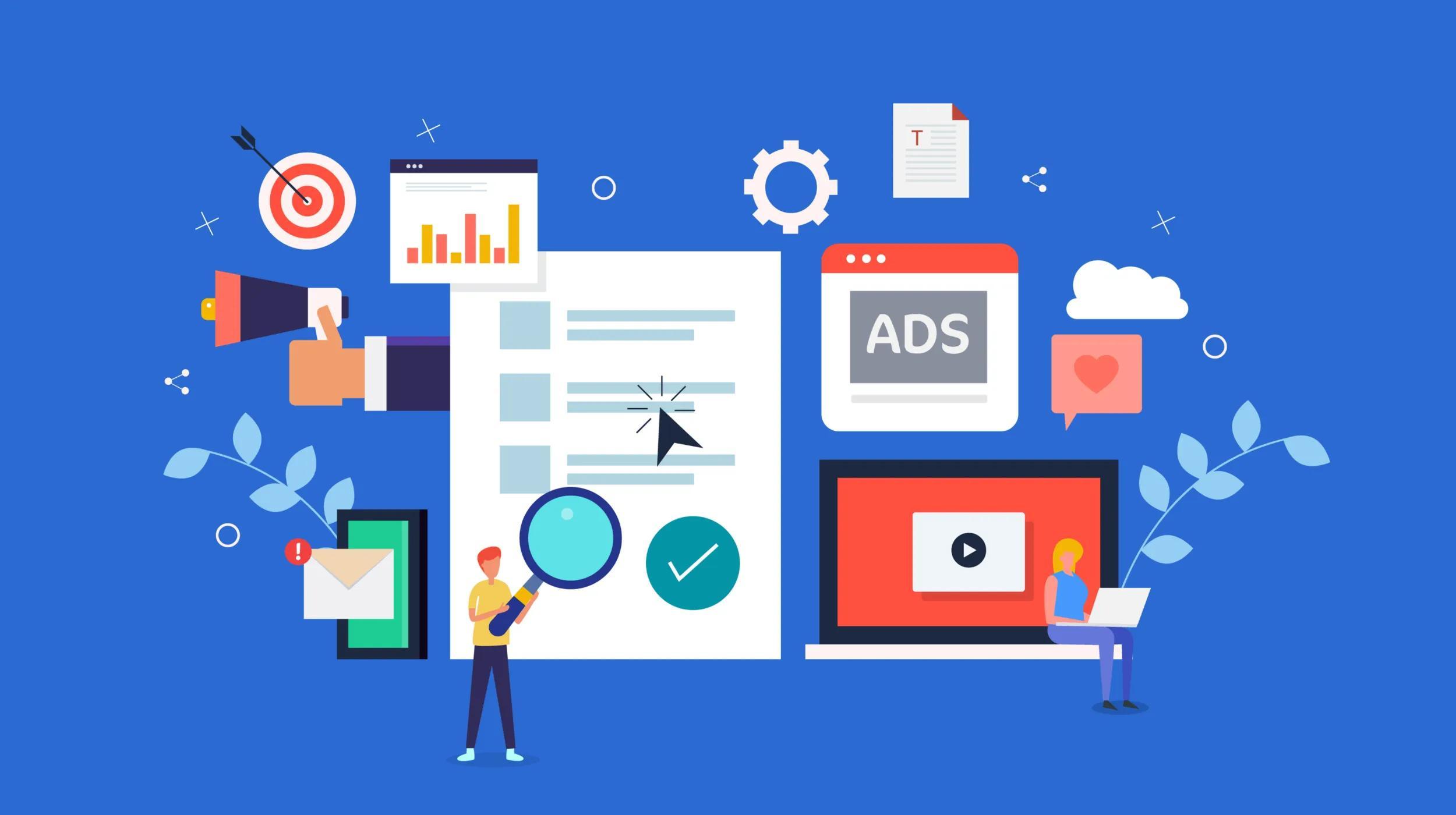
Businesses have more ways than ever to reach potential customers online. Search engine optimisation (SEO), search engine marketing (SEM) and social media marketing each help build visibility, attract audiences and support growth. They work in different ways, but combining them can create a more effective digital marketing strategy.

What is SEO?

SEO is the process of improving a website so it is more likely to appear in relevant unpaid search results. It involves understanding what people search for and making a website useful, accessible and easy for search engines to understand.

SEO commonly includes:

  • Keyword research: discovering the words and questions people use when looking for a product, service or information.
  • On-page optimisation: improving page titles, headings, content, internal links and other elements on a website.
  • Technical SEO: helping search engines access and understand a site, while supporting a fast, mobile-friendly experience.
  • Content creation: publishing relevant, original material that answers audience questions and demonstrates expertise.
  • Link building: earning links from credible websites that can help people discover your content and provide useful context about your site.

SEO is generally a long-term activity. Results can take time, but strong organic visibility may continue to bring visitors after individual campaigns have ended.

What is SEM?

SEM, or search engine marketing, refers to marketing through search engines. The term is sometimes used broadly to include both paid and organic search. In many marketing conversations, however, SEM refers specifically to paid search advertising, such as sponsored listings shown on search results pages.

Paid search campaigns can help businesses reach people who are actively searching for particular products or services. Advertisers may choose keywords, write adverts, set budgets and direct users to relevant landing pages. Depending on the platform and campaign, costs may be based on clicks or other forms of engagement.

SEM can generate visibility quickly, but it requires careful management. Campaigns should be monitored for spending, relevance and performance. Strong adverts alone are not enough: the landing page needs to deliver on the advert’s promise and make the next step clear.

What is social media marketing?

Social media marketing uses platforms such as Instagram, LinkedIn, Facebook, TikTok and YouTube to communicate with audiences. It can include organic posts, community management, influencer partnerships and paid social advertising.

Social media is useful for building awareness, sharing expertise, introducing products and maintaining relationships with customers. It can also help businesses understand what their audiences care about through comments, questions and engagement.

Unlike search advertising, social media often reaches people while they are browsing rather than actively looking for a specific solution. Content therefore needs to earn attention and suit the platform, audience and format.

Key differences between SEO, SEM and social media

  • SEO aims to improve visibility in unpaid search results over time.
  • SEM can provide paid visibility on search platforms, often reaching people with clear search intent.
  • Social media marketing builds awareness and engagement within social platforms, using both organic and paid activity.

These channels serve different purposes. SEO can support ongoing discovery, paid search can help capture immediate demand, and social media can introduce a brand to new audiences and keep it part of the conversation.

Why combine the three?

Using these channels together can make marketing more consistent and give businesses more ways to reach potential customers. For example, search data can reveal the questions people are asking. Those insights can inform website content and social posts. A successful organic page may also provide ideas for paid search adverts, while social campaigns can help promote useful content to a wider audience.

A combined approach can also help businesses learn. Paid campaigns may provide early feedback on which messages or search terms attract interest. SEO can build a longer-term presence around relevant topics, while social media can show how audiences respond to different ideas and formats.

How to build an integrated strategy

Start with clear objectives

Decide what the marketing activity needs to achieve. Objectives might include increasing qualified website visits, generating enquiries, supporting online sales or improving awareness among a particular audience. Clear goals make it easier to select channels and assess results.

Understand your audience

Identify the people you want to reach, the problems they need to solve and the language they use. Search queries, customer conversations, website analytics and social engagement can all provide useful insights.

Match content to intent

Someone searching for a specific service may be ready to compare providers, while someone browsing social media may be discovering a need for the first time. Create content that suits each stage, from helpful introductory advice to detailed service information and clear calls to action.

Make the website ready to convert

Marketing can bring people to a website, but the site needs to make it easy for them to take the next step. Ensure pages load reliably, work well on mobile devices and explain what the business offers. Calls to action should be clear, and landing pages should closely match the adverts or links that lead to them.

Measure performance and improve

Track results against your objectives rather than relying on a single metric. Depending on the campaign, useful measures may include organic search visibility, relevant website visits, advert clicks, enquiries, sales and cost per conversion. Use what you learn to refine targeting, content and budgets.

Common mistakes to avoid

  • Expecting SEO to produce immediate results.
  • Running paid search campaigns without tracking meaningful outcomes.
  • Publishing the same content across every social platform without adapting it.
  • Focusing on traffic numbers without considering relevance or conversions.
  • Making promises in adverts or posts that the landing page does not fulfil.
  • Treating SEO, SEM and social media as separate activities with no shared objectives.

Conclusion

SEO, SEM and social media marketing each offer distinct ways to connect with audiences. SEO supports organic discovery, paid search can put a business in front of people with immediate intent, and social media helps build awareness and relationships. When they share insights, messaging and objectives, these channels can contribute to a more coherent and adaptable digital marketing strategy.


Understanding SEO, SEM, and Social Media Marketing: Key FAQs for Small Businesses

  1. What is the difference between SEO, SEM and social media marketing?
  2. How do SEO, SEM and social media marketing work together?
  3. Which is better for a small business
  4. How much do SEO, SEM and social media marketing cost?
  5. How long does it take to see results from SEO, SEM and social media marketing?
  6. How can social media marketing support SEO?
  7. How do you measure the success of SEO, SEM and social media marketing?
  8. Should a business use paid search advertising as well as SEO?

What is the difference between SEO, SEM and social media marketing?

SEO (search engine optimisation) improves a website’s visibility in unpaid search results over time. SEM (search engine marketing) commonly refers to paid search advertising, which can place adverts in front of people actively searching for particular products or services. Social media marketing uses platforms such as Instagram, LinkedIn and Facebook to build awareness, share content and engage with audiences through organic posts and paid campaigns. In short, SEO attracts visitors through organic search, SEM buys visibility on search engines, and social media marketing connects with people on social platforms.

How do SEO, SEM and social media marketing work together?

SEO, SEM and social media marketing work best when they support the same goals and share insights. SEO builds long-term visibility in organic search, while SEM can deliver quicker exposure through paid search adverts. Social media helps businesses reach and engage audiences, share useful content and build brand awareness. Search trends and campaign results can guide content across all three channels, creating a consistent experience that helps attract potential customers and encourages them to take the next step.

Which is better for a small business

There’s no single best option for every small business: it depends on your goals, budget and audience. SEO can build long-term visibility in organic search, while paid search (often called SEM) may bring faster results for people actively looking for your services. Social media marketing can help you build awareness and relationships, particularly if your customers use those platforms. Start with the channel most closely aligned with your customers’ behaviour, measure the results and expand as your budget allows.

How much do SEO, SEM and social media marketing cost?

The cost of SEO, SEM and social media marketing depends on your goals, industry, competition and the amount of work involved. SEO usually requires an ongoing investment in strategy, technical improvements and content; SEM includes both the advertising budget and any campaign management fees; and social media costs can cover content creation, community management and paid promotion. A small, focused campaign may need a modest budget, while competitive markets and broader campaigns typically require more. Ask providers to explain what their fees include and how results will be measured.

How long does it take to see results from SEO, SEM and social media marketing?

The time it takes to see results varies by channel, budget, competition and the work involved. SEO is usually a longer-term investment: improvements may take several months to become noticeable, as search engines need time to discover and assess changes. SEM can generate traffic and enquiries soon after a campaign launches, although performance often improves as targeting and adverts are refined. Social media results also vary: paid campaigns may reach people quickly, while building organic engagement and a loyal audience typically takes consistent effort over time. These channels work best when progress is measured against clear goals and strategies are adjusted using performance data.

How can social media marketing support SEO?

Social media marketing can support SEO by increasing the reach of your content and helping more people discover your website. Sharing useful articles, guides and service pages may attract visits, encourage engagement and, in some cases, lead to natural links from other websites. Social activity can also help you learn which topics resonate with your audience, providing ideas for future content. Social signals such as likes and shares are not generally considered direct Google ranking factors, so social media works best as a complement to a strong SEO strategy rather than a replacement for it.

How do you measure the success of SEO, SEM and social media marketing?

The success of SEO, SEM and social media marketing is measured against clear business objectives, such as increasing qualified traffic, enquiries, sales or brand awareness. For SEO, useful measures include organic search visibility, relevant website visits and conversions; for SEM, track clicks, conversion rates, cost per acquisition and return on advertising spend; and for social media, assess reach, engagement, referral traffic and conversions. Looking at these metrics together—and reviewing them regularly—helps show which channels are contributing to your goals and where your strategy could improve.

Should a business use paid search advertising as well as SEO?

Yes, many businesses benefit from using paid search advertising alongside SEO, as the two can complement each other. Paid search can provide immediate visibility for targeted searches, while SEO builds organic presence over time. Running both can help a business reach potential customers in more places, test which keywords and messages perform well, and maintain visibility while SEO gains momentum. The right balance depends on your goals, budget and audience, so track enquiries or sales—not just clicks—to understand whether each channel is delivering value.
top rated seo companies

Top Rated SEO Companies: How to Choose the Right Agency

Top-Rated SEO Companies: How to Choose the Right Agency

Finding a top-rated SEO company can help your business improve its visibility in search results, attract relevant visitors and turn more of those visitors into customers. But “top-rated” does not mean the same thing to everyone. One business may value technical expertise, while another needs local SEO, ecommerce support or a strong content strategy.

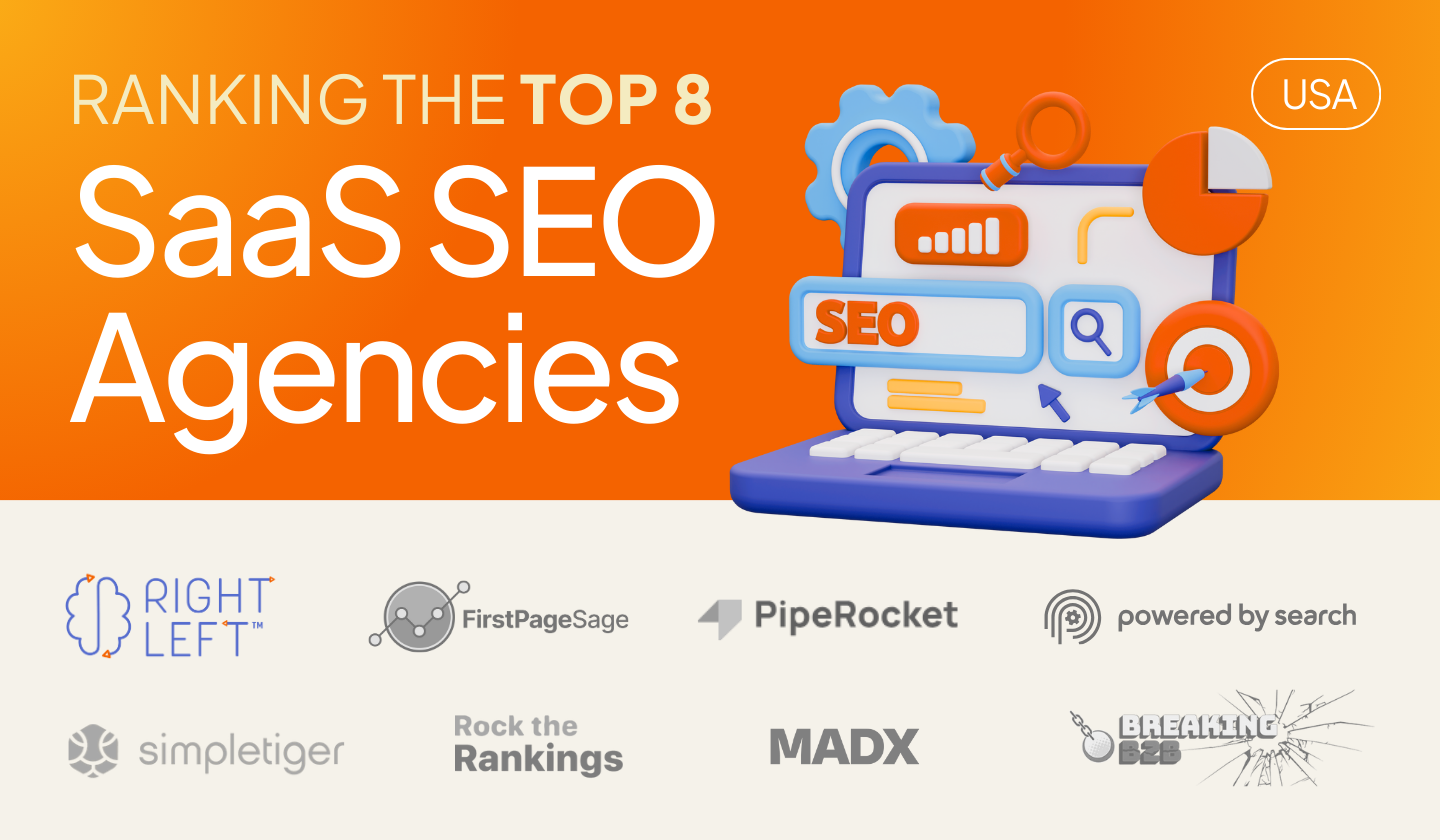
This guide explains what to look for when comparing SEO companies and offers a shortlist of UK agencies to research. It is not a definitive ranking: agency services, client reviews and performance change over time, so check current information before making a decision.

What does “top-rated” mean?

An agency’s rating may come from client reviews, industry awards, case studies or its reputation among marketing professionals. Each can be useful, but none tells the whole story. A high review score, for example, does not guarantee that an agency has experience in your sector or can meet your particular goals.

Instead of relying on a single rating, look for evidence of good working practices, relevant experience and clear results. A suitable SEO partner should be able to explain what it will do, how progress will be measured and what success could realistically look like.

UK SEO companies to research

The companies below are examples of established UK agencies with SEO services. They are presented alphabetically, not in order of quality or performance.

Click Consult

Click Consult is a UK digital marketing agency offering SEO alongside other online marketing services. When assessing the agency, ask about its experience with businesses of your size, the specialists who would work on your account and how SEO fits with any other channels you use.

Hallam

Hallam provides digital marketing services, including SEO. Businesses considering the agency can explore its approach to strategy, technical improvements and content, then compare that with their own priorities and internal resources.

Impression

Impression is a digital marketing agency with SEO among its services. If you are considering it, review relevant client examples and ask how the agency connects SEO activity to outcomes such as qualified leads, sales or revenue.

Reboot Online

Reboot Online offers SEO and digital PR services. Its work may be of interest to businesses looking to build organic visibility and earn coverage or links. Ask how campaigns are planned, assessed and aligned with your brand and risk requirements.

Rise at Seven

Rise at Seven works across search, content and digital PR. When comparing agencies with this broader focus, find out how creative campaigns support your search objectives and how results are reported beyond coverage or engagement figures.

The SEO Works

The SEO Works is a UK search marketing agency. Businesses can assess its suitability by reviewing its experience with similar websites and asking how it approaches technical SEO, content, local visibility or ecommerce, depending on their needs.

How to compare SEO agencies

Check for relevant experience

Look for experience that matches your business model, sector and website. The SEO needs of a local service provider may differ considerably from those of a large online retailer or a business operating in several countries. Ask for examples of comparable work and what the agency learned from it.

Ask how success will be measured

Rankings and website traffic can be useful indicators, but they are not business goals in themselves. Discuss the measures that matter to your organisation, such as qualified enquiries, online sales, revenue or visibility for strategically important searches. Agree how often results will be reviewed.

Understand what the service includes

SEO can involve technical audits, keyword research, content planning, on-page improvements, digital PR and reporting. Ask which activities are included in the proposed fee, who will carry them out and what support you may need to provide.

Look for clear, ethical methods

A reputable agency should explain its recommendations in plain language and avoid guarantees of specific rankings. Be cautious of promises of instant results, undisclosed link schemes or tactics that could put your website at risk. Ask how proposed work follows search engine guidelines.

Review communication and reporting

Find out who your main contact will be, how often you will meet and what the reports will contain. Good reporting should explain what has been done, what has changed, what the data means and what the next steps are.

Compare proposals carefully

The lowest-cost proposal is not always the best value, and the most expensive is not automatically the strongest. Compare the work, expertise, time commitment and expected outcomes behind each price. Make sure you understand contract terms, notice periods and any additional costs.

Questions to ask before hiring an SEO company

  • What would you prioritise on our website during the first few months, and why?
  • Who will be working on our account?
  • How will you measure progress against our business objectives?
  • Can you share examples of work for businesses with similar needs?
  • What do you need from our team to deliver the strategy?
  • How do you approach link building and digital PR?
  • What happens if results take longer than expected?

Choosing the right SEO partner

The best SEO company for your business is not necessarily the one with the most awards or the highest profile. It is the agency that understands your objectives, communicates clearly and proposes a realistic, well-explained plan. Compare several providers, check recent references and make sure you are comfortable with both the strategy and the people delivering it.

SEO is a long-term investment. A strong agency relationship should combine specialist knowledge with transparency, measurable progress and a strategy that supports the wider goals of your business.


Essential FAQs on Selecting Top-Rated SEO Companies in the UK

  1. What are the top-rated SEO companies in the UK?
  2. How do I choose the right SEO company for my business?
  3. How much does it cost to hire an SEO company in the UK?
  4. What services do top-rated SEO companies provide?
  5. How long does it take to see results from an SEO company?
  6. How can I tell whether an SEO company is reputable?

What are the top-rated SEO companies in the UK?

There is no single definitive list of the top-rated SEO companies in the UK, as ratings and suitability vary by review platform, industry and business needs. Agencies such as Hallam, Impression, Click Consult, Reboot Online, Rise at Seven and The SEO Works are among the established providers businesses may wish to compare. Before choosing, check recent independent reviews, relevant case studies, the services included and how each agency measures results.

How do I choose the right SEO company for my business?

Choose an SEO company that understands your business, audience and goals, and can show relevant experience through clear case studies or client references. Ask what work is included, who will manage your account and how success will be measured against meaningful outcomes such as qualified leads or sales—not just rankings. Look for transparent reporting, realistic expectations and ethical SEO practices, and compare proposals, fees and contract terms before deciding. The right partner should explain its recommendations clearly and tailor its approach to your needs.

How much does it cost to hire an SEO company in the UK?

The cost of hiring an SEO company in the UK varies depending on your website, goals, competition and the level of support required. As a guide, small businesses may pay a few hundred pounds a month for a focused service, while more competitive campaigns or larger websites can cost several thousand pounds monthly. Some agencies also offer one-off audits or project-based work. Ask for a clear breakdown of what is included, who will carry out the work and how results will be measured, rather than choosing on price alone.

What services do top-rated SEO companies provide?

Top-rated SEO companies typically provide a range of services to improve a website’s visibility in search results and attract relevant visitors. These may include technical SEO audits, keyword research, on-page optimisation, content strategy, local and international SEO, link building and digital PR, as well as analytics and regular reporting. The exact services vary between agencies, so it is worth checking that a provider’s expertise matches your business goals and asking how it will measure progress.

How long does it take to see results from an SEO company?

The time it takes to see results from an SEO company varies according to your website’s starting point, competition, industry and the work required. Some early improvements, such as fixing technical issues, may appear within weeks, but meaningful gains in rankings, organic traffic and enquiries often take around three to six months—and can take longer in competitive markets. SEO is an ongoing process, so a reputable company should set realistic expectations, explain what it is working on and report progress against agreed goals rather than promise instant results.

How can I tell whether an SEO company is reputable?

You can assess whether an SEO company is reputable by checking recent, independent client reviews, relevant case studies and references from businesses with similar needs. A trustworthy agency will explain its methods clearly, set realistic expectations and report on progress against agreed business goals—not promise guaranteed rankings or instant results. Ask who will work on your account, what the fee includes and how the agency follows search engine guidelines. Be cautious of vague proposals, pressure to sign quickly or secretive tactics such as undisclosed link schemes.

seo as a service

Unlocking Your Online Potential: SEO as a Service for Business Growth

SEO as a Service: Maximising Your Online Potential

SEO as a Service: Maximising Your Online Potential

In today’s digital age, having a strong online presence is crucial for any business looking to succeed. Search Engine Optimisation (SEO) plays a key role in enhancing your visibility on search engines like Google, driving organic traffic to your website, and ultimately increasing your online sales and leads.

SEO can be complex and time-consuming, requiring expertise in various areas such as keyword research, on-page optimisation, link building, and content creation. This is where SEO as a service comes in – offering businesses the opportunity to outsource their SEO needs to professionals who can help them achieve their online goals.

The Benefits of SEO as a Service

By opting for SEO as a service, businesses can benefit from:

  • Expertise: SEO service providers have the knowledge and experience to develop effective strategies tailored to your business objectives.
  • Time-saving: Outsourcing SEO allows you to focus on other aspects of your business while professionals handle your online visibility.
  • Cost-effectiveness: Investing in SEO services can deliver long-term results that far outweigh the initial cost.
  • Continuous improvement: SEO experts stay updated with the latest trends and algorithms, ensuring that your website remains competitive in the ever-evolving digital landscape.

Choosing the Right SEO Service Provider

When selecting an SEO service provider, it’s essential to consider factors such as:

  1. Experience: Look for providers with a proven track record of delivering results for clients in your industry.
  2. Transparency: Ensure that the provider offers clear reporting and communication so you can track progress effectively.
  3. Credentials: Check for certifications or affiliations with reputable organisations within the digital marketing industry.

In Conclusion

SEO as a service offers businesses the opportunity to maximise their online potential by leveraging the expertise of professionals who understand the intricacies of search engine optimisation. By investing in SEO services, businesses can enhance their online visibility, attract more organic traffic, and ultimately drive growth in their digital presence.


9 Essential SEO Service Strategies to Boost Your Online Presence and Rankings

  1. 1. Conduct keyword research to identify relevant search terms for your target audience.
  2. 2. Optimise on-page elements such as titles, meta descriptions, and headings with targeted keywords.
  3. 3. Create high-quality, engaging content that is valuable to users and incorporates relevant keywords.
  4. 4. Improve website speed and ensure mobile-friendliness for better user experience and SEO performance.
  5. 5. Build quality backlinks from reputable websites to increase your site’s authority and rankings.
  6. 6. Regularly monitor and analyse your SEO performance using tools like Google Analytics and Search Console.
  7. 7. Stay updated with the latest SEO trends and algorithm changes to adapt your strategies accordingly.
  8. 8. Utilise local SEO tactics if you have a physical presence or target a specific geographic area.
  9. 9. Consider hiring an experienced SEO service provider to help you implement effective strategies and achieve better results.

1. Conduct keyword research to identify relevant search terms for your target audience.

Conducting thorough keyword research is a fundamental step in utilising SEO as a service effectively. By identifying relevant search terms that resonate with your target audience, you can tailor your content and website optimisation strategies to align with what users are actively searching for. This approach not only enhances your visibility on search engines but also ensures that your online presence is tailored to meet the specific needs and interests of your potential customers, ultimately driving organic traffic and increasing the likelihood of conversions.

2. Optimise on-page elements such as titles, meta descriptions, and headings with targeted keywords.

To maximise the effectiveness of SEO as a service, it is essential to optimise on-page elements such as titles, meta descriptions, and headings with targeted keywords. By strategically incorporating relevant keywords into these elements, businesses can improve their website’s visibility on search engines and attract more organic traffic. This practice not only enhances the overall user experience but also signals to search engines the relevance of the content, ultimately boosting the website’s ranking in search results.

3. Create high-quality, engaging content that is valuable to users and incorporates relevant keywords.

To maximise the effectiveness of SEO as a service, it is crucial to focus on creating high-quality, engaging content that not only adds value to users but also integrates relevant keywords seamlessly. By producing content that resonates with your target audience and aligns with their search intent, you can enhance your website’s visibility on search engines and attract organic traffic. This approach not only improves your search engine rankings but also establishes your brand as a credible source of information within your industry.

4. Improve website speed and ensure mobile-friendliness for better user experience and SEO performance.

To enhance your SEO performance and provide a better user experience, it is essential to focus on improving your website speed and ensuring mobile-friendliness. A fast-loading website not only pleases search engines but also keeps visitors engaged, reducing bounce rates and increasing the likelihood of conversions. Additionally, with the increasing use of mobile devices for browsing, having a mobile-friendly website is crucial for reaching and retaining a wider audience. By prioritising these aspects of your website, you can boost both your SEO rankings and user satisfaction, ultimately driving success in the digital landscape.

Building quality backlinks from reputable websites is a fundamental aspect of SEO that can significantly enhance your site’s authority and rankings. By earning backlinks from trusted sources, you signal to search engines that your website is a valuable and reliable resource within your industry. These high-quality backlinks not only drive direct referral traffic but also improve your site’s credibility and visibility in search engine results. Investing in building a diverse portfolio of authoritative backlinks is essential for boosting your site’s SEO performance and establishing a strong online presence.

6. Regularly monitor and analyse your SEO performance using tools like Google Analytics and Search Console.

To maximise the effectiveness of SEO as a service, it is crucial to implement tip 6: regularly monitor and analyse your SEO performance using tools such as Google Analytics and Search Console. By tracking key metrics like website traffic, keyword rankings, and user engagement, businesses can gain valuable insights into the effectiveness of their SEO strategies. This data-driven approach allows for informed decision-making and enables continuous improvement to ensure that your online presence remains competitive and optimised for success in the digital landscape.

It is crucial to stay updated with the latest SEO trends and algorithm changes when utilising SEO as a service. By keeping abreast of industry developments, businesses can adapt their strategies effectively to align with search engine requirements. This proactive approach ensures that your website remains competitive in search results, driving organic traffic and enhancing your online visibility. Embracing change and implementing updated strategies based on the latest SEO trends can significantly impact the success of your digital marketing efforts.

8. Utilise local SEO tactics if you have a physical presence or target a specific geographic area.

When considering SEO as a service, it is essential to utilise local SEO tactics if your business has a physical presence or targets a specific geographic area. By implementing local SEO strategies such as optimising Google My Business listings, incorporating location-specific keywords, and obtaining local backlinks, you can enhance your visibility within your target market. This approach not only helps you attract relevant local traffic but also increases the likelihood of potential customers finding and engaging with your business, ultimately driving growth and success in your specific geographic area.

9. Consider hiring an experienced SEO service provider to help you implement effective strategies and achieve better results.

Consider hiring an experienced SEO service provider to help you implement effective strategies and achieve better results. By partnering with professionals who have the expertise and experience in search engine optimisation, you can benefit from tailored strategies that enhance your online visibility, drive organic traffic to your website, and ultimately improve your digital presence. Outsourcing your SEO needs to a reputable service provider can save you time, ensure continuous improvement based on industry best practices, and lead to long-term success in the competitive online landscape.